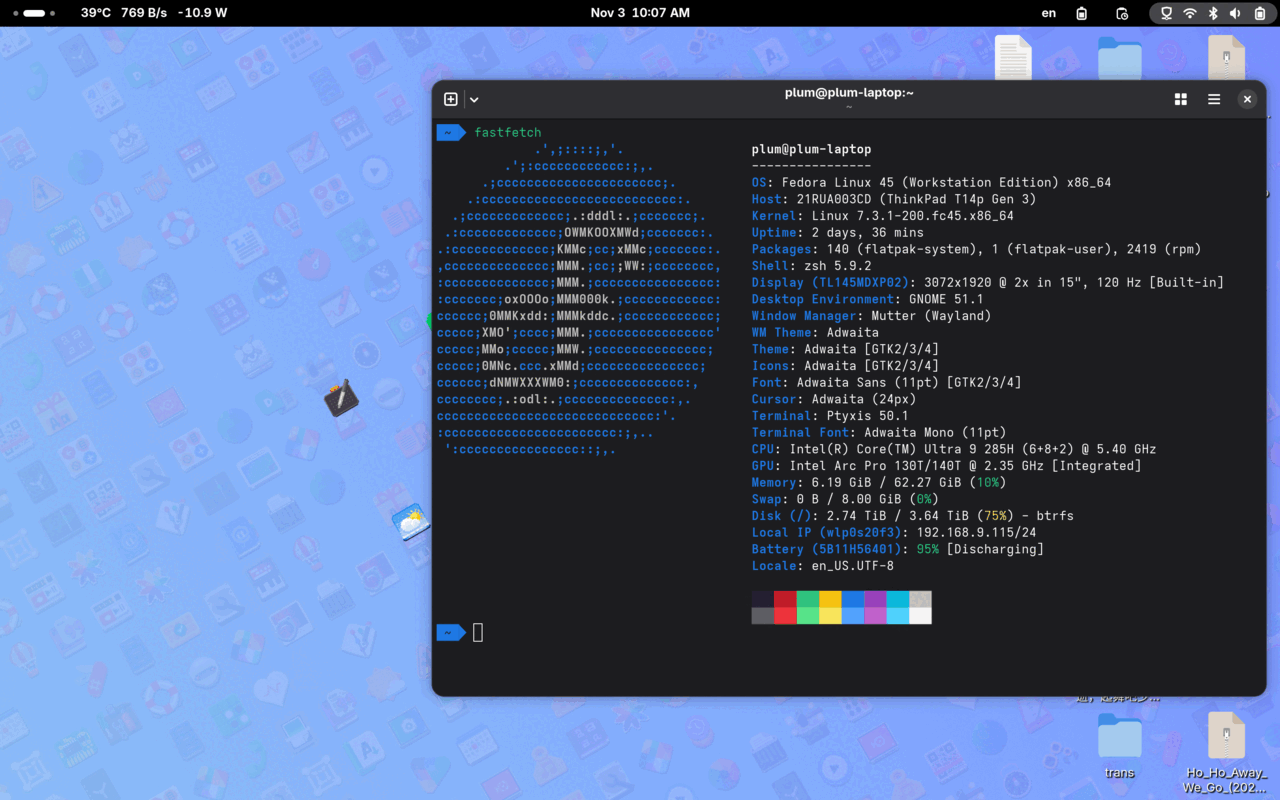
Fedora 45 Setup Guide

Fedora 45 is finally out, so it’s time for a new setup guide. And honestly, each new Fedora release with preinstalled GNOME feels more and more complete. Fewer extensions are needed afterwards, and the whole thing gets closer to being usable out of the box.

This time Fedora 45 ships with the GNOME 51 stack, which supposedly brings a big boost to smoothness and some reduction in memory usage. Definitely worth upgrading.

Of course, in GNOME 51 Fedora has completely disabled the Wayland toggle. If your GPU can only do X11, you probably won’t get hybrid graphics acceleration — time to upgrade that GPU.

Now onto the actual setup. Everything is based on “native,” “GNOME,” and “as little customization as possible.” I’ve written about the reasons before — go read it yourself.

Screenshot From 2026-11-03 10-07-12.png

Read More

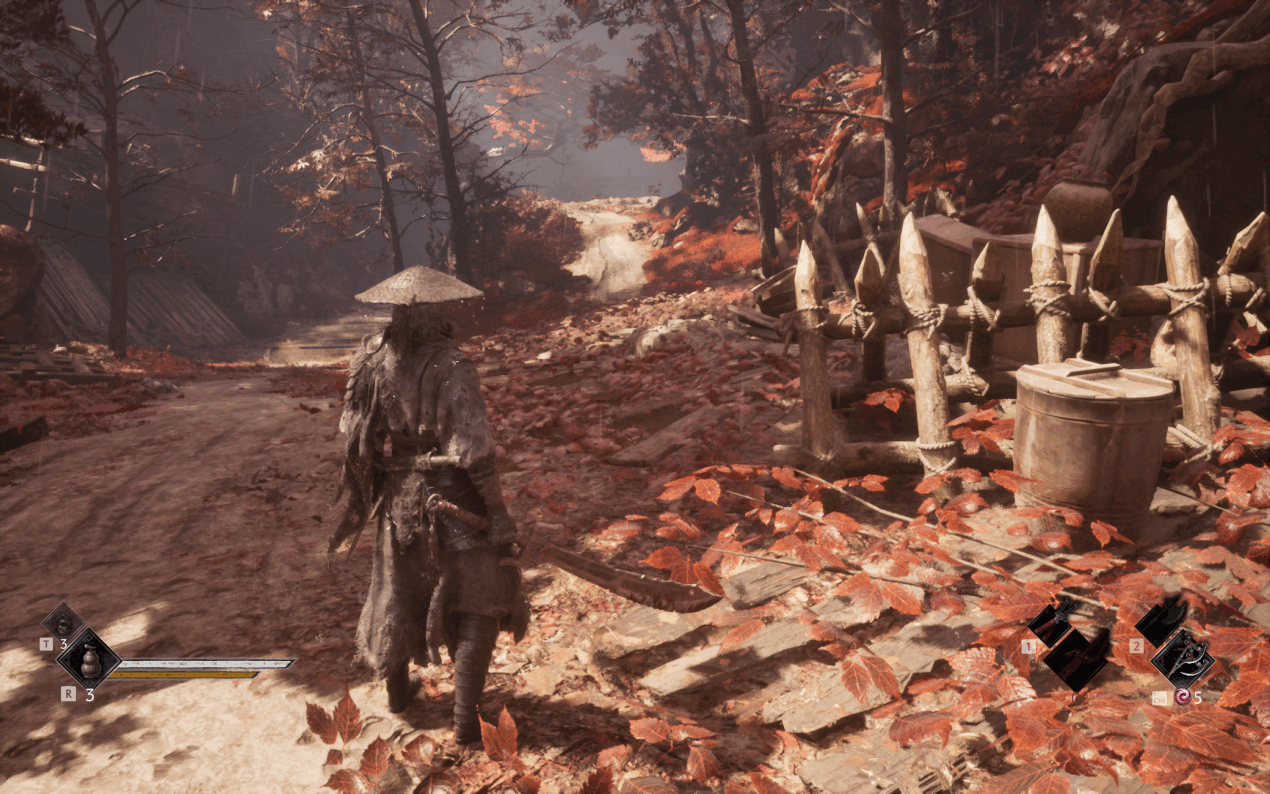
Phantom Blade Zero Device Hands-on Report

Like everyone else, I’ve been playing Phantom Blade Zero lately. Yeah, I’ve shit on its marketing plenty of times, but as an action game fan I still couldn’t resist. You could say I only dunk on it because I couldn’t play it early.

Unlike back when I played Black Myth, I’ve got a lot of hardware on hand now, across multiple OSes and build setups. So here’s a rundown of my hands-on experience.

Screenshot From 2026-10-31 23-21-33.png

Read More

Review: Feedme F9 Pro

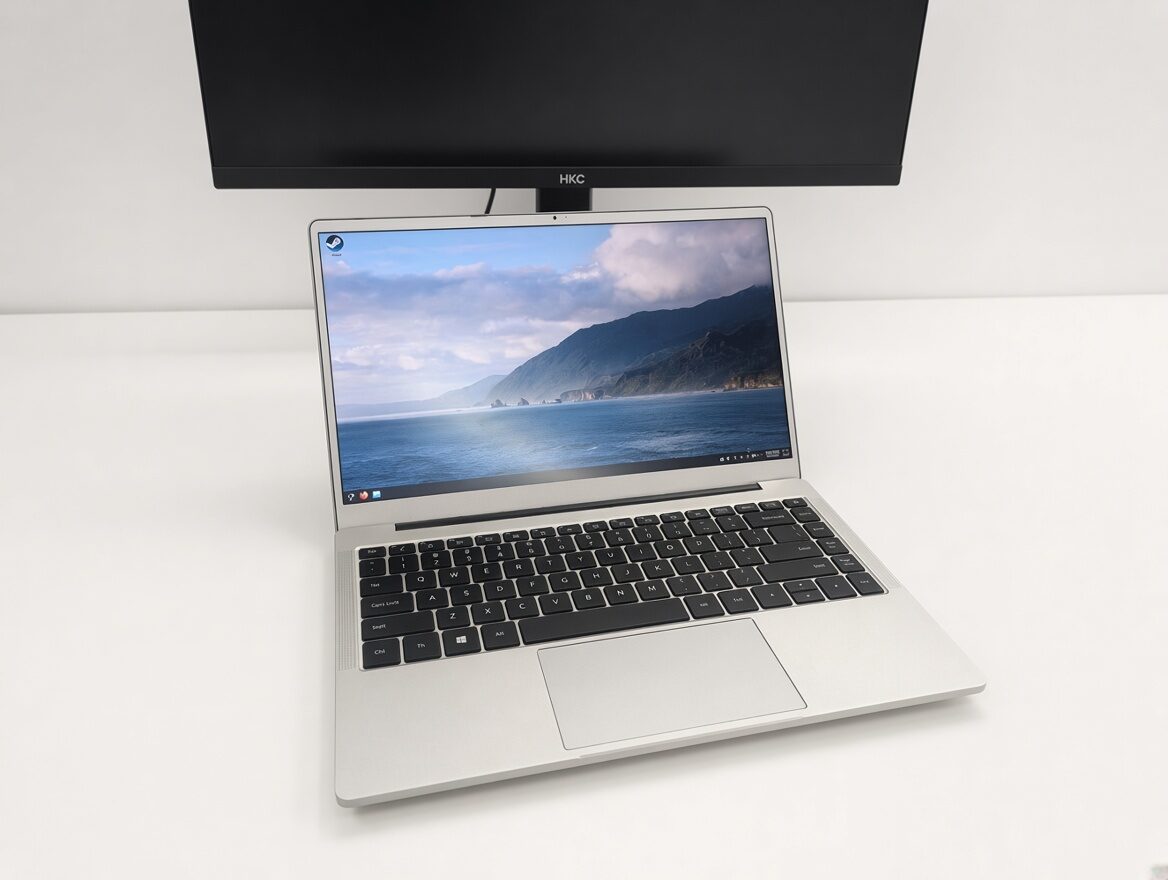
Today’s Xinchuang story is a side chapter, about a laptop with another “domestic CPU.” By pure chance I got my hands on a machine running a Zhaoxin KX-6640MA, labeled as a Feedme F9 Pro. I bought it dirt cheap, and it even came standard with 16GB of RAM. Zhaoxin’s bad reputation precedes it, but you can’t tell a horse from a donkey without racing it — I had to feel this thing out myself.

image.jpg

Read More

Advertisement

Making Things Work: The Search for a Distro

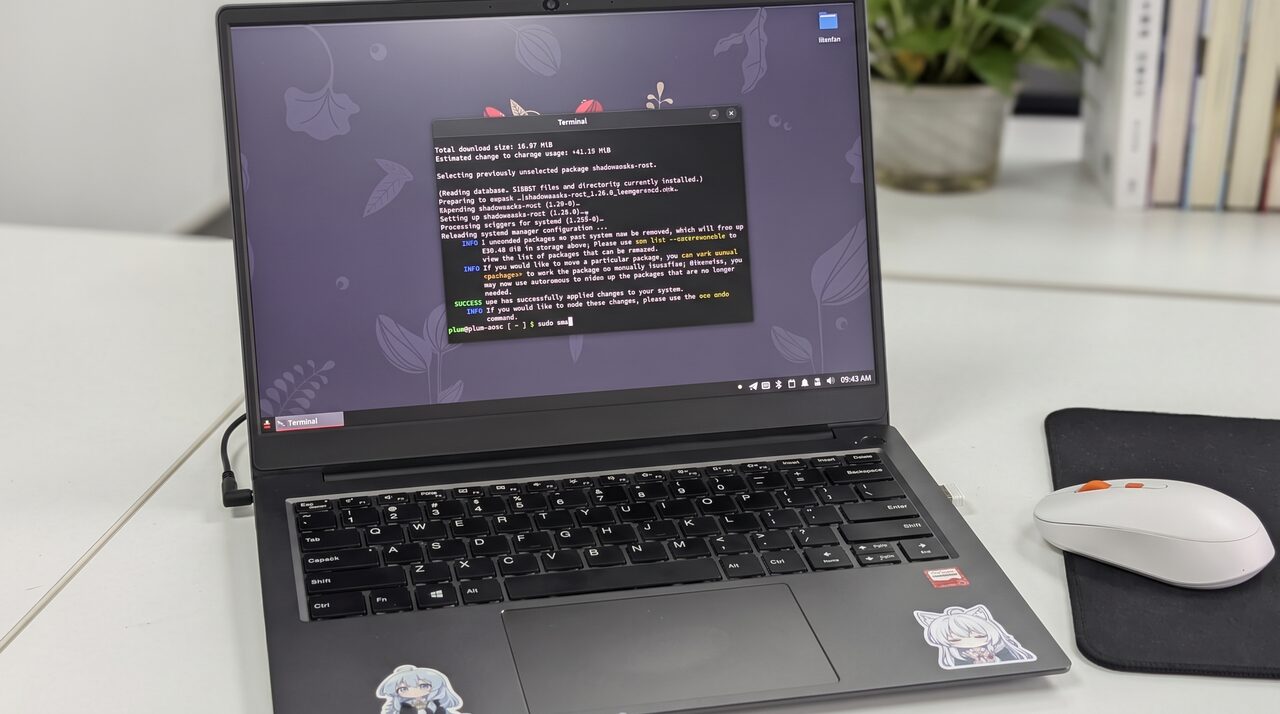
After I fixed up my Loongson 3A6000 laptop last time, I started thinking about how to actually “put the thing to use.”

Performance-wise the 3A6000 isn’t weak, at least not compared to those low-voltage netbook CPUs. It hits roughly the level of a normal all-rounder laptop. The real problem with “using it normally” isn’t the LoongArch software ecosystem — it’s that godawful GPU.

3A6000.jpg

Yeah, just like I said before: this GPU performs like it basically doesn’t exist. Even with the official New World drivers released and optimized several times over, its performance just running a desktop environment reminds me of the first time I booted Win98 as a kid — windows leave trails when you drag them, and you have to right-click → Refresh over and over.

Read More

The Weeping Swan: Ten Days of the City's Fall Review

I bought The Weeping Swan: Ten Days of the City’s Fall (哀鸿:城破十日记) pretty much on release, off the goodwill and trust earned by the developer’s previous game. For various reasons I didn’t get around to actually playing it right away.

Honestly, back when I first learned the game was going to be about the “ten days of the Yangzhou massacre,” I already expected it to catch all kinds of flak after launch. There was the Mingmo: Yu Xu Zhi Yu precedent, after all. The devs couldn’t possibly have been unaware of how players, netizens, and the general舆论 would react. And under the internet’s black-and-white pressure of “if you’re not fully against it, you’re fully for it,” I figured this game wouldn’t be some totally one-sided, extremist work either — and that it would inevitably get dragged through the mud, get its rhythm hijacked, maybe even get a few clipped phrases blown up and nailed to the pillory. All of that was plausible.

Of course, the devs — especially the producer-slash-writer — are smart enough to understand that risk. Choosing to keep making this game anyway means they’d prepared for it. Plainly: you touch this subject, you eat this traffic, you take on the huge risk.

images.steamusercontent0.jpg

And it blew up after launch, just like I thought. But the direction of the explosion wasn’t what I expected. The final conclusion was still the classic “labeling” and “wrong politics” routine, but the trigger wasn’t mainly historical sensitivity or nationalist sentiment — it was arguments about “good girls” and “bad girls,” that vaguely mala-flavored stuff. That caught me off guard, and probably caught the producer off guard too.

Read More
Impressions: Lenovo Kaitian D11

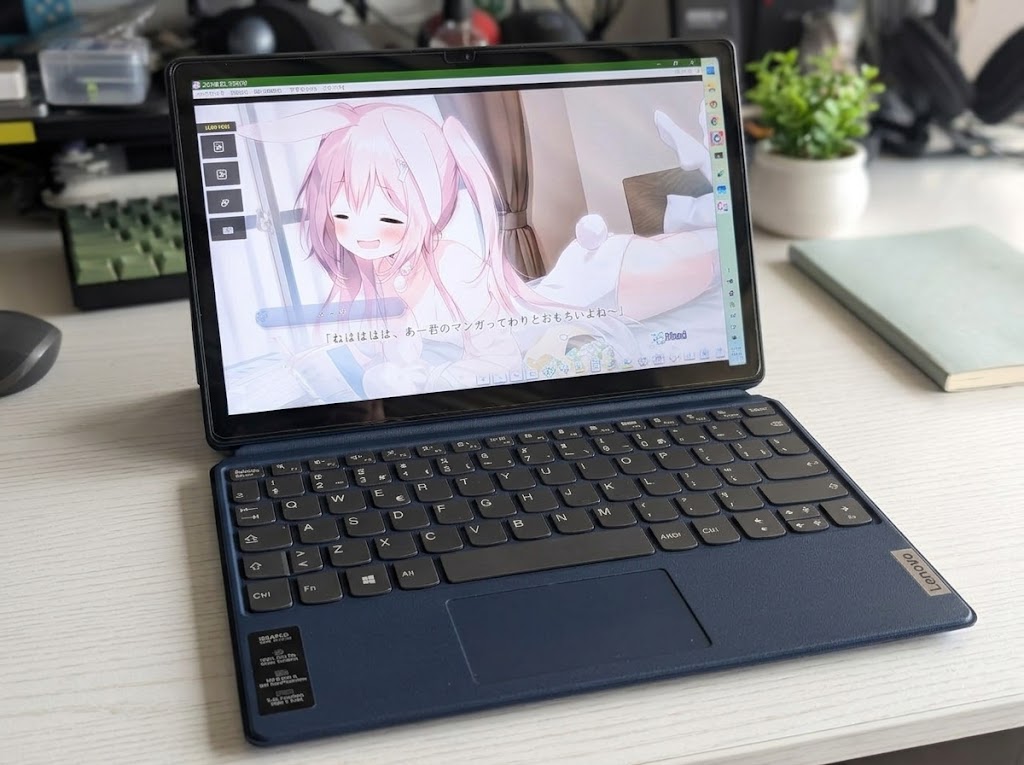
I’ve talked before about Lenovo’s “Kaitian D10” tablet, which works as a dedicated visual novel machine. It’s great value for the price and totally fine at that price point, but there were still a few things about it that bugged me.

  • Performance is too weak, it can only run Win10
  • Screen colors are good, but still not good enough
  • The Secure Boot certificate expired, so it throws an error at boot

None of these are huge problems, but they’re still a bit annoying. Then, by pure coincidence, I saw someone on eBay selling the upgraded version of this thing: the “Kaitian D11”, codename IdeaPad Duet 3 11IAN8.

3.jpg

Read More

Ousama Renai (王様恋愛) Review

There was a time when Asa Project’s nickname in the Chinese community was “the face-meme studio,” thanks to those deranged expressions their characters pull. And the shameless gag romance plots, peaking with Renai 0 Kilometer.

But Asa Project themselves don’t seem happy with that reputation. After that came Kansetsu Renai and then everything afterward slowly dialed the “face memes” down — at first every heroine had them, then just one, and by now… you basically can’t find any. Personally I think Asa Project sees itself as a pure-love studio that expresses its stories through various definitions of “love.”

Every game they pick a new flavor of “love” and put it right there in the title — indirect love, two-timing love, triangle love, love rivalry, part-time-job love, side-character love… at this point I’m convinced they write “renai” in the title first and fill in the rest later.

After over a year, Asa Project is back with a new one: Ousama Renai (王様恋愛). The official blurb says the protagonist is a rich young heir who lives like a king every day, and the hook is “love initiated by the man.” At a glance it screams “domineering CEO sweeps me off my feet.” Then I finished the game and… no, that’s not what this is at all.

Screenshot_20261004_014741.png

Read More

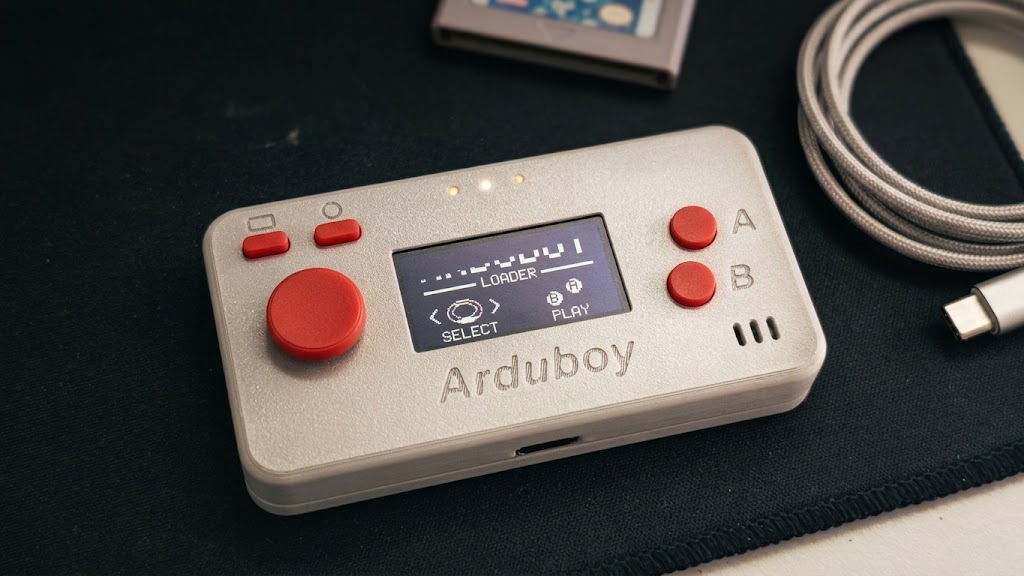
A Few Days with Arduboy

The Arduboy is an open-source, credit-card-sized handheld built on the Arduino platform. It’s all about that 8-bit era feel—roughly, you know, a step above those black-and-white LCD Tetris handhelds.

The project actually started as a way to promote Arduino, something Arduino fans cooked up themselves. It later hit Kickstarter, became a proper product, and turned into a geek toy. As more people bought it, they did a bunch of collabs and even put out an enhanced Arduboy FX with more preloaded games and USB-C link play…

It looks commercial, but the thing is fundamentally open source. You can buy an ATmega32u4 chip and, by mooching off companies like JLC, solder one together yourself. No need to buy the official version—especially since the official one has been out of stock and getting pricier lately.

12.jpg

Read More

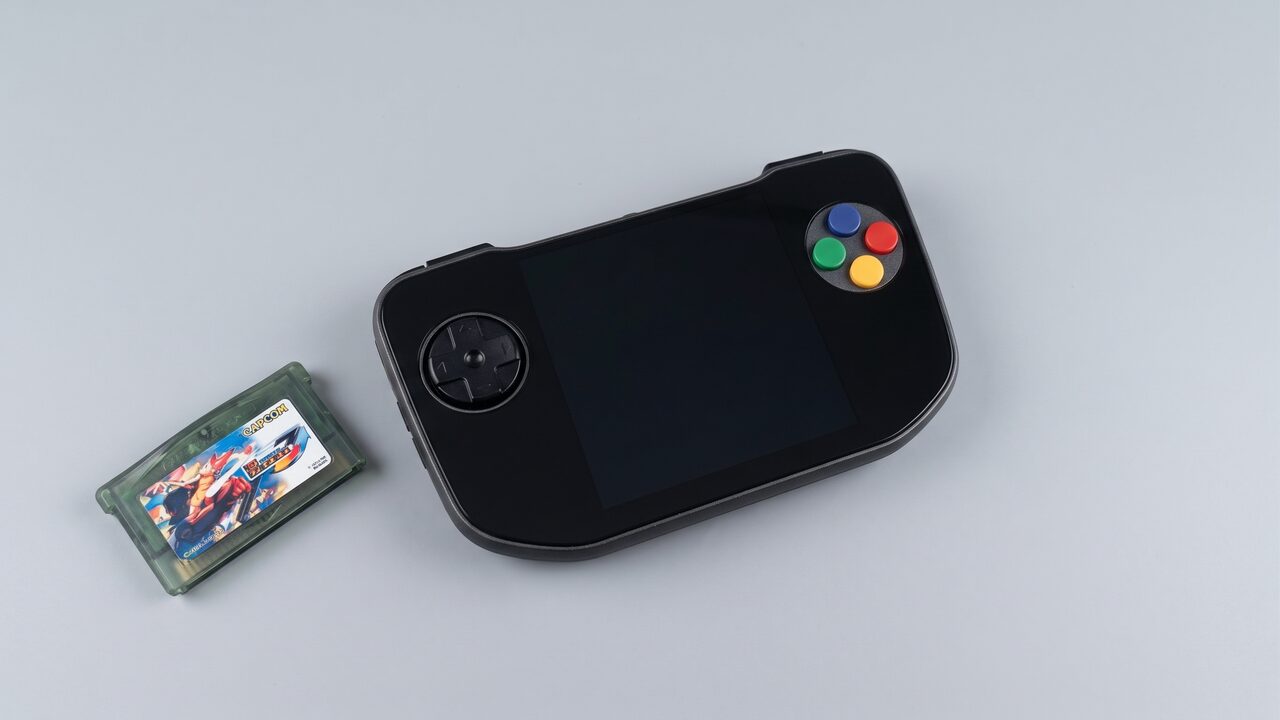
Impressions: Mante GBA Cartridge Handheld

Happy Mid-Autumn, everyone 🎑!

This time I got my hands on a rather unusual handheld. The community calls it the “underwear machine,” because the thing is shaped like a pair of briefs.

What makes it special is that it takes actual GBA game cartridges, and the design is clearly a bit of a nod to the GBA.

It’s quite cheap — under 280 yuan. I don’t know what the processor is; probably a Rockchip. The OS is a heavily customized Linux. The biggest visual highlight is the front panel: a single piece of glass, and it looks genuinely nice.

Gemini_Generated_Image_y1adecy1adecy1ad.jpg

Sadly, that’s where the good parts end.

Read More

Advertisement

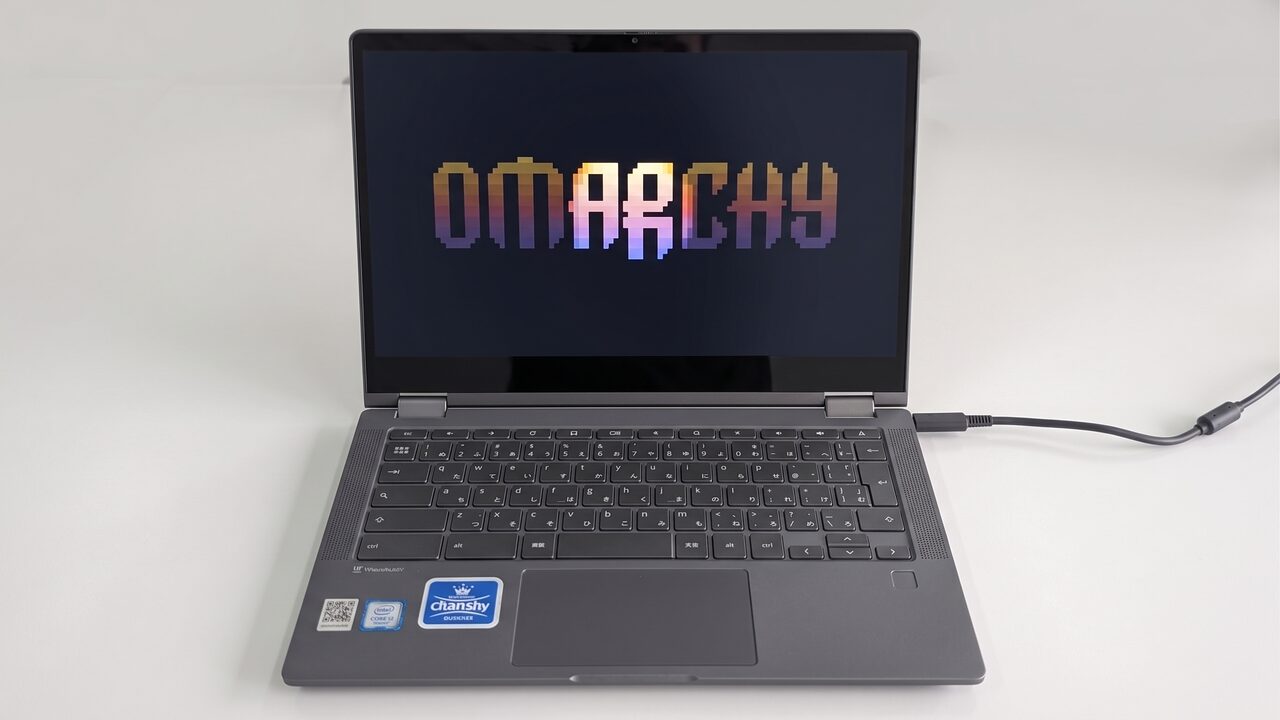
First Taste of Omarchy

The hottest Linux distro lately is obviously Omarchy, hand-built by DHH, the guy behind Ruby on Rails.

You can tell from the name: it’s an Arch Linux-based distro with that Omakase, personal-customization flavor. The author built a setup to his own taste, and you’re expected to try to understand and accept it. If it resonates with your own experience, great…

In short, this thing is “picky about people.”

And yet this picky thing is everywhere right now. Industry big shots keep hyping it up, and it’s even pulling in real donations. Some companies have stopped donating to Flathub and are giving Omarchy their support instead. Its userbase keeps growing, and everyone who’s tried it talks like they joined a cult — “Omarchy is the future, it fully replaces MacOS.” That made me more curious: what is this thing? It looks like an ordinary preconfigured tiling-desktop Arch Linux, so how is it supposedly beating Microsoft and kicking Apple?

So I grabbed an unused machine, installed Omarchy, and started a shallow trial run.

Gemini_Generated_Image_dba8zrdba8zrdba8.jpg

Read More