Sugar * Style Review
I thought about writing some clever, unconventional intro, but then I figured nobody actually reads those closely anyway, so forget it. Let’s just talk about the game.
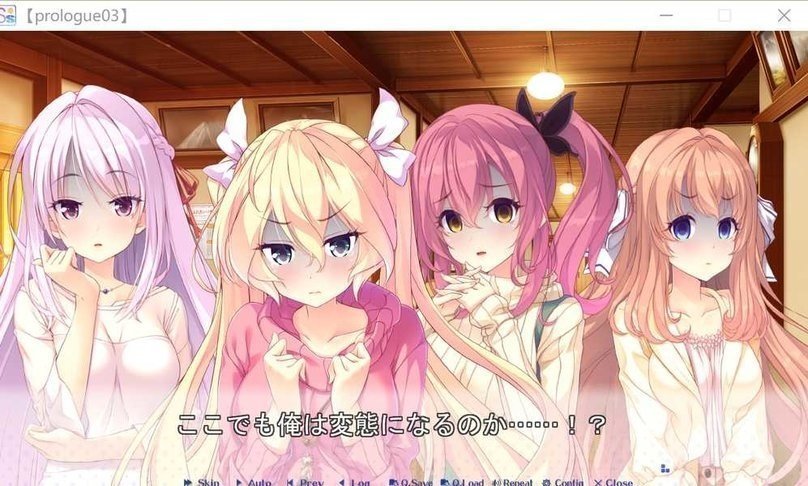
Sugar * Style is the latest release from SMEE, a subsidiary of HOOKSOFT that mostly makes visual novels with a “teach you how to love” theme.
What does “teach you how to love” mean? Put simply, most SMEE games are about the process of the protagonist and heroine meeting, getting to know each other, and falling in love, so their premises are mostly cookie-cutter: the guy shows up somewhere, meets a few girls, picks one to be his girlfriend. The upside is that the games lean hard into the “dating sim” aspect; the downside is there’s no replay value—you go through it once and you’re done.
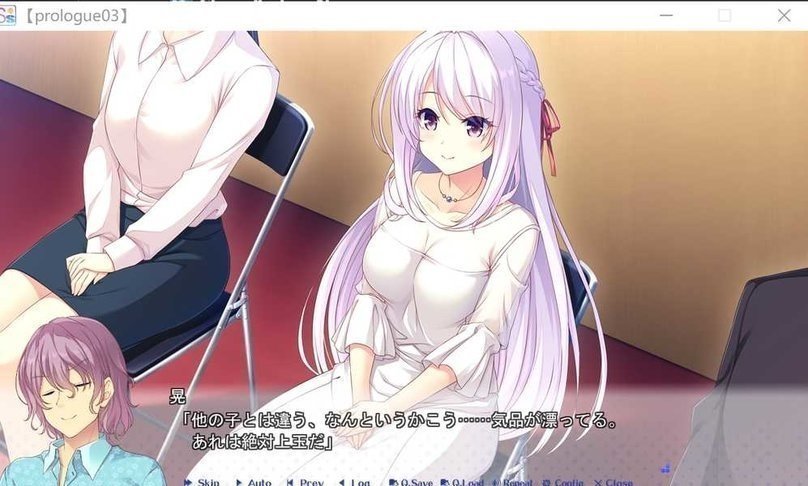
But last year’s SMEE game, Making*Lovers, was a bit of a surprise. It cut out all the old clichés right from the setup and had the protagonist start going on matchmaking dates. The game also focused more on the process of “interacting with people” rather than the traditional split between a common route and individual routes—strictly speaking, Making*Lovers only had individual routes.
So last year’s game, with its down-to-earth content and structural innovation, picked up a lot of praise. The team got a taste of success and decided to do even better on the next one.
So SMEE started doing surveys, trying to figure out why Making*Lovers was so popular and what its shortcomings were.
According to a later production interview SMEE released, it boiled down to roughly these points:
- Making*Lovers jumped straight into individual routes; people wanted to see the heroines interacting with each other.
- Making*Lovers was too grounded in adult society; people still prefer a school setting.
- The slice-of-life parts of Making*Lovers were a bit too hardcore; people wanted more cohabitation content.
SMEE, being so thoughtful, saw these suggestions and said they’d take them all on board and improve things in the next game.
So the next game, Sugar * Style, comes barreling in with SMEE’s sincerity on full display.
- The protagonist is an ordinary high schooler living away from his parents.
- The protagonist lives under the same roof as four heroines.
- There’s a common route and individual routes split between the protagonist and the four heroines.
You might think SMEE is a company that “listens to player feedback,” but looking at this new setup, something feels off to me.
Steve Jobs said: “People don’t know what they want.” Ford said: “If you asked your customers what they wanted, they’d have said a faster horse.” BadAss Bamboo said: “Otaku are all idiots.”
So why the hell would a legitimate development team go and listen to a bunch of idiots?
Making*Lovers’s selling points were clearly its relatable adult-society setting, its individual routes that felt fresh, and the separation between heroines that boosted replay value. SMEE only got that acclaim because of bold reform and innovation. So why go hunting for opinions from those idiot otaku? Why listen to what otaku have to say? Otaku have never been in a relationship in their goddamn lives—are you really going to let them dictate your depiction of romance?
And most importantly of all, if you’re going to change Making*Lovers according to that otaku wishlist, isn’t that driving history in reverse? Everything’s gone right back to the way it was!

So Sugar * Style, with SMEE flooring it in reverse, successfully pulled off a “retro” revival—and the quality didn’t improve one bit.
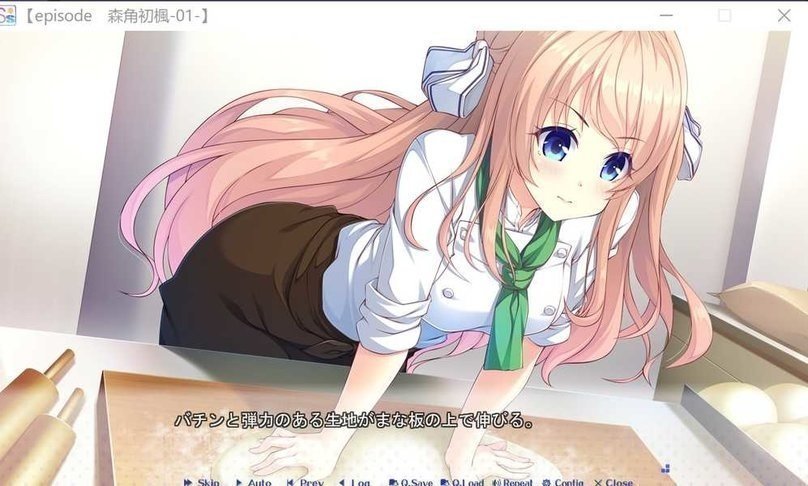
An ordinary protagonist transfers schools and ends up sharing an apartment with a bunch of female classmates. They screw around every day, he picks one girl and wins her over, and then it ends with sex.
Sure, to show off its “innovation,” Sugar * Style adds a “Duty” option where the protagonist can choose what responsibilities to take on in the shared house—laundry, cooking, security, and so on—but this is clearly innovation for innovation’s sake; it doesn’t actually change anything about the game.
Yeah, this game is no different from the assembly-line products in the history of Japanese eroge. It feels completely soulless. I can practically see the production flowchart.
Prologue -> 7 common route chapters -> 7 individual route chapters -> ending
This game goes right back to the old formula of SMEE’s game before last:
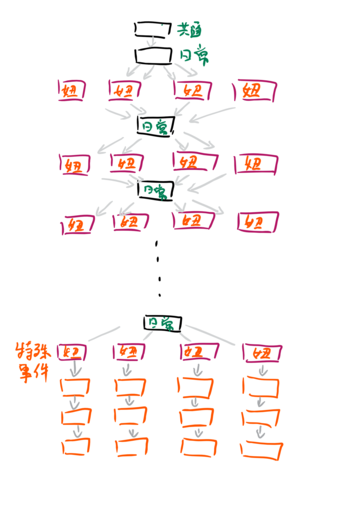
The only difference is that after each day’s slice-of-life segment, there’s a special chapter for the “Duty” the protagonist picked as a supplement—but it’s just two more gag scenes with zero connection to the main plot.
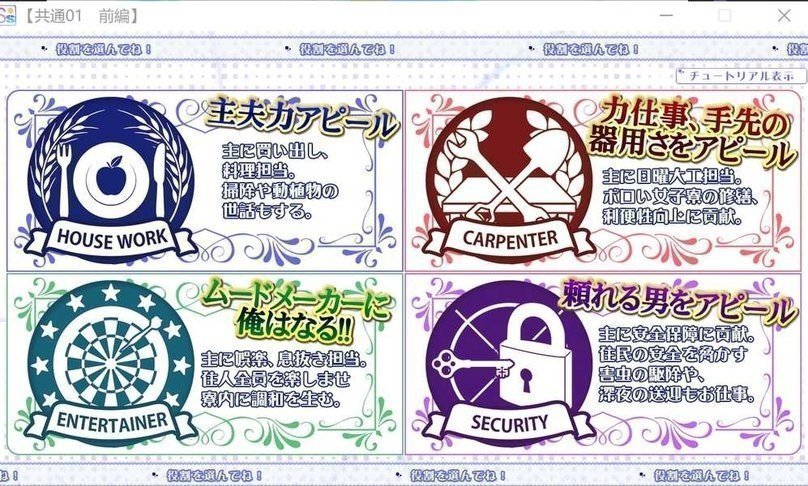
Overall, SMEE abandoned the new path it had opened up through the reforms in Making*Lovers and went crawling back to the same old wrong path as Kanojo*Step. And even on that old path, it doesn’t reach the heights of the earliest Fureraba. So before I’d even finished the game, I knew this was destined to be a mediocre SMEE release with nothing to distinguish it.
“It’s not even fit to lick Making*Lovers’s boots!”
And there’s not much to say about the story either; you can guess it all from the game description. Most of the heroines are clichéd and boring. Even reading it as a four-panel comic, I couldn’t crack a smile. The one saving grace is Fuyutsuki Kaname, the ojou-sama character who barely holds the game’s quality together. Her individual route is fairly interesting… no, actually, I think it’s her comedy routine with the protagonist that’s interesting.
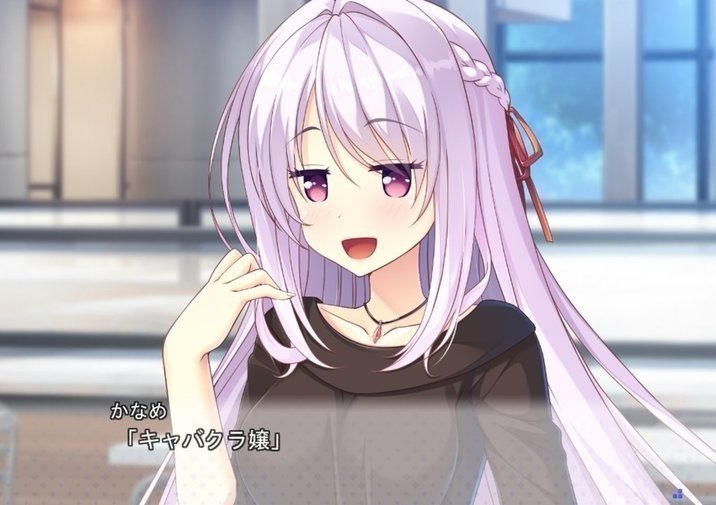
And Fuyutsuki Kaname, being a closeted otaku, also roasts a lot of otaku behavior in the dialogue—mindlessly hyping up Aldnoah Zero, poking fun at Friends, trashing setting-obsessed fans—which adds a bit of flavor to the conversations. At the same time, Kaname arguably functions as a “plot engine,” frequently dropping shocking lines, and occasionally there’s some decent staging. If you often fantasize about a foul-mouthed otaku girl who’s deep into 5ch falling in love with you, this route should suit you.
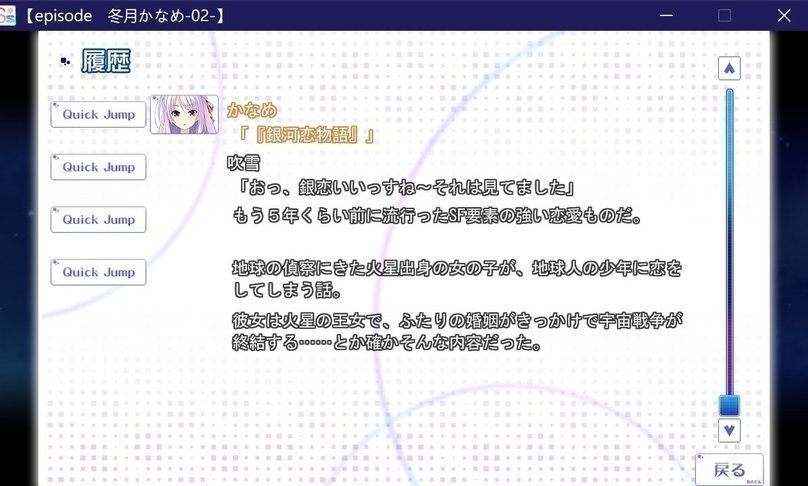
Of course, you should just read it as a four-panel comic. Once Kaname’s individual route begins, the story falls back into cliché, and the old “the ojou-sama’s hobby isn’t approved by her parents” routine is hard to swallow again.
As for the other characters’ routes, they’re all standard template characters—the kind where you can guess the story pattern just from the setup. I couldn’t work up any interest.
I’m disappointed by the major regression in SMEE’s new release. The previous game had already taken a step toward innovation—so why pull back? Was it really just to “listen to the otaku”? Or was the previous game’s excellence just a fluke, and this is SMEE’s actual level?

Whatever the reason SMEE ended up in this state, at least the SMEE of old is gone for good. And the other HOOKSOFT subsidiaries have all fallen into template hell too—both Asa Project’s and HOOKSOFT’s new releases look stuffed with formula and devoid of sincerity…
Even SMEE’s one remaining strength—“the game OP is good”—no longer holds in Sugar * Style. I don’t know who picked this game’s OP; it sounds like a funeral dirge. I can’t tell if the team was being malicious or just had their brains kicked in by a donkey to produce this thing.
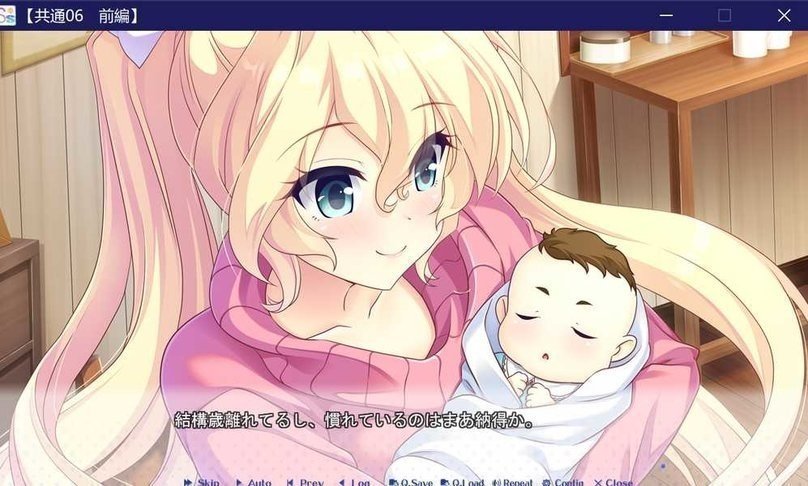
It’s hard to say whether SMEE’s new release is actually any good. I’ve praised SMEE games more than once for being able to teach otaku “how to love” from start to finish. If you look closely, even in this game the protagonist’s behavior still meets the standard of “high emotional intelligence,” and if you study it seriously, you can still get decent romantic results. That may be the last line SMEE is holding. But if you’ve played SMEE’s Fureraba and Making*Lovers and are hoping the new game will bring you more surprises, I’d suggest not bothering.
Comments are hosted on the Chinese main site. This mirror is read-only.