Yume to Iro de Dekiteiru (夢と色でできている) Review
Those Dreams You Dared to Dream
One
When I was little, I knew some friends. All kinds of friends. Since we were young, we inevitably talked about the future, and we’d talk about what kind of dreams we had.
Apart from listing various vague professions, I noticed none of us had anything particularly “positive” to say about our dreams.
How should I put it—a lot of our dreams were things like “endless money, endless snacks,” really simple, low-tier ideas, plus that kingly aura of “rule the world, rule the universe.”
One buddy of mine told me back then: my dream is to “destroy the Earth.” When I asked why, he said: “I just wanna see what happens when the Earth blows up.”
Sure, different people have different dreams, but I can confirm not one person’s dream was “to protect world peace.” Everyone wanted to be the hegemon—the one who destroys world peace.
When I grew up and saw “man’s nature is good at birth,” I always felt it was self-deception.
Two
As we age, we clearly feel more shackles on our bodies—and beyond the physical ones, even more shackles on our thoughts and hearts.
“There’s something I want to do, but a voice inside tells me I can’t, that it’s wrong!”
Maybe that’s where most people’s “morality” comes from.
A lot of people’s “kindness” is more just pity stirred up by seeing someone else’s misery. We often fantasize—when we see those who plunder others, besides condemning them, there’s maybe a tiny bit of longing and envy inside.
The so-called “seven deadly sins” is basically the same idea.
Sometimes, looking at the complicated “adult world,” we can’t help but miss the “pure, beautiful times” of childhood—but missing is missing; we can’t go back.
Three
In 2011 there was an anime called Ano Hi Mita Hana no Namae o Bokutachi wa Mada Shiranai, which stirred up a bunch of memories and fantasies about childhood in many “grown-up kids.”
Childhood feelings are all so pure—why does everything change once you grow up?
This nostalgia for the past also drove the anime’s success: nostalgia + tearjerker became the best memorial a generation had for a lost past.
At the same time, this “missing childhood” story style became a model for many creators—everyone wanted to ride the wave with similar content and grab a few tears and sales. Manga, light novels… and yes, eroge.
Four
In 2014, feng announced the title of their eighth game, Yume to Iro de Dekiteiru, presumably the newest work after that boring Chiisana Kanojo no Serenade. Just from the premise you could tell it was some kind of template: the protagonist and a group of girls founded a “Earth Defense Force” in childhood dedicated to protecting world peace, the organization dissolved as they grew up, and years later the friends reunite to restart that childhood “Earth Defense Force” and chase the shadow of the past…
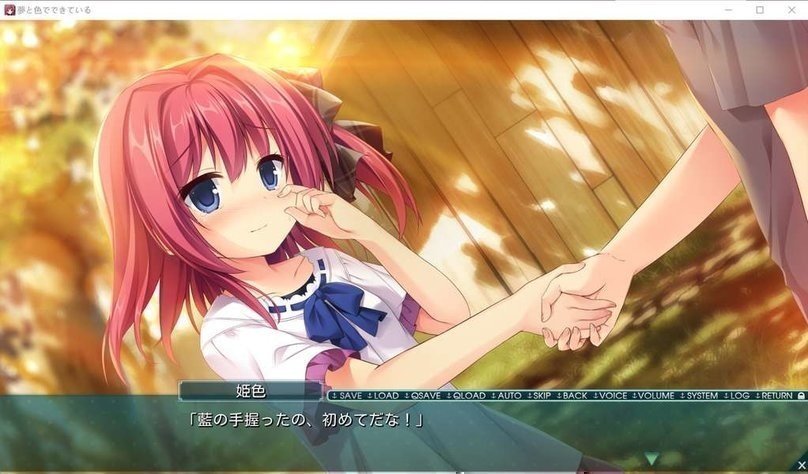
Actually, after Ano Hana got popular, similar plots were already common in eroge, and even now they keep popping up. I remember last year there was one called Natsuiro Ramune with a similar setup. But Feng putting out a game like this in 2014 was riding the wave, and the artist was Karory, who was hot at the time—even if the plot was clichéd, milking a bunch of moe pigs for cash was a sure thing.
But 2014 passed, and instead Feng released a game called Kanojo no Seiiki, a small nukige—which, by the way, became a series. That series ran for three years, and it seems that aside from players who follow Feng, even Feng itself forgot about Yume to Iro de Dekiteiru.
Five
Nearly five years later, Feng suddenly announced Yume to Iro de Dekiteiru was done, finished, going to press, about to launch, and released a trial version. Everything went so smoothly—around February 2019, the game finally came out. The speed of this whole sequence left me, still in Osaka at the time, pretty baffled. Why did a game delayed so long suddenly pass through like constipation cleared? I had too many games piled up, so I didn’t pay much attention until a few days ago, when I finally had time to start it.
Actually, before starting I was mentally prepared—for the game’s “outdated setup” and that cringeworthy-as-hell “Earth Defense Force”—but once I actually played it, I realized the game’s problems went far beyond that…
The production felt economized on every front. Aside from one exclusive BGM per character, there’s pitifully little other music. The OP and ED are half-assed too—no fancy effects or intercutting, just stiffly inserted. And although the artist Karory is famous, the game completely fails to use that huge advantage in its presentation; the biggest flaw is that all the character sprites are completely static.
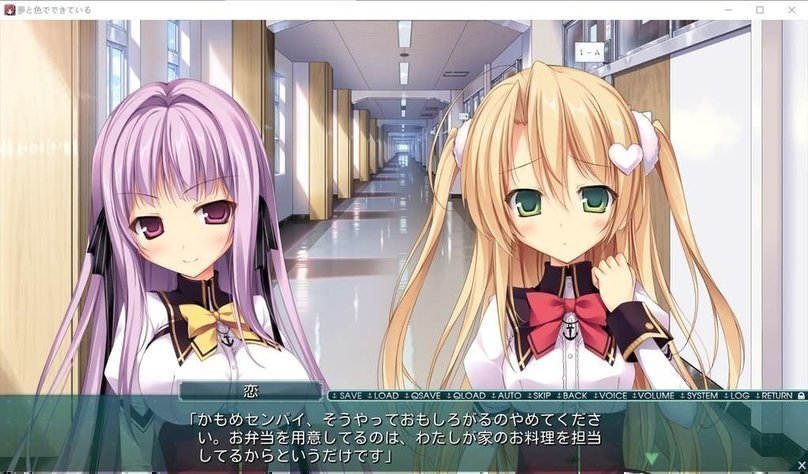
What do I mean by static? Throughout the whole game, the sprites’ positions and movements are always fixed. You won’t see characters’ sprites “move” or “sway” like in other visual novels—not even changing poses while talking. Everyone looks the same; the only thing that changes is the facial expression, and even that only shows in the eyes and mouth. Everything else is unchanging…
And the best part: the game offers 4:3 aspect ratio support, but the support is terrible, like in the image below:
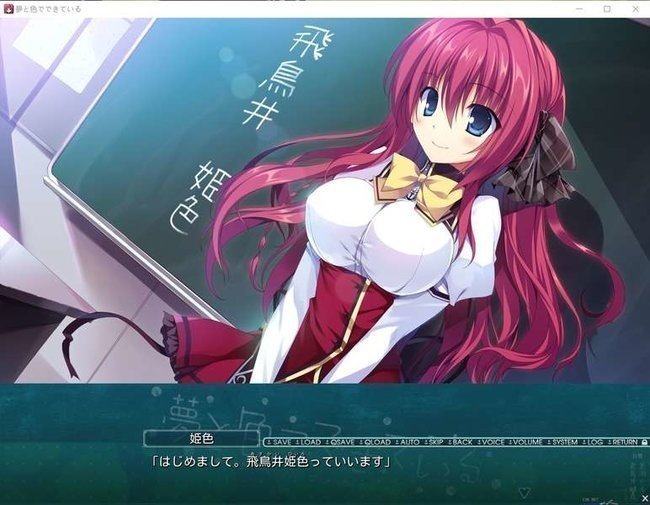
Careless BGM and OP/ED, plus completely static sprite presentation, give you a huge sense of “cheapness” while playing. For a game delayed nearly five years, if you explain the delay as “polishing,” that doesn’t hold up at all. I’m more inclined to believe the five-year delay was just because Feng had no money.
Since the game system and graphics are so crude, the only chance to win is the script…
After five years Feng still didn’t abandon this project, so the script should have some big highlight.
Six
Of course, the game slapped me in the face pretty fast.
For Yume to Iro de Dekiteiru, the script’s first impression was: clichéd + low.
Japan’s already in the Reiwa era—hard to imagine a game with dialogue this Heisei-first-year. The common route is very long, and to alleviate its boredom they stuffed in lots of jokes, but the jokes really… aren’t good. I think any otaku with even slight exposure to ACG culture wouldn’t laugh; you just sit there watching the dialogue with pure awkwardness.
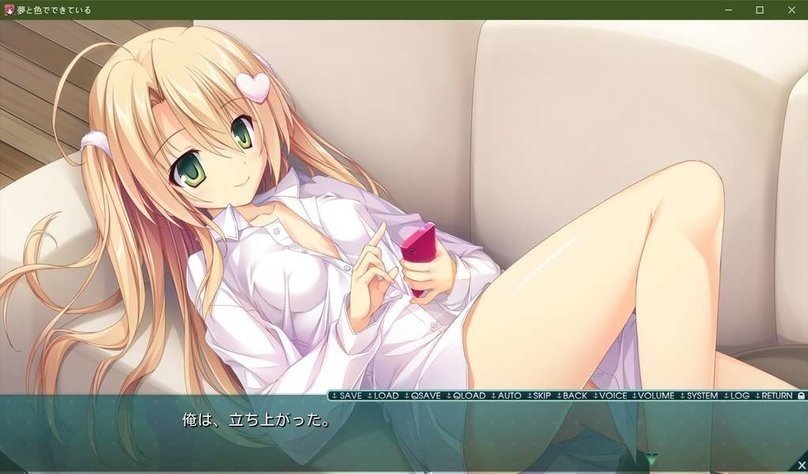
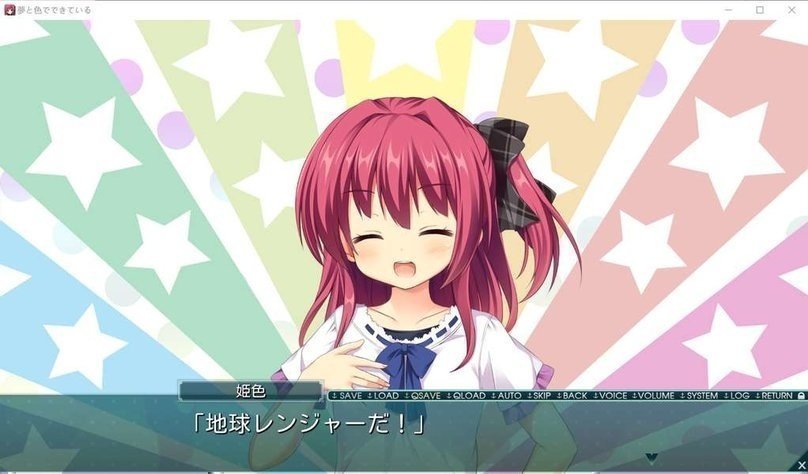
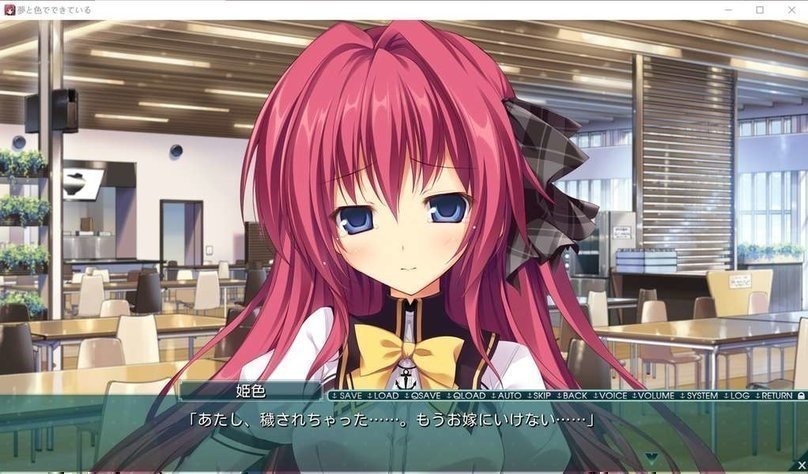
And the story development is also full of cringe. The heroine Asukai Himeiro was influenced by Japanese “superhero” TV shows from childhood and always thinks she has to be a “ally of justice” and protect world peace. At this point my feeling was:
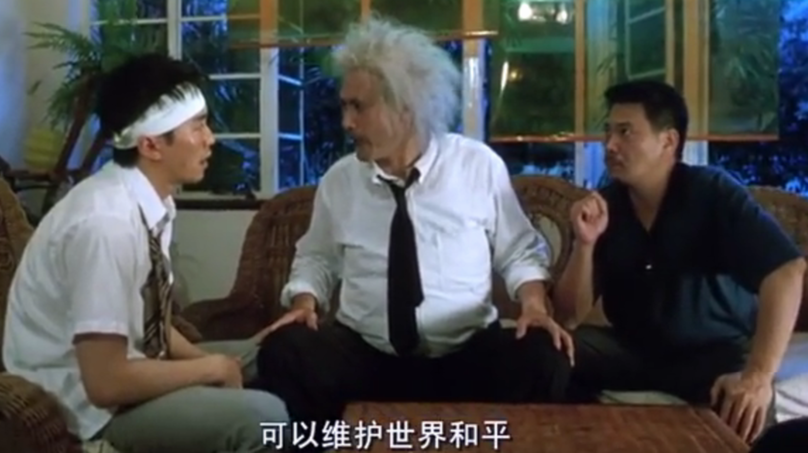
Then from the start through the first half of the common route, it’s this seemingly brain-damaged Asukai Himeiro repeatedly emphasizing she’ll protect world peace. At first I thought she was an idiot; later I thought, at least you should have a schedule—if you’re going to protect world peace, you should at least tell me what you’re supposed to do, like this:
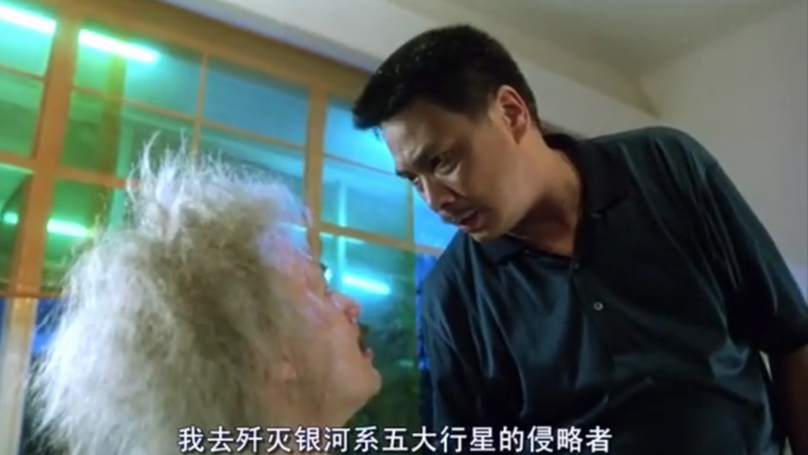
But this heroine nicknamed “Hero” knows nothing—she just mutters, “I’m gonna protect world peace, I’m gonna beat up anyone I don’t like, I’m gonna protect world peace!”
Holy shit, you’re less promising than Li Xiaoyao—he just wanted to be a great hero, and his dream was way more realistic than yours!
And most notably, Asukai Himeiro’s setup is that after founding that “Earth Defense Force” with the protagonist in childhood, she went abroad for family reasons. When she returns, she finds the “Earth Defense Force” dissolved, so she drags the protagonist into reestablishing it. Since she’s a returnee, her Japanese isn’t great either, and she seems a bit dim—maybe because she doesn’t fit Japanese culture…
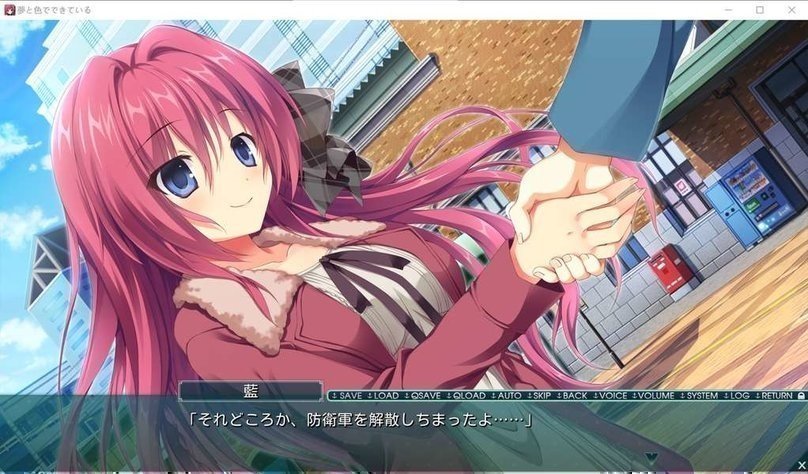
But as a returnee kid, how do you only score 39 in English? What were you doing abroad? Running to Waterloo eating hotpot every day?
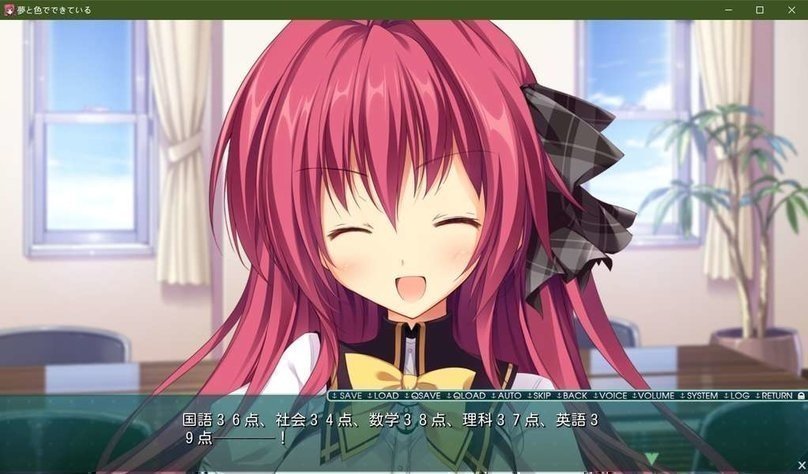
So under Asukai Himeiro’s forceful dragging, she finally gathers the old “Earth Defense Force” members, finds the childhood secret base, decides to restart the organization, and even establishes a club at school, the “Defense Club,” continuing the original mission of “protecting world peace.”
But the club’s guiding principles are basically empty promises; in the end the club can only do “life counseling” and “contracting out cleaning.” Asukai Himeiro consoles herself that this also contributes to world peace.
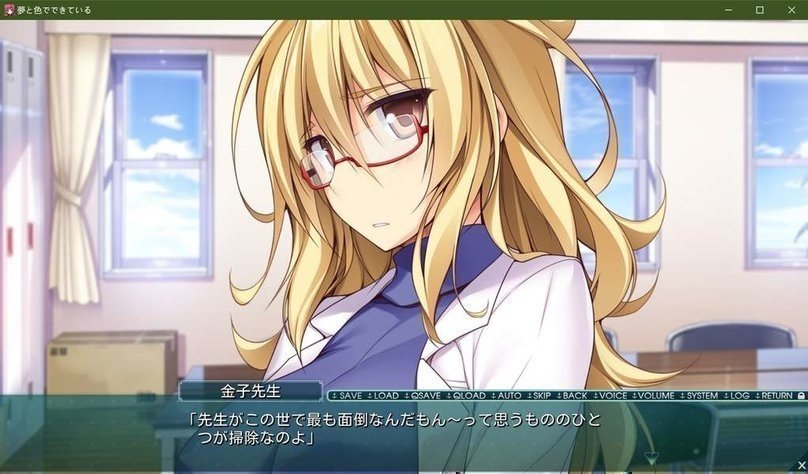
That development I kept hoping for—something like “science fiction” otaku saving the world—never appeared at all…
I felt deceived.
Seven
Still, the game’s story continues.
During club activities, a series of minor incidents occur, including paranormal phenomena on campus, and Tanabata Shiori and her dying cat and so on—which instead reveals some of the game’s worldbuilding:
- The old “Earth Defense Force” had at least 7 people (later it seems they mention more, but only five are romanceable; with the protagonist that’s six, maybe counting the background female classmates and the bro)
- Each “Earth Defense Force” member had a bell representing their own color, and these bells seem to have a big role
- One “Earth Defense Force” member, a white-haired girl named Tokino Kumo, is also a shrine maiden and seems able to wield divine power
- The “Earth Defense Force” started with many people, but later most transferred or left; those remaining were the protagonist, his sister Otohara Ren, the shrine maiden Tokino Kumo, and Kuroha Kamome. Later something happened that caused the “Earth Defense Force” to dissolve
- And the sister Otohara Ren seems to have no memory of ever being in the “Earth Defense Force” or receiving a bell
Of course, all the above might relate to the game’s main plot, but none of it has anything to do with the main heroine’s “Earth Defense Force” and “protecting world peace”! Specifically, at the end of the common route, Asukai Himeiro realizes everyone has grown up, that the old “Earth Defense Force” she founded can never return, and she lets go of her obsession, accepting that the “Earth Defense Force” is dead. She hopes she can just keep messing around with everyone in the “club”—protecting world peace is impossible; at least she can protect campus peace or something.
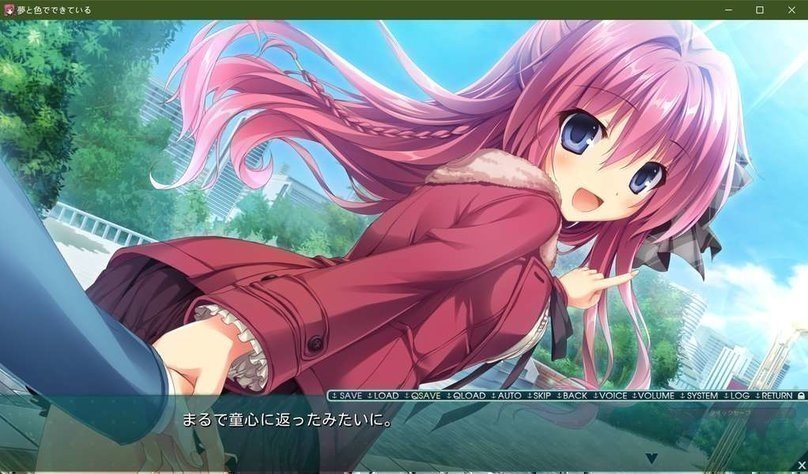
After the common route, you enter individual routes, and the game has route locks: after completing Asukai Himeiro, Kuroha Kamome, Tanabata Shiori, and Tokino Kumo’s routes, you unlock the final route—the sister Otohara Ren’s route. Also, the white-haired shrine maiden Tokino Kumo’s route can’t be accessed on the first playthrough; you have to do any one route first before you can pursue the shrine maiden.
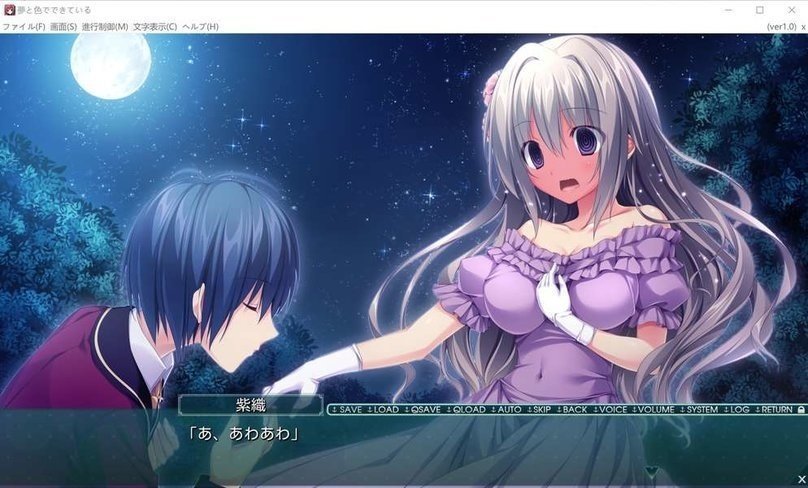
These route locks feel weird to me, because by every measure the true heroine is the redhead Asukai Himeiro—the game’s intro and promo all talk about “protecting world peace,” all promote her chuuni ideals. So why is the final route the sister’s? And why does the white-haired shrine maiden need another mini route lock?
Also, this “sister character” looks completely bland in the common route, just like the “filler sister romance option” in any generic game—no distinguishing features at all.
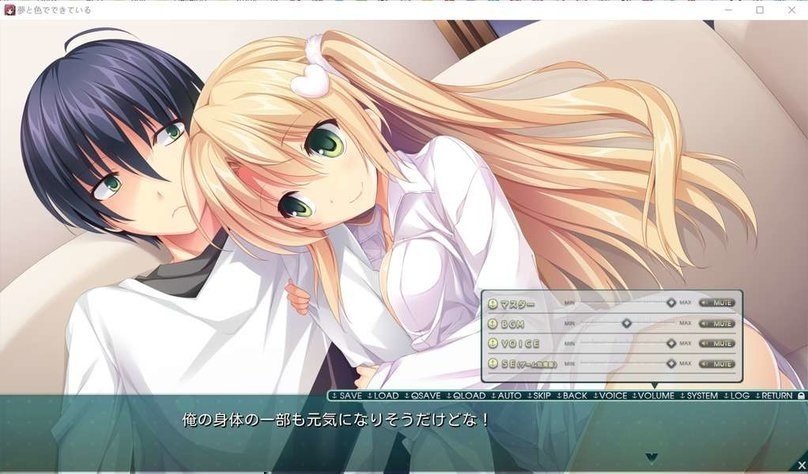
Too weird…
Maybe it was this curiosity that got me through the game’s utterly boring individual routes.
The regular individual routes are exactly the套路 a “standard romance game” should have. Asukai Himeiro’s is just about her saying she’s not mature enough and how to become a true “hero”; Kuroha Kamome’s route is about her always liking the protagonist but not saying it because she’s a tsundere; Tanabata Shiori’s route is about her seeing off her beloved cat and learning to grow independent… As for Tokino Kumo’s route, it’s very strange. Besides explaining she has shrine-maiden-like superpowers, at the end it reveals the old “Earth Defense Force” secret base on the mountain was demolished, and that another “girl” was hurt by this.
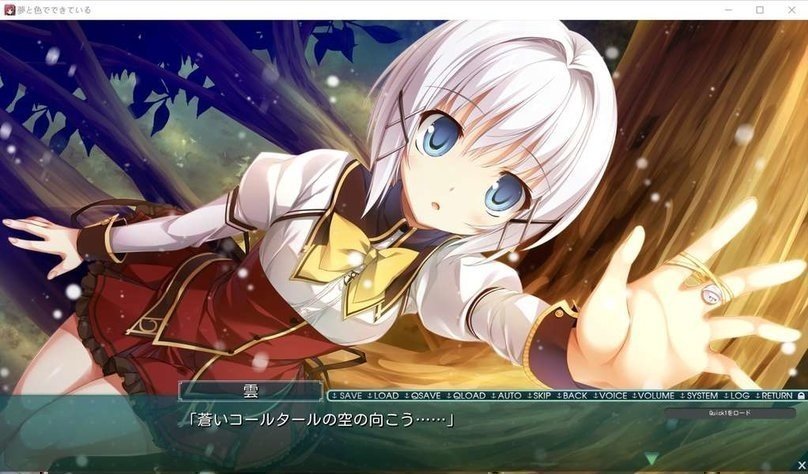
Completing one character’s route collects one colored bell, and when only the last bell remains, that means the final character is about to appear.
So who’s this “other girl” mentioned earlier? She’s the sister in the final True End: Otohara Ren.
Eight
Otohara Ren’s route requires completing everyone else’s routes, and you have to start from the beginning, picking all the previously hidden choices. The game kindly sets it so “once others are done, if affection is equal, the Otohara Ren route is prioritized,” but you still have to restart from scratch. I say this because the common route is just too long…
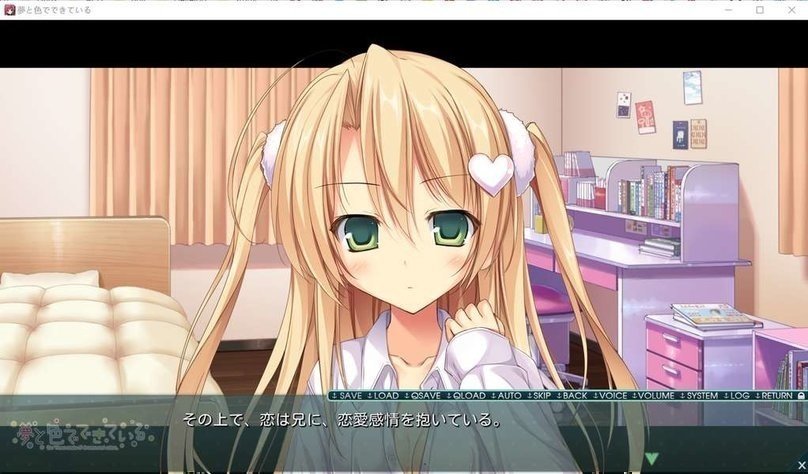
And the game only has “jump to previous choice,” not “jump to next choice.” You can only slowly skip, and skipping is super slow. There are many choices, and you can’t leave it skipping while you go take a shit—you have to keep watching. Too painful.
Entering Otohara Ren’s route works like the others; after the common route ends, you can trigger the sister’s event. At first it’s nothing special—no different from any siscon game. Only later does the sister inexplicably recall a red moon, and she discovers that the other “Earth Defense Force” members each have a colored bell, while she has no concept of the bell at all…
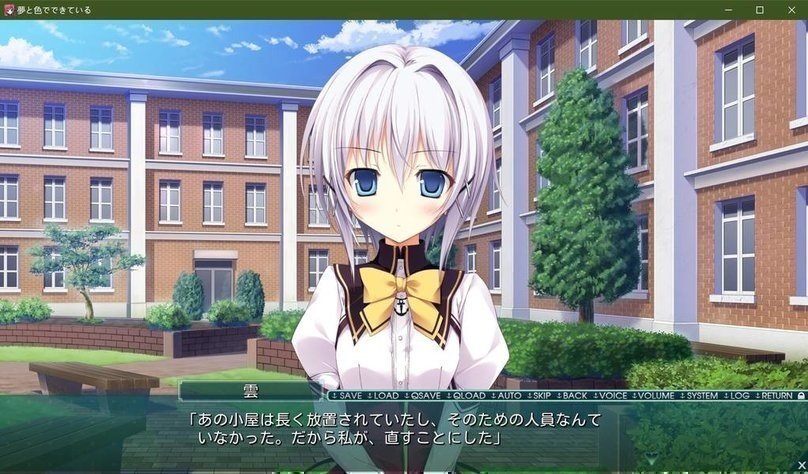
So this “red moon” becomes the game’s biggest mystery, but the game just holds it back, refusing to tell you, and instead goes into the normal rhythm of “confession,” “falling in love,” “sex,” until the very end, when the mystery is finally solved.
The incident that happened years ago at the “Earth Defense Force” secret base is also what caused the childhood “Earth Defense Force” to dissolve.
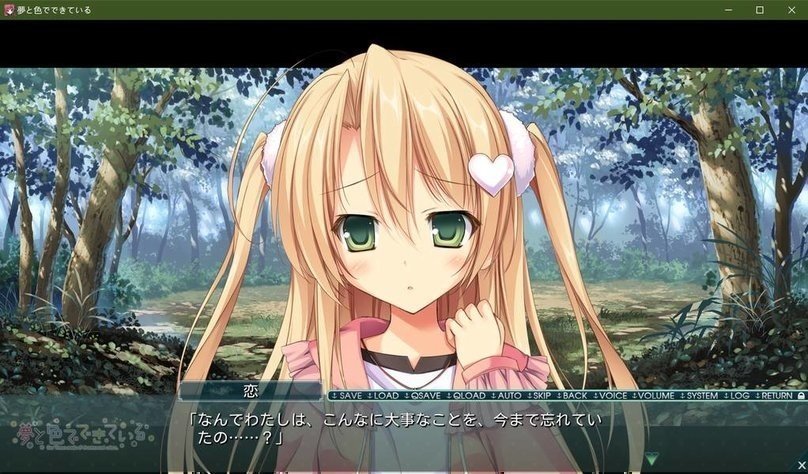
The original “Earth Defense Force” had many people, but as the friends grew up, they left one by one, until only the protagonist, his sister Otohara Ren, the shrine maiden Tokino Kumo, and Kuroha Kamome remained. One rainy, thundering night, the group was still at the secret base on the mountain. The protagonist felt the rickety little hut wouldn’t hold and would surely be blown down, so he told his sister to leave quickly. She didn’t want to, and they argued. The sister thought her brother didn’t like her anymore, ran out of the hut on her own, got lost, ended up at a cliff, and fell.
The protagonist, who had chased after her, grabbed her just in time (please don’t ask why the protagonist can teleport—I don’t know either; maybe he’s more OP than Zhu Bajie). But he wasn’t strong enough, and in the end they both fell off the cliff, landing in a waterfall and a small river. Miraculously, neither died, only lightly injured—but the sister was so frightened it caused amnesia, and she forgot this whole episode.
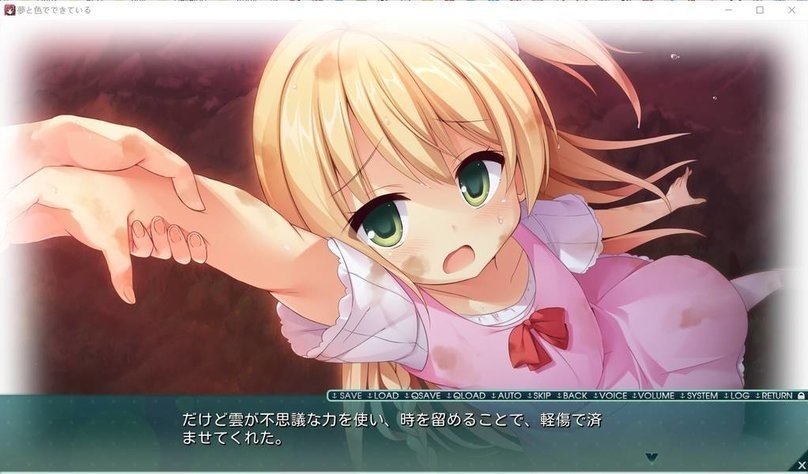
Later, this incident blew up, making people realize that little hut on the mountain was completely unsafe, so the “Earth Defense Force” secret base was abandoned, and the so-called “Earth Defense Force” disbanded. (Not like there were many people left anyway.)
Reading this, you might understand the whole timeline. Let’s sort it out:
- Asukai Himeiro gathered her friends, founded the “Earth Defense Force,” and built a secret base on the mountain
- Later Asukai Himeiro transferred away for family reasons, other friends left for various reasons, leaving the protagonist, his sister Otohara Ren, the shrine maiden Tokino Kumo, and Kuroha Kamome—but the secret base wasn’t abandoned, and the so-called “Earth Defense Force” continued
- The sister Otohara Ren’s cliff-jumping incident happened, the secret base was exposed and forcibly abandoned, and the “Earth Defense Force” disbanded
- After growing up, Asukai Himeiro transfers back, hears the “Earth Defense Force” is gone, is unhappy, and wants to restart it—which is the story at the very beginning
- Eventually Asukai Himeiro realizes everyone has grown up and can’t go back, so she lets it go and stops obsessing
By now the game’s timeline is basically clear, but there’s still one puzzle: why were the sister and protagonist only lightly injured after falling off a cliff? Unscientific! (Of course, this game has plenty of unscientific stuff.)
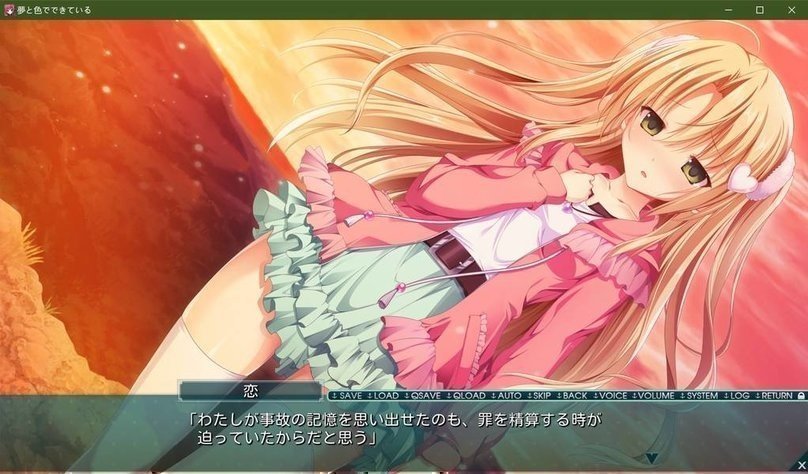
Actually, the superpowered shrine maiden Tokino Kumo used the bells and the connections and beliefs between people across time to pray for divine protection, and it worked. The protagonist was supposed to die protecting his sister, but in reality some life and time were bought.
But miracles come at a cost, and the price of the protagonist surviving is that he’ll die in the future. So the sister realizes the price is due, and while everything is unclear, she runs off to jump off the cliff… believing that if she dies, her brother will live.
Holy shit! I checked and nobody said the protagonist would definitely die from the price! It was just a hypothesis, right? Or did I miss something while sleepy?
Whatever. Anyway, in the end the protagonist grabs the sister’s hand again as she jumps, all the “Earth Defense Force” members arrive and pull her up together, and everyone lives happily…
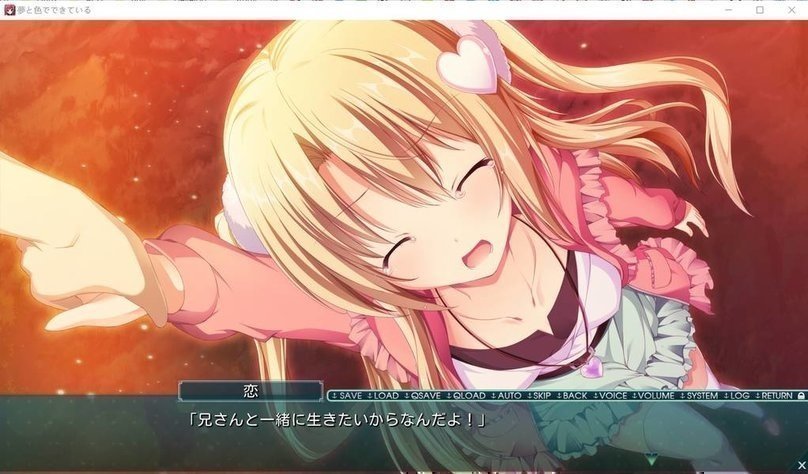
And the game’s over!
Wait, that’s it?
Nine
I looked it up and sure enough, the game just ends like that…
This game left me with very complicated feelings. First, the main story is actually okay—it’s about the sibling bond and the friends’ ties, and the sibling bond should be the final main line since it’s the True End. It also links all the items in the game and finally gives the story some closure.
But this script’s pacing is just terrible.
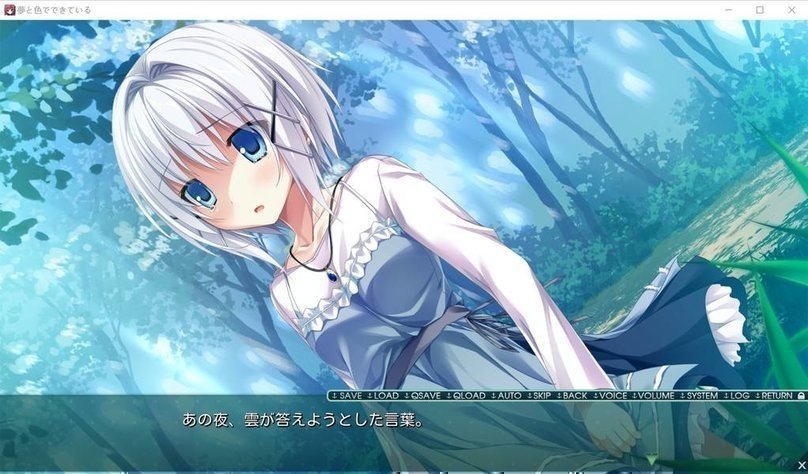
Remember the main content at the start? Yeah, the redhead and her idiotic Earth Defense Force protecting world peace! Everyone’s watching her, and she acts like a retard in the game, completely unable to hold attention. Who watches a retard with great interest? Only a retard would. As for the game’s biggest foreshadowing, the sister, she has zero presence early on—looks like just a “randomly designed sister-type character for random fanservice.” Who’d know she had a story? And only at the very end of the shrine maiden route is there a bit about the sister, but because the earlier parts are so disconnected from the sister’s content, the shrine maiden’s final hint barely makes you think of the sister. That’s a textbook failure!
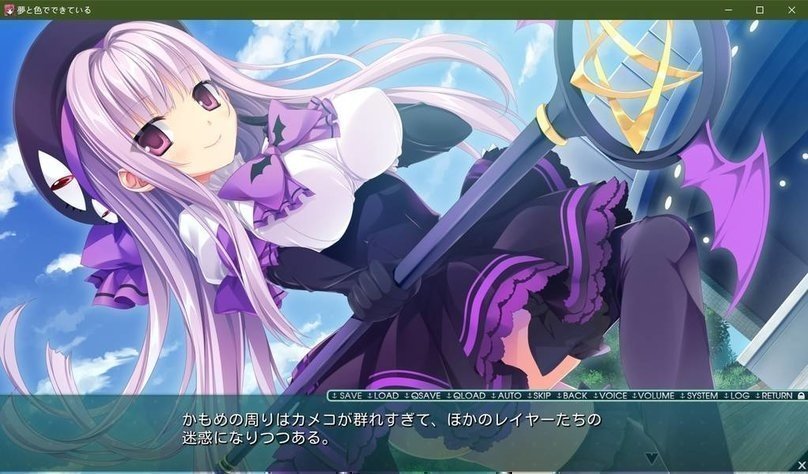
This game isn’t unsalvageable. My suggestion: first replace that idiotic “Defense Club” organization, delete content unrelated to the sister’s past memories, emphasize the shrine maiden’s powers and add more of the sister’s emotional instability to make her psychological trauma feel more pitiful—then your route lock and True End would have impact.
The current structure is just baffling… Who the hell would know from the game intro that this is a siscon game? Who the hell would play the common route, watch that idiotic redhead, and think the sister is “so lovable”? If you can’t copy anything else, copy Yosuga no Sora at least. Especially the latter half of the True End—maybe the script saw the ending coming and the progress bar running out, so it hurriedly made the sister jump off a cliff to kill herself. That “fate arrives” feeling should be about facing it together—who actively goes to die? And the game never tells you “if the sister dies, the brother will live,” right?
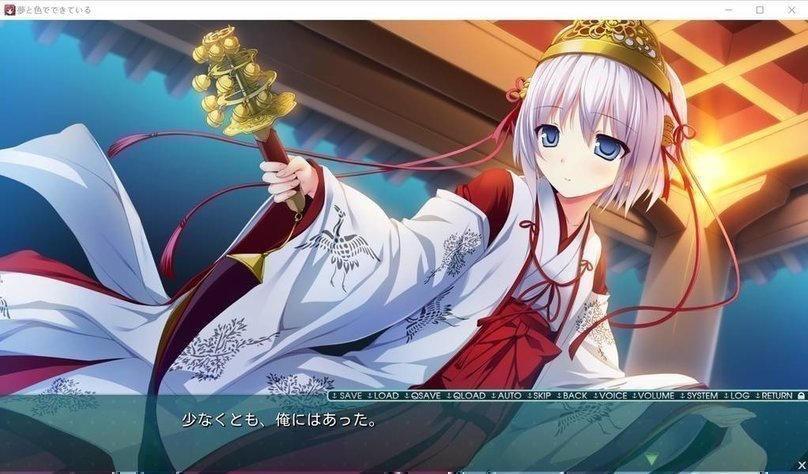
Combined with the game’s cost-saving presentation, aside from a few standalone CGs, the rest looks as cheap as can be. I can’t imagine a game delayed five years having this quality… Feng is at least a big company… at least the game went to Kobe for location scouting, can’t you be more serious?
Wait… Feng isn’t really a big company, is it?
Ten
The first Feng game I played was actually Hashikko no Sora—I felt it was okay, better than this Yume to Iro de Dekiteiru, but when I recall that game now, I find the two seem… not that different.
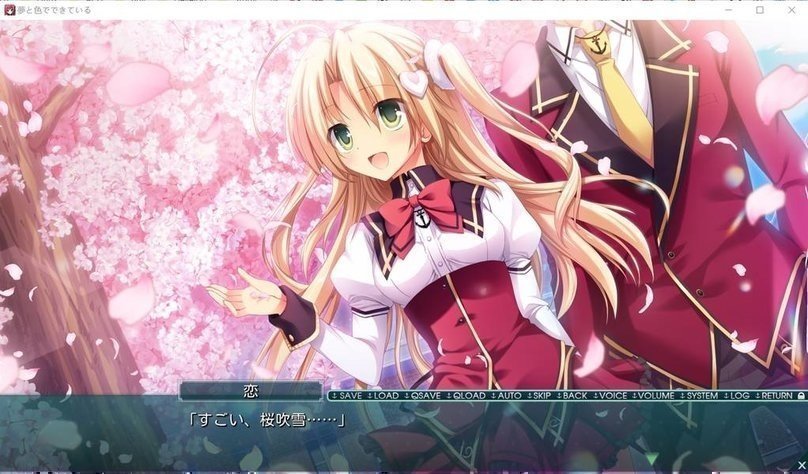
I remember Hashikko no Sora’s heroine was also an idiot… and her idiocy surpassed this game’s redhead. The pacing was messy too, and it used animation but had no planning—episode whatever, whatever. The BGM was monotonous, and the presentation—aside from Shimizu Ai’s voice using stereo, really nothing stood out… The white-haired route had a breakup, the green-haired one looked okay but only a passing grade…
Ah, thinking about it fills me with complaints. Why did I think that game was “pretty good” back then?
Why?
I thought about it for a whole day, and finally came to an answer:
We played fewer games back then, so anything we picked up seemed great.
Some people say we all view the past through rose-tinted glasses. Looking back, I figure this is one of those cases.
Eleven
After playing this game, I got to thinking—what it’s saying is actually pretty true. When we were kids, we’d always run around with all sorts of people, cook up some “seriously childish” ideas, and form some “seriously childish” organizations. And those organizations would all fade away as we got older. Years later, we rarely reunite over those simple childhood notions. Even if we do meet, we’re basically strangers.
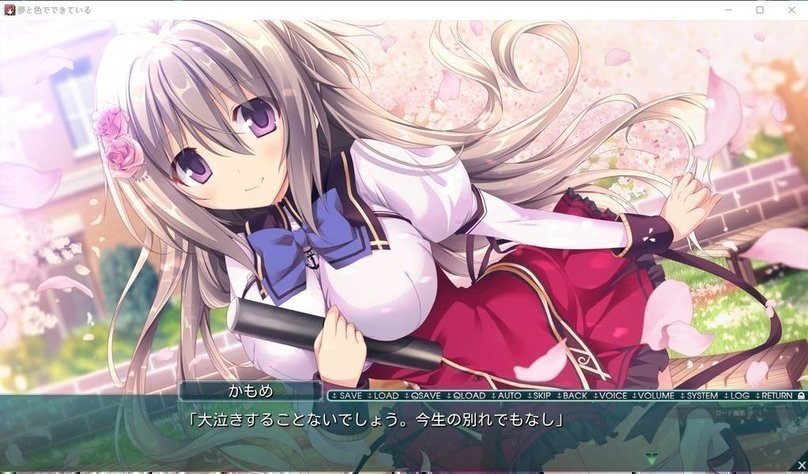
Sometimes games that “reminisce about childhood” move us, but more often than not it’s just us looking at the past through those rose-tinted glasses.
Remembering the good old days is also a way of showing dissatisfaction with our boring adult lives. From our mature perspective now, those “childish dreams” from the past were actually full of imagination and courage—and we’ve completely lost that ability to think outside the box.
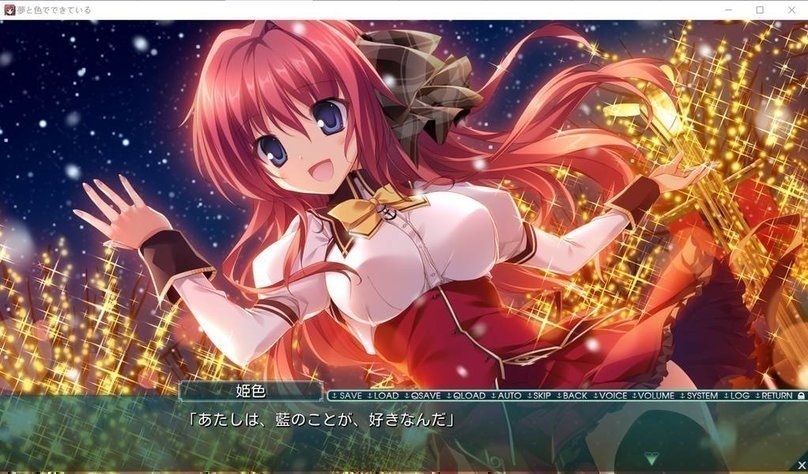
All those adventurous dreams you had? They all amounted to nothing in the end.
So, should you play Yume to Iro de Dekiteiru? Of course you can, but I need to give you one piece of advice, quoted from some guy on ErogameScape:
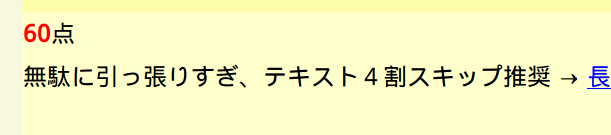
Have fun with the game, and I hope you find that feeling of adventure from your old dreams.
Comments are hosted on the Chinese main site. This mirror is read-only.