Renai, Karichaimashita (恋愛、借りちゃいました) Review
Rental Love
A few years back, Asa Project’s games seemed to have lost their way. Their stuff used to be all about the laughs, and nearly every release had that one character with the insane facial expressions. Then something changed—no idea what they were smoking—and the games started getting more restrained, pivoting to all these “searching for pure love” themes, like the earlier 三角恋爱 and 寄宿恋爱. But no matter how they went about it, those games just felt off to me. It’s like some guy who’s normally a total goofball, never serious for a second, suddenly sits you down and gets all earnest—what even is that? Some kind of advanced dark comedy?
And the two Asa Project games before this weren’t all that great either. They just threw out a premise — either a love triangle or a cohabitation setup — with nothing really noteworthy underneath. Take away that half-baked premise and I don’t think it’d change much. On top of that, the “face-meme king” that used to be the main selling point has had its presence steadily erased, and it hurts to watch a label that once had real character turn more and more into “just another face in the crowd.”
And it doesn’t stop there. Asa Project’s game titles have gotten lazier and lazier too — they just slap an adjective in front of “koi” and call it a day. What kind of idiot work puts “this one’s a love triangle” and “this one’s a boarding-school romance” right in the title? Even White Album didn’t pull that. Did you guys just give up on naming things?
And then 2019 rolls around and the title gets even more blatant: “恋愛、借りちゃいました.” Just look at it. Does that read like a proper “title” to you? It’s a whole sentence, and it’s got this painfully awkward punctuation mark stuffed in the middle. What the hell! Have you ever seen a work named something like I, Ate My Fill, You, Farted, or She, Crossdressed?
This is one of the few games where the title alone was enough to make me not want to play it. But because I was bored out of my mind, I figured I’d give it a look anyway — and it turned out… this game is actually surprisingly good?!
You could say that. Title aside from being dumb as hell, this game at least has clawed back a good chunk of the level of Renai 0 Kilometer. We’re happy Asa Project finally figured out what kind of “reinvention” it actually wanted.
The game is called Renai, Karichaimashita (恋愛、借りちゃいました), which literally means “love, lent out.” yeah, the title makes no damn sense, but the game itself actually does have something to do with that phrase.
游戏的主角是个学生,兼职打零工,为了赚钱什么活都接。
At school, the protagonist keeps his hair long, letting his bangs hide his face and deliberately fading into the background of the class. Once he’s at work, though, he tidies his hair up and turns into a sharp, good-looking guy — so much so that even his classmates would have a hard time noticing he has a job on the side.
And the most important point: the protagonist is hot. Hot. HOT. (emphasis)
Handsome guys get to do whatever they want — which is why the protagonist is somehow still working a very particular job: “rental boyfriend.”
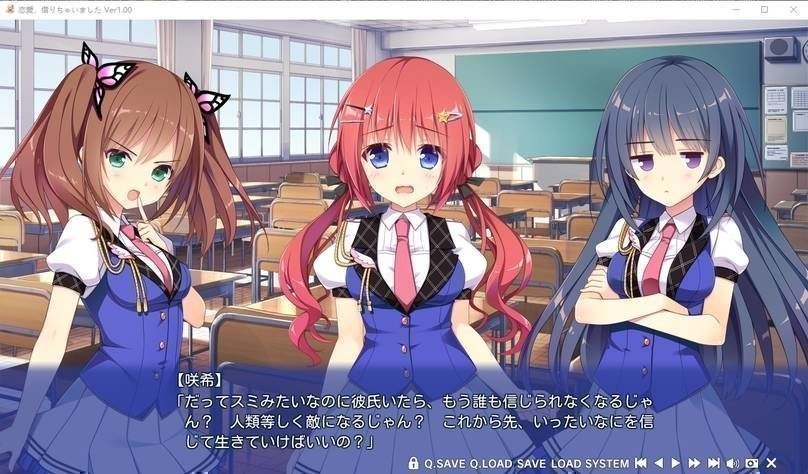
The protagonist takes the client’s money, then goes and poses as her boyfriend to satisfy whatever special needs she has. That’s it. Simple as that.
The protagonist’s first client is his classmate: Segawa Emi. Emi’s vanity runs deep—she spends every day bragging to her little clique that she’s got a handsome boyfriend, that she’s long since become a normie instead of some loser girl, so her friends start hounding her to bring the guy around and show him off……
Emi flat-out refuses to admit she lied, so she ends up signing up for the rental boyfriend service—and who should be assigned to her but the protagonist himself.
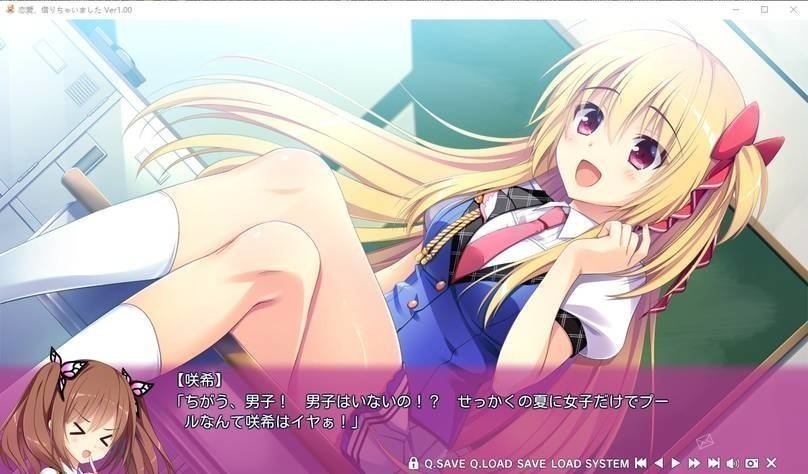
The protagonist is impersonating Emi’s boyfriend with surprising professionalism. He doesn’t just satisfy Emi’s vanity — Emi herself is starting to catch feelings, and she even wants to talk to this “fake boyfriend” a little longer.
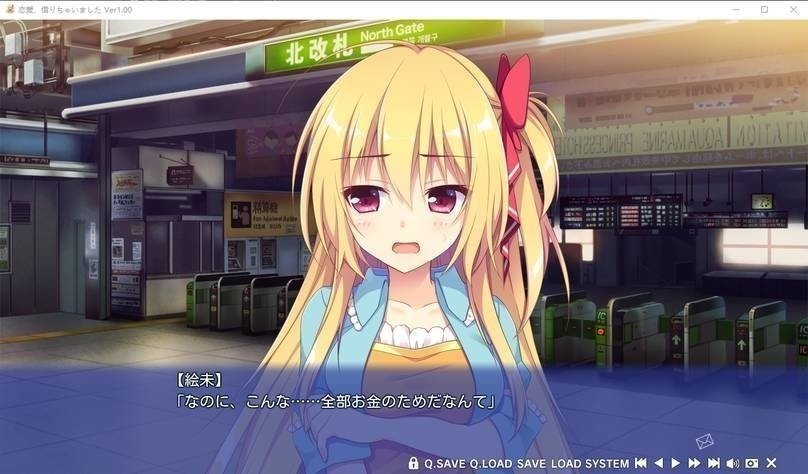
But business is business — the protagonist still coldly pocketed Emi’s fee in the end, a bit over 20,000 yen, saying he could keep introducing her to work in the future, so bye-bye~
Emi is left standing alone in front of the station, lost and adrift.
The second client is the protagonist’s instructor at vocational school — an older, unmarried female teacher who loves holing up indoors and grinding ranked matches on her console: Soramichi Tsubaki.
Just like you’d expect, the lady teacher’s hometown is nagging her to get married — they even sent her sister over to check whether she’s actually found a partner. Out of options, Tsubaki decides to hire the protagonist to play her fake boyfriend. And a side note: the game doesn’t say “boyfriend,” it says “lover,” which is meant to show that Tsubaki has had a man for a while now and just refuses to make it public.
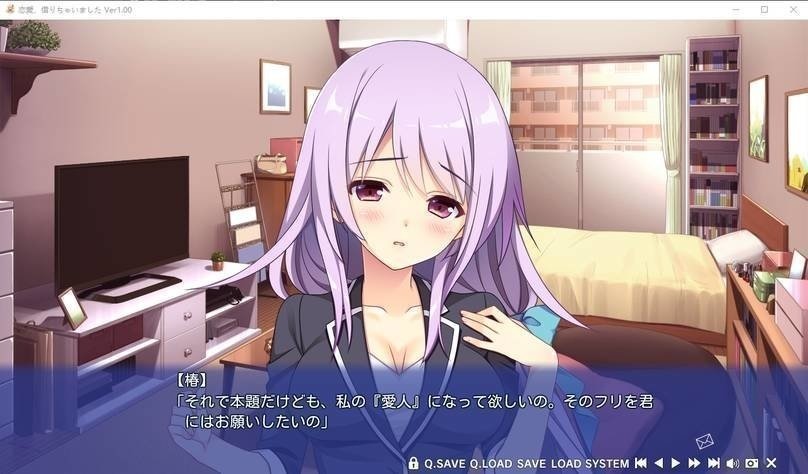
The protagonist likewise completes the job flawlessly, gets paid, and then it’s on to preparing for the third client.
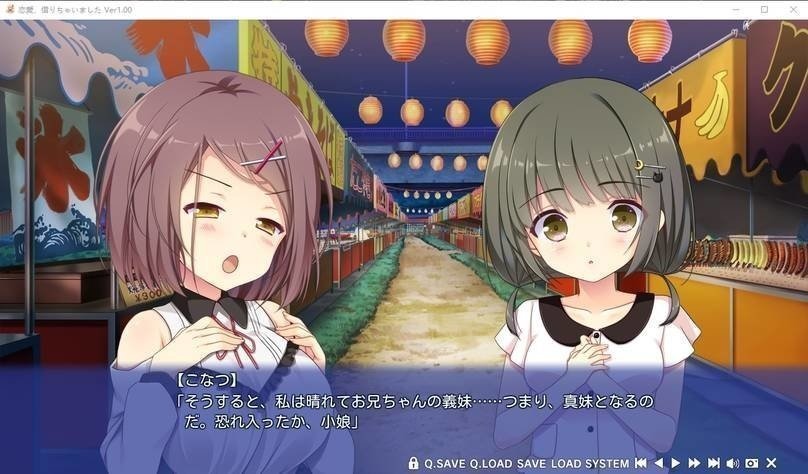
The third client was a pair of twin sisters. They’d watched all the other kids brag every day about having a tall, strong, reliable big brother, so the two little girls wanted one too — and rented the protagonist to be their “temporary big brother.”
The twins didn’t really ask for much from the protagonist either — all they wanted was for him to pose as their older brother and take them around the zoo to flex for a bit. In the end they wrapped it up successfully and got paid.
The protagonist’s part-time gig isn’t just “renting himself out as someone’s boyfriend” — there are other jobs in the mix too, like waiting tables at a restaurant. He keeps his work well hidden, but one classmate notices anyway: the redhead, Tenma Hazumi.
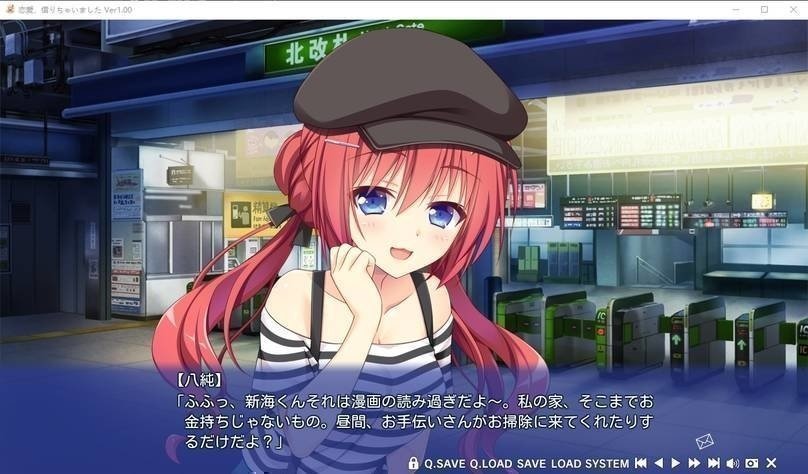
Hazumi isn’t just in the same class as the protagonist — she also goes to the same vocational school, and she’s the only one who knows about his “multiple identities” from the start. Weirder still, once she finds out he’s the “boyfriend” of the blonde Ema, she gets visibly nervous, and after learning it’s a paid fake arrangement she becomes downright unreadable.
Hassun always shows up out of nowhere next to the protagonist — whether he’s at his part-time job, posing as someone else’s boyfriend, in class, or attending vocational school……
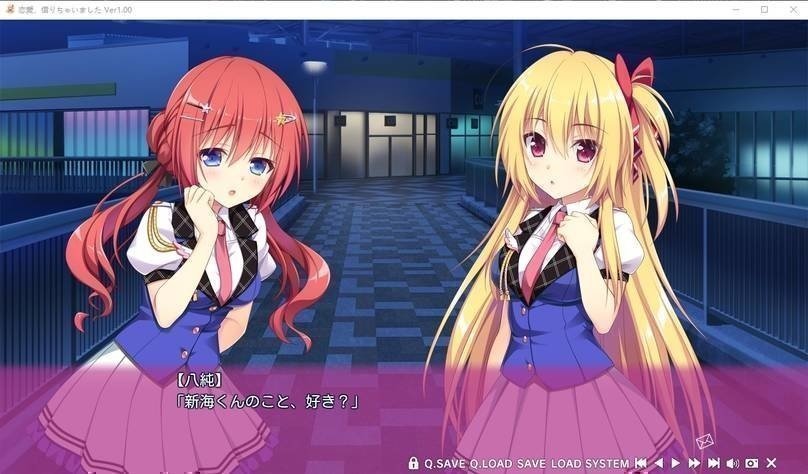
Like some kind of stalker. Of course, the point of the story at this stage isn’t just Yasumi’s ability to appear out of nowhere, but another problem:
The protagonist’s “multiple part-time jobs” and “multiple identities” are about to be exposed.
- The protagonist and the blonde girl Emi are classmates, and on top of that, he goes incognito to be her “rental boyfriend”
- The protagonist and the female teacher Sorara Tsubaki are teacher and student at vocational school, but at the same time she’s also a client of his “rental boyfriend” service
- The protagonist has a client relationship with those twin sisters, but the older twin attends the vocational school while the younger twin works part-time at a restaurant—and the protagonist works there too
- The newbie owner of the restaurant where the protagonist works… is a relative of the female teacher Sorara Tsubaki
- And then Emi, having burned money on “rental boyfriends,” is strapped for cash and takes a part-time job too—at the very same restaurant where the protagonist works
So thanks to all that nonsense above, the protagonist always ends up showing his face in multiple places under different identities, and everyone sees through him almost immediately.
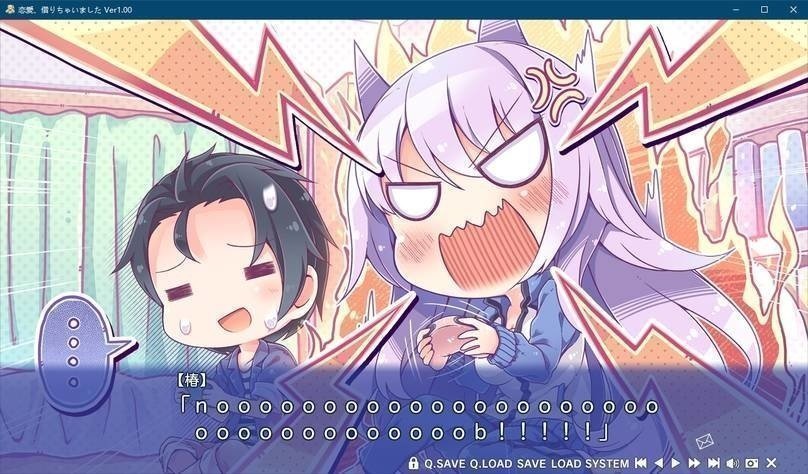
Of course, the last one to get it was the blonde, Emi — her whole character setup is that she’s a bit of a ditzy airhead.
Once the protagonist’s identity comes out, the story really narrows down to the two heroines: Tenma Hazumi, the redhead, and Segawa Emi, the blonde.
At first, Segawa Emi’s relationship with the protagonist was purely “rental boyfriend,” but his excessive “dedication” and “thoughtfulness” got to her, and before she knew it, she’d fallen for him. She even wants to end this “fake relationship” and become a real couple.
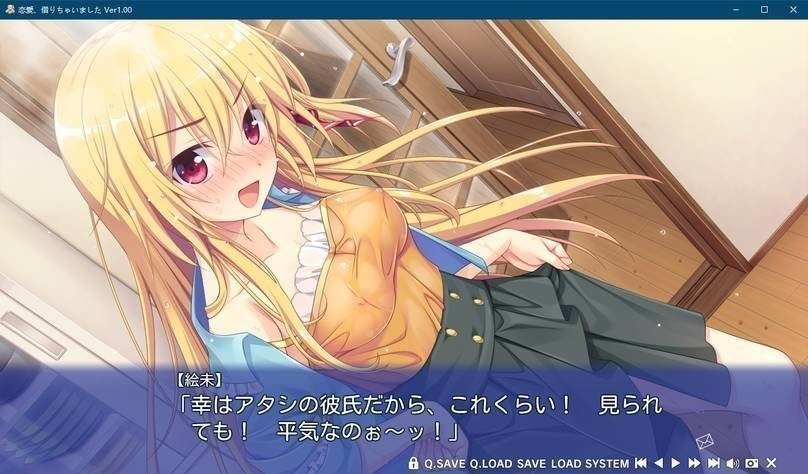
Yet the protagonist himself doesn’t seem interested in romance at all—he just wants money. More money, that’s all.
Segawa Emi just doesn’t get it. She’s called the protagonist a greedy miser more than once.
That’s when Tenma Hassumi always shows up to fan the flames, deliberately or not, breaking up the “dates” between the protagonist and Segawa Emi. Her antics finally get on Segawa Emi’s nerves, and she flat-out asks her what she means by it.
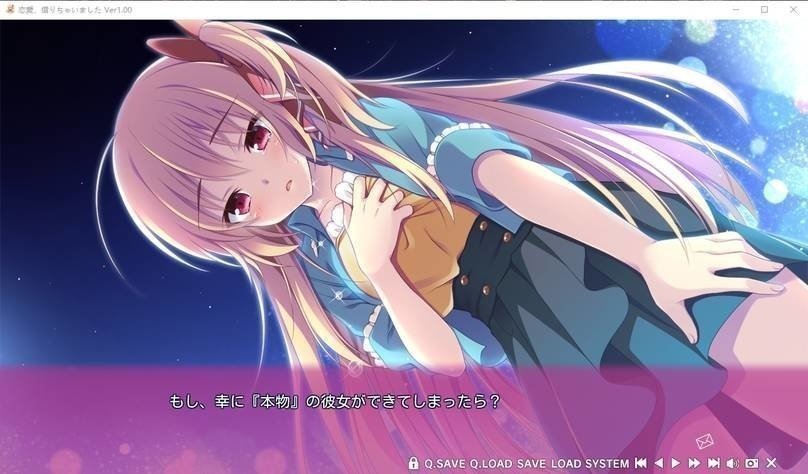
Tenma Hasumi says it outright: she likes the protagonist. Segawa Emi is not having it — she knew him first, and this little homewrecker has been third-wheeling the whole time.
Tenma Hasumi fires back at her: “How much do you actually know about the protagonist? I’ve liked him since way, way before you!”
Tenma Hassumi (天満八純) then brought up how she’d met the protagonist when they were kids. Turns out that when he was really young, he fell out with his relatives (I forget whether the parents were dead or not), decided to run away from home with his little sister in tow (yeah, the protagonist has a sister too, but she’s not shaggable so I won’t bother), and raise her by himself. Living on your own takes a lot of money, so he chose to keep his name hidden and just kept working job after job, all of it so he and his sister could live a decent life.
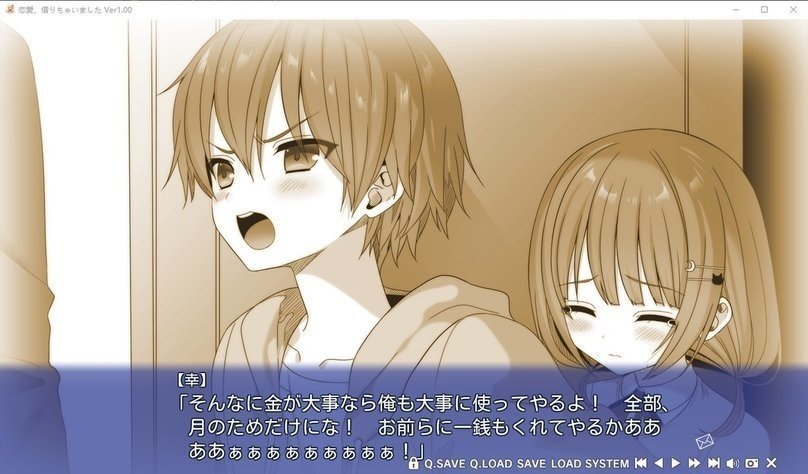
Tenma Hasumi was drawn in by the protagonist’s sheer force of will, and that’s how she ended up falling for him. But she could never manage to get a conversation going with him—she even begged a teacher to let her be the one to deliver his graduation certificate just so she’d have an excuse to talk to him, and even then he barely gave her the time of day.
Even though the protagonist hides his face behind his bangs at school, Tenma Hasumi is always watching his every move, following him around everywhere like some kind of stalker.
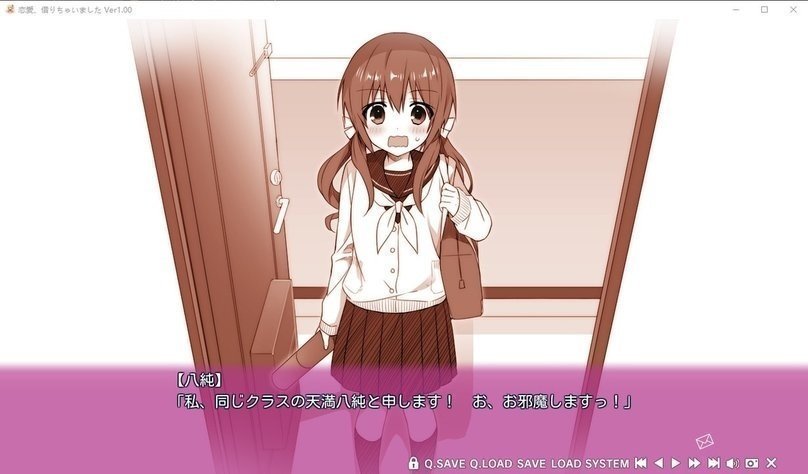
Once the protagonist starts working his part-time job — and especially once Amami Hasumi finds out he’s become someone else’s “boyfriend” (fake, sure, but still) — she can’t sit still anymore and starts making her own moves.
This is also why she always seems to vanish and reappear out of nowhere, always conveniently bumping into the protagonist — because she’s been tailing him the whole time (isn’t that basically a stalker?).
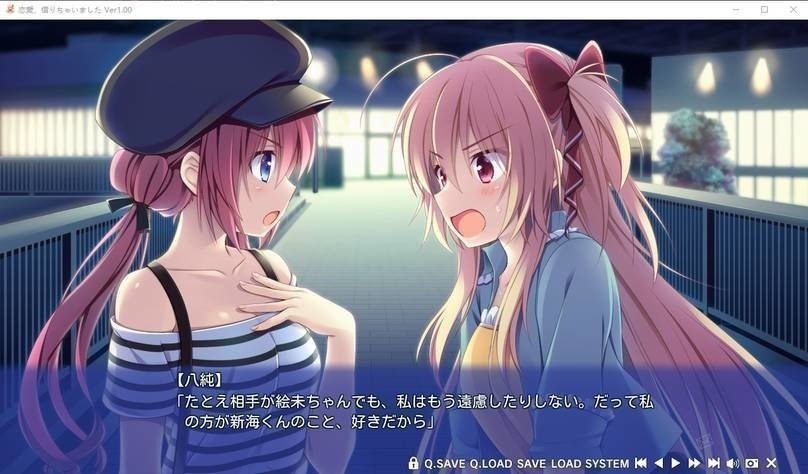
尽管 Tenma Hassumi 更早喜欢上男主,得知这一切的 Segawa Emi 也没有放弃——毕竟她才是第一个和男主有约会行为的女生。
And so begins the “fun” “battle for the protagonist’s heart” — okay, I’m bullshitting, it’s not fun at all. The protagonist gets caught between the two girls, and in a totally passive way he gets dragged off on a date by this one, then dragged off on a date by that one.
Both girls know the protagonist needs money to get by, so unsurprisingly they each put cash on the table as their bargaining chip. Tenma Yazumi’s family is loaded, so she just hands him a fat stack of bills, while Segawa Emi isn’t well off but is willing to work part-time and give him everything she earns. Their rivalry finally comes out from the shadows into the open—after he gets caught on a night date, he’s forced to make a choice.
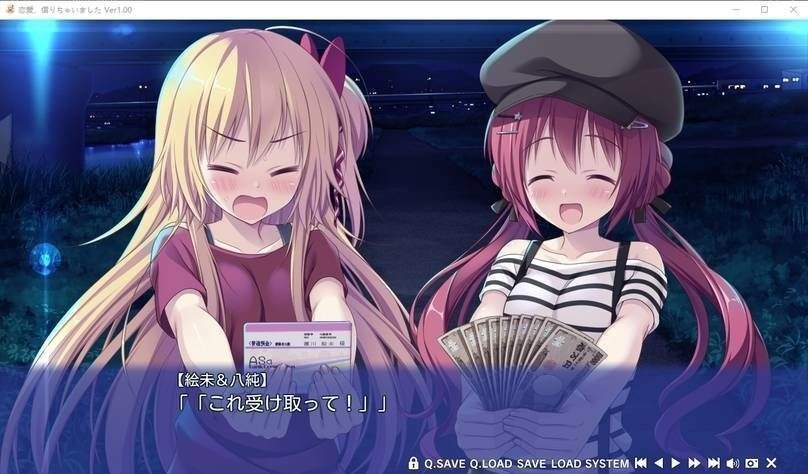
Both girls made their feelings clear to the protagonist: one pulled out a bank card, the other a fat stack of cash.
Obviously, whoever the protagonist picks is the route you end up on.
Actually, once you pick a route it turns into a standalone romance story—except it’s got its own “unique traits” that set it apart from your usual romance story. So what’s so unique about it? Well:
Whichever heroine you pick, the one you didn’t pick stays in the picture as a “third wheel” who crashes the relationship.
简单说,你选择了黄毛,红毛就会继续试图拆散你们;反过来也一样。
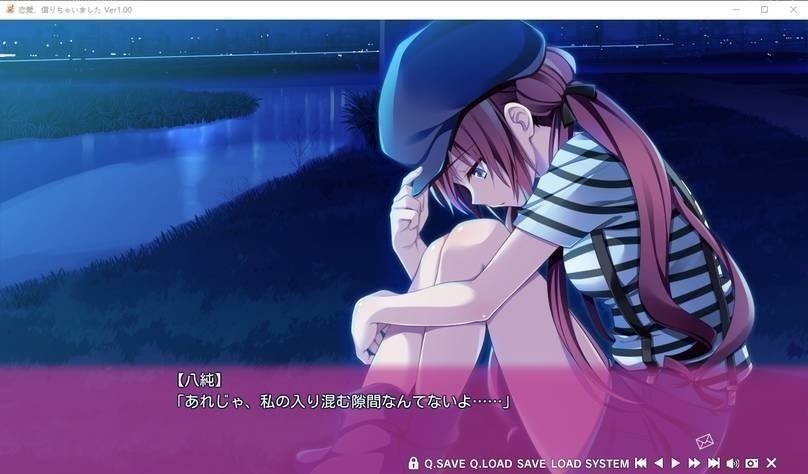
I’ve played so many of those cliché games where the moment you finish a heroine’s route, every other heroine just vanishes into thin air — so this kind of development actually felt pretty fun to me. Not just fresh, but genuinely more enjoyable to play.
After that the game doesn’t have much story left — once the romance happens it’s just bang bang bang straight into the ED.
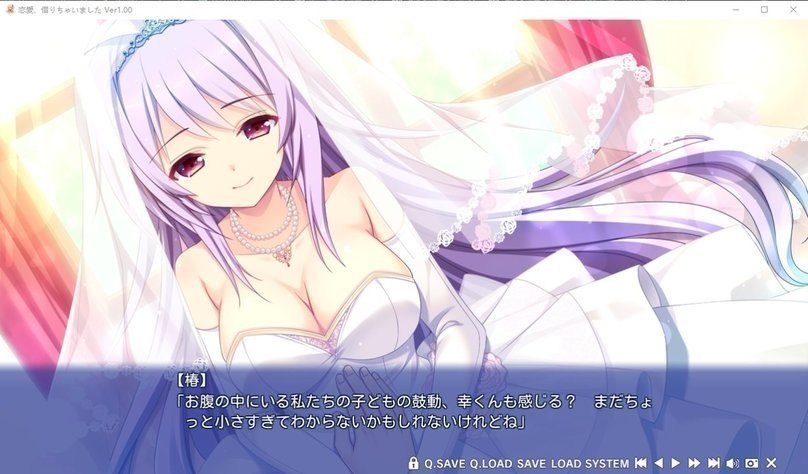
Besides the redhead and the blonde, you can also pursue the female teacher and the twins. The teacher’s route, though, is about as plain as a romance route gets—no third party butting in or anything. The twins’ route is textbook nukige… there’s a bit of comedy in there, but it’s very ero. As for the side-character routes, most are just bonus extras with barely any content, and they wrap up fast.
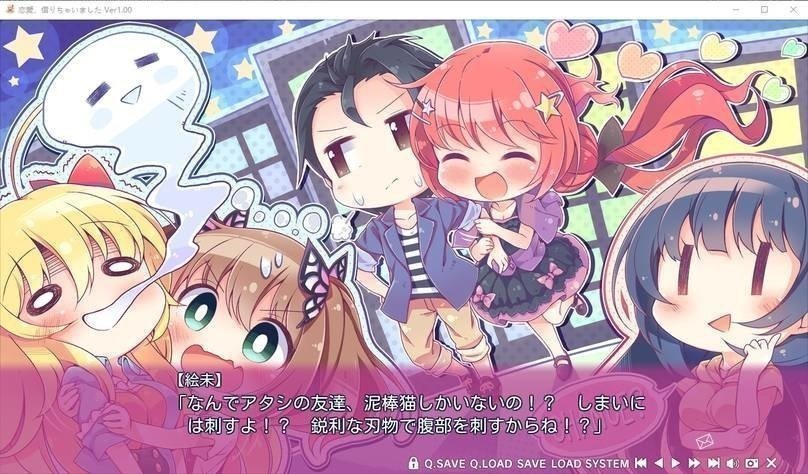
So the actual game story… is probably just the love triangle between the blonde Emi Segawa and the redhead Yasumi Tenma.
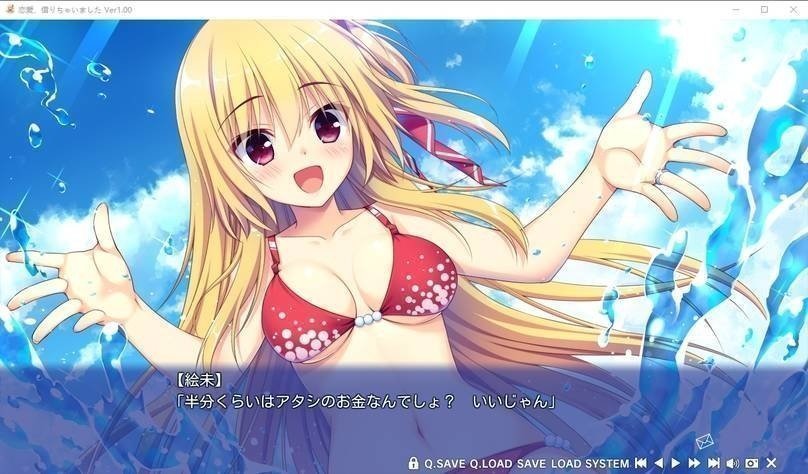
After playing this one, I felt a kind of “freshness” and “familiarity” I hadn’t felt in a while.
What felt fresh: Asa Project had spent several games endlessly cooking up all sorts of “creative romance” setups, and none of them landed. This time it finally did. The premise of a “rental boyfriend” arrangement turning into something real is pretty common, but actually wringing a bit of novelty out of it is rare enough to be worth noting.
That familiarity is what gave me the same Feel I got from Renai 0 Kilometer (恋愛0キロメートル) back in the day. Not just the handful of old sky CGs the game reuses — it’s more about the atmosphere. That sense of “everyone’s goofing off,” and yet there’s still no shortage of “cute little-girl charm.”
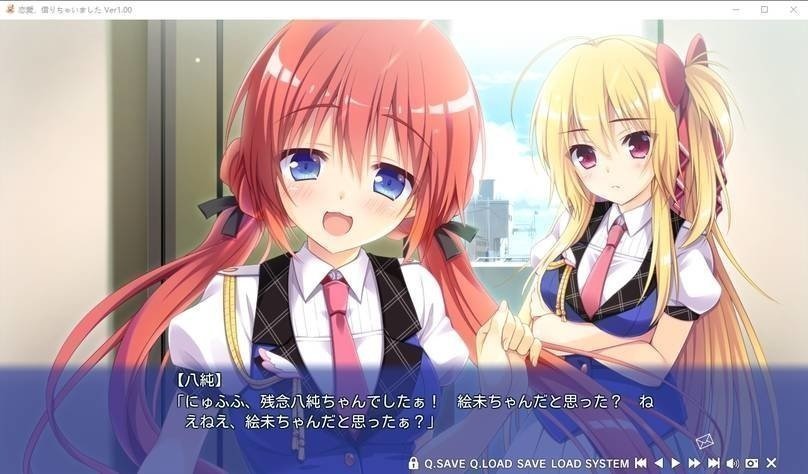
The meat of the game is the common route through the first half of the individual routes. The love triangle and the battle of wits between the blonde and the redhead really make the heroines feel cute — the redhead comes across as a “sly little devil,” while the blonde is a “ditzy, pure-hearted angel.” It’s fun, and it makes you feel that the biggest step up from earlier Asa Project games is that “the heroines are written with a lot more depth.”
Only two of them are actually well-endowed, but that’s plenty. And what’s even more reassuring: for the first time, Asa Project isn’t relying purely on wild reaction faces and dirty jokes to hold the player’s attention—there’s something genuinely substantial underneath now.
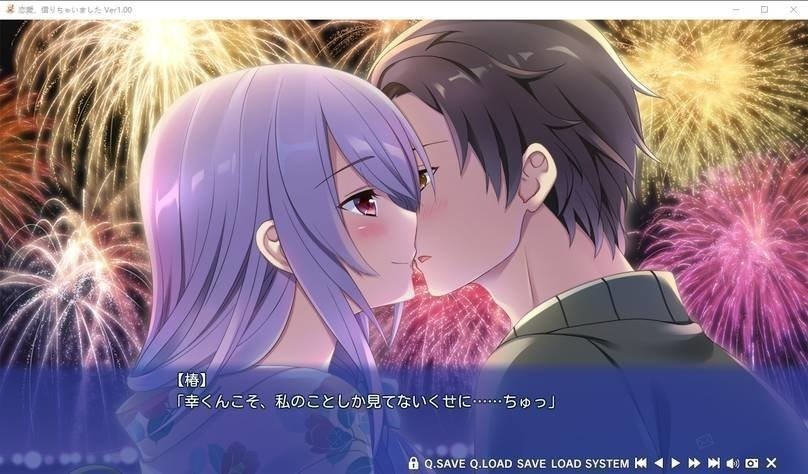
Of course, I’ve been going on about how much Asa Project has improved this time and how it’s clawed back a lot of what made Renai 0 Kilometer (恋愛0キロメートル) work, but the game still has some obvious weak spots.
The biggest problem: aside from the two heroines, the rest have zero appeal. The lady teacher is just an otaku girl stuffed into a teacher template, and the twin lolis feel like something out of a second-rate studio’s siscon game — strip the ero and there’s nothing left worth remembering.
Oh right, my favorite line from the female teacher is this one right here:
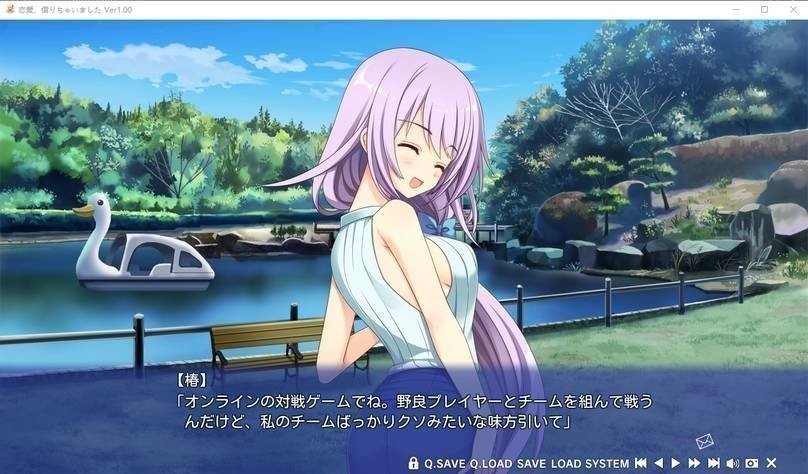
In plain English: I played ranked yesterday, solo queue, and the game matched me with nothing but idiots.
Even with the two main heroines, the game still tends to feel tedious in the back half of the individual routes. Keeping the “third party meddling” element in the personal routes stays fresh and fun, but the game doesn’t know when to stop — by the end the other one still hasn’t given up, so what’s the deal? Are they gonna try to cuck you even after you’re married?
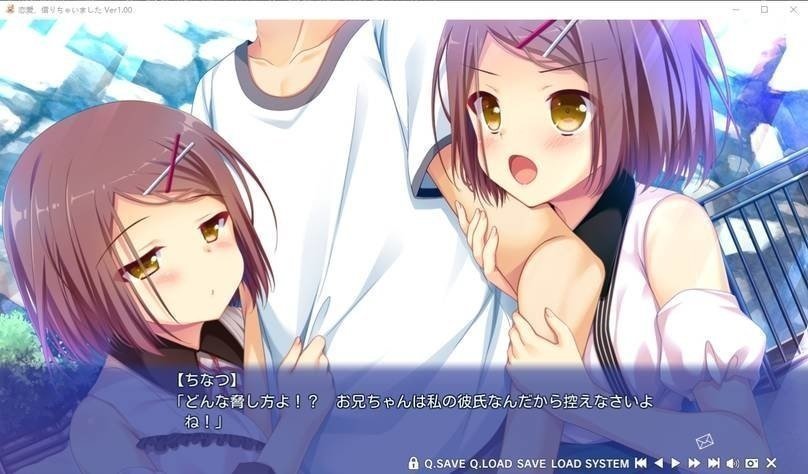
As for the rest of the game, it’s pretty middling. Both heroines are drawn well, the lady teacher is fine too, and the twin lolis still look like Asa’s old art style from a few years back — maybe that was intentional. The voice cast is fun too: the “heroines” from the previous game all come back to voice side characters this time, and I’m not too familiar with the new heroines’ VAs. Going by ear, one sounds like a budget Shimizu Ai, the other like a bargain-bin Mizusawa…
And the game also comes with the usual recycled old CGs, tons of them, so I can’t be bothered to list them all… one of them is even from the PSP version.
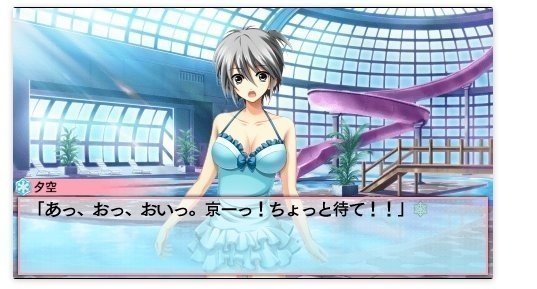
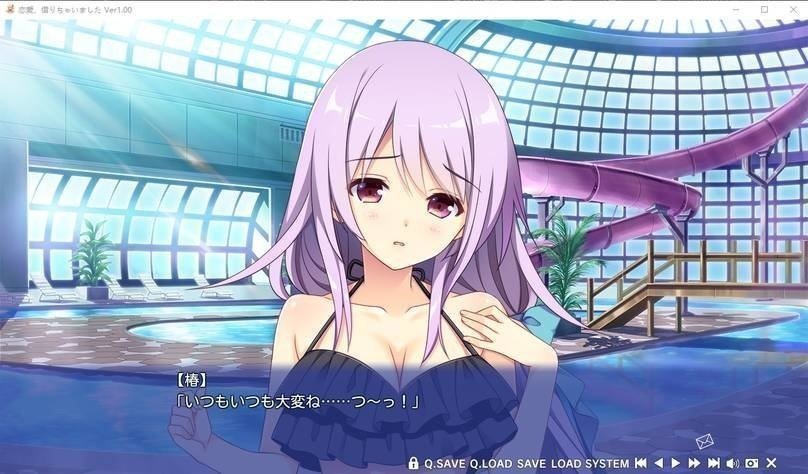
The game’s OP is also very Renai 0 Kilometer-ish, and the ED is sung by Hanatan — except for some reason she’s using yet another new alias, something called piquet.
Anyway, all that said, I’m just glad Asa Project finally got back on the right track. That said, the game’s title is still dumb as hell no matter how you slice it.
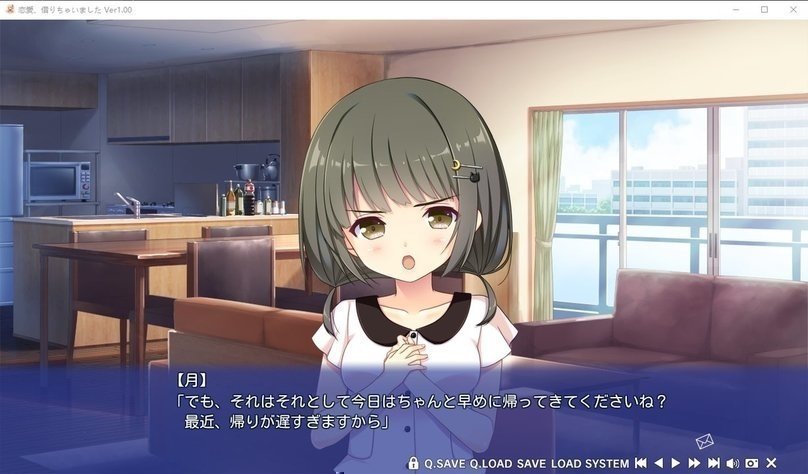
Honestly, they might as well have gone with Asa Project’s usual naming logic and just called it “Rental Love.”
In the end I still gotta say it — being a good-looking dude is just a fucking blessing.
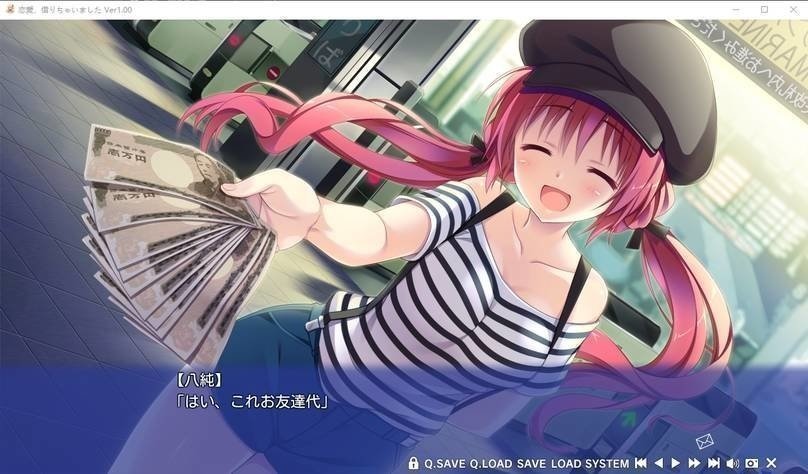
Two women fighting over who gets to give you money! That’s just cool — no fear, let your dreams have a budget!
Comments are hosted on the Chinese main site. This mirror is read-only.