Fata Morgana no Yakata (ファタモルガーナの館) Review
The House in Fata Morgana
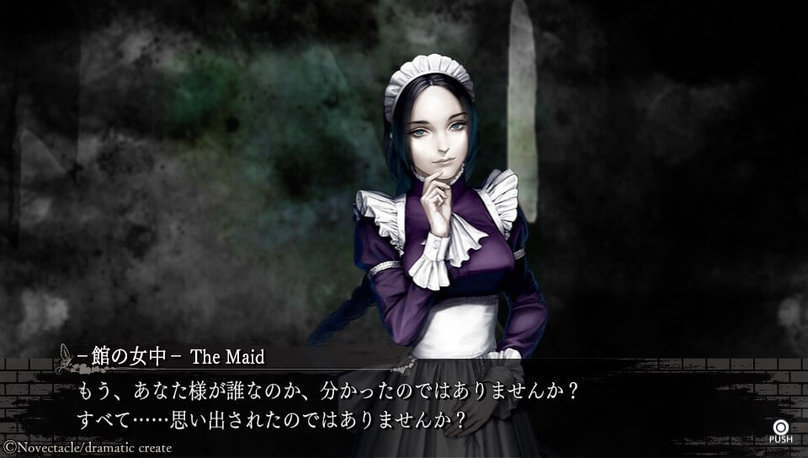
You wake up in darkness. You’re in a dark mansion, and a maid is standing in front of you.
She calls you “the master of this mansion” and gives you a warm welcome back.
You can’t remember who you are. The maid understands this, but as your servant she decides to help you recover your memories.
She’ll tell you a few stories — stories about this mansion’s past. Once you’ve heard them all, you’ll naturally remember who you really are.
The maid leads you to one of the mansion’s doors, opens it, and tells you what happened behind it.
I.
This is a story from 1603.
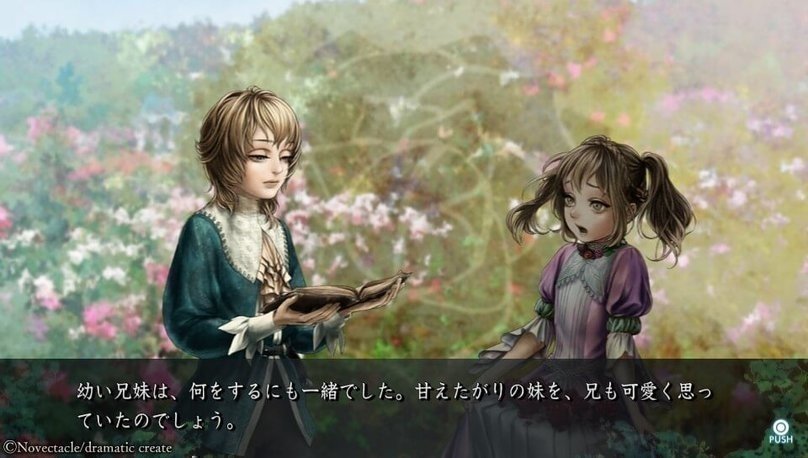
The Rhodes family lives in this mansion. There’s a brother and sister, Mell and Nellie. They grew up close, and Nellie’s feelings for her brother Mell go way beyond sibling affection — put plainly, it’s love.
As the siblings grow up, Nellie is set up for a social debut and even starts meeting suitors from families of equal standing. But she’s not happy. The one she likes is her brother Mell.
Mell, meanwhile, has fallen for another girl — a white-haired girl who’s just been taken in as a servant by the household.
Mell meets her through one of the family’s maids, and it’s love at first sight. But the white-haired girl is quiet and keeps avoiding him. After some digging, Mell learns that her father was once the Rhodes family’s painter, and was driven out for some reason he doesn’t know.
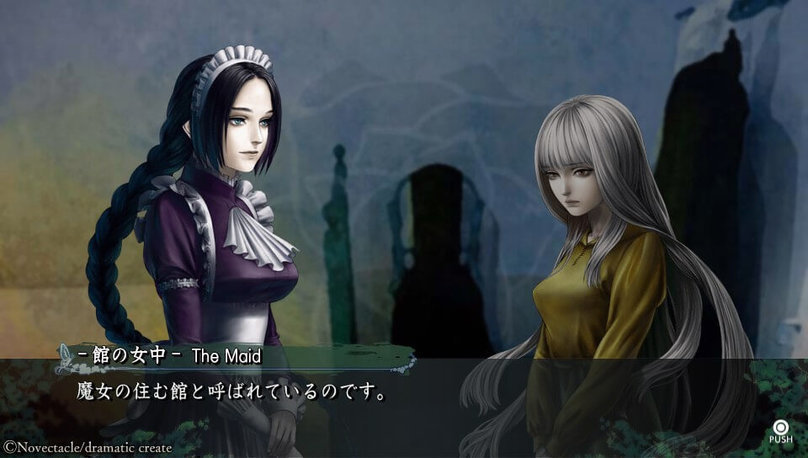
Mell says that’s all stuff from their parents’ generation, and it doesn’t stop him from dating her.
Nellie soon notices something off about her brother and starts investigating the white-haired girl’s background. Late one night, she finds him alone and tells him what she’s uncovered: the white-haired girl’s father was the Rhodes family’s painter, and he once had an affair with Mell and Nellie’s mother. The white-haired girl is the product of that affair — and that’s why the painter was driven out.
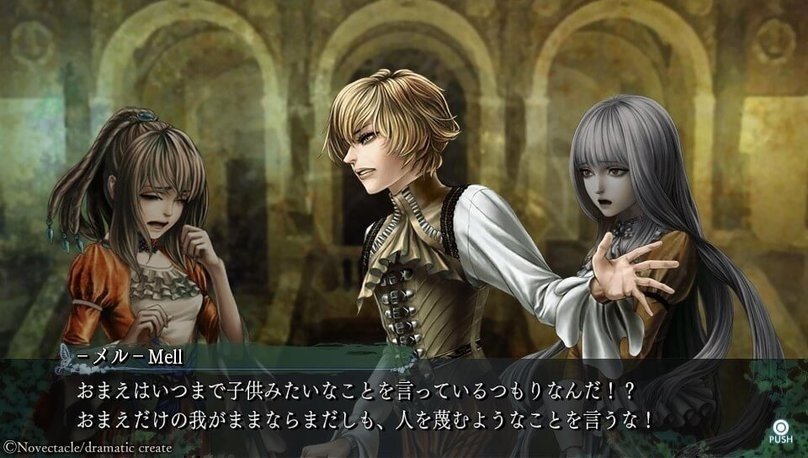
The exposure of this old truth throws the family into madness again. In the end, the brother chooses to become a priest, and the once-noble Rhodes family crumbles and falls apart.
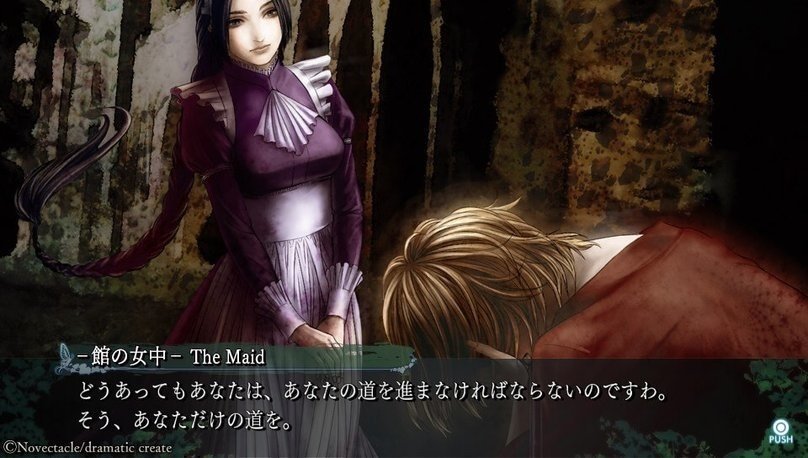
The siblings who once loved each other never got their happy ending.
The story ends. Back in the pitch-black mansion, the maid finishes the tale behind the first door in a calm voice. You seem to have no clue what it meant, and you still don’t know who you are. The maid isn’t surprised. She slowly opens the mansion’s second door and begins the next story…
II.
The year is 1707. The mansion has been abandoned, empty of people — except for that maid.
The maid lives alone in the mansion, though this time it’s near a seaside town.
One day, a dark figure breaks into the mansion. It can’t speak — it only kills and howls madly.
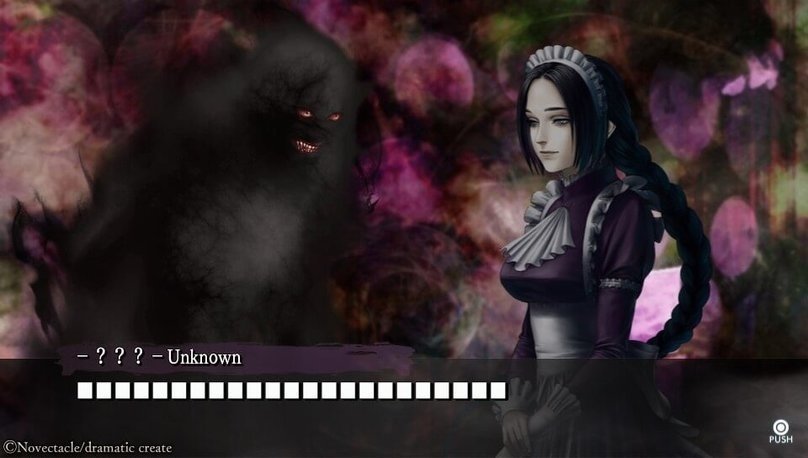
The figure once said its name was Yukimasa, but only that one time. Later, it gets a name of its own: Bestia — from “beast” — which proves what the dark figure really is.
It can’t speak, but since it’s come to the mansion, the maid treats it as her new master. Over time, the beast called Bestia actually learns to talk.
Now able to speak, Bestia uses the mansion to take in homeless travelers looking for shelter — then kills them while they’re off guard, satisfying its animal urges and thirst for blood. Then a white-haired woman wanders into the mansion. She says she has no memories. Bestia, as the master, takes her in — and naturally plans to kill her too.
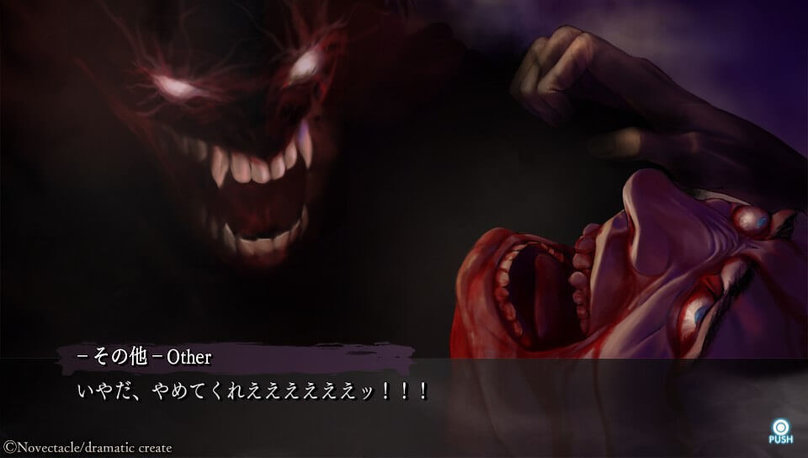
But when Bestia tries to kill her, he discovers that this white-haired woman isn’t afraid of death and feels no fear at all. That leaves his urges unsatisfied, and in the end he gives up on killing her. As time passes and he spends more time with her, Bestia starts to feel something special for the white-haired woman — he even wants to protect her.
One day, someone who looks like Bestia breaks in — someone who looks like a beast. Thinking “it” has come to hurt the white-haired woman, Bestia fights and kills it. As he calms down, he realizes what he killed wasn’t a “beast” at all… it was a woman. A woman he recognizes…
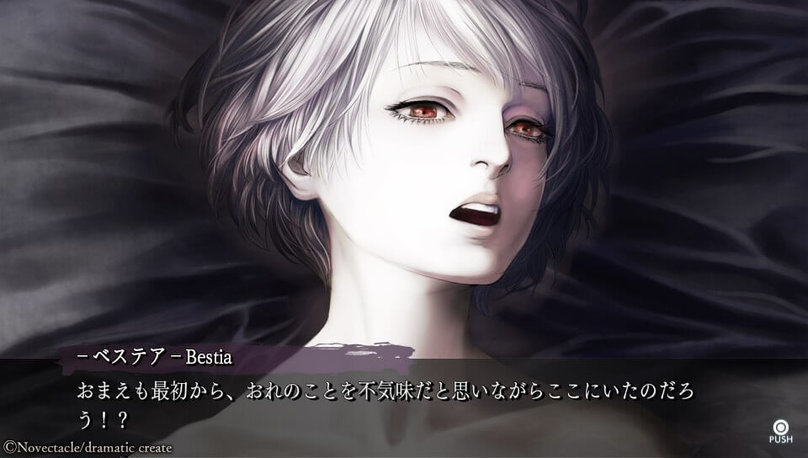
The scene cuts to the seaside. A girl named Pauline arrives in this port town looking for her fiancé. She says he went out to sea on business and hasn’t been heard from for a long time, and the last place he was seen was this city.
Guided by a child on the beach, Pauline learns there’s a mansion near the town, and in it lives someone called Bestia — a beast that has killed many passersby and travelers in the city. Maybe Pauline’s fiancé was one of the victims.
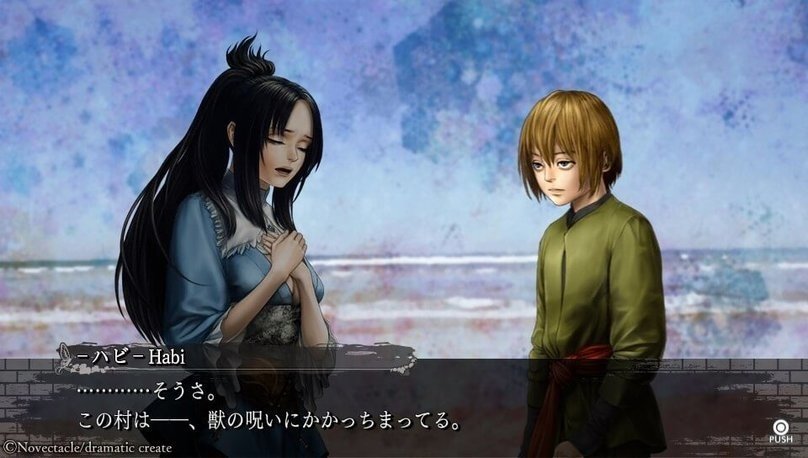
In the end, Pauline decides to check out the mansion. When the door opens, the one standing there — Bestia — is none other than her fiancé!
So Bestia is Pauline’s fiancé, Yukimasa. But Bestia refuses to admit it to Pauline, and in a panic he kills her…
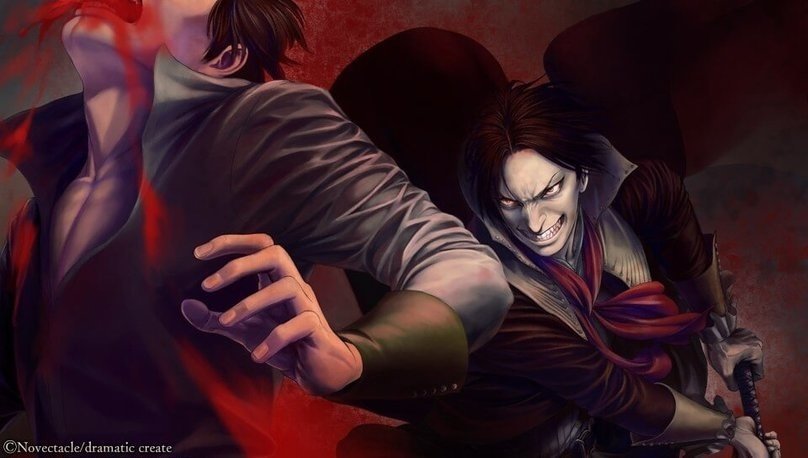
The former Yukimasa lost his mind to his craving for killing and blood, becoming the beast Bestia. His feelings for the white-haired woman weren’t enough to bring him back to his senses — he even saw his own fiancée Pauline as “another beast” and killed her. Only after coming back to himself did he realize what he’d done, far too late.
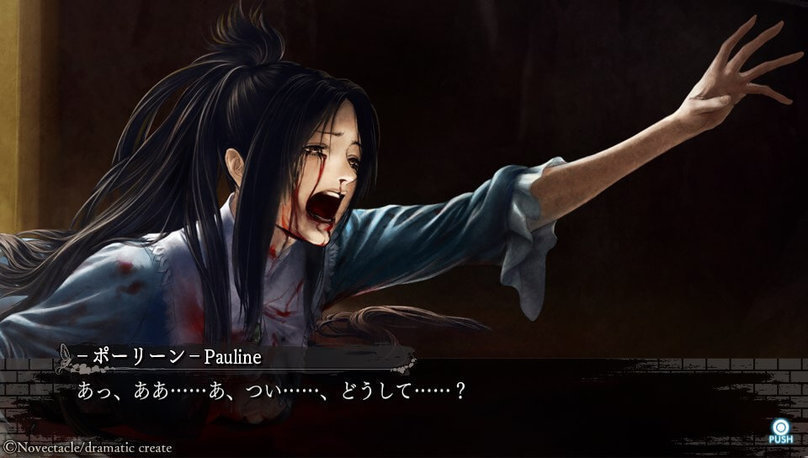
The beast goes completely mad. Bestia storms out of the mansion and into the nearby town, killing more villagers and leaving behind nothing but a bloody memory.
You open your eyes after the bloodbath, and it’s the pitch-black mansion again, and that maid again.
The maid seems to have appeared in every story, but she’s right here in front of you — and who you are, you still have no idea.
The maid doesn’t say much. She just leads you to the next door and starts the next story about this mansion.
III.
In 1896, the mansion appears in America.
The master of the mansion is Jacopo, a young, money-grubbing small-time merchant with a beautiful white-haired wife. There are two maids in the mansion — one is… the maid you know, and the other is named Maria.
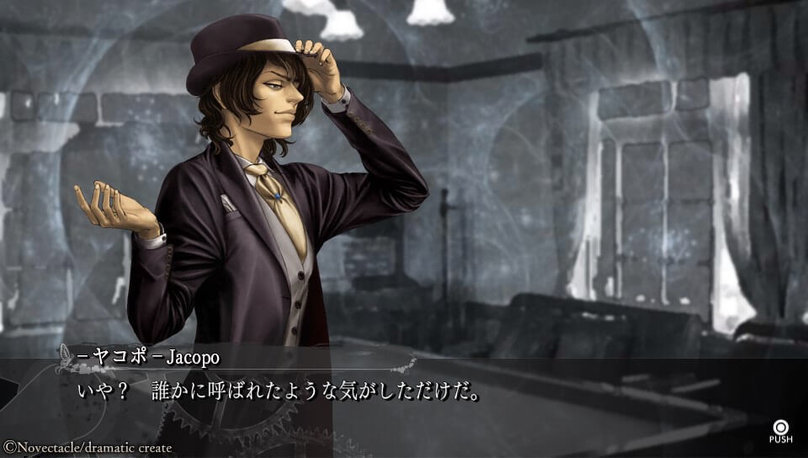
Jacopo spends every day thinking about how to make a big fortune. As a merchant, he’s a suspicious type. For money and business, he trusts no one — not even his own wife.
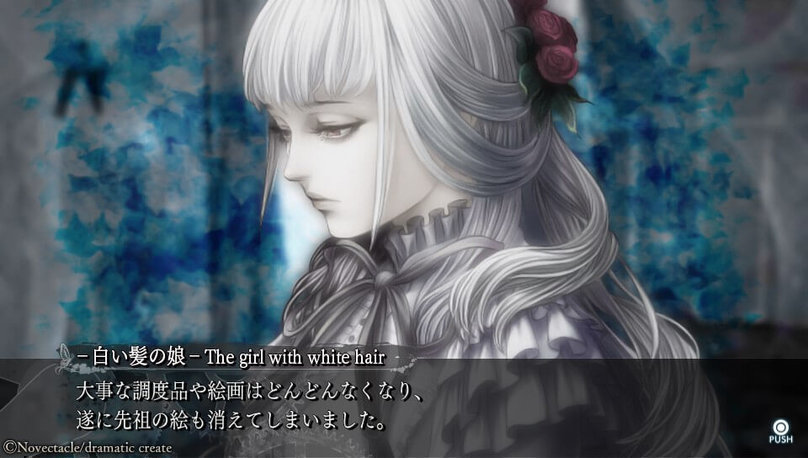
Rumors spread that Jacopo’s wife is cheating, though there’s no evidence. Jacopo would rather believe it’s true, and eventually he locks up his beautiful newlywed wife. She tries to write him a letter to explain, but the maid Maria interferes, altering the contents — changing the name on the letter to another man’s. That convinces Jacopo completely that his wife was unfaithful. In the end, the two are utterly at odds. Jacopo’s wife gives up on her husband, runs away from home, and never comes back.
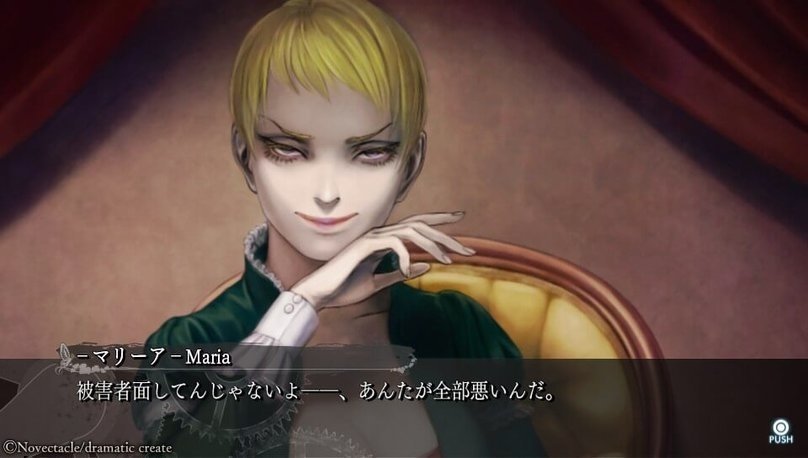
But Jacopo also discovers that Maria has been behind it all along. Maria and Jacopo were childhood friends, so his trust in her was repaid with her revenge. In a rage, Jacopo kills the treacherous Maria, then sets off to find his wife — a journey that consumes the rest of his life and, in the end, seems to come to nothing.
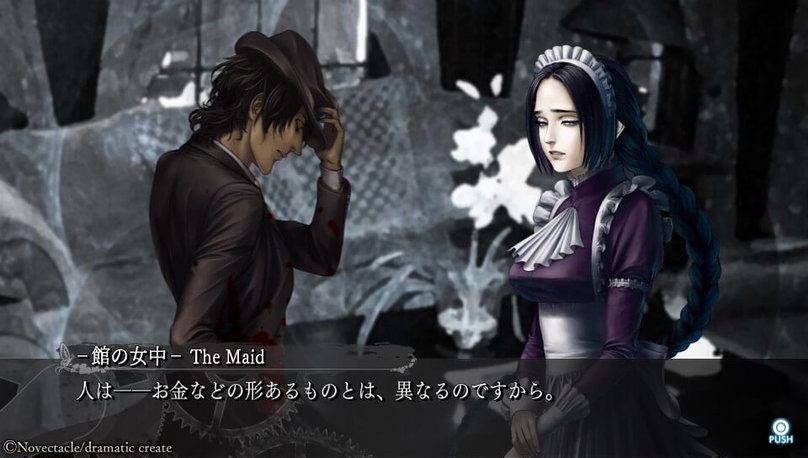
Jacopo’s story is even further removed from the earlier ones, and after hearing it you’re more confused than ever.
The maid isn’t surprised. She tells you the last door is the decisive one — once you hear that story, everything will become clear.
You follow the maid toward the last door, but you notice a painting on the wall. It’s a black painting, and inside it there’s a memory too. With time so short, you only get a quick look — the memory seems to be about a black-haired girl who was exiled to this mansion for some reason.
Before you can finish, the maid realizes you’ve fallen behind, comes back for you, and takes you to the last door. It opens, and the final story is revealed.
IV.
The year is 1099. The same mansion.
A white-haired girl is exiled by the villagers for looking too strange — the reason given is “witch.”
With nowhere to go after her exile, the white-haired girl comes to this mansion. Another white-haired man lives there. He calls himself Michel, says he’s a descendant of nobility, and claims he too is “cursed.”
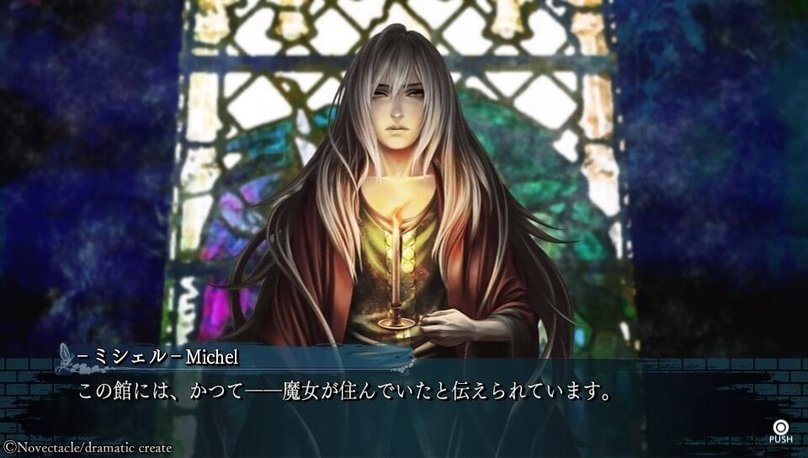
If the white-haired girl was called a “witch” for her white hair and red eyes, then Michel’s curse is far more obvious: whatever living thing Michel touches has its life drained until it withers.
Flowers Michel touches wither, and anyone Michel touches dies with their blood dried up.
So Michel was exiled here by his family, because he’s cursed.
Yet the white-haired girl doesn’t care. She and Michel fall in love over time, reading together and talking together, becoming soulmates. But though they have something like a lovers’ relationship, Michel can’t touch her, because of the curse.
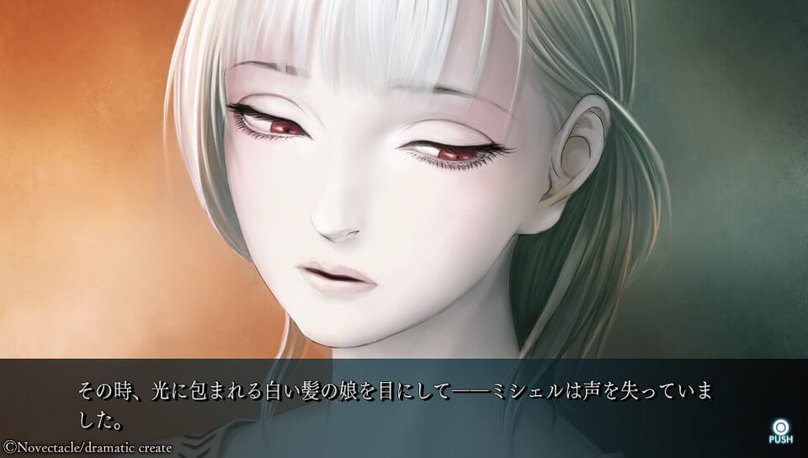
One day, some bandits come to the mansion to abduct the white-haired girl. Michel has no choice but to act, using his cursed body to drain the bandits who meant to violate her. One bandit escapes, runs to a nearby village, and says there’s a “monster” in the mansion.
In the end, the villagers form a posse and come to the mansion to slay the “monster.”
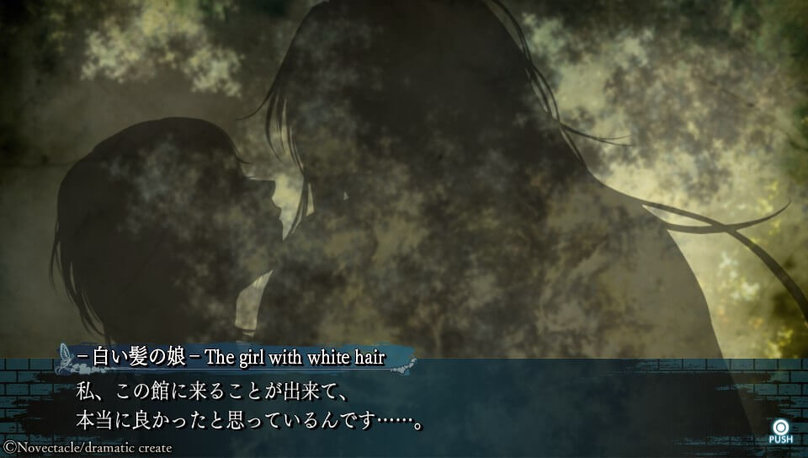
Michel and the white-haired girl are cornered, forced up to the mansion’s highest observation deck. The white-haired girl makes one last request — she wants to die together with Michel, and she wants Michel to hold her. The two finally touch, and afterward Michel is stabbed to death by the villagers who come up. The blood he sheds soaks into the ground and stains the villagers’ bodies, and most of the posse dies from it.
Miraculously, the white-haired girl held by Michel doesn’t die. When she finds Michel already dead, she’s overcome with grief.
Then the “maid” appears. She calls herself Morgana, a witch, and says she can grant the white-haired girl’s wish — to be reunited with Michel.
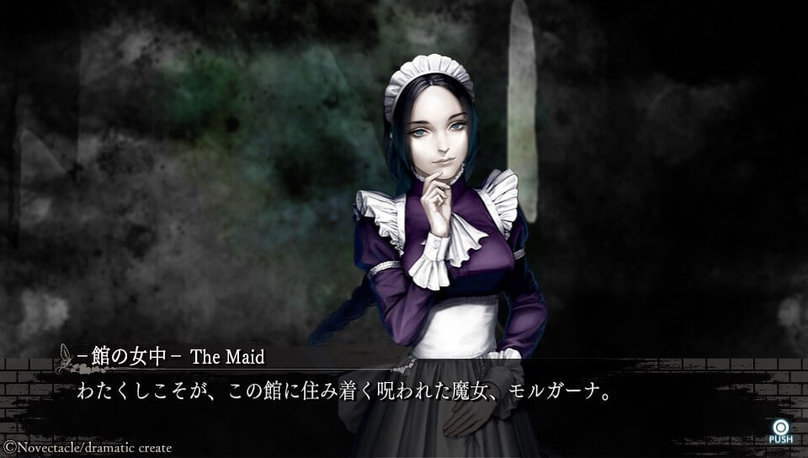
Not in this life, of course, but in the next. Michel will reincarnate, and in some life, Michel will meet the white-haired girl again and become her lover.
The white-haired girl accepts Morgana’s offer. So over the following centuries, the white-haired girl is reborn again and again as different “white-haired girls,” returning to this mansion each time to find the Michel she wants — but Michel never appears. Even now… the white-haired girl is still waiting for Michel.
And the name of that first white-haired girl was Giselle.
The story ends. The maid in front of you looks at you and smiles. She tells you that you are, in fact, that “Giselle.” You’ve been reincarnated for so long, and this time you’ve returned to the mansion once more, all to wait for your Michel.
The maid suggests you stay with her and keep waiting. You’re faced with a choice: walk out of the mansion, or stay here.
When you hear the maid say the white-haired girl in the story is named Giselle, something comes back to you. You feel that Giselle isn’t you at all — she’s someone else. You point out the contradictions in the maid’s story. You’re starting to remember your own identity, and you state the most important point:
In the final story, that white-haired girl never existed at all.
In other words, the story of 1099 is completely false.
And you remember the story of the black-haired girl in the painting on the wall. That black-haired girl is the real Giselle — Giselle doesn’t have white hair. You force the maid to tell the truth, and with no way out, she can only take you to open the real “fourth door” and begin the true story of 1099…
V.
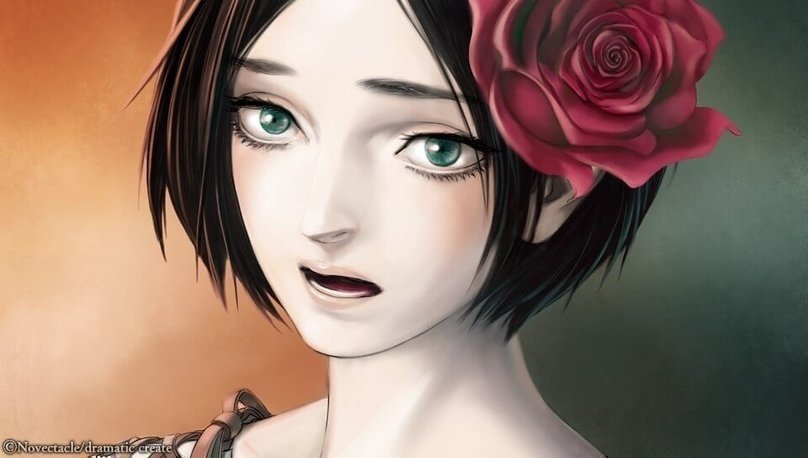
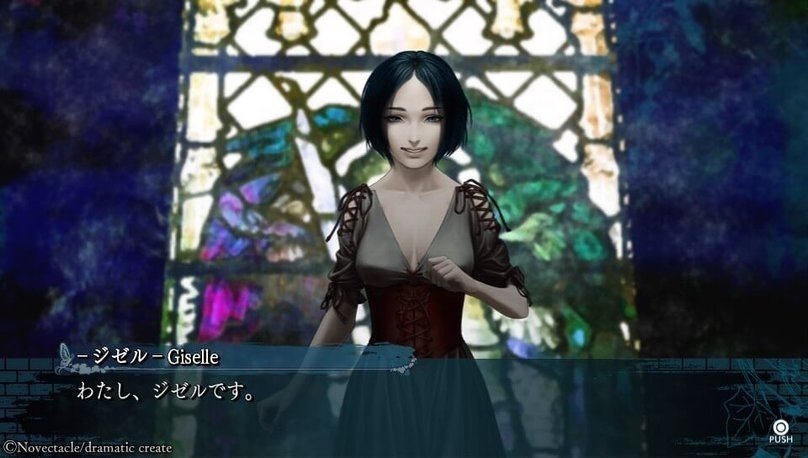
In 1099, Giselle is exiled to this mansion on the outskirts.
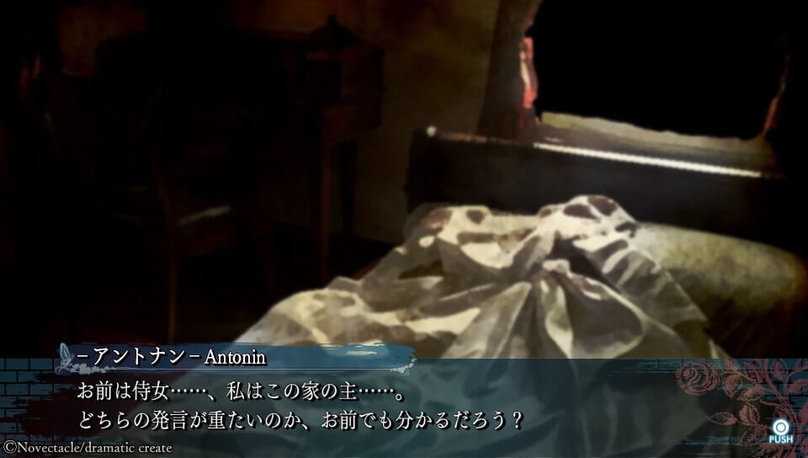
Giselle’s family is poor. To earn money for them, she goes to work as a maid for the wealthy Bollinger family. But soon her work as a maid runs into trouble: Antonin, the head of the family, takes a liking to Giselle. He rapes her and forces her to keep quiet, promising her family enough money.
Eventually word of Giselle’s relations with the master reaches the wife. Antonin dodges all responsibility, saying Giselle was the one who behaved improperly. The master and his wife insist on exiling this improper maid Giselle, and she’s sent to the mansion on the outskirts.
Living in the mansion is the youngest descendant of the Bollinger family, Michel. He too is cursed, and so he’s been confined here.
Michel is disgusted by Giselle’s sudden arrival. He thinks she talks too much and sneaks around like a thief.
Eventually Michel catches Giselle entering his room without permission, uses it as an excuse, and drives her out of the mansion.
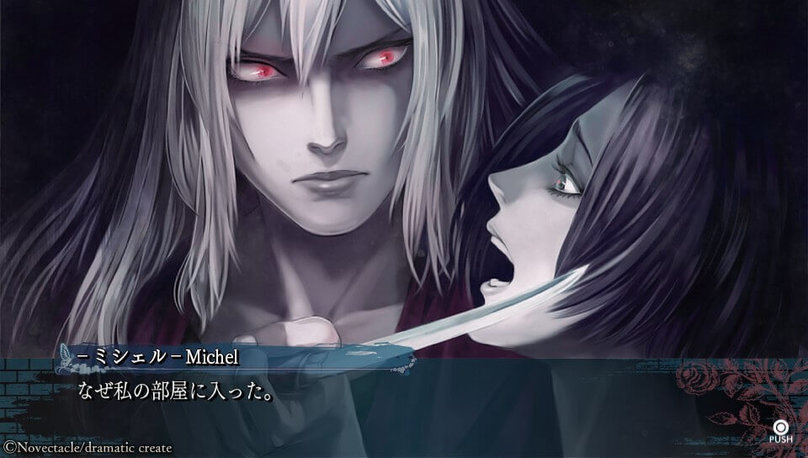
Giselle ends up in the wild and is taken in by the villagers of a nearby village.
At first the villagers treat Giselle well, like family. But later, as the higher lords impose taxes, the villagers’ lives get harder, and they take out their frustration on the outsider Giselle — accusing her of being a thief and demanding she pay them back.
Unable to defend herself, in desperation Giselle says she knows a mansion nearby, and there’s money in it.
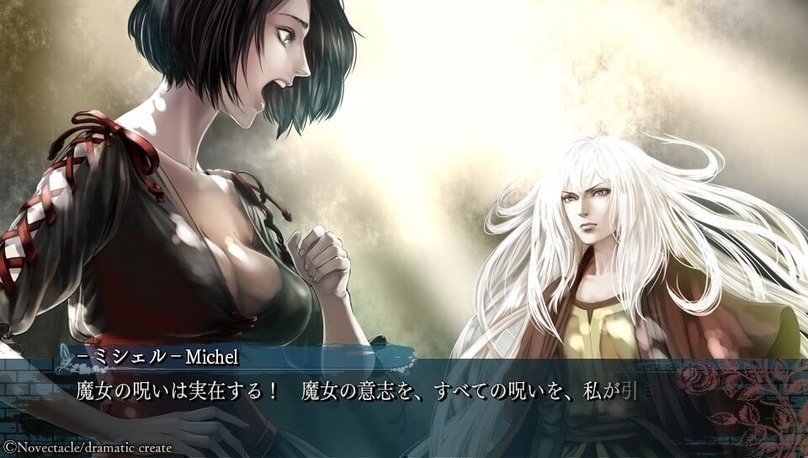
The villagers are shocked, because according to village legend, there was once a witch in that mansion, and misfortune befalls anyone who goes near it. But Giselle insists there’s no witch in the mansion — just a normal white-haired person.
The villagers have Giselle lead the way, and the group comes to the mansion and stands before Michel.
Michel scares the villagers off with his strange white hair and red eyes, but Giselle stays behind. Michel wants to confront her — why did she do this? Why become a thief, why incite the villagers to come here and loot?
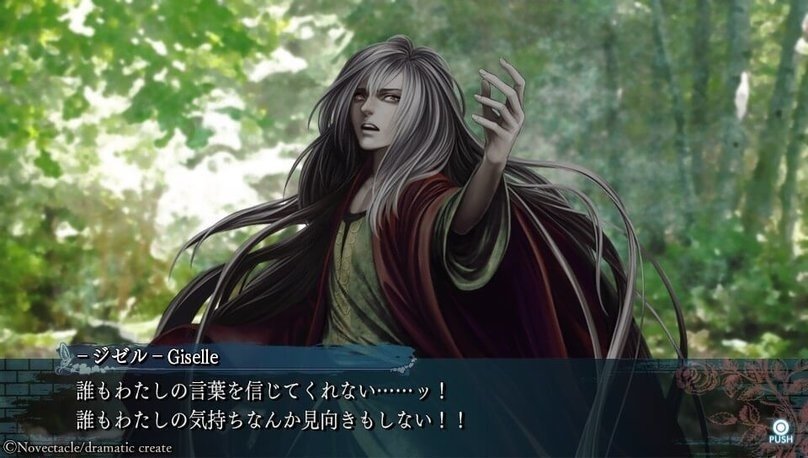
Giselle cries and says she had no other choice in anything, and Michel might as well just kill her, because no one has ever believed in her.
Michel gets a little curious and has Giselle tell him her story.
So Giselle tells him everything: how she went to work for the Bollinger family to earn money for her family, how she was raped by the master, falsely accused, exiled here, then driven out by Michel, then suspected by the villagers…
Michel is deeply shocked. Something about himself seems to come back to him, and in the end he chooses to believe her and apologizes to Giselle.
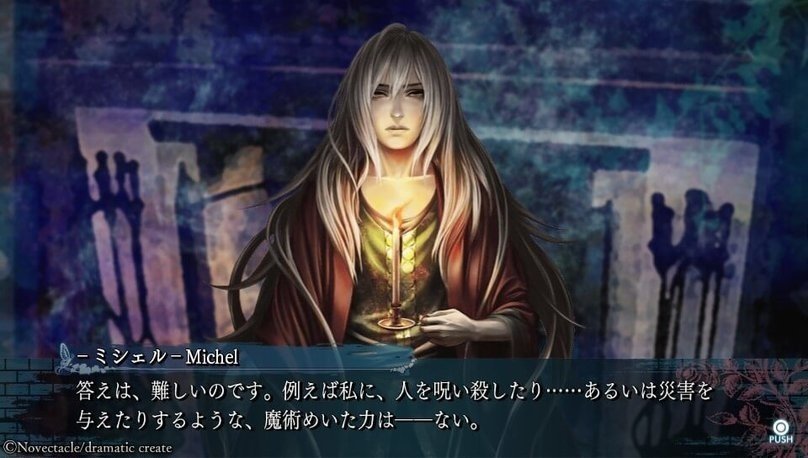
After that, Michel and Giselle grow closer and closer, until they become something like lovers.
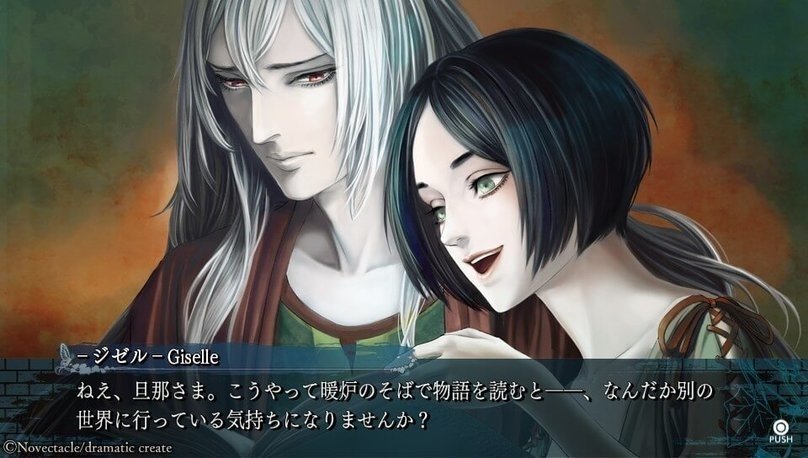
Michel mentions that he’s a cursed person and always hears “the witch’s voice.” Giselle has always thought that’s just schizophrenia and auditory hallucinations from his long lonely life, and she’s willing to spend more time with him, wanting to save him.
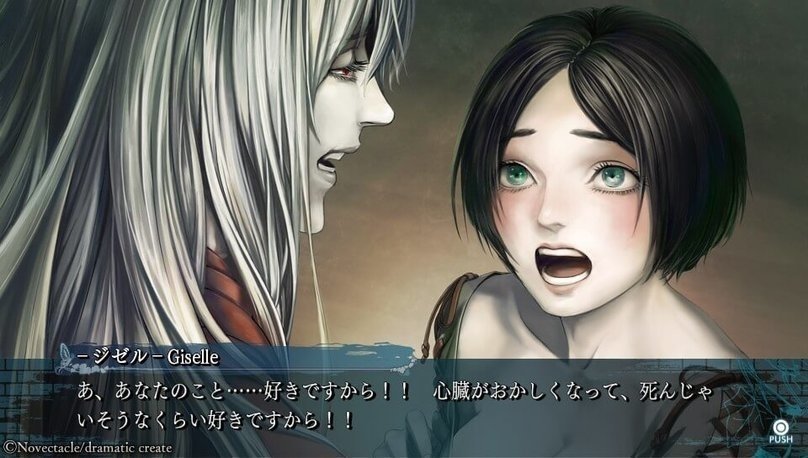
Some years later, Michel learns that the family’s master Antonin has died. He writes home, wanting to leave the mansion and take Giselle with him — but what comes isn’t the family carriage, but a company of knights.
The knights storm the mansion, forcing Michel and Giselle up to the top of the mansion’s watchtower.
In the end, Michel locks Giselle in the top floor and goes alone to face the knights, saying “the witch’s voice” told him to do it.
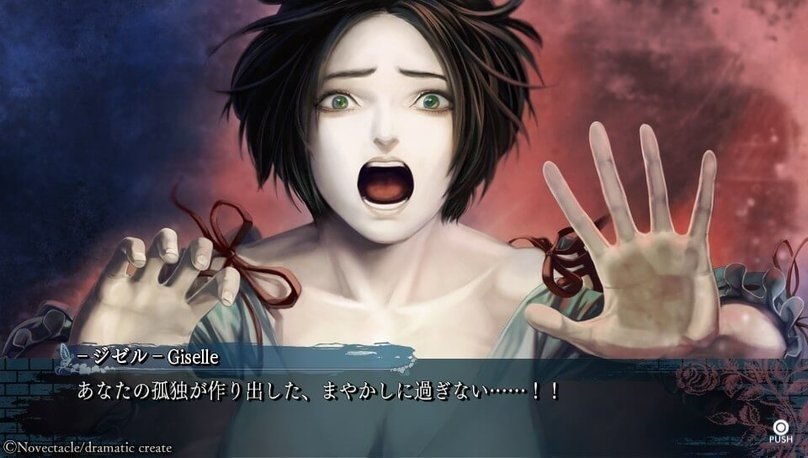
Michel is executed by the knights, his body dragged away, leaving Giselle alone and alive.
Just as Giselle is lost in despair, not knowing what to do, a formless voice appears and begins talking to her.
The formless voice calls itself Morgana, a witch lurking in this mansion.
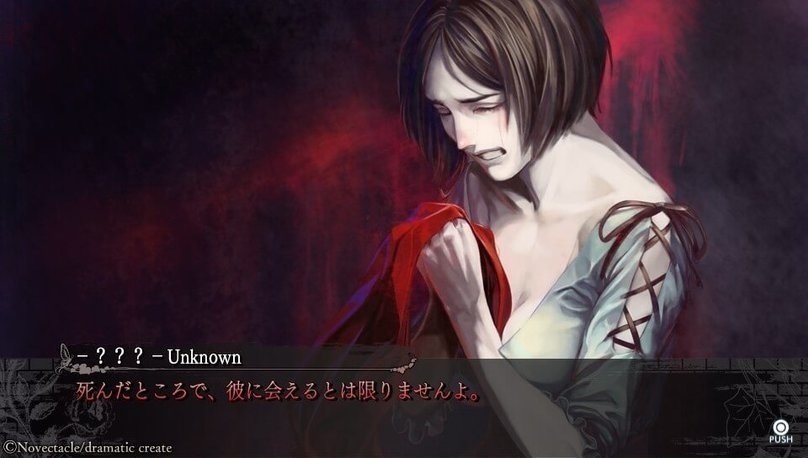
So the “witch’s voice” really exists. Only now does Giselle realize Michel wasn’t schizophrenic and wasn’t lying.
The witch asks Giselle if she still wants to see Michel. If she’s willing, Morgana can help.
Giselle is astonished — can the witch bring Michel back from the dead?
“I can’t bring back the dead… but I can let you meet again in the next life.”
Morgana lays out her conditions.
Let Morgana possess Giselle’s body. She had been possessing Michel before, and Michel is now dead.
Morgana grants Giselle an undying, unaging life, and Giselle must live on here as the mansion’s maid, serving every future master who comes to this mansion.
Because Giselle is undying, one day in the future, the person Michel reincarnates into will surely return, and then she’ll naturally meet Michel again.
Giselle’s love for Michel is too strong, and in the end she agrees.
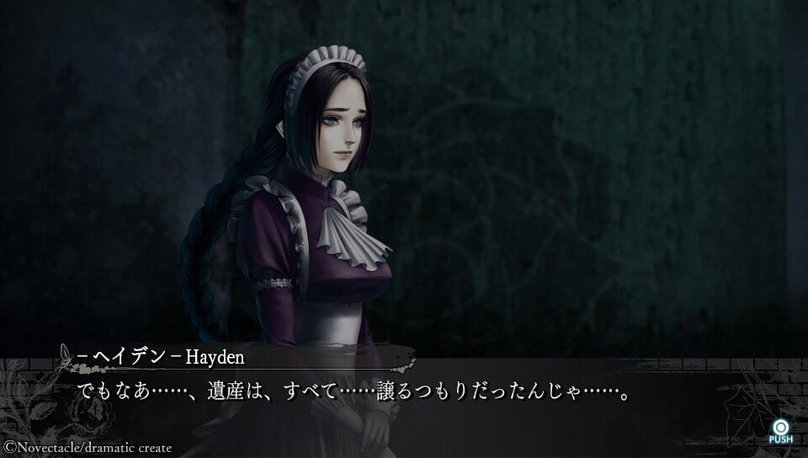
Little did she know this was the beginning of a tragedy.
VI.
After Michel is taken away, no one remains in the mansion but Giselle and Morgana, who possesses her.
Morgana whispers to Giselle every day, and over time Giselle is driven to the brink of madness.
Hundreds of years pass this way, until 1603, when a family moves in and takes up residence in the mansion.
The family is the Rhodes family, with a brother and sister… Mell and Nellie.
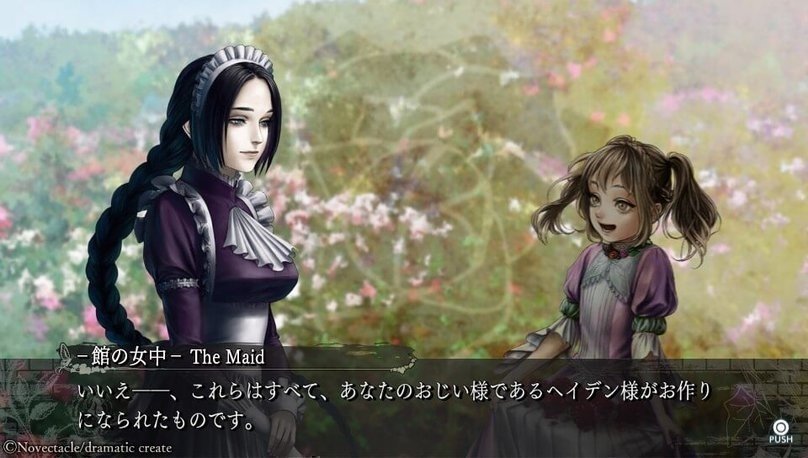
At the same time, a white-haired girl comes to the family as a new maid. The maid Giselle asks her name and finds it’s Michel, and she has no memories of the past “Michel.”
The maid Giselle finally believes this Michel is that Michel’s reincarnation — but… in this life he was reborn as a girl.
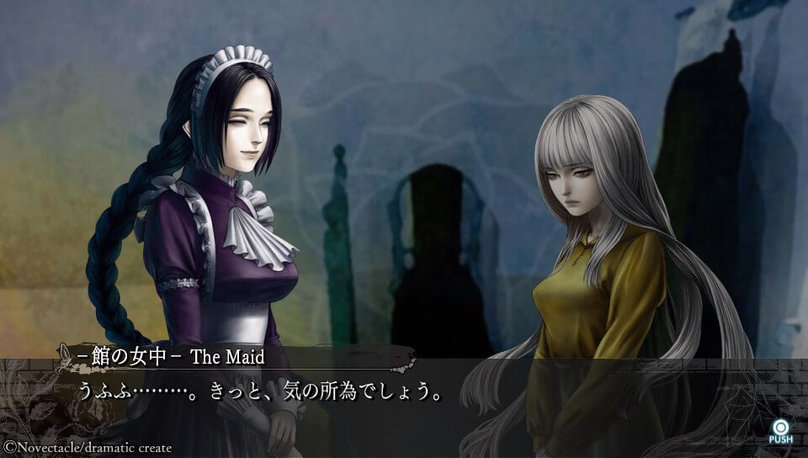
The rest of the story is known: tragedy strikes the family.
With no other choice, Giselle gives up and waits for Michel’s next reincarnation.
And so it goes to 1707…
A savage, bloodthirsty person comes to the mansion, calls himself Bestia, and kills many people. The maid Giselle follows Morgana’s instructions, treats Bestia as her master, and cares for him diligently.
Later another white-haired girl arrives… The maid Giselle asks her name… and she too seems to be called Michel.
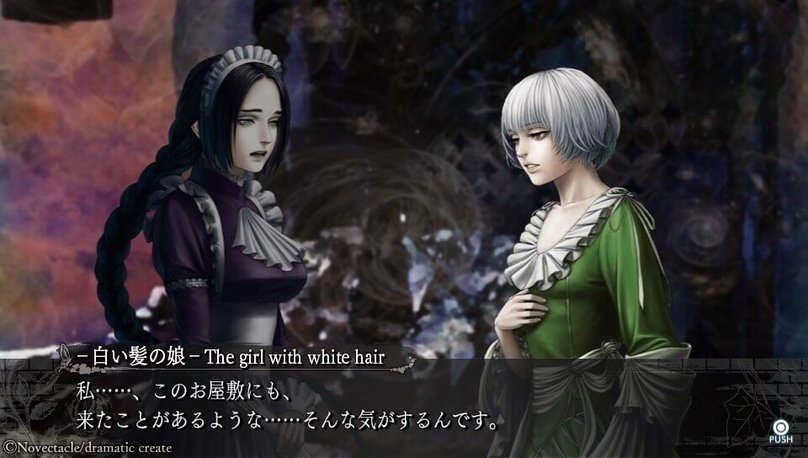
This time Giselle says no more. She already understands what’s going on, and just watches the story unfold as a bystander.
All the way until “Bestia” kills his own lover, then goes mad and kills even more people.
Whatever. This life holds no chance for Michel and her anyway. Wait for the next reincarnation.
In 1896, the mansion gets a new master: Jacopo.
The maid Giselle sees Michel in this life too—still a white-haired girl, and married, now Jacopo’s wife.
So no yuri route this time either.
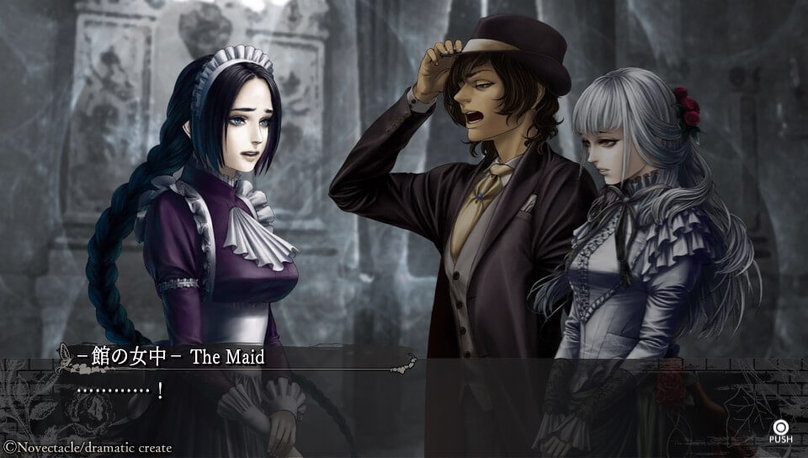
Giselle can’t even be bothered to despair anymore. Over the long years she’s forgotten who she even is.
All she knows is that she’s the maid of this mansion, that she has to take care of each new master. That’s it.
Michel? Will he come again? Probably.
After Jacopo’s tragedy, the mansion falls silent once more.
Giselle has given up. She wants to ask Morgana whether Michel will ever come back.
“Probably. But even if he does, will he recognize you? Do you know what you look like now?”
Giselle looks in the mirror at her pale, bloodless face and feels like she’s no longer the person she used to be.
She thinks it over and decides she’s done waiting. Michel isn’t coming, she thinks. She picks up a knife to kill herself—and finds that no matter how she wounds her body, no blood comes out, and she can’t even feel pain.
“It’s useless. You stopped being human a long time ago. Give it up. Wouldn’t it be easier to just be my maid?”
Morgana is mocking her. Turns out Giselle died the moment she agreed to live forever.
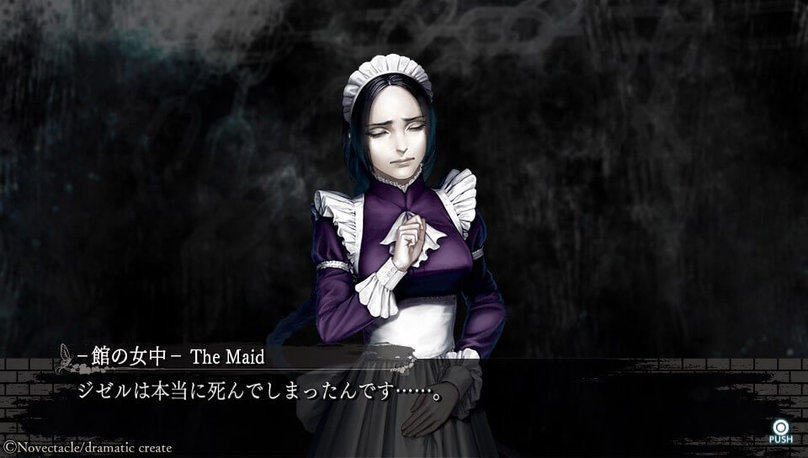
In the end Giselle abandons hope, abandons waiting for Michel, and becomes a puppet—a maid in this mansion, greeting each new master, forgetting her own name. All she knows is that she’s the maid here. That’s it.
Until one day…
“You” wake up as the new master of the house, and the maid before you starts telling you everything that has happened here. Thanks to the long history and the cycles, the maid has forgotten she is Giselle, and forgotten the true identity of that white-haired girl, so the story she tells contains errors.
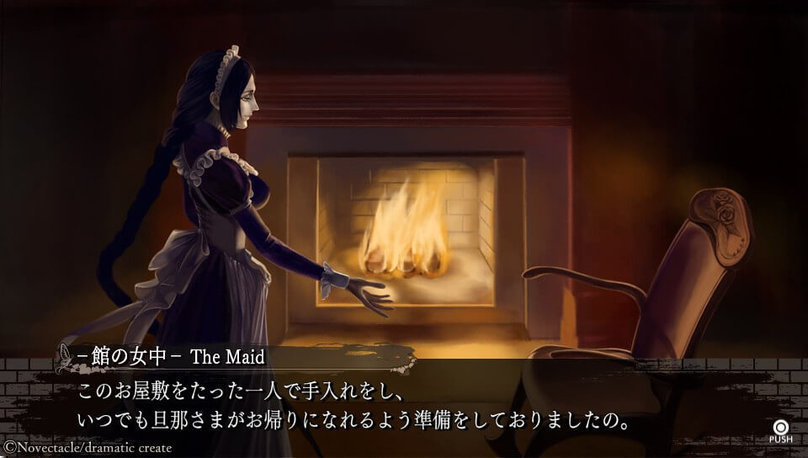
And “you” already understand who you are. You are Michel—not a reincarnation, but Michel’s soul, imprisoned here.
You have been here. You never left.
You’ve found yourself again. You are Michel, and you’ve helped the maid find herself too—she’s Giselle, the woman you once loved. The witch Morgana’s meddling has trapped you both in this mansion. So now you need a way out.
That’s when Morgana shows up.
She tears out Giselle’s soul and hides it away.
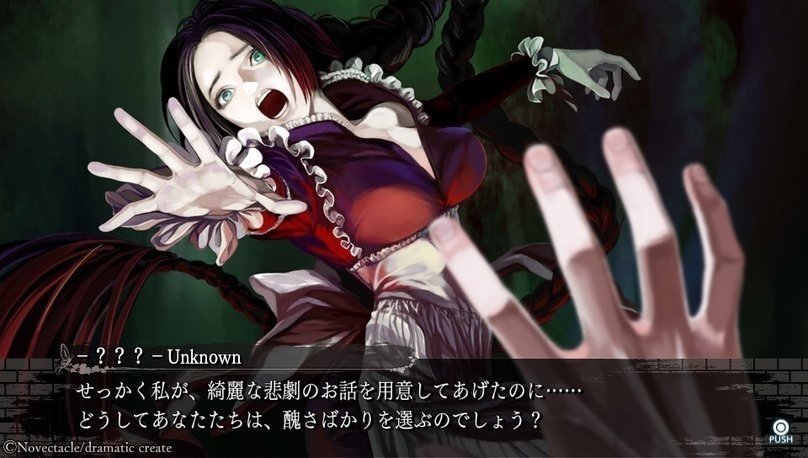
From the mansion’s history you learn that Morgana is most likely hiding in the observation tower on the top floor, and that getting in requires three keys.
You search the dark mansion and find the souls of several “acquaintances” inside: one belongs to Mell, one to Yukimasa, one to Jacopo. They’re from different eras, but all their souls are trapped here too. And conveniently, each of them has a key.
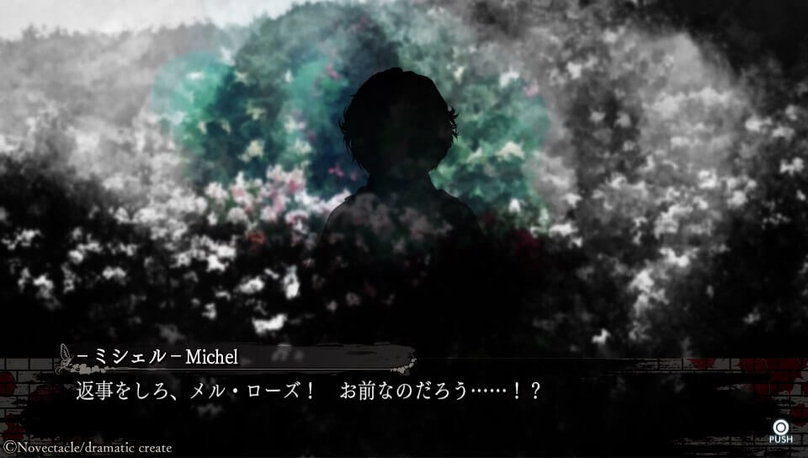
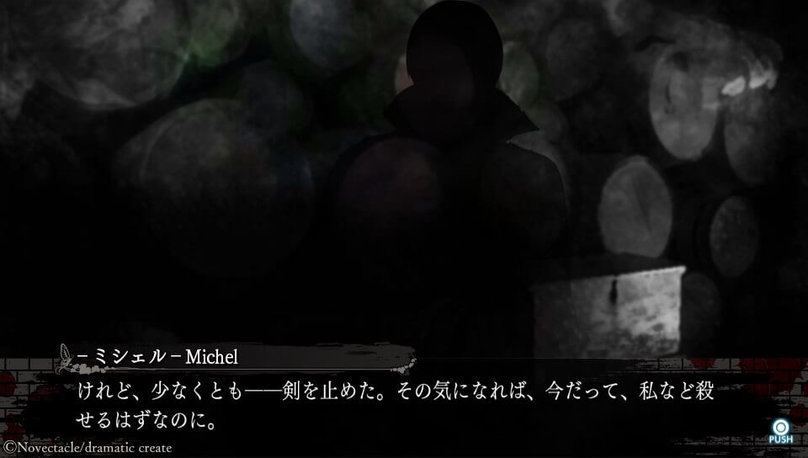
With the three keys you open the top-floor observation tower and meet the mansion’s legendary witch, Morgana.
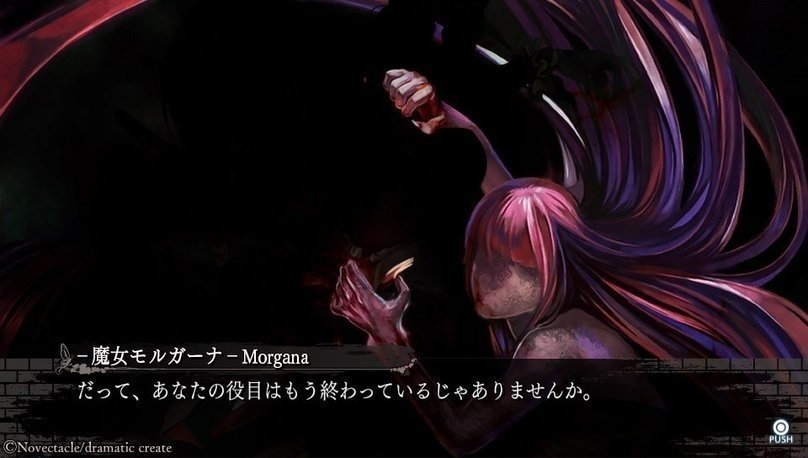
Her face is covered in blood, she’s missing an arm, and she glares at you—Michel—and names her price. Because of Michel’s death, Morgana turned Giselle into “the undying living corpse of this mansion” as a substitute. If Michel wants Giselle freed, he has to pay:
Leave the mansion yourself.
Take Giselle’s place here, and let Giselle go free.
You don’t want to choose. You want both. You ask Morgana why she cursed people like this. Morgana decides to tell you her reasons—and shows you her past.
The story of how “Saint” Morgana became “Witch” Morgana.
Seven
Morgana was born in a remote mountain village, and from the moment she was born she was destined for an extraordinary life.
God favored her. She was a “saint” who could pray for others and heal their wounds. Her blood was an almost almighty cure-all.
“There’s a girl in the village named Morgana—her blood can cure any disease!”
The rumor spread far and wide, and Morgana never hesitated to use her own blood to heal people.
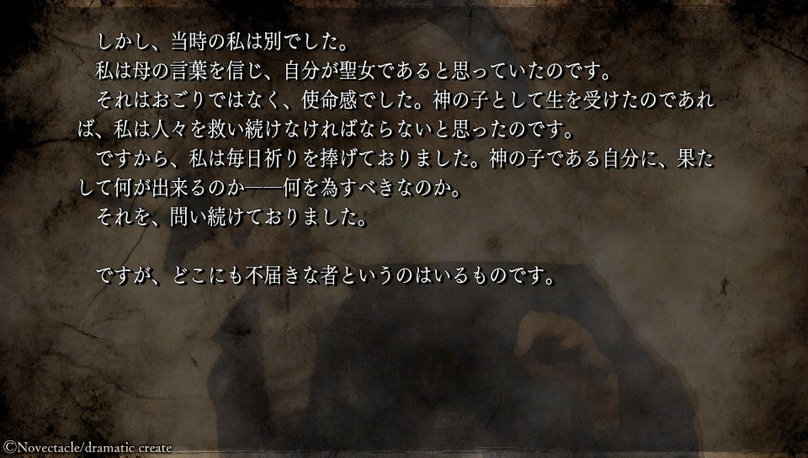
Even so, Morgana’s mother didn’t like this “freak.” She took a large sum from a local lord and sold Morgana to him.
Once the lord had the “legendary saint,” he didn’t treat her as a saint at all. He locked her up and every day cut her skin and drank her blood.
The lord wasn’t sick. He just enjoyed drinking Morgana’s “cure-all” blood, and he used it to entertain others at banquets. Before long Morgana was covered in wounds.
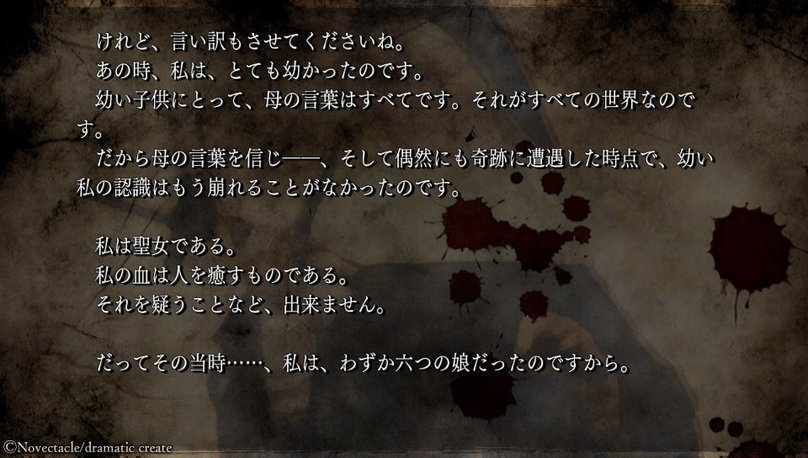
Eventually the cruel lord got what was coming to him. His slaves rose up in revolt, and Morgana was rescued and carried away in the chaos.
A young male slave got her out and brought her to a brothel.
Morgana obviously couldn’t work as a prostitute, but living in a brothel was still better than being tortured and bled by the lord.
The young man who rescued her took careful care of her, applying medicine and healing her wounds, and Morgana’s life briefly found peace.
But peace never lasts. A group of bandits raided the brothel and kidnapped many people there, including Morgana. The young man disappeared.
The bandits intended to sell their captives as slaves. Morgana sat in the corner of the wagon and said nothing.
One of the captives seemed to be a swordsman. He suddenly broke free, grabbed a bandit’s sword, and killed the bandits—but he seemed to have lost himself in the bloodlust, killing not just the bandits but the captives too. Everyone except Morgana.
Why the swordsman spared Morgana, only he knows.
Morgana escaped and hid in a small hut by the river, living a quiet life. Then one day a boy came to her. He said his little sister was sick and that she meant everything to him. He’d heard Morgana could heal people, so he begged her.
Morgana agreed and gave the girl her blood several times, and the girl’s illness miraculously improved.
Then one day a swordsman appeared. He said he was taking the “witch by the lake” to the lord—and that swordsman was the same one who had slaughtered the bandits.
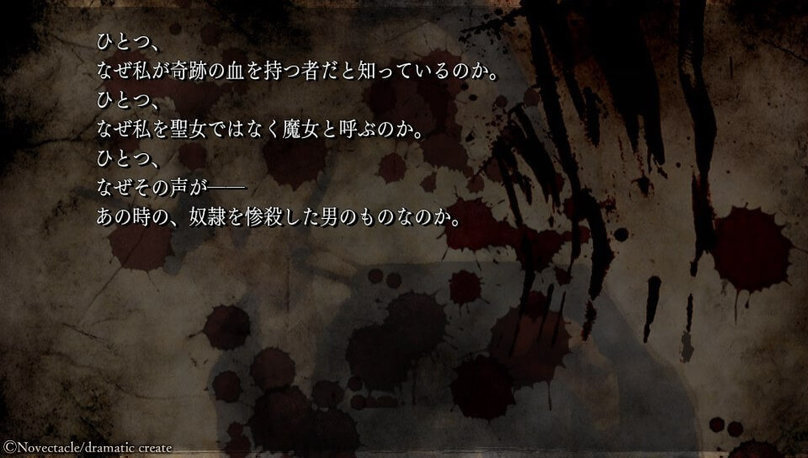
The boy led the swordsman to Morgana and tricked her into opening the door. Before she could react, the swordsman cut off one of her arms and contemptuously tossed it to the boy:
“You still need the witch’s blood, don’t you? Here’s an arm.”
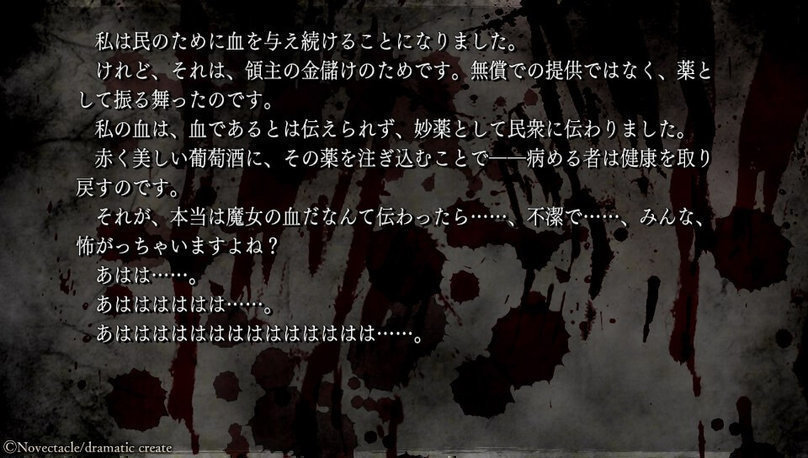
Then the swordsman roughly seized Morgana and transported her to a mansion in the outskirts, presenting her to the lord.
This lord wasn’t the same as before—he was a new lord, an heir, according to rumor.
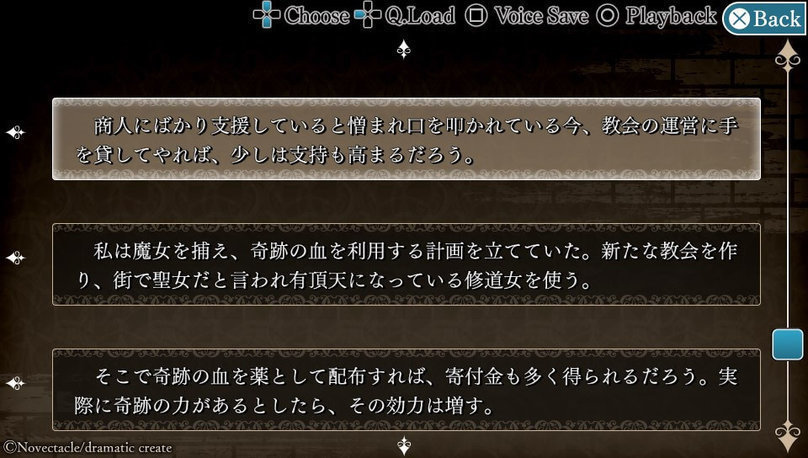
The lord imprisoned Morgana again and brought in a nun, proclaiming that the nun was the “saint” who “could cure all diseases.” The saint’s method was to bestow a “divine medicine”—which was, of course, the blood of the imprisoned Morgana. Believers had to pay for the “divine medicine,” and the lord and the church raked in the profits.
Only three people knew Morgana’s secret: the lord, the swordsman, and the boy. Morgana was locked in the observation tower at the top of the mansion. The tower’s door was locked and required all three keys to open.
With Morgana’s blood supply, the church ran smoothly and made plenty of money. The lord was satisfied and prepared to hold a grand festival.
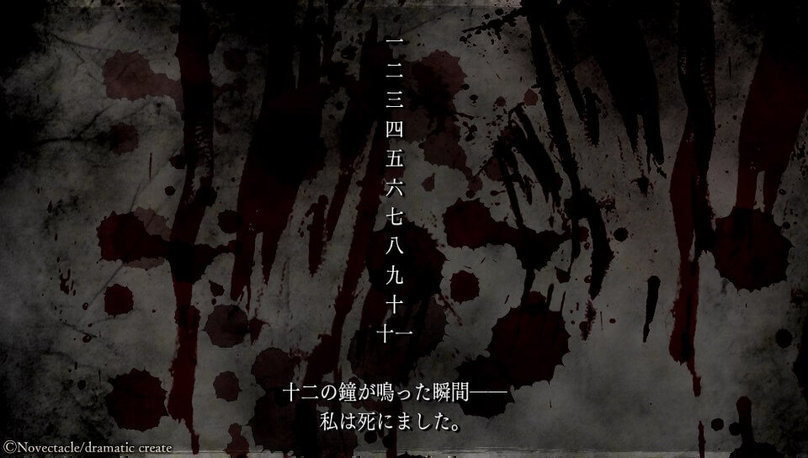
But then, at noon on the day of the festival, after being bled, Morgana died…
Morgana died of sheer despair. She was a saint, yet she’d been branded a witch. Her blood had saved countless people, yet a fake “nun” received the praise and sold it for a hefty profit.
Morgana began to hate the lord, hate the swordsman, hate the boy who betrayed her.
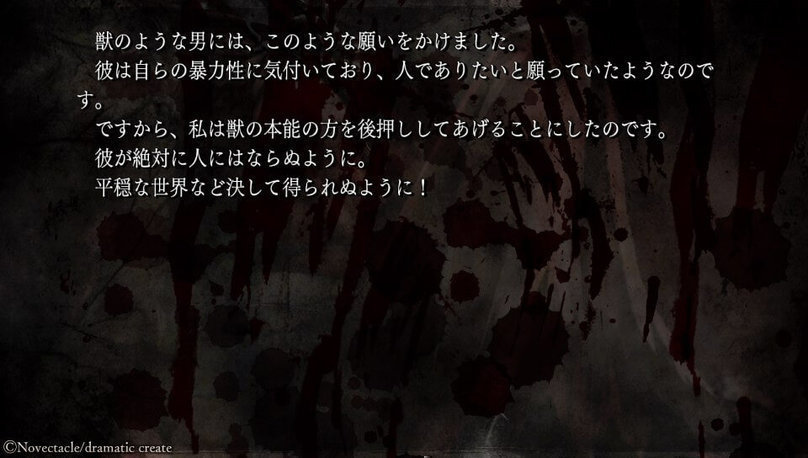
In the moment of death, Morgana began to curse:
She cursed the boy who loved his sister, to never find happiness with her.
She cursed the bloodthirsty swordsman, to forever be lost in his madness and never find himself again.
She cursed the greedy lord, to forever lose what mattered most to him because of his greed.
And everyone who had drunk Morgana’s blood dropped dead.
When the curses were done, Morgana was no longer a saint. She became a true witch, and her soul drifted forever in this mansion.
You probably already understand who the boy, the swordsman, and the lord were.
They all returned to this mansion at some point, and their souls were cursed by Morgana, never to find happiness in any lifetime.
The boy’s reincarnation is Mell, who never found happiness with his sister.
The swordsman’s reincarnation is Bestia, who ultimately lost his reason and became a true Beast.
And the lord’s reincarnation is Jacopo, who no matter how successful, ends up with nothing.
Just as you are Michel’s reincarnation, you need to open the last door and recover your Giselle.
When you see Giselle again, she’s full of disgust for you.
“Why did you lie to me? You’re not a man?”
Giselle snarls at you and then ignores you.
“She read the letter you wrote to your mother.”
Morgana’s whisper comes at your ear. You understand now—Giselle knows your secret.
The secret you meant to keep buried.
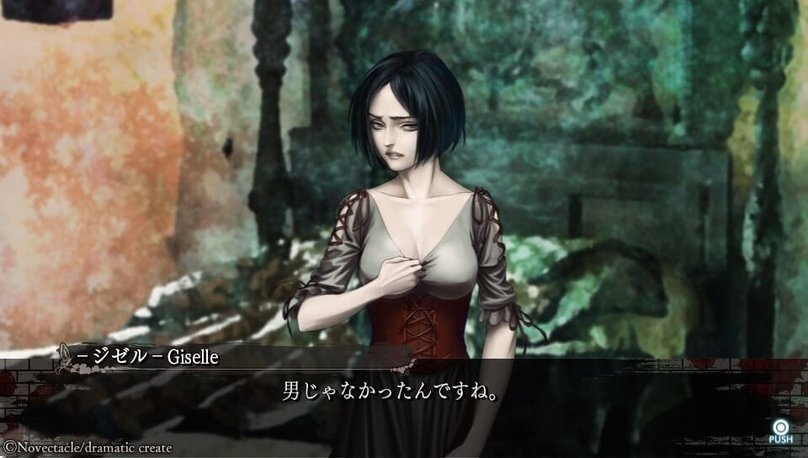
You were originally a woman. Yes—Michel was originally a girl.
So you have to remember your unbearable past…
Eight
You were born into the Bollinger family, the youngest child. When you were born, your mother named you “Michelle,” the name of an angel.
Everyone thought you were a girl, and as the youngest daughter you were doted on by the family.
But you were always strange. Your interests grew less and less girlish. You admired your two older brothers and loved their masculine air. And instead you began… to like girls.
Your sexuality grew stranger. You wanted to be a man, you liked girls, your voice deepened, your body grew masculine, and you changed your name to “Michel.” When your mother saw what you’d become, she went mad with fear. She said you were “cursed,” that a creature neither man nor woman was a disgrace to the family. She locked you up and prayed for you, hoping you’d be cured of the curse and become a “girl” again.
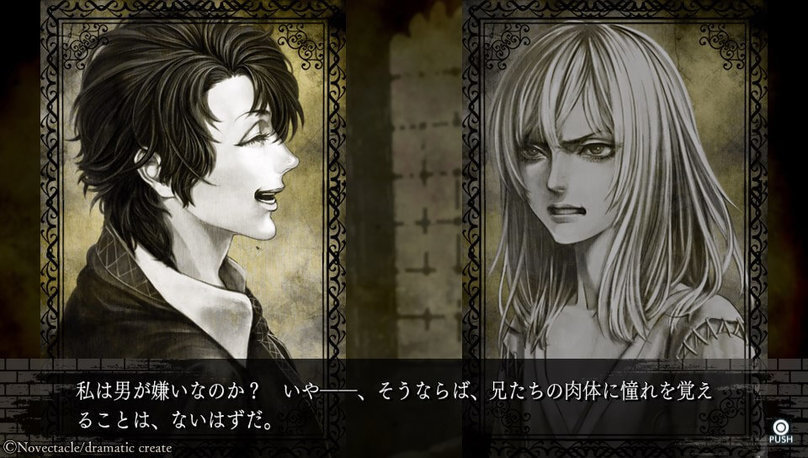
Of course it didn’t work. Your body only grew more masculine—though you weren’t truly male. For instance, you discovered you didn’t actually have the most important thing a man has between his legs.
In modern terms you’d be called “intersex” or “sexless,” but in ancient times you were simply “the cursed one.”
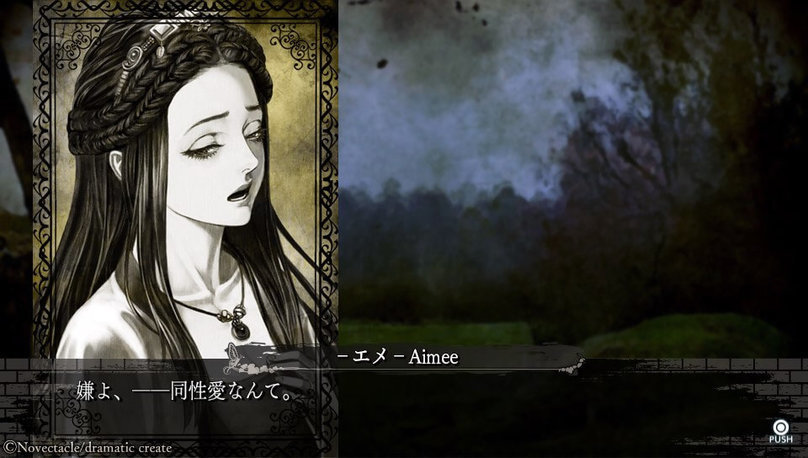
Eventually your father wanted you executed. Your two brothers secretly smuggled you out and left you alone in this mansion to lie low until the family could accept you again.
And in this mansion, you met Morgana’s vengeful spirit.
Morgana deeply sympathized with you. In some ways her life resembled yours—never trusted, always betrayed by family… She possessed you and offered you power, the power to curse, hoping you’d take revenge.
“Michel,” Morgana whispered in your ear, “if you need to curse them, just tell me. I can grant you your revenge!”
But in the end you chose not to curse anyone, because even though your family betrayed you, you still couldn’t hate them. Morgana was deeply disappointed, but she didn’t give up. She kept whispering in your ear, hoping you’d use her power to curse more people.
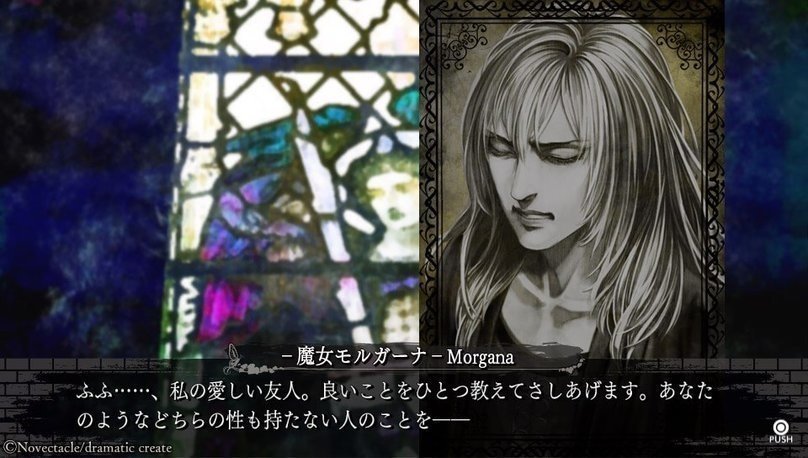
I won’t retell the rest of the story. You met Giselle and fell in love with her. When you learned your father had died, you wrote to your mother hoping she’d acknowledge you as a “boy.” Your mother, who had always thought of you as a girl, finally broke down and, like your father, decided to have you executed…
The knights came to execute you, led by your brother. And that’s how the later tragedy happened.
Ironically, the soul of the brother who executed you is also trapped in this mansion—that black painting on the wall.
Your tragic life ended there, and Morgana gave you a mocking smile:
“Giselle always thought you were a man, but she never realized that your first two reincarnations being white-haired girls wasn’t a coincidence—it’s because you were female all along.”
“You didn’t tell Giselle the truth. You betrayed her.”
“Why won’t you curse the people who betrayed you and refused to understand you?”
“Even now, you still won’t curse anyone?”
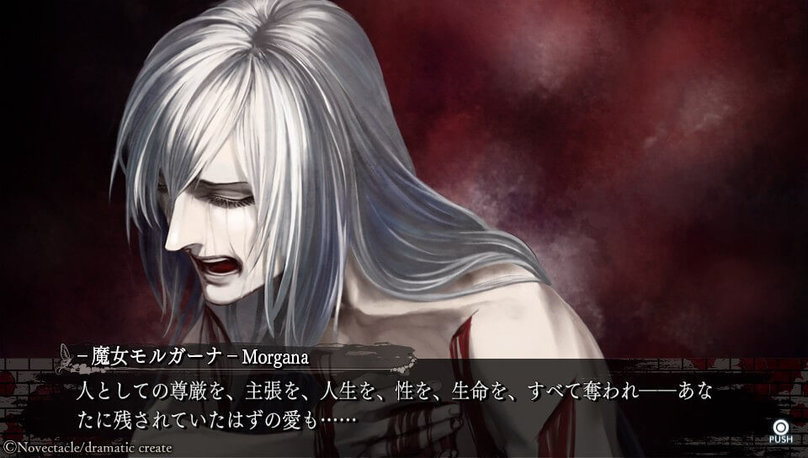
In the end you decide to bear it alone and refuse to curse anyone. Morgana is bitterly disappointed, but Giselle appears again, saying she fully understands you—Michel’s situation—and wants to stay with you.
But Morgana has gone somewhat mad. She wants to keep you and Giselle apart, and more importantly…
Michel and Giselle are actually already dead… and both your souls are under Morgana’s control.
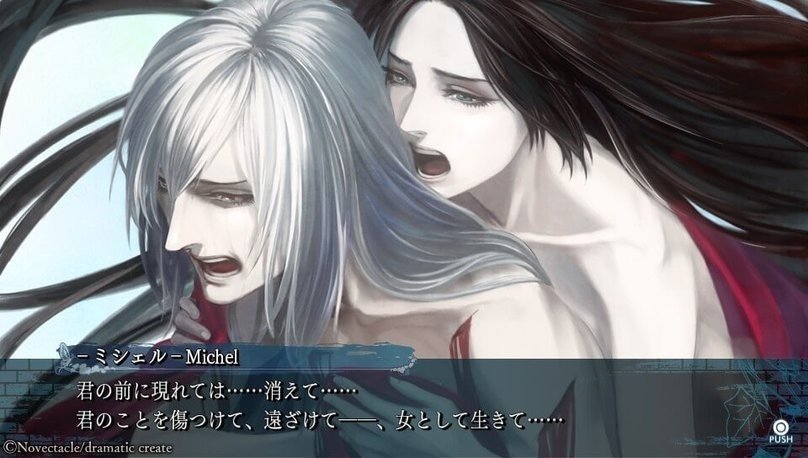
You can’t escape unless… you use the last resort.
Free the Morgana of this mansion.
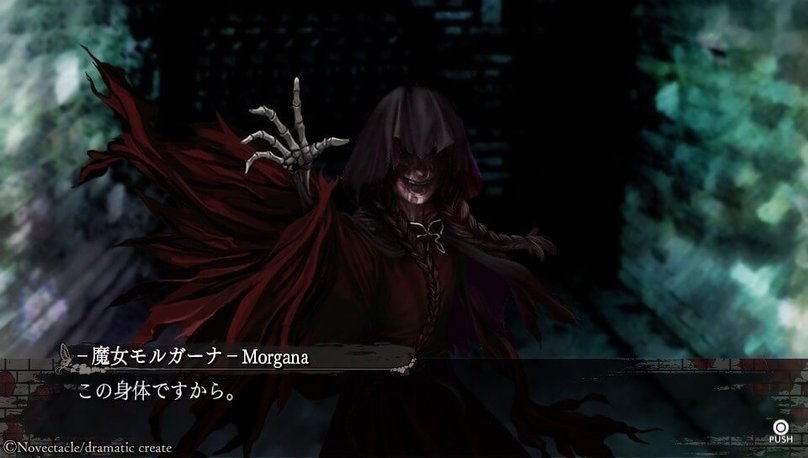
Nine
You and Giselle open the last door at the top of the observation tower.
Space collapses, and you travel through time.
When you open your eyes, you’re in a strange place. The mansion still exists, and inside there’s a “saint” who announces that in three days the lord will hold a “festival.”
You remember: this is three days before Morgana’s death in history. At the festival three days from now, Morgana will die in despair, transform from a saint into a witch, and begin cursing everyone.
What can you do? Obviously, stop the tragedy.
Wandering the mansion, you find many familiar faces—Mell and his sister Nellie, a nun who looks a lot like Pauline from the second door’s story, and a swordsman guarding the top floor. Eventually you also meet the lord of the mansion, who looks just like Jacopo from the third door’s story—and is even named Jacopo.
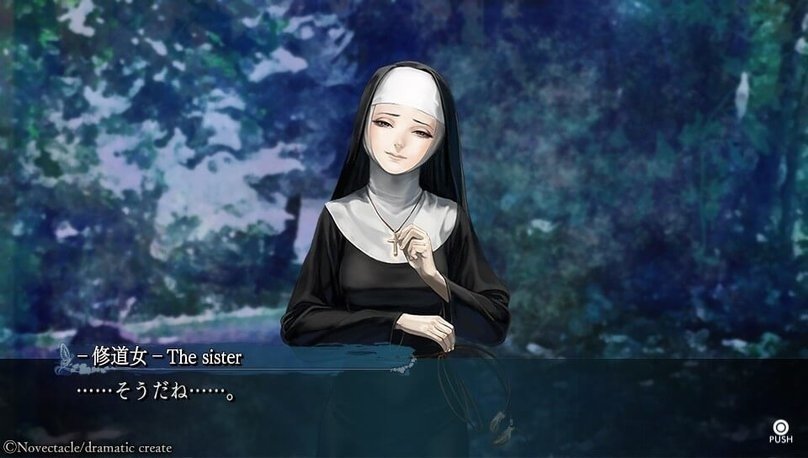
According to Morgana’s memories, she should be imprisoned in the observation tower at the top of the mansion. The tower has three keys: one with the swordsman, one with Mell, one with Jacopo.
So you need all three to hand over their keys to save Morgana, and time is short—only three days left. It looks completely impossible.
But you can start with the easiest target, Mell. Mell cares about his sister, so you tell Nellie about Morgana being imprisoned and bled, and that finally loosens Mell’s tongue.
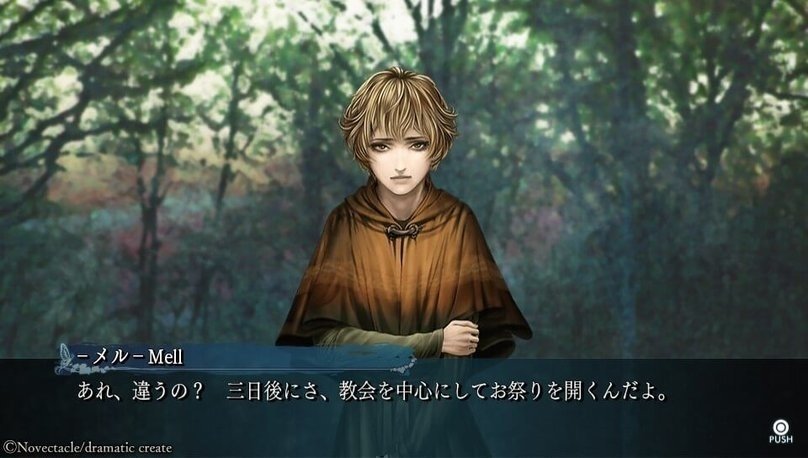
Mell says he was forced into it by Jacopo and the Eastern swordsman. If he hadn’t gone to the little house by the river as bait to trick Morgana into opening the door, his sister would have been in danger.
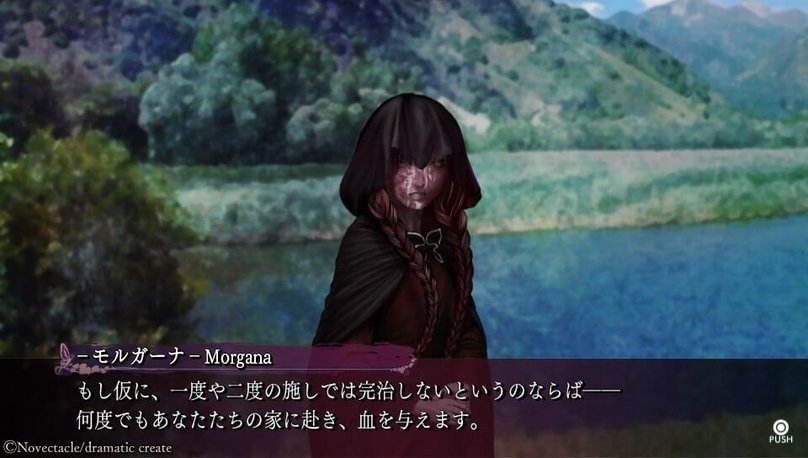
Mell admits he made a bad call and now he’s in too deep, forced to keep helping those two do evil.
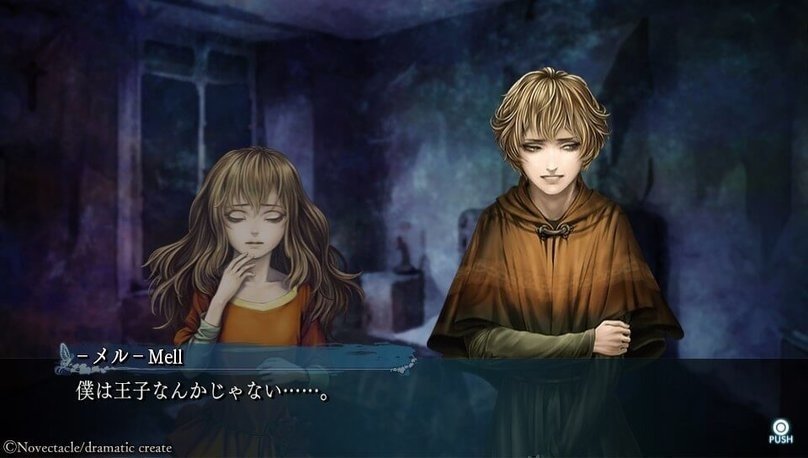
With Mell handled, you move to your second target: the Eastern swordsman.
In the second door’s history, the Eastern swordsman is Bestia, but Bestia has a real name—Yukimasa—and a lover named Pauline. And the nun called the “saint” looks a lot like Pauline.
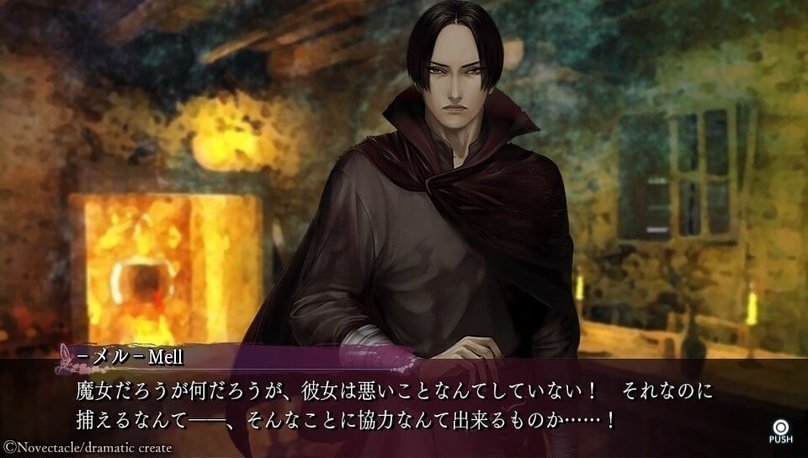
In the end you use the connection between Pauline and the Eastern swordsman to get his explanation.
The nun’s real name is Pauline. She once saved the Eastern swordsman’s life. The swordsman is a bloodthirsty killer, but strangely, whenever he’s near Pauline his bloodlust is held in check. Pauline, as a nun, ran a struggling church, and a local lord—Jacopo—made an offer: if the swordsman brought him the “rumored witch by the lake,” the lord would fund Pauline’s church and make it flourish.
The swordsman did all this for Pauline, and Pauline got her wish and became the “saint.” Of course, only she didn’t know that the real saint was someone else entirely.
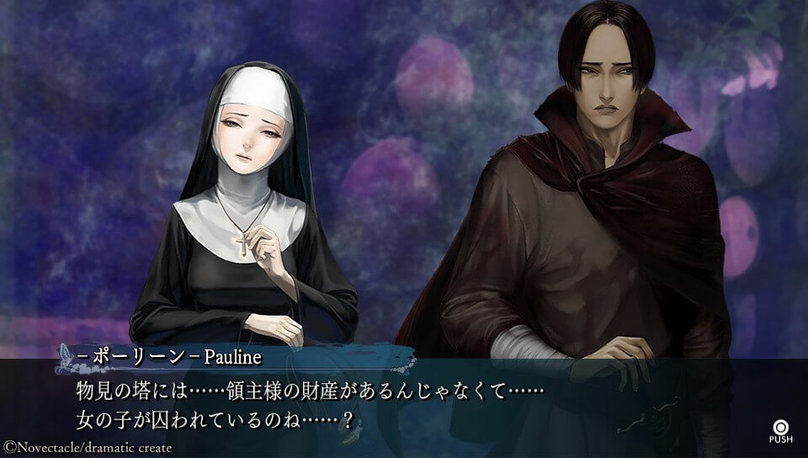
The swordsman didn’t really want to harm Morgana. He did it only for the nun Pauline.
With the swordsman’s understanding gained, only Lord Jacopo remains.
Before meeting Jacopo, you see a blonde woman near the mansion who calls herself Maria. The name rings a bell—in the third door’s story she was Jacopo’s maid who eventually betrayed him. In this era Maria still hates Jacopo, but interestingly, even though she’s never entered the mansion, she knows Jacopo—and knows Morgana.
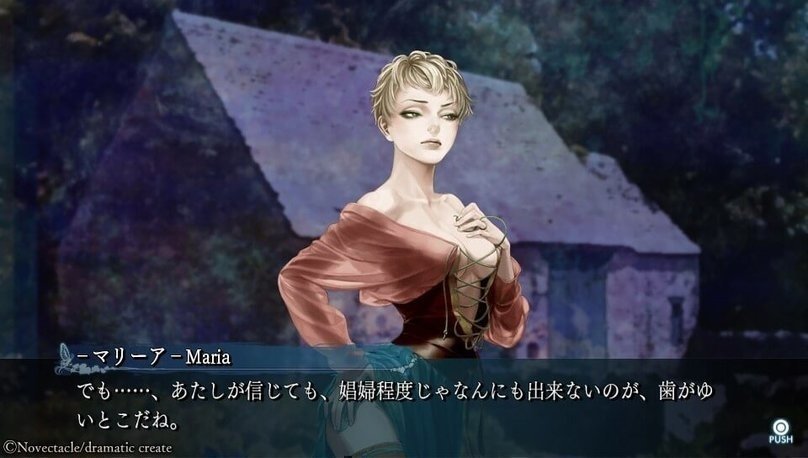
It turns out Maria was a prostitute at the brothel where Morgana once stayed.
She learns where you’re from and what you’re trying to do, and that Morgana is still alive. She gives you a hair ornament and tells you to give it to Morgana—then she’ll forgive everything.
“That hair ornament was a gift the young man who saved Morgana and brought her to the brothel was going to give her.”
“And… that young man?”
“Dead,” Maria says mercilessly.
You bring Mell and the swordsman, and together you coerce Lord Jacopo into handing over the key and explaining why he imprisoned Morgana.
Jacopo resists at first, but finally confesses.
Jacopo was originally a slave. He led a revolt, overthrew the old lord, and became the new lord. But once in power, his head was turned. He grew more and more inflated, and to make money and secure his position, he thought of using the legendary “witch by the river with miraculous blood” to control the church and gain more wealth.
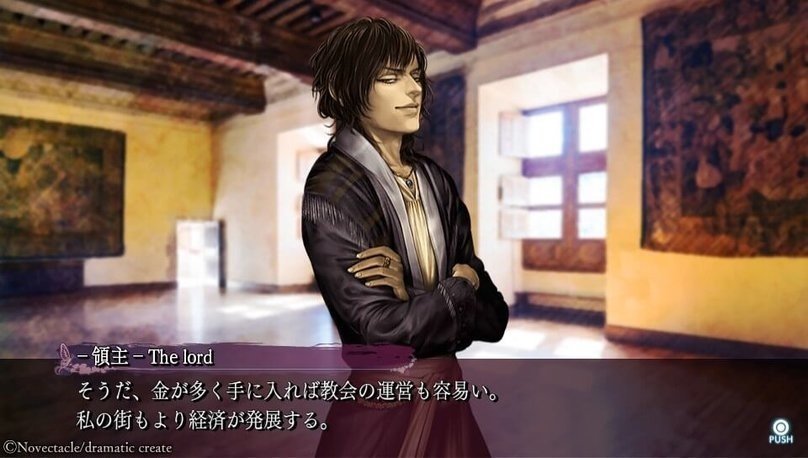
So he found the swordsman and sent him to capture the witch, and that’s how the tragedy happened.
Jacopo’s confession is brief and to the point, but you feel something is missing. From this account, Jacopo’s evil seems about the same as the lord who tortured Morgana before—so why didn’t Morgana curse him, and only cursed Jacopo?
You ask Jacopo if he knows a woman named Maria. Jacopo is startled and asks how you know her.
You show him the hair ornament, and Jacopo finally understands. He has to tell you the part he left out:
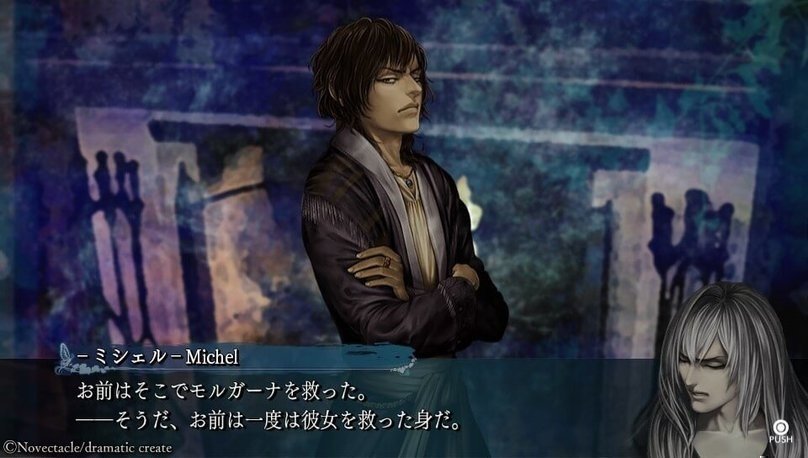
Jacopo was the young man who saved Morgana and hid her in the brothel.
Maria said the young man was dead, but he wasn’t. The young man led a revolt and overthrew the lord—but then a servant of the lord’s family brought him news.
Jacopo, an orphan all his life, had the blood of the lord’s descendants. He could perfectly inherit the lord’s position.
In the end, Jacopo chose to use that to his advantage and became the new lord.
But becoming lord, the decadence made Jacopo fall… eventually betraying Morgana, the woman he had once saved, and becoming her enemy.
Eventually, Lord Jacopo, the swordsman, and Mell all come to Morgana’s cell before the festival and confess to her together, and you place Jacopo’s hair ornament on Morgana. The battered Morgana dies in your arms—thankfully she doesn’t become a witch, but simply rests in peace.
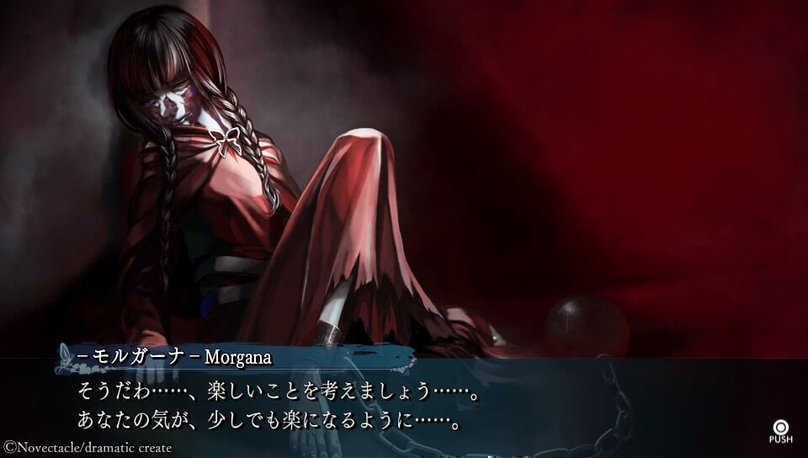
Your vision is distorted again, and you travel through time back to reality, back to the dark mansion.
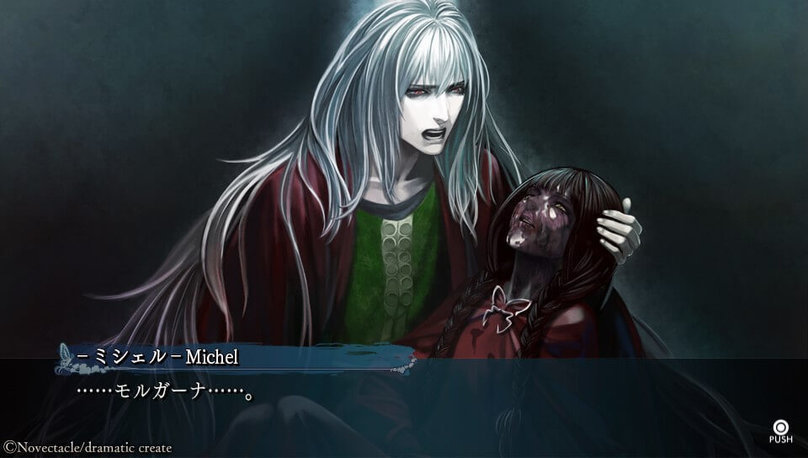
Can a single change to history save Morgana, who has already become a witch?
Ten.
You see an angel.
A girl with white hair and red eyes, holding an angel’s sword.
The angel says she is a part of Morgana’s soul, and the reason Morgana could become a “saint.” The angel tells you that Morgana has now become a witch, and begs you—Michel—to take up this angelic sword and let Morgana’s soul rest.
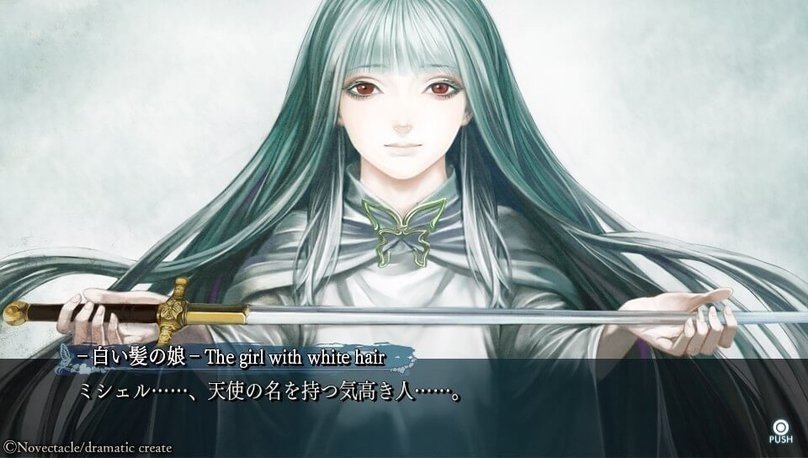
You take the sword and pierce the witch Morgana’s body. Her soul is no longer mad, and finally finds release from the curse.
Morgana thanks you, and personally accompanies you to liberate the other souls trapped in the mansion—Mell, Yukimasa, Jacopo, and you… Michel, and your beloved Giselle.
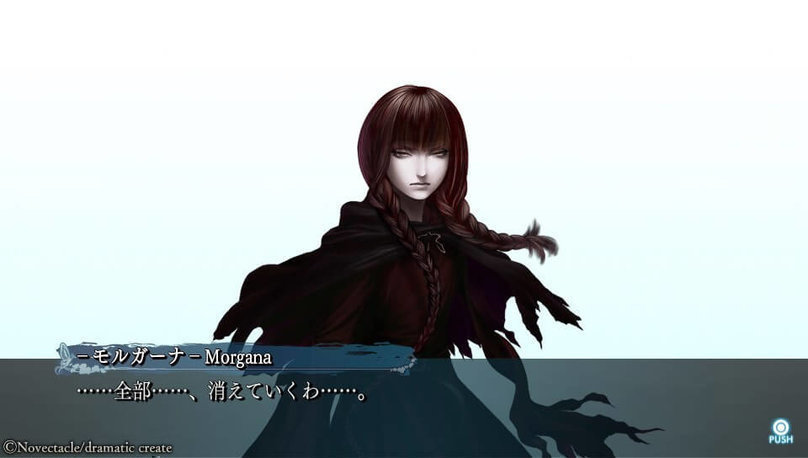
These souls will no longer suffer again and again through reincarnation. You believe that next time, they will all have their own happy endings.
The souls in the mansion all dissipate, falling into the next cycle of reincarnation.
Mell, Nellie, Yukimasa, Pauline, Jacopo, Maria, Michel, Giselle… and your brother… that painting on the wall…
As the souls gradually fade, will they find happiness?
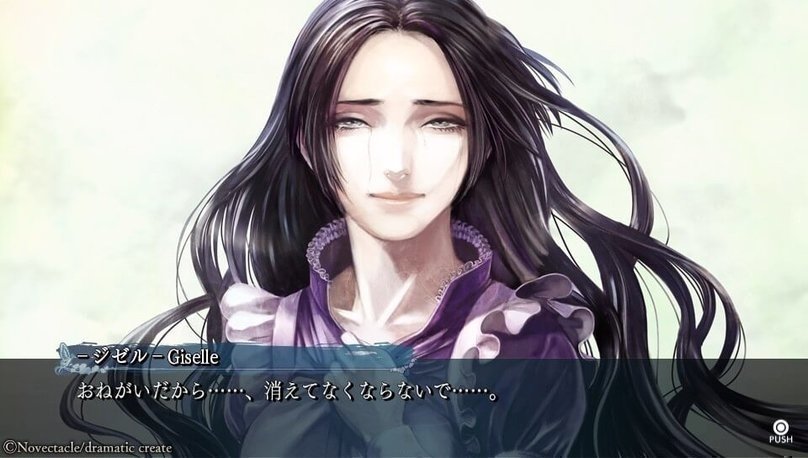
We’ll know in the next life.
Eleven.
Michel and Giselle’s story is over, but some mysteries in the tale remain unanswered:
Why did Jacopo fall into madness and depravity?
Maybe we need Morgana to explain it to us. We get fragments throughout the story, and by piecing them together, we should be able to figure it out.
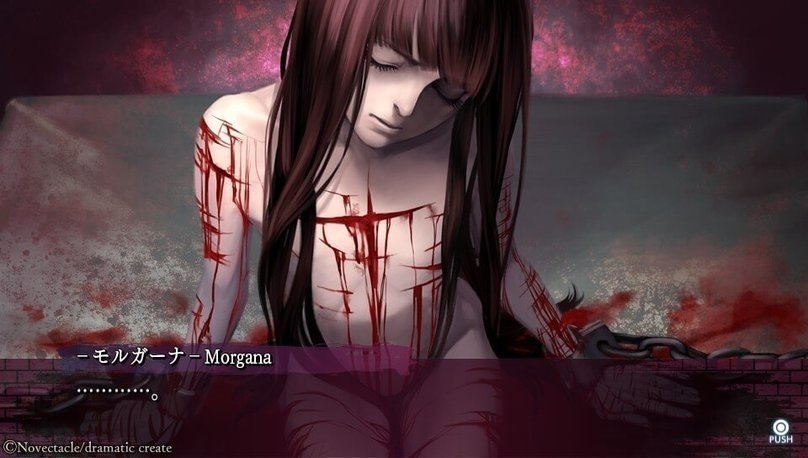
When Morgana was being abused by the lord, Jacopo was just a slave under that lord.
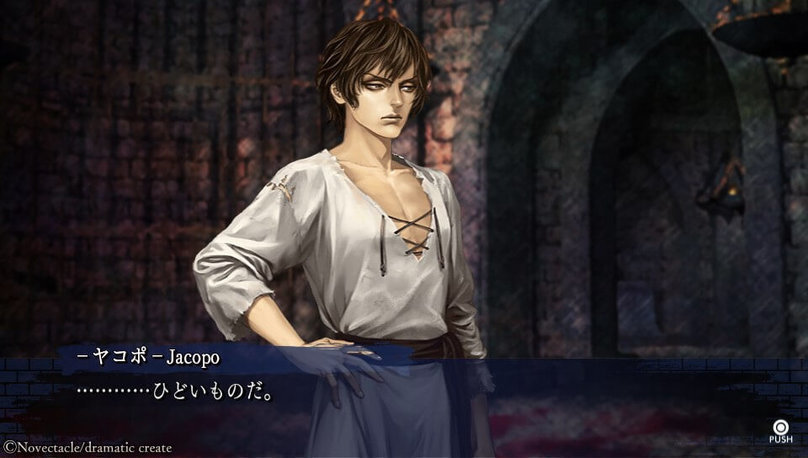
He couldn’t stand what the lord was doing, so he planned an uprising and rescued Morgana.
Morgana was sent to a brothel. Even though it was a brothel, Jacopo took meticulous care of her.
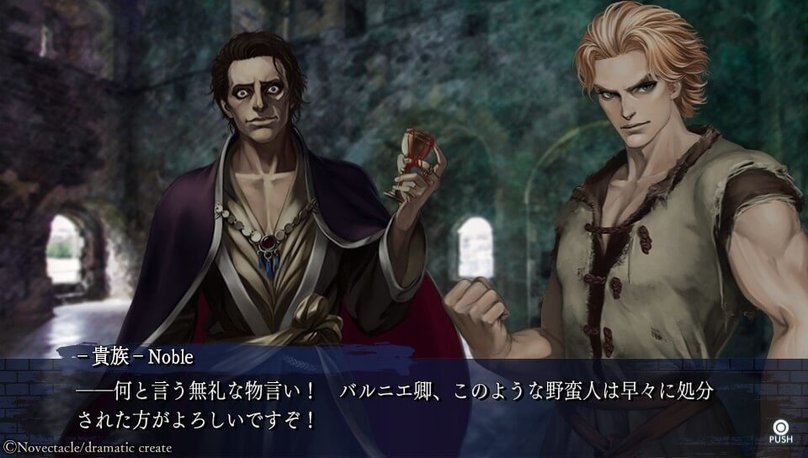
Jacopo felt that Morgana had a natural charm, a charm that drew him in, and he had feelings for her he couldn’t hold back.
Those feelings were probably love.
Jacopo’s meticulous care for Morgana made him care about her more and more.
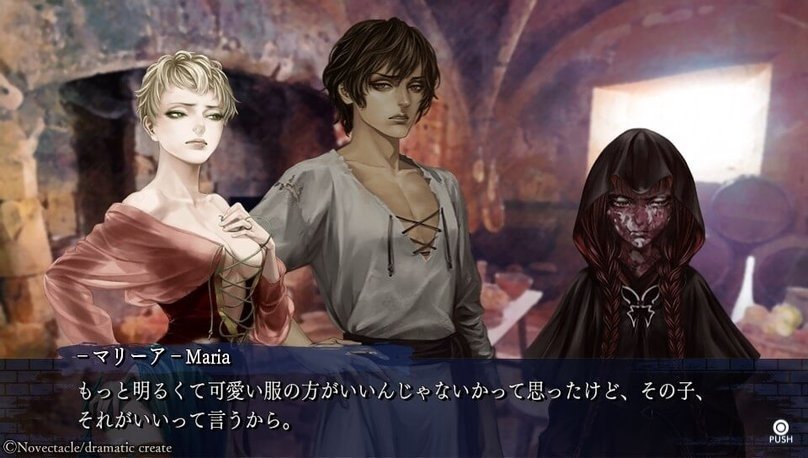
But Morgana never had any romantic feelings for Jacopo. Not that she disliked him—she just had never thought about such things. All she thought about was saving people…
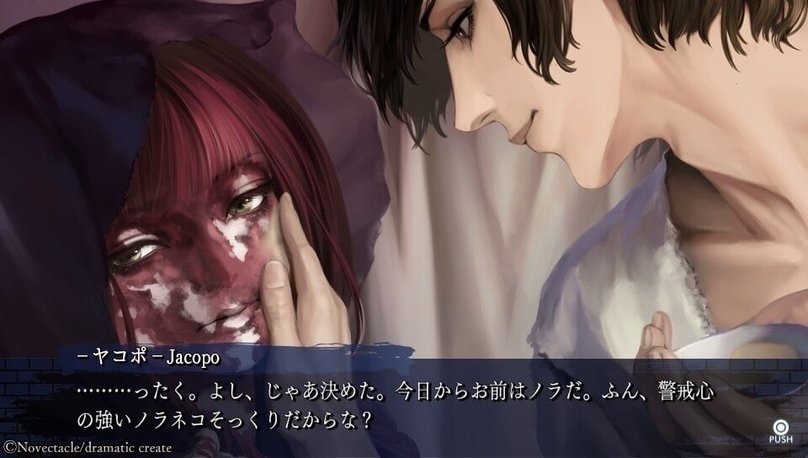
Morgana’s birthday was approaching. On the advice of the prostitute Maria, Jacopo bought a hair ornament as a gift for Morgana, intending to give it to her himself.
But before that moment came, a group of bandits attacked the brothel and took Morgana away.
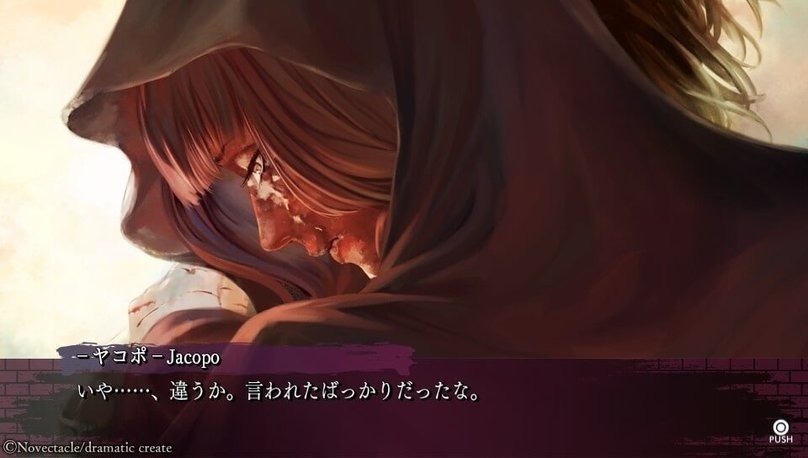
Jacopo was devastated. He thought Morgana was dead.
Then a mysterious man found Jacopo and told him that he was actually a descendant of a former lord, with lordly blood, and could inherit the lord’s position with a token.
Jacopo was an orphan, and the mysterious man claimed to be a former servant of the lord.
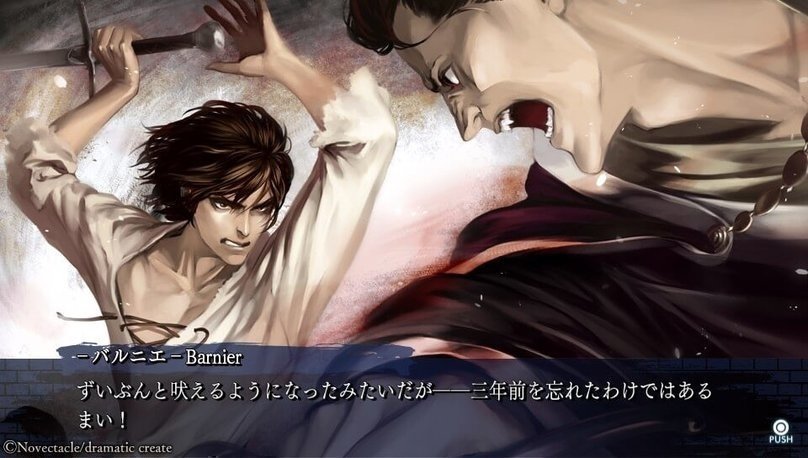
In the end, Jacopo was tempted. He thought that at least if he became lord, things would surely be better than before.
When Jacopo succeeded as the new lord, the slaves who had once revolted with him all came to congratulate him—except Maria.
Someone asked Maria:
“You’re pretty close to Jacopo, aren’t you? You’re good friends. Why are you acting like this?”
Maria said with a sneer:
“That’s exactly because I know him. No matter who it is, once they sit in the lord’s seat, they all end up the same—especially someone like Jacopo.”
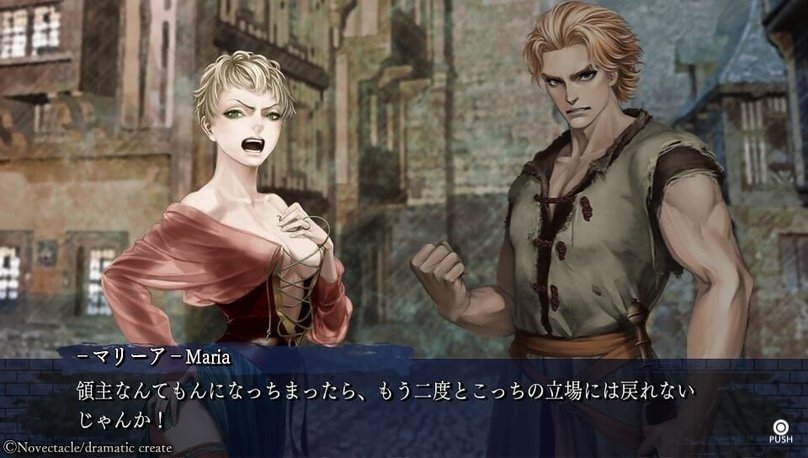
Maria left the new lord’s residence, and looking back, she left her final words:
“Jacopo died the moment he became lord…”
Jacopo, now lord, began his new rule, but he soon discovered that being lord was much harder than he had imagined.
He had to manage many things and deal with many problems. For regional stability, he also had to consider income, so over time, Jacopo began exploiting the poor.
Because as a lord, there was no other way.
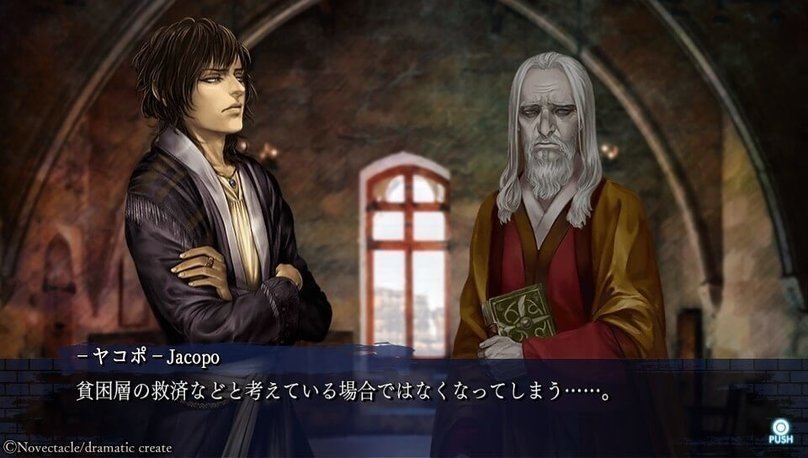
Over time, Jacopo’s actions became no different from those of the previous lord.
The ghost of the former lord seemed to mock Jacopo:
“Look, you said I was no good. If you’re so great, you go do it. You’d be the same!”
In the end, Jacopo walked the same path as the lord before him.
The slave friends who had revolted with him came to Jacopo and asked why he had become so cruel, even threatening to expose his true identity and reveal that he wasn’t really of noble blood.
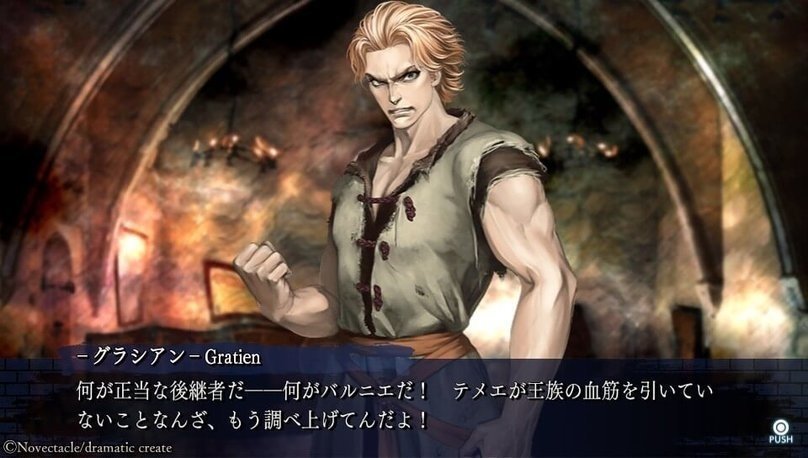
Jacopo had already gained power and money, and he wouldn’t willingly lose them, so he brutally killed his former brothers.
To rule the common people, he needed money, so Jacopo came up with an idea. He heard that somewhere there was a “witch of miraculous blood,” so he found a swordsman and ordered him to capture that witch—perhaps with her blood, he could use religion to make money.
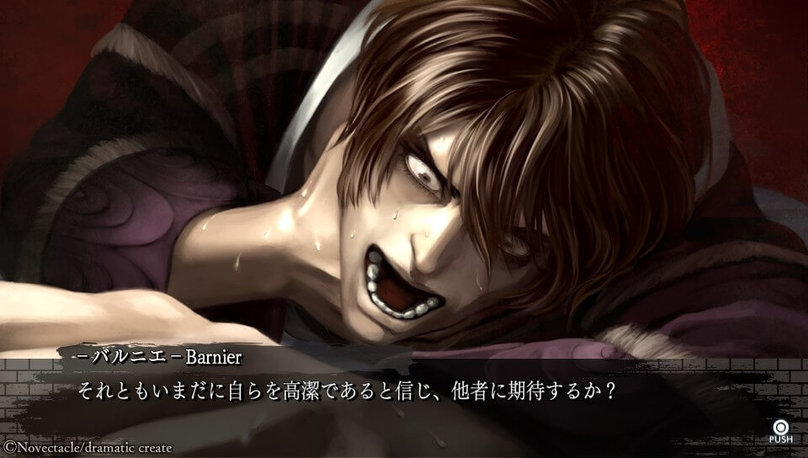
When the witch was brought in, Jacopo was stunned.
“Morgana, why is it you!?”
Jacopo had never imagined that the “miracle witch” was Morgana.
But Morgana no longer recognized who he was.
Just as he had killed his brothers, Jacopo had gained too much. He couldn’t lose it now, couldn’t go back to his old life.
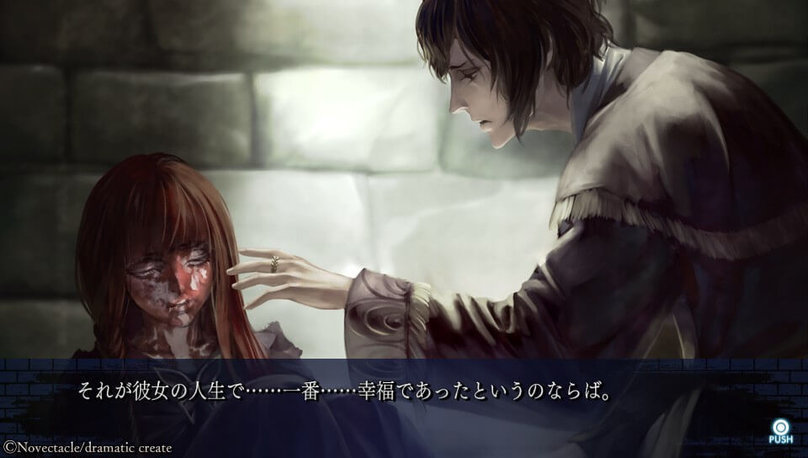
He steeled himself and imprisoned Morgana. He and two others in the know held the keys, and the three of them conspired to run the church and reap their own benefits.
In the end, at noon on the day of the festival, Morgana died in despair and became a witch of curses.
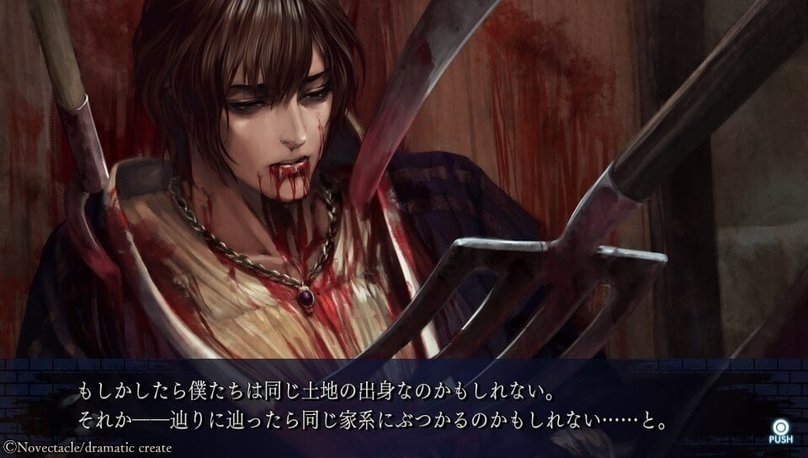
Jacopo and the swordsman, Mell and Nellie, all died cursed by the witch.
Later, Maria heard that something had happened to Jacopo, and she came to the cursed mansion.
Opening the mansion, she saw Morgana smiling at her. Everyone was having a banquet—Mell, Jacopo, and many familiar faces, all the dead smiling here.
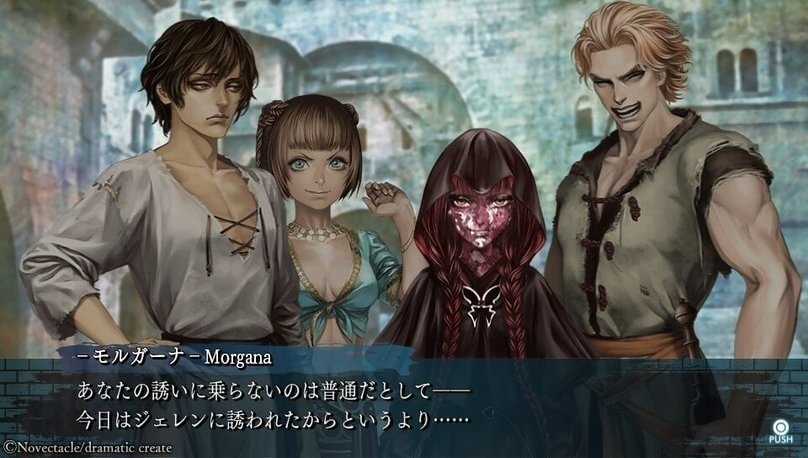
Maria joined the banquet. It was the best of times for Morgana and the others.
The scene freezes, then gradually fades. The illusion ends, leaving reality. Only Maria’s cold corpse, throat slit, lies on the mansion floor.
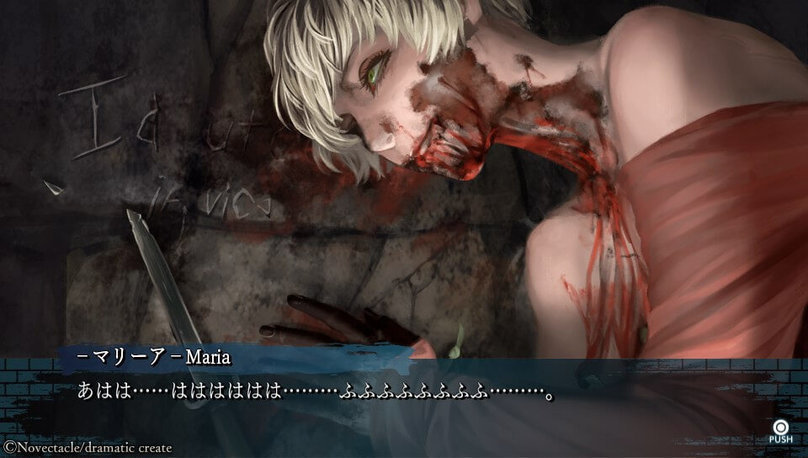
Everything is gone. Nothing but tragedy—this is the origin of everything, and the beginning of Morgana’s curse.
The story should be over, but there are always regrets.
Michel, Mell, Nellie, Yukimasa, Pauline, Giselle, Morgana, Jacopo, Maria…
They all died in the end. Fortunately, they have escaped the curse of the witch Morgana, and they believe that in their next lives, they will surely have bright, happy futures.
But what became of them in their next lives?
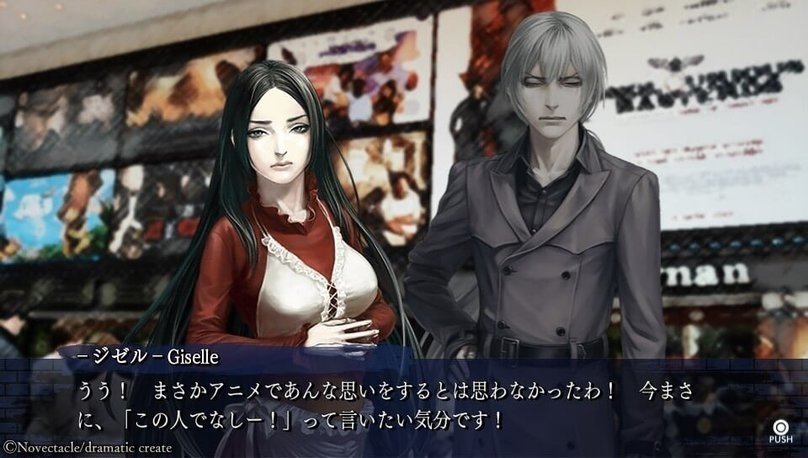
There is still a final ending waiting for you to uncover. The art style might be a little different, the setting and characters might look different, but “they” are still the “they” from before—just in a different era.
Twelve.
In a small town somewhere in Europe, the couple Michel and Giselle live together. Their life is very sweet—whether dating or doing everyday chores, it’s full of happiness.
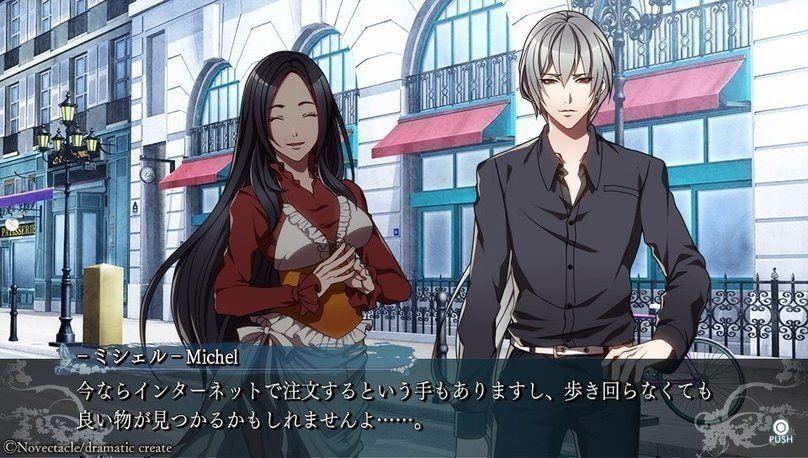
But Michel knows deep down how precious this is, because he is “special.”
Michel has inherited the memories of every previous life. He still remembers the conversation with Morgana’s soul before his last soul faded:
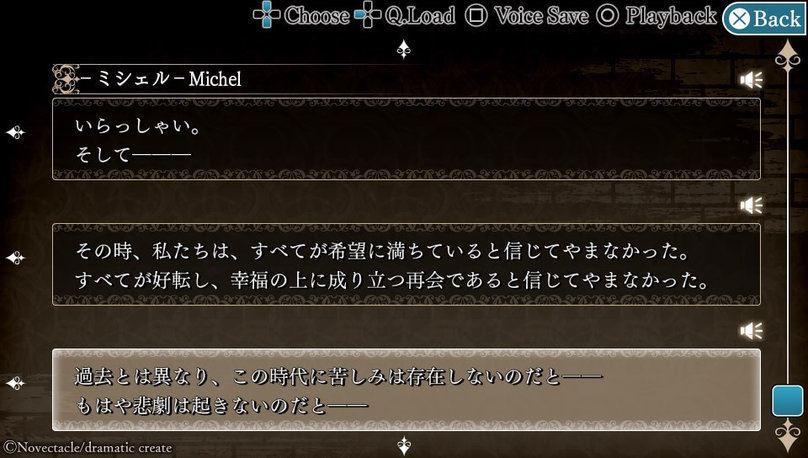
“Morgana, if… if we meet again in the next life, will we still find happiness?”
Morgana neither affirmed nor denied it. Perhaps even she didn’t know.
…
Has Morgana also been reincarnated into this era? Where is she now?
Michel falls into thought.
…………
……
…
Nellie is a high school student living an ordinary life. One day, she sees a handsome guy on the street. He has the same hair color as her, and Nellie is drawn to him at first sight.
Nellie abandons her plans with classmates and goes to talk to the handsome guy. They hit it off more and more, and Nellie’s fondness for him grows until she can’t hold back from confessing.
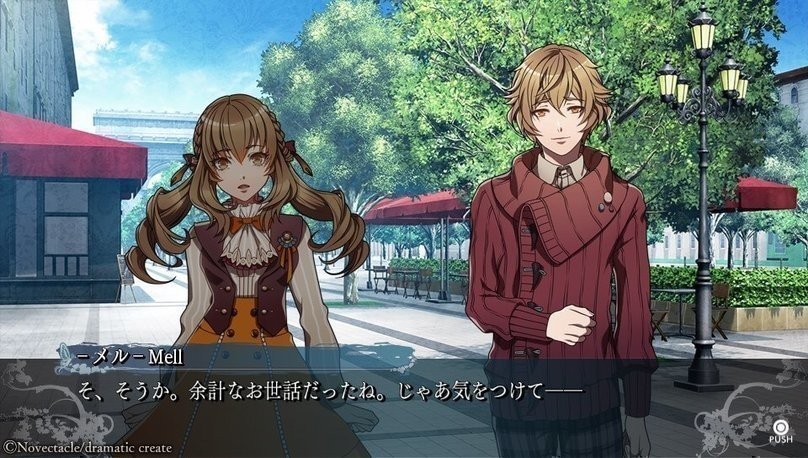
The handsome guy is named Mell, and he’s also a student at the school.
However, soon after, Nellie sees Mell again—her mother has remarried, and the man she married is Mell’s father. Her mother also honestly tells Nellie that she and Mell are biological siblings…
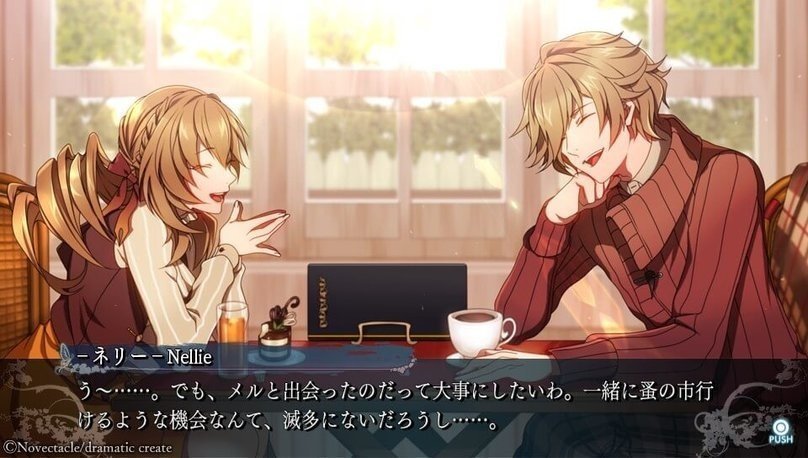
Biological siblings means they can’t be together, and Nellie falls into despair.
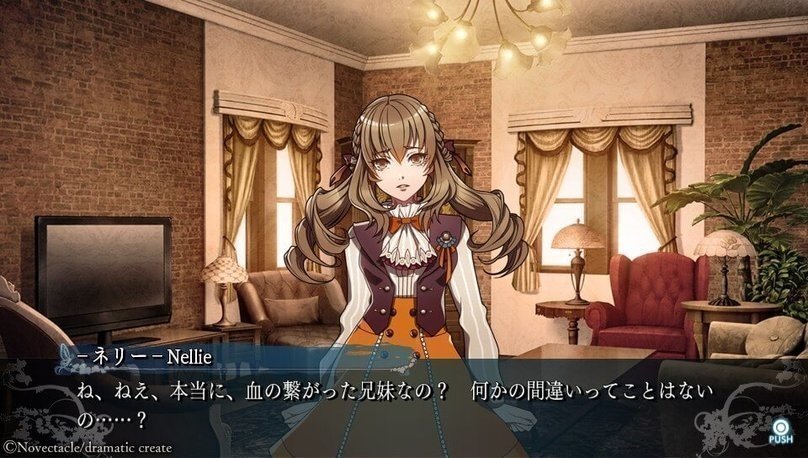
Nellie and Mell start to clash. At first, Mell can’t understand why his new sister is so unhappy.
But in the end, Nellie’s confession of love moves her brother, and the two decide to ignore the forbidden line in pursuit of happiness.
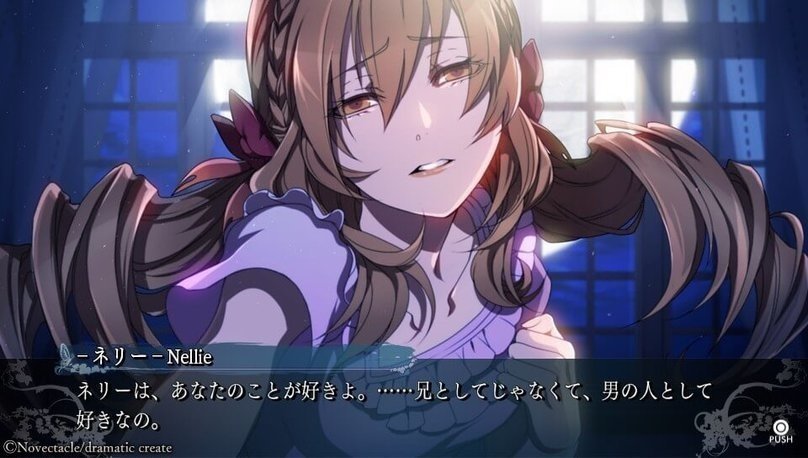
Siblings or lovers—as long as they’re happy, that’s what matters.
…………
……
…
Yukimasa is a wanderer with a great sense of suppression inside him. He loves violence.
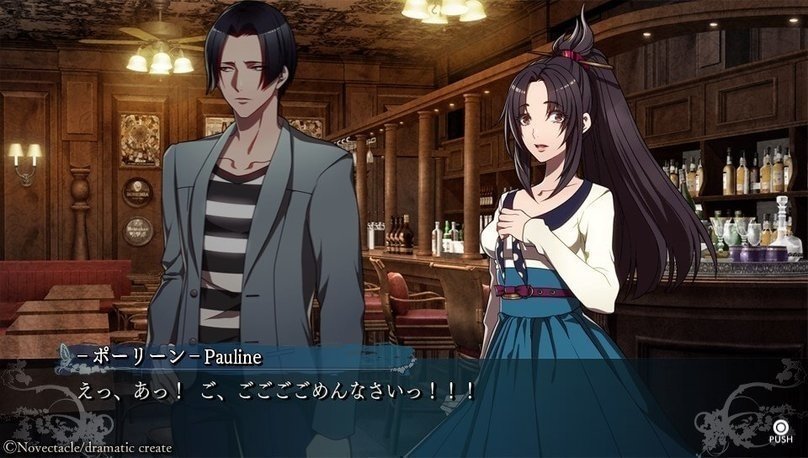
He wants to kill. Until he meets a girl named Pauline at a bar.
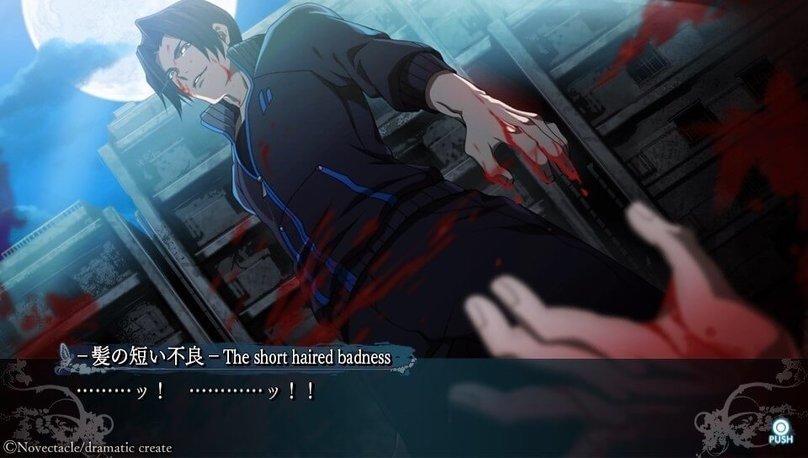
Pauline becomes a “lock” on his heart, suppressing his craving for violence and blood.
Under Pauline’s gentle influence, Yukimasa is no longer violent.
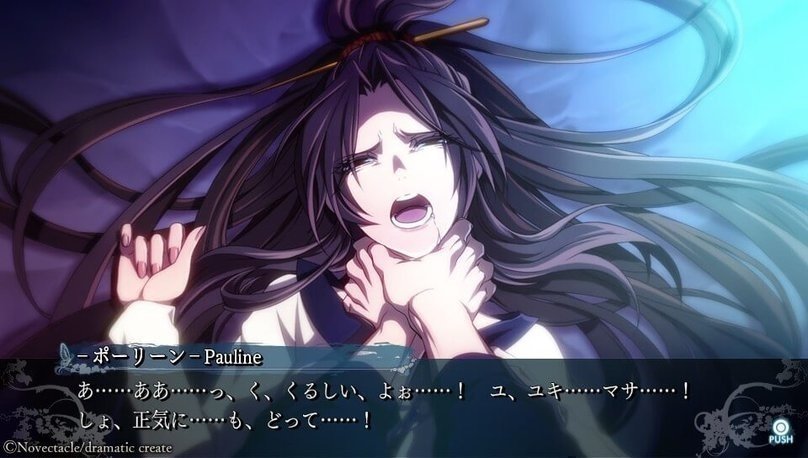
The two maintain a tacit relationship that is both lovers and mutual need.
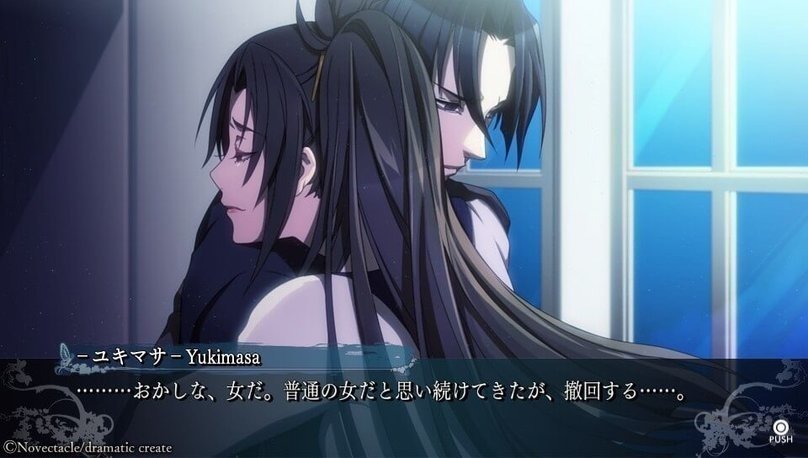
Never to be separated again.
…………
……
…
One midnight, the merchant Jacopo encounters a red-haired girl in a garden, dressed in something like a priest’s robes, sitting quietly.
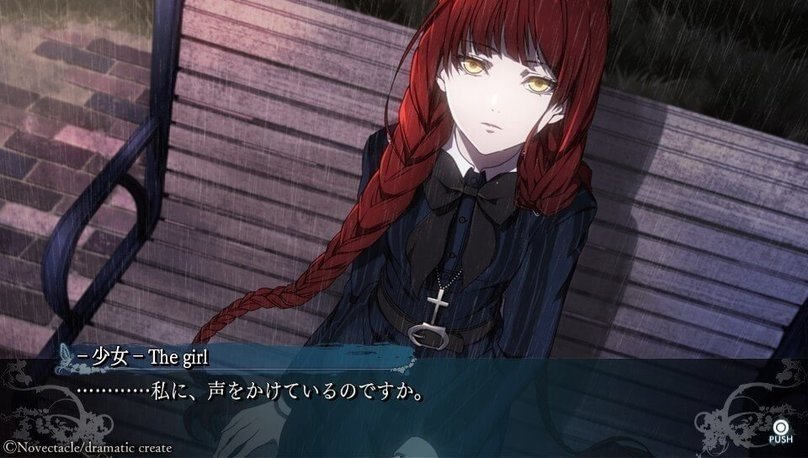
Jacopo finds her face familiar but can’t remember where he’s seen her.
It’s about to rain, and Jacopo sees that the girl has no intention of leaving. With no other choice, he invites her to his home to take shelter.
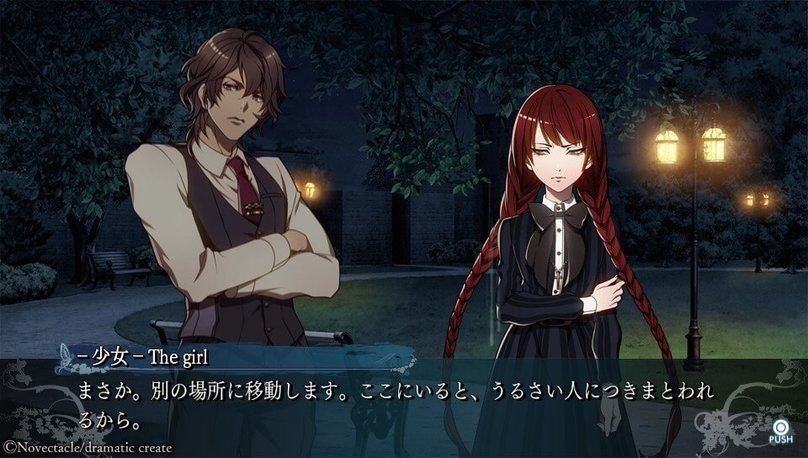
Later, the girl honestly explains that she has a strange illness and is apparently abused by her father—her body is covered in scars—so she ran away from home.
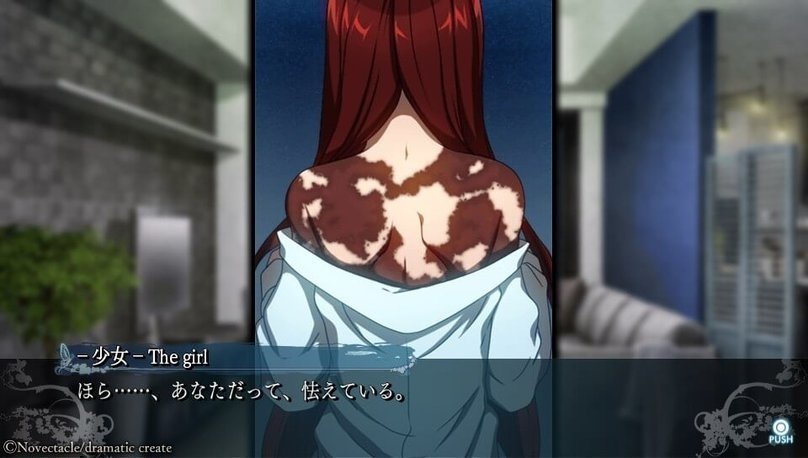
Jacopo is furious and says he wants to talk to the perpetrator, but the girl is calm and quietly says:
“Maybe I did too many bad things in my past life, cursed too many people, and this life is my retribution.”
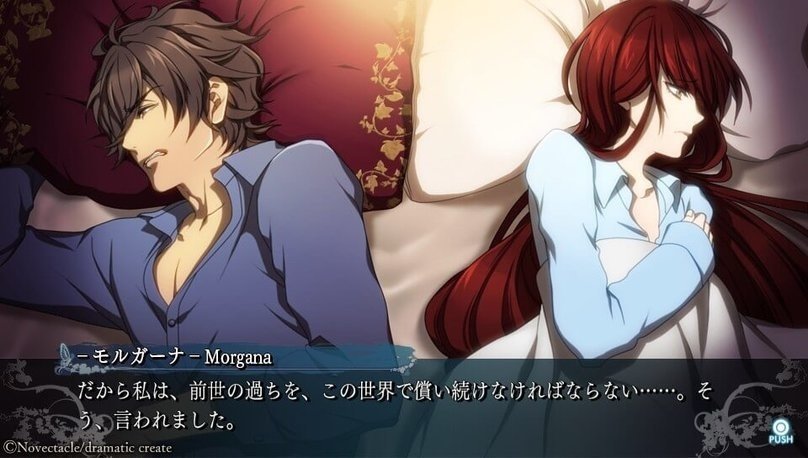
Jacopo asks the girl’s name, and she says she is called Morgana.
In the end, Morgana is found by her family and taken back. Jacopo has no standing to save her—after all, he’s only just met her; they’re strangers.
As she leaves, Morgana finds a note on her with an address: if she runs away again, she can go there to hide.
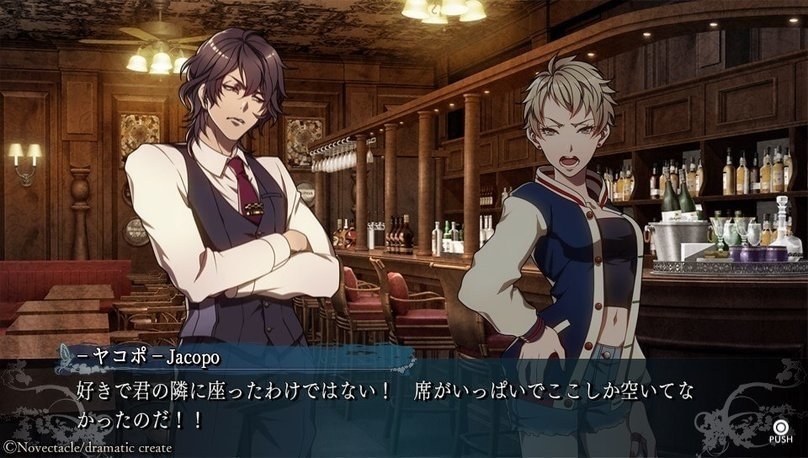
The address was recommended by a strange woman named Maria at the bar Jacopo frequents.
Morgana eventually goes to that place. It’s a large mansion, and the owner is now called Michel, living with his fiancée.
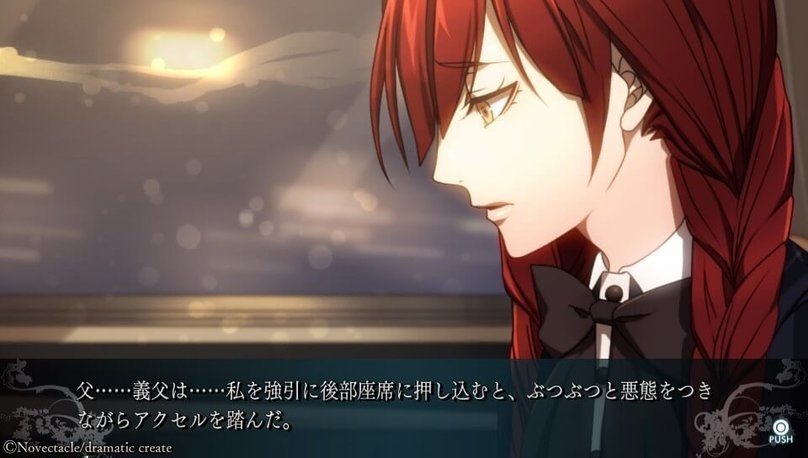
There’s also an Eastern man named Yukimasa living there, with his lover Pauline…
Morgana’s arrival fills the mansion with life.
Of course, the most relieved is Michel. Only he knows who this red-haired girl is and what happened to her in the past.
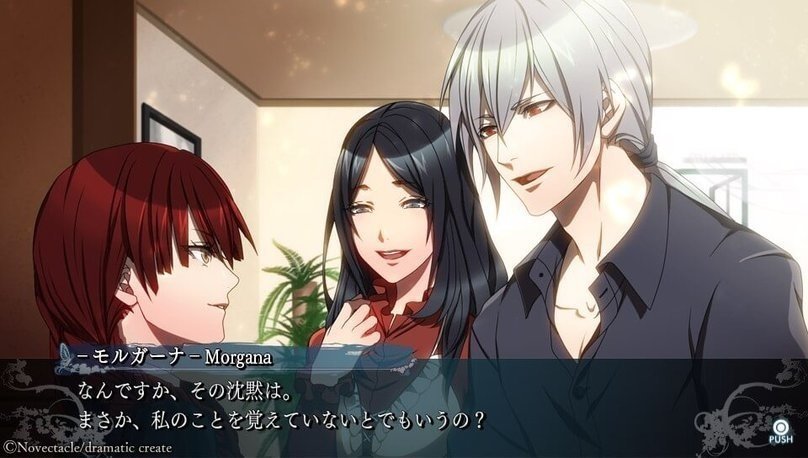
Morgana did curse many people in her previous life, but in the end she found release. Michel had wondered whether, if Morgana were reincarnated, she would find the happiness she deserved.
Now it seems that in this world, happiness is within reach.
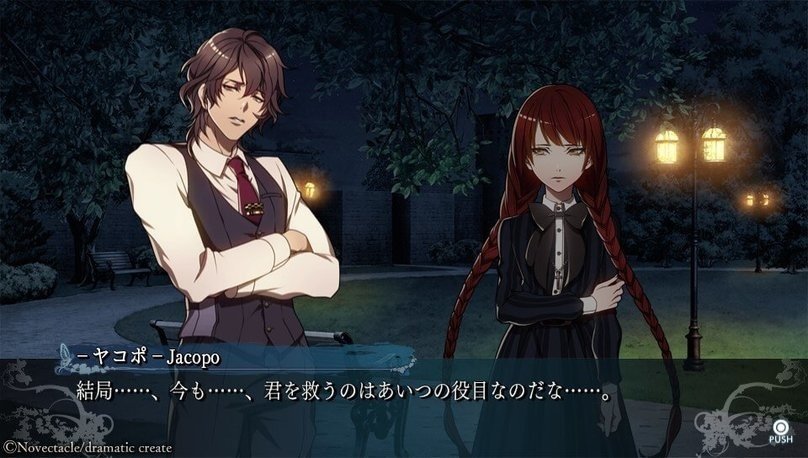
Eventually, Jacopo also comes to the mansion looking for Morgana, bringing his friend, the woman named Maria.
Jacopo likes Morgana, but Morgana seems to have special feelings for him.
“So in the end, it wasn’t me who saved you after all.” Jacopo chooses to accept reality.
Morgana accepts Jacopo too.
Seeing all this, Michel feels truly relieved.
…………..
…………
……
…
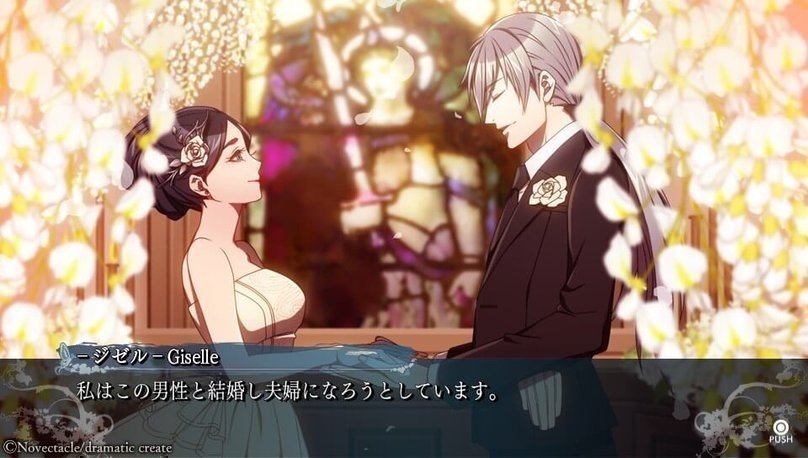
In the end, Michel and Giselle hold their wedding.
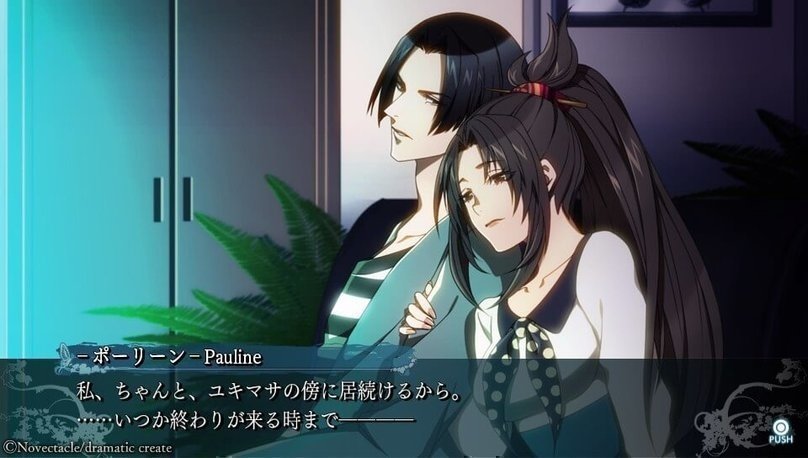
In the end, Yukimasa and Pauline stay together forever.
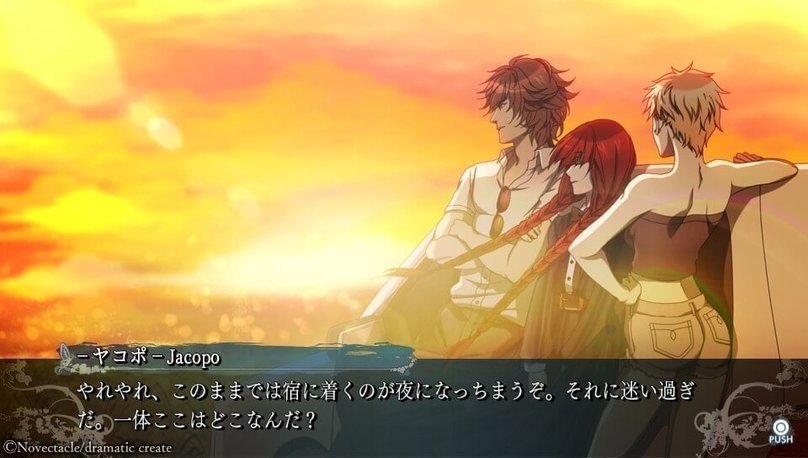
In the end, Morgana, Jacopo, and Maria set off on a journey to somewhere far away.
In the end, the story reaches its conclusion.
Afterword.
Someone recommended The House in Fata Morgana to me a long time ago, and after who knows how long, I finally finished it.
Actually, years ago when The House in Fata Morgana came out on Steam, I tried playing it, but I got stuck at the fourth door. The story was just too hard to get through—there was no voice acting, the art style was different from most visual novels, and the first four doors had no discernible connection to the “protagonist” at all. On top of that, new releases came out that month, so I ended up dropping it.
At the time, the person who had strongly recommended the game—“G+ Fangtai”—said meaningfully: “The first four doors are just a prologue. The good part comes later.”
I didn’t pay much attention, but now it seems Fangtai was absolutely right.
The version I played was the PSV release, full title The House in Fata Morgana -COLLECTED EDITION-, released in 2017. It includes the original The House in Fata Morgana, its prequel fandisc The House in Fata Morgana Requiem for The Innocence, and adds the entire game’s final ending, the “Modern Era” chapter. They even brought in the voice actors from the original drama CDs to fully voice the modern chapter. That’s a lot of effort.
Compared to the earliest version, the PSV version has greatly overhauled graphics, taking the visual improvements from the 3DS version and adding a new OP and new CGs at the request of the PSV publisher. At least to me, it looks far better than the crude PC version. Some parts—including the original’s final chapter, where you travel back three days before Morgana’s death—made me feel like this was finally close to a complete game.
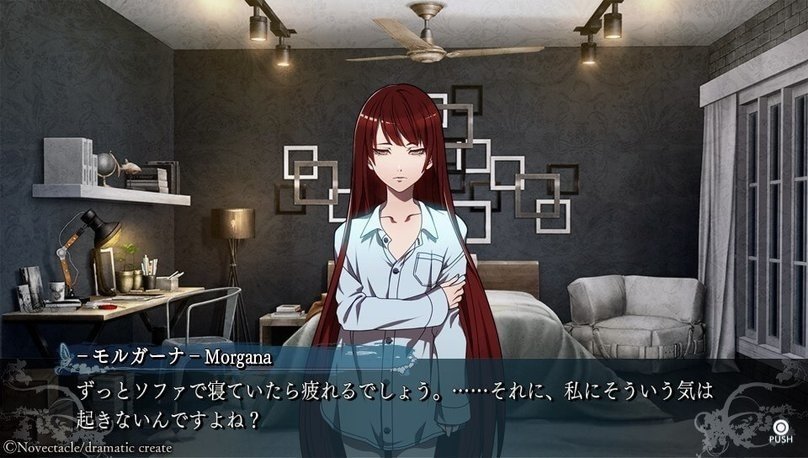
If you’re a player who’s played a lot of visual novels (especially romance-focused ones), this game will initially give you a great sense of discomfort. No voice acting, a very strange oil-painting art style, dark backgrounds, an eerie and slightly horror-tinged setting, and those first four doors with no clear direction—all of it will make you think, “What the hell is this?”
The turning point comes after the fourth door. As the protagonist Michel discovers the illusions in the story, more and more content begins to unravel like thread from a cocoon. As the truth unfolds, the story hits climax after climax. You can never predict what will happen next, and every mystery’s solution is surprising yet makes perfect sense—after all, the foreshadowing was planted from the very beginning, just waiting for this moment to be revealed.
Looking at The House in Fata Morgana as a whole, its core premise isn’t actually new. It’s just the story of a saint who dies a cruel death, becomes a witch, and takes revenge on her enemies. The key to solving the problem is the protagonists who accidentally get involved, who lay the witch’s vengeful spirit to rest. That’s a formula you see not only in Western and Japanese films, but even in Hong Kong B-movies…
Like, the protagonists accidentally wander into a haunted house, encounter all sorts of strange things, discover that a little girl was brutally killed there, and eventually make peace with the ghost and let her rest… blah blah blah…
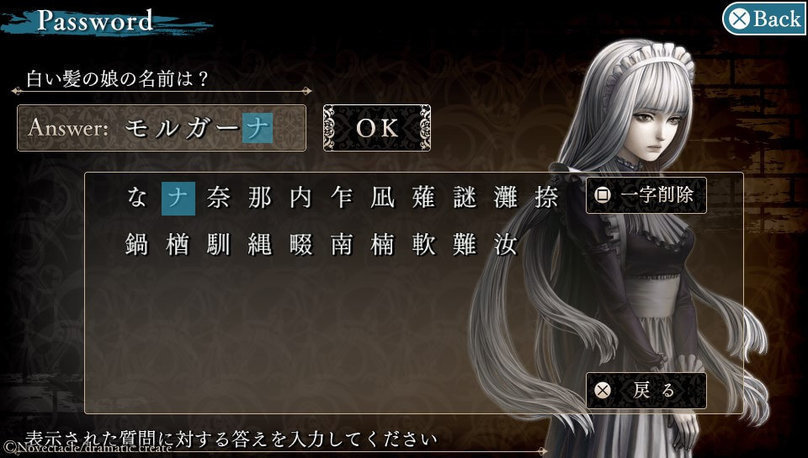
The core plot of The House in Fata Morgana is that kind of B-movie horror structure, yet it manages to deliver an irresistibly compelling reading experience. I have to praise the scenario writer’s “storytelling ability.”
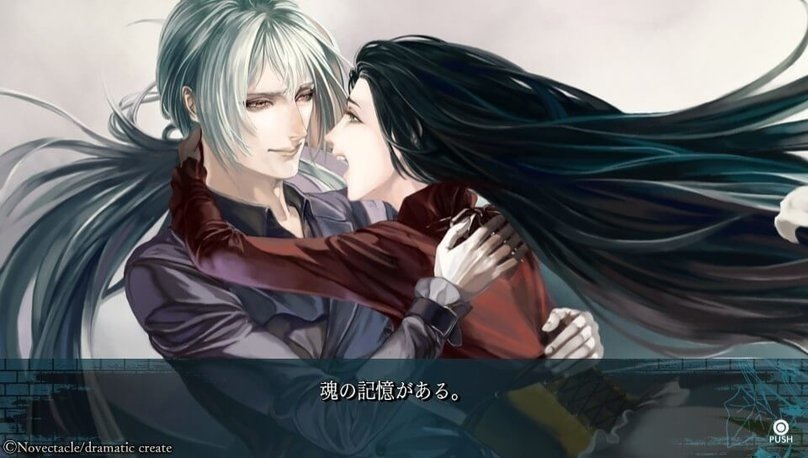
Yes, “storytelling ability” again. I’ve said many times that whether a story is good or not depends on its setting, but even more on the person telling it. The reason I appreciate Lucle is that he has strong storytelling ability—he can make a story interesting and profound. Compared to Lucle, The House in Fata Morgana’s scenario is clearly a notch above—it feels like a “deluxe version of Lucle.”
The game is always in first person, from the protagonist Michel’s perspective, so the story feels more “limited” and “engaging.” Precisely because we easily project ourselves onto one person rather than viewing the story from a god’s-eye view, the many mysteries and foreshadowings have their intended effect.
Another factor in The House in Fata Morgana’s success is that it breaks out of the usual visual novel mold.
- More than one male protagonist
- No obligatory confessions and sex scenes
- No long “slice-of-life” or “comedy” chapters
- Not too much silly Japanese-style dialogue (though there’s still some later)
- No deliberate avoidance of gore and emotional cruelty
Most galgames get boxed into all sorts of ruts, and that’s why their plots mostly end up looking the same — I’ve complained about this more than once. Those ruts put a hard ceiling on visual novels as a medium. The irony is that the writer of The House in Fata Morgana never planned to make a pandering galgame from the start — the goal itself was a visual novel, i.e. built like a novel. That’s why the prose style and the oil-painting CGs were chosen so deliberately. And it paid off: total creative freedom, and a script of genuinely high quality. The way the story handles cause and effect is actually extremely similar to Sakura no Uta — except Sakura no Uta never escapes those ruts I mentioned, so it still doesn’t play anywhere near as well as Fata Morgana.
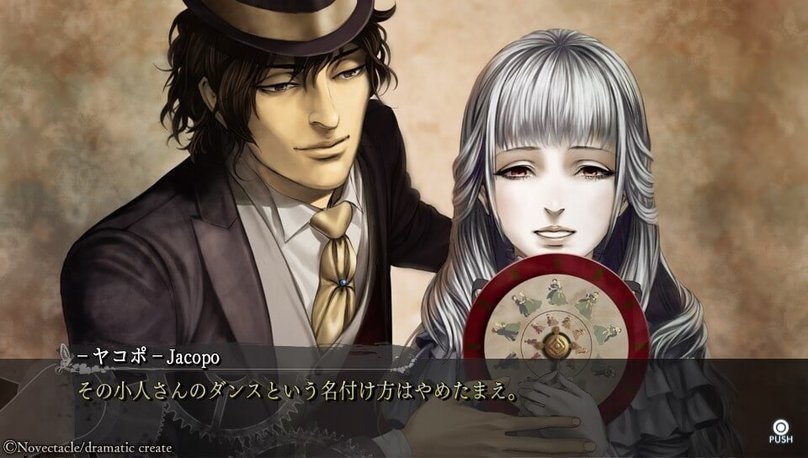
If The House in Fata Morgana even counts as a galgame, then story-wise I’d rank it number one, no contest.
The music is a huge highlight. Like the plot and the art, it’s completely unlike most galgames — operatic, I guess you’d call it. Very high quality, worth going back to, and it locks in with the game perfectly. The game also has a bit of interactivity: several choices are timed, and if you pick too slowly you get a Bad End.
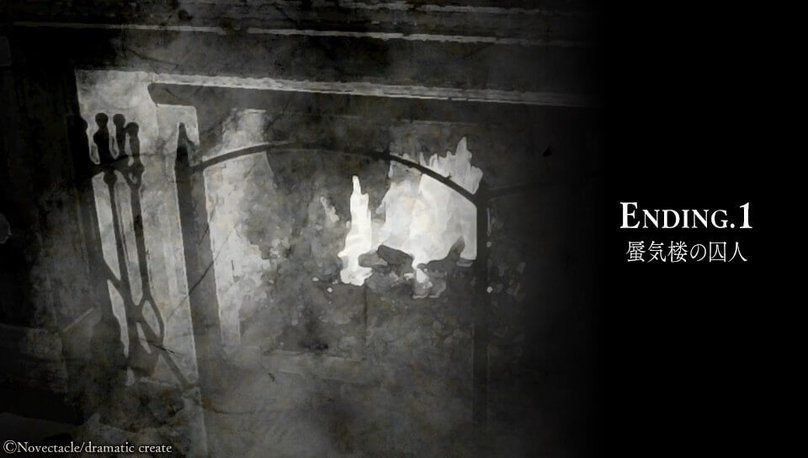
Last thing worth mentioning is the “Modern Chapter” added in the PSV version. You may have noticed — the art style shifts hard in the final chapter…
It looks much more like a standard galgame. No more oil-painting look, no more lack of voice acting, no more “tragic core.” I checked the staff, and it’s the same team — only the colorist changed. It feels more like the kind of art shift you get after an anime adaptation. And parts of the Modern Chapter’s content were already mentioned back in the fandisc. Remaking it with full voice acting feels less like a new story and more like giving every character in the tale a happy ending…
Everyone in the story suffers way too much. Since it’s a happy ending, let’s not nitpick the Modern Chapter’s art — Morgana gets her happiness too, and that’s probably the biggest relief for anyone who’s finished the whole thing.
After playing it, I realized the game does have a core idea: it’s a plea for people to be good.
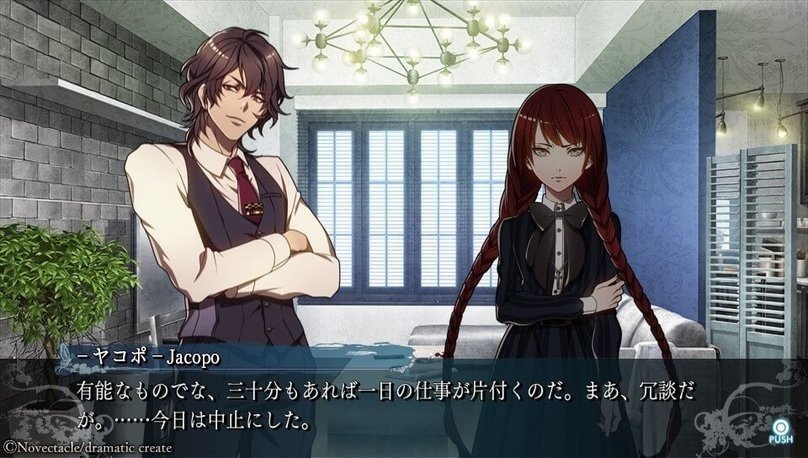
Like Morgana, who keeps praying to God even as the world betrays her again and again, believing everyone has some reason they couldn’t help it. And the three people who got Morgana imprisoned also did wrong through all kinds of twists of fate — and couldn’t undo it, couldn’t back out, and gave everything up.
Michel’s journey through time proves the same thing: most tragedies happen because of a single moment’s weakness in one person.
Believing there’s love in the world, believing that kindness in this life buys happiness in the next — maybe that’s what the game is trying to tell us.
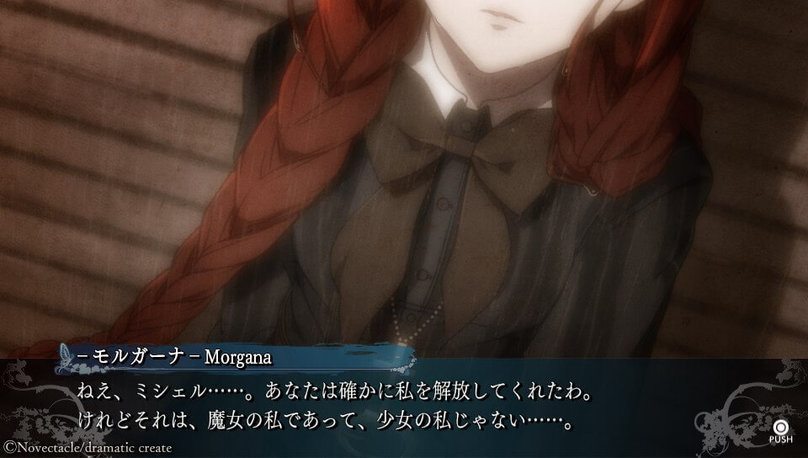
(Kind of feels like Buddhist thought, honestly…)
Oh right, a fun fact:
The Fata Morgana writer admits on Wiki that the game’s structure drew heavily on… Danganronpa. That surprised me, but thinking about it, it really isn’t. A group of people bound together across loops plays out pretty much like Danganronpa. So why does Danganronpa come off so damn stupid… while Fata Morgana doesn’t at all?
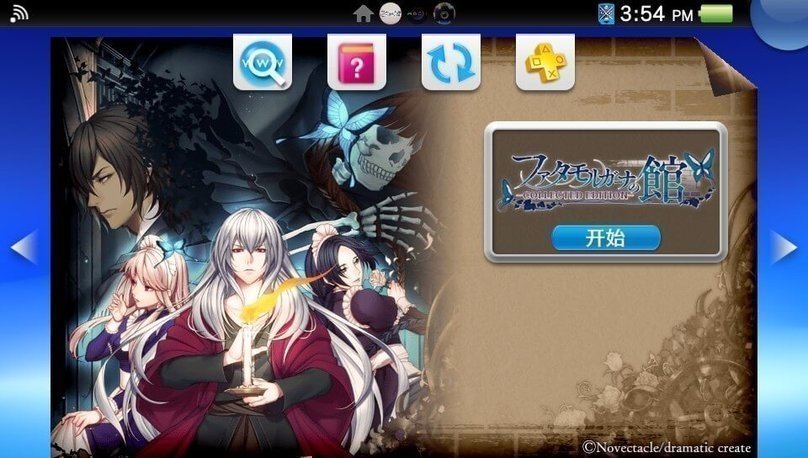
Maybe that’s just the fundamental gap between one writer and another.
(End)
Comments are hosted on the Chinese main site. This mirror is read-only.