Paomoo Dongjing (泡沫冬景) Review
Bubble Tokyo
In the 1980s, Japan entered the exceptionally prosperous “bubble economy” period.
How prosperous was Japan back then? Roughly this: everyone was trading forex, casually waiting for the yen to appreciate, and the money in their hands would gain value every so often. As long as you weren’t an idiot, as long as you dared to put money in, you could do some random bit of financial business and easily end up rolling in cash.
By then, Japanese people had already become synonymous with “the rich.” No longer satisfied with spending at home, they went on the offensive in America, kicking off a lavish overseas spending spree. Their “binge buying” in the US left white Americans stunned—seeing something they liked, they’d snap it up without hesitation, even buying up famous Van Gogh paintings and acquiring ownership of the various billboards in New York’s Times Square. Beyond the overseas frenzy, people back home in Japan threw one last wild party: consumerism and hedonism ran rampant, teenagers sported the latest pagers and brick-sized cell phones, capitalists and the yakuza madly speculated on foreign exchange and real estate, nobody gave a damn about the real economy, and massive amounts of money poured into the property market. Tokyo housing prices soared all the way up—the money to buy one house in Tokyo could even buy several teams in the American baseball league…
In such a frenzied atmosphere across Japan, huge numbers of poor people also poured into the neon-soaked city of Tokyo, chasing their own get-rich dreams.
Some of these people come from the Japanese countryside, some from overseas, and some even from China.
And Bubble De Jing (泡沫冬景) is a game that tells exactly this kind of story.

The protagonist flunks the Chinese gaokao, sees Japan’s economy going absolutely nuts, hears that in Tokyo “you can make money just lying around,” and decides to cross the sea to earn next year’s tuition for college.
The heroine, meanwhile, has a younger sister with a congenital heart condition. Her family is dirt poor and can’t cover the surgery, so she too leaves the Japanese countryside for Tokyo to scrape together some money.
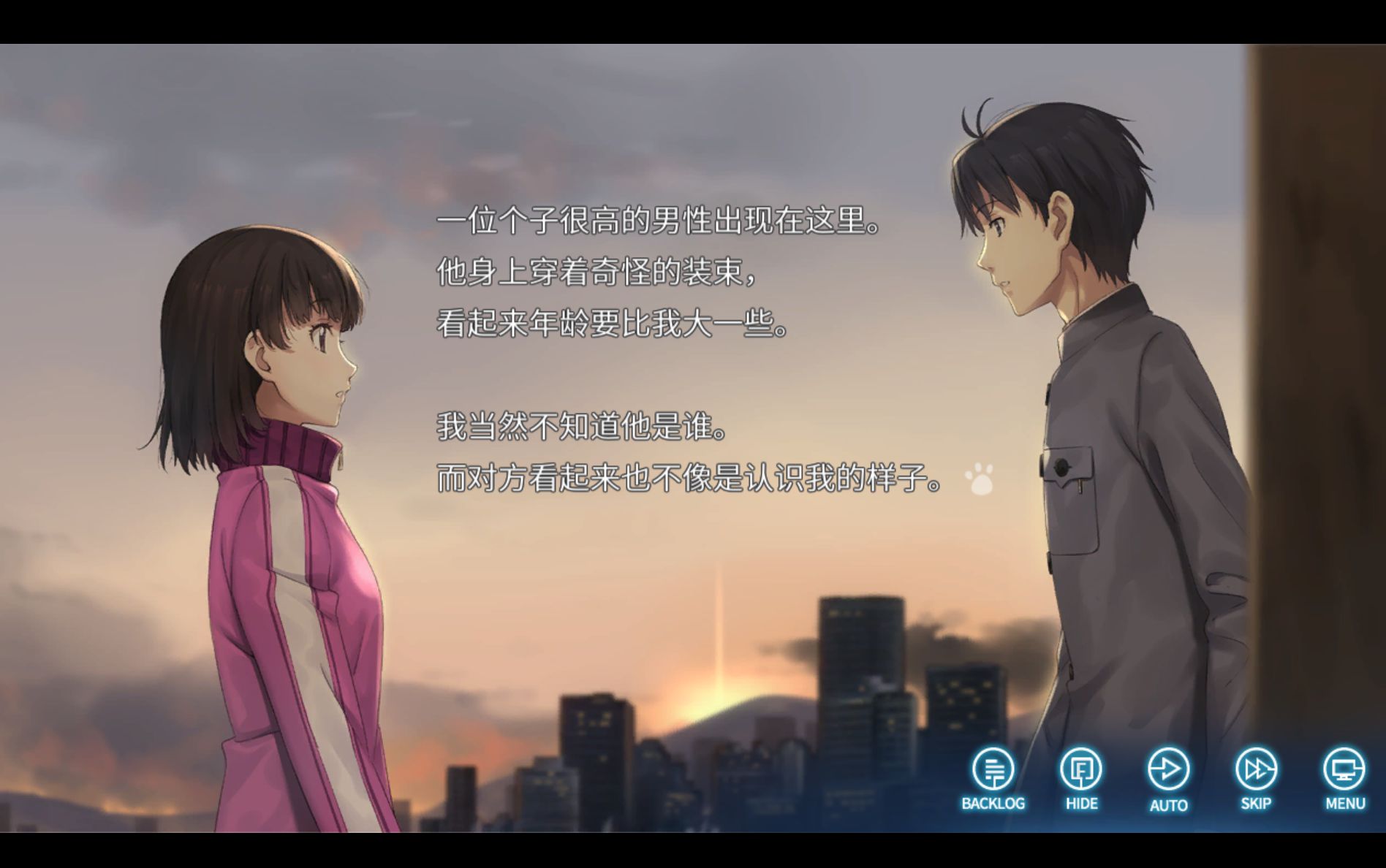
But in Tokyo, the best way to make money is selling your looks if you’re a woman—and for the male protagonist, a foreigner, it’s working under the table.
But neither of these two is willing to take one of those “quick money” jobs. In the end they choose to get paid as holdout residents, holed up together in an old train station with the goal of driving up the land price. As long as someone’s still living in the old building, nobody can force a demolition — all they can do is grit their teeth and negotiate. It pays a lot less than working as a bar hostess or running errands for the yakuza, sure, but 4,000 yen a day is still plenty generous.
And so a Chinese guy and a Japanese girl ended up living together, sharing the job of this “holdout” for a year, kicking off this weird “cohabitation.” After spending a long time in each other’s company, the two gradually came to understand each other’s feelings, realizing they were both drifters at the end of the world, wandering this neon-soaked Tokyo suburb, watching the city flourish amid the bubble.
The ending isn’t exactly a happy one. The male and female leads do make a decent amount of money, but along the way they get robbed, shaken down by the foreman, and end up with nothing to show for it. The heroine’s little sister’s heart condition acts up ahead of schedule and they need money immediately — the heroine even gets ready to go work as a hostess for her sister’s sake. In the end the protagonist gives up his dream of saving up and going back home for college, and decides to stay and help the heroine. With the foreman’s pity and help, the two scrape together enough for the sister’s surgery, and the debt on the house means staying in Tokyo working in food service for a bit over two years to pay it off. Even so — poor as they are — everyone gets the one thing money can’t buy.
Bubble De Jing is a “Galgame-like” game that actually has nothing to do with Galgame at all — it leans much more on AVG and film-style presentation, using multiple perspectives to show the different worlds the male and female leads inhabit. Overall the quality is pretty solid, and the rarest thing about it is that the game hides a lot of “meaningful” stuff under the surface.
“People who chase quick money are all idiots”
The story takes place in Tokyo at the height of the bubble economy. As mentioned earlier, back then in Tokyo “even idiots could make money,” and that drew plenty of people looking to cash in — some even stowed away to get here. What they all chose was “sacrifice yourself for quick money,” but what this game wants to say is that “quick money just makes you sink faster.”
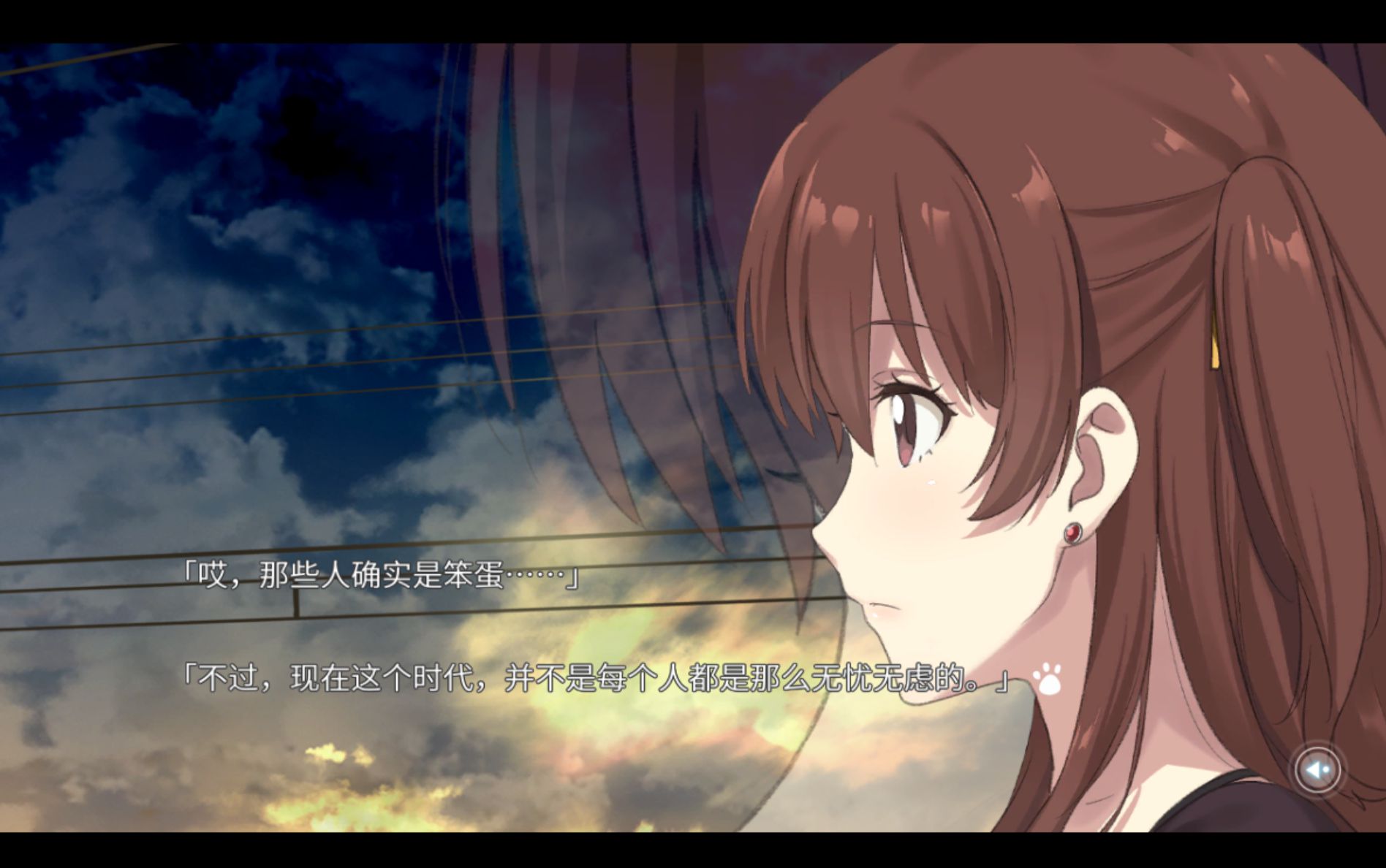
The protagonist’s boss, Jiang Xiaomo, has always looked down on him. As far as Jiang is concerned, the kid came to Tokyo to make money, yet he’s passing up easy work to be a holdout—a stubborn nail stuck in the ground. Jiang thinks he’s an idiot. Jiang also has nothing but contempt for the heroine. She’s a woman, so working as a hostess wouldn’t exactly cost her much, and the money would be way better than what a holdout pulls in.
Of course, the game doesn’t give the hero and heroine a neat ending where the good guys get their reward. But looking at history, Japan’s economic bubble began to burst at the end of 1989, and that timing lines up exactly with the game’s ending. Japan entered the “lost decade.” The aftershock of the bubble bursting hit the real economy, but clearly the hero and heroine, having chosen the restaurant business, were hit the least. The guys who’d gone into finance to cash in would lose everything, down to their last pair of pants, and the young people who embraced “hedonism” wouldn’t fare too well either in a world of collapsing consumption. By comparison, the hero and heroine, who’d always lived frugally, would ride out this economic crisis more comfortably.
Imagine it like that, and it should be a HAPPY END for the male and female leads—though the game never actually says so.
Jiang Xiaomo and Li Xiaomu
There’s a Chinese boss in the game who plays both sides, named “Jiang Xiaomo.” But it’s pretty easy to figure out who this character is based on—I just never had any solid proof, until the late game gets into Jiang Xiaomo’s past and a familiar detail jumps out at me: “Jiang Xiaomo once worked as a pimp at a soapland to make ends meet.”
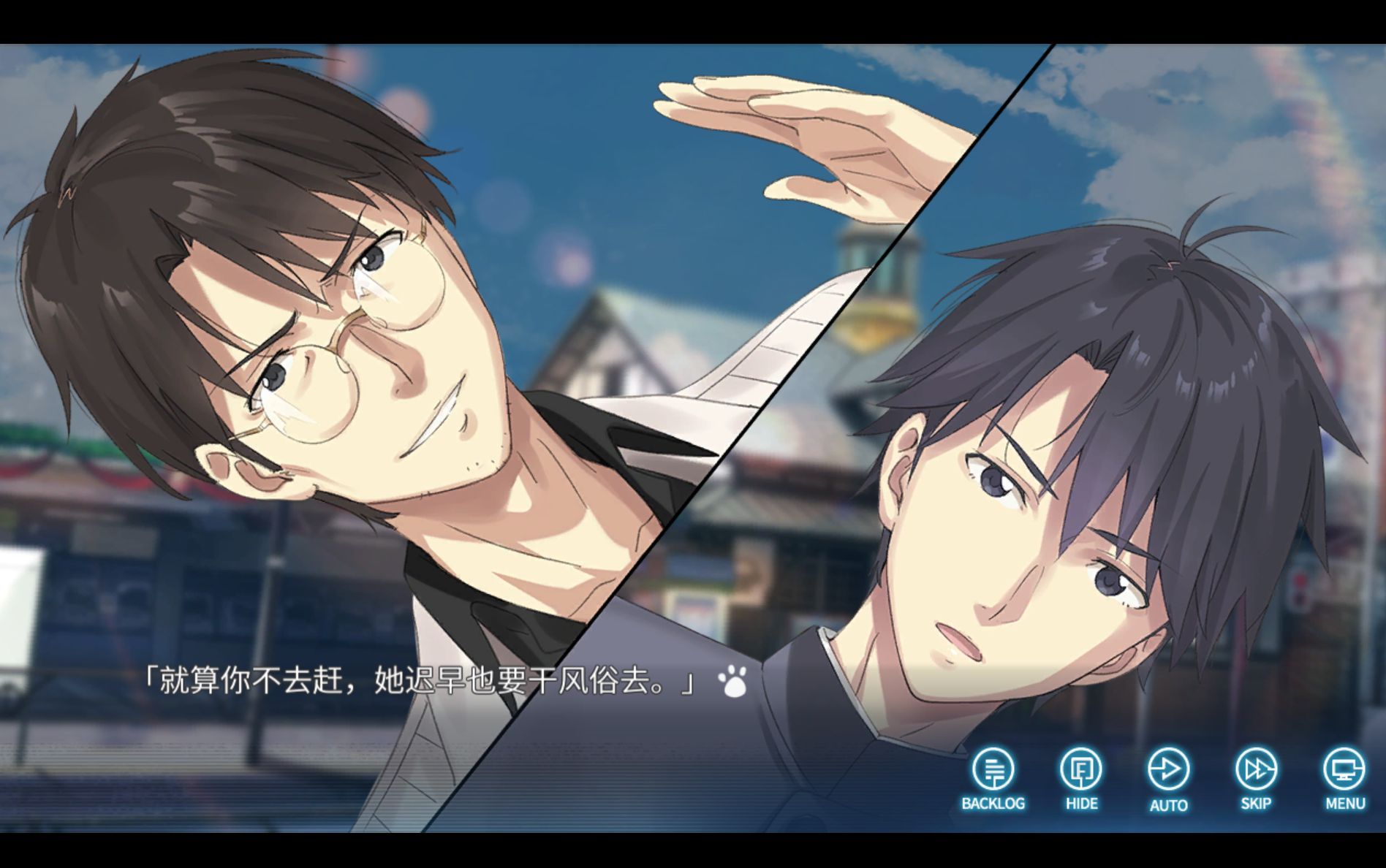
So it’s basically confirmed: Jiang Xiaomo = Li Xiaomu.
In real life, Li Xiaomu is a legendary figure in Japan — someone who moves freely across the straight world, the underworld, and the gray zones in between, yet somehow comes out unscathed. The game doesn’t simply mirror Li Xiaomu, though; Jiang Xiaomo is a guy who smuggled himself into Japan back in the 1970s. Shaping Jiang Xiaomo as a character isn’t really about pushing the plot forward — it’s about showing what life was actually like for the Chinese who crossed the sea to Japan in that early era. Chinese people have done pretty well for themselves in Japan. If you feel like looking into the Japanese underworld, you’ll find that Chinese gangs hold real clout there. It’s also a way of using the game to paint the gray world within Sino-Japanese relations.
The protagonist’s father and the Cultural Revolution
虽然游戏里看起来男主很“青春”,但实际上游戏的男主是一个 1988 年参与高考的大学生,那时候的中国刚刚改革开放不久,并且还面临着即将来临的某个特殊时间点,中国的年轻人有着很大的朝气,而家庭中也承受着很大的痛苦。
That pain came from their parents’ generation — the “intellectuals go up to the mountains and down to the villages for re-education” campaign, plus the ten years of havoc.
In the game, the protagonist’s father is a professor who was sent down to the countryside and lost his dream, while the protagonist still remembers what his father taught him when he was young—he hasn’t lost his dream, and he wants to get into university.
Sure, though by the end the protagonist isn’t fixated on university anymore — instead he’s found something more important in life, and he’s got a new goal to chase.
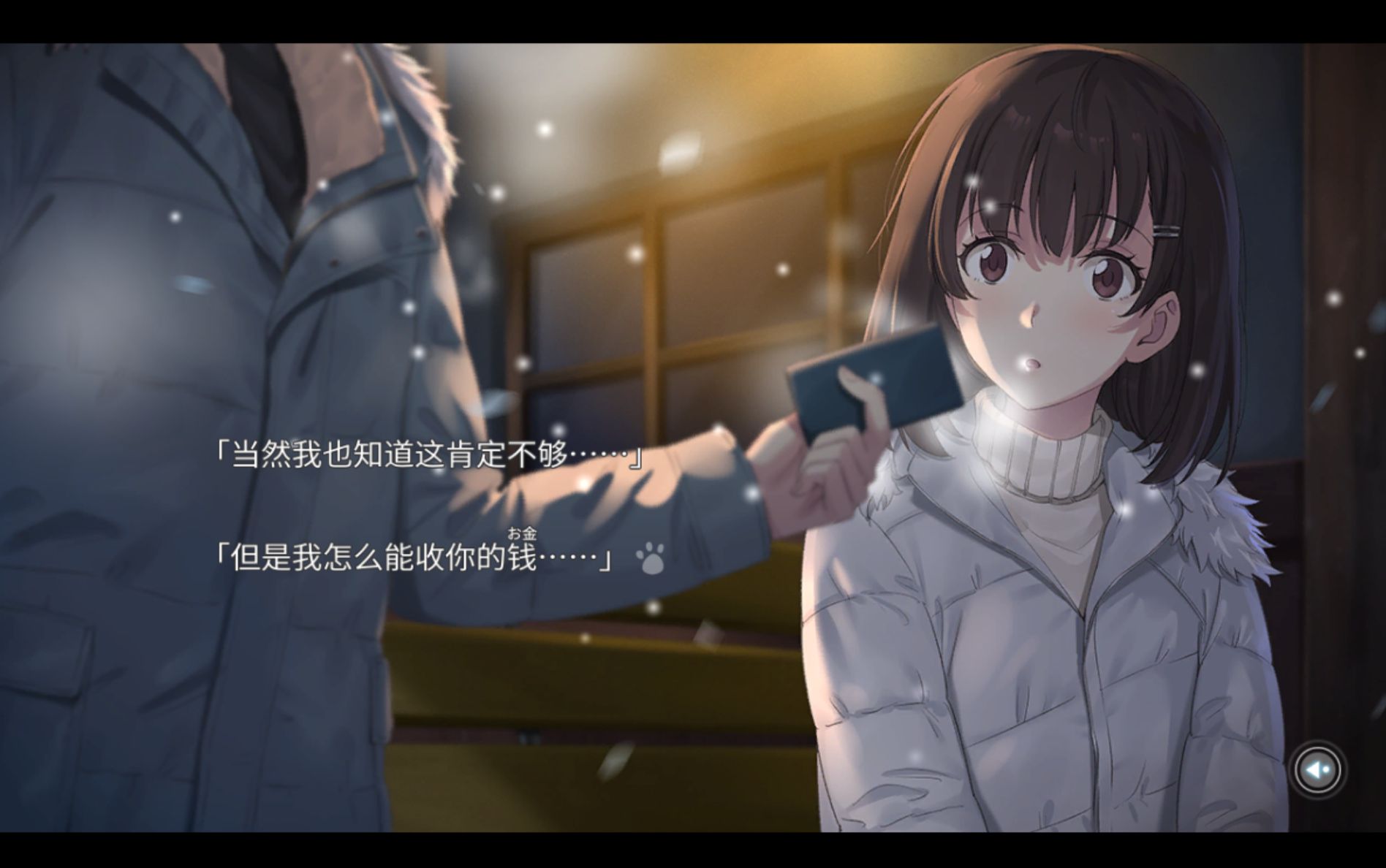
The game makes veiled references to the Cultural Revolution and the 8964 incident—topics sensitive in mainland China. Given the game’s development background and target audience, this is already about as far as it can go.
So back to the main point: how do I actually rate the game Bubble De Jing?
Actually, the title Bubble De Jing means “Bubble Tokyo”—it’s a story set in Tokyo during the bubble economy. Even though it’s a Sino-Japanese collaboration, the core of the production staff comes mostly from the Japanese developer Nekoneko Soft. The scenario writer is Kataoka Tomo, and since he himself studied economics, writing about Japan’s economic bubble shouldn’t be a problem for him—and in the game it shows, better than in any of the various games he’s worked on before. The most criticized aspect of Kataoka Tomo’s earlier games was that the art wasn’t polished enough, but those shortcomings vanish after funding from a Chinese company—after all, China’s got money—so the whole game flows pretty smoothly, and it also has gorgeous music, some fairly classy-looking storyboard direction, and a full-power performance from the long-absent Taguchi Hiroko, which gives the game’s quality a solid guarantee.
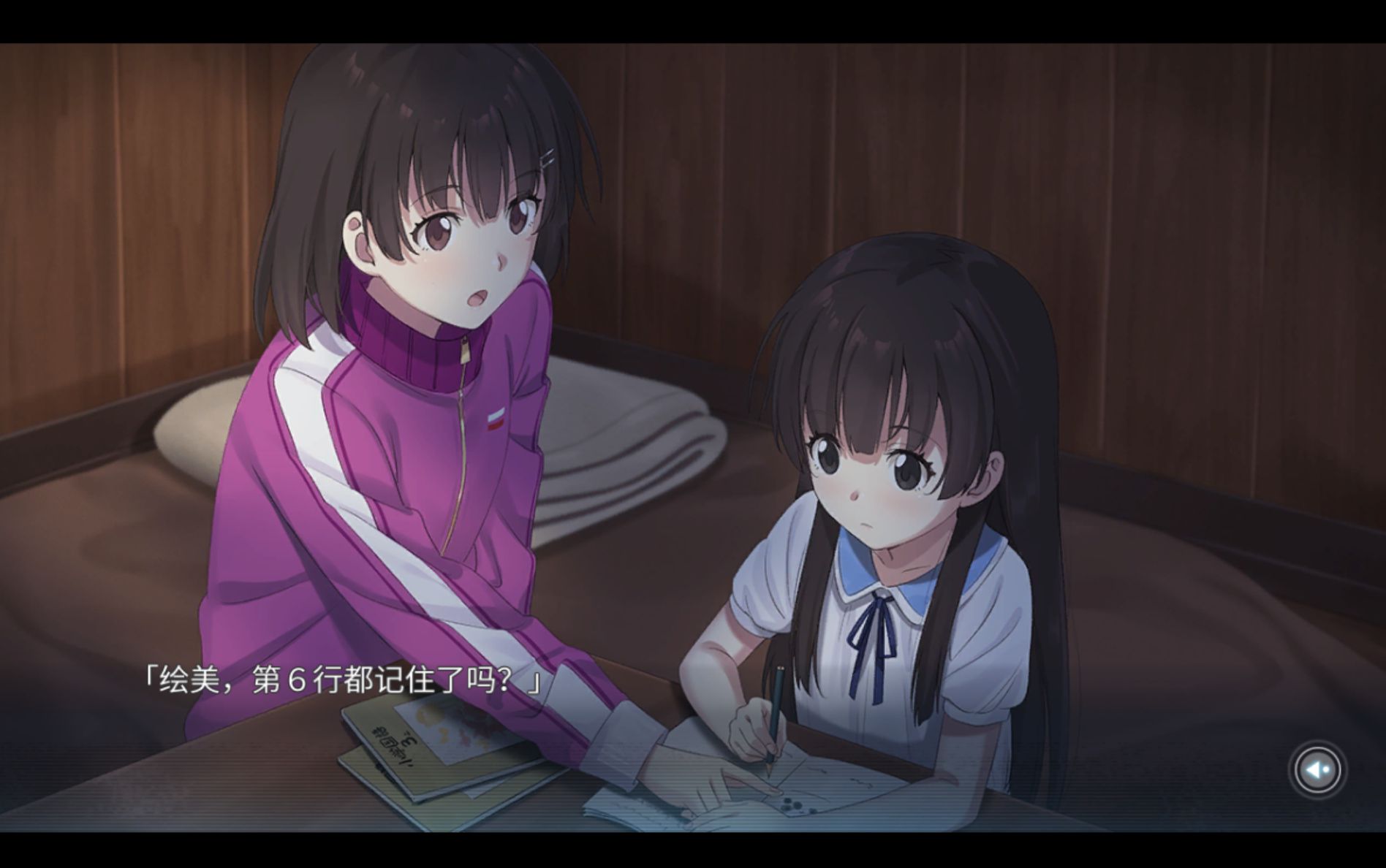
Honestly, this is probably the highest-quality “Chinese-made galgame” I’ve played — it even beats most Japanese galgames. I’m glad that among all the “cash-grab galgames” out there, one of them was actually made with some care, and I’m happy to see Kataoka Tomo finally shake off the shackles of too many “porn games” and write a story with no clear confession or romance clichés — one that really sticks with you.
Though I’m not sure whether this game even counts as a Galgame, or whether it counts as “domestic,” for that matter.
But sticking to the principle of “spare the rod and spoil the child”—or rather, deep love makes for harsh judgment—I still want to talk about where this game falls short:
A lack of understanding of how “Chinese people” see “Japanese people”
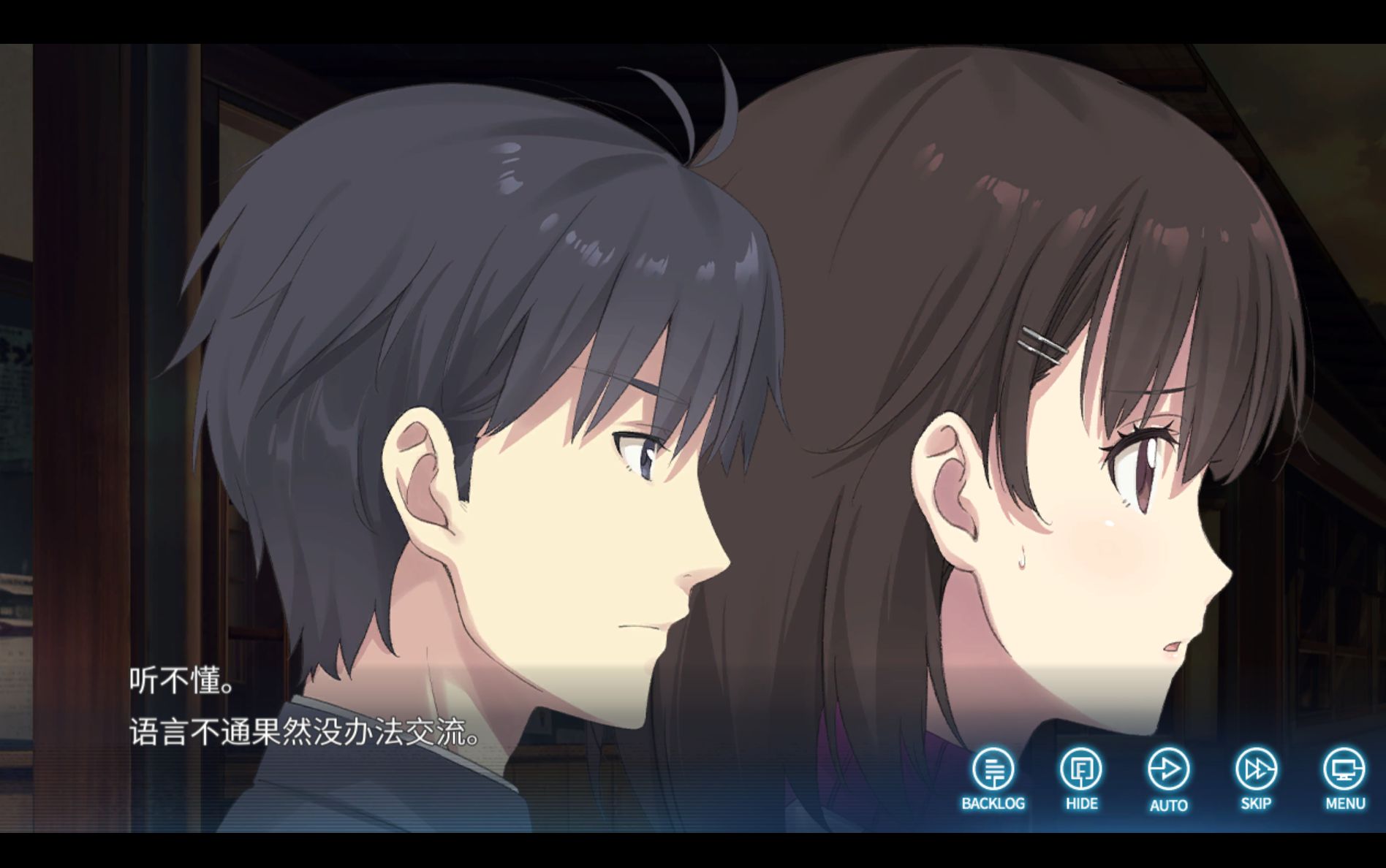
Part of the game’s story centers on communication between two people who don’t share a language—one Chinese, one Japanese. The Japanese heroine being withdrawn and bad at communicating is understandable enough, but the Chinese guy who doesn’t know Japanese and still can’t figure out how to communicate with anyone—that’s pushing it a bit against historical common sense.
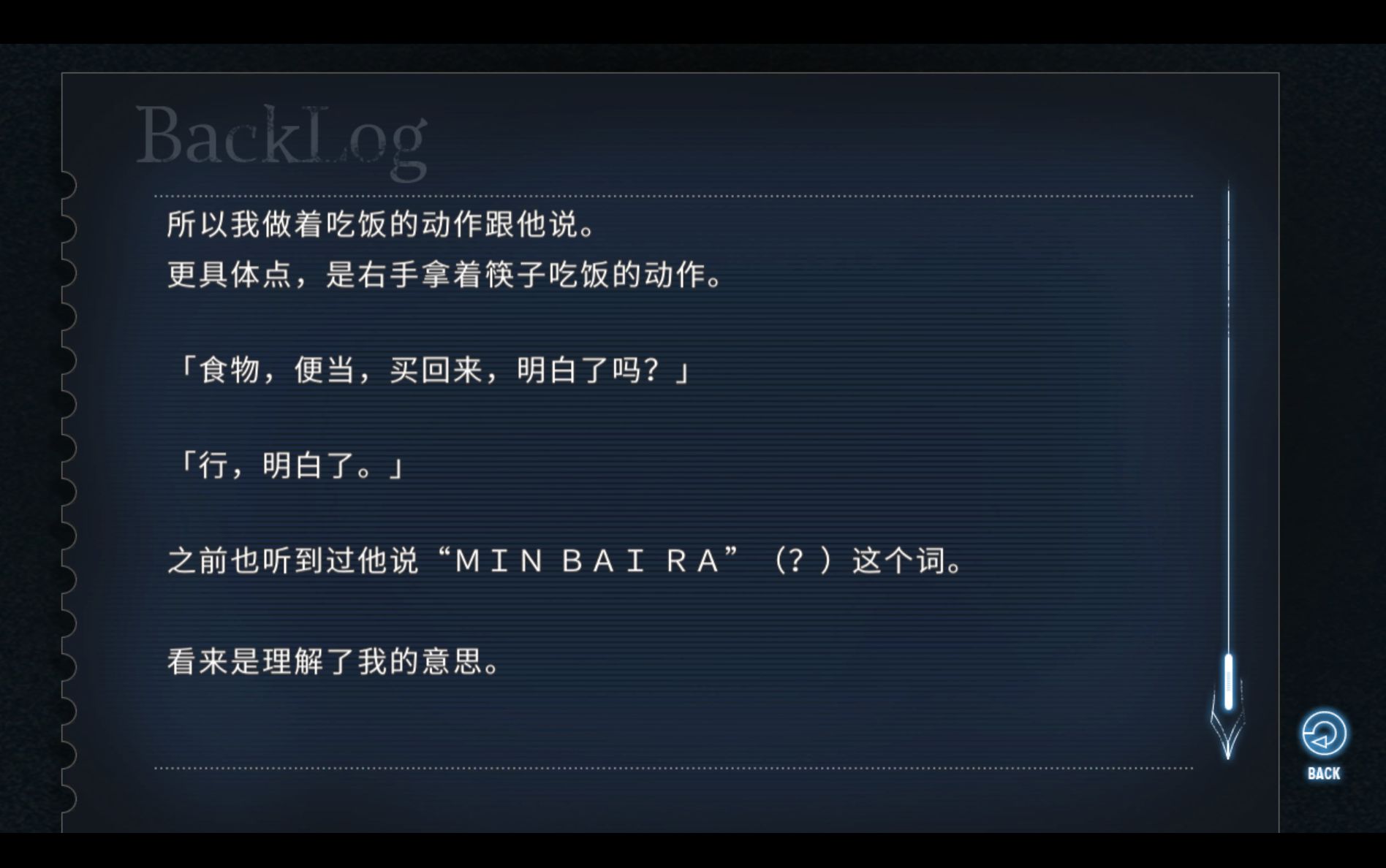
See, around 1987, China and Japan were about to enter their honeymoon period. Most Chinese young people back then still pictured the Japanese as the “little devils” from anti-Japanese war films. Even if the languages didn’t line up, communication should at least have involved some hand gestures, or the way the protagonist and Miss Shiori do it in the game—communicating through “Sino-Japanese common” kanji. But in the game, the protagonist and heroine are constantly in a situation where “each says their own thing,” which doesn’t match how two foreigners would normally react when trying to communicate.
If I were writing it, the male lead would probably use lines from those anti-Japanese war movies — something like “You, mishi mishi, understand?” — with a few eating gestures thrown in, which would make it easier to follow. And the heroine could use more gesturing too,
And more importantly, that’s also more realistic — it fits the whole “clash of Chinese and Japanese cultures” feel better.
That said, I suspect this part was written by a Japanese person rather than a Chinese one, so not knowing is fair enough — but if a Chinese company was involved in production, couldn’t they at least have offered some sensible suggestions?
Lack of awareness about “the first wave of Chinese immigrants to Japan”
The game cues in Li Xiaomu, and it cues in the Chinese underworld in Japan too — these are all historical facts, real people and elements that actually existed.
But the game, in a rather jarring move, brought in two voice actors with thick Beijing accents. If I remember right, the protagonist is from Guangdong, and “Jiang Xiaomo”—the character based on Li Xiaomu—is from Hunan too. Both southerners. In reality, most of the people who smuggled themselves into Japan came from Fujian; that’s how the worldwide “Fujian gangs” got their start.
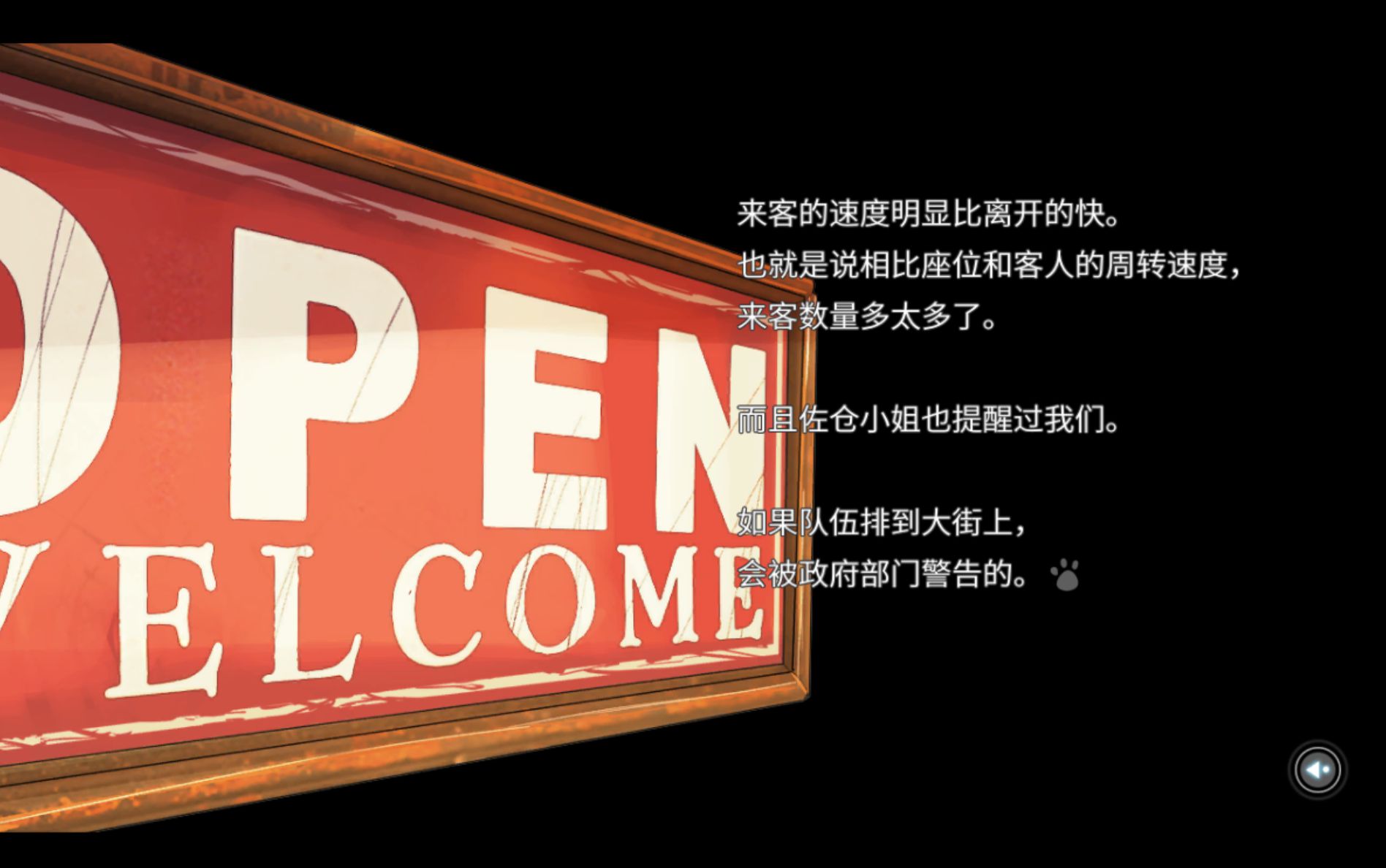
Also, the male protagonist is supposed to be from the 1980s, but his word choices and attitude read like a zoomer from the 2000s — nothing like someone from the last century. The writer should watch more TV dramas from that era to get a better sense of it. Though if the Japanese side is still handling the scenario work, then never mind.
I’m glad a game actually touched on this, but it never went the extra mile to find a more authentic way to say it. Of course, maybe the game did it on purpose for the sake of perfectly enunciated “standard Mandarin” — in which case, never mind.
The game’s systems are genuinely awful
Mind you, I’m not talking about the game’s graphics, not its music, not its resource usage (even though it’s Unity-built) — I’m talking about the game’s systems, meaning the UI, the controls, that sort of thing.
The game’s interface mimics a typical Galgame setup — everything you’d expect is there, but it doesn’t quite nail the core.
I even suspect the people who made this game didn’t bother playing enough Galgames themselves.
First off, this game only lets you advance the text with the left mouse button. No Enter key. And don’t even mention Space. I genuinely don’t get why they’d do this. I’m pretty sure plenty of people who play Galgames, like me, reach for Enter instead of mashing the mouse — microswitches aren’t cheap, and the clicking noise gets old fast.
Also, even though the game lets you “lock” the menu bar, the locked bar ends up covering the game text — so maybe the designers never actually intended for you to lock it in the first place.
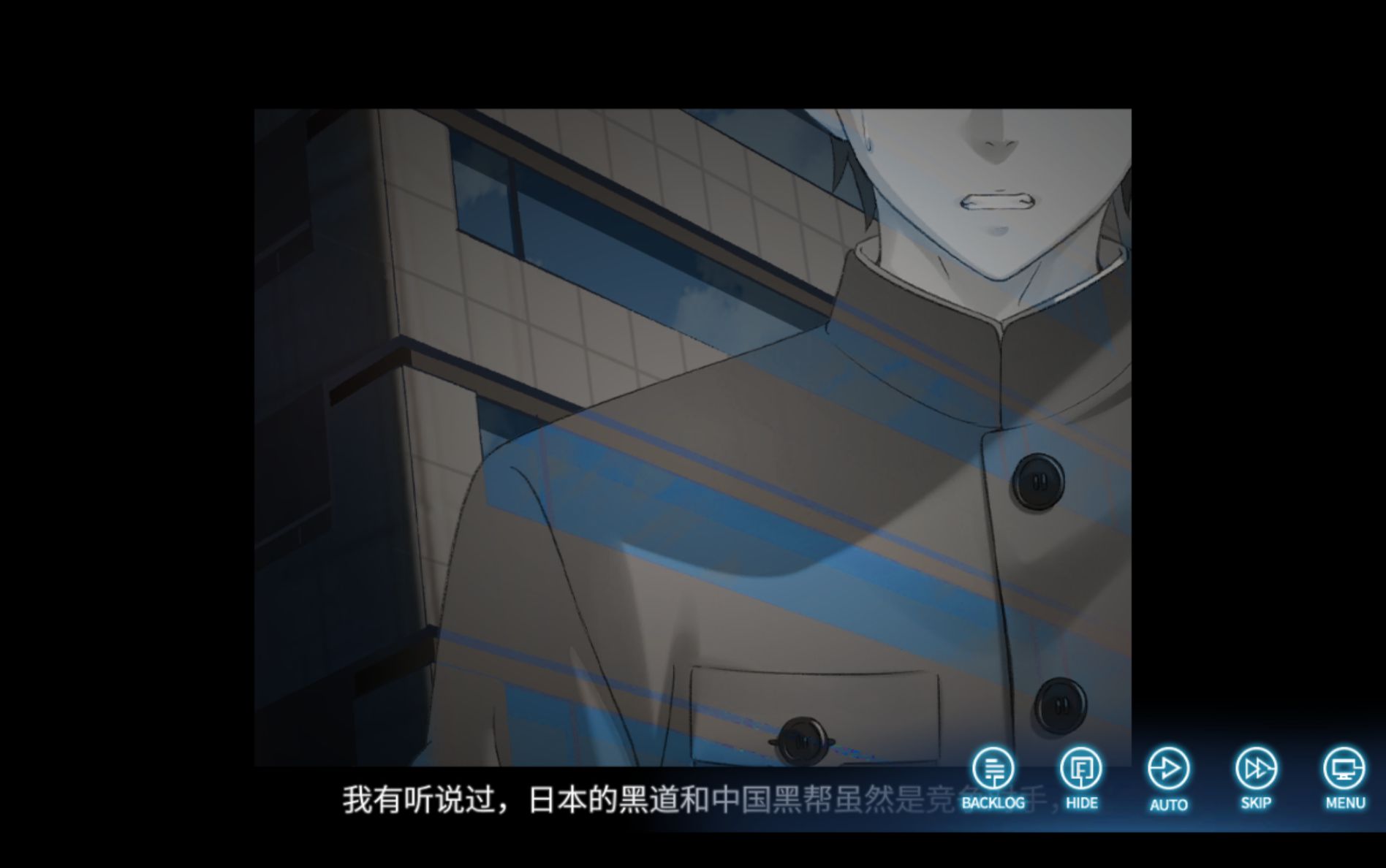
There’s a lot of “swallowed text” in the game’s dialogue — the voice track says the words, but they never show up on screen. You can see them in the Backlog, so I don’t know if it’s intentional or a bug. Still, for something that’s literally a “text game,” this feels like the wrong call.
The tail end:
Overall, this game massively exceeded my expectations. Sure, the scenario has plenty of “China-side” flaws that’ll make you wince, but considering the script credit belongs to a Japanese writer, it’s forgivable. I just hope Chinese companies will step in more as “consultants” on this front going forward, so the game feels more authentic and complete, and resonates more easily with players.
This game only has a Chinese version — no Japanese release, no Traditional Chinese either. Which honestly makes sense. Given the protagonist’s background and the Sino-Japanese relations of the era, the nuance here is something only mainland Chinese players would really get. Players from anywhere else just wouldn’t.
Why the game didn’t go with present-day Japan but instead the “bubble economy” era — I figure the scenario writer had their reasons. Because Japan back then and China today are oddly similar in a way.
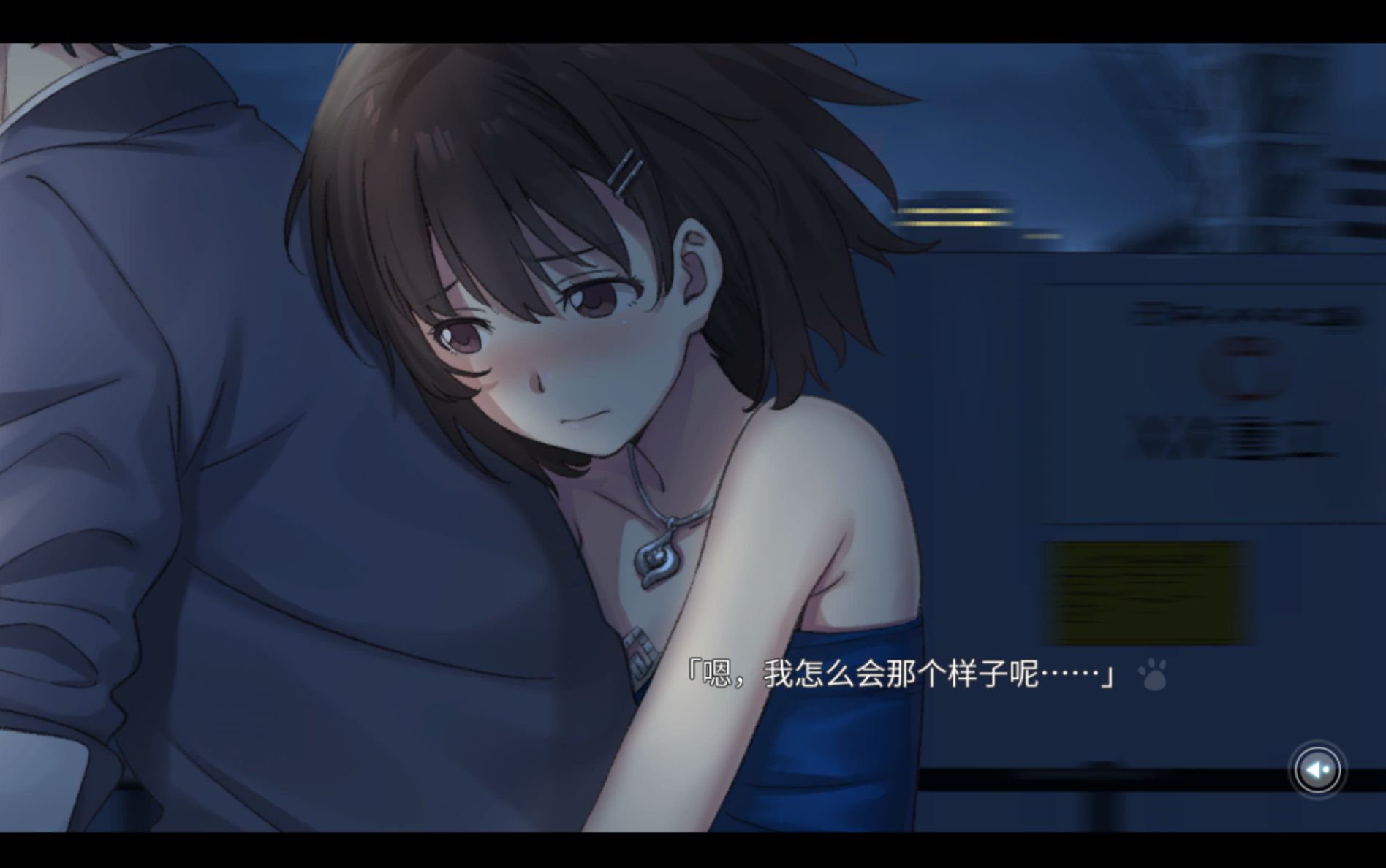
Japan’s economic bubble burst, which led to the lost decade, while whether China’s real estate bubble will burst is still unknown. Some people have drawn comparisons, saying that China’s real estate bubble is far smaller than Japan’s was back then, and that a soft landing can be achieved through inflation. Whether that’s really true, I have no idea either. Only that what popped Japan’s bubble at the time was the Japanese government — they chose the lost decade to purge the madness and develop the real economy. In other words, if the government isn’t willing to pop the bubble, the bubble will still be there.
As an ordinary person living in a bubble economy that may or may not actually exist, what else is there that you can do?
The game already gives us the answer: make money honestly, live your life earnestly. Quick money feels good, but in the end you always pay for it.
Comments are hosted on the Chinese main site. This mirror is read-only.