Marco to Ginga Ryuu (マルコと銀河竜) Review
Kid Meets World
Hato, the writer who got famous off the Nora to Oujo to Noraneko Heart series, went quiet for a while and then came back — this time on Steam. A game called Marco & the Galaxy Dragon (マルコと銀河竜) showed up, and it had that “we’re not hurting for cash” look about it, plus the standard day-one Simplified Chinese, so it read like a cash grab from every angle.
By that point my opinion of Hato had already soured pretty badly, because with Nora to Oujo to Noraneko Heart 2 he’d started going way too sappy and way too self-indulgent. You couldn’t even tell what the main plot was about anymore, and the jokes were getting harder and harder to follow. My personal take is that he’d gone full “mentally ill genius” like certain other famous scenario writers — call it “too artsy to understand” if you’re being polite, “can’t write a straight sentence” if you’re not.
I still wasn’t happy with the game, but Mayuge flat-out refused to gift it to me, so I had to go get it and play it myself.
Pretty simple reason:
“How am I supposed to dunk on it if I don’t play it?”
Anyway, after playing this “scam game,” I feel like I underestimated Hato. Sure, I think he’s a bit unhinged now, but I forgot that he’s got a real gift for doing big things on a shoestring — something he’d already made obvious with the ultra-low-budget galge-to-anime adaptation he spearheaded.
Put simply, Marco & the Galaxy Dragon is exactly that kind of “big things on a shoestring” game.
Kid Meets Dragon
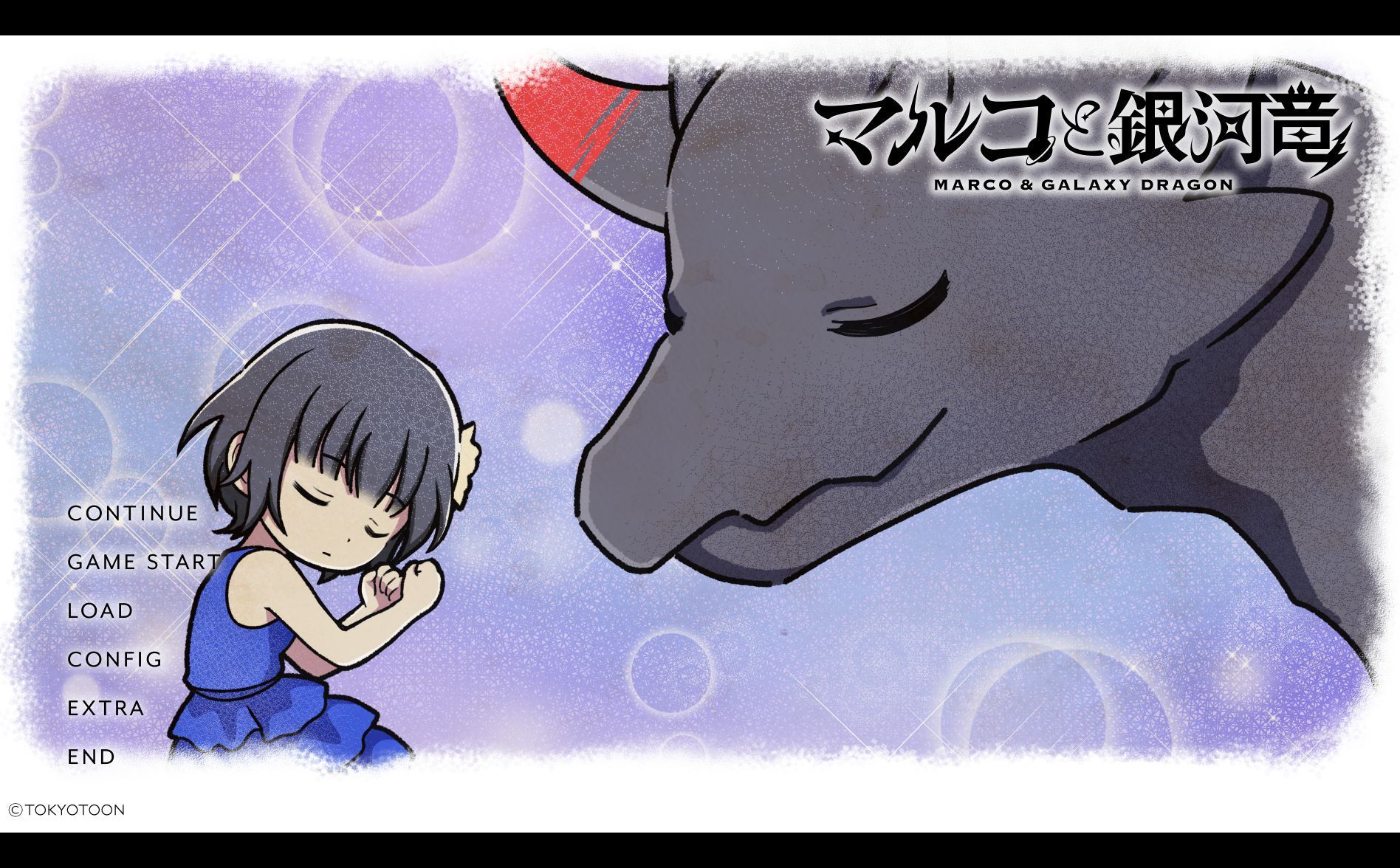
The story is actually simple. The heroine, Marco, was abducted by aliens as a kid and sold as a slave across the universe until she ended up with a big crocodile. Her tsundere crocodile foster father gives her a photo of her and her birth mother, and Marco — who has no childhood memories — decides to make money as a treasure hunter while figuring out a way to meet her mother once, setting off with her partner, the Galaxy Dragon Arco.
Meanwhile, because Marco stole a stone with immense power, she’s pissed off another evil faction in the universe, which sends Hakua after Marco to take back the stone and rule the cosmos.
Naturally the scheme doesn’t go so smoothly. As most people would expect, everyone ends up on Earth and it turns into a big brawl. Marco makes a bunch of friends on Earth, finds her mother (who doesn’t remember her), and, together with her Earth companions, beats the final boss who wants to rule the galaxy — but during the final battle the Galaxy Dragon sacrifices herself, and Marco loses her memories of her.
In the end Marco lives happily on Earth, keeps working as a treasure hunter, and keeps searching for the “Galaxy Dragon” that’s always been in her memory.
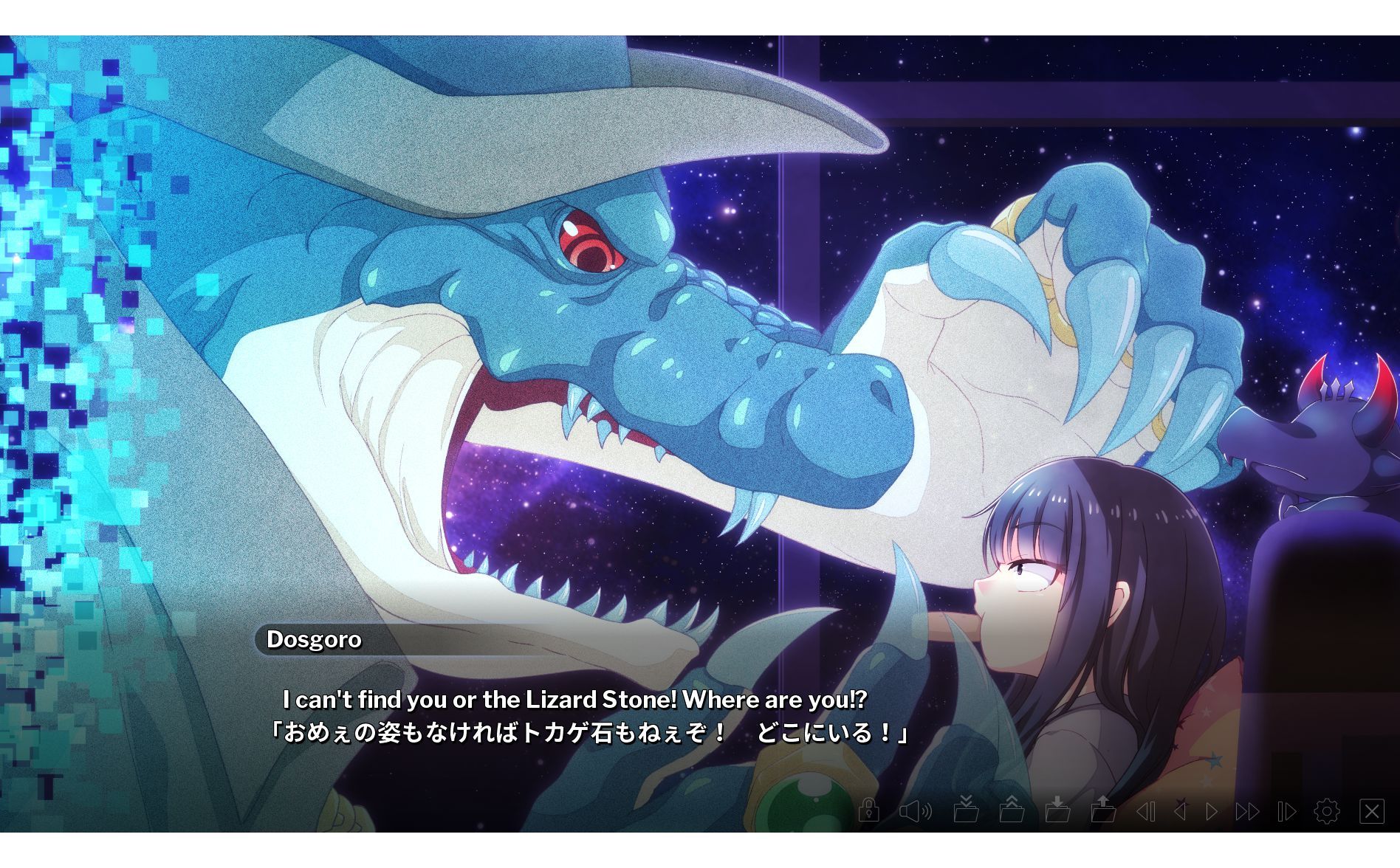
It looks like a “little tadpole looking for mama” story, but the real focus is the friendship between Marco and the Galaxy Dragon — the title already tells you that. From the middle of the game onward, the plot stops dwelling on Marco and her mother, and honestly Marco doesn’t care that much about her mother anyway; she barely has any memories, she just wants to meet her once and get closure. Instead, the second half digs deep into the past between the Galaxy Dragon and Marco. How they met, why the Galaxy Dragon wanted to save Marco, why she was originally going to “eat Marco” but gave up on the idea — the characters’ inner emotions aren’t something a simple binary rule can explain. It’s complicated, and it’s more like two people who are both lost in the world holding each other up.
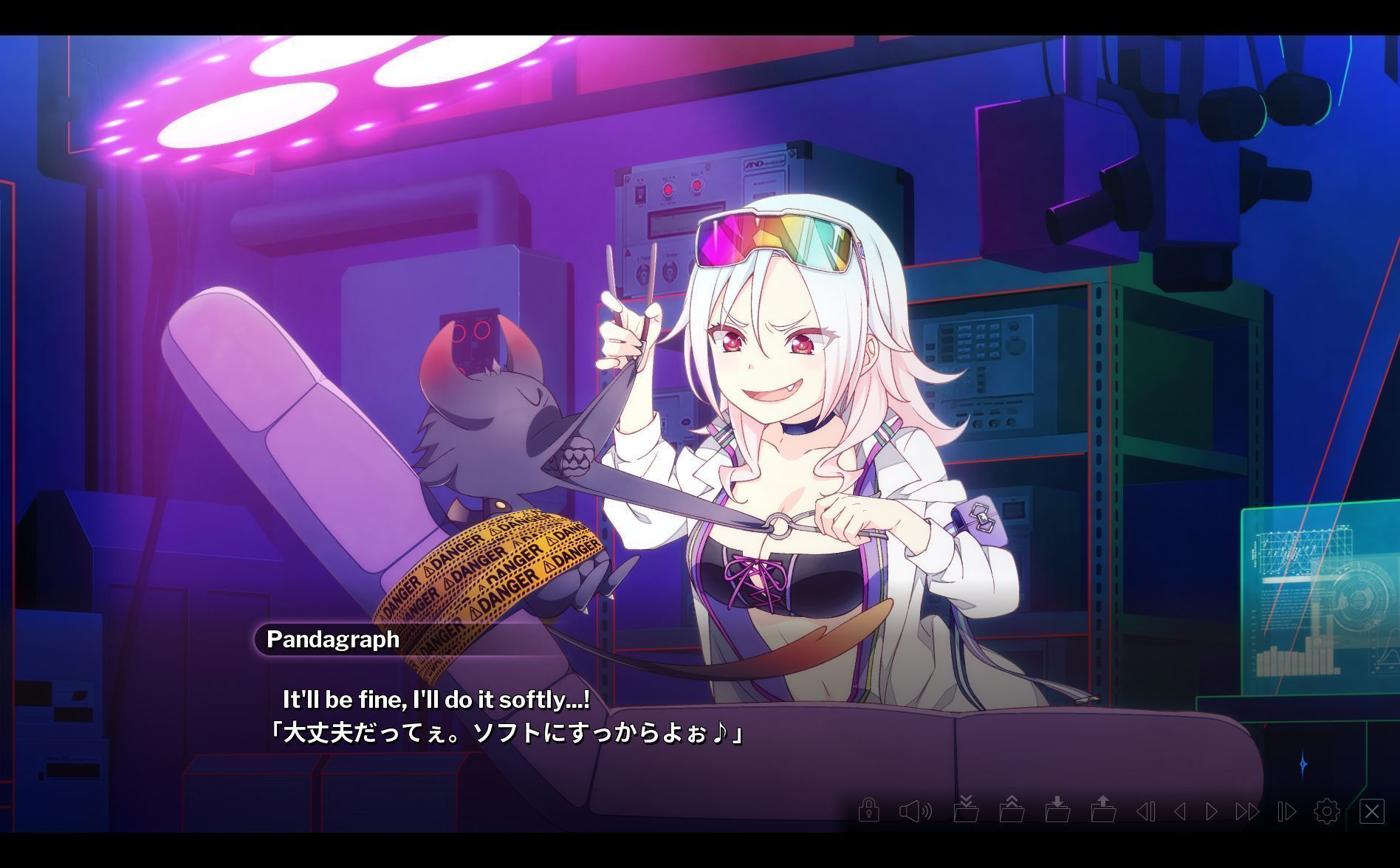
The final elevated moment of the game comes from Marco and the Galaxy Dragon too — a nice little nod to the title, you could say.
Kid Meets Earth
One thing Hato is good at is writing those very Japanese rapid-fire gag routines. This style — how do I put it — you generally only see it in Japanese works, and it’s got a thick Japanese sense of humor. Some people like it, some don’t. I do.
In Marco & the Galaxy Dragon, of course, the style is preserved and it shines.
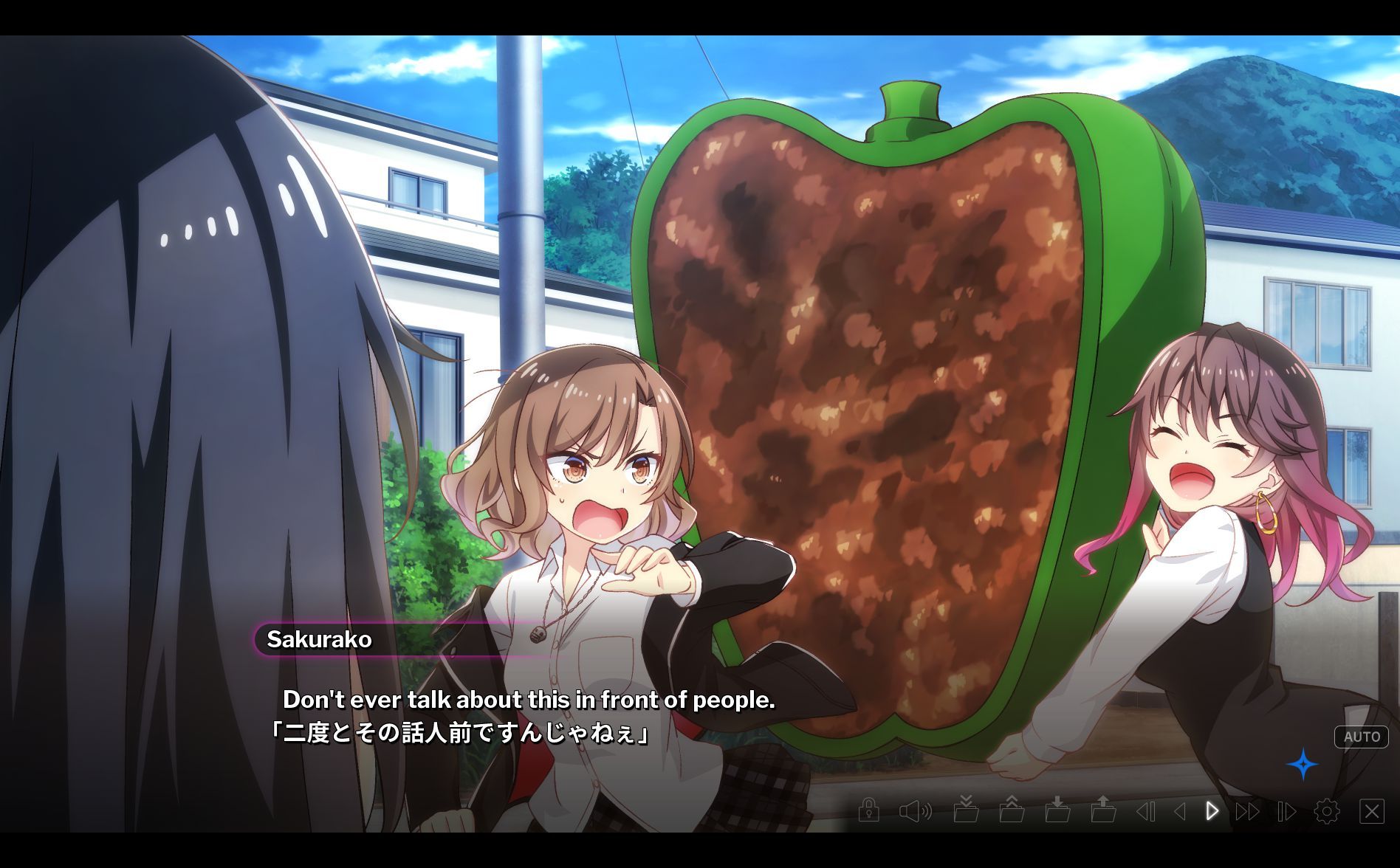
I’ll just say it: 70% of the characters who show up in this game have nothing to do with the main plot. Their reason for existing is to be funny — to build up characters with different personalities and then have them clash in every possible way for comedic effect.
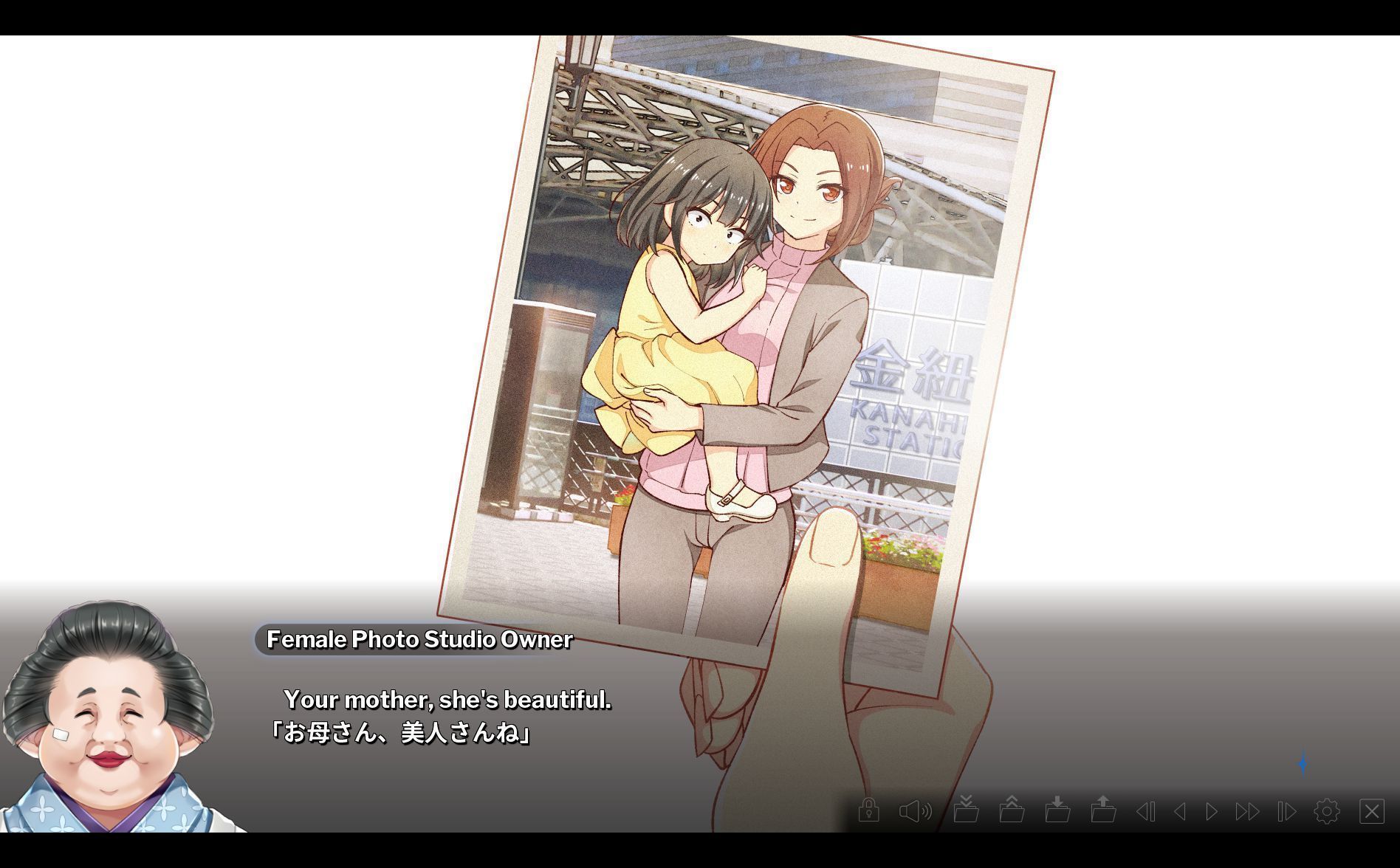
From the moment Marco arrives on Earth, the game turns into a road movie — meeting more and more people, having more and more fun. Sure, there are a few too many characters, but you can completely ignore that and just enjoy the chapter-by-chapter gags.
Personally, a lot of the funny characters feel strongly reminiscent of Nora to Oujo to Noraneko Heart, and some bits feel a little recycled — though considering plenty of people never played the earlier games, going in fresh would still be a blast. And like Nora to Oujo to Noraneko Heart, this is again a story about people from another world coming to Earth and all the clashes and fun that ensue.
For me the formula is extremely familiar, but maybe Hato just likes writing this kind of thing.
I just hope he doesn’t “only” write this kind of thing.
Kid Meets Love
Besides comedy, Hato also likes to “elevate” things between the gags. The most common theme is love. What sticks with me most is the OP of the Nora to Oujo to Noraneko Heart anime — he wrote the lyrics too:
名前がないの? つけてあげる、お母さんからの宝物。
Hato has written about family and motherly love more than once. You can see a lot of the same elements in Nora to Oujo to Noraneko Heart, including the protagonist having no mother and the music swelling at just the right moments for some family-and-mother-love pathos. That same trick shows up again in Marco & the Galaxy Dragon, more than once — though at least the writer himself realized the “motherly love” angle wasn’t quite going to work, so he swapped it for the friendship with the Galaxy Dragon later on.
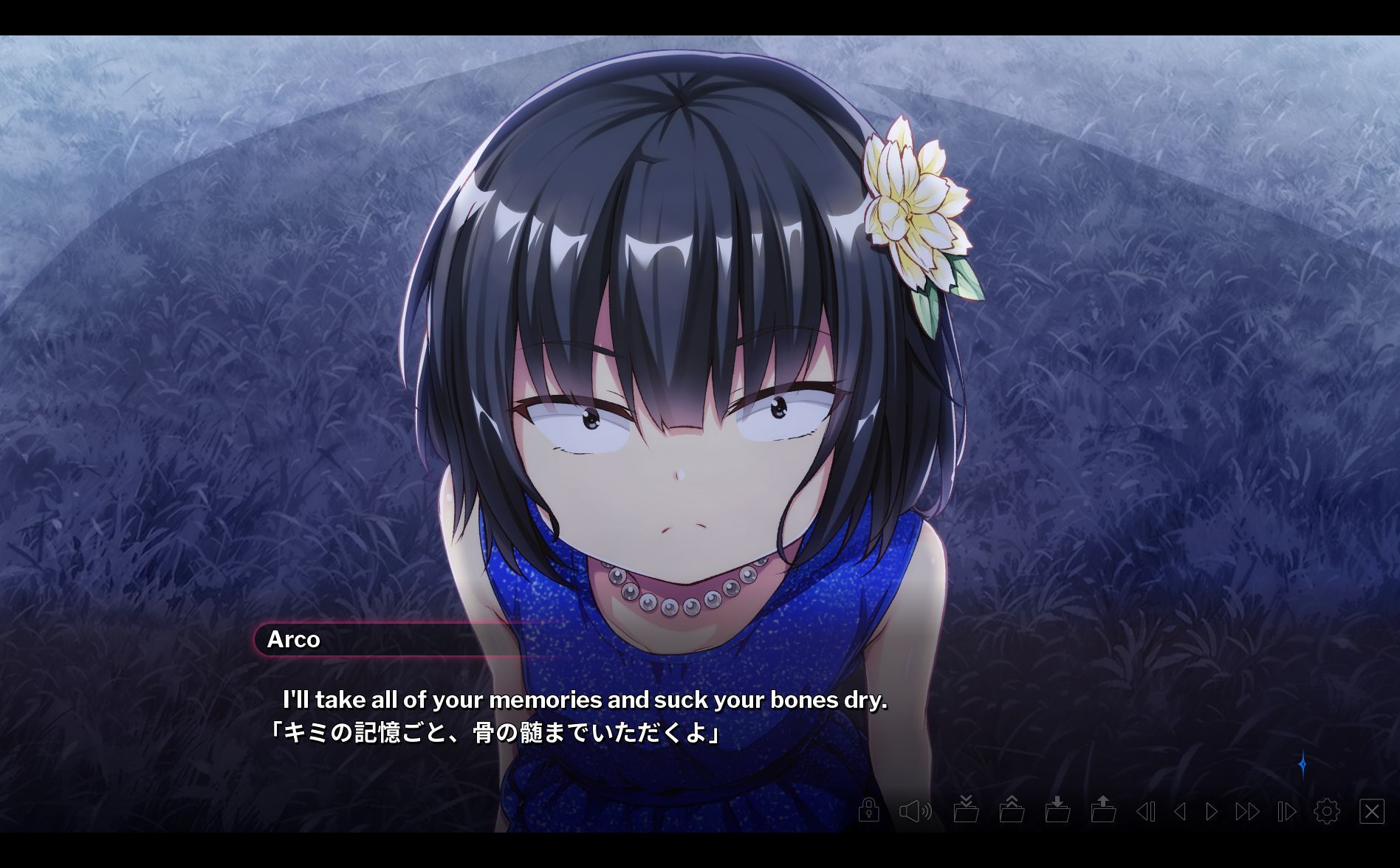
But sometimes Hato goes off the rails and elevates things into some abstract form that’s impossible to understand. That’s the part I hate most, and it’s exactly what annoyed me most in Nora to Oujo to Noraneko Heart 2 — enough that I went from fan to hater. So in this game, of course, the old habit comes back: in the mid-to-late game he starts swinging wild, describing all sorts of abstract concepts about aliens and Earthlings. Fortunately it’s much more restrained than before — at worst it’s Gintama-level imagination, which isn’t that hard to follow.
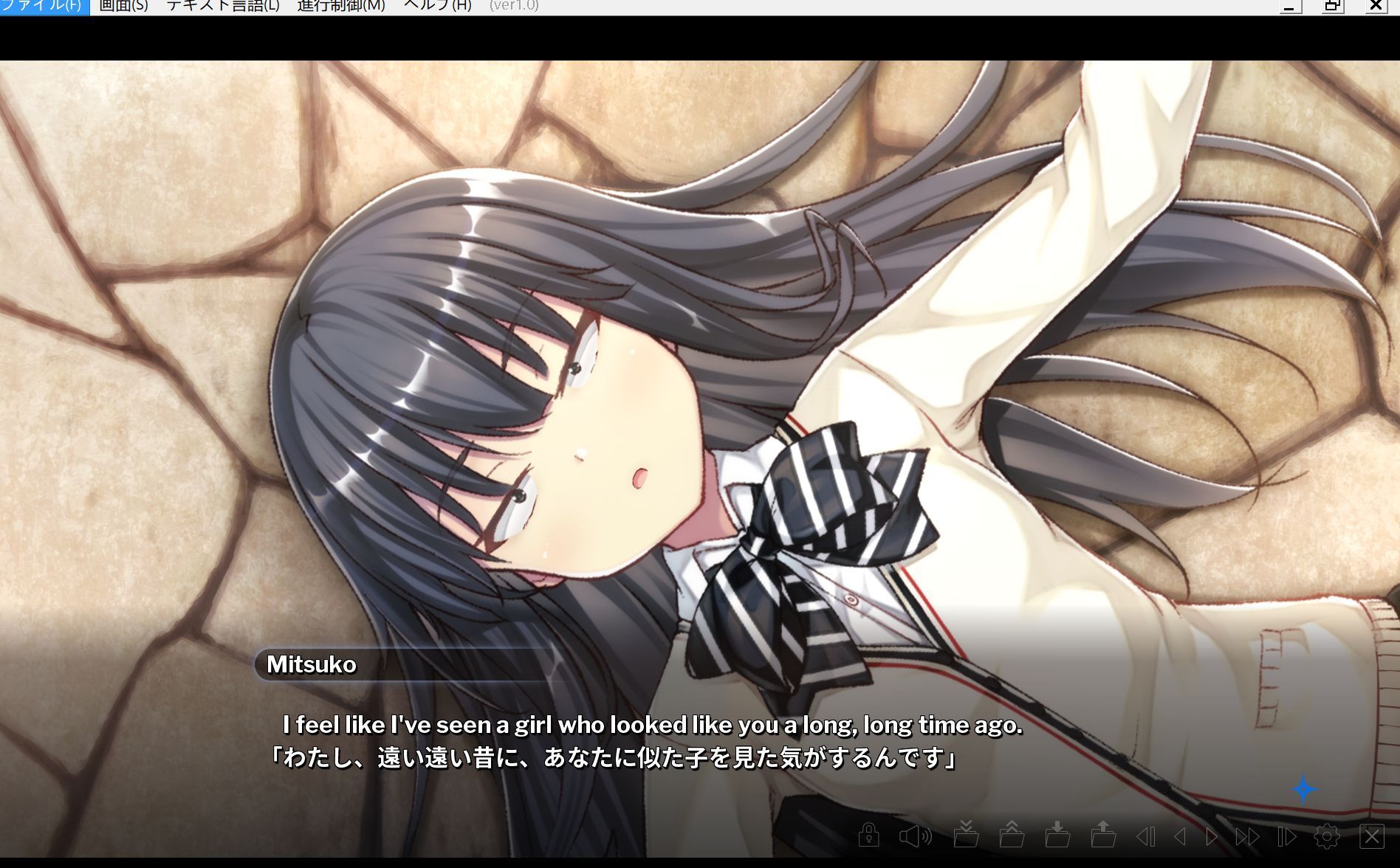
Thankfully the game isn’t long, so the incomprehensible parts pass quickly and the finale comes right after, so it doesn’t cause too much discomfort.
Kid Meets Reality
In this game Hato wasn’t just the writer — he also handled staging, and apparently something like “director,” basically a producer role. As I said before, Hato is a smart guy, and he’s good at “big things on a small budget,” which is what I appreciate most about Marco & the Galaxy Dragon.
A lot of players who don’t usually play eroge will think this game is lavishly produced, because it has animation, tons of CGs, and some minigames. Compared to traditional galges it’s on a whole other level — it even gives off a “budget exploded” vibe.
But that’s exactly where Hato is clever. I’d say this game’s budget is a bit higher than a typical eroge, but nowhere near “exploded.”
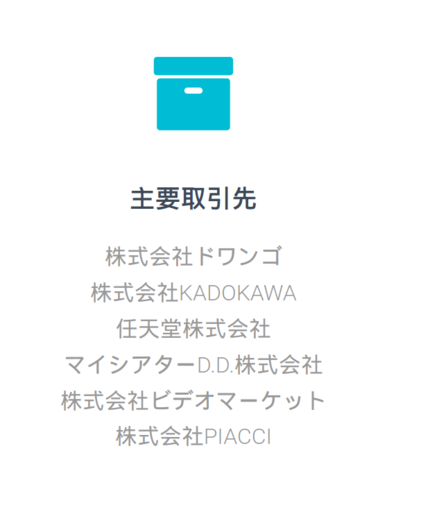
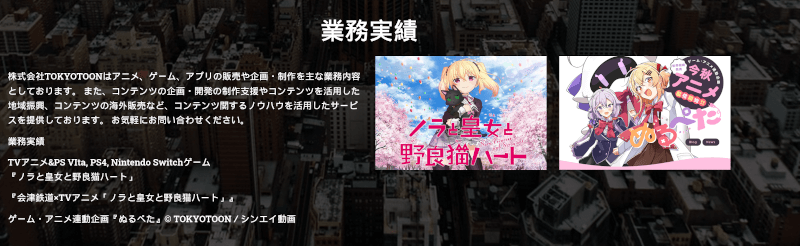
First, the production team, TokyoToon. From their website you can’t really tell what their business is. My guess is they’re a HARUKAZE shell company — I saw Nintendo and some console galge porting studios among their “partners,” which basically tells me this company handled the NS port of Nora to Oujo to Noraneko Heart and also the anime production. So they clearly have some animation capability, richer than a typical galge maker, though still poor as far as game companies go.
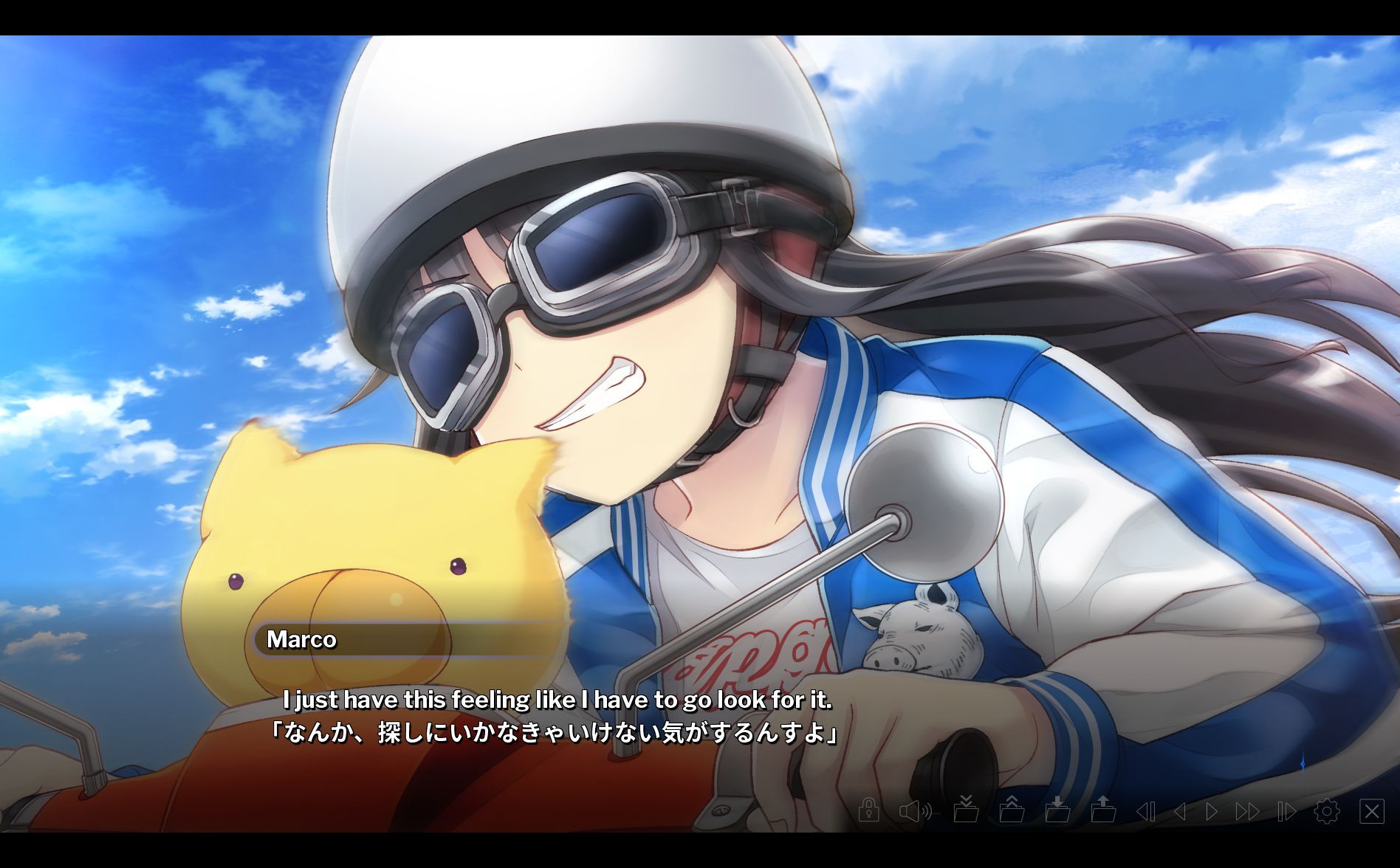
Facing that budget, Hato used a lot of clever tricks in Marco & the Galaxy Dragon. Since the story is like a single-route anime, there wasn’t enough budget to animate all of it, so he just made it “PowerPoint animation” — using various anime-style storyboards and still frames to create dialogue scenes, giving that “better than a manga, worse than an anime, but either way way cooler than a traditional galge” effect. For a typical galge studio that would mean drawing a massive number of CGs, so the team chose to have the animation crew draw them. If you look closely, you can see the character sprites and the CGs are in different styles — the CGs lean more “anime,” with simpler lines and anime-style coloring, while the sprites are traditional galge style.
What does that mean? It means the game’s 1000-plus CGs could all be handed to one team to complete “the way you’d make an anime.” I asked a well-known artist at Beijing Jinsonglin, BBM, about the cost, and she said one image including background, if the quality is good, might run 500 RMB — and for a team doing outsourced bulk work it’d be even cheaper. Plus a lot of the CGs are black-and-white, cutting costs further. All in all it costs more than a typical galge but far, far less than “real animation,” and it fits the effect the game is going for.
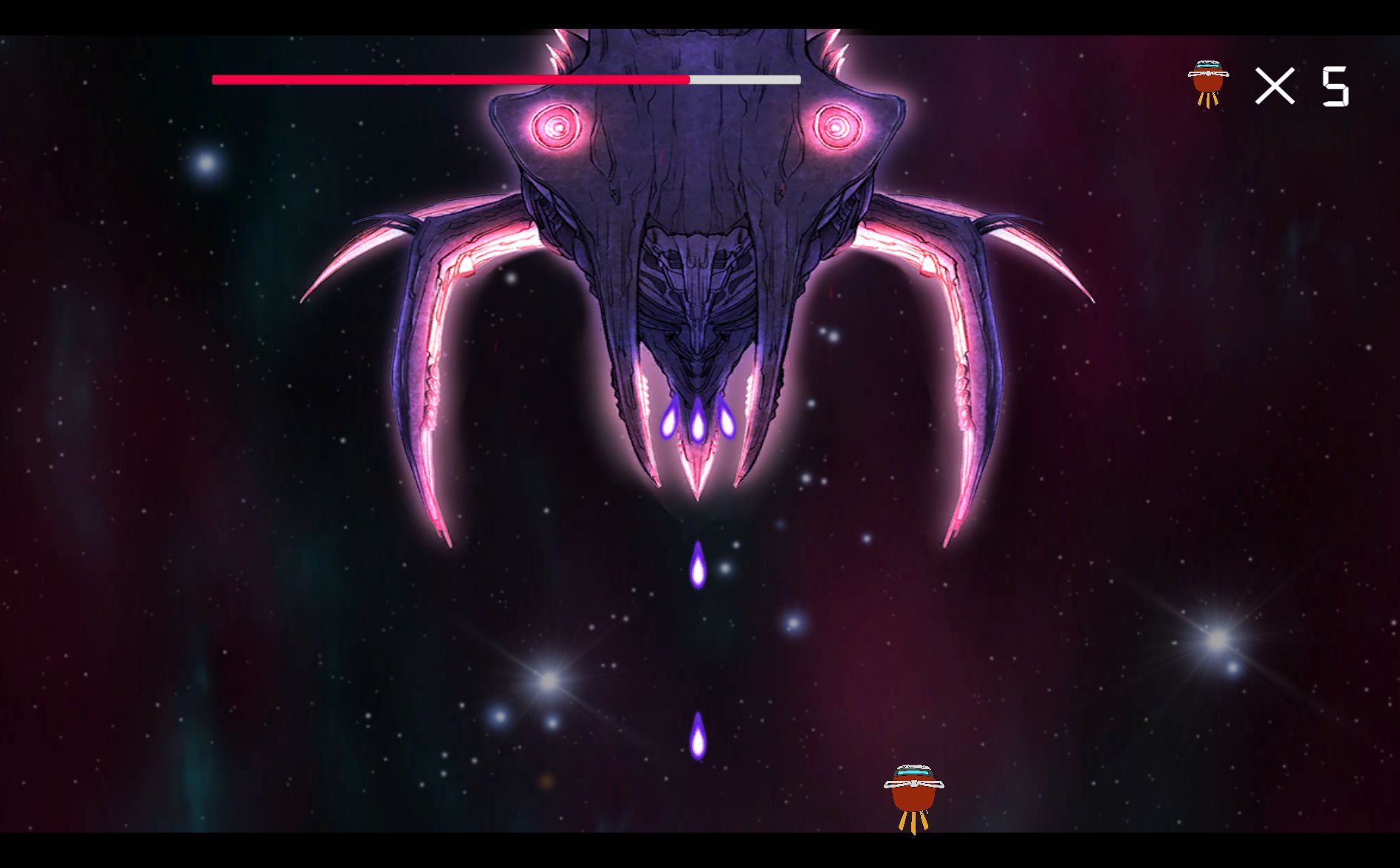
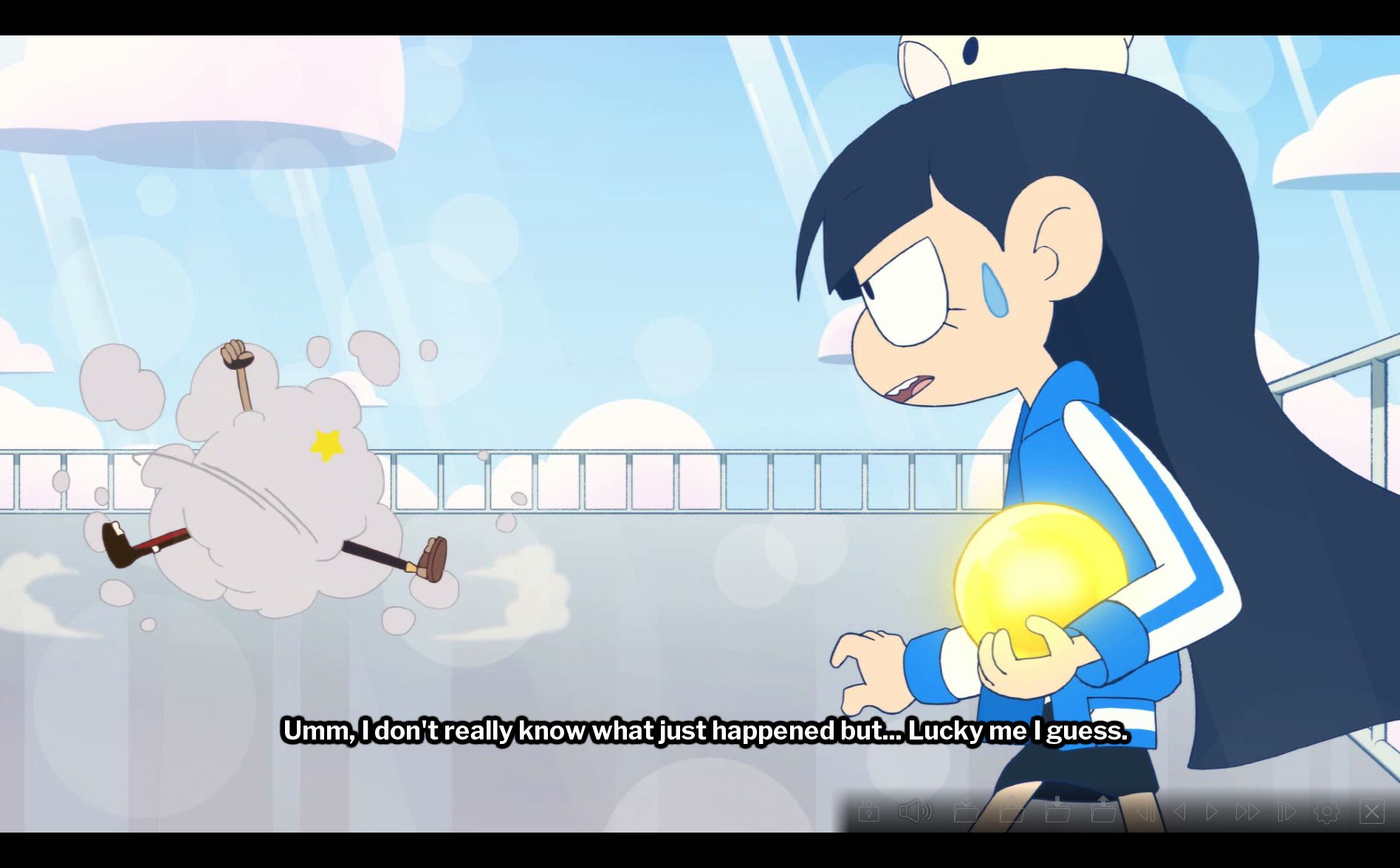
There’s also some actual animation in Marco & the Galaxy Dragon, but it all uses a “special art style” sort of like Powerpuff Girls — the style itself isn’t very detailed, the drawings aren’t complex, it’s much cheaper than finely detailed animation, and you can even crank the frame count. On top of that, a lot of the battle scenes are reduced to “two heads chasing and biting each other,” which I’m sure was Hato’s genius idea — saves money, doesn’t look cheap to the player. The final boss fight does show the budget running a little thin and it doesn’t quite get the blood pumping, but getting this far is impressive enough.
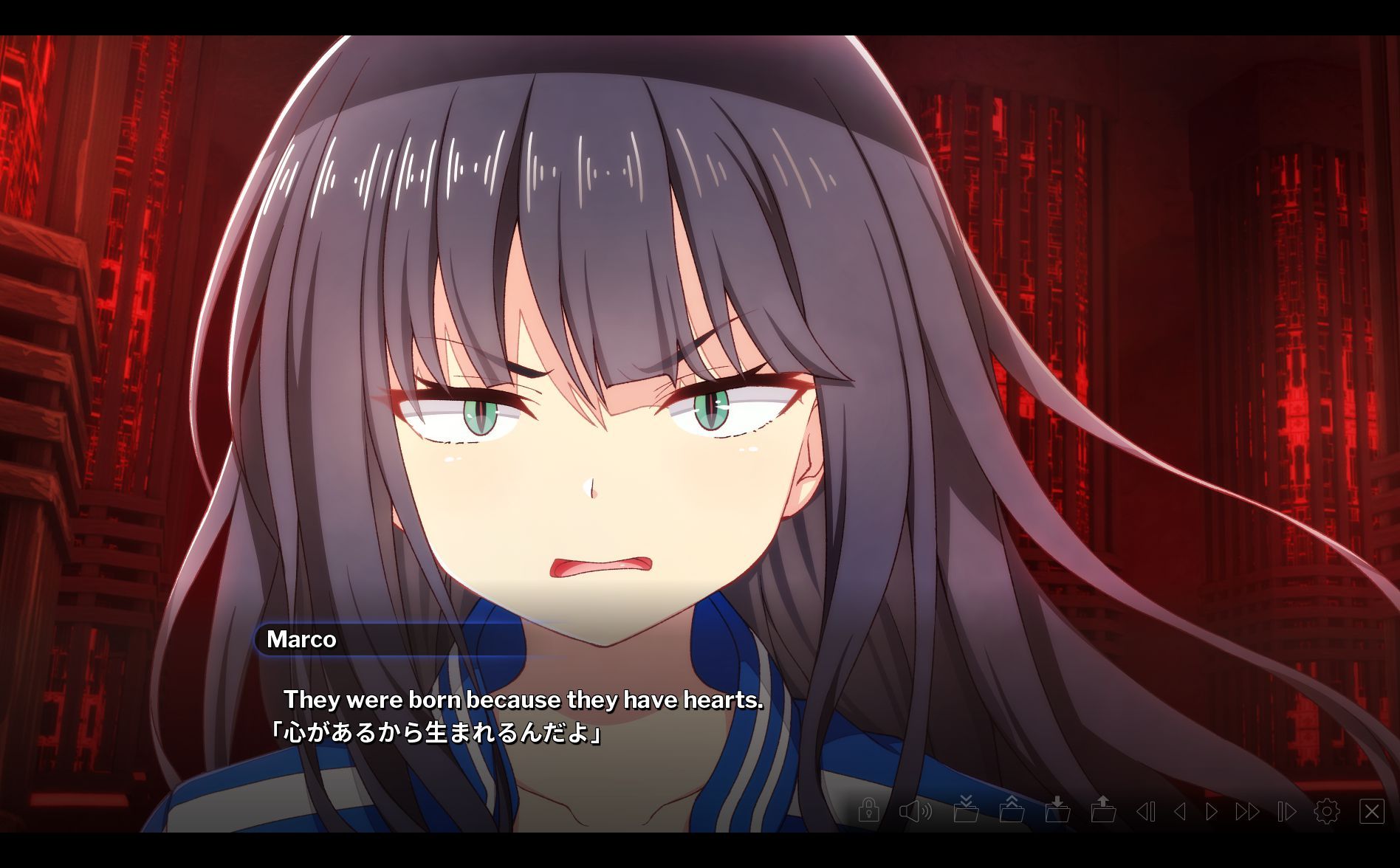
The game also includes two minigames. They’re simple and have no replay value, but their presence still makes the player feel “this is fun.” Another example of small money, big results.
Kid Meets World
Marco & the Galaxy Dragon got a lot of criticism in Japan because it sells for just over 50 RMB (900 yen) in the Chinese market while going for over 7000 yen in Japan. But I thought about it: plenty of Japanese “short galges” sell for 2000 yen and also go for around 50 RMB in the Steam Chinese region — a twofold price gap versus Japan — and nobody complains. Marco & the Galaxy Dragon is way more generous than those short games. I don’t think there’s any problem selling this quality at 5000–7000 yen; the mistake, if any, was pricing it too low in the Chinese and US regions.
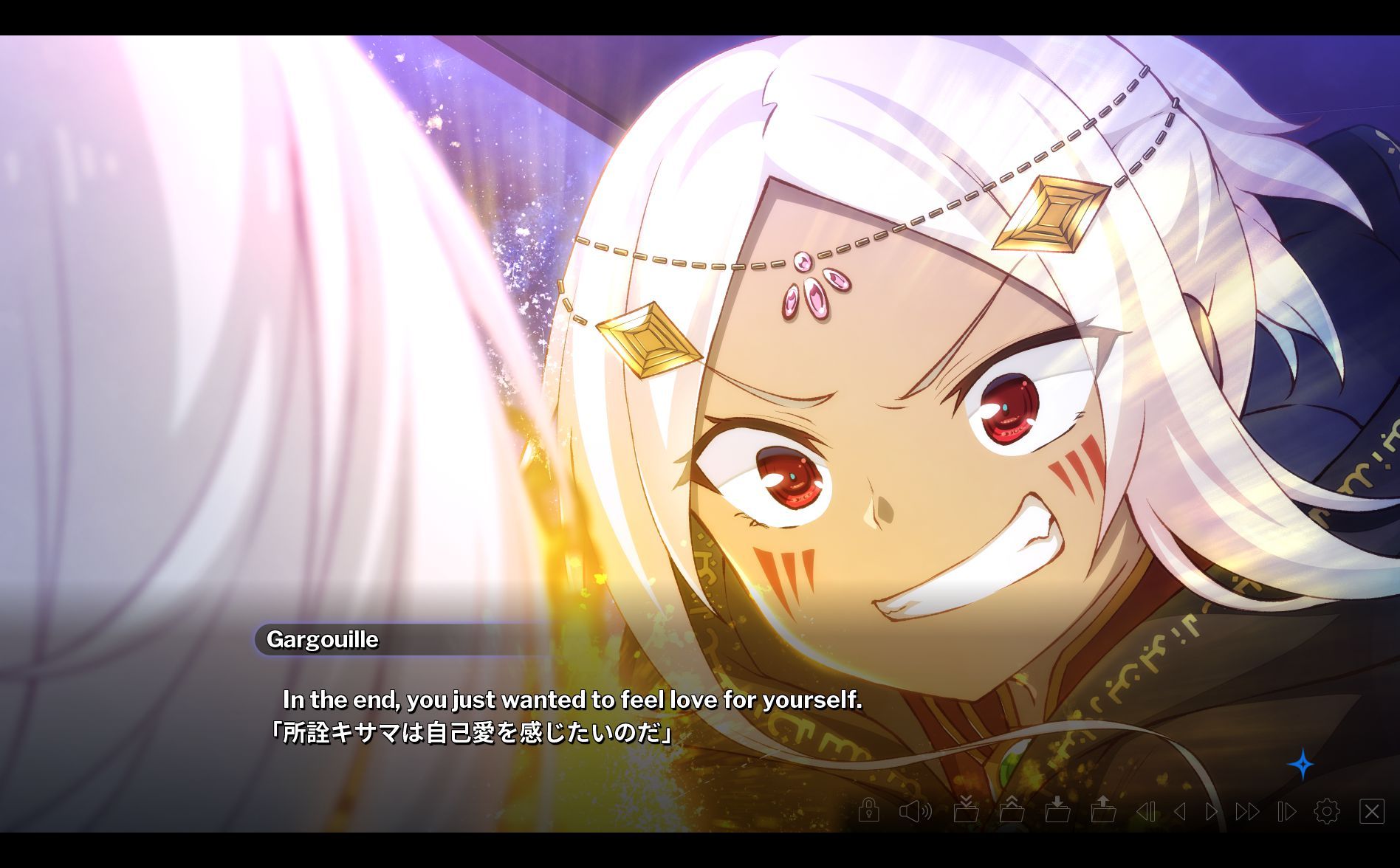
But don’t forget: 7000 yen gets you the physical edition, with a bunch of bonuses and a BD that supposedly includes anime not in the game. That price is relatively reasonable.
Marco & the Galaxy Dragon will draw in plenty of players who haven’t played much galge — they’ll think the budget is on fire, the sincerity is overflowing, and it looks just like an anime.
In reality this game was originally supposed to be a theatrical anime, but the budget was too small so it ended up like this. What moved me wasn’t the game itself but the producer behind it, Hato, who used every clever trick in the book to get the maximum game effect in a “relatively cheap” way. If we’re going to call someone capable, that’s what it looks like.
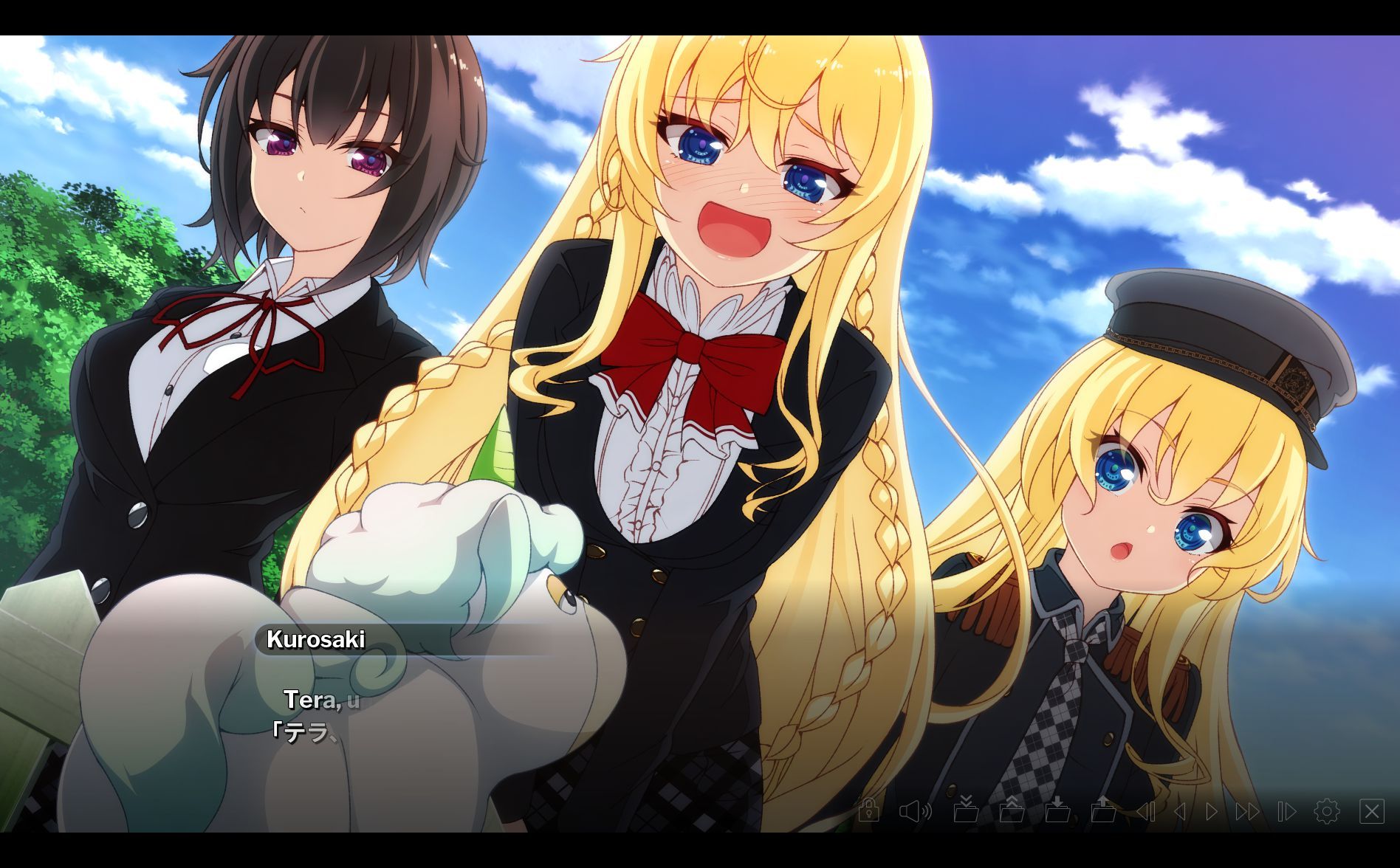
As for the story of Marco & the Galaxy Dragon itself, I honestly don’t think there’s much of a highlight. It fits Hato’s usual routine of hovering somewhere between Gintama and Panty & Stocking, with not much new. Still, if you haven’t played many games, or you like the style of Nora to Oujo to Noraneko Heart, this one’s worth a try.
Honestly though, Hato continuing to write these “big world, small story” tales in this style is fine by me. No matter how big the world is, how complex the adventure, how grueling the journey — in the end it’s just a Kid Meets World story.
Comments are hosted on the Chinese main site. This mirror is read-only.