Yukiiro Yukihana Yukinoato (ゆきいろゆきはなゆきのあと) Review
9-nine- Yukiiro Yukihana Yukinoato
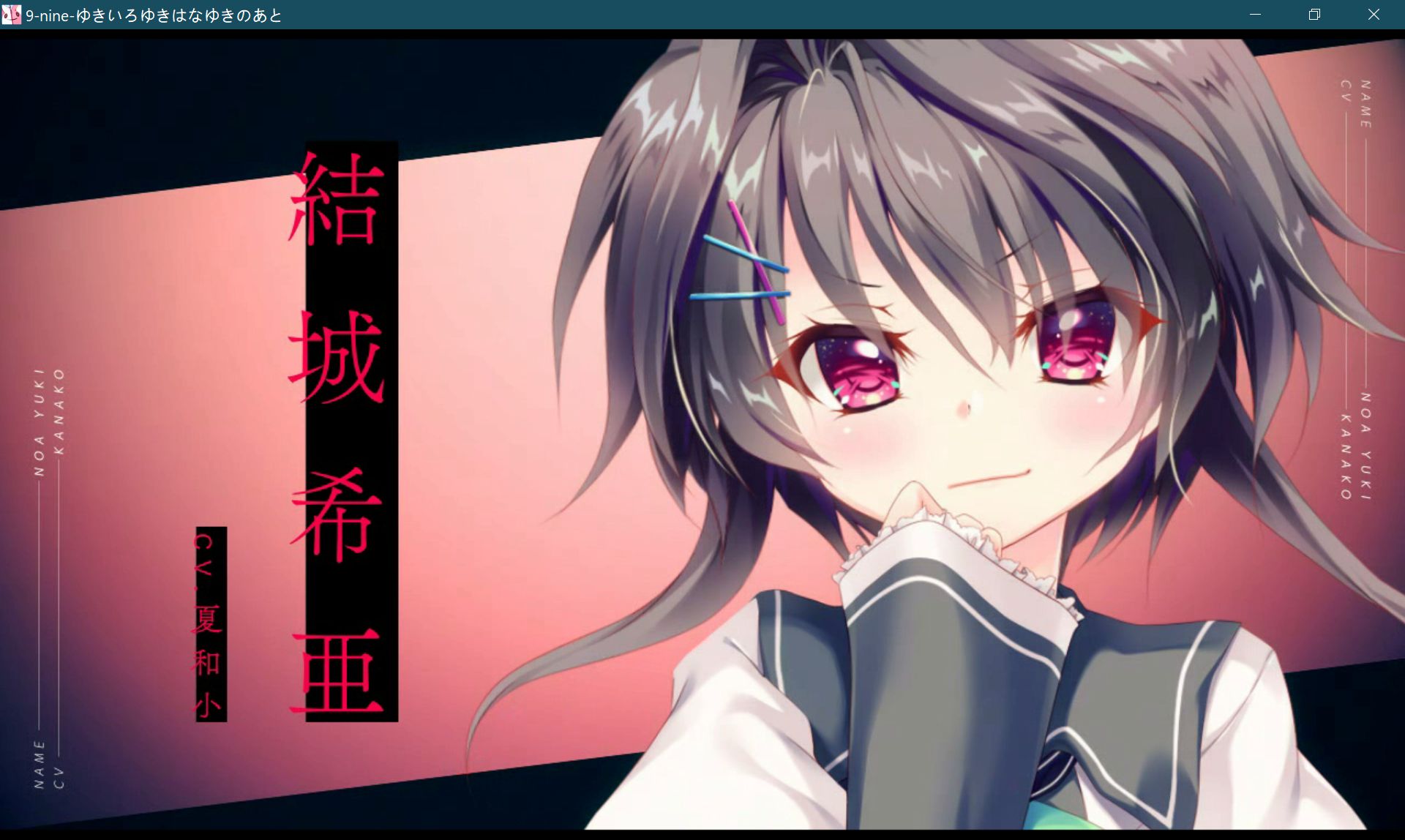
The 9-nine- series, delayed for God knows how long, has finally reached its fourth volume, bringing us the last routeable heroine, Yuuki Noa, and finally prying open the various secrets buried in the game’s setting. The title is Yukiiro Yukihana Yukinoato.
Honestly, the previous volume was where the “plot solving” actually began, telling you roughly what the main story was about. Volumes one and two were mostly just selling characters and laying groundwork. So to make describing volume four easier, let’s quickly recap the first three volumes.
Volume one: it laid out the worldview, where some “relics” from another world drifted into the human world, and whoever picked one up gained a superpower. A doll from that other world, Sofia, showed up and asked the protagonist to help her recover those relics. The volume one heroine, Kujo Miyako, had the power “Plunder,” letting her take others’ relics for herself—but plundering a relic meant killing its owner. In the end nothing got resolved and it just ended weirdly.
Volume two: it jumped to another world line, where the protagonist’s little sister, Shinkai Sora, also picked up a relic and gained the power to “erase her presence.” The game’s “villain team” started appearing too—a very aggressive woman called Ghost wanted to hunt them down. The protagonist realized he wasn’t the only one collecting relics; another villainous faction was doing it too. Of course, the story didn’t say much about the villains—aside from the fact that the senpai Kousaka Haruka was also a power user, it only touched on things briefly.
Volume three: the third world line, where the protagonist actively approached senpai Kousaka Haruka and discovered her power was “wish fulfillment,” which is insanely strong. She’d also just been forcibly dragged into the villain organization by someone else. Meanwhile the final boss appeared: Iris, a darkened version of the doll Sofia. Iris’s goal was to use the relics to plunge the world into chaos—she’s the opposite of Sofia. In the final confrontation, the protagonist awakened his own power: Overload, which lets him repeatedly “save and load” across world lines, finally dodging Iris’s attack and reaching a relatively peaceful world line ending. And at the very end of volume three, Sofia came clean: the protagonist’s Overload could do more than just this, could solve even more problems, and the ultimate goal was to take down that big villain Iris.
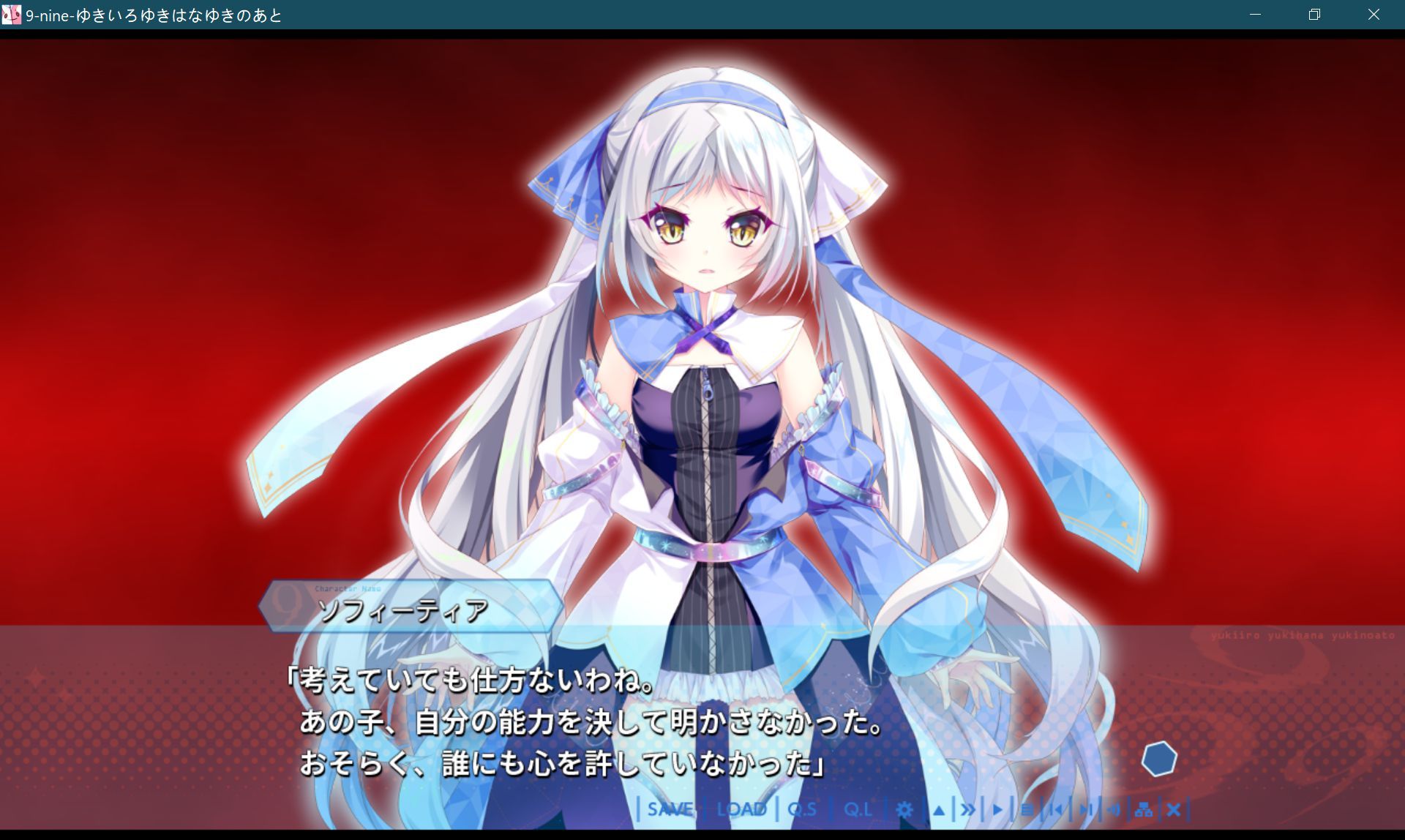
So volume four opens with Sofia telling the protagonist all the possibilities of his Overload power:
- He can use Overload to freely “shuttle” between world lines.
- After crossing world lines, his Overload requires “installing memories” again—so it’s not really him “crossing over,” but his “memories” and “consciousness” crossing over.
- Iris wasn’t actually defeated in the volume three world line—she was only temporarily “avoided.”
- Sofia wants the protagonist to find a way to beat Iris, because otherwise this current world, no matter how it progresses, will ultimately be ruined by Iris.
- Sofia hints that the key to beating Iris might require a pretty badass power—and the owner of that power is Yuuki Noa.
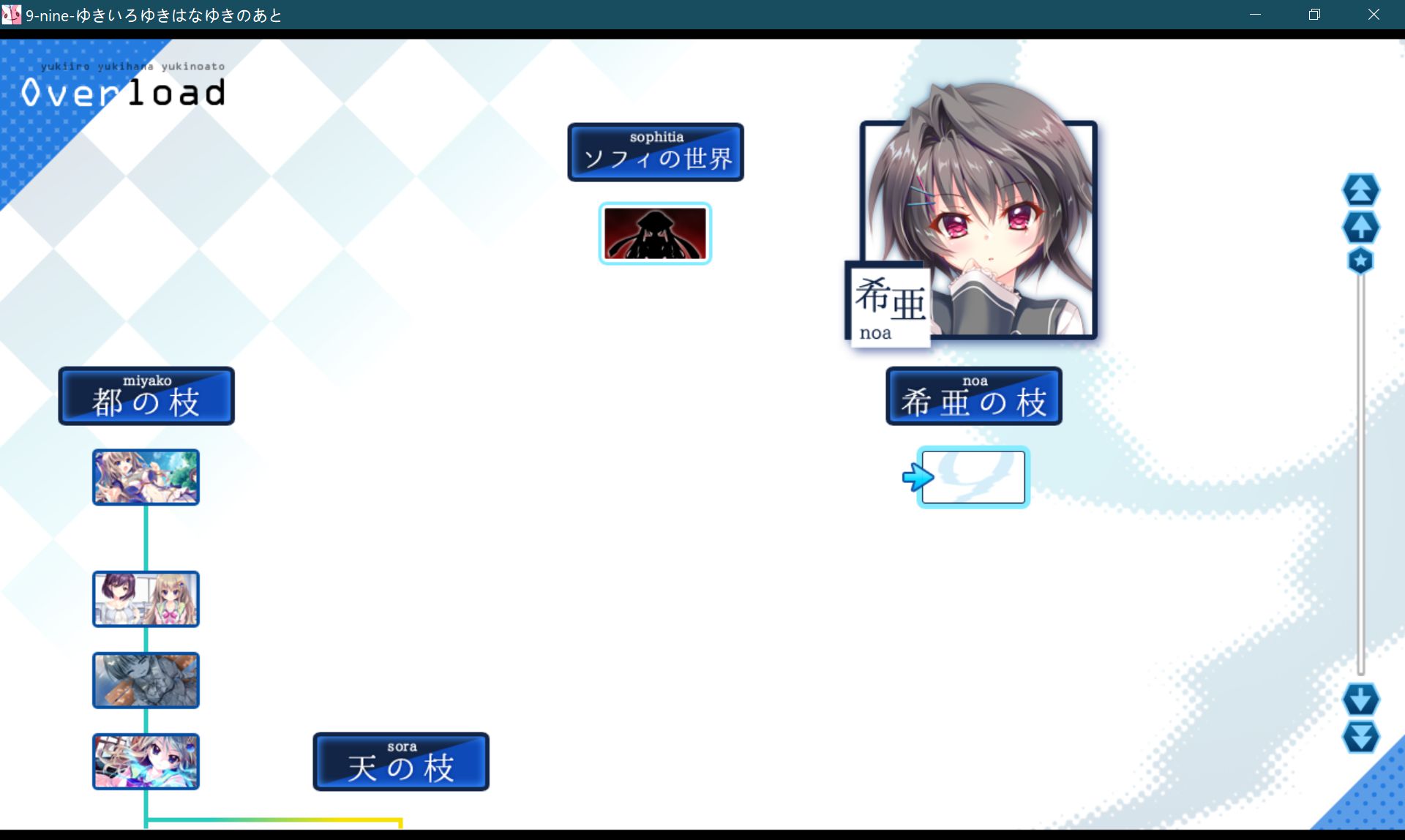
- The game also unlocks an Overload world line and timeline flowchart, making the time points of the previous three volumes clear at a glance.
Since Sofia hinted at all this, understanding Yuuki Noa’s power and getting on good terms with her became the key. But in the previous world lines, Yuuki Noa hadn’t been that close to the protagonist, and her personality was pretty eccentric. To understand her, maybe he should approach her from the very start. So our protagonist restarts from day one of the story, searching for traces of Yuuki Noa.
Things go smoothly. Yuuki Noa gets won over by the protagonist right from the start, and he learns about her power, “The Order.” How to put this—it’s way too bugged. The power user can directly convict someone and punish them, and the conviction is completely “subjective.” Put plainly:
“I say you’re guilty, so you’re guilty. I’ll judge and punish you however I damn well please.”
That feel is familiar… And while the protagonist was dating Yuuki Noa, he also avoided as many of the “superpower battle” events that were originally going to happen—the petrification incident, the fire incident, and so on—minimizing the tragedies.
So to take out Iris, they naturally needed Yuuki Noa’s power. Based on volume three, Iris would possess the teacher, so the protagonist paid attention to the teacher early on. When the world fell into superpower-induced chaos and the teacher was about to go off while possessed by Iris, he joined forces with all the heroines, convicted the Iris inside the teacher, and Yuuki Noa delivered the finishing blow.
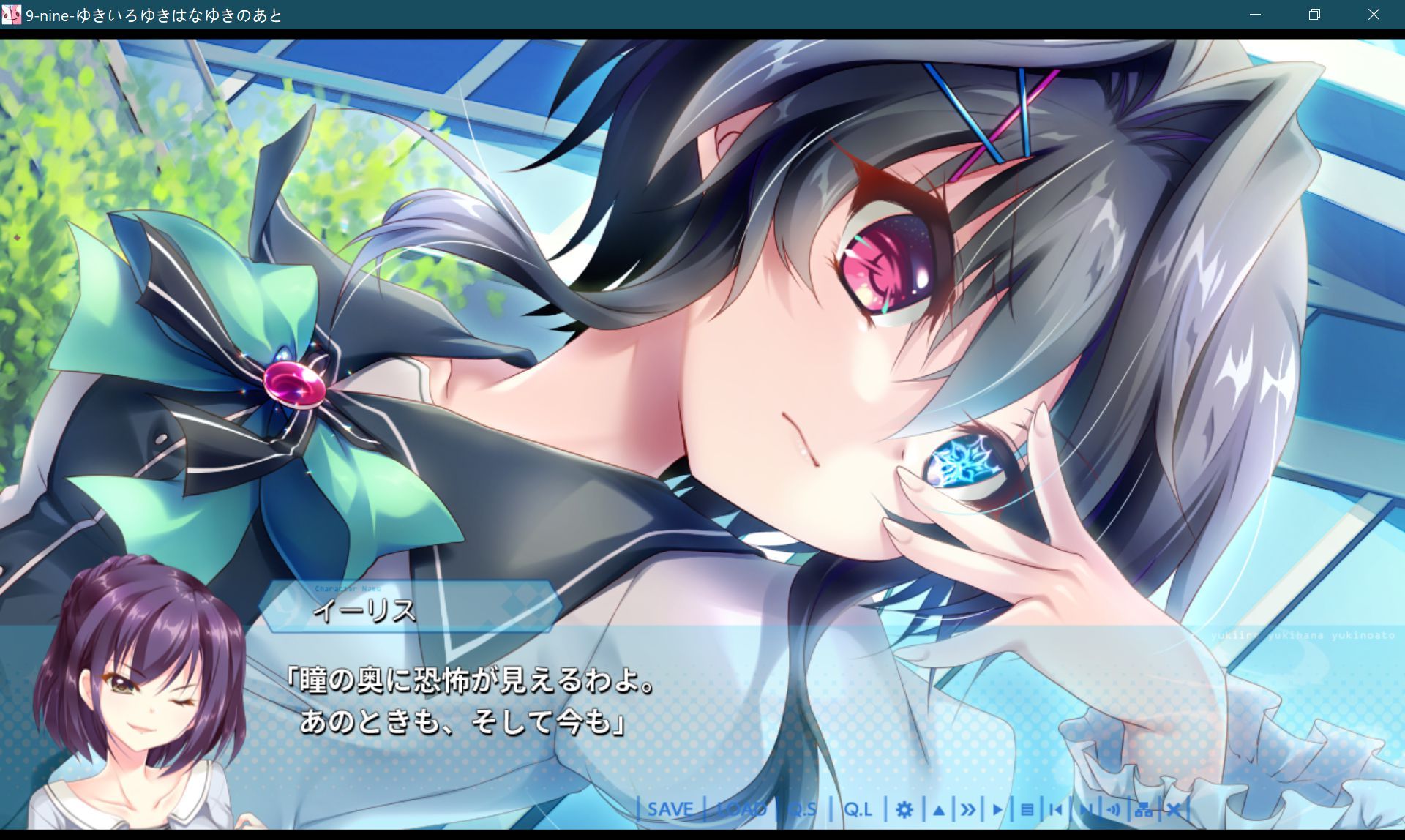
And so Iris was defeated, the world returned to peace, everyone lived happily ever after… and the game rolled its ED…
Then something unexpected happened. When the ED showed the teacher’s character profile, the teacher suddenly flashed an evil smile, and everything instantly rewound to the moment Yuuki Noa judged the teacher.
That’s when Sofia tells you: Iris isn’t dead. That Happy Ending just now was your fantasy.
Yuuki Noa judged the teacher possessed by Iris, but found it was a fake—the real Iris had possessed the protagonist’s bro, Fukasawa Yoichi.
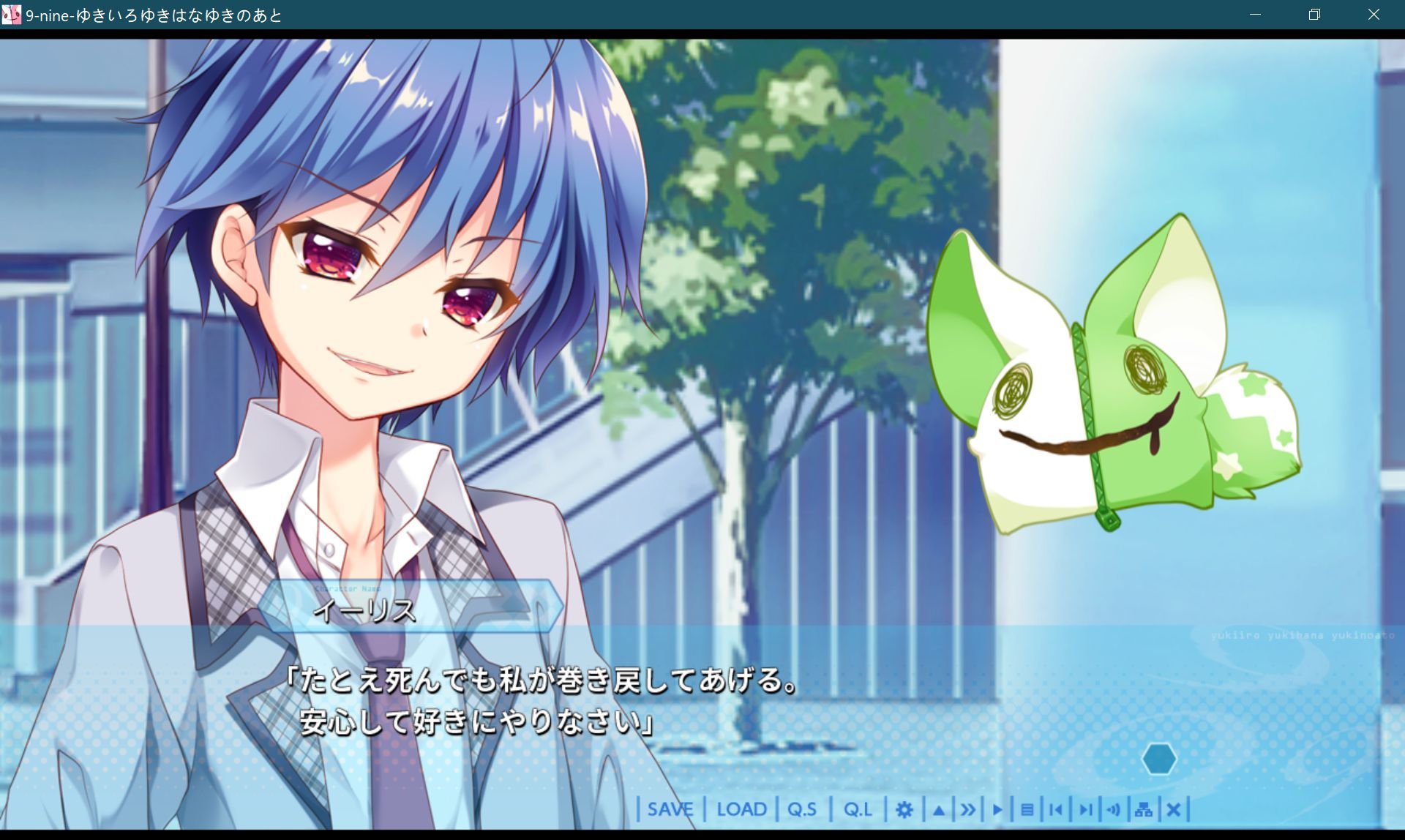
The protagonist tried to use his Overload to rewind, only to discover in shock that this Fukasawa Yoichi, possessed by Iris, had the same Overload power as him.
In other words, you can go back in time to change the world line, but Fukasawa Yoichi can also return to the same timeline to obstruct you. He can even personally kill your heroines—for no reason, just to make you despair.
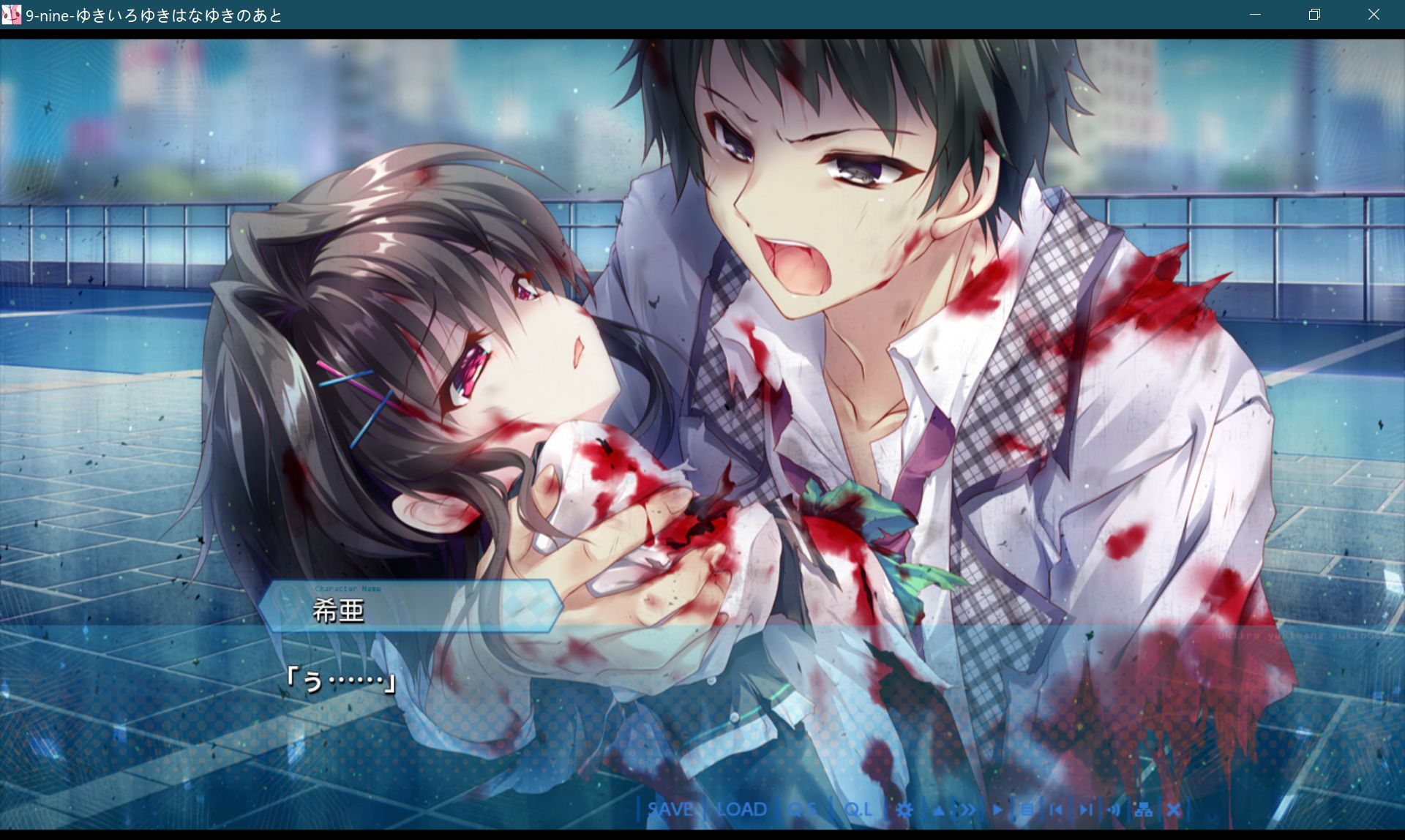
You think you have the power to cross world lines, but little do you know the boss has it too. Whatever you change, he can keep meddling so your tragic outcome can’t be changed. Even if you kill him, he can rewind so you can’t kill him. You can’t kill him, he can’t kill you, but he can keep doing awful things in front of you, making you suffer, making you despair.
And indeed the protagonist does fall into despair. This “unkillable boss” really is endless, stuck in a nonstop loop where nothing can be changed—it always makes you feel like everything ahead is darkness.
But the game eventually reaches a turning point. The protagonist’s Overload power awakens further, the key point being Sofia appealing to “the player behind the screen” to lend their power to the protagonist in the game.
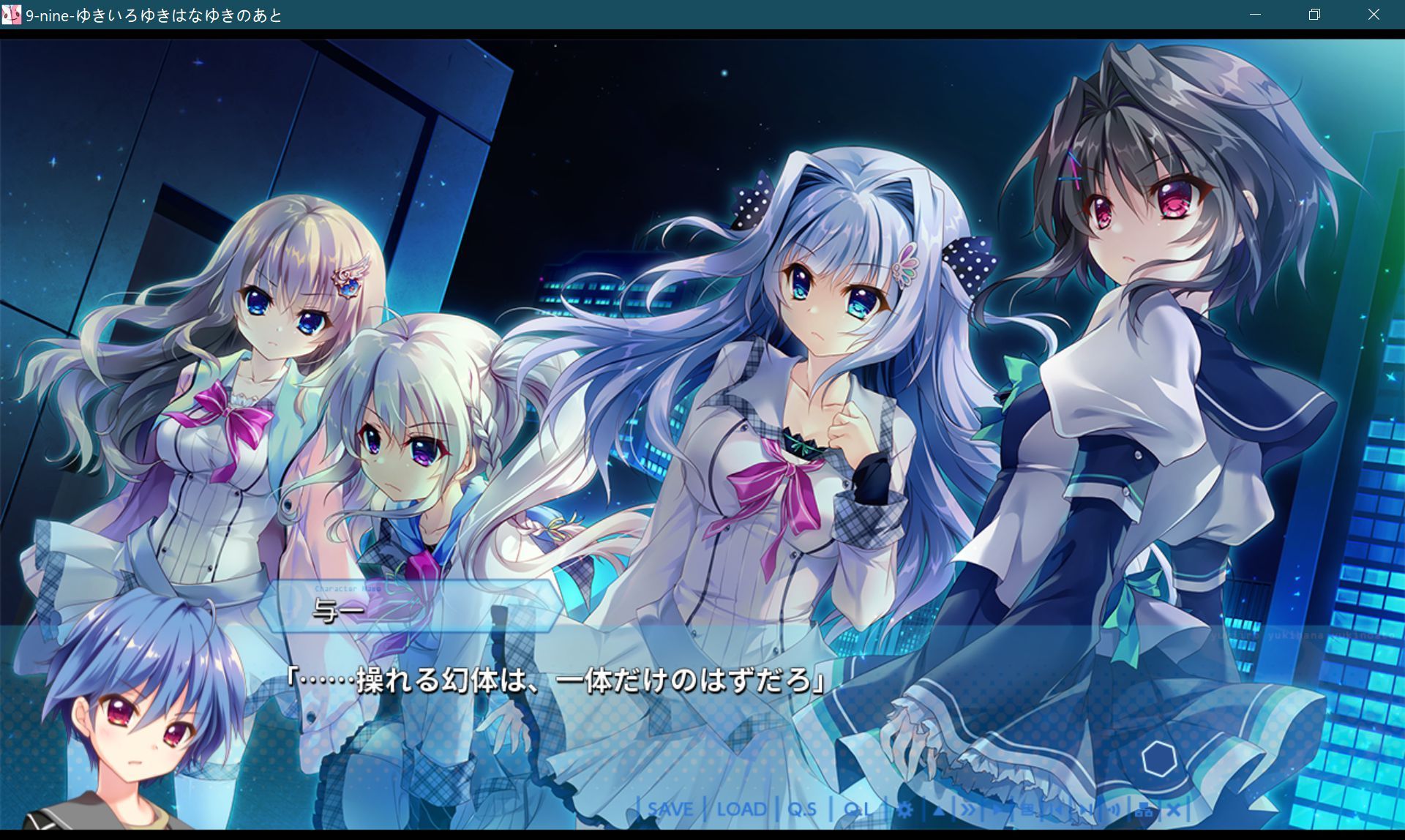
The protagonist’s Overload gets upgraded—he can not only cross world lines transferring memories, but even summon characters from other world lines. Iris can only transfer memories, not summon people from other world lines.
The protagonist summons his four heroines, with the help of “the player behind the screen,” from other world lines. Five people together face the final boss. The boss is already at a disadvantage, but Fukasawa Yoichi, possessed by Iris, craves power so much that his body and consciousness are devoured by Iris, and he becomes Iris entirely. Beating her becomes even harder. That’s when “the player” joins the game again, connecting the teacher and Sofia from other world lines, linking the Iris avatars existing in different world lines, converging them to one point, and Yuuki Noa blows them all up—basically “pull everything and AOE it”—finally wiping out Iris completely. All world lines gradually return to peace.
All the heroines the protagonist summoned from different world lines go back, leaving him alone.
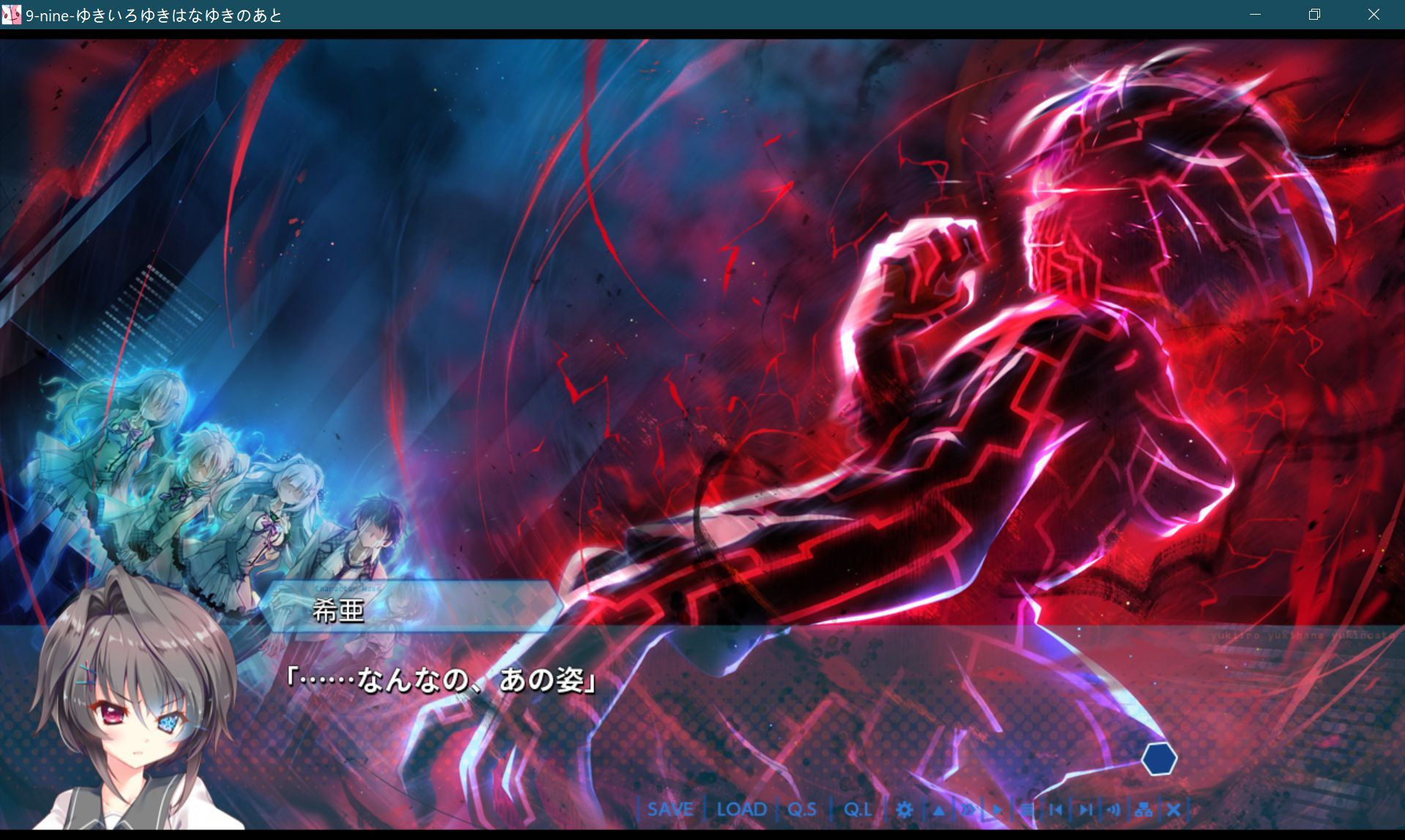
But with “the player’s” help, the protagonist’s memories are rewritten into a world line where he lives together with Yuuki Noa—in that world line, Yuuki Noa will share a common ending with the protagonist.
Iris is dead, the game is over, and the protagonist has happy lives with different heroines across several world lines. Sofia thanks the protagonist, and finally thanks the player at the screen too, saying there’s still one last “relic” to recover, and that the world lines disrupted by Iris need pruning. She hopes “you at the screen will cooperate with us.”
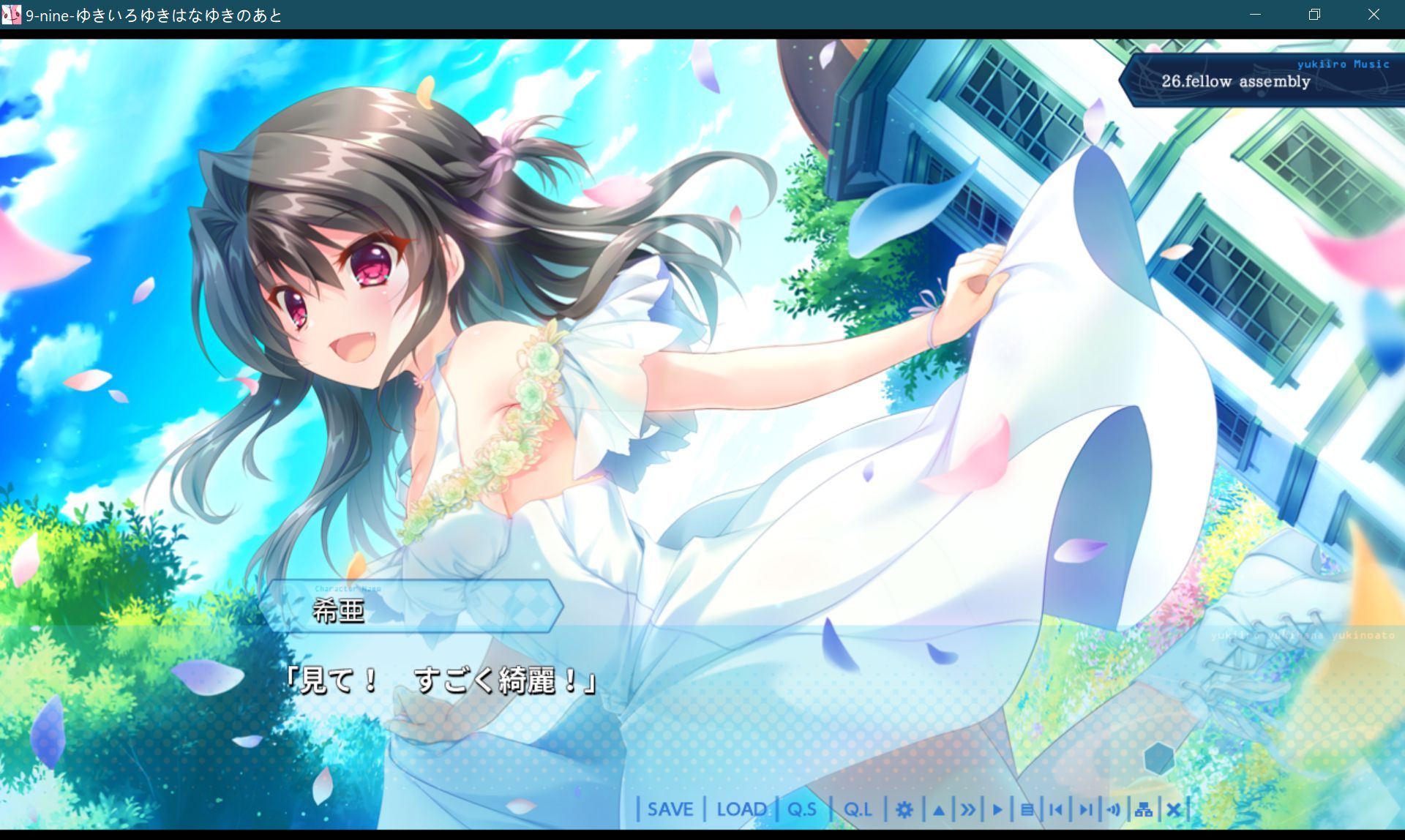
Then the game just ends.
Impressions:
As the fourth volume of the 9-nine- series, this one can be said to give the story an ending, and a fairly decent send-off too.
Looking at all four volumes as a whole, this is a pretty standard “cross-world-line superpower protagonist saves the world” classic story. The first three volumes are three routes, and the last is the final True End. Only unlike those other games, this thing was sold in pieces—and took four years to do it.
Simply put, it’s like taking a galgame’s three character routes plus True End, splitting it into four routes across four games sold once a year. If this game hadn’t been split up and had been complete all in one, I personally think it would be a “good” work—not amazing, but genuinely solid. “Amazing” is something you can’t force anyway, and this “protagonist crossing over” setup has been used way too much in lots of games. But precisely because this game chose to sell in volumes, it makes it really hard for me to evaluate.
Judging the games on their own, volumes three and four of 9-nine- are pretty good—but that’s only in comparison within the series; volumes one and two feel pretty boring. If you ask me to rate the whole thing, I can only say that for a “plot-driven” work like this, selling in volumes is incredibly stupid, especially the “one route per volume” approach—and each volume makes you wait a year. Of course, the game isn’t without highlights. Volume four’s ending uses some “slightly innovative” methods, including something like a meta game, inviting the player behind the screen into the game to help the protagonist—the “partner” the protagonist mentions in-game is actually the person playing. And to highlight the final despair and super-twist, the game put in a lot of details: during the first ED, Iris wasn’t actually destroyed, it was just the protagonist’s hallucination. The game’s ED was still dim, while the final ED was much brighter. Also, when you enter the final chapter, the heroine’s name disappears from the game title, corresponding to the protagonist changing the world—the heroine has already been killed by Iris.
I don’t know if anyone else remembers, but I always remembered the line in the volume one OP: “This world is ___ by you.” Instinctively I figured it meant “the world was created by the protagonist,” and then the game went two whole volumes without touching anything central, just selling chuuni superpowers and selling the heroines’ lewd and sexy CGs. Before the end of volume three, I even felt like the game itself had forgotten that line from the earliest OP—until the last volume, when I finally understood that the “foreshadowing” from the volume one OP had been buried ridiculously deep.
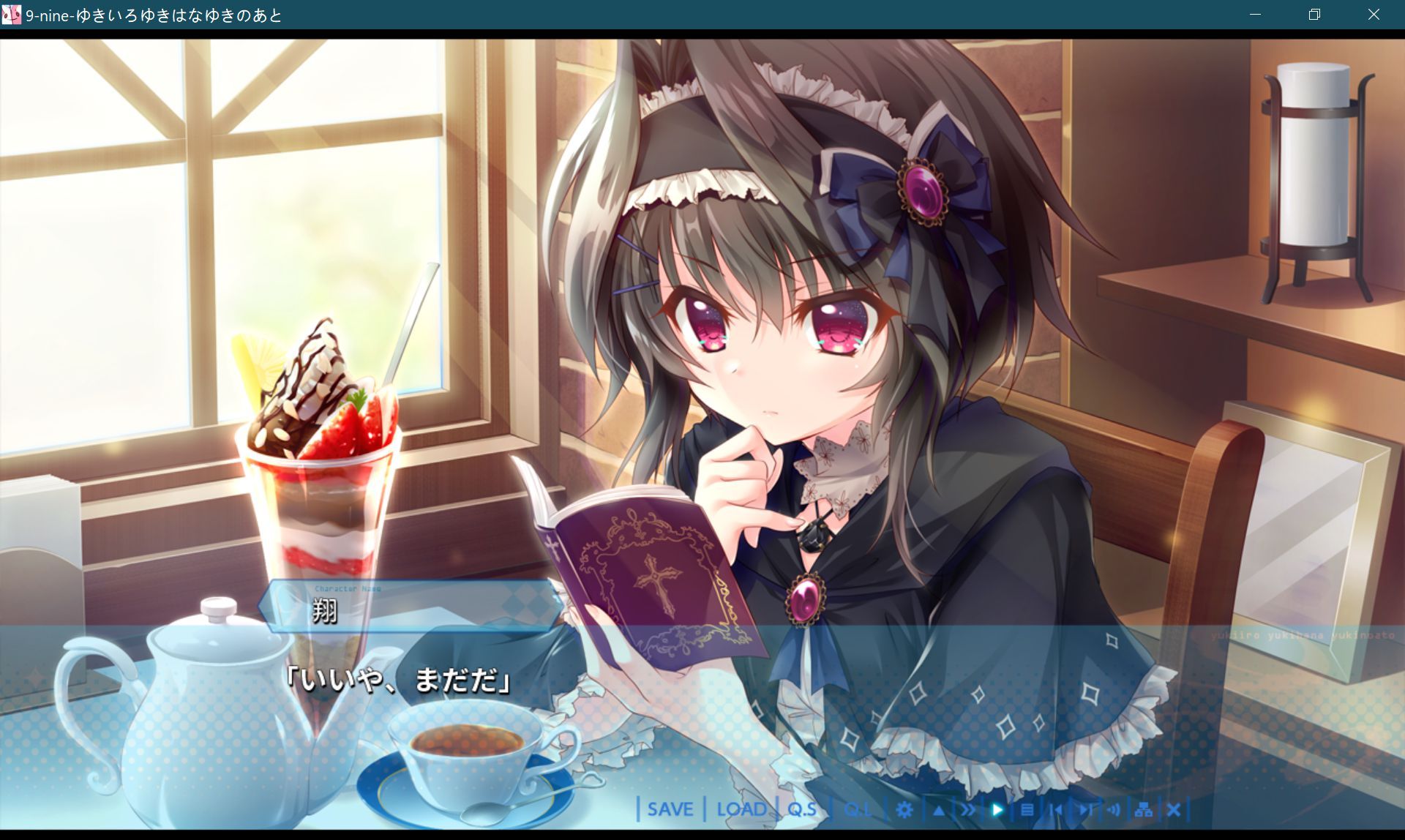
Because this game was sold in volumes over such a huge timespan, by volume four I’d almost forgotten the contents of the first two volumes. The game kept throwing in flashbacks, but I couldn’t remember any of it. The dev team probably figured you wouldn’t remember either, so they made that Overload timeline to help you recall—but why go to all that trouble? Why does a game that could clearly be made in one go have to be split into four?
Let’s compare: this game actually had a low budget. Almost no background characters, the same few background locations forever, one OST used for a full four years. Maybe four OPs, but making an OP honestly isn’t that complicated—it’s just MAD-level work. Each volume’s new release was just reusing old assets plus a few CGs and OP/ED. I absolutely refuse to believe that kind of production takes a year.
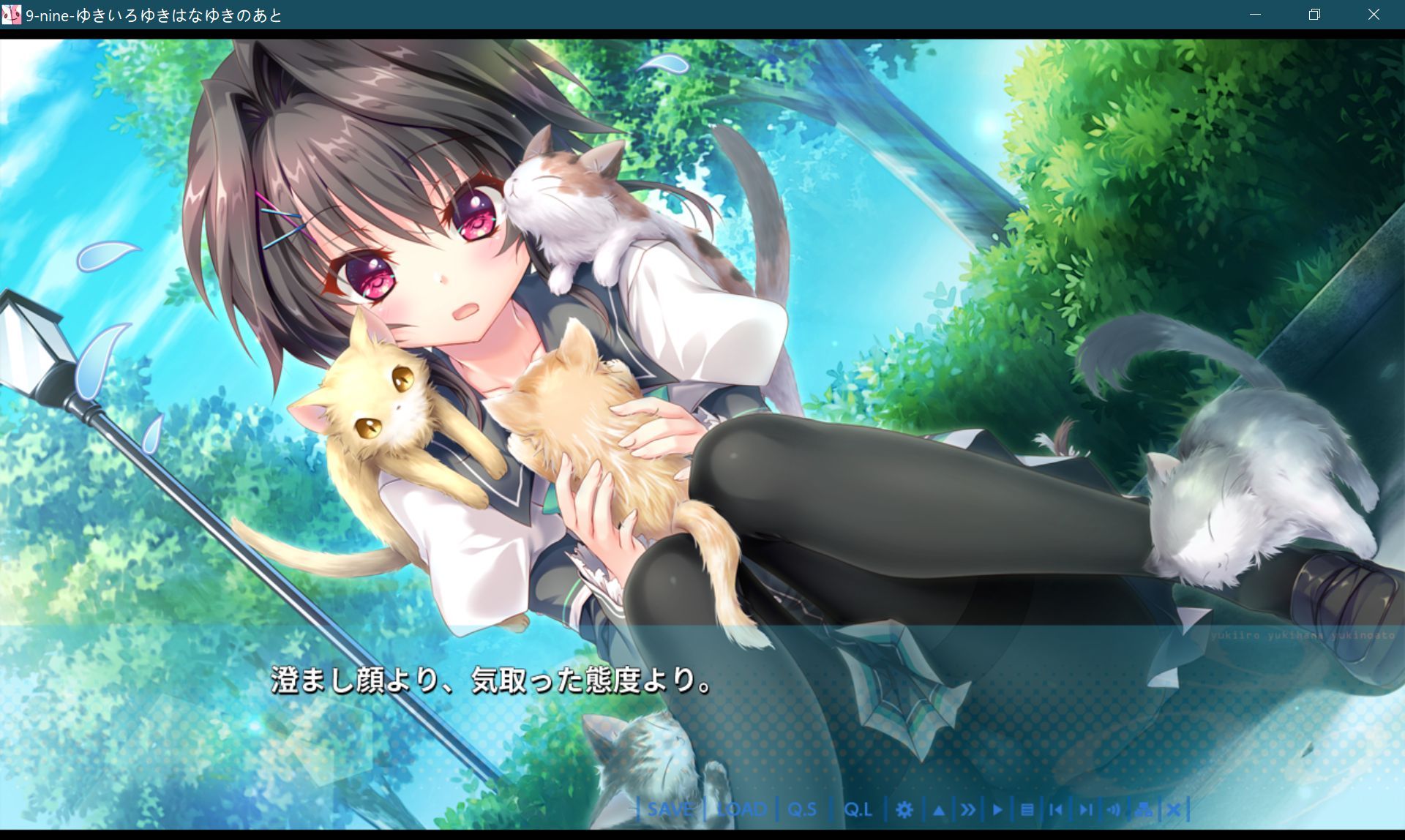
Of course, maybe the Palette dev team really did run out of money? The industry is that stupid, so it’s not impossible. Anyway, this series has finally drawn to a close, and it seems the whole 9-nine- series shot back up into the top sellers on Amazon. Judging by this series, they definitely made a good chunk of cash.
I hope Palette can keep putting out better games after 9-nine-, and please stop selling in volumes. Of course, before their next new game, maybe 9-nine- will put out one more to milk the cash cow. After all, Sofia told the player at the end that there’s still one last mission—pruning those unhappy endings. I reckon that’s just the harem fan disc.
Appendices for the first three volumes on this site:
《9-nine- Kokonotsu Kokonoka Kokonoiro》 《9-nine- Sorairo Sorauta Soranooto》 《9-nine- Haruiro Harukoi Harunokaze》
Comments are hosted on the Chinese main site. This mirror is read-only.