Pieces/Yurikago no Canaria (Pieces/揺り籠のカナリア) Review
Canary in the Cradle
The game I’d been hyping up all last year, the one bro kept dumping on — Pieces / Wataridori no Somnium — got a sequel after a whole year…
Sure, they call it a sequel, but it’s a fandisc any way you look at it — Pieces/揺り籠のカナリア, the canary in the cradle.
Honestly, the fact that it got a fandisc surprised me. The original story was already over — if you’re making a fandisc, there’s basically no room for an after-story. Every protagonist wakes up from that “dream world,” and when the male lead and the heroine meet again, they’ve both lost their old memories. It’s just a fated reunion. What else is a fandisc supposed to say? Are they gonna have another go at it in the real world?
Real life already has enough of that boring-as-hell “take a humblebrag, swallow it” type of douchebag like Chiku-niu. Not me, no thanks!
Then the game got a demo, and I looked at it and immediately started roasting it.
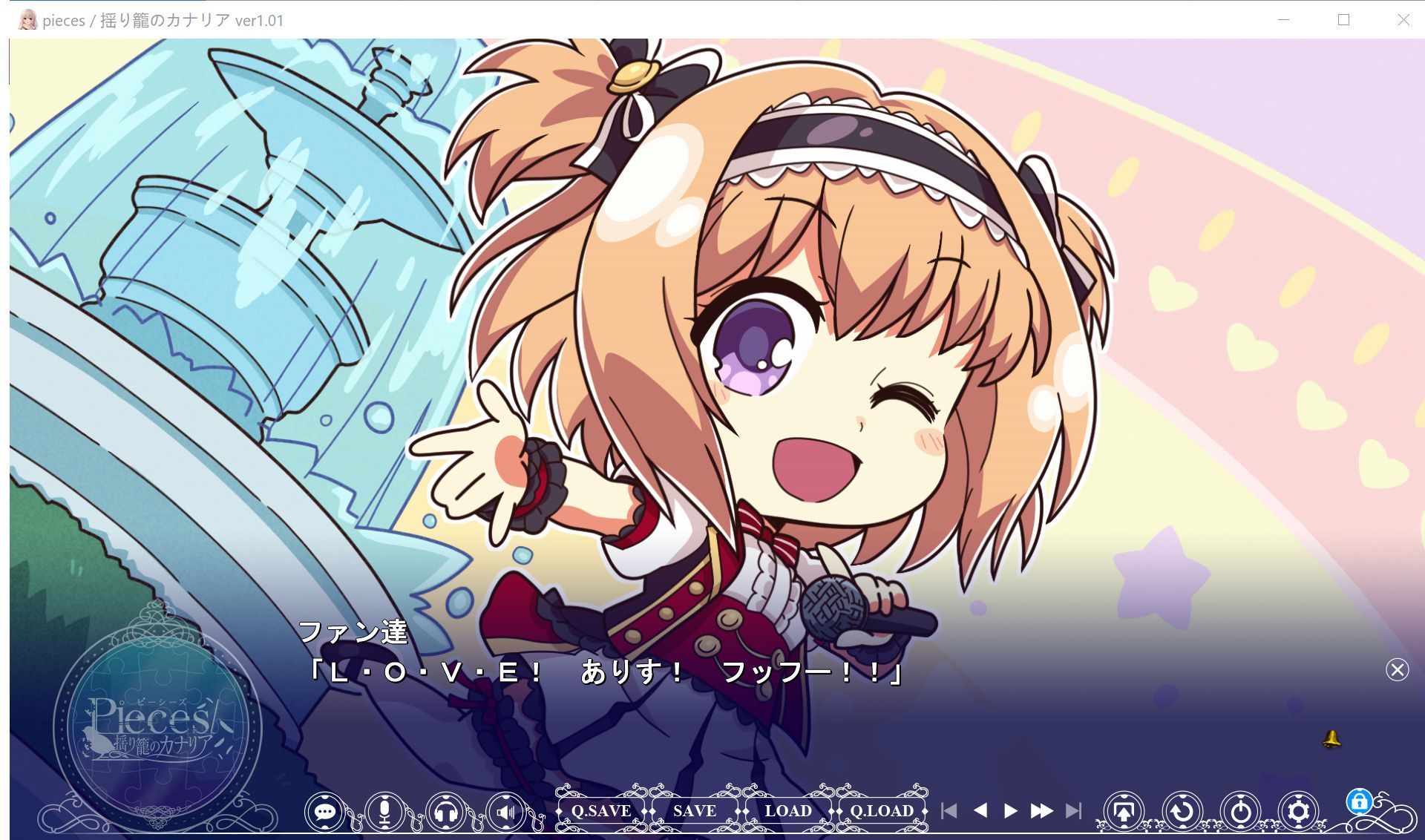
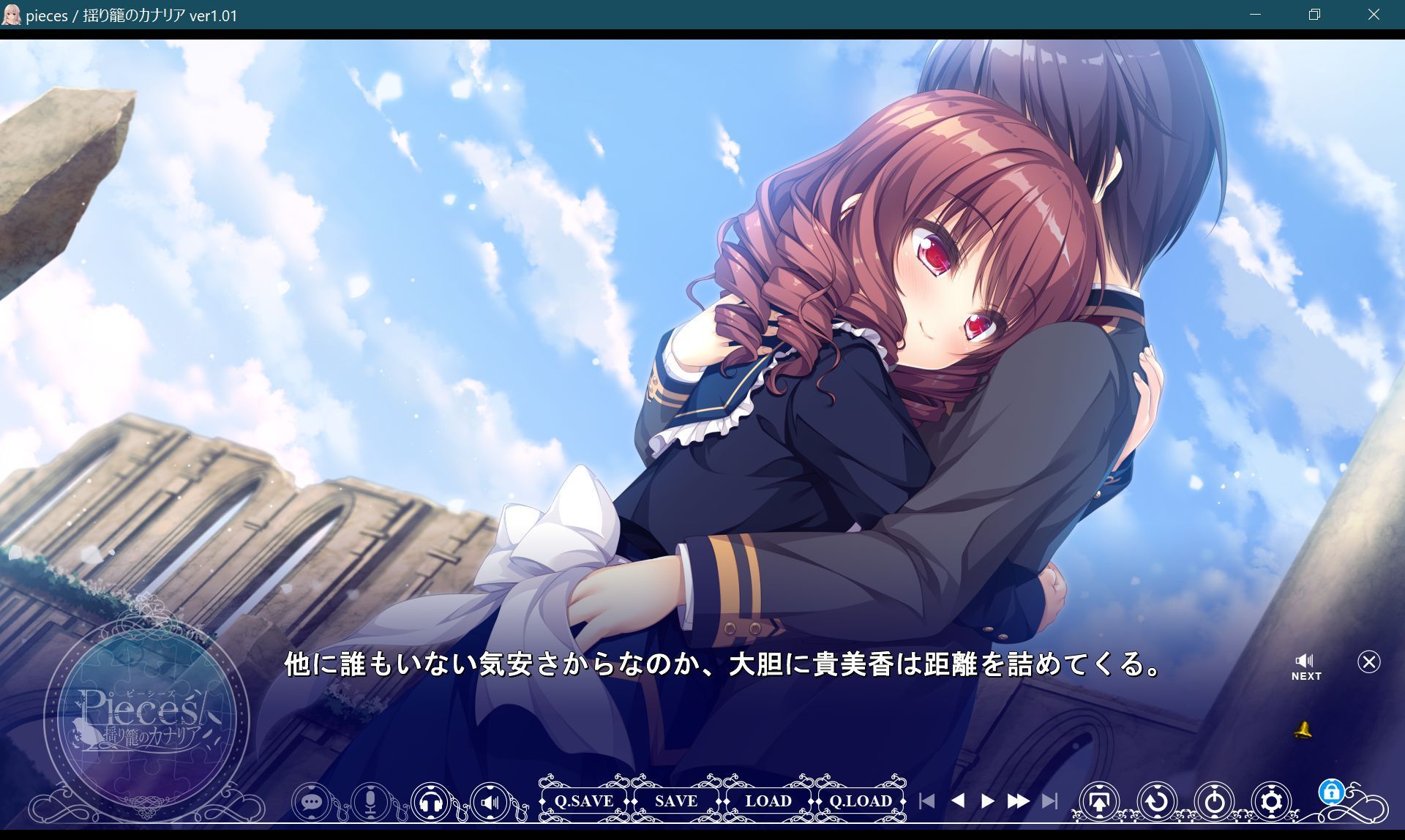
As expected, it’s a pure fandisc. The game is set before the “dream world” collapses, covering the days after the protagonist gets together with each heroine. At best it’s a supplement to what came before, and it also adds a route for that one curly-haired noblewoman who was really fucking dumb in the original.
This game’s story takes place before all the truth about the “dream world” gets revealed. It just throws in some romance slice-of-life on top.
Honestly every heroine’s route works the same way: cook up a few incidents, get involved and resolve them, deepen the bond between the protagonist and the heroine, then wrap it up with a big happy-ending CG and roll the ED.
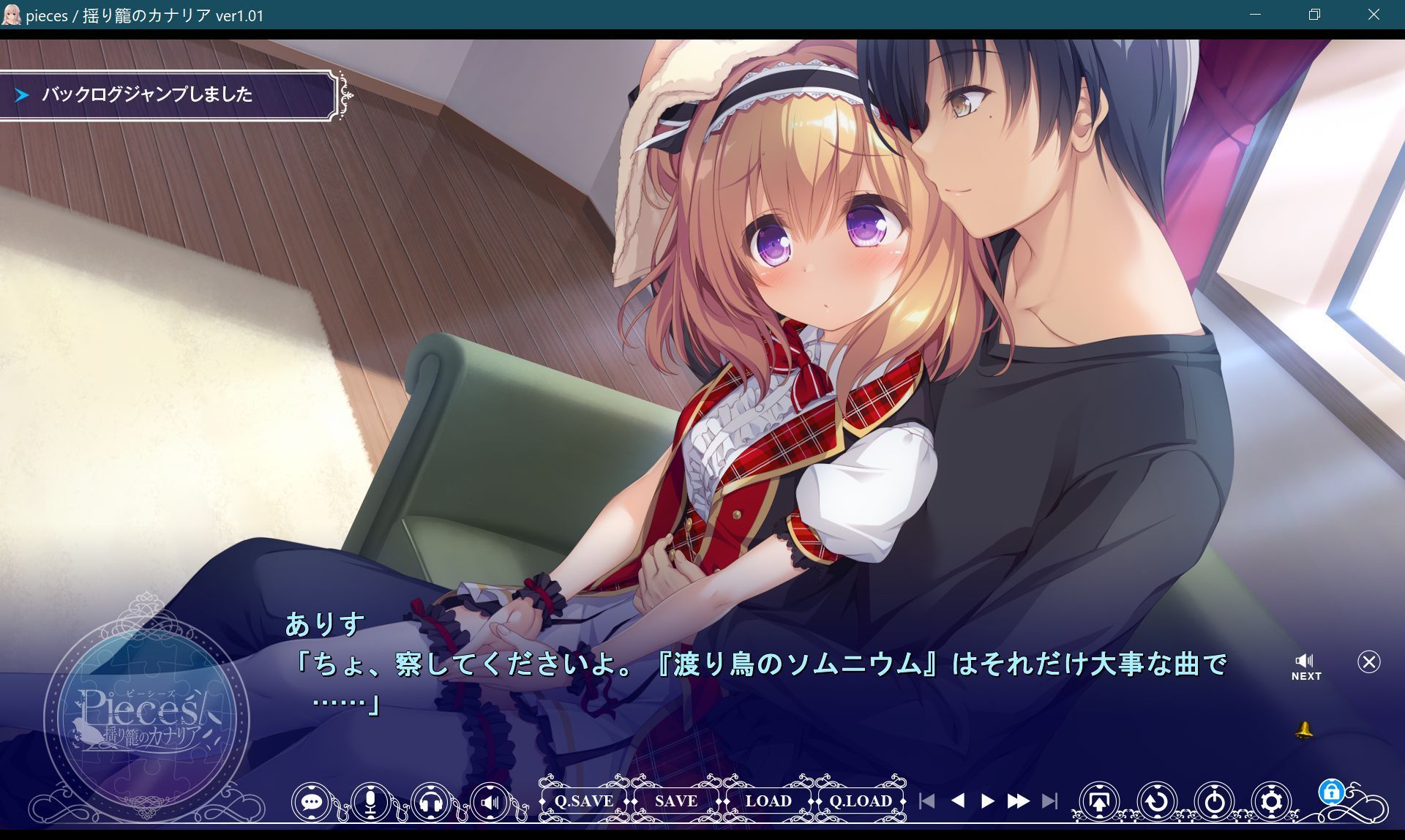
That said, at first I figured the “curly-haired noble girl” route would be dumb as hell, but surprise — she turned out to be the strongest contender. She’s so chuuni that it loops back around to being hilarious. She deadpan-delivers comedy routines with a straight face, constantly calls herself a “person of high birth,” and trips into joke after joke. Even better is the scene where she brings the protagonist to meet her father and demands he marry into the family ASAP and take over as the new man of the house, which makes the old man so furious he’s practically spitting blood.
Right when I figured the game would just end like that, I noticed it seemed to have a True End.
The true end hidden away in the fandisc — that’s the omnium chapter, unlocked after clearing the after-story route of the heroine, Kimihara Yua.
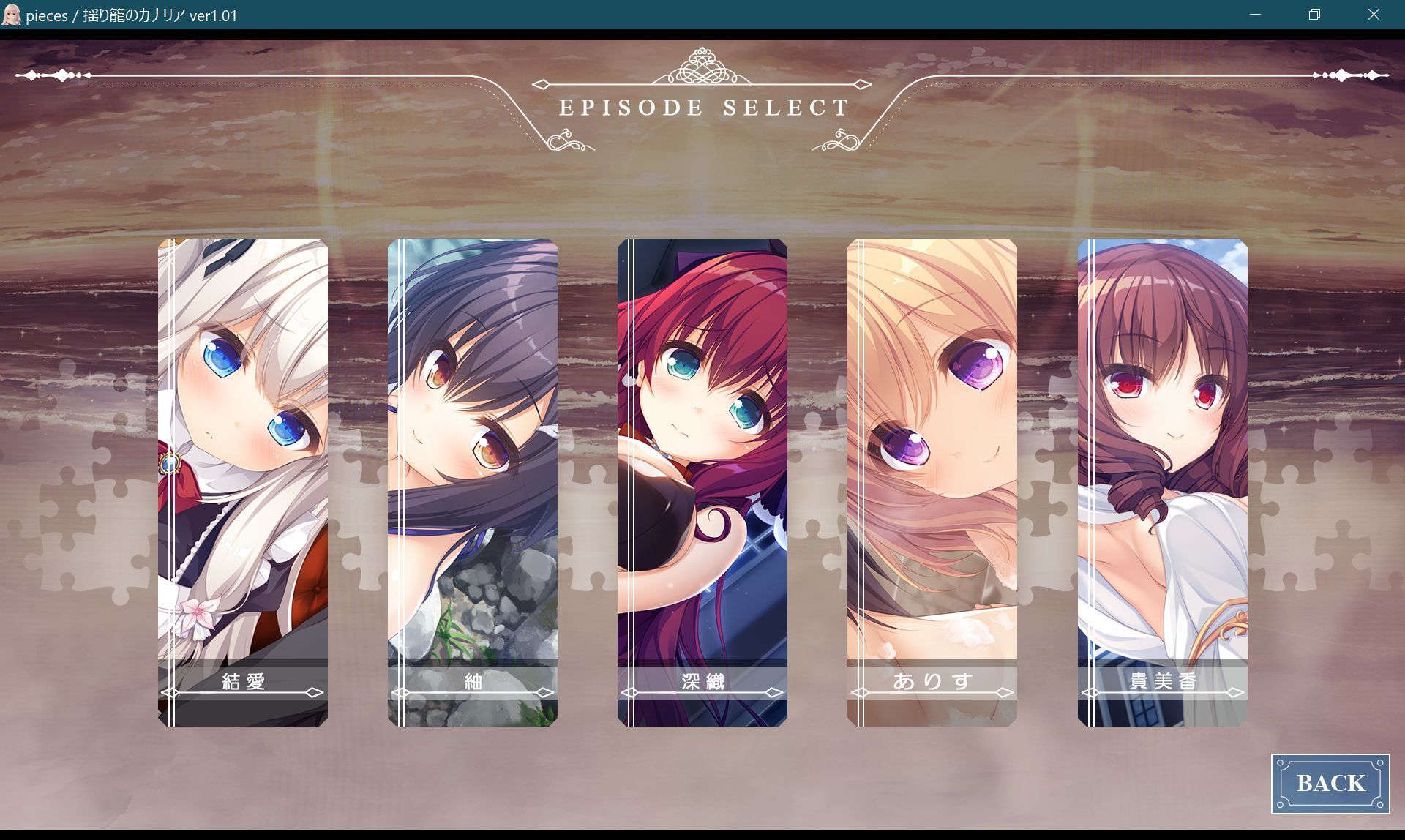
Before getting into this omnium chapter, Kimihara Yua’s standard fandisk content is actually no different from the other heroines — just an If world where everyone never chose to “dissolve the dream world and return to reality,” so the “dream world” simply carries on, which is where Kimihara Yua’s fandisk after-story comes from.
The omnium chapter, however, throws that right out the window—everyone chooses to dissolve the “dream world.” In theory, Kimihara Yua should wake up in reality, and everyone returns to the real world except the protagonist himself.
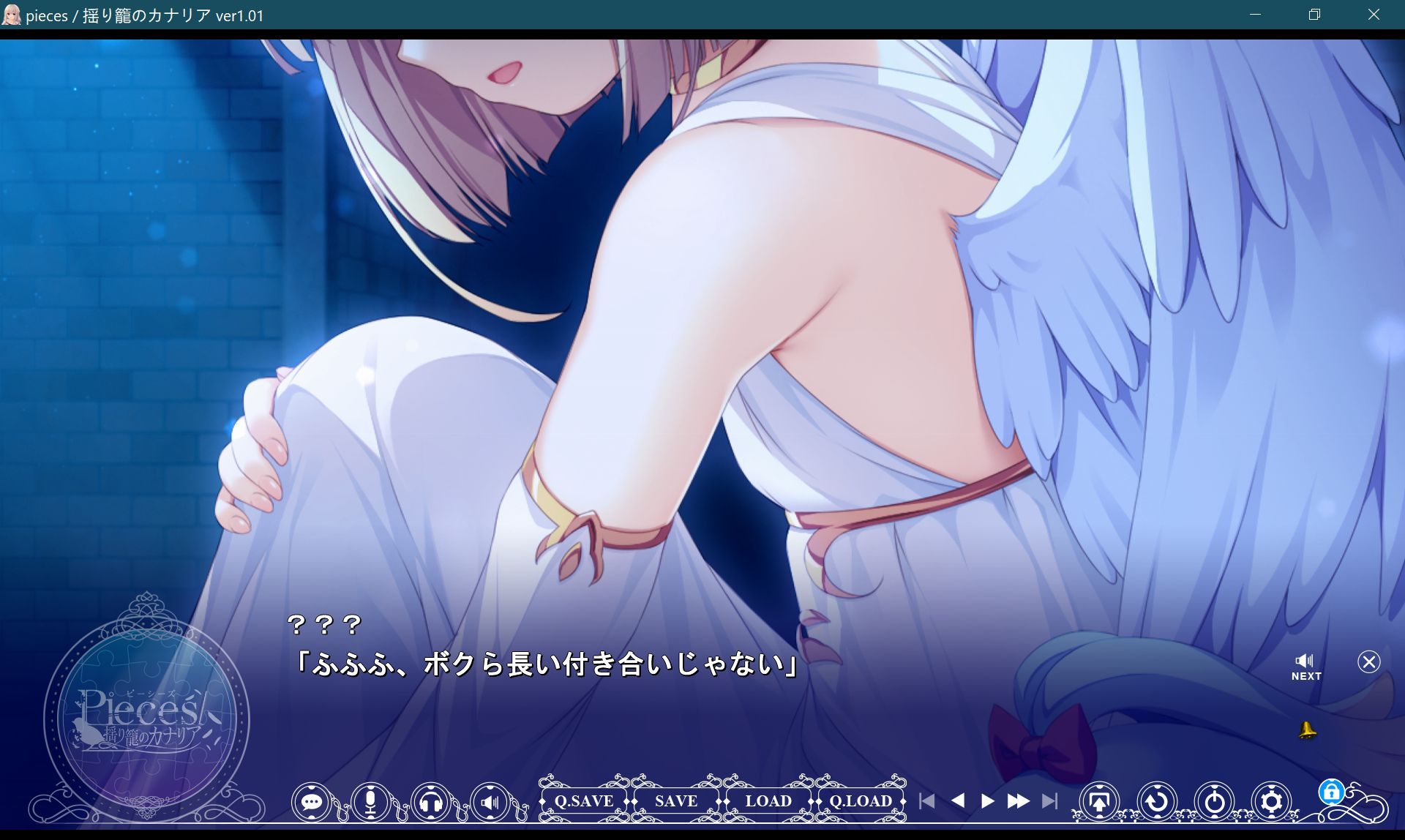
Because the protagonist himself was created by the “angel” who rules over this dream world, as a sort of “guide” — his purpose being to make contact with the humans in the dream and figure out what the most 尊い thing in the world is. Actually, the protagonist (the angel) had already found the answer: in the original work’s True End, Yua and the protagonist have already met again in the real world.
But some things don’t add up. The protagonist is supposed to be a fake NPC who only exists in the “dream world”—so why does he show up in reality? We didn’t dwell on it too much, though. Love produces miracles, right? Maybe it’s all thanks to the angel’s divine power?
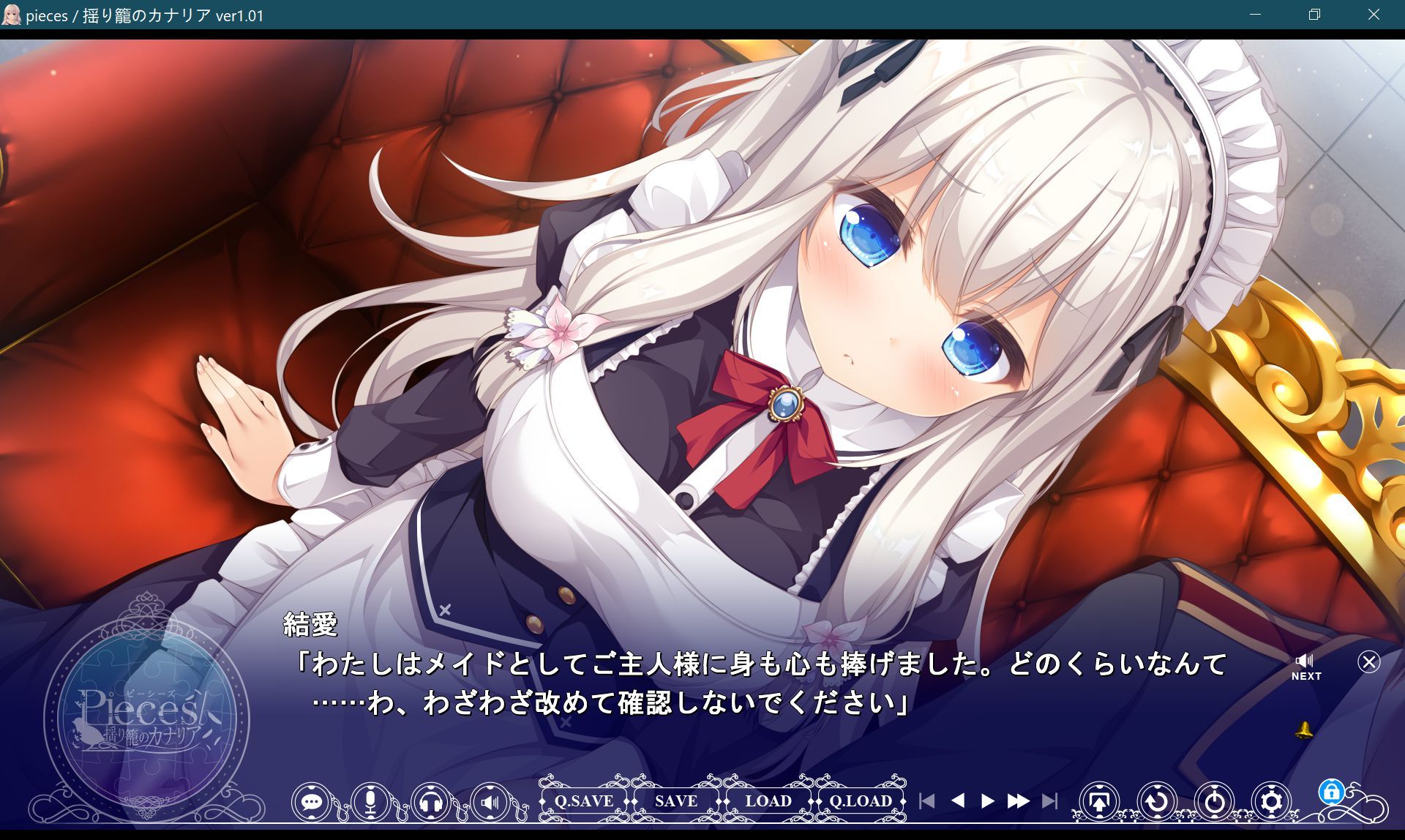
But in this omnium chapter, it tells you that that “meeting” was actually just a “parallel world” existence.
The angel dissolved the dream world, leaving the protagonist alone inside it. At the same time, the angel created a “parallel world,” and in that “parallel world,” another “Yua” and another “protagonist” met once again.
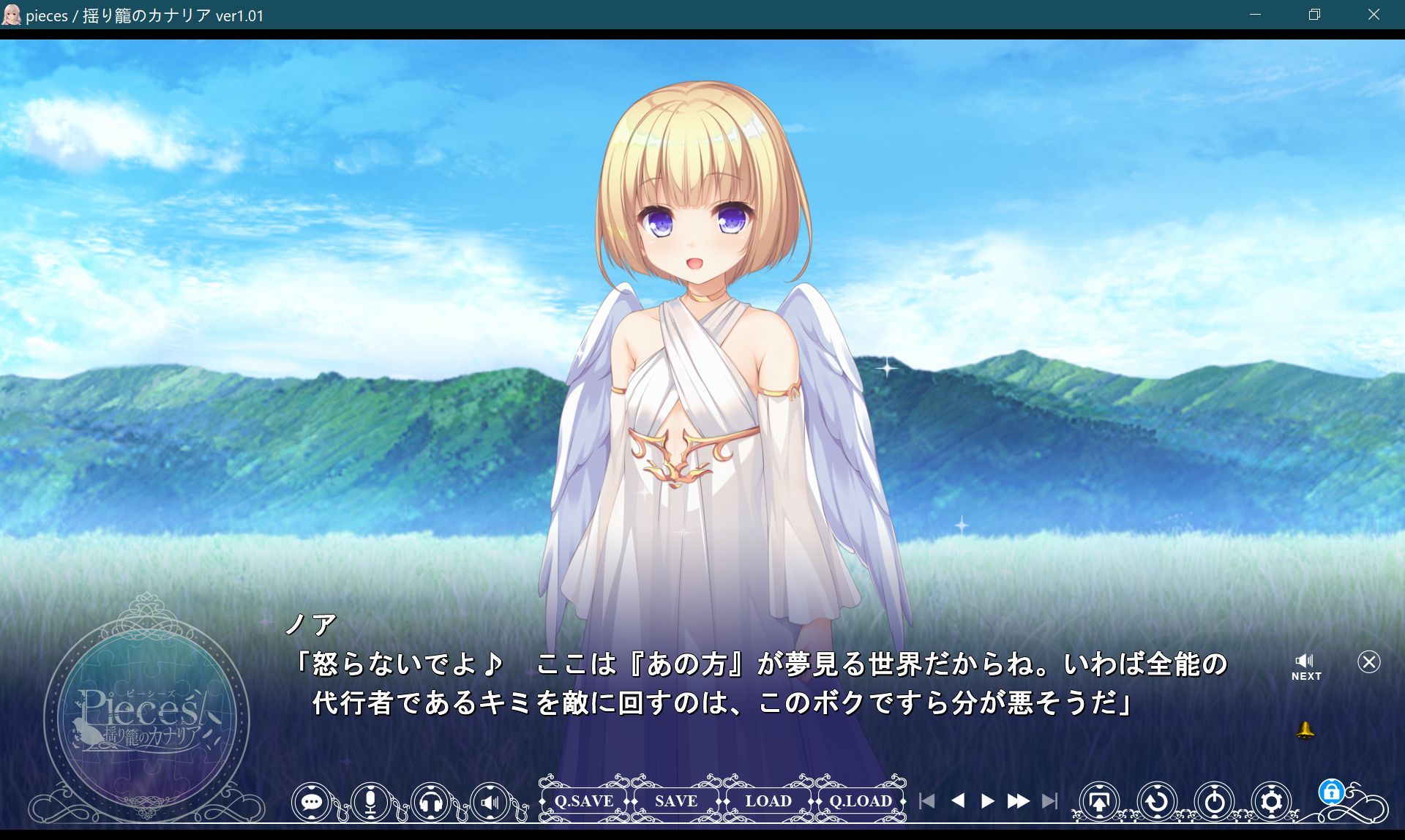
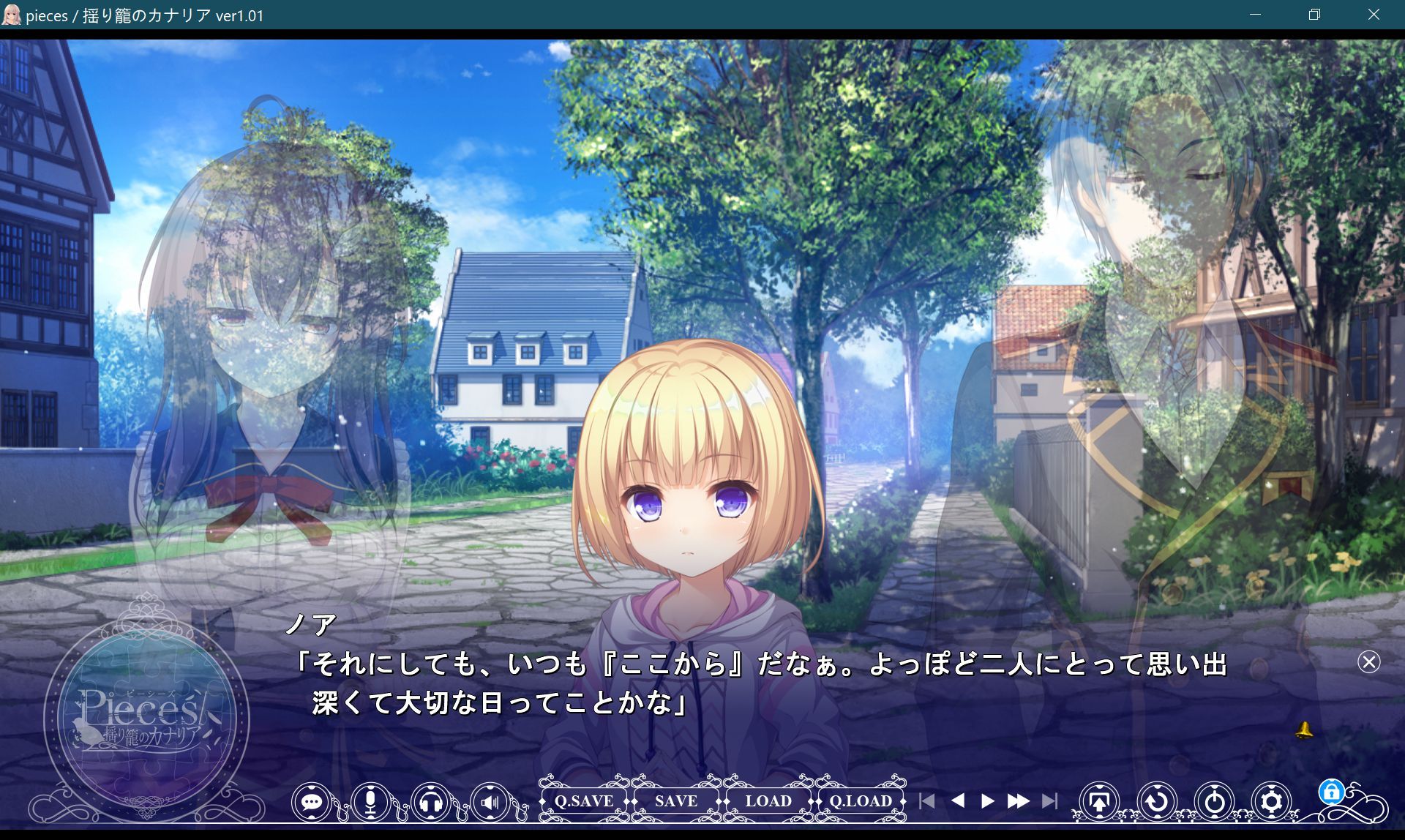
The real story isn’t over yet—the protagonist and Yua still end up apart. The game then brings in another angel, Noah (ノア), who accidentally wandered into this dream. Noah says that while she’s an angel too, she’s just an observer: the dream isn’t hers, she has no interest in meddling with it, but she finds it interesting and wants to figure out for herself what “the most precious thing in the world” is. So she passes herself off as the protagonist’s little sister, rewrites his memories and those of the other NPCs, and joins the dream.
Originally the dream world needed someone to keep dreaming in order to exist. Once all the living people had left, the world should have collapsed—but it didn’t. Turns out the bird named Castella, who had been by Yuai’s side in the dream world, had taken on the role of “dream master,” and kept the world going.
结爱离开梦世界时得知了男主的身份——他不过是梦世界里的一个 NPC。她当然不甘心就这么走了,于是借助 Noah 的某些按需服务,再度通过睡眠回到这个梦世界,和男主待在一起。
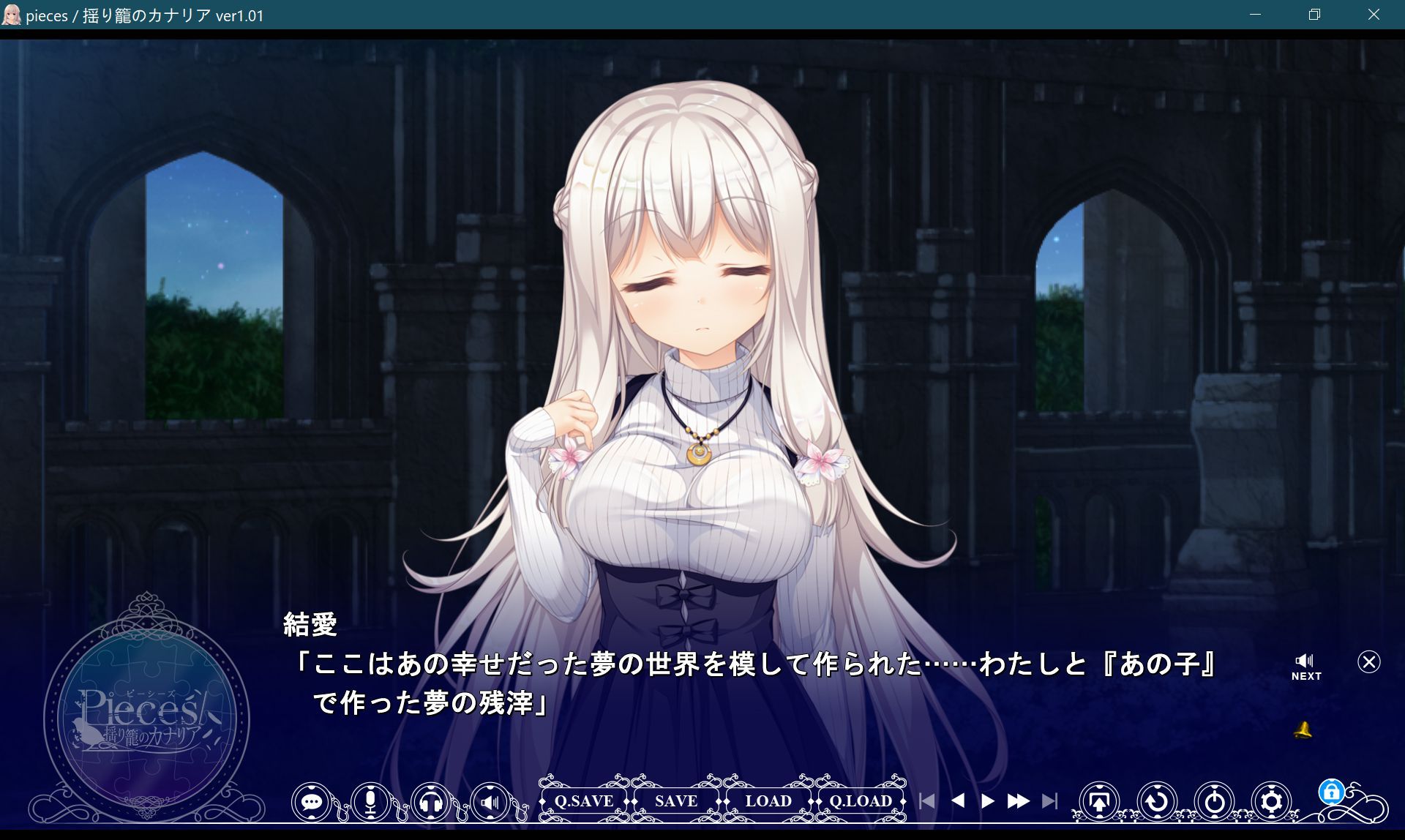
So in the Omnium chapter, the protagonist gains a viper of a little sister (that angel Noah), and Kimihara Yua comes back too — the two of them living a happy life. Sure, all the friends are still around, but they’re just illusions someone conjured up.
In this dream world maintained by Kasutera, there are only two people: “Kimihara Yua” and the protagonist. (That’s right, that Noah angel and the bird don’t count as people.) This world was built entirely by Yua for the protagonist alone—he’s the canary in the cage, the kanaria in the yurikago.
But this fake world won’t hold up for long. Noah estimates that in 3 days the dream world will collapse, Kimihara Yue will wake up, and the protagonist will be separated from her once again.
于是游戏就这么秀了三天的恩爱,甚至还在梦里办了场婚礼,给结爱戴上了戒指。到第三天,カステラ撑不住了,直接消失,世界眼看就要崩塌。君原结爱为了保住这个和男主见面的机会,主动接下了维持梦境的任务,并且选择让男主代替自己,回到现实中醒来。
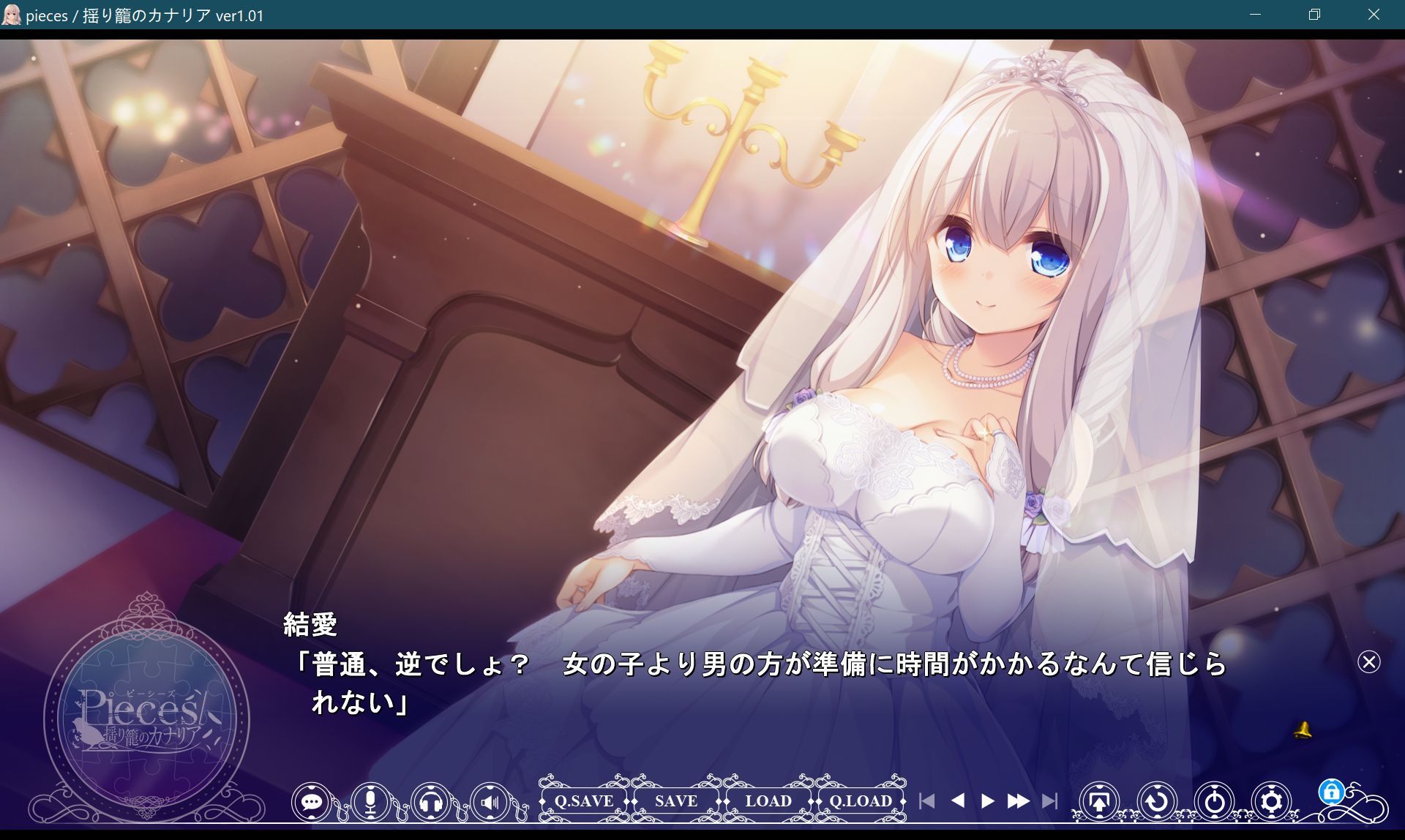
Yeah, the protagonist originally had no identity in the real world—he was just a figure from the dream world. But Kimihara Yua gave him her own identity. When they parted, she even told him: “It’s okay.”
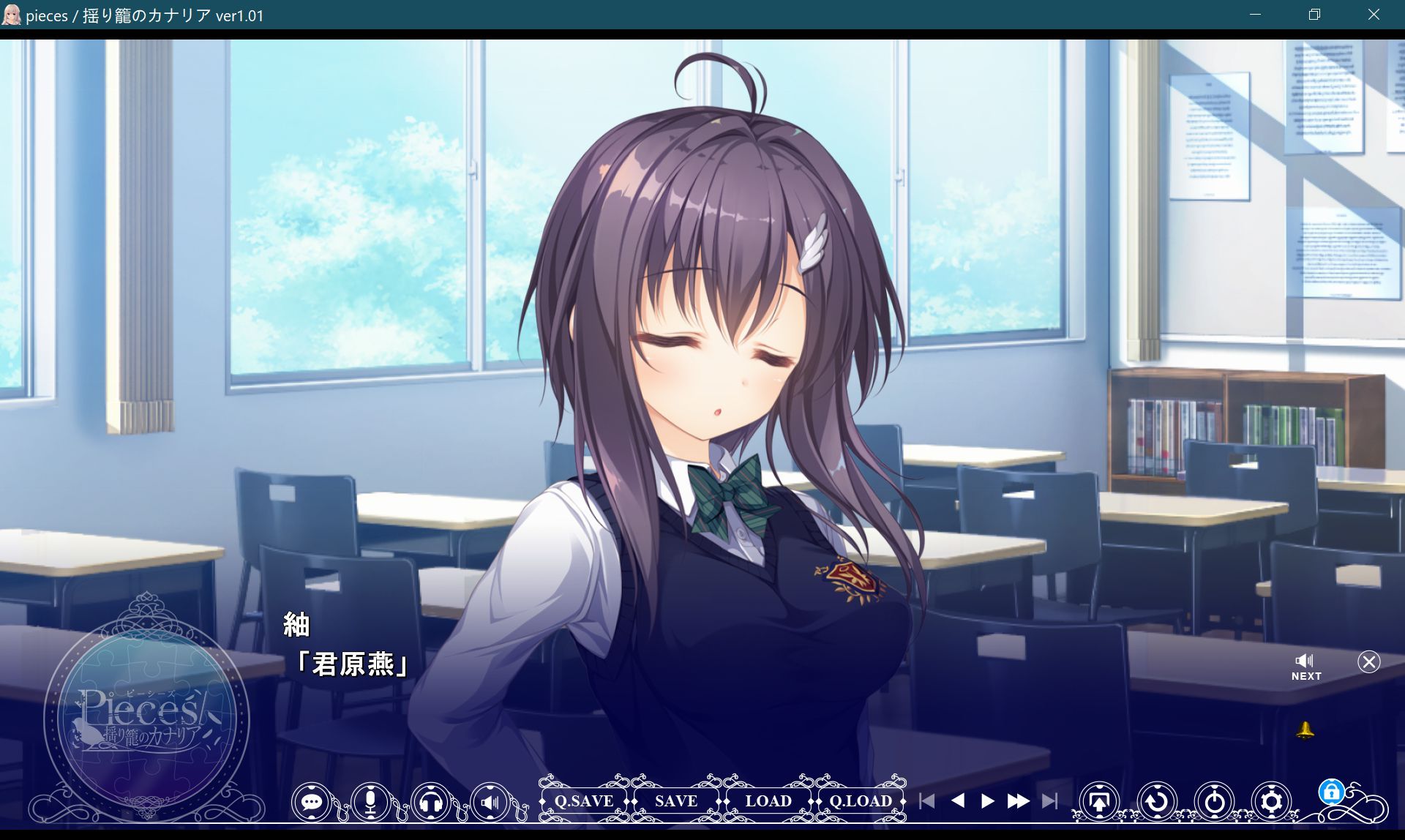
When the protagonist wakes up, he finds he’s become “Kimihara Tsubame” and is no longer “Kousaka Tsubame.” He now has a cousin named “Tsumugi,” and he’s completely taken over Kimihara Yua’s identity in the real world. He’s stepped out of the dream and become an ordinary person—and he also realizes that the people around him barely remember that “Kimihara Yua” ever existed.
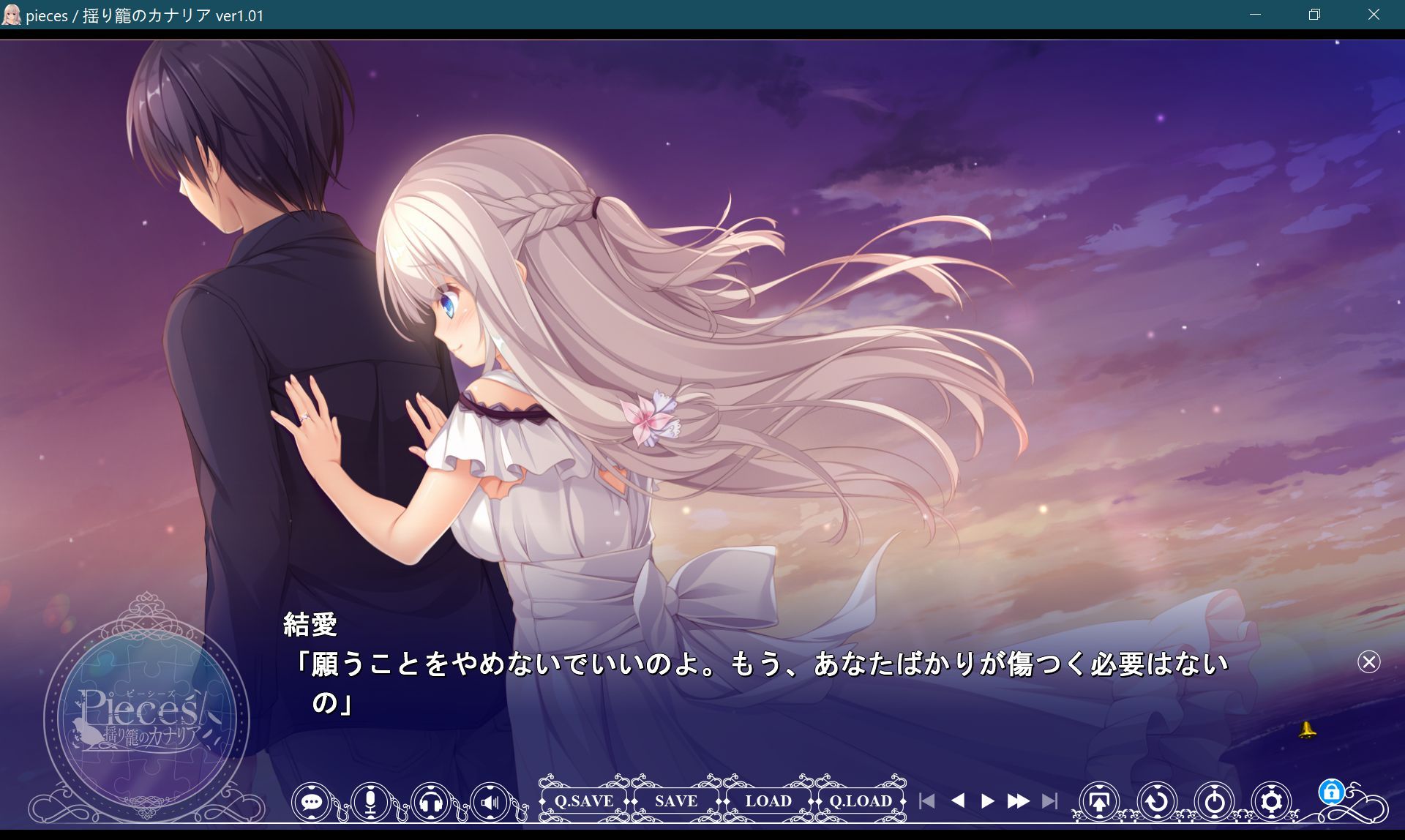
The protagonist hasn’t forgotten, and he starts searching again. Fortunately, he still has that ability to “delve into other people’s dreams.” His first instinct is to enter “Kimihara Yua’s” dream—if she still exists in the real world and is asleep, she’d definitely be dreaming. But nothing comes of it. So he goes through dreams one by one to find the friends he made back in the “dream world,” and gets a major piece of intel:
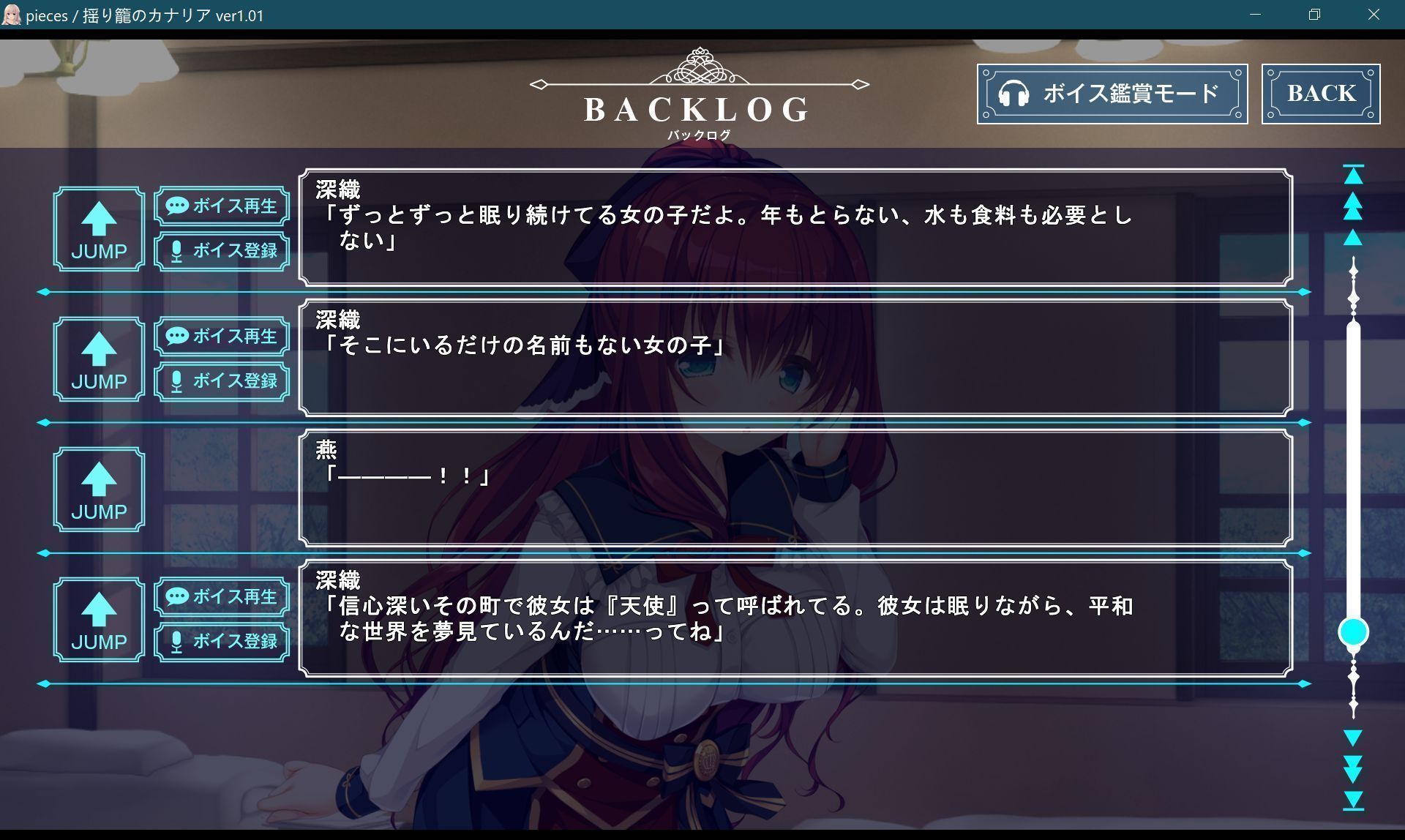
In the real world, there’s a nameless girl who never wakes up. Everyone calls her “the Angel.”
The protagonist figures this person must be Kimihara Yua, and eventually, in the real world, finds an apartment that resembles Kimihara Yua’s place from the dream world, and meets her lying in bed once again.
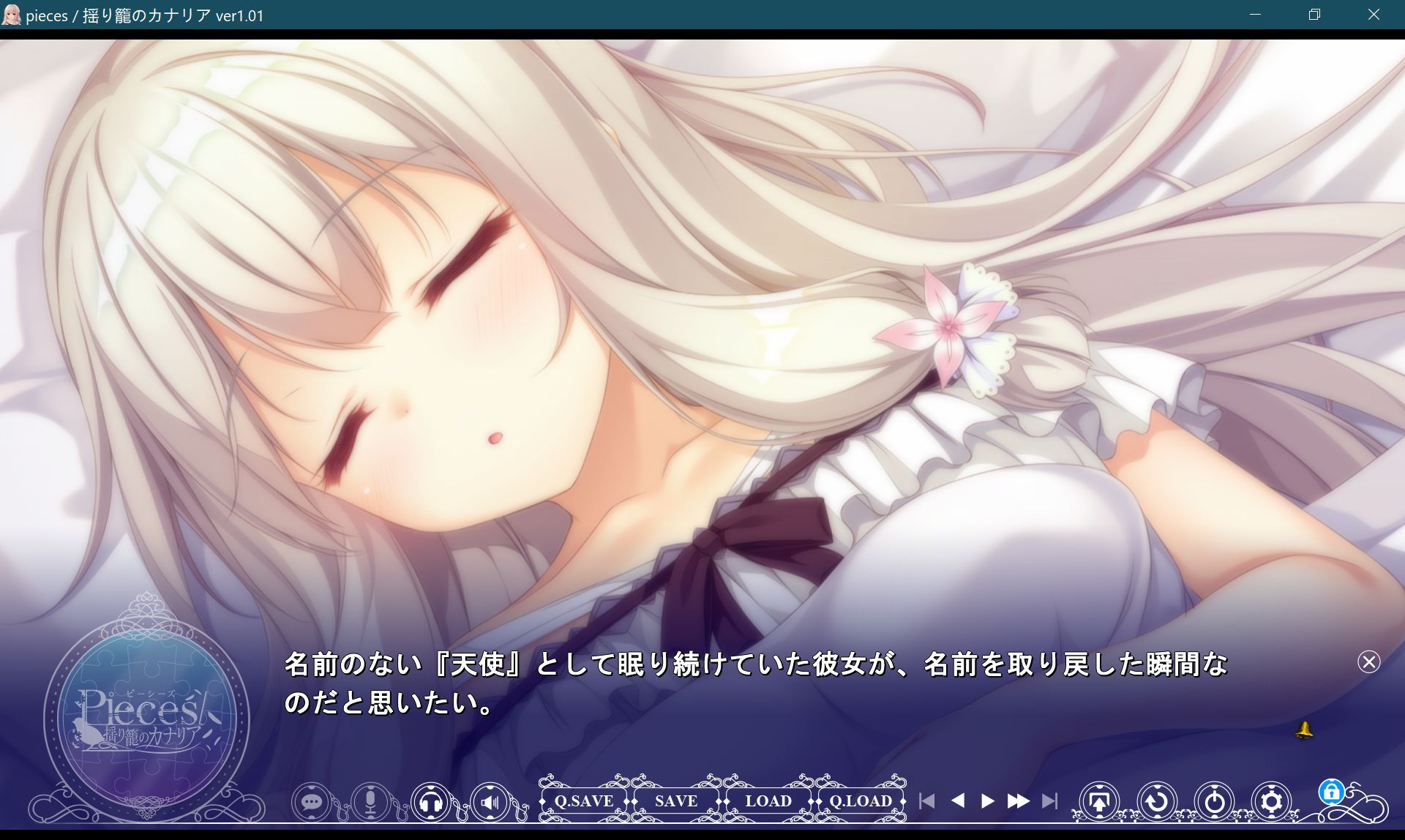
The protagonist doesn’t know what name she goes by now—he can only hold her hand and step into her dream.
The protagonist finally meets Yuihara Yua again. She thanks him—but reality only allows for one identity. Yua has already given her name and her very self to the protagonist; she may never wake again, and has to stay in the dream world, just like he did.
But the former angel (Noah) gave Yua a chance.
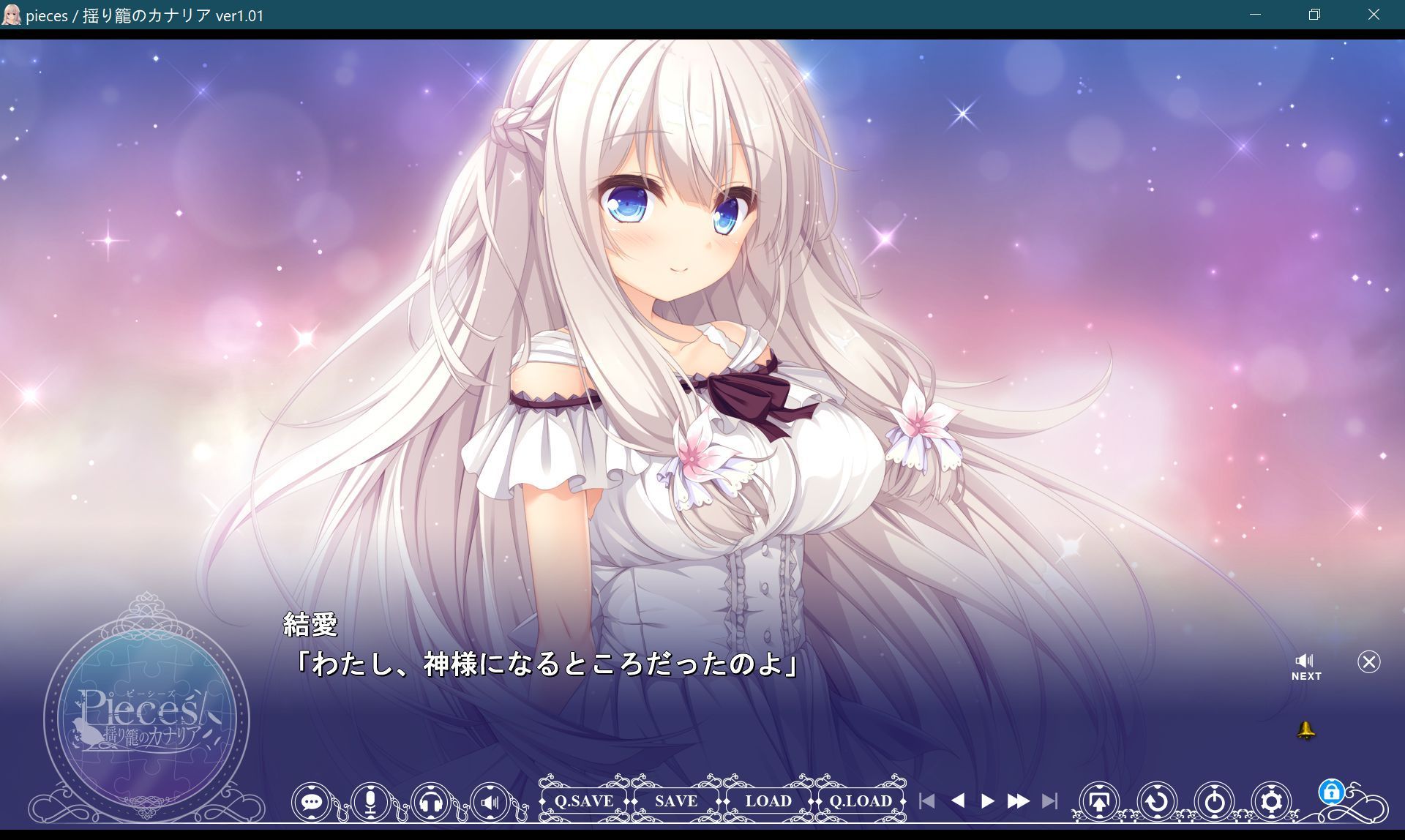
(不过这里我搞不懂的是,为什么结爱说自己接过了カステラ的梦世界承担之后就成了神様,也许她指的是那个梦世界的神様?)
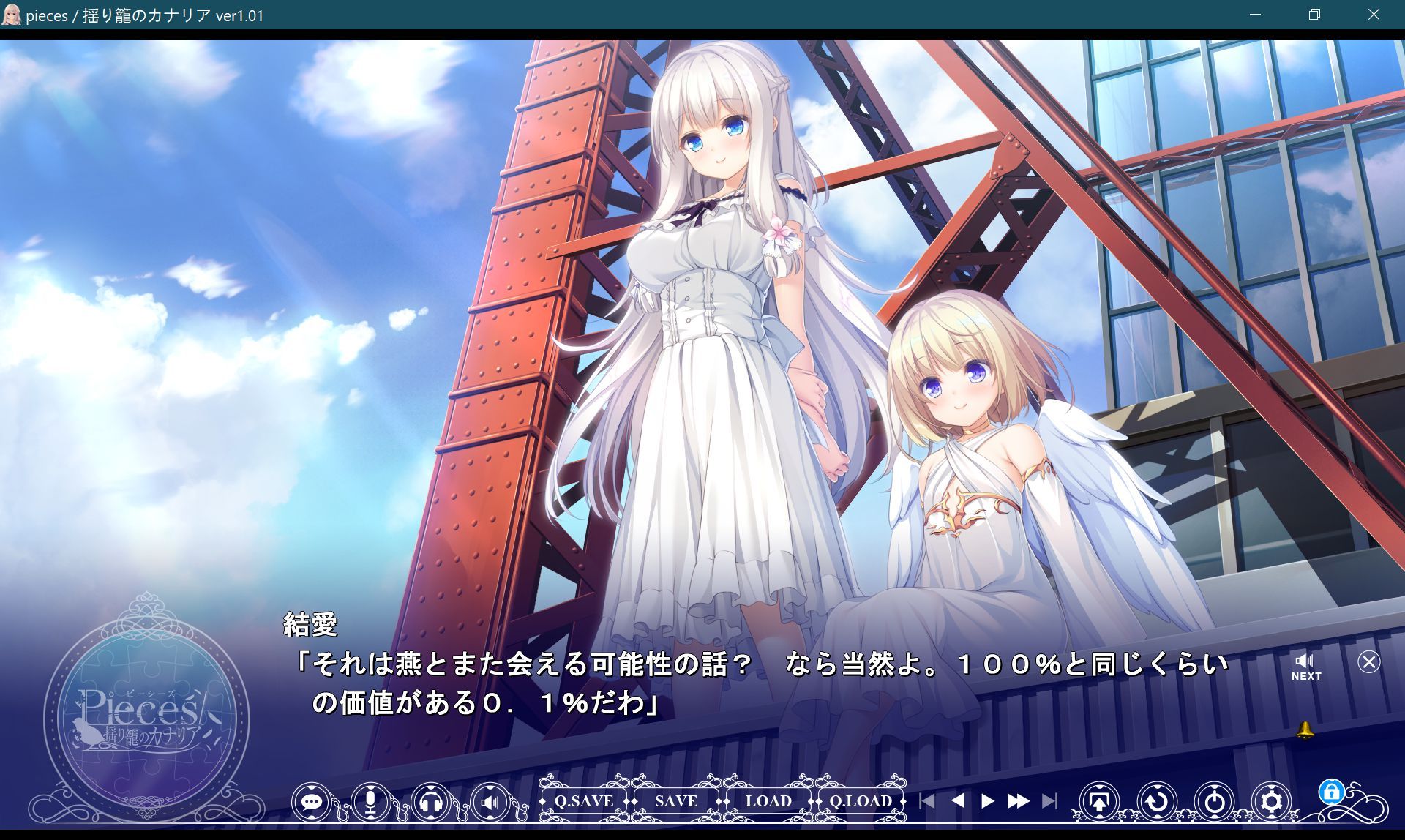
She gave Yua a 0.1% chance of meeting the protagonist—after all, compared to 0%, 0.1% means there’s still hope they’ll meet.
In the end, the “angel” vanished from that world, and woke up in the real world once more.
Years later, a neighbor moves in near the protagonist Tsubame’s home. Viewed from that same angle, a face he once knew — the two finally meet again.
And when he meets Yuihara Yua again, she’s still wearing the wedding ring the protagonist gave her on her ring finger.
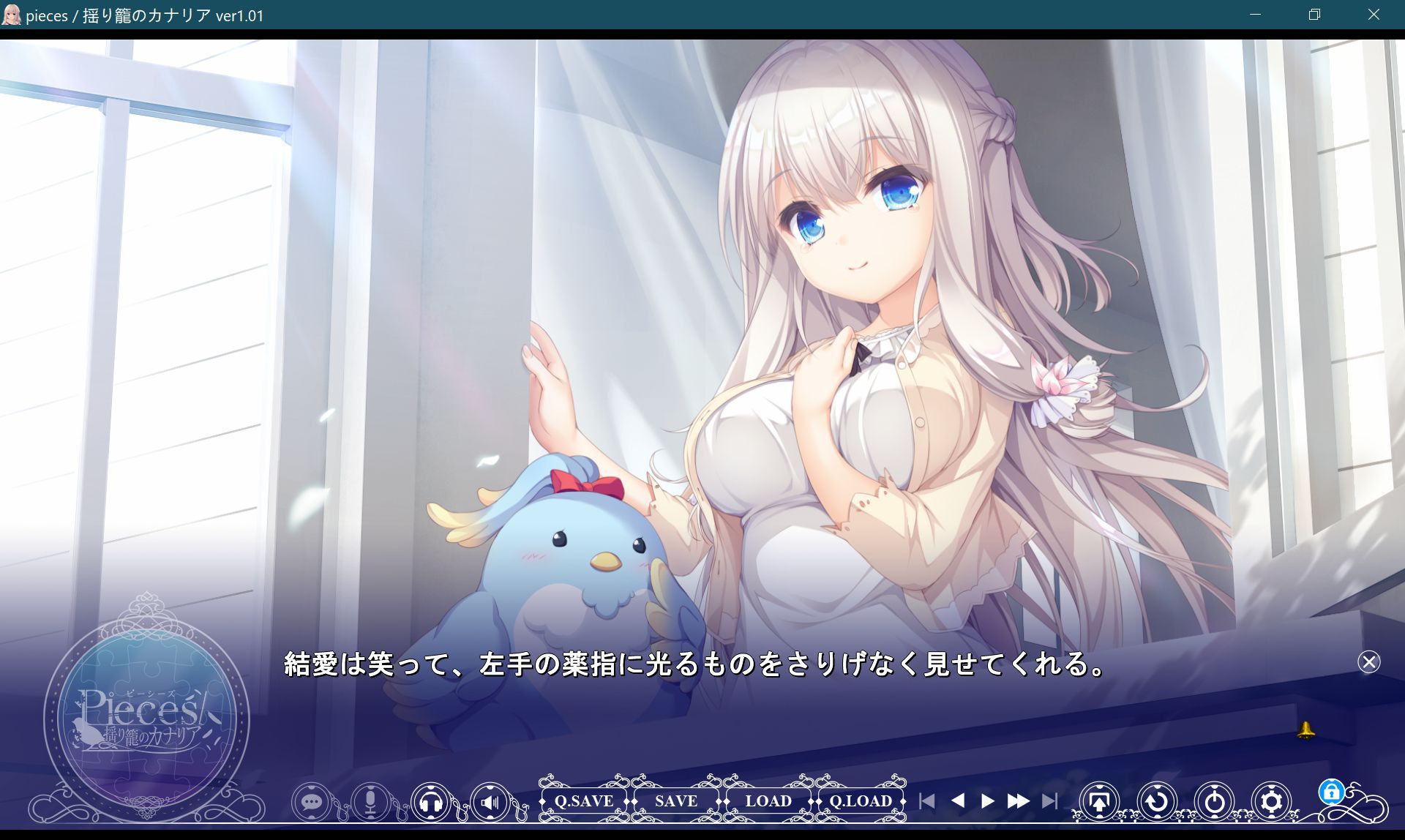
(But I still have to complain: the ring was put on in a dream, so how did it end up in the real world? Doesn’t that mean the protagonist meets the heroine years later in reality and finds out she’s already married?)
Maybe that was a lot to take in and it’s hard to follow, but the omnium chapter of this FD basically says the original’s True End was just a parallel-world storyline. What really happens is the heroine wakes up from the dream world, finds out the protagonist is trapped there alone, and goes back to look for him. She also gives him her own body and stays in the dream world in his place. The angels of the dream world take pity on her devotion and give her a chance to return to the real world and meet him again—even if it’s only a 0.1% chance. Thanks to fate, the two meet again anyway, and the game gets its perfect ending.
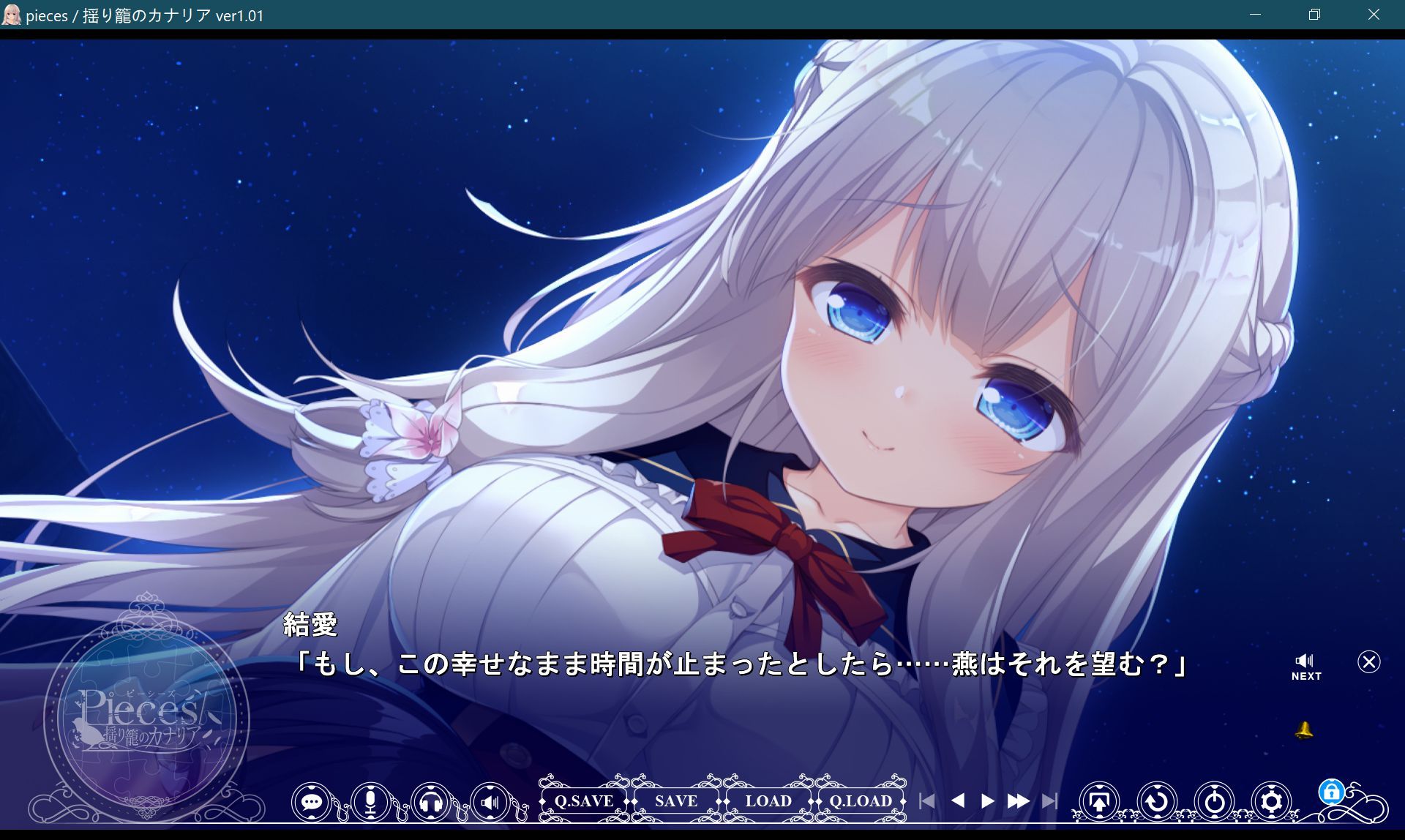
Honestly, the Omnium chapter as a whole does flesh out the original’s ending and make it feel more complete, but I’m still kinda sour about it. The True End in the base game had such a great presentation — one of the few endings in recent years that actually got to me — and then the FD turns around and tells you those were parallel worlds, all fake. That still leaves me feeling let down.
And the real Final True End reunion scene isn’t as good as the original’s either. There’s also a bug: the ring from the dream world — why is Yuai still wearing it in the real world the whole time? Did she get remarried or something? Isn’t that super awkward?
Beyond the story, there’s one other area where the game improves a lot: the number and quality of its CGs.
Yua’s CGs look better than the original’s in every way — genuinely great, and with Natsuwa Koto voicing her, even better.
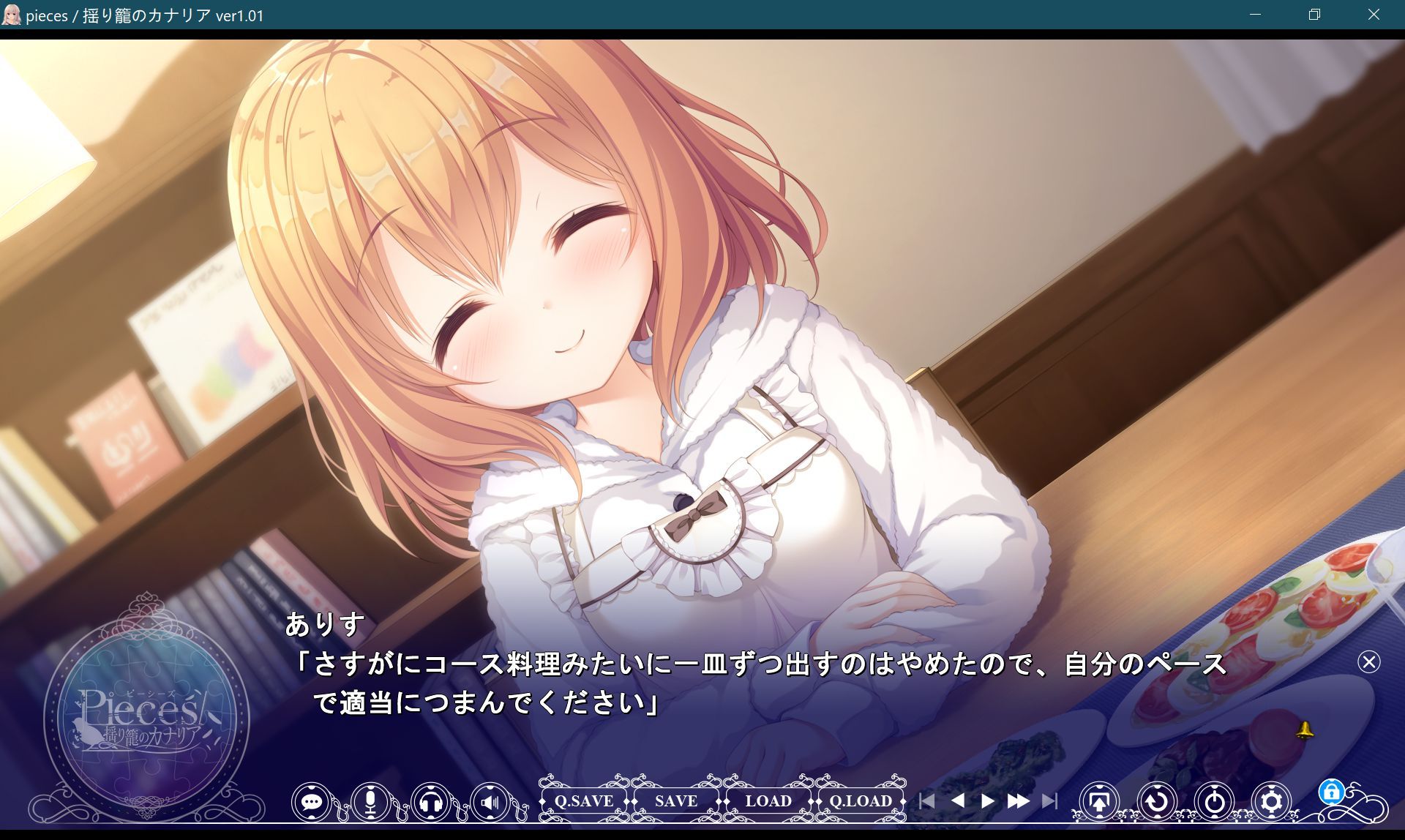
Anyway, you all know how it is — any game with Natsu and Shou in it gets a perfect 100 from me, no further comment needed. The fact that a fandisc is willing to follow up on the original’s true end is worth praising on its own; fewer and fewer studios bother with that these days.
Comments are hosted on the Chinese main site. This mirror is read-only.