Girls Book Maker (ガールズ・ブック・メイカー) Review
Mother Book Maker
Girls Book Maker (ガールズ・ブック・メイカー) is an eroge developed by Yumemiru, a new label from some big Japanese company. But compared to your average eroge, this one’s pretty unusual—it’s got a bizarre “setting” and “worldview,” with a dash of “cultural depth” thrown in.
The plot: the protagonist is a bookworm who gets summoned by chance to a “library in another world,” where he works as the librarian and helps the head librarian exterminate the “bookworms” hiding inside books. Thanks to this setup, our hero can easily hop between “stories” with different worldviews, interact with “the heroines within those stories,” and go on all sorts of wild adventures.
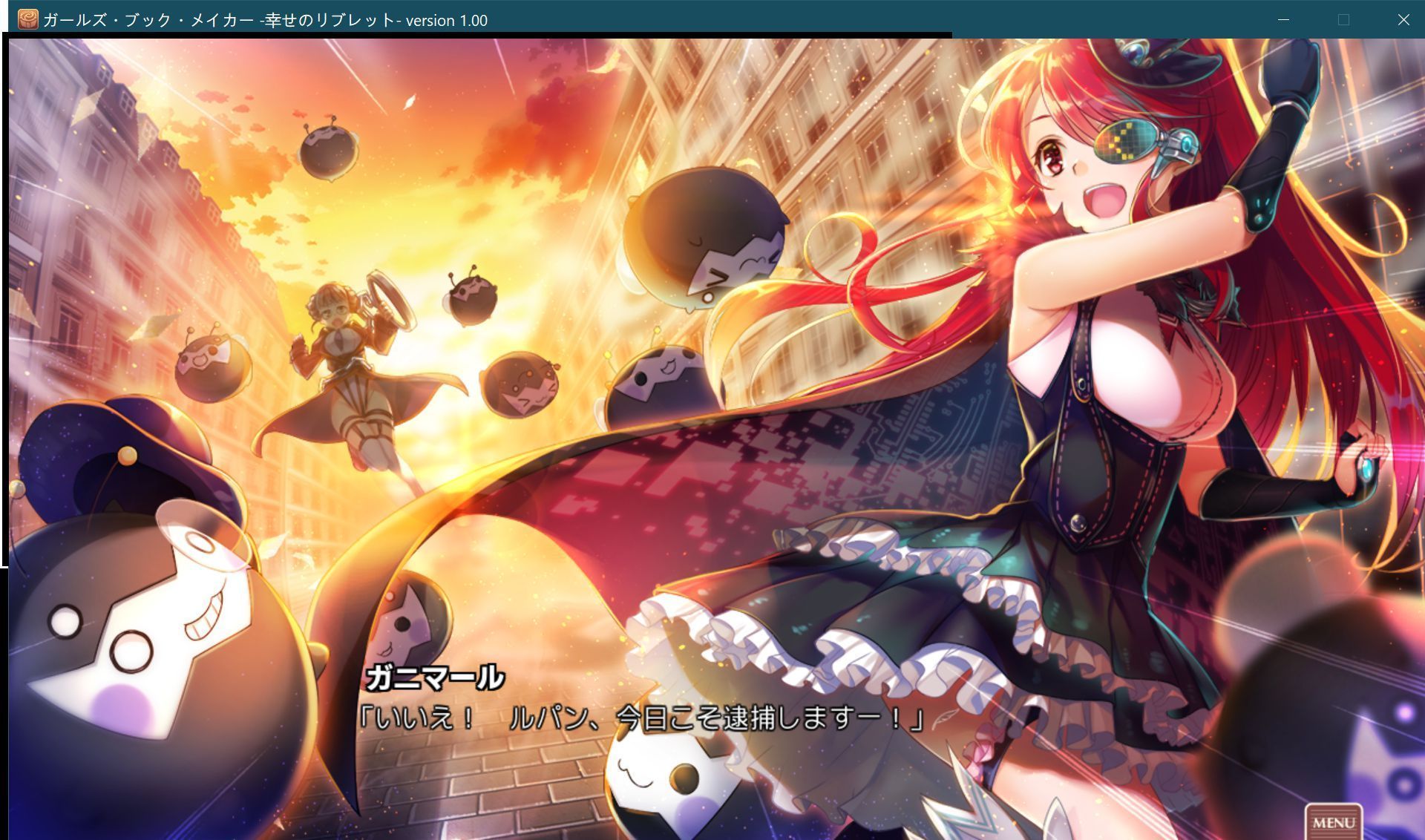
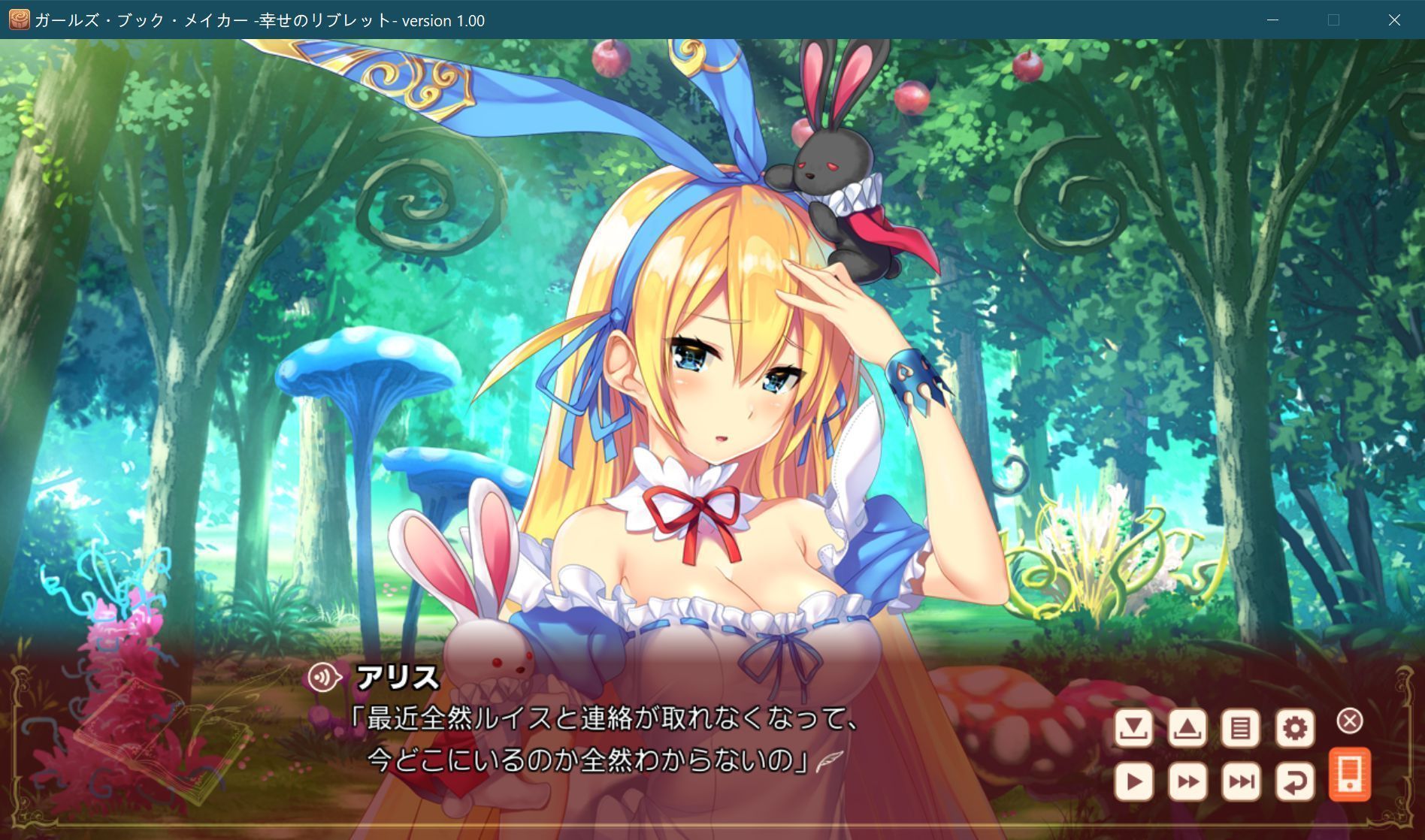
The books referenced are almost all classics: The Little Match Girl, Alice in the Mental Hospital, The Sino-Japanese Co-Production Journey to the West, The Phantom Thief Weak-Ass Gentleman Lupin, The Tale of the Bamboo Cutter Goes to the Moon, Gay Faust, and so on. These stories are not only familiar but should be no strangers to most eroge players—Alice, Kaguya-hime, Faust, Lupin have all been done to death in Japanese ACG works.
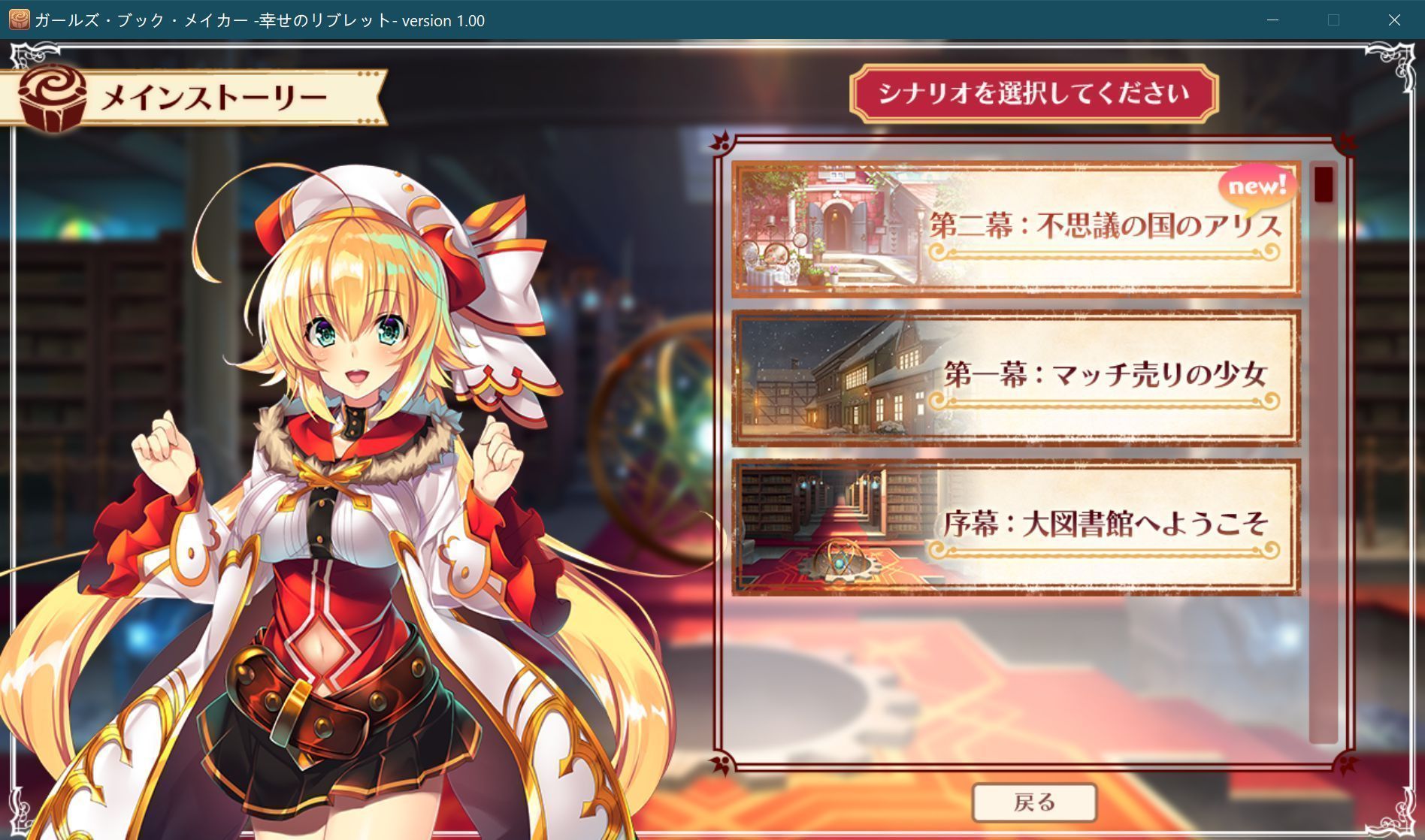
The game presents these stories in chapters—one book per chapter. The protagonist enters that “world eroded by bookworms” and uses his weapon to “exterminate the bugs,” restoring the story to normal. According to the setting, each book hosts not only its main characters but also the original author. But since this is an eroge, everyone in the game has been gender-bent into a woman.
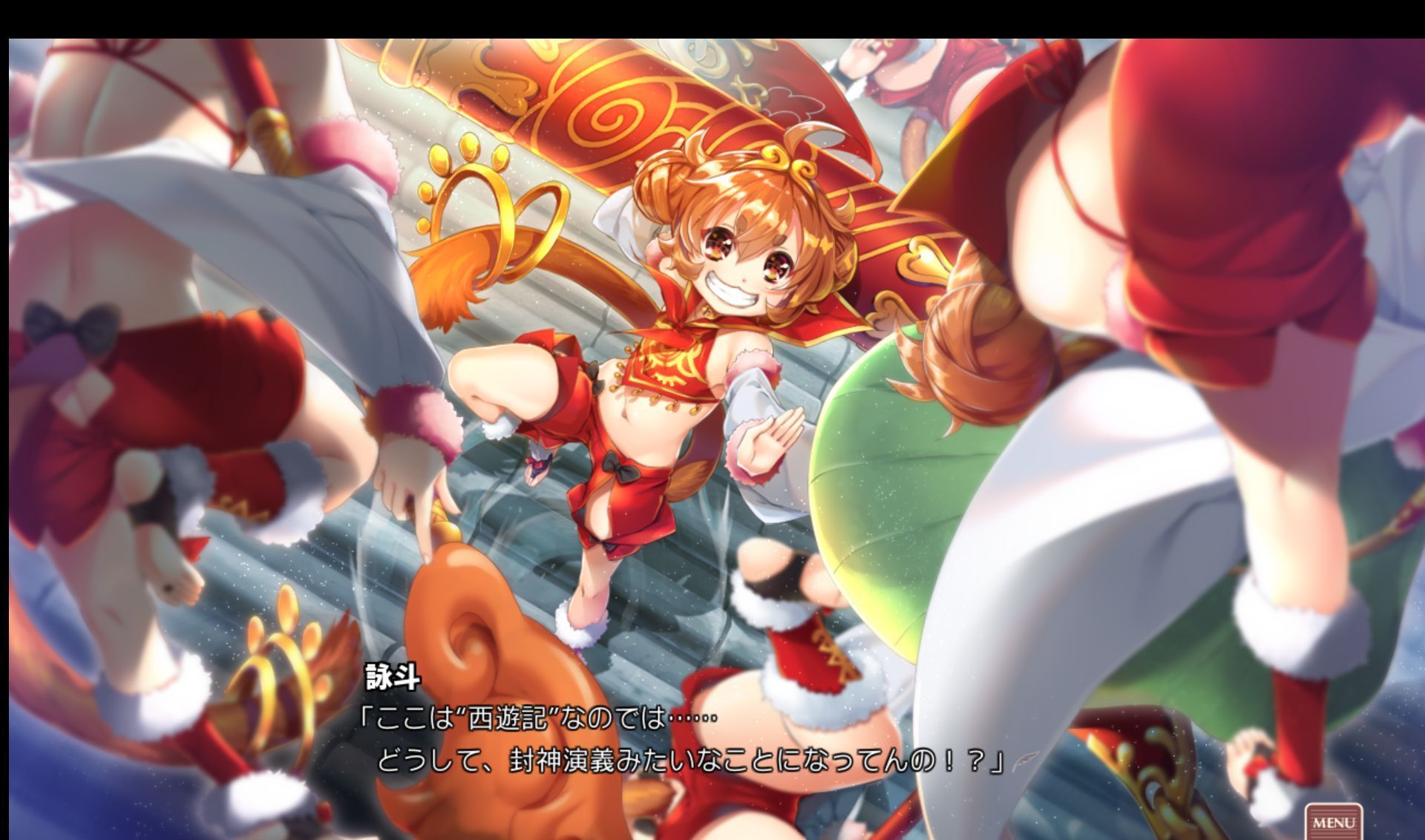
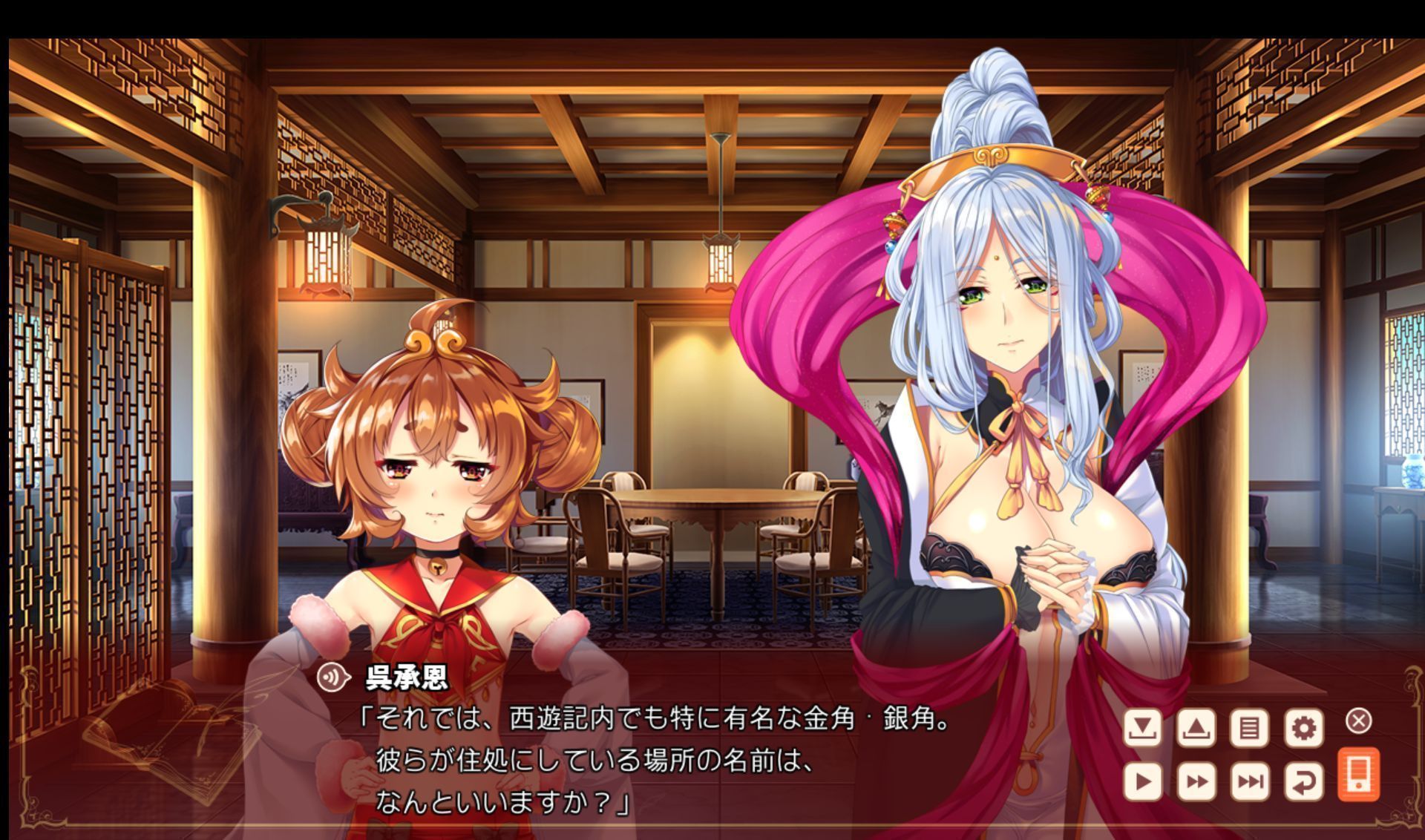
This leads to plenty of weirdness, especially in the Sino-Japanese Co-Production Journey to the West section. Sun Wukong is a chick, fine, but Wu Cheng’en is now a busty babe too—I don’t know if Zhang Jinlai would pop a boner from sheer rage. Goethe becomes a chuunibyou girl voiced by Mai Ishihara, while Faust looks like a guy but turns out to be a woman in the end. Of course, in today’s open-minded world, gender doesn’t matter—what matters is that you can bang all of them. I know there are lots of people online who want to bang Sun Wukong; maybe this game can satisfy that need.
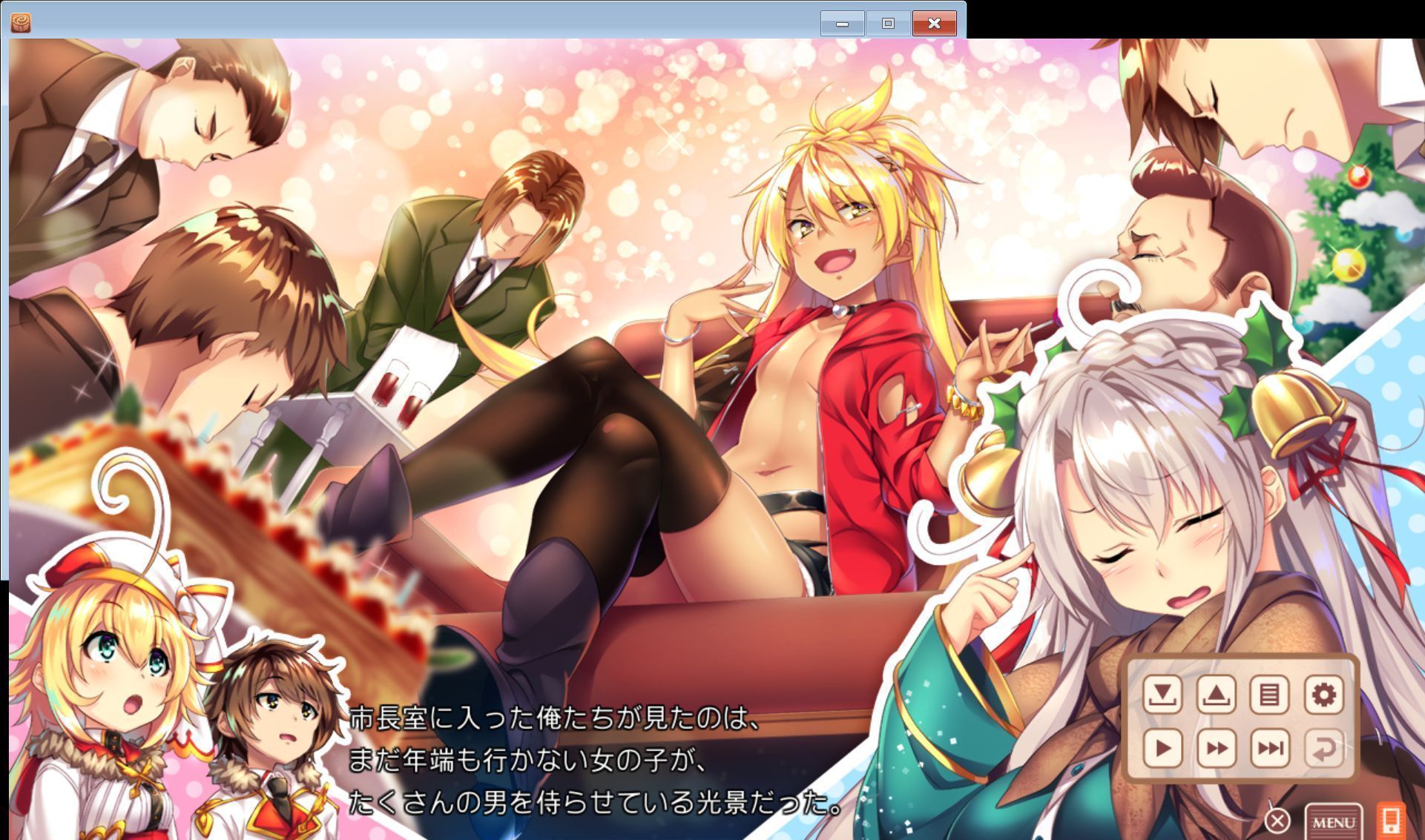
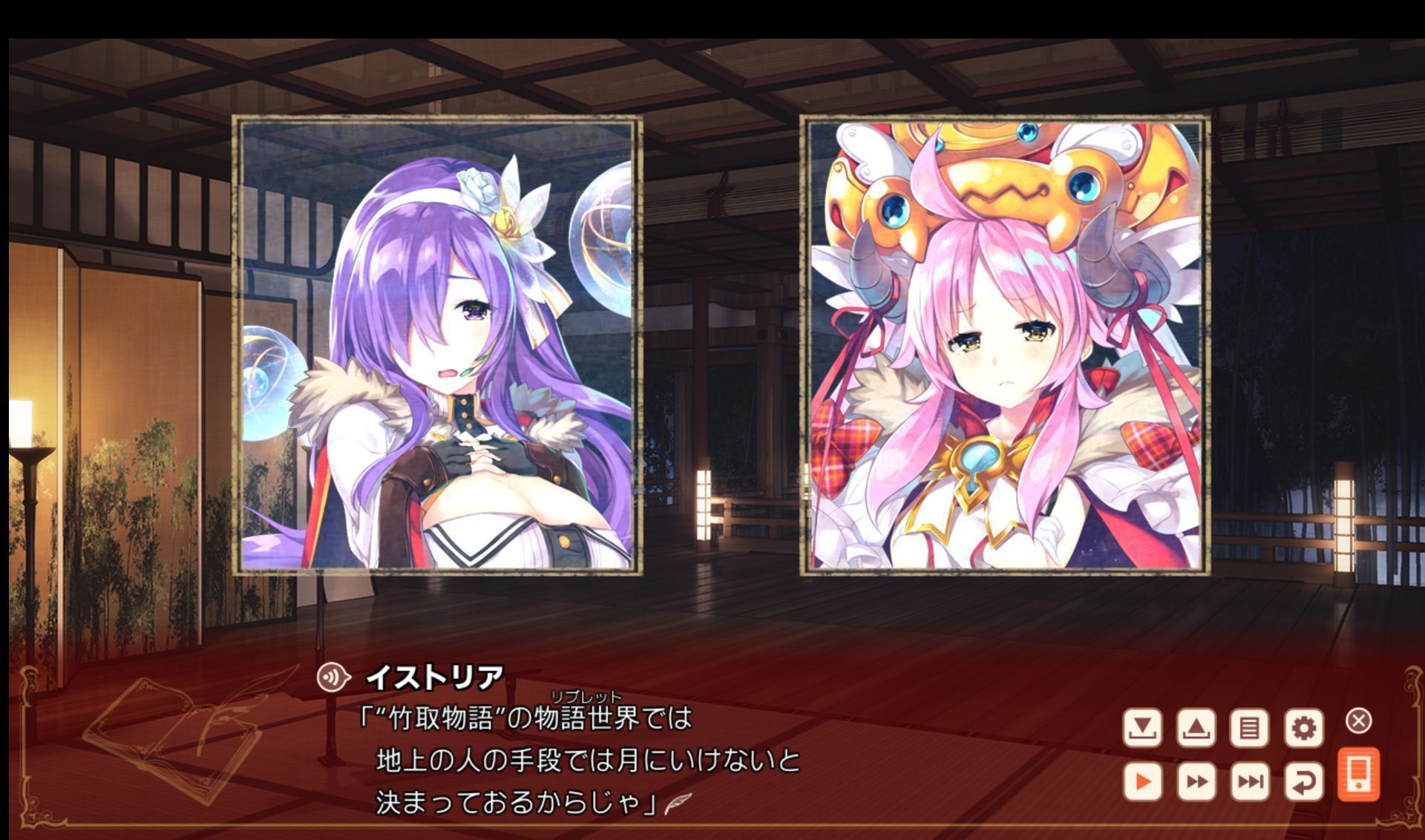
Despite all the literary references, it’s obvious the game is much looser with Japanese works than foreign ones. The Tale of the Bamboo Cutter gets completely butchered—Kaguya-hime becomes an idol, a Vtuber idol no less, and can even land on the moon by rocket. It’s absurd beyond belief. In contrast, the main plots of other works are more respectful of the originals—still a mess, sure, but at least the core is there, and you can tell “the original flavor” is still in it. Though doesn’t this also suggest that some Japanese legends are inherently shallow, with just a line or two of story that somehow got padded into a whole book?
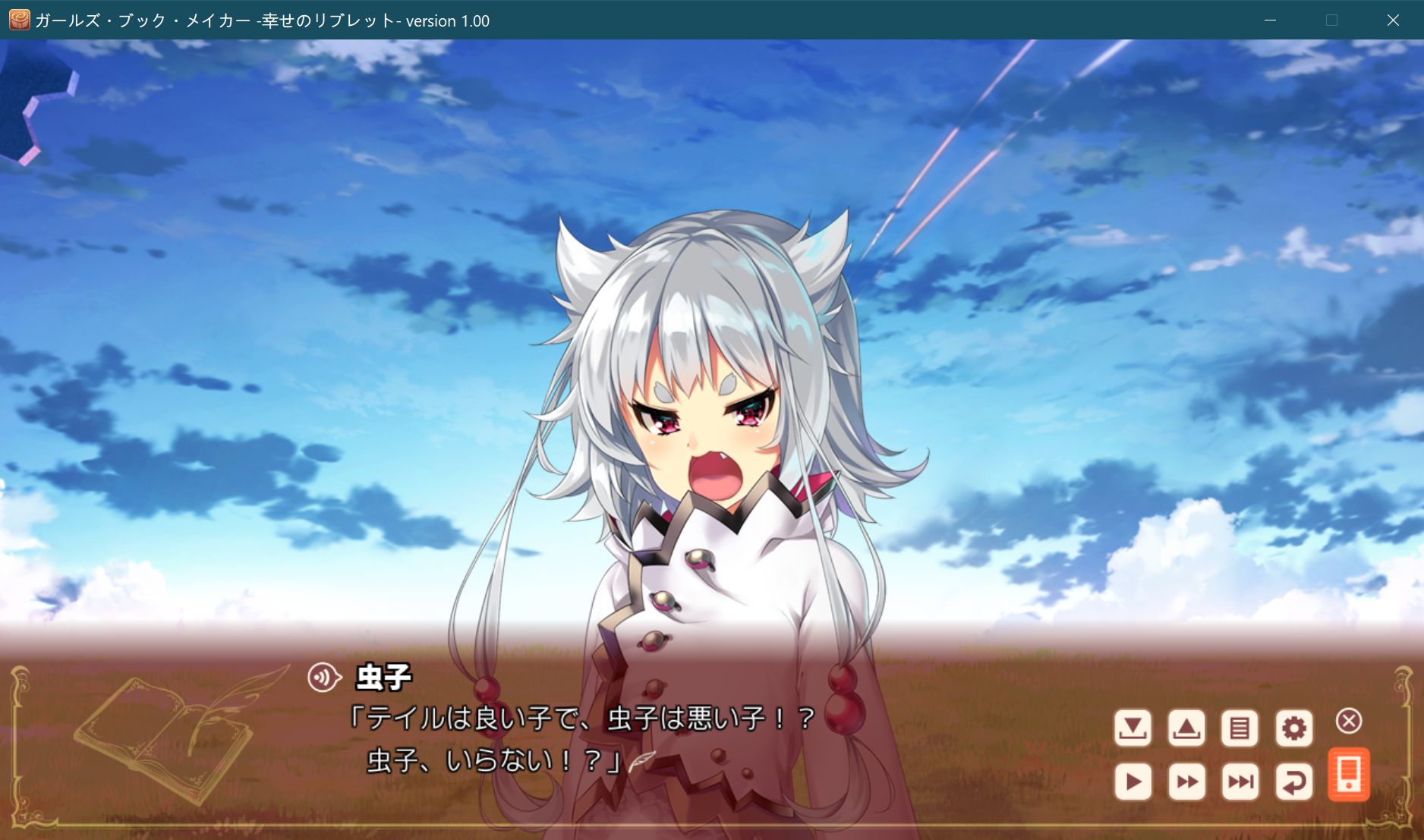
The main story seems to be “the protagonist enters stories as a librarian to exterminate bookworms,” but there’s a hidden layer. The first time the hero enters the “Great Library,” he meets a girl with no memories. He names her “Tail” and takes her along through various worlds of novels and books, meeting more people and encountering the woman called Grimoire, the boss who summons the bookworms. In fact, the game’s final ending revolves around this Grimoire. Why is she so obsessed with summoning bookworms to invade different book worlds and steal their contents? What’s her goal? And the most mysterious part—Grimoire seems to know the head librarian.
The mystery is solved in the end: the “Great Library” itself is a kind of “otherworld,” not part of reality, and its “director” isn’t human either—just a role that manages it. But through managing the library, the “director” began to develop her own ideas. Seeing so many wonderful stories, she tried to write one of her own.
She created a new book, a new world, a new heroine named Iris. But the director isn’t human, after all. No matter how hard she tried, the world she created was incoherent, unable to form a real story—only fragments remained. She couldn’t even define what her “Tale” was about, and eventually materialized “Tale” into a character: the girl the protagonist later meets, Tail.
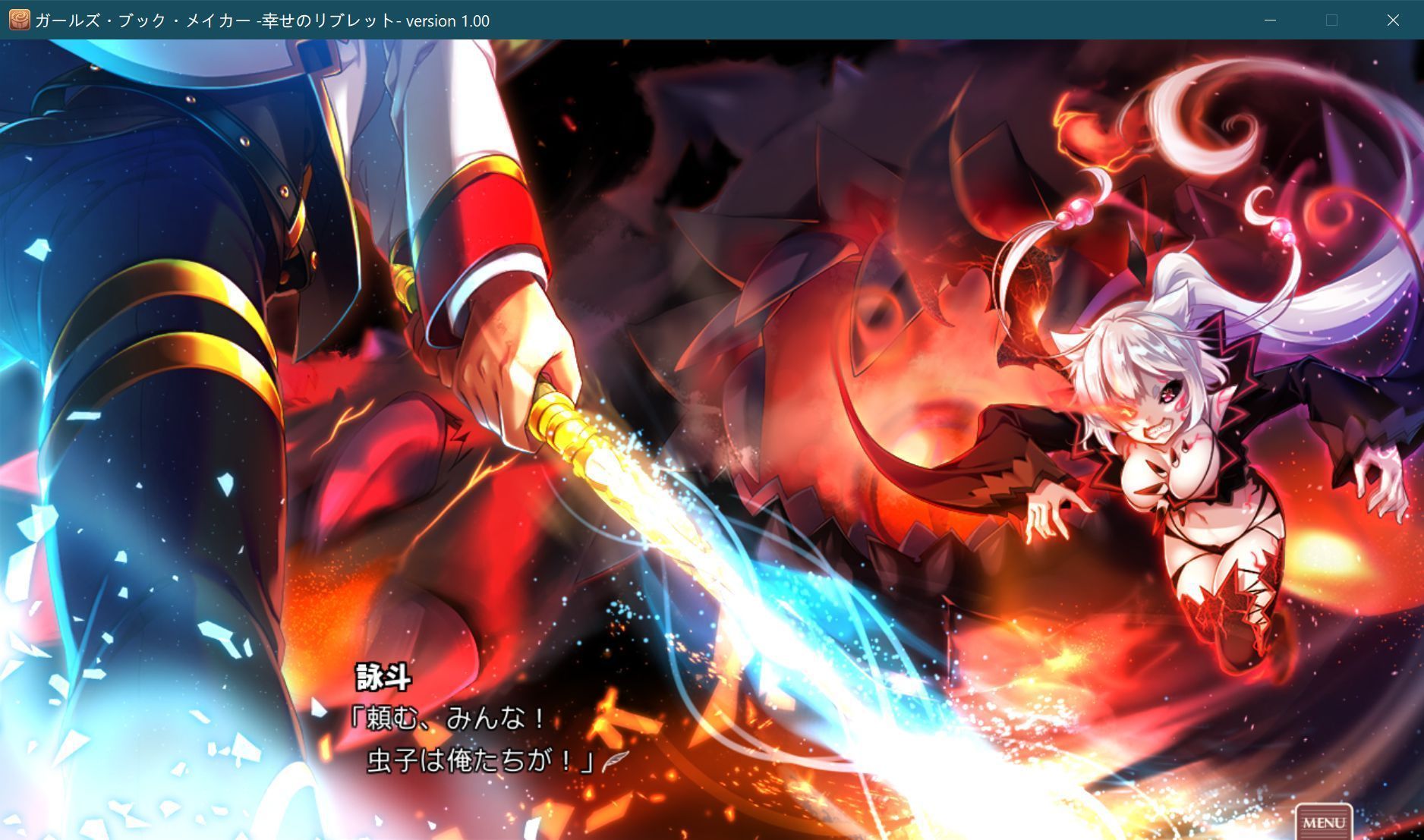
In the end, the director gave up on creating her story and abandoned Iris and that world. Iris, unwilling to accept it, was eroded by the “bugs” that appeared in books and became Grimoire. Grimoire has only one goal: to prove her worth, to prove the value of her book’s existence, and to make her “mother”—the creator, the “director”—acknowledge her, even praise her.
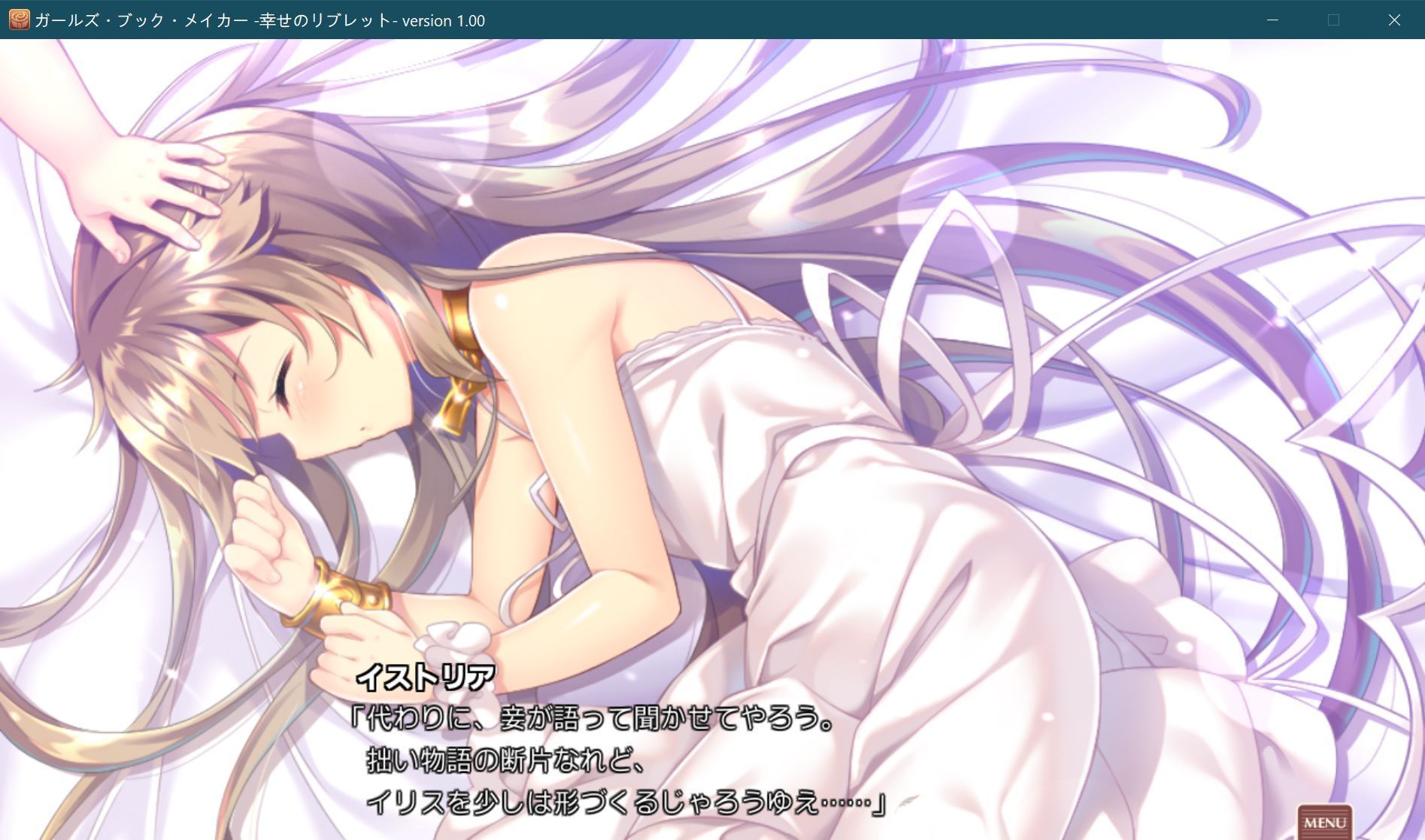
Since Grimoire’s own world has no story, no coherence, why not steal from other stories? So she sends hordes of “bookworms” to erode other books and steal their stories for herself. Of course, the protagonist and friends eventually foil the whole scheme. And the one who finally resolves it is Tail. Having followed the hero through many stories and adventures, she records everything she saw and heard into a story and offers it to Grimoire’s world. Thus Grimoire’s world becomes rich and colorful, with its own story, and everything reaches its proper Happy Ending. Our hero chooses to leave the library and return to his real life, to live out his own wonderful existence.
And the game ends with a standard grand finale where everyone gets redeemed, including the big villain “bug.” By the way, the “bug” in Japanese is probably read as “ko” rather than the Chinese “zi,” making it cuter. Just like how Japanese people find “Oniko” cute when they hear they’re called “little Japanese devils.”
As for Girls Book Maker itself, the story isn’t very well written—there’s huge room for improvement. Each individual chapter could have been about “the protagonist overcoming the main character’s inner demons,” similar to the early The World God Only Knows formula. Little Red Riding Hood could have her own trauma, Sun Wukong lacks confidence, Lupin can’t find a goal… But the game handles these too casually, lacking rigor, and leans more toward parody. After finishing, you can only feel regret. Also, to emphasize its “eroge” nature, the game turns every character except the protagonist into a woman—which really shouldn’t have happened. Many characters would have been better as men. One heroine per chapter is enough. Busty Wu Cheng’en and female Goethe still feel jarring as hell. And I don’t even know how to translate the title; given the abundant busty babes, I joke it should be Mother Book Maker.
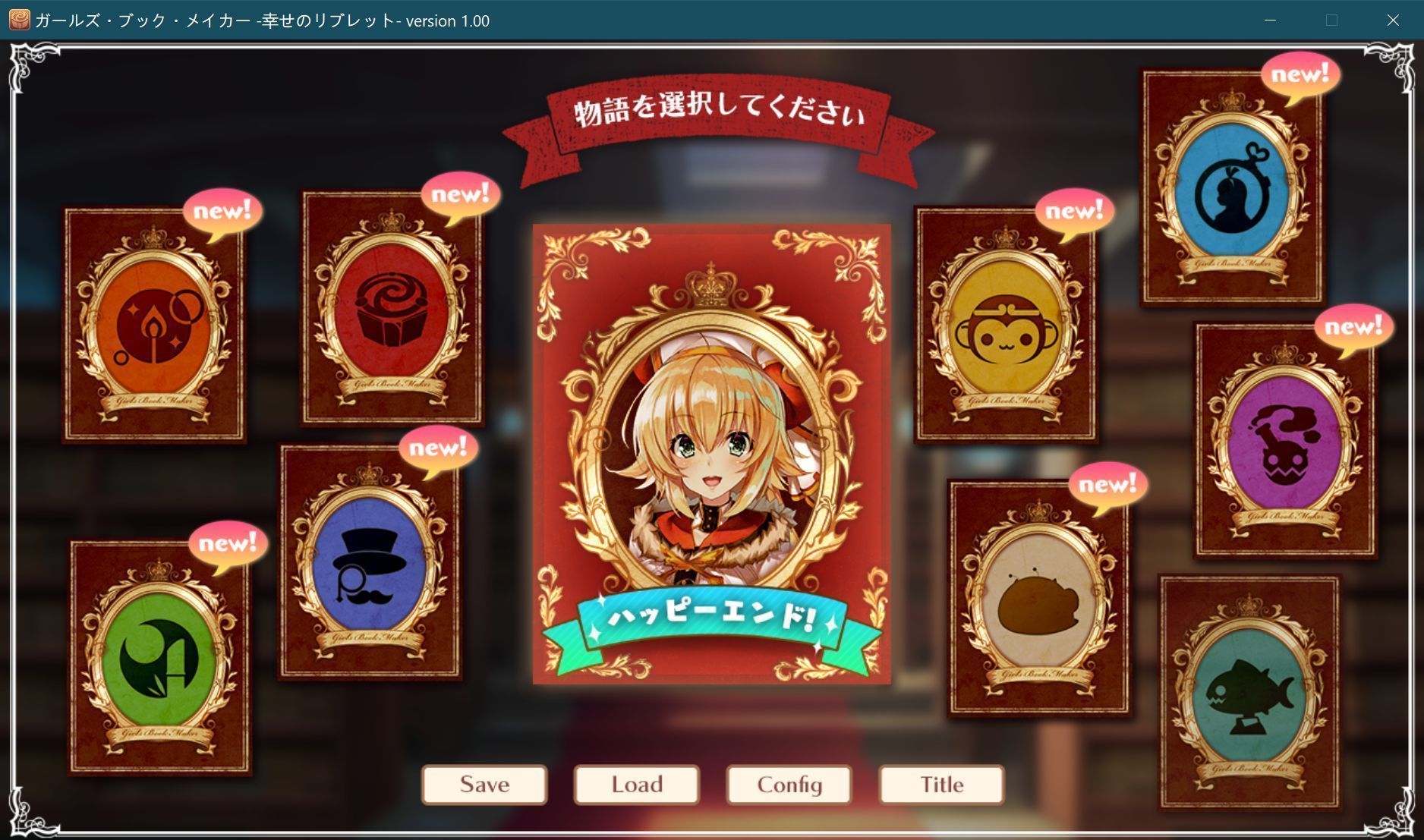
The game also has plenty of superfluous elements, like “heroines from previous books can chat via WeChat group.” It’s supposed to be a road-movie-style plot, but they had to do this, making it messy. Plus, to show off its star power, the game hired a bunch of artists for character designs—looks flashy, and combined with that mouse cursor that flickers every time you click, it practically blinds my wallet-draining eyes. Extremely uncomfortable.
Although I’d say the game’s quality is just passable, its significance is considerable. It includes almost all the “classic works that recent eroge love to reference”: Alice Through the Looking-Glass, Kaguya-hime, The Phantom Thief and the Foolish Inspector, and the overused Faust. I see traces of these works in many “story-heavy titles” about once a year—most recently in Tamayura Mirai with its “demon contract,” which is a complete Faust reference. If you play this game and it happens to spark your interest in the originals, then its value to you could become huge. Sometimes a “butchered story” doesn’t confuse players but rather piques their curiosity, making them more willing to learn about the real thing.
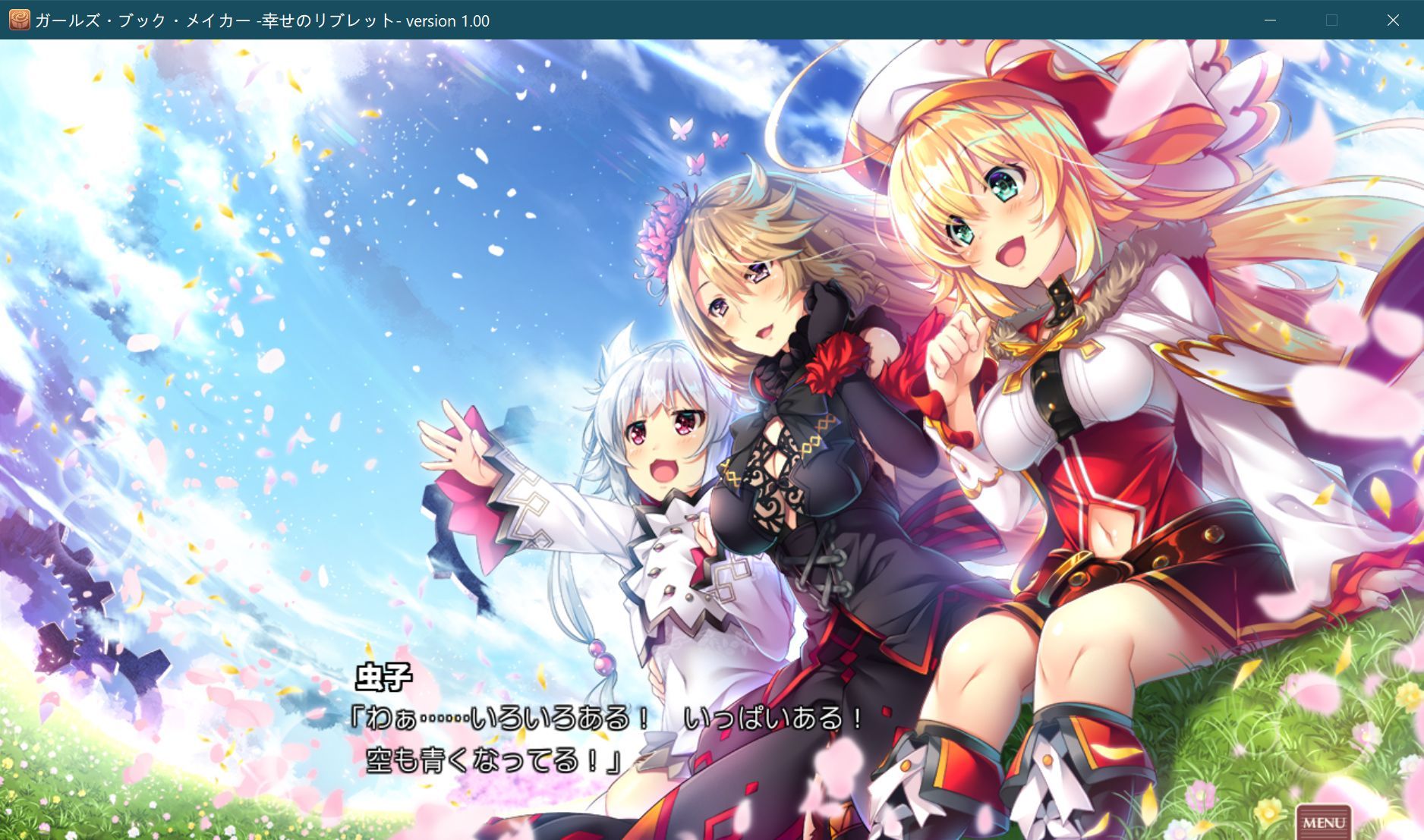
Even at the most pessimistic, if Girls Book Maker can get you just a tiny bit interested in Faust, then its impact is profound enough.
Comments are hosted on the Chinese main site. This mirror is read-only.