Hamidashi Creative (ハミダシクリエイティブ) Review
"Nobody Understands Otaku Better Than Me!"
Back when I first became an otaku, I had this weird sense of superiority.
I don’t know where it came from, but I just felt one step above everyone else. It was like 2D culture was the ultimate goal of life, and all those people around me who didn’t get it were just aimless walking corpses. In a world of black and white, only 2D culture made me colorful.
So I boldly changed my profile picture to a moe girl, set my desktop wallpaper to a big-breasted girl, and wore the strange looks from others like a badge. The whispered gossip behind my back actually made me prouder.
“Anyone who loves 2D culture is a friend.”
At the time I thought I was insanely cool, like the one sober person in a room full of drunks.
Then I found Google+.
You can probably guess the rest. As I got older, gained more experience, learned more about this so-called community, and got more exposure to Japanese culture, I finally understood…
Being a “2D otaku” is considered a particularly disgusting existence even in its birthplace, Japan. It’s not something to be proud of.
Japan hasn’t stamped out this culture partly for economic and cultural export reasons, and partly out of a general tolerance for subcultures.
Yes, subculture. Another modifier for オタク is キモオタ…
So by now I’ve basically stopped using moe girls as my profile picture. I’ve given up on using Nanaroba Hana art as my wallpaper too, and picked a simple image that actually suits a phone. Honestly, 2D wallpapers don’t match phones anyway — most of them are washed-out white, and you can’t even read the time through all the moe girls. What’s the point…
At this point, I increasingly feel like I want to “leave the otaku life.”
I really don’t want to, though. I’m still playing relatively hardcore visual novels, I keep up with the latest anime in Japan, I know what a Vtuber is, and I understand where most new memes come from.
But what confuses me is this: I understand what the new generation of otaku are discussing, I understand why they create those “memes,” and I understand what those memes are saying and what they want to express. But… I just don’t get what’s supposed to be interesting about them.
Take Vtubers. They’re really no different from those sweaty guys watching beautified girls stream on Kuaishou and Douyin and throwing money at them — except Vtubers wear an “anime skin.” In some ways these “skinned female streamers” are even less sincere than the beautified girls on Douyin and Kuaishou. At least those show a real person. What are you even doing…
But otaku love it. What can you do? I genuinely don’t understand.
There are plenty of other memes I “understand” but don’t “get,” including Yajuu Senpai.
As the things I don’t get pile up, the latest anime and light novels feel more and more boring to me, so I retreated to the visual novel camp — probably one of the few mediums that can still interest me.
But the visual novel market is shrinking. I saw a statistic in some Japanese magazine, I forget where, saying most visual novel players are otaku aged 25–40. I looked at my own age and sighed — I really am getting old.
Otaku in this age bracket have probably drawn a line between themselves and the younger crowd under 25. And if you look closely, most visual novel scenario writers are around 30 or older too. The stories they write have probably become disconnected from what the new generation wants, which explains why the market keeps shrinking.
For visual novels to survive, they need to write something young people like, not preach in that old-fogey tone. Sure, the prose looks mature, but if you want mature prose, why not just read a novel?
So Madsoft’s recently released Hamedashi Creative (ハミダシクリエイティブ) pulled a reverse move: they built a visual novel for the new generation.
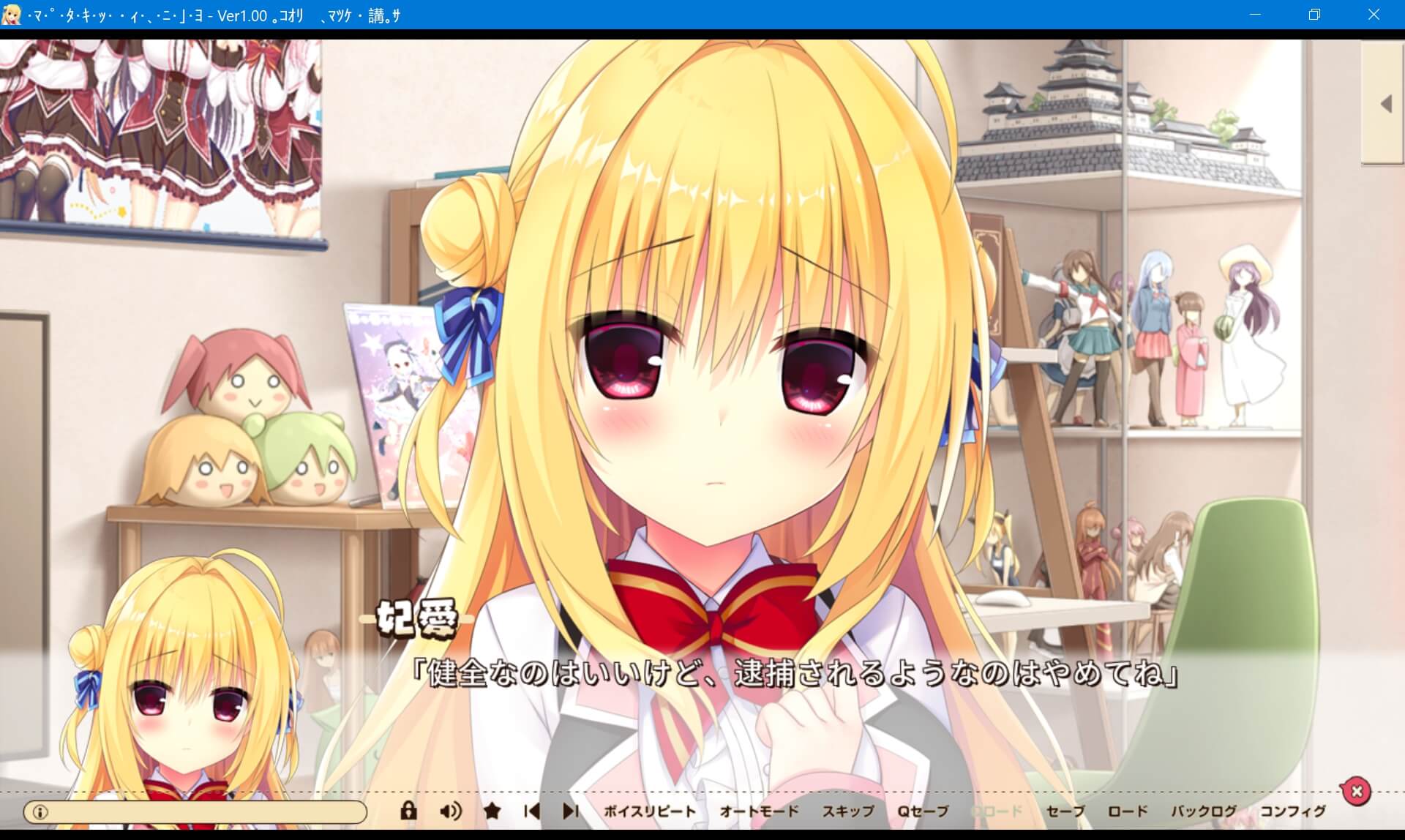
It’s also a visual novel I understand completely but just don’t get.
Madsoft’s previous games were all about being “キャラゲー” — character games, as they’re called. The story doesn’t matter; as long as the heroine is cute, that’s enough. This approach is actually the foundation of the visual novel industry, steeped in Old School flavor. But after last year’s very by-the-book “Raspberry Pi box” flopped, Madsoft seemed to sense the industry shifting and brought in a scenario writer I’d never even heard of to lead the creation of Hamedashi Creative.
Actually, I initially thought this game would be the same formula as “High Spec,” so I jumped in without thinking — and it choked me right at the start.
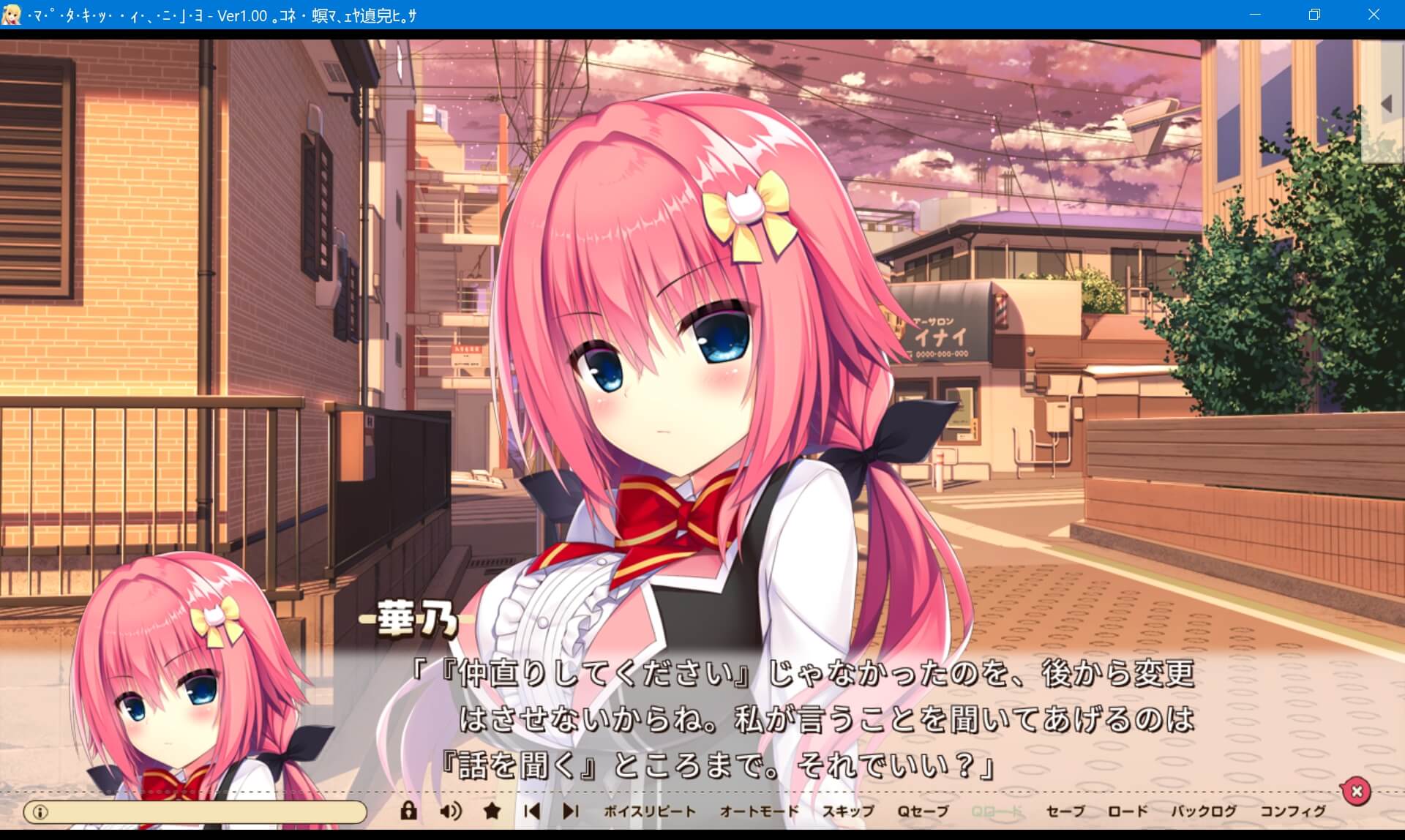
Because the writing in this game is just too weird!
The style is almost identical to the vocabulary I see from young otaku on Twitter — sometimes packed with complex kanji, sometimes screens full of katakana with no punctuation. Makoto Kizuru (茉宮祈芹) talks like this constantly, and it always takes me ages to figure out what she’s saying. If you translated this into Chinese, it’d be like a screen full of emoji and internet slang. Every character talks at high speed, there’s tons of muttered rambling, and reading it is genuinely uncomfortable. A lot of the dialogue also has a heavy “light novel” flavor — or to put it bluntly, the “toilet paper” style I despise most. If a Japanese language teacher saw this game, they’d probably keel over.
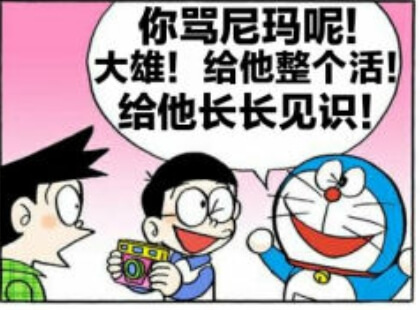
But this style appeals to young people like crazy. Hamedashi Creative’s common route got plenty of praise from young otaku, and the occasional critical review on ErogameScape complaining about the prose was quickly drowned out by the wave of youthful praise.
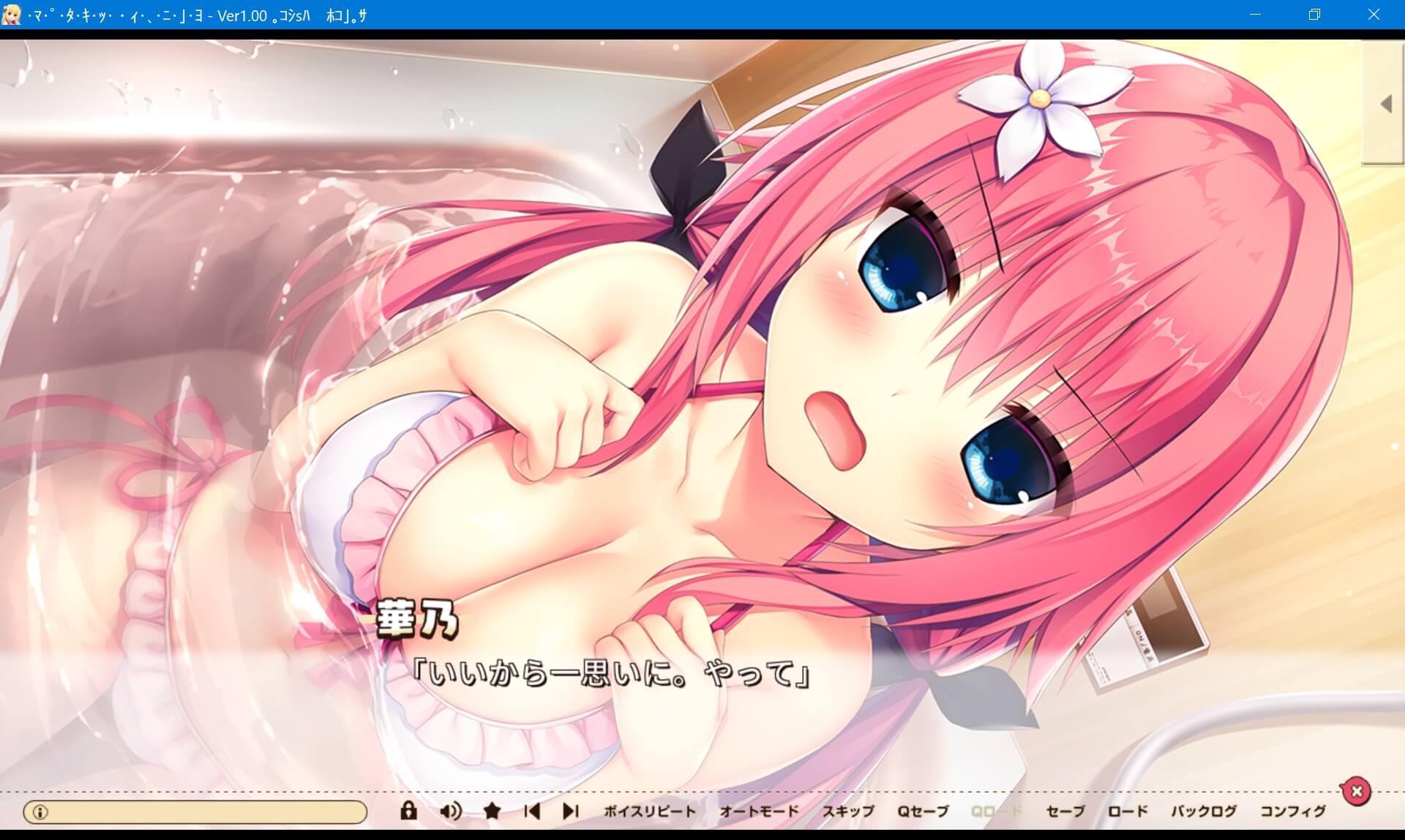
As for the game itself, there’s almost nothing to say about the plot. The setup: our protagonist gets inexplicably appointed temporary student council president and can’t refuse. To get the council running and fulfill his obligations, he recruits students who “rarely come to school,” hoping to use council work to earn credits. This is how he meets the various “otaku” who don’t attend much — including a part-time voice actress little sister, a part-time toilet-paper-novel-writing girl with long black hair, a part-time Vtuber white-haired girl, and a part-time erotic artist redhead, Akino Hana. The common route is just daily banter until the obligatory training camp, after which it branches into individual routes.
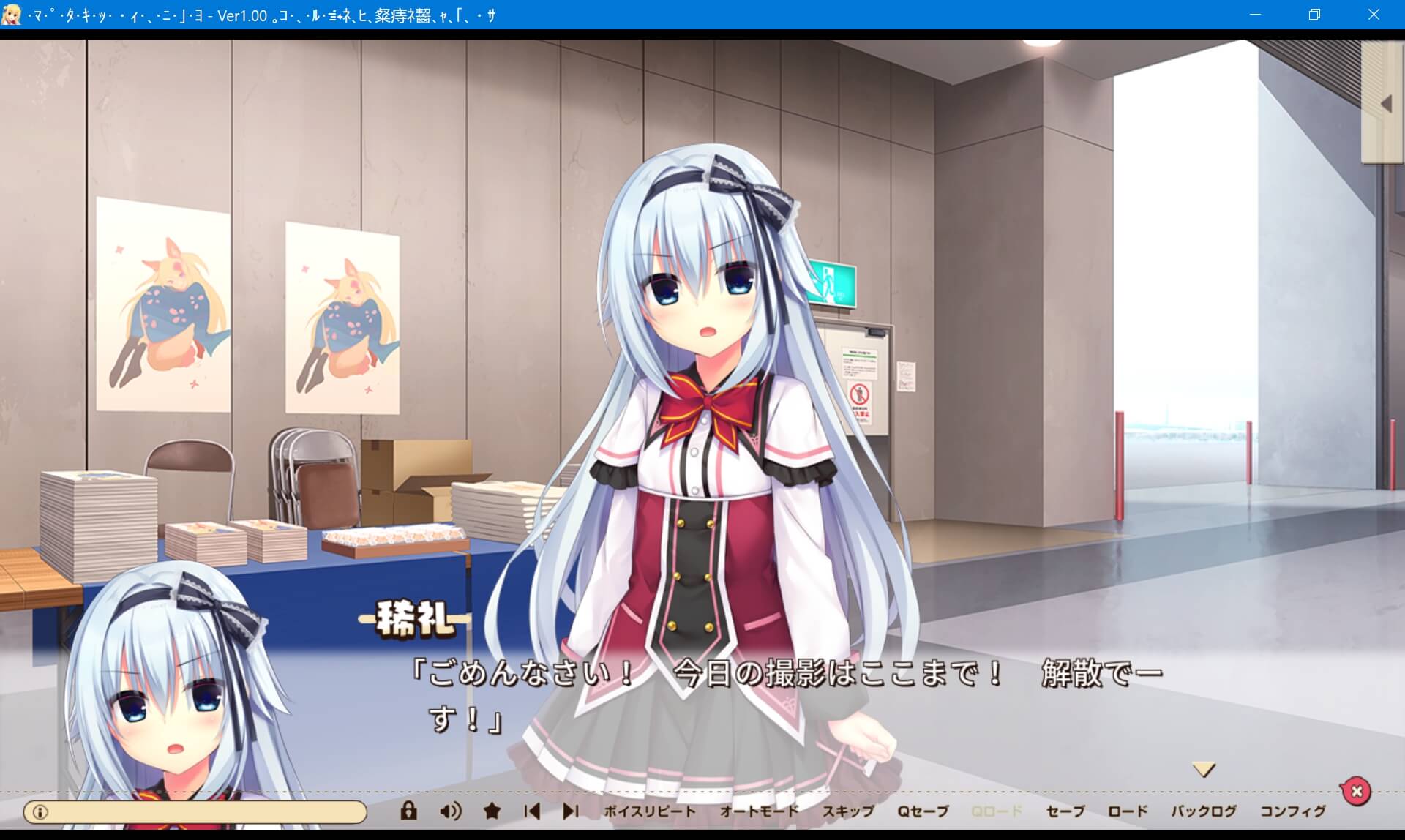
Because the dialogue style was so hard for me to stomach, I had to pick a route based on a voice actress I knew — Akino Hana was the only decent option. Akino Hana’s redhead is an artist who, because she was too much of an otaku and drew erotic art and did cosplay, got verbally abused at her previous school and called a “breeding sow.” She started her own doujin circle but made enemies due to poor social skills. Forced to run the circle alone, she handled both sales and drawing herself. Her parents didn’t support her art career at first, but once they saw how much money she made selling doujin, they came around. Still, because of the black history of being despised for her “otaku girl” personality, the redhead chose to hide her name and secretly pursue her art, never revealing her identity in real life.
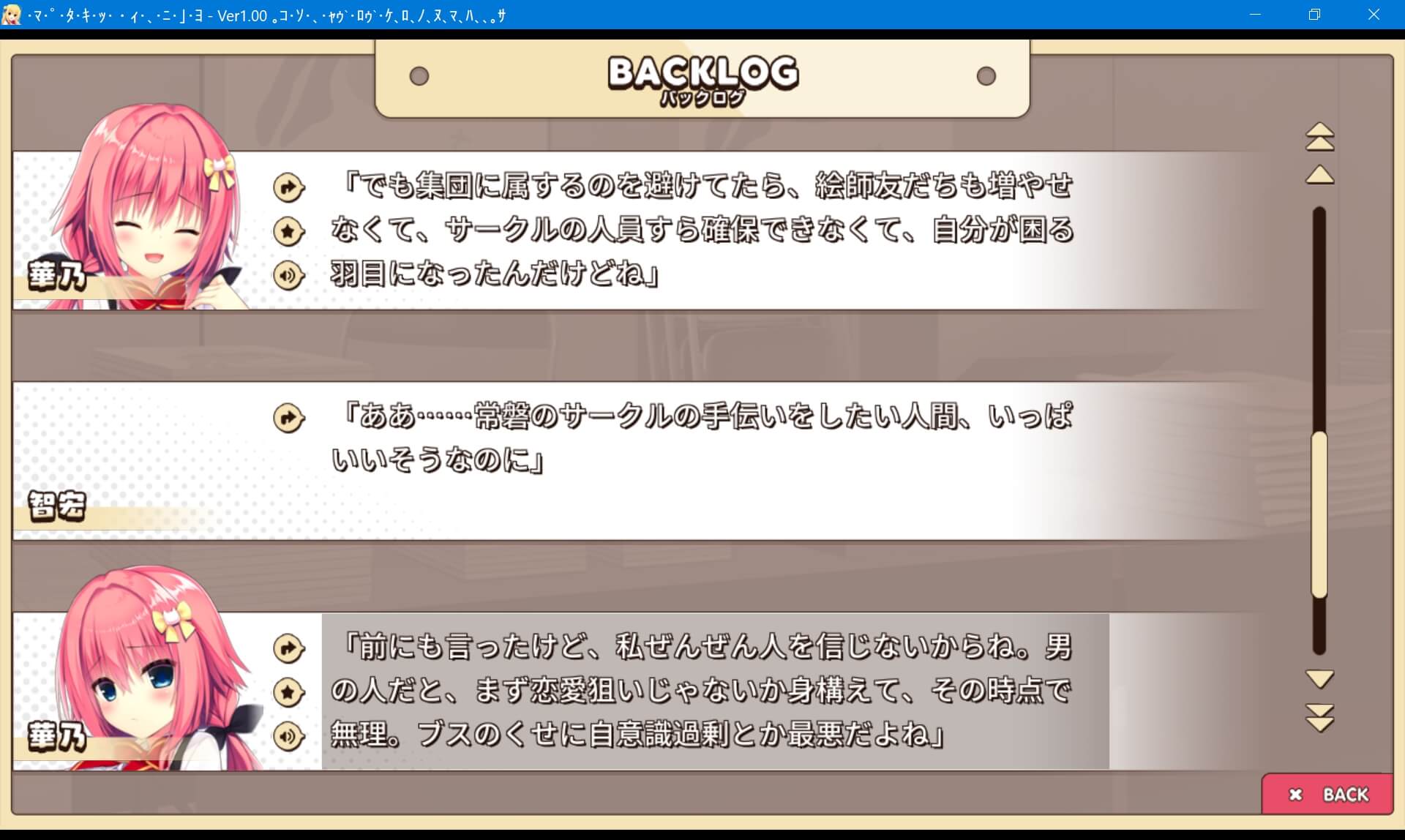
This route is about the protagonist helping her boldly show off her art at the school festival and proudly declare herself an otaku. It fits the Japanese mainstream’s perception of “otaku men and women” well — the game’s theme is basically “otaku, stand up” and “otaku can be productive members of society too,” which explains why so many young otaku give it such high praise.
Honestly, I don’t like Hamedashi Creative. The art is good, the voice acting is fine, the production is high-budget, the OP and ED are classic ACG J-Pop with the Green Hat King involved, and the game’s portrayal of “otaku men and women” culture is very authentic. The part about infighting among female artists made me wonder if they actually interviewed artists for industry truths —it’s not unheard of for female artists who greet each other politely on Twitter to be tearing each other apart behind the scenes. That aspect is pretty substantial.
But the one thing I can’t accept is that I genuinely cannot understand its prose. Can’t you just talk normally?
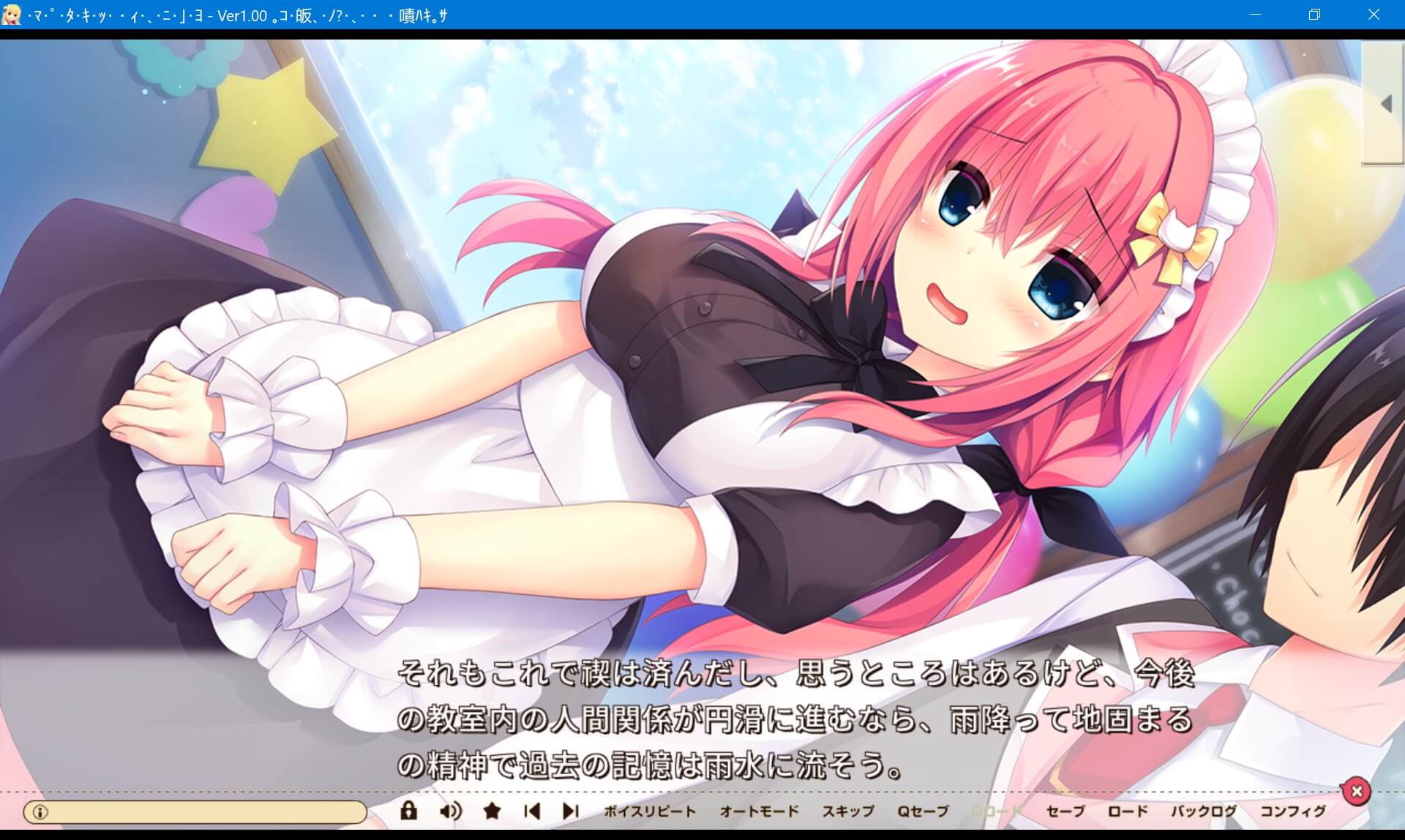
Like I said, I know this is how young Japanese otaku talk. I know there are memes young otaku love in there — gacha pulls, SSR, Vtubers, all that stuff. But I just don’t get it. I don’t find it interesting. The game doesn’t really depict the love between the heroines and the protagonist; it just uses various memes to highlight how cute the heroines are. For the new generation of otaku, that’s probably devastating. But for an old guy like me, all I can say is:
What the Fuck?
Still, I have to admire Madsoft. Their games really take キャラゲー to the extreme — every heroine is moe just from the art alone, and the scenario writer they brought in shows they’re genuinely paying attention to the “otaku user base” and know what otaku like these days.
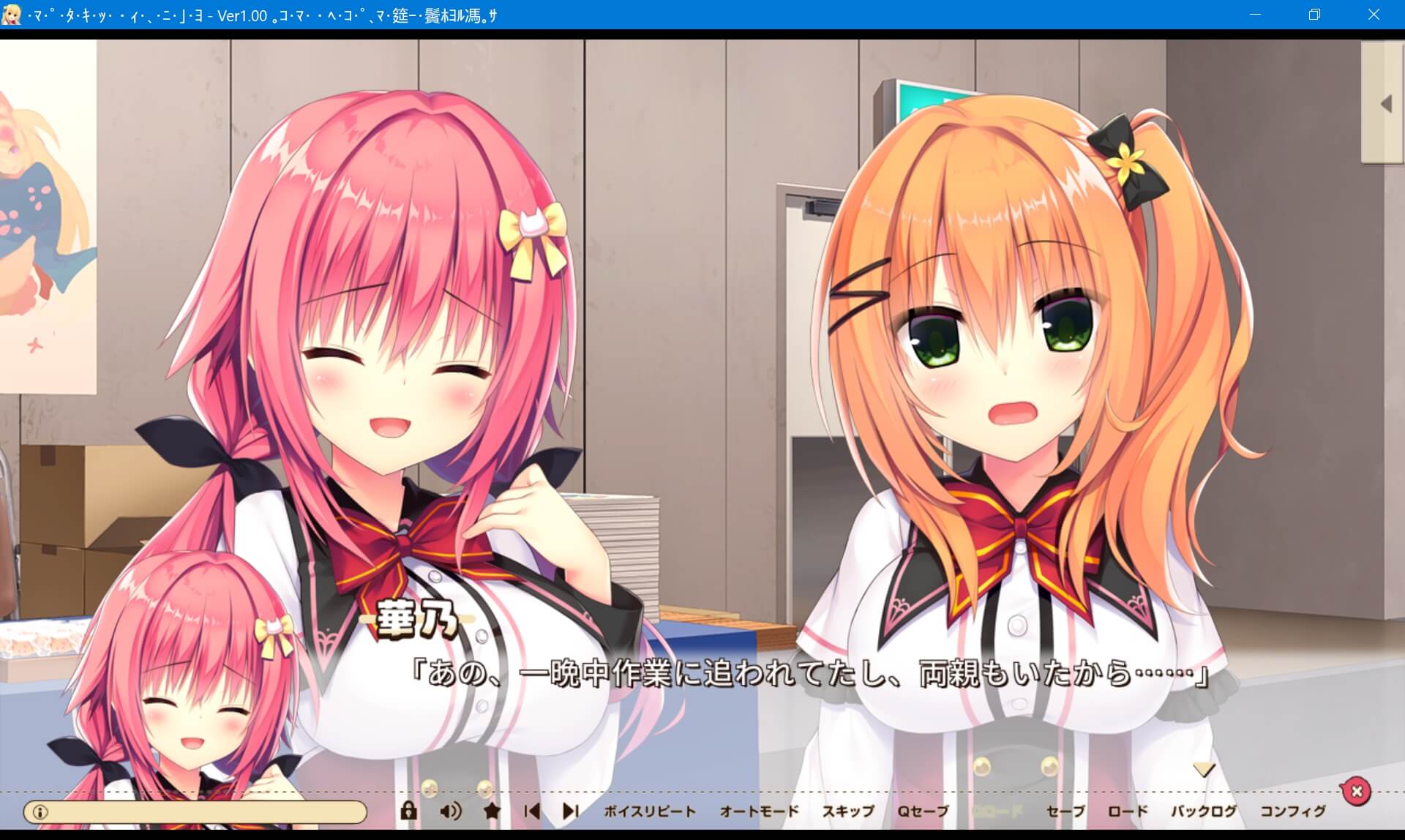
And this game is full of formula: they deliberately left three characters unrouteable, clearly setting up a FanDisc to milk another round of money.
I think Madsoft can honestly say: “Nobody understands otaku better than me!”
And old guys like me probably just don’t understand today’s young otaku anymore.
Comments are hosted on the Chinese main site. This mirror is read-only.