Sakura no Kumo Scarlet no Koi (さくらの雲*スカアレットの恋) Review
Sakura no Kumo * Scarlet no Koi
I had my eye on Sakura no Kumo * Scarlet no Koi (さくらの雲*スカアレットの恋) well before release, mostly because that “Cabbage” game from before was so unbelievably stupid.
The scenario is by Fuyu Akane (冬茜トム), who’s done story-driven work for several SugarPot and Cabbage titles, and this wasn’t his first time teaming up with Korie Riko either.
The premise when it was first announced kind of baffled me: our protagonist gets sent back 100 years into Japan’s past and has to find a way home.
That’s literally the level of a Chinese web novel. One of the bad ones.
Trusting the writer, I still opened it up and it took me a good while to finish. Partly because things were busy at home, partly because the early-to-mid game is just so damn boring. The good news is the final chapter is genuinely fun, and it’s tightly paced — it blows through all that long-winded buildup and explains what was actually going on.
In Japan they call this “paying off the foreshadowing.”
Sure, if you say so. Anyway, let’s get into the game.
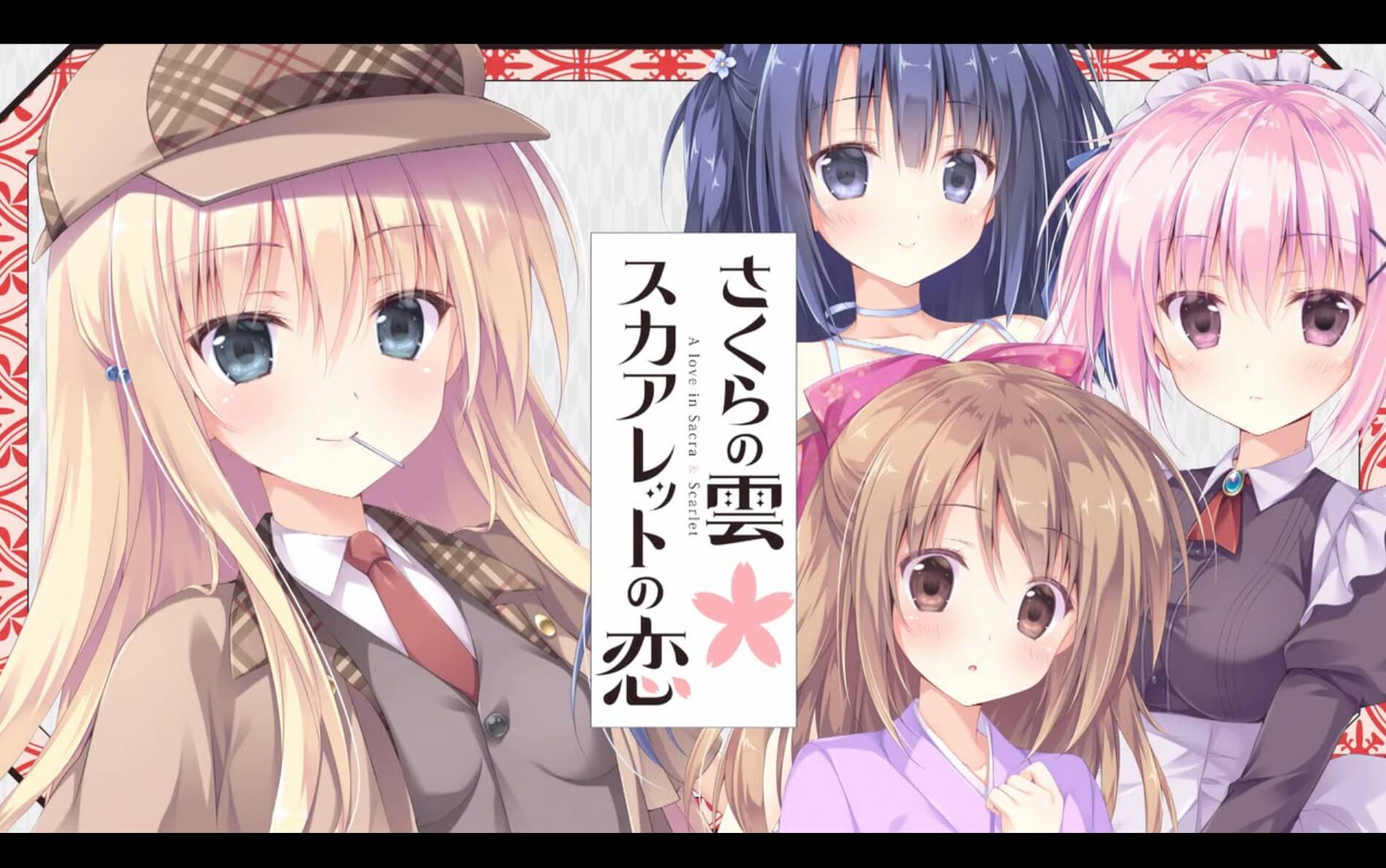
Common route
The protagonist, Kazami Tsukasa, is a kid from 2020 who, for certain reasons, gets flung back 100 years into Japan — the year 1920, the Taisho era.
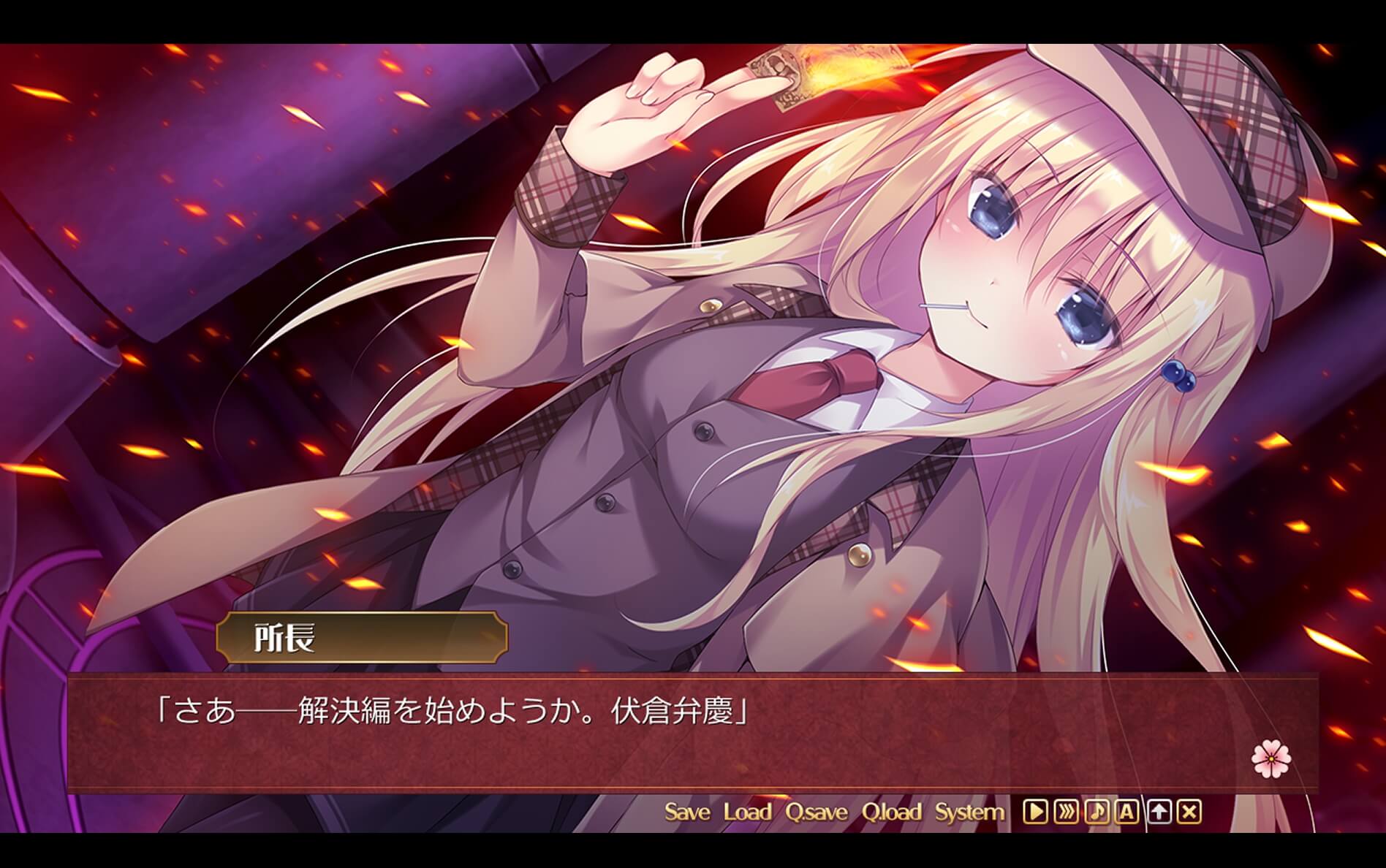
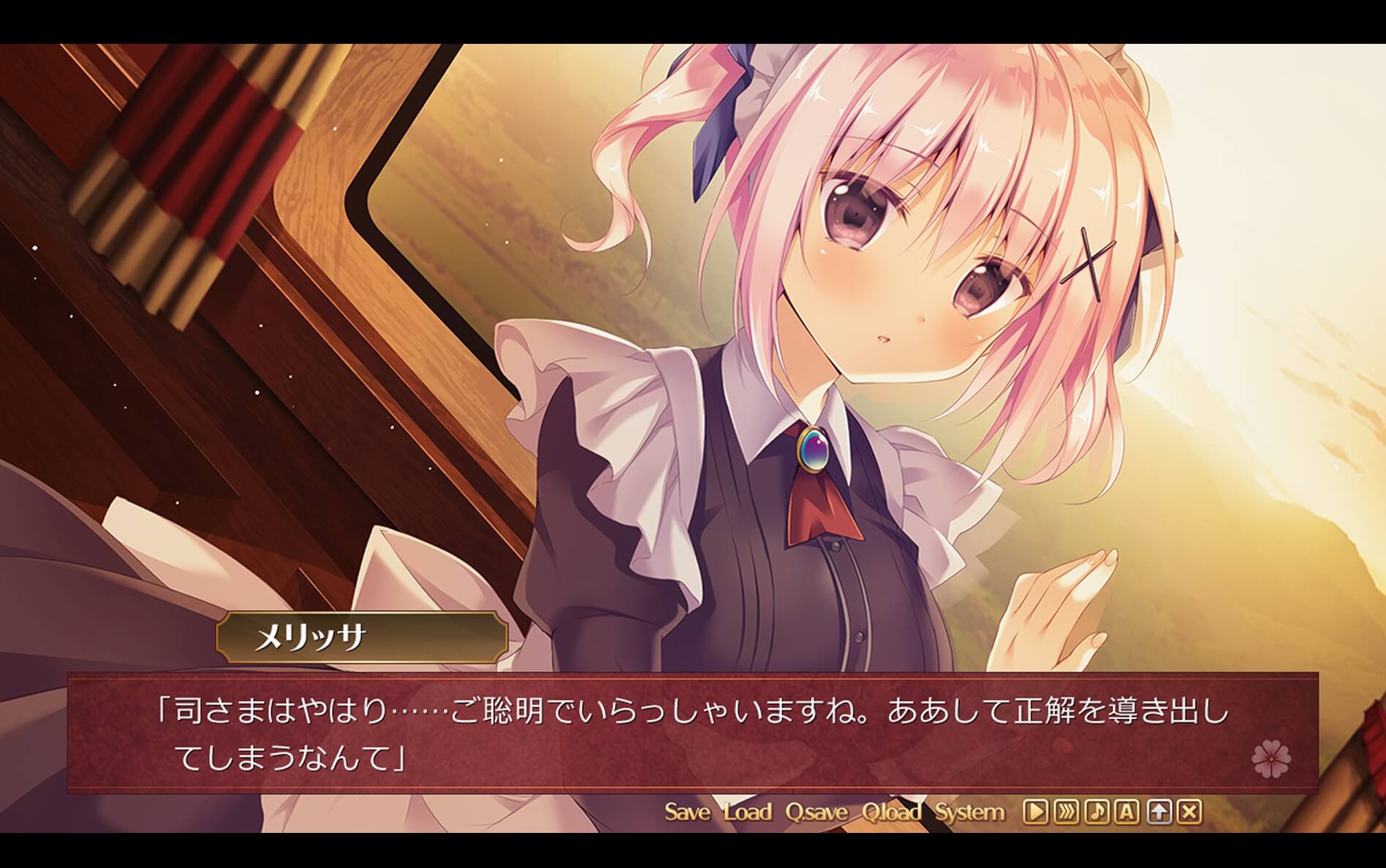
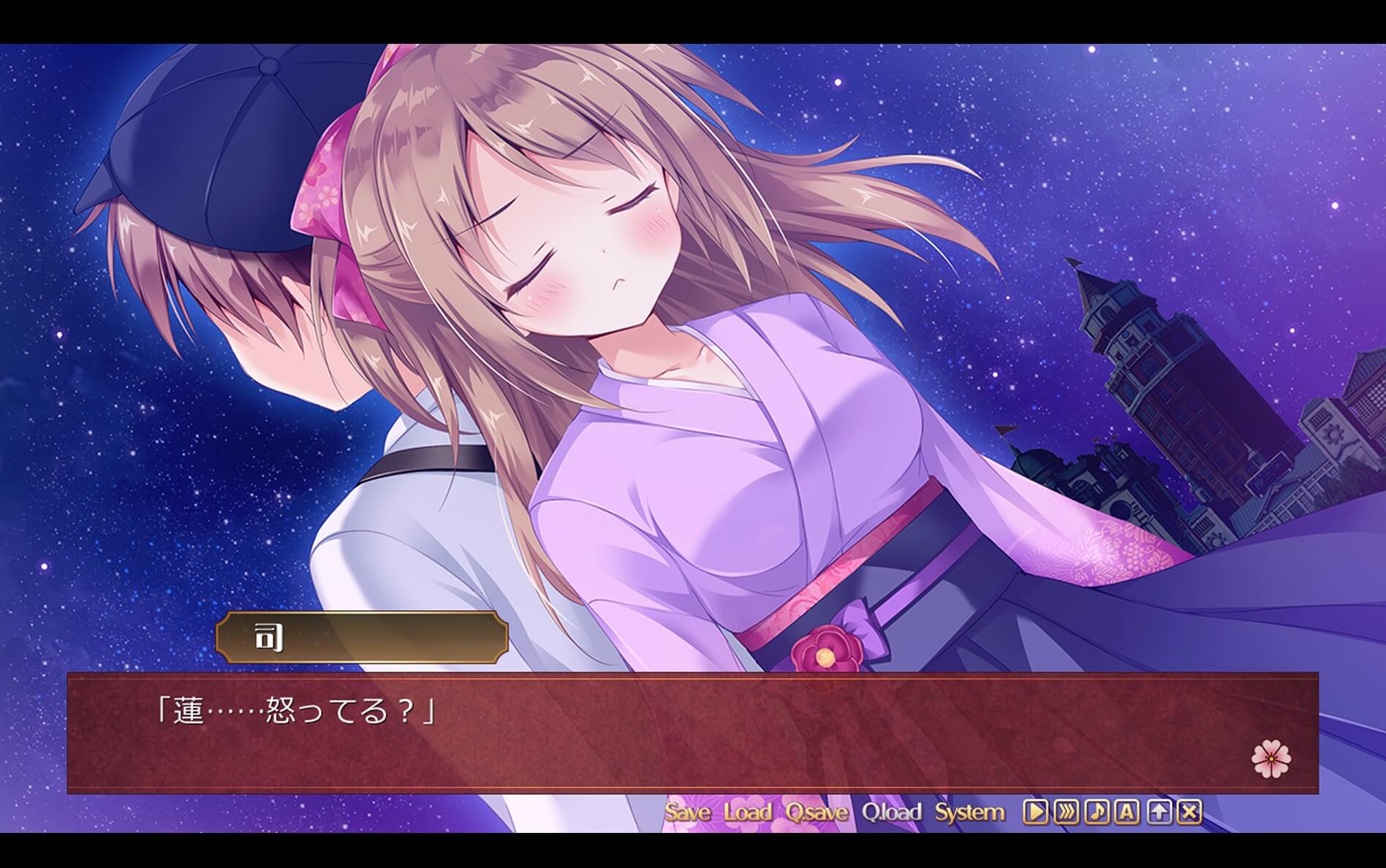
Right after arriving, he meets a blonde, blue-eyed foreigner under a cherry tree. She claims to be British and works as a detective in Japan, running her own agency. The protagonist gets taken in by this “director” and becomes her assistant. She’s a miser who absolutely loves money, and she’s also flat broke. He starts helping her solve “Taisho-era” cases — mostly finding people and lost objects — and along the way meets a bunch of characters: the young lady of a wealthy family, Shiranui Tōko, and her maid Melissa; a little girl named Ren who keeps cats; plus a Taisho-era police chief, a painter, a museum curator, a classic-tech glasses nerd, and so on…
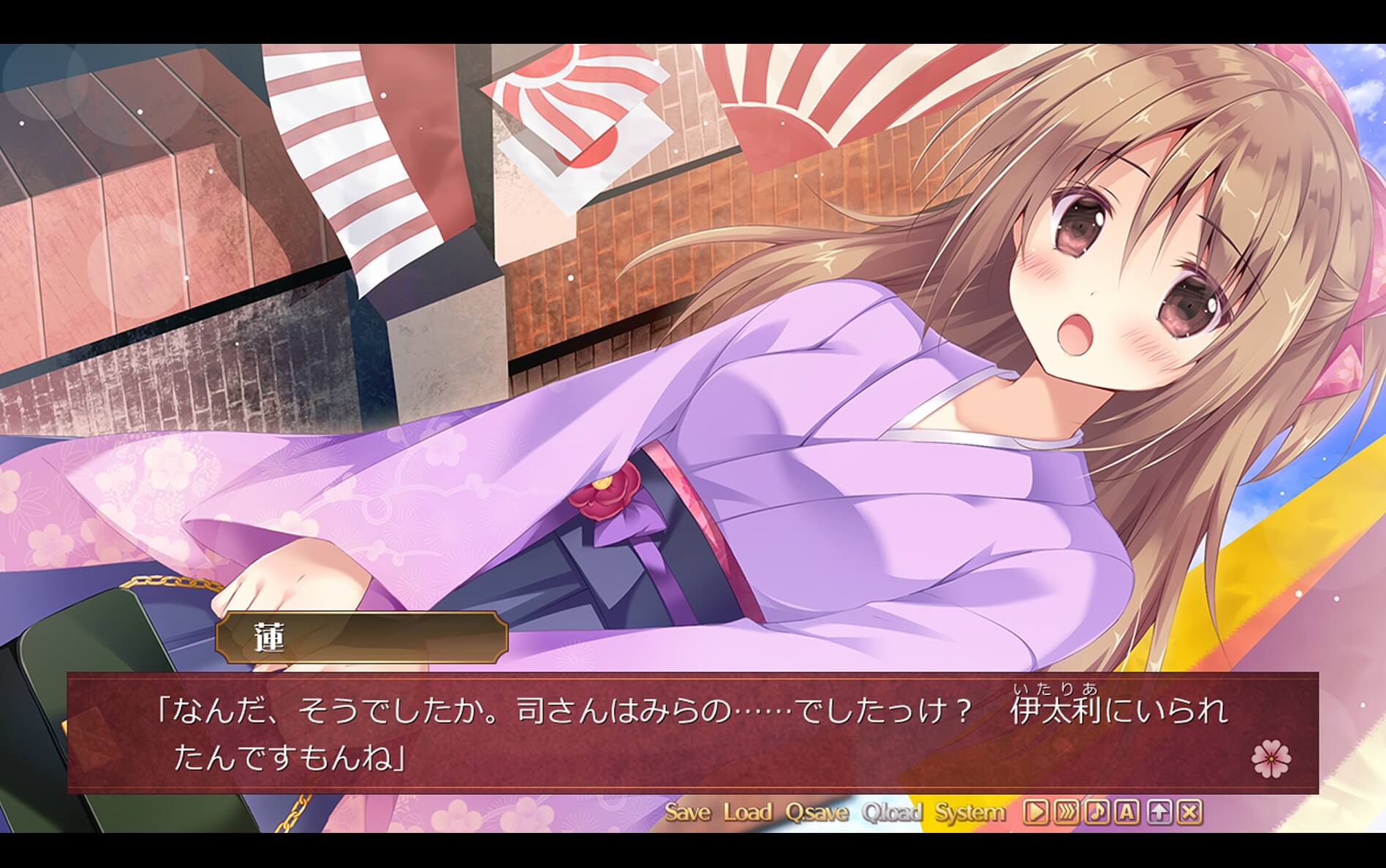
Of course, the protagonist’s biggest concern is his own time slip. He also meets a ghost-like girl named Araragi, who tells him he was brought here to fix a “distorted history.” In other words, the current history differs from the timeline he came from, and if it isn’t corrected, history will branch into a parallel world and he’ll never get home.
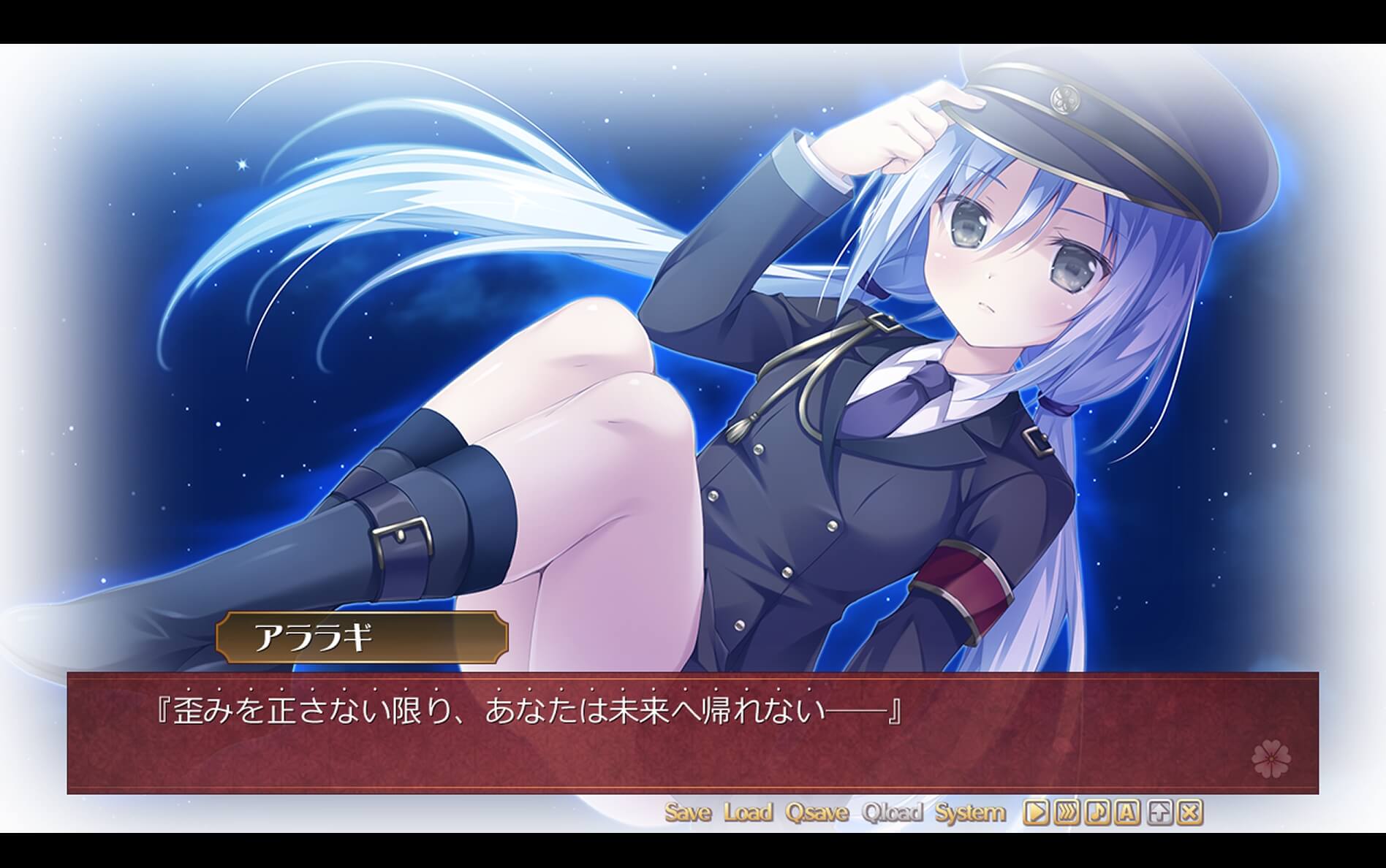
As for how to fix the distortions, Araragi says she can’t tell him, but she gives him a telegram, claiming it was “sent by him from another timeline.” The handwriting is awful and it’s all in katakana, and no matter how he looks at it he can’t make sense of it (imagine Chinese written in pinyin, basically). Then Araragi vanishes.
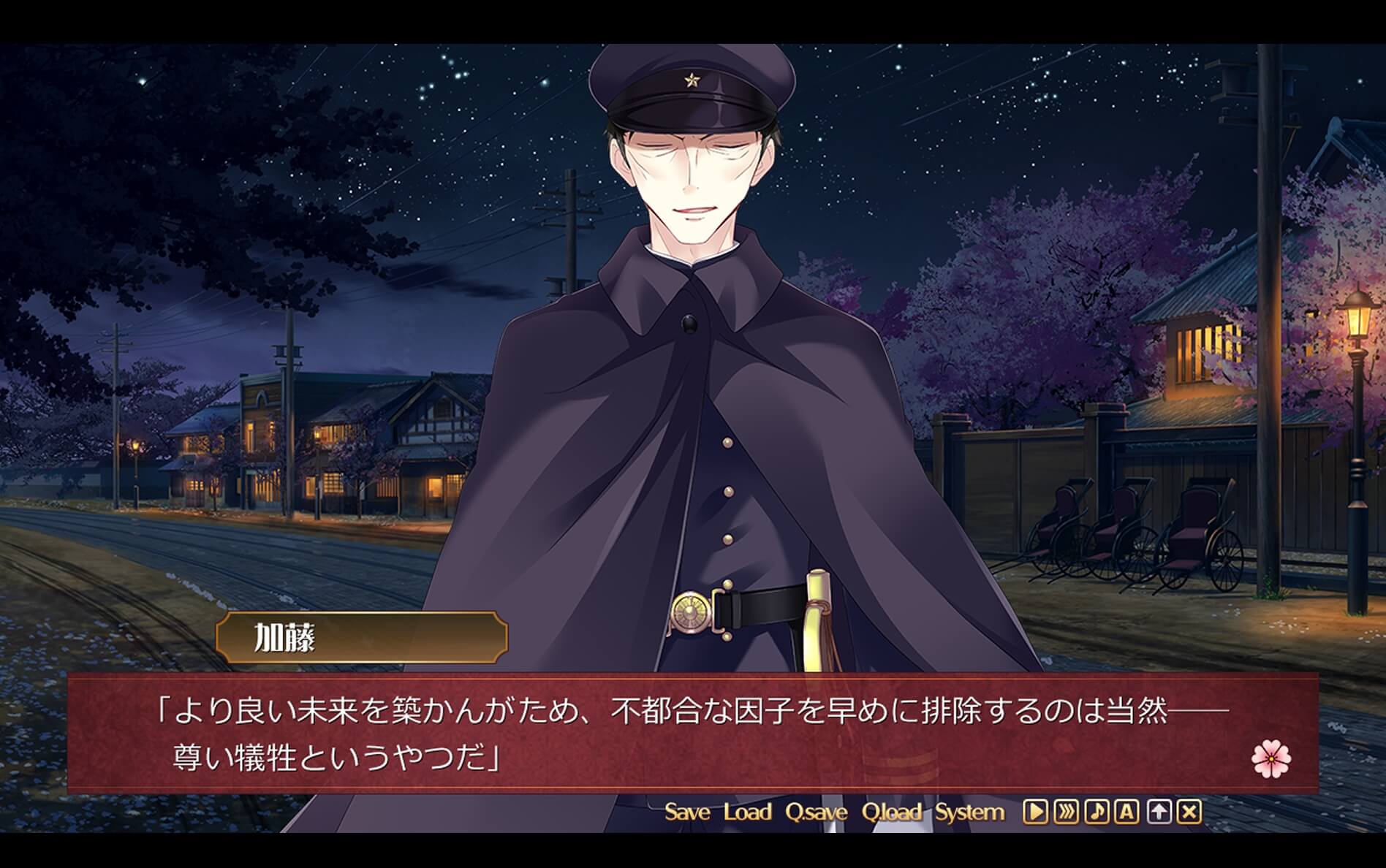
After that, the protagonist meets another strange person: Captain Katō.
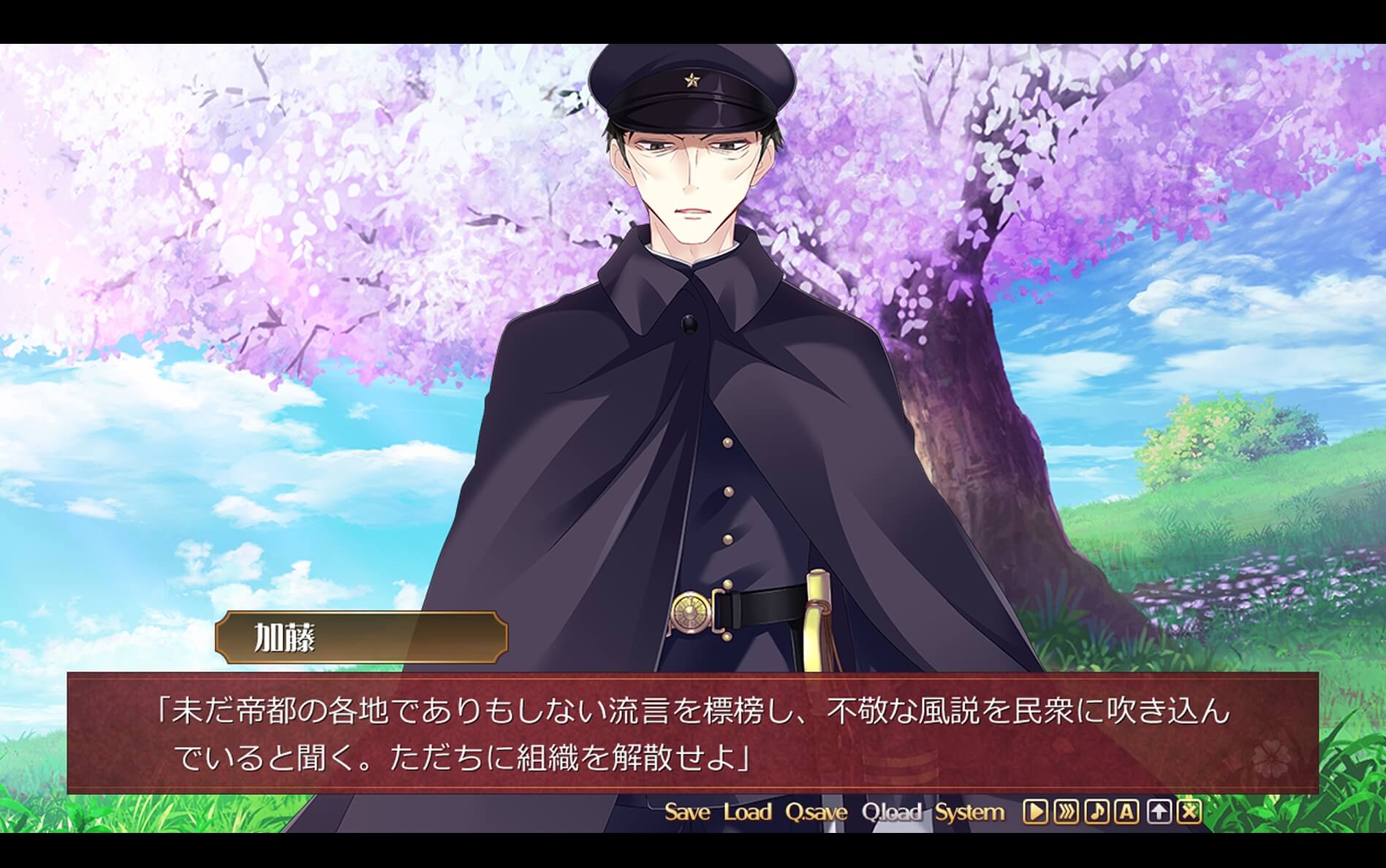
As a Japanese soldier, he seems to see through the protagonist at a glance, and once he hears the guy’s a “man from the future,” he keeps calling him that, needling him with a contemptuous attitude. The protagonist hears that this Captain Katō is somebody too — he’s climbed the ranks through a series of wild maneuvers — but something about him feels vicious.
Next up, the agency takes on two cases: the phantom thief Heist incident, and the haunting at the Shiranui estate.
The phantom thief Heist incident
Simply put, a phantom thief appears in the city. Besides stealing from museums, they also swipe weird stuff — even a cannon. The protagonist and the director investigate, and honestly turn up nothing. The only thing they find is that the Shiranui heiress Tōko is super into the riddles the thief leaves behind, and she’s damn good at solving them.
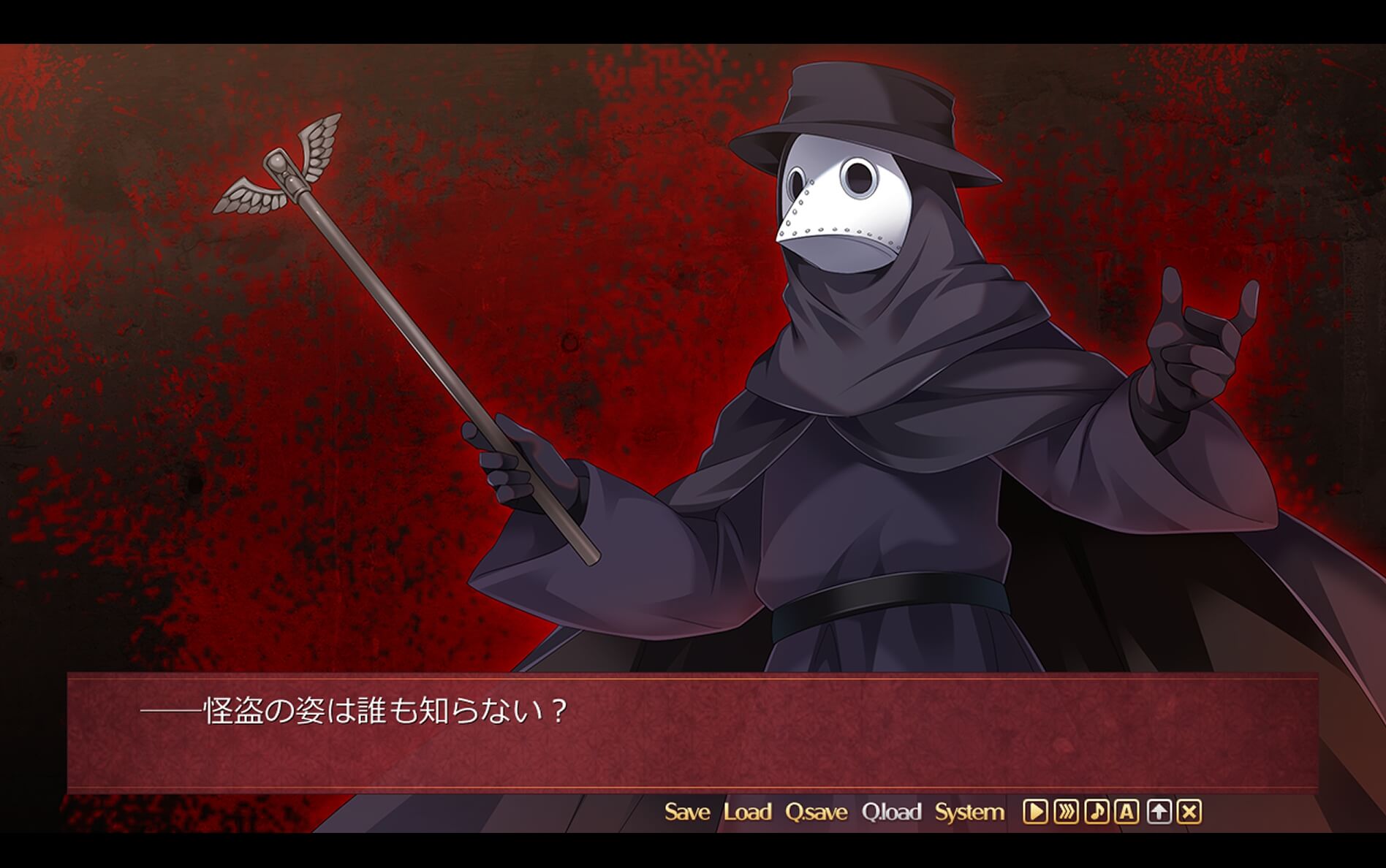
Eventually the thief shows up, dressed like a medieval plague doctor. Nobody catches them, the thief bizarrely returns everything they stole, and the case ends for no clear reason.
The haunting at the Shiranui estate
Shiranui Tōko’s maid Melissa says she keeps running into ghosts lately, so the protagonist and crew go to investigate. Arriving at the mansion, the first thing they see is the Shiranui family digging up their front yard, having found an ancestral treasure map. They don’t find anything, but the director is pumped — she loves money, and figures if she helps she might get half.
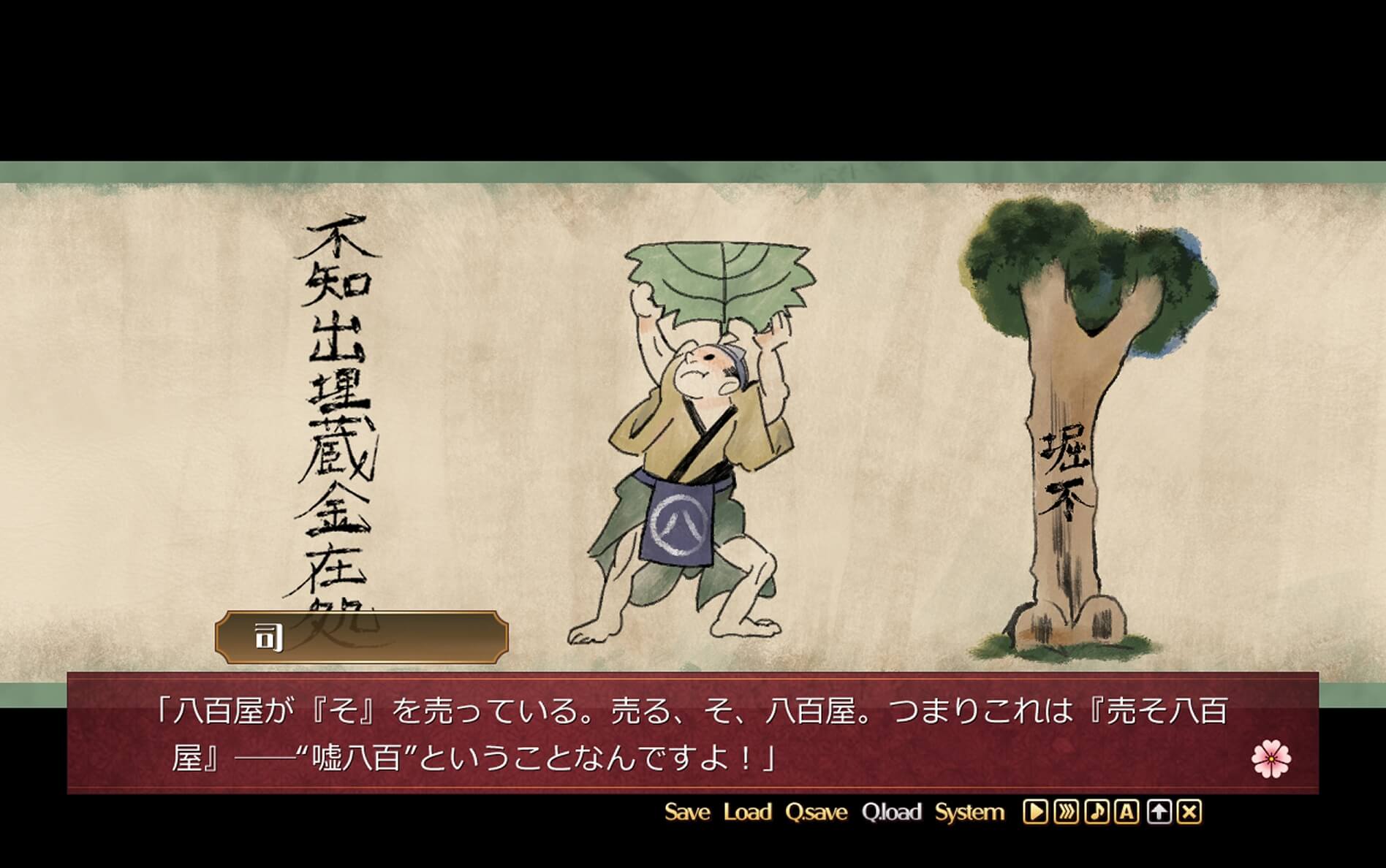
In the end, after a bunch of flailing around, the haunting gets solved: the hole dug in the front yard caused the house to resonate, producing weird noises from the windows, which made Melissa think there were ghosts, lose sleep, and start hallucinating.
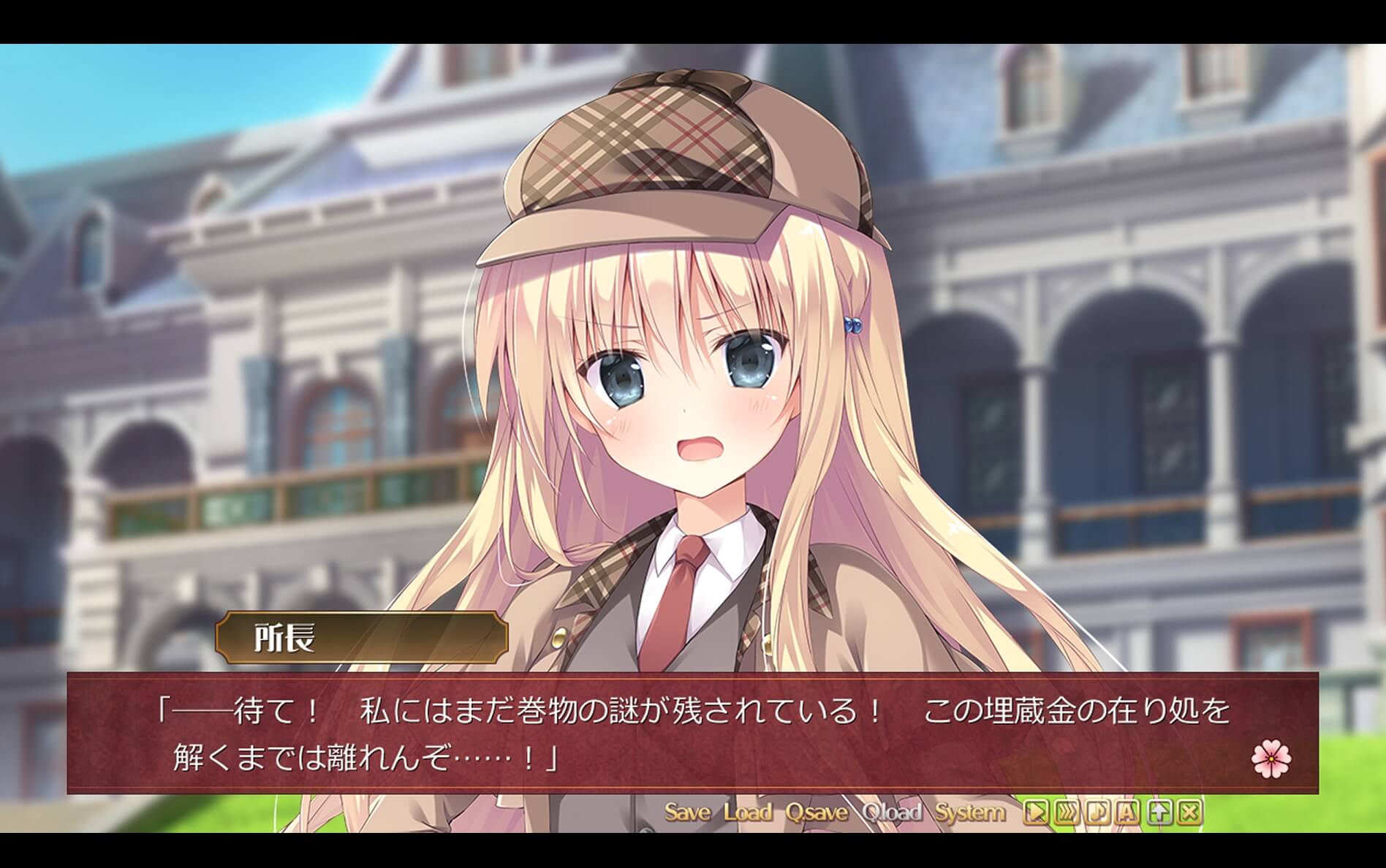
And the “treasure map” turns out to be a whole lot of nothing once the protagonist examines it. Case closed.
End of the common route: the Great Kanto Earthquake
Throughout the common route, the protagonist keeps looking for “historical distortions” per Araragi’s instructions, but finds basically nothing. Meanwhile several “history-diverging” events keep popping up: a politician who’d go on to do great things gets assassinated early, certain shady organizations start rioting ahead of schedule, terrorist attacks that never existed in history go off. All of it means history has already changed.
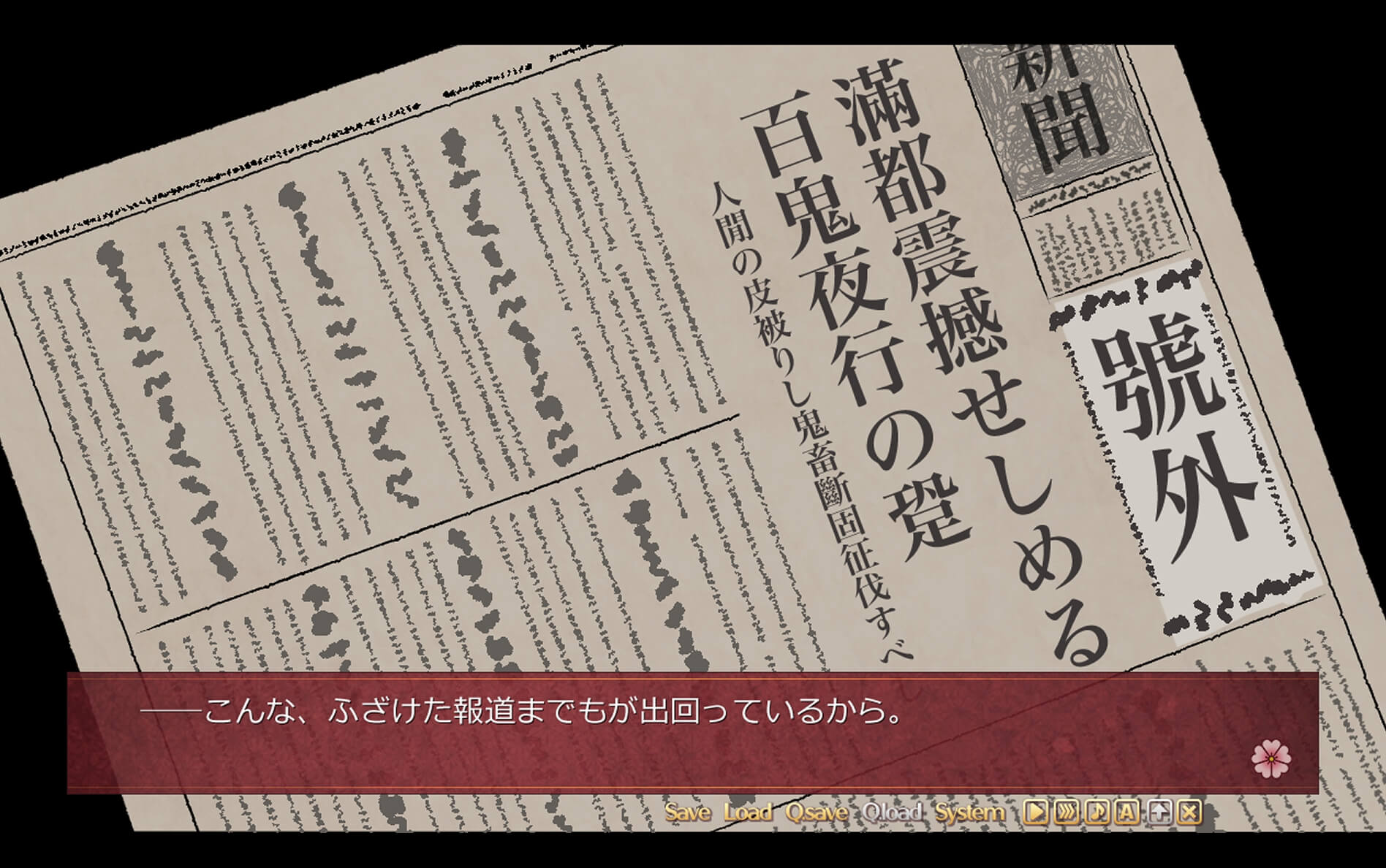
The Taisho era is full of weird shit, and Japan sits at the crossroads of Eastern and Western culture, so every kind of freak and monster gets a turn on stage. The protagonist briefly wonders if “espers” exist, and asks Araragi. Her answer is vague: “As far as I know, in the Taisho era there’s only one person with supernatural powers, and you’ve already met them. Of course I can’t say who.”
Beyond that, the biggest historical event of the era is the Great Kanto Earthquake. That quake is the starting point that completely changed the “Empire of Japan”: the economic depression it caused led to the revival of Japanese militarism, which led to the invasion of China for resources and joining the Axis in WWII, and the defeat in WWII ended the Empire of Japan entirely. To this day it’s a client state of America, without even its own military — just the Self-Defense Forces.
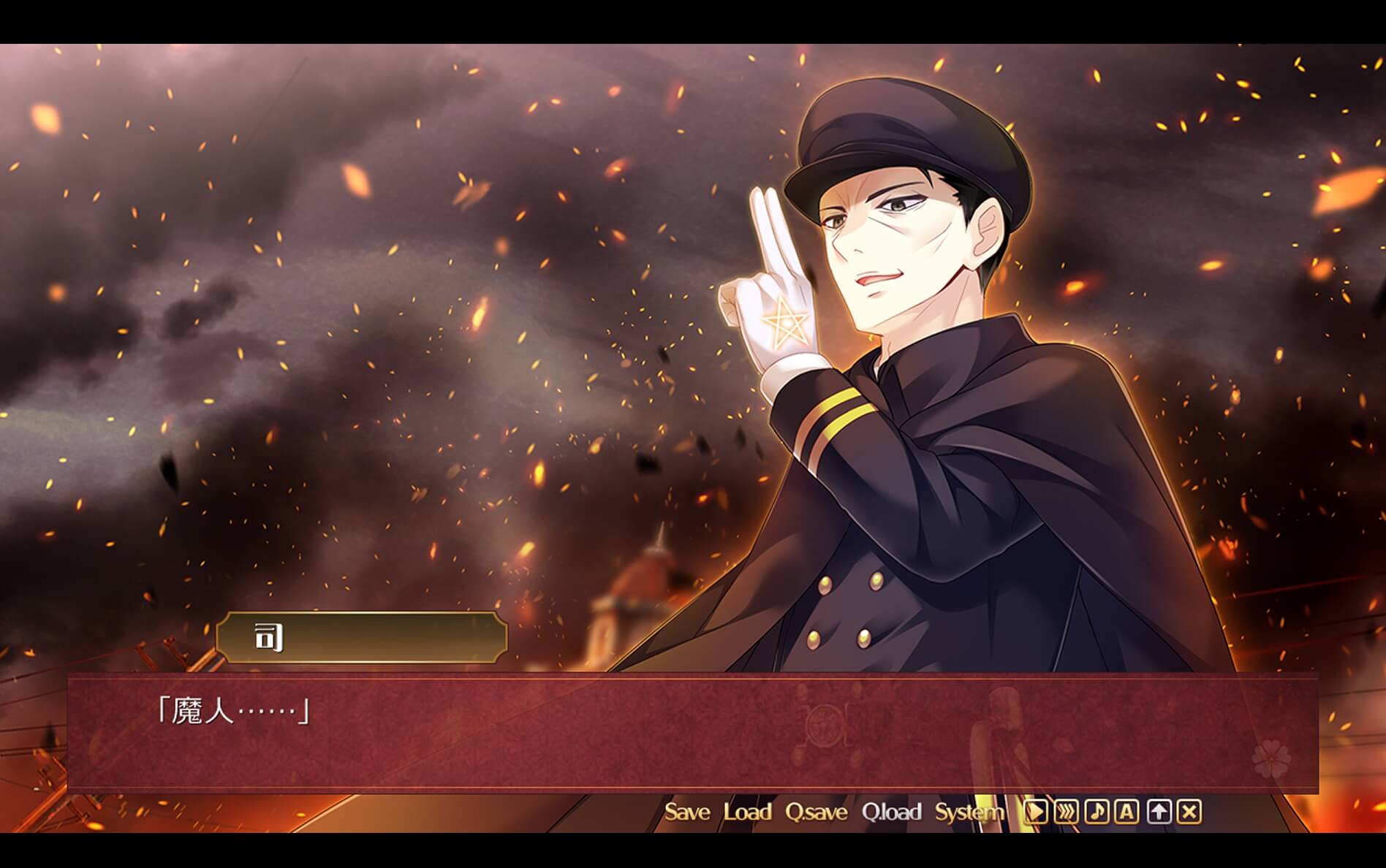
At the end of the common route, in 1921, the Great Kanto Earthquake hits Japan two years early. Tokyo turns into hell in an instant — and Captain Katō is right there chanting like he’s casting a spell, making the quake grow stronger and stronger, as if he summoned it. The protagonist remembers “the only esper” and starts demanding to know what Katō is actually trying to do.
Katō says he’ll use the earthquake to reunite Japan and launch the “Imperial Capital Reconstruction Plan” — Make Japan Great Again. And since he’d been preaching about the earthquake for a long time, the people around him now hold him in incredibly high regard. Having predicted the great quake, Katō becomes a prophet, Japan’s only hope. He also uses the quake to purge his enemies, killing a lot of people and pinning it all on rioters in the chaos.
The protagonist faces Katō in despair — and then Araragi appears and ends the common route.
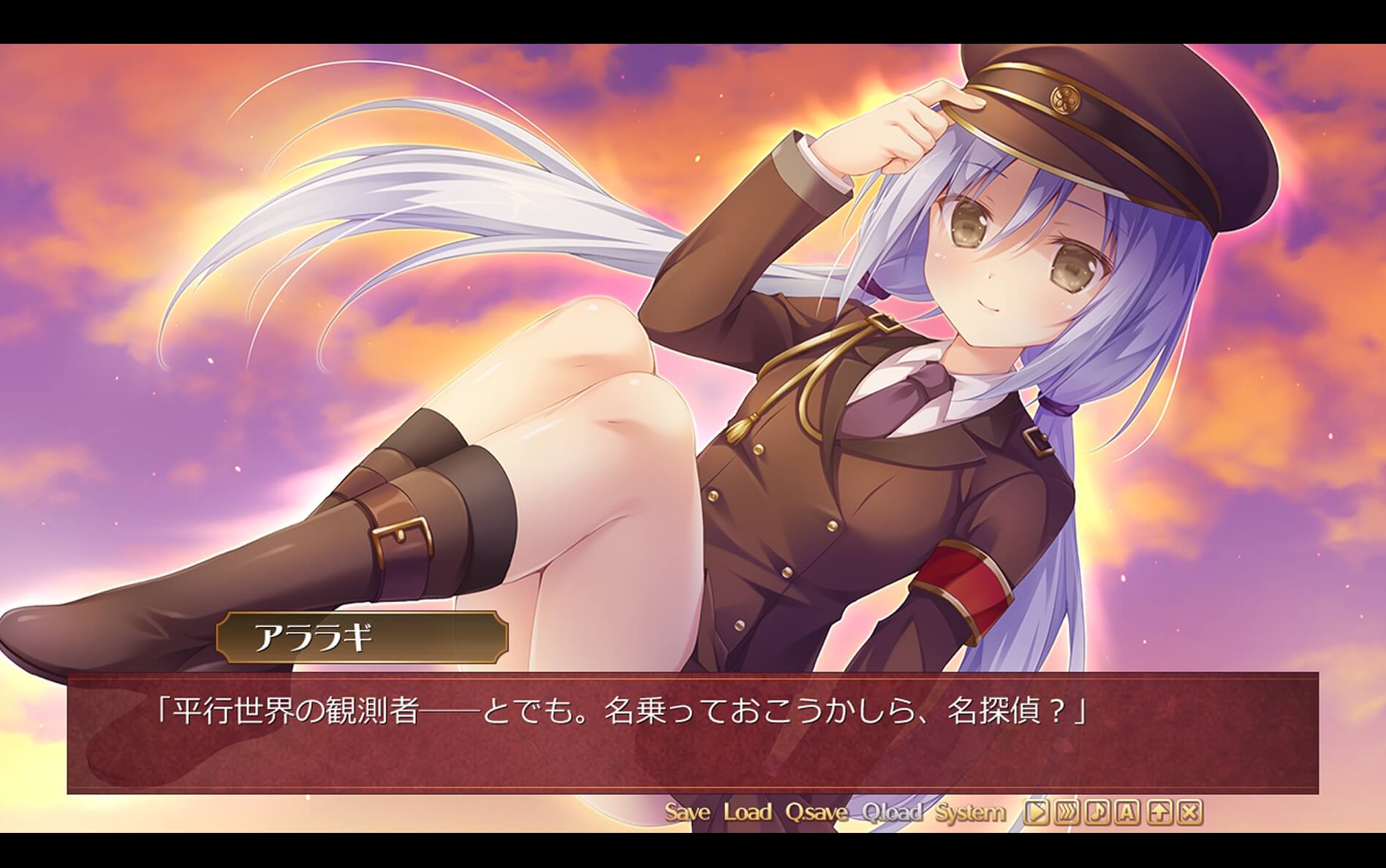
Araragi says this timeline is beyond saving, but there are other timelines that can still be saved, and asks the protagonist to send a telegram to himself in another timeline. The protagonist remembers the telegram he received at the start and understands what’s going on, so he sends out the info about Katō having supernatural powers. The common route ends here.
Shiranui Tōko route:
The protagonist returns to the start of his time slip, but this time receives two telegrams (the ones from the common route). Using his keen intuition, he corrects history across the common route’s events, including preventing the politician’s assassination. He nudges proper history forward a bit — but soon enough he wrecks Sakura no Kumo * Scarlet no Koi’s history again.
Yep, he’s entered a heroine route, so of course history goes off the rails.
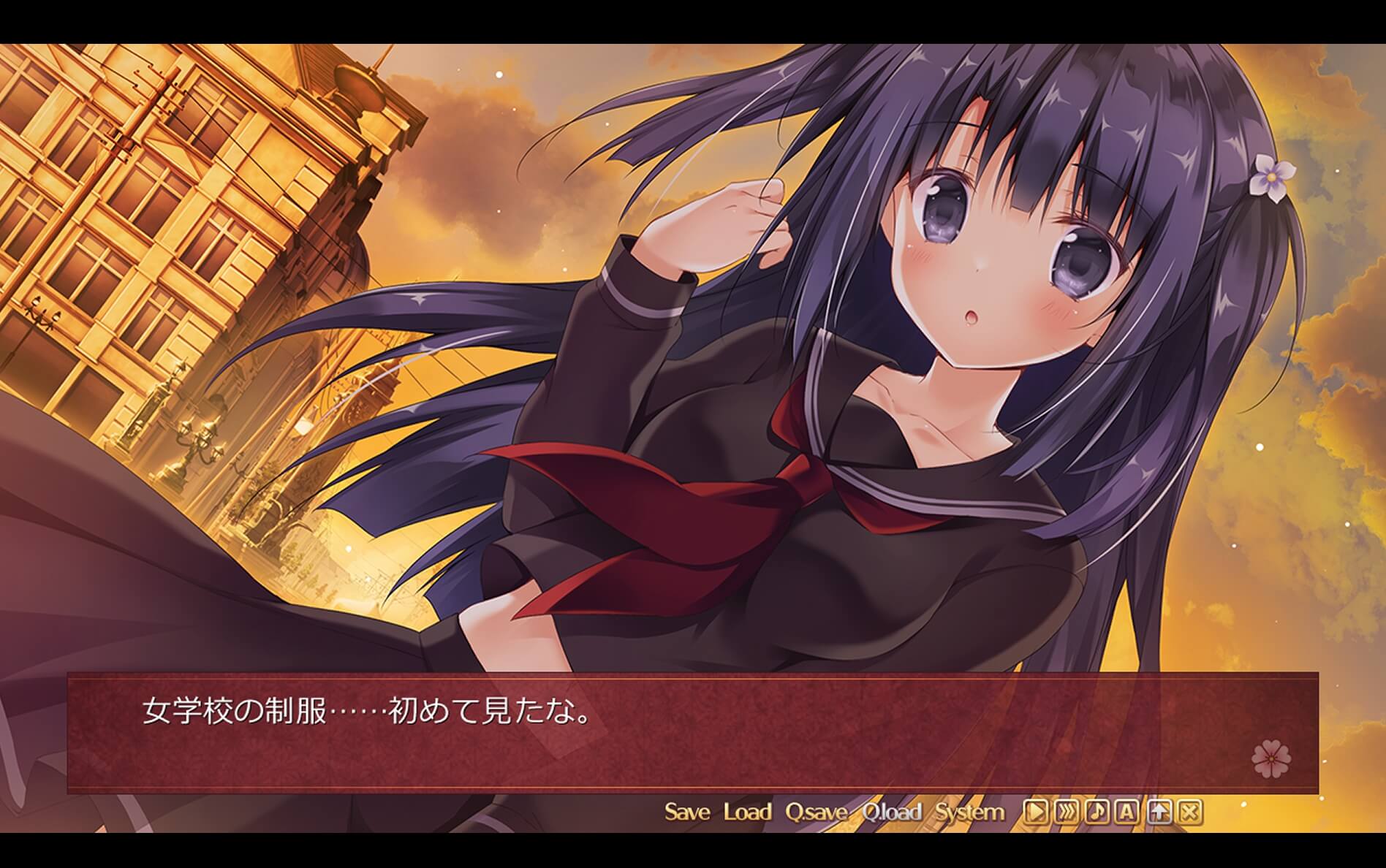
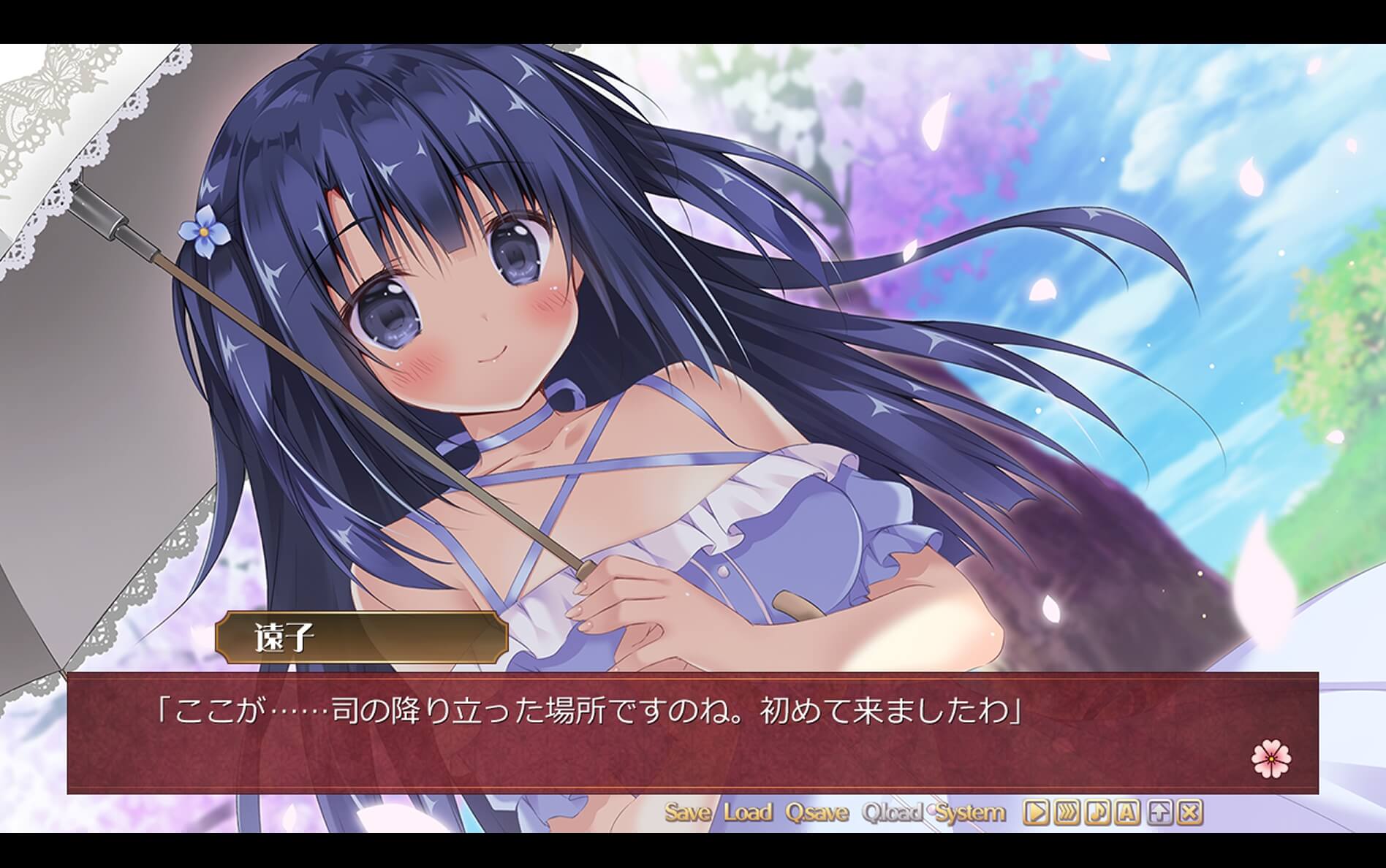
Shiranui Tōko is the Shiranui heiress, and she’s fascinated by the protagonist calling himself a “man from the future.” Once she learns he really is one, she gets even closer to him. Later, while the agency is handling the phantom thief case, Tōko suddenly shows up asking the protagonist to find a silver ring for her, offering 1000 yen if he does.
So the protagonist searches with her, but no matter where they look, the ring never turns up.
Eventually the protagonist’s investigation reveals that Tōko never had the ring at all. Her request was just a way to keep him busy so he wouldn’t dig into what was really behind the “phantom thief.” In fact, Tōko has a connection to the thief.
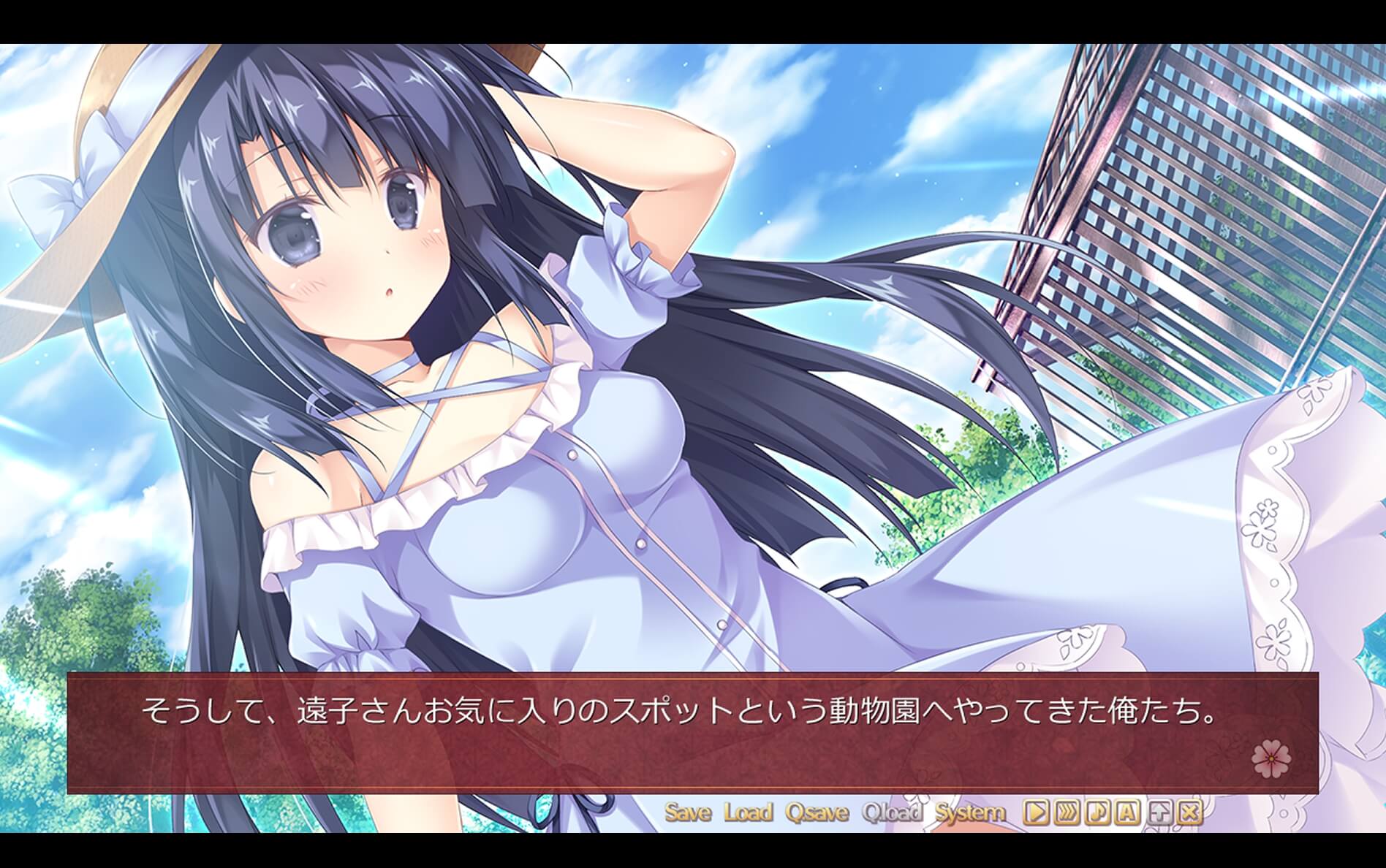
In the end the truth comes out and Tōko’s scheme is exposed.
It turns out the “phantom thief” is a Chinese woman at an underground casino, Li Mei. And the thefts were all ordered by Tōko. Years ago, “Li Mei” — real name Xiao Lian — drifted from China to Japan to study painting, ran out of money, and ended up working at a casino, where a strange, tall, skinny man named Hasekura ordered her to steal curios. So Xiao Lian set her sights on the collection of the Shiranui family’s mistress, Lanhua — a collector and Tōko’s mother — whose house was full of valuables, so Xiao Lian went and stole. Lanhua caught her, but wasn’t even angry — maybe out of sympathy for someone driven to theft by poverty, she just told her to take whatever she wanted… which left Xiao Lian embarrassed.
Finally, while Xiao Lian was stealing the last item, Lanhua happened to pass away from illness, and Lanhua’s daughter Tōko witnessed it. Tōko always believed Xiao Lian killed her mother and stole the collection. Later Tōko found “Xiao Lian” — now going by “Li Mei” at the casino — and said she didn’t want to kill her, but demanded she steal back all the collection pieces she’d taken from the Shiranui house. Li Mei already felt she owed Tōko, so to atone she became the phantom thief and came out of retirement — which is why the city’s thief kept stealing weird, inexplicable things.
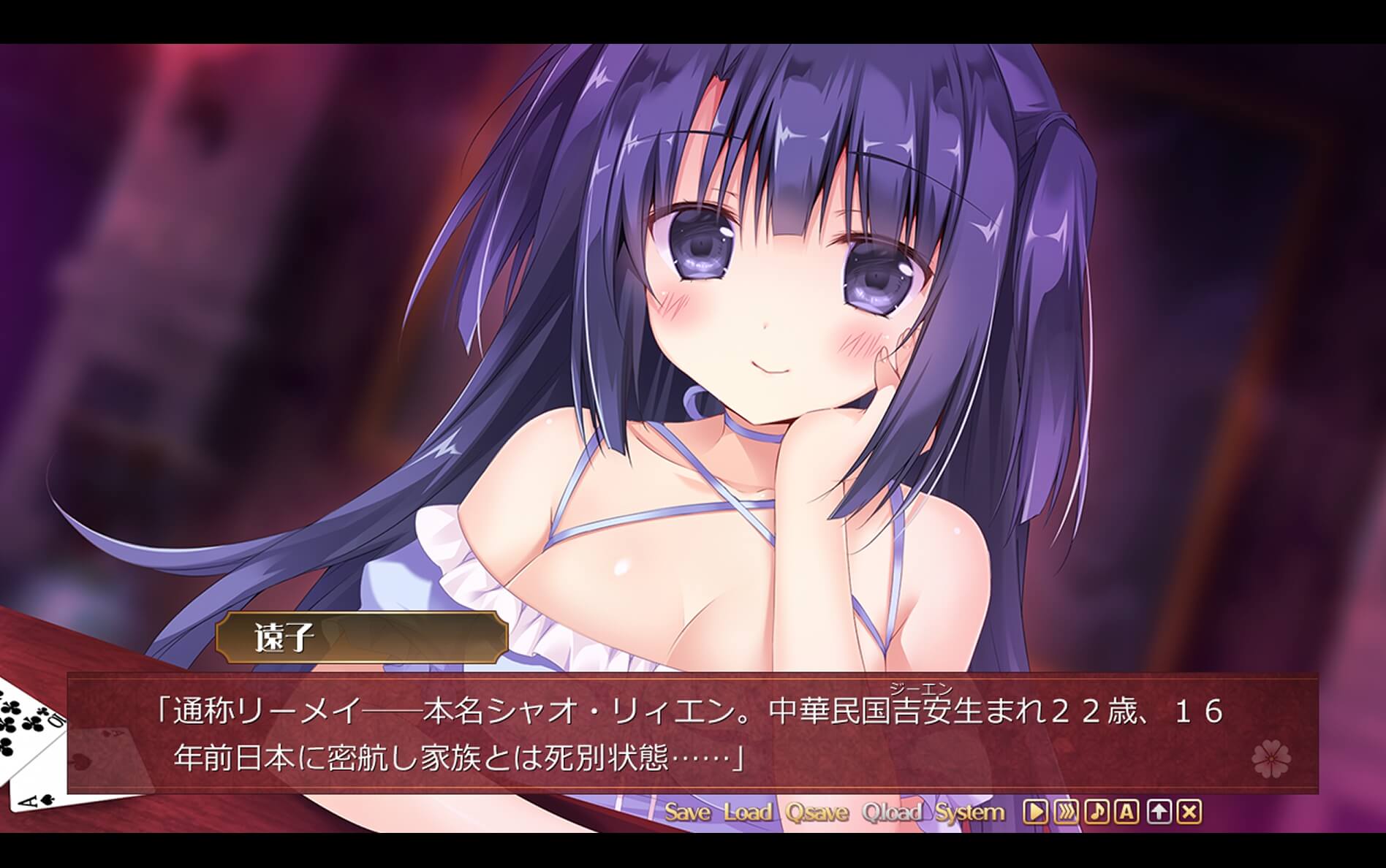
Of course, Tōko eventually learns the truth about Li Mei and her mother — it was all a misunderstanding — so she drops the idea of making Li Mei keep playing thief. If her mom didn’t want the collection anyway, then losing it is fine.
Problem solved, and there’s not much else to say about this route — it’s all flirting. Araragi appears and says the protagonist has now completely changed history and can’t go back. The protagonist says he’s got a girlfriend now, so not going back is fine.
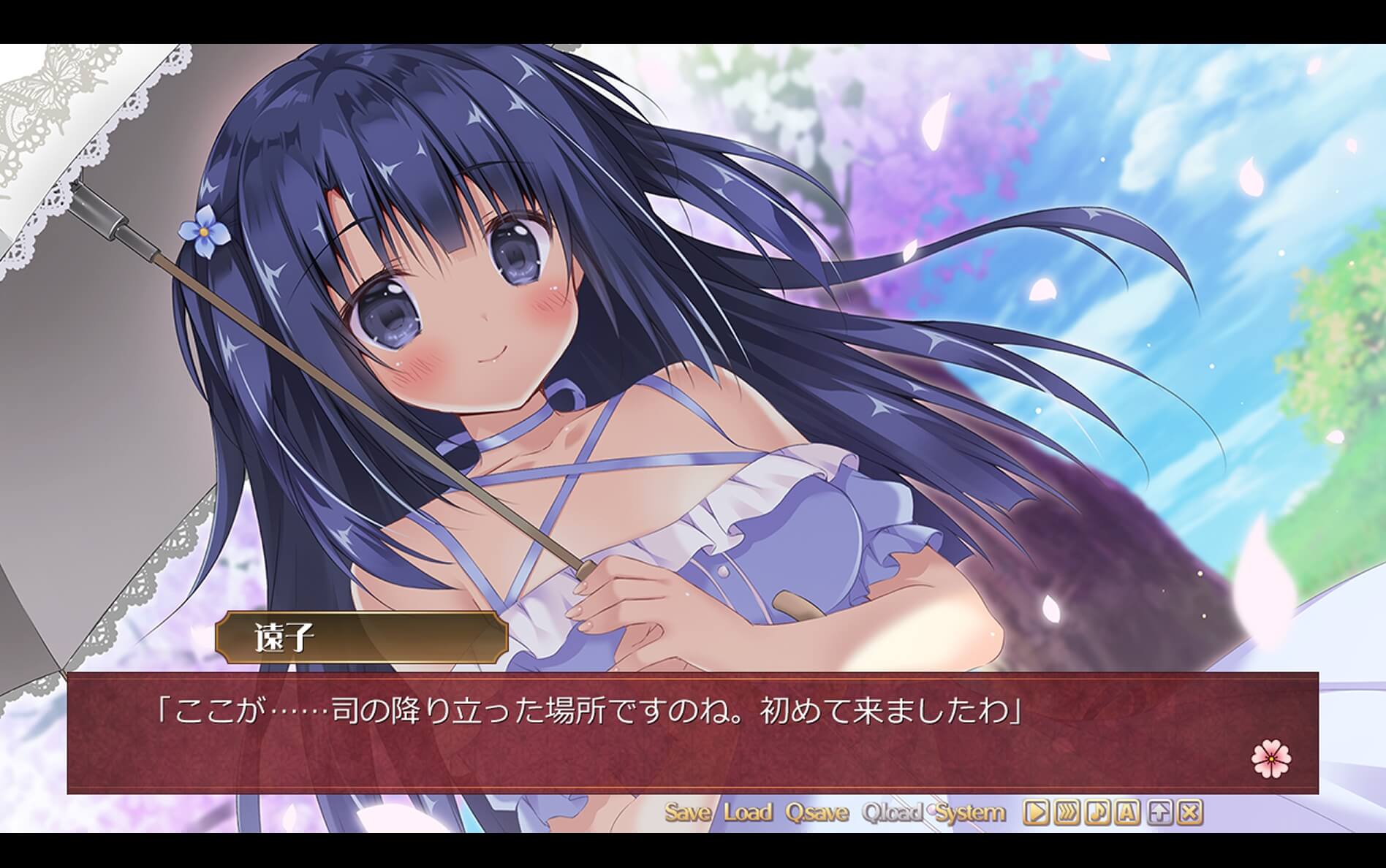
Naturally he doesn’t forget to send a telegram to himself in the other timeline, and the route ends.
Ren route
Ren’s route is easier to summarize. Once again the protagonist returns to the start of the common route, receives the telegrams from the parallel world, prevents the revolutionary leader’s assassination, and ensures history proceeds normally…
And then it goes off the rails again. Yes, he falls in love again — this time with Ren.
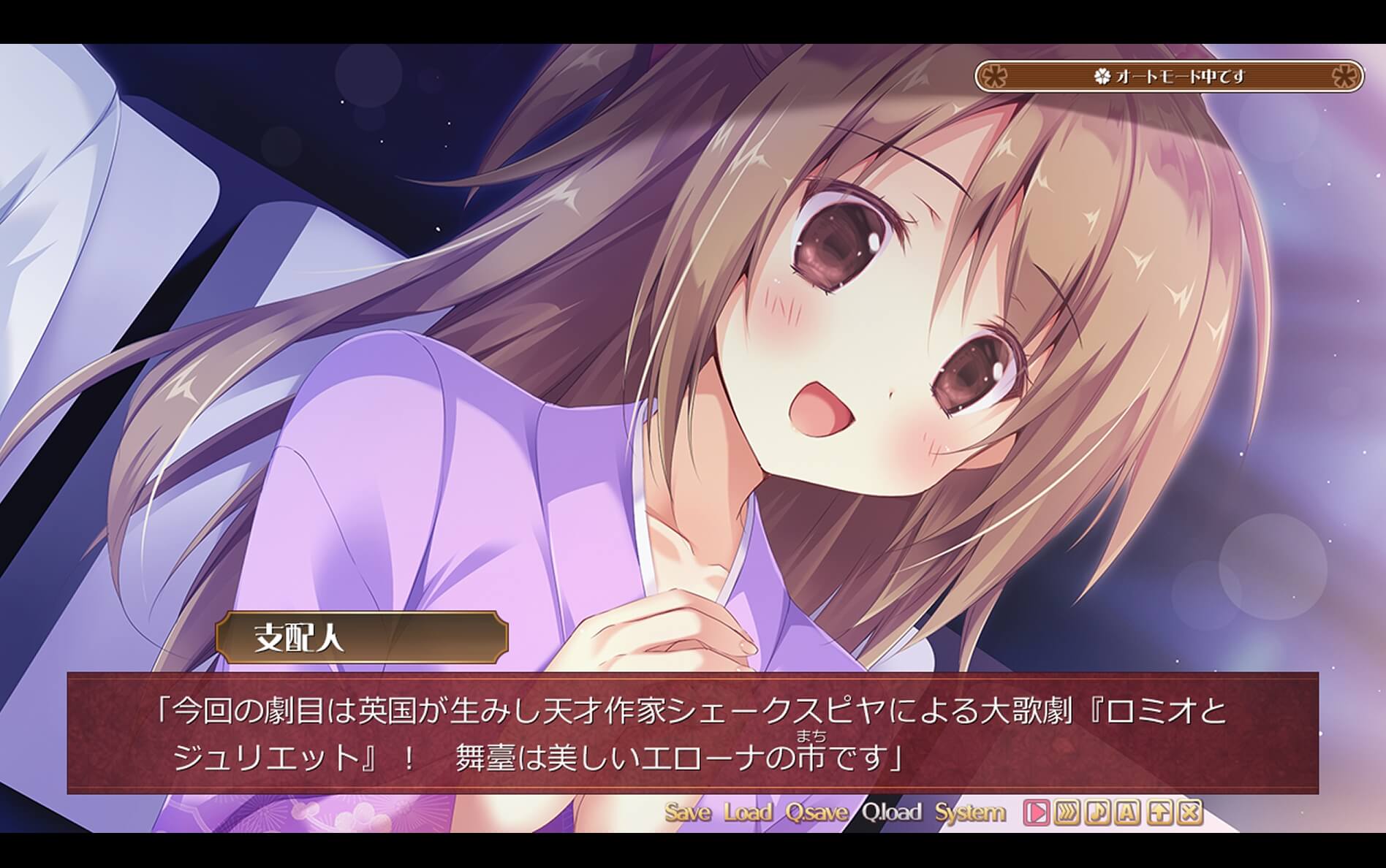
Worth noting that in this route Ren’s romance is basically a bonus; there’s also some side story tying up smaller foreshadowing, like making a German Baumkuchen, the wolf stuff, etc. But the real story is the “perpetual motion machine incident”: a wealthy merchant named Narita asks the agency for help, saying a recent Antarctic expedition discovered a special magnet, and this tech could produce a perpetual motion machine. Get the rights to it and you’d naturally make a fortune.
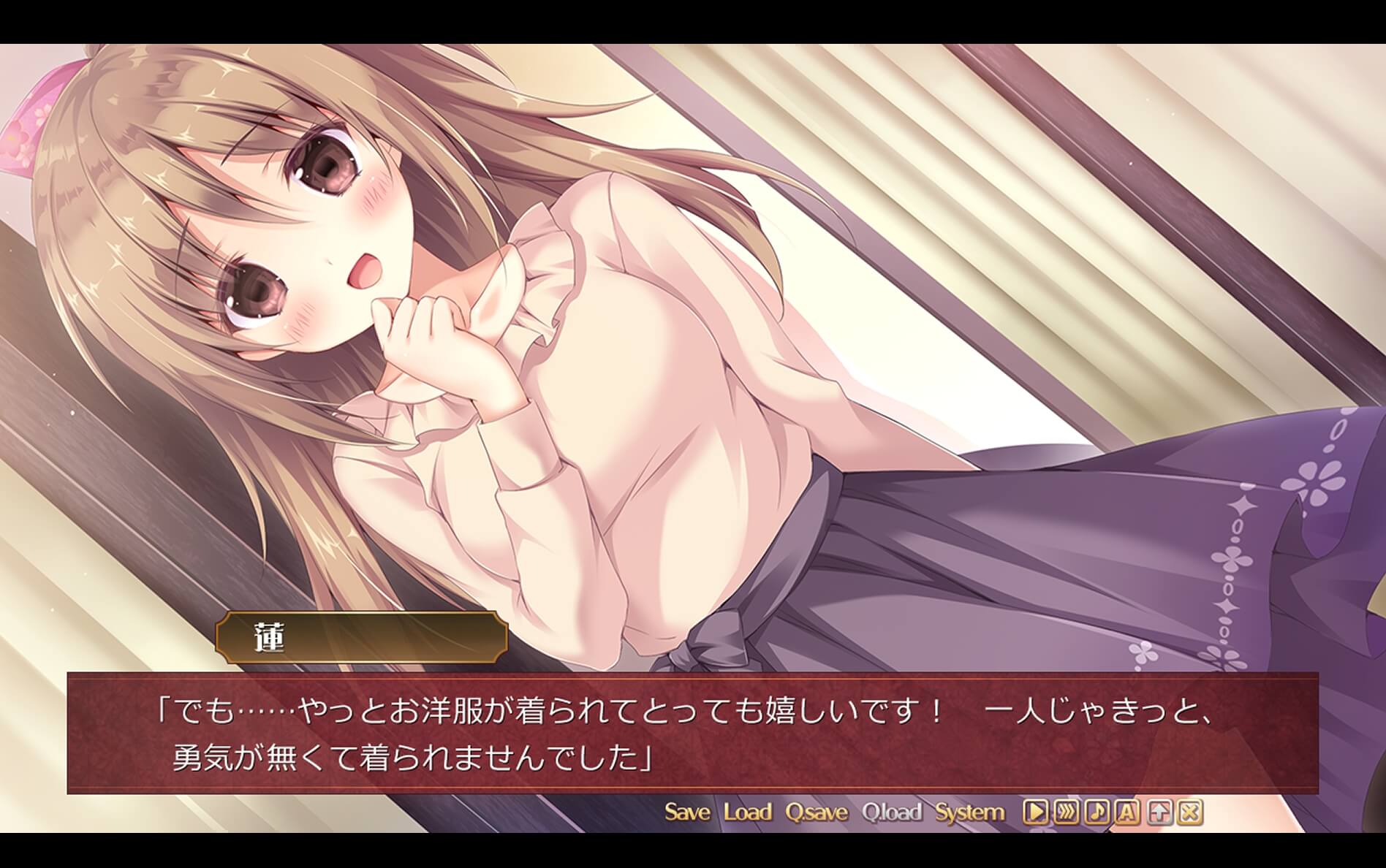
Of course, the protagonist, as a man from the future, knows the “perpetual motion machine” doesn’t exist, and the director knows too — but if a rich merchant is paying big money to have it looked into, they might as well investigate.
In the end, no surprises: the perpetual motion machine doesn’t exist. But they do learn why the merchant was so obsessed with finding one. He claims he was ordered (feels more like threatened) by the military’s Katō to raise a massive amount of funds, and building a perpetual motion machine and monopolizing the tech would be the fastest way to make money, so that’s what he did.
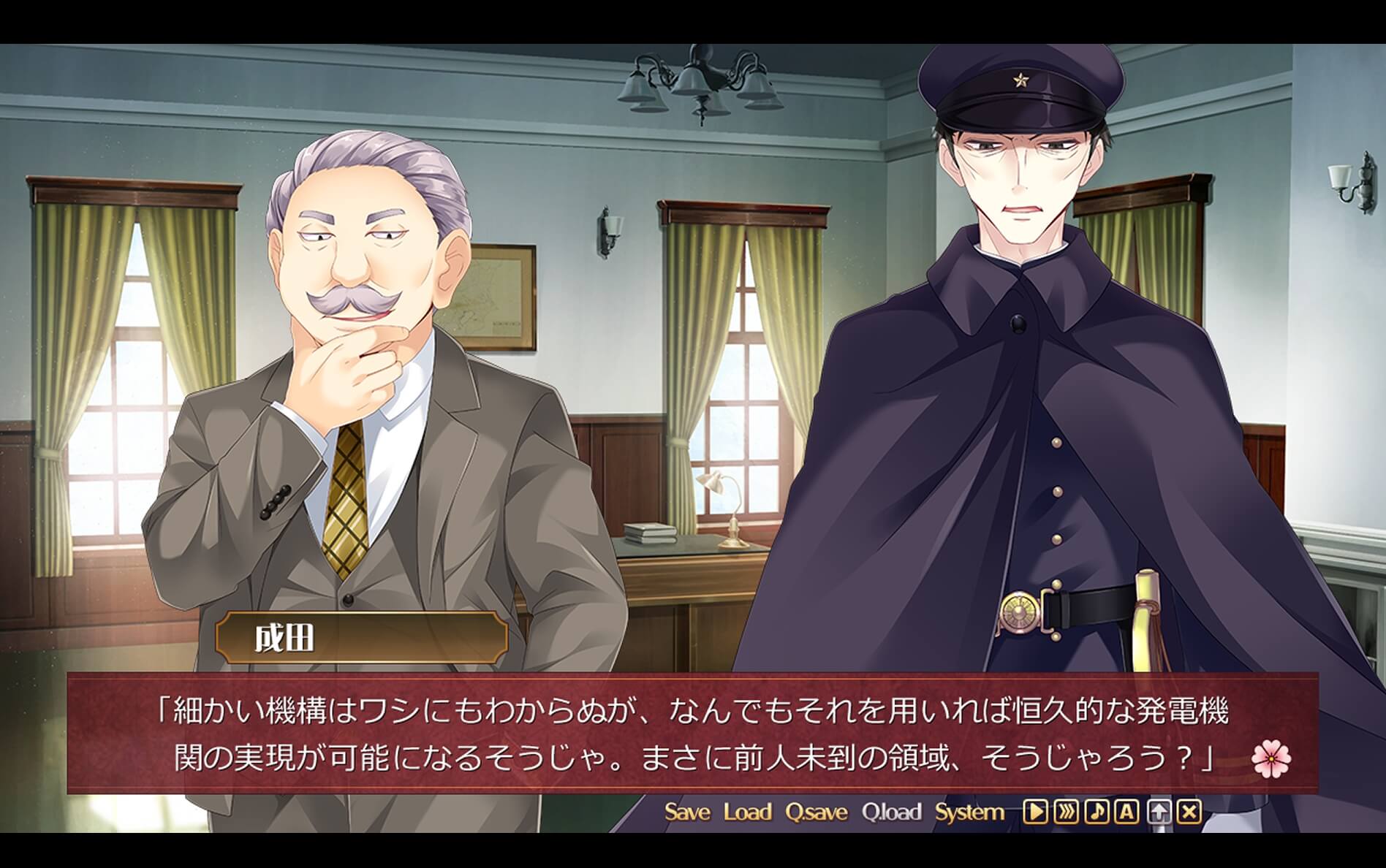
Narita also says the military’s current leader Katō is incredibly “farsighted” — he can even accurately predict future events. The military is raising huge funds for future disasters and rebuilding the imperial capital. Katō is also building geothermal power in Oita Prefecture. Narita figures his perpetual motion machine has way more potential than geothermal, but when he brought it up he got ignored.
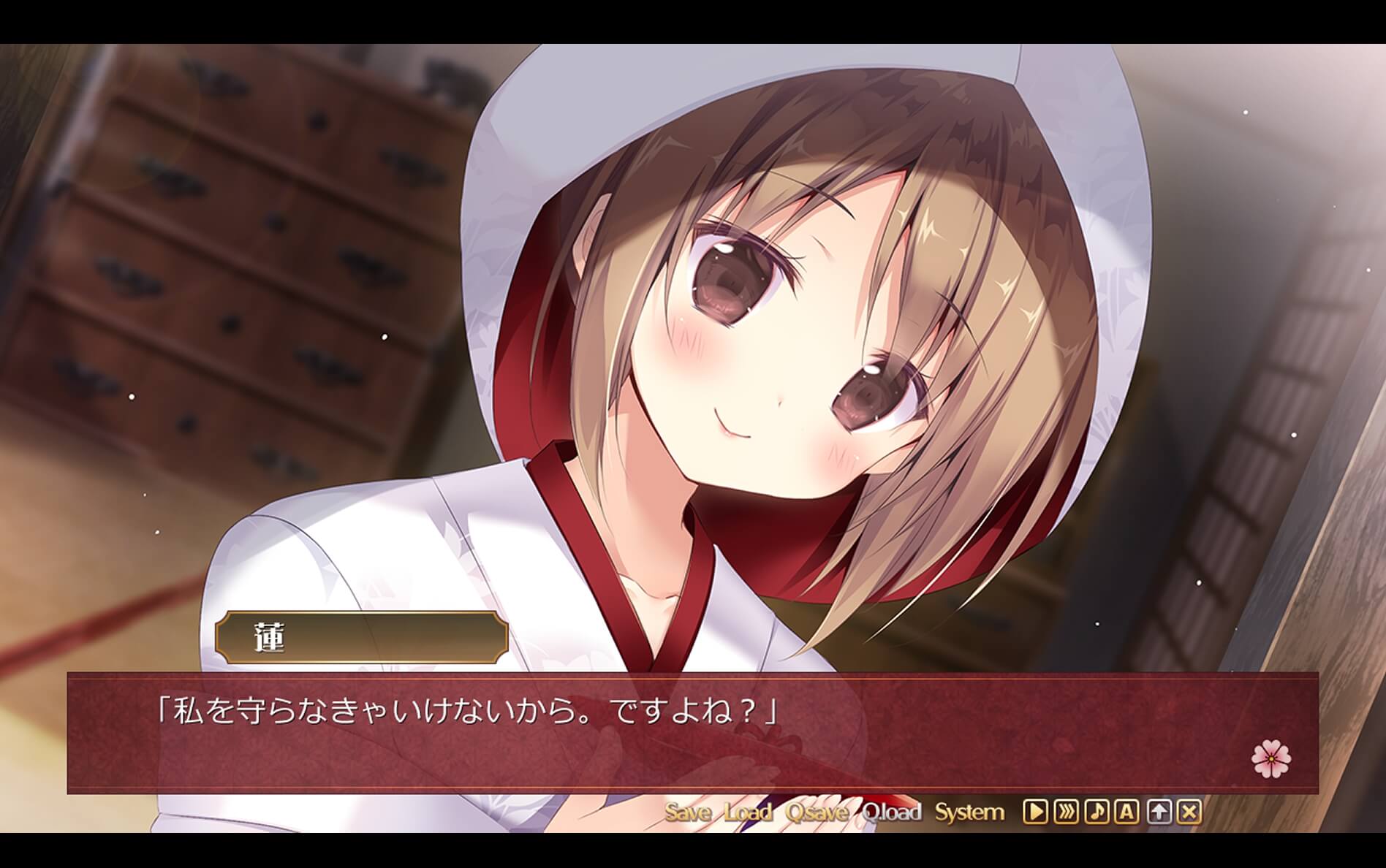
Naturally the route ends with the protagonist staying in the Taisho era, falling in love with and marrying Ren. Personally I think the main point of the whole thing is just revealing the “perpetual motion machine” thread.
Melissa route
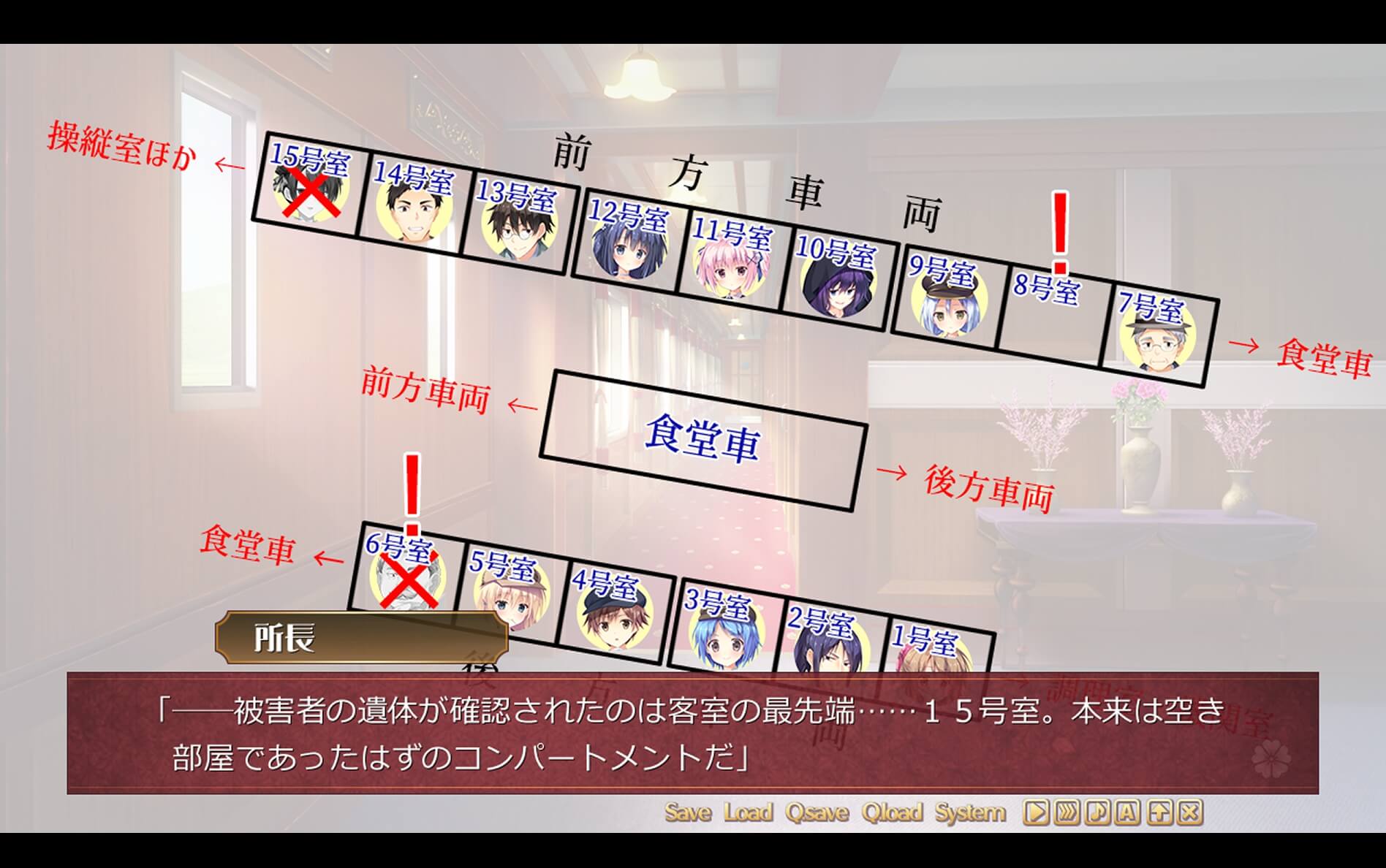
Melissa’s route is kind of weird. The game just says everyone receives an invitation and boards a train heading somewhere unknown — basically every character in the game is on it (including Araragi). Then while the train is moving, a murder happens: the wealthy merchant Narita and Ms. Li Mei are killed one after another. The protagonist, being from the agency, starts investigating. This route feels like a goddamn Conan episode. Anyway, who did it doesn’t really matter; what matters is that on this route, the protagonist learns from Narita’s notebook about a “prophet woman” who once lived in a mountain village, surname Kayano, who could see the future. She later left the village for the city and is very likely on this train — the real reason all these people were invited.
Of course, the woman turns out to be Melissa herself — full name Kayano Melissa, with a moon-shaped birthmark on her shoulder. At the end, Melissa offers to help the protagonist with his problem: she can see the future, she can tell he isn’t from this era, and she’s willing to use her power to help him fix history and prevent the tragedy. Then the route ends. And yes, there’s a telegram.
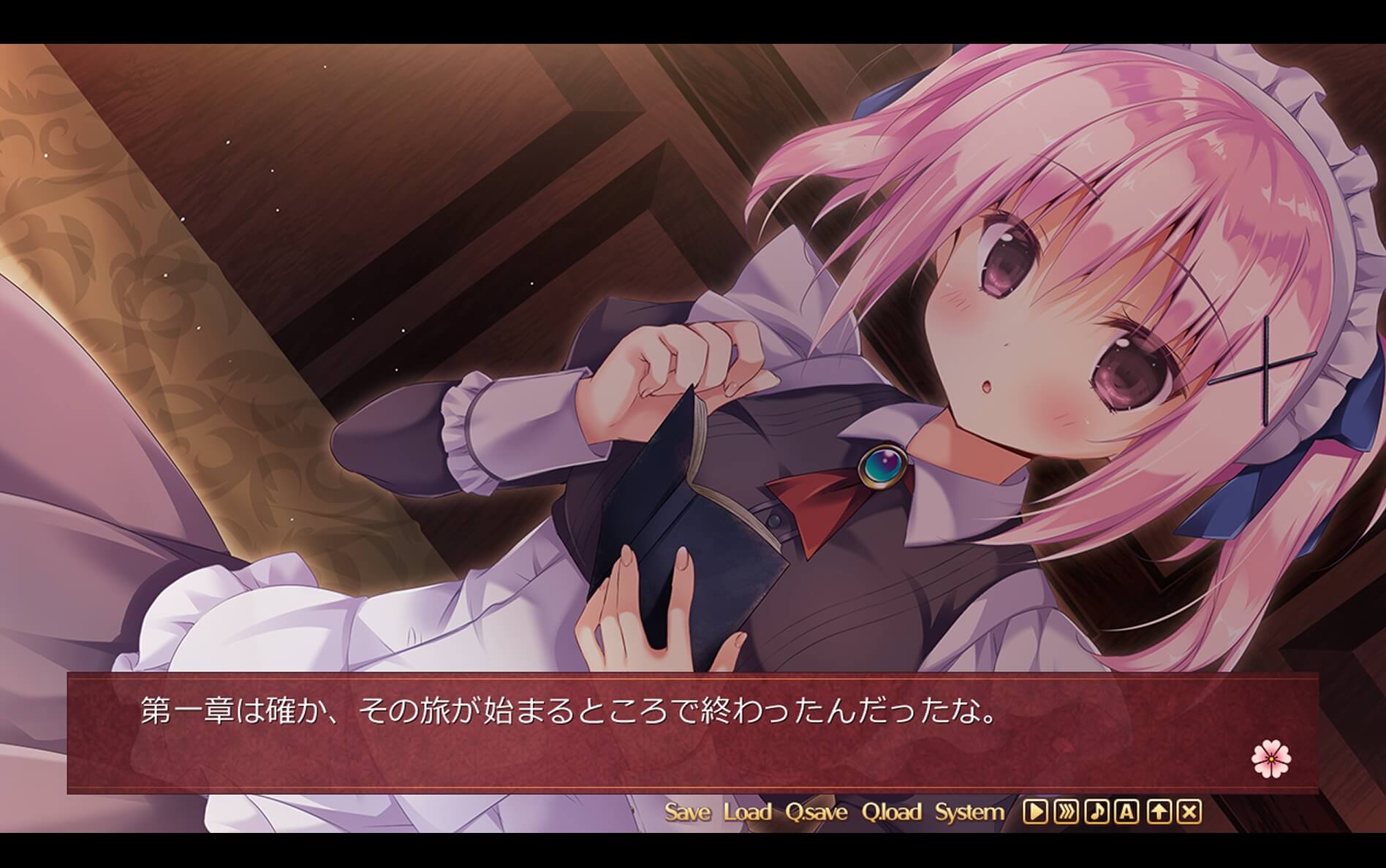
Put simply, the whole point of this route is to build a giant detective drama that looks like a train murder mystery, all so it can reveal that Melissa is the esper.
And it ties back to what Araragi told the protagonist earlier: “There’s only one esper in this era, and you’ve already met them.”
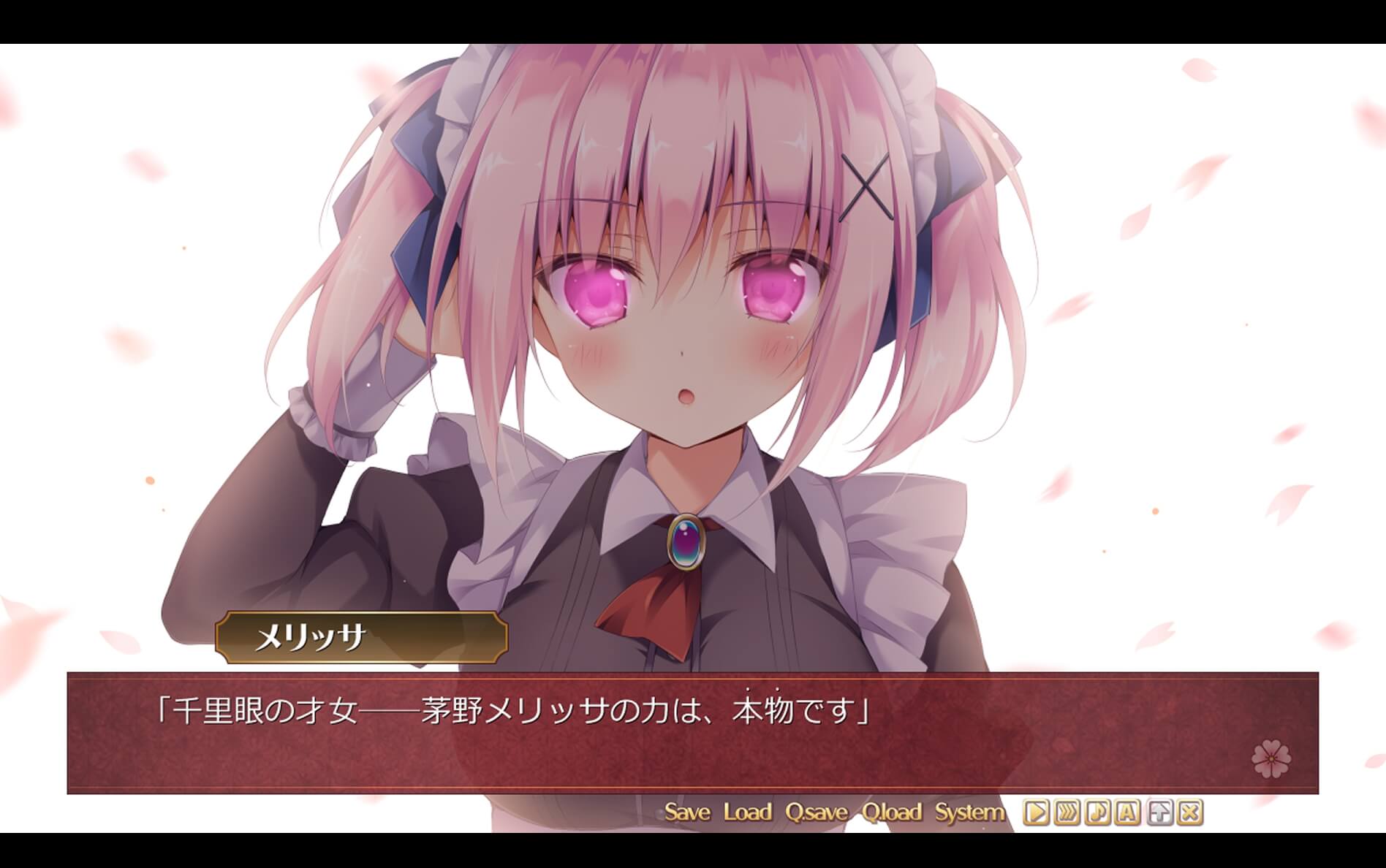
The game keeps misdirecting you into thinking the esper is Katō, but it isn’t — classic smokescreen.
Director route
The final route is the director’s route. The protagonist once again returns to the beginning, obtains all the telegrams, and learns all the secrets. Let’s list them:
- Katō is building geothermal power in Oita Prefecture, as if to support some facility he’s constructing
- Katō is “foreseeing the future” in many places, gaining a lot of trust and prestige from it
- Katō is collecting massive funds from wealthy merchants (so Narita was chasing perpetual motion machines and prophets, all for quick money)
- Katō seems to know the Great Kanto Earthquake is coming, and plans to use his prestige and money for the “Imperial Capital Reconstruction Plan” afterward
- Katō’s original name seems to be “Hasekura XX”; he used to hang around casinos and incited the casino’s Li Mei to steal Tōko’s mother’s collection
- Melissa has supernatural powers
Then the protagonist makes an inference:
Katō isn’t from this era either. He’s also a time traveler from the future, and he wants to drag Japan into militarism. The key to stopping him is Melissa’s power.
Hasekura, huh. Here’s my complaint: was I the only one who could tell from the very start that Katō is a man from the future? The way he talks, his attitude, his understanding of literature far beyond the era — none of that is a “Taisho-era” person. Why does the game wait until the very end to play coy and reveal it?
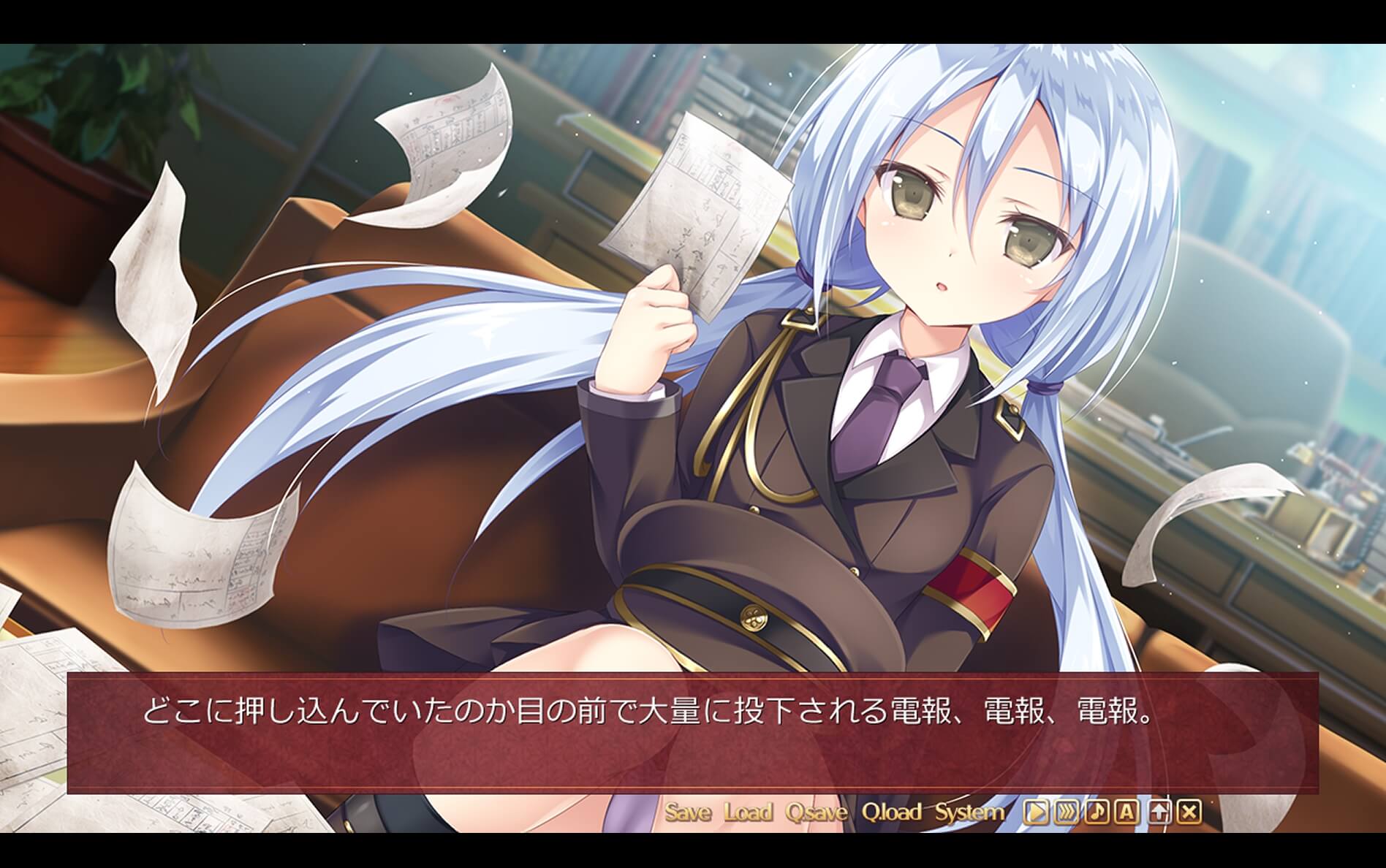
After deducing the truth about Katō, the director realizes the current history has been “distorted” by the meddling of two future men, the protagonist and Katō. She wants the protagonist to return to his own era, so she starts investigating on her own, hoping to erase the distortion.
She also discovers that the local “otaku scholar” Bansai claims to be researching a “time machine” and seems to be making progress — though he’s also in the middle of an arranged marriage meeting with a girl named Sayoko, and since he’s preparing to propose, development has slowed a bit.
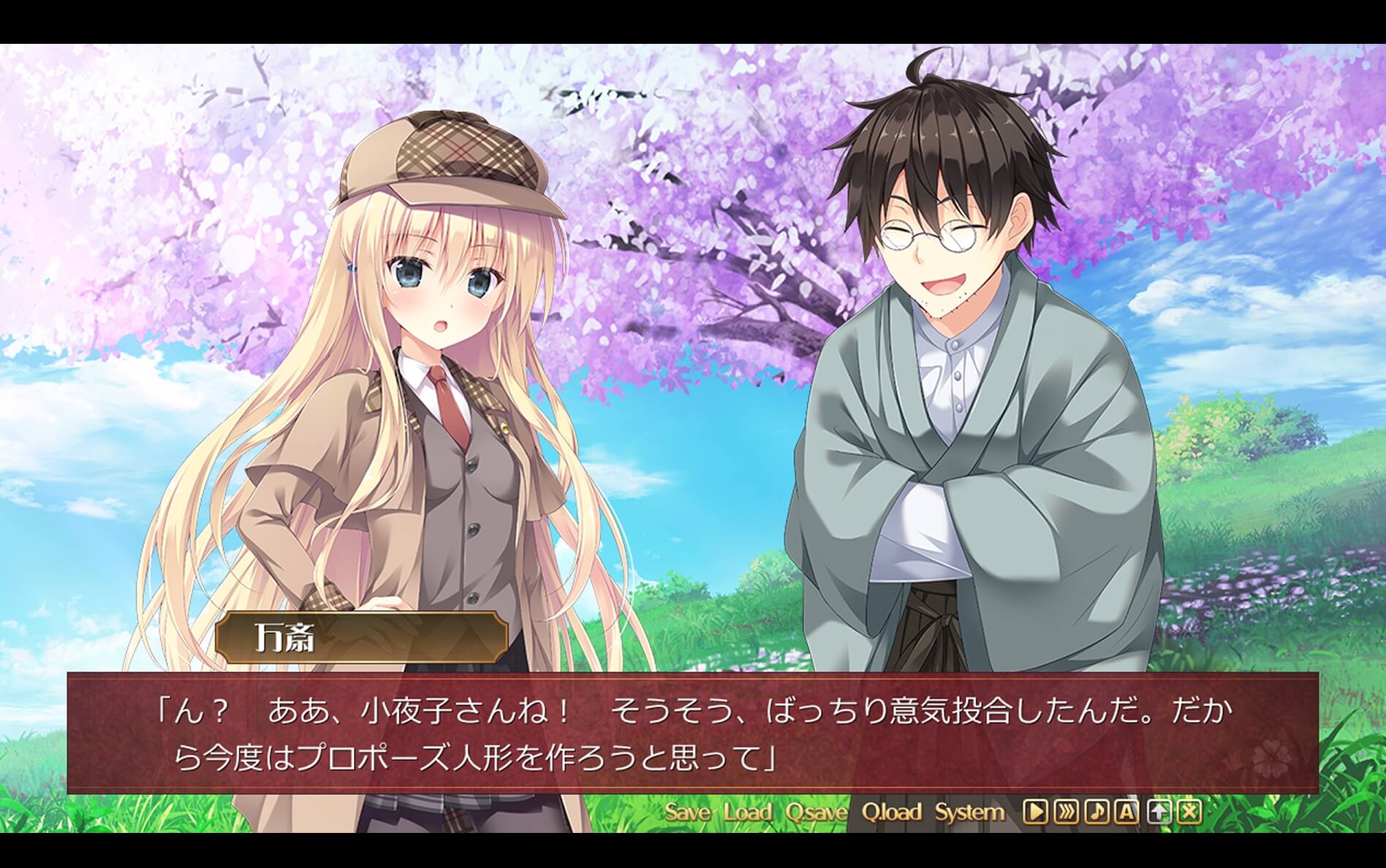
But the investigation’s results leave the director confused: she finds the protagonist seems to have no desire at all to “return to the future,” and has been dragging his feet the whole time.
Finally, pressed by the director, the protagonist admits it: he really is from the future. From 2020 Japan, when the era was called “Sakura no Kumo” (桜雲). A third world war broke out, and as a soldier he suffered terribly in it, so he accidentally used a time machine to travel back 100 years. He originally wanted to change history, but found things are actually pretty nice here. If he really fixed history and went back to the “Sakura no Kumo” era of 2020, there’d still be a third world war. Might as well stay 100 years in the past, chase girls, and live a quiet life.
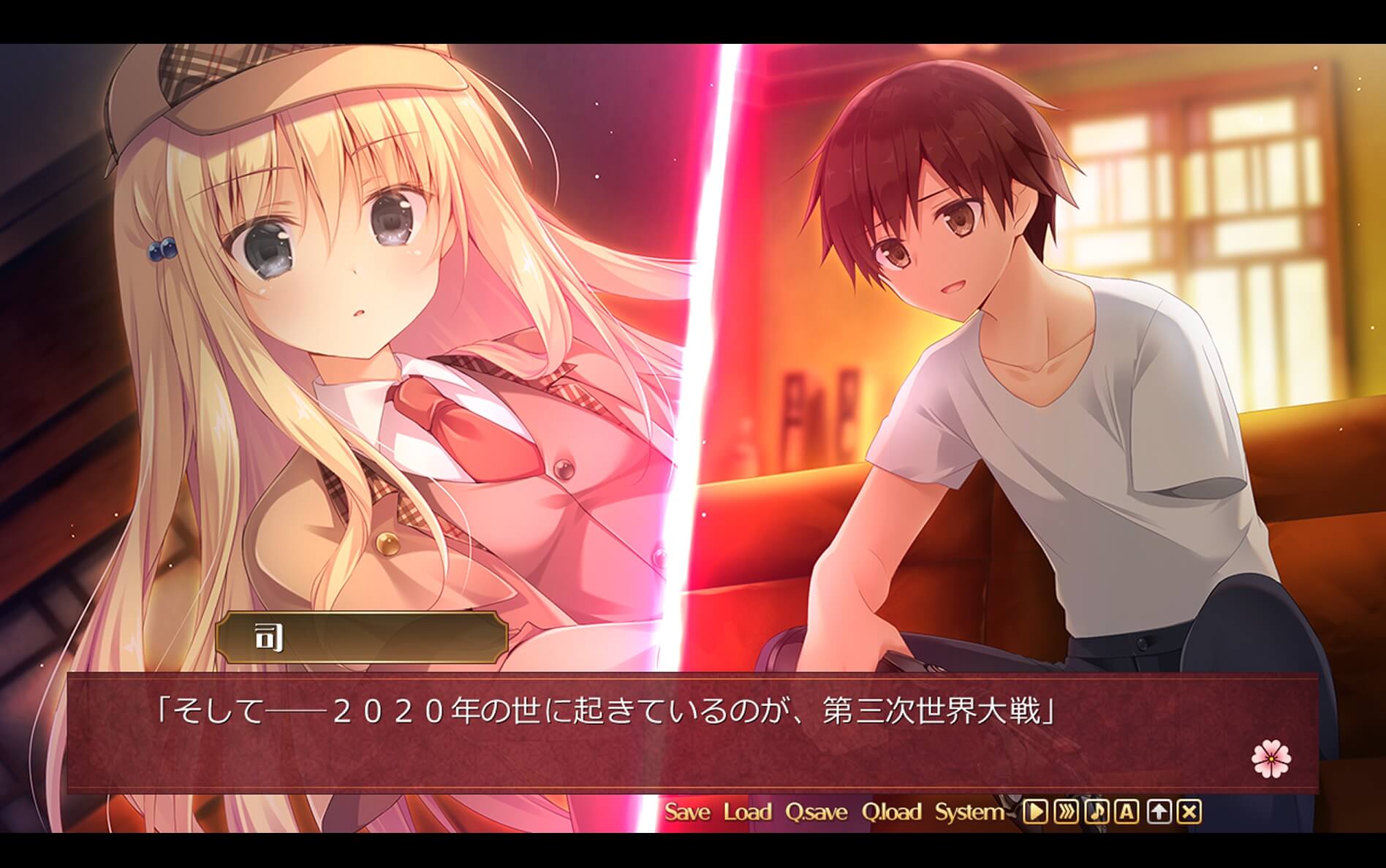
This explains three things:
- The 2020 the protagonist comes from isn’t the “Reiwa” era we all know — it’s called “Sakura no Kumo,” so it should be a parallel world
- In the “Sakura no Kumo” era, there was a third world war, the Black Death ran rampant again, and the world became a living hell
- As a soldier, the protagonist traveled back 100 years and genuinely doesn’t want to go back or fix history. Why fix it and return to that hell?
In the end, the director talks some sense into him. He finally wakes up and realizes he doesn’t belong to this era, shouldn’t be steering history, and should go home.
But to go home, he has to eliminate the “distortions of history” in this world, so a new round of investigation begins. This time he brings along Melissa, who can see the future — her eyes can also see the purple light behind people, which indicates the degree of historical distortion. Eliminate those distortions and things should be fine.
So they run around fixing history, but discover no matter how much they fix, it can’t be fully eliminated — because of one fatal reason: the distortions aren’t just from Katō. They’re also from the protagonist. Neither of them belongs in this era. What can you do?
And then the director discovers something worse: the otaku scholar Bansai has been taken by Katō to a mysterious underground facility.
The facility was built by Katō using geothermal power technology. When the protagonist and crew arrive, they find the inside is just unbelievably insane: there’s a cherry tree portal. Katō says this is the legendary time machine, codename Araragi.
Well, that explains it — the girl Araragi was the time machine’s avatar all along. No wonder she wanted history fixed; it’s the time machine’s self-error-correction function.
So who developed the time machine? The otaku scholar Bansai. He says Katō gave him a bunch of incredibly advanced papers, and after reading them he had a breakthrough and built the time machine fast. Originally, Bansai would have discovered the theory behind the time machine in history too, but Taisho-era technology couldn’t build it — now he just gave it a push.
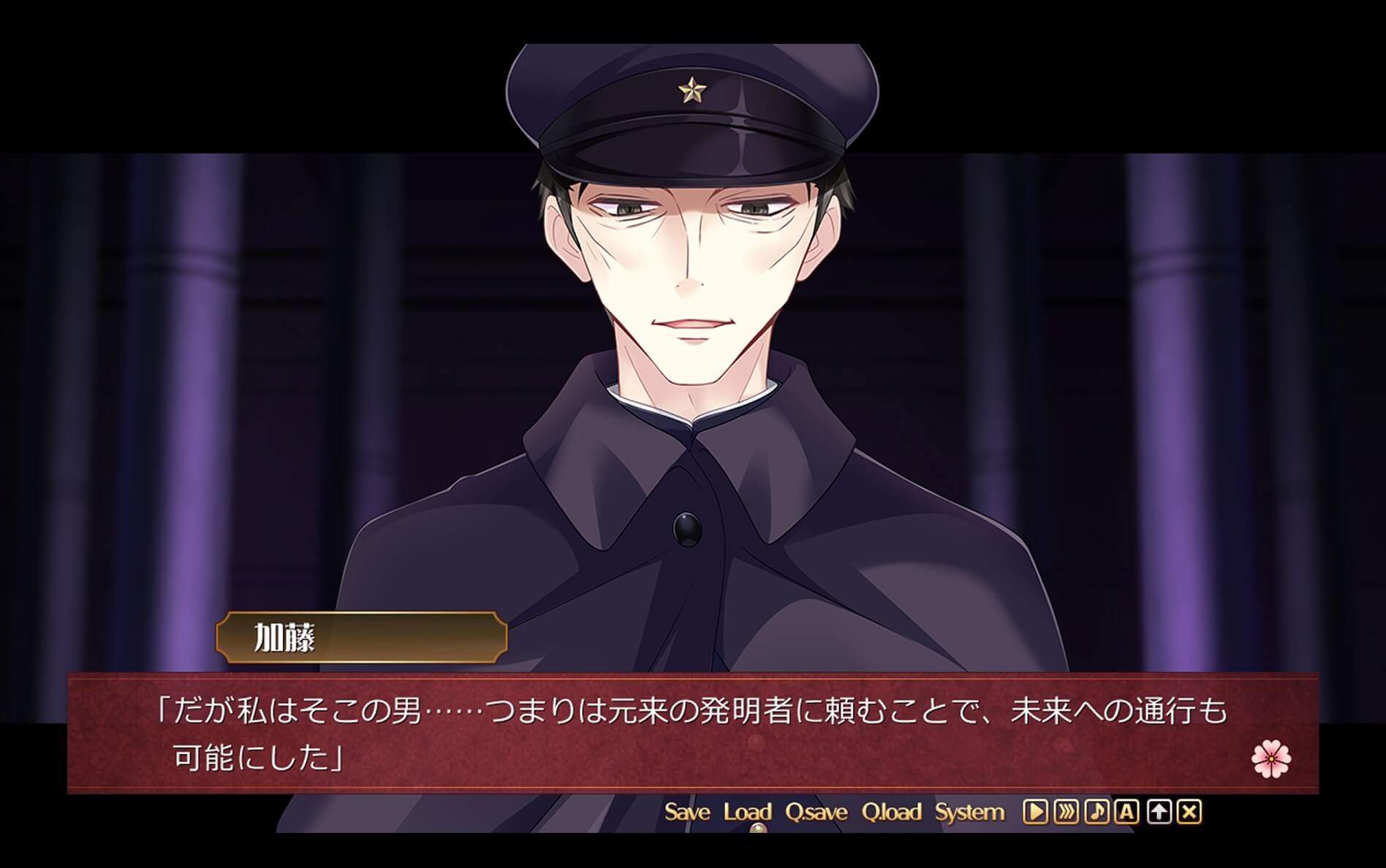
Finally, Katō reveals that he’s actually from 2110. Japan then was ravaged by war too, so he used a time machine to come to the Taisho era and use his abilities to fix history, keep Japan from that tragic path, and build a new Greater Japanese Empire.
So Katō is from even later than the protagonist.
But by now the protagonist has his own view, aligned with the director: people like him and Katō — “future people” — should return to their own future and not interfere with history. Katō, of course, completely rejects this. He plans to create a new history from scratch and avoid the tragedy of 2110.
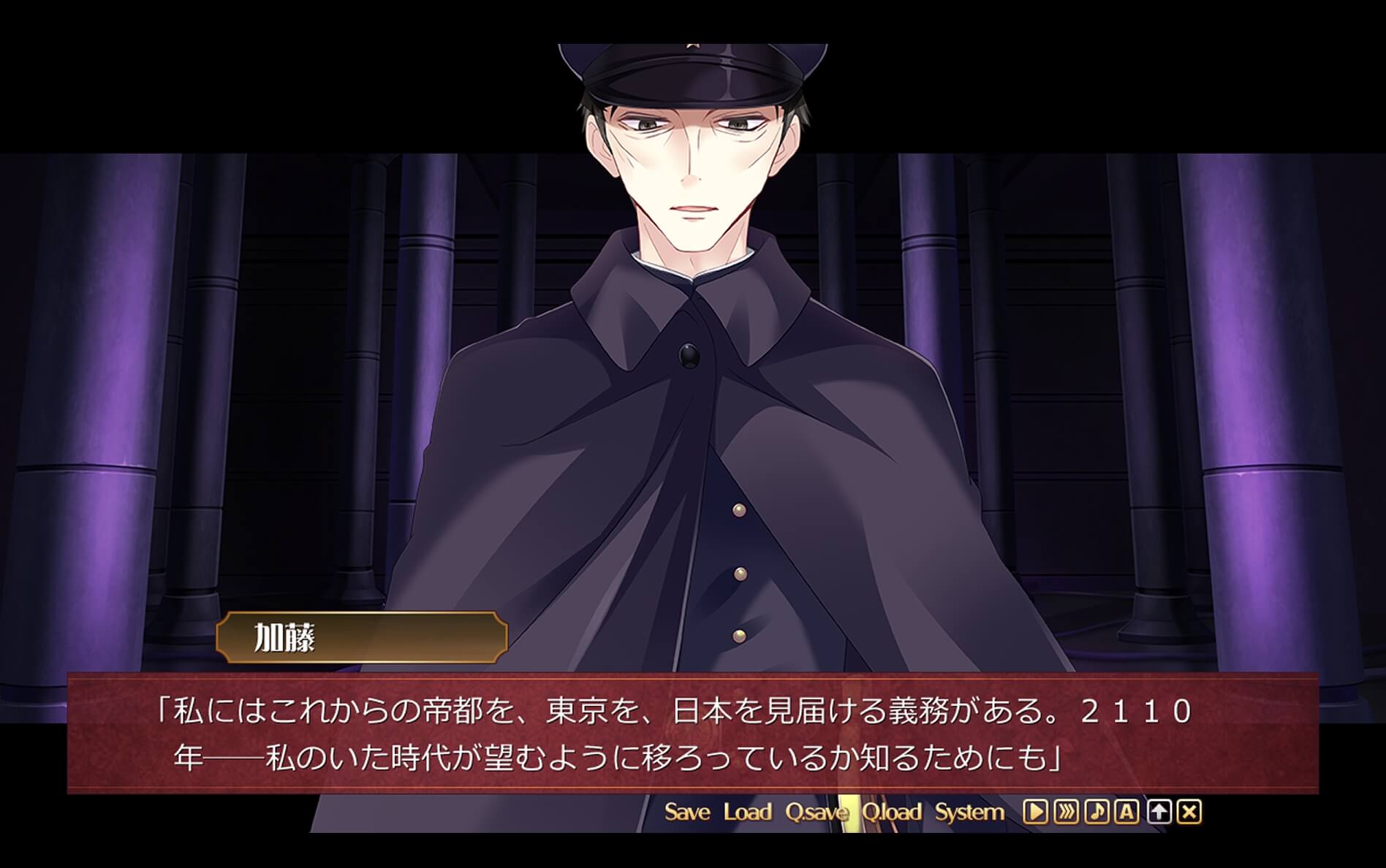
Katō proudly declares that he already used the future papers, geothermal energy, and the scholar Bansai to invent the time machine many years early. He plans to use it to leap further back in time and keep fixing history until 2110 — since living year by year is too slow and he wouldn’t live long enough, a time machine is much more convenient.
Because the time machine was just built, he urgently needs a test subject like the protagonist — someone who “doesn’t exist in history,” so no matter how he travels, no paradoxes occur.
Just as the protagonist is being threatened, the director appears and uses Araragi to deliver a letter to the scholar Bansai. After he reads it, Katō suddenly feels unbearable pain, as if his body is about to vanish.
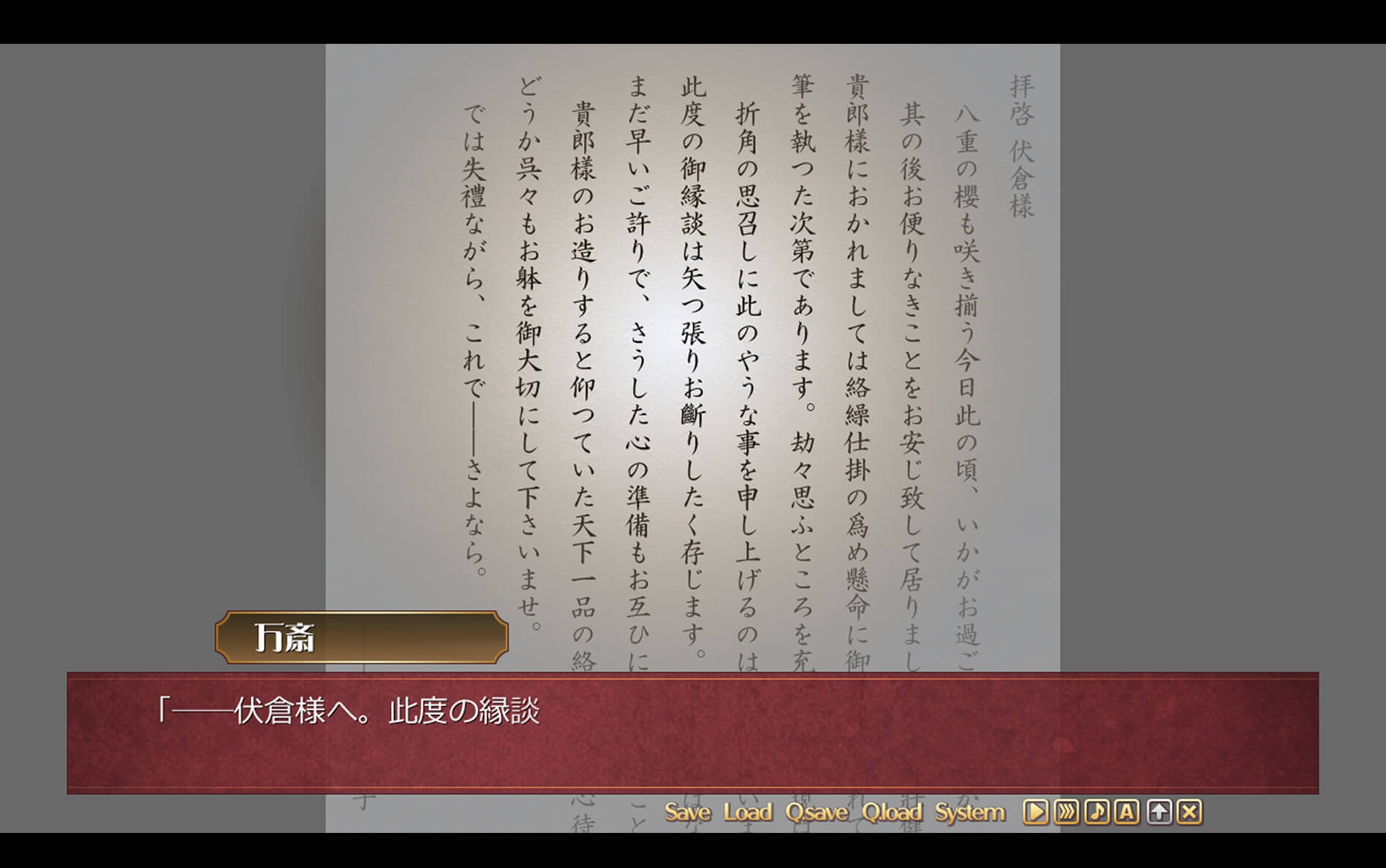
Turns out the letter the director gave Bansai was from his arranged-marriage partner Sayoko, saying that since Bansai stood her up, they’re probably done — let’s break up.
Why would Bansai and Sayoko breaking up make Katō disappear?
Yep, you guessed it. Katō is, historically, the descendant of Bansai and Sayoko. Bansai and Sayoko were supposed to marry, have children, and eventually Katō would be born. But Katō, to speed up the time machine’s construction, took Bansai away to focus entirely on building it, so he missed his meeting with Sayoko, they never married, his ancestors were gone, and naturally he shouldn’t exist.
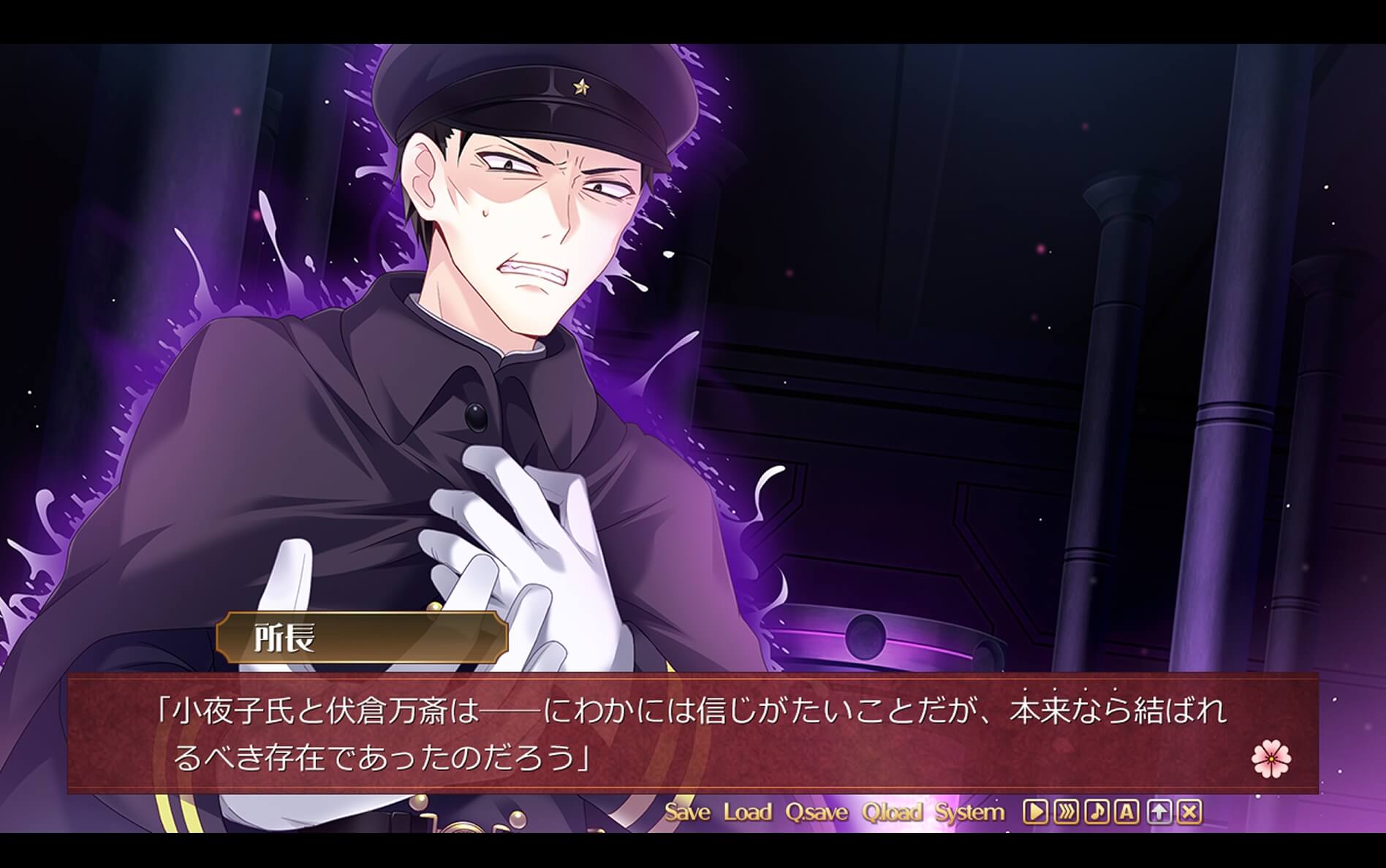
Katō’s surname isn’t Hasekura at all — it’s Fushikura. The scholar’s full name is Fushikura Bansai.
In the end, Katō vanishes, and the scheme is over. Even so, history has been changed — but Araragi says the protagonist can still return to 2020, since he himself is “the greatest distortion in Taisho-era history.”
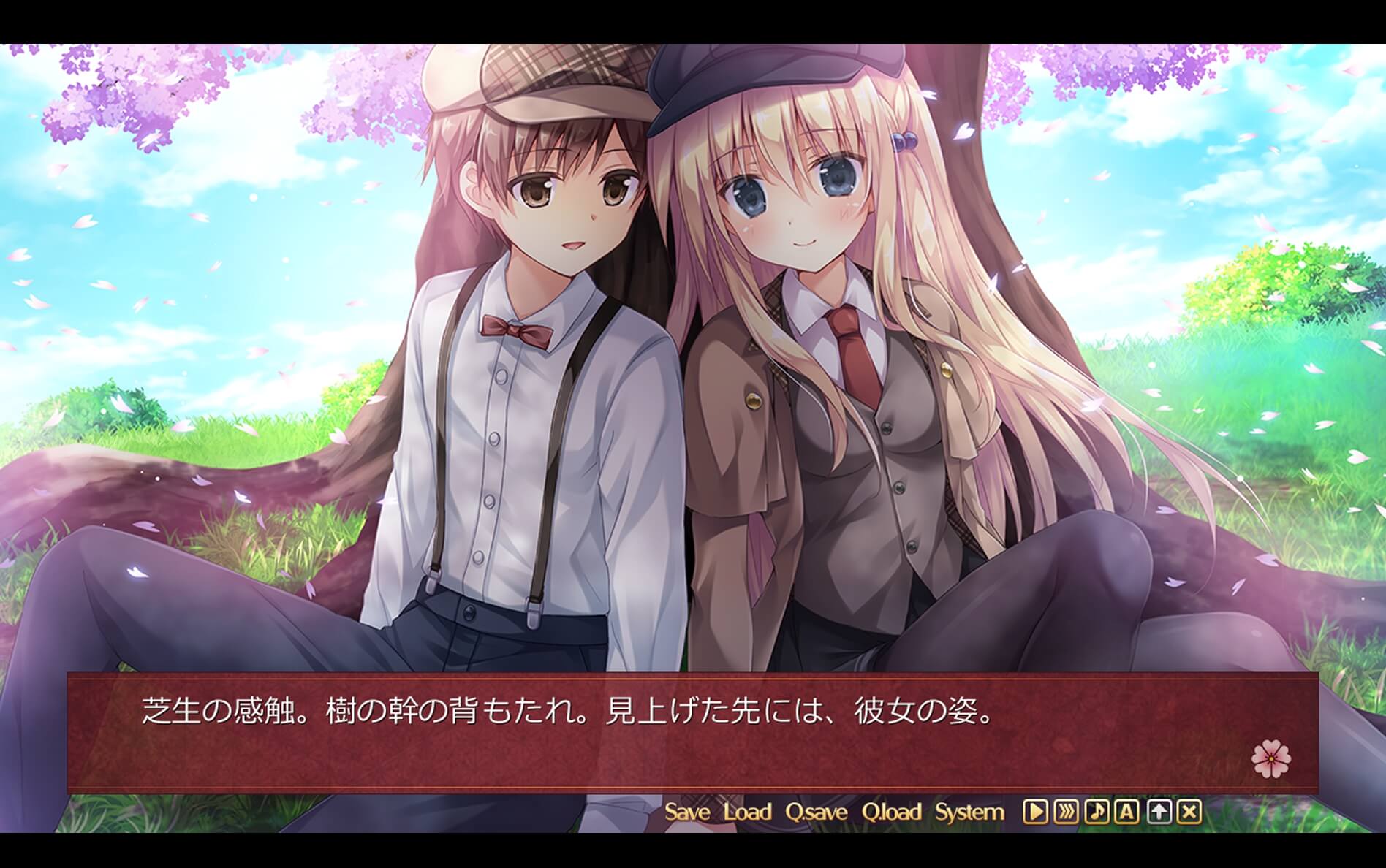
The protagonist says goodbye to the director under the cherry tree. The director says she’ll do her best to live on, and wait to meet him in the future.
Ending: Reiwa, the Wind Calms
In the end the protagonist returns to 2020 and finds the future has changed. It’s no longer some “Sakura Cloud” era name — it’s the new era name, “Reiwa.”
Under the cherry blossoms he sees a little girl who looks exactly like the Director. She turns out to be the Director’s descendant, and she hands him a letter from 2002 — essentially the Director’s will.
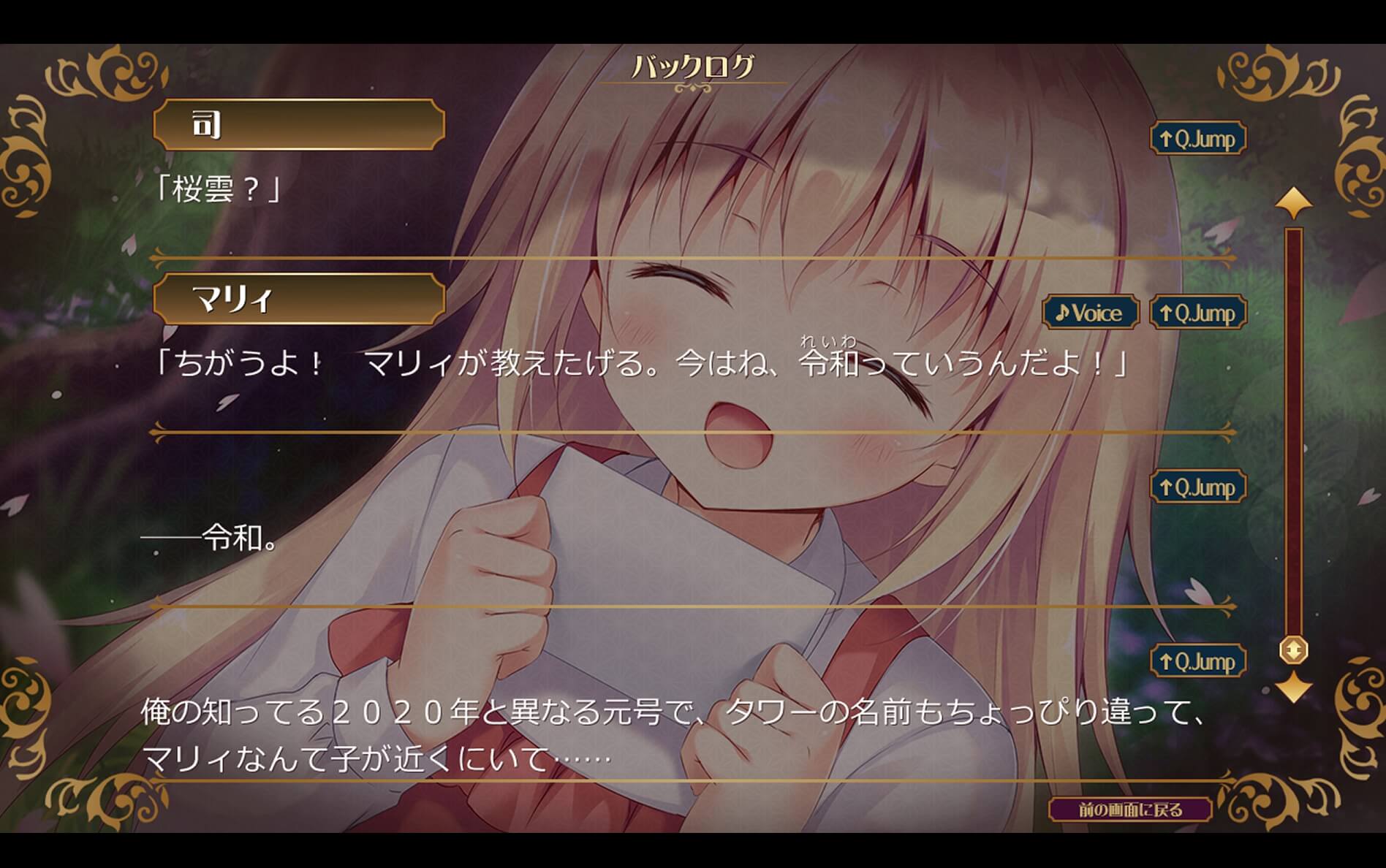
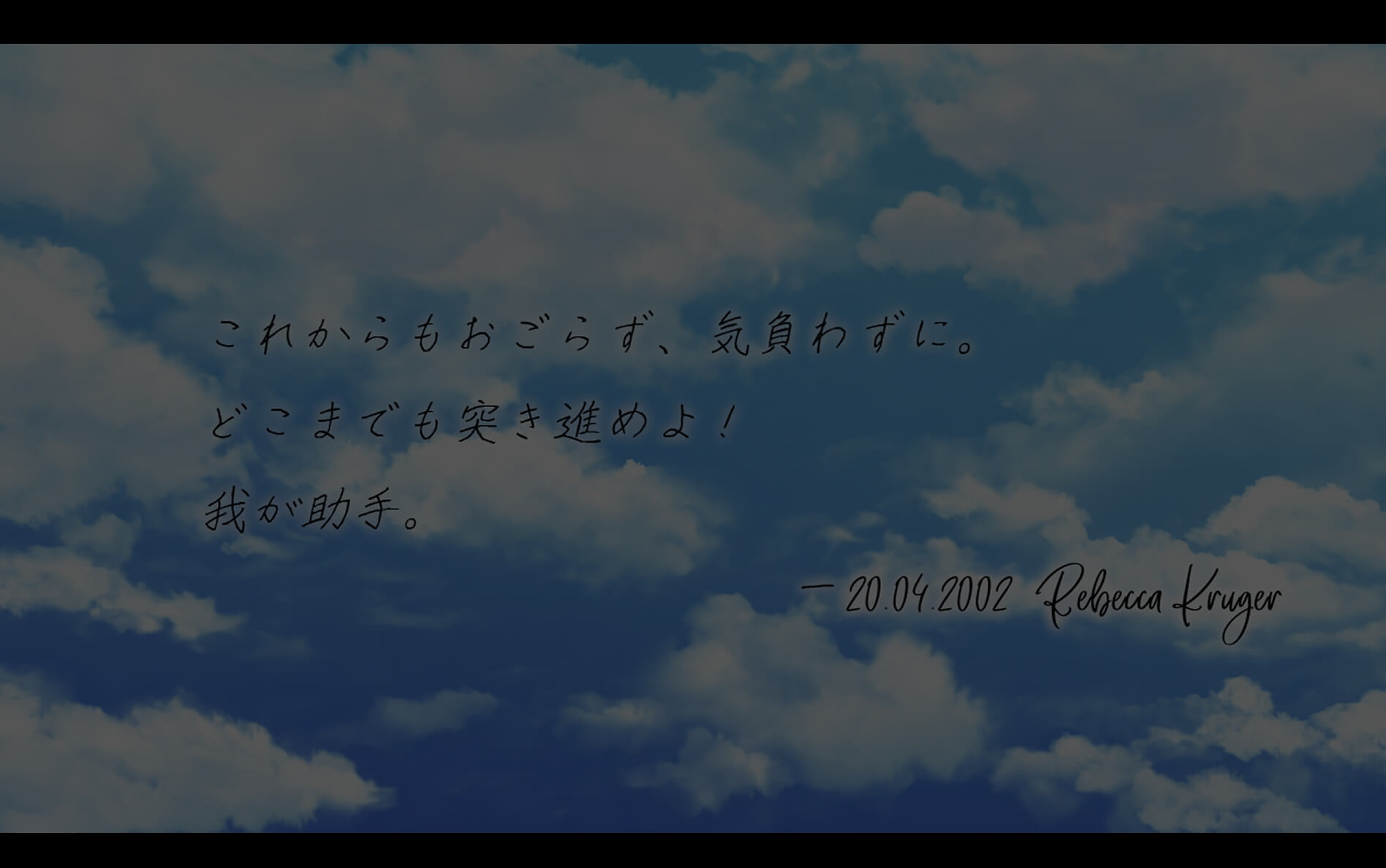
In the letter the Director says she lived out her whole life as best she could, and finally lived long enough to see the protagonist born, but she couldn’t hold on any longer and died. The day she wrote that letter was the very day the protagonist was born. Born in 2002, he’d be exactly 18 in 2020.
The bond between the protagonist and the Director spans 100 years, and in the end the two never met in the real world.
I was born before you were; by the time you were born, I was already old. I resent that we weren’t born in the same age, to love you day after day.
Crossing from “Sakura Cloud” to “Reiwa,” this century-long love becomes history too.
The game’s over.
Wait — “century-long love”? Okay, the romance in this game is written so damn stupidly that I just ignored it.
Impressions:
Let me start with the conclusion. Personally I think:
Sakura no Kumo * Scarlet no Koi is one of the stronger galge of the year, but it’s still not as good as Amazing Grace -What color is your attribute?-.
Here’s why:
1. The game has basically no proper romance writing, yet crams in a ton of HCGs
Amazing Grace had no explicit romance in the individual routes — it’s a pure narrative work — and the HCGs were placed in the after-story you unlock after clearing the game. I thought that was a good approach. It kept the game’s story from being shackled by “romance.” This is a plot-driven work; you can’t fall into the cliché of forcing a reason for everyone to get laid.
But Sakura no Kumo * Scarlet no Koi falls right into that cliché. Every heroine route has you awkwardly falling in love, then quickly sleeping together. Some of them have almost no reason at all — she just suddenly gets horny and they suddenly go at it. I’ve had a sex life, you know. With HCGs written like this, plus Kuwabara-san’s cold, sexless art style, it’s honestly torture to look at.
And the “romance” elements drag down the whole plot considerably, making a lot of sections long and tedious for no reason, with no connection to the main story. Though to be fair, some HCGs actually serve as foreshadowing. In the train chapter, the search for the prophetess mentions that she has a moon-shaped birthmark on her shoulder — and you can see that in the maid’s nude HCG. Most people didn’t notice, though, and had to go back and look later. Sure, it’s foreshadowing, but the CG deliberately hides the shoulder birthmark, which is part of why nobody caught it.
The forced romance meant that even in the final ending I never felt any love between the Director and the protagonist. The emotion that a century-spanning romance should deliver felt more like “the friendship of comrades-in-arms” to me. It can still move you, but it’s different from what the game was going for.
2. The game is full of foreshadowing, but much of it is useless, and the real foreshadowing is obvious from the start
This game has tons of foreshadowing and payoffs. I didn’t write about most of them here — partly because I want you to play the game and experience them yourself, since that’s the fun of it, and partly because…
These foreshadowings are too intricate and convoluted for me to describe clearly.
Almost every character has some foreshadowing behind them, including that Chinese woman Li Mei, who once studied painting with the guy who looks like Sasaki Kojiro. Li Mei’s days as a thief connect to Tooko’s family, and Narita is connected to everyone’s backstory. Almost every “what the hell is this?” moment in the game gets a seemingly reasonable explanation by the end. This is the “foreshadowing payoff” that most young Japanese love — but as I get older, I’ve come to dislike this formulaic stuff. It turns storytelling into plugging numbers into equations. Real life doesn’t have that many coincidences.
Too much useless foreshadowing makes the early-to-mid game painfully long. Combined with the forced romance, it was hard to sit through. Only the last chapter is genuinely interesting, but by then I was exhausted. I remember Amazing Grace kept looping to change the tragic “Apocalypse” ending — that kept the player engaged. In short, it was gripping. This game only has one failure, and there’s no obvious looping (it does loop, but it’s just parallel worlds). The other routes have nothing to do with failure; they feel like pure side routes. Throughout the common route’s ending I was worried about the early-arriving Great Kanto Earthquake, but the game made me go through three routes full of padding and romance. Worse, the routes themselves feel like “tool characters,” existing only to introduce a few clues and elements. It really wore down my patience. The game is a single-route structure — after finishing one route it forces you into the next, the so-called plot lock. But the lock feels too forced.
Besides, most of the foreshadowing is useless. The only thing you really need to pay attention to is “Captain Kato is a time traveler.” Put simply, this game is about two time travelers who cross into the Taisho era: one wants to change history, the other wants to protect it. In the end the one protecting history wins, the one trying to change it loses, and by accident the tragic future gets changed anyway. That’s it. The real foreshadowing of this game is naturally Captain Kato, but I think…
Anyone could tell he was a time traveler, right?
This shouldn’t even count as foreshadowing, should it?
Captain Kato’s speech and all the hints throughout the game make it blazingly obvious he’s a time traveler. But every character in the game pretends not to notice — looking at the elephant in the room and ignoring it — while the game insists on holding back until the very end to tell you, “Ah, so Kato really was a time traveler.”
So stupid. Genuinely so stupid.
The impact is nothing compared to the reveal in Amazing Grace that nobody could read.
3. Various factors make this game easy to get bored of, hard to push through to the interesting parts
Beyond the first two points, other aspects made playing this a chore. The soundtrack, for instance — I know solfa did it, but it’s way too monotonous. The same few tunes loop through the common route and daily scenes until your head hurts.
And it seems the game tried to make up for Amazing Grace’s weakness of focusing too much on story and not enough on making the heroines cute by adding lots of daily banter — but it feels so “STEM student,” so “low EQ.” It’s like the cringe programmer small talk you see from Vincent-type people on X (Twitter). Boring, lifeless. Sure, some people might like it. I don’t.
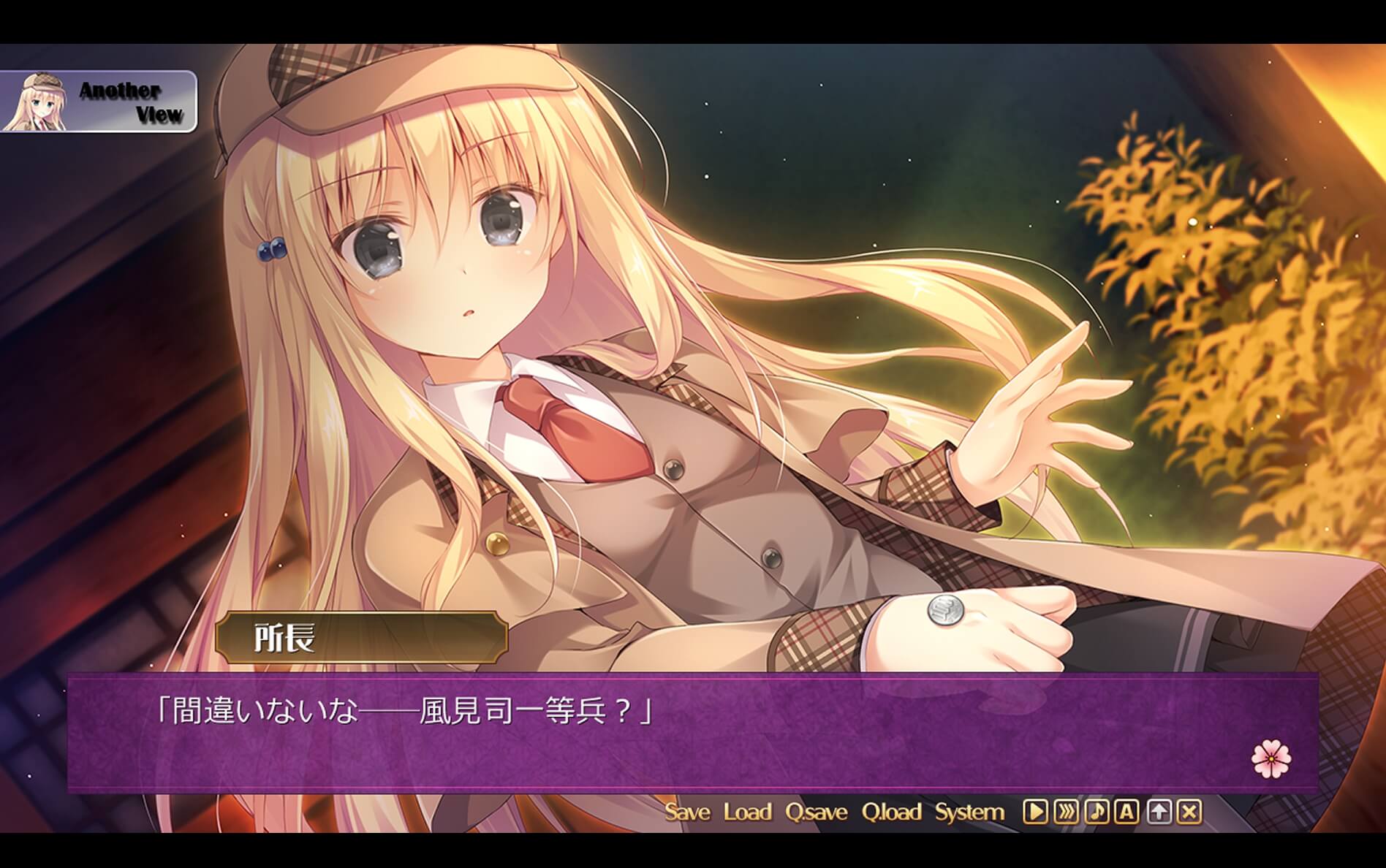
Some chapters are painfully long. I’m calling out the “train chapter” specifically, which feels like a blatant mishmash — a hotpot of detective fiction with a resolution that isn’t interesting at all, existing purely to set up the reveal that the maid is actually the “prophetess.” And that’s where the game finally starts getting interesting.
In summary, my biggest complaints about Sakura no Kumo * Scarlet no Koi are: “the story isn’t interesting enough,” “the writer can’t write romance at all,” and “too much showing off with foreshadowing.” These three seriously hurt the overall experience. If they’d trimmed the unnecessary script, cut some of the pointless segments (or made them optional), and added “tension in the confrontation between the two time travelers,” the game could have been better.
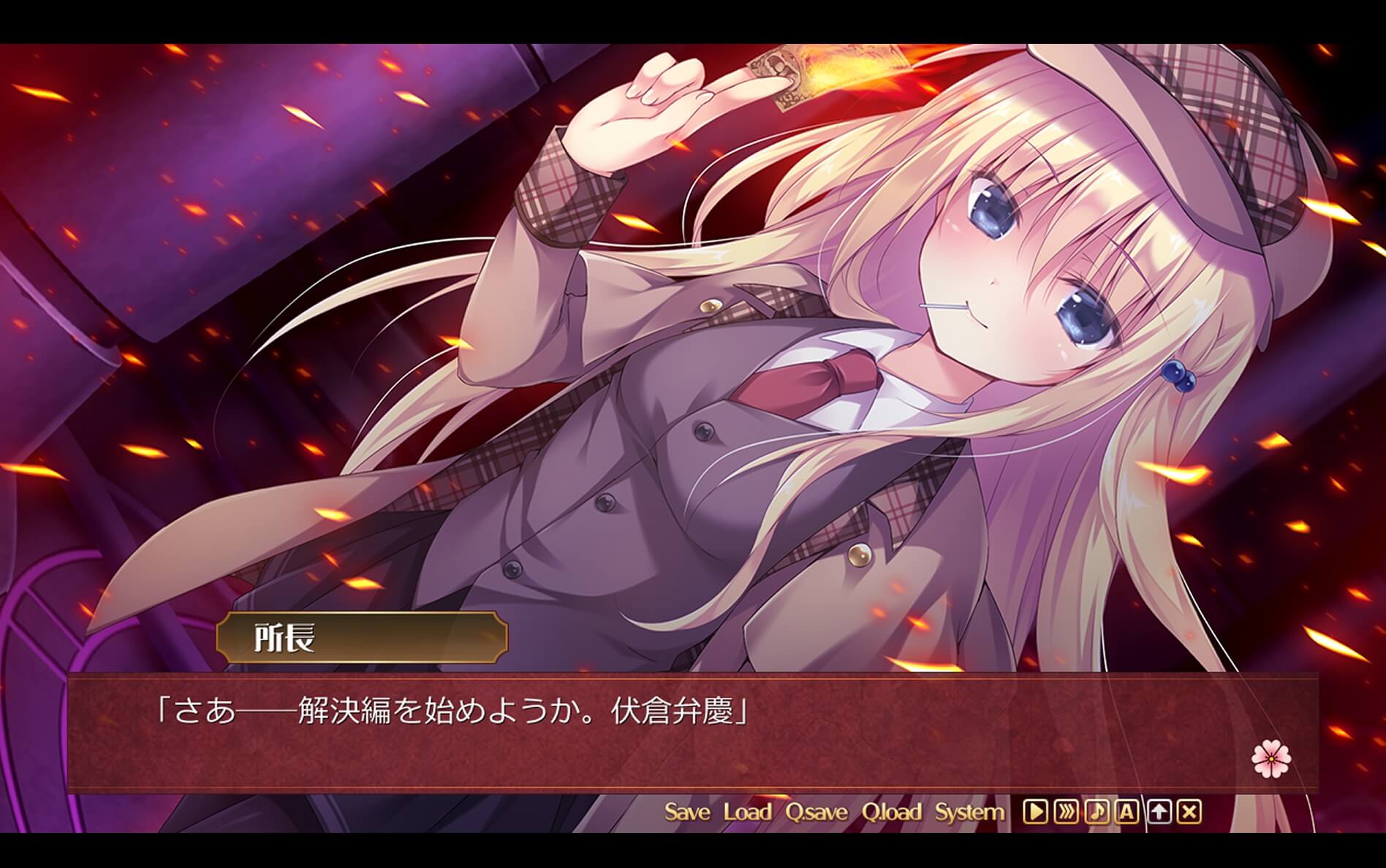
Still, despite all my griping, I’m not saying Sakura no Kumo * Scarlet no Koi is a bad game. I’m just saying: “It’s not as good as the previous Amazing Grace, and it could have been better.”
Also, I could totally call this a “technique-showcase foreshadowing-payoff work,” similar to ISLAND. I can’t say I love it, but I have to admit this type of work is interesting in its own way. Those who get it get it.
But regardless, the way the game hides the foreshadowing that “the protagonist was never from the Reiwa era to begin with” genuinely surprised me. I have to hand it to the writer — great imagination. The final “Reiwa era” reveal also made me think about parallel worlds.
2020 has been so hard. Do parallel worlds exist where the world has already been destroyed by a virus or a war? And is the worldline we exist on actually one of the very few that can overcome the virus?
Anyway, looking forward to Tomu Fuyuaki’s next work.
Comments are hosted on the Chinese main site. This mirror is read-only.