Hokenshitsu no Sensei to Shabondama Chuudoku no Joshu (保健室のセンセーとシャボン玉中毒の助手) Review
The School Nurse and the Bubble-Blowing Assistant
Navel once ran a label called Navel Honeybell, dedicated to games with “high-concept settings” and “a touch of romance.” And the dumbest part is I’ve played all of them—Hishou Hitsuji to Manatsu no Hana, Magical Dear, the works. They all share the same traits:
- Wildly interesting premises, the kind that make you want to play immediately
- Decent moe art that gets the job done
- Openings with huge scope that promise exciting developments
- Great music, always with Nishi Akio involved
- Stories that fall apart from the midpoint onward and end in a trainwreck
Yep, both of those games crashed and burned. The setups were so promising, and then they just handed you a wreck. Bad enough to leave you baffled, bad enough to make you question your life choices.
Funny thing is, the Navel HoneyBell brand died fast. Shut down. But Navel itself survived, shoved out a robot-themed game, and then a new label called Citrus surfaced. I didn’t notice it at first, but one look at its debut title and you know who the parent company is.
This time we’re looking at The School Nurse and the Bubble-Blowing Assistant (保健室のセンセーとシャボン玉中毒の助手), Citrus’s second game. The price tag made it seem short, but playing it felt incredibly long, and when I finished, what lingered was a regret I couldn’t shake.
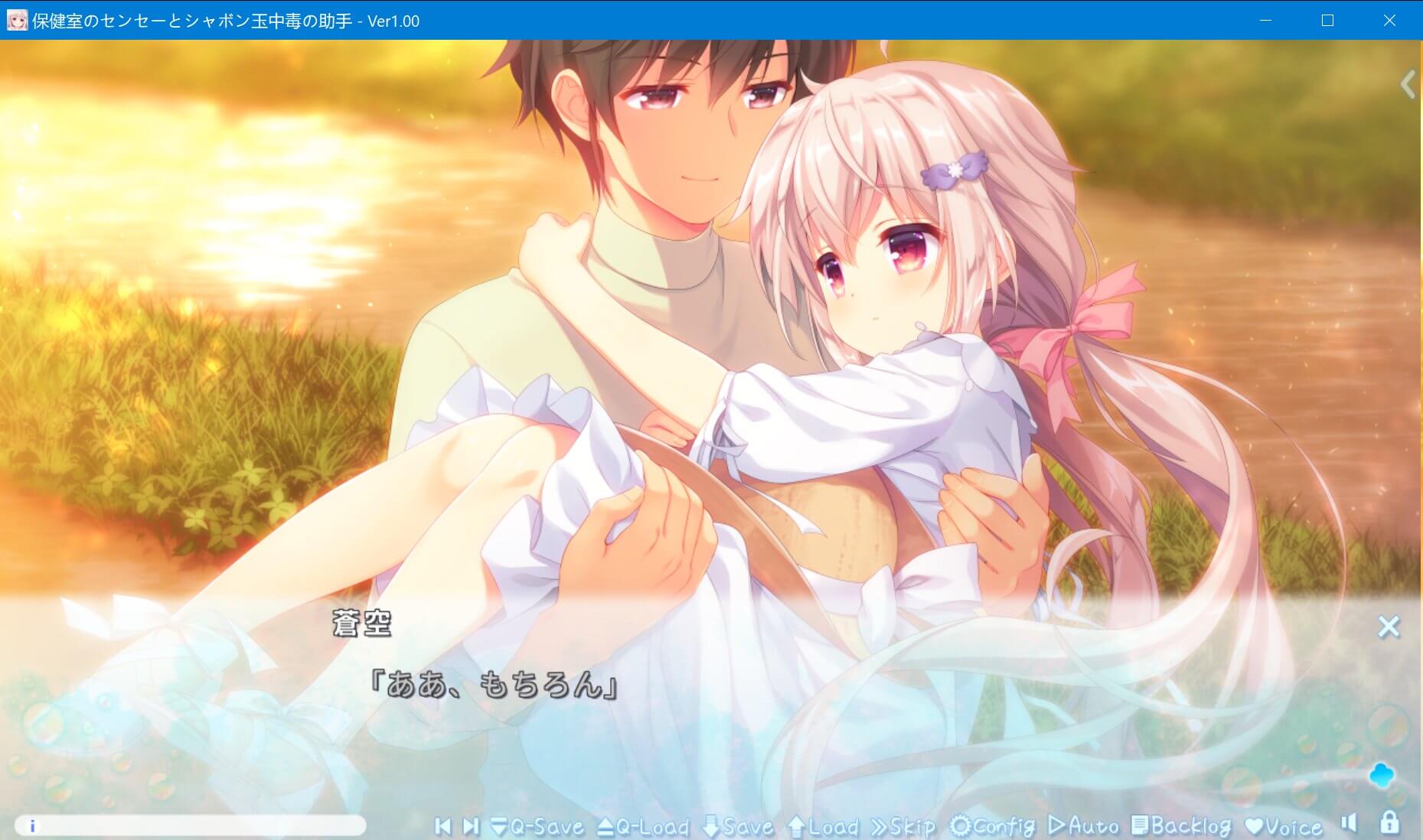
Why regret? Let me walk you through it…
The game builds a world where “humans” and “spirits” coexist. When someone dies with unfinished business, their soul doesn’t vanish—it lingers as a “Konbito,” indistinguishable from a living person, blending into human society. Konbito have their own powers and can even cause trouble. Once their dying wish is fulfilled, they ascend and reincarnate. Our protagonist is set up as a sort of “ferryman” and “exorcist,” finding wandering Konbito, granting their final wishes, and sending them on to be reborn.
Kazami Sora, the protagonist, arrives in a small town as this ferryman/exorcist. Besides guiding Konbito, he has another mission: “Find my sister’s soul and send her on myself.” He was a siscon as a kid, then his sister died in an accident. Convinced she became a Konbito, he swore to become an exorcist and set out to find her.
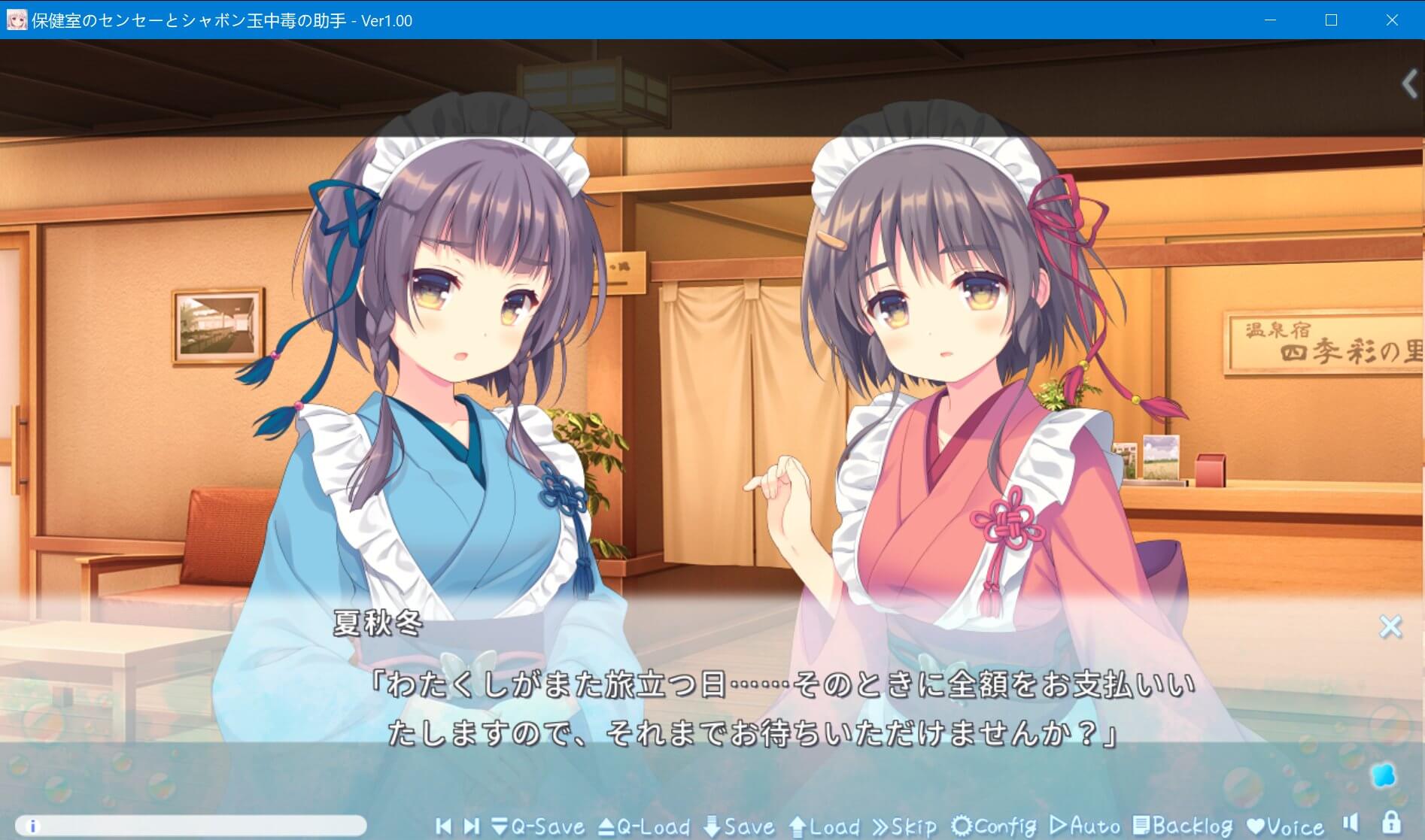
The town he comes to is notorious for having a huge Konbito population. Through his master’s connections, he lodges at a Japanese-style inn and becomes the school nurse at the local girls’ school.
A little girl named Shirobana comes with him. She’s a Konbito with the power to control wind. Why she’s there, what her wish is—unknown. She’s just been with him since the very start of the game, and they’re already sleeping together.
Shirobana follows him into the girls’ school; he becomes the teacher, and she volunteers as his assistant.
Her only hobbies are clinging to the protagonist and blowing soap bubbles. A deeply mysterious girl, and the biggest setup for the first half of the game.
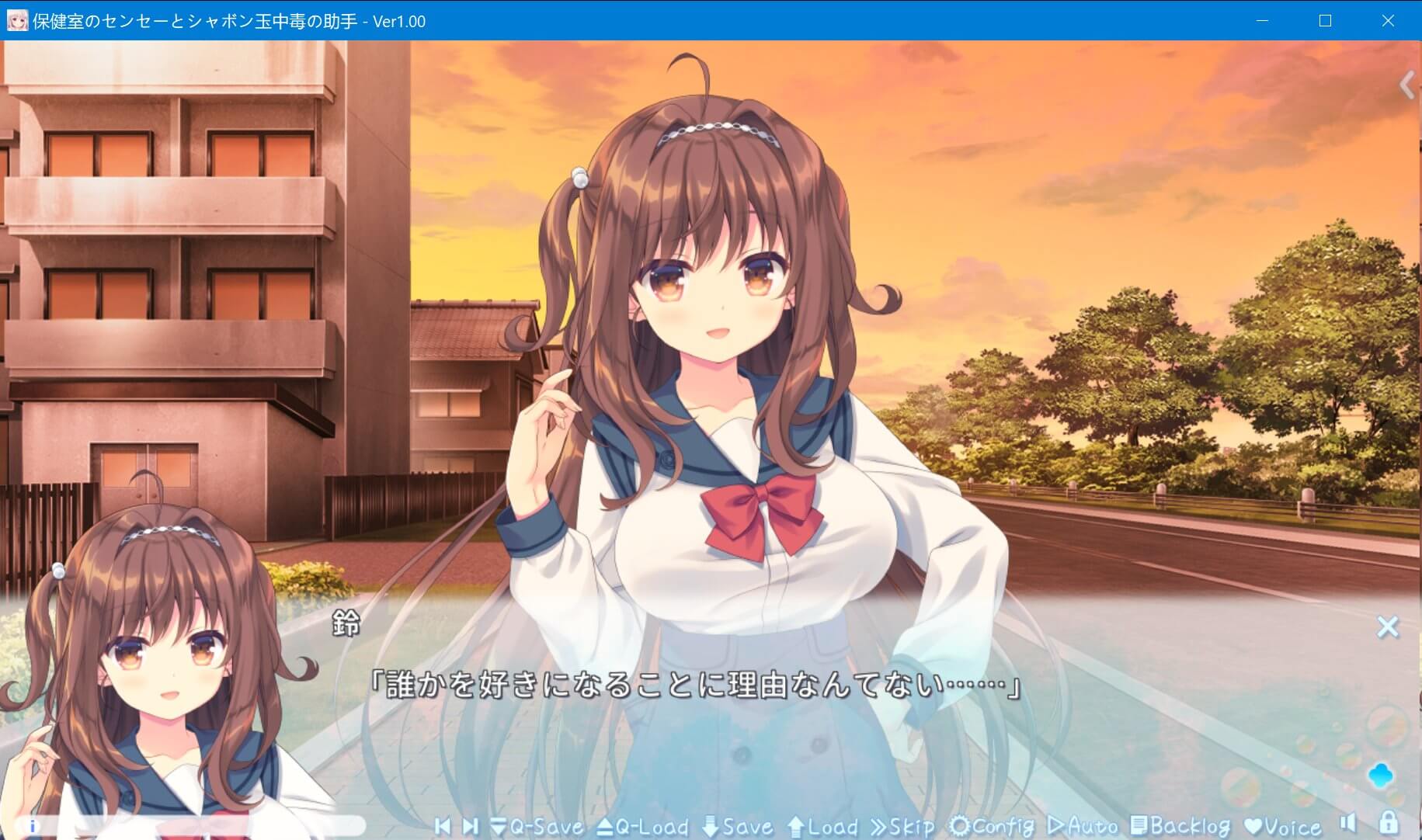
Once Sora starts working as the school nurse, he realizes the school is off. The principal isn’t human—she’s got fox spirit blood—and her daughter Rin is always popping up everywhere, clearly not normal. Then a cuter female exorcist gets roped into the school too, even joining the student council.
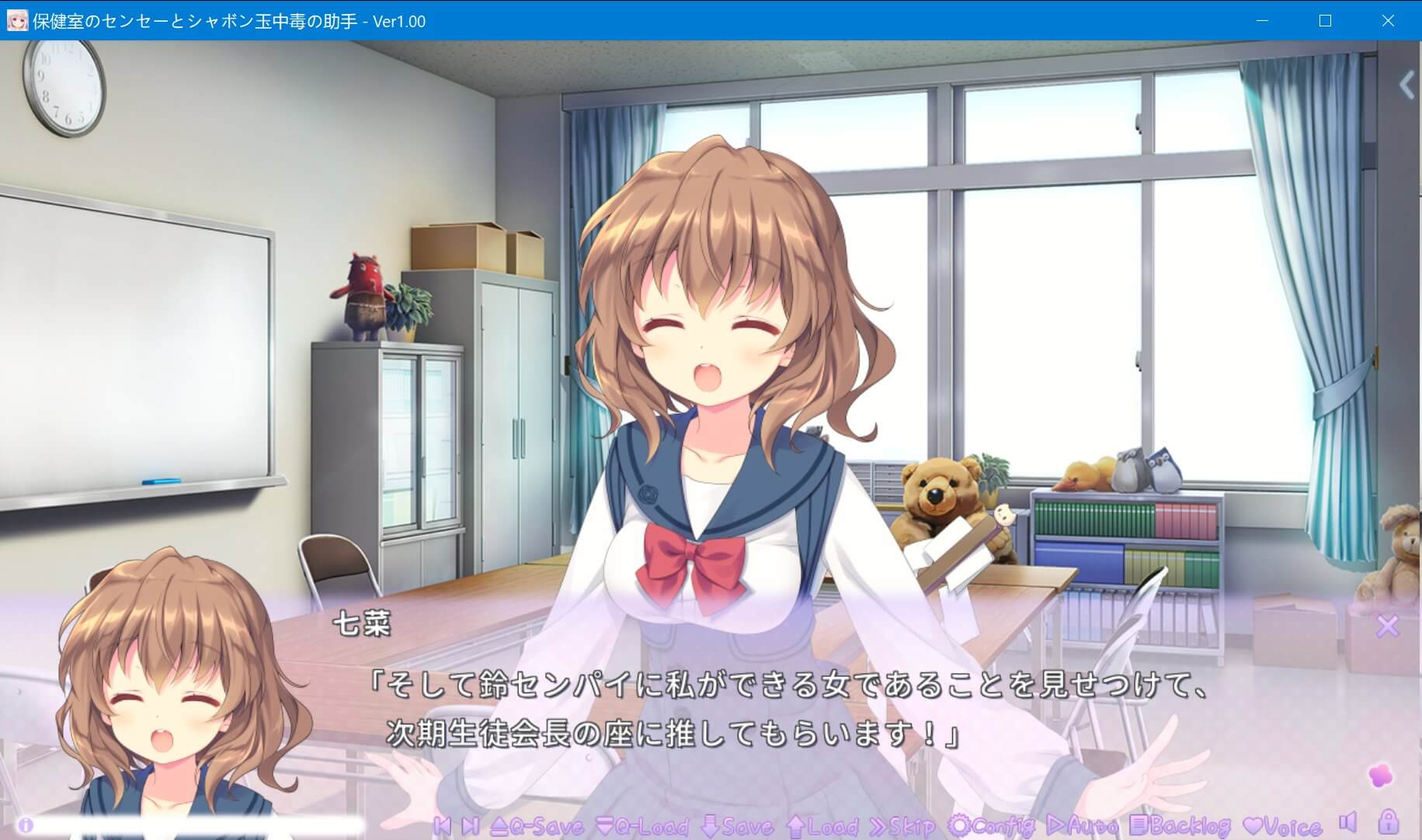
This exorcist is Nanaka, self-proclaimed descendant of an exorcist family. Wanting to prove she’s a “capable woman” (できる女), she ran away from home and brought the family’s exorcism tools with her. Nanaka wanders the school and meets a passive-aggressive girl named Yuka. Yuka, Rin, and Nanaka run around raising hell and causing plenty of comedy.
As Sora learns more about the school, he finds the whole town is suspicious—the Konbito ratio is absurdly high.
The game spends a huge amount of time on this part, but who his sister is and whether she’s at the school stays unaddressed.
Then the plot kicks in: the principal mentions a neighboring town where “Konbito are being forcibly exorcised en masse.”
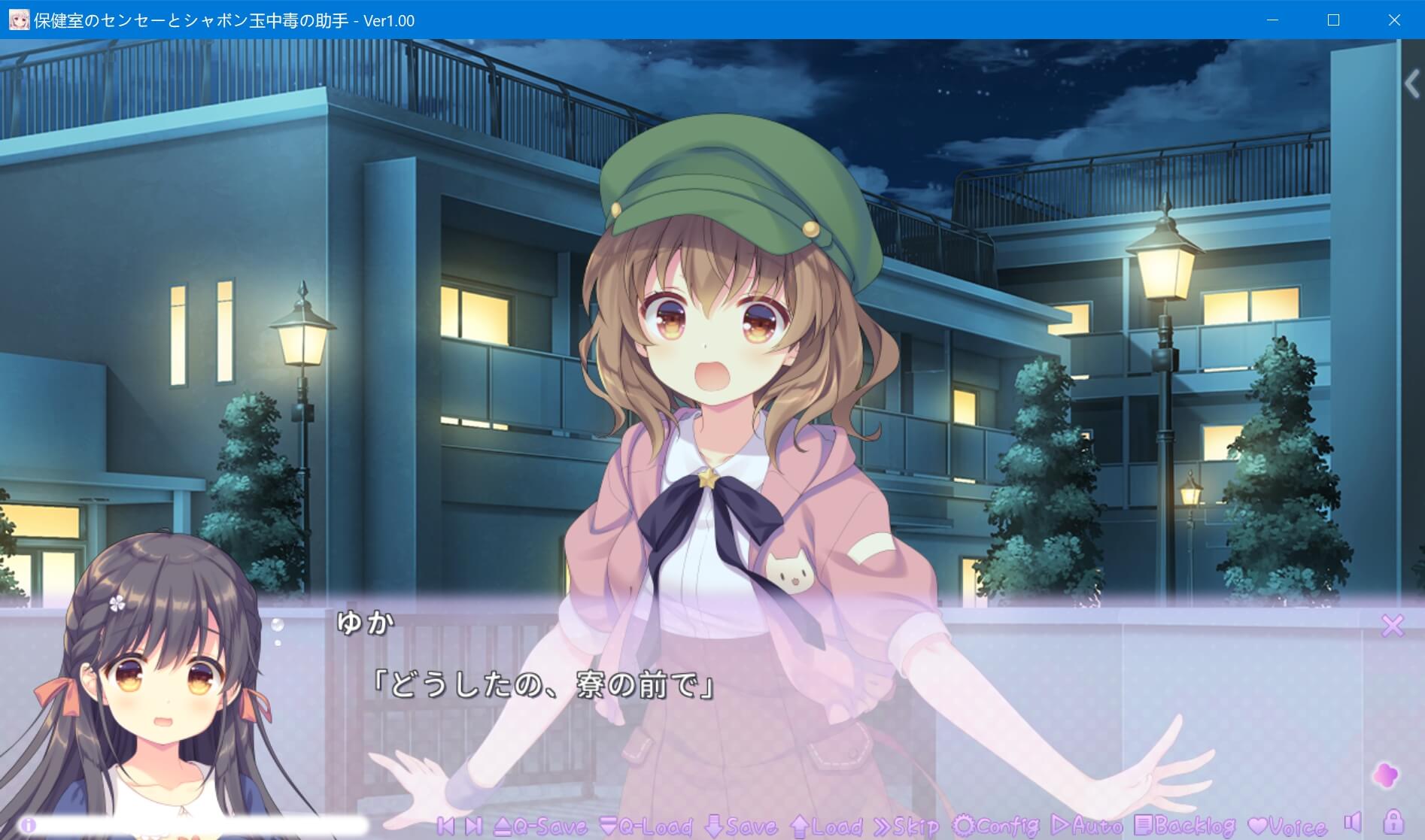
Properly exorcising a Konbito means fulfilling their wish so they ascend on their own. Forced exorcism just kills them outright—pretty inhumane. Sora starts investigating, and one night Yuka gets struck by lightning at the school gate and forcibly exorcised.
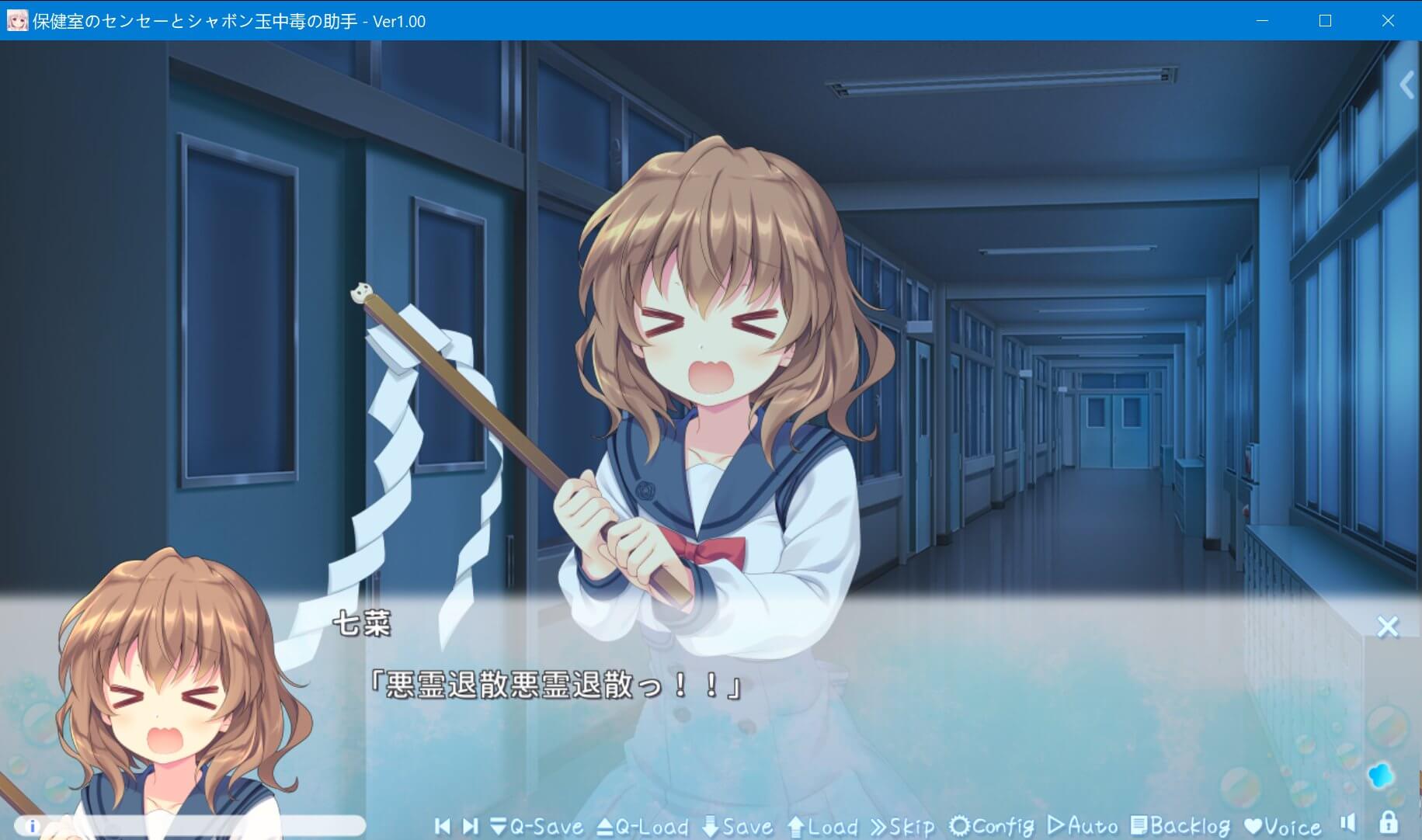
Sora eventually catches the culprit: not an exorcist, but a Konbito who controls lightning. She was killed by other Konbito, so she harbors a grudge and uses her power to kill and forcibly exorcise them.
Sora talks her down, and she realizes her mistake. He asks if she’s seen his sister—she’s killed so many Konbito, there’s a chance. The lightning Konbito remembers: his sister’s Konbito was Yuka.
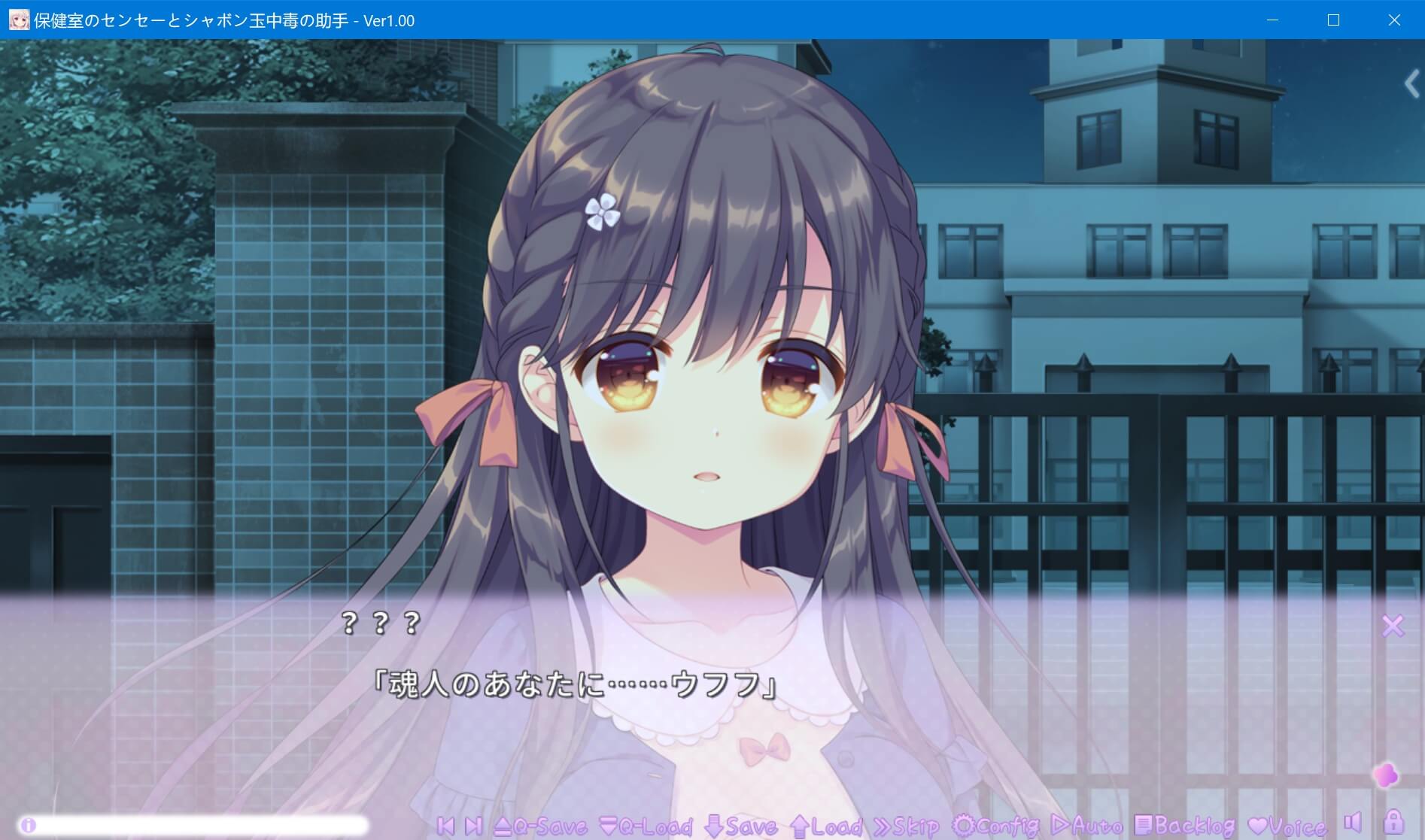
Before Sora can exorcise his own sister, someone else does it for him. How tragic!
But then the game yanks the rug: his sister comes back, because her attachment to the living world was so strong the forced exorcism didn’t take…
Then the game sets up their reunion and sends the sister on, wrapping up that arc.
One mystery remains: Sora and Shirobana’s relationship. Why was she with him from the start? Why were they sleeping together from day one? Why is she so clingy? How did they meet? The game doesn’t explain—until now.
A series of flashbacks kick in, decades ago. A little girl named Hakuka lives alone in a house on the outskirts. A boy named Sou finds his way there. They become friends.
Sou plays with Hakuka often, but asks why she lives alone.
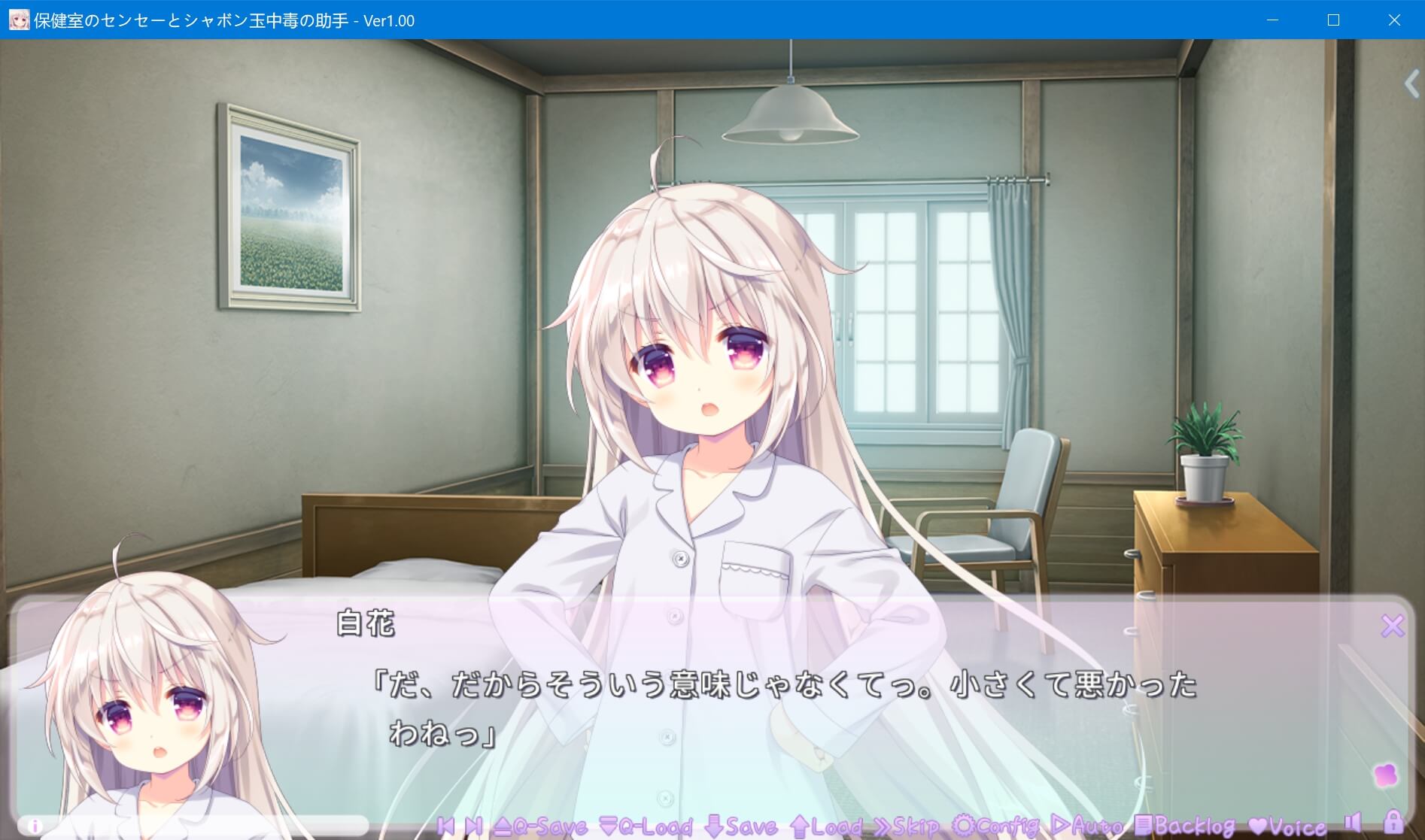
Hakuka admits her parents died, she went to live with relatives, but she kept seeing strange things and got nothing but scorn. Nobody wanted her. Fed up, she returned to her parents’ house and lived alone. Kind strangers occasionally brought food. She didn’t go to school, just grew up alone, waiting to die.
Sou asks if she’s lonely. She says she can talk to ghosts, so no. Sou asks if she has friends. She says no. So Sou becomes her friend.
Sou gives her a gift: a necklace that blows soap bubbles. She loves it.
As they spend more time together, Sou and Hakuka grow closer, beyond friends. Hakuka develops feelings for Sou… She’s never been loved, so her understanding of love is broader, surpassing everything.
Even though this “Sou” is a girl.
Sou loves Hakuka too, but can’t cross the gender line, and won’t leave. She tells Hakuka that a windmill is being built far away, and she wants to see it with her.
Hakuka agrees, but she has a strange terminal illness (linked to her medium abilities). Her lifespan will just last until the windmill is done.
The day arrives. Sou carries Hakuka on her back a long way. On the hill overlooking the windmill, they finally feel happiness—but misfortune strikes fast. Hakuka slips and falls down the slope. Sou grabs for her and falls too. They land in a dandelion field and die.
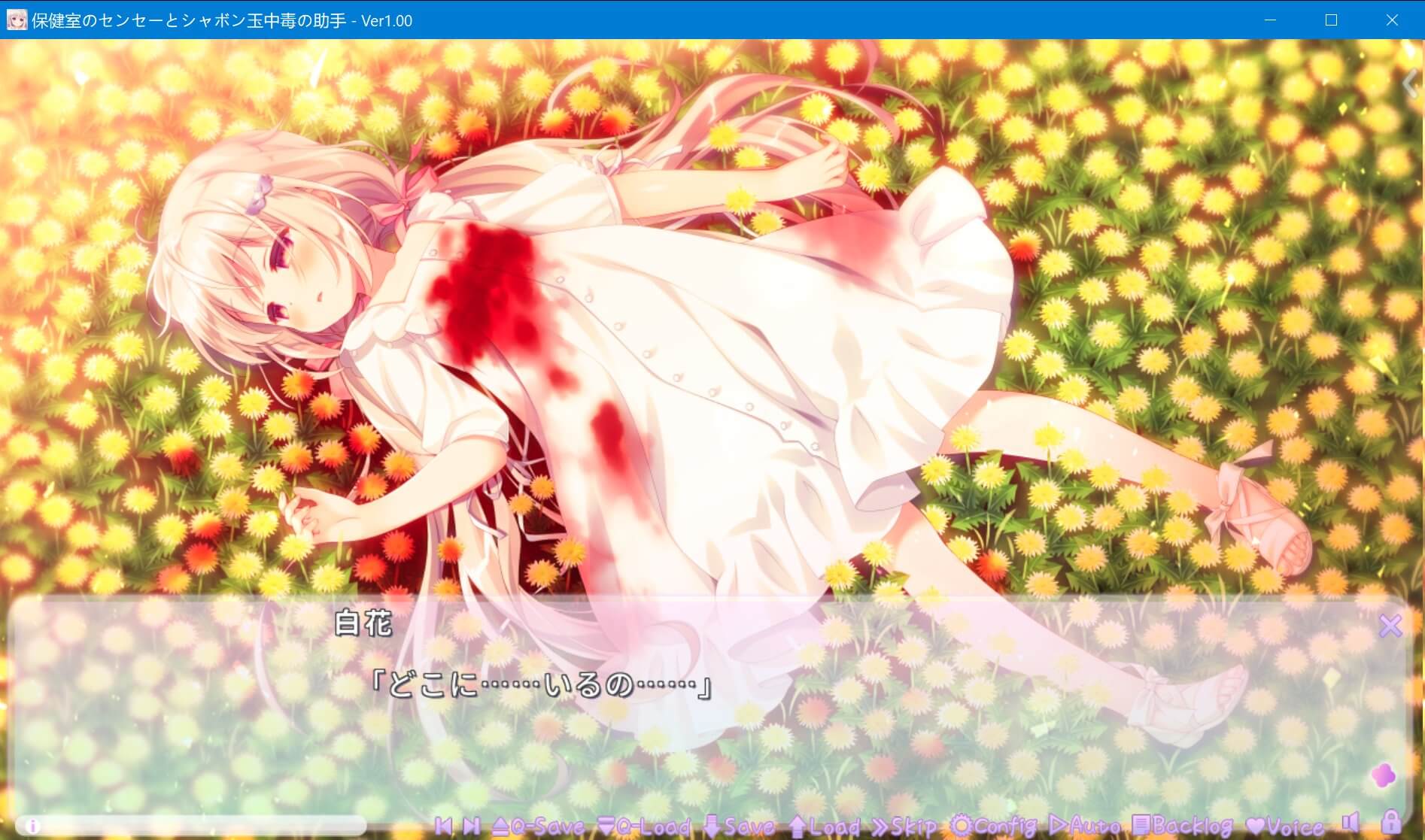
Sou dies instantly; Hakuka lingers. Their blood soaks the dandelions. In her final moment, Hakuka understands her unfinished wish: she wants to be with Sou.
In that instant, she becomes a Konbito—one who loves blowing soap bubbles.
Forty years pass. Sou’s reincarnation, Kazami Sora, is born—this time as a boy. As Sora grows, he loses his sister, becomes an exorcist, finds a master, and sets out.
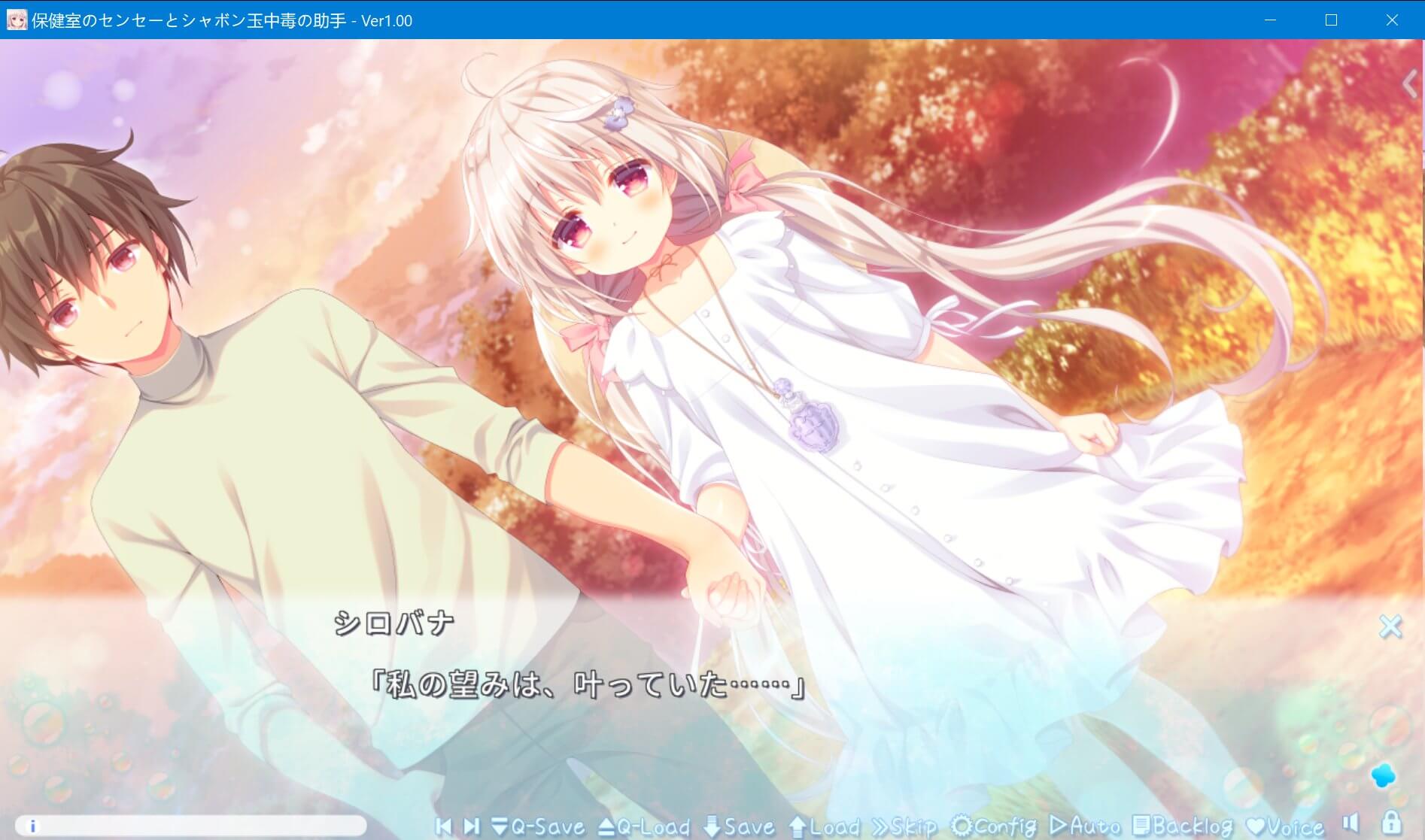
On the road he meets Shirobana, already a Konbito. She recognizes Sora as the Sou who gave her the bubble necklace.
Sora asks her name. She hides it, reading “Hakuka” in an alternate Japanese way as “Shirobana,” her new name.
Sora wants to exorcise her and asks her wish. She slyly says she wants sex. He complies—but she doesn’t disappear. Instead she sticks to him completely, inseparable.
And that’s the story at the game’s start.
The memory from forty years ago finally surfaces in Sora’s mind.
He understands who Shirobana is, that he was a girl in a past life and shared that story with her. Now he’s a boy, while Shirobana remains a Konbito unable to reincarnate because of her attachment.
With his past-life memories restored, Shirobana’s wish is fulfilled. She feels happiness and vanishes in light.
The game jumps decades ahead to 203X. Sora meets the reincarnated Shirobana again. The lovers are finally reunited.
Structurally, The School Nurse and the Bubble-Blowing Assistant splits into two parts: Sora’s search for his sister’s soul as an exorcist, and the story between Sora and Shirobana. The narrative is actually quite good, balancing heroine charm—each character’s personality is distinct and appealing. The second half is a traditional flashback arc. We’ve seen plenty of “past-life lovers” setups, but a protagonist whose past life was a girl is a bold move, catering to both yuri fans and standard heterosexual audiences.
And Santa Maria’s art is really loli. Since Shirobana is a Konbito over 40 years old but keeps a loli body, it’s totally legal…
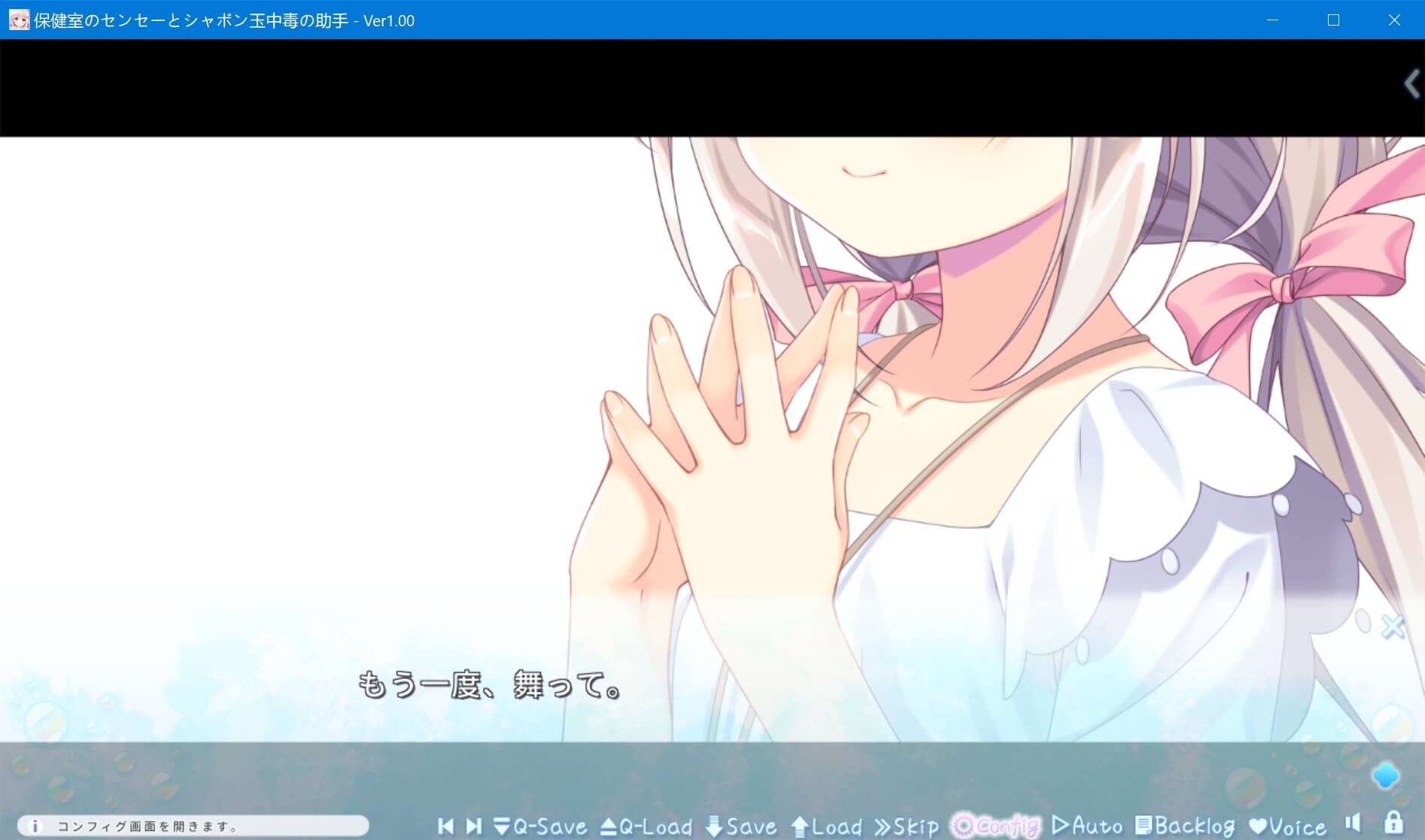
The music is high-class too, using lots of strings instead of cheap synth, and some scene transitions mimic film/TV scoring, making the whole thing feel premium…
Which raises another problem…
“Why does this game feel so high-class yet is clearly half-finished?”
You might have noticed: the game has only one route and no choices. It’s a straight read from start to finish, and it leaves too many “loose ends.”
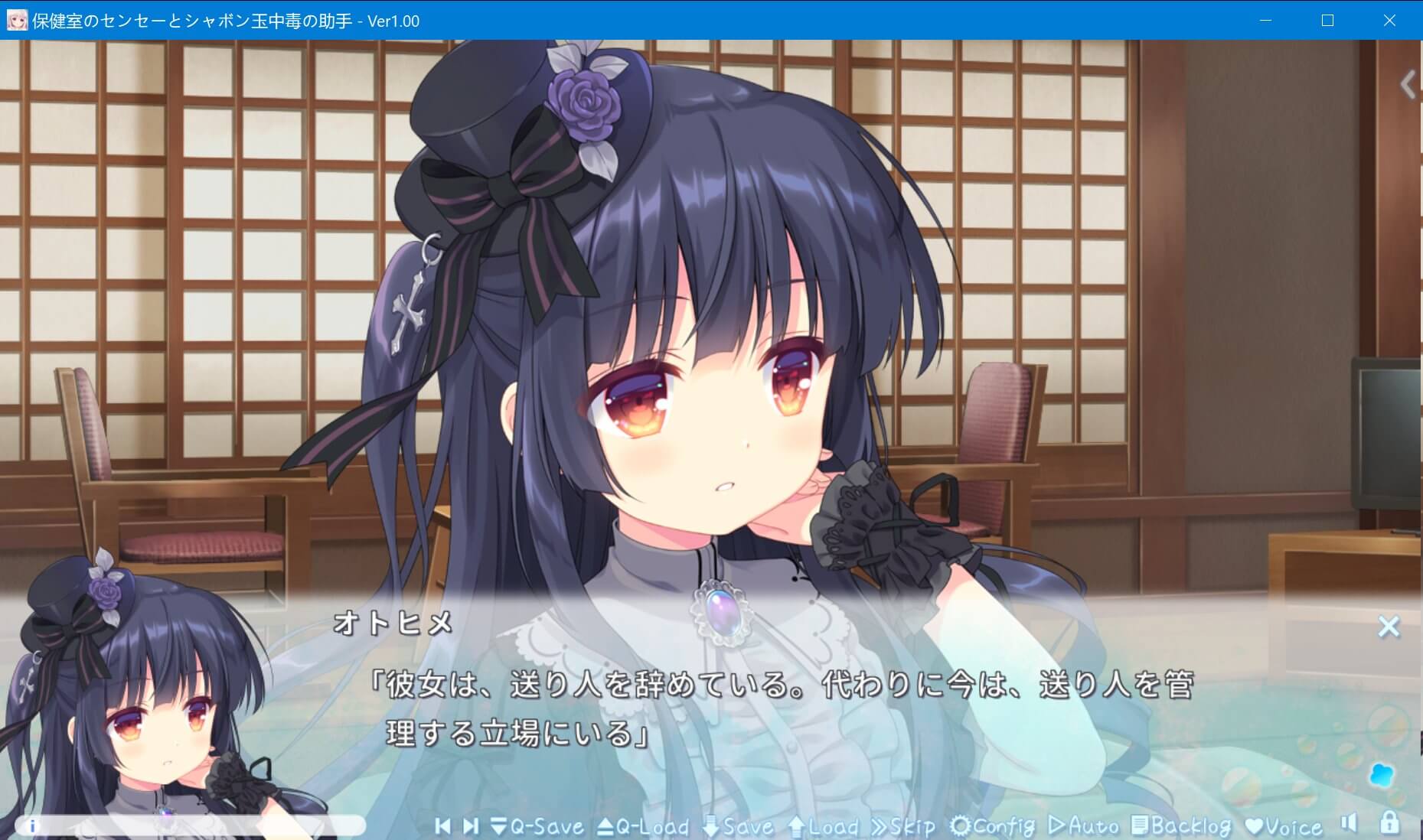
In the mid-game—Sora’s school nurse days—a bunch of heroines take the stage with their own mini-arcs: the seven school mysteries, Nanaka and Rin’s manzai routine in the student council, Sora’s interrogations with the principal. Later, during the sister/lightning Konbito arc, other exorcist factions from neighboring villages appear. None of this connects to the Sora-Shirobana romance, yet it gets tons of text. Sora also has plenty of exchanges with the two waitresses at the inn and another school nurse living in the folklore, the high-tier Konbito Otohime, learning more world lore…
And none of it goes anywhere.
I summed it up: between the common route and Shirobana’s route, the game inserts lots of content that seems unrelated to the main plot but looks suspiciously like “other heroine routes.”
- Nanaka’s growth as an apprentice exorcist and her family past
- The principal and Rin’s motive for founding a girls’ school that shelters Konbito
- The inn waitress sisters’ physical weakness from the town’s high Konbito concentration
- The truth about the mysterious Otohime Konbito at the inn
Each thread could become a heroine route, but the game stops right at the doorway. It makes me suspect this was originally a multi-route game, but for some reason other routes were cut, leaving only Shirobana’s. And maybe the game had a grander title tied to Konbito, but with only Shirobana’s route left, they renamed it The School Nurse and the Bubble-Blowing Assistant.
Evidence isn’t just in the content. In the later Shirobana flashback, the cutscenes initially have no character sprites, but in the Shirobana flashback part, her sprite appears. Anyone who plays games knows what that means.
I looked for traces of a multi-route original mostly to understand why it ended up like this, because it could have been better—Nanaka is way too cute.
I never found an answer, but I did discover that Citrus’s first game, Koukon no Folklore, is also “obviously unfinished.”
That actually gave me some peace of mind. Maybe Citrus exists to turn “unfinished but still good” scripts into games. Better to trim a half-baked game into a short/mid-length work than leave it in development hell—at least players get to play it.
Still, I’d prefer a complete version of The School Nurse and the Bubble-Blowing Assistant. The writer has done famous works, the world is well-built. Releasing it half-done feels like a waste.
Comments are hosted on the Chinese main site. This mirror is read-only.