Tsui no Sora Remake (終ノ空 Remake) Review
Subarashiki Hibi: Philosophers and Madmen
In the eroge circles everyone knows, there’s a legend going around: they say Subarashiki Hibi is a masterpiece.
And when you ask what exactly makes Subarashiki Hibi so amazing, the answers you get are a little off-topic.
“There’s tons of hardcore CG in Subarashiki Hibi!”
“There’s even gender-bent futanari HCG in it!”
“All kinds of violence and sexual elements!”
Hearing all that, it’s easy to assume the “masterpiece” label here is just because of “overly hardcore porn.” But that doesn’t really seem to be the case for Subarashiki Hibi either. Search online for impressions of the game and you’ll always find all sorts of write-ups that are “very philosophical, but completely incomprehensible.”
Why “very philosophical”? Because a lot of people leave huge walls of text after playing Subarashiki Hibi, discussing everything under the sun—from ancient Cthulhu Mythos to every parallel-space theory after it, quoting sources left and right, citing classics, as if the game’s depth were on par with some massive philosophical tome.
The “incomprehensible” part is that after reading all that text, I still couldn’t figure out what kind of story the game tells. But it did make me remember the scenario writer: SCA-Di.
Later, out of curiosity, I tried Subarashiki Hibi. Since I couldn’t read Japanese at the time (still can’t), I played the translated version. About two hours in, I closed the game. The reason was simple: boring as hell.
A lot of the dialogue in this game is just “mindless insertion of forced philosophical arguments.” The two characters are really just chatting, but it’s padded with tons of so-called “philosophical content.” The main axis of the game is just the protagonist wandering around and talking. That’s it.
Back then, what I wanted was “crazy twists” and “world-saving-level battles.” Subarashiki Hibi clearly wasn’t my thing.
Later I had the chance to play Sakura no Uta, which shares the same writer as Subarashiki Hibi. Maybe by then I’d gotten tired of stupid chuuni edge-fest games, because I rated Sakura no Uta pretty highly. As a story, Sakura no Uta left a deep impression on me—the dialogues between geniuses, the “Shang Zhongyong”-style development, and that slightly melancholy ending. Some of the philosophical discussions in the game also stuck with me, especially the relationship between “art” and “mathematics,” which let me successfully flex in front of my female teacher.
Despite my good impression of Sakura no Uta and the decent rating I gave it, when I saw what people online were saying about it, I was dumbfounded, because a familiar scene played out before me again:
Online praise for Sakura no Uta was still a mountain of philosophical text, including the game’s slightly chuuni dialogue, the Japanese literary excerpts it quotes, and all that fantastical self-indulgent emotion.
Of course, there still wasn’t much introduction to the plot. Some didn’t even have plot. Don’t ask—the answer is “avoid spoilers.” But even avoiding spoilers, you can still say what kind of story the game tells, right? Otherwise I’m just watching you gush about how great the game is without even knowing what it’s about—how am I supposed to know if it suits me?
This reminded me of Subarashiki Hibi back then, the same feeling. And I instantly understood: looking at Sakura no Uta, I should be able to understand what kind of game Subarashiki Hibi is too, right?
Of course, to this day, I still haven’t played Subarashiki Hibi again.
That situation lasted until last month, at the end of 2020, when Subarashiki Hibi released yet another “HD Remaster Collector’s Edition,” which included the original game, plus a game called Tsui no Sora, and also a “remake” called Tsui no Sora Remake.
I’d heard of Tsui no Sora, because the first few chapters of Subarashiki Hibi are called “Tsui no Sora.” Apparently the game originally planned was a remake of Tsui no Sora, but for some reason it got shelved and they only made Subarashiki Hibi, which includes part of Tsui no Sora’s plot. Of course, that part isn’t identical to Tsui no Sora—lots of changes were made, including changing the protagonist’s setting to female. Some character names were kept, though.
What I was more curious about was Tsui no Sora itself.
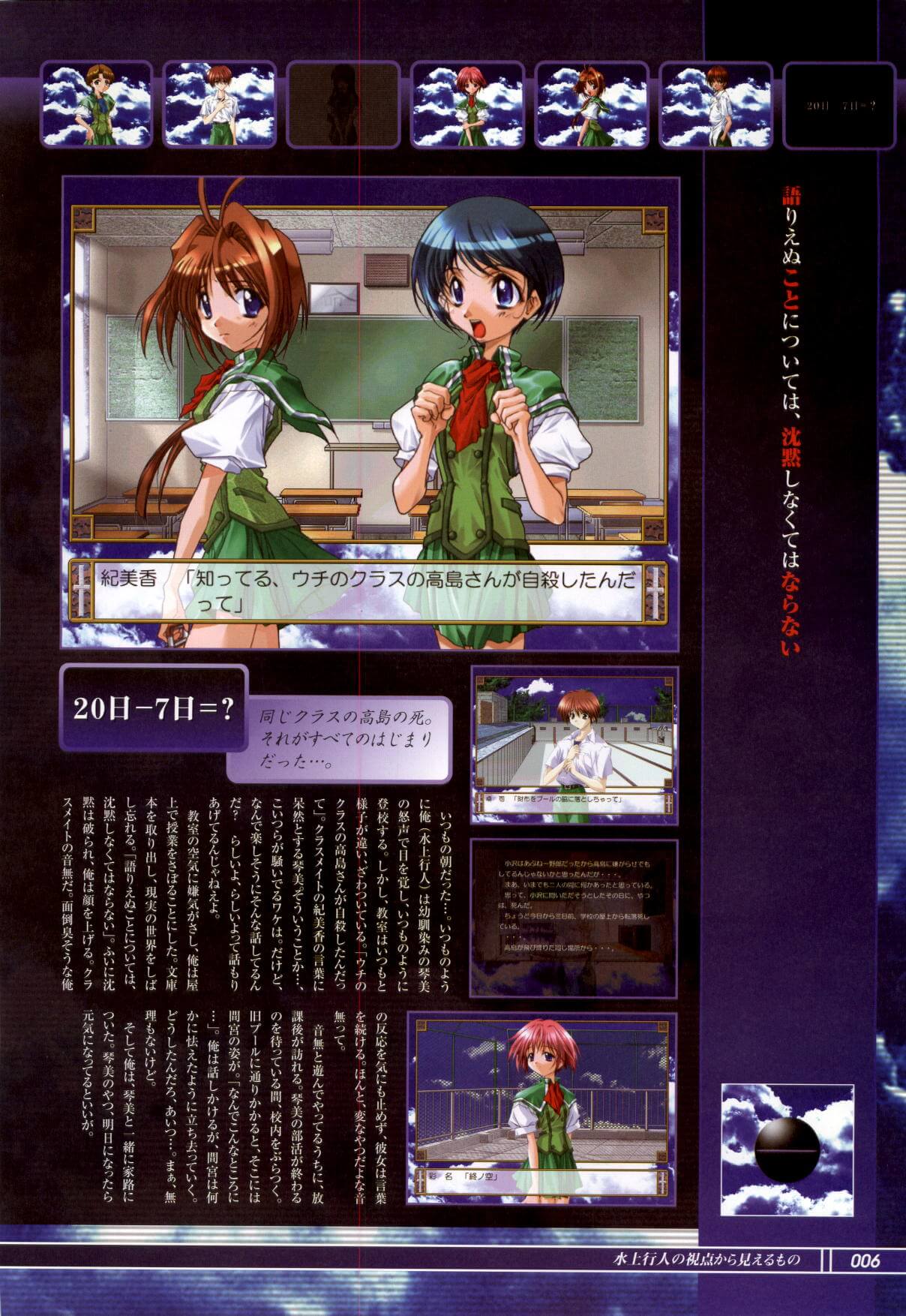
This game was released in 1999. I’ve seen people praising Tsui no Sora more than once when hyping up Subarashiki Hibi, calling it Subarashiki Hibi’s predecessor and groundbreaking in its own right. But what I could find about this game online was extremely sparse—besides a broken OVA, just some scattered game covers and a few incomprehensible screenshots.
Fortunately, this game was included in the “Collector’s Edition” this time—not Tsui no Sora Remake, but the original Tsui no Sora.
I tried checking out the game, and I have to say it was absolutely painful.
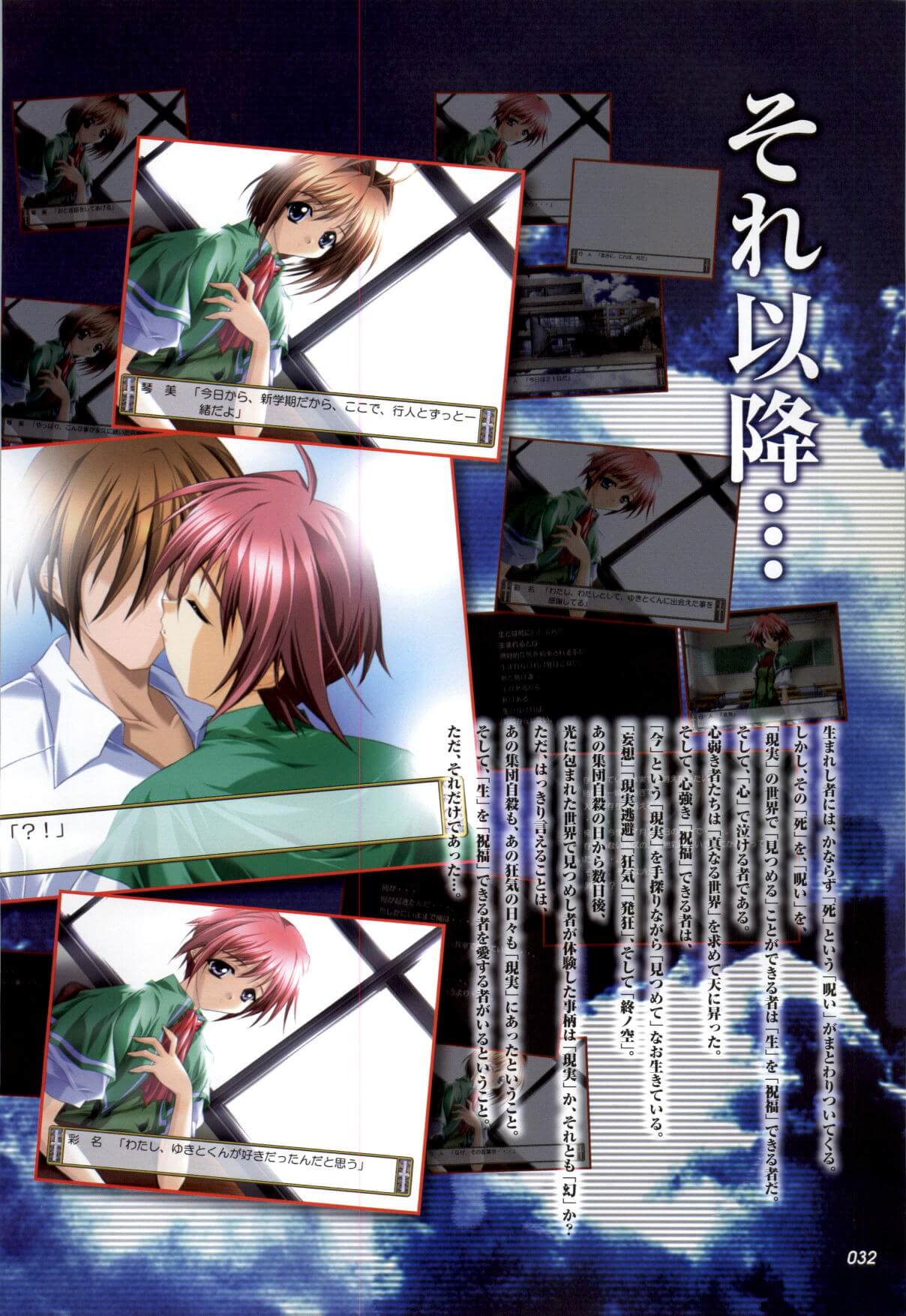
The art style is of course the popular Japanese moe style of the last century, the kind a certain Leaf veteran commonly used. Akane Ikegami was also accused of copying her. Anyway, the art aside, what surprised me more was the game’s system—this is a game made in Flash… even the saves use Flash technology from that era. The clunky saving feels like a “game” made in PowerPoint. The music is extremely monotonous, just a few tunes looping over and over, and there’s very little dialogue—a few lines and then a choice. Voice acting? Don’t even think about it. Despite the moe art style, there’s always an eerie, unsettling horror atmosphere. That’s not unusual, though—Japanese galge of the last century were all like this: full of grotesque elements, monotonous music, dark backgrounds, and bold developments—all hallmarks of that era. Remember the more famous 3Days? Same deal. The dialogue box holds two or three lines at most, and you can’t use any keyboard to advance the game—only the mouse.
Yes, only left-click. Play long enough and you might wear out your mouse before finishing the game.
Even though it’s all understandable, I still found this game really hard to keep playing. I even started to suspect that the people online who praise Tsui no Sora through Subarashiki Hibi haven’t actually played this game at all and are just following the crowd after a brief taste.
Then, with a curious mindset, I opened Tsui no Sora Remake.
I have to say, a whole new world opened up before me, and I unknowingly finished the game, leaving me with a lot of feelings.
As a game from 1999, Tsui no Sora having such a setting and narrative style really was ahead of its time. I completely understand why SCA-Di kept wanting to remake this game—after all, it’s already a complete story, just that the company’s development capabilities in 1999 couldn’t fully present it as it should have been.
And Tsui no Sora Remake, which came out in the last month of 2020, should be the game’s complete form.
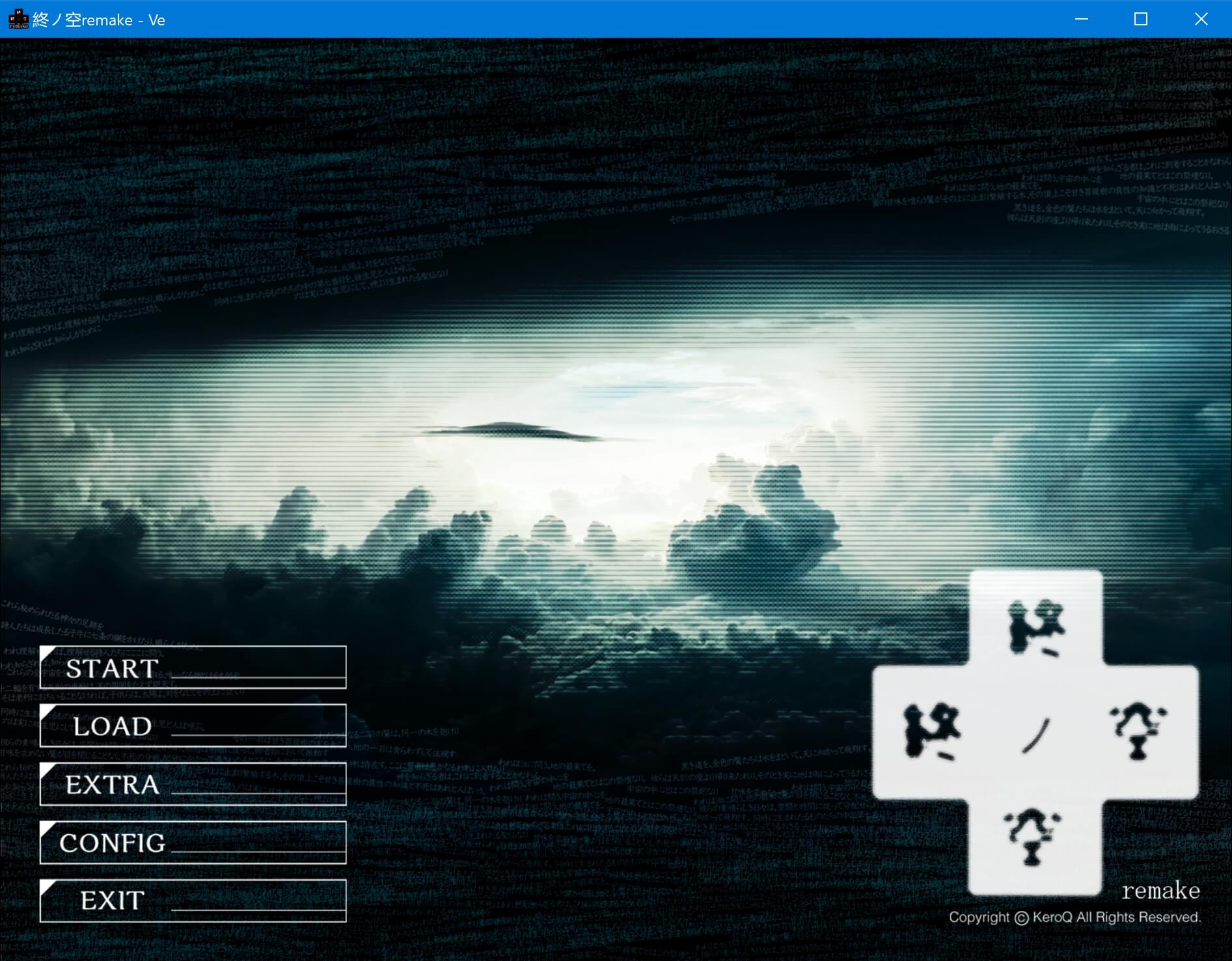
Before talking about the game, let’s look at what changes Tsui no Sora Remake made compared to the original:
- Full voice acting for all characters
- Almost all characters redrawn, school uniforms redesigned to fit the game’s plot better
- Brand-new engine (no matter how it’s designed, it’s way better than Flash)
- Same routes as the original, but presented via a “broken puzzle” main menu—that is, one character route per puzzle piece, completing the puzzle when all are done
- Music remixed compared to the previous game—keeping the original flavor while retaining the eerie feel
- New CG; backgrounds are the same as the original but HD and remastered
- The game still keeps the original 4:3 aspect ratio rather than the popular 16:9, giving a better nostalgic feel (though it could also be laziness)
- Dialogue scenes greatly expanded—many lines in the previous game advanced after just a few exchanges, while the remake adds large amounts of new content to flesh out the characters
You could say the whole game was extensively renovated and improved on the original. The original is more like a demo or prototype, and this Tsui no Sora Remake is the complete form SCA-Di wanted to achieve.
Having covered the game overall, let’s get into the details—like… the plot.
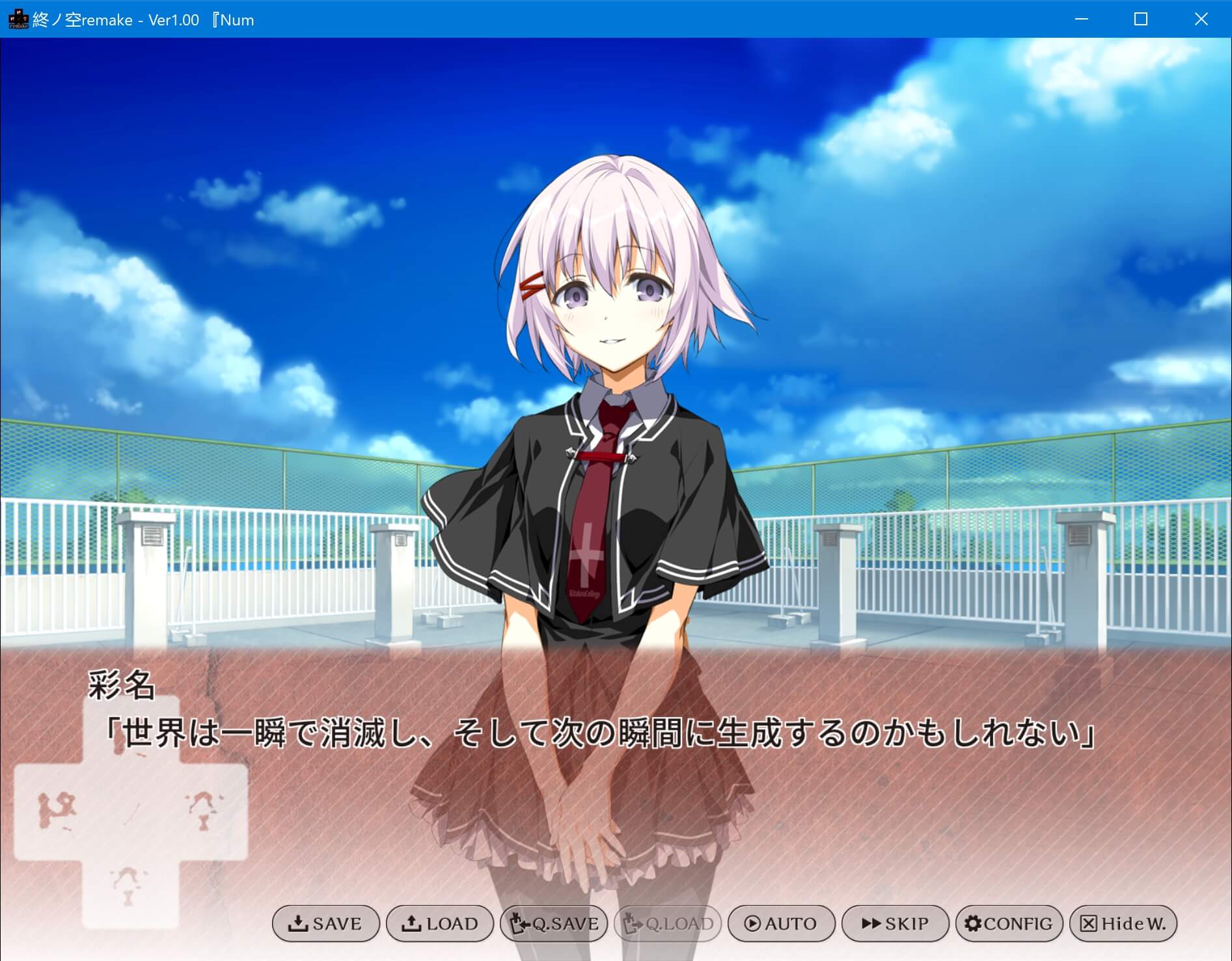
Without a doubt, Tsui no Sora Remake’s plot matches the original, telling different stories through the perspectives of different characters within a single timeline, ultimately letting the player grasp the full picture and the truth. The game has five perspectives—Minakami Yukito, Wakutsu Kotomi, Takashima Zakuro, Yokoyama Yasuko, and Mamiya Takuji—plus two EDs belonging to Minakami Yukito.
Perspective: Minakami Yukito
Minakami Yukito is first woken up by his childhood friend Wakutsu Kotomi. After some idle chatter, they go to school, where they hear that a female student named Takashima Zakuro jumped to her death after being bullied. He’s surprised but doesn’t think much of it. Wakutsu Kotomi goes to kendo practice, then they go home together.
The next day, a “great prophecy” starts circulating at school, attributed to “Nostradamus”: in July 1997, the world will meet its end. The Great King of Terror will descend from the sky and end humanity. It’s ridiculous no matter how you look at it, but more and more people believe it.
There’s also a strange person at school: Otonashi Ayana. She often watches the sky from the rooftop, saying she’s looking at the “Tsui no Sora,” but no one else can see it. She speaks in philosophical riddles and appears and disappears mysteriously. Minakami Yukito thinks she’s a weirdo and doesn’t pay her much mind.
While wandering around school, Minakami Yukito runs into a creepy guy by the pool: Mamiya Takuji. He looks shifty but also timid. Minakami Yukito ignores him and leaves.
A few days later, Mamiya Takuji has a complete personality change. He gives a speech in class, defying the teacher, saying “The end of the world is coming, and all you ordinary people will face judgment.”
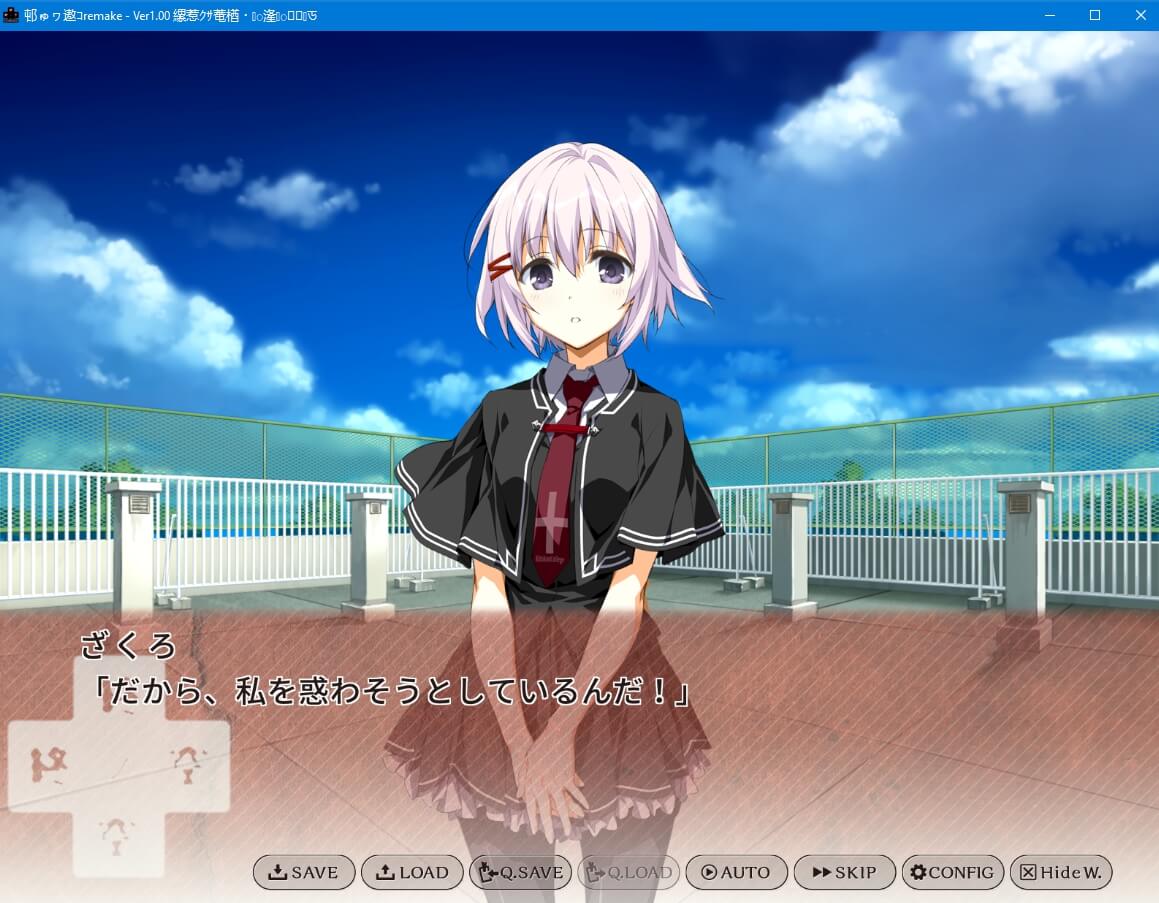
After that, the school gets stranger and stranger. More and more people believe the July 1997 doomsday prophecy Mamiya Takuji preaches, even calling him a savior and begging him to save them.
Then Minakami Yukito discovers his childhood friend Wakutsu Kotomi has gone missing.
He searches everywhere, and finally finds a fully naked Wakutsu Kotomi in the school pool’s drain, apparently just violated by her junior Yokoyama Yasuko with a fake dick.
Eventually Minakami Yukito carries Wakutsu Kotomi on his back and escapes that insane school. They confess their feelings to each other, have sex, and the story ends.
Perspective: Wakutsu Kotomi
Wakutsu Kotomi’s story isn’t much different from Minakami Yukito’s—just going to wake him up at the start, then discovering the strange doomsday rumors at school. The difference is that Wakutsu Kotomi had talked with the suicidal Takashima Zakuro and noticed she was acting off the day before she died, but didn’t say anything. She also meets Otonashi Ayana and just thinks she’s weird without saying anything.
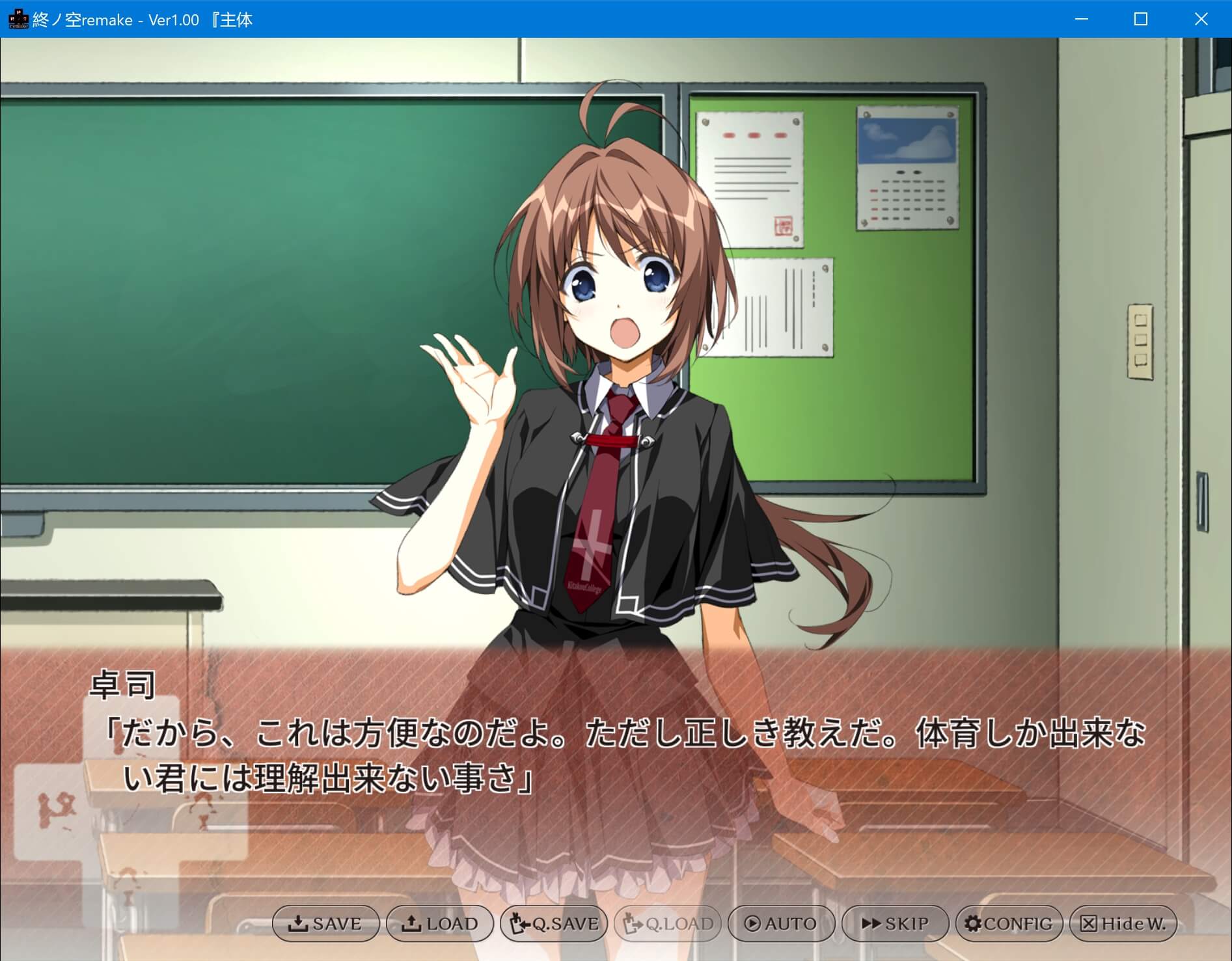
The next day, Wakutsu Kotomi is still shocked to hear someone jumped to their death, but she finds her junior Yokoyama Yasuko comforting her, so she doesn’t think much of it.
After that, things unfold familiarly: Mamiya Takuji’s personality changes, the whole school is shrouded in the doomsday prophecy, then she gets mysteriously kidnapped. She wakes up to find herself raped by her junior Yokoyama Yasuko, then rescued by Minakami Yukito, and the story ends.
Perspective: Takashima Zakuro
Takashima Zakuro is the school prostitute.
The reason: her parents’ business failed, they were drowning in debt, and they abandoned her. Takashima Zakuro couldn’t pay off the debt and was controlled by the yakuza, ordered to obey them and work as a school prostitute to make money.
But soon, some delinquents at school learn the rumor that Takashima Zakuro is a school prostitute, and they start demanding all sorts of things from her and subjecting her to all kinds of humiliation. Takashima Zakuro quickly despairs of her life—her parents abandoned her, her body is sold, and she has to endure endless humiliation. In her despair, she seems to see hope again.
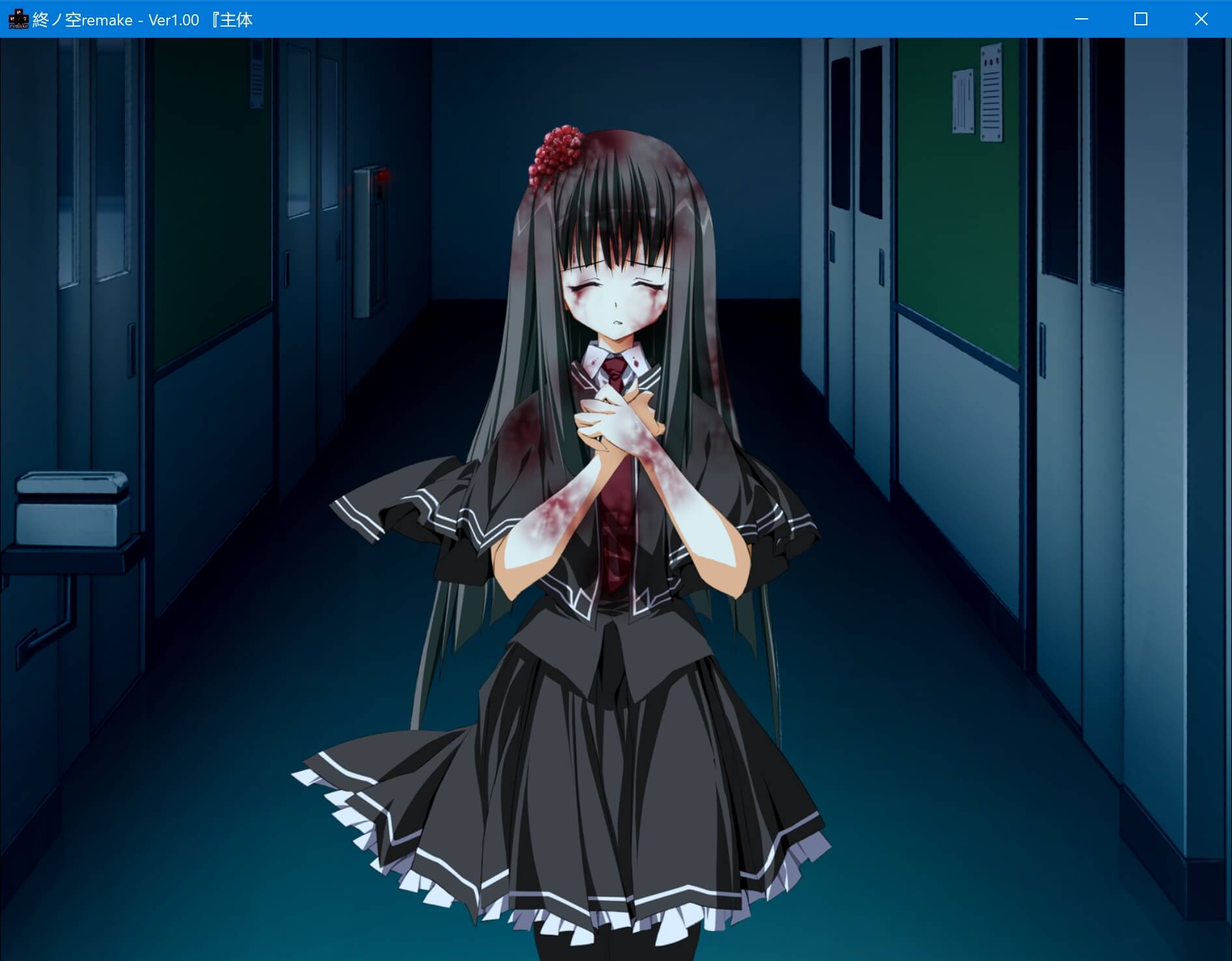
She has hallucinations, feeling she can see a light in the sky. She starts believing the July 1997 doomsday prophecy, feeling she’s endured all the suffering of the human world and will surely fly to the sky in the future. She even finds a few like-minded “good friends” who share her hallucinations.
So, watched over by her “good friends,” Takashima Zakuro leaps from the rooftop. In the moment of death, she feels liberated, reaching the other side of the sky.
Perspective: Yokoyama Yasuko
Yokoyama Yasuko has a tragic past—abandoned by her mother, raped by her father. Her dark childhood forged an independent and ruthless personality. Together with her older brother, she plotted and killed their bastard father, gaining freedom. Later she was adopted, hid her past, and became a good friend. But secretly, she never forgot the past, nor the friends from the dark side she’d made. She often operates in the shadows for her own interests.
But then she saw one person, and everything changed: Wakutsu Kotomi. Yokoyama Yasuko fell in love at first sight with Wakutsu Kotomi, even though they’re the same sex.
Afterward, Yokoyama Yasuko found out Wakutsu Kotomi’s school, class, and kendo club, and used her own skills to infiltrate it, just to be a little closer to her beloved.
But soon, crazy things started happening at school. Yokoyama Yasuko realized that behind Takashima Zakuro working as a school prostitute, the yakuza were involved, and her suicide was connected to the yakuza’s loss of control. Yokoyama Yasuko thought the yakuza might target Wakutsu Kotomi, so after Takashima Zakuro’s suicide, she proactively contacted the yakuza behind the scenes to ask their purpose. Unexpectedly, the yakuza demanded she hand over someone at school who could replace Takashima Zakuro as a school prostitute, and they immediately set their sights on Wakutsu Kotomi.
Yokoyama Yasuko couldn’t hand over her beloved. Thinking quickly, she remembered the school weirdo “Otonashi Ayana” and handed her over instead.
Otonashi Ayana had no idea she’d been sold to the yakuza and went willingly. But when she arrived at the yakuza headquarters, just as they were about to rape her, the man raping her found his dick wouldn’t stop ejaculating—after semen ran out, it started shooting blood, and he died miserably. The yakuza boss realized Otonashi Ayana had immense spiritual power. He sensed this thing wasn’t human, but it was too late—Otonashi Ayana’s psychic shock plunged the whole yakuza into madness. Some died, some went insane. Yokoyama Yasuko witnessed it all. Crazy as it was, she survived.
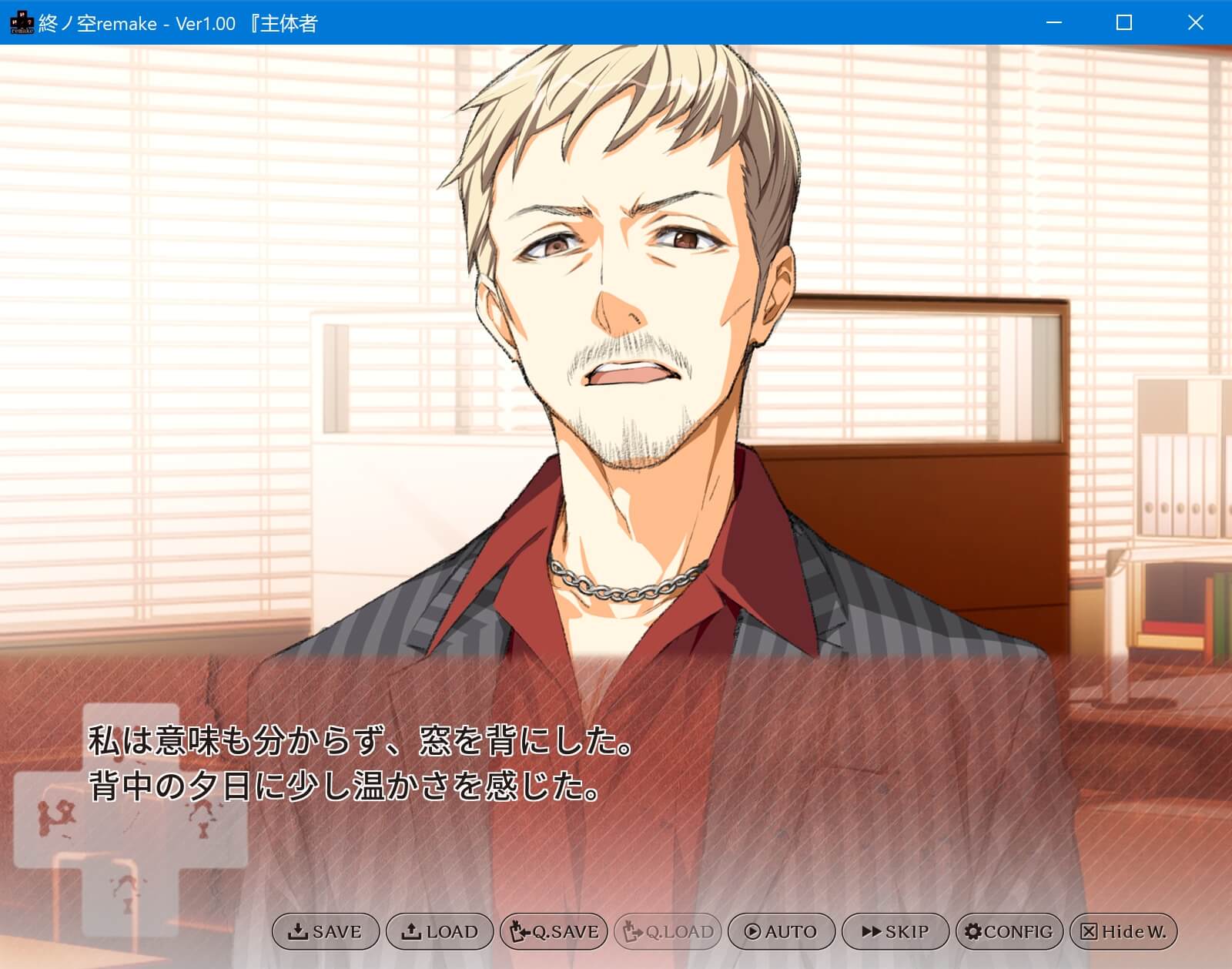
Back at school, even crazier things were happening. A “savior” had appeared, along with a group of people believing in the end of the world. The “savior” was Mamiya Takuji, who incited a bunch of people. Worse, Yokoyama Yasuko witnessed Mamiya Takuji using psychic attacks. After all, she’d already seen a “monster,” so nothing surprised her anymore. She could only believe Mamiya Takuji had supernatural powers, and she went along with it, following him.
Unexpectedly, after becoming the savior, Mamiya Takuji started receiving visitors. Someone came saying a girl named Wakutsu Kotomi looked displeasing and should be captured so the savior could “purify” her.
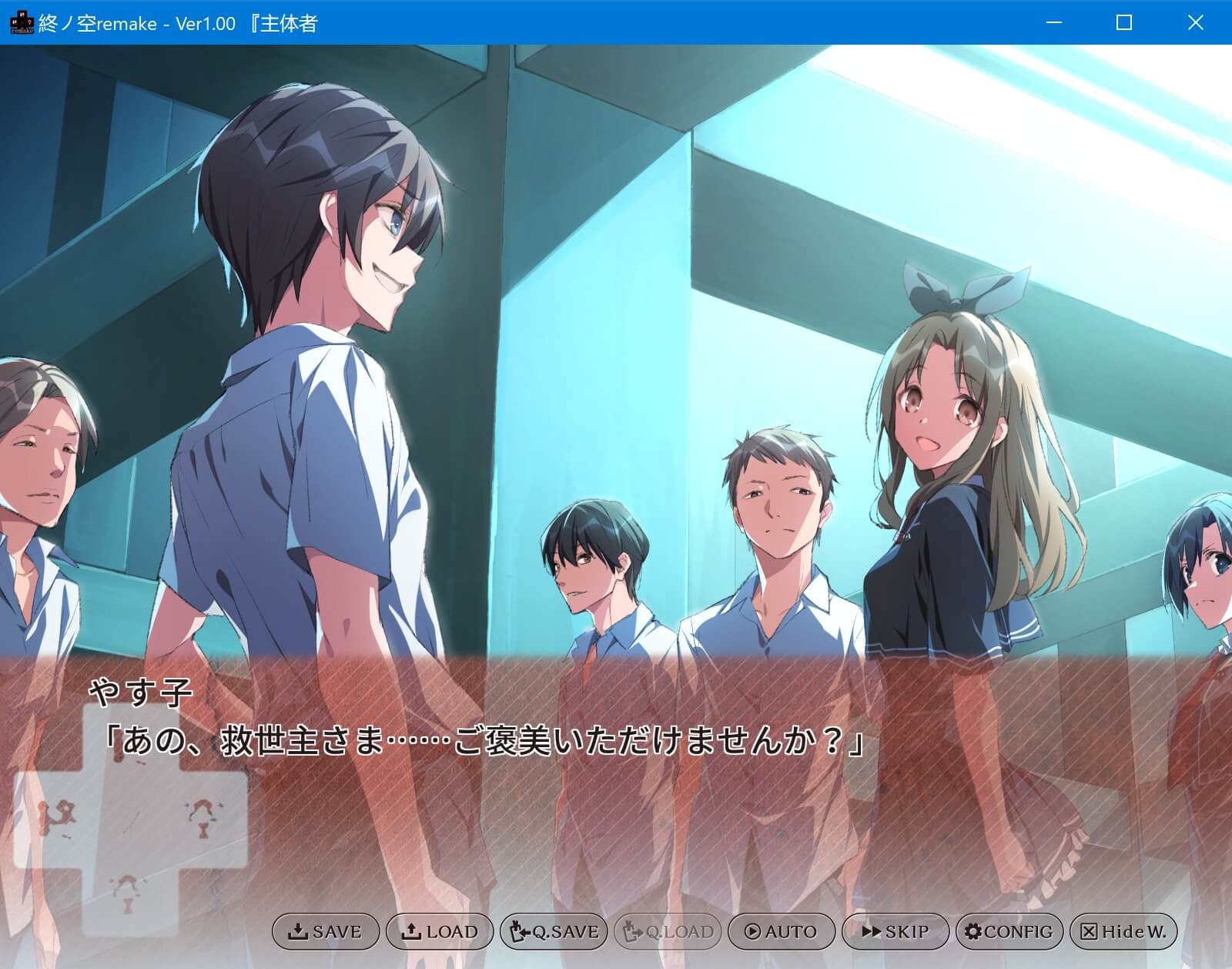
“Purification” probably means gang rape, right? Yokoyama Yasuko knew the routine well. To save her beloved, she volunteered, saying she’d capture Wakutsu Kotomi herself.
So she kidnapped Wakutsu Kotomi and locked her nearby. She went alone to see Mamiya Takuji, saying she’d already caught the girl and had already “punished and purified” her on behalf of the “savior,” begging for his approval.
Before the savior could speak, the followers objected. Who do you think you are, purifying her alone? Are you disloyal? So Yokoyama Yasuko said she’d first take the “punishment” in place of Wakutsu Kotomi and begged the savior’s forgiveness. The savior agreed, and Yokoyama Yasuko alone was gang-raped by all the believers present. After enduring it, some were still unsatisfied, but Yokoyama Yasuko used the yakuza finger-breaking method to show her loyalty. The savior seemed completely uninterested and tacitly allowed it.
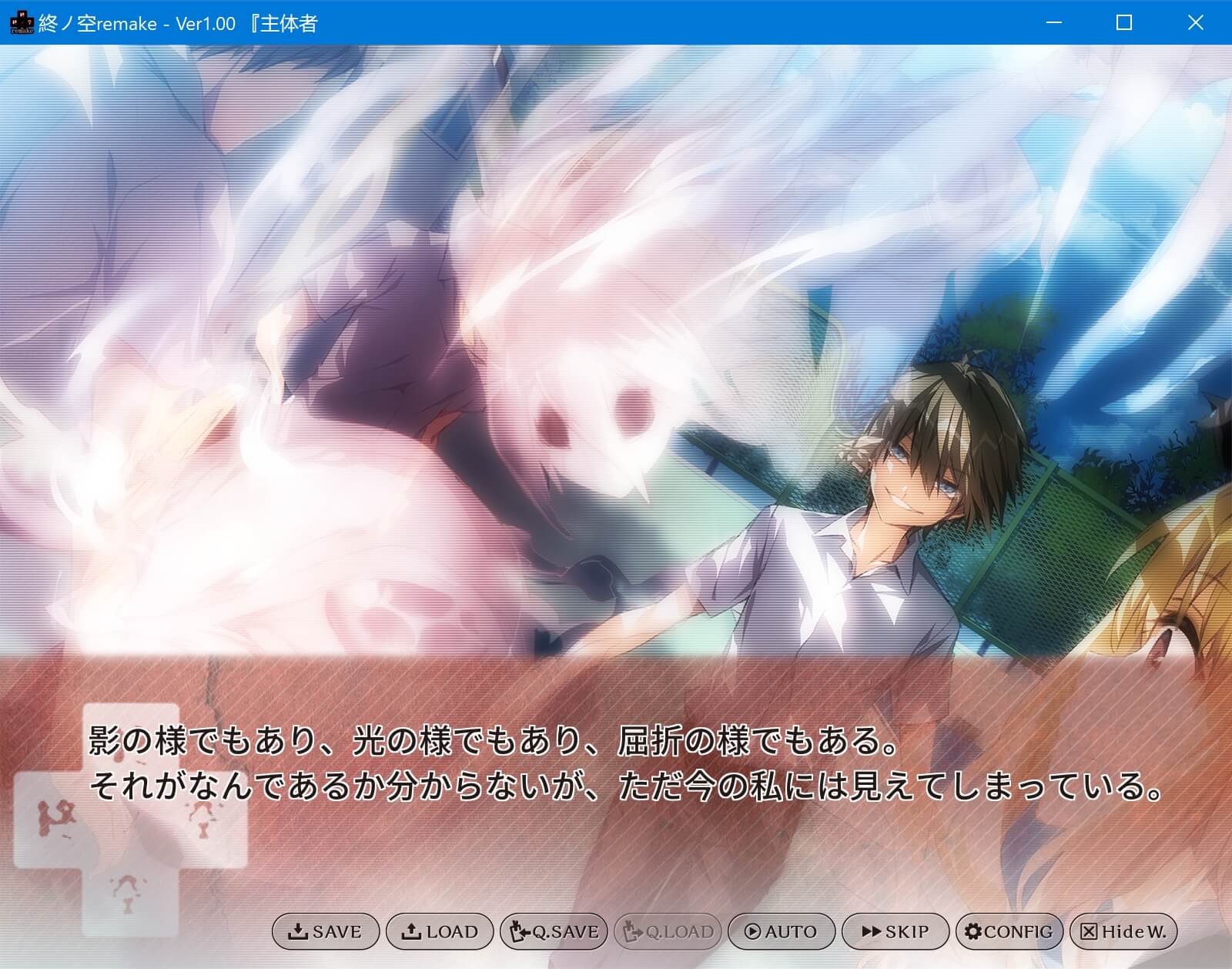
Afterward, Yokoyama Yasuko alone put on a fake dick and enjoyed sex with her beloved Wakutsu Kotomi, after which Wakutsu Kotomi was discovered and rescued by the arriving Minakami Yukito.
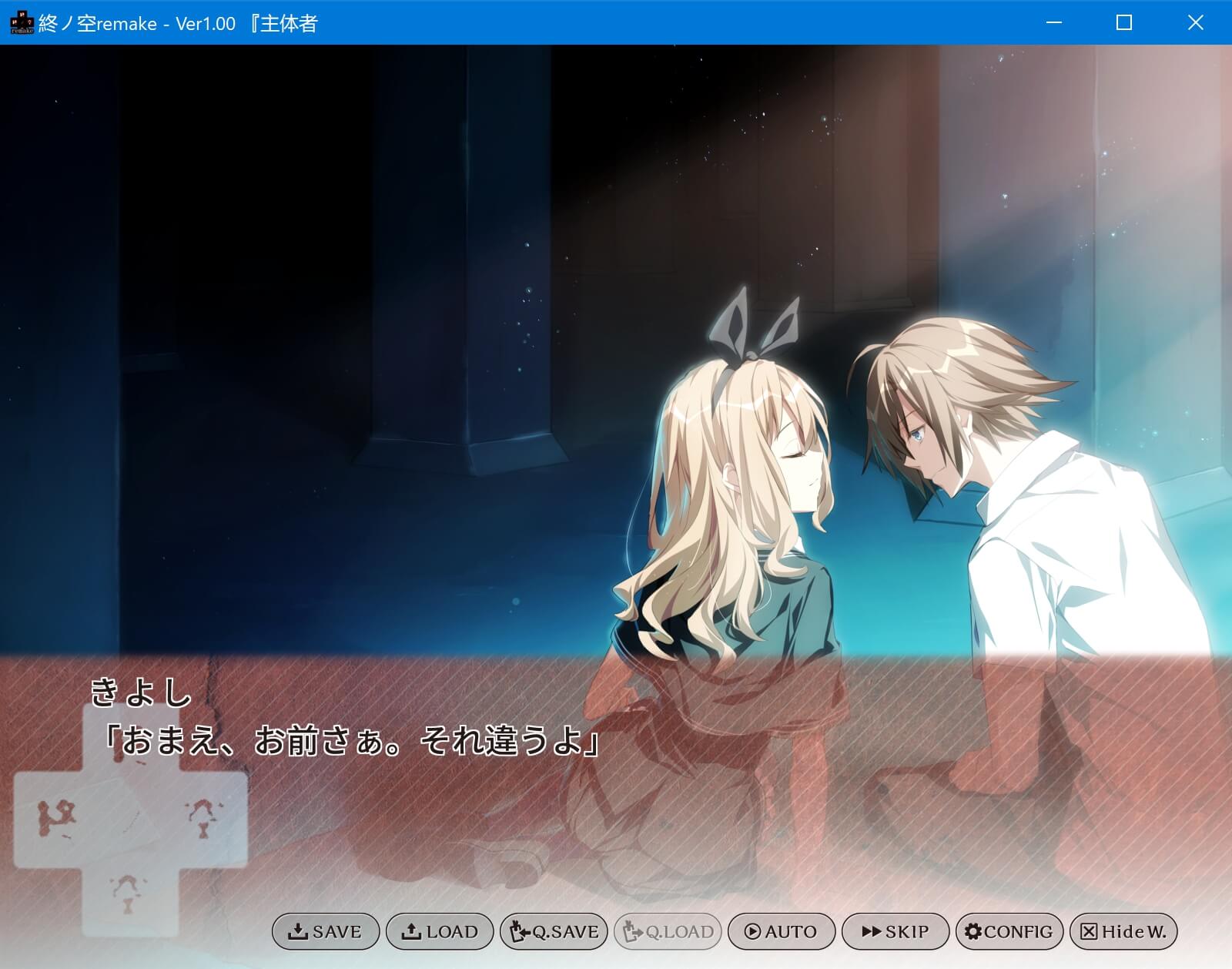
Yokoyama Yasuko collapses alone on the ground and embraces her older brother. She’d lost the will to live, but Wakutsu Kotomi’s appearance gave her life a spark. She’d fought hard to save her beloved, and now she could die without regret. The story ends.
Perspective: Mamiya Takuji
Mamiya Takuji’s story starts out chaotic. He’s a withdrawn person, mentally very unstable. Introverted, timid, afraid to talk to people, he often deludes himself into talking with a “magical girl.” By any measure, he’s a “disgusting otaku.” He hides under the school pool, treating it as his own private space, and on the wall he draws graffiti of his imagined “Magical Girl Riruru,” talking to her alone.
He hears the doomsday rumors at school and learns of Takashima Zakuro’s suicide. The delinquents who bullied Takashima Zakuro also keep bullying him. He’s terrified, afraid of death, doesn’t want to see anyone—he just wants to talk with his imagined “magical girl.”
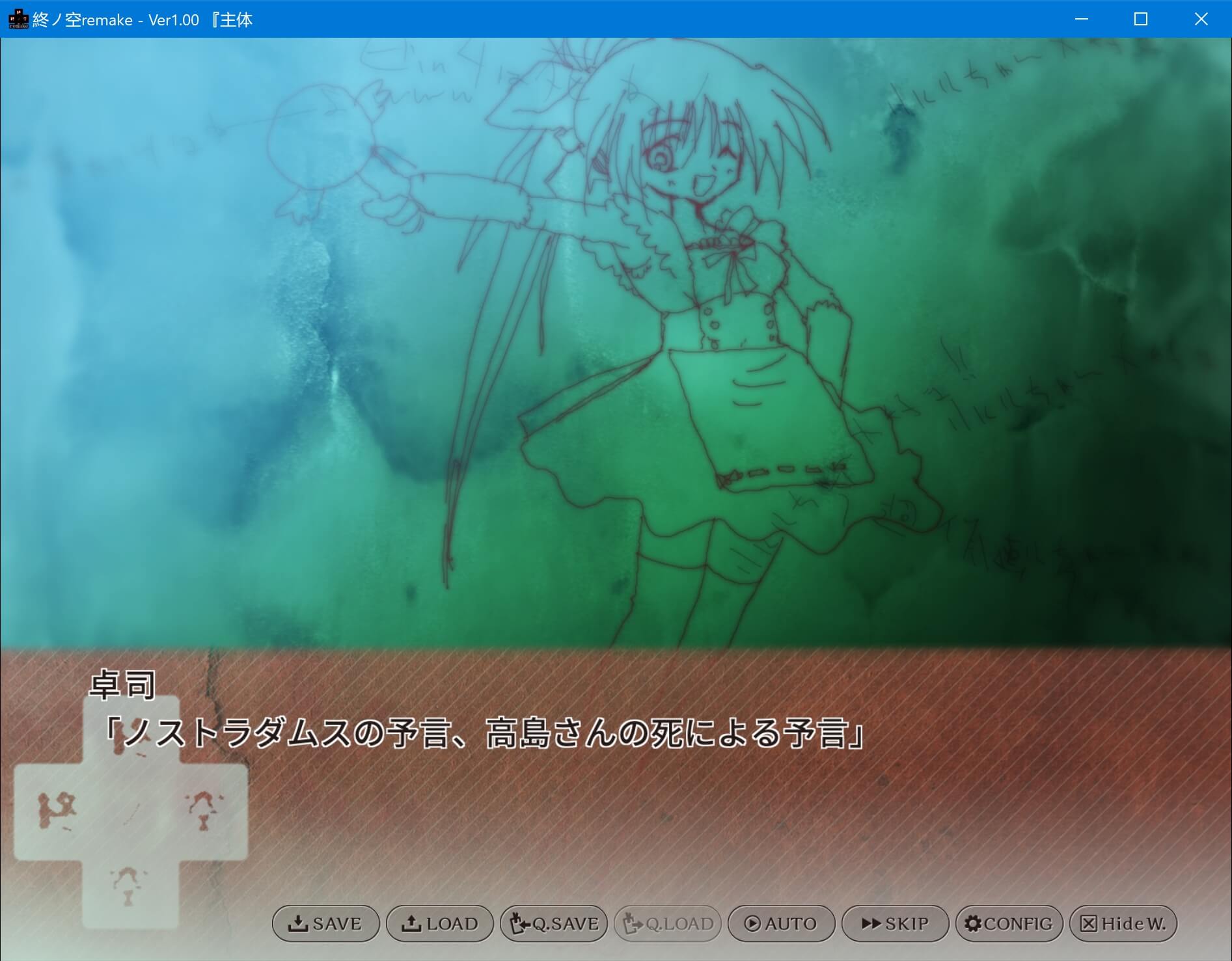
But finally, one day, the “magical girl” on the wall suddenly appears before him for real. Her body materializes, she draws a wand like a tentacle, says she’ll save Mamiya Takuji, and slowly approaches him. In the end, the “magical girl” gradually merges with Mamiya Takuji, even devouring part of his brain.
After that, Mamiya Takuji is no longer the old Mamiya Takuji. He becomes a mad “philosopher,” a cult leader spreading the “end of the world.”
He openly gives speeches in the classroom, preaching humanity’s sins and the coming “doomsday.” Against the delinquents bullying him, he can use the psychic attack power granted by the “magical girl.” With this power, he quickly gains a large following of “believers” at school, and he becomes their “savior.”
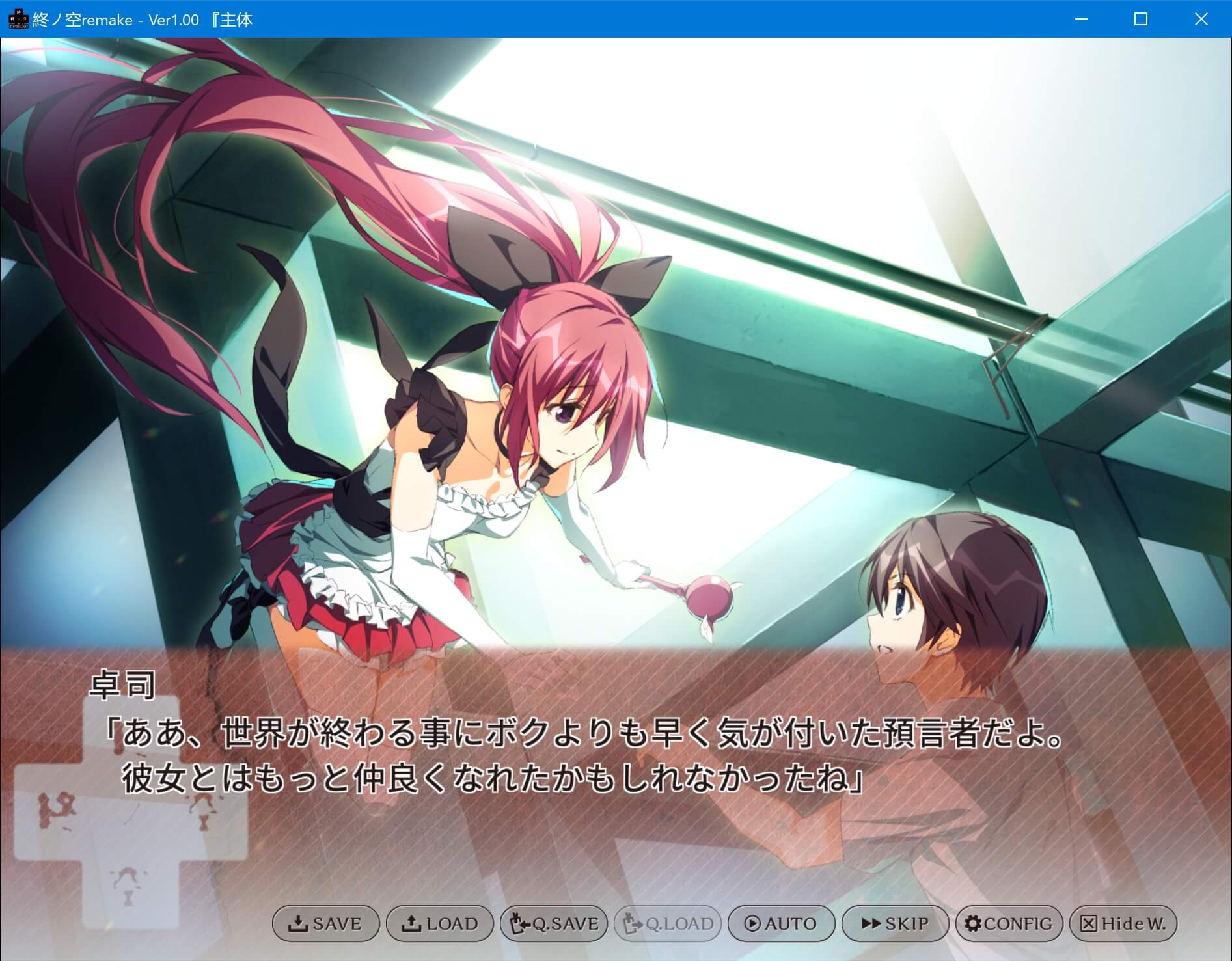
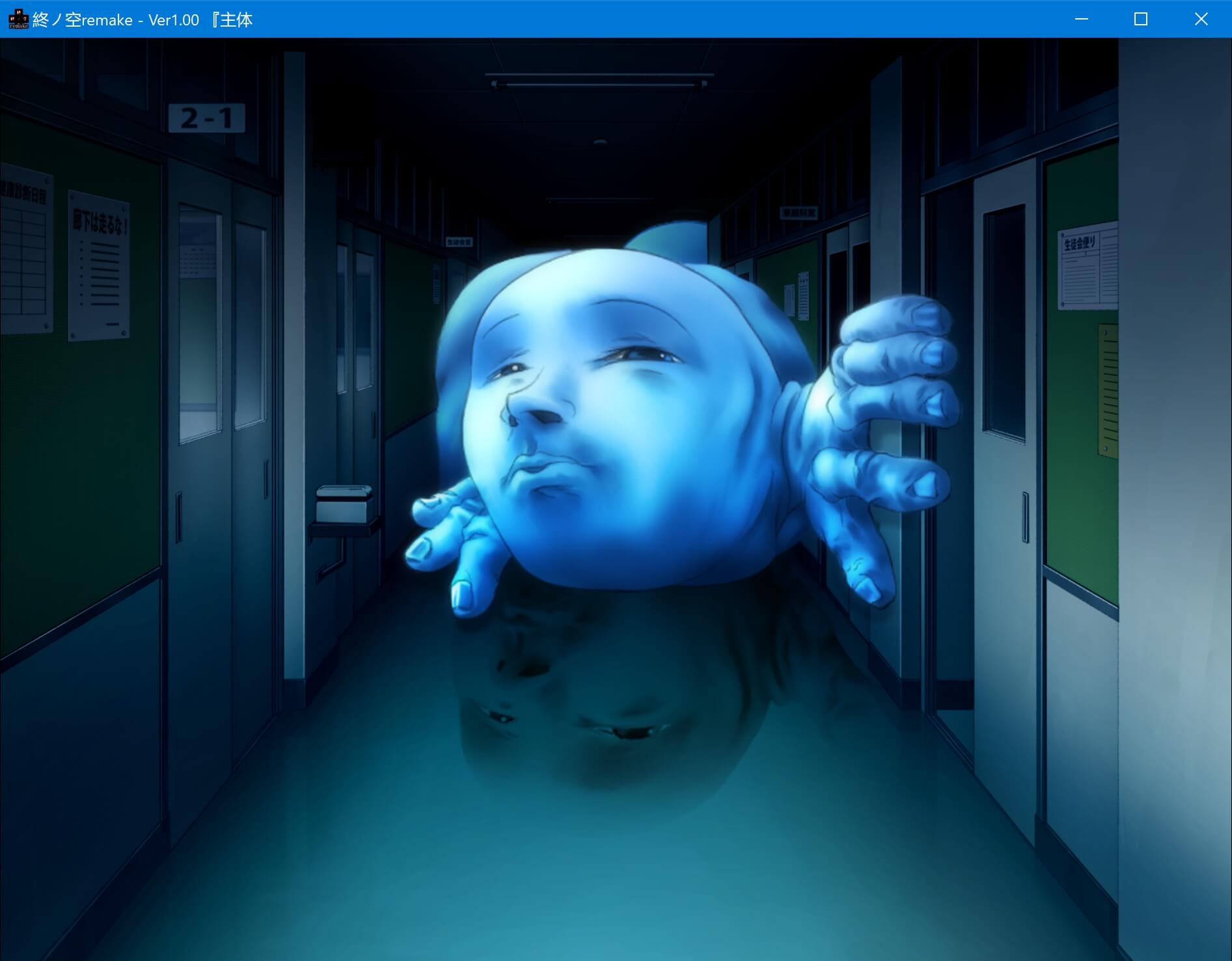
Mamiya Takuji grows increasingly insane. He starts seeing strange things—walking ghosts, monsters in the classroom, a female corpse bleeding in the pool, and the blood-soaked Takashima Zakuro after her suicide. He doesn’t care about any of it. He just wants to talk again with his beloved “Magical Girl Riruru,” but the graffiti on the wall never responds again.
The believers ask Mamiya Takuji to punish the dirty people. Someone suggests punishing Wakutsu Kotomi. A girl named Yokoyama Yasuko volunteers, then says she’ll punish her personally in place of others, and even offers to be violated by everyone…
A total mess, all jumbled up. Mamiya Takuji doesn’t care at all. He keeps staring at the magical girl graffiti on the wall, longing for her to respond again.
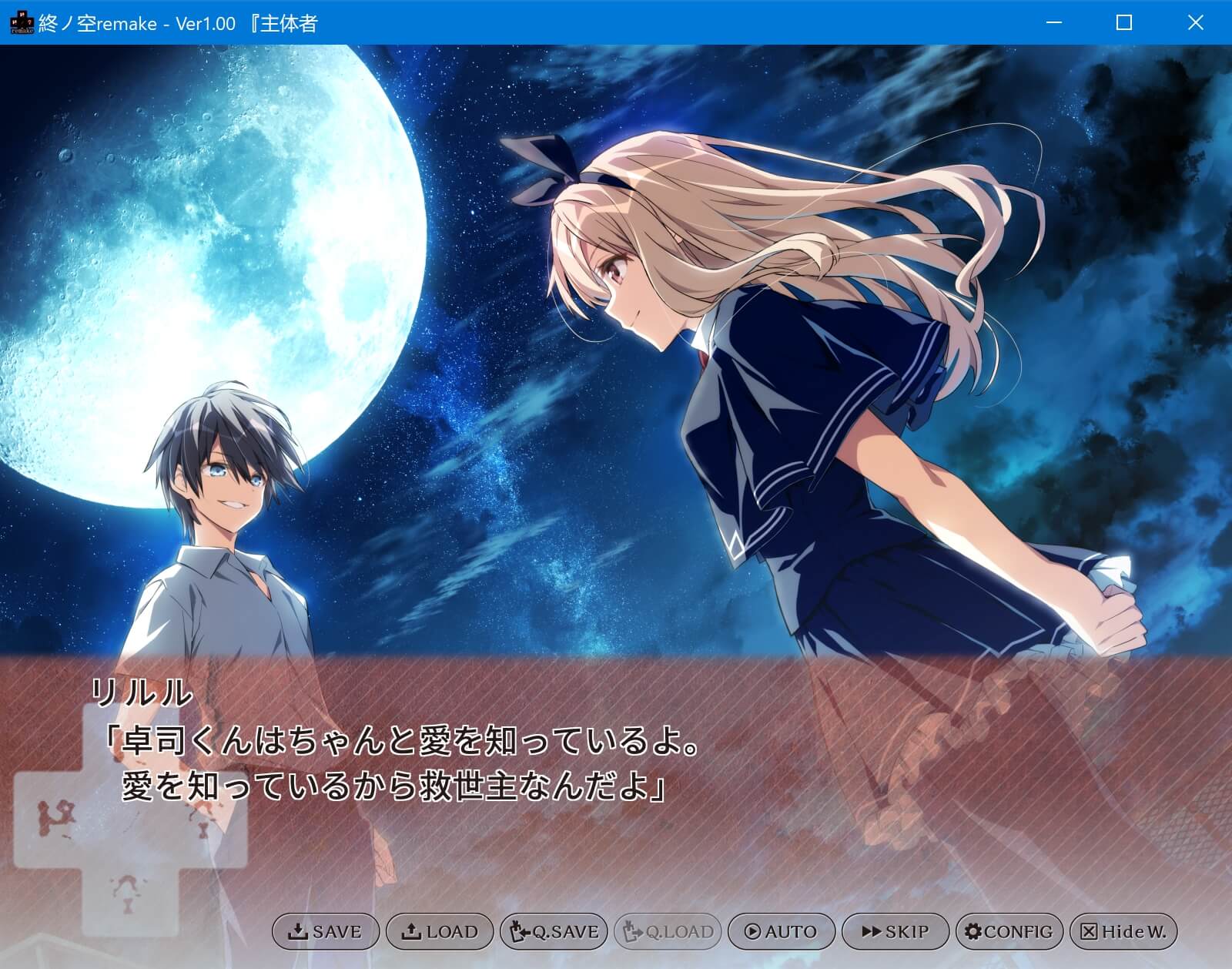
But she doesn’t.
The day of doomsday finally arrives. The believers stand on the school rooftop and all jump off to gain eternal life. Yokoyama Yasuko also comes to the roof and sees Mamiya Takuji standing alone. Mamiya Takuji can sense that Yokoyama Yasuko doesn’t fully believe in him, but she too has a not-so-attached attitude toward life, and she also jumps from the roof.
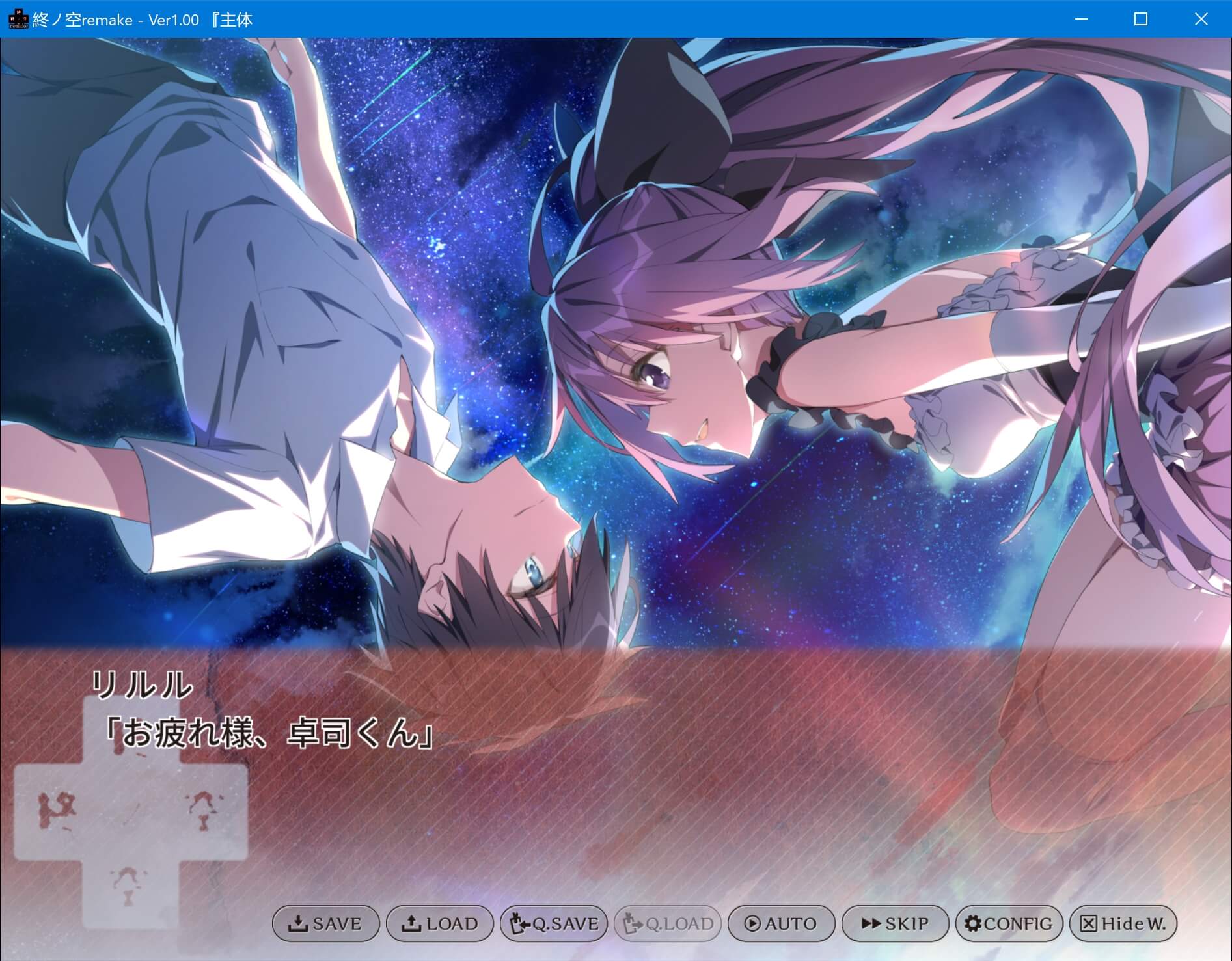
Finally, Mamiya Takuji gazes at the light in the sky, that existence called “Tsui no Sora,” and jumps too. Before hitting the ground, he finally sees his longed-for “Magical Girl Riruru.” The story ends here.
Ending 1:
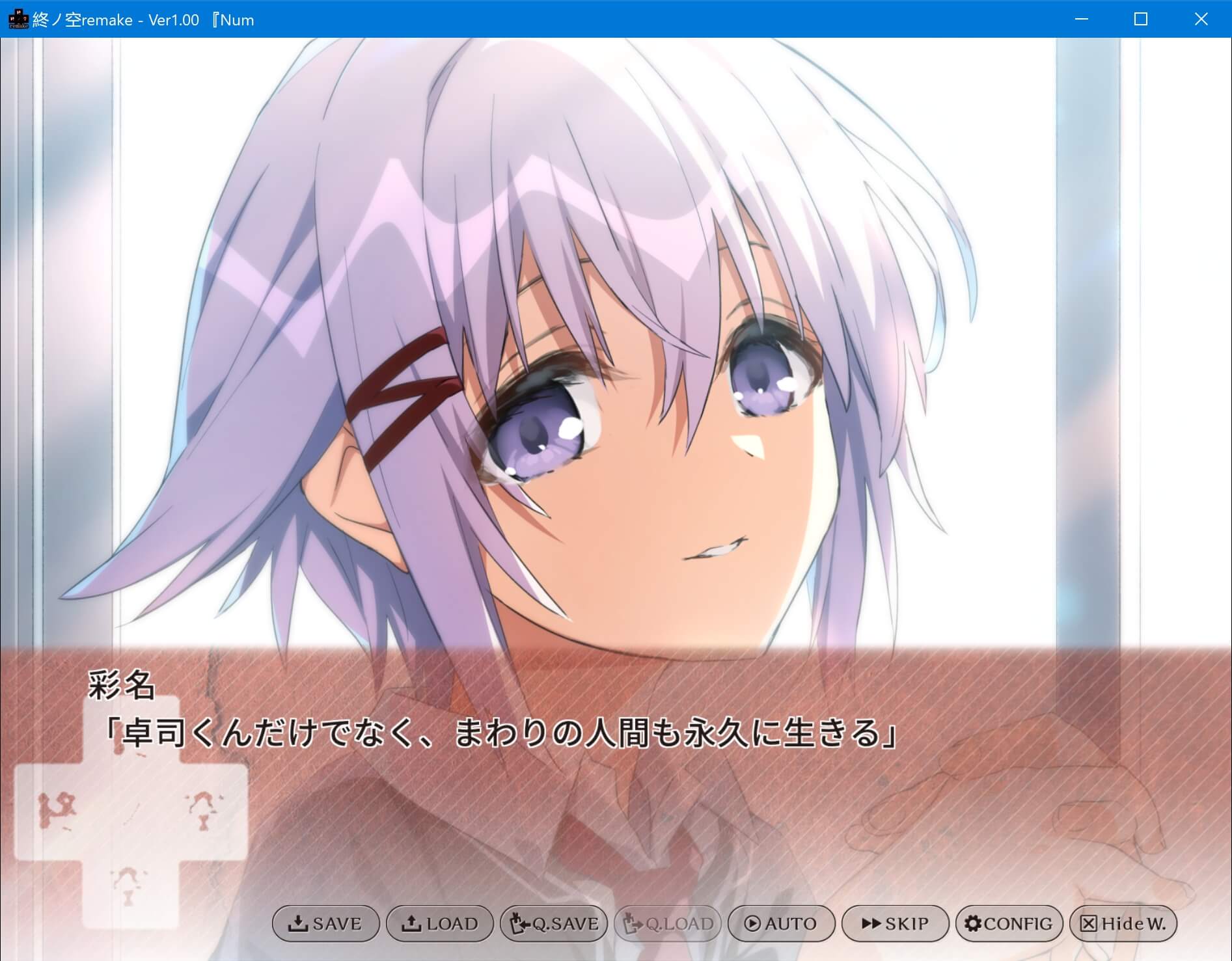
July ends. The end of the world doesn’t come. Minakami Yukito goes to the rooftop and meets Otonashi Ayana. They have a philosophical conversation about doomsday itself, whether the world should exist, and so on. Otonashi Ayana also hints to Minakami Yukito that saying July was the end of the world is actually true—after all, one world has already been destroyed. As for this current one, she doesn’t say much. After having sex with Minakami Yukito, she leaves behind a confused Minakami Yukito and a meaningful ending.
Ending 2:
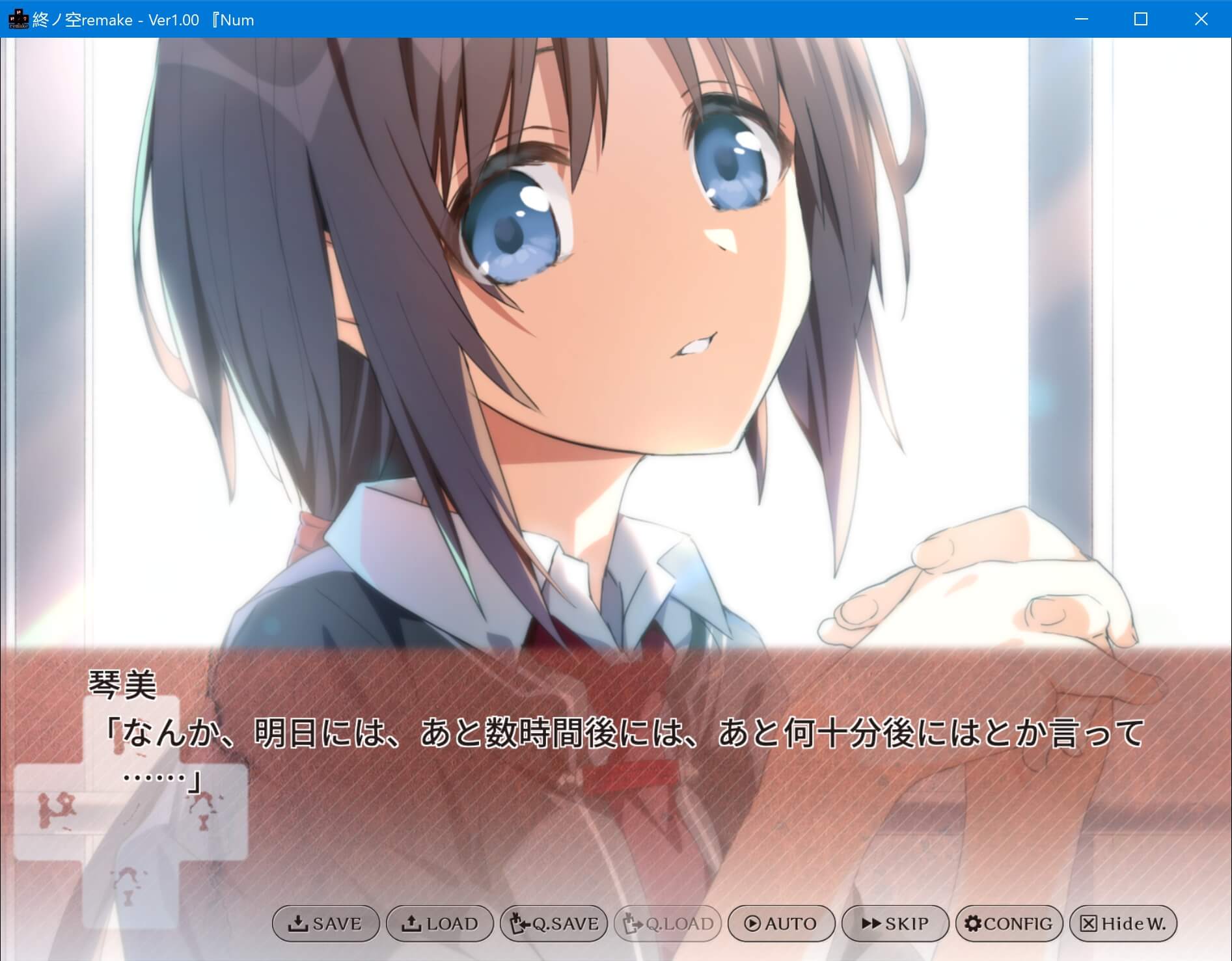
July ends. The end of the world doesn’t come. Minakami Yukito goes to school as usual and sees Otonashi Ayana. They have a philosophical conversation about doomsday itself, whether the world should exist, and so on. Otonashi Ayana also hints to Minakami Yukito that saying July was the end of the world is actually true—after all, one world has already been destroyed. During the conversation, Minakami Yukito suddenly has a hallucination, or wakes up from one. He finds the Otonashi Ayana before him gradually turning into Wakutsu Kotomi, and his earlier conversation with Otonashi Ayana seems like a hallucination that never existed. Only Wakutsu Kotomi is before him. Just as he thinks it was a hallucination, the Wakutsu Kotomi before him reveals that eerie smile only Otonashi Ayana had, and says those eerie words only Otonashi Ayana could say, leaving behind an ending that feels uncomfortable no matter how you look at it.
From a macro perspective, Tsui no Sora’s plot isn’t hard to understand. It’s the story of a creepy, disgusting otaku who accidentally touches some supernatural power, becomes a madman, successfully establishes a cult-like organization at school, spreads doomsday prophecy, and finally leads a group of believers to jump off the roof to their deaths.
The multi-perspective narrative in 終ノ空 does a lot of heavy lifting for the story. If you just laid the plot out straight, it wouldn’t be much to look at. This way — perspectives layered from far to near — you get that peeling-the-onion feeling of inching toward the truth.
Like I said before, 終ノ空 is similar to サクラノ詩: it tells a basic framework story while stuffing in a ton of tangent trivia and philosophy — the existence of the “end of the world” itself, arguments about “what is humanity,” that sort of thing. But all of that is just garnish. Whether you get it or not doesn’t affect your grasp of the overall structure. This is what I’ve always considered the best part of SCA-ji’s own scripts: the main plot is always easy to follow, and the philosophical garnish lets that main plot soar even higher. Writing it this way actually gives the game a certain “replayability” — first time through you get the story but miss the philosophy, so you can go back for a second run and mull it over.
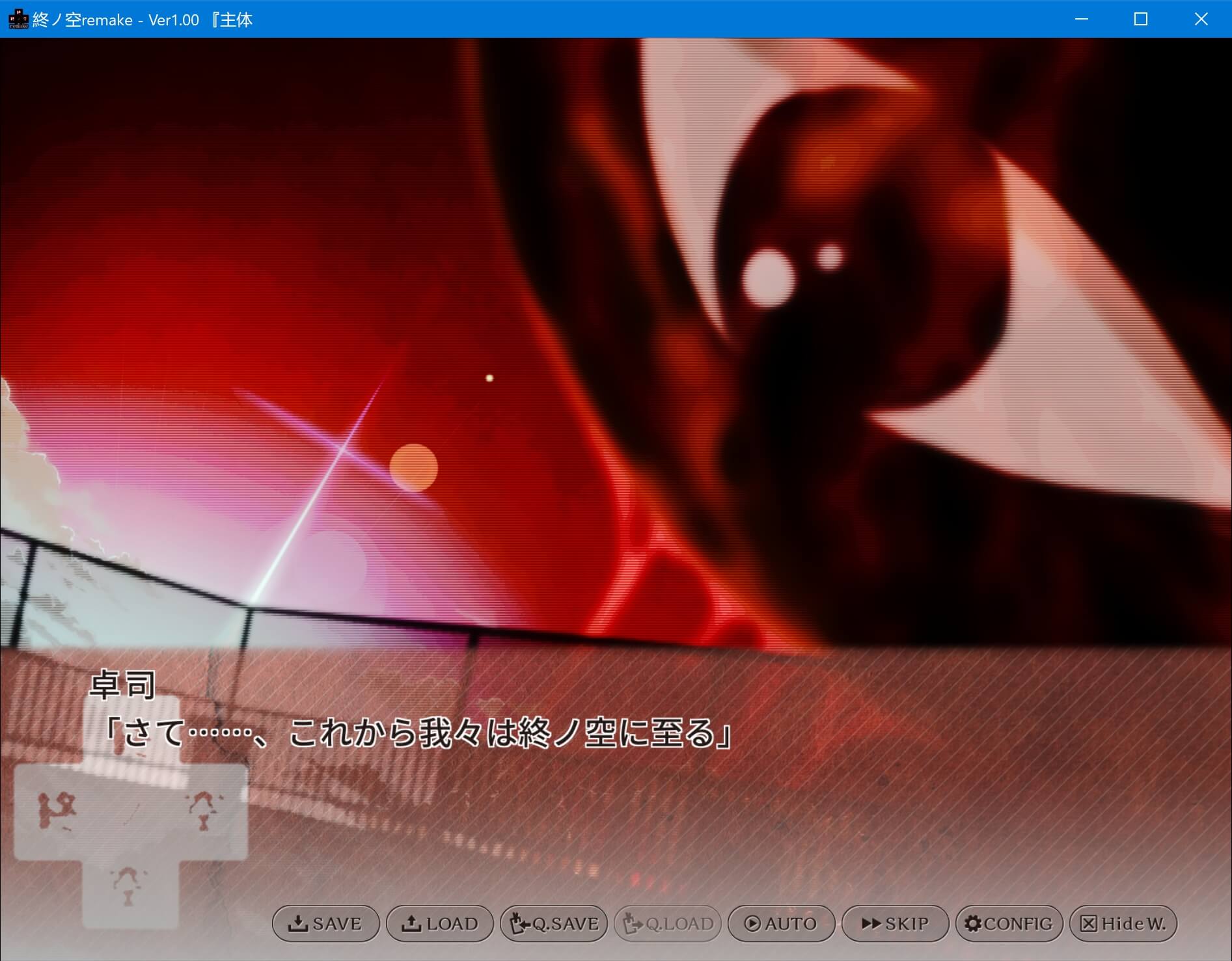
The “mysterious force” in 終ノ空 isn’t hard to understand at all — it’s the Cthulhu Mythos. The main thing that drives 間宮卓司 insane is basically something like Nyarlathotep (yes, your familiar Nyaruko), eating brains, assaulting human minds, lowering SAN values, whatever. This lines up with the magic wand held by the “magical girl Riruru” that 間宮卓司 sees in the game. Another mysterious figure, 音無彩名, is also some grotesque god from the Cthulhu Mythos — though in-game she claims she’s not the same one affecting 間宮卓司, just a very close relative. When 音無彩名 slaughters the gangsters, their boss mentions they saw a similar monster in Shanghai. That setup matches The Bloated Woman, an avatar of Nyarlathotep — an obvious hint in the game.

Put it all together and you can sum up the game nicely: a monster from the Cthulhu Mythos (an Outer God) attacks the brain of a creepy otaku at school, possesses him, and uses him to mind-control a cult, leading to a mass suicide incident.
I do want to complain, though — this is a famous Cthulhu Mythos deity, so why is its scope so small? It only messes around in a Japanese school. Look at the Old Gods in World of Warcraft with a similar setup — each one drives some big shot insane, each one founds a massive cult.
But this is just a porn game, so let’s not ask for too much.
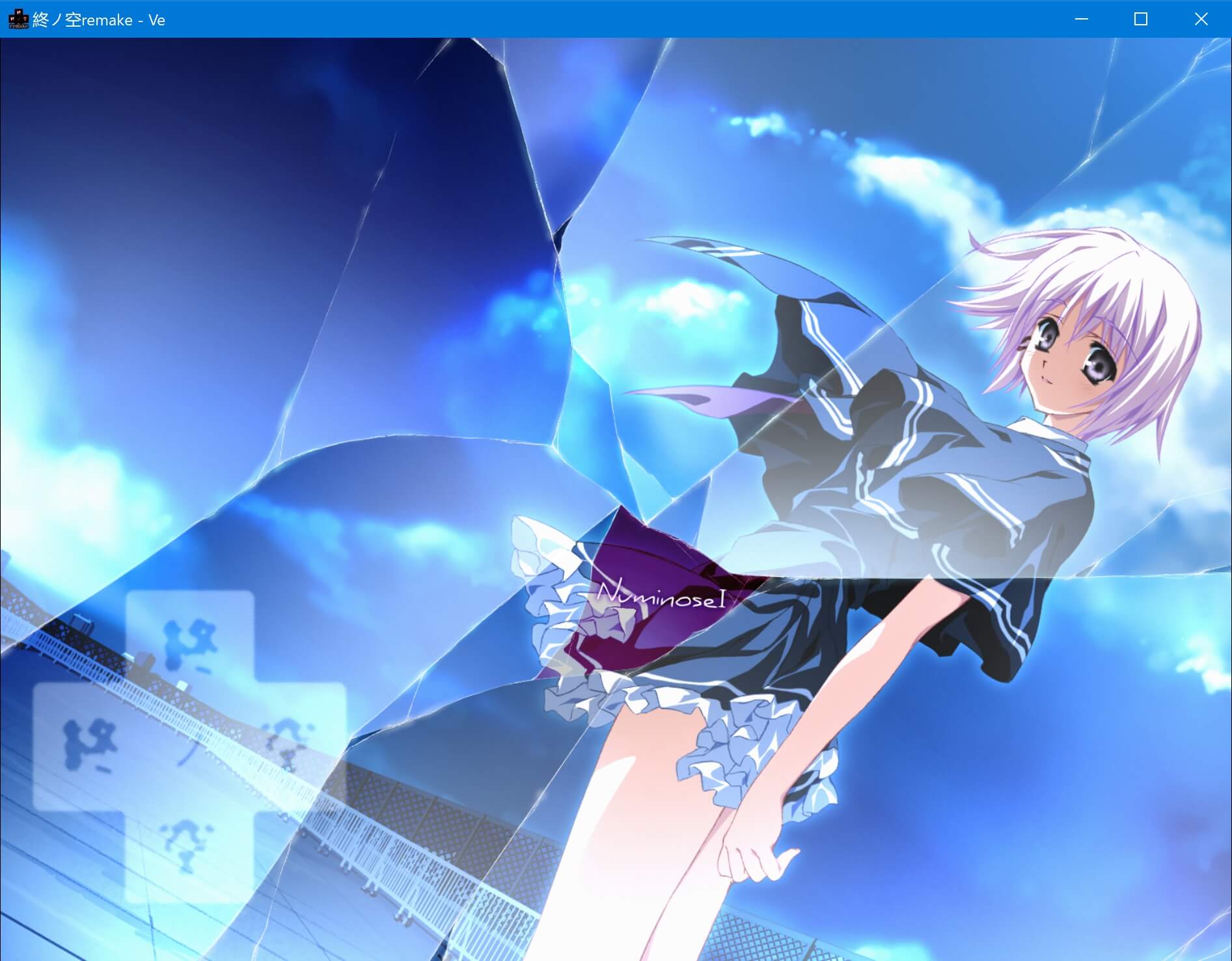
終ノ空’s endings are open-ended, but every one of them points to another character: 音無彩名. She’s also something like a “being of chaos,” with immense psychic power. The endings are mostly about building an atmosphere of dread — telling you that this “indescribable chaotic god is always lurking right beside you,” and the next one to go mad might be your girlfriend, or you.
For a game from 1999 to have a script in this style is genuinely impressive. And you can see a lot of stuff later games copied in this 1999 game — especially the “Cthulhu Mythos” routine, which shows up exactly the same way in a certain game written by Moonstone’s Wu Lao’er. The original was already a horror-focused game, and the crude Flash production, eerie music, and monster models that look like “three years of animation school” actually make it scarier. 終ノ空 Remake remade most of it — the art is more polished, but the heroines are also cuter, and with voice acting it’s “less scary.” Still, the Remake preserves the original’s quality and expresses everything the original couldn’t. If the original is an 80, the Remake fills in the missing 20.
I have to praise the voice cast here — they’re really good. Especially 秋野花 as 横山やす子; she nails the character’s traits, and the dual personality of A-side and B-side is performed perfectly.
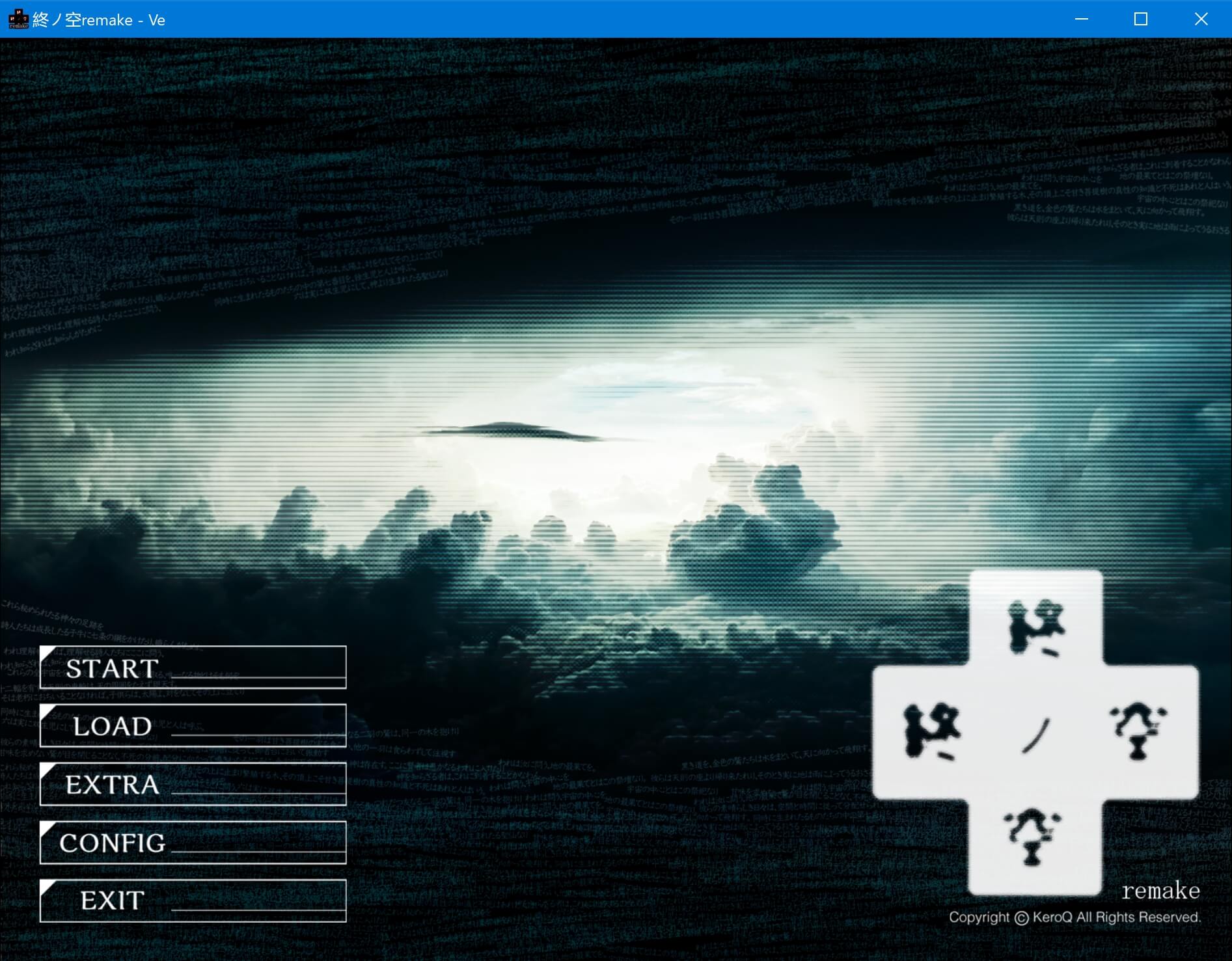
After 終ノ空 Remake came out, I saw a lot of online reviews. Same routine as the ones for 素晴日 and サクラノ詩 — all philosophy and self-congratulation. Everyone acts buddy-buddy with SCA-ji, like he’s chatting them up personally, and nobody says a word about what the story is actually about. I don’t know if they can’t say it or won’t. I just think SCA-ji’s works aren’t “philosophical” at all — his storytelling ability is genuinely good, the foreshadowing lines up nicely, and the “philosophy” is just garnish from his personal hobby. Why do so many people obsess over that “philosophy”? Because talking about it makes them feel superior? SCA-ji is a good scenario writer and a solid Galgame professional, but he’s not a philosopher, and he’s not an artist. We don’t need to mythologize him, and we definitely shouldn’t use “praising” or “trashing” him to indirectly praise ourselves.
Of course, if you want to talk about the HCG in the game, that’s genuinely “philosophical” — telling you that the Cthulhu Mythos has no symbol for gender.
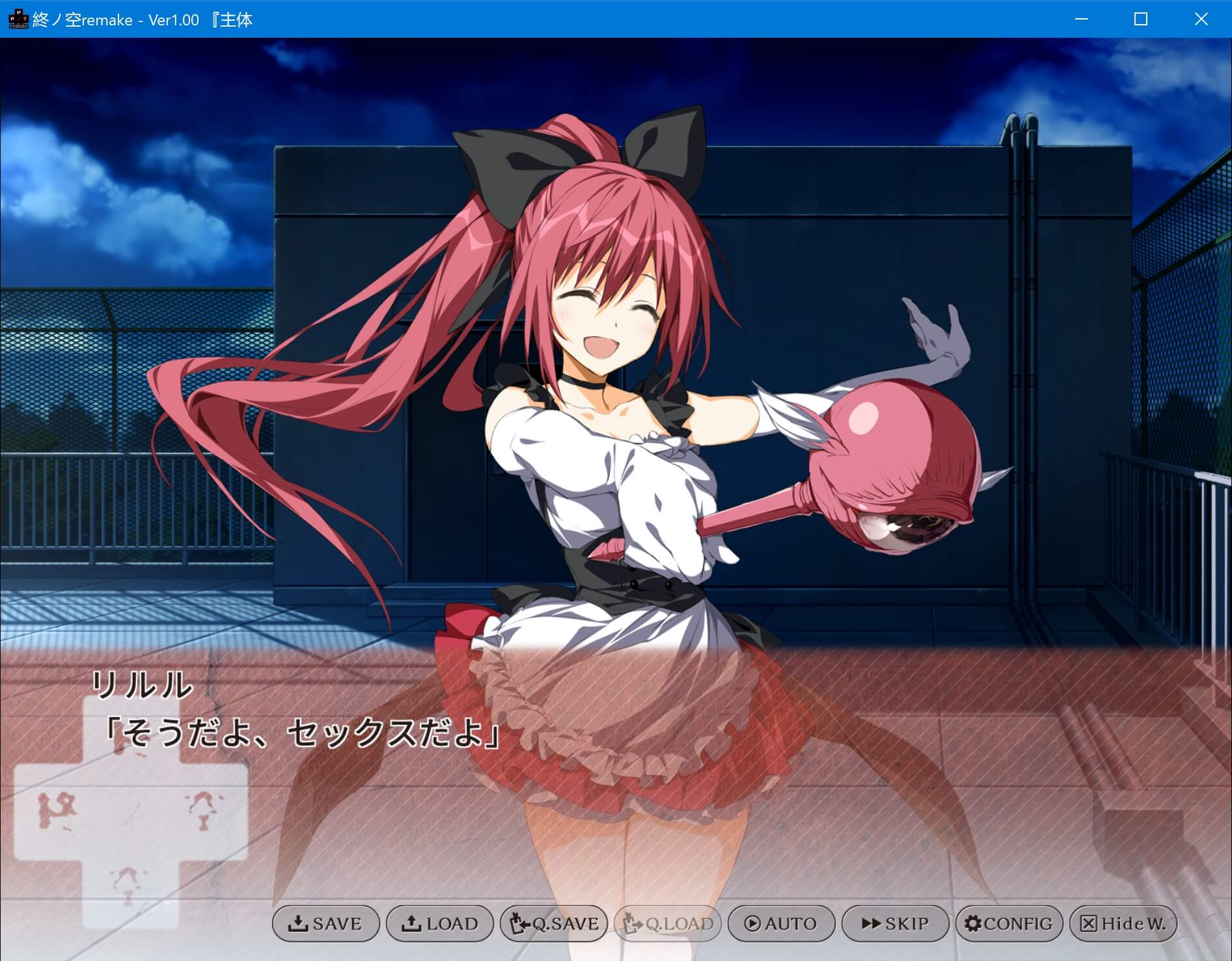
Like 間宮卓司 in 終ノ空 Remake: he’s a shut-in otaku, and after his brain gets invaded he’s still a shut-in otaku — he just has a mouth that can spout philosophy, and boom, he’s the “savior.” To the people willing to believe his words, he’s a philosopher; to someone like 水上行人 who doesn’t give a shit, he’s a lunatic.
“Philosopher” and “lunatic” are sometimes just a hair apart — kinda like those folks I see mindlessly praising the game’s philosophy just to elevate their own taste.
Comments are hosted on the Chinese main site. This mirror is read-only.