My Favorite Galgame of 2020
2020 was a rough year for everyone, eroge makers included, so there were way fewer games to play this year and way fewer that actually landed. And I played about as many as always… meaning not fewer. I went through 41 eroge in 2020, which somehow matches 2019 exactly. So I genuinely got worse this year. I’m supposed to be phasing this out gradually…
That said, there seemed to be more games worth recommending this year. Though I clearly felt one thing — Galgame music just doesn’t hit anymore. Honestly, I tried to put together a list of “OPs and EDs that sounded good this year” and came up nearly empty. The lesbian game’s OP was decent, but frankly I didn’t even want to collect OSTs this year, so I’m skipping music entirely. Let’s just talk about the games. Here’s what “I personally” thought was good in 2020.
10. Hokenshitsu no Sensei to Shabondama Chuudoku no Joshu
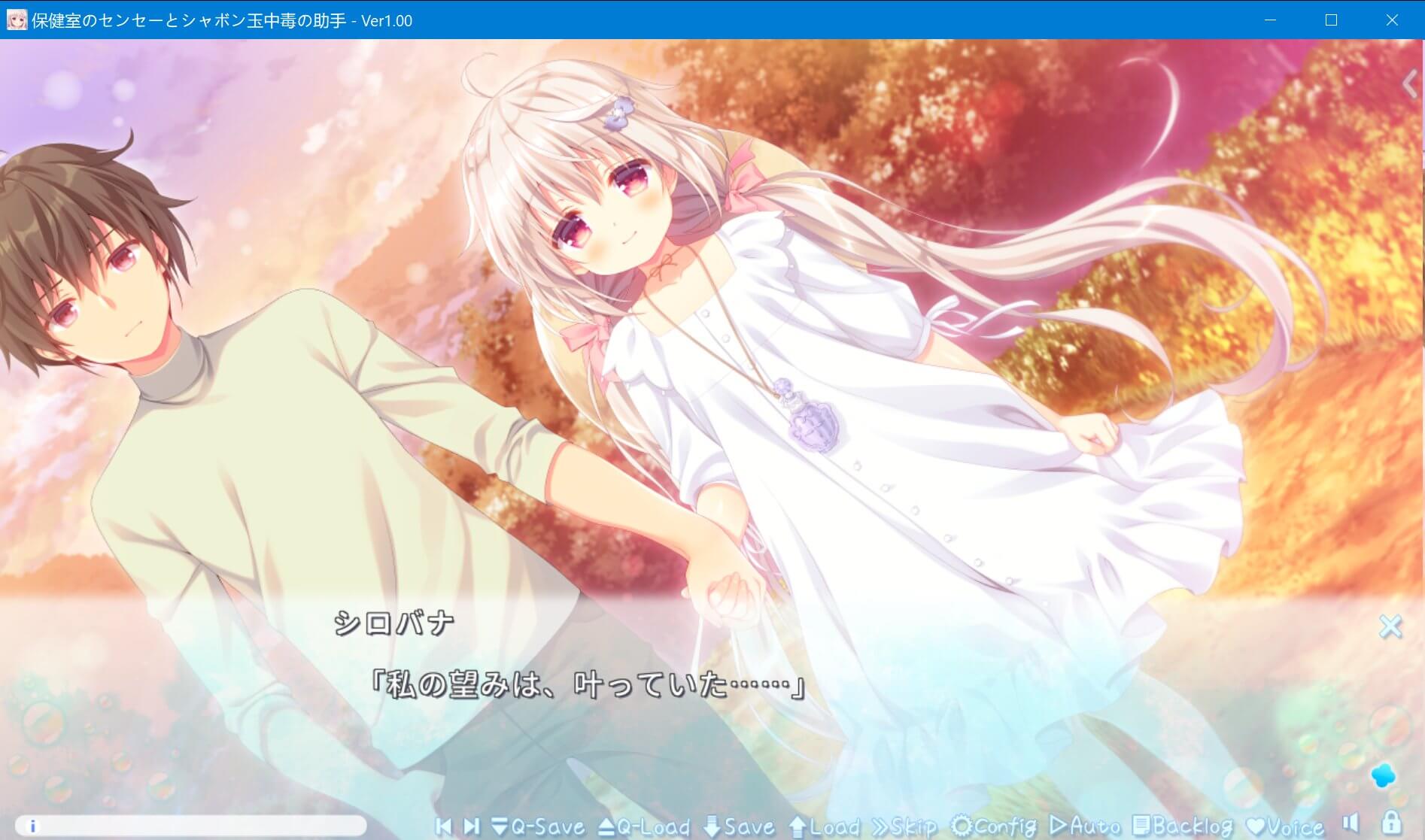
This is a flawed game. By any measure it’s a half-finished product that’s “nothing but the main route,” but that doesn’t mean it’s bad — the main route alone is roughly complete enough to be worth seeing. Setting aside the “incomplete story,” the title is also dumb as hell, which is another flaw. Using an old loop-like framework, the game spins a story with a bit of novelty to it, and combined with the heroine’s excellent VA work, it’s enough to resonate with any little chubby otaku who likes sweet moe love stories.
9. Kimi e no, Kami-sama no You na
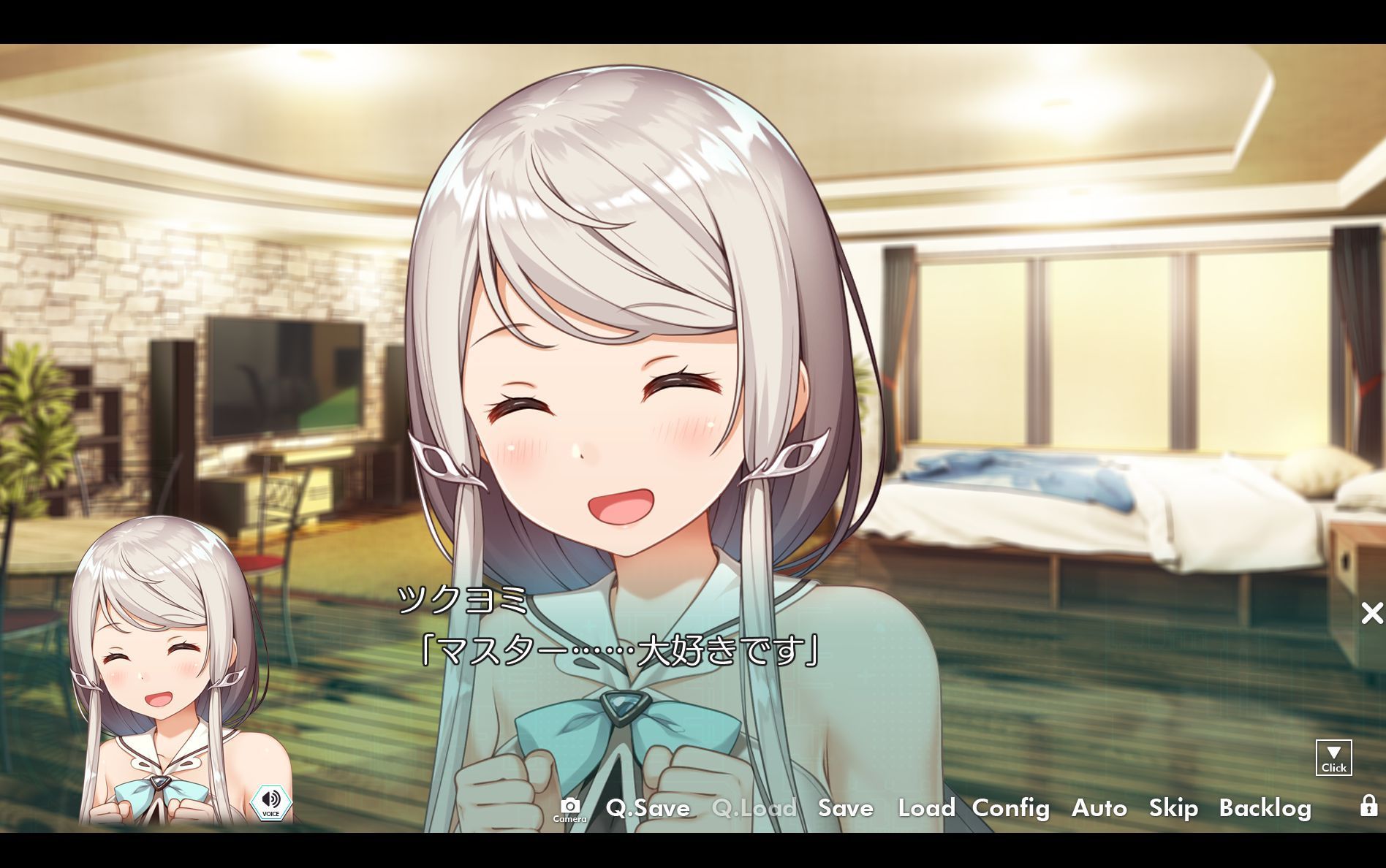
I tore this game apart in the pages of 2D Mania magazine, but even so it’s worth recommending. Three reasons: 1. The art is genuinely gorgeous — the girls drawn by Kantoku are impossible to resist. 2. The comedy bits are above average; at least chatting and joking with a robot in the daily scenes never gets boring, and plenty of moments will make you smile. 3. The game directly engages with the link between “artificial intelligence” and “privacy,” including high-tech elements like future medical chip implants. Even if the treatment is extremely naive, at least it brings it up. Compared to the other game in the same vein, QUALIA Yakusoku no Kiseki, the latter is more rigorous plot-wise, but… the visuals, music, and slice-of-life are far too stripped down. A game is a whole package, and on the whole CUBE’s title is the more recommendable one.
Note: Fan translation available
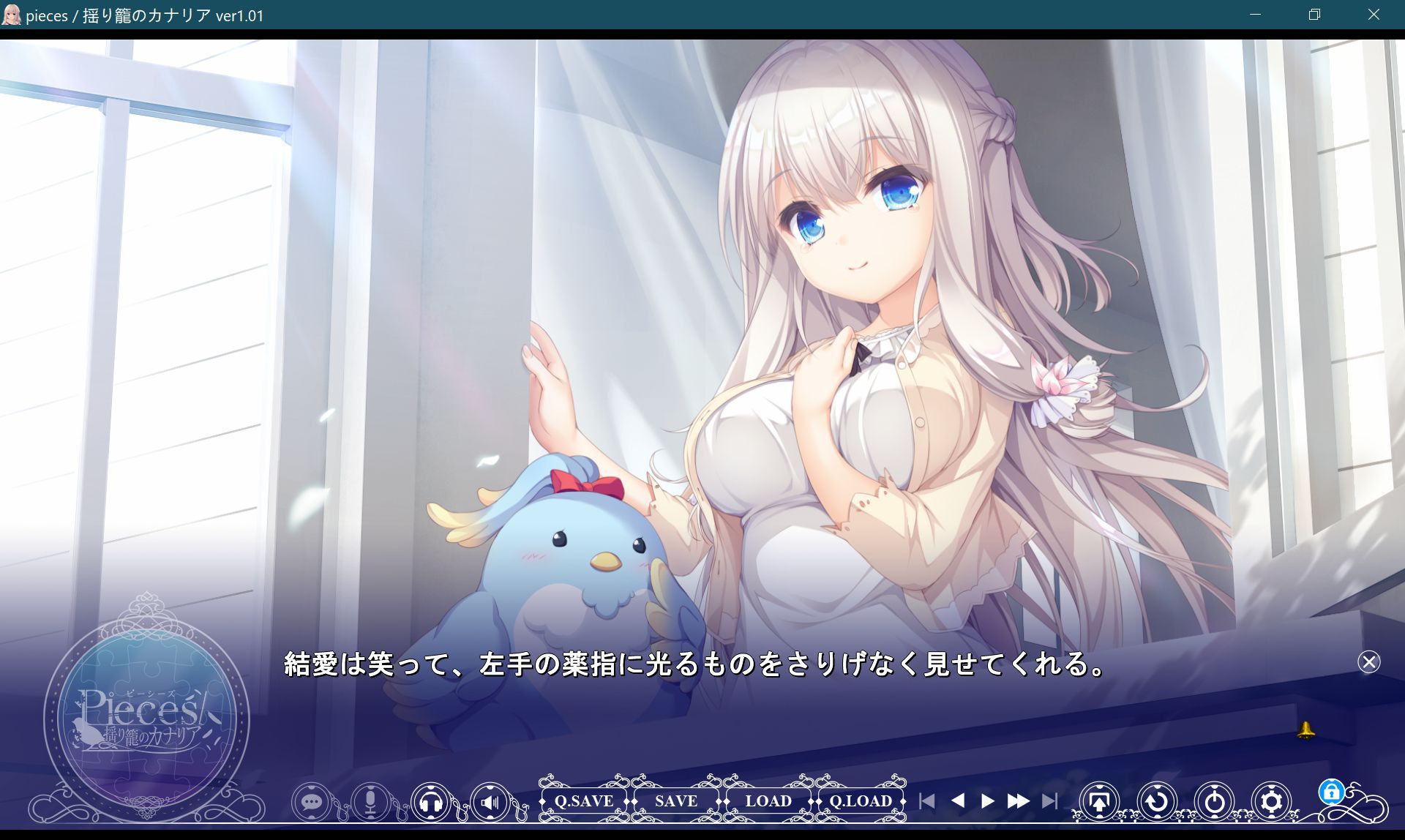
A sequel to last year’s game, or rather a fandisc. My reason for recommending it is simple: even though it’s a fandisc, it takes some genuinely bold swings with the story. Especially since the original game already reached its “grand finale” — and this fandisc actually overturns that ending and lays out a new plot development. And the way it unfolds is… pretty good, actually. That alone is enough to recommend it. Add the big jump in CG quality and Yua just keeps getting more beautiful, and Wako Natsu keeps getting better…

Honestly I thought this game was pretty mid at first. The only thing it really nails is the True End. But looking back over the whole year, after New Shimabukuro Yū’s same-premise trainwreck, this one ends up looking comparatively sincere. Anyway, the True End is genuinely moving, and the development is a little unexpected too. Either way… it’s the best of a mediocre bunch, and it landed here. If you like emotional stories and you like older-sister heroines, this one’s worth a shot. It also has a sweet romance route written by Hogei Kei, plus Sawada Natsu’s enthusiastic performance — both highlights.
6. Yukiiro Yukihana Yuki no Ato

The final chapter of the 9-Nine series. Honestly this one isn’t really worth recommending — selling it in split volumes is just cruel. But the final chapter is genuinely hype, and creative too. It makes you feel real despair when you realize “the boss has the same cheat as the protagonist.” Sure, the final victory also feels a bit cheaty, but the boss confrontations leading up to it are unconventional enough that players can truly feel “despair” — that alone makes it worth trying. The fact that the final chapter’s release even boosted sales of the earlier volumes says one thing: the quality really is good. And another thing: if you want to properly enjoy the final chapter, go play the earlier ones first.
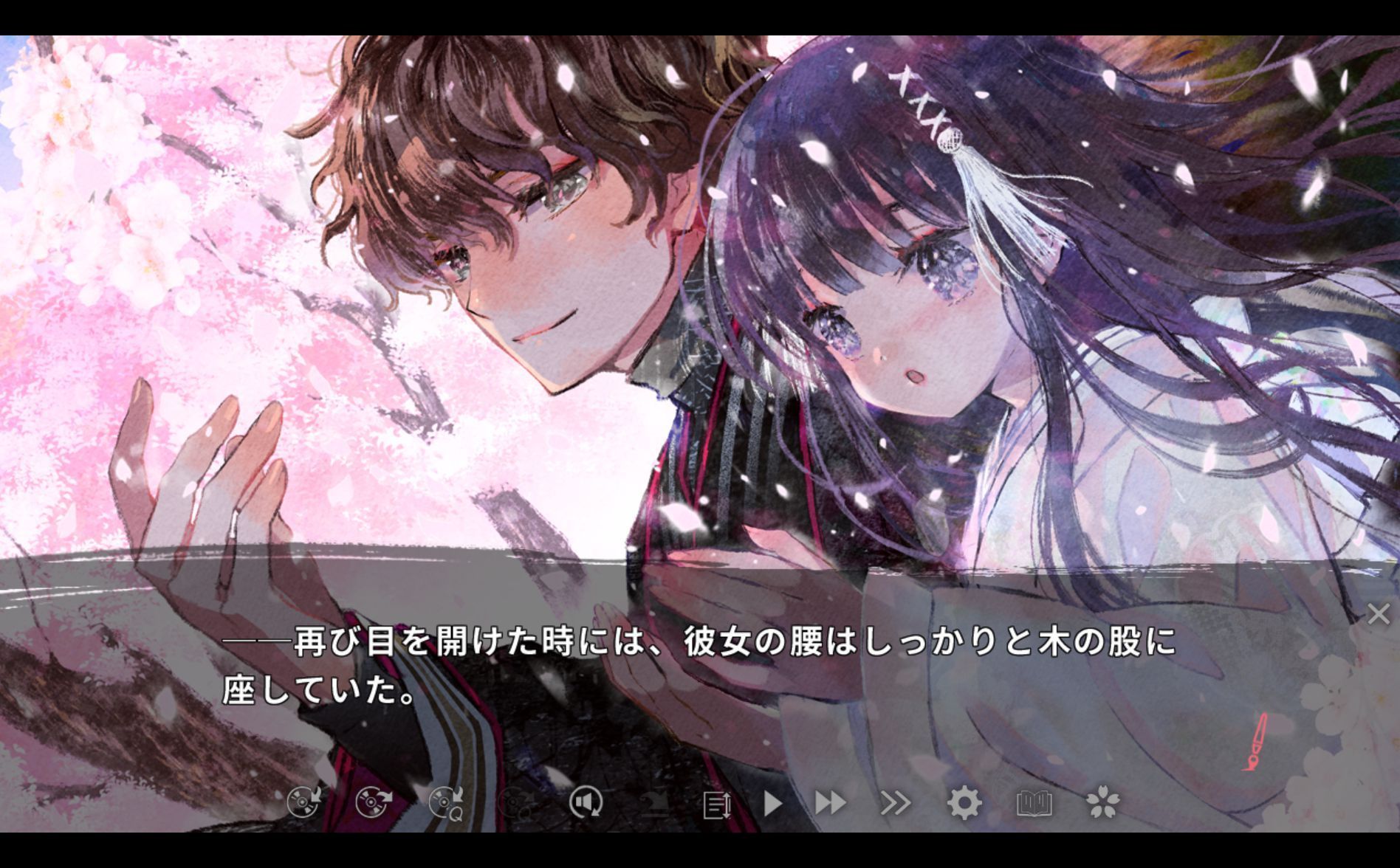
Unlike ATRI, the all-ages game I’d more readily recommend on Steam this year is Adabana Odd Tales. The reason is simple: this isn’t a “Galgame” in the traditional sense — it’s a genuine “story,” a fairy tale. Using a nested “story within a story” structure, it tells the life of a heroine whose tale looks like a tragedy but is actually, in a sense, a happy one. The game also adds interactive elements and an ink-wash style that matches the art, and the music and voice work are distinctive too — enough to show the care put into production. Unlike the by-the-numbers ATRI, Adabana Odd Tales is clearly the more recommendable one.
Note: Fan translation available
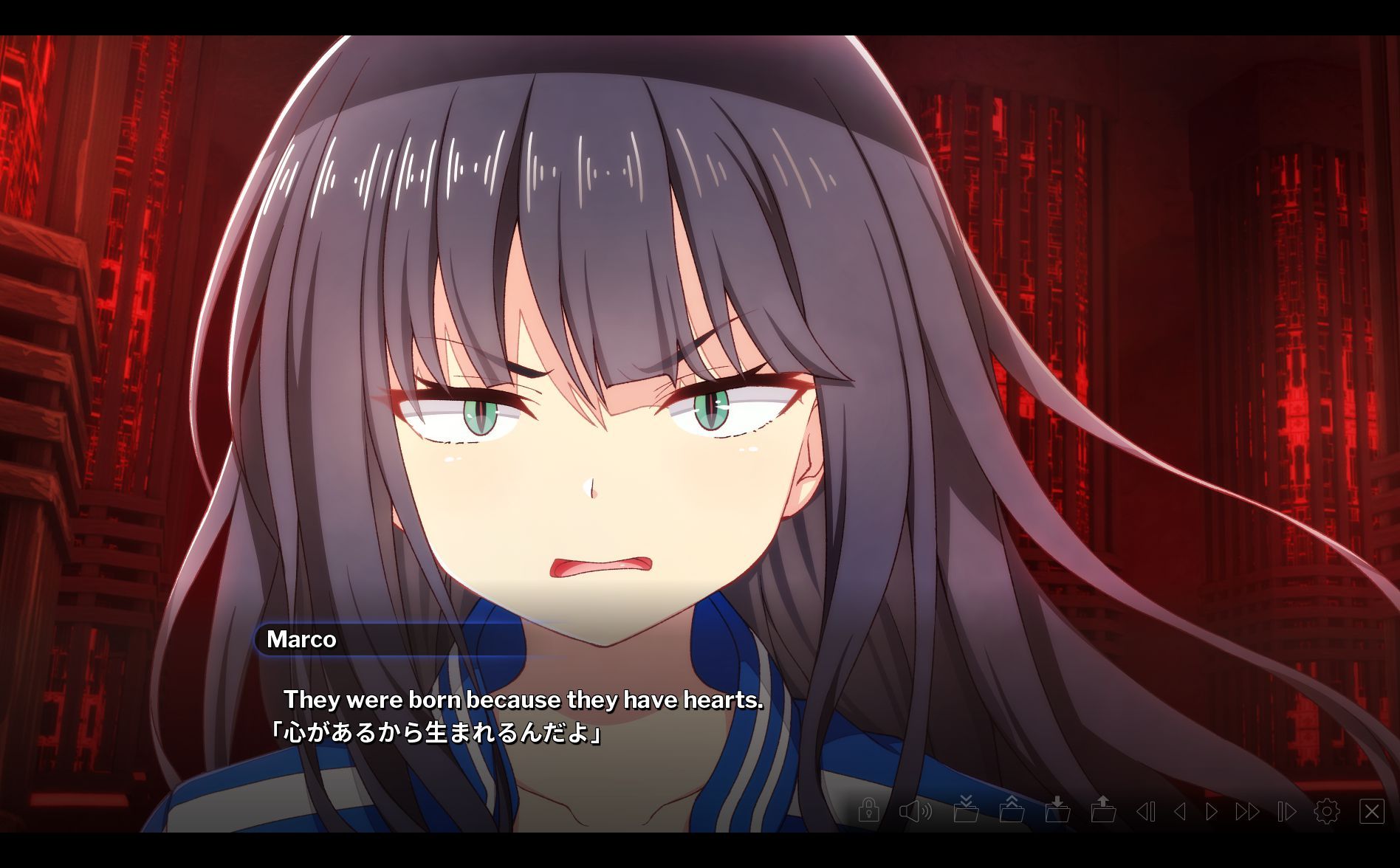
Strictly speaking this isn’t a “Galgame” — it’s an anime “made into a Galgame.” The reason to recommend it is just as direct: it shows you how far “the best possible presentation in a Galgame” can go. Animation cut against dialogue, film-grade music, and pointless-but-delightful minigames — a wild adventure kicks off from there. The second half does slip into preachiness, and you can tell they ran out of money by the final boss fight, but the overall experience is still great. You can absolutely watch it like a popcorn movie.
Note: Fan translation available
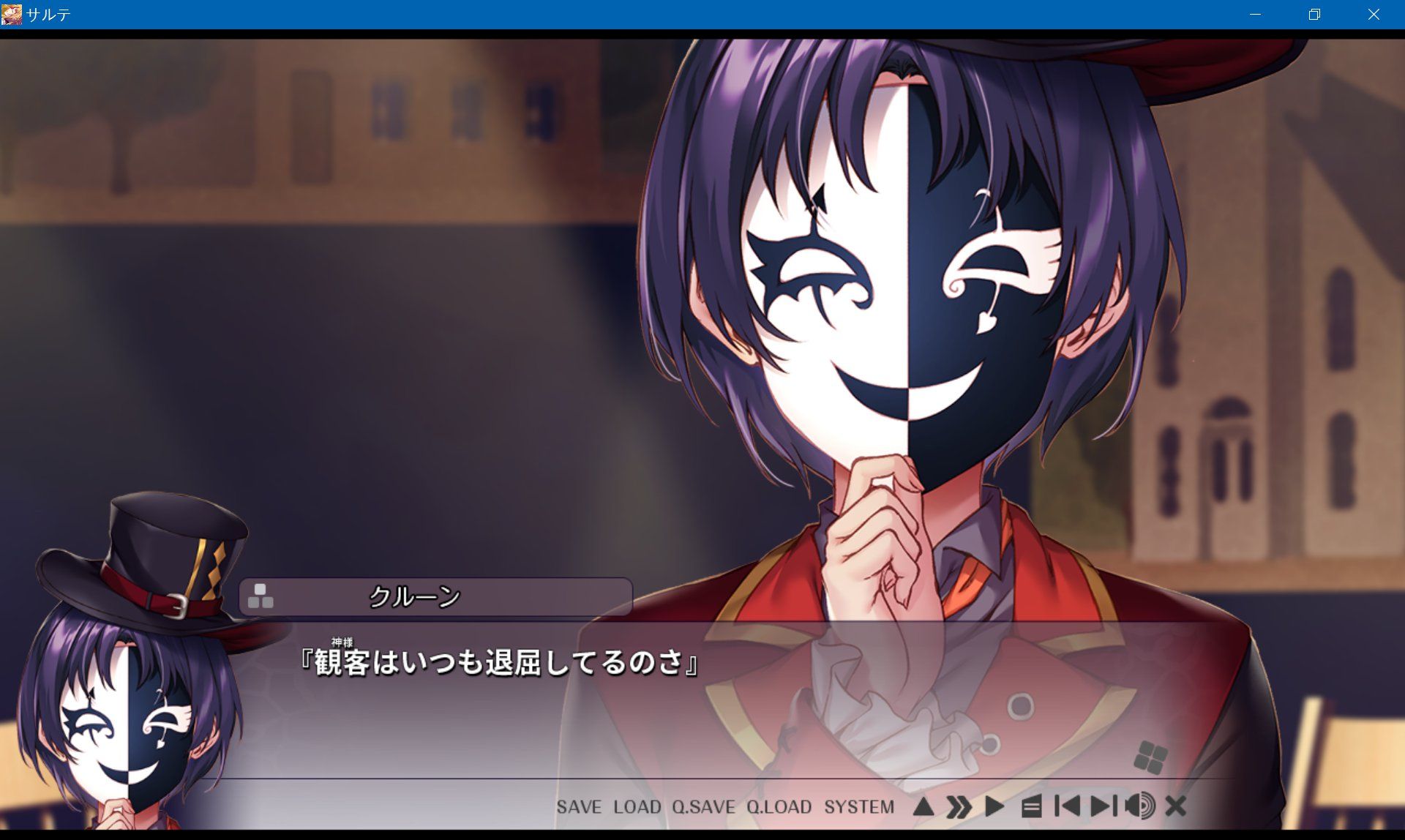
“The core of comedy is tragedy” runs through this entire game. It uses a trick-narrative to lay its foreshadowing, and the second half’s developments will keep surprising you, and the thematic statement is strong enough that I put it in my personal top three for the year. But I have to warn you upfront: this is a hardcore work with a lot of “abuse” content. If you’re only here for the plot, first make sure you can stomach the HCGs, which are very “sticky” on basically every level.
Note: Fan translation available
2. Sakura no Kumo * Scarlet no Koi
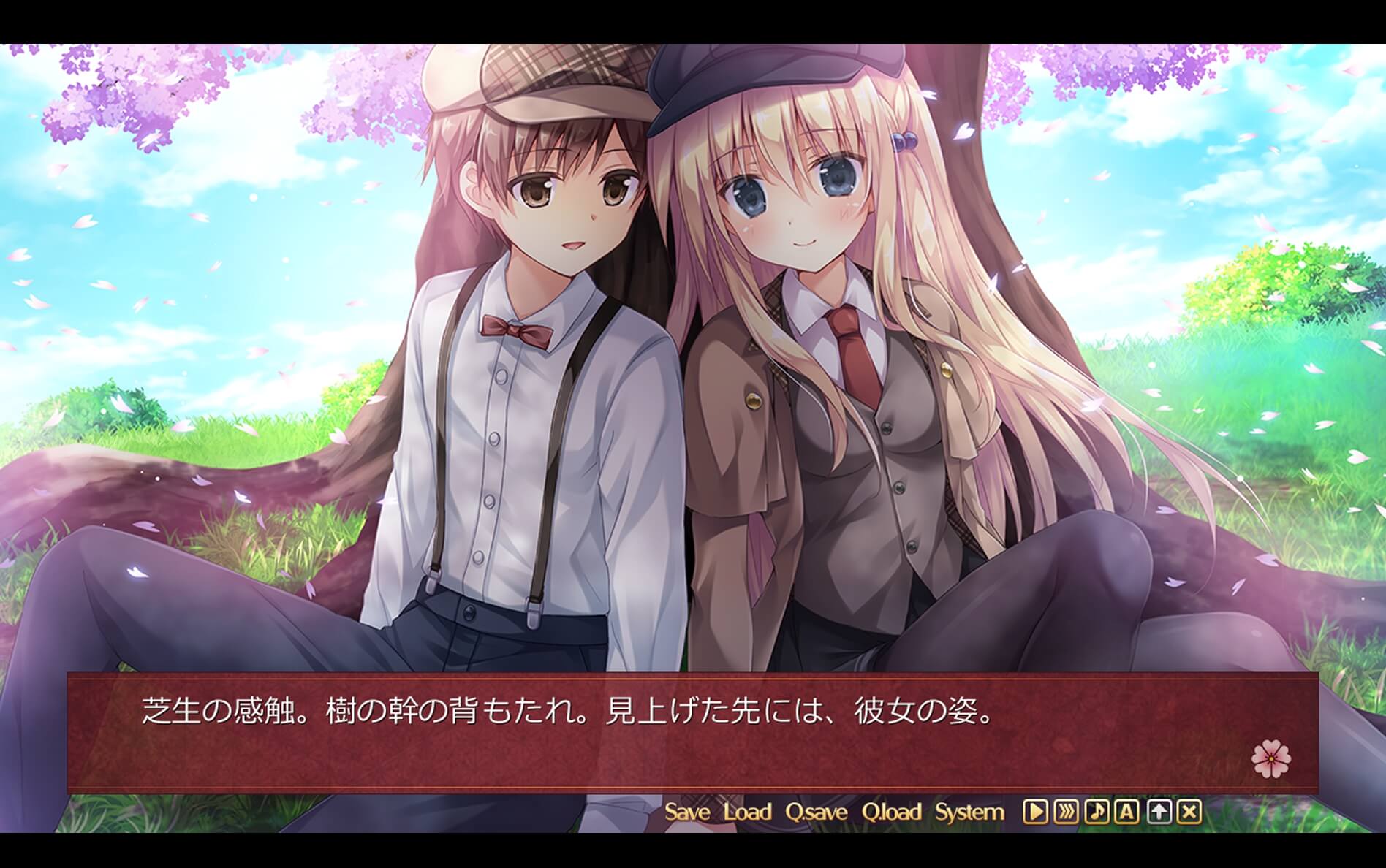
Honestly I don’t like this game much, and I said why in my write-up: it’s too long-winded. Most of the heroine routes serve no purpose, and the writer isn’t good at love stories — he’s only good at “paying off foreshadowing.” Many routes are reduced to tools for the True End, and if you go through it step by step, you’ll be bored until the very final ending. It’s a step back from the writer’s earlier work. But like I said, this year’s overall quality was bad — especially with Rukuru’s “tenshi nanana captivity story” pushed to 2021 — so this one makes the top of the list purely on raw fundamentals. If you like “foreshadowing payoff,” it’s worth a look. But don’t expect any “romance” beyond the true heroine.
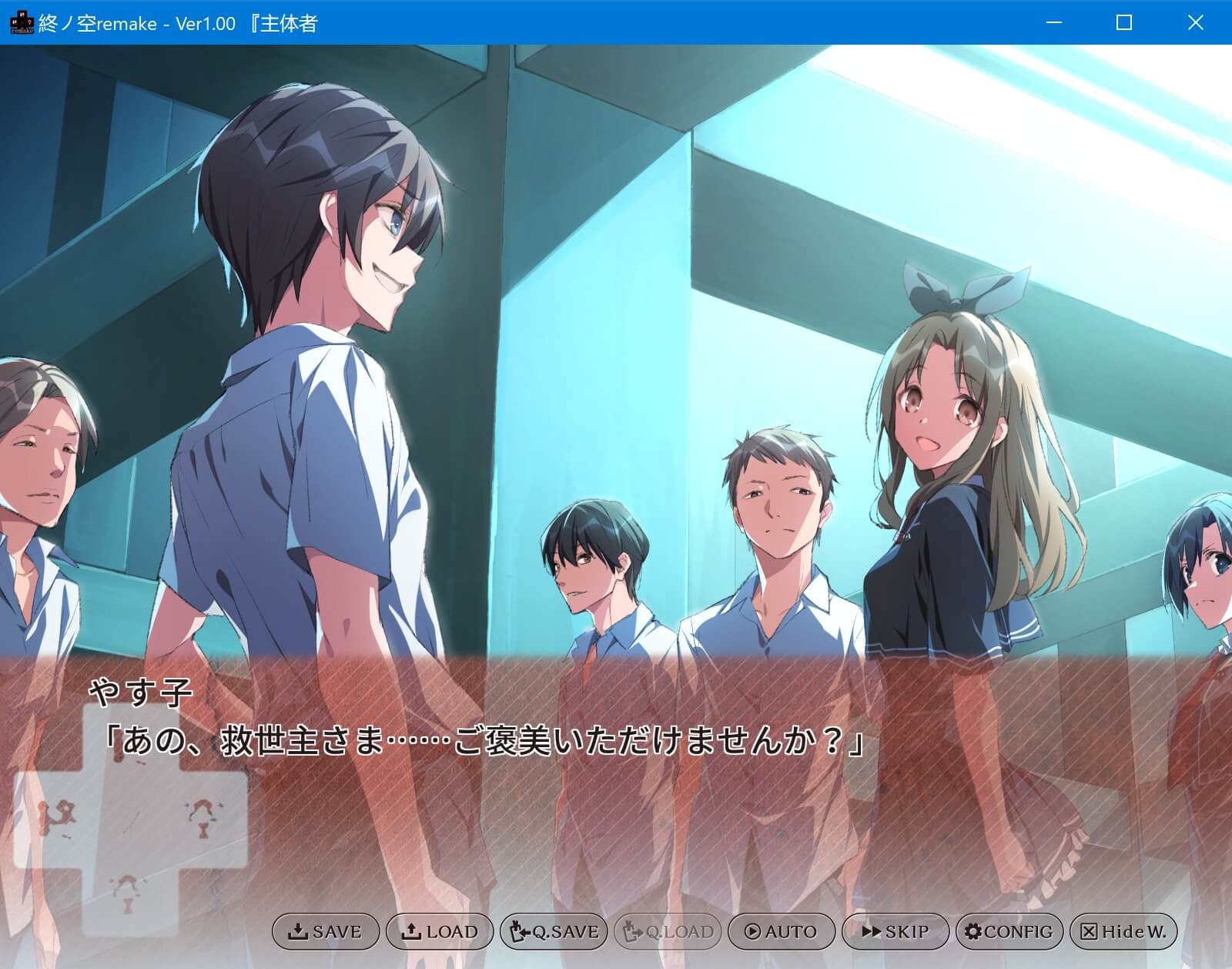
It’s a “remake,” yet the quality far exceeds expectations. Because the game is fairly short, the story feels all the more tight. Apart from the retro 4:3 aspect ratio, every element reaches 2020’s top standard. The fact that a story from 1999 can still hit this hard after a fresh coat of paint says a lot about how many games crashed and burned this year. If you haven’t played SubaHibi, this is worth playing. If you have played SubaHibi, you should play this even more — I personally think it’s far better than SubaHibi. Of course, anyone willing to try this game probably already knows: it leans horror, and you’ll need plenty of mental preparation and a strong heart.
So that’s the end of my 2020 Galgame journey. Can’t help but sigh at how year after year just goes by. I’ve got some new ideas for Galgames in 2021. One is to make videos and become an uploader — pick some of my old Galgame write-ups as scripts and make videos as the situation allows, see if I can get some attention and returns. The other is to start a Telegram channel dedicated to Galgame snark. I figure that’ll be more convenient than Twitter and Weibo.
Anyway, 2020 is over, and the 2021 lineup looks pretty promising for now. I’ll close with this year’s game list. See you next year!
(The end)
2020 game list:
Tsui no Sora Remake /archives/12451/
Sakura-iro Dreamer /archives/12445/
Kougetsu Yureru Koi Akari /archives/12437/
Kokoro no Katachi to Iro to Oto /archives/12429/
Hoshizora Tetsudou to Shiro no Tabi /archives/12419/
Hokenshitsu no Sensei to Shabondama Chuudoku no Joshu /archives/12406/
Hibino-san Chi wa Eroge-ya-san /archives/12387/
Renai x Royal /archives/12346/
Sakura no Kumo * Scarlet no Koi /archives/12283/
Maitetsu Last Run /archives/12267/
Einstein yori Ai wo Komete /archives/12232/
Reiji Ressha 0-ban (Kaisou) Ressha Neko. Shinjuku-eki
https://plumz.me/archives/12203/
Hamidashi Creative /archives/12189/
Kagi wo Kakushita Kago no Tori /archives/12171/
Ano Hi no Tabibito, Fureau Mirai /archives/12148/
Kakenuke★Seishun Sparking! /archives/12119/
Houkago Cinderella /archives/12068/
Genjitsu ga Mietekita node Shoujo wo Aisuru no wo Yamemashita. /archives/12042/
Girls Book Maker Grimm to Sannin no Ohime-sama 1
Girls Book Maker Grimm to Sannin no Ohime-sama 2
Girls Book Maker Grimm to Sannin no Ohime-sama 3
/archives/11993/
Girls Book Maker /archives/11882/
God Sisters /archives/11976/
Azasumi -Azatokute Sumi ni Okenai Kanojo- /archives/11970/
Tonari ni Kanojo no Iru Shiawase Curious Queen
/archives/11964/
Suite Life /archives/11957/
QUALIA Yakusoku no Kiseki
/archives/11940/
ATRI -My Dear Moments- /archives/11920/
Adabana Odd Tales /archives/11930/
Nekotsuku, Sakura. /archives/11898/
Pieces/Yurikago no Canaria /archives/11812/
TrymenT Ima wo Kaetai to Negau Anata e
/archives/11786/
Sono Hana ga Saitara, Mata Boku wa Kimi ni Deau /archives/11757/
Karmalka Circle /archives/9831/
Yukiiro Yukihana Yuki no Ato /archives/11682/
Kimi e no, Kami-sama no You na /archives/11620/
Marco & the Galaxy Dragon /archives/11565/
Harem Kingdom /archives/11542/
Oshi no Love yori Koi no Love /archives/11528/
Utakata no Fuyu /archives/11505/
Salthe /archives/11391/
Amairo Chocolate /archives/11383/
Comments are hosted on the Chinese main site. This mirror is read-only.