Ruri Sakura (琉璃樱) Review
Legends and Money Laundering
The Japanese love telling stories, and they especially love telling legends. Unlike Chinese legends, which mostly “stick to a certain framework,” a lot of Japanese legends go completely off the rails. This has to do with the Japanese idea of “eight million gods” — everything is a deity, so who isn’t a little kami? On top of that, many Japanese myths have a certain “Buddhist” flavor, mostly built on the idea of reincarnation. They love telling a legend about a god, and the legend also involves reincarnation — no matter how things develop, it always becomes a circle connected end to end, all to create some kind of thought-provoking effect.
But play that trick too many times and it numbs you. At least it numbed me. I usually call this kind of plot “Japanese-style melodrama that refuses to speak like a human being.”
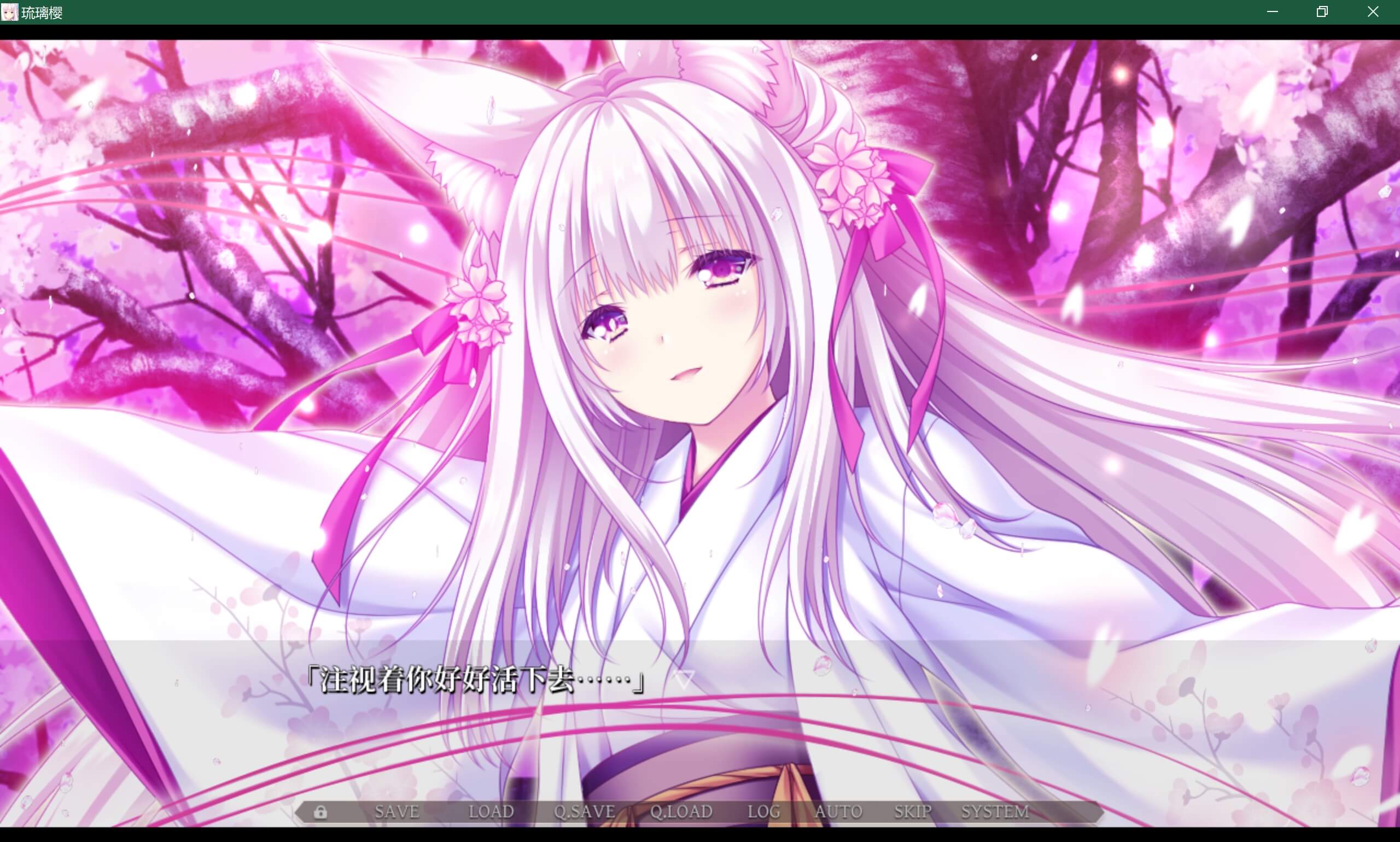
A while back, a galgame called Ruri Sakura showed up on Steam. Not that expensive, a short single-route story. The staff list is absurdly stacked — so stacked that the moment you see the heroine you know who the artist is. The scenario writer is Yukihito, who also wrote a fairy-tale-ish work I rather liked before. On paper this should be a decent game, but in practice it left me with a very strange impression.
Don’t get me wrong — the strange impression isn’t about the plot. The plot is exactly the “Japanese-style melodrama that refuses to speak like a human being” I mentioned earlier. Our protagonist is a god watching over something like a “gate to the demon realm.” Every year the gate opens, and every year he goes up and fights the dark forces, getting all battered and bruised as he suppresses the gate, over and over. Then our heroine shows up, claiming to be a dancer who can heal people, and the two of them get together. In the end our dancer sacrifices herself, seals the gate, transforms into a giant cherry tree, and saves our protagonist. The end.
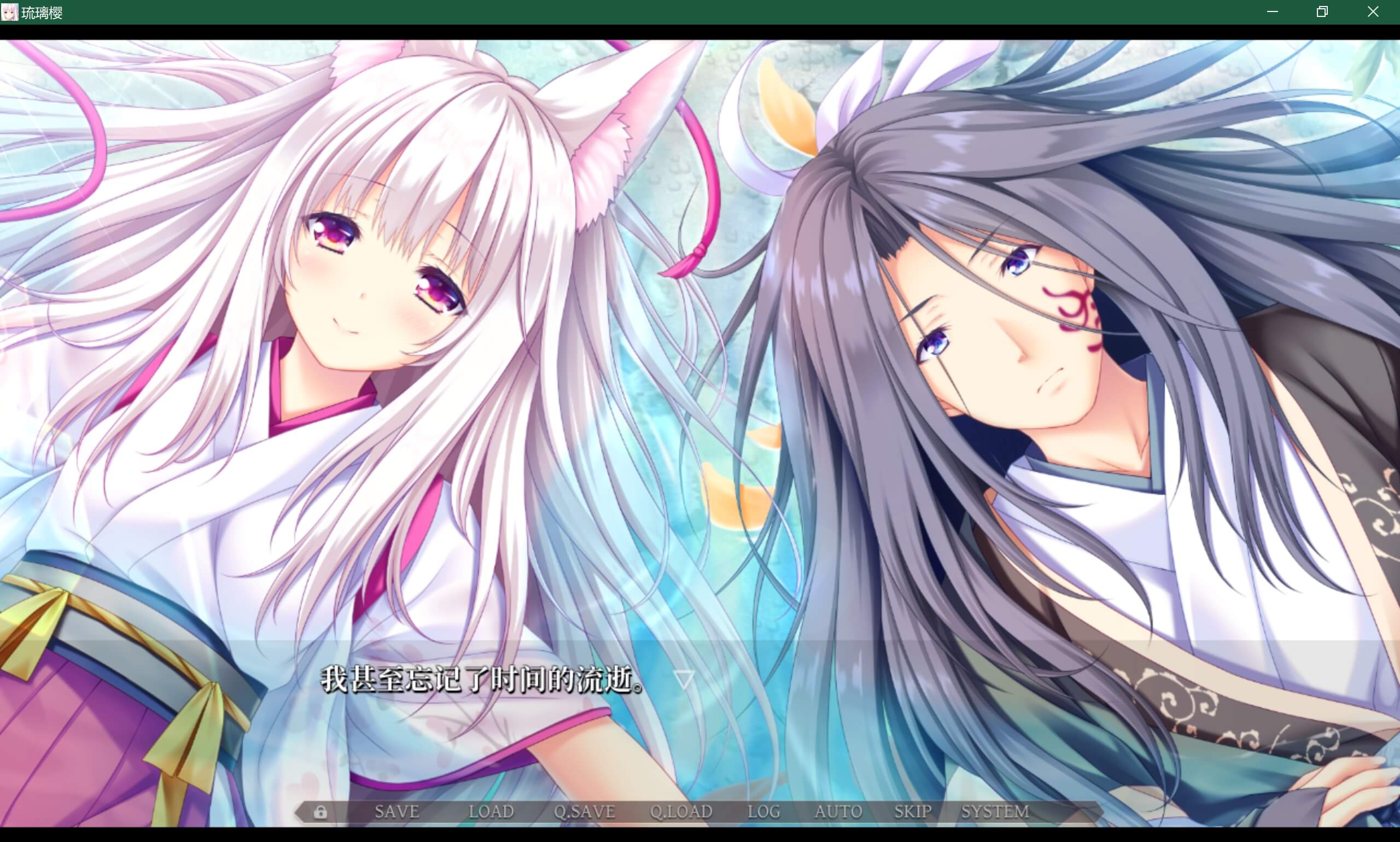
As for why I say this game “refuses to speak like a human being,” anyone who’s played it will get it. The game barely explains any of the massive amount of setting material, and it’s full of made-up words. It reads very artsy, very high-brow, but the actual story underneath is that simple — there’s nothing more to it. The confusion this game gave me, though, isn’t in the plot, isn’t in the visuals, and isn’t even in the game itself. It’s in some weird stuff behind the game:
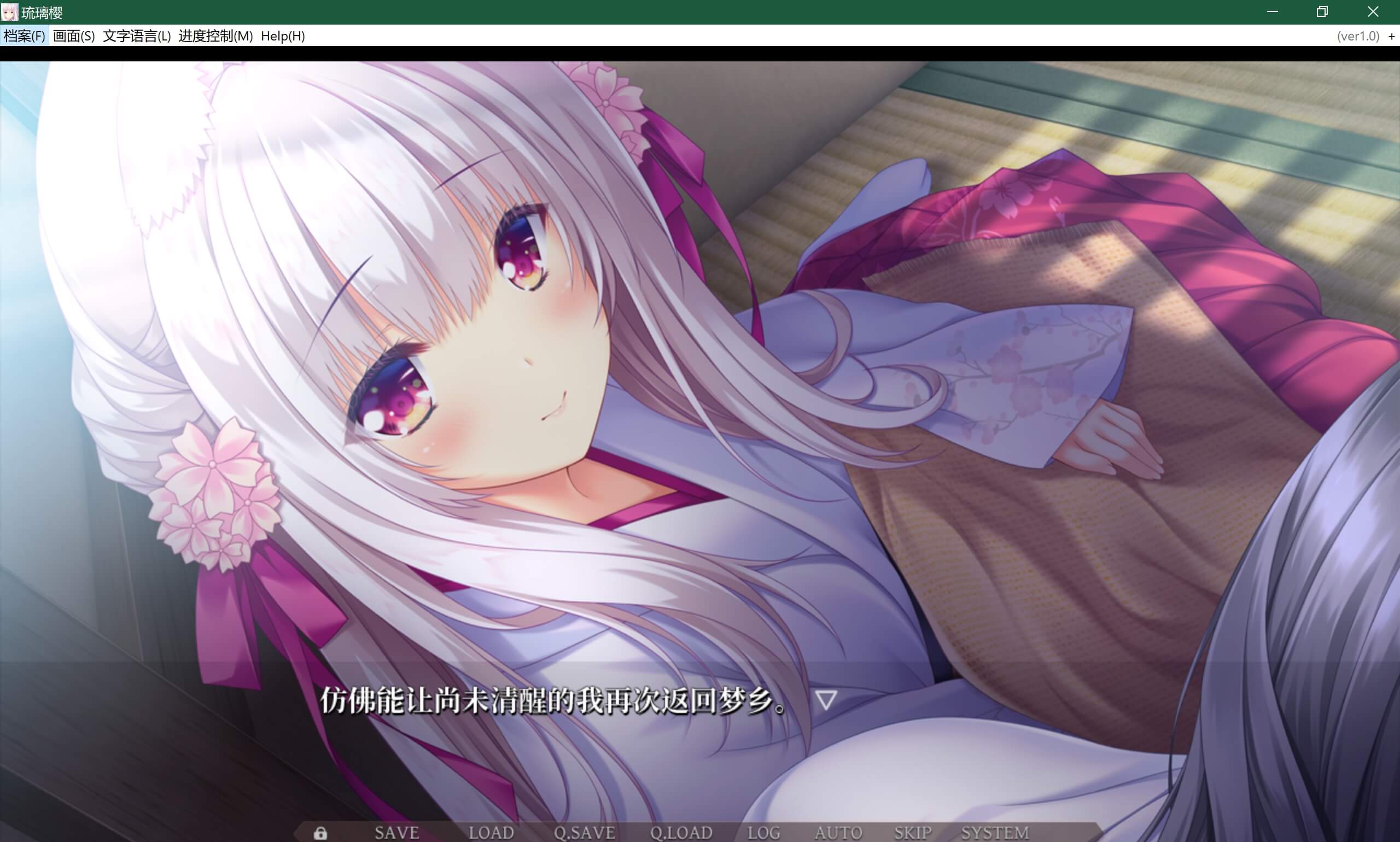
First, the game is only in Chinese. No Japanese. Every single person on the production team is Japanese, yet there’s no Japanese language option. I genuinely cannot understand it. The scenario writer is Japanese, so obviously the story was translated from something — why go out of your way to do this?
Second, the game got zero promotion. It just dropped on Steam out of nowhere. If I hadn’t seen someone online mention it, I wouldn’t have known this game existed.
Third, the official website is a total half-finished product. You see no sign that the game wants to be promoted at all…
I don’t even know what this game is for. The staff looks good, the story is melodramatic but not exactly a landmine, and this kind of plot has a pretty big audience. So why go out of your way to keep it this low-key and rush it out?
Could it be for money laundering?
Comments are hosted on the Chinese main site. This mirror is read-only.