Happy Live Show Up! (ハッピーライヴ ショウアップ!) Review
Far East Romance, Curtain Up
FAVORITE games generally give off a certain impression: artsy, fantastical, and long-winded. Especially that one they put out before, Sakura, Moyu. I wouldn’t go so far as to call it “nothing but filler,” but saying it’s “long and stinky” seems fair enough. The prose itself isn’t really the problem — it’s that there’s way too much of that “Japanese-style” circular beating around the bush. Sometimes you’ll be seriously following a two-person conversation for half an hour with zero story progress, and sleepiness hits you fast. Older FAVORITE games had this trait too, but nowhere near this bad, which is exactly why I could get through the Irotoridori no Sekai and AstralAir no Shiroki Towa series but have never been able to finish Sakura, Moyu.
And FAVORITE as a company gives off this really mysterious vibe — their release pace is absurdly slow. But later I figured it out: they’ve got a “sub-label” under them called ωstar. As for what “masterpieces” ωstar has put out, well, if you know, you know. Considering the popularity and sales of those “masterpieces,” FAVORITE’s revenue probably isn’t doing too badly — at the very least, they’re a long way from going under.
But clearly FAVORITE wasn’t content to just sit back and live off past glories. They wanted to expand further. In 2021, they quietly ditched the old logo they’d used for years and swapped in a more direct new trademark, tacking an even more direct slogan underneath it: The Next Generation. At the same time, they announced a new title: ハッピーライヴ ショウアップ! This new game left a lot of traditional “F-company” fans confused. Tsukasa wasn’t the main artist anymore, and both the scenario and planning no longer had Yukito Ushihara involved. The setting and story synopsis also looked “pretty ordinary” no matter how you sliced it — just a bunch of girls wanting to put on a show on stage.
A change like this is going to disappoint a lot of old fans, but it also makes plenty of people curious: will the new-generation-focused FAVORITE really go mid just like that?
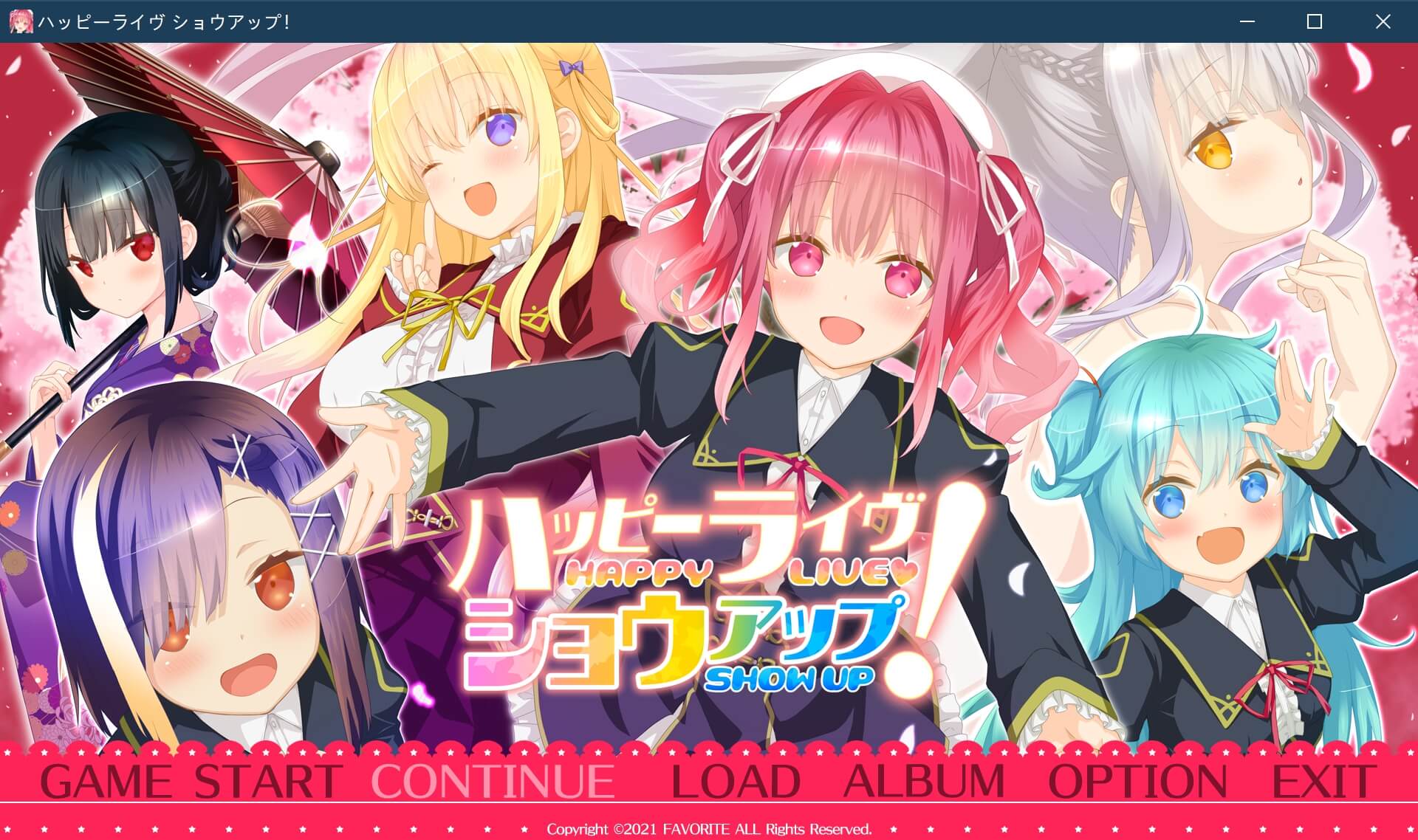
The game is set in the Russian Far East, in Vladivostok, near both China and Japan, and our protagonist is a Japanese guy: Akito. Every other character, aside from someone who’s come looking for a relative, is Russian. The protagonist is set up as a “magician,” but the “magic” here probably isn’t what most people imagine. In this game’s world, I’d rather call him a “conjurer,” since our hero never uses his “magic” to wreak havoc or seize control of anything—instead he uses it to manipulate little “puppets” and put on showy performances. (And this whole “magic” setup runs through the entire game.) Even though he’s Japanese, he avoids talking about his past back home, and he won’t even mention his Japanese name—he just flatly says he’s called “Akito.” The school he attends is an arts school, and most of the people there are born for artistic performance. At school he meets a red-haired girl, Sofia, and a green-haired girl who claims to be Chinese, Ru Mao (リュー・マオ). Sofia is envious of the protagonist’s “magic,” and since she has a talent for “magic” herself, she asks him to be her teacher and help her improve. Ru Mao calls herself a “street performer” and came to the school to chase her own dream too. Later the group wanders around the school and meets some other heroines, including the hugely popular young-lady violinist Carentia, Clarisse, who’s constantly polishing her ballet, and Pechka, who founded a club that has no active members. The whole bunch gets together and decides to rehearse a program to perform in the school’s upcoming public show.
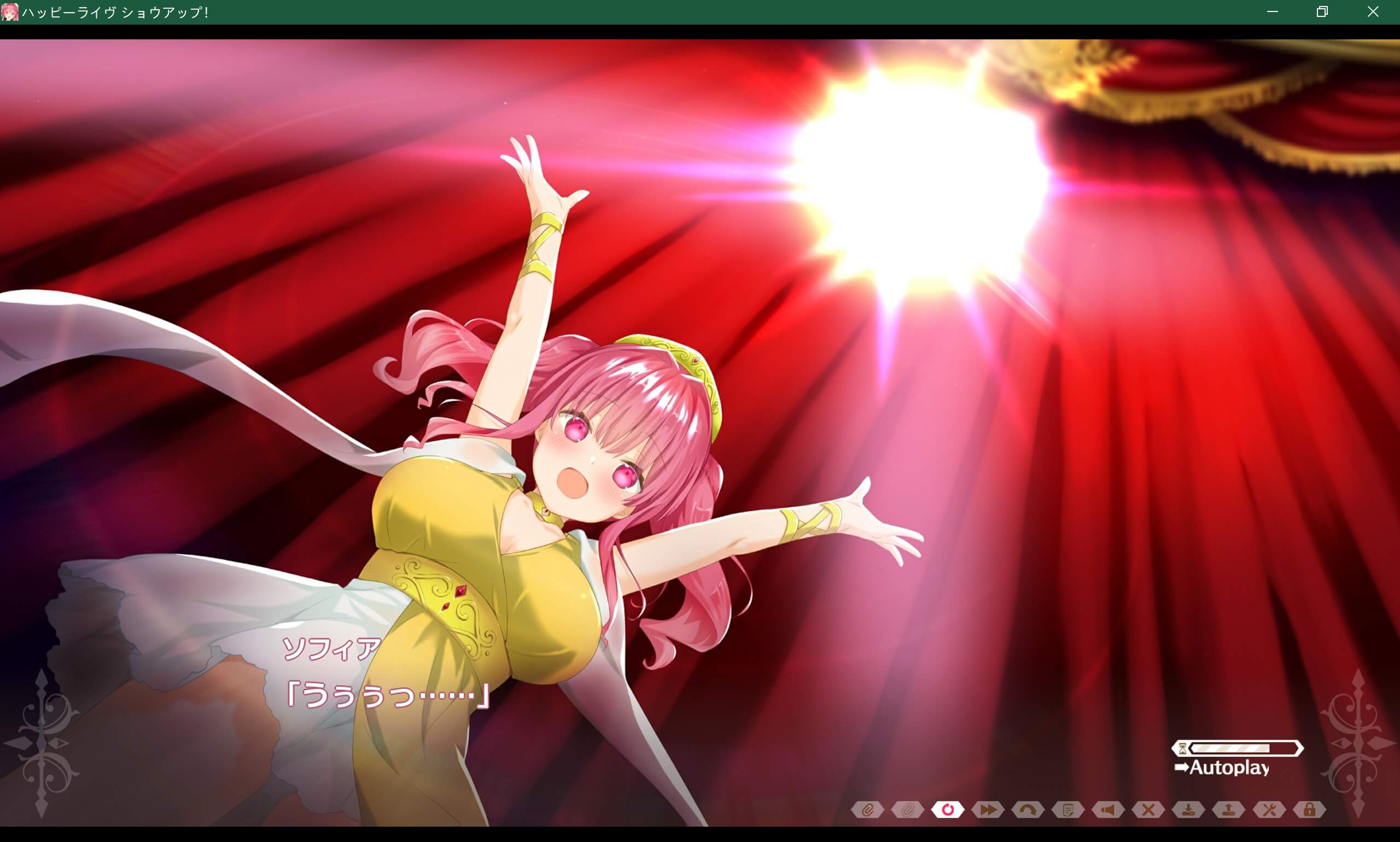
Honestly, the stuff these people are good at is so wildly all over the place that getting them to rehearse a single act together is pretty ridiculous. But our brilliant protagonist still came up with a plan: he wrote a little skit thing kind of like “the gods return to their thrones,” where each lead plays a different deity and performs using whatever they’re good at, so what we get is a very “unique” show — one person conjuring fireballs, one doing juggling, one doing ballet, one playing violin, and all of them performing on the same stage at once. An act that weird should look off no matter how you slice it, but maybe because the shitposting energy worked, it actually got decent reviews. There wasn’t much trouble during the performance itself; the main pain was that Sophia, the fireball one, could never properly control her “magic,” though of course the protagonist helps her get past all that. The show is a success, and they even earn a chance to study abroad in St. Petersburg, Russia’s capital of the arts.
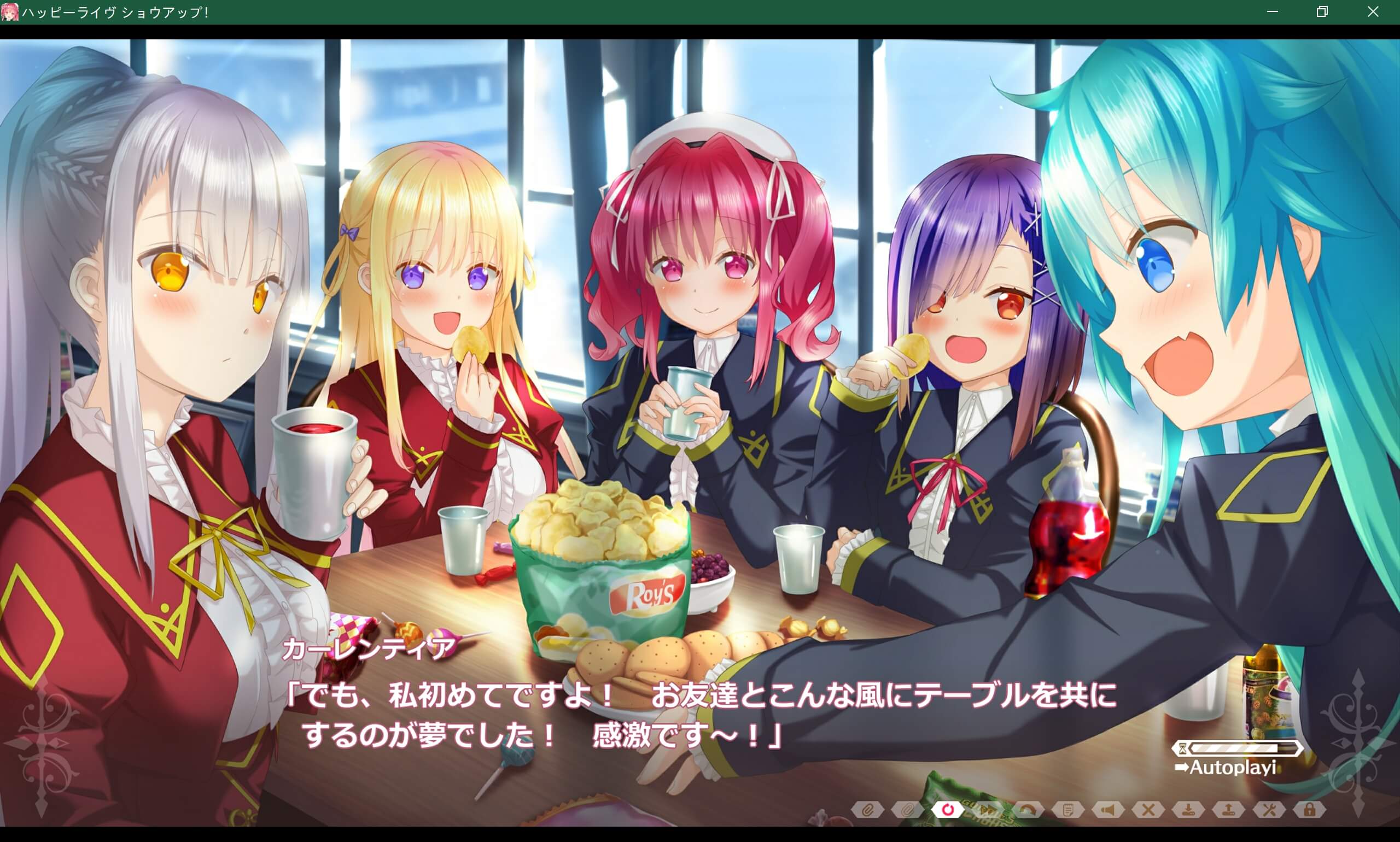
And so, with OP 2 playing, the game moves into its second act: the protagonist and the heroines board a train and set off on the long journey from eastern Russia to the west, and it’s here that the romance threads with each heroine start to show themselves.
The game has five character routes, one for each heroine, plus a hidden route. But honestly, the “anointed heroine” is obviously Sophia, the one standing front and center in the promo art. Hers is the only route that carries through from start to finish, uncovers the protagonist’s past, and ties together the story of that “mysterious hidden character” who shows up.
During the long train journey, the protagonist gets to know Sophia a little better, and before long the two confess and become a couple—but that’s only the start of getting inside Sophia’s head. He discovers that while Sophia is full of curiosity about “magic,” deep down she resists it. The reason: ever since she was little she was told she had “talent” and pushed to study “magic,” yet clumsy Sophia could never make that talent show, so she drew criticism and reproach and is eaten up by self-blame. Then, during one of their “magic lessons,” the two achieve a meeting of minds through magic: the protagonist sees into Sophia’s heart, and Sophia sees into the protagonist’s past. Only then does Sophia understand why he came all the way from Japan to Russia, and why he never once mentions anything about his hometown.
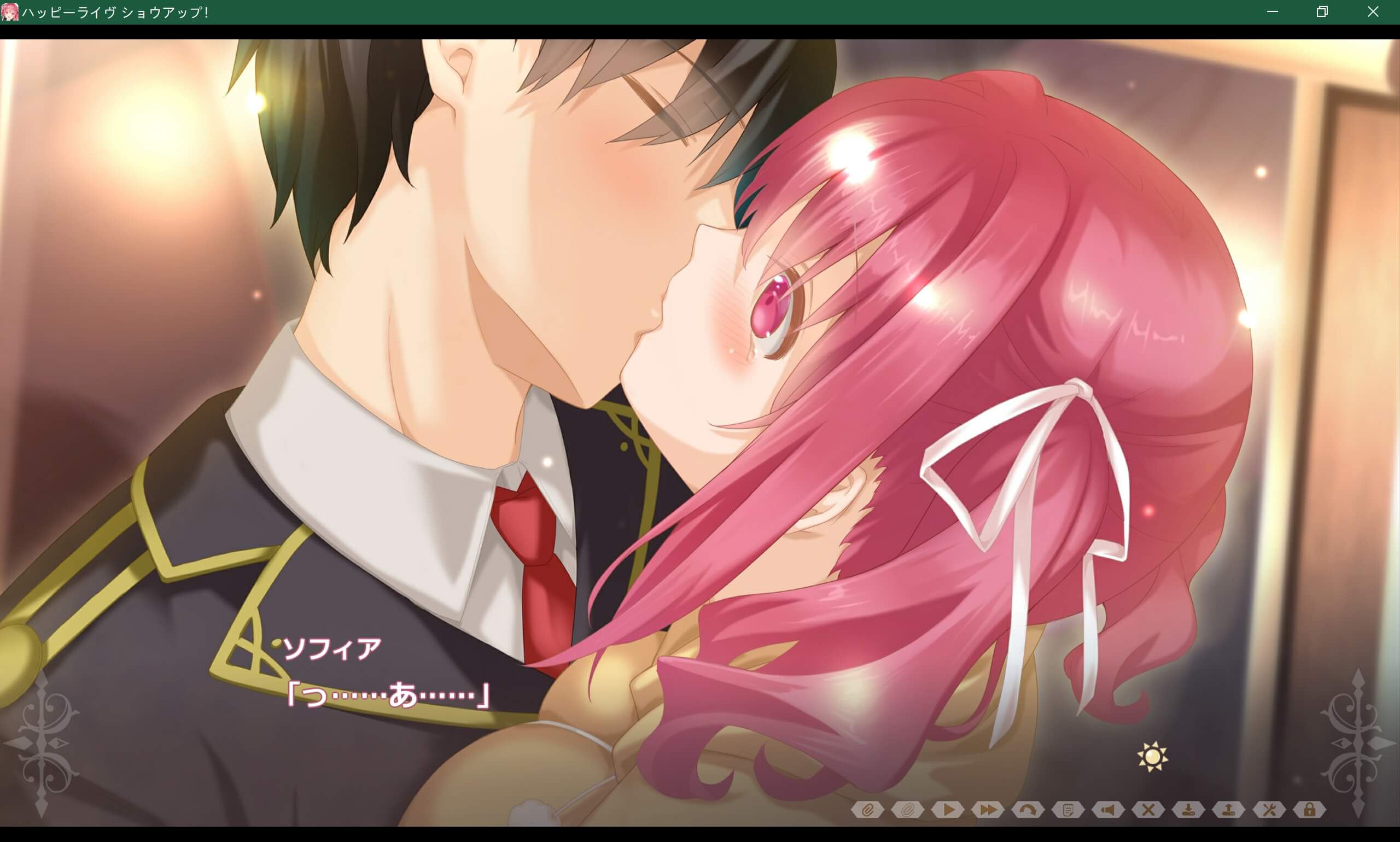
The protagonist was forced by his parents to study “magic” from a young age. He had some talent for it, so he became somewhat famous for his “magic performances,” which only made his parents push him harder—they even stripped him of his right to attend a normal school and shipped him off to the Far East, to Russia, for more advanced magic training. But this made him miserable, and he grew to hate “magic.” He did meet a good Russian teacher, and with her guidance he came to terms with everything, but he still couldn’t bring himself to like “magic”—he just wanted an ordinary school life. In the end, he gave up his “magic career” and enrolled in an arts school as an ordinary student. As for later teaching Sofia “magic,” that was purely out of trust in and sympathy for her.
Sophia saw the protagonist’s past and realized her own inner problems were nothing compared to his—small potatoes, really. So the two of them came to understand each other and huddled together for warmth, and they also rediscovered the power of “magic,” gradually accepting the “magic” that dwelled inside their bodies. Their attitude toward “magic” shifted too: they began to want to become a “mage” who shines for their other half. In the end the two tied the knot and had a daughter who loves magic.
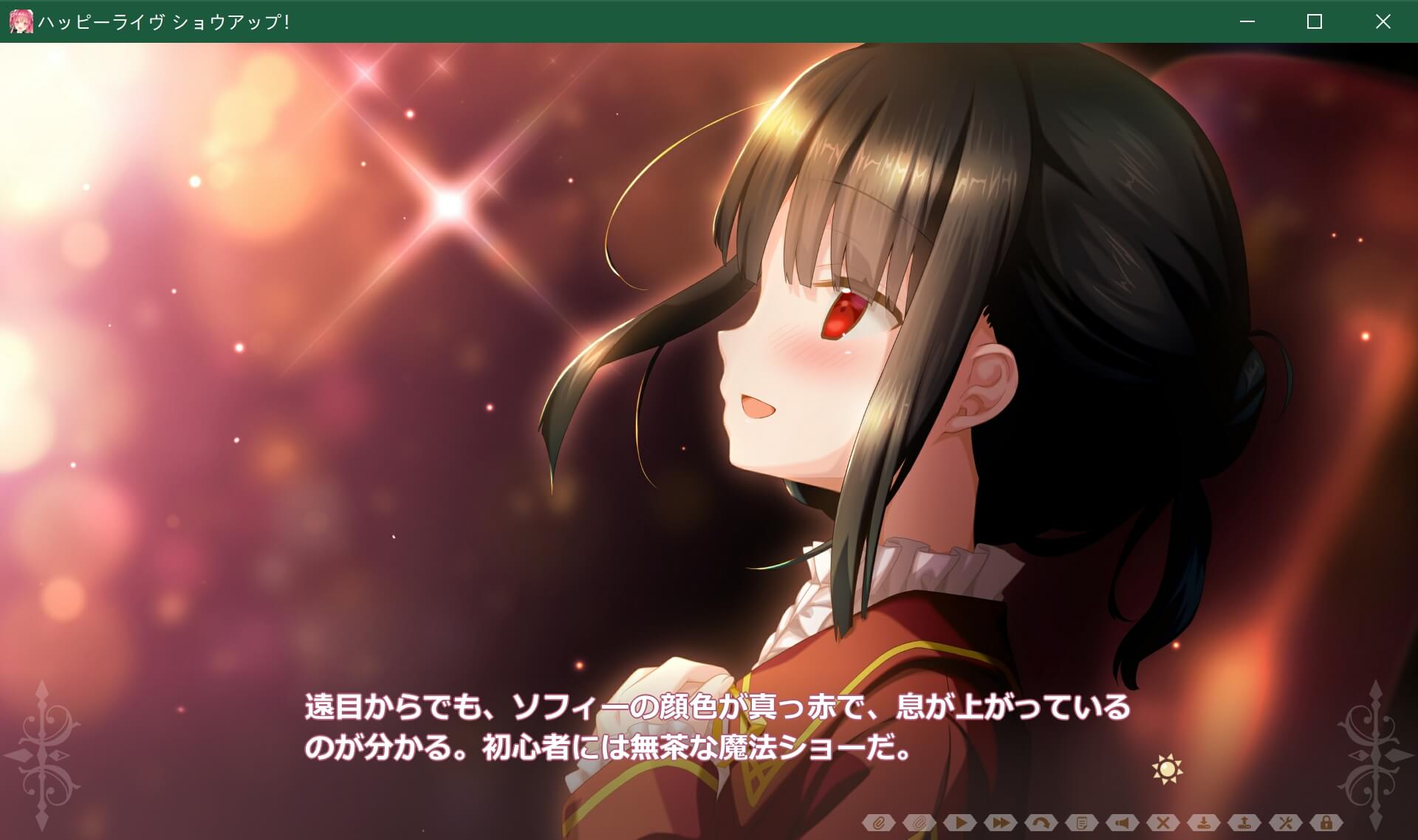
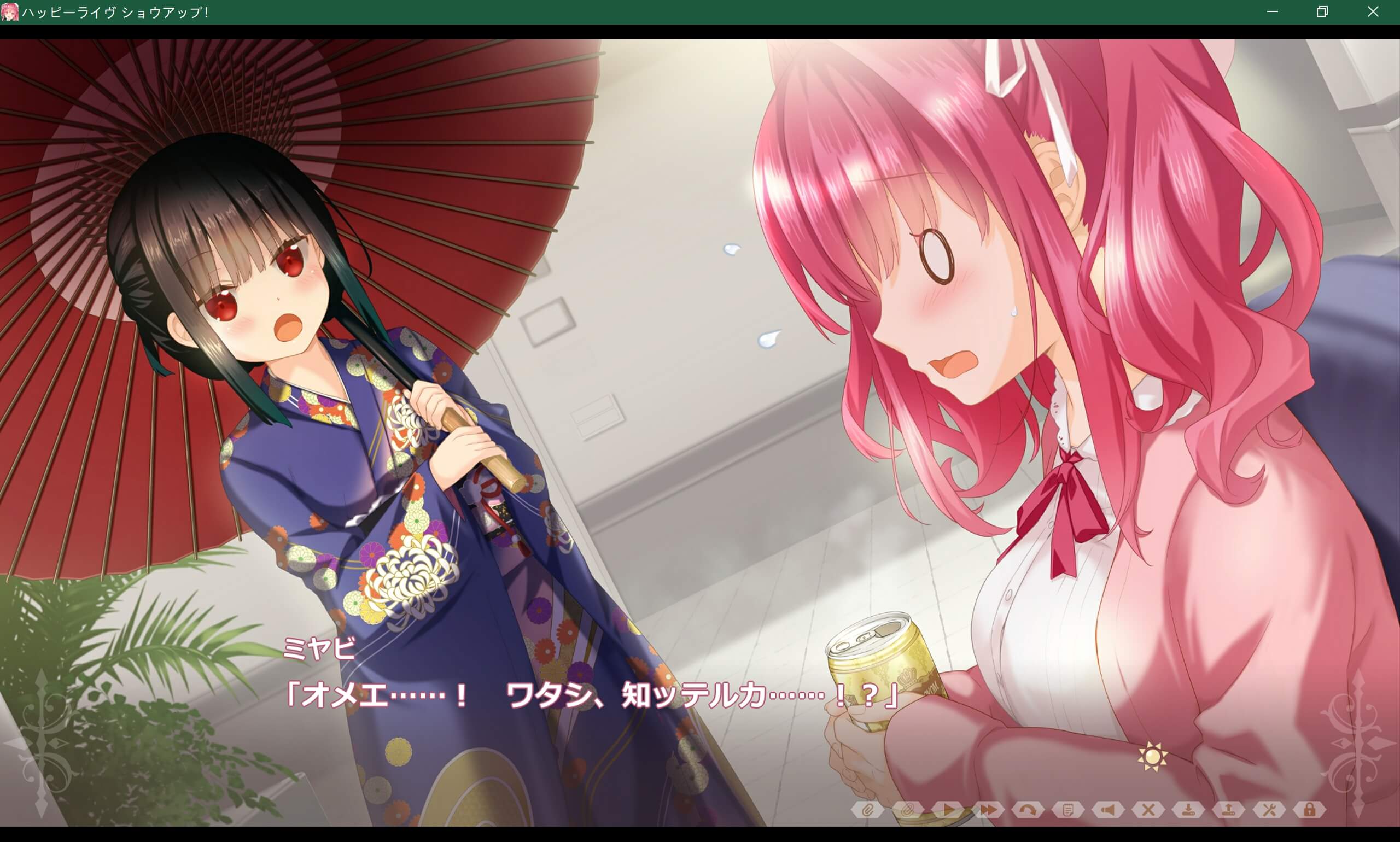
After you’ve cleared any one of the heroines, the protagonist can choose to pursue the hidden character Miyabi. Miyabi has come all the way from Japan to Russia to track him down — as kids the two were rivals in their study of “magic,” and also friends (with a mutual crush on top of that). When the protagonist vanished during his study trip to Russia, Miyabi set out from Japan, helped out his parents, and set about convincing him to come back home (and, while she’s at it, marry her).
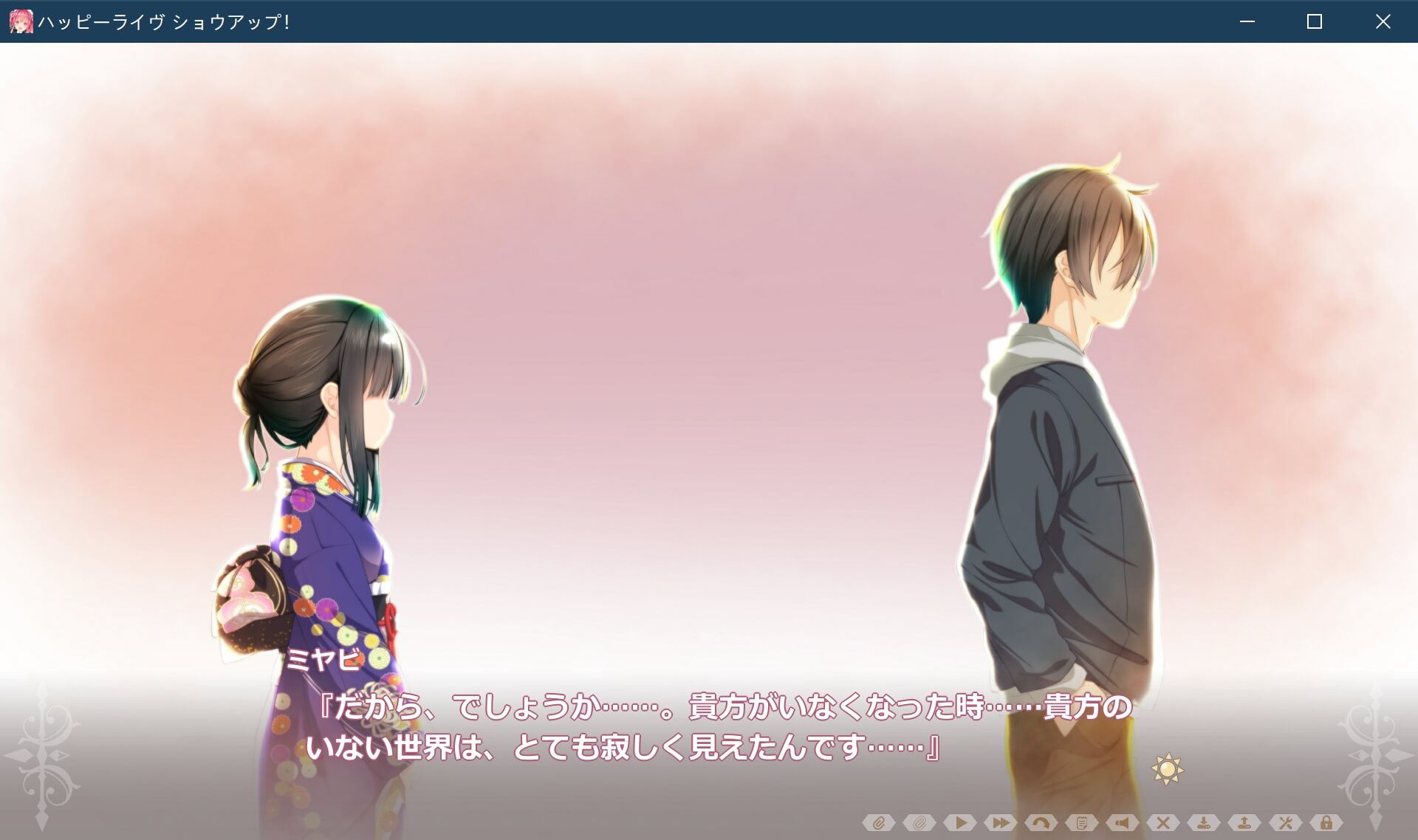
Sure, this route doesn’t really say much in detail — it just says the protagonist didn’t turn Miyabi down and had a quick one with her along the way, and essentially the ending where he stays in Russia doesn’t seem to change. Calling it a “hidden route” is a stretch; it’s more like a freebie tossed in. Which is a real shame, honestly, given how many highlight scenes she gets in the second half.
Besides Miyabi, the other one I was curious about is the Chinese girl, “Liu Mao.” If you go for Sofia, Liu Mao gives up on following the protagonist back to school and instead leaves to pursue her own path as a “street performer.” If you pick her route instead, though, there’s not much of a payoff — she’s a daughter adopted by a Chinese couple in Vladivostok, so whether she’s actually Chinese is unclear; only her adoptive parents are. On top of that, Liu Mao doesn’t like her Chinese name and doesn’t like studying Chinese, so her parents just let it go, let her keep speaking Russian, and even used the character “Mao” because she liked it. So on paper she’s “Chinese,” but she can’t speak the language and doesn’t accept a Chinese identity. (Peak sinophobia bait, honestly.)
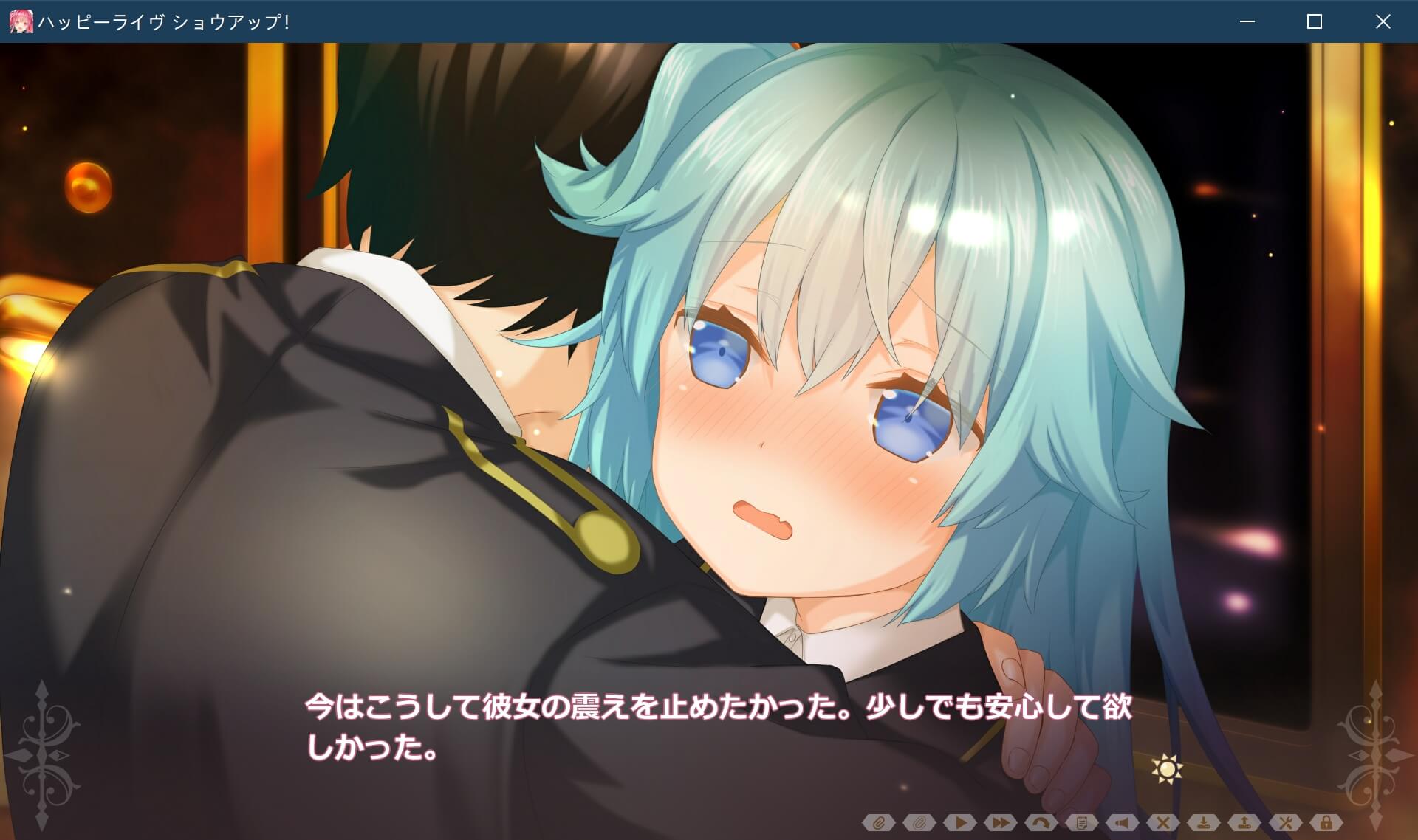
Liu Mao’s story is dead simple. She was adopted as a kid by her super-smart Chinese parents, but her IQ is obviously nowhere near theirs, nor as high as her siblings’. Mediocre grades, mediocre everything. Her parents never said anything to her face, but she could feel the inferiority loud and clear, and the disappointment in their eyes. So she shut herself off. Then one day she stumbled onto “street performing” and actually got some joy out of it, and that’s the road she ended up on.
So Liu Mao’s story once again has the protagonist playing therapist, resolving Liu Mao’s inner turmoil, and then the game hits its ending.
Honestly, this time ハッピーライヴ ショウアップ! has a pretty “weird” structure. The common route splits into two parts: the first is putting the club together and performing, the second is a long train trip, and then the third busts into the individual heroine routes. What’s odd is that in some characters’ routes, that long journey in part two ends up feeling pointless—more like padding than anything. The character stories don’t connect much either. Apart from Miyabi and Sophia, who are tightly tied to the main plot, the other routes are absurdly standalone. Karenthia and Clarice especially—you could almost cut them out of part two entirely and nothing would change. Compared to FAVORITE’s past games, this is seriously sloppy. I mean, the old “F-company” used to have a relatively complete story structure. This new release feels more like it’s just selling characters.
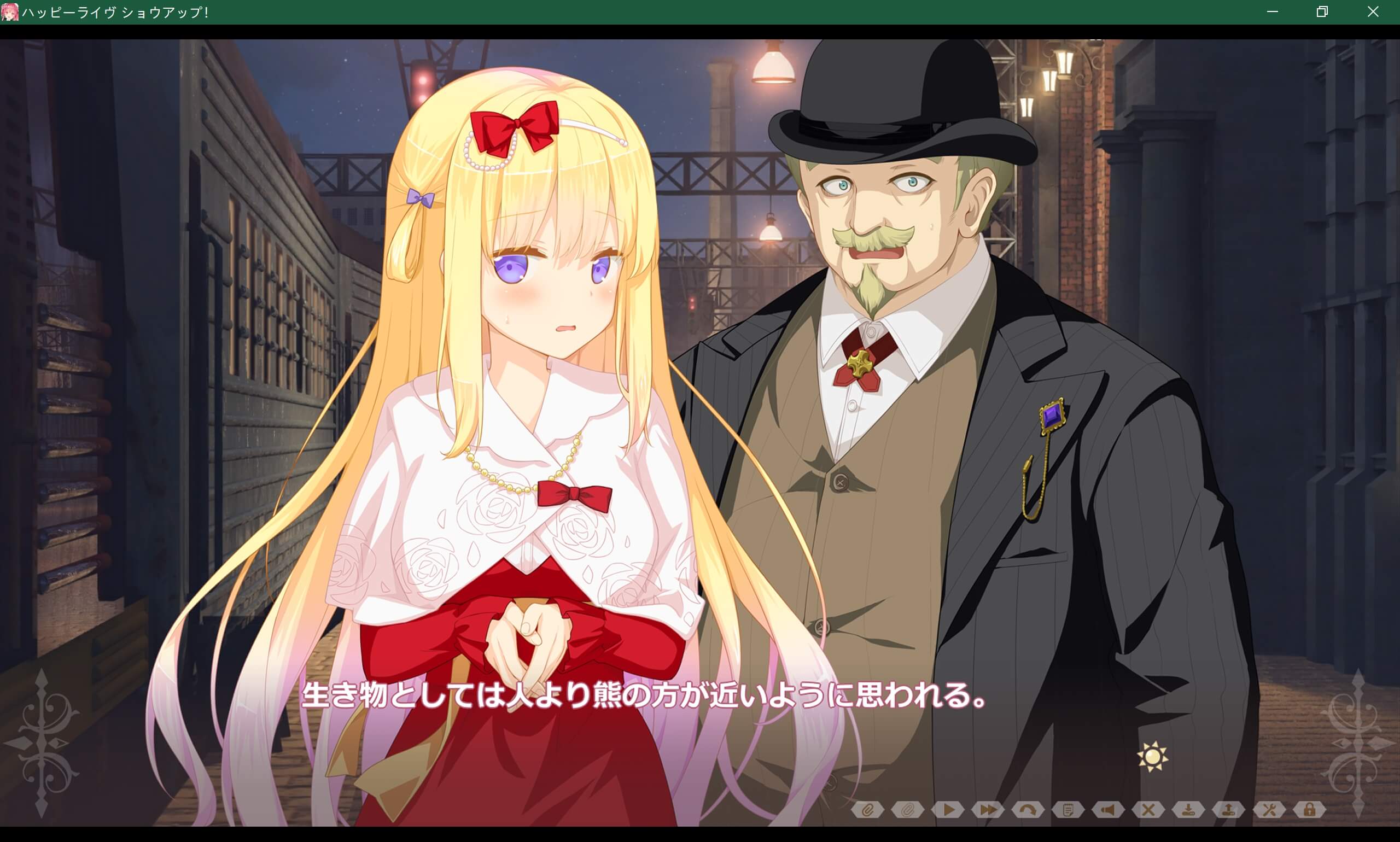
But every coin has two sides. This new release also has its bright spots in a lot of places. First and foremost is the exotic Russian cultural flavor. The game does something really unusual: it designates “Russian” as the in-game first language, but writes it in “Japanese.” In other words, even though the characters are speaking Japanese, they’re actually meant to be speaking Russian. Miyabi, who comes from Japan, speaks halting Japanese — which actually means her Russian is halting. It’s not like other games with foreign settings that just swap languages out simply; the details actually reflect it. For example, when the protagonist says “Japan,” he doesn’t use “Nippon” but the Russian pronunciation “Yapon,” and when he says China, it’s not “Chuugoku” but “Kitai.” Honestly, I only just now realized that Russian has always pronounced China as “Kitai” — Russians have always thought of Chinese people as “Kitai people.” Not to mention all the “Harasho TV” that comes up constantly in the game — the kind of Russian meme everyone gets.
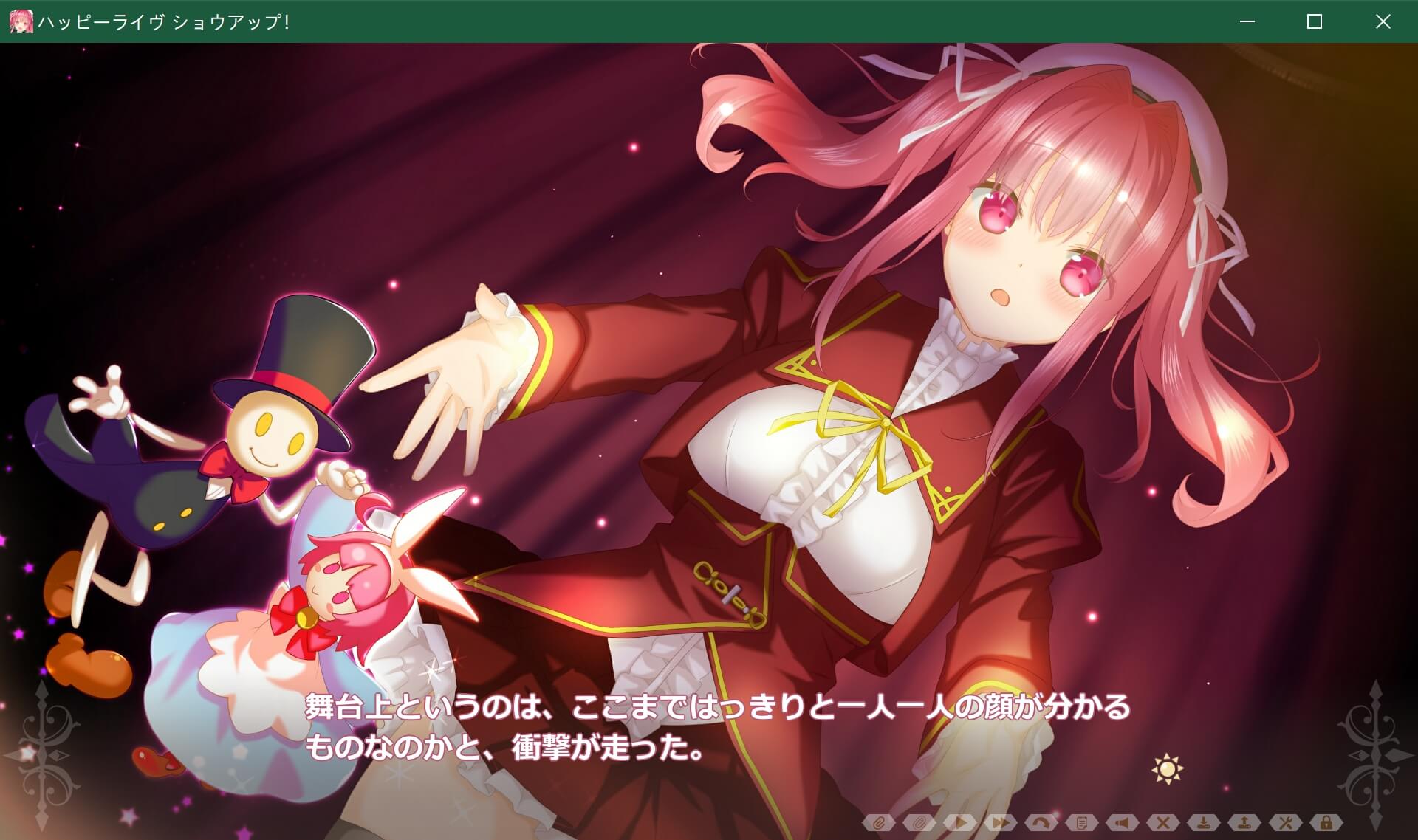
Honestly, my feelings stayed complicated the whole time I was playing this one. It doesn’t have many obvious strengths—story-wise, only Sofia’s route really holds up, and even that story is the kind that gets written all the time: conflict with family and parents, conflict between your own talent and your own heart, that sort of thing. The ending is the same old clichéd “making peace with yourself” stuff. And yet I just felt this game was “pretty good,” “way better than other games from the same period.” I can’t tell if it’s the Russian setting giving it a unique charm, or if the competition at the time was just that bad.
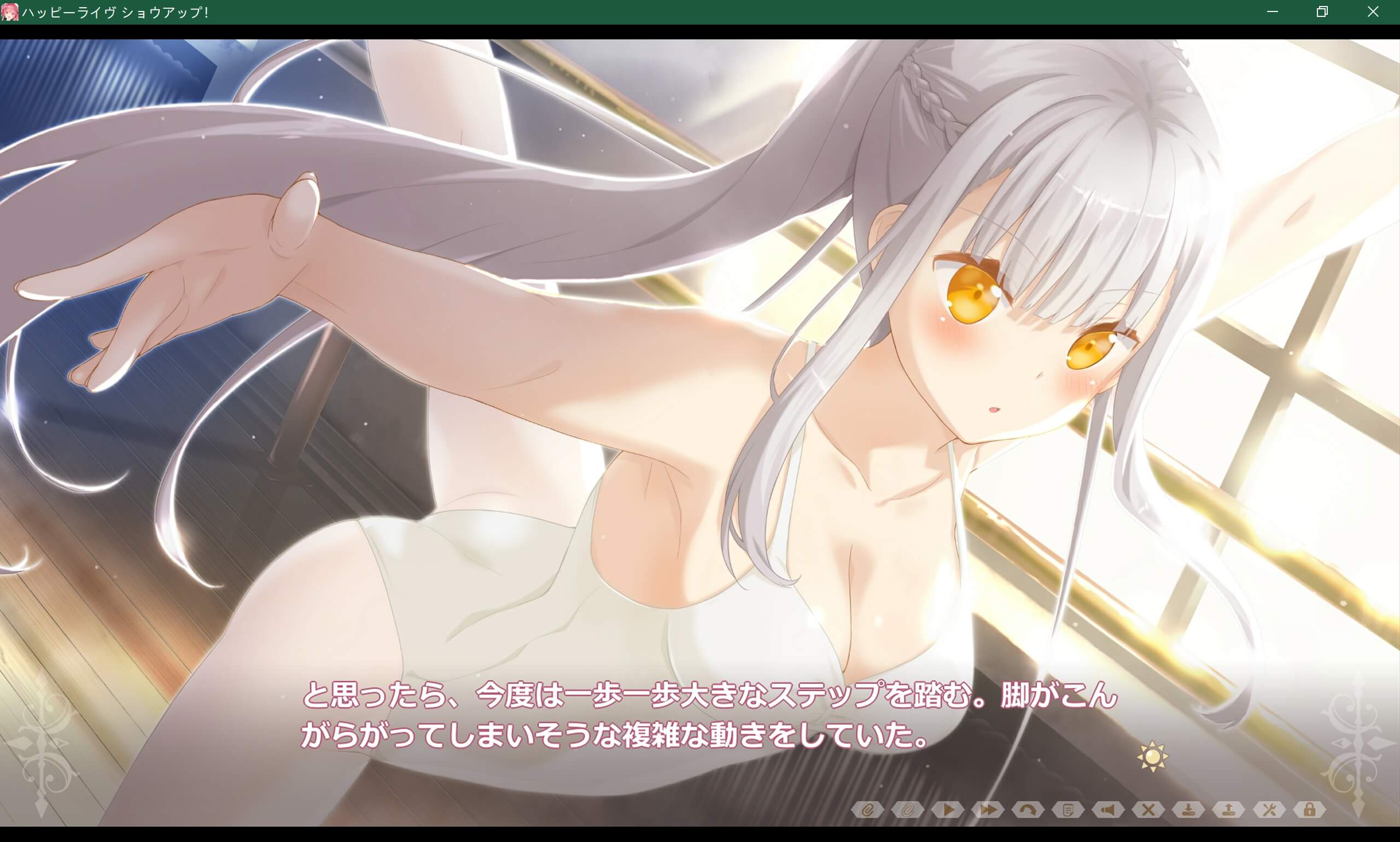
That said, I personally approve of FAVORITE’s changes this time. The pacing is genuinely comfortable—you find yourself wanting to keep going without noticing. Compared to the old “long and stinking” stuff, this one reads much easier. Add a premise and plot that aren’t too hard to follow, decent music, and a setting that feels fresh, and maybe that’s the biggest reason ハッピーライヴ ショウアップ! pulled me in.
If you like low-key love stories, and if you’re tired of all those Japanese-style “medieval Europe” fantasy settings, then this art-and-study-abroad romance playing out in the Far East is one you shouldn’t miss.
Comments are hosted on the Chinese main site. This mirror is read-only.