旧手表 + 幻觉 Review
Some Thoughts on Chinese-made Galgames
As everyone knows, the Japanese galgame industry is on its deathbed lately — August didn’t even have a single big release worth playing — so out of boredom I had to go find something else to play.
That’s when I happened to see someone on a blog hyping up a galgame called Hallucination (幻觉). The funny part: the studio behind it, Ash Heaven (灰烬天国), had a previous game called Old Watch (旧手表) that was pulling in a lot of positive reviews on Steam.
Most Chinese-made galgames on Steam have high ratings anyway, except the ones that shitpost themselves to death. Considering Old Watch was especially praised for its story, and considering I literally had nothing better to do, I bought the Old Watch + Hallucination bundle and started playing. Old Watch first, naturally.
The playthrough wasn’t especially long, wasn’t especially short. Honestly, Old Watch far exceeded my expectations. Compared to the games I ran into years ago where the “anime-nerd concentration was high enough to make me vomit,” Old Watch actually has a shadow of what a real “Chinese-made galgame” could be, and its strengths and weaknesses are both very obvious. So I figured I’d write something about this game and its sequel, plus my own views on the endless stream of “Chinese-made galgames” coming out these days. No plot summary this time, and no savage roasting either (I heard bashing Chinese galgames gets you flamed?). Just an essay, writing wherever my thoughts go.
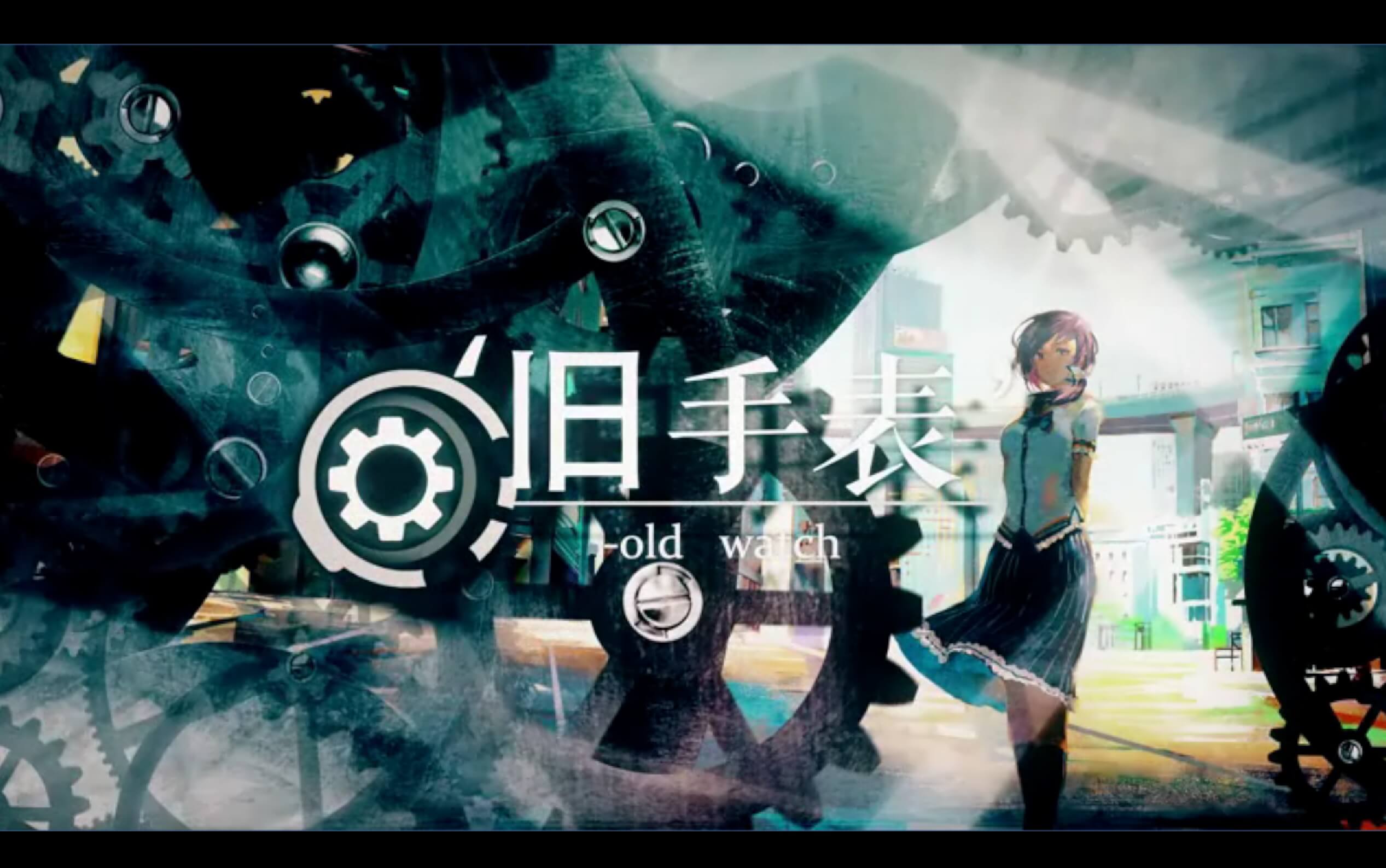
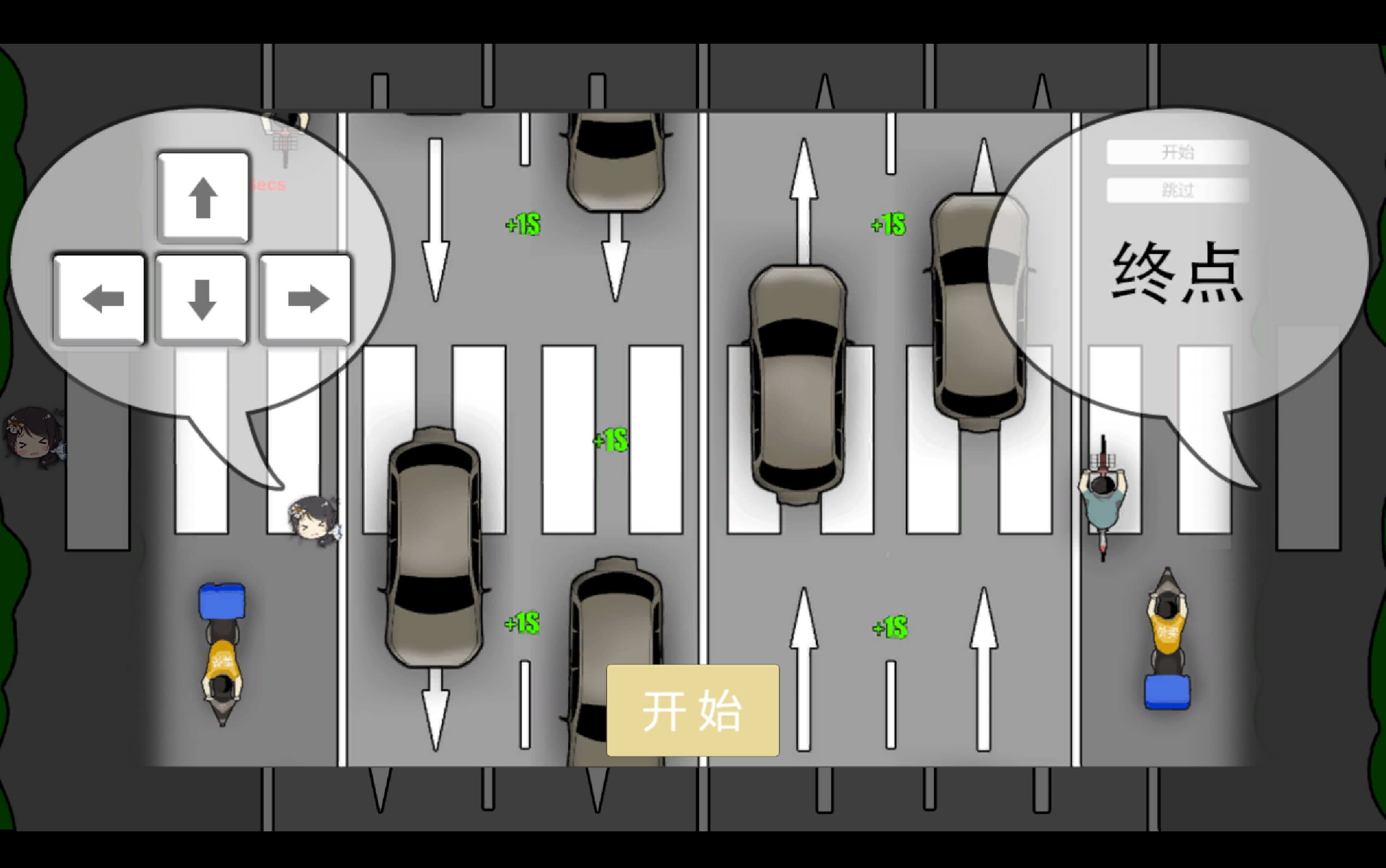
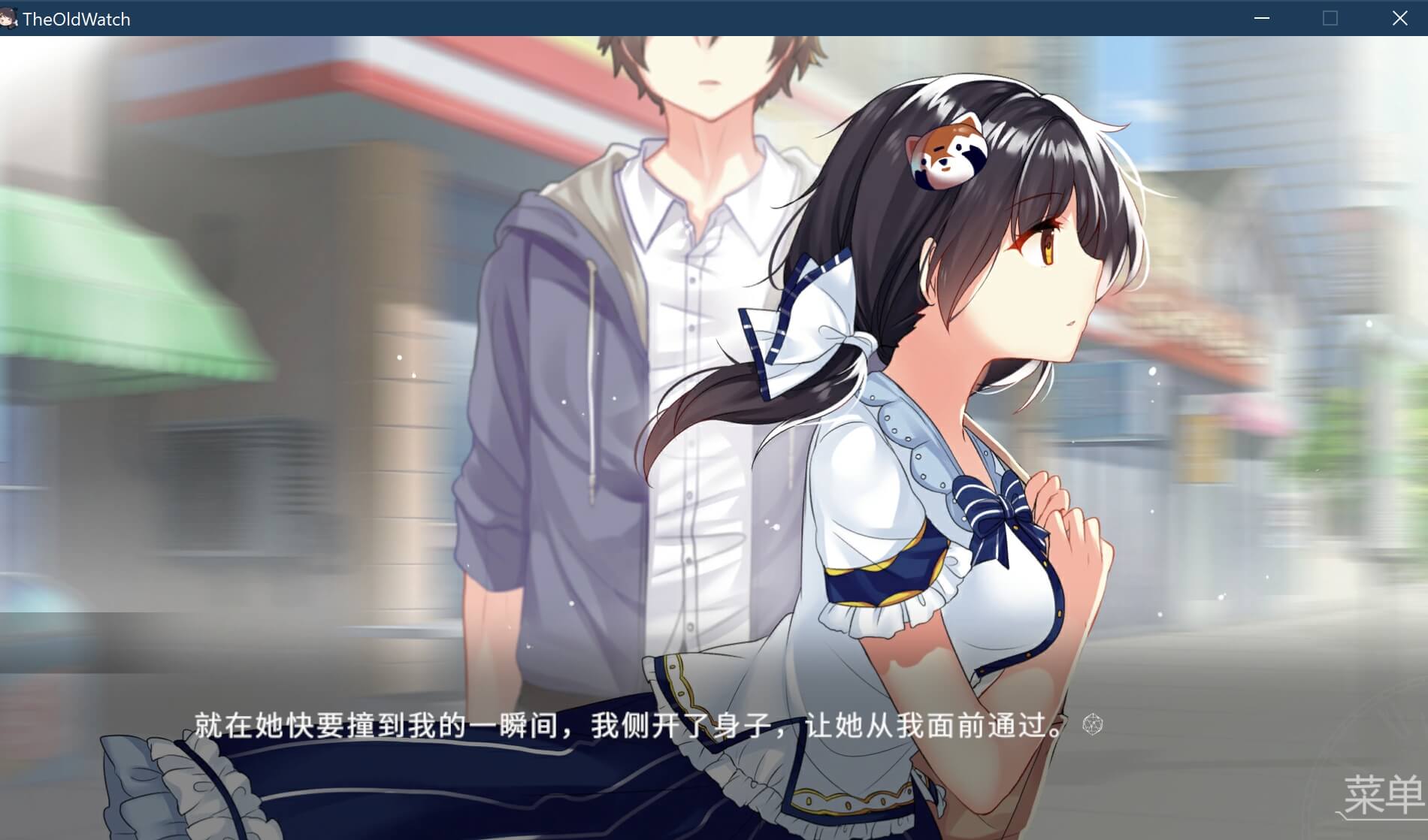
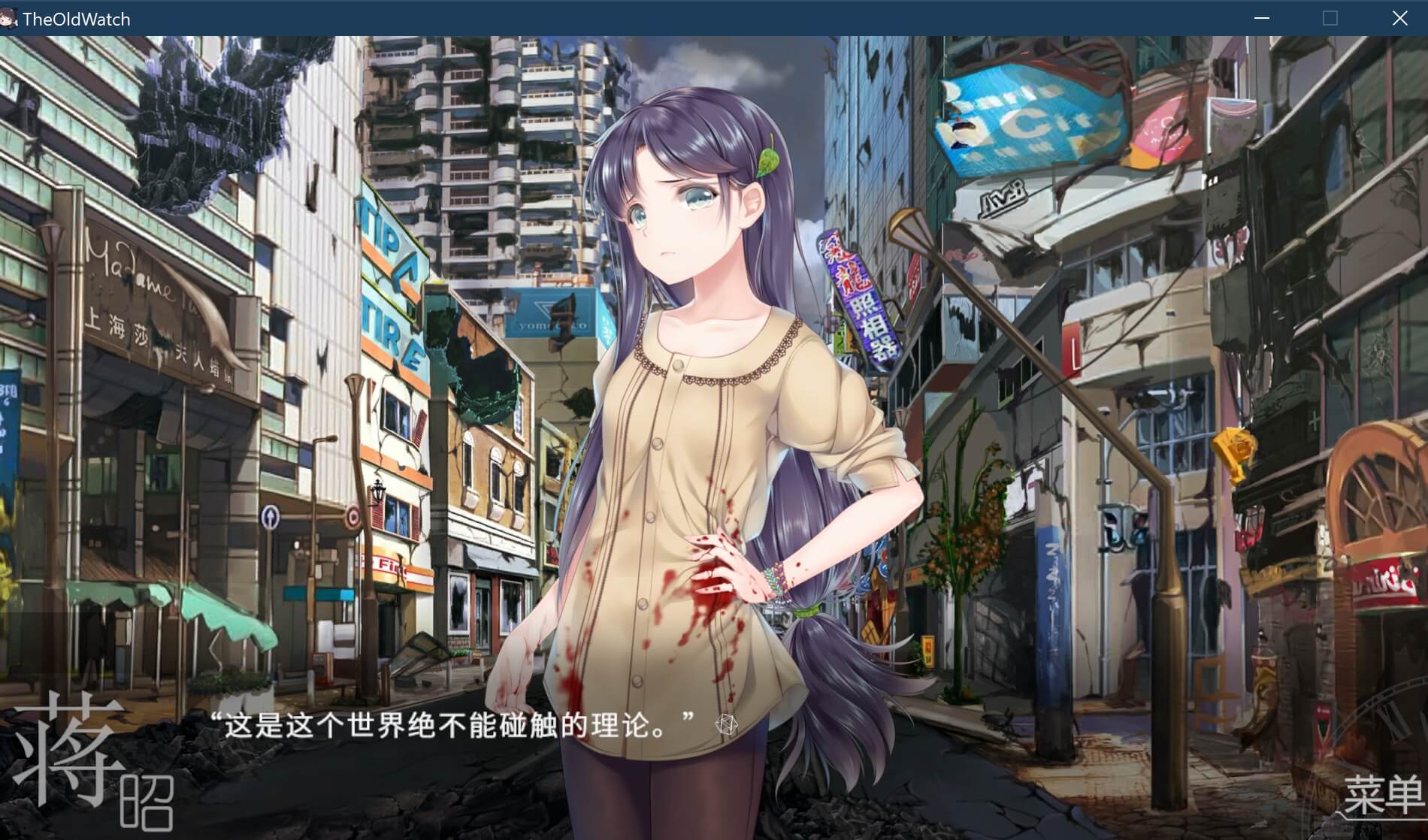
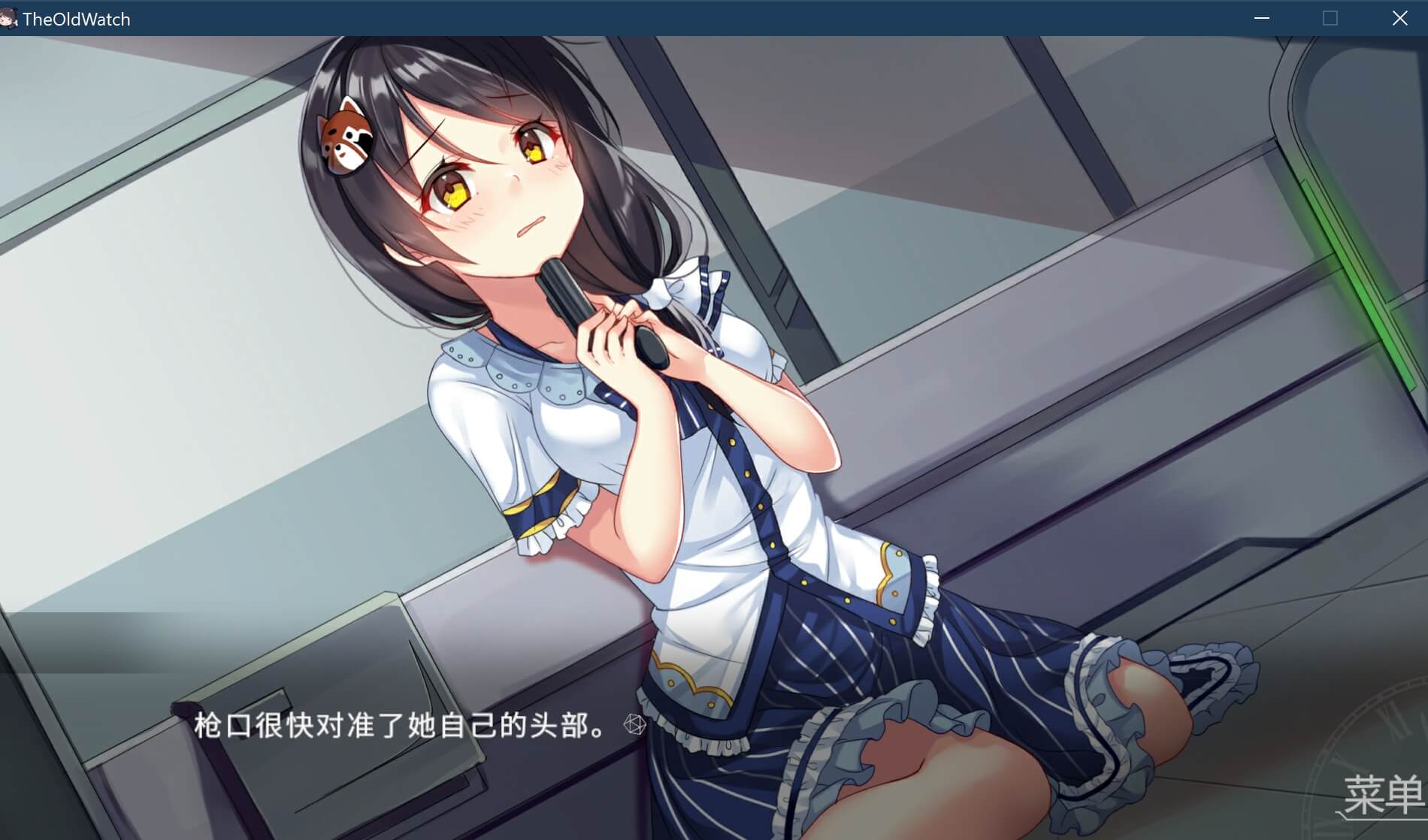
Let’s start with the good. Old Watch’s backgrounds look like they’re based on Shanghai, and it uses a narrative trick somewhat like “time travel and reincarnation.” I can’t find much to fault in the character art. The game doesn’t deliberately stuff in a ton of cringey “anime-nerd vocabulary,” it has a genuinely exciting OP, and the minigames are extremely fun and replayable. Some of the voice acting stands out, the science and computer stuff it touches on isn’t full of holes, and the way it handles the ending is pretty interesting too — it reaches a Happy Ending “without falling into the usual clichés.”
Of course, having covered the good, the bad can’t escape either…
First, the game’s biggest double-edged sword: how the plot unfolds and its setting. The story is still pretty interesting to read, brain invasion and all that cyberpunk stuff included, but all of it very easily reminds you of a certain “science fantasy series.” I’d say it’s practically naming Chaos;Head and Chaos;Child. Especially the late-game stuff about “a small group of people ruling the world” — easy to think of a certain “three hundred member committee.” Hell, even the walkthroughs circulating online joke that you should play a “non-existent boy” BGM before the final battle. The scenario writer and planner clearly really love 5pb / Mages games. I’m not saying you can’t write about brain invasion or AI, but at least don’t imitate them this blatantly, right?
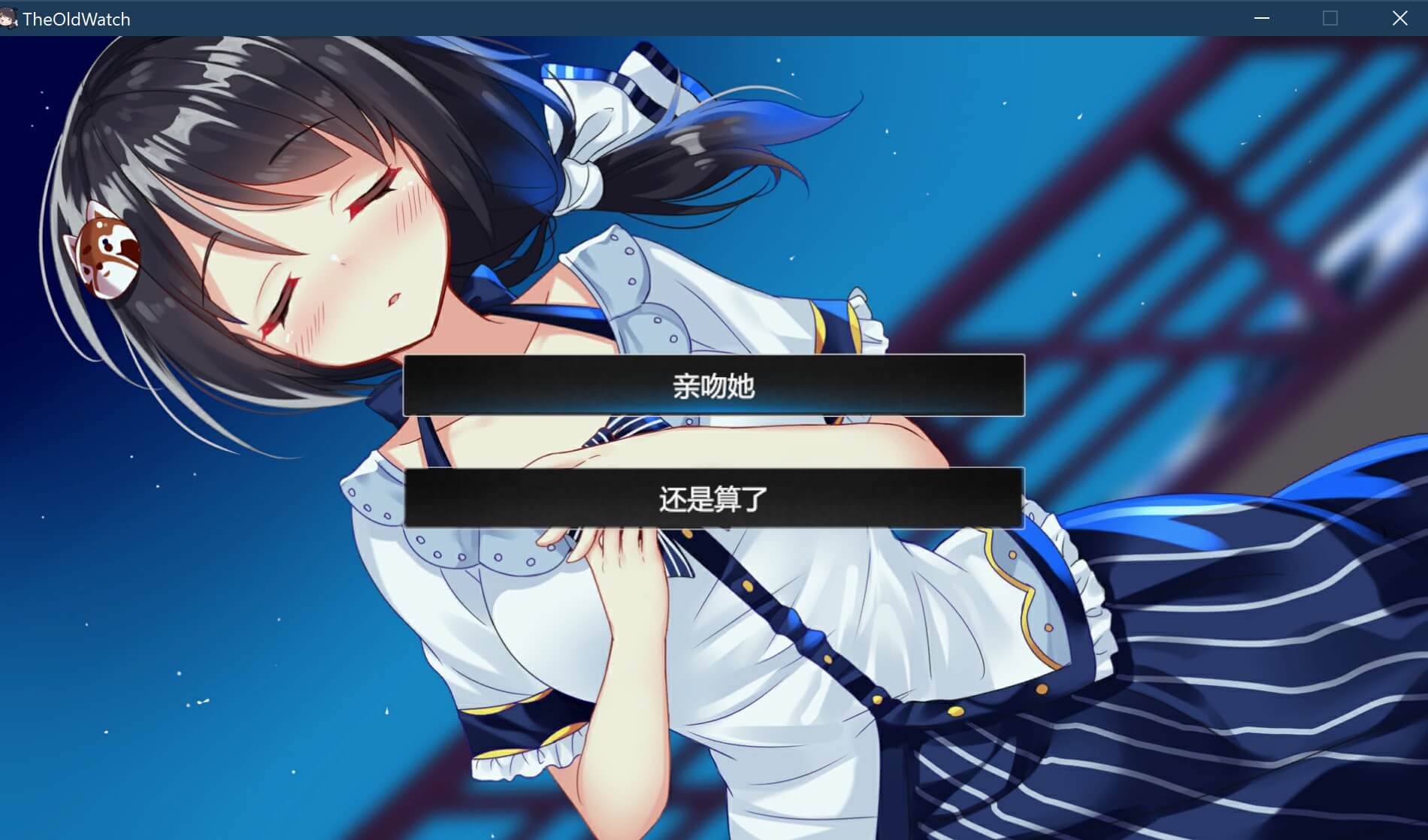
Beyond the very familiar plot, the voice acting also shows that our country still has a big gap with Japan. I said earlier a few characters are voiced well, but plenty of others break immersion completely — sometimes it’s the voice actor’s skill, sometimes it’s the recording and post-processing. The feeling is… this character’s speaking volume doesn’t even match everyone else’s. Chinese galgame teams probably really are short on money, so it’s hard to have a professional recording engineer supervising. The dialogue doesn’t fall into too many “veteran anime-nerd” quote traps, but a lot of it is still awkward as hell. Script writers, please think about whether two people actually talk like that in real life.

Another thing worth mentioning is the engine. It uses Unity, which everyone knows, and that brings the same problem as Japanese games on the same engine: massive resource usage. Hard to imagine a text-focused galgame pinning the CPU at 100% for that long. I don’t think that’s the engine’s fault at all — it’s the programmer’s. I’ve heard a bit about the situation: studios want to make galgames, they hire programmers, and everyone they hire has studied Unity. Small project, so naturally you use what the programmer is good at. Using Unity is a helpless choice. But I still think it’s overkill — using a cleaver to kill a chicken, and the optimization isn’t even good. Why? Ren’Py is open source and not that hard, plenty of programmers know Python, and Ren’Py has produced “masterpieces” like DDLC. Plus the engine’s nature makes cross-platform easy. Why cling to Unity and nothing else? Also, I don’t know if anyone on the team actually plays galgames regularly — you can’t even browse the backlog conveniently. The game system itself is just inadequate, okay?
After all that, I’m personally still looking forward to the future of “Chinese-made galgames.” At least Old Watch gave me a bit of hope, a hope that things are gradually getting better. I remember reading somewhere that China isn’t exactly short on money when it comes to making games, and the voice actors are professionals too. Lots of mobile and online games — World of Warcraft, Honor of Kings, stuff like that — have genuinely great voice work. But those voice actors need relatively “normal” lines and a good voice director to keep them in line, and that’s exactly what most galgame teams lack.
I’ve also wondered what kind of galgame would count as a real “Chinese-made galgame.” First, China’s special environment: 18+ content and borderline stuff are taboo, and in some cases even “high school romance” can’t be mentioned. We simply don’t have the production environment Japanese galgames have (though most Japanese high school galgame settings are bullshit anyway). What decides a galgame is art, music, story, and systems. China’s level in art, music, and systems is already world-class, but it’s precisely the story that boxes in most galgame creators. I’m baffled why so many people who want to make Chinese galgames only ever think of “a Japanese-style galgame story that happens to take place in China.” Nobody seriously wants to build a game with a thoroughly localized mindset. Reminds me of how hip-hop developed in mainland China. It originated in American street gangs, carrying a heavy dark vibe — early hip-hop included drugs and gangs and all that. But when hip-hop came to China, those elements didn’t exist here, so you “sinicize hip-hop.” Not just translating Gangsta and Coco into Chinese, but finding the spiritually equivalent points.
Same with galgames. Japan has that school culture (though most of it is divorced from reality too), and mainland China doesn’t. Actually, the mainland doesn’t lack well-written youth literature. Even those campus novels by Guo Jingming, I’d say, are better than awkwardly imitating Japan. Sometimes I think turning some of those old youth web novels into galgames would work great. Why must every line open with a “ne,” go on about “the person I care about,” throw in a “desu” here and a “I hate it” there — neither Chinese nor Japanese? Why? Think about how you actually talk to your classmates.
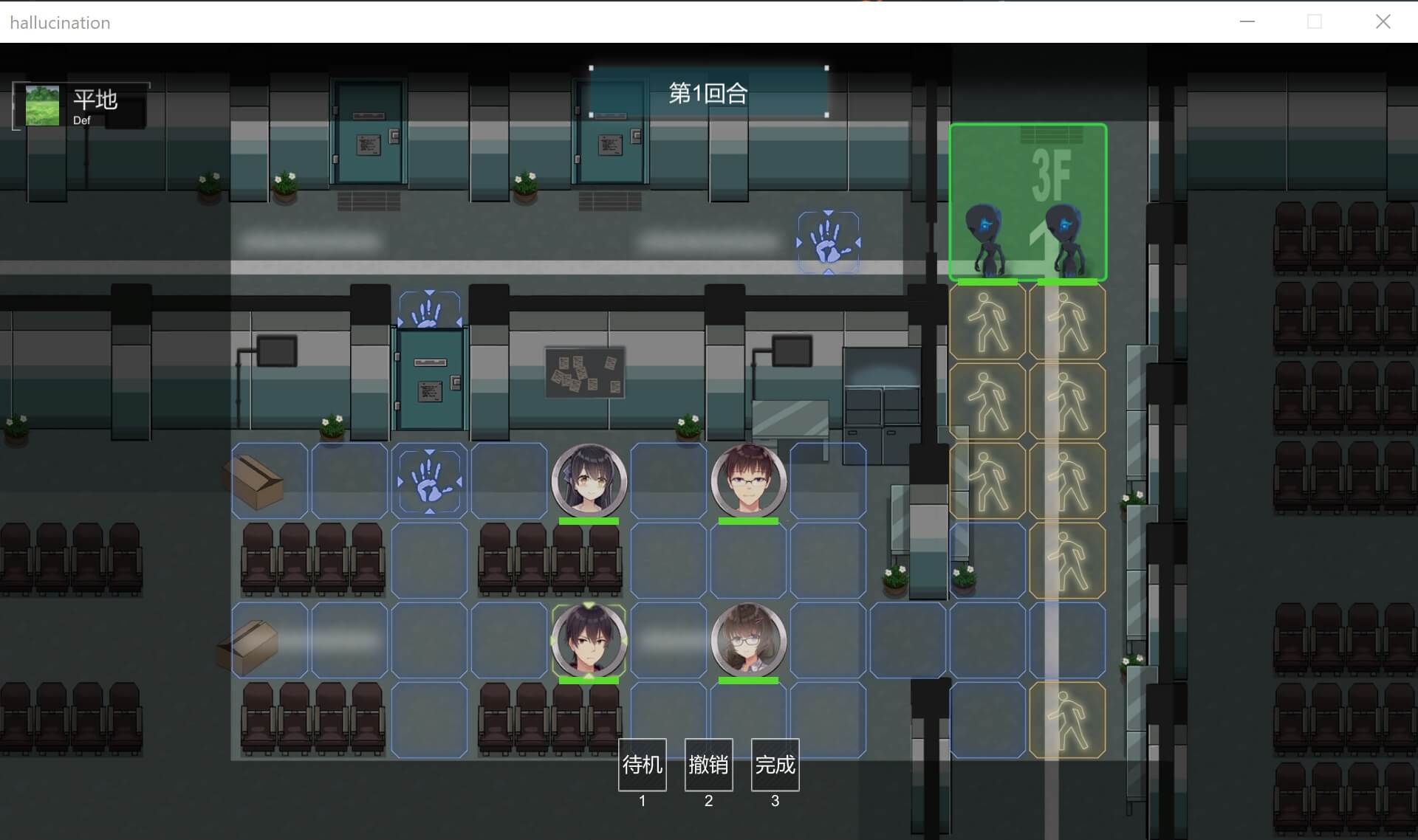
Just when I thought Old Watch had shown me hope and I was ready to see more change in Ash Heaven’s next game, Hallucination, the game went right back to the old ways. An even more insane collection of settings, a fully Japanese-style “student council organization,” even more “anime-nerd” catchphrases, and what didn’t change was the CPU-maxing system and minigames. Honestly I couldn’t keep playing after a while, and with that month’s new releases coming out, I just dropped it. Couldn’t be bothered to refund on Steam either — consider it support for Chinese-made games.
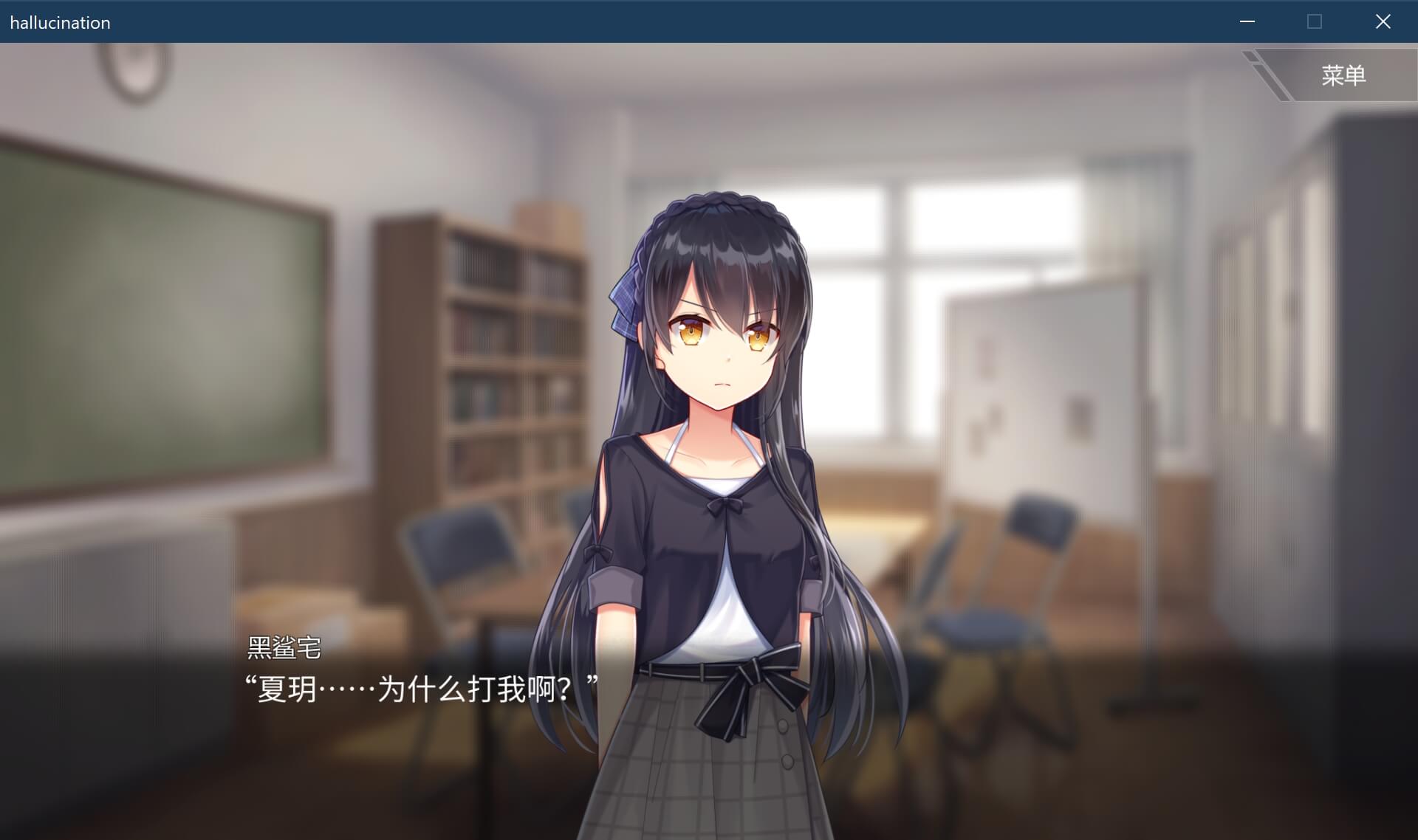
Of course, as Old Watch’s sequel, Hallucination clearly improved in art quality — all the characters look more like mainstream Japanese galgame art now. Whether that counts as a plus, I don’t know. After playing for a while I felt Hallucination was a huge step back from Old Watch, yet Hallucination got tons of praise. I can’t tell if everyone just looks at the pretty characters and doesn’t care about the impenetrable, pretentious story, or if I’m genuinely out of touch with the young crowd. Meanwhile I saw lots of articles praising Hallucination online, all written by galgame-industry “big names.” After reading carefully, I understood: these are fucking paid shill pieces. The praise is watery, the hard-shill level. You can practically see “I am a paid ad” written on their faces. I wonder if the publisher pays them?

One of them is even a leading figure at the magazine I write for. Considering the current survival situation of print media, I won’t name names — too awkward.
That’s about all I have to say. I’ve only got one feeling left: if any Chinese galgame needs a paid shill piece in the future, please contact me. Mine would at least be less awkward. Thanks.
(Actually, I sometimes think if you turned the old Grass Years (草样年华) series into a galgame, it’d crush a lot of Japanese ones outright. Even Guo Jingming’s How Many Flowers Have Fallen in My Dream (梦里花落知多少) beats the current crop of demons and monsters. I don’t know if today’s Chinese galgame creators have holes in their heads or took the wrong medicine. Why so obsessed with replicating Japanese works? Because it won’t sell if it’s not “Japanese-style”?)
Comments are hosted on the Chinese main site. This mirror is read-only.