Uchi wa Mou, Enki Dekinai. (ウチはもう、延期できない。) Review
Nothing to Do With Delays
When Sonora first launched, I remember they were trying to do something closer to mainstream young-people vibes—the first game’s gacha whale theme, the second’s anime idol theme, that sort of thing. Those are the topics young people love and that are trendy right now. As a visual novel company, creating a new brand to pull in new users with that kind of move is completely normal.
Then the third game came along and the direction was already off—suddenly we’re talking about running an eroge shop, which is a super hardcore topic. And by this fourth game, they’ve completely let loose, heading straight into a field that eroge players know all too well but young people couldn’t care less about: eroge development.
Uchi wa Mou, Enki Dekinai (We Can’t Delay Any Longer)
The title itself reflects part of the current state of eroge development companies—thanks to COVID, staffing shortages, funding shortages, the declining industry taking another hit, development content getting delayed over and over, constant pushbacks. It’s basically the norm.
I could already imagine the game’s theme before it came out. Going by Sonora’s previous eroge shop game, it’d be all jokes about the daily work of an eroge production company, with cameos from the previous game’s shop and maybe some idol characters. There might be some tense work descriptions, but problems get resolved quickly, and it all ends in a happy ending…
And so this game… is pretty much exactly what I imagined.
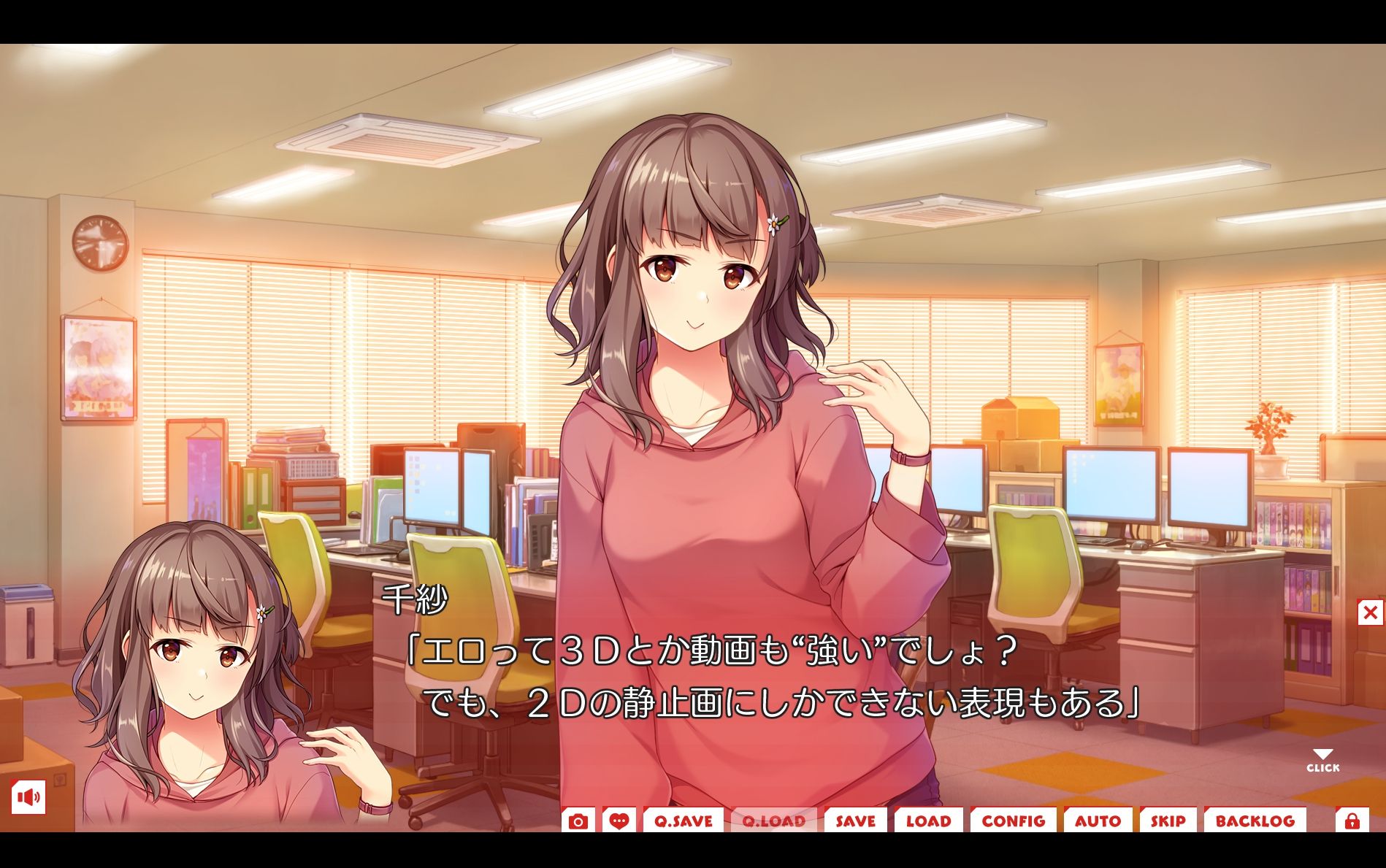
The game follows our protagonist, who through a relative’s connections gets dragged into an eroge development company to help out. Later, with some matchmaking from that relative, he ends up pitching some game concepts that even I could tell wouldn’t sell. Eventually he falls for one of the female employees and they get together.
The story isn’t strictly linear, and honestly there’s not much worth mentioning plot-wise. According to the title, the main topic is “delays,” and the game does offer some explanation for “delays.”
A lot of players might think “delays” aren’t a big deal—if the game isn’t finished this time, just finish it next month and release it then. The game explains this quite a bit. For example, many games invest in marketing during development—say they’ve announced a July release, the money’s already spent, and then the game gets delayed, so that money goes down the drain. Also, many games take out loans for development. Every day of delay means more money needed to pay staff, and the loan can’t be repaid quickly through game sales, creating a big funding gap. So making eroge is just like making software—you need to avoid delays as much as possible.
By that point the game’s theme should be done, and the rest has nothing to do with the title. The game does depict the daily grind of a software company developing games, trying hard to show how busy these people are, even putting out taglines like “Abandon all hope, ye who enter here” during promotion. But frankly, I really didn’t see how hard the developers in this game had it—if anything, it’s too divorced from reality.
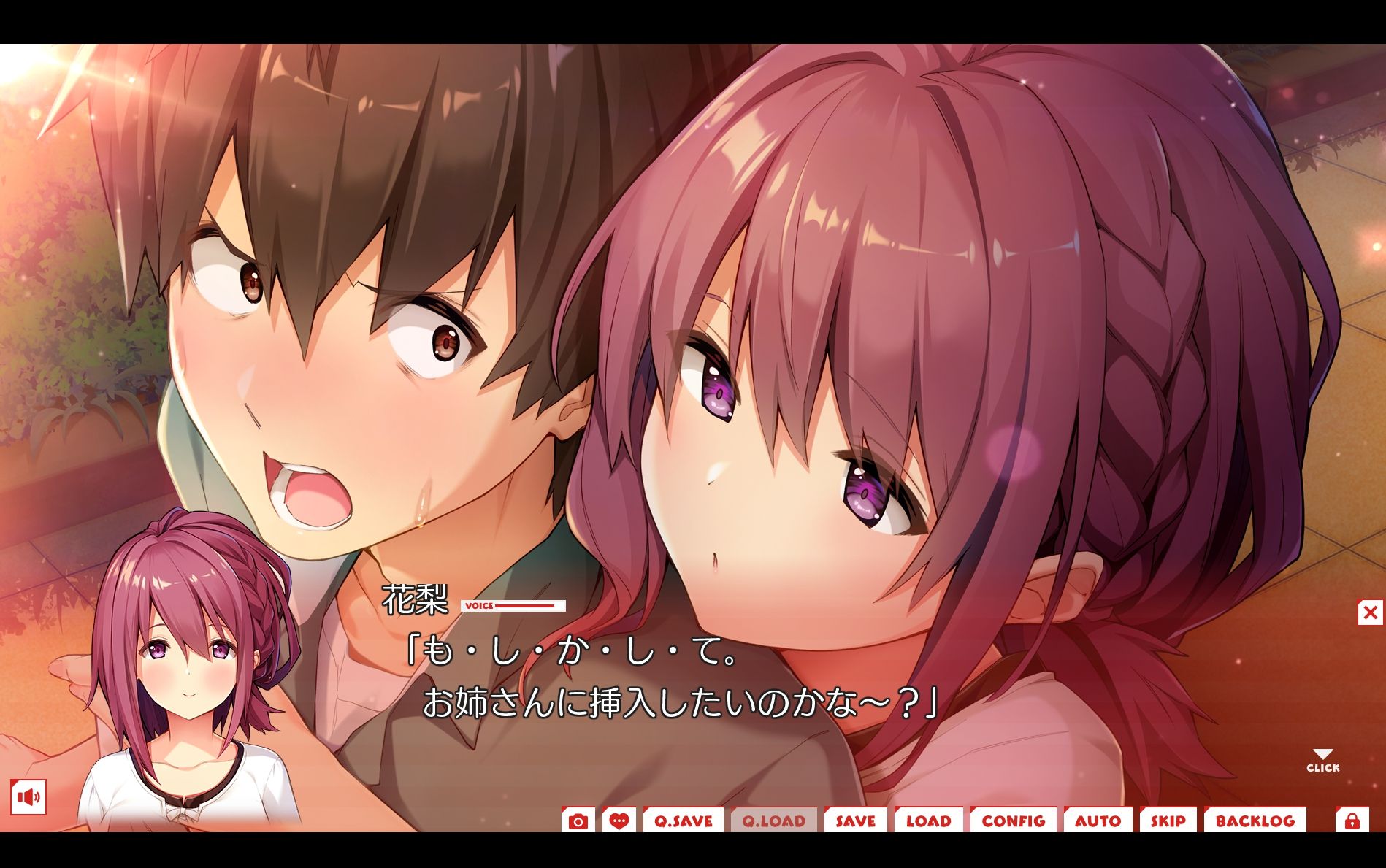
No eroge development company has that many beautiful girls, nor such a kind and approachable boss, and definitely no chance to go out on dates during the busy pre-production period. Real Japanese development companies are surely full of exploitation, 996, and all sorts of office politics.
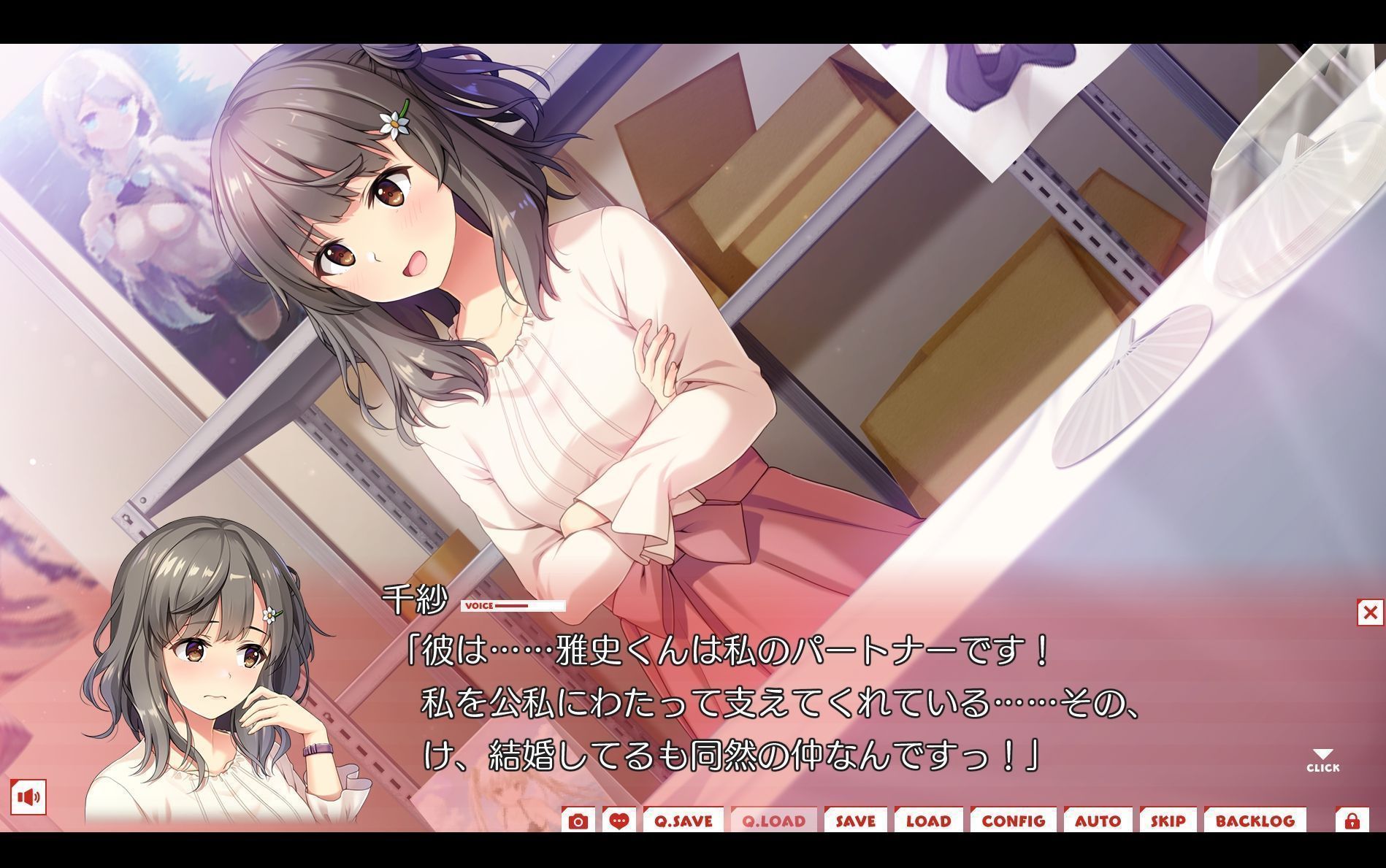
The character routes also include some content I found hard to understand. For example, in the main artist’s route (voiced by Moriya Misono), the main artist reveals she has a boyfriend and gets attacked by many “hardcore fans,” and then the game condemns these hardcore fans, saying they’re disgusting or whatever.
The problem is, as an R18-focused visual novel development company, aren’t your main customers exactly these “disgusting otaku” who love looking at “lewd art”? And many female artists, when promoting themselves, casually post selfies or hint at their fetishes in revealing ways—isn’t that precisely to attract otaku?
To put it bluntly, aren’t the “fanatical hardcore fans” the game deliberately makes disgusting exactly your product’s main customers? Badmouthing your own primary customers in your own work—is that performance art or some kind of self-righteousness?
I thought for a long time about how to talk about Uchi wa Mou, Enki Dekinai. I wanted to talk about the industry, but the game doesn’t seem to say much about it.
I wanted to talk from the perspective of game development, but the game doesn’t seem to say much about that either—problems are always glossed over.
I wanted to talk about the topic selection and planning, but the game doesn’t say much about that either—even less than Sakuchiku Kanojo did. At least that one discussed topic selection and creative bottlenecks. In this game, when problems arise, you just need to take a breath, get some encouragement, and everything is solved, with the process never mentioned.
A lot of people on some idiot website sarcastically say “For making eroge, Sakuchiku Kanojo is just for fun, but the real eroge-making game is Enki.” In my view, that doesn’t hold up at all. This game, aside from creating an atmosphere that “looks like it’s about making eroge” and forcing in some eroge production team elements to fit the title, actually has little to do with “making eroge.” Just like New Game has little to do with making games, this game won’t let you feel the real hardships and joys of “making a visual novel.” The only thing you’ll learn is that the avalanche effect of “game delays” is far more serious than you might think.
As for the rest of the content, it’s not bad, just too mediocre—at most it’s a normal otaku fantasy romance with some neta. Nothing to do with “delays.”
Comments are hosted on the Chinese main site. This mirror is read-only.