LUNARiA -Virtualized Moonchild Review
I know who Matsuyama Takeshi is, because I read his novel Kimi Shinitamou Ryuuseigun. I’m still not sure whether that series is actually finished—it stopped at volume five, and I got stuck on volume three. The official line is that it’s complete.
The plot of that novel is pretty simple: the protagonist’s childhood friend dies, and he spends the entire book getting over it. One idea from that novel stood out to me as genuinely novel: the heroine isn’t actually a “Earthling” in the usual sense—she’s a “space-born,” born in space to a mother who gave birth to her up there. That’s the bit that stuck with me the most.
Honestly, I think that novel should have ended after volume one. The whole first volume is already overflowing with inspirational chicken soup, and the protagonist does manage to move past the heroine’s death. But then—surprise—the story pulls a sudden twist and reveals there might be a way to save her.
And that’s where I checked out. If I had to guess, the rest of the story involves the protagonist using some supernatural ability (time travel, space hopping, whatever) to bring the heroine back…
Lame. So lame.
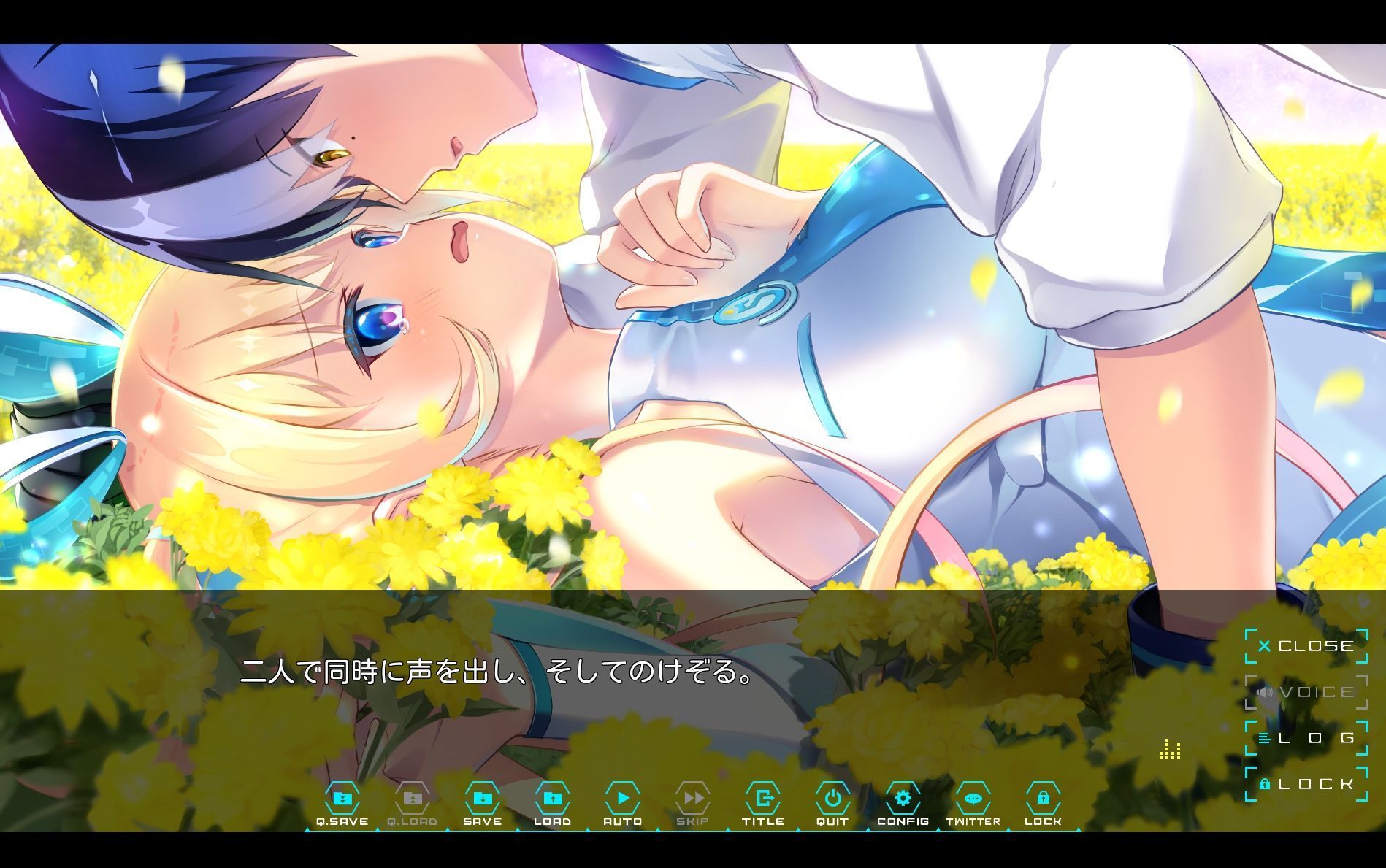
So when I first heard Matsuyama Takeshi was writing for a Key game, I was against it. Key games are already drowning in chicken soup—adding the king of chicken soup on top? Unimaginable. I figured the MSG would be so thick you’d choke.
But the marketing was decent, and I couldn’t resist taking a look. It’s a short game, so I went ahead and finished it.
How did it feel? Actually, not bad. But there’s one problem: the story is way too familiar.
LUNARiA’s main plot is also pretty simple. It’s set in a future world where the protagonist, a VR player called T-bit, often participates in esports events that are basically racing games in virtual space. During one match, he accidentally stumbles into some unknown server and meets a girl named Luna Q. She says she’s an AI trapped inside the game server, and since the server is currently deployed on the moon, she calls herself Luna Q. And that’s how they meet.
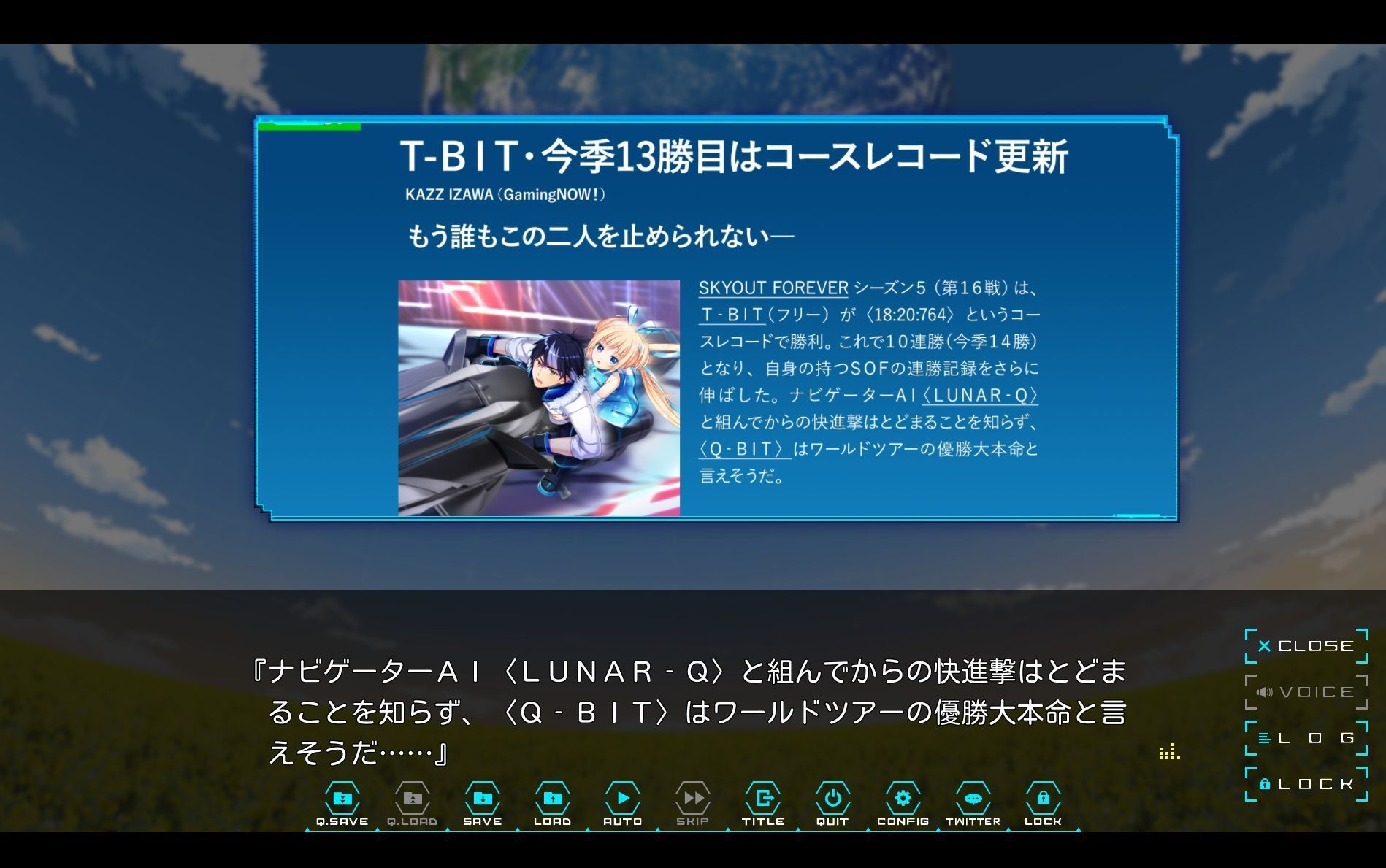
After meeting several times, they naturally develop feelings for each other. Human falls in love with AI—super common, no surprises there. Later, Luna Q tells the protagonist that due to a solar flare (or some other solar event, I forget), her server is going to be shut down and decommissioned, and she, as the AI running on it, will be permanently deleted. The protagonist can’t fight the tide either, so he spends one last day with Luna Q, trying to make the most of it.
Then later, the protagonist偶然 discovers that Luna Q hasn’t actually disappeared—there’s still a faint active signal. The lunar server, despite all the interference, is still running. He enters Luna Q’s server again and gathers a bunch of information about this “Luna Q” AI, and shockingly learns that Luna Q isn’t an artificial intelligence at all—she’s a living human being.
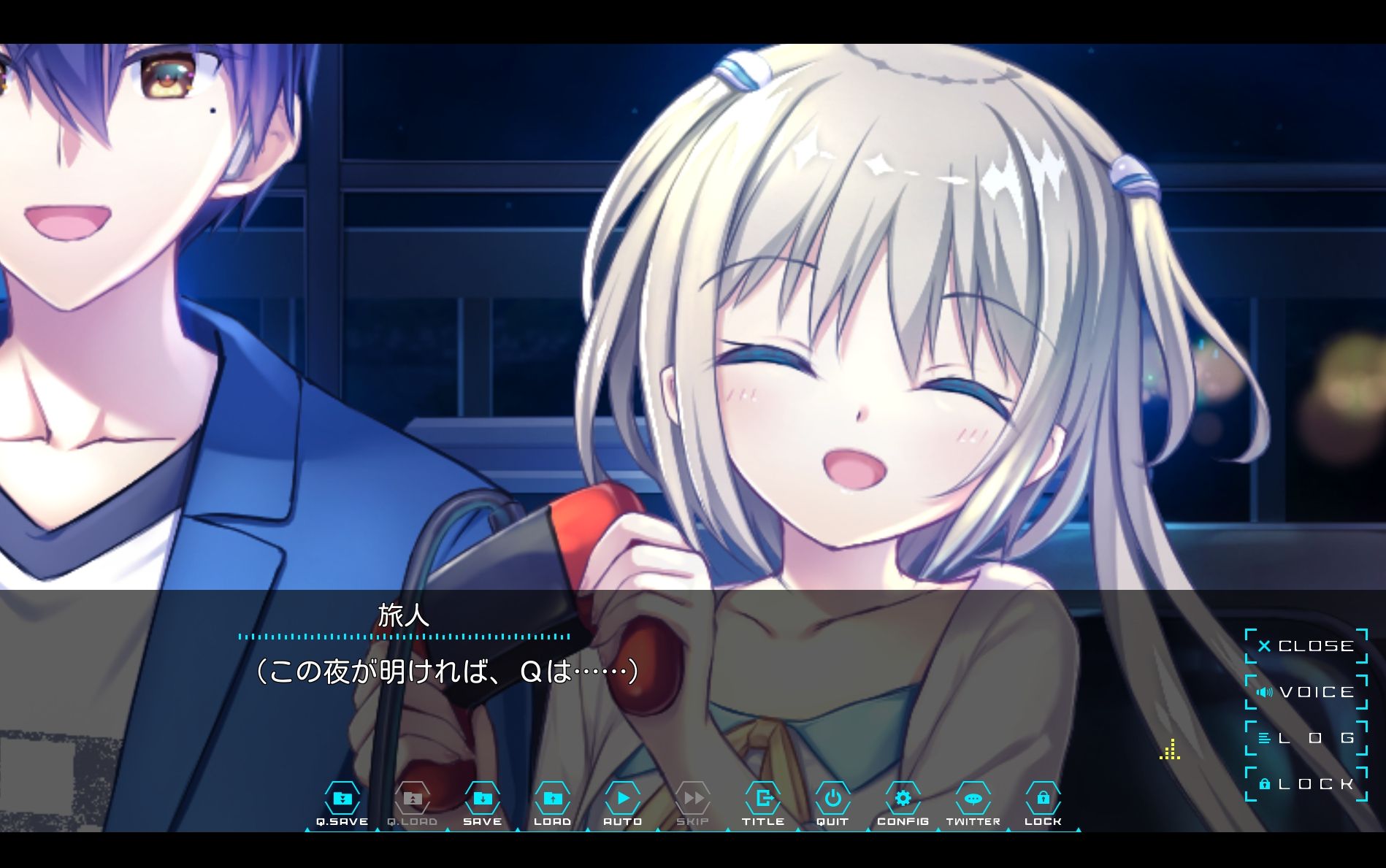
Luna Q’s mother was once a scientist on some lunar exploration project. After a catastrophic disaster destroyed the moon base, she got stranded on the moon, unable to escape, and was forgotten there. At the time, Luna Q’s mother was pregnant, and she gave birth to the girl alone on the moon, teaching her how to survive using the lunar facilities. To avoid unnecessary trouble, she told Luna Q she was just an AI, not a human, and put her physical body into hibernation while keeping her consciousness in the network. Luna Q learned to surf the net and made contact with people on Earth—that’s how T-Bit met her.
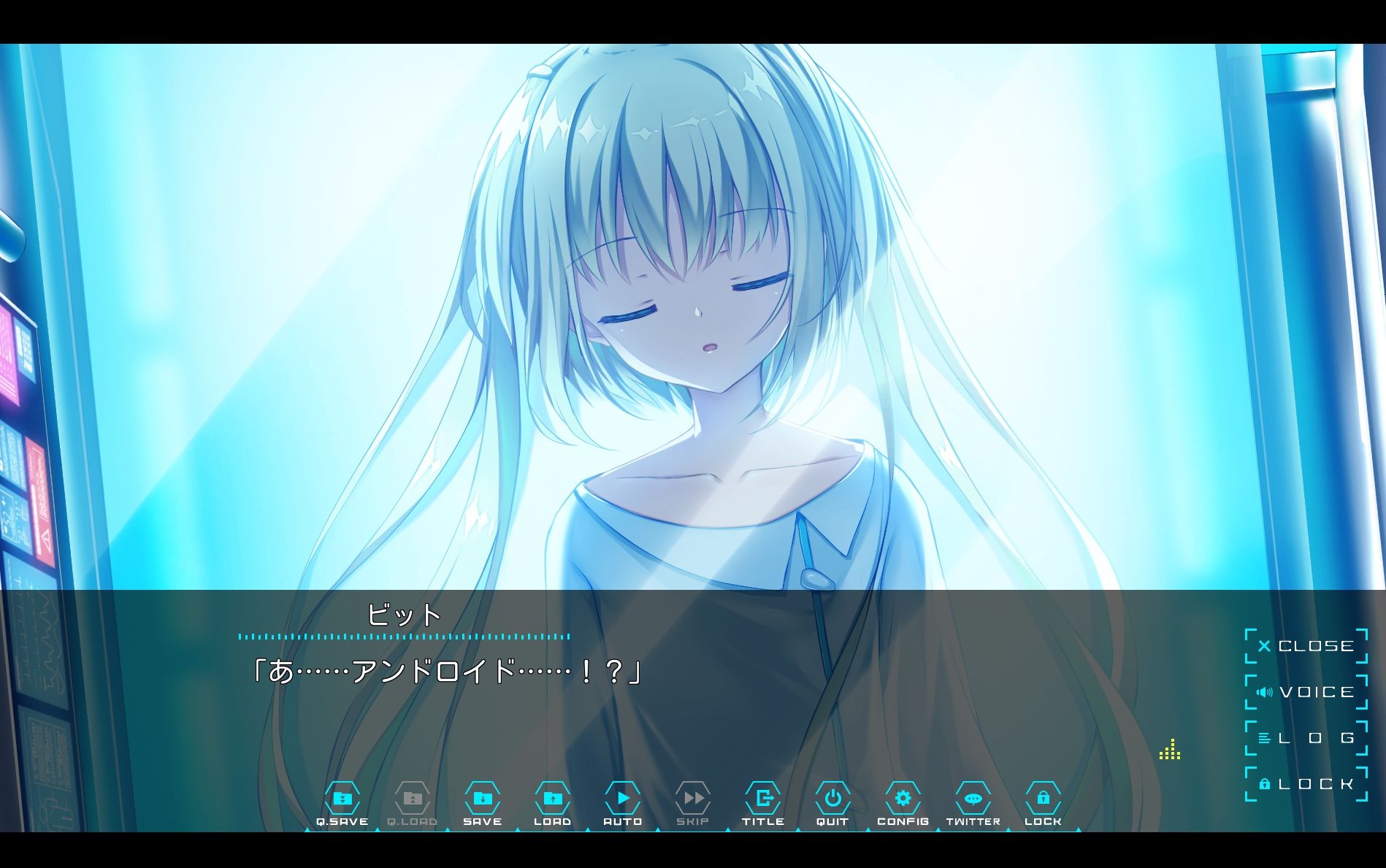
So all that stuff about Luna Q’s server going down and her disappearing was bullshit. Her physical body was probably still alive on the moon. The protagonist starts pulling strings and calling in favors from all the big shots he knows in the game, and finally, through remote AR-guided operation, gets Luna Q onto a rocket back to Earth, completing a high-stakes re-entry journey.
In the end, Luna Q—100% pure-blooded moon person—meets T-Bit on the moon, and they live happily ever after.
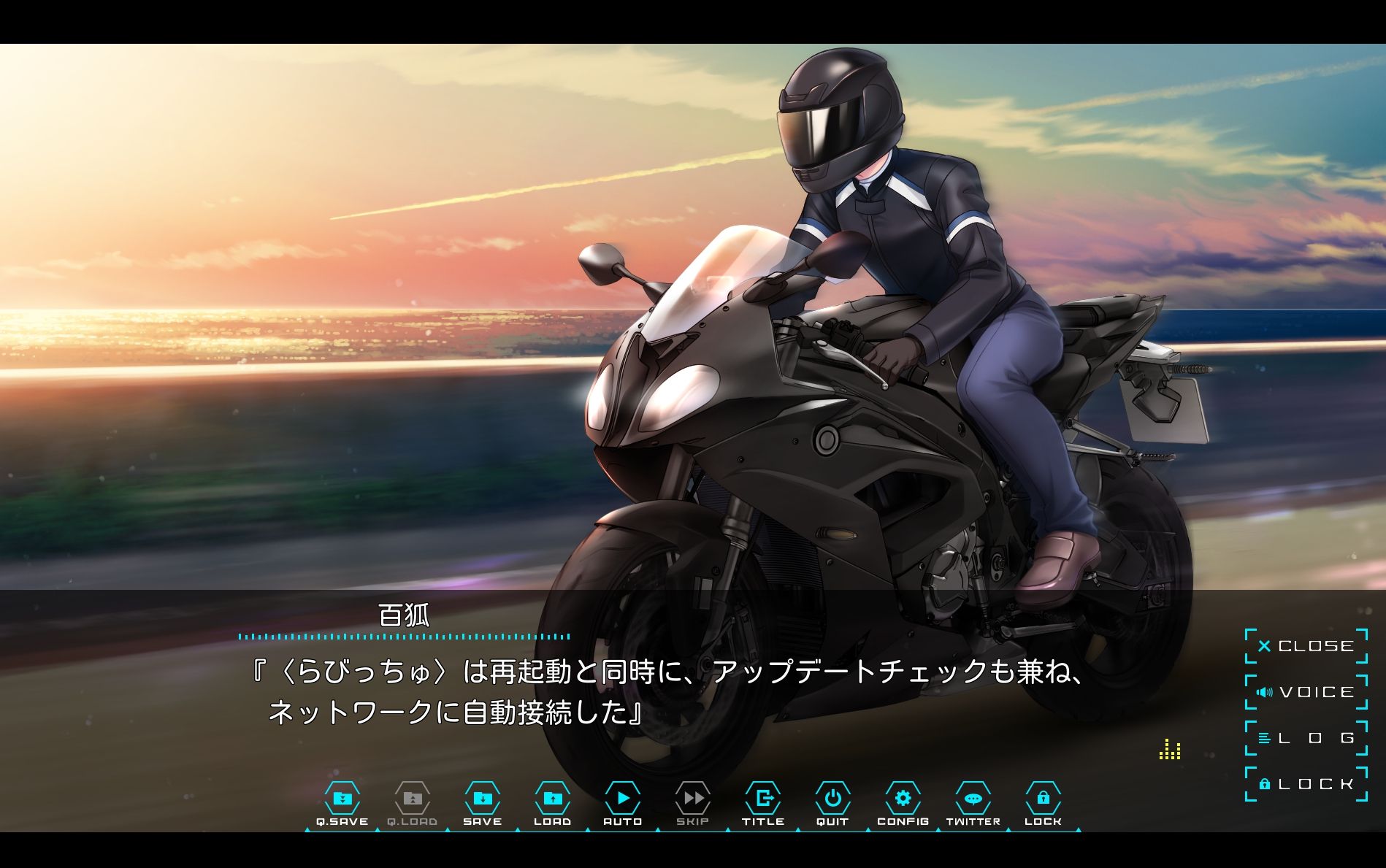
What I care about is Luna Q’s mother. I wonder if her remains are already a skeleton on the moon.
If you’ve read Kimi Shinitamou Ryuuseigun, you’ll notice that a large part of this game’s setting is basically copied from that novel. The heroine in the novel is born in space; LUNARiA’s heroine is born on the moon. The novel’s heroine is said to be dead, but then—surprise—she gets rescued via time travel. LUNARiA’s heroine gets saved through remote AR操作, forcibly bending the story into a perfect happy ending.
I’m not saying a perfect ending is bad, but this kind of development makes the story feel too “convenient.” Why did Luna Q’s mother have to stay on the moon? Was there really no way back? Why couldn’t Luna Q’s mother leave, but Luna Q just happens to be able to escape by rocket? Why is Luna Q, who can access the internet, so easily bound by the AI identity her mother made up? And why does the protagonist absolutely have to bring Luna Q back from the moon—what if the rocket explodes? Then you’re a murderer, aren’t you?
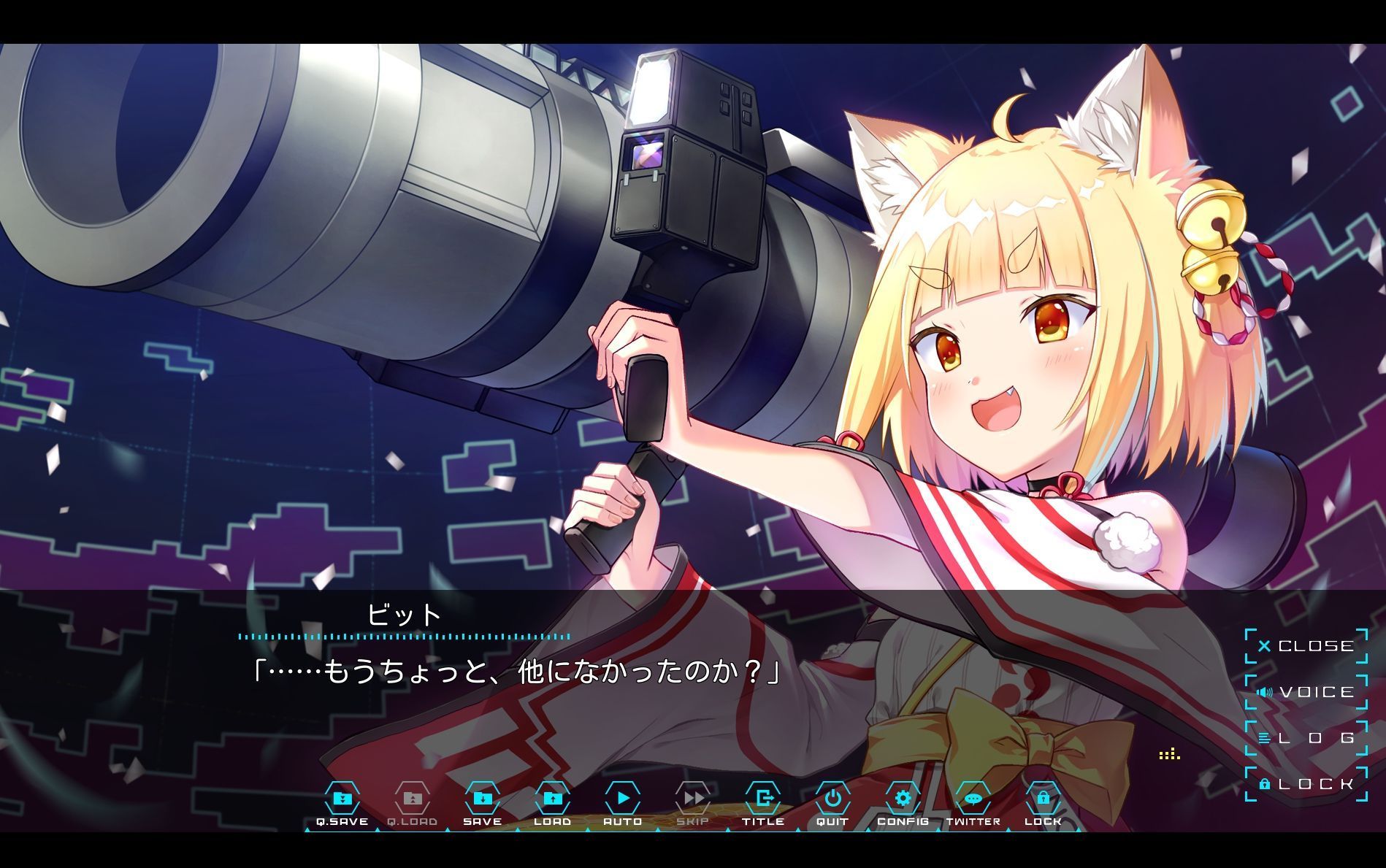
There are way too many unreasonable things in this setting. A lot of forced setups exist solely to make that final reunion touching. But from what I know, most Key fans don’t care about that stuff. What they care about is the marketing tagline: “A love spanning 384,400 kilometers,” and all those corny words like “love” and “miracles,” letting themselves be swept away by the author’s chicken soup and imagined romance, drowning in their own manufactured emotion.
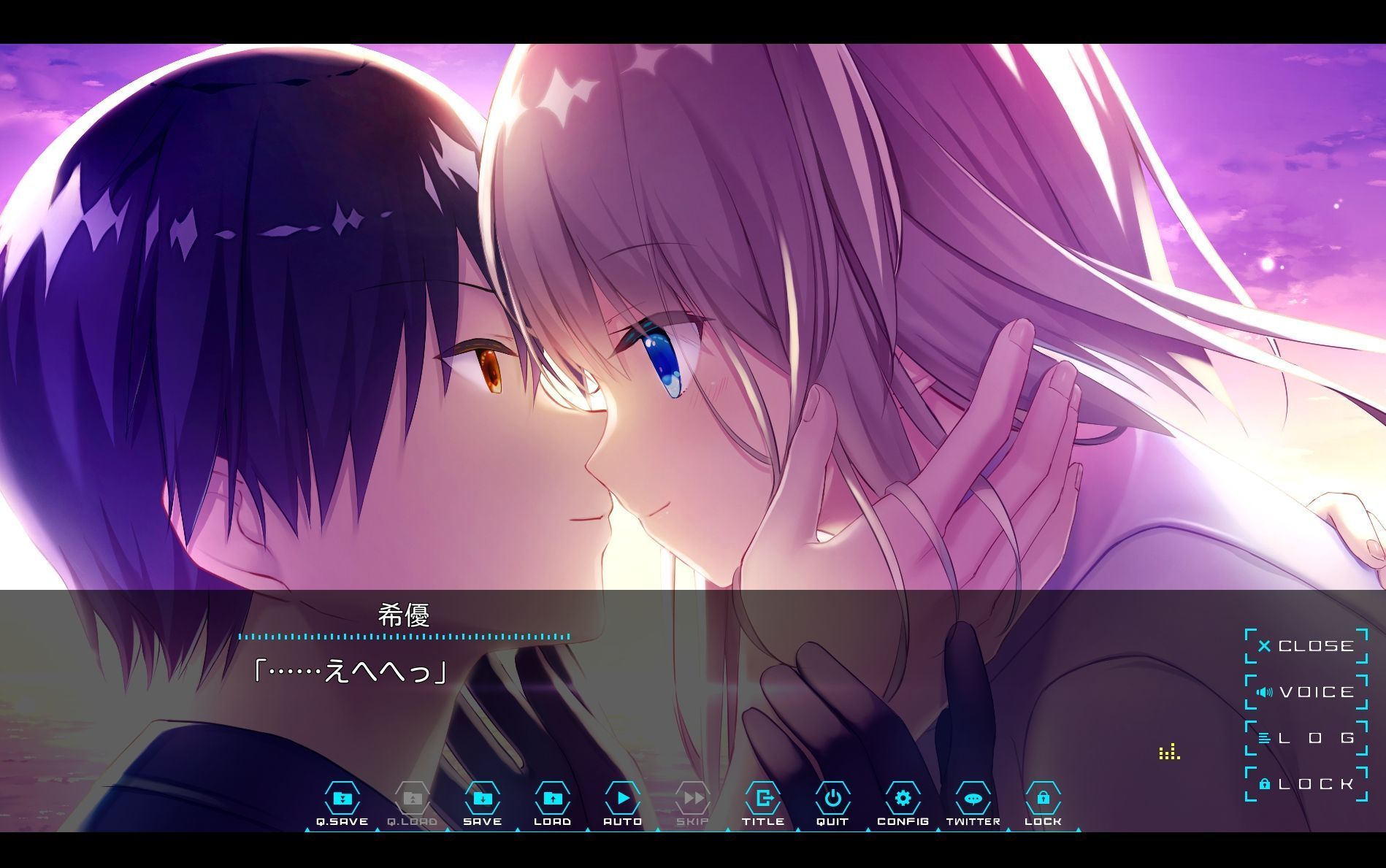
And that’s exactly what I don’t like about Matsuyama Takeshi. He always overdoes the “chicken soup” aspect,破坏 the integrity of the story for the sake of a happy ending. Sometimes I even think this game might have been better if Jun Maeda had come back to write it.
Maeda seems to be in a slump lately—he’s been talking on Twitter about getting attacked a lot. I personally quite admire him, because compared to recent Key works like Loopers and Lunaria—which are neither here nor there, lukewarm and forgettable—Maeda better represents what makes Key, Key.
PS: I remember I trashed Loopers on Weibo and got blocked by a bunch of Key fans. With Lunaria I didn’t even dare to trash it on Weibo—I still want to see cosplay pics of cute girls on there…
Comments are hosted on the Chinese main site. This mirror is read-only.