1/1 Kareshi Kanojo (1/1 彼式彼女) Review
1/1 Boku-shiki Kanojo: Nothing Changed Except the Art
I first saw the key visual for SMEE’s new game at the end of last year, when someone sent it to me.
My reaction was immediate: this has to be fake. The reason was simple:
It looks like absolute shit!
And what’s worse, this ugly-ass art was still done by the “same team” — no artist change, still the same “Taniyama-san.” There have long been rumors that this “Taniyama-san” isn’t one person but a team name. But come on, everyone knows the saying: water flows downhill, people strive upward. If drawing is your profession, you should only get better over time. How the hell do you get worse!!
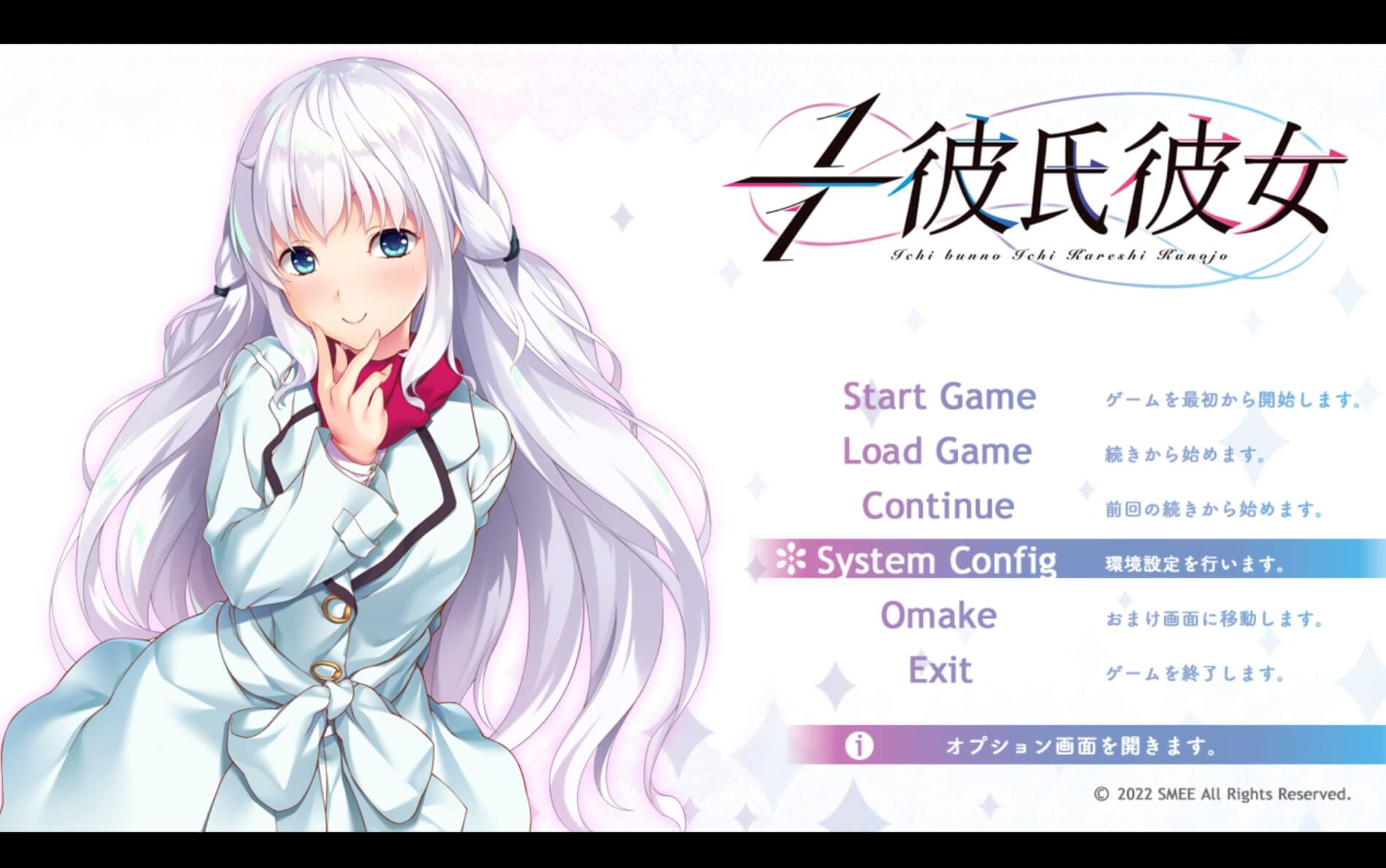
Setting aside the weird art for a moment, the premise is actually kind of interesting. All the heroines are different ages, and the game claims to tell a love story spanning “student days” to “corporate slave” to “working adult.” The protagonist falls in love with different heroines at different stages of his life. That immediately gave me major youth-literature vibes, especially the feel of Caoyang Nianhua (Grass-like Years), so I decided to give it a shot when it came out.
After release, before even playing, I checked Japanese reviews and was instantly stunned:
“Same old SMEE, as always.” “I thought SMEE was going to change direction, but nope, it’s the traditional flavor.”
I thought, “Well, shit,” and fired up the game. Afterward I had to say the same thing: “SMEE is still SMEE!”
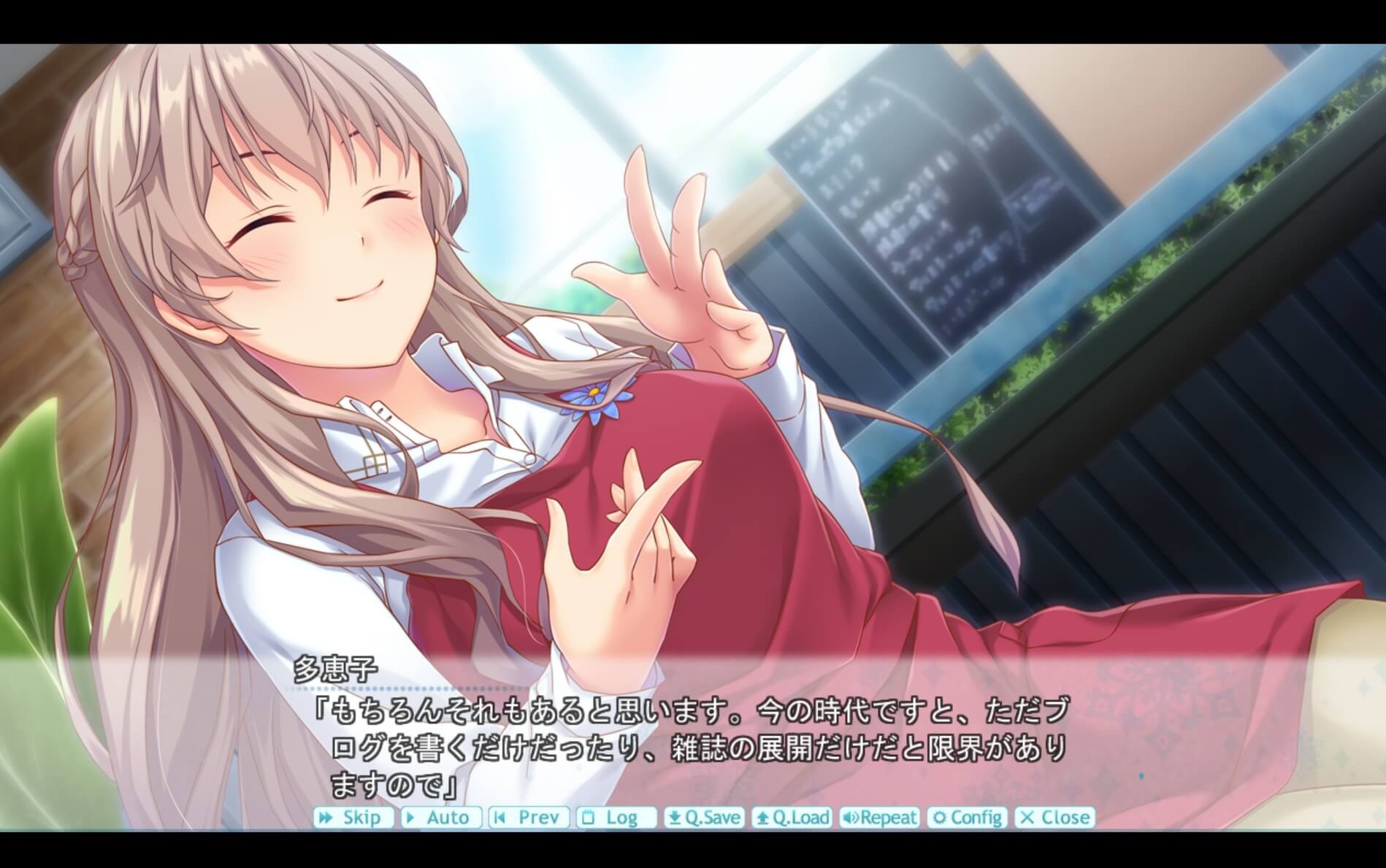
Let me start with the story structure. It begins with our protagonist in his school days, where he gets a chance to meet heroine #1, “Fujigaya Eimi.” The hook is helping her best friend play matchmaker. If you give up on talking to her during school, the story instantly jumps to the protagonist just starting work, where someone introduces him to a tutoring gig. Accept it and you meet heroine #2, “Kiyomiya Chizu.” Refuse and you’ll meet the chairman’s daughter at the company, Colette Carlini — basically the French version of Dong Xuelian. If you don’t fancy either of those two, time skips again to the protagonist nearing thirty, where he’s set up on an arranged marriage meeting and meets café owner “Izumi Taeko,” beginning a matchmaking process with a knowledgeable older woman. If you reject her too, you get the die-alone ending…
So the branching structure is very familiar — the classic “get off the train midway” type where skipping the first girl sends you to the next. But looking back at the game’s original concept and marketing, something feels very off.
The tagline was: “True love only comes once.” Players are supposed to guide the protagonist through three different life stages in search of true love. But the execution is dumb as hell. Take heroine #1 — right at the start she asks if you’ll help her play matchmaker. Say no, and the game immediately skips ahead with some dirt-cheap BGM and a gray fade-out, telling you you’ve grown up and become a corporate drone…
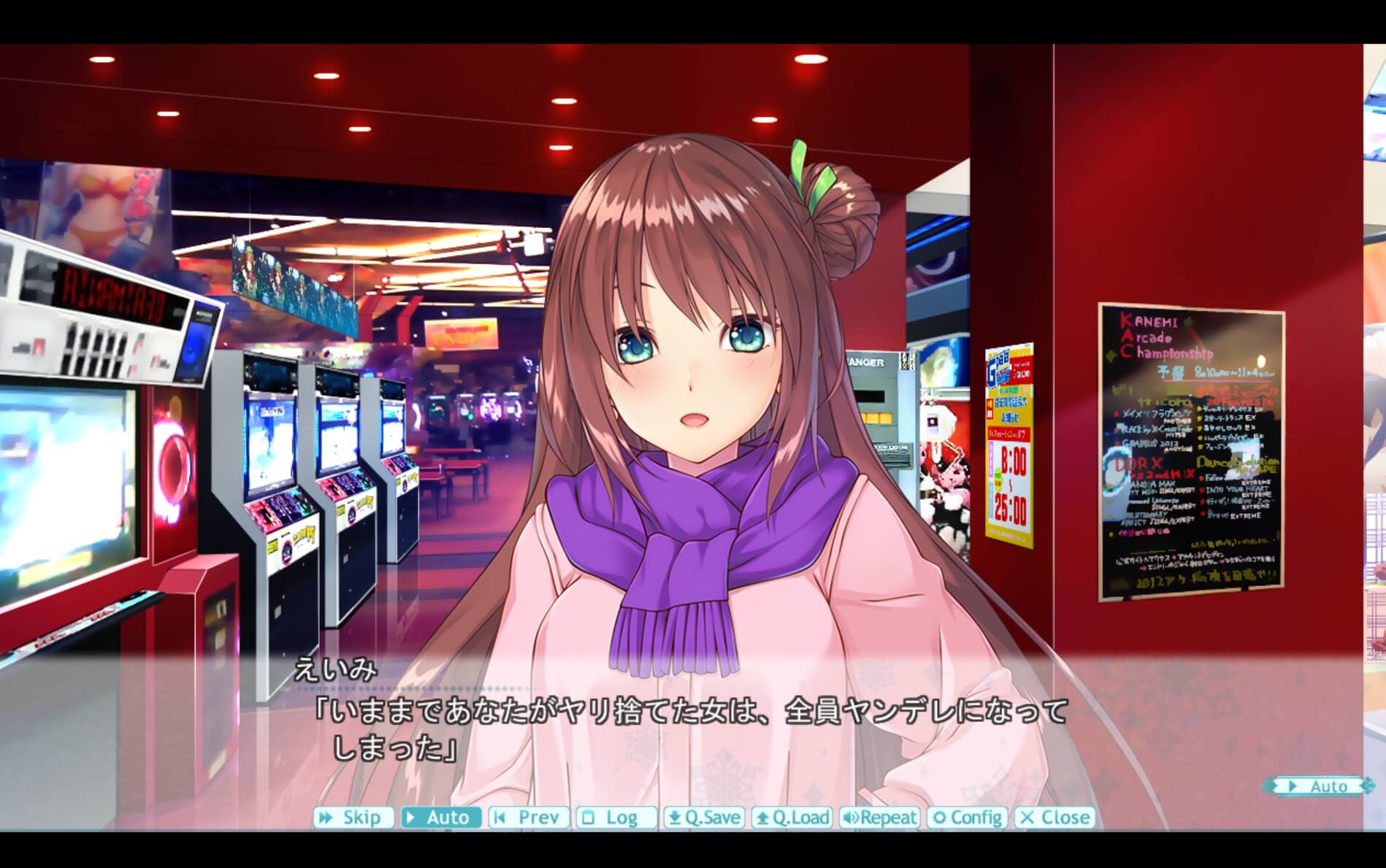
So why couldn’t the protagonist just start from the “corporate slave” stage? And if you want to meet the thirty-year-old knowledgeable woman at the matchmaking meeting, you have to reject everyone along the way while watching the game repeatedly use that same shitty BGM and gray transition to tell you “in the blink of an eye, you’ve grown up” until you finally meet your so-called “true love.”
And SMEE seems proud of this creative concept, constantly promoting it on the official site — showing what the protagonist’s room looked like when he was young, what the station looked like in middle school, what the same spots look like ten years later — as if trying to convey a sense of “the world changes, time flows on.”
But what’s the prerequisite for enjoying that sense of passing time? Experience. If you reject heroine #1, the entire school-days storyline vanishes. Conversely, if you choose heroine #1, the corporate-slave chapter never happens — the game just ends. So who exactly is this “time passing” transition for? Second-playthrough players?
SMEE’s concept is actually solid. They could have made a game where the protagonist goes through middle school, work, matchmaking, and a whole life, eventually choosing the right partner. The core of “passing years” and “youth” is having “loved before.” Whether it’s the person the protagonist loved and lost, or looking back on the flow of time and feeling nostalgia — that’s what touches something soft inside. This “love that slipped away” is the main theme of most moving love songs and the core competitive edge of most school youth literature. I even think this game should have had a True End — where the protagonist meets and dates different women, breaks up, and finally encounters the one truly right for him, and they spend their lives together.
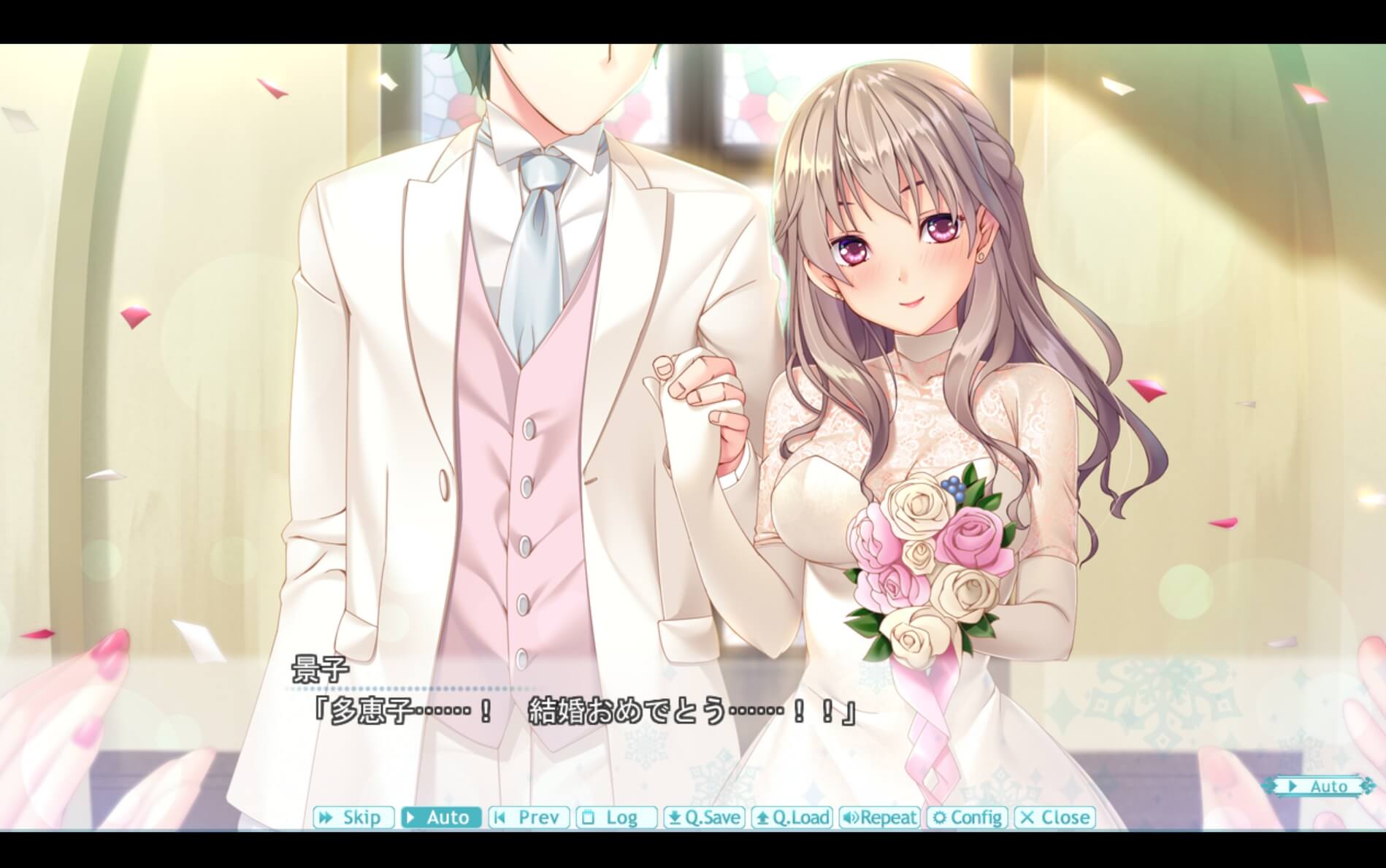
But clearly, Japanese otaku won’t allow “breakups” in a galgame, so the game got compromised into this weird shape. It looks like a single continuous route, but it’s actually a “big platter” — a mishmash of most of SMEE’s previous heroines, every story dripping with déjà vu. The protagonist’s personality is completely fragmented too. During the corporate-slave phase he seems to have totally forgotten his school days, and during the thirty-year-old matchmaking phase he never mentions his working years… making the whole game feel disjointed.
To put it plainly, this game takes four routes featuring heroines of different ages from past SMEE games, tosses in some jokes, writes them hastily, and stitches them together. The stories have zero connection to each other. Even the protagonist, aside from sharing the same name, is a completely different person in each.
The controversial art style made me think at first they’d changed artists. But after seeing the in-game CGs, I can confirm it’s still the same Taniyama-san flavor — that shitty quality is unmistakable. The key visual illusion was just a change in coloring method. The character facial contours in some H-scenes reach terrifying levels, so honestly the cover art is SMEE’s greatest kindness to players.
By the way, the background art and BGM are as budget-conscious as ever. I spotted several backgrounds lifted straight from Pure X Connect. I honestly suspect this game was cobbled together from scraps — abandoned concepts and stories from some cancelled project. No matter how they market the theme, it always comes back to four disconnected heroines and a “modular” story built around jokes. The irony is that with Pure X Connect getting an HD remaster, I played it again and found that a game nearly seven years old hits harder than SMEE’s current output. Seven years later, SMEE’s stories and jokes are worse than before — and don’t even get me started on the character art. Taniyama-san and Amayuki aren’t even on the same level…
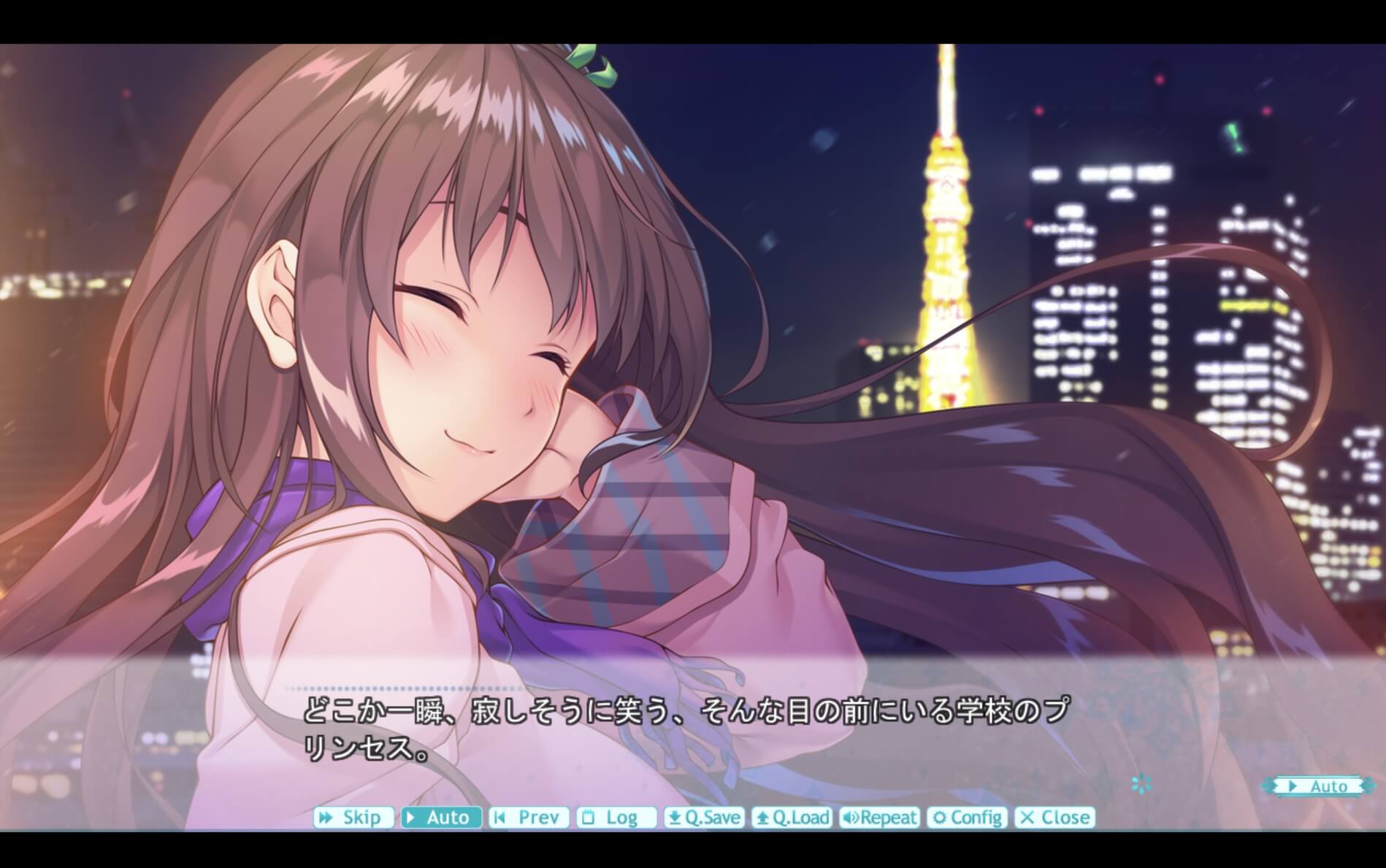
In recent years, every time SMEE or Hook announces a new game, they go all out with marketing, claiming they’ve come up with some new setting, new gameplay, new formula, how innovative it all is. The producer gives magazine interviews boasting about how this work incorporates player feedback, how it highlights the sweetness of romance, what changes they made…
Then you play the game and it’s all bullshit. It’s always the same old formula — the eternal “common route 1-2-3-4-5-6” and “individual route 1-2-3-4-5-6-7-8.” Aside from relying on joke writers to carry the entertainment, what does SMEE or HOOK have left? Surely nobody opens an SMEE game to jack off, right? Right? Right?
So SMEE is still SMEE — same formula, same “high cohesion, low coupling” story structure. This time it’s “Boys and Girls Match-Up 1/1” and I can’t even be bothered to parse the title. If you’re interested in this kind of story, I’d recommend SMEE’s earlier works. After all, in recent SMEE games, nothing has changed except the art style — and it’s still just as shitty.
Comments are hosted on the Chinese main site. This mirror is read-only.