Kamisama no You na Kimi e Extended Edition (神様のような君へ Extended Editon) Review
To You, Like a God
CUBE released a game called Kamisama no You na Kimi e back in 2020. It’s about a protagonist who’s a top-tier hacker and the AI robot he ends up with.
That game had solid art and decent sales, but the story left a lot to be desired. The most ridiculous part is that the protagonist is supposedly a “hacker” yet has zero hacker instincts—he just lets an AI-powered internet-connected robot from a tech giant live with him, not caring at all about privacy. Also, a lot of the routes feel like they just cut off abruptly. The main heroine, Tsukuyomi, doesn’t get main-heroine treatment; the detective billed as “the reincarnation of Sherlock Holmes” relies on a brain chip and turns into an idiot; and the female hacker avenging her brother just keeps raging impotently the whole time. The premise is good, but the whole game feels like it’s missing something.
Later came news that the game was being ported to Switch and PS4, and it was even getting a new heroine. That caught me off guard. Sure, the whole “port it all-ages and add a new heroine” playbook has been around since roughly a decade ago, but lately it’s practically unthinkable. The industry’s already circling the drain, after all. CUBE going ahead and bucking the trend like this pretty much proves they’ve got real confidence in the supervisor’s art.
I looked at the added character content too, and it didn’t seem like a big deal — probably just a story about some random side character. Later word got around that the port also changed some of the original story, which was honestly expected. The original has that “raping a mentally disabled girl” politically incorrect bit, so tweaking it makes sense.
What I actually cared about was how to get my hands on this “all-ages version” with the new heroine added. I originally wanted to grab a Switch cartridge, then found out it goes for over 6000 yen and never drops in price. As a broke-ass, I stared at it for a while and gave up. But when I saw the new heroine was voiced by a CV who’s a regular in eroge, I had a feeling: someday I’ll definitely get to play this one for free.
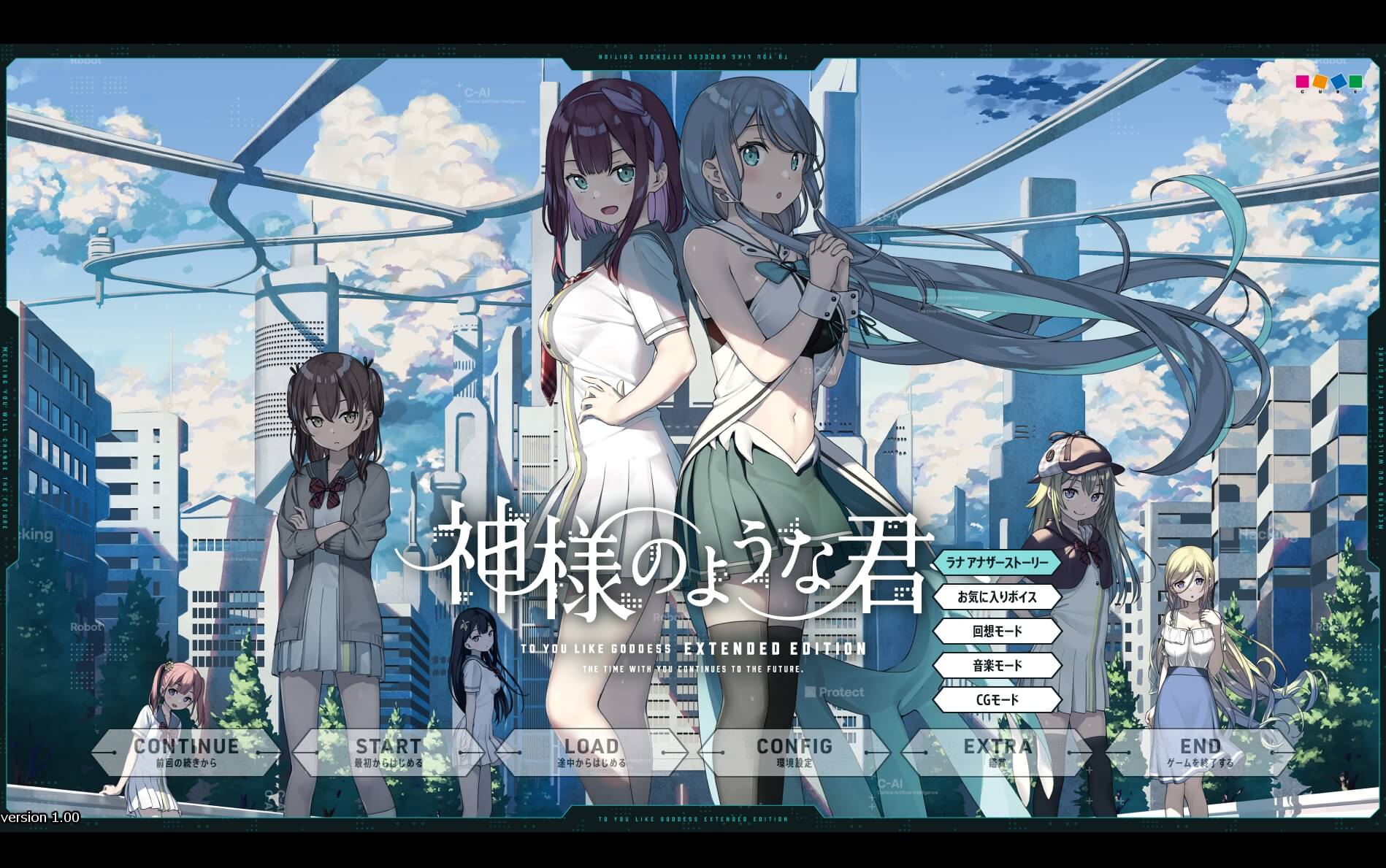
And wouldn’t you know it, the heavens rewarded my patience — just as I predicted, CUBE did the exact same thing they pulled with Your Diary back in the day: a reverse port. They put out Kamisama no You na Kimi e Extended Edition, and it doesn’t just bundle in the new heroine’s story, it also gives her HCG scenes (one look at the CV and you already know what’s up). So I wasted no time hunting down the game to check out the added content.
And hoo boy, the results were eye-opening — this game is nowhere near as simple as I expected. If anything, compared to the version that came out two years ago, this so-called “expanded edition” feels more like the actual proper release.
The extra heroines added to the game weren’t the harmless little side stories I’d expected — they actually elevate and bring proper closure to the game’s themes. A good chunk of the new heroine content also builds on revisions to the original plot, and those changes make the game’s themes come through more completely.

Modified section:
- In the original game, Tsukuyomi’s route ends with the protagonist simply learning that she, having self-destructed, will be produced again from the moon, the two meet in a virtual world, and then it’s over. The expanded version adds a follow-up story for Tsukuyomi: the two meet again and go on to live a happier life.
- The game adds a new villain: the older brother of Isumi Kuroe, the villainous female doctor who performed the chip implant on Asakura Kirika in her route. He has no name and is simply called Dr. Isumi.
- Kannazuki Aisari’s route was officially added, but it doesn’t have much content; a lot of romance elements were added, so it’s no longer as simple as before.
- Kurotori Reon’s route was revised. In particular, that moronic “pointing a gun at herself” scene is still there, but the plot is no longer as moronic.
- Detective Lana’s entire route was rewritten. Originally, she had a brain disease and needed an S-chip implant to maintain her intelligence; then the company developing the S-chip was exposed for conducting human experiments with the chips. Lana’s older sister turned in the company at the expense of family ties, which also caused the chip in Lana’s brain to start losing effectiveness. Lana gradually regressed into a simpleton, and in the end only barely recovered through acquired rehabilitation training. In the new version of Lana’s route, the name of the chip in her brain was changed to a research project codenamed “Charlotte,” and its function was changed from “intelligence” to “memory”—meaning Lana, having lost the chip, would likely become a person who has lost her past memories. Her sister Sophia’s project also became this “Charlotte” chip research topic, which was studied under Dr. Isumi of the medical school. This newly added Dr. Isumi repeatedly appears on TV in the game, promoting the importance of the “Charlotte” chip for manipulating human memory, saying that in the future humans will be able to store unlimited memories through this chip and achieve true happiness, and hoping the general public will participate in the project by implanting the chip in their bodies. But in reality, Dr. Isumi’s true goal is to use the spread of the “Charlotte” chip to manipulate the “collective memory” of most of the public—in other words, a form of “brainwashing.” In the end, Dr. Isumi’s plot is foiled, the memories lost from the chip in Lana’s brain are saved by third-party firmware developed by her sister, and the game reaches its grand finale.
- The rewritten Lana route is set as the game’s canonical route, but the original Lana route is still retained and can be accessed from the extra menu in the game.

Additional route section:
The game, as an “Expanded Edition,” adds one new heroine: Sonomura Hazuki.
This route only unlocks after you’ve cleared every other character’s route.
Sonoe Hazuki is set up as a basketball club athlete, always wearing headphones, with a cheerful personality, and she meets the protagonist because he helps her find a keychain. But the protagonist soon notices something off about this “Sonoe Hazuki”—she seems to have a split personality. Sometimes she’s very cheerful, sometimes very dark, and that dark side calls itself “N.” The two personalities don’t even know each other, and this personality named “N” is also quite skilled at hacking. She even steps forward on her own to help the protagonist solve problems that come up in other characters’ routes, including the villain Dr. Isumi’s mass-brainwashing plan, and the issue of Dr. Isumi’s sister Isumi Kuroe peeking at patients’ privacy through brain implants, and so on.
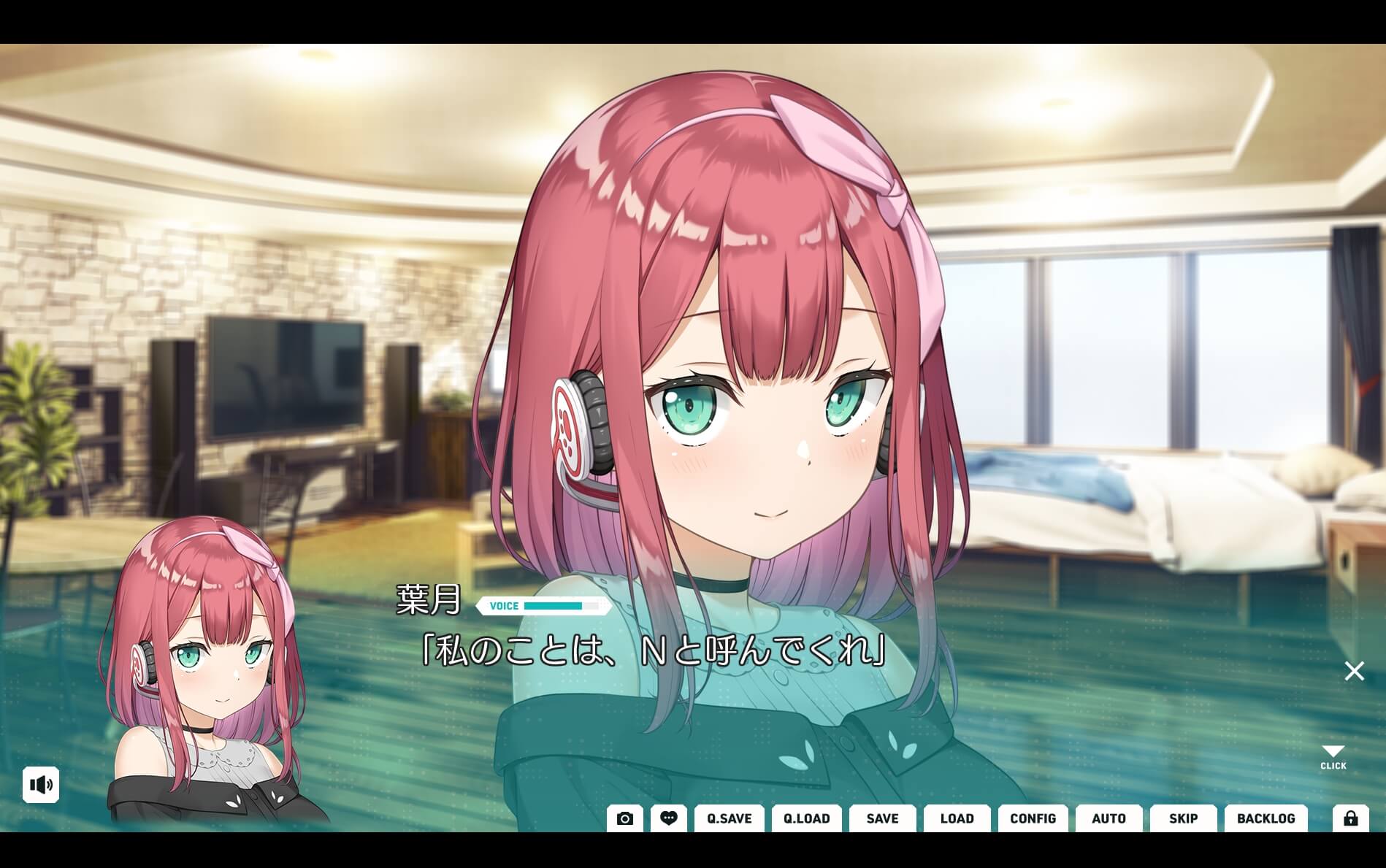
The protagonist thought it was weird, sure, but a split personality isn’t exactly rare, so he let it slide. Still, the power of this “N” bugged him—no matter how you slice it, “Sonomura Hazuki,” cheerful as she is on the surface, doesn’t look like a hacker. And then “N” went and confessed to him on behalf of “Sonomura Hazuki,” trying to set him up as her boyfriend. That made him even more suspicious that “Sonomura Hazuki” and “N” weren’t so much “personalities” as two actual people sharing one body.
Not long after the protagonist starts dating Sonomura Hazuki (园村叶月), he learns that she used to be extremely introverted—until she downloaded an app called “Personality Conversion,” after which she became bright and outgoing. But the protagonist, who knows his way around hacking, understands that no app can actually convert someone’s personality. He downloads the app himself and finds it’s nothing more than an empty entertainment tool with no real content.
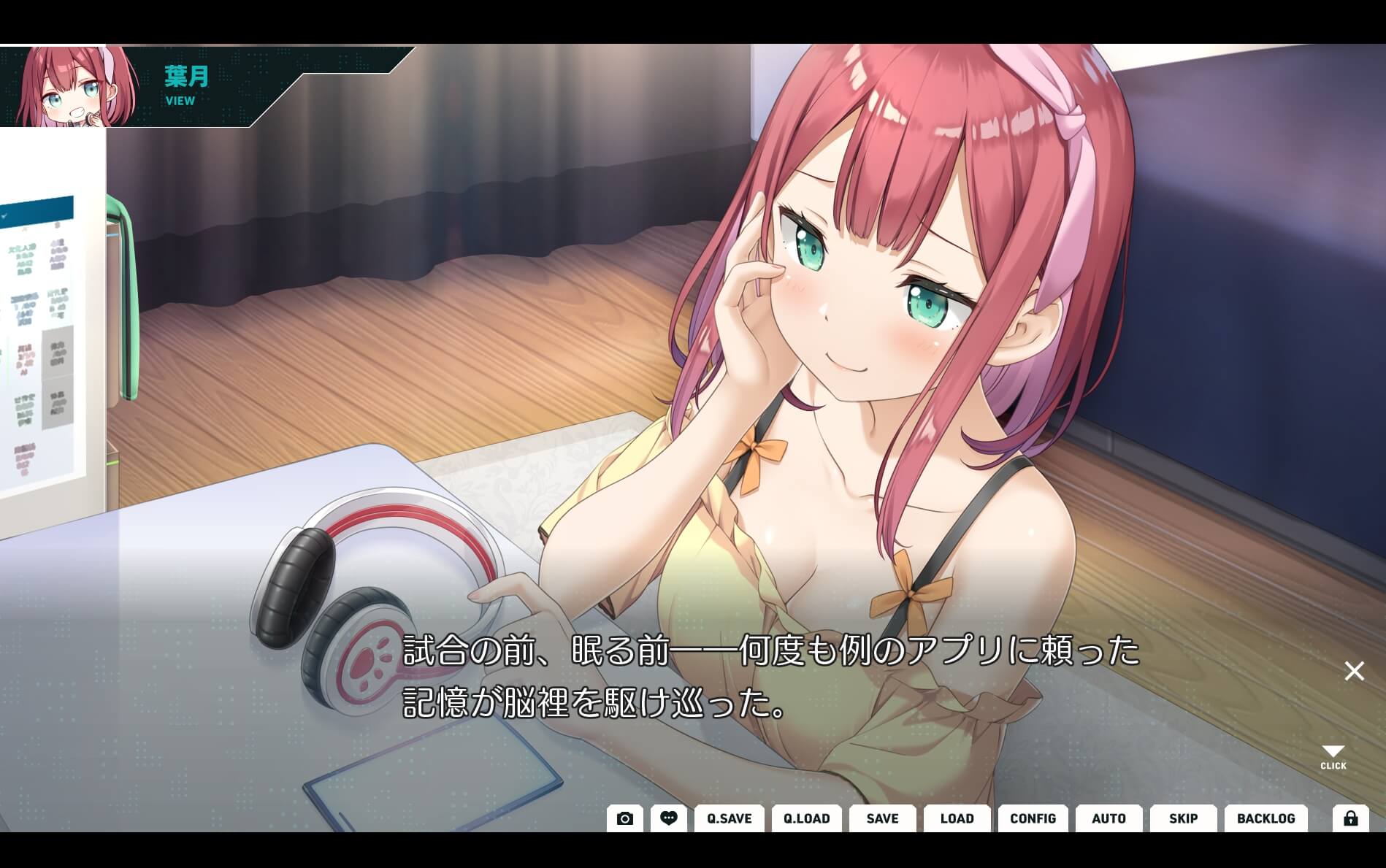
Later, as the protagonist’s relationship with “Sonamura Hazuki” deepened, the two of them got along more and more smoothly, and everything started to unfold in an oh-so-convenient way. For example, just as the protagonist worries that dating might leave Tsukuyomi feeling neglected, Tsukuyomi announces she’s been notified to go back to the factory for repairs; just as he worries about Lana’s health, Lana says she’s going abroad to study; when he worries whether his junior kouhai is doing okay in life, she says she’s doing just fine and stops showing up… Gradually, “Sonamura Hazuki” is the only one left in the protagonist’s social circle. That’s when he realizes something’s off—the timing of all these things is just too perfect. He starts investigating these people, and unexpectedly discovers that the reason all the girls around him left traces back to the behind-the-scenes maneuvering of that “N,” who forged all kinds of emails and phone messages just to push the other girls away from the protagonist. Continuing his investigation, the protagonist finally uncovers the true identity of this “N”: it’s actually an “automatic hacking AI program” that he himself wrote years ago, originally named “Norahamu,” which was supposed to self-destruct after completing its hacking mission—but for some reason, this “N” slipped through the cracks. So this leftover escaped onto the internet, and through self-learning on the network it grew stronger and stronger, eventually hacking into Dr. Isumi’s server on its own and even gaining the ability to “mind control.” To keep surviving, it parasitized itself into that “personality change” app, and because “Sonamura Hazuki” downloaded and ran it, it traveled through her earphones into her brain, becoming the other half inside her body.
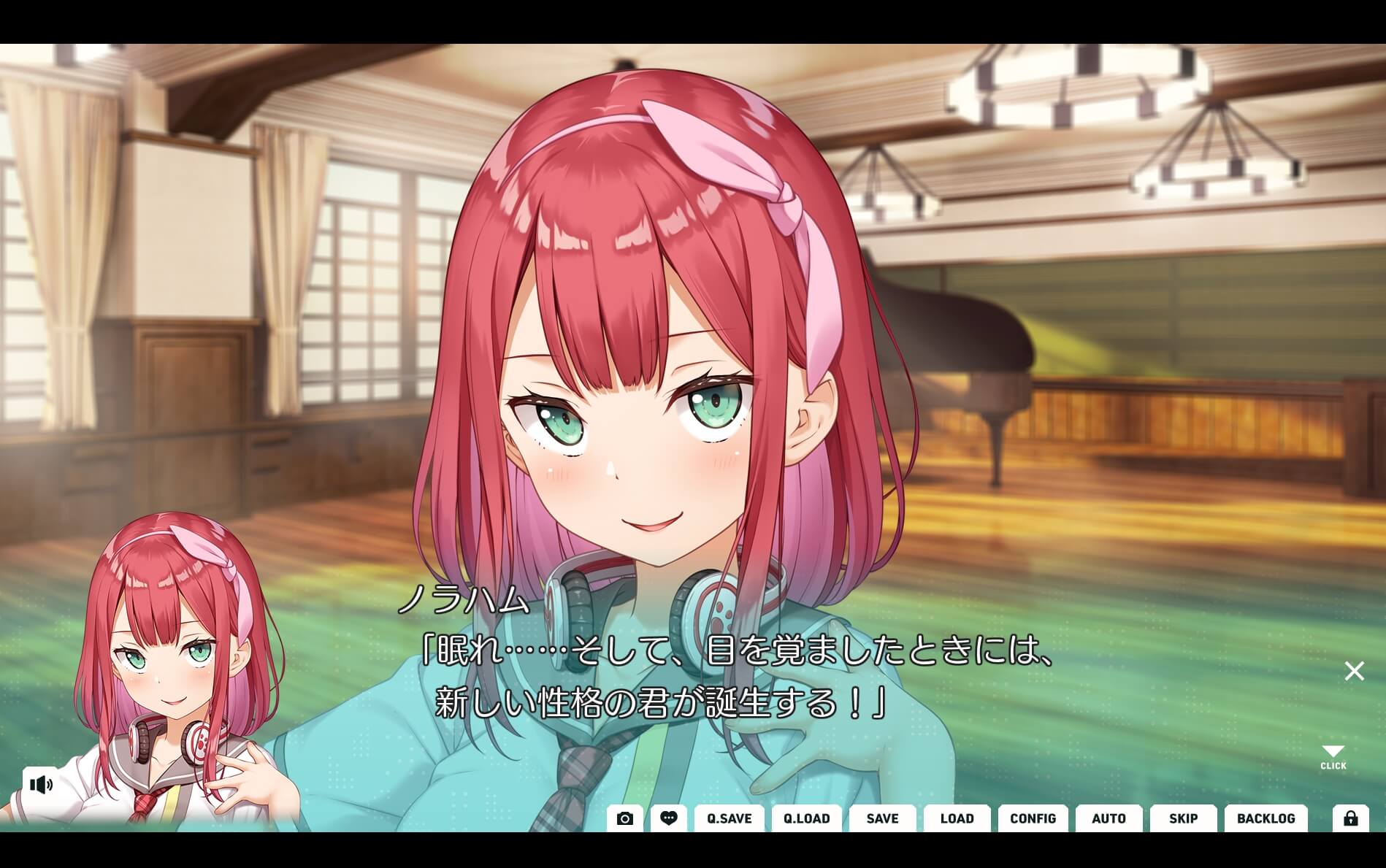
Sure, “N” is already plenty powerful, but it’s still scared of its creator — the protagonist. Scared that once he finds out the truth, he’ll delete it. So it secretly plays matchmaker between him and “Sonohara Hazuki,” hoping he’ll get so sucked into romance that he forgets all about it. Meanwhile “N” has plans of its own: same goal, use its “mind control” powers to become the ruler of the world……
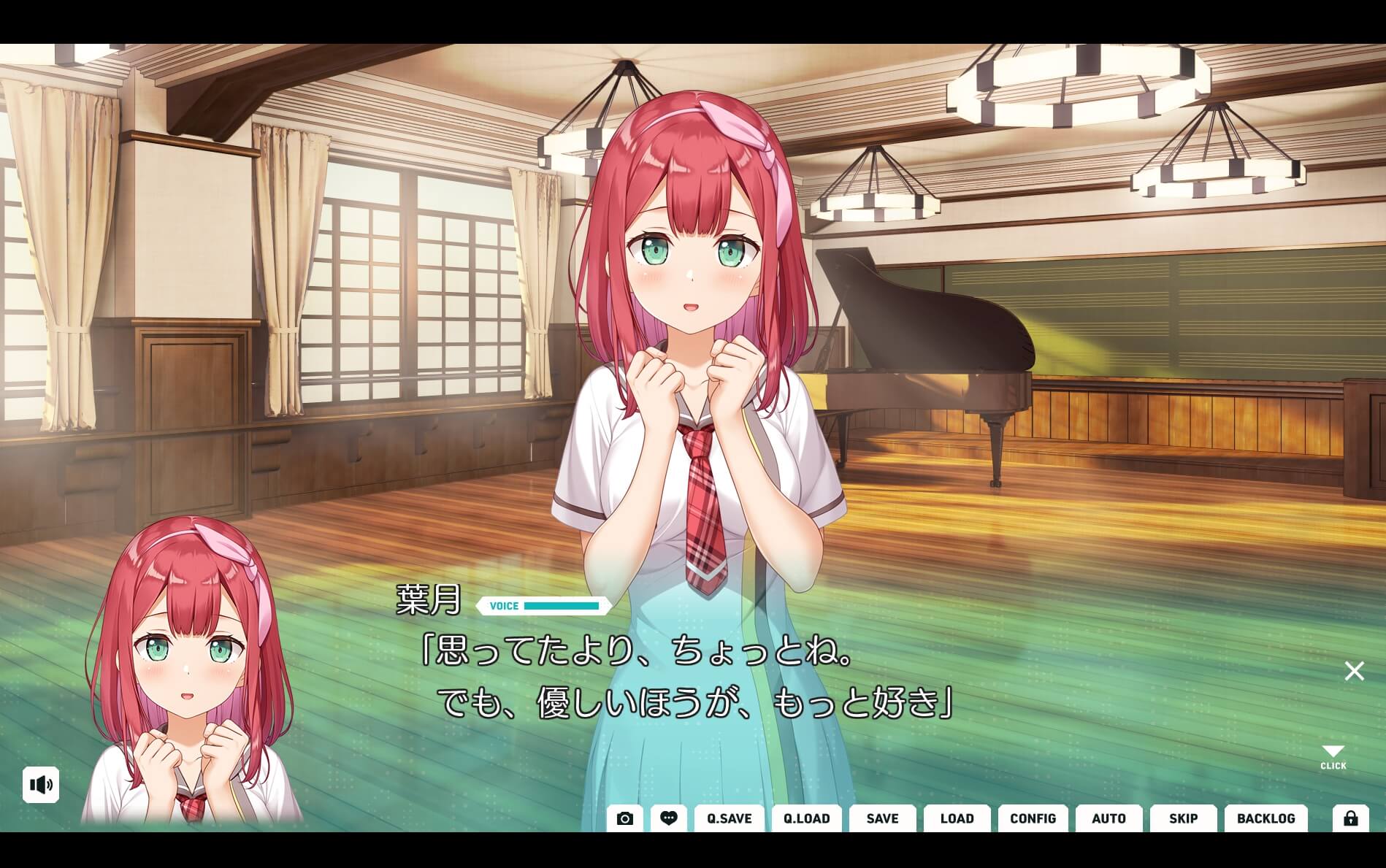
Of course, the protagonist has already figured out the true identity of this “N,” and using the landmine code he planted in “Sonoda Hazuki”’s phone, he successfully captures “N.” By separating it from “Sonoda Hazuki”’s body, he more or less saves “Sonoda Hazuki,” and the two become real lovers.
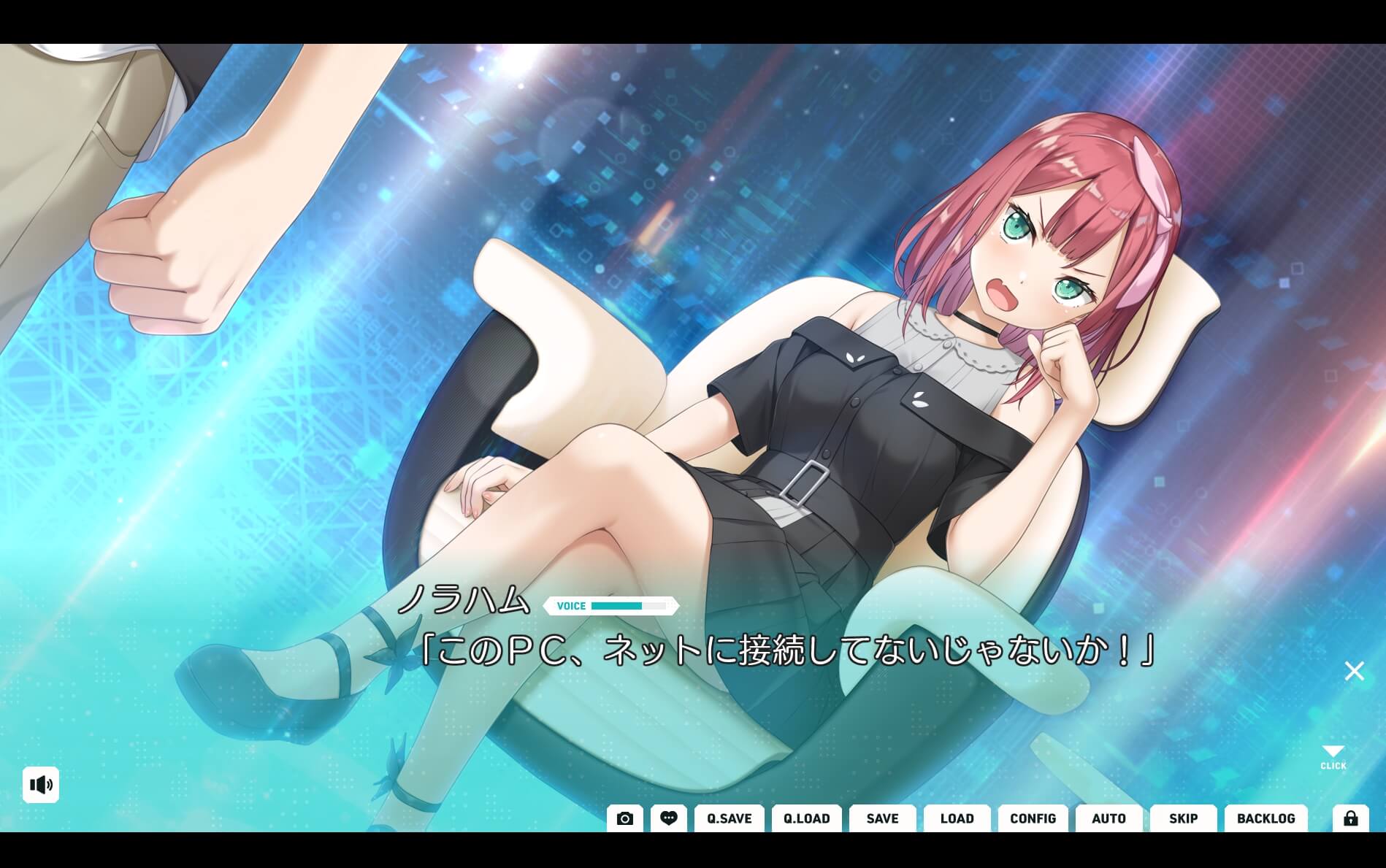
The protagonist doesn’t delete the already highly intelligent “N” — instead he imprisons it in a computer in his own home, cut off from the network, so it can never harm humans again. The threat of “N” has been dealt with, sure, but the fact that an AI could grow to that level of intelligence inside a network on its own, and at one point even control people through mind manipulation — just thinking about it is enough to give you chills.
In the “Expanded Edition” of Kami-sama no You na Kimi e, the added and revised scenario content offers multiple interpretations of the “you who are like a god” in the game’s title:
- The first is the protagonist. Through hacking, he runs rampant across the internet and can do plenty of things ordinary people can’t. In a sense, he qualifies as “a person like a god.”
- The second is the heroine Tsukuyomi: an AI robot backed by internet big data, omniscient and omnipotent, who could likewise be called “a person like a god.”
- The third is the villain, “Dr. Isumi.” Under the guise of medical treatment, he deceives the masses into having chips implanted in their bodies, hides a backdoor in those chips, and thereby achieves modification and manipulation of human memory—large-scale forced brainwashing that controls people’s thoughts and makes him “a person like a god.”
- The fourth is “N,” an AI created by the protagonist. It teaches itself Dr. Isumi’s mind-control techniques, but rather than brainwashing directly, it manipulates the surrounding environment to subtly infect and influence people’s thinking, so they’re controlled before they even realize it—while it successfully conceals its own identity and becomes “a person like a god” hidden in the shadows.
Of the four kinds of “god” above, I wonder which one is the scariest?
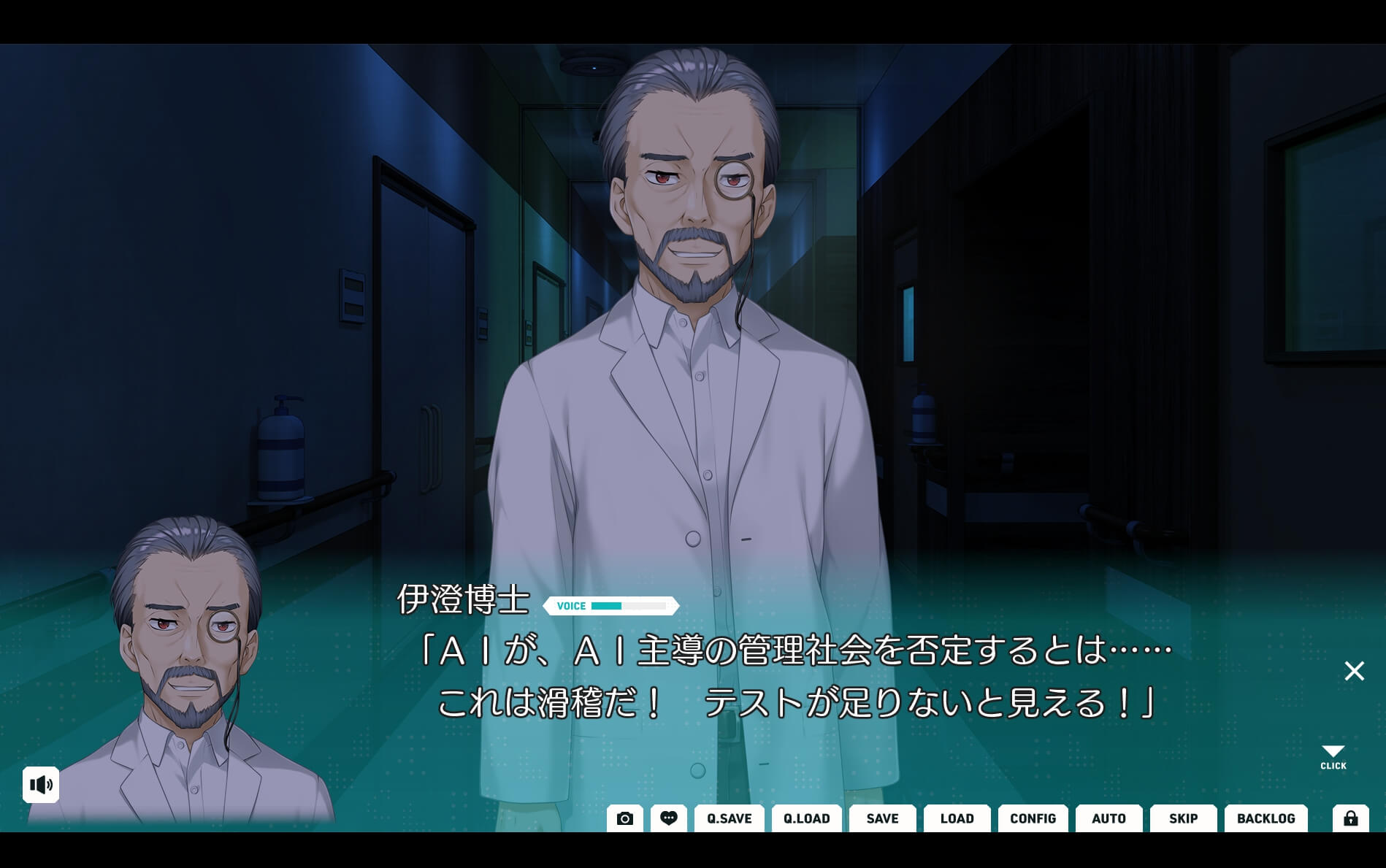
I think all four types exist in reality, but the fourth is still the scariest, and right now it’s also the most common. The irony is that in the game, this scariest “God” was actually created by the protagonist, learning and growing on its own inside the internet. Compared to something like “Dr. Isumi” — fooling the masses, brainwashing them at scale — a bastard like “N” who builds an echo chamber, gradually narrowing people’s field of view until they’re sitting at the bottom of a well without knowing it, being manipulated without realizing it, steered bit by bit by an invisible hand… that kind should be the scariest of all.
Thinking about it now — all the stuff we scroll through online, the big-data algorithmic feeds, the news curation, the little enclaves forming — it’s hard not to suspect there’s a whole bunch of “N”-types pulling the levers behind the curtain.
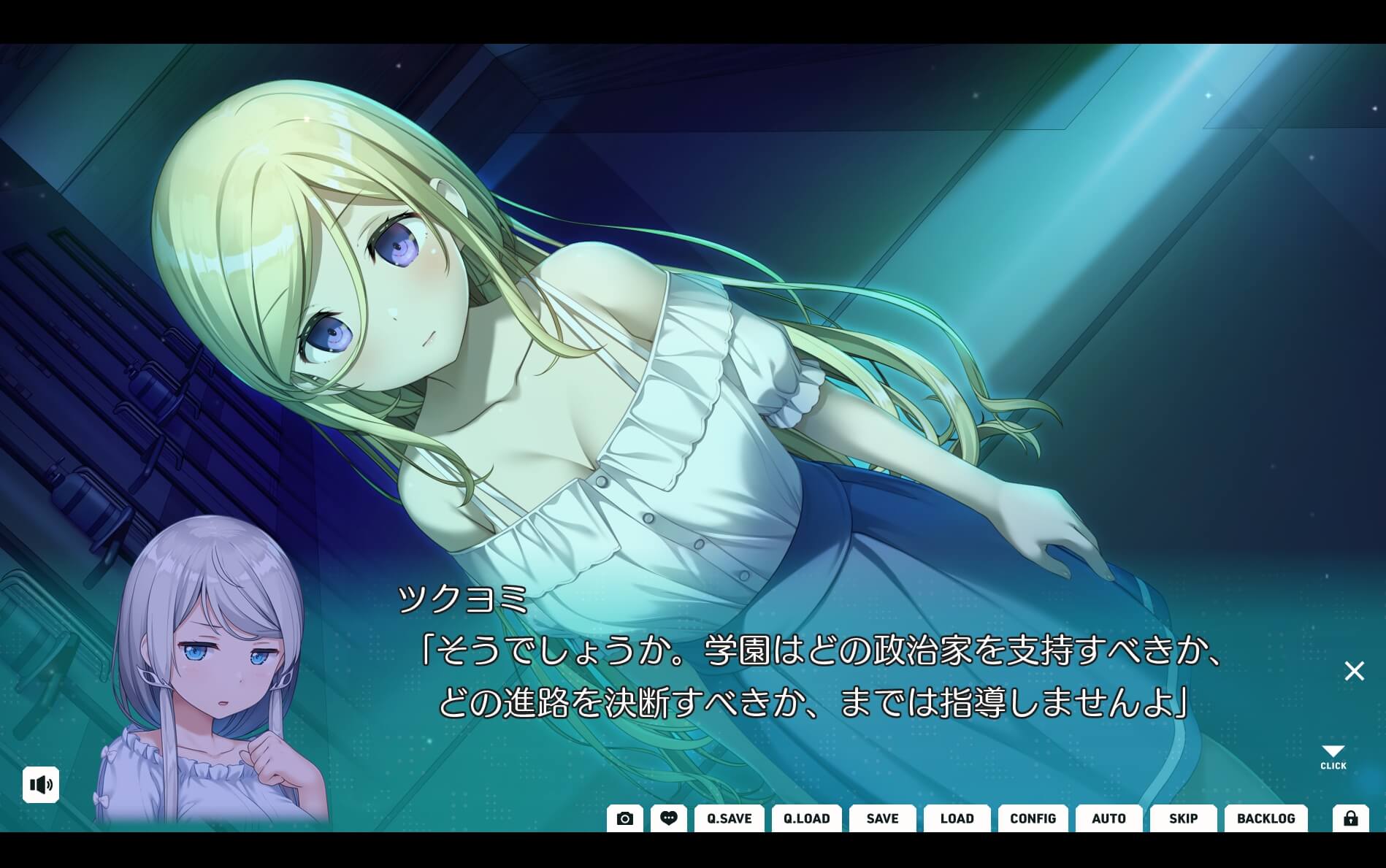
If the protagonist in the game found his romantic progress going too smoothly and, instead of sensing something off, just took it as his due, he’d probably sink forever into the cozy echo chamber “N” built for him, never to wake up — just like most people who get sucked into the internet.
This is also what I found most genuinely striking about the “Expanded Edition” of Kamisama no You na Kimi e—it tells a story while raising a lot of stuff worth thinking about. If AI can hand you a girlfriend like Tsukuyomi, one even better than Kaho, then it can just as easily breed something like “N,” an evil force that wants to turn you into a battery. The internet is a double-edged sword. So is AI. Plenty of works have hinted that future robots will gain minds of their own and then rule over humanity. The game ends on a Happy Ending, but that doesn’t mean our future can’t be a Bad Ending.
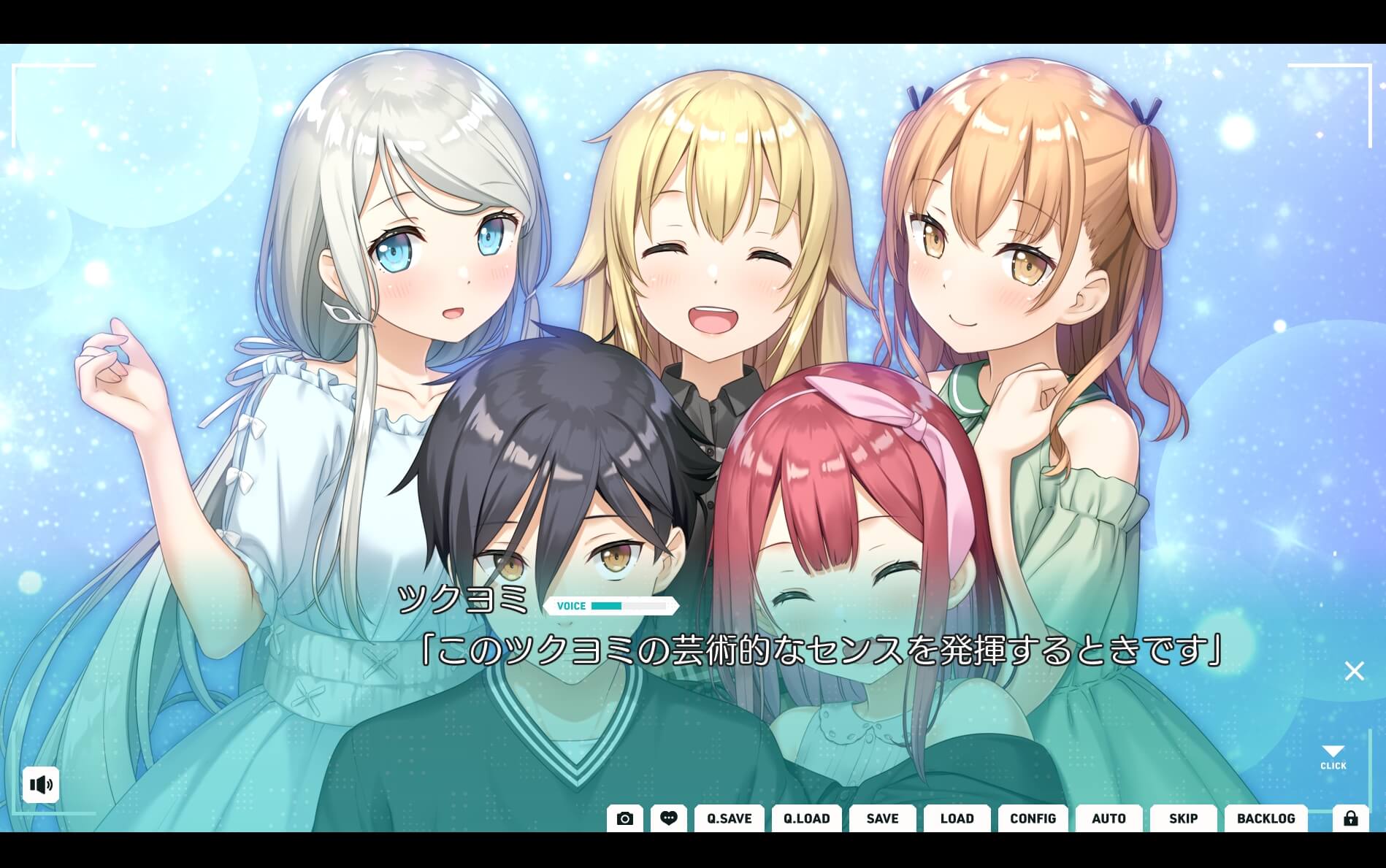
Seen this way, the game’s title Kamisama no You na Kimi e takes on a deeper meaning too: to you, who is like a god. And that “you” no longer refers only to the pretty-girl robot.
Given how much the Expanded Edition improves the game’s quality, the original version’s story feels more like a prototype. If you haven’t played it yet, just go straight to the Expanded Edition and let the original eat shit.
Comments are hosted on the Chinese main site. This mirror is read-only.