Futamata Renai (フタマタ恋愛) Review
The Scumbag and His Cuckold Wives
In the happy homeland of Black Shark Otaku, there is an unwritten custom:
If a man cheats, his wife picks up a kitchen knife and chops off his dick.
Don’t think I’m bullshitting you—go search for it, news like this is everywhere, and there’s a lot of it. Some guys get it chopped off and it can still be reattached; others are extra ruthless and just chop it off and toss it in the river.
This simple, brutal method of treating scumbag cheaters has also earned the approval of female teachers, who have spoken on behalf of most women: scumbags deserve to be chopped.
Maybe it’s a bit extreme, and maybe one day Black Shark Otaku will get sent to China, get caught not paying for a repair job, and get chopped too, but this method also expresses the common people’s disdain for “two-timing” behavior. No matter how you slice it, having a girlfriend and still going after someone else is really not a moral thing to do.
Even in visual novels, this kind of behavior isn’t encouraged—except for nukige, most visual novels don’t encourage it. So Asa Project’s latest game is specifically about a man “two-timing,” titled “Futa Renai”… oh wait, no, it’s “Futamata Renai.”
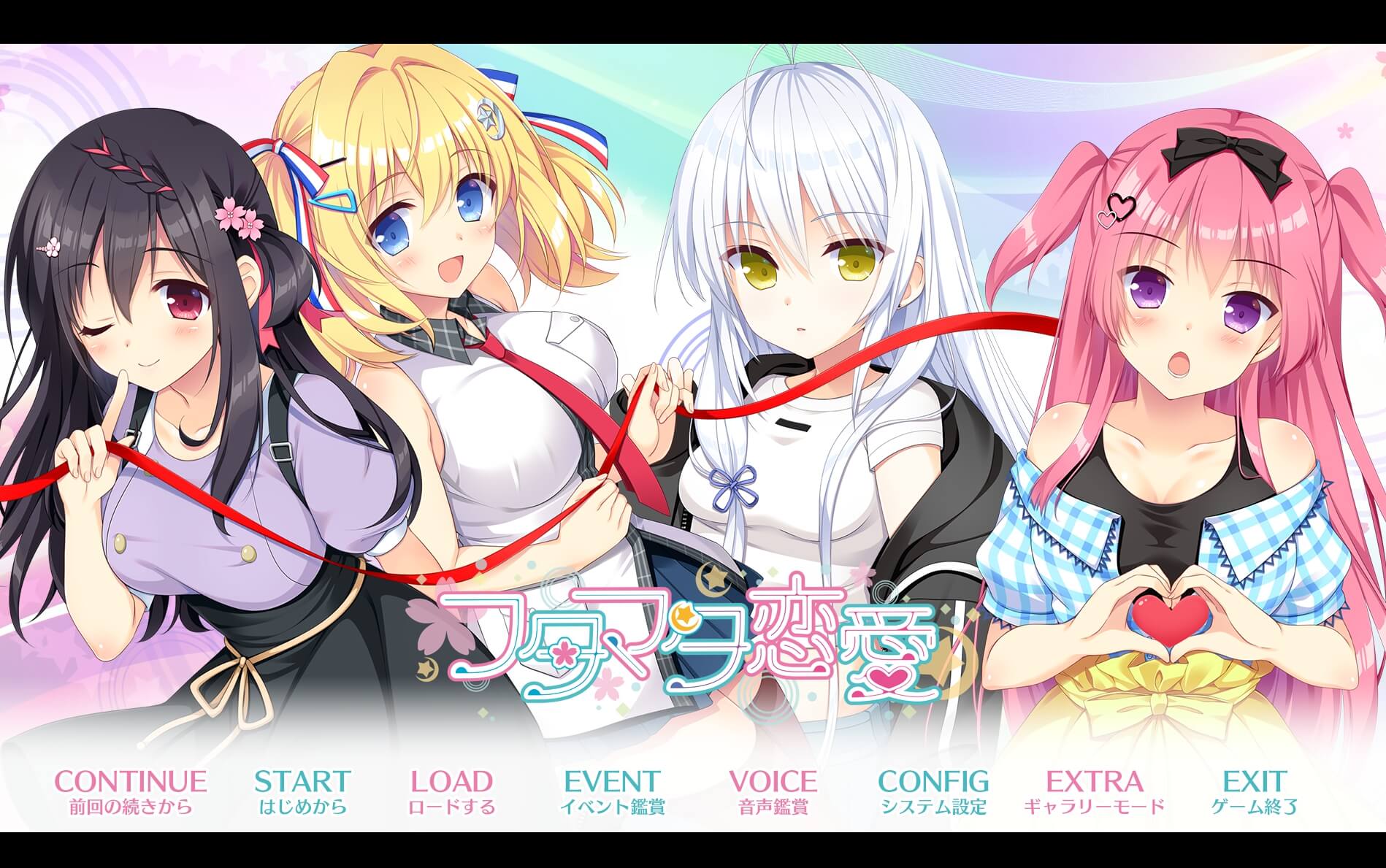
The “futa” here naturally isn’t what we usually mean by “futanari”; it’s from “futari” and “futatsu,” meaning “two people”—in other words, two-timing.
The plot of this game can be called simple, or it can be called complicated. Simply put, our protagonist, by a series of coincidences, meets a bunch of girls one after another and establishes something like a “romantic relationship” with all of them. None of these relationships are clearly broken off, so he’s stuck frantically juggling between these women, constantly testing the limits of how far he can push his luck.
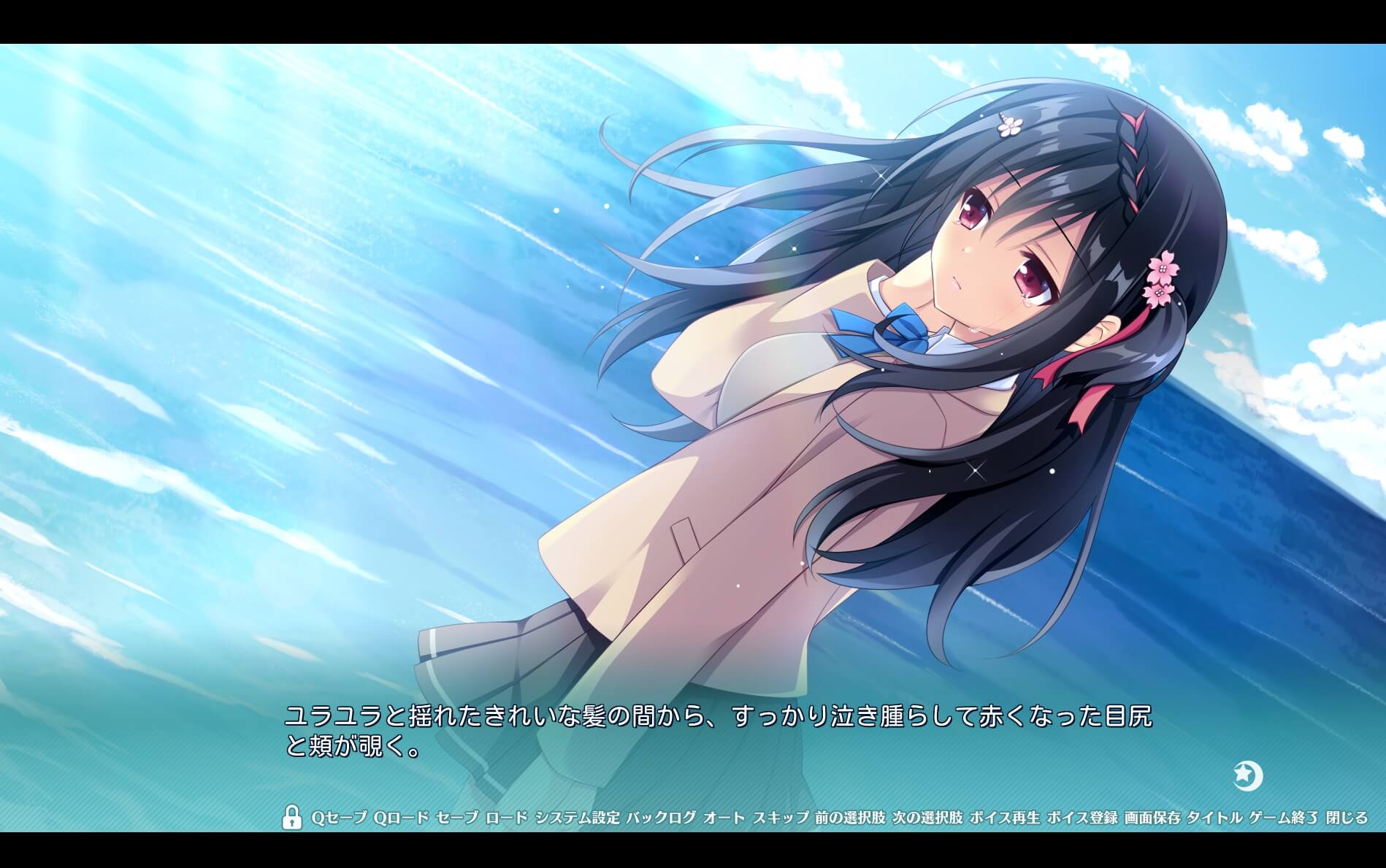
Complicatedly put, the process of the protagonist establishing a “relationship” with each heroine is fairly convoluted, and they all stem from seemingly “passive” reasons—meaning the responsibility basically lies entirely with the women. The protagonist is just a nice guy who doesn’t know how or doesn’t want to refuse, not the type to be fickle and say “wow, you’re amazing” to everyone he sees. He’s completely not like Black Shark Otaku, who one day is Konoha’s dog and the next day Matayoshi Ai’s cat, completely forgetting that last week he was drooling over Konami Rin—that disgusting fat otaku type.
The core of the game lies in the rom-com between the protagonist and two women: the blonde-haired Itsushiki Kou and his inner white moonlight goddess, Nobuta Yua. He meets Itsushiki Kou at a mixer, gets drunk, accidentally ends up in bed with her, and agrees to date her out of a sense of responsibility. Nobuta Yua is a woman who, in a sense, “saved the protagonist,” and is also the one he’s been persistently pursuing, his greatest love. Shortly after the protagonist accidentally starts dating Itsushiki Kou, Nobuta Yua also agrees to his request, so the protagonist instantly becomes a man with two girlfriends.
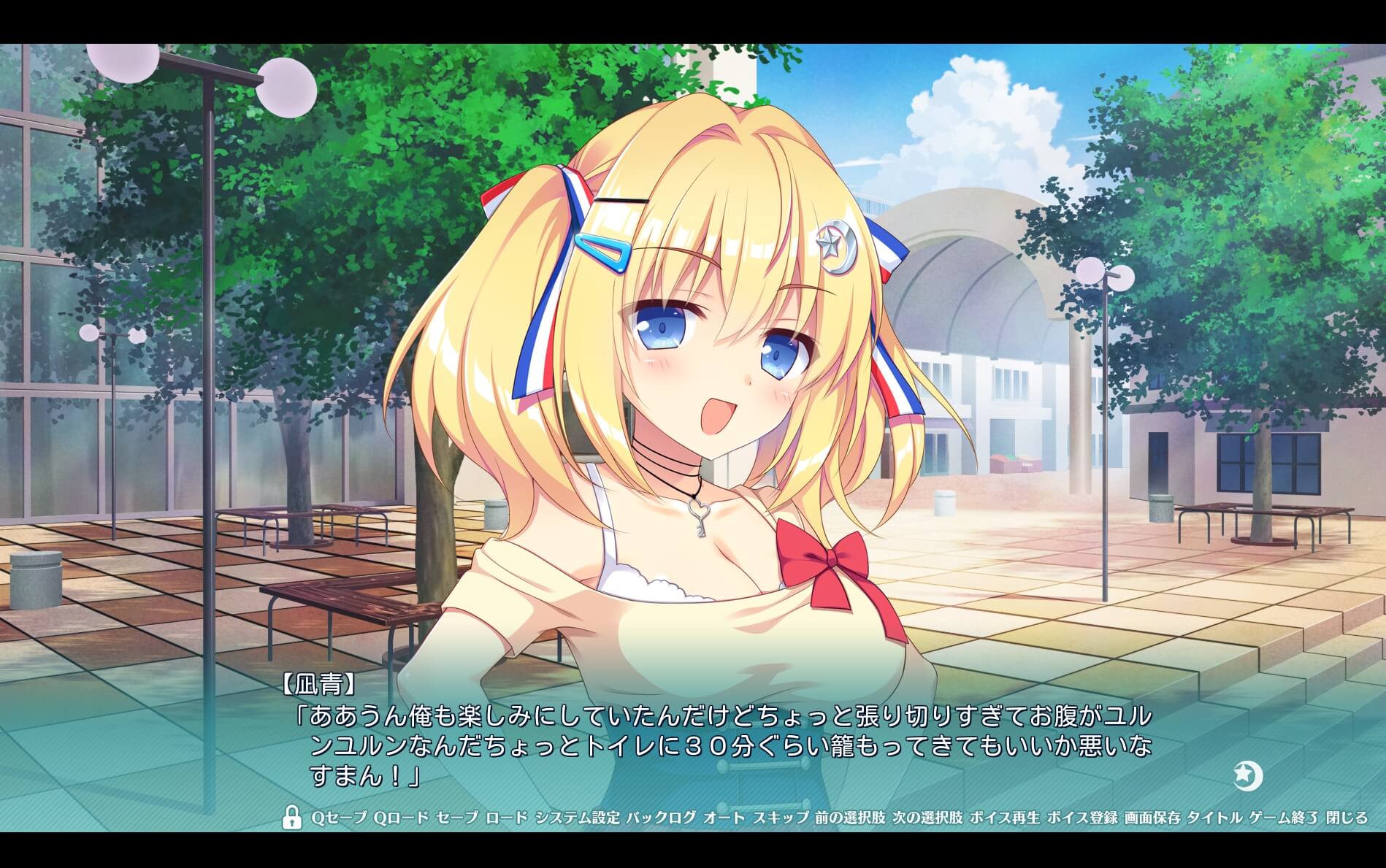
Most of the common route is about how the protagonist maintains the relationship and balance between his two girlfriends. Honestly, the difficulty of this lifestyle seems pretty low to me. Although Nobuta Yua is a highly sensitive two-faced schemer, Itsushiki Kou is a total idiot who’s super easy to deal with. Serving a schemer is indeed like walking on thin ice, but handling an idiot is genuinely simple as hell. So in the common route, we basically see the protagonist using all his brainpower to deal with Nobuta Yua, while Itsushiki Kou is the type who unconditionally licks his boots and believes everything he says—a complete moron. Thus, in the common route, there’s hardly any so-called “tug-of-war”; it’s mostly Nobuta Yua’s solo show.
As for the route divergence, aside from the somewhat nasty “Unamino Miiko” option, the game generally doesn’t make the player feel conflicted—you just reject the other characters one by one and enter the route of your chosen heroine. And the Nobuta Yua route, which gets the most attention, actually made me feel her character design completely falls apart.
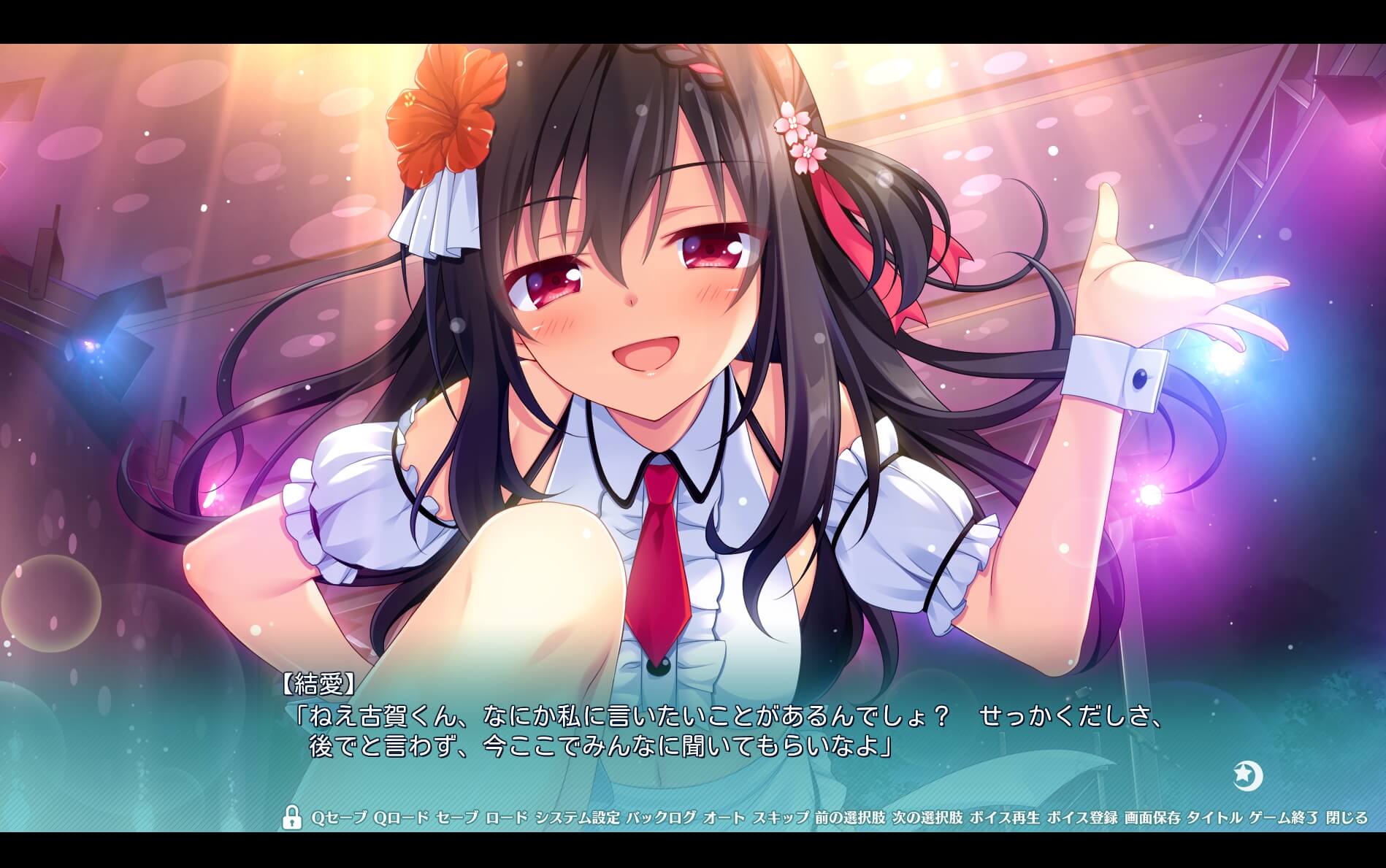
First of all, for most of the story, Nobuta Yua is a thorough “two-faced schemer.” You can hardly even tell if she likes the protagonist; she’s basically just playing with him like a toy. That setup isn’t a problem per se, but the issue is that in the protagonist’s flashbacks, she has another side—very melancholic and arrogant. The game spends a fair amount of time fragmentarily explaining Nobuta Yua’s past: how things were when she was little, how loving her parents were, how her mother changed after losing her father, then her mother remarried and completely forgot about her father, and how she felt like she could never trust love again… You can see that Nobuta Yua is supposed to be a sensitive person. In reality, this kind of arrogant, sensitive, “hedgehog” personality that hides inner fragility behind a two-faced, forceful exterior does exist. But this game chooses to play her “two-faced” nature to the very end. I can clearly see the intent is to make the dialogue more “funny,” but the cost is that the central heroine’s personality becomes utterly chaotic. If you end up liking this character, it’s because you’re a masochist like Black Shark Otaku, not because you were won over by her personal charm.
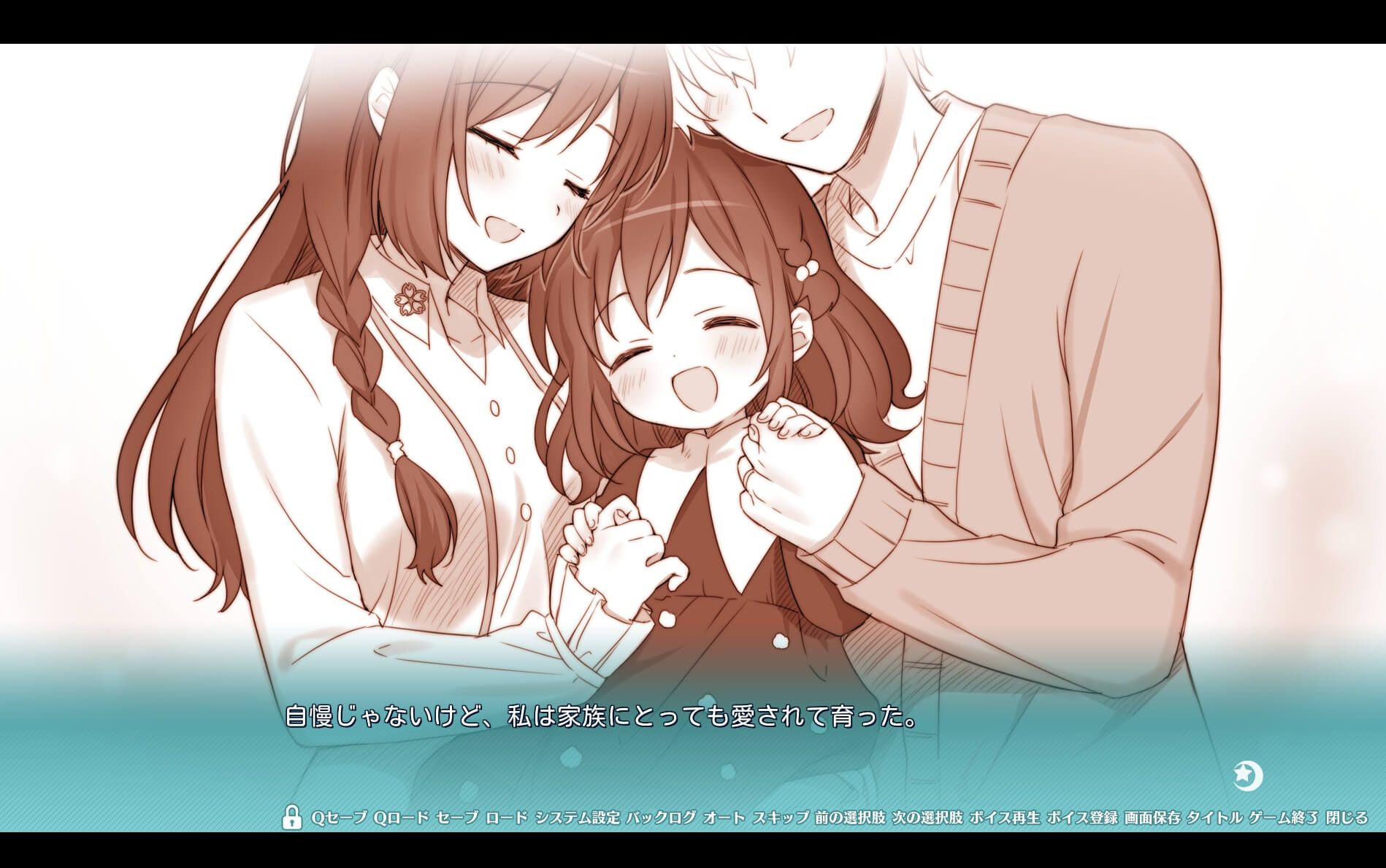
Looking at the whole game, you can tell Asa Project is trying to make some changes from their traditional style. The game adds a lot of flashbacks and depressive-style foreshadowing, no longer the all-fun-and-games formula with the “piano tearjerker BGM.” They want to expand the range and depth of the game’s content. However, Asa Project still seems unwilling to let go of its “comedy” core, along with the clichéd OP storyboards and the cafe background image that’s been reused to death. They even sacrifice the game’s own theme to maintain their comedic content.
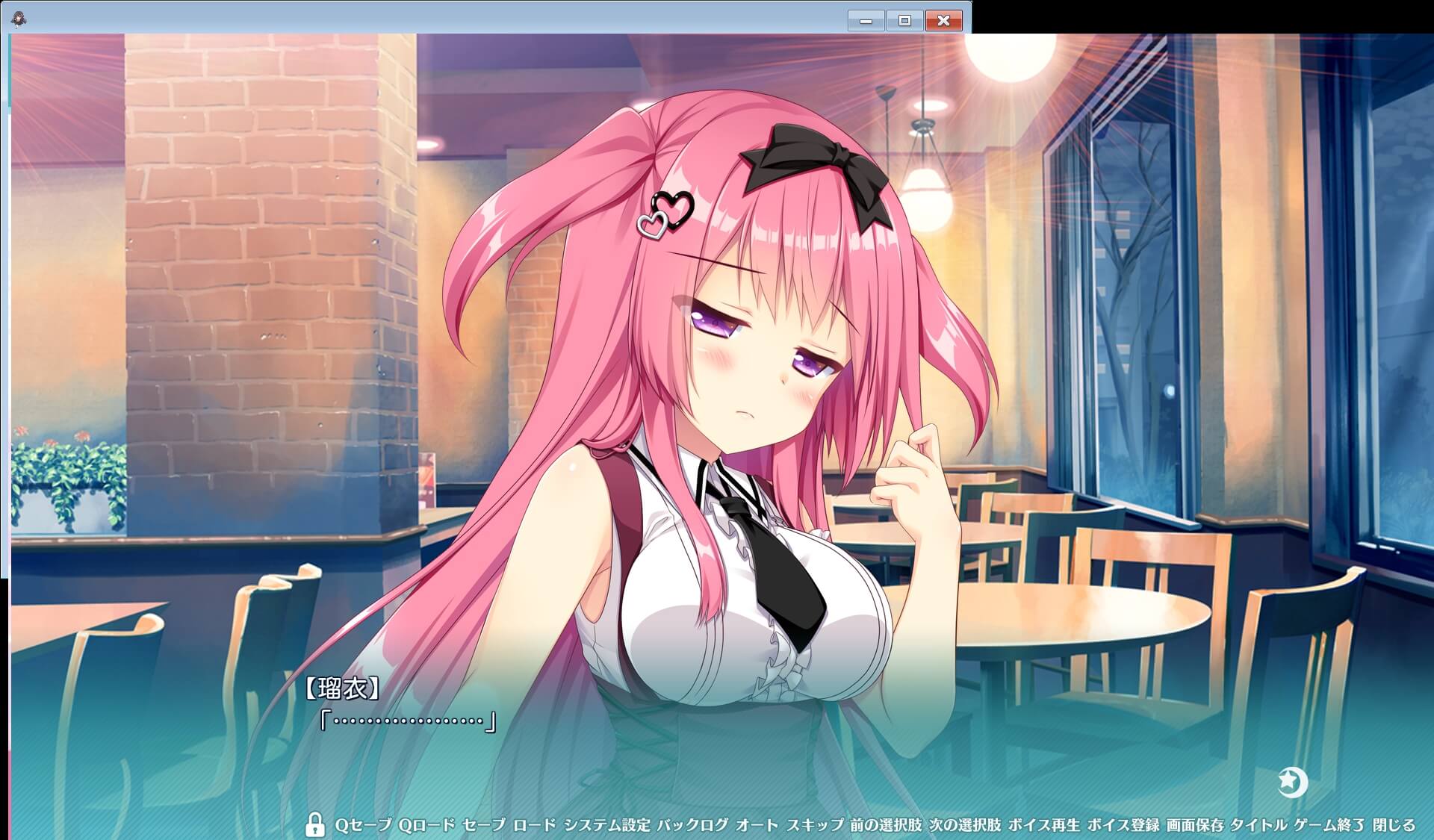
To put it bluntly, the theme of this game should be a story about a scumbag protagonist juggling many “girlfriends,” who finally has a realization and chooses true love. But what the game actually presents feels more like a few girls sharing the same man and privately discussing whether his dick works well.
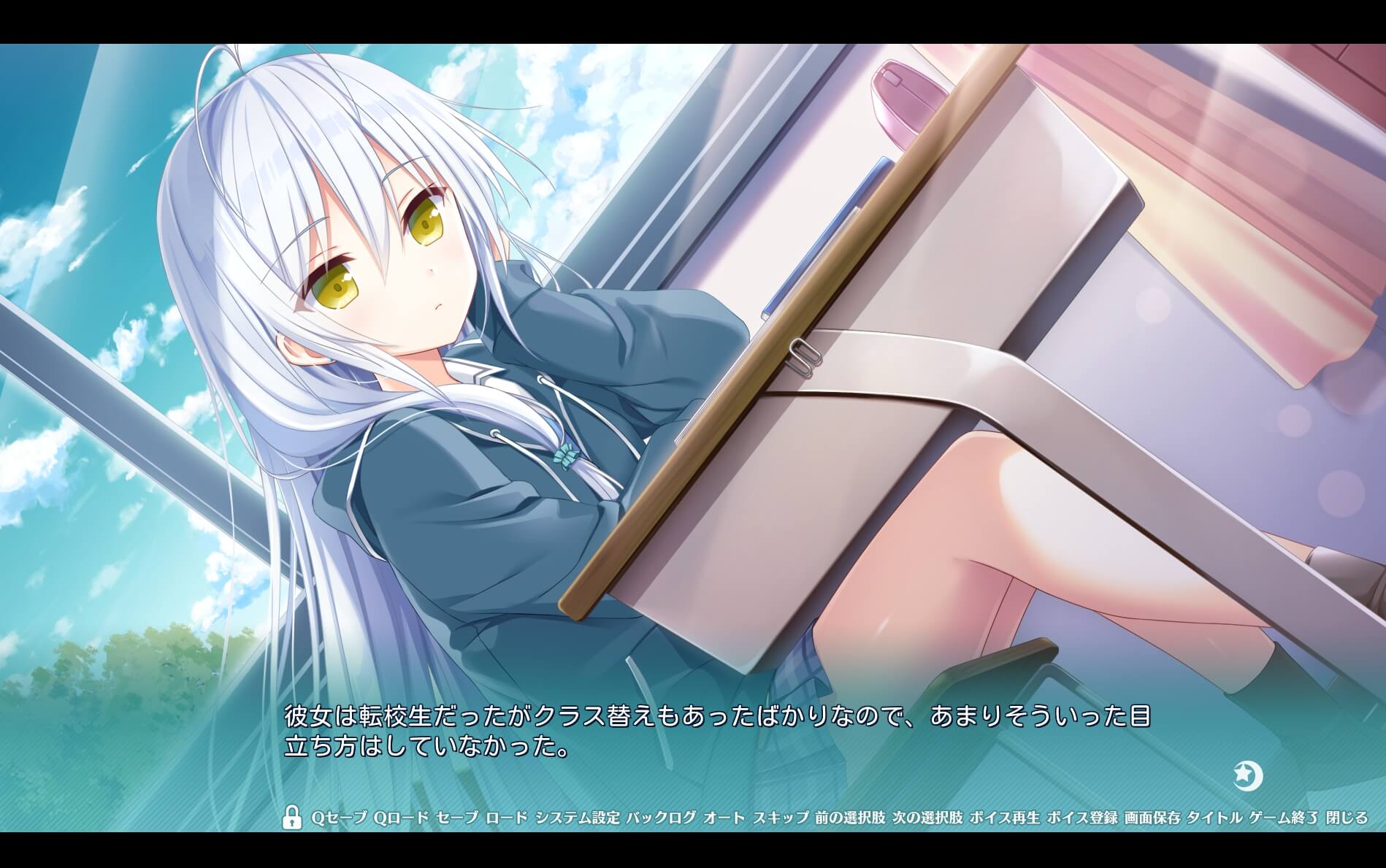
That premise suddenly sounds all feminist, doesn’t it! Sisters, stand up! But what we see is such a contradictory scene: the protagonist two-times, the heroine discovers he’s cheating, and instead of directing her anger at him, she turns it on herself, blaming herself for not being good enough and letting her boyfriend run off. She doesn’t choose to catfight with the other woman like in previous Asa Project games, nor does she tear into the protagonist himself like in other similar works.
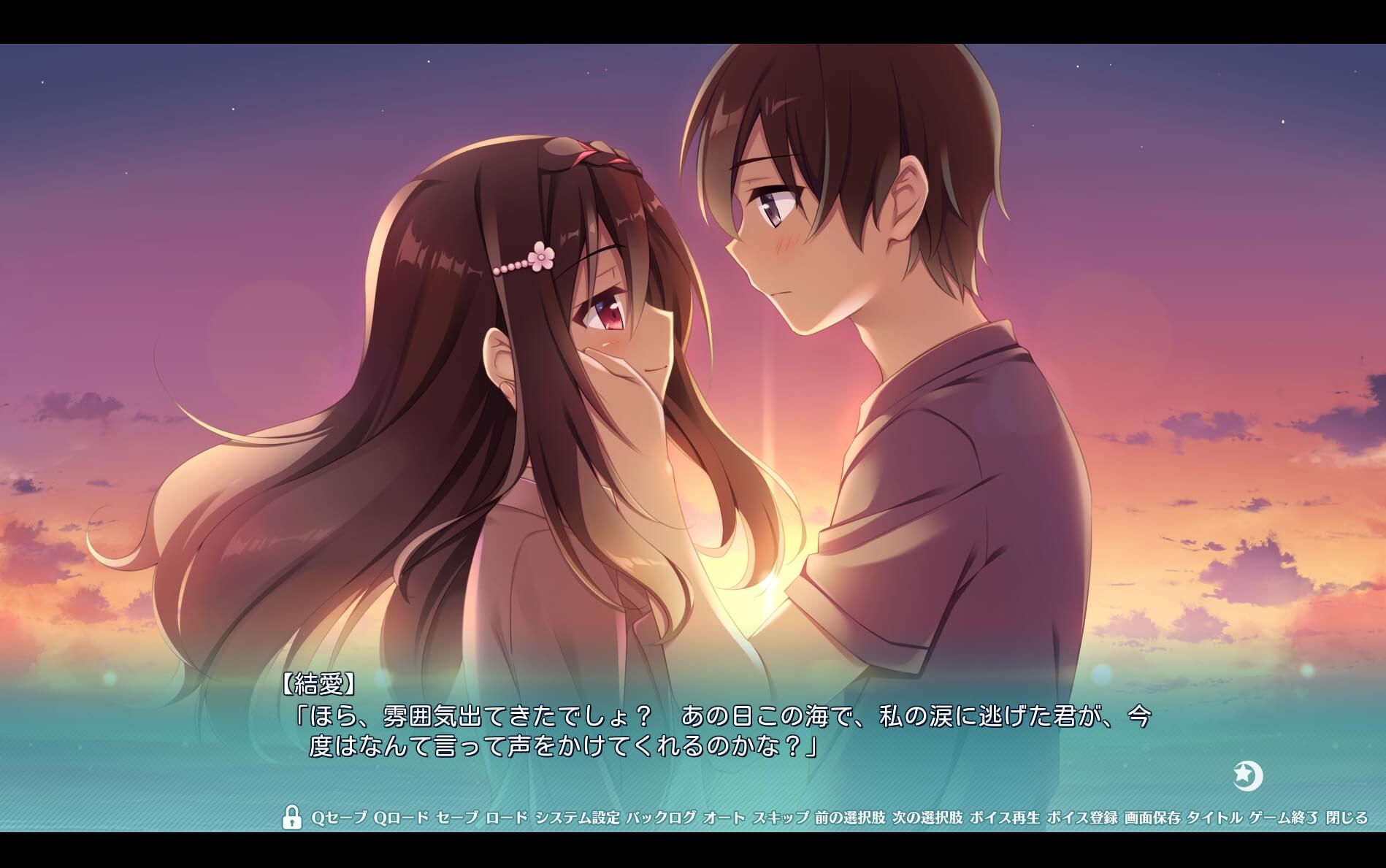
So the game is titled “Futamata Renai,” but essentially it’s still the story of a protagonist with seemingly no redeeming qualities building a harem among women. The protagonist is still the usual scumbag from harem works. If there’s any highlight, it’s the cuckold heroines who are willing to share the protagonist and discuss the length of his dick with each other.
The fact that this game uses a “college student background” as a selling point makes me laugh. For a visual novel, is there any difference between a college student and a high school student?
Finally: a game is a game. In reality, cheating angers women and gets your dick chopped off. Just so you know. (Fw: Black Shark Otaku)
Comments are hosted on the Chinese main site. This mirror is read-only.