Hokenshitsu no Sensei to Gothic Lolita no Koui (保健室のセンセーとゴスロリの校医) Review
The Infirmary Teacher and the Gothic Lolita School Doctor
Hokenshitsu no Sensei to Shabondama Chuudoku no Joshu came out at the end of 2020. My reaction back then was mostly pity. You could tell at a glance that the thing was unfinished — a common route that dragged on forever, a pile of introduced characters, and then the actual story went to the main heroine and nobody else. Everyone else might as well have been set dressing.
So I figured it was a half-baked cash-in shoved out the door with whatever scraps were lying around. Then 2022 rolls in and the game gets a sequel.
Hokenshitsu no Sensei to Gothic Lolita no Koui.
Right. That was when it clicked — this is another one of those sold-in-volumes deals, and the company was so broke that volume two got pushed back almost two years.
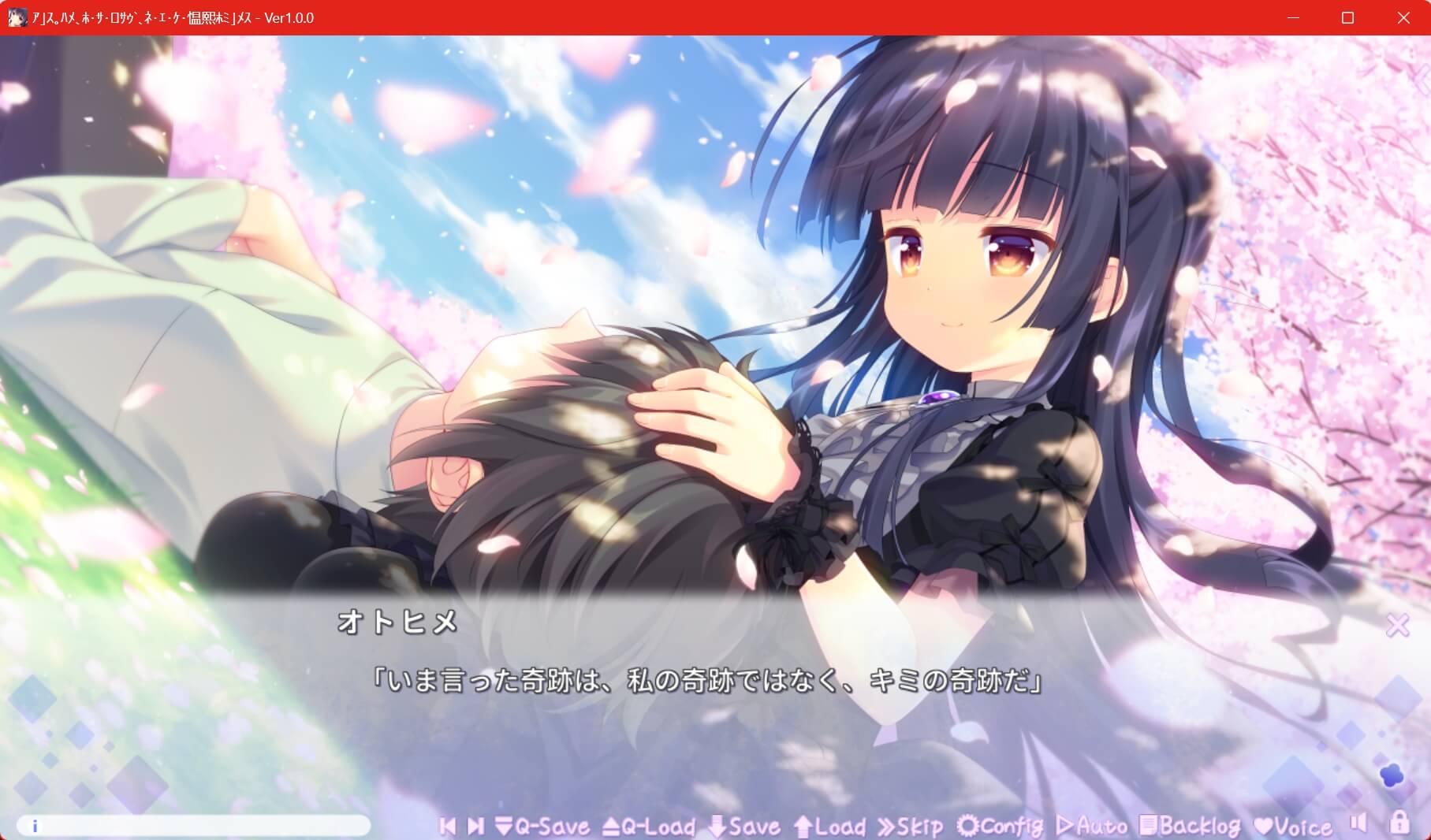
Honestly, I don’t care about Otohime, the lead of this volume. Her VA is the veteran Une, sure, but the character spent the whole original story flexing, and I had zero interest in her backstory. I also don’t get the logic: the game’s biggest selling point is the little loli heroine, and her story was already finished in volume one. What’s the point of continuing after that?
Anyway, I had time to kill, so I played it. And, uh… it’s a lot heavier and more complicated than I expected.
The game comes in two parts. The first is basically a supplement to the original common route — more of the same cheerful school life between the protagonist and his little soul-person loli. Nothing special, and it’s not short, either. At the end of the common route the protagonist learns that a bunch of aggressive “soul people” have appeared on campus, and they’ve got clear targets, like someone’s directing them.
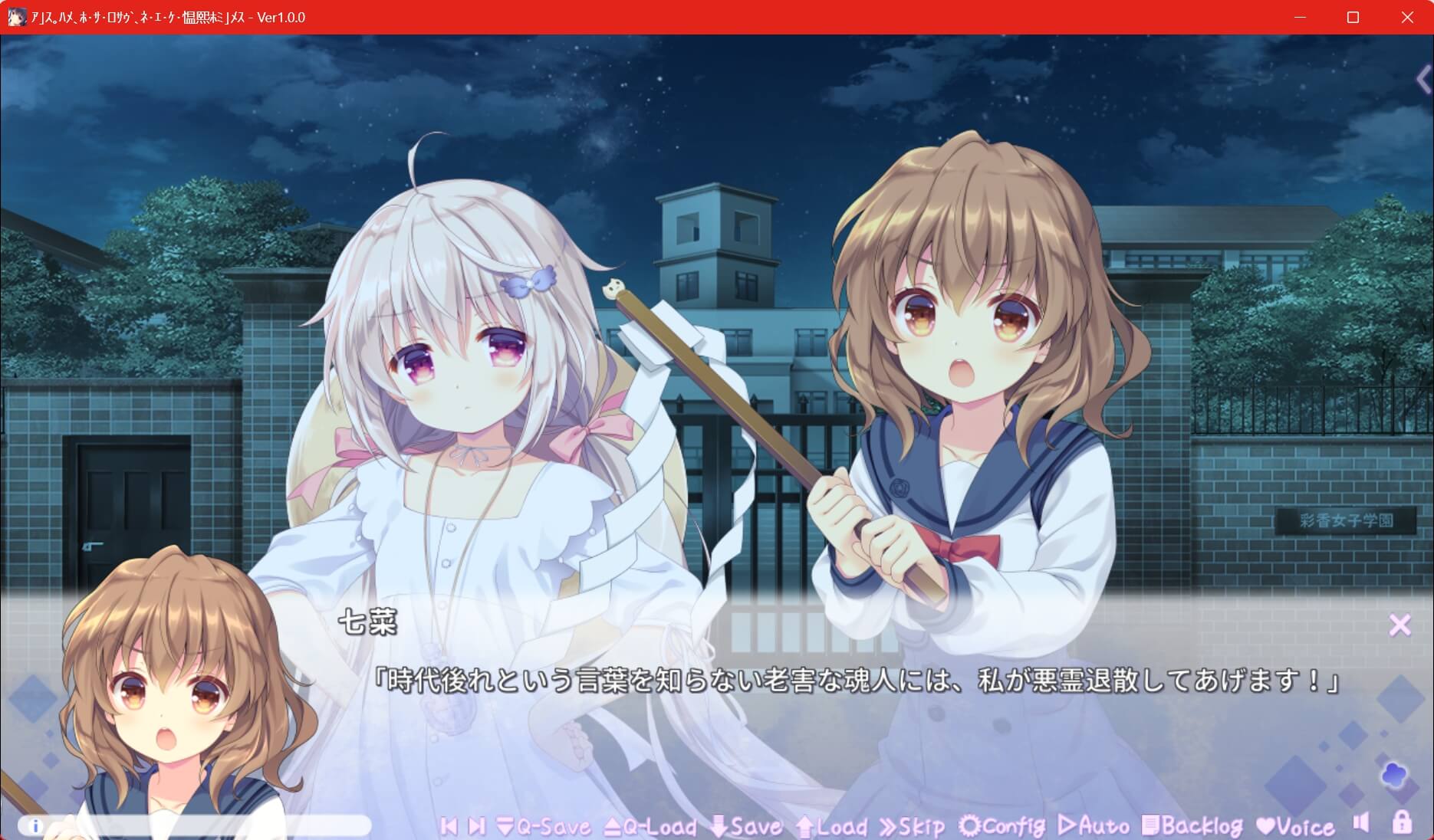
After some digging, he figures out the mastermind is Otohime. She’s taking revenge for the destruction of her Ainu people and all the wronged souls who died along the way. The protagonist shows up in time, delivers a bunch of speeches, fights her, and eventually talks her down from revenge so she can settle into being his personal cumdump. Chapter over.
On the macro level it’s a simple story, but there’s real substance in it. The key is Otohime’s background: the Ainu.
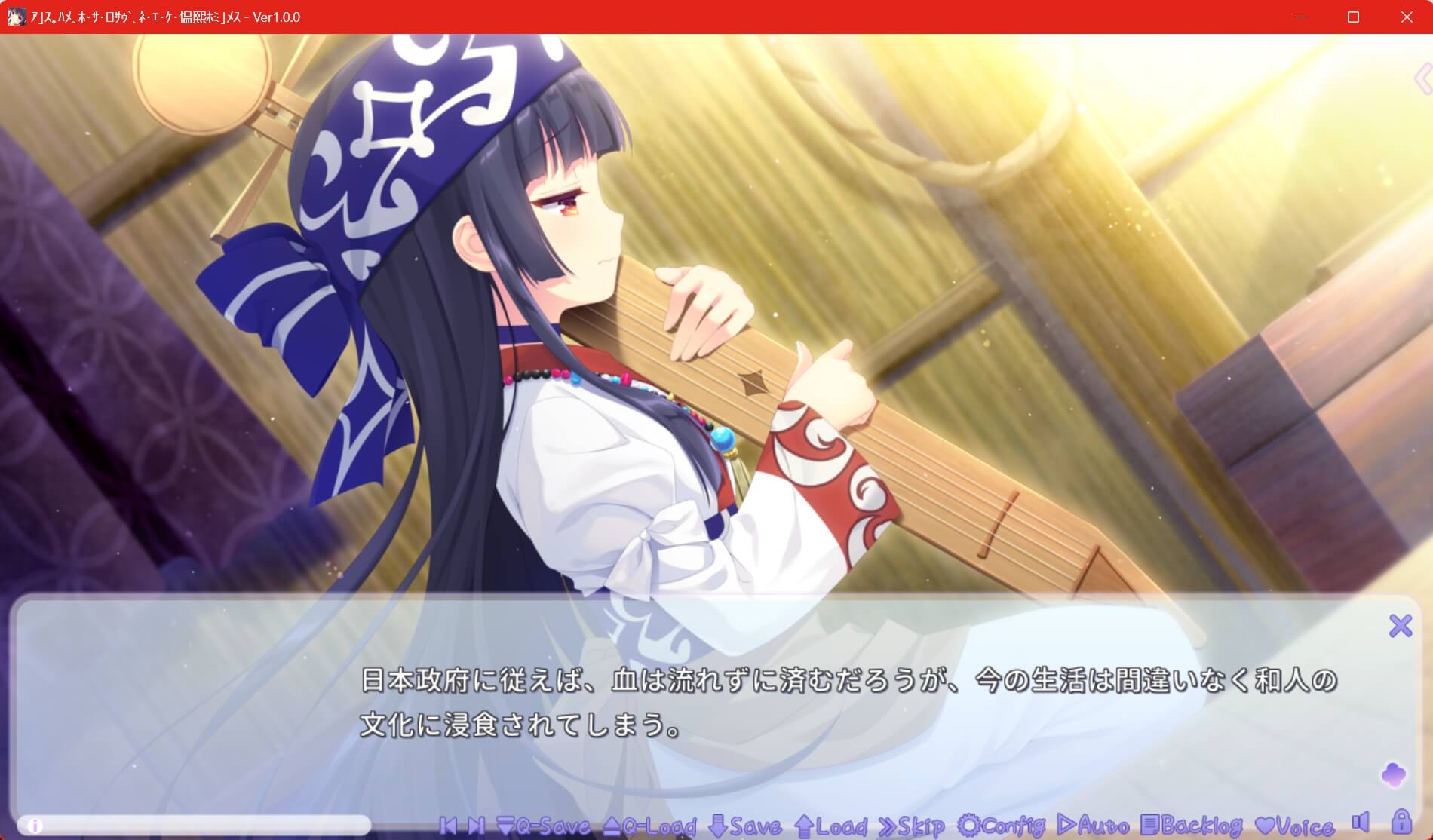
The Ainu are a minority people from Hokkaido, with some Russian blood mixed in. Over the centuries they got culturally invaded by the Wajin, and from the 13th century onward the Yamato majority carried out what amounted to a genocide, backed by forced assimilation. The Yamato leaders made the Ainu change their customs — shave their beards, clean up their hair, wear kimono, take Japanese-style names. By 1904 the Ainu had been forced to abandon their native language for Japanese, adopt Japanese names, and give up traditional religious practices like animal sacrifice and tattoos.
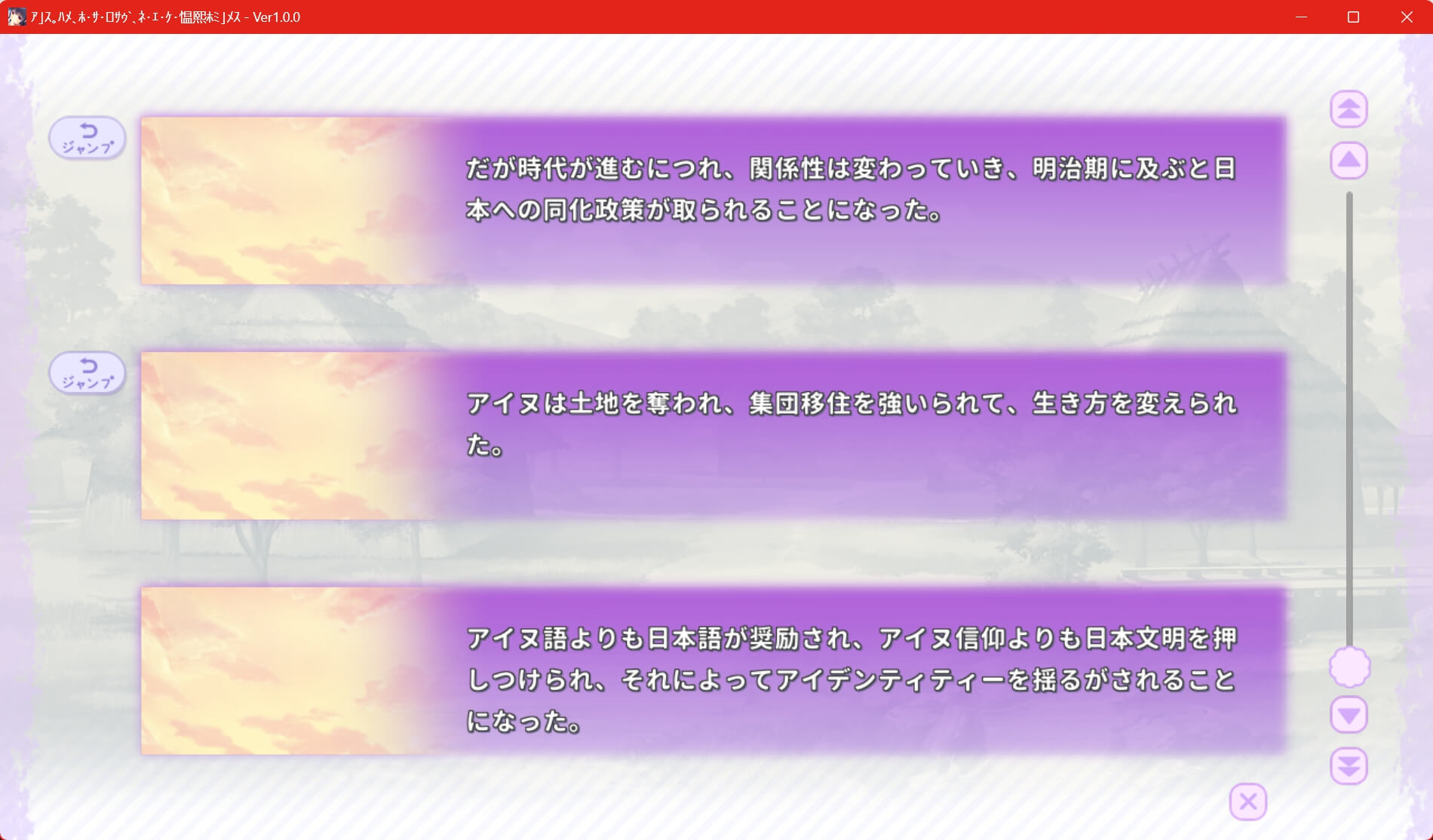
This game is set in that brutal era. Otohime was originally a Kamuy, a god of the Ainu (nowadays usually written with the characters for “divine power”). But as her people faded and the Russo-Japanese War dragged on, the Kamuy found themselves in an impossible position. The people were being crushed culturally and heading toward extinction, and as a Kamuy, Otohime’s future looked bad too — she’d probably end up a sacrifice for the survival of the tribe.
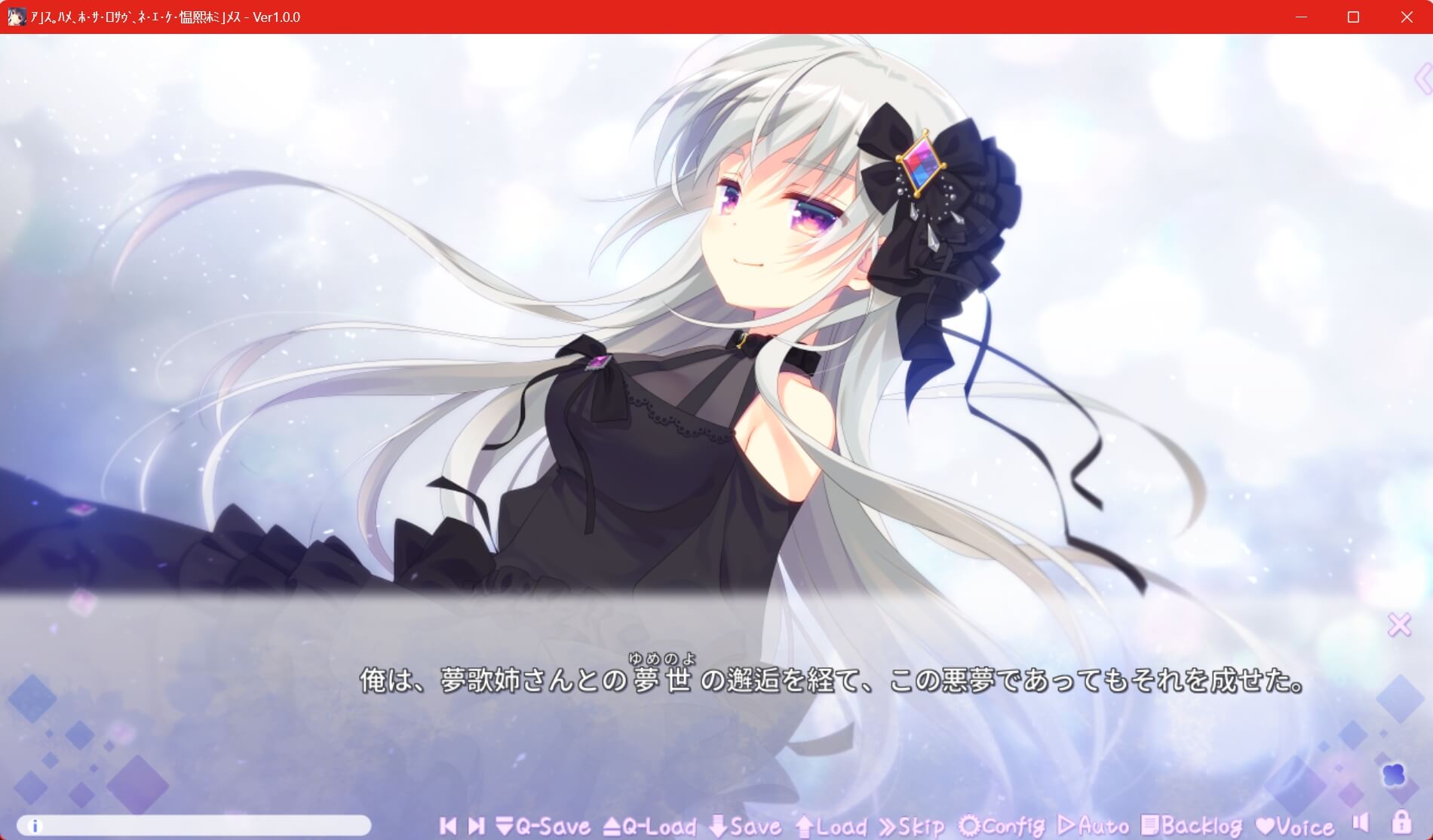
That’s when another character shows up: a Polish woman working as a Russian spy, a frontline soldier in the Russo-Japanese War, standing right in front of Otohime. At first Otohime rejects her as an enemy, some envoy sent to turn her against Japan. But as they talk, she starts to warm to her. The Pole may represent Russia, but she isn’t fanatical about the war. What she preaches is a kind of spiritual freedom and love — a love that goes beyond nation, race, and the world — and it gradually gets to the sheltered Otohime. The two develop something strange and ambiguous, impossible to call love or hate. When they both die under the wheel of history, Otohime becomes a soul person and chooses to inherit the outfit of the Pole she loved most, then wanders to where she is now.
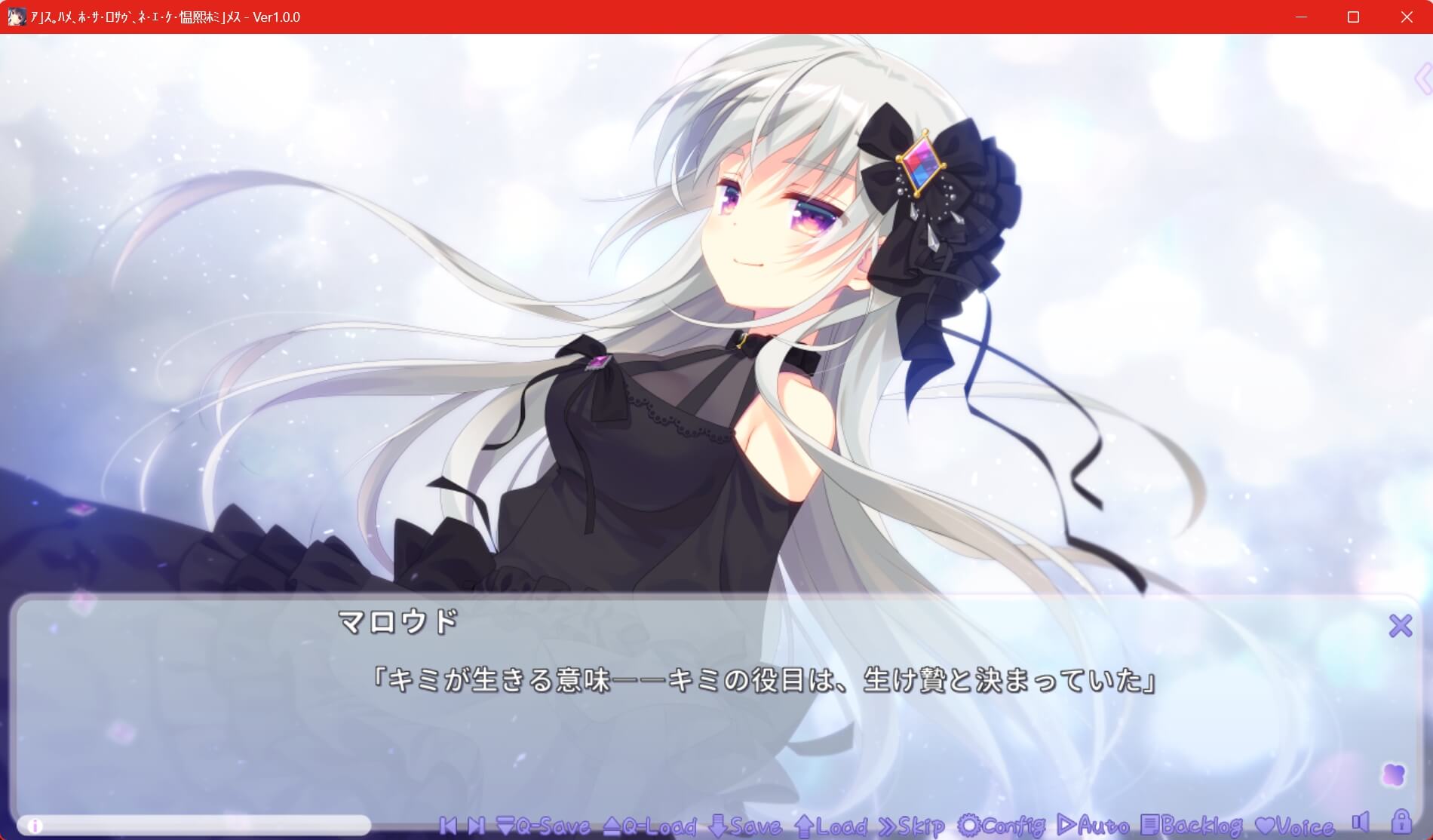
By then Otohime is a soul person with tremendous power, but deep down she still carries her hatred for what happened to the Ainu. In secret she gathers the souls of dead Ainu and prepares her revenge. And as mentioned, the protagonist stops her.
As volume two of the series, the real highlight is that second part — the history of the Ainu and the Wajin. You can tell the writer believes the Yamato Japanese committed genocide against the Ainu, and he put that heavy history on the page. That view doesn’t seem to be mainstream in Japan, though. Take that recent game from a certain umbrella company: its Ainu material mostly says the Ainu were gradually assimilated by the majority because their culture was weak.
The game does touch on cultural fusion and invasion. The Ainu, as Kamuy leaders, simply had no advantage against the Wajin, who had already embraced modernity. What counted as “ethnic identity” was mostly eating raw meat and other savage customs. Sure, you can say you respect Ainu dress and customs, but if someone actually walked down a modern street in that wild getup, it’d be hard on the eyes. And the Ainu had their own “human sacrifice” culture, which modern society won’t accept either.
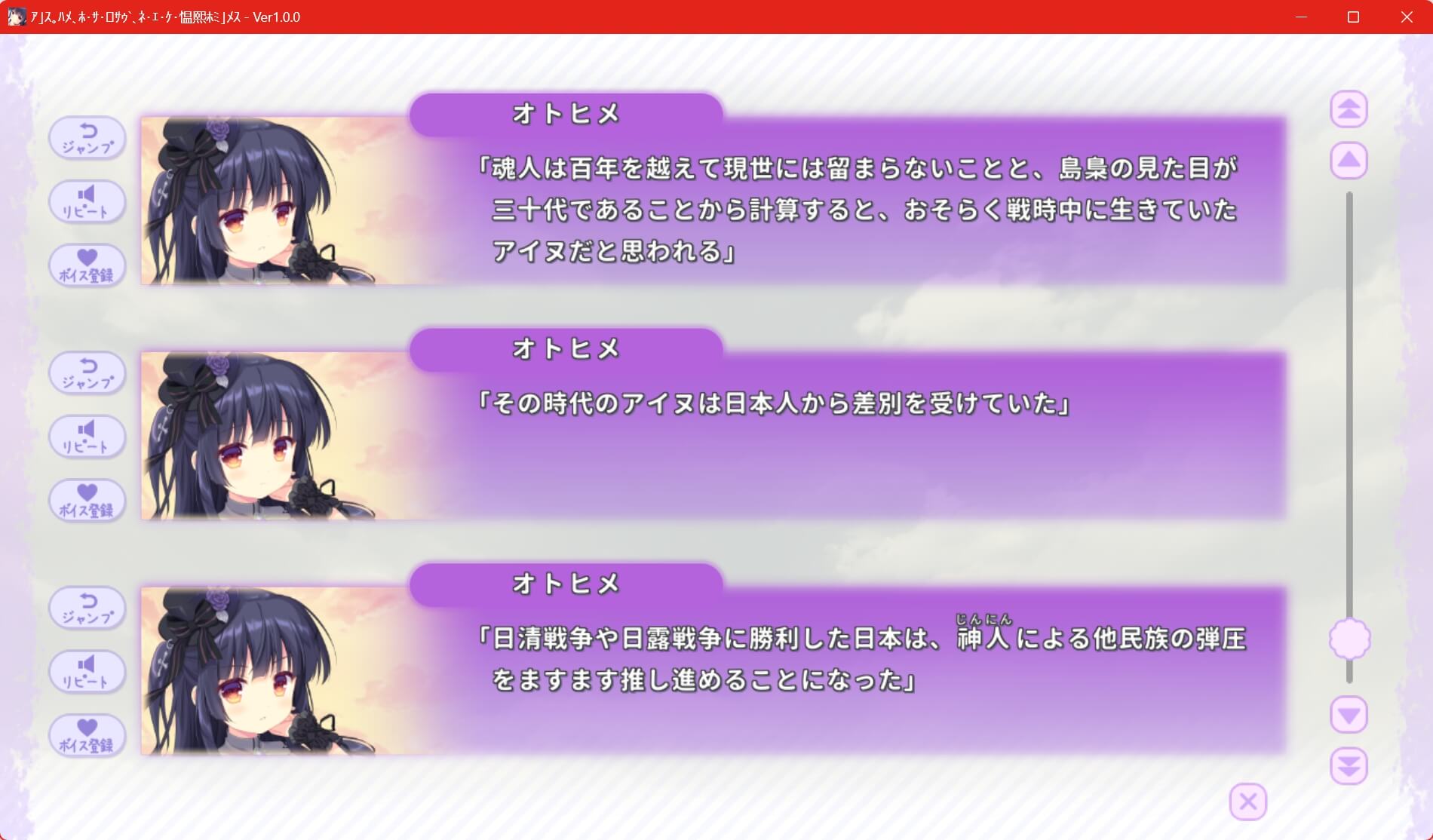
The Wajin assimilation of the Ainu was forced at first, but later, as Japanese industry and the economy took off, more and more Ainu themselves stopped wanting to admit their identity, seeing it as a mark of being “backward” and “ignorant.” At this point there are no full-blooded Ainu left in Japan — only a small number of mixed-heritage people, most of them living under assumed names. Whether that’s good or bad, I genuinely don’t know.
Japan has been criticized by some for the historical genocide of the Ainu, but it keeps denying it, and it’s started deliberately building “Ainu heritage sites” in Hokkaido to show off cultural preservation. A bit of digging shows those are mostly for show, and actual Ainu people don’t care.

How do you protect a culture that looks “primitive and savage”? There’s no clean answer. Realistically, you have to admit that many peoples have no defense against a stronger one — militarily or culturally — and getting swallowed up is expected. The peoples that thrive tend to be the inclusive ones with few rigid rules, like the Han. The game says it too: peoples with more atheists tend to expand and survive and radiate outward.
The game laments the Ainu’s demise to some degree, but the writer has no better answer for how to protect a crumbling people, so it just ends on a vague note.
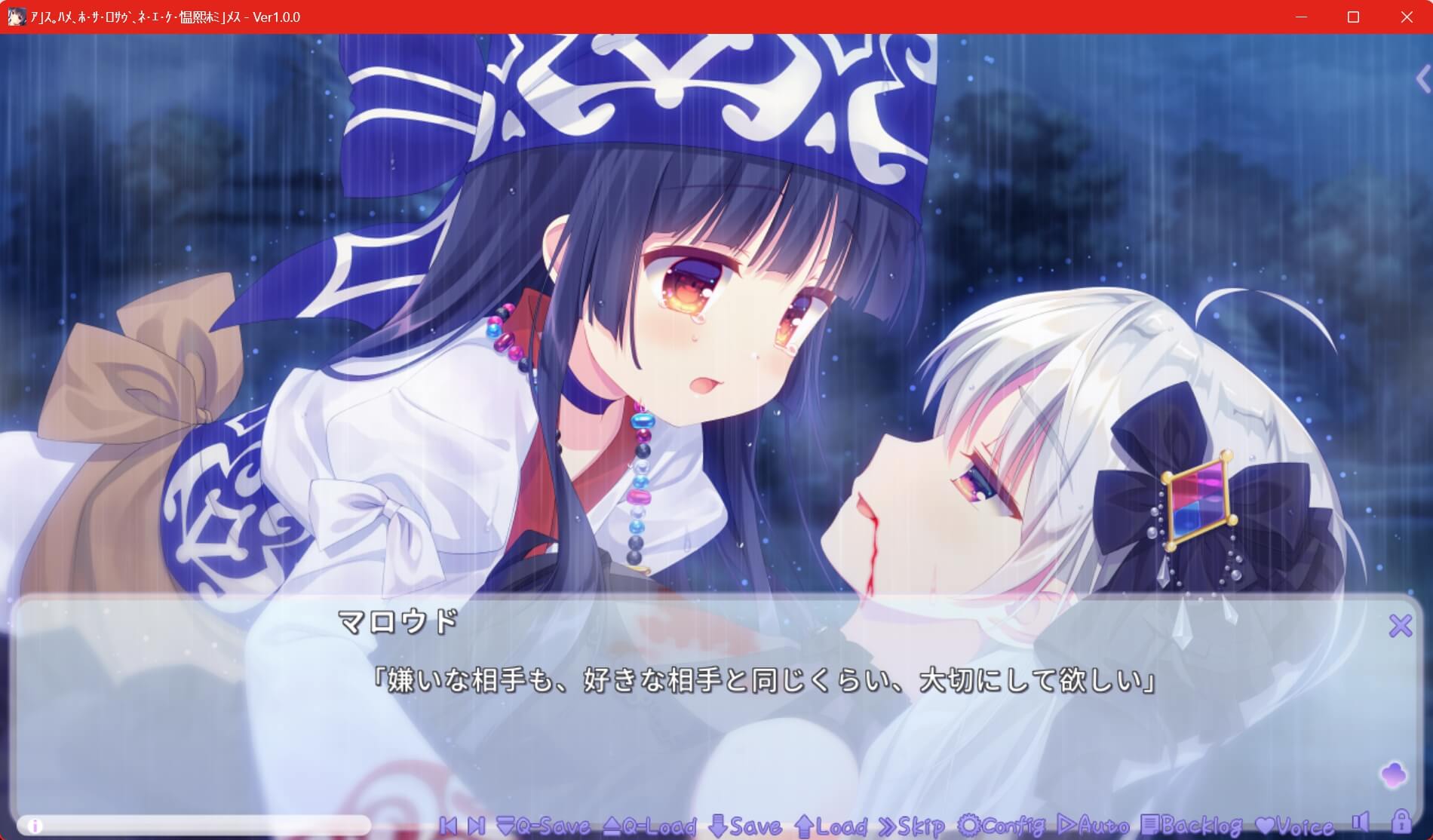
Fuck this shit, let’s make love.
Maybe for the author, getting to put his own views on Ainu history into a game was the goal all along.
Comments are hosted on the Chinese main site. This mirror is read-only.