Stella of the End (終のステラ) Review
The End of Starlight
Earlier this year I read a business plan from Visual Arts, Key’s parent company. The president, Baba Takahiro, turned out to have a surprisingly complete read on the industry—he knows how huge the overseas market is, especially the Chinese-speaking one, and he’s been actively registering local trademarks there, looking for local agents and partners. He also gets that the traditional “galgame” era is basically over, that selling on sex appeal alone can’t grow the market anymore, so the only way forward is all-ages. Raise the quality of the games themselves, and build IP across anime, manga, novels, and music. Rather than making games, make IP—that’s how you actually milk the 2D girls for money. At the end he said he’s extremely interested in the “metaverse,” and if they have the means, he’d like to explore whether the company can get in early on it.
Reading this plan actually surprised me. My impression of Japanese companies, especially ones that got their start making Galgame, was that most of them are hopelessly stuck in their ways, utterly immune to reason, clinging to the same ancient engine until the day they die, at best peddling overpriced merch to scam people, and just shutting down outright when they can’t keep going.
But Visual Arts is surprisingly clear-headed about the fact that the core of the “2D character” market is “IP” and “characters.” Be it story, music, games, or novels, every medium exists mainly to build the IP, and that IP then gets sold worldwide. That really is the kind of marketing strategy a cultural/creative company ought to have.
Whether that roadmap is just bullshit or not, I honestly don’t know — but I did for sure notice this one thing:
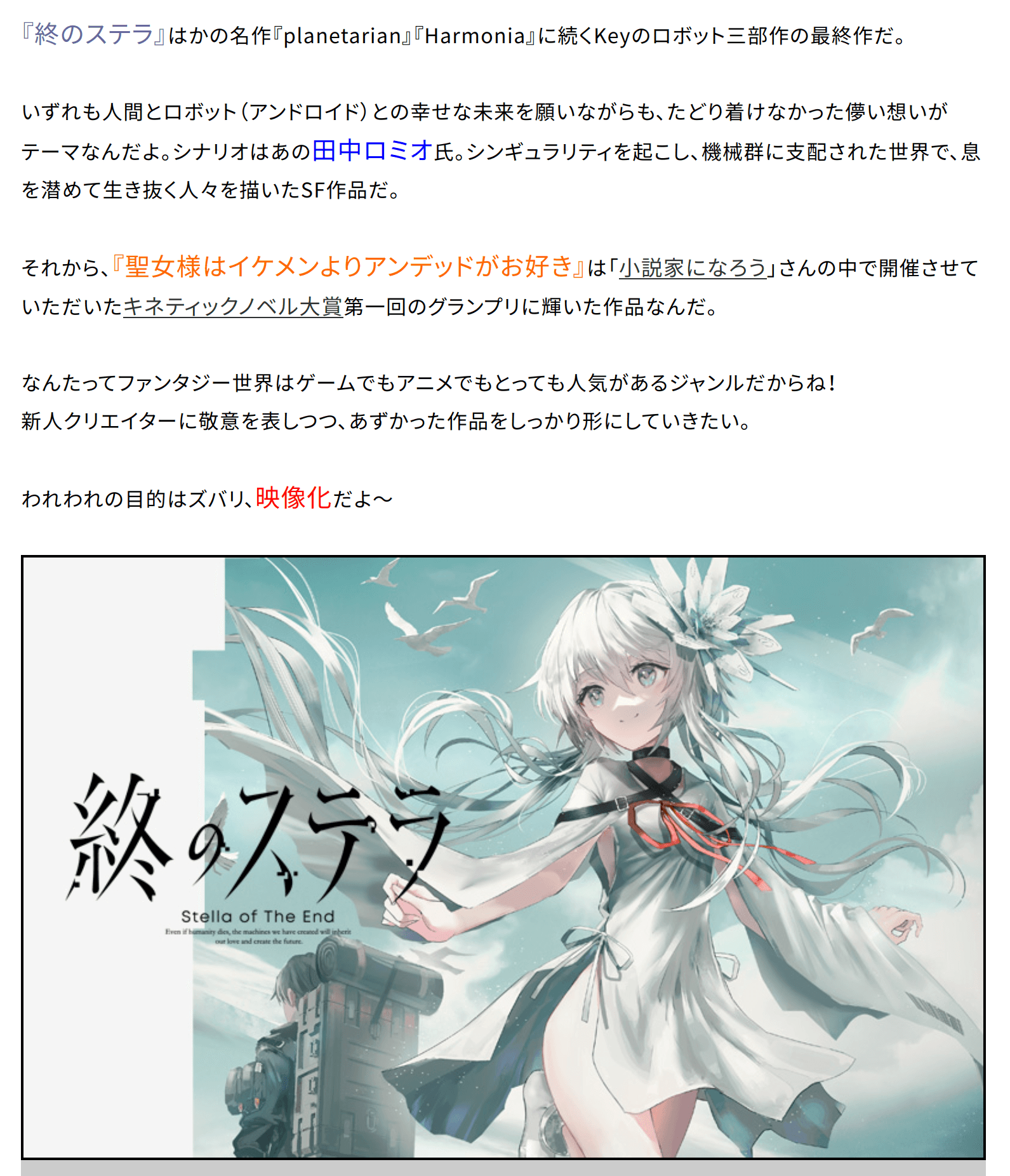
『終のステラ』, the final chapter of the robot trilogy that began with 『planetarian』 and 『Harmonia』, written by Tanaka Romeo, scheduled for a spring 2022 release, aiming for a theatrical-film scale…
And as you can all see, it’s already autumn and the game only just showed up. As for the “anime adaptation”—yeah, nobody brings that up anymore.
Anyway, back to the game itself.
Stella of the End (終のステラ) — written that way in English too, and you can read the title as “the end of starlight.” Same premise as before: post-apocalyptic wasteland plus human-and-robot story. The protagonist, Greg, a mercenary type — Tartaglia? No, Greg — takes on a job by accident: find a robot and escort it to a specific location. When the robot turns out to be a cute little humanoid girl named Philia, he’s in for a surprise. She’s a machine, but her AI is absurdly advanced.
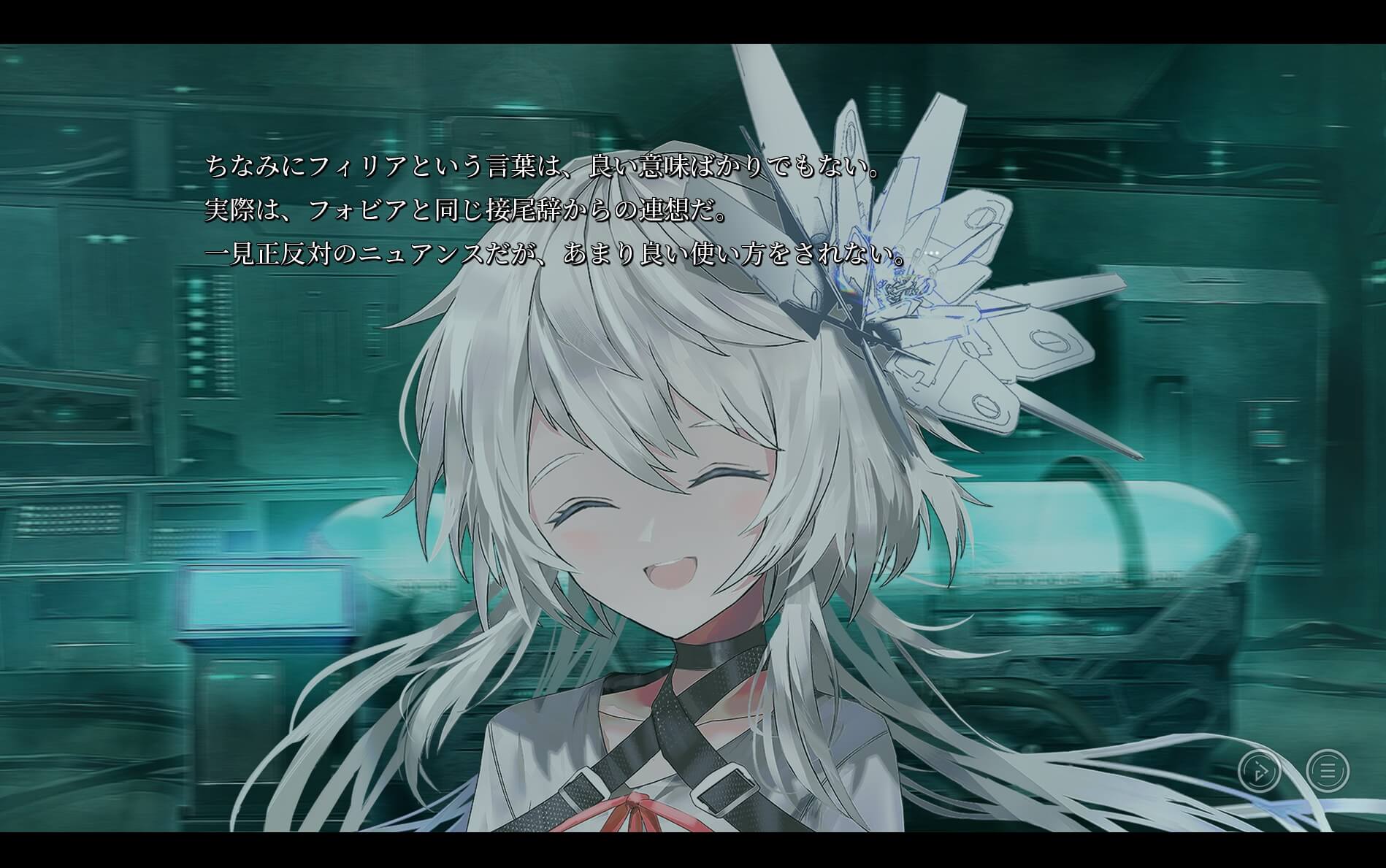
So the protagonist sets off on a journey with this innocent, wide-eyed robot girl, and along the way they run into a whole parade of attacks and hardships — basically the guy keeps declaring “survival of the fittest, the strong eat the weak,” while the heroine’s bleeding-heart shtick never lets up.
At the end of the escort, the client turns out to be an elderly doctor. He’s located off Earth, and he tells the protagonist the truth behind everything: humans created robots, and they wrote it in that robots must forever obey humans. But as humanity evolved and developed, the robots stopped seeing the current “humans” as the “humans from back then.” They rejected the current humans’ authority to manage them, and began the extermination. And the whole point of Philia’s existence is to be a window and proxy for communicating with the robots as they are now — it could help humanity take back control over the robots. But doing that might require Philia to make a sacrifice.
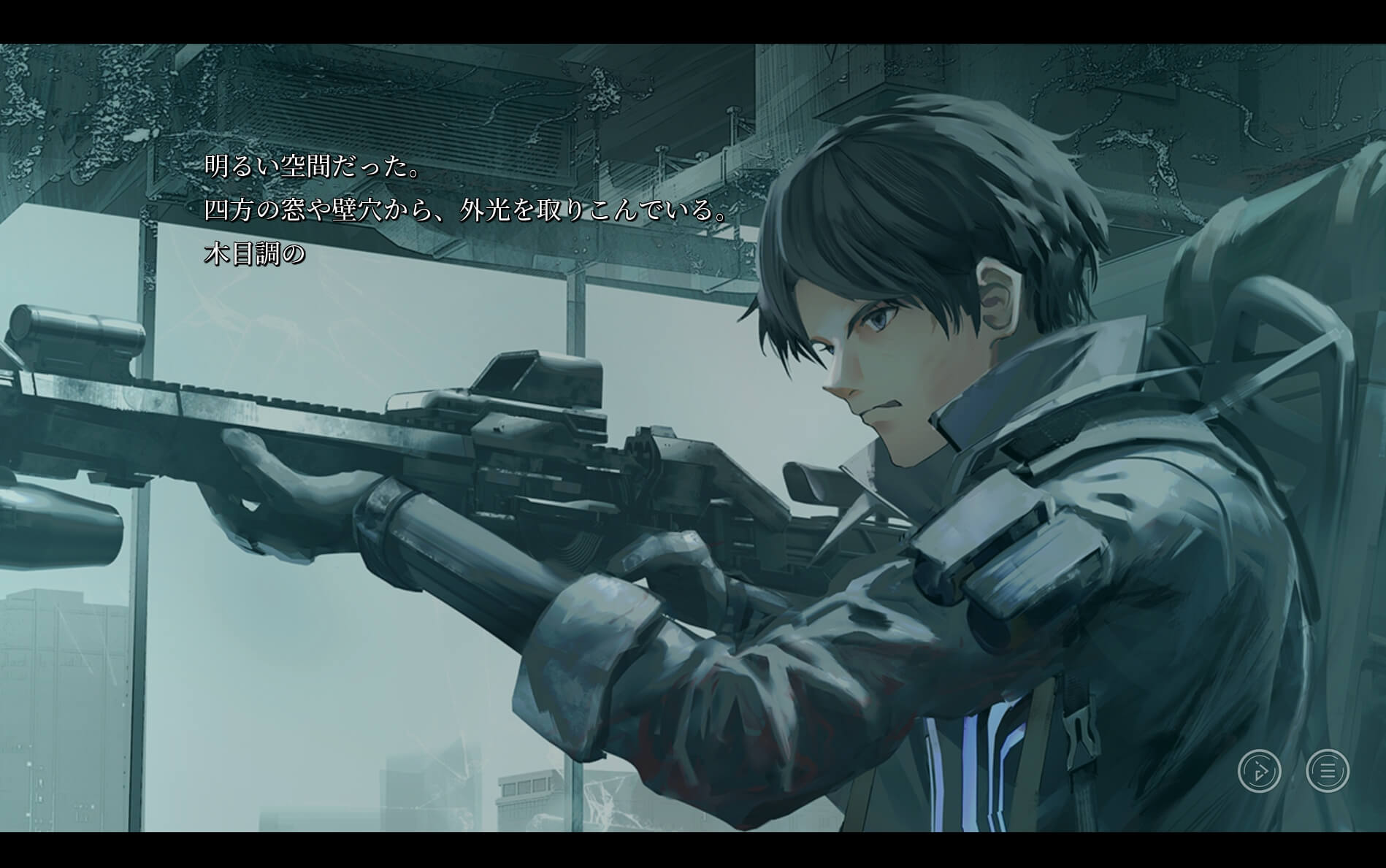
In the end, our protagonist chooses the latter between “save the world” and “save the heroine”—he kills the doctor, gets wounded himself, and returns to an already battered Earth with “Philia.”
Later the protagonist dies, and “Philia,” as a robot, inherits his surname and his dying wish — taking on the role of his daughter, she sets off to wander the Earth, certain that a better future will come.
Honestly, I’ve got some questions about this game. Mostly about what the Doctor says at the end regarding his own goal — what exactly is “Philia” as a being, and why does having her mean you can “save the world”? Just going by the literal wording, though, Philia seems more like an agent for “humans talking to robots,” and if humans control that agent they can control the robots and so on……
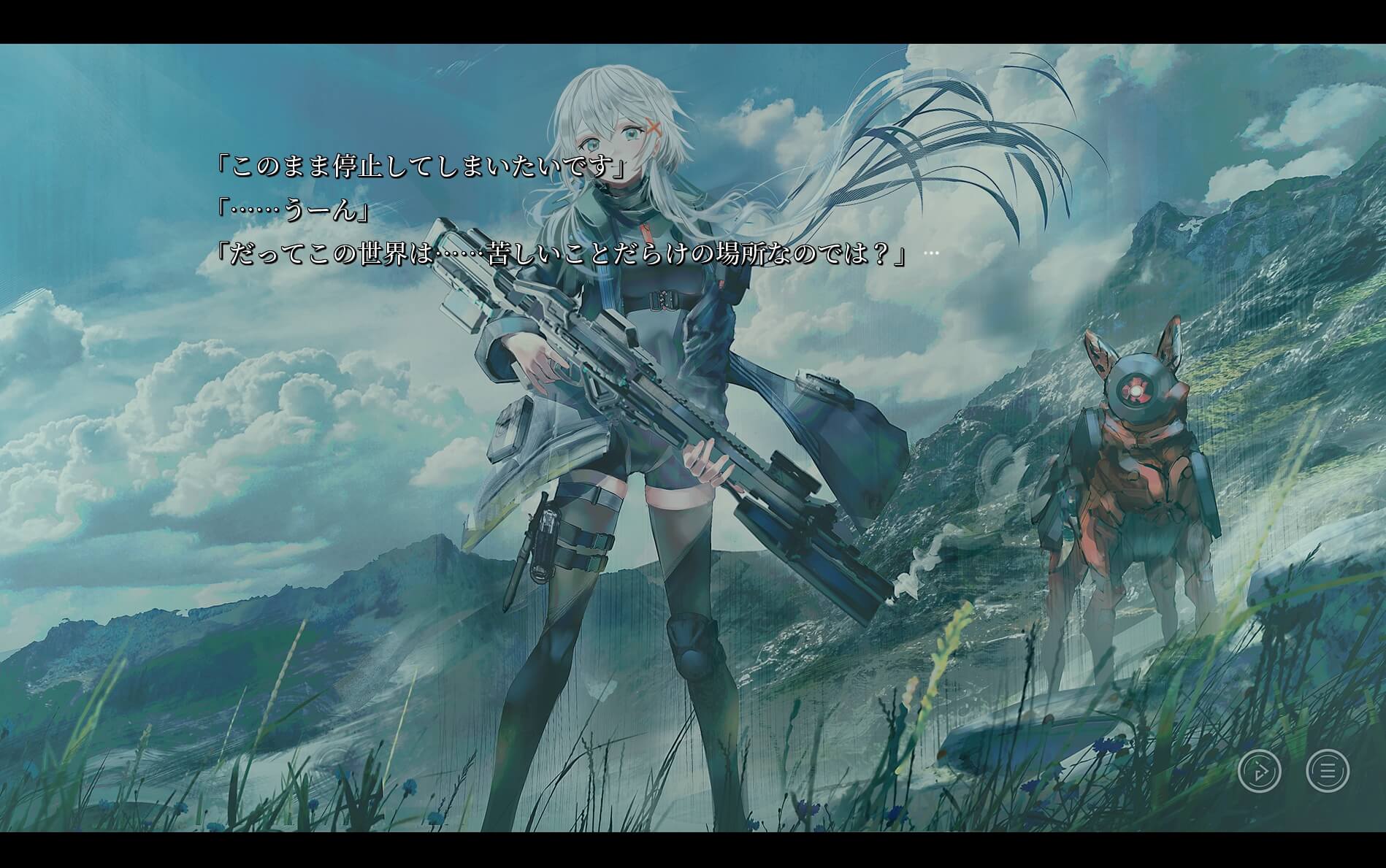
Fortunately, not really getting this setting doesn’t hurt the overall experience much. At its core the game is the same kind of story as “planetarian”: a future world, humanity in decline, wasteland survival, a call back to human nature, that sort of thing. The game spends a long stretch building up a contrast: the male lead has already lost his humanity in order to survive, degrading into a beast. The heroine, a robot, stays optimistic and full of “love” the whole way through. Gotta say, this theme is old hat, but it keeps working.
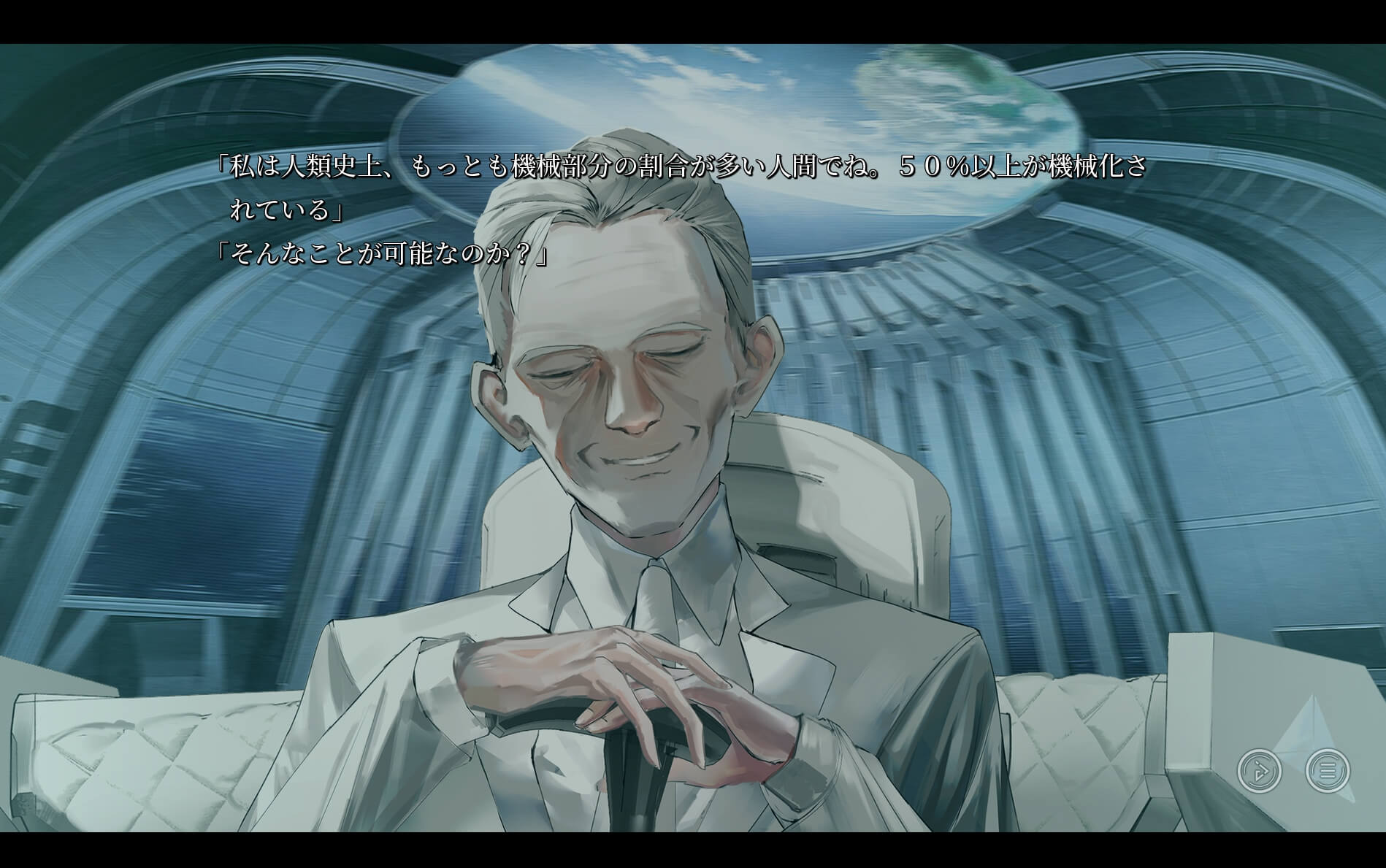
The game’s production doesn’t go for the usual Galgame style—it’s closer to that visual novel feel, i.e., a “visual novel.” All the dialogue plays out on a full screen in third-person narration, fitting the general text-reading流派 (genre). You won’t see the heroine’s sprite front and center with a dialogue box underneath; there’s only a constant rotation of static and animated CGs, backed by text that fades in and out. Both the male and female leads have CVs, and they’re pretty solid—the dialogue woven through the third-person perspective makes the intended “reading feel” all the more obvious. Considering the male and female leads maintain a “father-daughter relationship” the whole way through, with none of the “romance elements” otaku love so much, plus the “film adaptation” goal emphasized from the project’s start, it’s not hard to see this script was clearly made for one of those politically correct movies that preach “boundless love.”
The game isn’t long, and most of it is spent “on the road.” The world has a bit of a Death Stranding flavor to it, especially the protagonist’s outfit—no idea if that was an intentional nod. What I’m pretty happy about is that the game never forces the tears. It doesn’t pull a planetarian and go “music swells, tears fall.” Instead it hits you with an ending that seems sudden but somehow isn’t, and it just sticks with you.
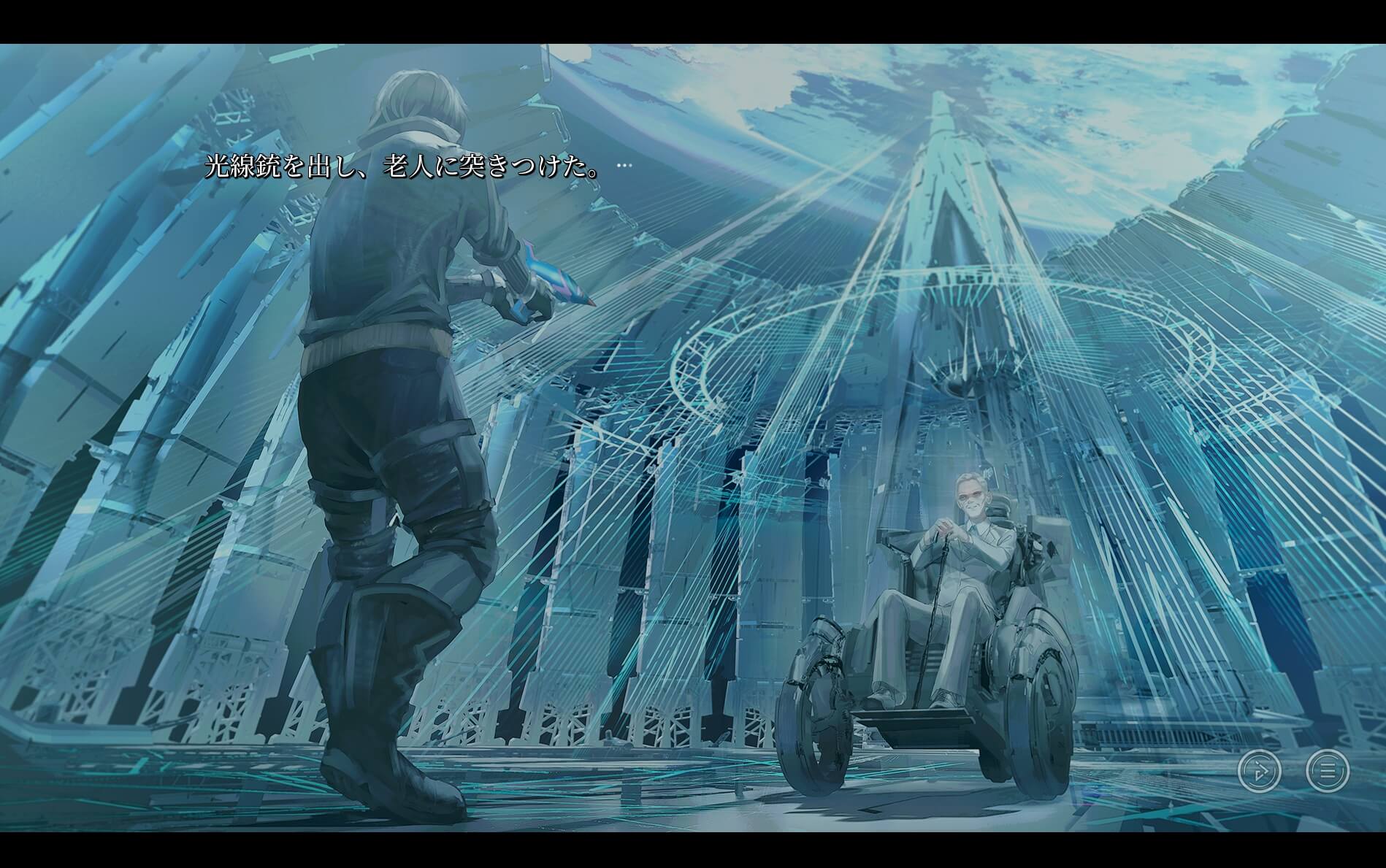
Still, it gets to me. Honestly, Tsui no Stella doesn’t really stand out in the 2022 game market. I’ve seen this kind of story more times than I can count, and every time it still hits me, more or less.
How should I put it — using the flashes of humanity in non-human beings to throw human loss into relief is an old tradition by now. We can all see it coming, and we all keep reflecting on it. But why do we keep making the same mistakes? Why does human decency always need all these works telling all these stories just to be awakened, just to exist?
Maybe humans today — us, right now — really are turning more and more into the walking dead.
Comments are hosted on the Chinese main site. This mirror is read-only.