Jewelry Hearts Academia (ジュエリー・ハーツ・アカデミア) Review
Foreshadowing OCD and Deus Ex Machina
I actually finished Jewelry Hearts Academia a while ago and just couldn’t be bothered to write about it. Main reason: I’d already done the commercial piece, where I dissected the plot front to back, went through the details, and gave the damn thing a thorough evaluation from every angle. It wore me out. The thought of writing a second version for the blog made me want to throw up, so it just sat there.
Still, for the year-end roundup and review, I have to write about it eventually. No escape.
I really can’t be bothered to lay out the plot. It’s too fucking long and too fucking complicated. Let’s keep it brief, just a summary, and skip the details.
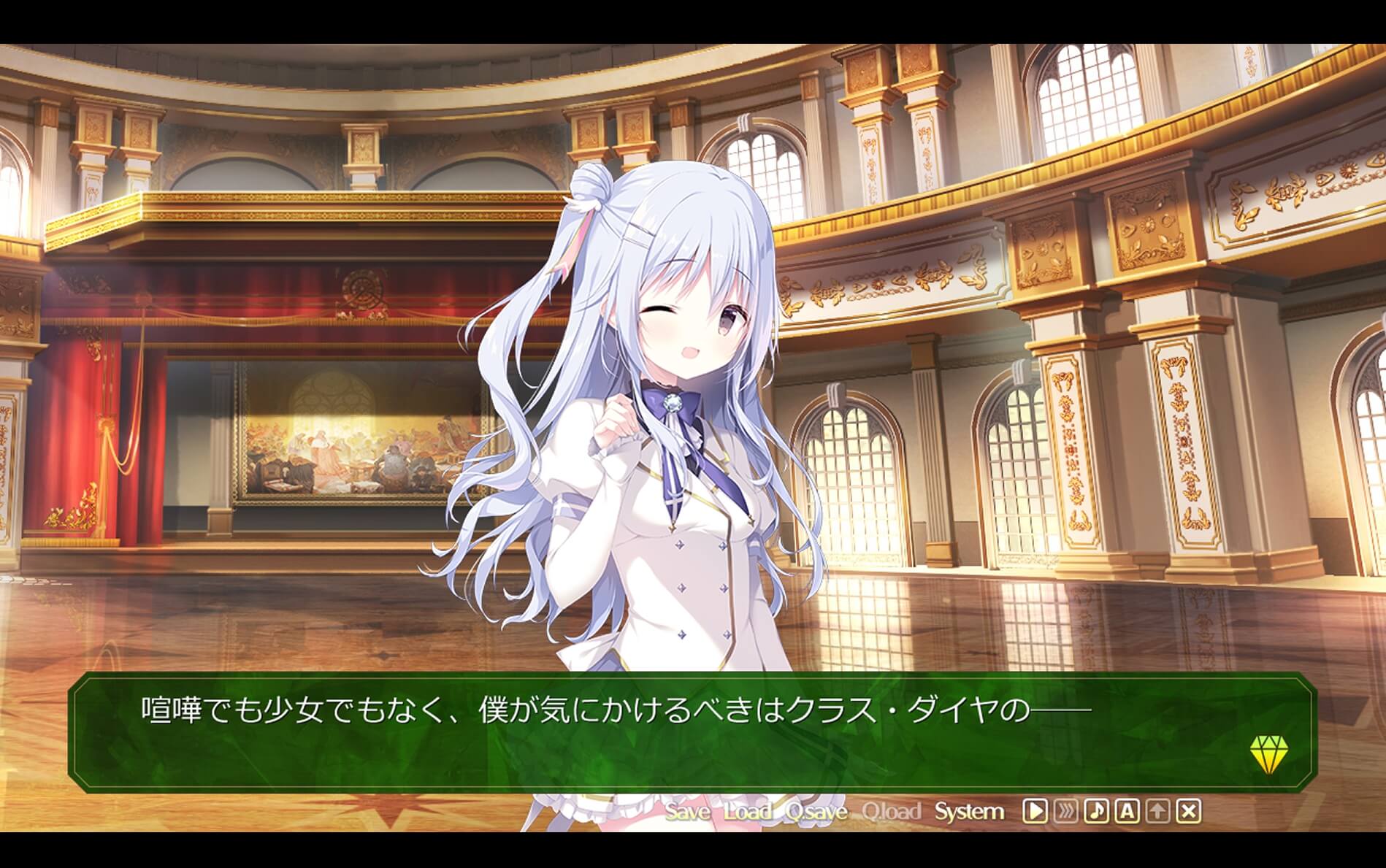
The protagonist is an agent who gets ordered by his superiors to infiltrate an enemy nation’s magic academy. Word is the school has something like a “Philosopher’s Stone,” and that’s his target. This game also has a very familiar setup: everyone who can use superpowers has a “will gem” — written as “will,” read as “GEM.” The gem can be something you create yourself or something you inherit from someone else. If that’s hard to picture, say it’s a “Vision” and you’ll get it immediately.
His original plan after getting in was to place into the top class via the placement exam and get close to the stone. His grades are fine, but he doesn’t land in the top class — a class created on the spot absorbs him instead. Don’t ask. The principal has his reasons.
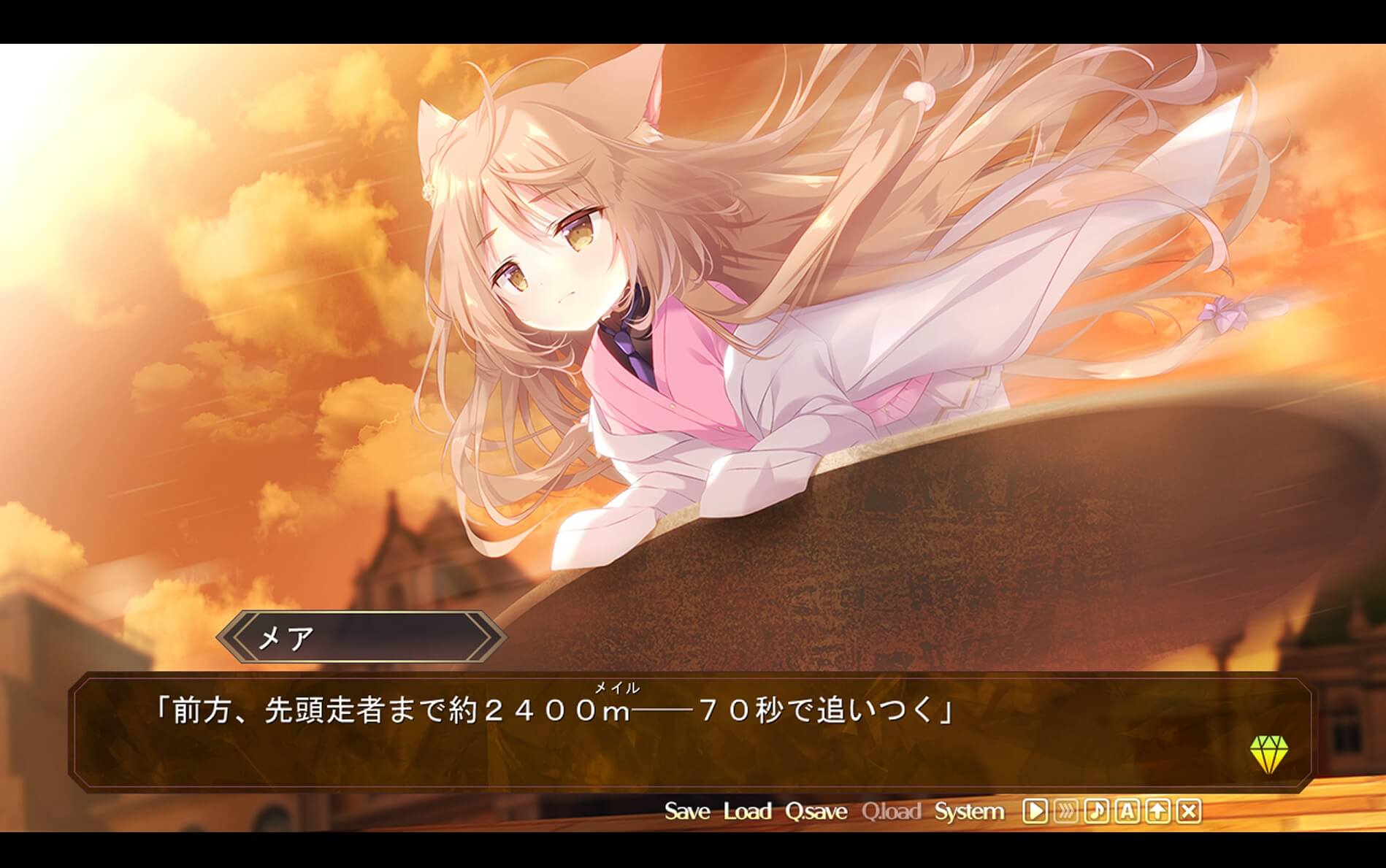
Since only the TOP1 class gets a shot at the Philosopher’s Stone, his plan is basically dead on arrival. And his new class is a mess: some guys who look like thugs, beastfolk who can’t stand the other races, and the crown prince of his own country. A real grab bag.
Then it goes exactly how you’d expect. The school conveniently rolls out a reward system — stand out and earn medals; medals buy you a pardon or a transfer to any class you want. So the protagonist gets his motivation back and throws himself into school events. During one competition, invaders show up: an organization called “Medusa” leads monsters in an assault on the school. Their blond grandstanding leader even announces that on a certain day, the school and the whole country will vanish.
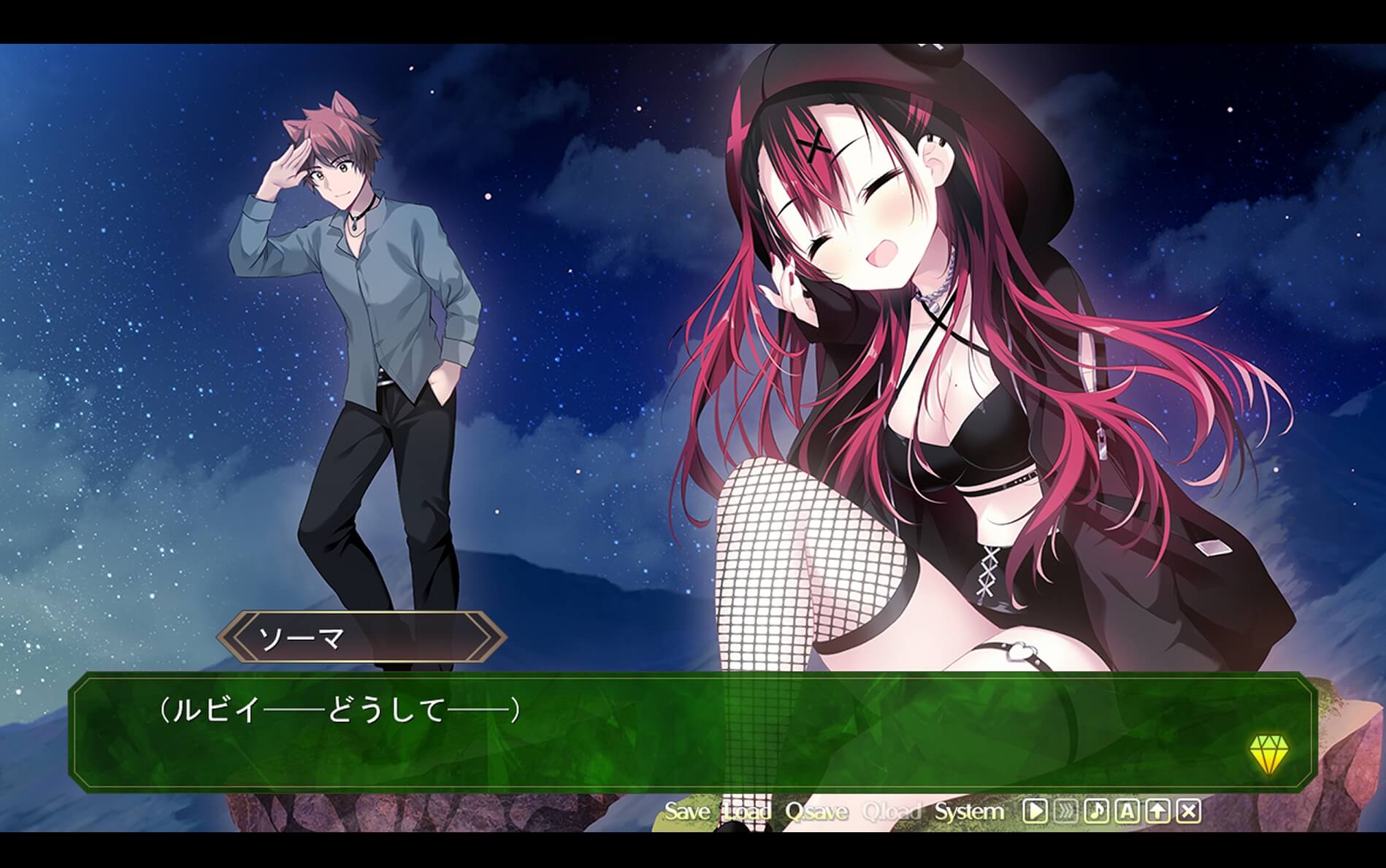
Most of the continent has already been hit by some unexplained disaster — everything suddenly turned to stone for no reason. This school is basically the last bastion. To get his hands on the stone, the protagonist joins a vanguard unit run jointly by the school and the military, heading north to meet this “Medusa” bunch. Turns out his classmate Mea, the genius girl, has defected and is controlling monsters on the front line by herself. And after fighting her for ages, they can’t win. So they talk her down — carrot and stick — and she comes back around. Mea turns out to be a test subject, a former Philosopher’s Stone holder at the school, the doctor who was refining it into a stronger will gem. Her betrayal was just that doctor pulling her strings.
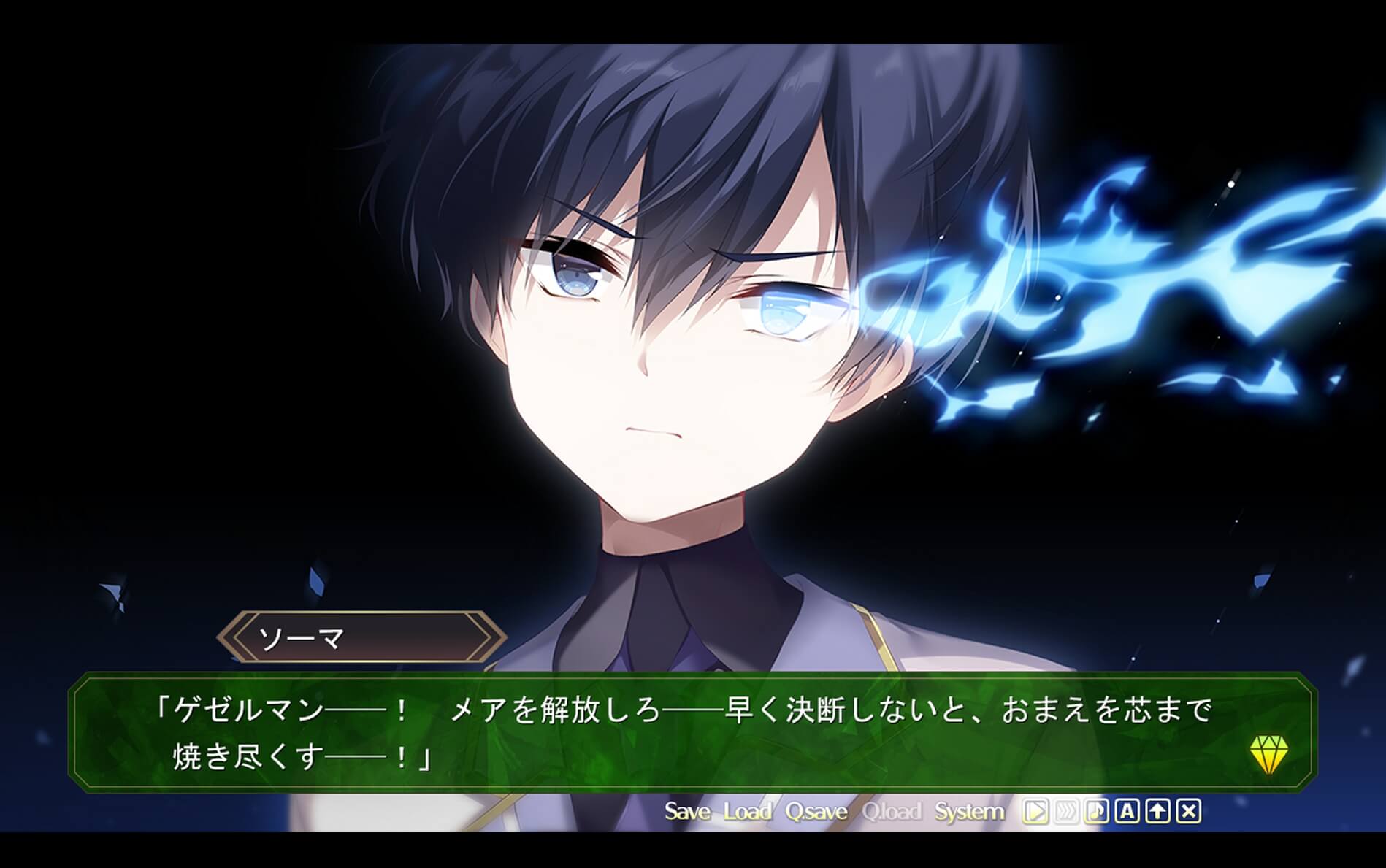
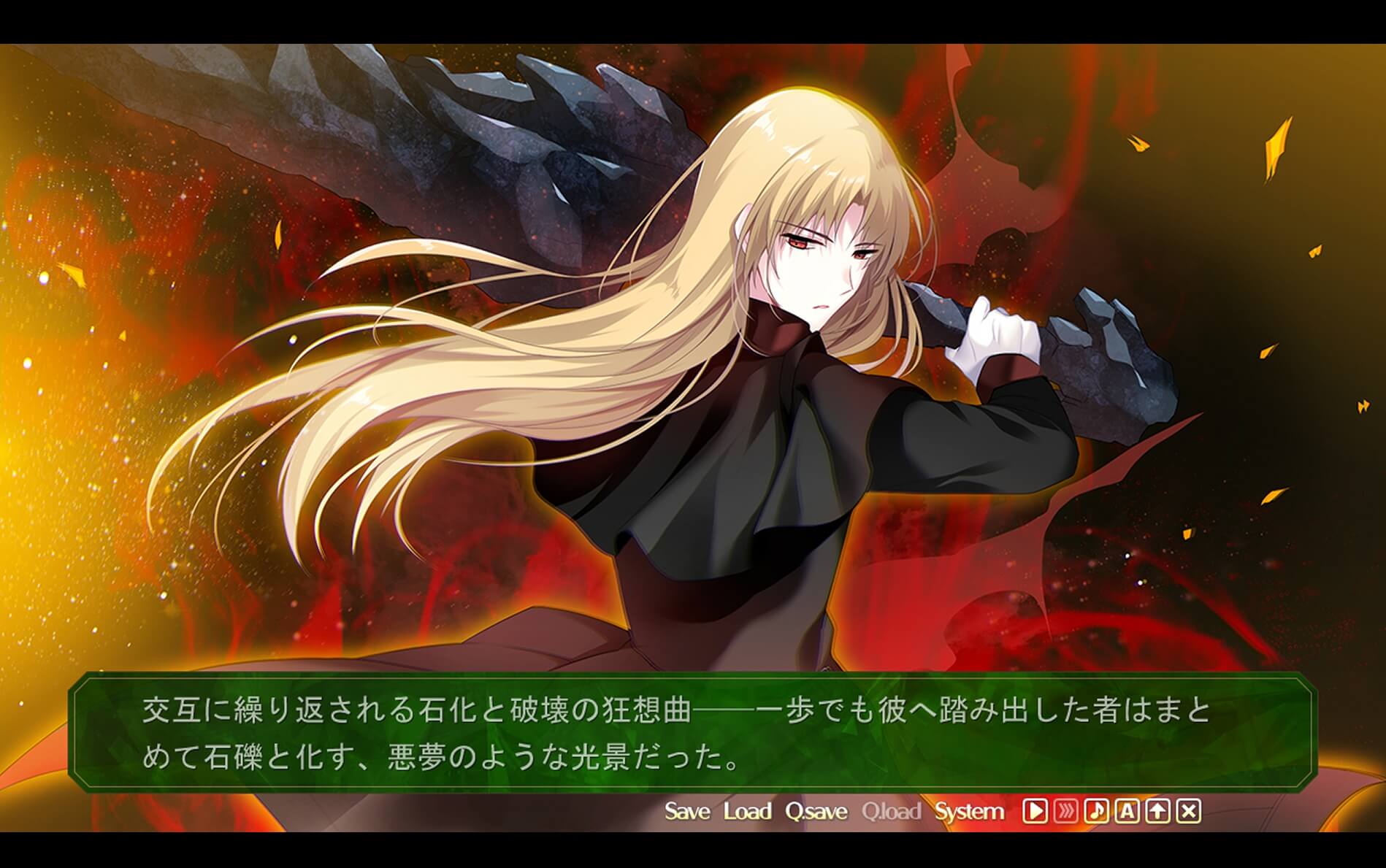
So the crew goes and beats the doctor. Mea is freed and — of course — gets a “second class change” on her own skill, unlocking a new talent. Doctor’s down, but Medusa is still terrifyingly strong. They can control monsters, and their earth-element squad is all crowd control. Blond pretty boy in particular has a move everyone will recognize: “Planetfall.” Summons a meteor from the sky, massive damage on impact, plus an AoE petrify. Terrifying, right?
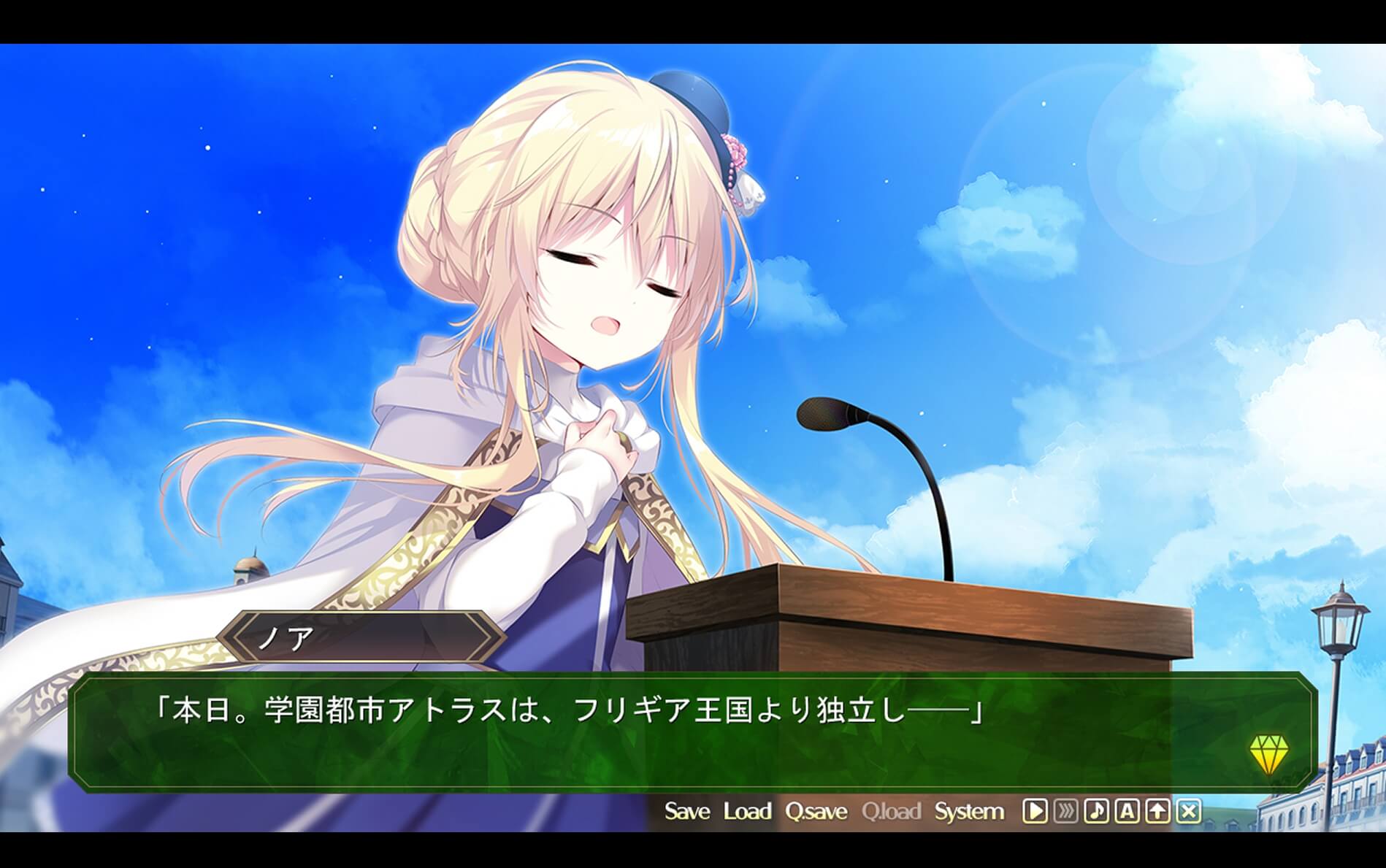
By now Medusa’s doomsday declaration is getting closer. The school thinks and thinks and comes up with nothing. Instead, the royal princess attending the school steps up and gives a spectacularly stupid proclamation: the school is declaring independence as its own nation, everyone’s equal there, no more war, make love instead.
The blond guy doesn’t care about any of that. He shows up in person and starts slaughtering everyone. The final battle begins.
The protagonist and his gang of cheat-powered teammates beat the blond guy, over and over with their hacks. But the game isn’t over — an ancient queen boss appears out of nowhere, so they use their hacks again and beat her too, and the game rolls into a happy ending.
What? The Philosopher’s Stone? Oh, right. The stone is actually the hero statue at the school. Besides creating gems, it also protects the vampires living around the school from sunlight. Oh, right — everyone at the school the protagonist infiltrated is a vampire, and he’s the human. Medusa represents a human faction. Most of the conflict in the game is racial tension between humans, beastfolk, and vampires. The second half is basically about all that racial hatred. Speaking of which, when the princess reads the independence declaration later, it goes even further into…
Fuck, this is never going to end! This is one of the things I hate most about this game: the writer’s terminal case of “foreshadowing OCD.”
Everyone knows Fuyuaki Tomu’s earlier work had some clever foreshadowing. But that can be a strength or a weakness, and in this game it sure as hell isn’t a strength. I even got the feeling Fuyuaki had started patting himself on the back over his “payoff” skills. The biggest tell: the game hides the fact that most of the “people” are actually vampires, then reveals it in the back half, hoping the player will be shocked. Most people just think it’s dumb. Honestly, the race relations in this game are written like shit and nobody wants to study them. Only the writer is proud of it, I bet.
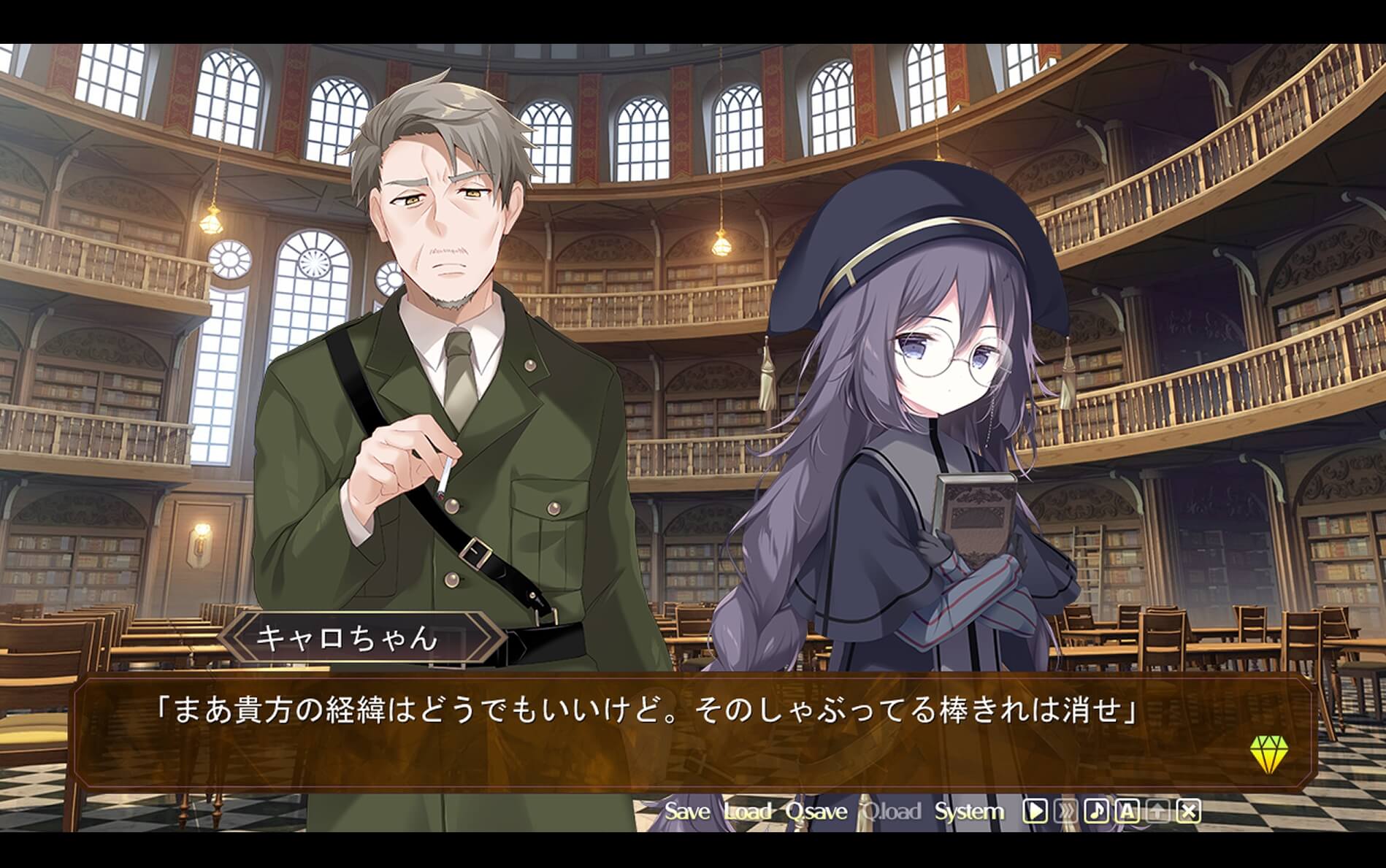
The game has all these painstakingly arranged, neatly matched “payoffs,” every hint with its corresponding meaning. But this narrative style gets ridiculous in the mid-to-late game. The protagonist’s female boss turns out to be a teacher who was already embedded at the school. And there are endless, excruciating explanations — races, gems, ancient gods, human-vampire relations. A lot of them show up in the middle of intense fight scenes, dragging down combat writing that was already rock bottom.
The fight writing is so bad that I honestly think even the combat in Whirlpool games isn’t this terrible. Every fight follows the same template: the heroes get stomped, the enemy is overwhelming, the heroes are barely alive, then some out-of-nowhere cheat flips the whole thing instantly.
Which brings me to the second thing I hate most: the brainless, repeated use of deus ex machina.
Deus ex machina usually means the plot can’t continue, so something wildly unexpected happens to keep the story going. In plain terms: “cheat subscription renewed.” And I have to be honest, this game renews the cheat subscription way too many times. So many times the cheats stop feeling valuable. So many that by the late game I never worried about the protagonist. Whatever. The cheat will handle it.
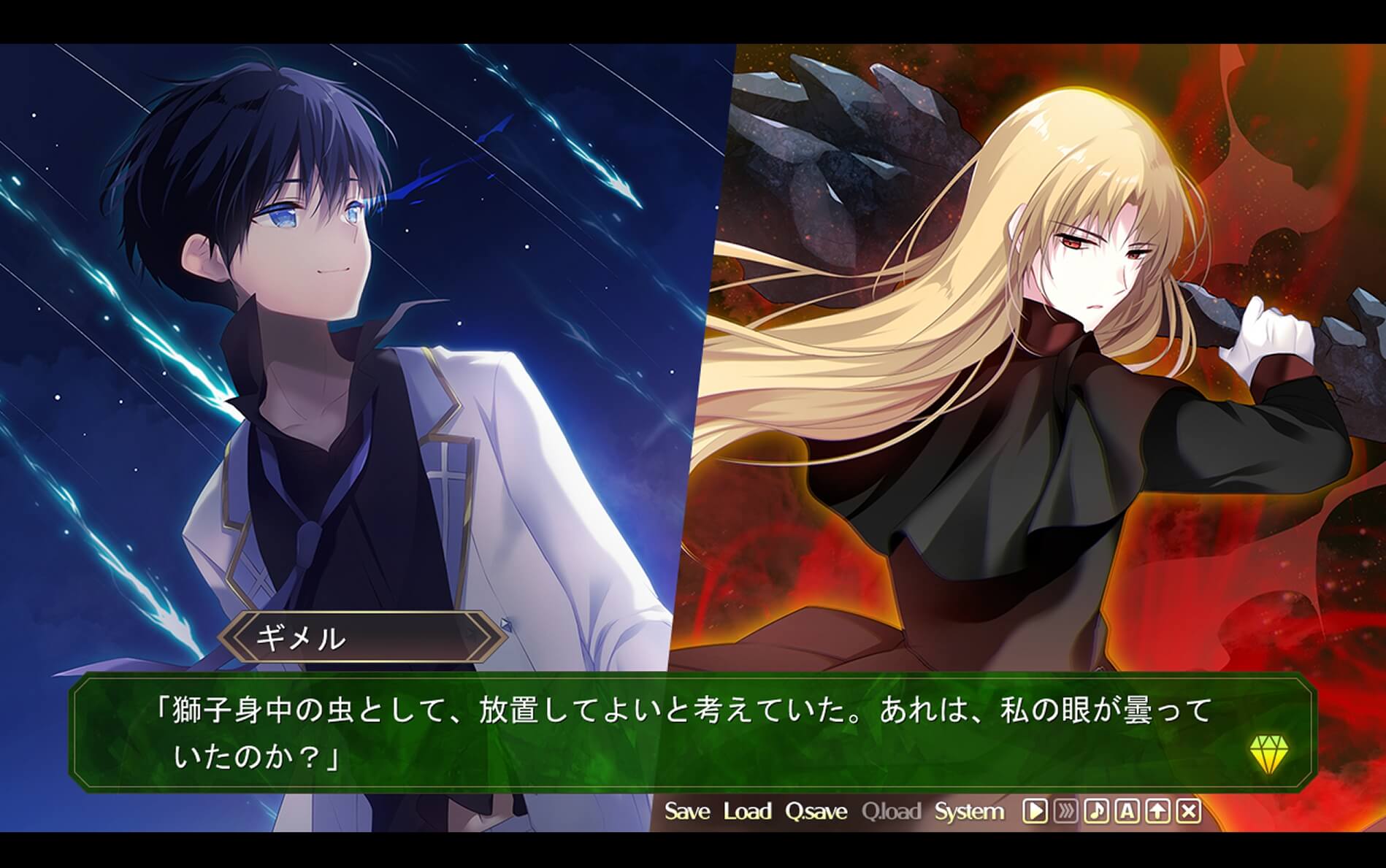
The game spends enormous amounts of text explaining how rare certain things are. A “will gem” can “change color” — extremely rare. “Inheritance,” “evolution” — rare, once in a thousand years… Yeah, you guessed it. Every single one of these “extremely rare” phenomena shows up in the protagonist’s party. Every time they’re cornered, the cheat renews right on cue, and the boss’s advantage flips in an instant. Once or twice is fine… this many times, I’m numb.
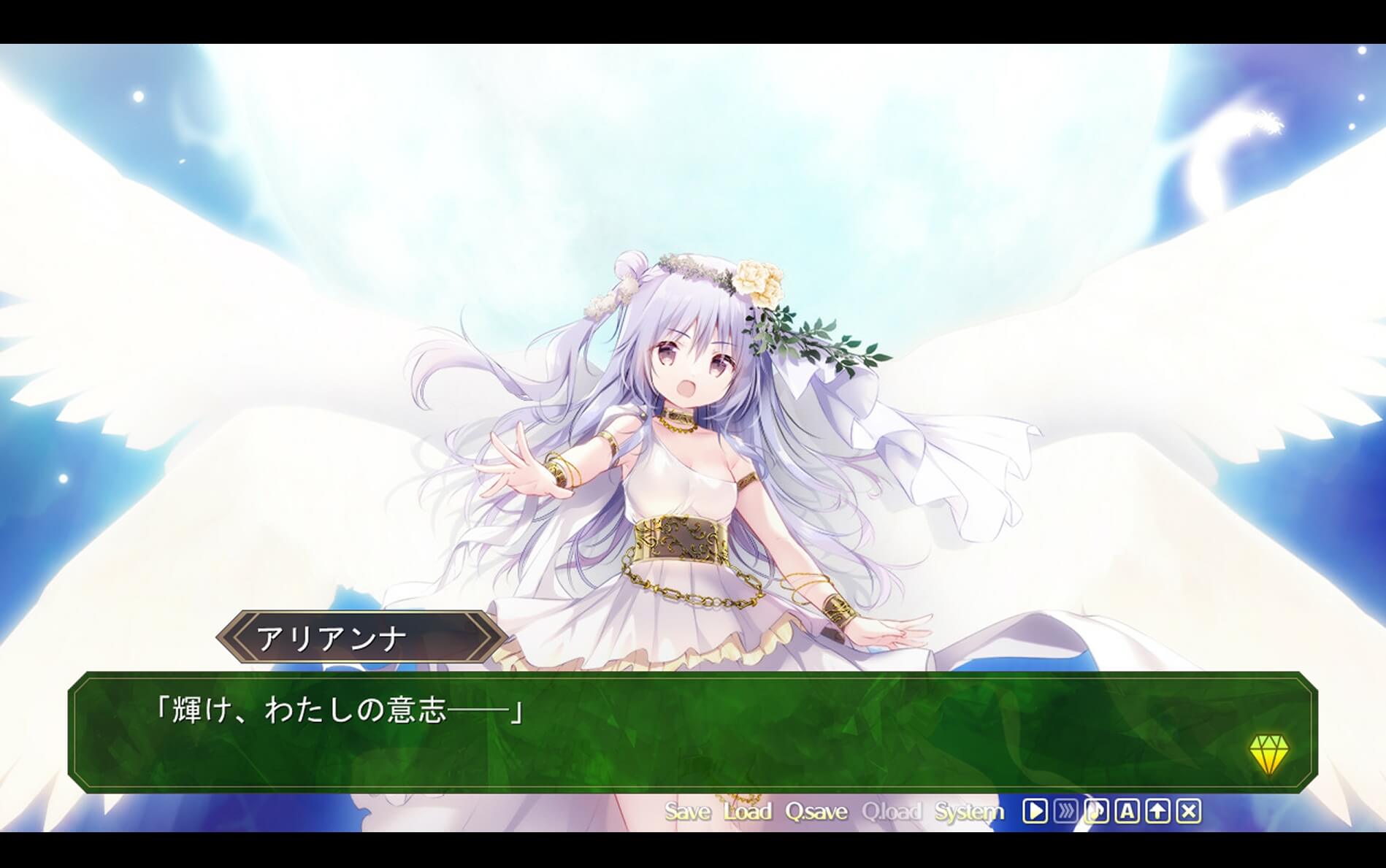
Honestly numb. When the main heroine suddenly turns into an angel at the end, I felt nothing. I almost laughed. I was expecting her to turn into Jesus.
Some people say Jewelry Hearts Academia is Fuyuaki Tomu’s worst game. I don’t think it’s that bad — Phi on the Fate Line is still there to bottom out the ranking. At least here we get to watch ShiraTama, the lead artist, carry the whole thing on his back and make it less awful.
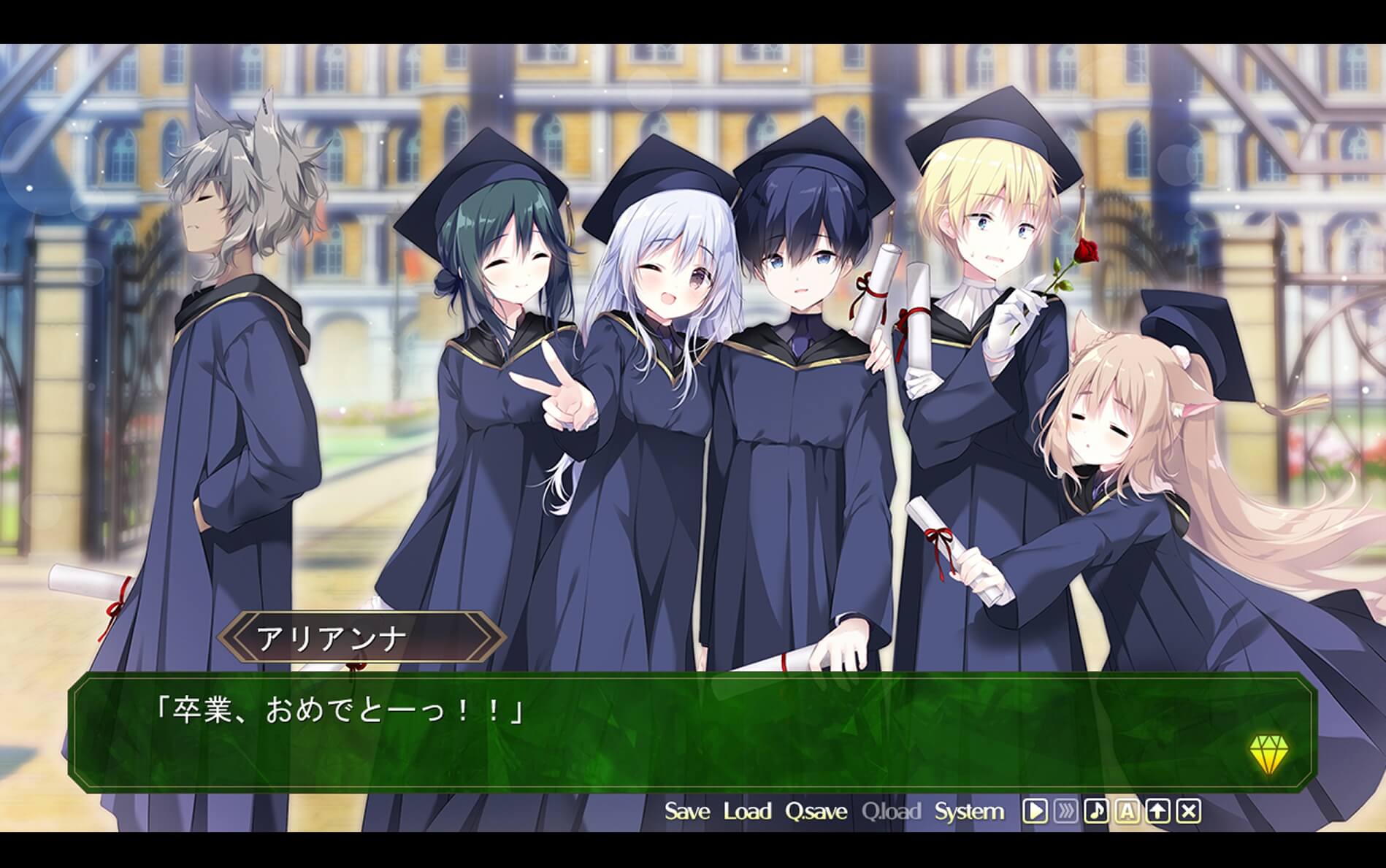
I can feel Fuyuaki’s determination to write a good story. He flat-out dropped the romance in this one — if you want to see the porn you have to hunt for it in the menu after clearing the game — all so you’d be immersed in the story. But frankly, this story is very hard to get immersed in. The endless fights, the spectacularly dumb pure-text exposition, the convoluted lore bible stuffed with katakana — all deterrents.
What I hate most, though, is the “every hint must be paid off” and the “free cheat deus ex machina.” Not every question in this world has an answer, and not every boss has to be defeated. Why cling to that? A mind that can’t open up can’t write a good story.
Comments are hosted on the Chinese main site. This mirror is read-only.