Tenshi Souzou (天使騒々) Review
Yuzusoft: Doubts, Criticism, Understanding, and Praise
Anyone familiar with my past blog posts knows I’m not exactly a Yuzusoft hater, but I’m definitely not a fanboy either.
I’ve always kept a measuredly critical stance toward Yuzusoft’s (ゆずソフト) past works. With Sora-iro I called them moege; with Witch I said they needed to get serious; with Senren * Banka I said they were too formulaic; by Riddle Joker and that all-ages title whose name I can’t even remember I was already mocking them as washed up; and by Shinigami no Butterfly I was flat-out saying they’d crashed and burned.
So yeah, my feelings on Yuzusoft are pretty negative across the board. Even if deep down I think they’re already better than their peers, they never quite hit that point I’m looking for, never triggered any real desire in me to praise them.
Fast forward to 2023: Yuzusoft is still alive, still putting out a new game every 1–2 years. This one’s called Tenshi Souzou (天使騒々). Honestly, the name is terrible, gives off major Tenshi Ranman vibes. And after reading the game’s synopsis, I pretty much assumed this was Yuzusoft returning to their roots — by lying flat on their face.
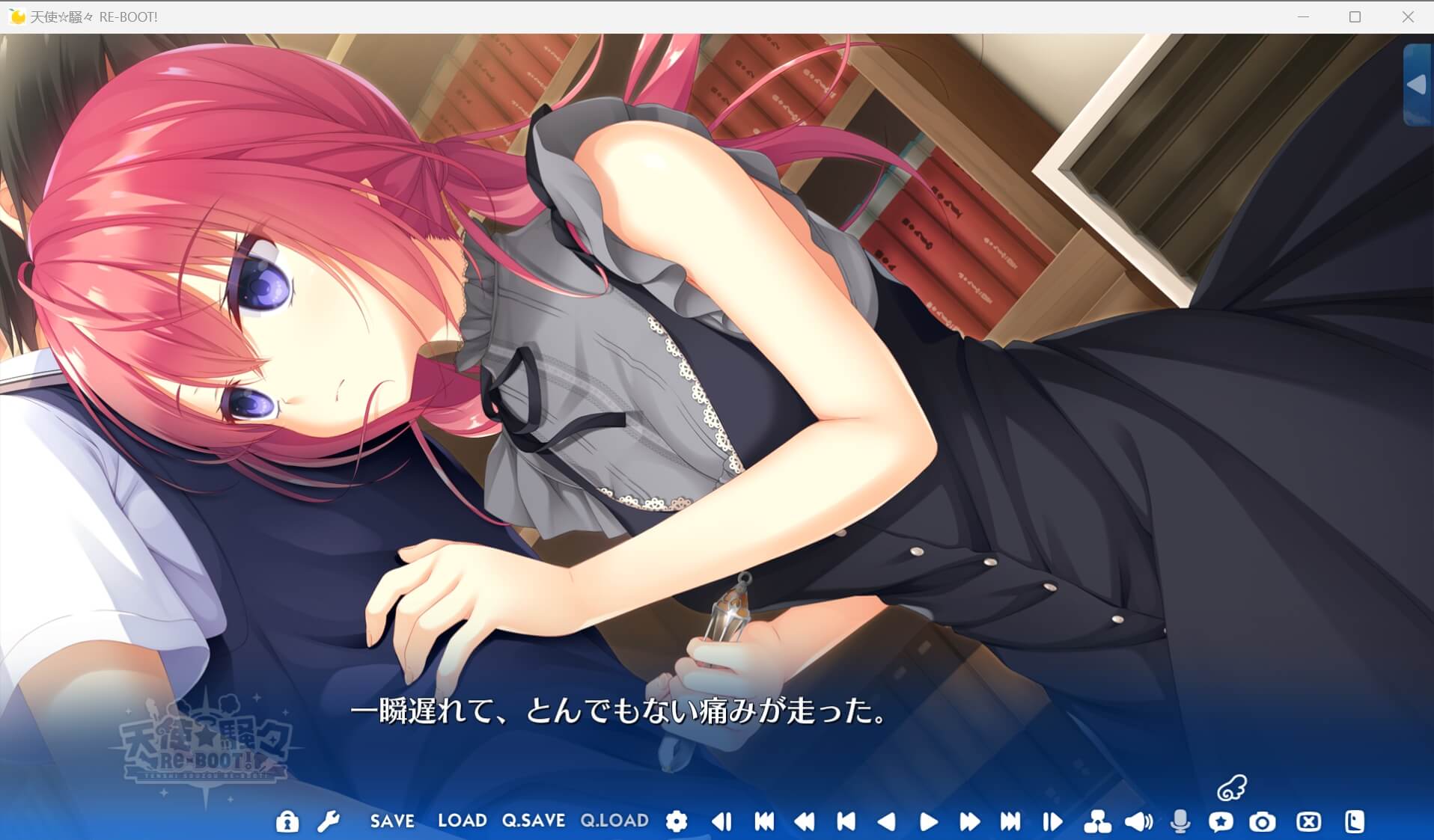
Yeah, Yuzusoft really is done for. And frankly, the game itself is pretty done for too. But after playing it, my view of Yuzusoft shifted. I actually think they’re a seriously formidable company.
Let’s start with the game itself. Tenshi Souzou has a pretty simple plot. The protagonist is still that traditional “looks completely ordinary” type, except his past life was a Demon King in another world.
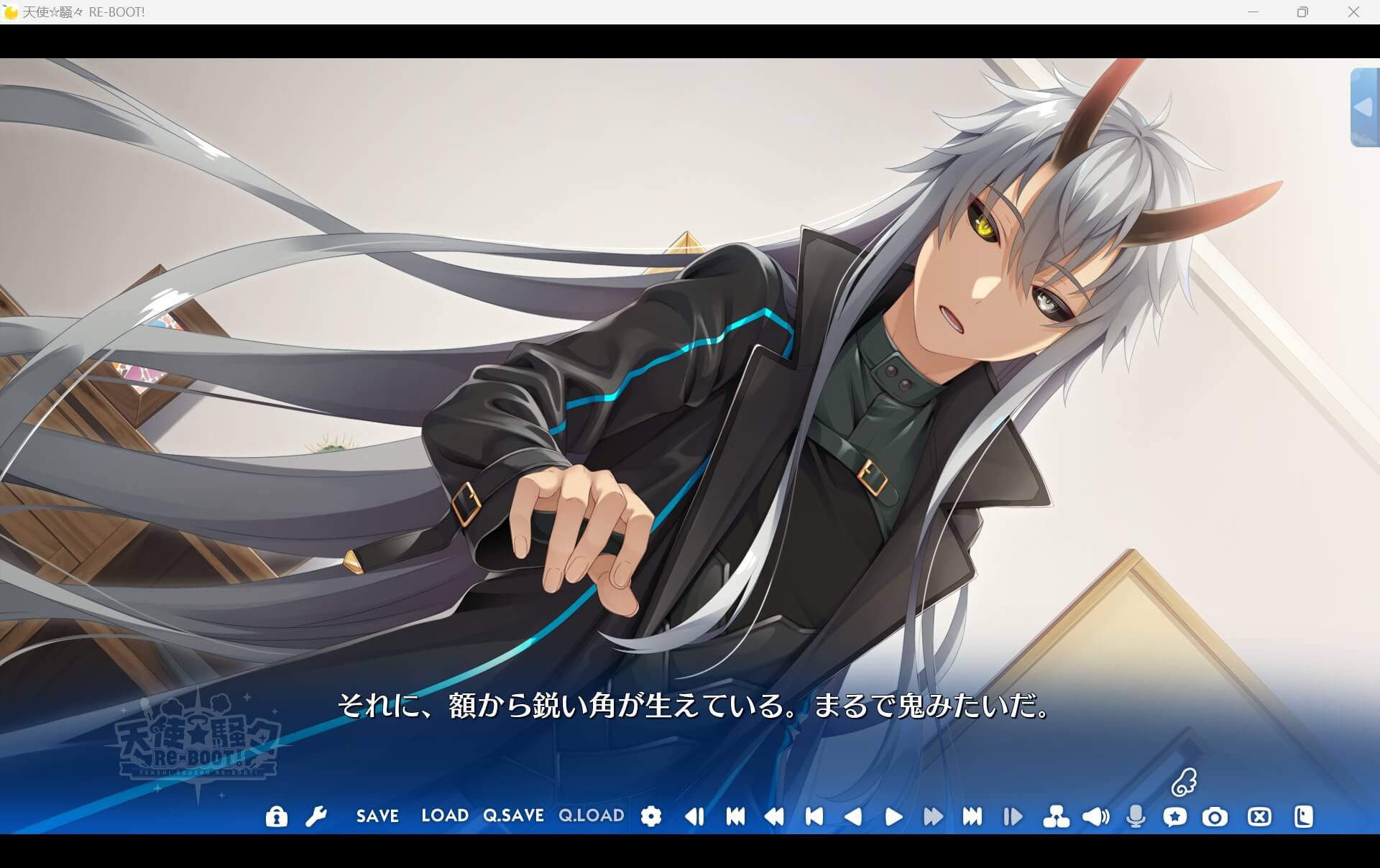
To further follow Protagonist Law, everyone close to him was also someone from that other world in a past life, all tangled up in messy relationships with the Demon King. The little sister used to be a vampire serving the Demon King; his classmate Kurumi was his strategist; even the childhood-friend teacher was a prostitute connected to the Demon King…
Since the protagonist’s past life was the Demon King, he still carries some of that power in his current incarnation. Sometimes it awakens and attracts the attention of random cats and dogs. Just as he’s about to face all sorts of crises, he discovers his dick suddenly won’t clock in for work anymore. Then an angel girl descends, named “Yukino,” claiming she’s come to save the Demon King.
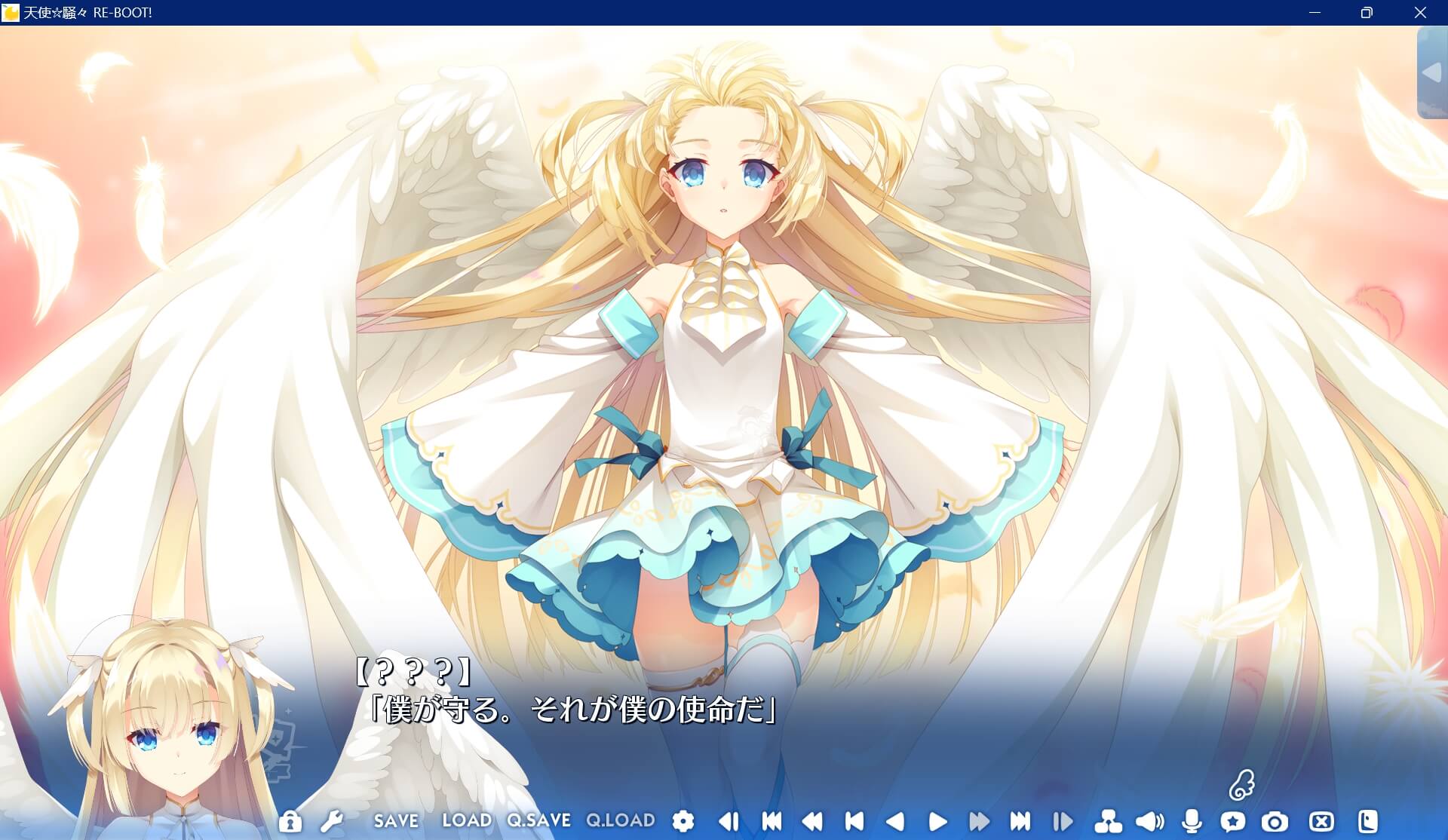
When the protagonist asks the angel for help with his dick-not-working problem, she doesn’t have a clear answer either.
For a man, a dick that won’t get hard is basically a disqualification from manhood — same as a troon gobbling down estradiol, progesterone, and Utrogestan; you can’t call that a man anymore.
So the protagonist spends a good while depressed about this. Meanwhile, new crises keep popping up: mysterious people manipulating those around him to assassinate him, and seemingly someone from the other world constantly manipulating girls close to him to breed with him, trying to birth his child. And in the middle of all this, his dick suddenly starts working again.
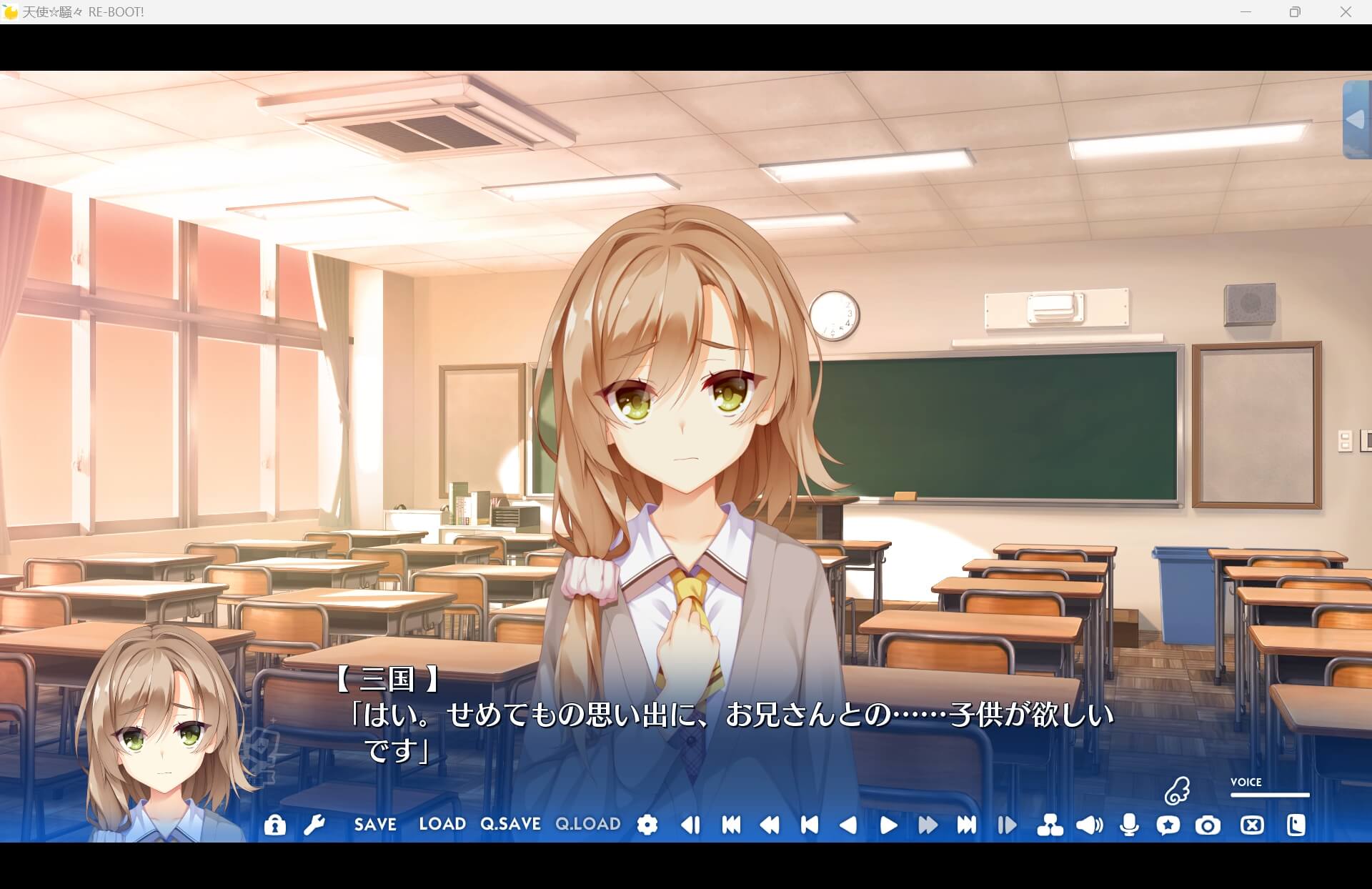
Honestly, I thought the story could’ve ended right there as a Happy End. The guy was impotent, now he’s rock hard and can make babies — problem solved, right? Plus that three-kingdoms girl who throws herself at him is gorgeous, better looking than all the main heroines. I was losing my composure, her practical value was off the charts.
But no, this time Yuzusoft teaches you how to play the game: you can’t pick the three-kingdoms girl. If you do, it’s a Bad End.
So our protagonist has to sit there resisting temptation like a monk, until a Sendai auntie from the other world—oops, I mean the otherworldly demon girl Kaguya—shows up just in time to stop the scheme.
Since someone from the other world has arrived, everything gets explained.

The protagonist is the Demon King’s reincarnation. He’s lost his past memories and been dropped somewhere that isn’t the demon realm, but he still has fairly powerful magic. Someone in the parallel-world demon realm still covets that power and wants to obtain it through breeding or assassination, then go back and dominate the demon realm… blah blah blah…
As for the impotence, it might be related to magic, or it might just be the past Demon King’s will. To get it working again, he either needs to learn to control his magic or break free from the past Demon King’s shadow and live as an ordinary person here.
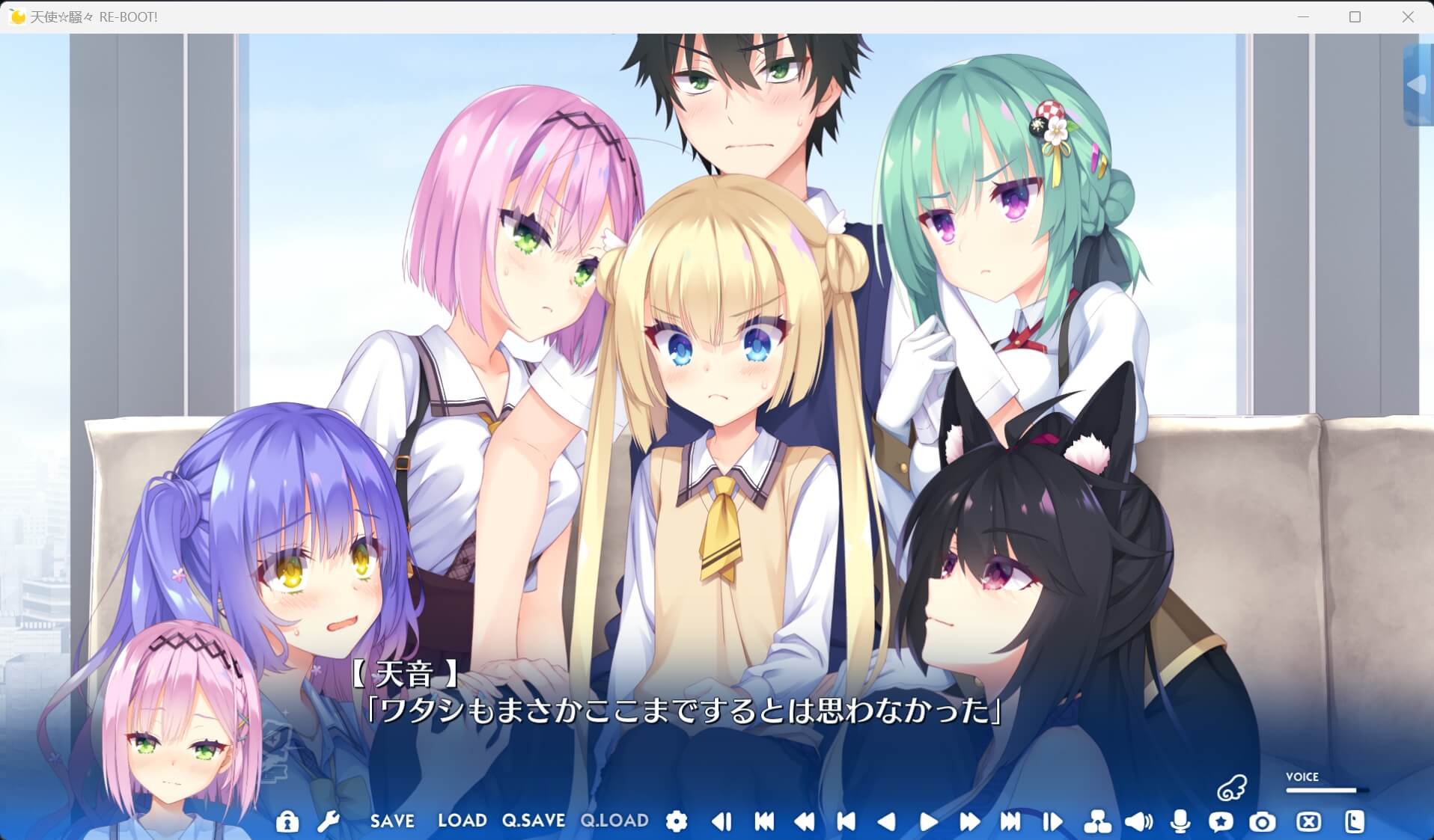
Thus the main quest “How to Get the Protagonist’s Dick Working Again” unlocks, accompanied by slice-of-life filler, branching into various heroine routes.
But every route can be split into two parts: the standard romance with the protagonist, and the unraveling of the Demon King’s past-life story.
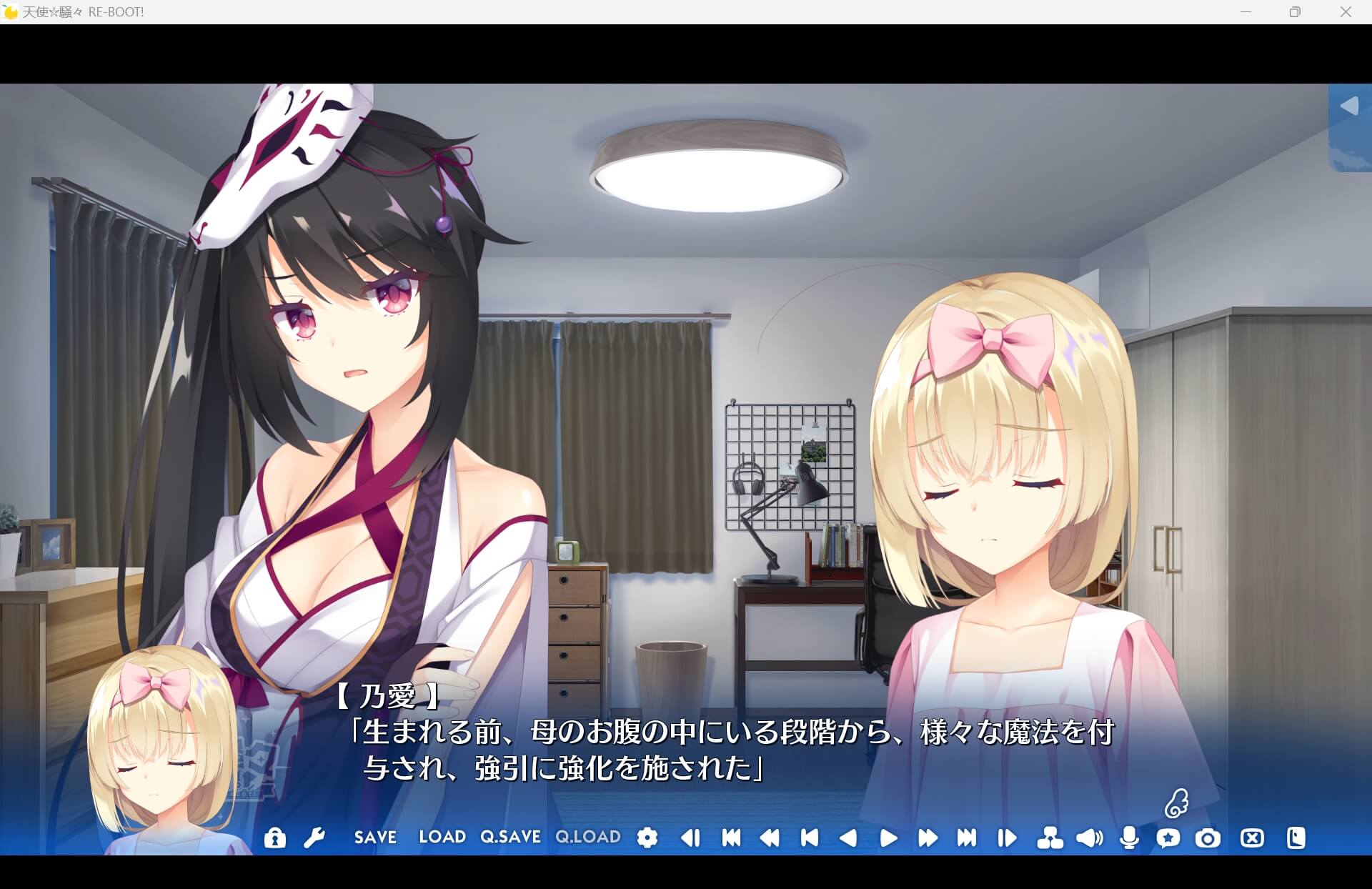
The sister route is straightforward. Her past life was a vampire close to the Demon King, so she inherited those feelings and developed them for her brother. Eventually, with the vampire’s guidance, she realizes those feelings aren’t causally linked to the past life—meaning even without that influence, she’d still love her brother…
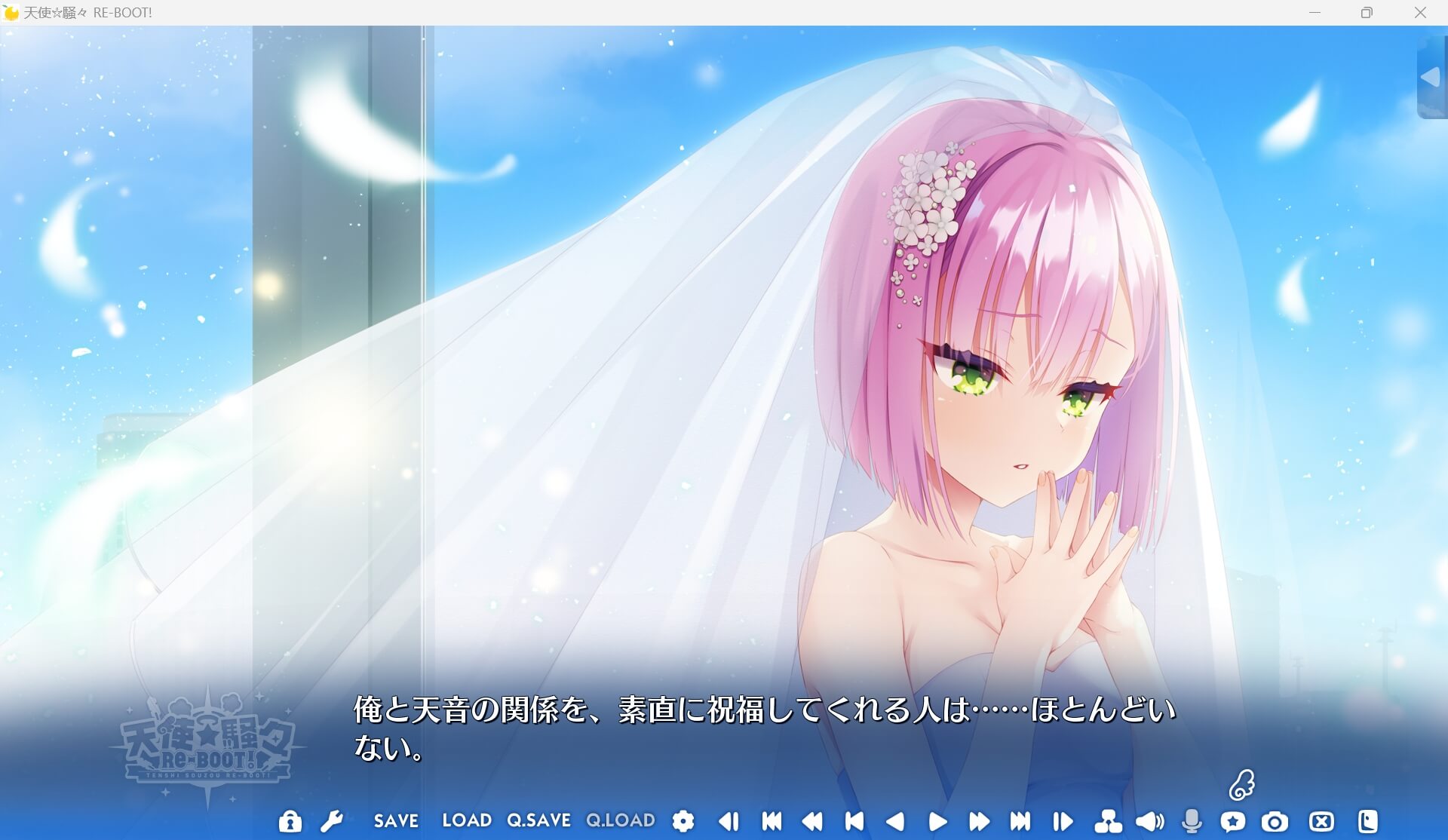
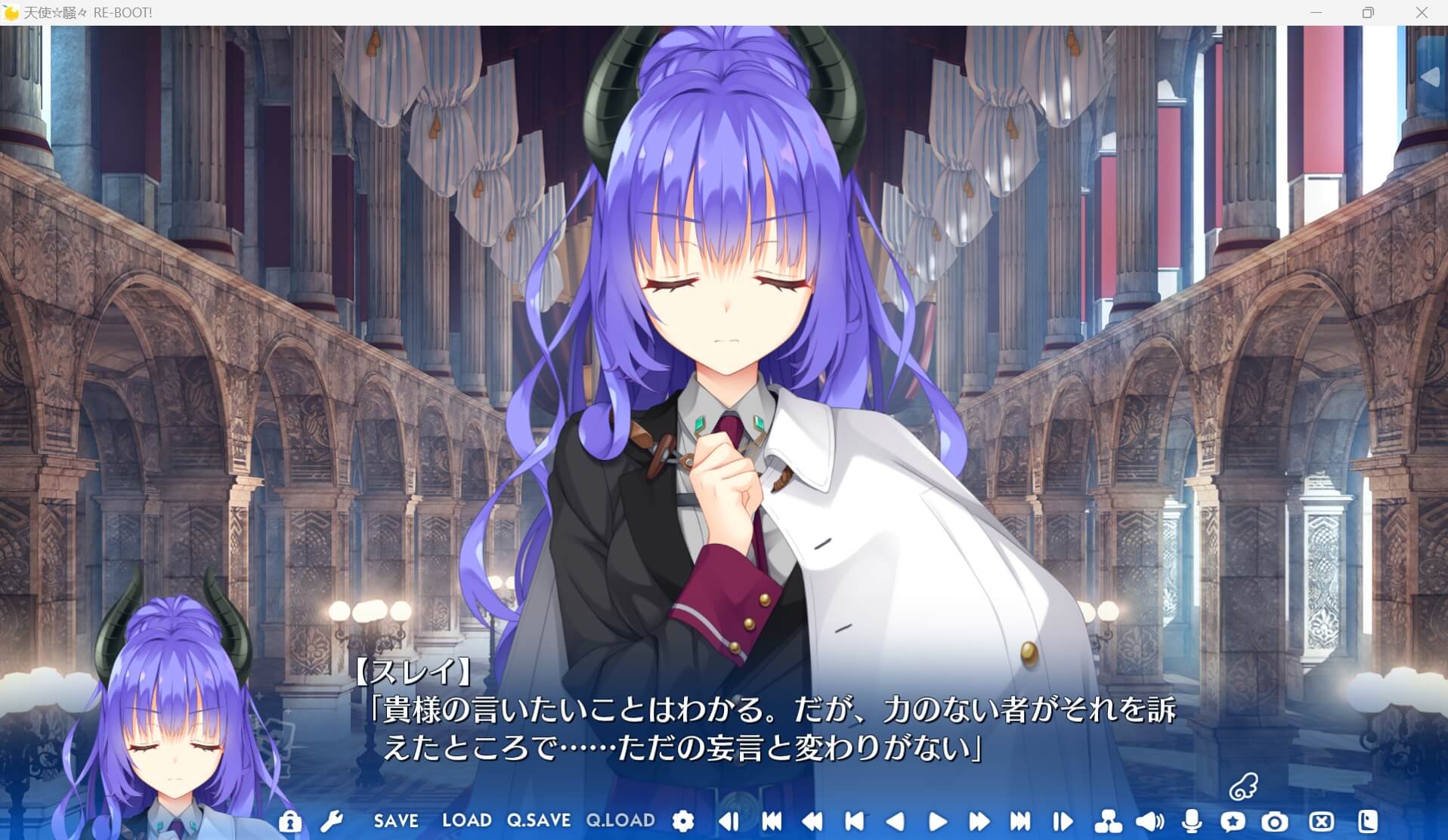
Kurumi’s route reveals more about the Demon King. He once held absolute rule over the demons in the other world and waged a long war against humans. Tired of it all, he wanted to end everything, but the “Demon King” image had already been built into that of an irredeemable war maniac. Even begging for peace would end with him quartered and displayed on a city wall, possibly dragging the entire demon race down with him. To save his people, he summoned his strategist Slei—Kurumi’s past life—told Slei his goal and plan, and asked Slei to lead a rebellion against him. He’d take all the blame and die by the people’s blades, saving the demons and buying peace with his death. Slei obeyed. To outsiders, the Demon King lost his allies and was betrayed by his own, dying a deservedly miserable death. Only Slei knew the truth—and Slei chose to take his own life and follow the Demon King.
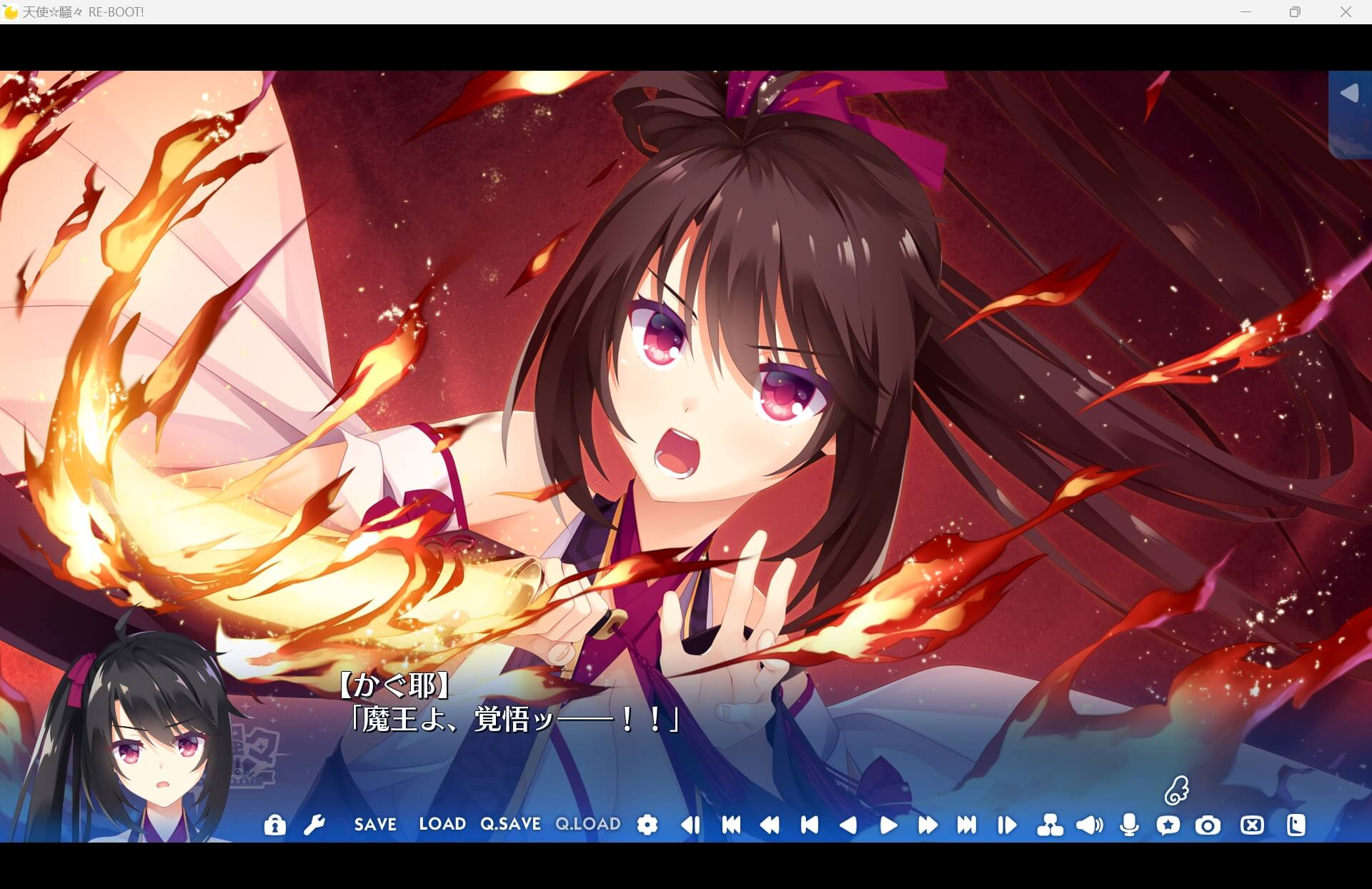
Kaguya’s demon-realm story has nothing to do with the Demon King anymore. Her world is the peaceful demon realm after his death. As the demon princess, she’s been fighting her brother over the throne. To secure his position, her brother sent people across worlds to find the Demon King’s reincarnation and seize his magic. Kaguya crossed over to stop him. (She claims she came to investigate abnormal magic fluctuations, but do you buy that?) In the end, Kaguya catches her brother using the Demon King’s power to plot against her, returns to the other world, topples her political enemy, and takes the throne. As for romancing the Demon King—that’s just a side thing. I don’t believe a demon princess doesn’t have male concubines (lol).
The true heroine’s route—the angel—honestly left me confused. According to earlier info, the Demon King was brought down by his own strategist Slei’s rebellion. But the angel was a mysterious “valkyrie” in her past life. She appeared out of nowhere, had superhuman physical ability, and single-handedly killed the Demon King. Then this legendary warrior vanished and soon died, reincarnating as an angel.
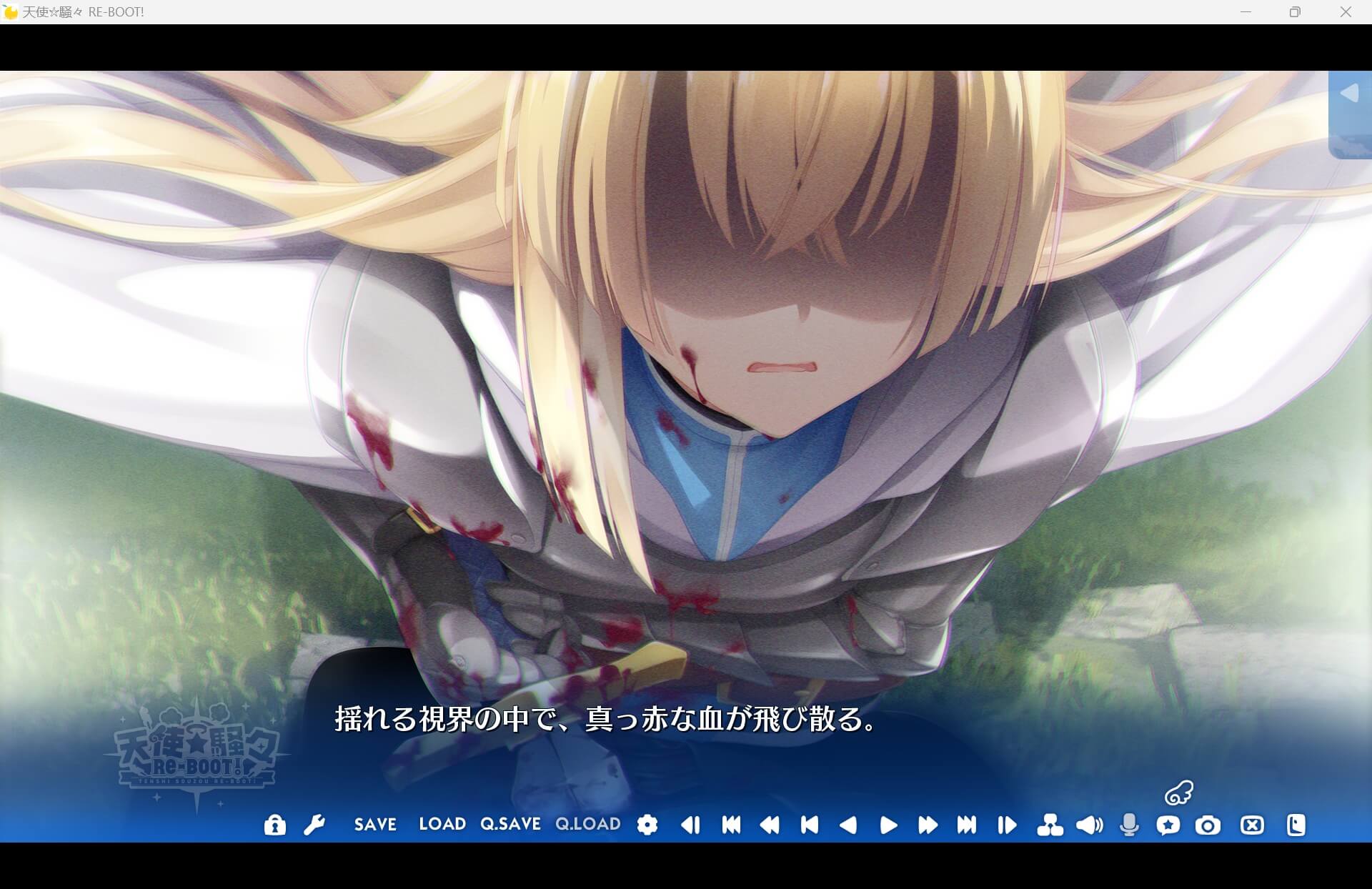
Actually, the “valkyrie” was a monster created by a group of researchers. They pumped her full of magic from childhood to build a powerful fighter for the sole purpose of killing the Demon King. That’s why she grew fast and died fast. Her short life earned her pity, and she reincarnated as an angel to be with the Demon King and save him. But the people in the other world who created the valkyrie weren’t done—they kept at it. In the end, the reincarnated valkyrie—the angel—opens a portal to the other world and intimidates them into stopping research on artificial human monsters like the valkyrie. And because she fell in love with the Demon King, the angel loses her angel powers and even absorbs his demonic energy to become a fallen angel. But their union earns them the right to a happy life as mortals, so who cares.

As for the bonus pie-face teacher route and the Taguchi Hiroko route, they’re just straightforward romance. Nothing much to say.
Overall, Tenshi Souzou’s story is much better than Shinigami no Butterfly. At least it tells a complete story—Shinigami no Butterfly felt like a forced, botched ending.
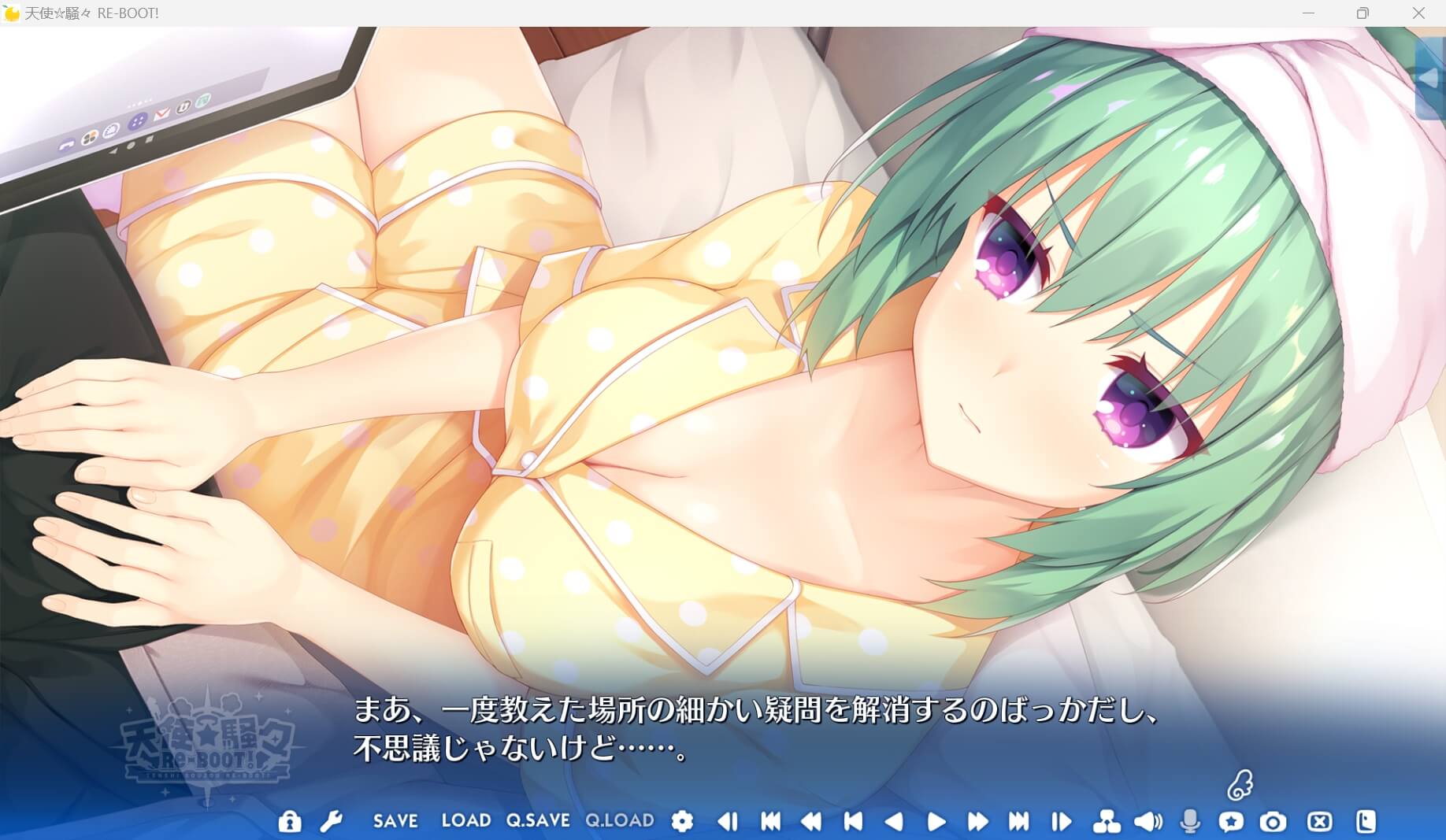
But Tenshi Souzou still falls short in narrative compared to earlier works, especially Yuzusoft’s best-narrative title, Senren * Banka. Tenshi Souzou uses a description template common in today’s mainstream gacha games: daily romance as the main line, with fragmented background stories mixed in. This approach shows up in all sorts of anime games, even some competition-focused titles that don’t care much about story—like Overwatch, which is dead in mainland China and about to die globally, or Honor of Kings, which is already fading there.
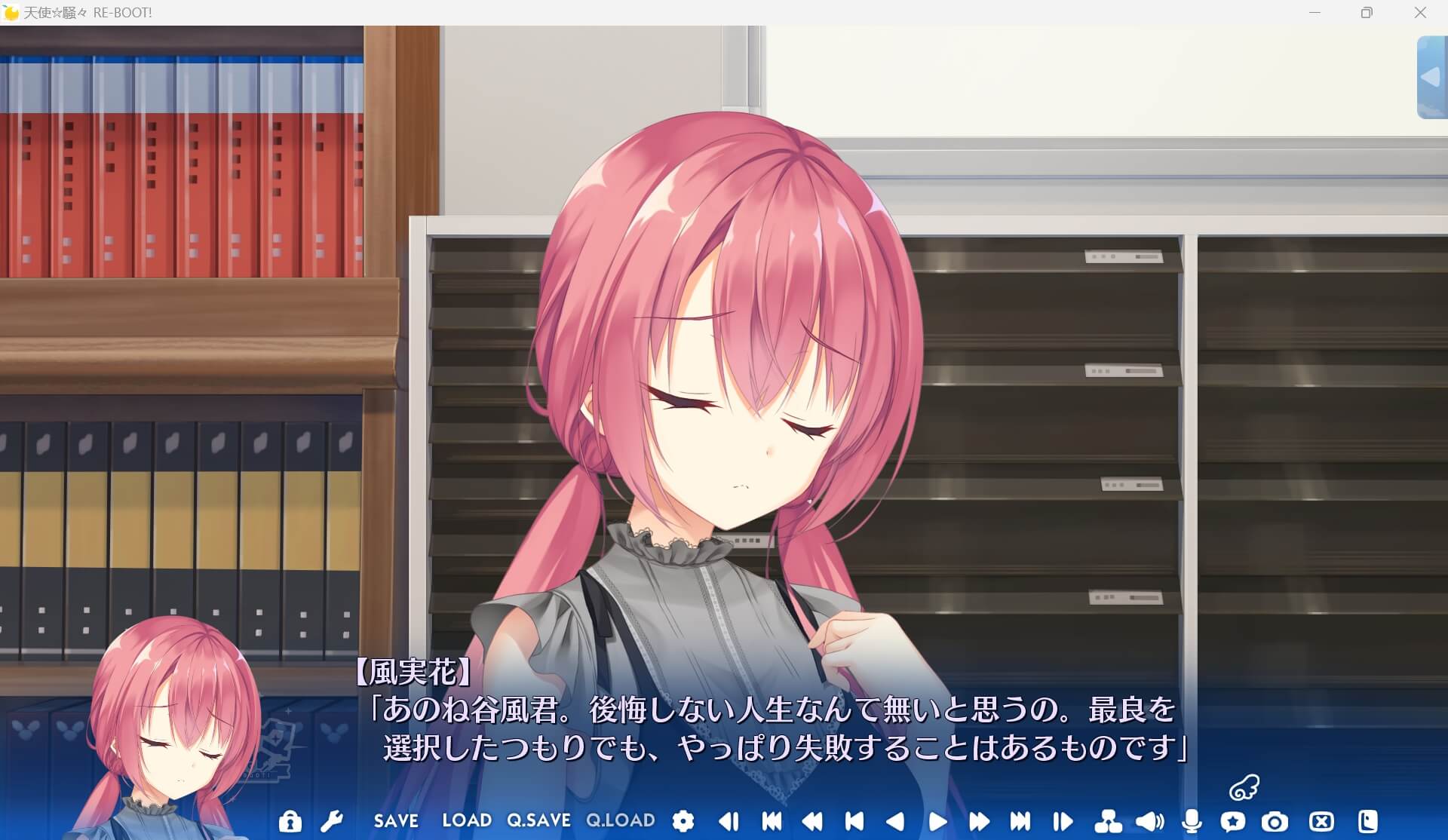
This narrative method is a compromise. It can satisfy two types of users to some extent. In Tenshi Souzou, if you just want romance, you can focus entirely on the route’s romantic parts—they’re not short at all, with plenty of date scenes. If you want some “grand narrative,” you can piece together the shadow of a Demon King who “bore all sins for peace” from the past-life flashbacks in each route…
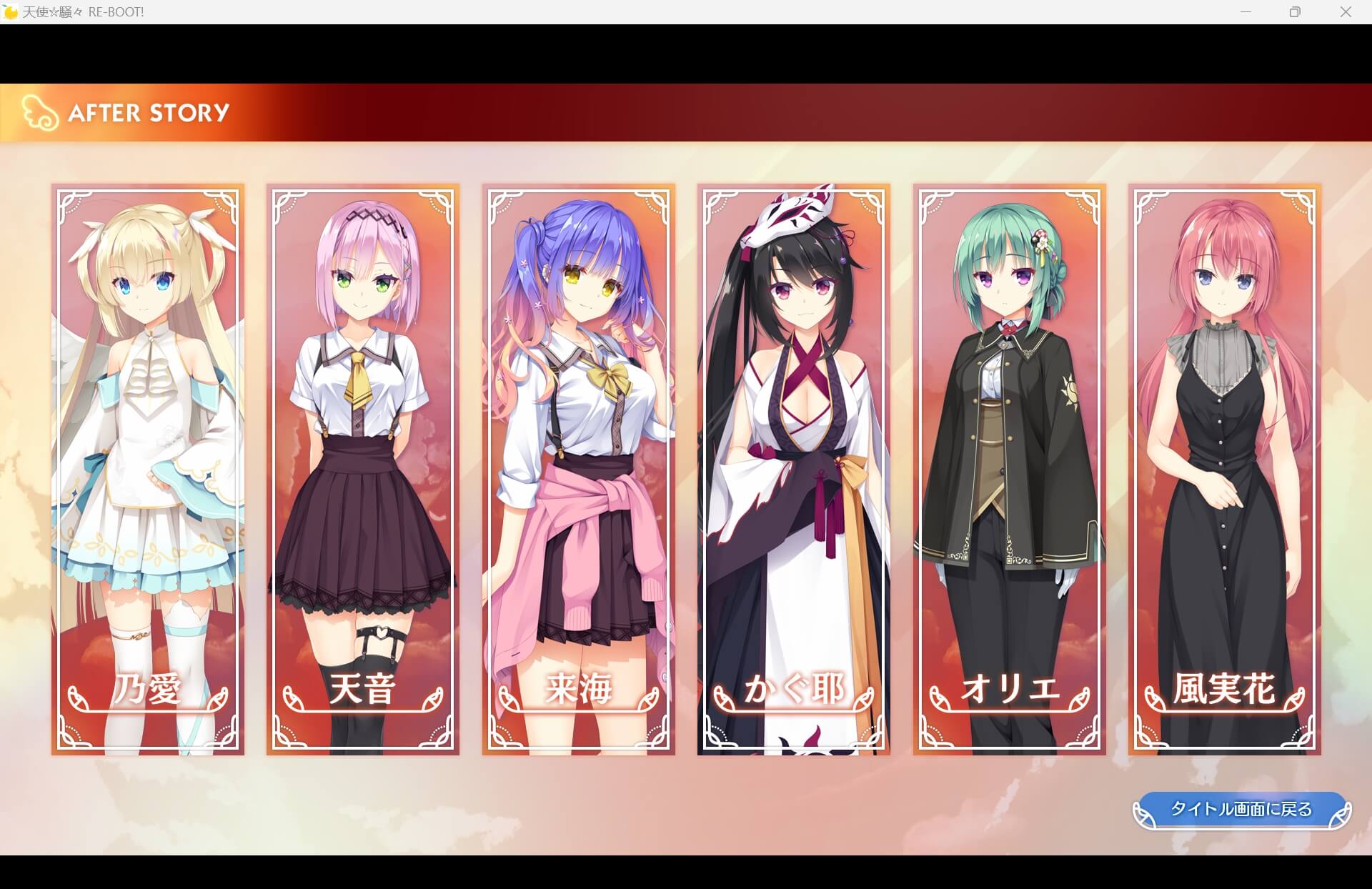
But that’s the ideal. Tenshi Souzou is just a text-focused visual novel. It’s not Genshin Impact’s Dragonspine, not Overwatch’s hero lore. It doesn’t have daily interactive gameplay to keep players who don’t care about background story going. Text games trying this stuff feels off—stuck in a neither-here-nor-there limbo. Romance fans find the Demon King flashbacks disruptive; narrative fans find the daily romance too long. The result is a big “disconnect,” with nothing like “exploration” or “combat” to fuse these two unrelated text streams together.
Still, Tenshi Souzou is the first time I’ve seen a visual novel willing to try this narrative mode. Earlier games had “mid-route dream flashback cryptic” structures, but those were setups for later twists. Tenshi Souzou is different—it’s not setting anything up. There’s no final battle; even Slei’s suicide is just one line. It just wants to give you a romance story. The demon-realm past is just there to satisfy players who dig deeper.
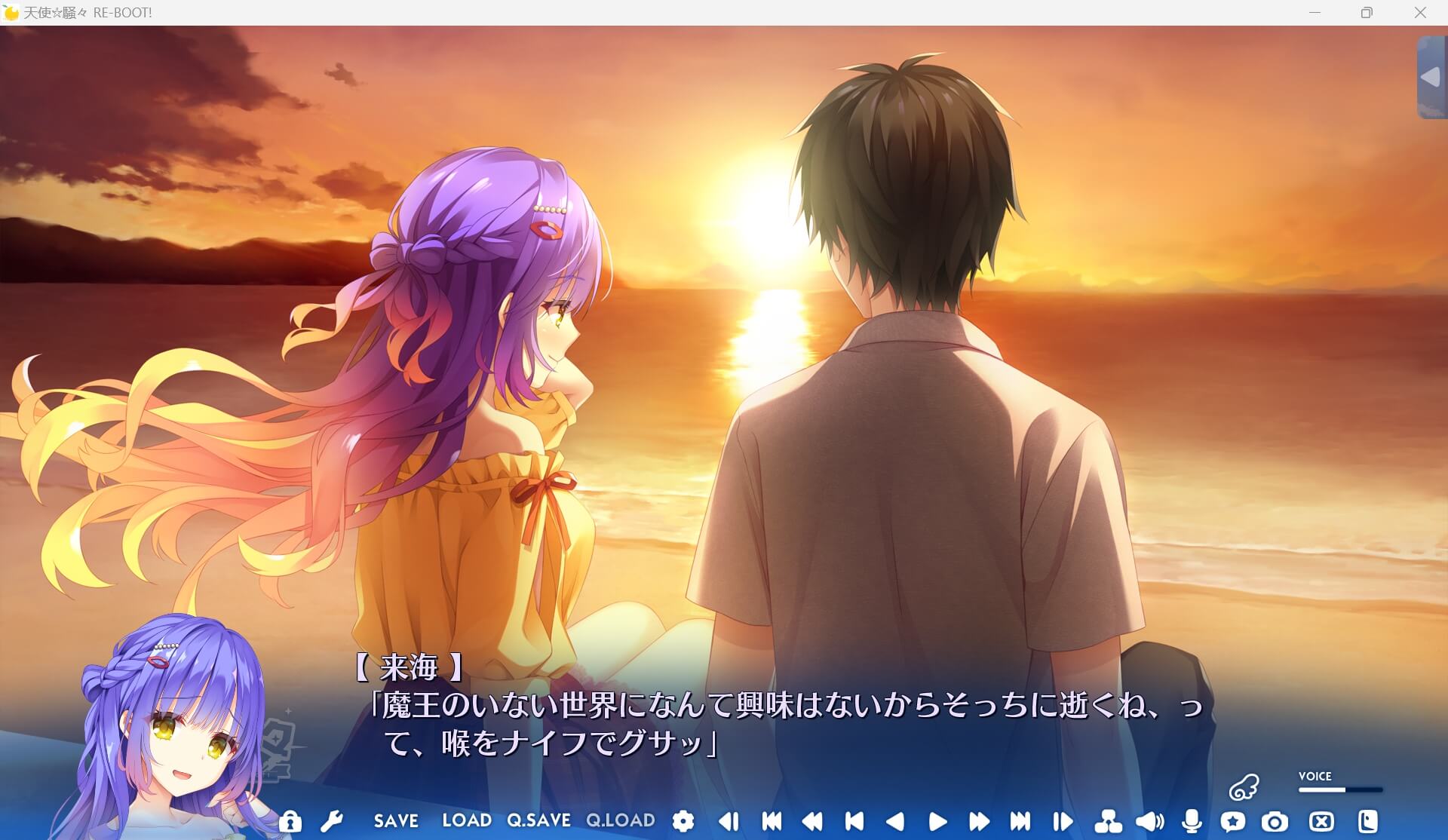
Setting story aside, Tenshi Souzou is maxed out on production. As a 2023 game, high-resolution support is basic. The game also offers full native support for various input devices: keyboard, mouse, touchscreen, even gamepad…
Many visual novels that slap a green check on Steam Deck don’t have native gamepad support. Tenshi Souzou managing this is no small feat—it’s fully ready for console ports.
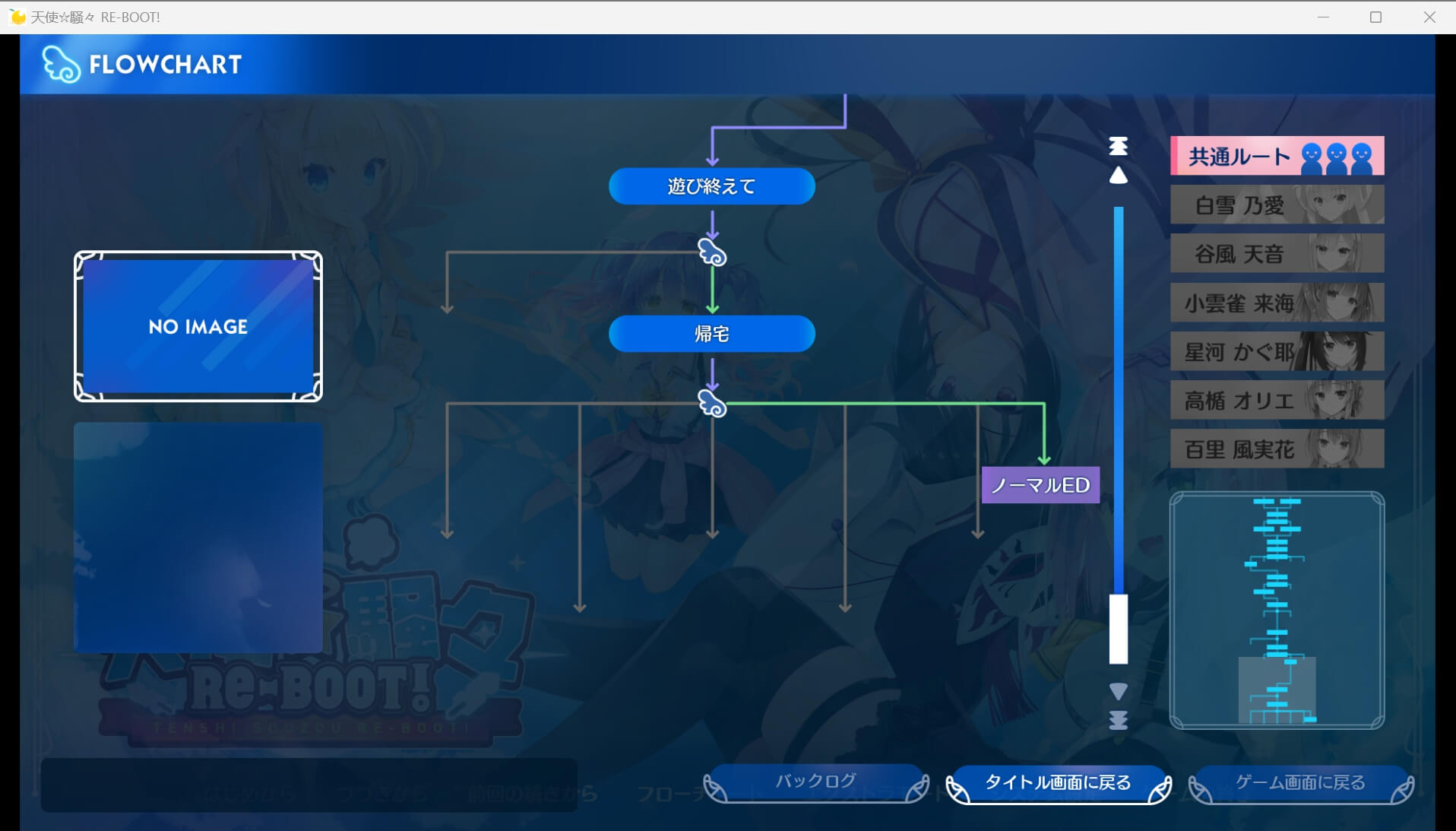
Also, Tenshi Souzou’s Flowchart feature has been further optimized, adding color-coding for different characters. While playing, I barely had to think about “saving at choice points.” I could just look at the Flowchart to see where a route diverges. I never touched a guide, just tried things myself—it even felt a little “gamey.”
The most noteworthy thing: Tenshi Souzou does something with the in-game phone chat interface that genuinely shocked me. When characters send images to each other in chats, the player can click to enlarge them.
Holy shit, how intuitive is that? Hard to believe we had to wait until 2023 to see this feature implemented. When I clicked on the lewd pic my sister sent in the in-game phone chat and it expanded, the shock was on par with discovering you can sit on chairs in a 3A open-world game. This is a paradigm shift.
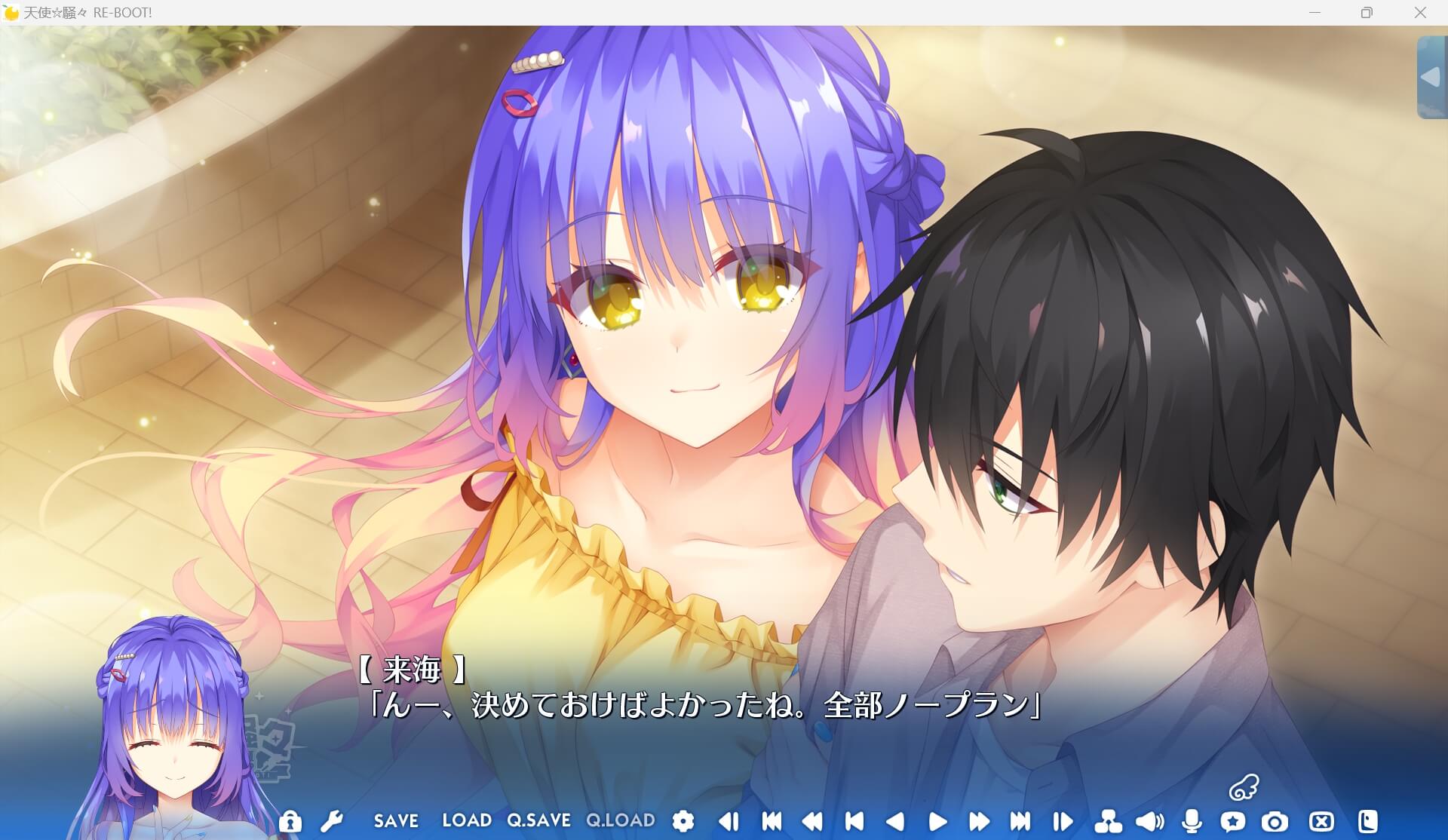
All that said, Tenshi Souzou is a visual novel I found particularly comfortable to play in recent years. Maybe I’ve just played too many of these games, or maybe my tastes have changed. Now I don’t judge a visual novel solely on “story” or “a certain segment of story”—I care more about the total experience.
For example, we’ve all heard of visual novel “masterpieces,” but those often have fatal flaws. The most obvious is bad system design: either tons of choices with no “jump to next choice” function, or agonizingly slow skip speeds, with no clear separation between routes. Finish route A, want to try B? You might have to skip for half an hour, hunting through fragments of text for the few new lines exclusive to that character.
That’s a failing grade in system design. Why can we judge an action or puzzle game for bad feel, clunky controls, or poor systems, yet be so forgiving with visual novels? I’ve even seen games with no backlog—if I skip a line and don’t understand it, I can’t go back and check the context. Even funnier, this lack of backlog is everywhere in “Chinese visual novels.” I want to ask those developers how many VNs they’ve actually played.
Beyond systems, the eternal 720p resolution, poor HiDPI support, and never getting 64-bit builds are all well-worn complaints.
But what I hate most is dragging pacing. As I said earlier, many players get recommended old “masterpieces” when they enter the genre. These titles carry a hallmark of ’90s and early-2000s visual novels: absurdly long common routes that are all about being abstract.
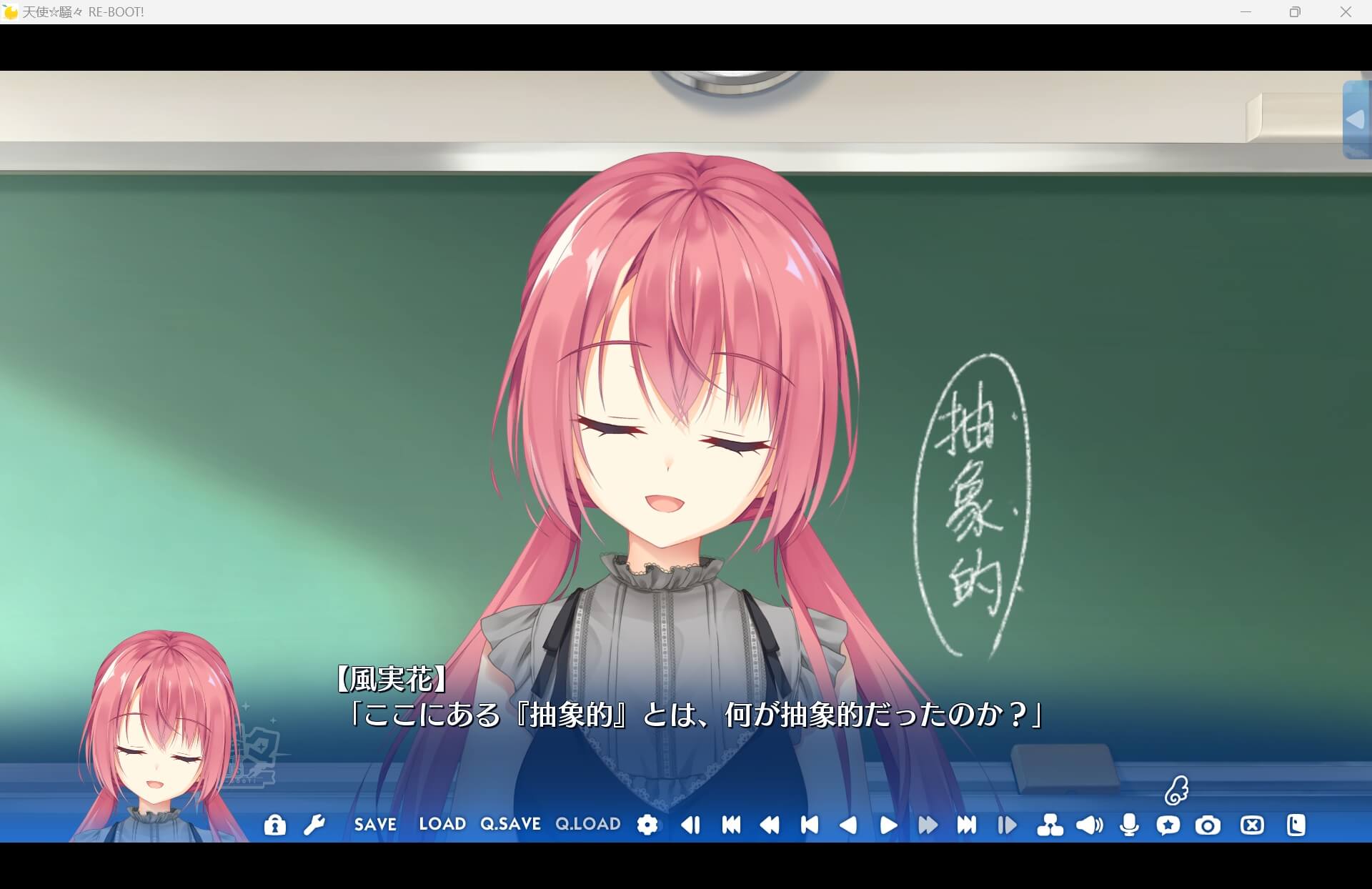
Length-wise, it’s basically prison. Games back then would routinely give you 20 hours of slice-of-life with no sign of the main plot. Hard to believe anyone lured into visual novels had the patience to stick it out. And the so-called “veterans” always tell you:
“Hang in there, the story gets good after XXX.”
Then why not just show me the story after XXX? You know the good part is later, so why not control your narrative pacing and hook people into reaching it? Why create so much shit-tier unfun common route? You say it’s for romance, but your romance isn’t even good?
And Tenshi Souzou made me reflect on something else: for Yuzusoft games, does “story” really matter?
I always see people—myself included—criticizing Yuzusoft for empty stories, moege, otaku-baiting, marketing节奏 like a fandom… But for a game, story is only part of the evaluation, not the whole thing. Even a novel might need packaging and typesetting as auxiliary criteria. A visual novel needs graphics, sound, and interaction—why hand all the judgment to story?
Does failing to write moving epic narratives doom a visual novel to be trash?
Does writing a so-called soul-stirring plot—even just a fragment of one route—make a visual novel a masterpiece?
Does one great route or twist make a visual novel a 10/10 masterpiece even if its systems are broken, art is abstract, music is grating, voice is missing, and it runs on potato hardware? Isn’t that unfair to high-budget works with gorgeous art and beautiful music?
Because I was writing a commercial piece, I looked into Yuzusoft’s past works—development plans, marketing improvements, sales changes per title—and found some interesting data, even some surprising stuff.
Yuzusoft positioned Sora-iro as a moege. No narrative ambitions, just moege. Many magazine editors hated it but still gave decent reviews. One manga artist even said: “とにかくキャラが可愛くて仕方がない” (the characters are just unbearably cute). Sora-iro got trashed and sold huge numbers—a commercial success.
Then with Witch, Senren * Banka, and Riddle Joker, Yuzusoft brought in a series of outsourced scenario writers to shore up the story weakness. Results varied, but the narrative shift was visible. At least for me, Senren * Banka is the peak of their storytelling.
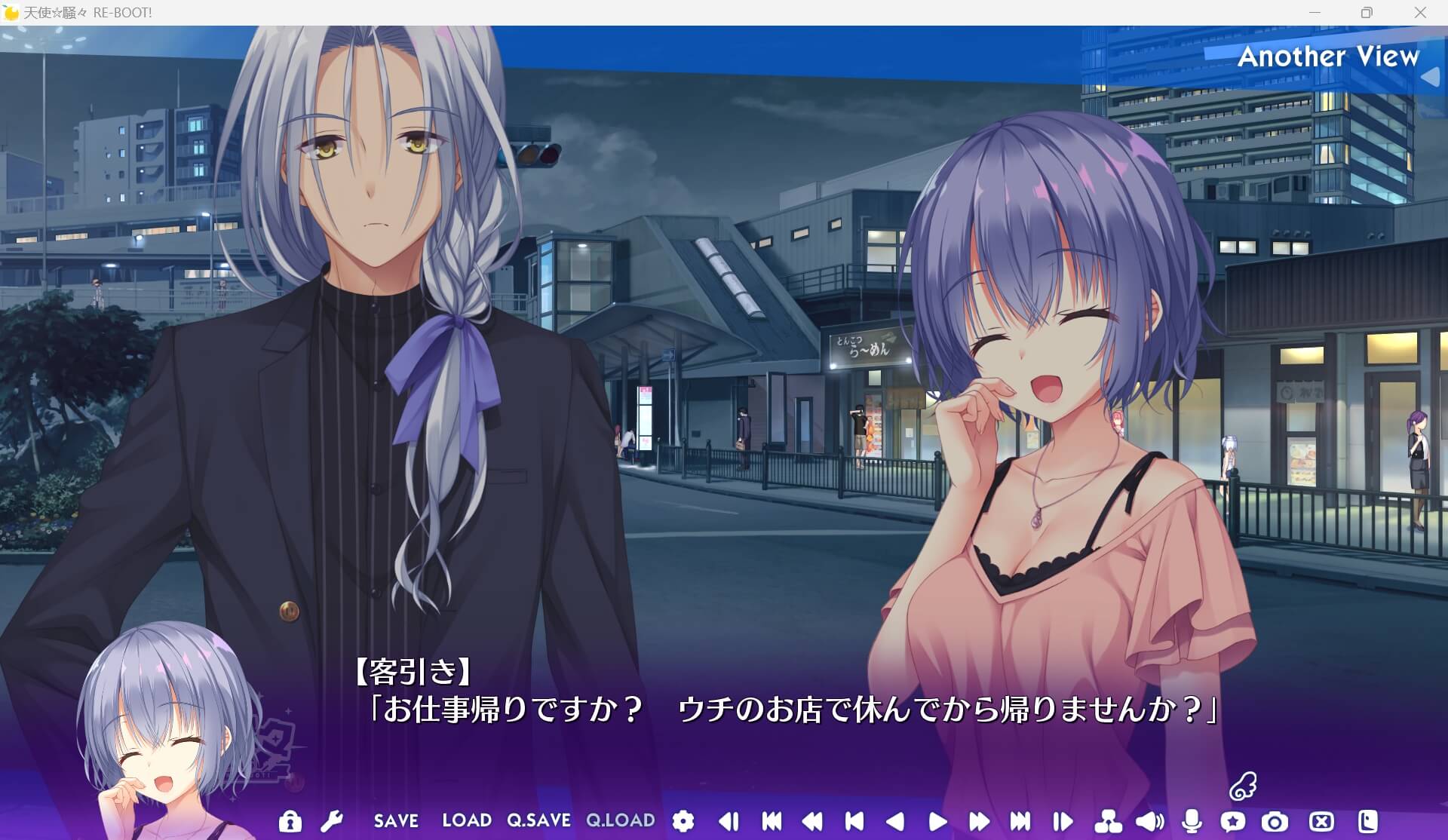
Starting with Shinigami no Butterfly, Yuzusoft seemed to want to explore deeper themes, bringing in Kazuki Fumi, who’d written lots of supernatural horror. But Yuzusoft still wouldn’t abandon its moege character base, so we got Shinigami no Butterfly—neither here nor there. It wanted to say something about life and death but didn’t dare, afraid players would feel “gut-punched,” so it only skirted the edges. Most content went into the “cafe” management, and with gag master Seo Jun’s help, the daily parts weren’t too boring, salvaging some reputation.
Looking at Senren * Banka as a positive example, Yuzusoft can write good stories—even simultaneously delivering on common route and behind-the-scenes narrative, which is very difficult for most visual novels. But clearly, with Shinigami no Butterfly they realized going deeper into “narrative” and “twists” betrayed their audience, so they hit the brakes, which left that game feeling half-finished. With Tenshi Souzou, Yuzusoft directly borrowed the common gacha-game method: surface-level sweet romance and ero scenes, with fragmented flashbacks for the backstory, trying to satisfy different tastes.
Of course, the actual effect isn’t great. Main reason: no one like Seo Jun to keep the daily gags entertaining. At least in Tenshi Souzou, the slice-of-life is too sleep-inducing.
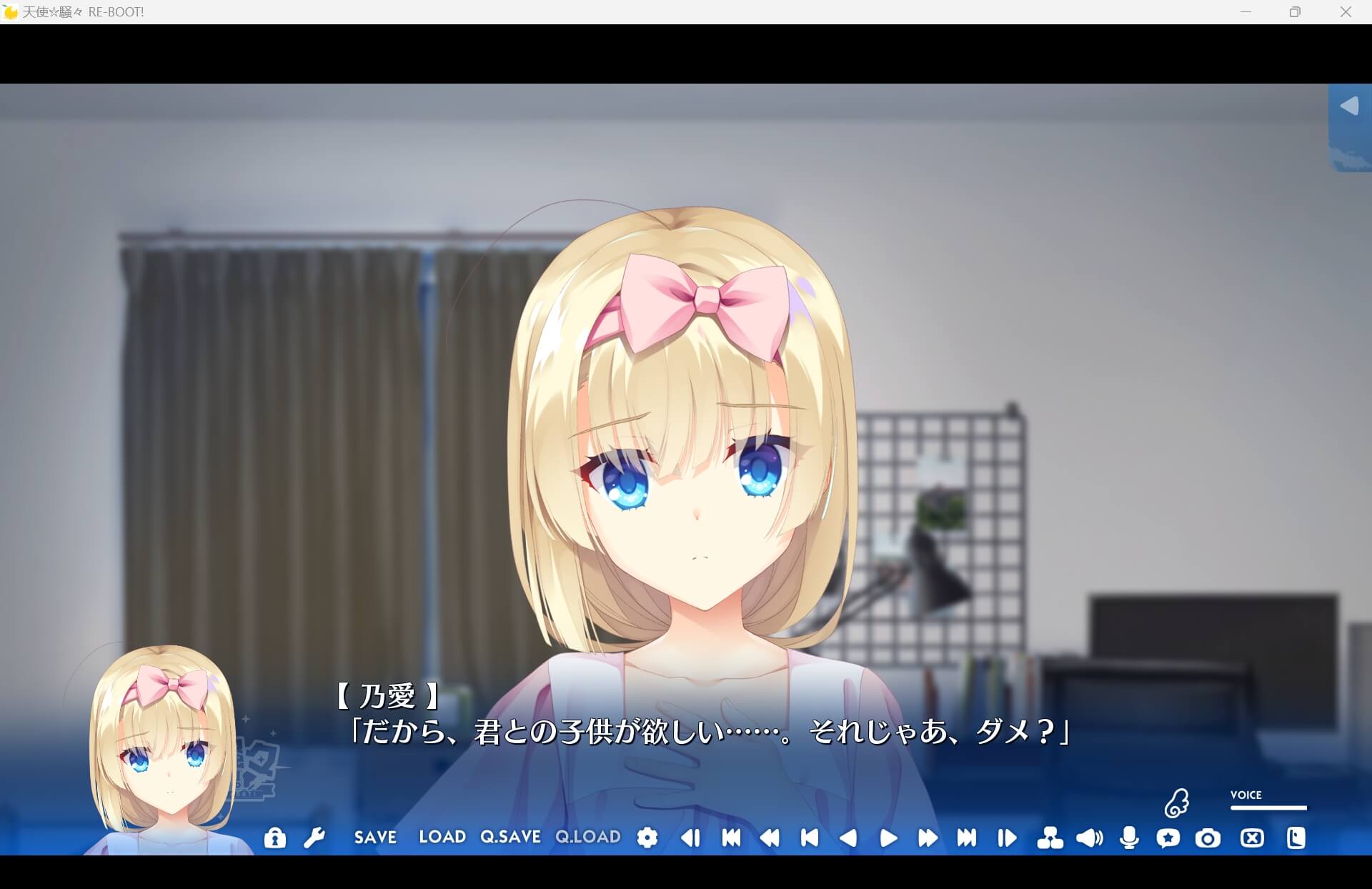
Back to the earlier topic: Yuzusoft can make good “story-driven” works. The method is simple—find suitable outsourced scenario writers and a solid plan. But they don’t. The reason, I think, isn’t inability but lack of necessity. For a commercial company like Yuzusoft, other things matter more.
Looking back, I was surprised to find two things:
Yuzusoft’s releases were almost always the year’s best-seller unless a “monster” (like Sakura no Uta) appeared.
Almost all Yuzusoft games have never been delayed, and launch quality is guaranteed—no critical bugs.
For visual novel players, delays and postponements—even to the point of cancellation—are common. Yet Yuzusoft has never made that mistake. One of their games even used delays as a theme, depicting the consequences of development delays: wasted marketing budget, losses for retailers who stocked copies, player cancellations. All of which damage sales channels and the developer itself. Yuzusoft has remarkably never fallen into this trap. Their operations and development flow show excellent project management.
And let’s be real—who can guarantee, as a project manager, that every project ships on time with acceptable quality? It’s hard.
A no-delay guarantee creates a chain reaction. That shot of confidence affects everything: marketing on social platforms reaches maximum effect, retailers stock with confidence and even promote early, players preorder without worry and just wait for release day.
All of which easily leads to point one: Yuzusoft games often become annual best-sellers.
In that light, Yuzusoft’s success comes partly from game quality—cute art and polished UX—and partly from this stable development-and-marketing pipeline. Compared to that, “story isn’t deep enough” really isn’t a big deal.
Also worth noting: Yuzusoft’s Senren * Banka on Steam has surpassed 200,000 sales. That’s a monster number for a visual novel—maybe only Fate could compete?
While writing the commercial piece, my editor sent a stat: only two visual novel companies are currently fully profitable—Alice Soft and Yuzusoft.
At that point I actually felt Yuzusoft, surviving in the twilight visual novel industry without relying on gacha mobile games, just by making products, really has some serious skill. Not just “carried by moege” as outsiders say.
Of course, Yuzusoft did run a browser game once, but it closed quickly. I think they could try mobile games and profit well, but they’re very protective of their brand, reluctant to license IPs easily, and lack the capability and operational budget. Maybe that day will come.
I once saw a well-known joke: new visual novel players tend to love Yuzusoft, drawn in by the art. After some experience, they hate Yuzusoft for shallow stories. And after playing all kinds of visual novels, they realize easygoing works like Yuzusoft’s are the best.
This is the meme you see all over the internet these days:
Question Yuzusoft, criticize Yuzusoft, understand Yuzusoft.
And after learning that Yuzusoft never delays a release, I figure I can go right ahead and praise them.
Though I still don’t know how long they can keep going, selling standalone visual novels like this.
Comments are hosted on the Chinese main site. This mirror is read-only.