Koi ni wa Amae ga Hitsuyou desu (恋にはあまえが必要です) Review
A Refined Vintage Carriage: Koi ni wa Amae ga Hitsuyou Desu
The past few years have brought a wave of “retro.” People start missing the “old” stuff, and more and more content with a “retro” flavor gets dug out of the historical junk pile and put back into production. Keyboards with last-century styling, computers, handhelds, all sorts of odds and ends. FiiO recently put out a “cassette player,” not cheap, and chunky as hell. And yet people were falling over themselves to buy it. Even with the “retro” tax that steep, there’s still a market—at least enough of one to keep the manufacturers churning out reshelled products alive and well. Which gets me thinking about another industry soaked in the same “retro” smell: the beautiful-girl dating simulation game, commonly known as galgame.
Anyone with a bit of history knows the earliest galgames weren’t like today’s mainstream products. The universally acknowledged granddaddy is the Tokimeki Memorial series—I remember it also being called Jun’ai Techou, though back in the day I kept reading the pirated disc as Jun’ai Techou… anyway, not important. What matters is that Tokimeki Memorial was a deadly serious game about “simulation,” “romance,” and “raising.”
I say “serious” because the game had playability and replayability. You scheduled your days, dated different heroines, built affection, and finally confessed under the legendary tree to reach the ending you wanted. Triggering different events required different responses and near-brutal prerequisites; sometimes you had to do the math and plan ahead just to land the ending you were after… I mean, for this kind of “dating sim,” you practically needed a guide to clear everything. Harder than some linear action games, honestly.
Time passes, and today’s galgame is a different beast. It still wears the “galgame” label, but the definition has shifted from “dating sim” to “visual novel.” Once you call it a “novel,” you’re obviously prioritizing the reading experience—no big “gameplay” to speak of. Schedules got cancelled, affection meters faded, until modern games streamlined character conquest down to “flip the card.” Makes you sigh: galgames today have zero “gameplay.” On Steam the tag is Visual Novel, and you can find Visual Novel communities on Reddit discussing all the new releases. Sure, there’s a galgame subreddit too, but it’s full of little brats.
With that long setup out of the way, time for the main topic. What I actually want to say is: today, when visual-novel-style galgames are everywhere and players have tacitly accepted the format, some studios still insist on making works that aren’t quite so “novel”—carrying a whiff of the old days, holding up the last banner of “dating sim.” You probably know who I mean: the avatar of Captain Hook himself, HOOKSOFT.

This year HOOKSOFT put out a new title called Koi ni wa Amae ga Hitsuyou Desu. At first I misread the title as Koi ni wa Omae ga Hitsuyou Desu—thought to myself, damn, what a badass name—before realizing I was the one being too “amae.”
There was a time I’d grown tired of HOOKSOFT. I even felt it had become indistinguishable from its first mate SMEE, since the two overlapped on every front: story structure, choice design, even the soundtrack style and the absurd snark… plenty of games you couldn’t tell apart without checking the publisher brand.
HOOKSOFT used to be the brand for “school,” “pure love,” and “fantasy,” while SMEE focused on “falling in love with the heroine.” Probably as its artists gradually bailed, HOOK lost its way too. After a few years of wandering, Koi ni wa Amae ga Hitsuyou Desu shows some signs of a return.
Put simply, this game is full of the flavor of “classic HOOK”—roughly the feeling I had playing Honey Coming over a decade ago—and on top of that it adds some of SMEE’s relaxed conversational atmosphere. In a sense, it’s a culmination.
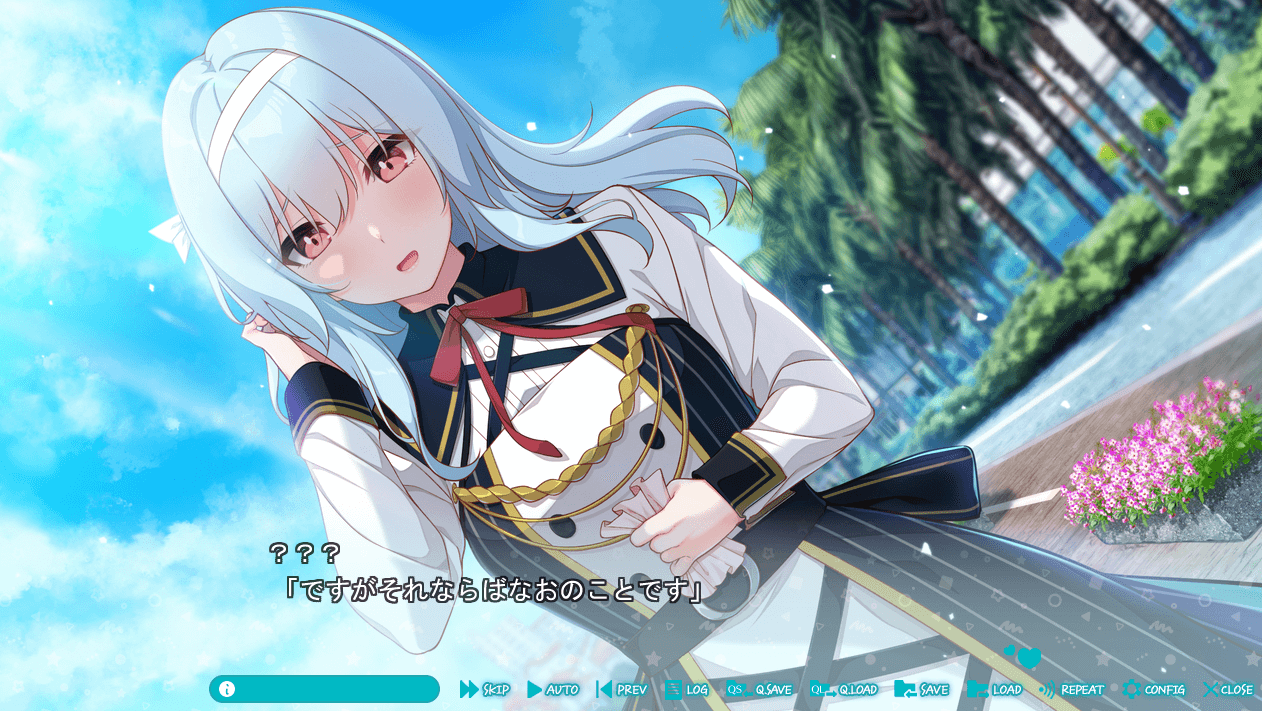
First, praise where it’s due: the UI in Koi ni wa Amae ga Hitsuyou Desu. If you’ve followed HOOK’s recent output like I have, you’ll know its UI design was pure reskinning—virtually unchanged inside and out, down to the same font. In this game HOOK redesigned the whole interface, with pale green accents making the controls match the game’s palette. That kind of detail polishing instantly gives the game a touch of “class.”
Of course, if HOOK would deign to upgrade its eternal 720p resolution to 1080p, that’d be even classier.
The game offers four selectable heroines: one who knows martial arts, one who looks like a C6 Eula, one who’s a rich older woman six years your senior, and one about to become your stepsister… basically all the common elements are covered. Any normal otaku can find someone to like.

The gameplay experience is decent. The story isn’t overly long, and once you make your choice in the common route you cut straight to the point—a bit like a “matchmaking” process. Each heroine’s story has its own flavor. The game uses a two-part structure: in the common route the protagonist goes on a school trip, explores a small town on his own, meets the four heroines, and settles on who he likes during the trip. The second part, after the trip ends, follows the protagonist continuing his romance with the chosen girl. Each story’s timeline differs too—some pick up during school life, others after college graduation—which shows the individual routes barely affect each other.
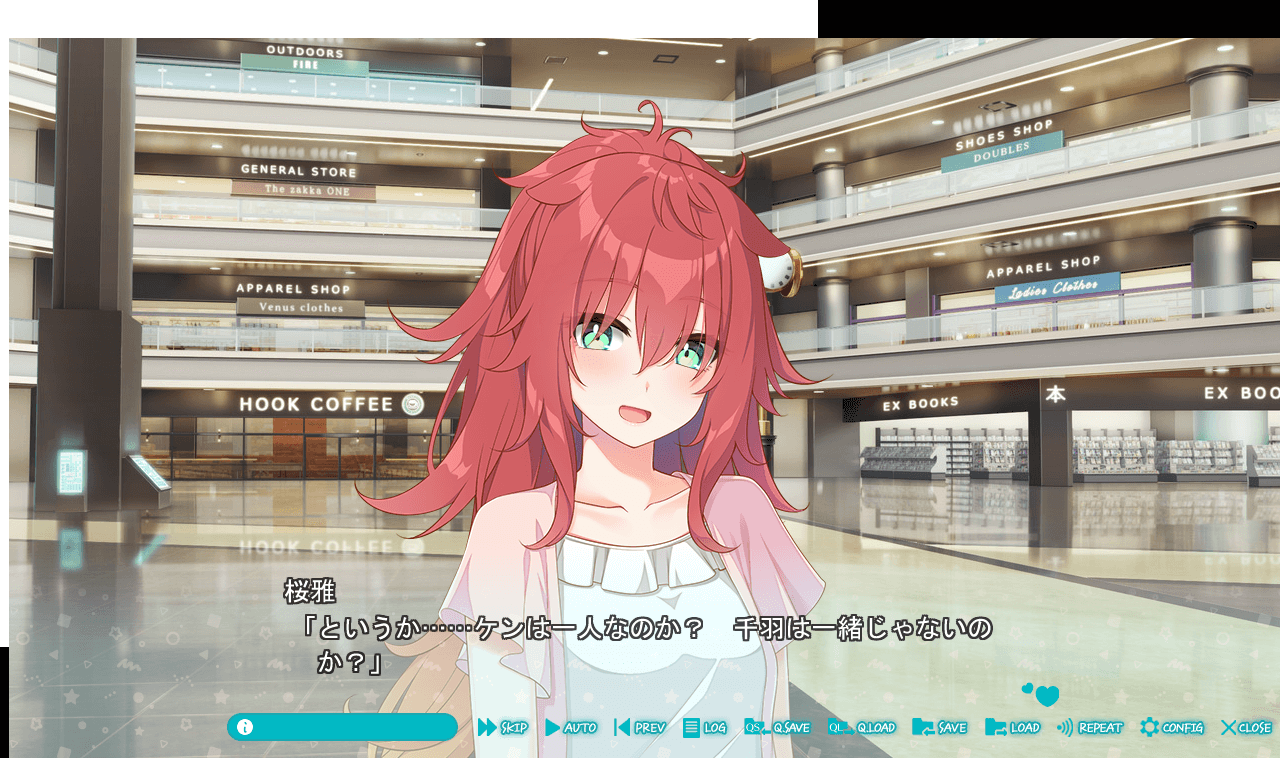
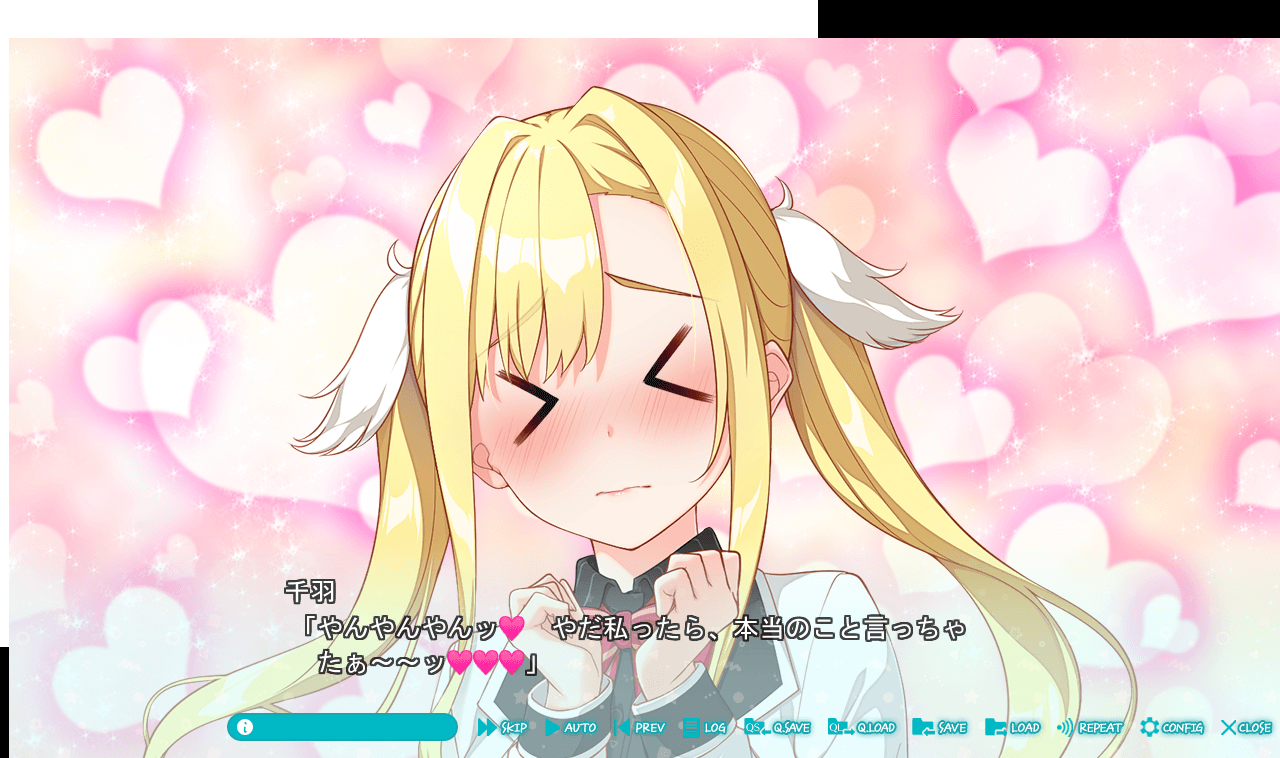
In terms of presentation, HOOKSOFT has recovered its old restraint. No more suddenly zooming text as snark effects, no more frantic African-drum music to punch up comedic dialogue—the SMEE elements drop off sharply, and more content sits in a gentler conversational rhythm, giving pure-love fans more to enjoy.
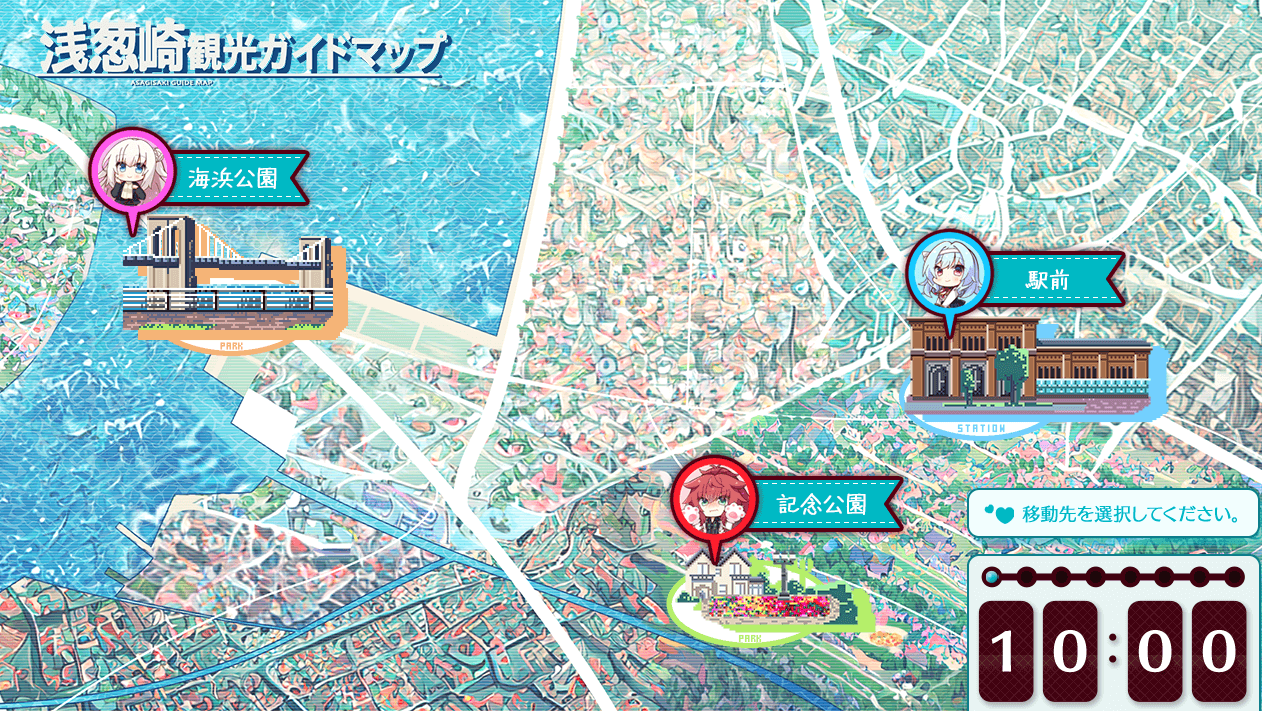
As an old hand who’s played galgames for many years, I’m hard to move with in-game romance and girls these days, and this game was no exception. Still, I’m glad to see HOOKSOFT return to its old path. Maybe this game can’t stir me anymore, but for many “new galgame players” it’s a very good work. The elements it retains—the “world map,” “affection,” “schedules”—show this is a pure “dating sim,” inheriting that “old-time flavor” I mentioned earlier and giving them a direct taste of what “dating sim” fun feels like.

Of course, Koi ni wa Amae ga Hitsuyou Desu isn’t without flaws. Quite the opposite—to me the flaw is big. Bluntly: “no breakthrough.” My praise for HOOK recovering the flavor of a decade ago is genuine, but maybe everyone’s forgotten it’s 2024. There are so many new technologies worth applying to the “dating sim” genre—AI-assisted dialogue, more freedom in human-computer interaction, even better graphics—all of which could push these games forward and make them more appealing.
Yet all HOOK did was abandon its earlier wrong path and return to the road it walked ten years ago, delivering a new work steeped in retro flavor.
I can’t say this game is bad, but it’s genuinely behind the times.
More ironic still: in recent years many galgames have released “remasters,” where the so-called “remaster” is just upscaling the old graphics with waifu2x while the systems and controls stay entirely unchanged. Compare that to Persona 3 Reload next door—these galgame “remasters” don’t even deserve the name. Beyond slightly better graphics, nothing has changed at all.
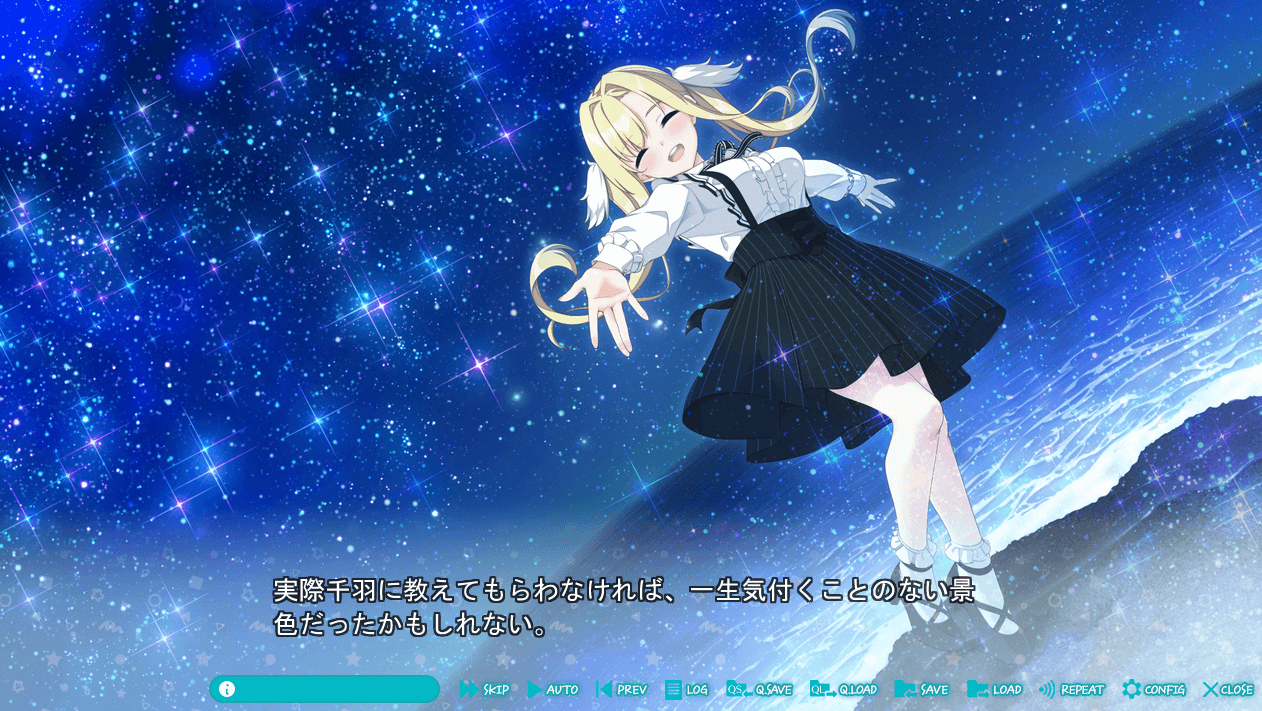
It’s like someone rolling out a finely crafted horse carriage as transportation in the age of the automobile. No matter how much care goes into it, the carriage was obsolete long ago.
At the very least, HOOK, give us 1080p and I’ll call this game caught up with the times, okay?
Comments are hosted on the Chinese main site. This mirror is read-only.