Koibana Renai (コイバナ恋愛) Review
Koibana Renai (コイバナ恋愛): Whether a Girl Is Romanceable Isn't the Real Problem
When I heard Asa Project’s new game Koibana Renai (コイバナ恋愛) had been slapped with the “landmine” label, I was genuinely shocked.
Sure, I think their games have been on a downward slope compared to those old meme-face classics, but there’s no way it deserves “landmine” status.
Asa Project has always made these “politically incorrect” games where the whole point is unhinged nonsense. You can force a guy into a girl’s body, you can stumble into BL endings without trying. Their audience is mostly shitposters who know exactly what to expect and have the mental fortitude for it. No way they’d get got by Asa Project’s antics and slap a “landmine” label on it.
Besides, from what I remember, their 2023 release Koibana Renai was billed more as a “youth ensemble drama” — basically boys and girls bumping into each other, and the title spells it out. コイバナ means “love talk,” so Koibana Renai feels like a big pile of lovesick brains. Tell me how that premise could possibly be a landmine. Unless the protagonist joins a youth-themed swinger club or something.
So out of curiosity I checked the game out. My first impression: yeah, it’s not good. I also get why people call it a landmine. But the reason it’s bad isn’t the landmine — it’s something else entirely.
Let’s get into the details:
The plot is dead simple — the same played-out “declining birthrate” plus “co-ed school merger” setup. Boys’ idealized image of girls doesn’t match reality and vice versa, then the merger kicks off a collision of couples. The only twist is an “ideals vs. reality” shell. What sets it apart is that the protagonist isn’t the only couple — he can pursue four heroines, while the remaining three side heroines get paired off with other male side characters. The end result is at least four couples.
This setup stomps on a lot of Galgame players’ berserk button: I’m the noble Gal protagonist, every character in the game, male or female, should be romanceable by me — and instead you’re marrying off the side heroines to other guys? Three girls with distinct personalities, and I, the protagonist, can’t pursue them? Unacceptable. It gives off NTR vibes. Landmine! Total landmine!
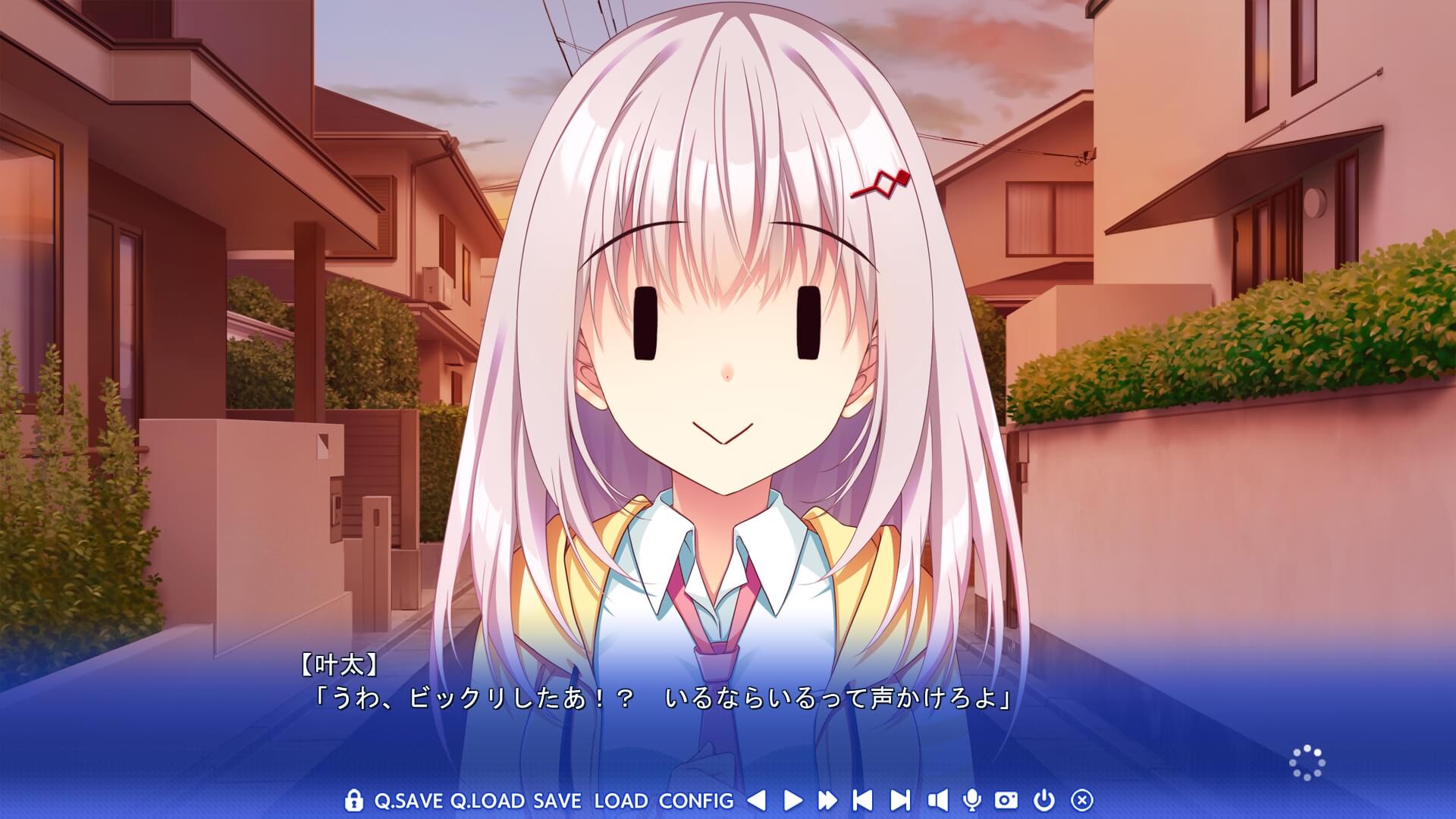
I’ve never understood that take. In most modern Galge, the protagonist’s name is already fixed. Even if you’re playing first-person, the guy in the story has his own personality and name. There’s no real self-insert going on. If you want that, go play games where you can customize the protagonist’s name. Asa Project clearly doesn’t make those.
So does that mean the story has no real flaws? Of course not. Actually the story is deeply frustrating, and the frustration is still that side-couple thing from before.
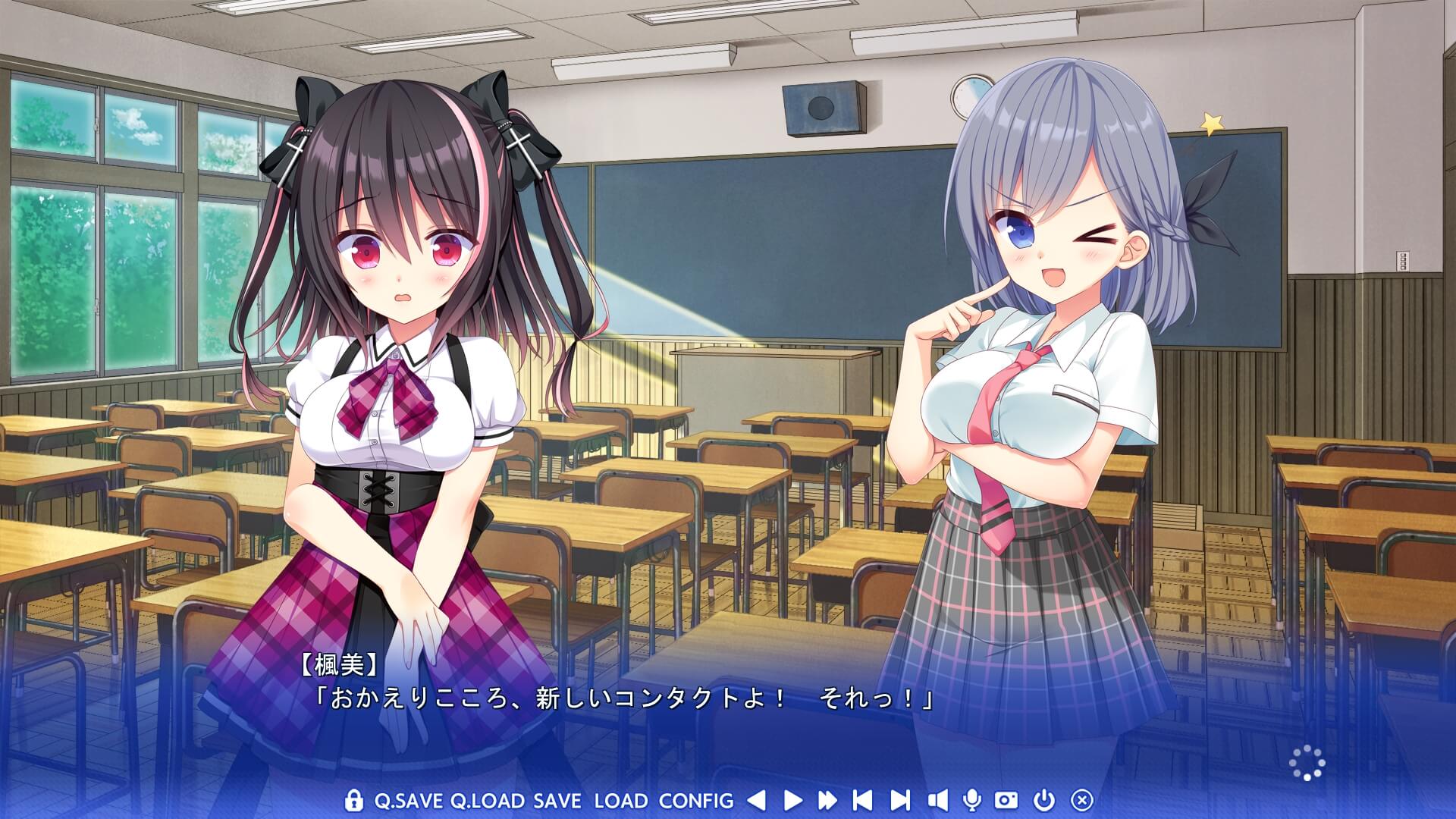
Sure, our protagonist can pursue four beautiful girls, but those four candidates are clearly boring, and some barely qualify as “romance.” There’s the black-haired girl who insists she wants a “prince charming” and hates boys while constantly horsing around with them. There’s the orange-haired one who’s supposedly the protagonist’s ideal type and love at first sight, but she feels zero romance toward him and just treats him as a toy. There’s the yellow-haired standard childhood-friend template that’s been used to death. And there’s the purple-haired super-dengeki type who can’t compete at all against the old meme-face characters. Compared to these four extremely abstract romanceable characters, the three side heroines are way more interesting — a classic tsundere, a secretly lewd type, and a dumbass type. Every one of them can drive the plot.
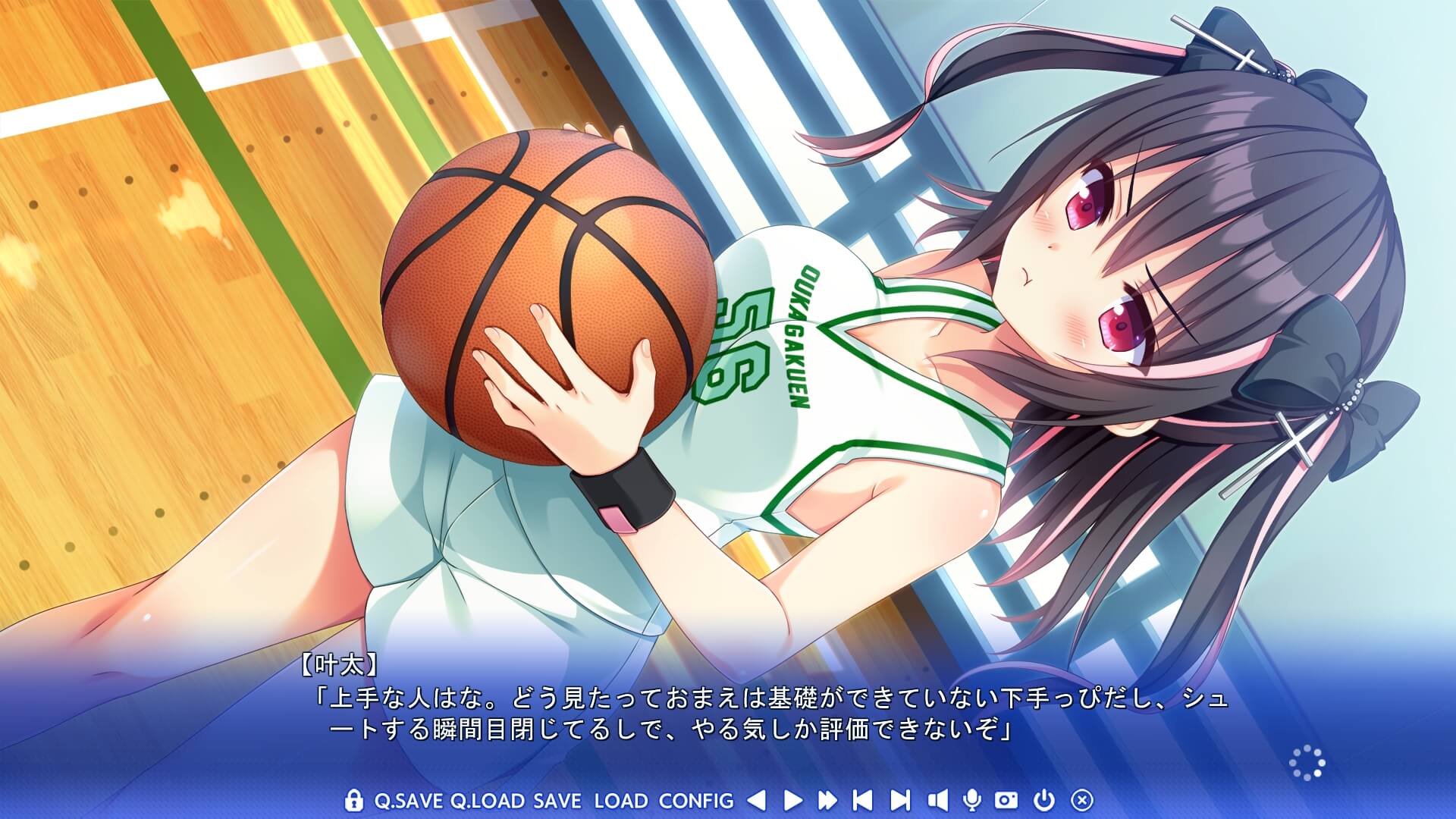
So the game ends up feeling bizarre: the side characters’ love stories are better and more exciting than the protagonist’s, and they even get more screen time. The student council election arc in the mid-game is especially bad — the romantic chess match between the bro and that tsundere Inori completely hijacks all the other couples’ screen time. And in the everyday scenes, the two secretly-lewd side characters’ panty-peeking plot steals every eyeball. That contrast makes the protagonist and his four candidate girlfriends look like total clowns. On top of that, all the fun side characters are already “taken,” which makes the whole playthrough even more frustrating.
Beyond the story, the presentation has plenty of problems too. The big one is “conversation chaos.” The game never bothers to introduce its characters — it jumps straight into the main story before the player can tell who’s who. There are tons of scenes with “at least six people talking at once,” and the game does zero to streamline that chaotic back-and-forth. Add in the fact that the voice cast, aside from Akino Hana and Kanae, has no distinguishing features, and you can’t tell who’s speaking. You just zone out listening. Even something as simple as color-coding or manga-style paneling would’ve fixed it instantly, but Asa Project didn’t do that.
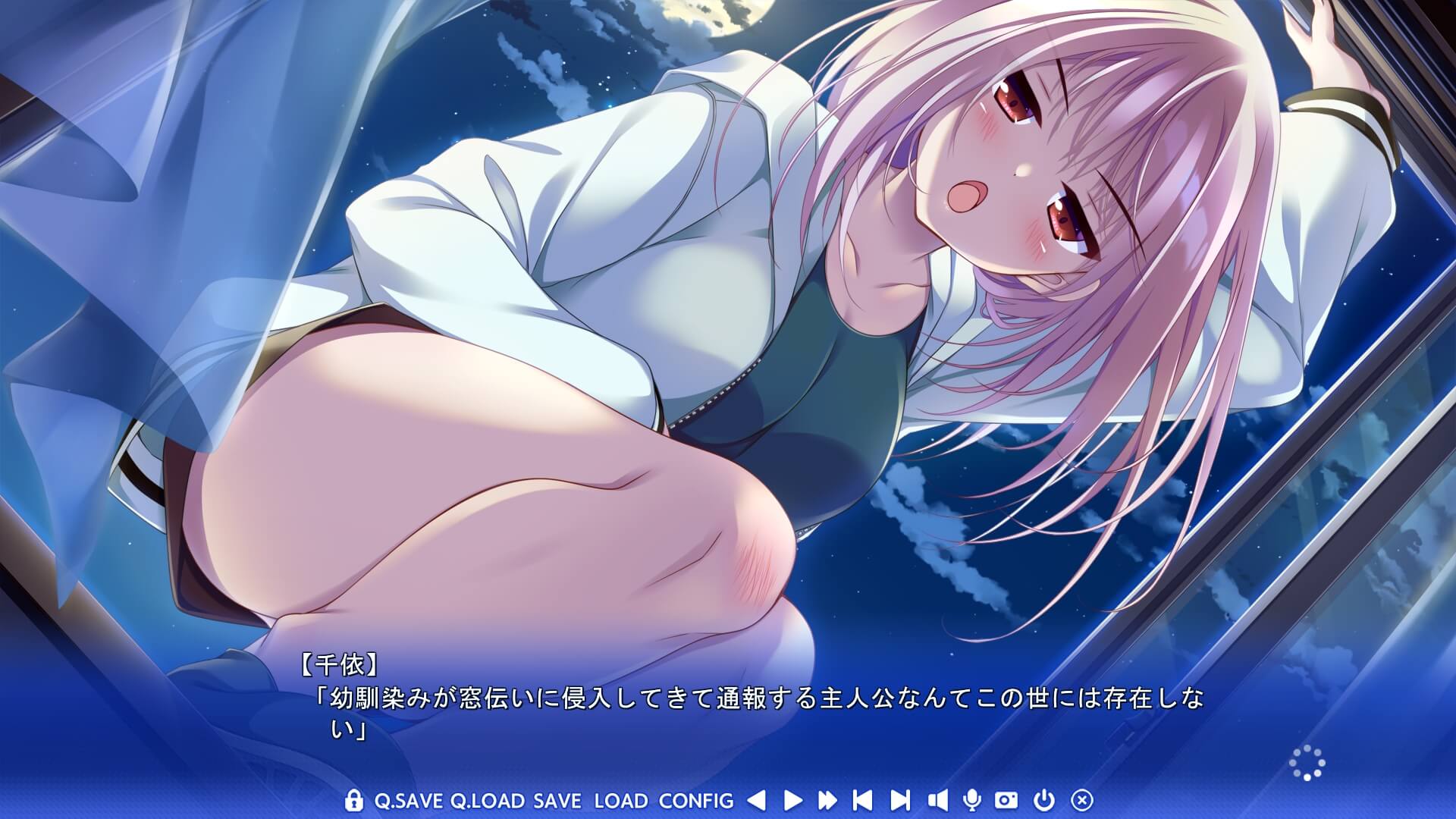
The presentation shrinkage gives you a headache, and the assets follow the usual “reuse whatever you can” policy. You’ll see the played-out “family coffee shop” background, the pool from One Tobashi Renai (一つ飛ばし恋愛), and various scenes from older games. The extreme budget-cutting even damages the story — the common route has tons of ping-pong and sports showdown scenes, and the game doesn’t even provide a dedicated background or CG for them. You just get a bunch of people sweating at thin air against some random background image. It’s comical.
So overall, Koibana Renai isn’t a very good game. It’s even worse than the previous one themed around cheating. But where it fails isn’t the “side heroines aren’t romanceable” thing — it’s that the romanceable heroines’ content is boring and half-assed, and they get way less screen time and impact than the side characters. Add the extreme development cost-cutting, heavy CG reuse, and missing presentation effects, and the experience takes a huge hit. It’s genuinely unpleasant to play, so it’s no wonder lots of people came away negative.
But I’ll say it again: the reason is that the game itself was made cheap and sloppy, not anything about who’s romanceable.
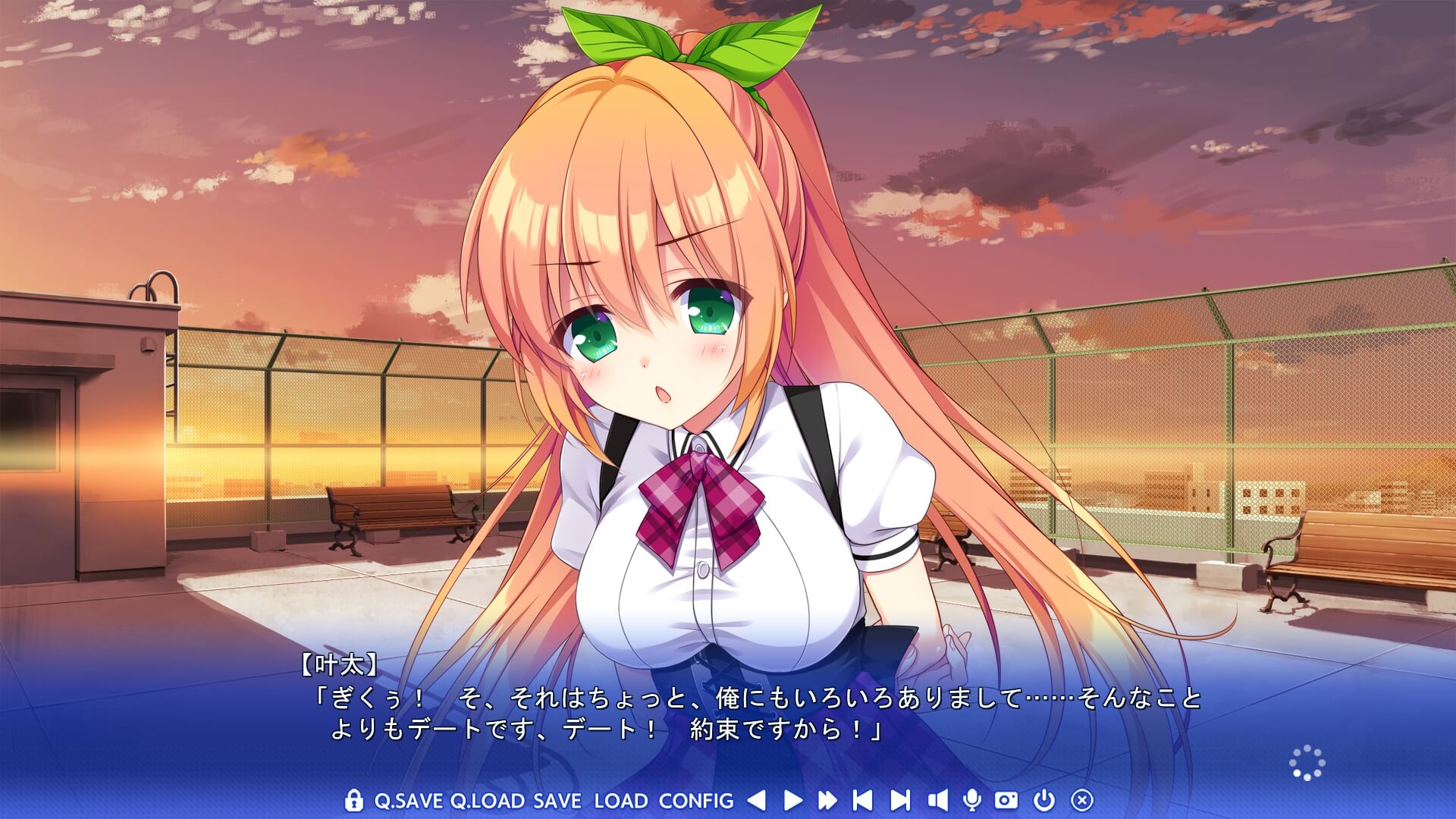
In other words, if they’d given the romanceable heroines more screen time, written the main routes properly, strengthened the presentation, made it clearer who’s talking in conversations, and added some event CGs to boost immersion, this could’ve been a solid game even with the side heroines still off-limits.
Of course, the game has some pretty fantasy-land moments too. Like the scene where the protagonist and side characters all go to an amusement park — everyone has a partner, couples strolling around chatting in pairs. That kind of “normie” life might be too advanced for this game’s audience. The real reality is probably a fat otaku tagging along as a third wheel behind a pack of normie couples at the amusement park. That’s way more common in college life, honestly.
That was basically my college life… never mind, let’s not talk about it.
Comments are hosted on the Chinese main site. This mirror is read-only.