Love Pical Poppy (ラブピカルポッピー) Review
Holy shit, Genshin! Speedrunning SMEE's "origin point" work Love Picaro Poppy
I actually played this game a while ago — I even wrote a commercial piece on it — but I never got around to blogging about it, mostly because I forgot.
I’ve forgotten almost the entire plot too. If I hadn’t been sorting through files today, I’d have pretty much erased the fact that I ever played it.
So what kind of game is this? According to SMEE, it’s not just any game — it’s a commemorative game. Commemorating what, exactly?
First, it’s SMEE’s 15th anniversary title. Second, it commemorates SMEE’s cumulative sales hitting 150,000 across all its games.
The first time I saw those two “commemorations,” I nearly lost it. What kind of commemoration is this? Since when does 15 years even warrant one? And it’s not even a real “15th anniversary” — look closer and it turns out the project was conceived during the 15th anniversary… holy shit, that counts too. And this is the first time I’ve ever seen “cumulative sales” used as a reason to commemorate something. It reads like someone forcing out content when they’ve got nothing left.
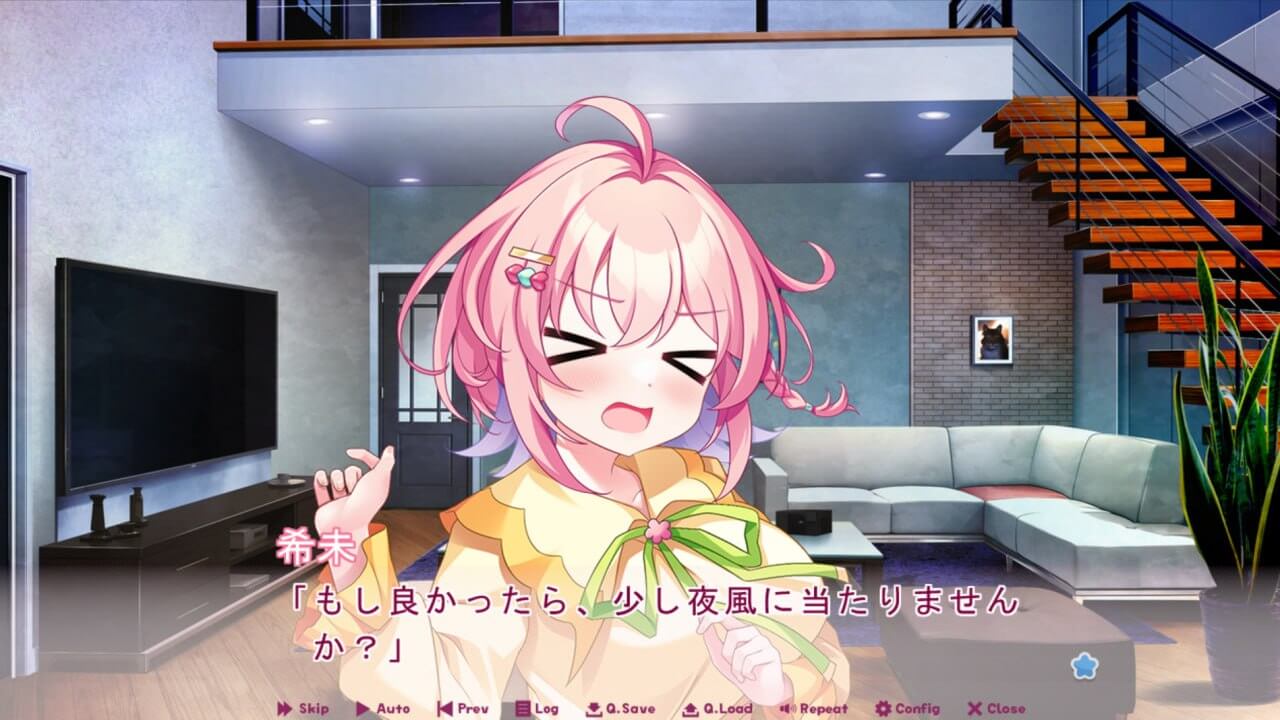
Anyway, let’s get to the game itself. It’s not long, but it’s packed with “novelty” — or to put it bluntly, it “doesn’t feel like an SMEE game at all.”
First off, the art style has changed drastically. It’s not just a different artist — the coloring style is different too, going all-in on a “washed-out anime” look. To be blunt, it gives off major “blue folder” game vibes, and the game itself layers in a bunch of 8-bit elements as accompaniment, which instantly gives the whole thing its “flavor.”
It’s the currently trendy king combo of “high-gamma washed-out anime” + “tech” + “pixel art” + “electronic soundtrack.” SMEE deserves real respect for ditching the old “Taniyama-san” and completely reinventing itself — it makes the game look like something actually from 2024.
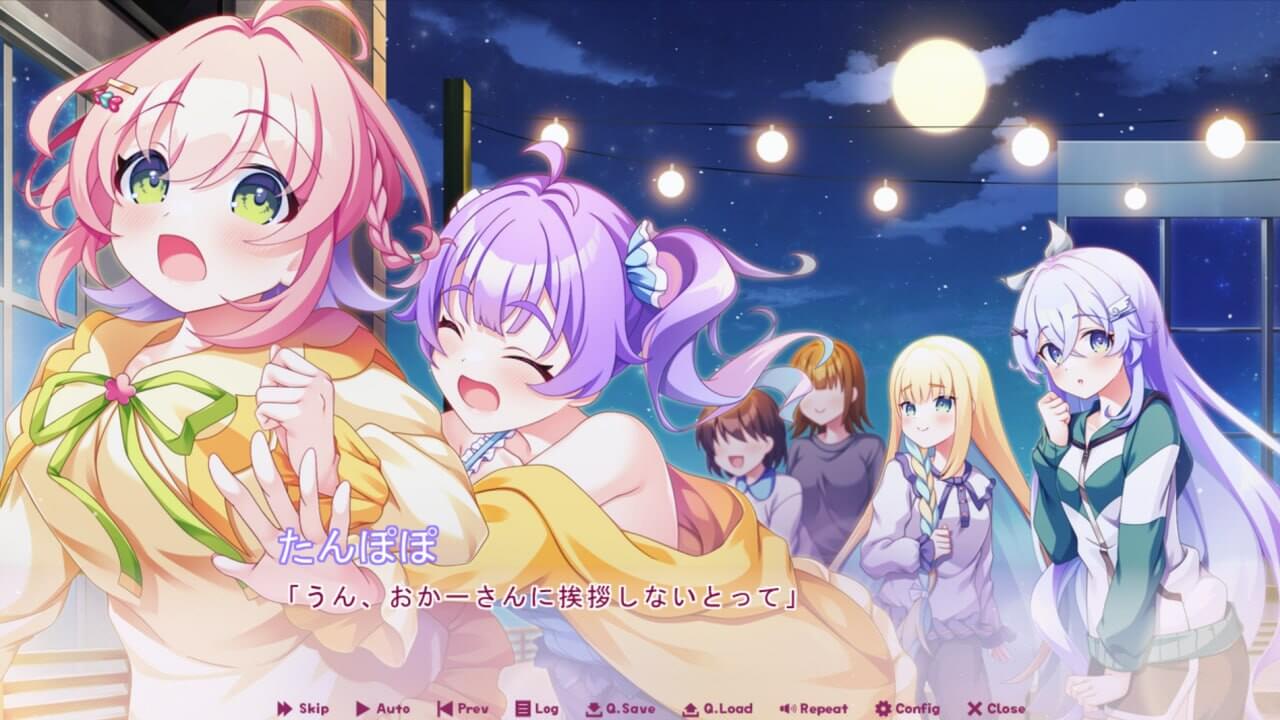
Then there’s the story, which is dead simple: the protagonist’s house burns down, so he gets assigned to be the dorm caretaker at a school’s girls’ dorm, where his own little sister also lives. The romance happens there. It avoids the old “school setting + student council” cliché, sure, but inserting the protagonist as a caretaker into the students’ love lives feels like it’s missing the “pure love” angle — even a bit “immoral.” After all, back in the ’90s there was a game called Shusaku that took exactly this route. And this time SMEE brought in outsourced writers Nanao Yuhi and Nakajima Taiga, who’ve barely ever worked with SMEE or HOOK — that was eye-opening too.
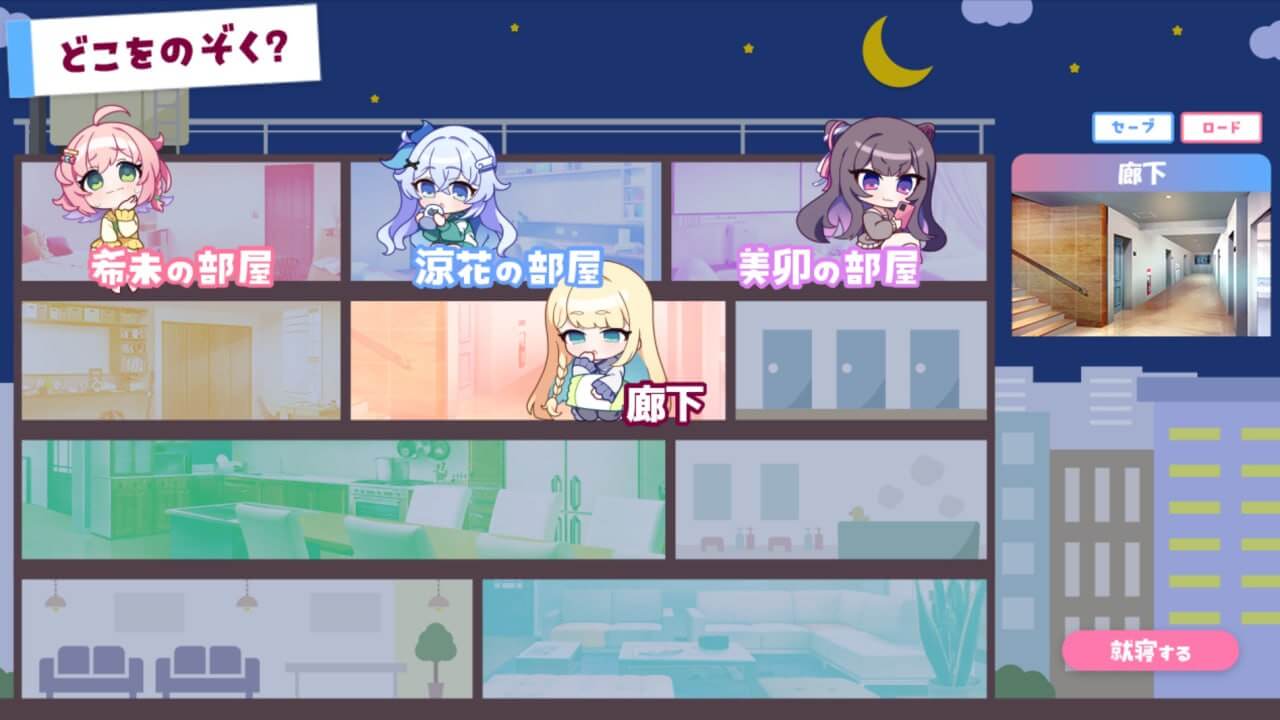
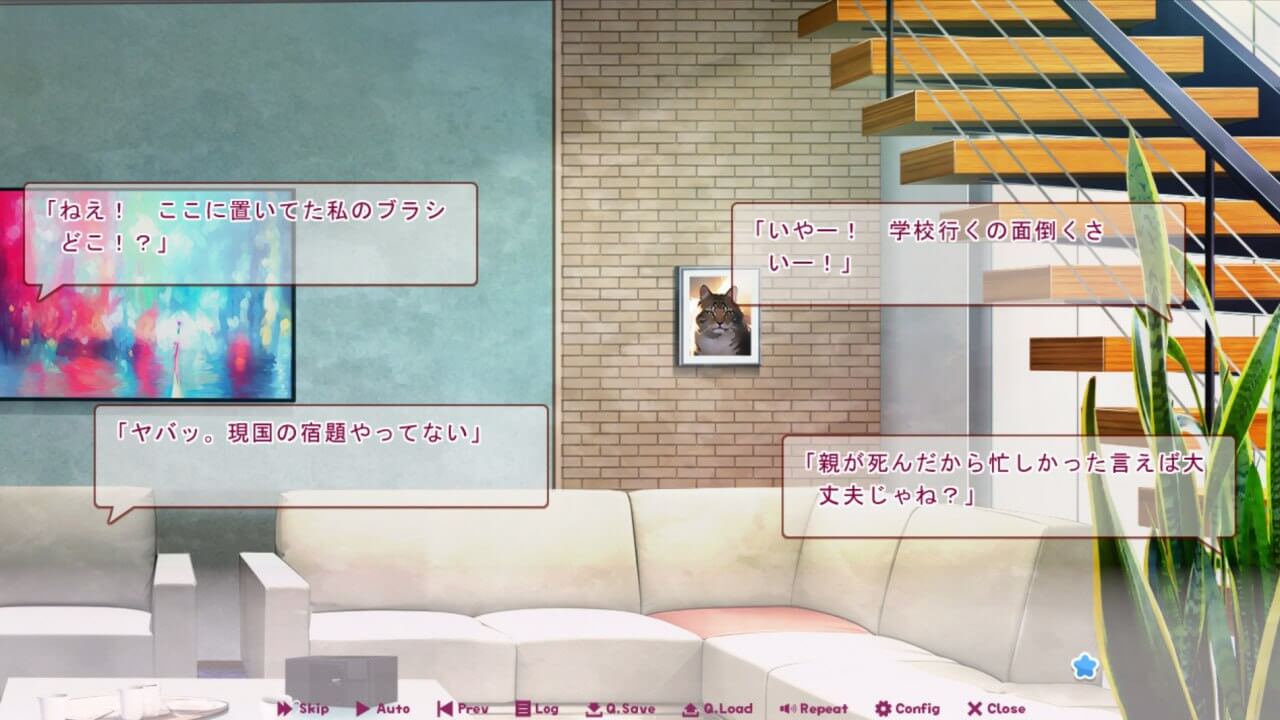
As an SMEE game, it naturally has the “gameplay” they love to hype up, and as expected it’s another “reskinned choice system” — a big map where you pick heroines’ portraits, the kind of thing Saga Planets had already run into the ground a decade ago. The game does add some superficially trendy elements, like the heroine’s inner monologue being shown through comic-style speech bubbles during conversations. It doesn’t really do much, and the effect isn’t great — it even reminded me of the HCG dialogue boxes in Seishojo — but at least you can tell the devs were trying, repackaging the old stuff as something new. I’ll give them points for effort.
The biggest strength is the playtime. Almost every heroine route ends before it wears out its welcome — you just play and it’s over, no mental strain required. It reminded me of the good old days playing that one mobile game — you know, the “Chinese investment, Korean development, Japanese publishing” one. Honestly, this game’s character designs, music, and overall experience all remind me of it. I can find a shadow of that pink-haired, needs-a-leash uncle among the heroines, and I can see the six-rooted incarnation of that black-long-haired tsundere tank…
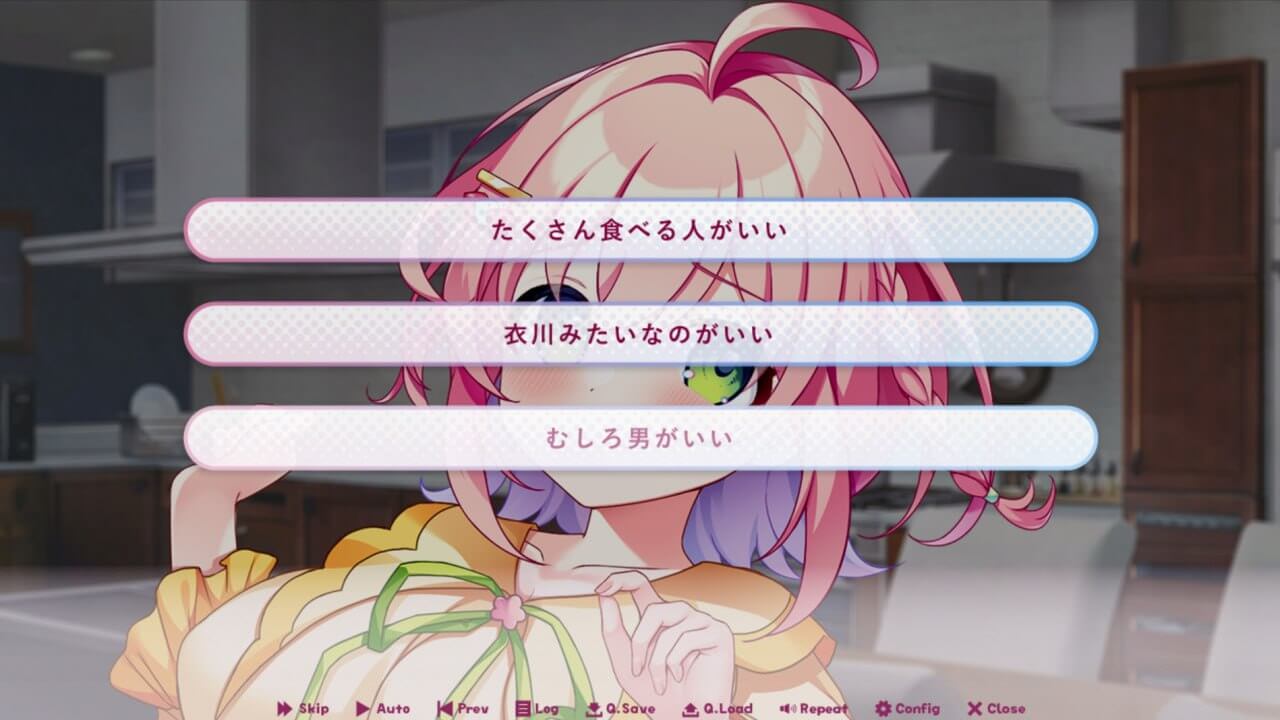
Thinking about it, there’s nothing wrong with that. It’s 2024 — gacha games can already perfectly replicate the narrative presentation of old galgames (except they won’t dare go R18, though it’s not like they couldn’t). Playing something that feels like a gacha game inside a galgame with modern aesthetics isn’t strange at all. The problem is what the official material claims:
SMEE says Love Pical Poppy is a work that returns to the company’s roots and “origin point.”
That claim leaves me baffled. What “origin point” exactly? If I remember right, SMEE mentioned in an interview that HOOK goes for “fantasy style” while SMEE goes for “realistic romance style” — which is why SMEE games feature all sorts of “working adults” and “matchmaking romance stories” after entering society, mostly set around college age. And SMEE’s specialty is 1v1 — once you enter a heroine’s route, the other romanceable characters just vanish.
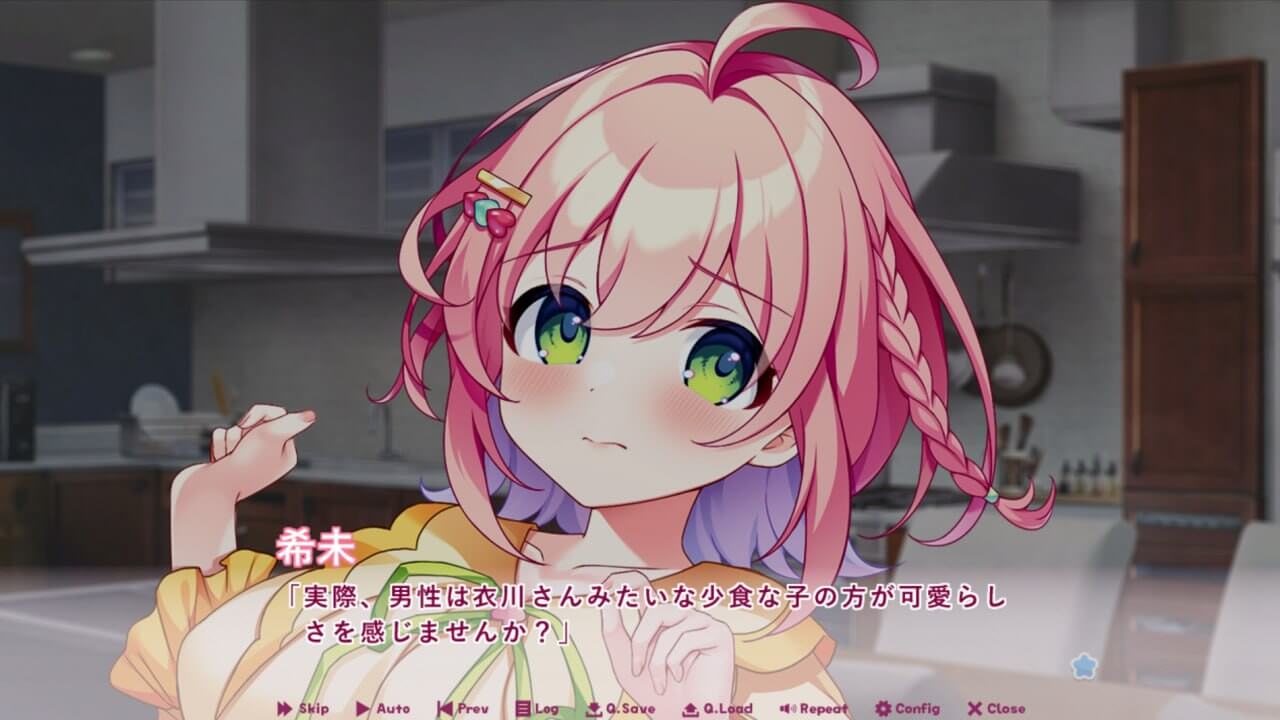
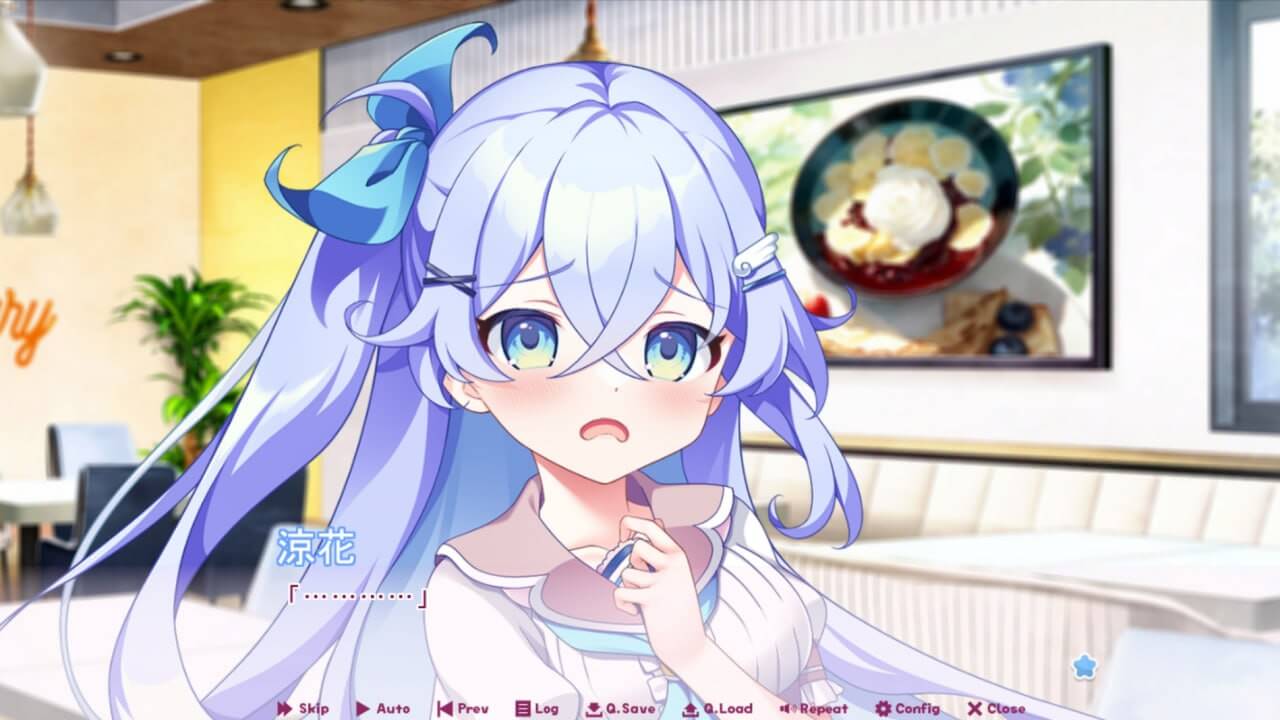
But looking back at Love Pical Poppy — does this thing actually have SMEE’s supposed “origin point”?
Is it the big-map choices? The stereotyped schoolgirls? The visuals full of déjà vu? The voice acting that leaves zero impression?
Where’s this “origin point”? I can’t even see a shadow of any past SMEE game here — not even the ones from a decade ago. Origin point, origin point — where exactly is the point?
If you said it was returning to the origin point of Charleroi, that’d make more sense.
Anyway, from my experience: don’t trust any producer interviews or marketing from HOOK/SMEE, because they’re all bullshitting as earnestly as I am.
Comments are hosted on the Chinese main site. This mirror is read-only.