Hakkenden (八剑传) Review
Hachikenden
The reason I had my eye on this one is simple: IROTORI’s previous game, Sakura no Saiten, was genuinely good. It kept the story fun and built a unique system on top of it. Sure, it can’t match the “proper” mystery games, but within the visual novel niche it’s in a league of its own, good enough to step outside and trade blows with other text adventures.
And they did exactly that. Sakura no Saiten landed on a bunch of consoles, eventually hit Steam too, and picked up plenty of praise along the way. So when Hachikenden was announced I was already looking forward to it, hoping for something that was “really story-driven.”
Never mind that I’m not especially into Japan’s take on history.
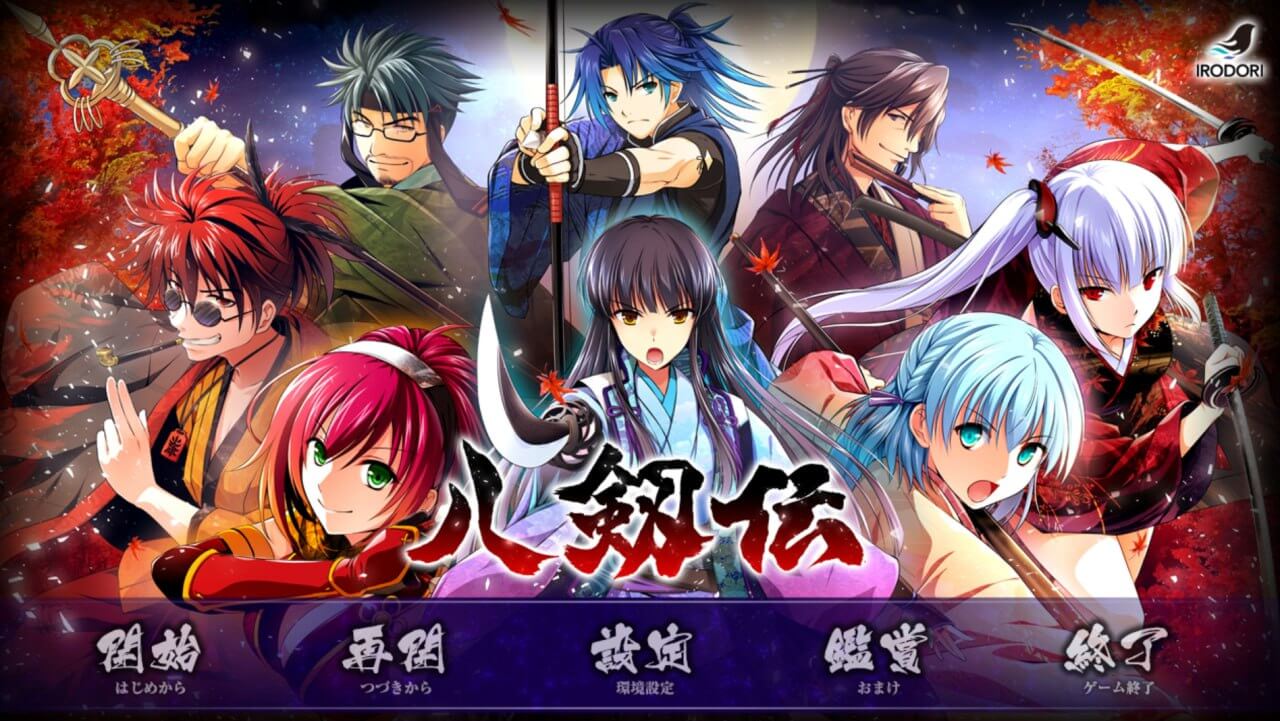
After I finally found the time to finish it, I realized it doesn’t quite deliver on that “epic story-driven” wish. Not that the concept is flawed, and not that the story is badly told. I can even understand some of the reasons behind it. But all the same, the game left me unsatisfied.
First, what it’s about. The setting is a fictionalized Sengoku period, under an era name of “Kōwa,” because red maple leaves that never fall or wither are always drifting through the sky. The endless wars gave rise to a mysterious faith centered on those leaves, called the “Shu Sect.” It grew quietly and steadily until its tentacles reached into everything.
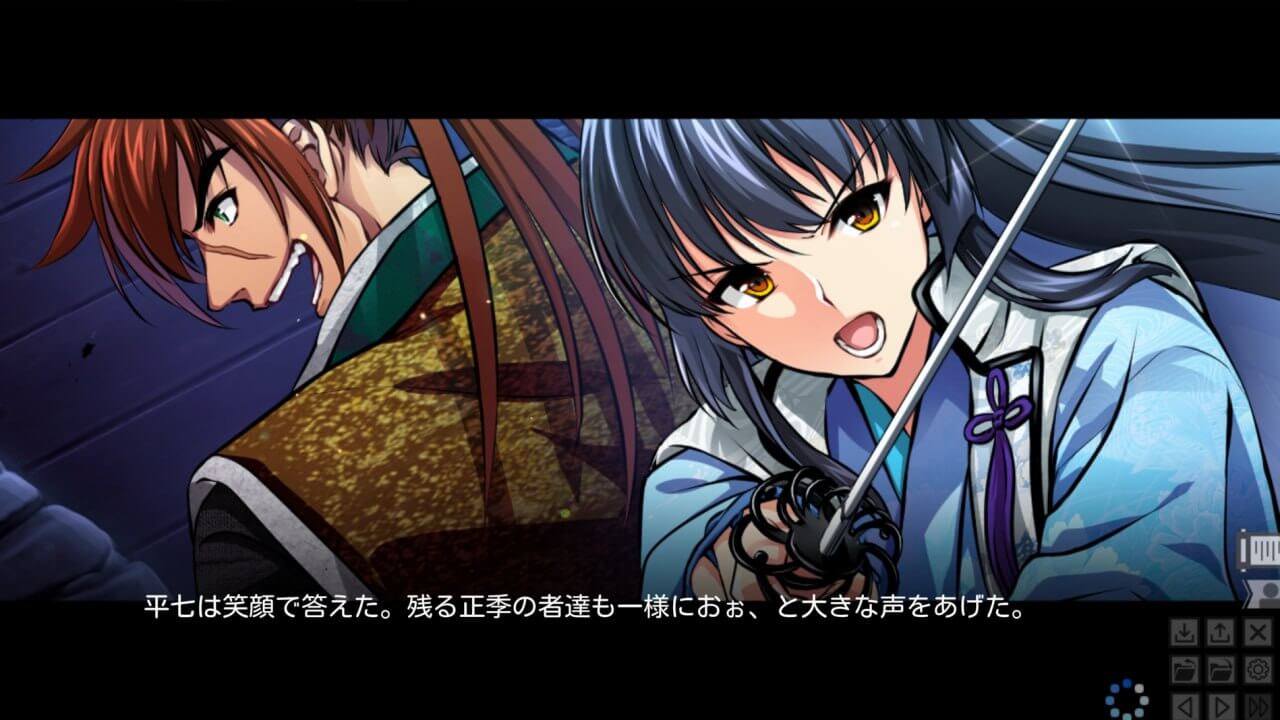
In that war-torn world, eight chosen people come together by coincidence and become the legendary “eight swordsmen.” They uncover the plot the Shu Sect has been running in the shadows, set aside their differences and their positions, and face the sect’s final bosses, Tamazusa and Fusehime. They cut them down, smash the Shu Sect’s plan, and drag a twisted history back to reality.
I don’t think there’s any need to detail each of the eight swordsmen’s personal stories, because it’s all too tangled and messy. Just remember one thing: it’s all the Shu Sect’s fault.
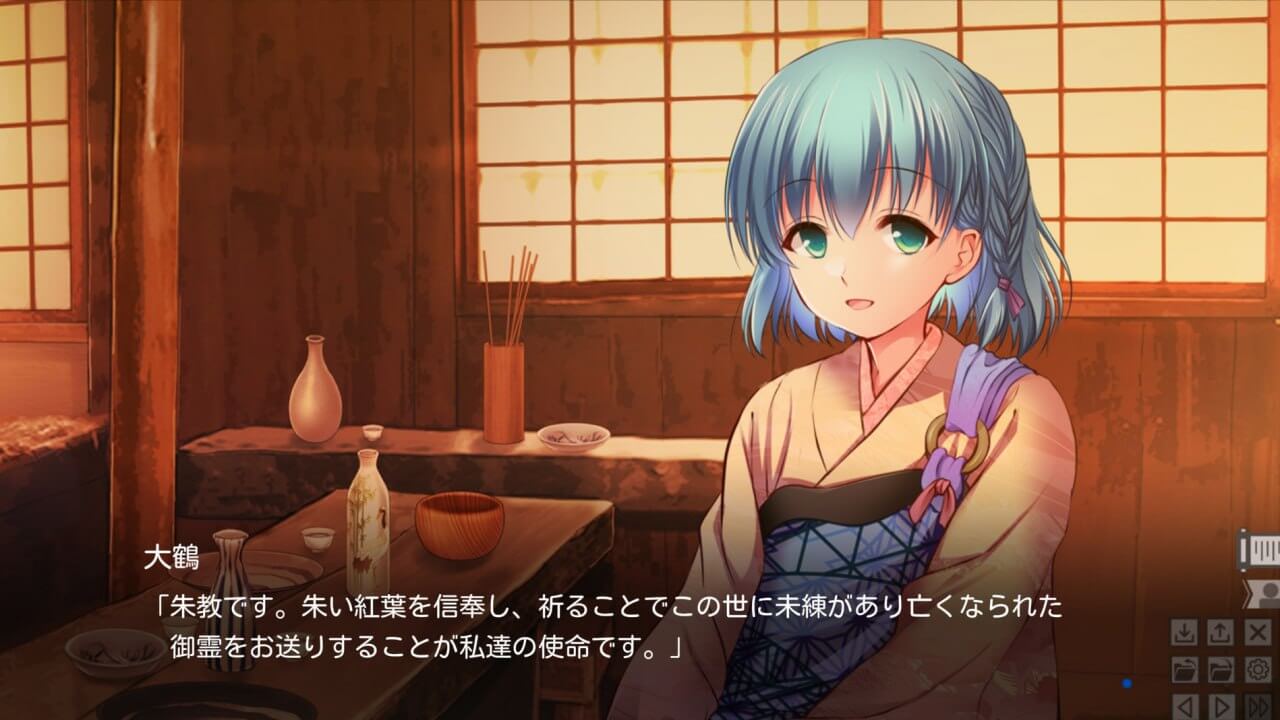
Nearly every character route has a Shu Sect figure show up. Whether they’re being used by others or are just antisocial, they’re villains without exception, and each one kills a side character, which basically nails the villain hat on tight. The one exception, the guardian prophet Yachiyo Ōtsuru, voiced by Natsukazu… she also realizes in the story that the Shu Sect has been using her, and to push her into turning on them they brutally murder her best friend right in front of her. Every route gave me the same vibe as the Lich King in World of Warcraft: Wrath of the Lich King. Villains pop up everywhere to taunt you, just so you know they’re the mastermind and you should hurry up and unite to go beat them.
There’s also a reason behind the game’s title, Hachikenden. It’s adapted from the nineteenth-century Japanese yomihon Nansō Satomi Hakkenden, or Hakkenden for short. In that story, the jewels in the hands of the wronged Fusehime scatter across the land, and eight warriors inherit them, each with the character for “dog” in their name. They become the eight warriors and ultimately unite to defeat the evil villain. You can basically see that Hachikenden is a pixel-perfect homage to Hakkenden, and the game even explains it: Hakkenden is legend, and Hachikenden is the reality born from that legend…
Honestly, all that waffle is pointless. It’s simpler than that: this is a story about eight fated swordsmen gathering the relics scattered across the land to fight an evil cult’s demon king.
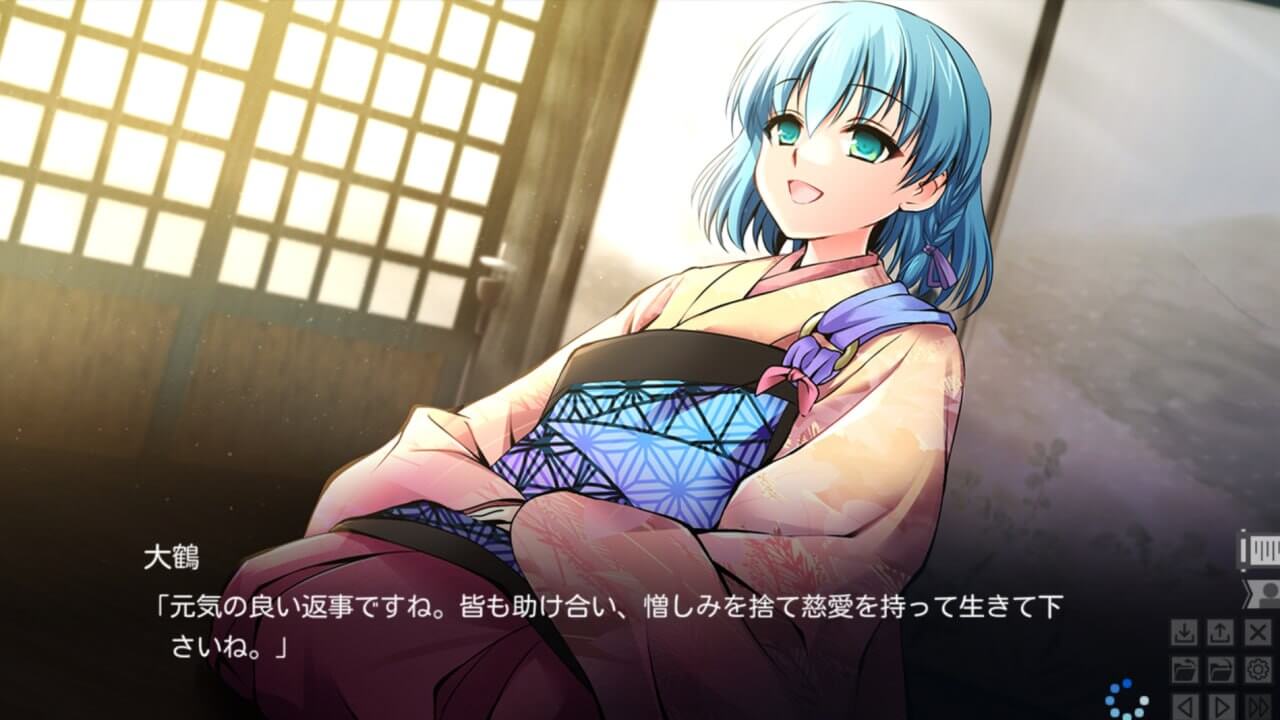
My feelings on this game are complicated. First, it really is a “story-focused” game, and you can tell the team sincerely wanted to make a visual novel with a sweeping sense of destiny. The setting is also very “wuxia” (can I say that?), the Sengoku background is described with real flavor, and a few of the short chapters even tell some philosophical little parables, like the jewel that brings misfortune. But the writer is fine with small stories and clumsy when it comes to pushing the plot forward and raising the tension.
That clumsiness is literal. They chose to hand out death flags. By the middle and late game, basically every non-main-cast character gets killed off, especially the specific side characters who appear on individual routes, who always die and exit the stage. The author probably figured you have to build a character up first and then kill her off for the player to feel “shocked.” It’s an effective trick, but you can’t use it constantly, and even if you do, you can’t use it back to back! The constant deaths make the second half unintentionally hilarious, like they had too many characters earlier, the final battle was coming, the writer couldn’t handle that many, so they just did a purge.
The final boss fight is pretty stereotypical too. Never mind how boring the “true boss’s” entrance is, the villains themselves are written stupidly. You can see their “evil,” but not a shred of their “cunning.” The funniest part for me was Yachiyo Ōtsuru’s turn. Ōtsuru was raised inside the Shu Sect, brainwashed from childhood, with no idea what the outside world was like. Then she sneaks out, sees the real world, and it’s bound to shake her worldview and make her doubt the sect. But at that point she hasn’t decided to cut ties completely. After all, they raised her for all those years. And then the Shu Sect, of all things, has to execute her best friend in front of her, flipping her attitude from “doubt” to “enemy” and pushing a superpowered talent right out the door. If I were the Shu Sect I’d absolutely play the false-flag game, make Ōtsuru believe the sect is right and the outsiders are wrong, and have her back in no time. Instead, the sect’s on-screen presence is all about being upfront: I’m the bad guy, I like causing trouble, come hit me if you can!
It’s 2024. Villains this dumb and direct are rare. Maybe I’ve seen too many “charismatic villains” giving twisted speeches, and pure cardboard villains take some adjusting to.
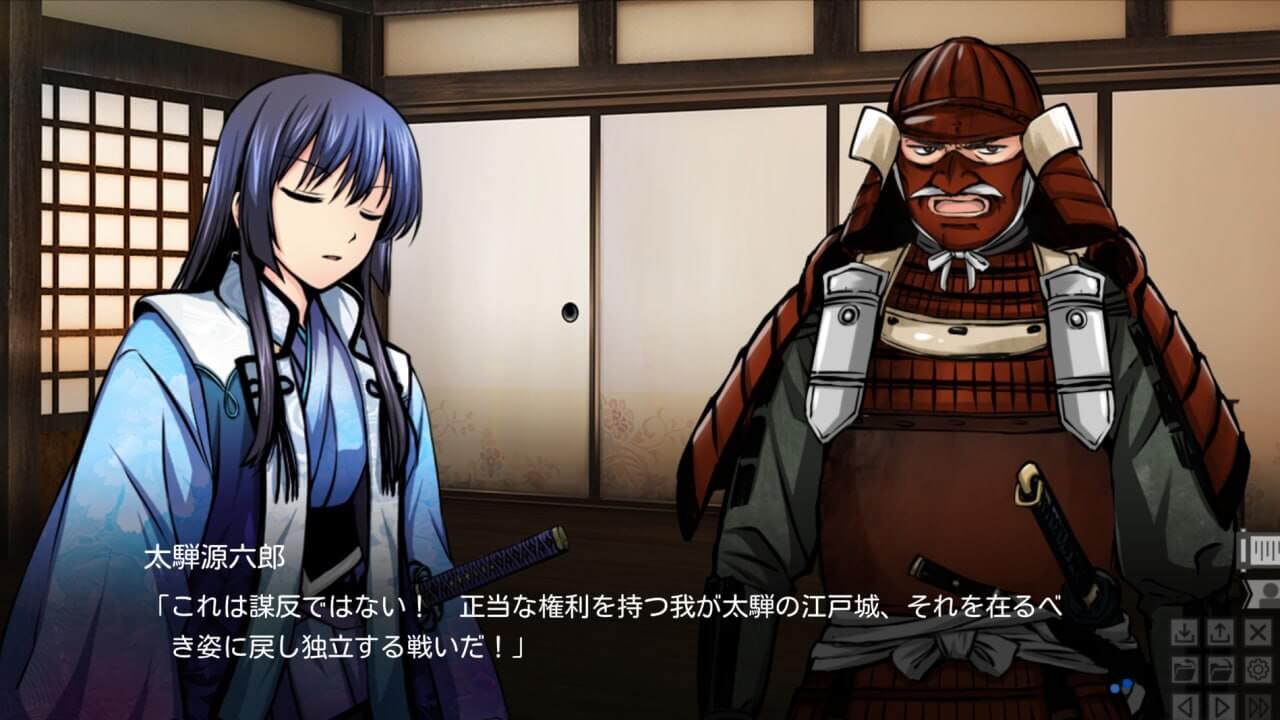
Put simply, Hachikenden’s narrative looks grand but its core is too direct and simple. It’s the old “beat the bad guys” routine, like a children’s storybook. You never wonder why the villains became villains, because they’re just pure evil and you should hit them.
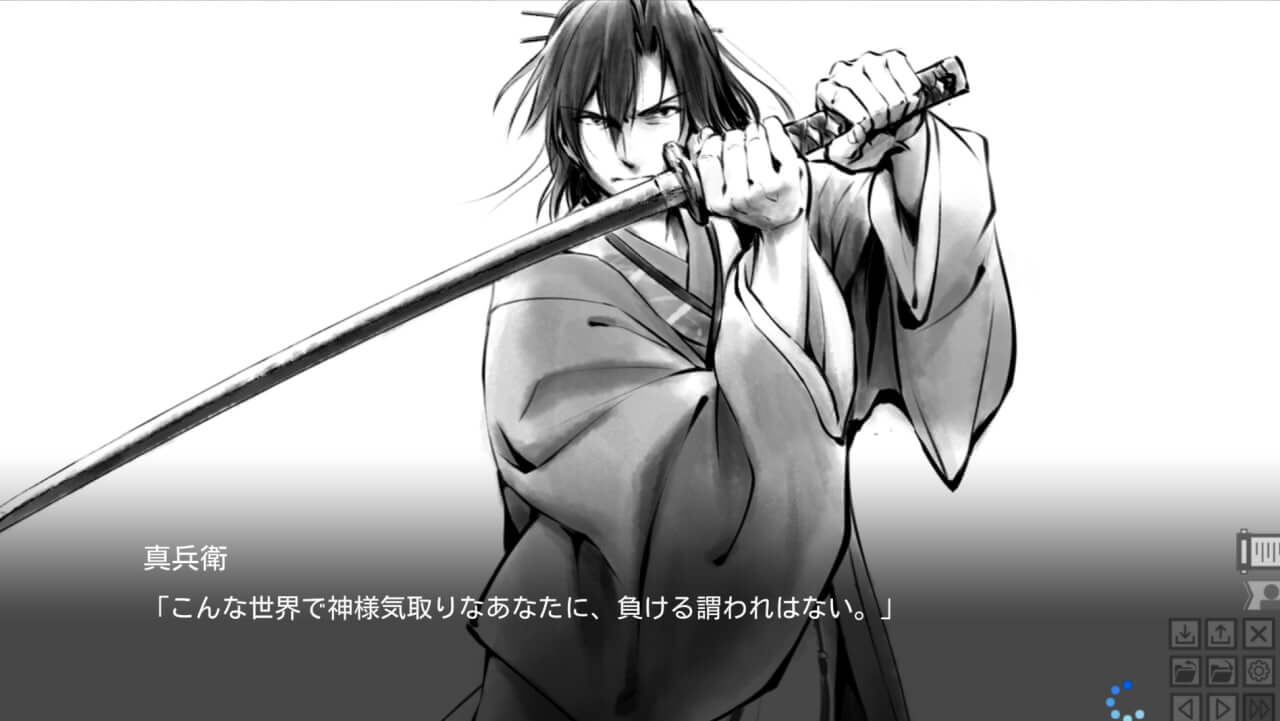
Beyond the story, the production values have shrunk too. Sakura no Saiten had a deduction system; Hachikenden has none. At most you get multiple viewpoints, chopping each route’s story into chapters you can read in any order, with more unlocked once you’ve read them all. It’s a limited choice, and not much use. The dialogue uses lots of ink-wash-style close-up face cuts, but they repeat a lot and the screen tears, giving it the feel of a low-budget Shaw Brothers film. To show off its “big production,” the game uses lots of “standalone OPs,” but the songs and the video content are so barren they’re below a third-party MAD. All the footage does is startle you with sudden singing, and make you want to skip it.
From the endless deaths and increasingly comedic villain plot in the second half, plus the shoddy insert songs and constant screen tearing, I went from amazement at the start to a wry smile at the end. It was a rollercoaster. By the finish I even felt a little understanding. I can see the producer’s huge ambition, and I can also see the helplessness of a second half running on a shoestring, only able to deliver this much. Maybe this was the best they could do.
There’s one more absurd thing about Hachikenden: its score vanished from the fan-rating site “ErogameScape” alongside IROTORI’s previous game, Sakura no Saiten. The site’s explanation was that the developer requested it, and the internet’s guess was that Hachikenden got review-bombed. But what my eyes saw was the game sitting around 70–80 on ErogameScape the whole time, with no bombing at all…
So what actually happened? I have no idea. Maybe IROTORI wanted control over how its reviews are publicized? I’ve seen plenty of positive reviews put up on the official site, but what good does that do? Can you control the people who write blog reviews out of boredom?
Anyway, Hachikenden is a decent game. Its story is direct, or rather “simple,” but it’s one of the few games this year you can just blast through and enjoy. It’s pure hot-blooded manga stuff, assembling a team to fight the big bad, with a Sengoku backdrop, generals, strategists, and defectors. Treat it like a Japanese fan-fiction take on Romance of the Three Kingdoms and enjoy the ride; it’s worth the price. After all, games that focus on narrative instead of romancing heroines are the kind where every one you play might be the last.
Comments are hosted on the Chinese main site. This mirror is read-only.