Sky Code (スカイコード) Review
Sky-Code: The Sky Has Gravity
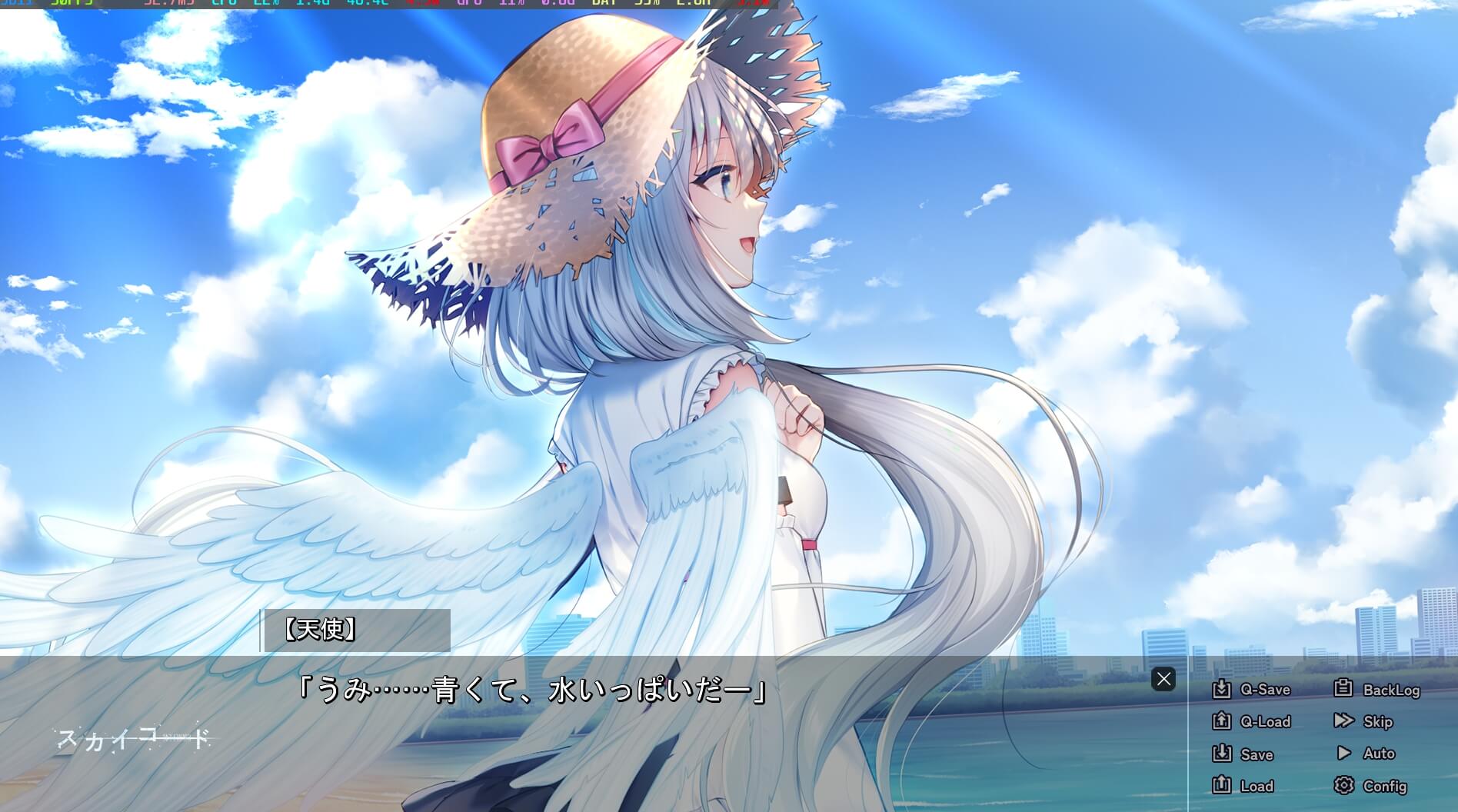
The story starts with our protagonist, Kakehashi Yashiro (宵宮梯子), a truant who’s already stopped going to school. On the road after running away from home, he wanders into an abandoned ruin somewhere in the city and meets an angel with only one wing. The angel grants him a mysterious power through her feathers and asks for his help recovering them, handing him a feather that bestows a special ability. The price: once the feathers are returned, he’ll forget everything.
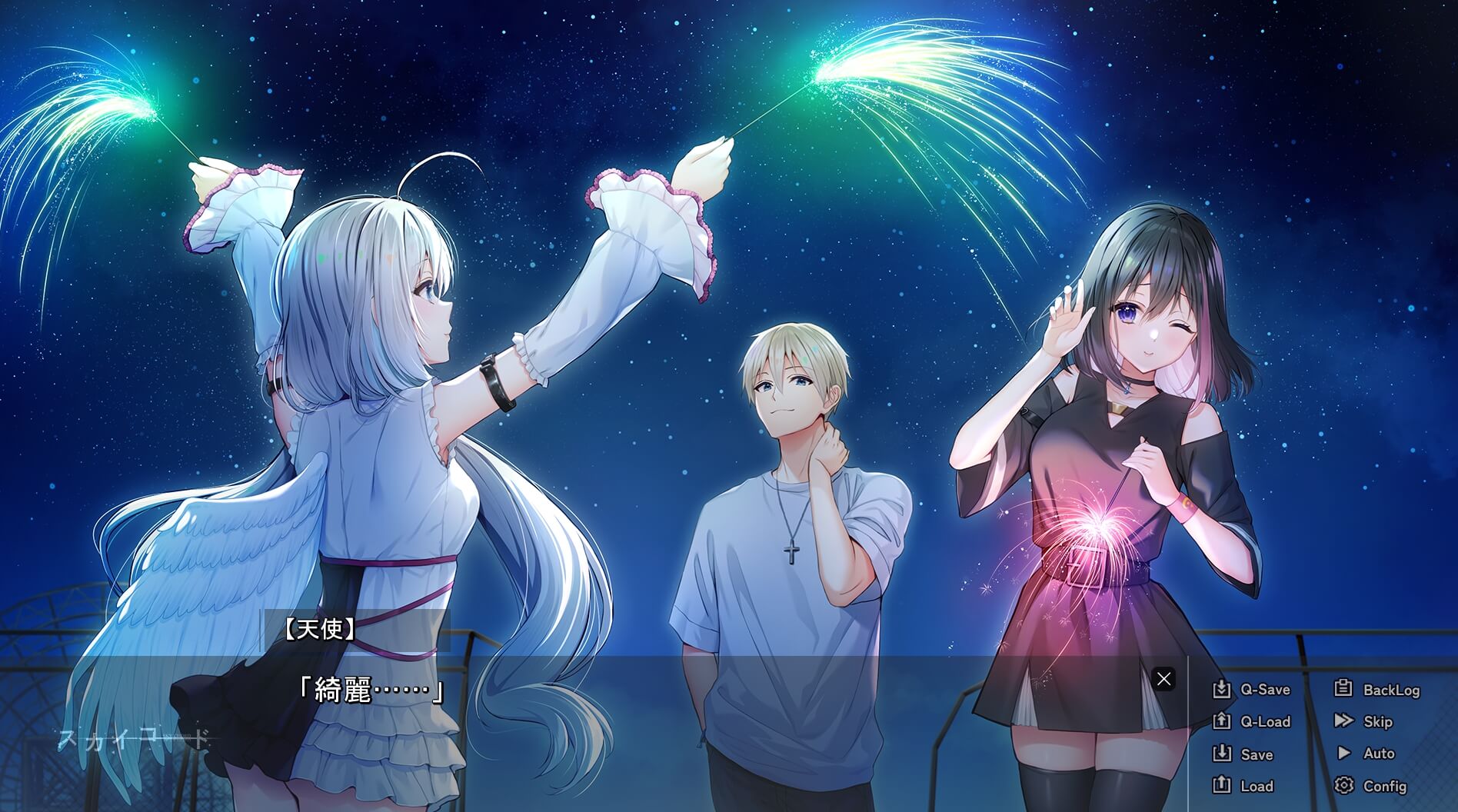
The protagonist follows the angel to the bar where she works part-time and meets a blond boy named Soda (a feather holder), plus another holder, Maju. Soda organizes an offline meetup for feather holders, trying to gather their own kind. The group discovers the feathers don’t bring happiness — they deepen the holders’ dependence and despair. Meanwhile, the protagonist grows closer to the angel, Soda, and Maju, living and traveling together, until Soda jumps to his death without warning and shatters the calm.
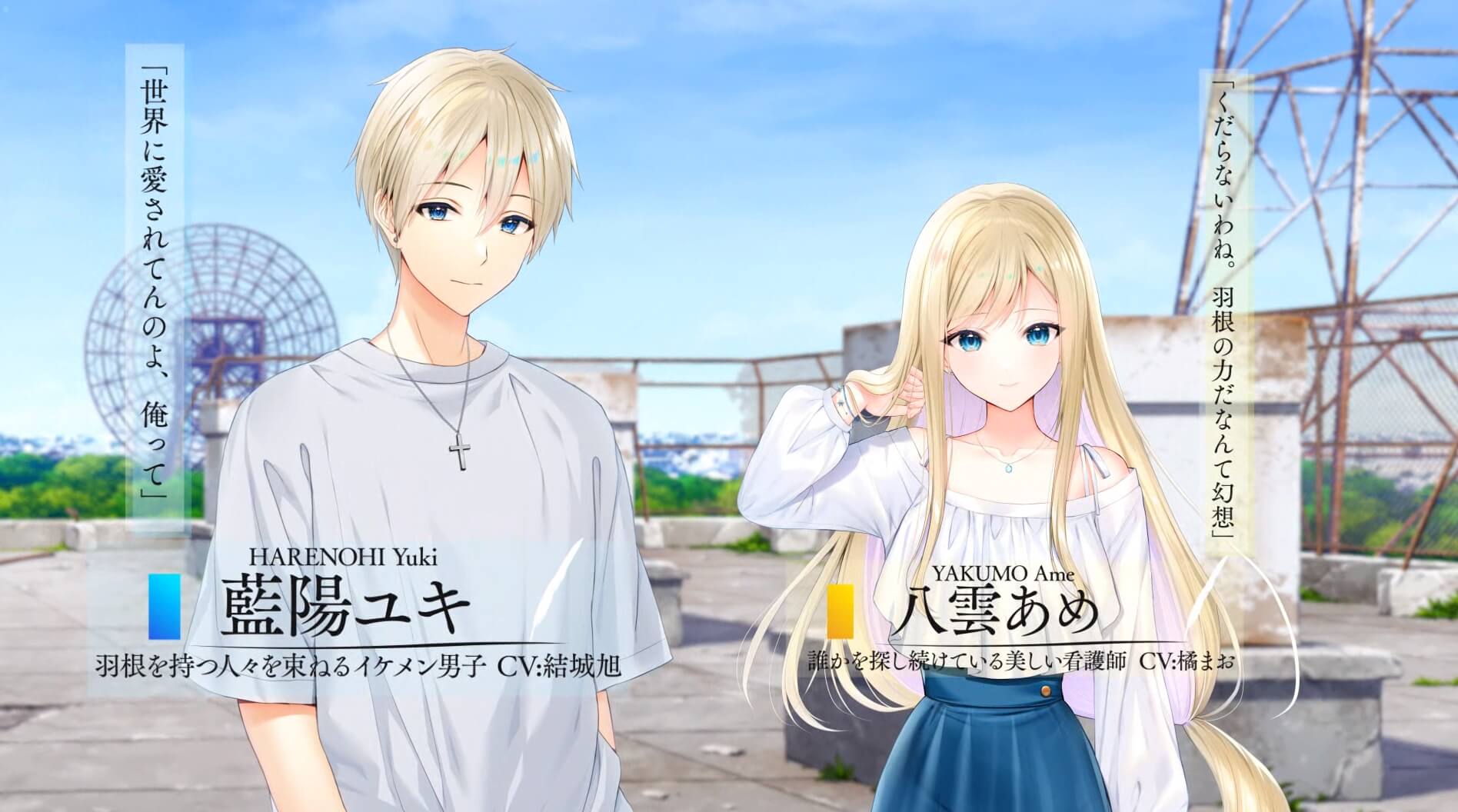
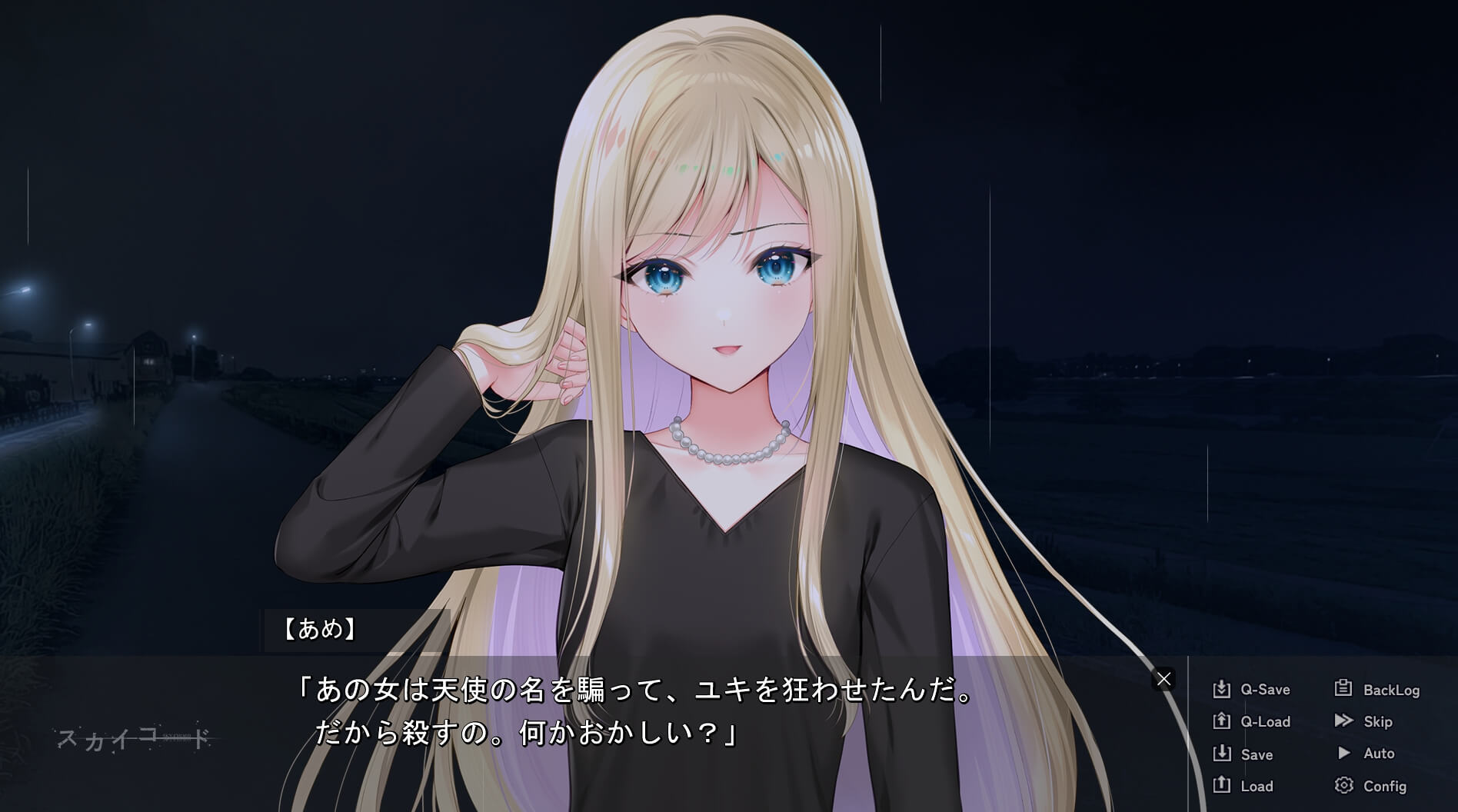
While investigating Soda’s death, the group comes into contact with his older sister, Yakumo Ame. The siblings aren’t blood related. Soda (real name Ai Yuki) harbored romantic feelings for his sister, while Yakumo Ame, long harassed and even assaulted by her stepfather, saw her brother as her only comfort but never answered his feelings because of the ethical line between them. Soda’s motive stays a mystery — emotional repression, the feather’s curse, or a lingering attachment to happy memories. Not long after, Yakumo Ame follows her brother in despair.
Maju, insecure over her family situation, has a crush on the protagonist and gets rejected. She tries to use her feather’s power to control him, fails, and after her confession is gently turned down, chooses suicide. The feather holders fall apart one by one under the string of tragedies, leaving only the protagonist and the angel to keep searching.
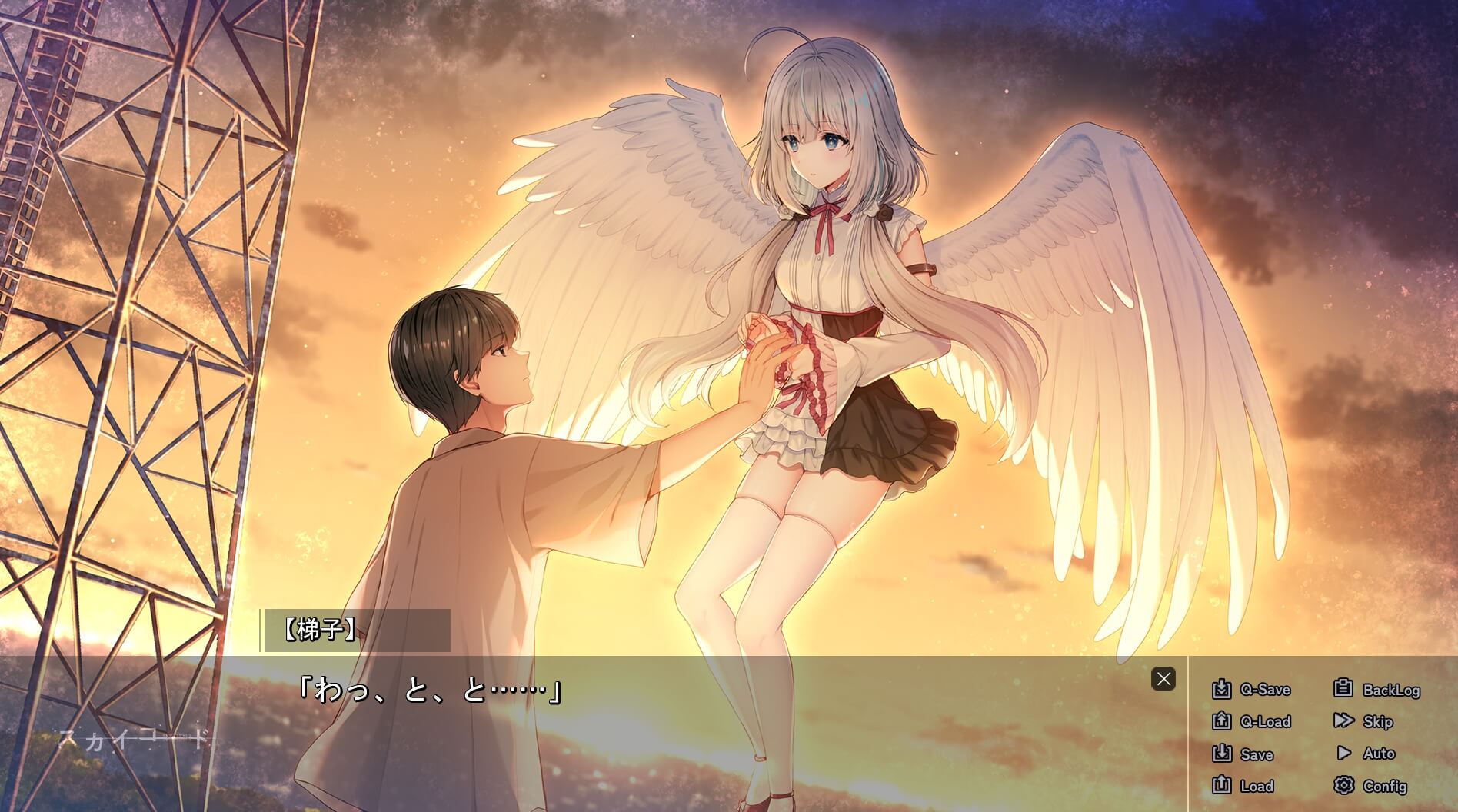
The protagonist confesses to the angel and they become a couple, but her nature means she can’t stay in the human world for long. Her mission is to recover the feathers and return to the sky — and the body she borrowed belongs to Kujo Nozomi’s sister, who was in a car accident. (Nozomi is the protagonist’s classmate and bully.)
Kujo Nozomi’s personality turned extreme after a family tragedy (his parents and sister died in the crash, and his father killed himself afterward). He mistook his classmate Aoi Asuka’s sympathy for love. When she rejected him, he assaulted her and bullied the protagonist, and eventually jumped from a building with the protagonist — both survived. The protagonist, badly injured, ran away from home, and meeting the angel became the turning point of his life.
To recover the last feather, the protagonist works with Kujo Nozomi and reveals the truth of the angel possessing Kujo Ten. After recovering every feather, the angel leaves the body, and Kujo Ten wakes up and reunites with her brother. The protagonist loses his memories of the angel but regains the will to live through the experience, and eventually forgives Kujo Nozomi.
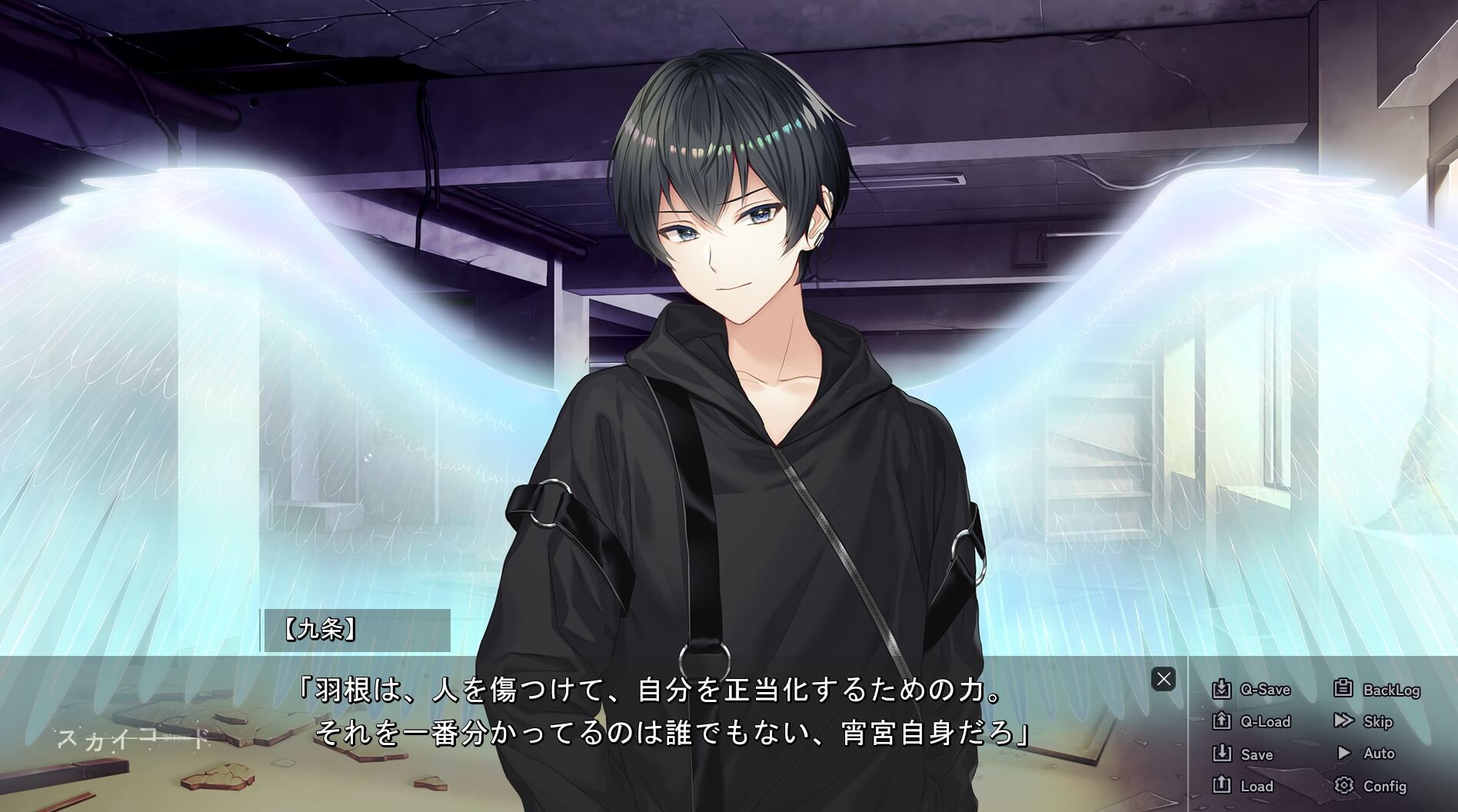
In the end the angel returns to the sky, the Kujo siblings reunite, and the protagonist makes peace with Nozomi — but the deaths of Soda, Yakumo Ame, and Maju are wounds that can’t be mended.
Sky-Code (スカイコード) got a flood of bad reviews shortly after release, mainly for the same reason as The Last of Us Part II that year: it forgives the abuser and the villain without any底线 — no, without any底线 at all.
Kujo Nozomi, who shows up in the back half, is a thoroughgoing abuser. He raped Aoi Asuka, subjected the protagonist to long-term violence, directly drove him toward suicidal thoughts, and set up the encounter with the angel at the game’s opening. Yet in the back half, the protagonist and Aoi Asuka casually forgive this abuser, on the grounds that “he lost his sister, his family had it rough.”
So a lot of people can’t understand it. No matter how twisted your family is, that’s not a reason to abuse anyone. And putting a villain plus school bullying into the mix easily resonates with players who’ve been through the same thing — they want payback. But the game does the stupidest Virgin Mary routine, not only forgiving the villain but pushing the protagonist’s group toward mutual understanding with him. In today’s internet climate, it’s hard not to read that as a landmine.
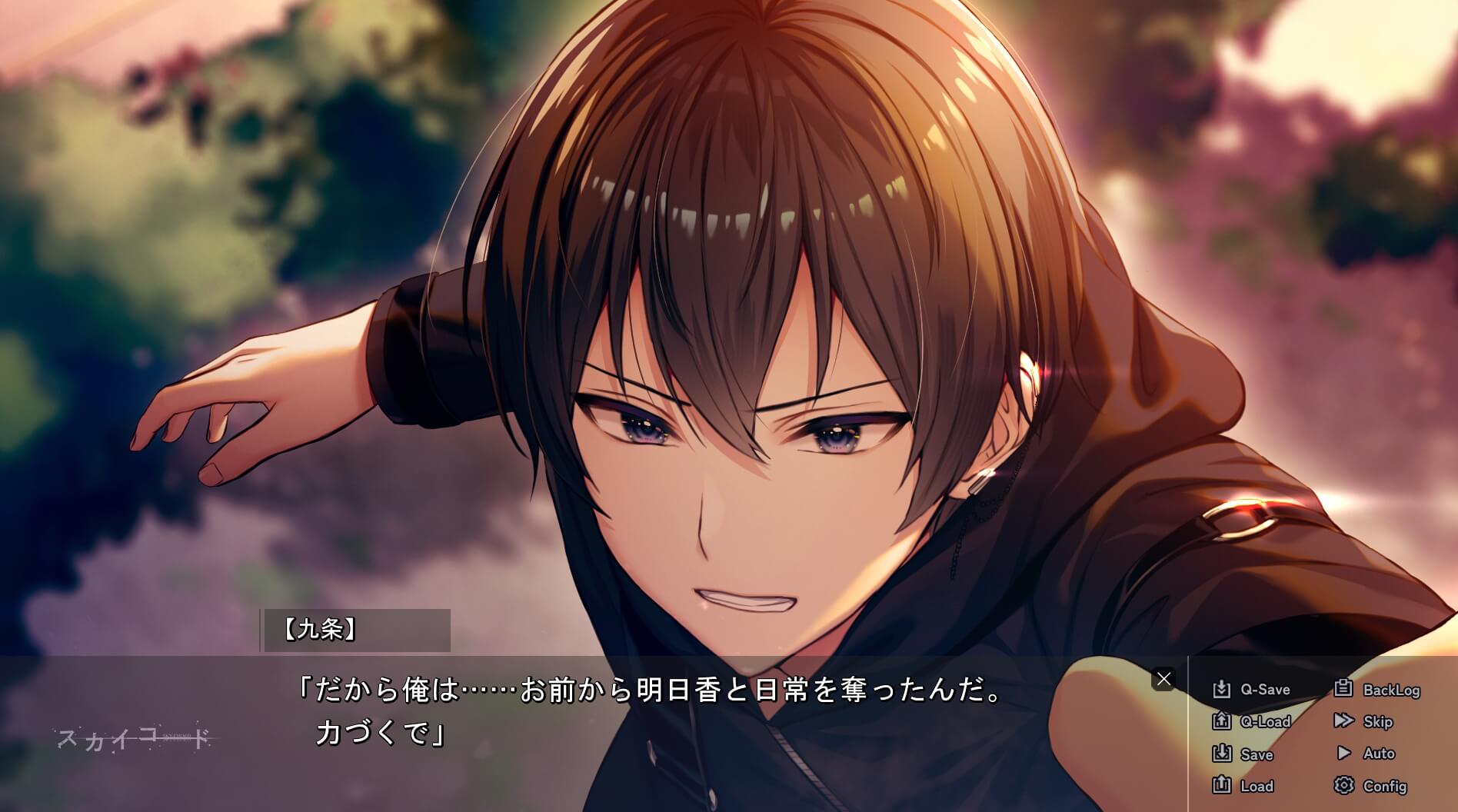
The other thing is Soda’s sudden suicide early on — he’s the second male lead, and it’s genuinely baffling. He’s the one who spearheaded the feather search, the one who built the cozy little circle. How does he kill himself right when everything’s finally looking up? People can’t make sense of it, so many conclude the writer got sick and killed him off just to have a body.
The final landmine is the angel. The romance between the protagonist and the angel actually develops fine — a mortal falling for an angel is a common enough setup, especially in galgames. But the game has to go and tell you the angel was borrowing someone else’s body, and when the angel leaves, the body’s owner wakes up: the abuser’s sister, Kujo Ten. Then the game force-ships the protagonist with Kujo Ten, which is hard not to call a variant of NTR.
So a game with NTR, a saintly forgiveness arc, and abnormal deaths — multiple danger elements — plus a scenario writer known for getting sick (Tareka), and Sky-Code got nailed to the pillory of “landmine” and “kusoge” fast.
But is that actually true? At least I don’t see it that way.
Back to the game itself: four characters and one phrase run through the entire thing:
“Suicidal ideation” and “drawn to the sky.”
The latter is a more elegant way of saying the former — plainly, “the urge to kill yourself.”
The whole game keeps making one point: haven’t you had a moment when you suddenly wanted to try dying? A moment when you felt you had nothing left to hold you to this world, when you wanted to end it all? Suicide doesn’t always require long planning. It can be impulsive — even improvised.
When you look up at the sky, do you feel it pulling at you?
“Suicidal ideation” is the Japanese term for this state of mind. In real life it’s common among people with depression. Now that depression has been trivialized and stigmatized by every self-styled princess online, the people who actually have it have lost attention. I’d argue every character in Sky-Code except the angel shows clear signs of depression. A hallmark of depression is self-harm and self-blame — believing every misfortune is your own fault — which then slides into self-denial and self-destruction.
So if you enter that state of mind, a lot of the game’s developments start to hold up. For instance, the protagonist is already seeking death from the start; when he’s bullied, he naturally assumes he’s worthless rather than that others are at fault. Then Soda, Maju, Kujo Nozomi, Yakumo Ame — all of them suffer various hardships in life, from family, from society, from a stepfather. They all have it “hard,” and after life gives them a brief breather, suddenly choosing to end it at some moment isn’t impossible.
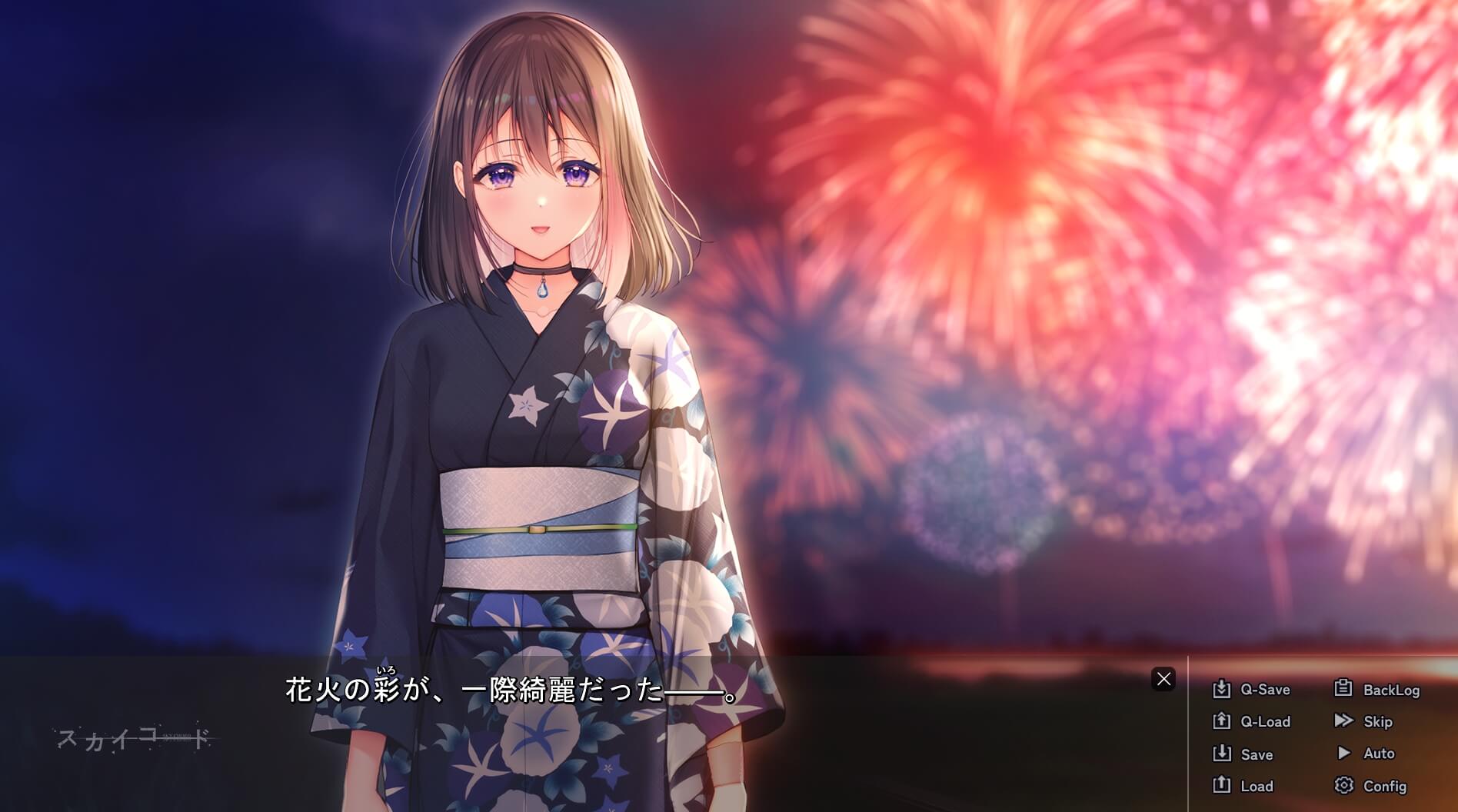
As for Kujo Ten falling for the protagonist — the game doesn’t actually show much romance between them. The so-called “sex scene” reads more like a stock galgame plot beat. If you’re really after “pure love,” Maju’s route confession, paired with the fireworks festival staging, will definitely move you… even though she kills herself soon after.
I think Sky-Code does a good job portraying the most fragile, soft, sensitive part inside most people struggling through life. Not everyone reaches the end out of despair; sometimes in a single moment the thought of “being drawn to the sky” appears, and you suddenly want to give up on life and run to the sky.
It’s a widespread psychological issue and the easiest one to overlook. Especially after Japan’s “lost thirty years,” the ongoing stagnation and high-pressure social environment have warped and pained people psychologically — one reason Japan’s suicide rate stays high, and the part of this work I think is most worth experiencing.
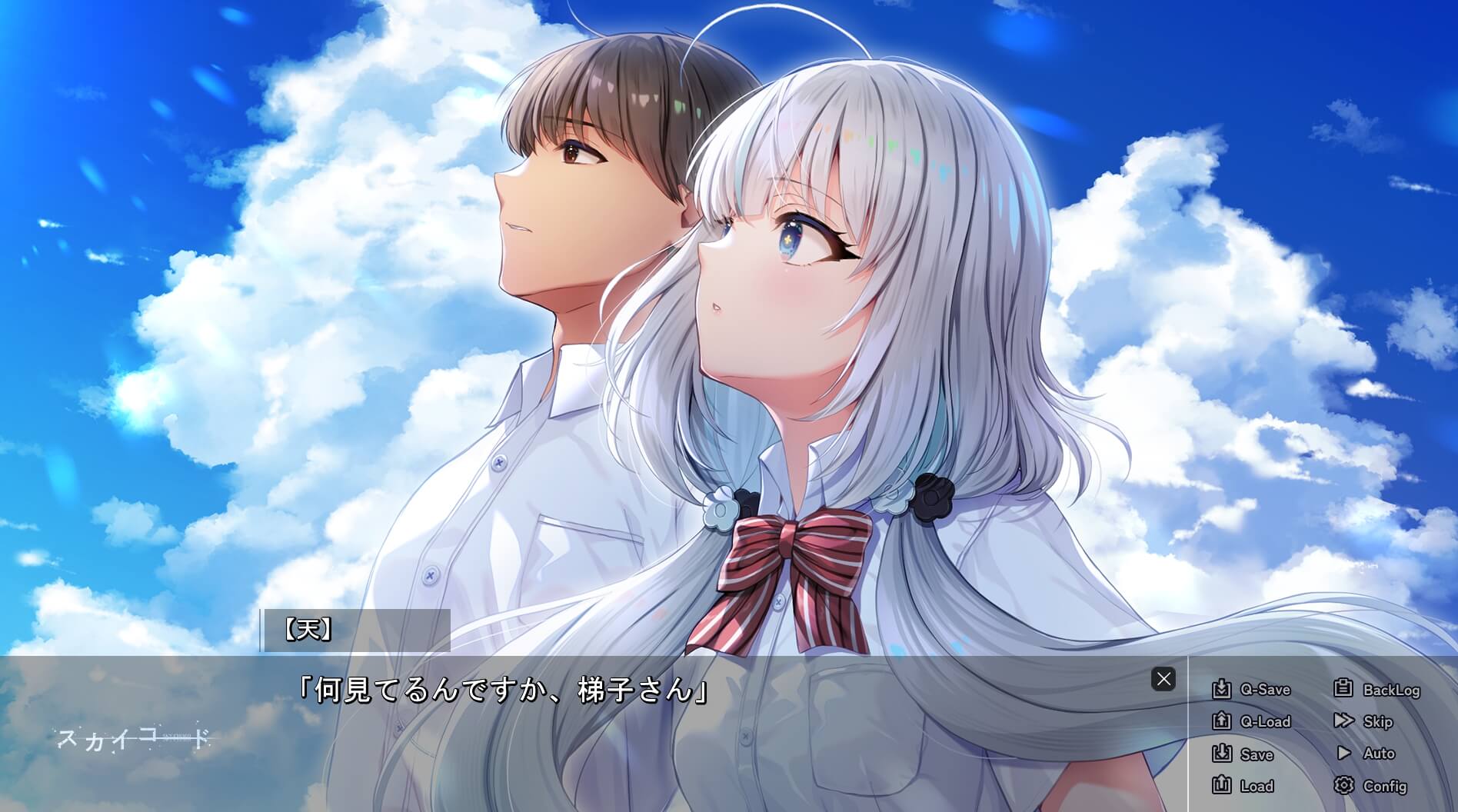
Of course the game isn’t flawless. After Soda’s suicide the pacing nosedives, a lot of filler daily-life scenes put you to sleep, and the excellent soundtrack can’t survive its constant reuse. It still has the classic galgame flaw of a “middle section that stinks and drags,” but liberal use of skip can greatly improve your experience. Maybe this game has this or that imperfection, but saying the writer deliberately wrote a malicious story to disgust you — there’s no need to go that far.
From start to finish, the oppressive atmosphere is spot-on. Even with all the banter, bright visuals, and beautiful sky close-ups, that lingering oppression is the work’s greatest success — and probably exactly what the writer wanted players to feel.
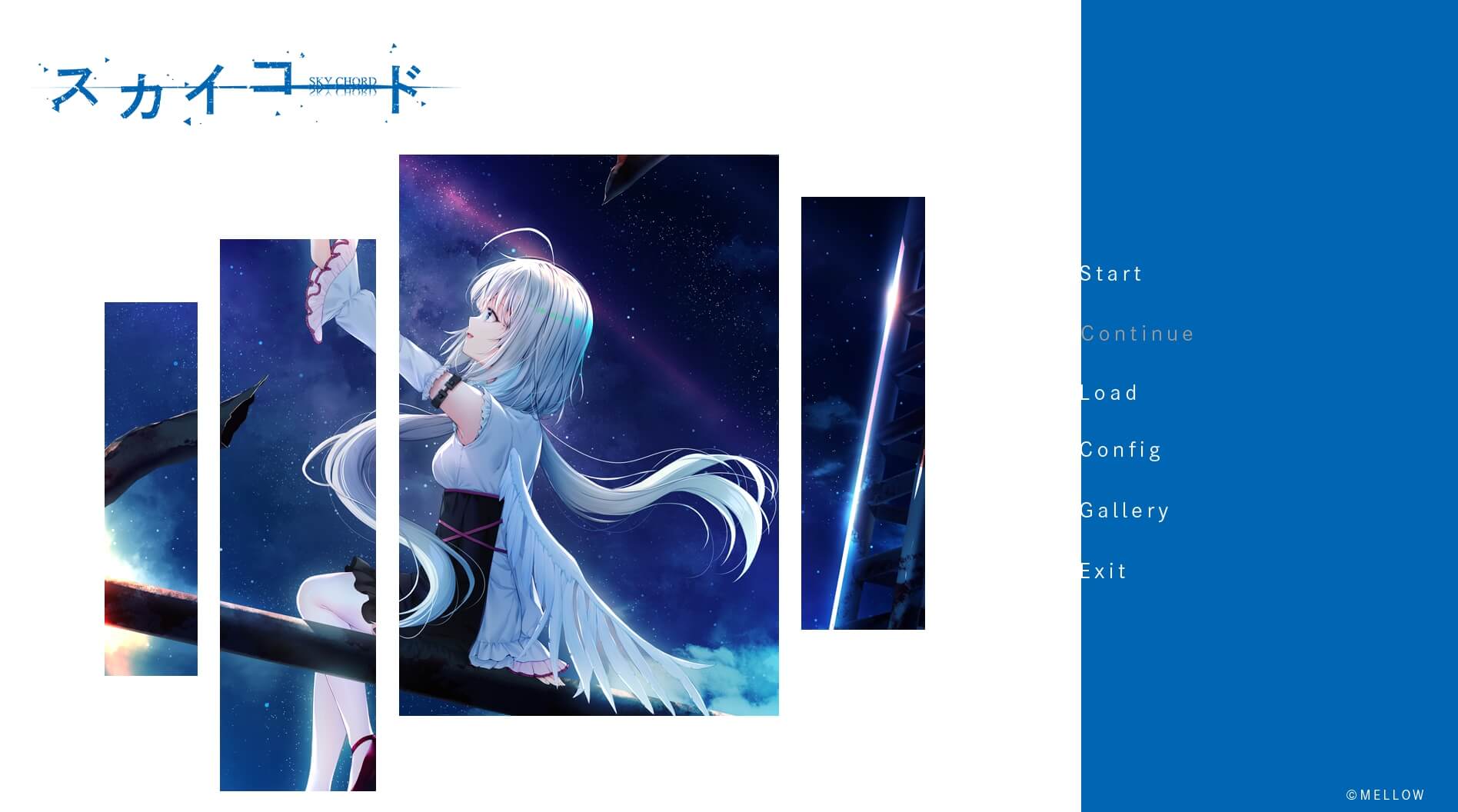
In a hundred years we’ll all return to the sky. And when reality squeezes the breath out of you, there’s always that one moment when you look up and feel the sky pulling at you somehow, a moment when you think about seeking release…
Once that thought appears, you’ll probably understand, more or less, what this game is trying to say.
Pros:
- The story has some depth
- Solid production values
- The heroine stands out
- Attractive art style
Cons:
Too depressing; may be hard for ordinary players to take
The middle section drags badly
The story is a bit Mary Sue
Comments are hosted on the Chinese main site. This mirror is read-only.