Hands-on: Yulan Code Notebook
Yulan Code Notebook: Lots of Good Points, but the Flaws Matter More
Last time I mentioned I bought an RK3588 laptop. It used a no-name OEM chassis, but the overall experience still beat my expectations.
I also mentioned that the laptop had a few shortcomings, and fixing them would be a huge improvement:
- Fast typing on the keyboard causes double presses (probably a chassis issue)
- Battery capacity isn’t big enough
- Build quality is a bit poor, the whole body is plastic
- Only one USB-A port
- Too much empty space inside
So is there an RK3588 laptop that solves all those pain points?
Yes, there is, my friend, there absolutely is.
Let me formally introduce this product: the Yulan Code Notebook.
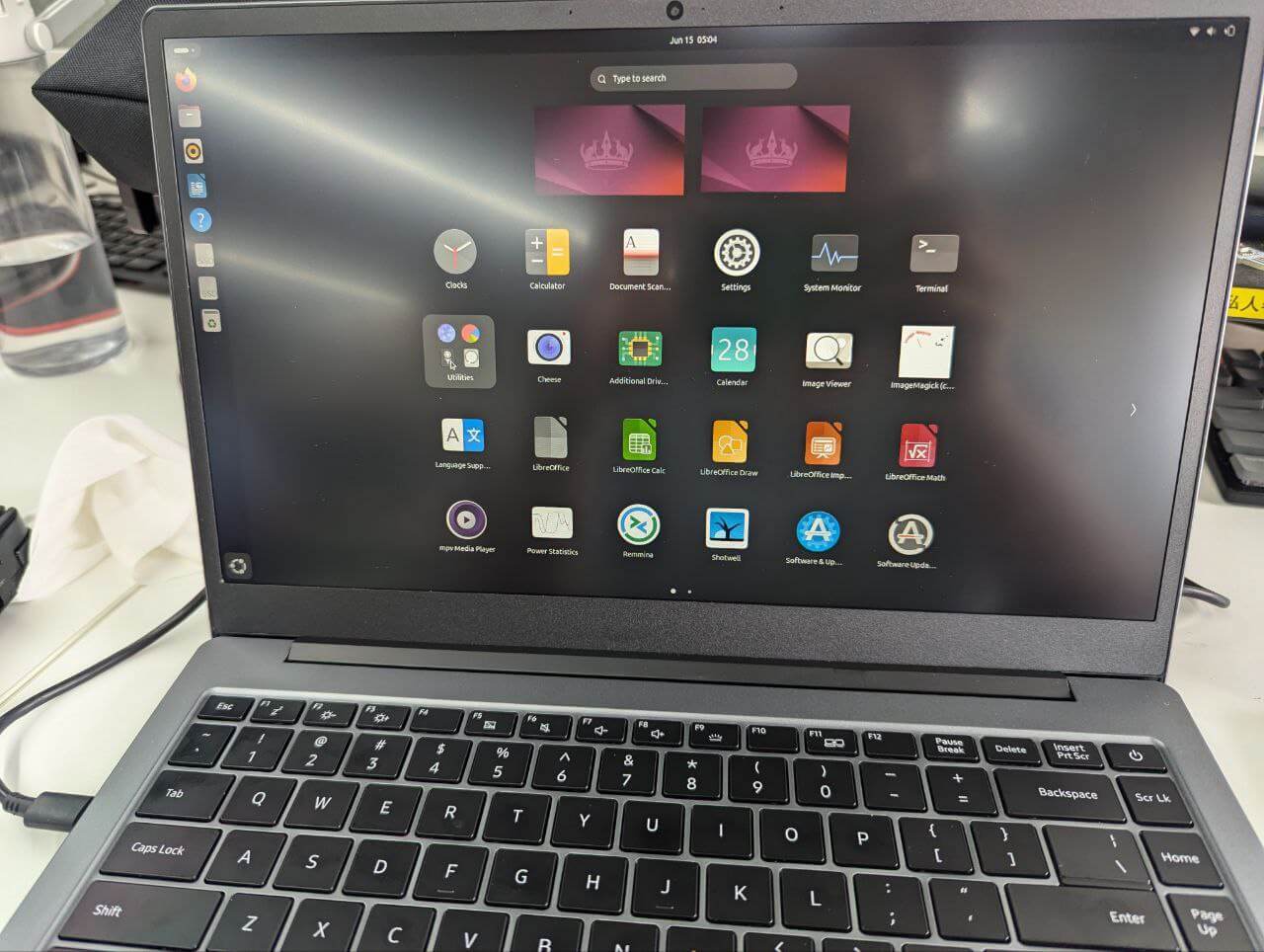
The so-called “Yulan Code Notebook” is actually another RK3588 laptop public chassis, rebranded by Gewu Technology as the “Yulan Notebook.” The goal was to bundle it with a Linux kernel development tutorial and sell them together, so buyers could learn some Linux on the side and get a taste of kernel development.
That idea isn’t bad. The problem is the Yulan Code Notebook is too expensive: official price is over 3,000, clearly carrying a hefty premium, which presumably comes from the included training courses.
Obviously I don’t want those courses, so I got a Yulan Code Notebook through some means, planning to treat it as a “better-built Cool Pi CM5 Laptop.” But honestly, I later realized I was dreaming.
First, the good points: same as I said before, this machine uses an all-metal body, a huge step up in class from that plastic thing last time. The screen even has narrow bezels on three sides, which instantly makes it look elegant and badass.
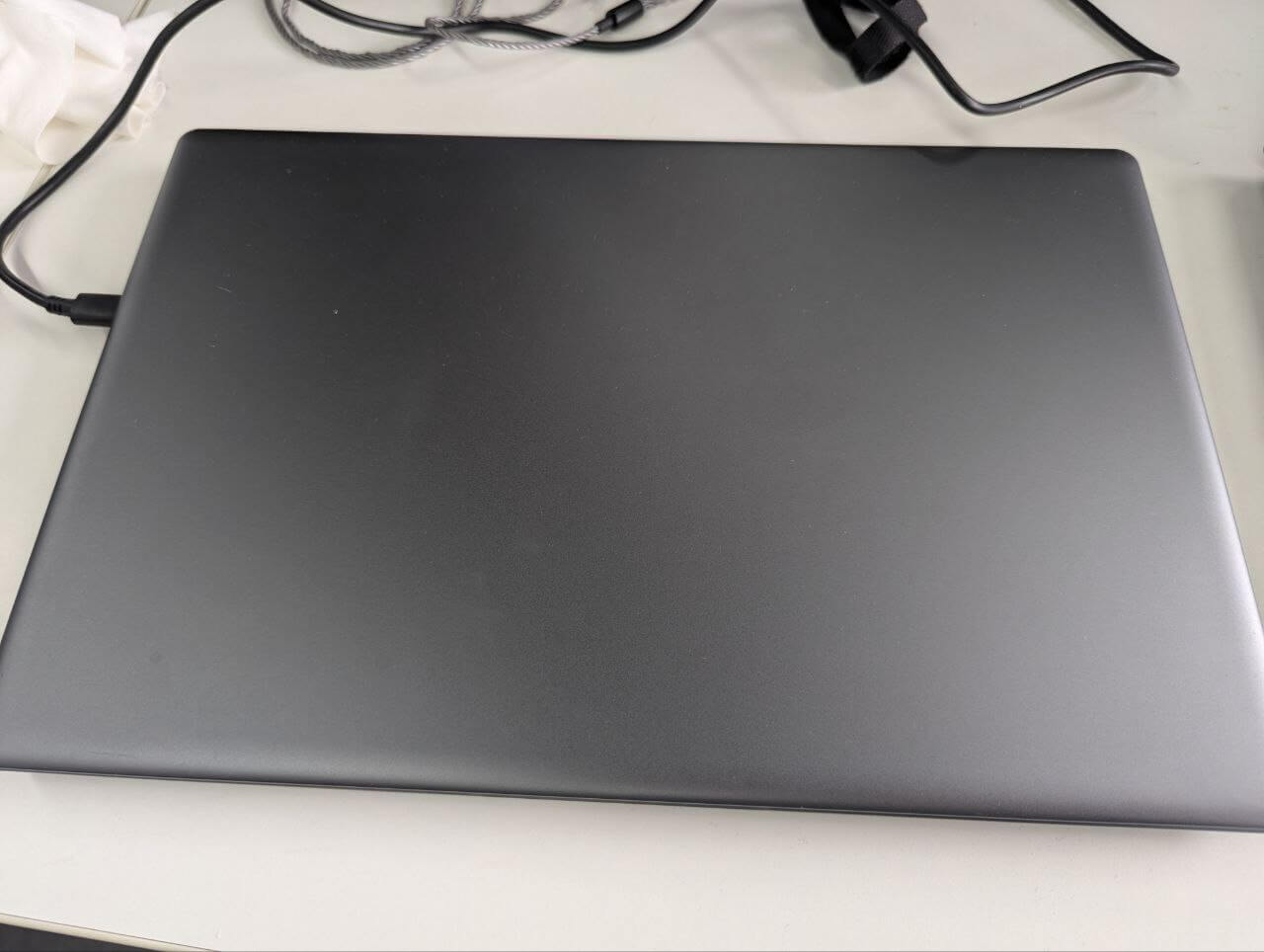
The screen is IPS but still low color gamut. The colors lean warm, though, so it’s not as harsh on the eyes. By the way, the same chassis can be bought on Taobao, and you can ask sellers to customize it with a high-gamut screen, so the screen might not be an issue. You could pry open the B side and swap the screen, but I don’t recommend it: it’s glued in place and the dimensions are tightly constrained, making modding very difficult.
The machine comes with a 500GB NVMe SSD, a backlit keyboard, a standalone metal backplate for passive cooling, and even a 50Wh battery. You could call it an upgraded replacement for the Cool Pi CM5 Laptop.
One big advantage of the Yulan Code Notebook is its very thorough Wiki, where you can find lots of methods for tuning and optimizing Linux on RK3588, plus guides for installing all kinds of software. Much of it can be copied over to the Cool Pi CM5 Laptop without issue.
The Yulan Code Notebook’s system versions keep getting updated—Shuangjian, Taigu, whatever… really just differences between old and new kernels and Ubuntu releases. The machine was also among the first to support UEFI boot. Combined with that complete, detailed manual, the service provided is actually pretty decent.
By all rights, the Yulan Code Notebook, as a well-rounded RK3588 laptop, should be a perfect RK3588 machine. But it has one fatal flaw, and I can’t tell if it’s a software or hardware problem…
This thing’s trackpad doesn’t support multitouch.
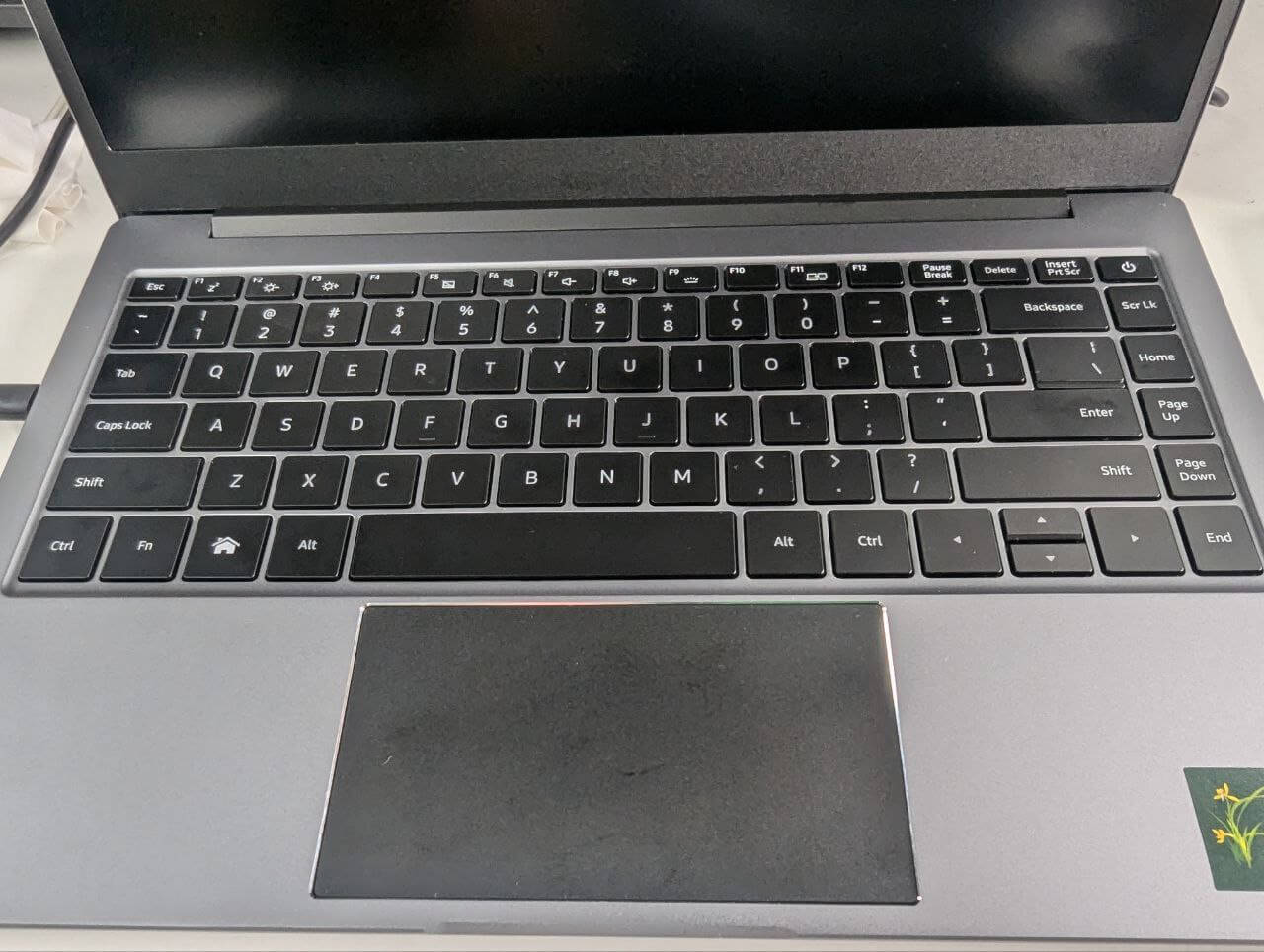
In other words, the trackpad is recognized as a three-button mouse. Not only can you not use gestures, you can’t even two-finger scroll. And wouldn’t you know it, the default system is Ubuntu’s GNOME environment—without gestures, 80% of trackpad operation is dead, making this laptop a struggle to use. The official recommendation is to plug in an external mouse, which is just absurd.
So even with all its merits, that absurd trackpad alone made me pass on this laptop and go back to the Cool Pi CM5 Laptop.
I’m not sure whether the trackpad issue is hardware-caused. I opened it up and the trackpad didn’t look special. It could be a problem with the device tree file in the kernel. Considering Yulan has been selling this hardware for so long without fixing it, it may really be unfixable—after all, this chassis, this Shenzhen Arm laptop chassis, was originally made to run Android.
Comments are hosted on the Chinese main site. This mirror is read-only.