Tanetsumi no Uta (たねつみの歌) Review
Going on an Adventure with Mom
Misuzu, a Japanese middle schooler who lost her mother at six, is about to turn sixteen. On the night of her birthday, a girl about her own age taps on her window. She says her name is “Yoko”—Misuzu’s mother, come through time from when she was sixteen. Misuzu wants nothing more than to see her mother again, but it’s hard to square this sixteen-year-old girl with the word “mother.”
After a nostalgic tour of the house with this “mother,” Yoko makes an offer: come with her on an adventure.
Misuzu doesn’t know why, but she feels like she’s supposed to go, so she half-stumbles out the door after Yoko. The two pass through a long cave and somehow cross through time again, arriving more than ten years in the future. Yoko makes a phone call, and as if it were all arranged, a married couple appears with a girl of about the same age. The girl is called Tsumugi—and this Tsumugi is the daughter Misuzu will have in the future. So the one bringing Tsumugi to meet Misuzu… is the grown-up, married Misuzu herself.
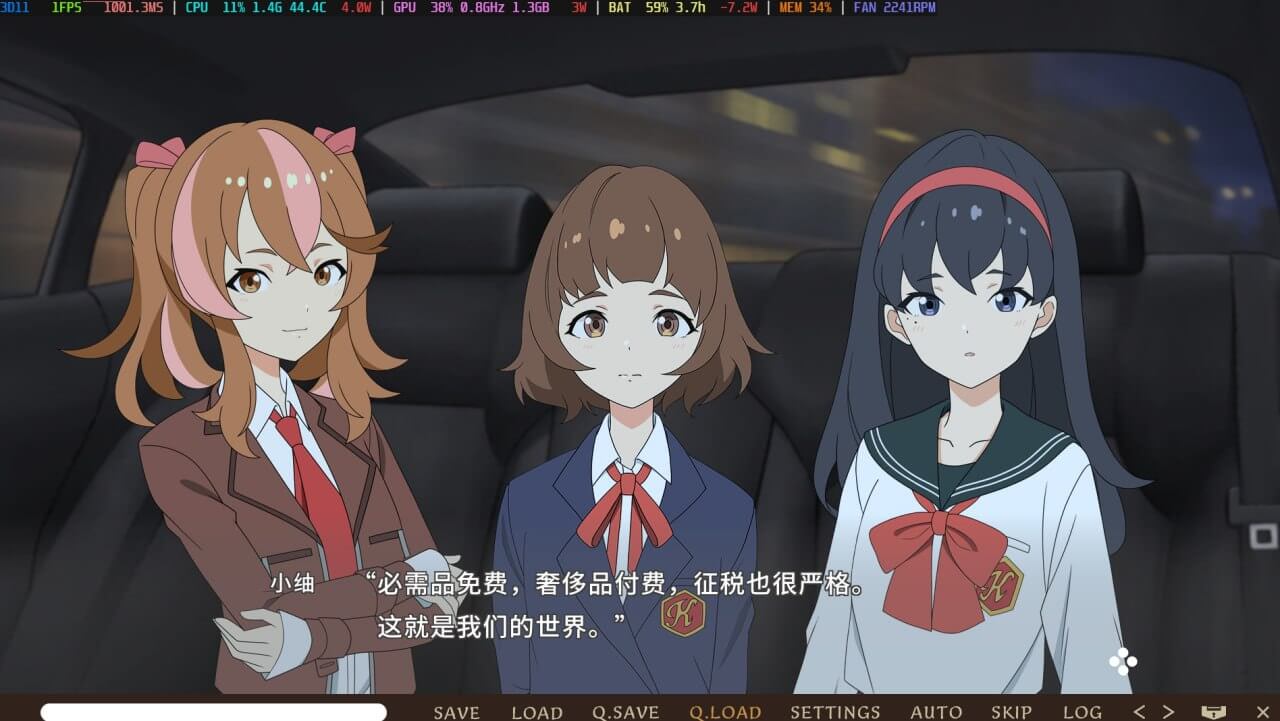
Grandmother, mother, daughter—three generations of the same blood, all the same age, thrown together in this bizarre combination. The three girls set off on a new adventure, pass through the cave, and arrive in a new otherworldly country. Yoko says she accepted an invitation from someone named “Hiruko” to perform a shrine maiden’s rite in the legendary land of the gods; once it’s done, one wish will be granted. “Hiruko” soon appears and introduces himself: he says he is Yoko’s son, who died in the womb before he was ever born, and so was reborn in this other world.
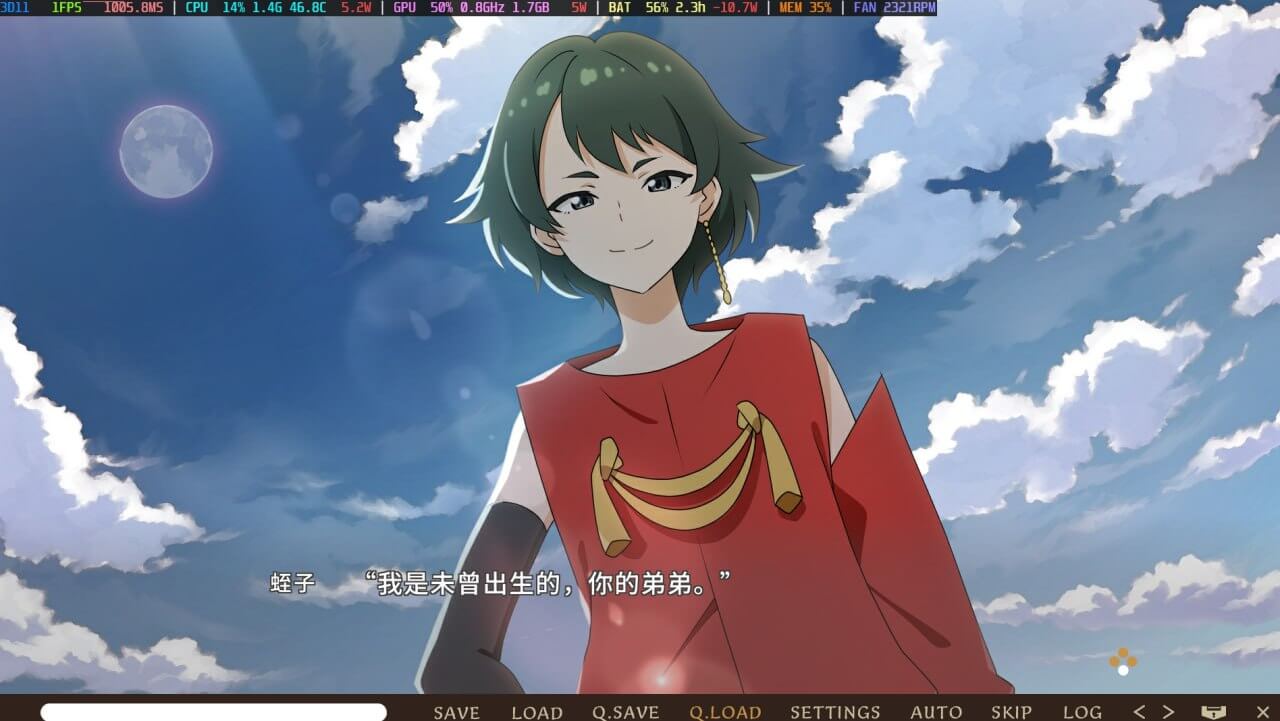
And so four blood relatives set out on an adventure through another world. They travel through the Country of Spring, the Country of Summer, and the Country of Autumn, going through all kinds of trials, starting out as strangers, clashing and quarreling, and gradually growing closer and understanding each other. Before they head for the Country of Winter, “Hiruko” reveals his goal. Yoko has a chronic illness and really isn’t suited to bearing children; Hiruko’s miscarriage made her body even worse, and the later decision to carry Misuzu to term is what pushed her to the end of her life—what left Misuzu motherless at six. The wish to be granted after touring the four countries of spring, summer, autumn, and winter is for “Hiruko” to become Yoko’s son. If Yoko had successfully given birth to Hiruko instead of miscarrying, she wouldn’t have died young, and Hiruko would get to live again.
Of course, everything has a price: Misuzu would never be born, and Misuzu’s daughter Tsumugi would naturally cease to exist.
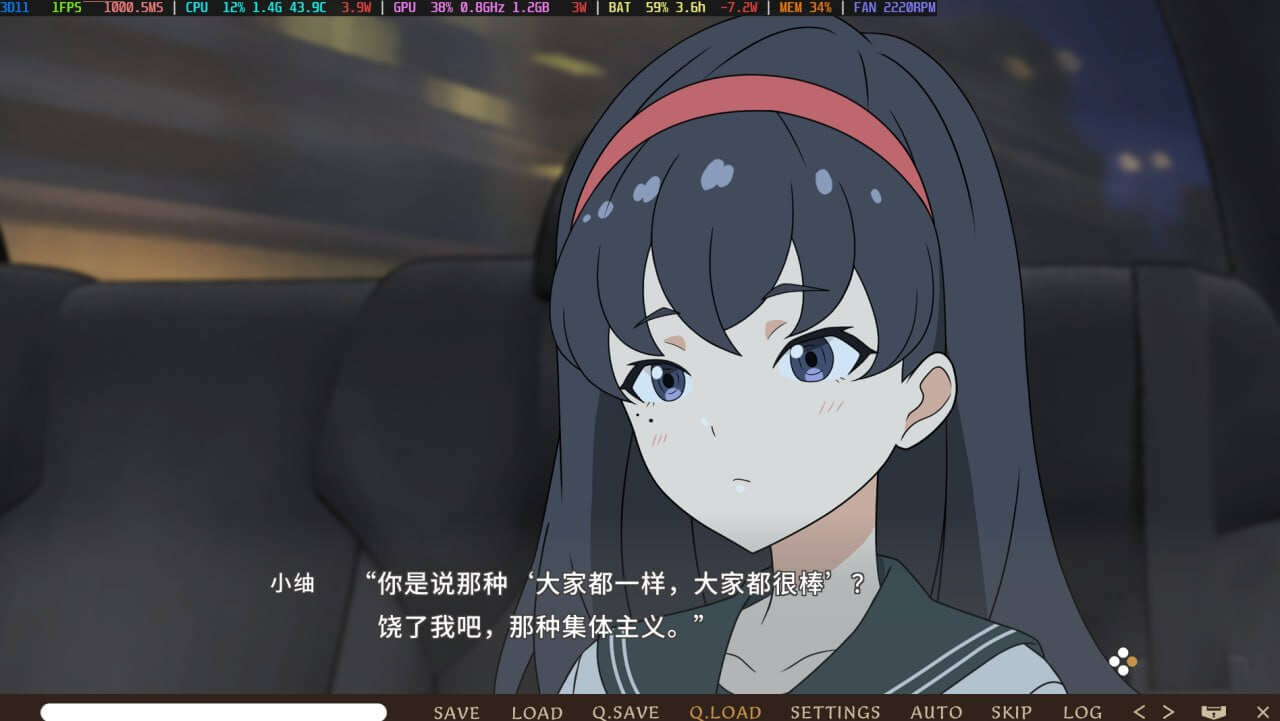
After thinking it over, Yoko refuses Hiruko’s request. She won’t lose the daughter and granddaughter she has now, and she won’t pull some “defy heaven and change fate” stunt to keep herself alive at the cost of rewriting history. In the end, after finishing the task in the Country of Winter, the three girls each return to their original timeline.
Misuzu, back on the day of her sixteenth birthday, grows up, meets the person she’ll love—someone she’d already met back when she was sixteen, though she pretends not to know and dates him anyway—marries him, and has a daughter she names Tsumugi.
And Yoko, from the moment she returns to being sixteen, knows her own fate. She knows she’ll miscarry, she knows her second child will be a daughter named Misuzu, and she knows that six years after giving birth to Misuzu she will die—and still she follows the original history without changing a thing.
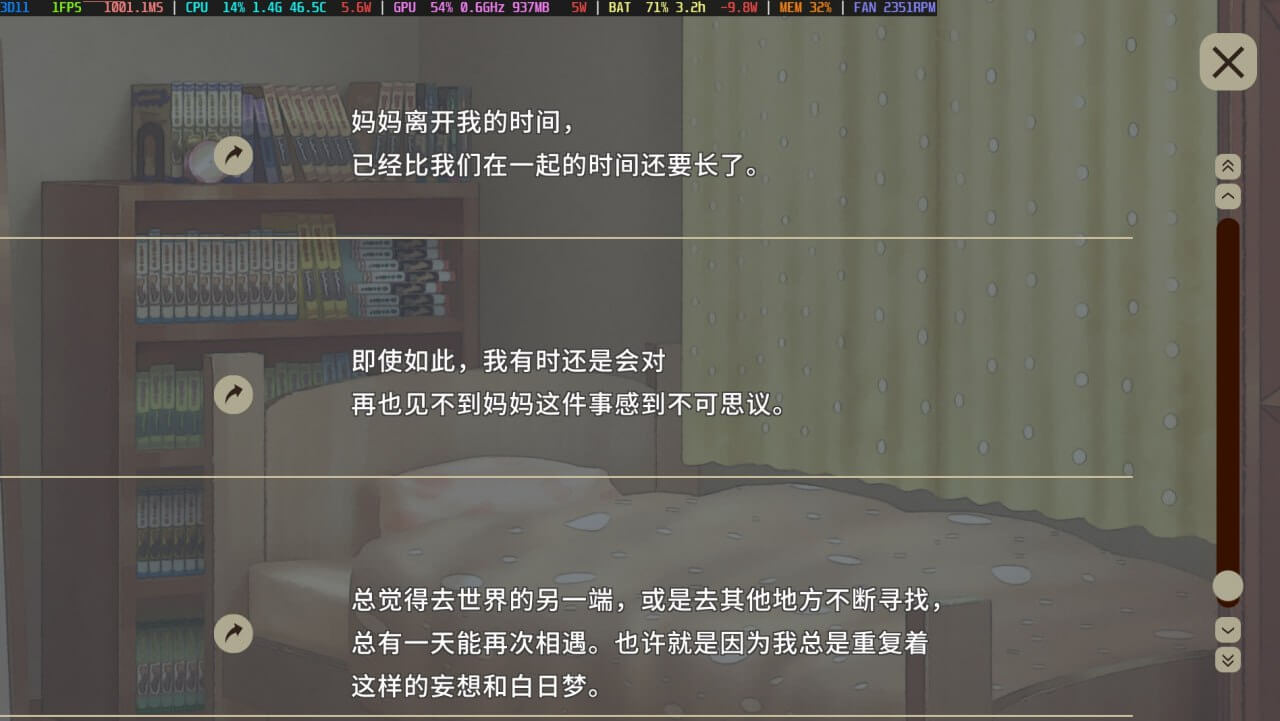
The frail Yoko, in her hospital room, watches her daughter Misuzu, who has just grown up, and gently reads a picture book with her. Just as Misuzu notices her mother’s gaze, the two exchange a smile, as if they’d known each other for years, as if fate had arranged for them to meet again.
Yoko says to her daughter Misuzu:
“Would you like to go on an adventure with Mom?”
“An adventure? Where to?”
“When you’re grown up, one day, you’ll understand.”
“Okay.”
Yoko holds her daughter in her arms and hums the song she learned in the land of the four seasons—“Tanetsumi no Uta,” a song about life going on and on, passed down generation after generation, like bloodline, like love, handed on and never stopping.
Afterword:
Honestly, when Tanetsumi no Uta (播种之谣) was first announced, I didn’t feel anything special about it—if anything, I found it baffling. I couldn’t tell what the game was trying to say. But what it actually delivered was far better than I expected. You could say it goes beyond the bounds of conventional galgame and reaches something like the transmission of “love.”
Since having a kid, I’ve come to feel that “love passed down generation after generation” more and more. Sometimes, whether it’s a mother’s love or a father’s, you really would give your life for it. Like Yoko in the story, who knows she’ll die but still resolutely carries her daughter to term—not just for that meeting at sixteen, but for the feeling passed down through the generations.
The impact this game had on me was huge, because it’s too sincere, and too real. The three generations have wildly different personalities, each with a clear stamp of its era: Yoko just radiates “mom energy,” Misuzu has the calm and rationality of someone born in the ’80s, and the new-generation Tsumugi has that young-people’s do-it-my-way streak. The game spends a lot of ink on the collisions of opinion and personality among the three, and even though they’re all supposed to be sixteen, anyone can easily see the shadow of mothers and daughters fighting in real families. And for people with kids, watching it just makes you smile knowingly: isn’t that exactly so-and-so in my house?
The pacing is excellent—from the opening prologue to the later adventures in the other world, it’s lean and never drags, like a theatrical film. The weak point is that the otherworld section is too abstract, and some of the setting exposition is too long-winded. I can understand it, though: the stories of the four countries of spring, summer, autumn, and winter were originally the scenario writer’s doujin work, just repurposed into this game’s setting. It’s not the point of the game either—players don’t need to get it. Just know that “travelers arrive in Country X and solve its problems.” Very traditional road-movie formula.
Tanetsumi no Uta comes from an investment and planning by Aniplex.exe, and here I have to say Sony has a sharp eye—how did they find the writer who’d produce such a damn good game? We’re always saying traditional galgame and visual novels are stuck in the same old three-trick formula, and Tanetsumi no Uta breaks that limit nicely. With family love at its core and romance thrown out as the theme, it can still be deeply moving.
I’ve tried to think of lots of fancy words to praise Tanetsumi no Uta. I want to call it a masterpiece, a soul-healing work, the greatest thing I’ve played in years—but that feels like going too far. Tanetsumi no Uta is, more than anything, after all these years of playing galgames, the calmest, most idealized, or maybe the work with the most “sense of home” for me.
It’s that feeling of… after playing this game, every other galgame looks dim by comparison. That warm feeling of coming home, back into your mother’s arms.
I know a lot of people have problems with their families of origin. They hate their parents, they live in pain, they want to be independent, cut ties with the family, and tell themselves they don’t need so-called fatherly or motherly love. But the truth is they don’t not need it—they’ve just never had that warmth from a family. The whole independence, don’t-need-family thing is just putting up a front.
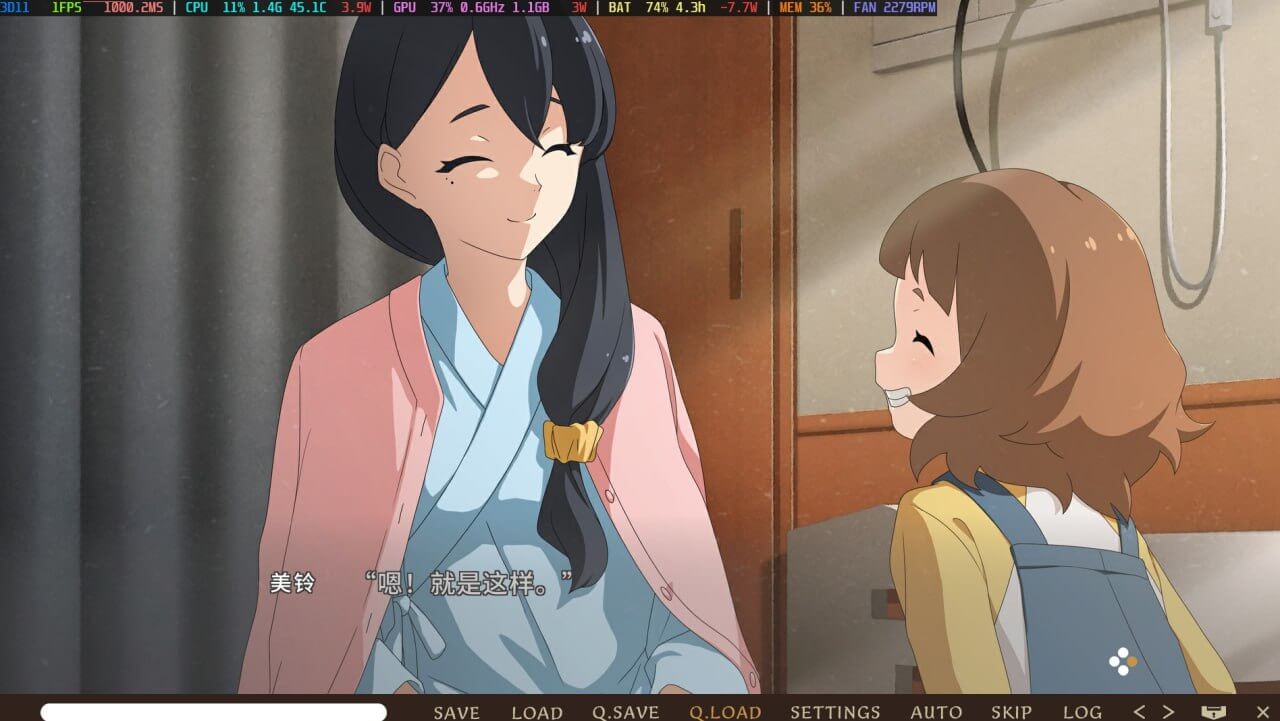
“Would you like to go on an adventure with Mom?”
When that line shows up again at the end of the game, it’s a total kill shot. It drove the game straight into the softest part of my heart.
Go play the game. That’s all I can say.
Comments are hosted on the Chinese main site. This mirror is read-only.