Lian Ai Qi Tan: Bu Cun Zai De Hui Yi (恋爱绮谭~不存在的回忆~) Review
Love's Tale ~Memories That Don't Exist~
Straight to the point: me buying this game, and even playing it, has honestly not that much to do with the game itself.
First off, I played the previous entries. To be blunt, only the first one, Memories That Don’t Exist (不存在的夏天), is something I actually understood. The storytelling is weird as hell, full of deliberately contrived “trick narration” and prose soaked in anime-isms — enough that even a veteran otaku like me has to go “damn, the flavor is strong.” But the game also, unusually, has a genuinely beautiful passage in the back half that I still remember to this day, so I walked away thinking it was pretty good.
Then the second game came along and the story started getting strange. Probably because the first one got so much praise, the writer got a bit full of himself and decided the “dregs” from part one were actually correct, so he doubled down. The result is something that looks deeply odd to me: the core is packed with Chinese elements, but the prose isn’t written the way Chinese people actually write, so reading it feels off — like a West Coast gangsta rap track performed entirely on traditional Chinese instruments, with heroes pulling pistols out of their crotches to ganggang each other while dealing mystery pharmaceuticals on the side.
Still, since the first one was genuinely decent and I played the two together, the overall experience… isn’t that terrible. Tolerable, at least. Looking back, the best content in this series was probably all written in part one; everything after feels more like a “completion.” I get it, though — striking while the iron is hot with sequels and DLC isn’t shameful.
Then came the ports to every platform under the sun, Switch included. I haven’t touched the Switch version, so I don’t know if the touchscreen and hardware features are handled well. If they are, that alone puts it miles ahead of half-assed outfits like GIGA, and it’s a credit to domestic games.
Then the timeline reaches the run-up to this game’s release. Anyone who was paying attention knows the devs pulled a massive stunt right before launch — basically detonated a landmine. Long story short: one of the producers (no idea if he’s the boss who pays my invoice, yikes) said in an interview that since this series is a galgame with a lot of female fans, future installments would take female players into consideration and tone down the fanservice, blah blah blah.
That line blew up. At a time when “gold digger games” and various “domestic galgames” were detonating left and right, the producer coming out with this was basically forgetting where he came from. You’re a galgame — a genre that literally came out of the Japanese male adult market — and now you want to court female players? Do you not know where your base is?
So a bunch of male players went on the warpath against this producer, attacking him every way they could. And the “female players” he was trying to please? Nobody said a word. It looked like the game was finished.
But then something funny happened. By all logic the game should have been dead on arrival sales-wise, yet it launched as normal, and apart from a few people making asses of themselves in the discussion boards, the reviews stayed overwhelmingly positive. Why? Not hard to figure out. The crowd attacking the game were never going to buy a galgame on Steam in the first place — they’re not the audience. And the people actually buying it are all part of the little “domestic galgame” bubble, so they’re forgiving of this kind of thing. Positive reviews were predictable.
There’s an obvious counterexample that proves the point. Last year’s biggest breakout, the galgame best suited to easing Chinese casual players into the genre — The Hungry Lamb: Traveling in the Late Ming Dynasty — has far more informative reviews. Once the traditional galgame framework gets sinicized, the reception naturally gets more complicated. The crowd criticizing that game has practically formed its own little circle; some even call it “the Genshin of galgames.” Last year I praised it and got called out by the producer himself, which made me turn off Steam comment notifications entirely (lol).
Anyway, setting all that off-field drama aside, how’s the game itself? Honestly? Not good. The writer’s illness has gotten worse, if anything.
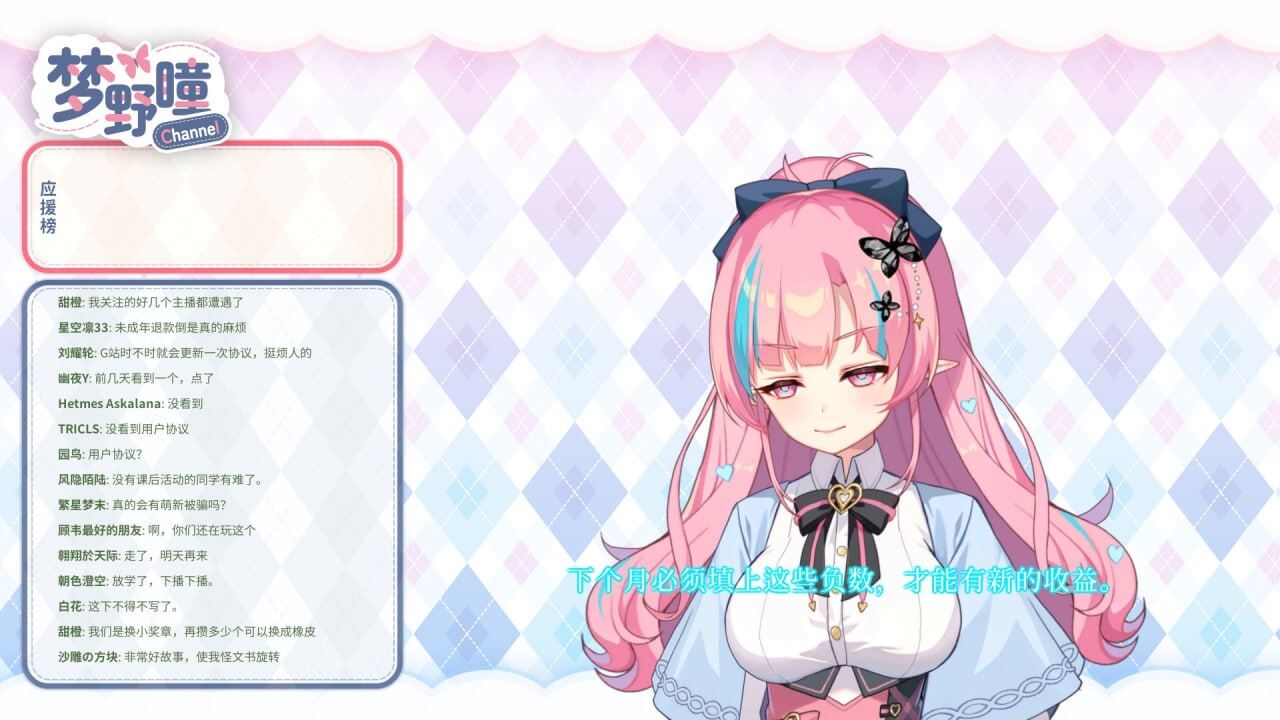
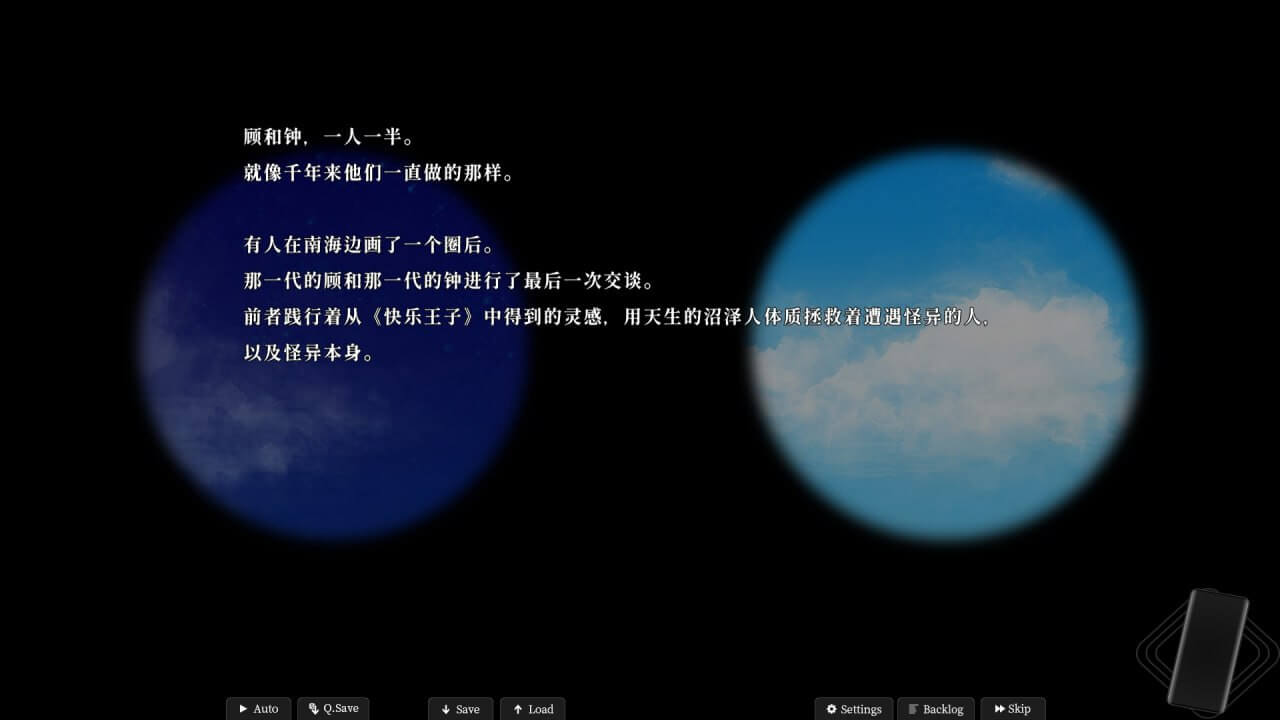
Setting aside one short episode in the middle, this third entry (possibly the last?) has the author building out a calendar to tie the whole story together, and it doesn’t work. The main reason is what I said before: the series’ biggest strength is the character of Su Banxia — the writing and portrayal of her, the whole female-to-male body-swap black magic, the later inner LGBTQ stuff. That reached a genuinely high level for a domestic galgame. Everything after, whether the romance or the background digging into side characters — especially that VTuber I couldn’t make heads or tails of — wrote nothing memorable apart from the twist that her VA is a plot point.
In other words, after the first game the author’s been gilding the lily, trying to stitch together more fur to make the “dog’s tail” thicker. But the biggest bombshell has already been used. This would’ve been fine as a DLC or a fandisc. As a proper sequel, it doesn’t cut it.
Oh, right — maybe the latter two games really are fandiscs? Then no problem.
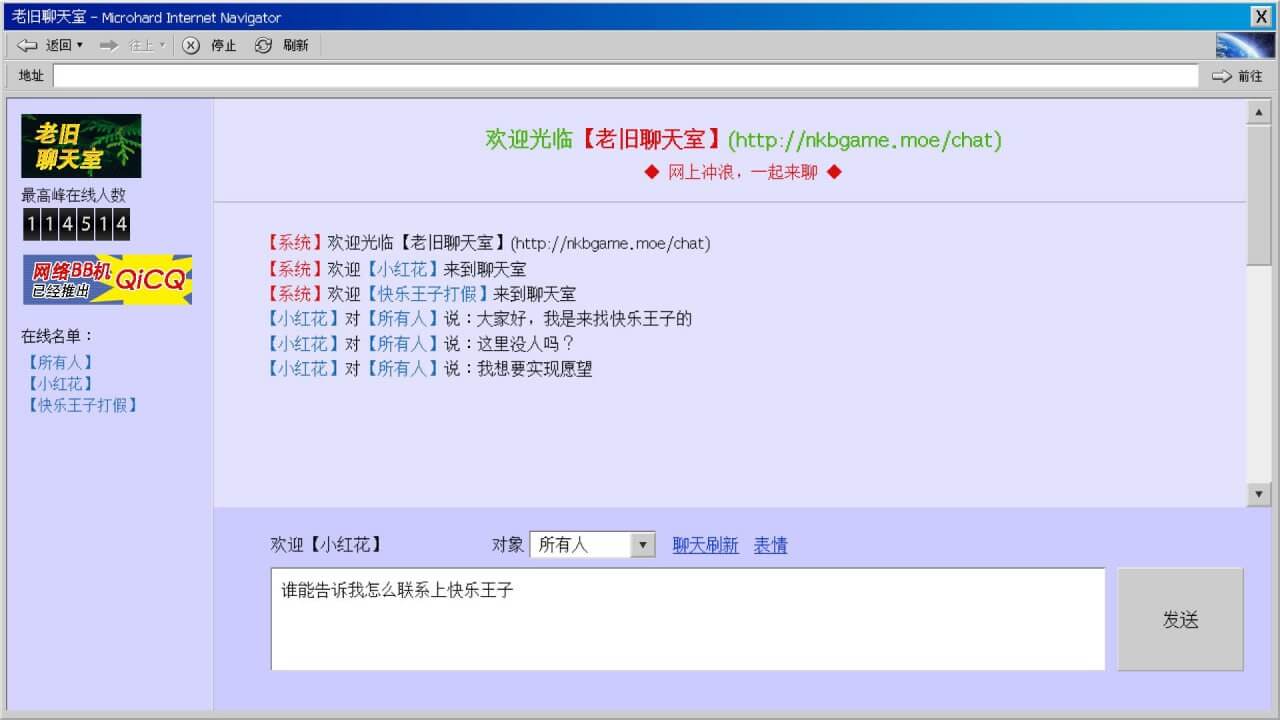
In this entry the writer leans heavily on 90s nostalgia for the narration — which is really just the author flexing his credentials, showing off that he knows about internet cafés and Win98 and OpenICQ and Millennium trivia, hoping players will chuckle. Or maybe it’s just riding the current Y2K trend. It’s a feature of the game, but also something I can’t quite stomach. Memes are like idioms: used correctly they’re the finishing touch, but overused and forced they just look stupid. And that’s this series’ scriptwriter’s specialty — every entry is stuffed with “stale memes that were current when the game was being made.” This time he apparently added Liangzi, and I honestly don’t know if the memes will still land if her show ends next month. The VTuber content, one of the game’s centerpieces, is even more laughable. I feel like anyone who’s watched a few Niconico clips could make the VTuber stuff genuinely entertaining, but the script is still running the old “coaxing a child” playbook — probably someone who doesn’t actually watch VTubers and is just piggybacking. Add the script’s “Japanese-flavored Chinese” prose on top and the contrast with all these Chinese stale memes becomes even more jarring.
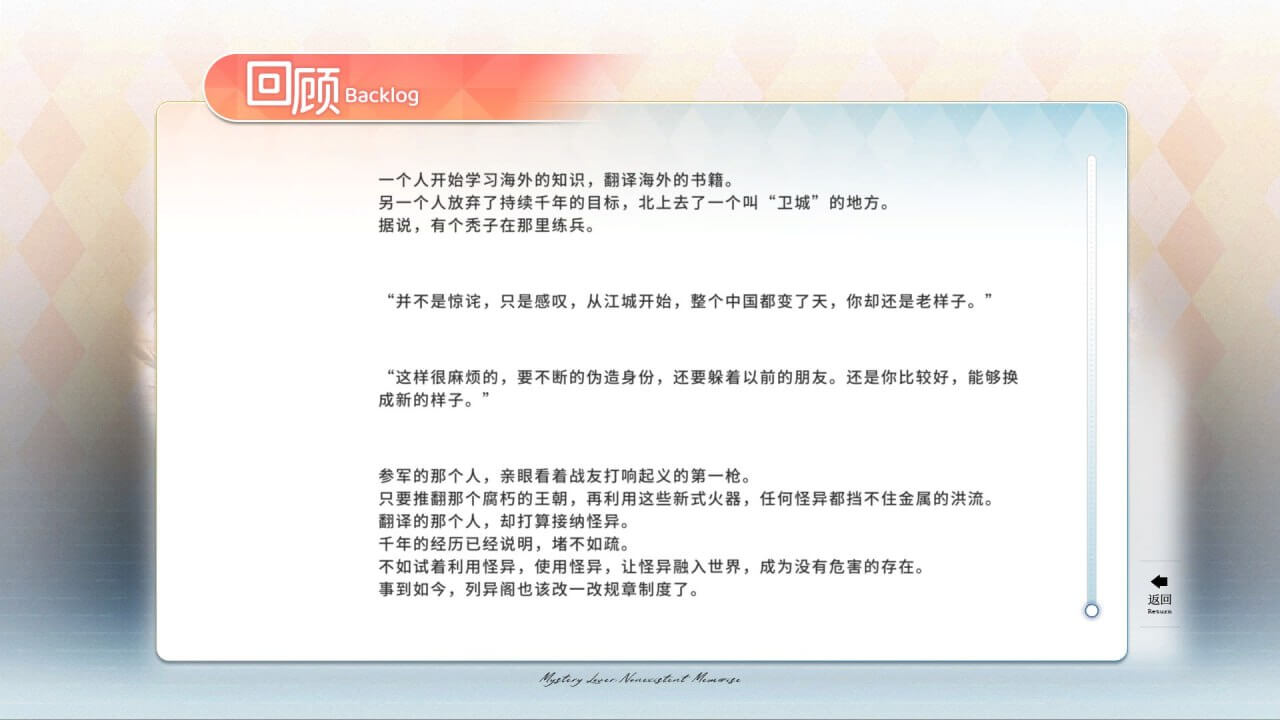
Stale memes, piggybacking, whatever — it’s all for traffic. But none of it hides how pale the story itself is. After this game rambles on through a pile of fragmented, confusing timeline-jumping nonsense, a few lines at the end finally sort out the whole chain of events — and they gave me the same vibe as those Quora posts that go “just wait for the dragon’s roar, come back with your head.” Trying to lean hard on historical events will only impress kids who buy into that stuff anyway.
Looking back, what the producer said really makes no sense to me. This sloppy narrative is supposed to attract “female players”? And that low-EQ statement, combined with this game’s plot that left me shrugging helplessly — in some way it does make me understand why the game turned out like this.
If I were the producer, I’d have said the same thing differently:
“Here in China, our game rating system isn’t really developed, so for domestic galgames it’s hard to be as… open as the Japanese ones. So as an all-ages title, we’re looking to broaden the narrative and the audience as much as possible, hoping to attract more casual players. Whether male or female, we want this game to give them some emotional value. That’s just the situation here — we can’t copy Japan’s galgames wholesale, we can’t just lift the elements everyone loves, we have to adapt to the local environment and try to make a better domestic galgame that fits Chinese players, and maybe even tells a Chinese story well…”
Same consideration for female players, same inability to do fanservice, same subject — phrased differently, doesn’t it sound way classier?
As for this game, and the series itself: just play the first one. That’s enough.
PS: I know a lot of people look down on The Hungry Lamb: Traveling in the Late Ming Dynasty and its producer, but honestly, he’s one of the few sane people I’ve encountered in the “domestic galgame” scene in all these years.
Comments are hosted on the Chinese main site. This mirror is read-only.