Kousai Toshi (虹彩都市) Review
Rainbow City
Ever since Key got acquired by Tencent, their direction changed completely—they shifted to a weird… but also very modern approach.
On one hand they ride the heat of old IPs to squeeze out the remaining value; on the other they push a series of small, quick, cheap titles, using fast iteration to boost overall sales. Take the new “Kinetic Novel” line, for example: no-choice visual novels focused on story and presentation for a more three-dimensional experience.
Honestly, you can see the logic. Games—visual novels especially—are a one-time development cost with essentially zero cost to copy afterward. As long as you have enough titles and keep throwing sales, you’ll move some units, and you can even count on passive income later. For a traditional galgame company, that’s not a bad thing. So from last year to now we’ve seen Key pump out new title after new title, and this one is Rainbow City.
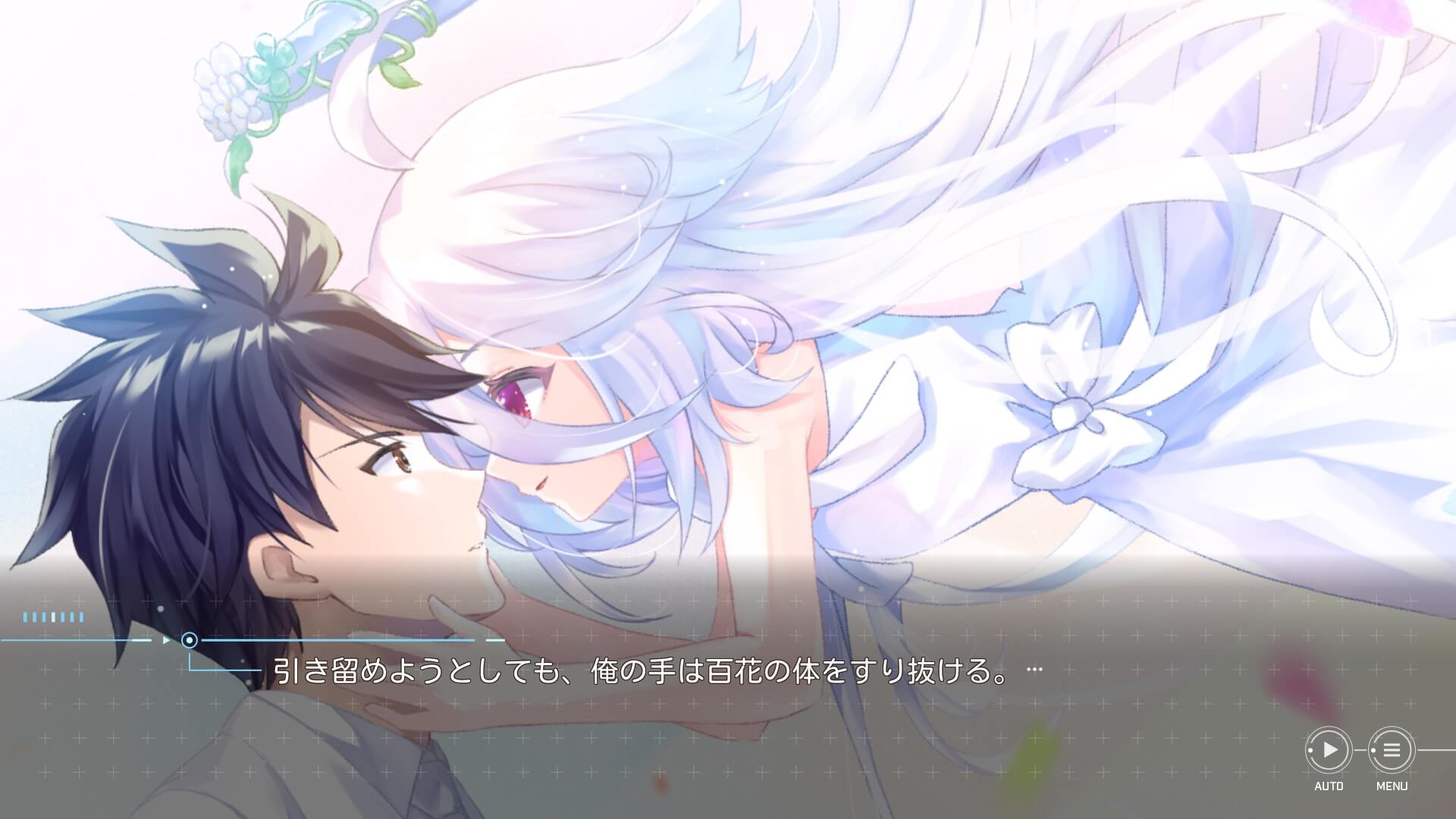
The story is set in a future society where AR/MR-style mixed-reality tech is widespread. People implant an artificial iris called a Plant, letting them see virtual projections in the real world with ease. And as networks and tech develop, crime in this area grows by the day. The protagonist is an investigator handling cybersecurity cases—his daily job is tracking and dealing with related crimes.
So this time, while chasing a strange case, he stumbles on a mysterious criminal who has a special Plant iris that can’t be tracked or controlled. The police call it a “Cheat Plant.” Then, while chasing this fugitive, the protagonist gets heated, uses a network-kill tool without authorization—and doesn’t catch the criminal, while also disrupting the lives of residents in the area.
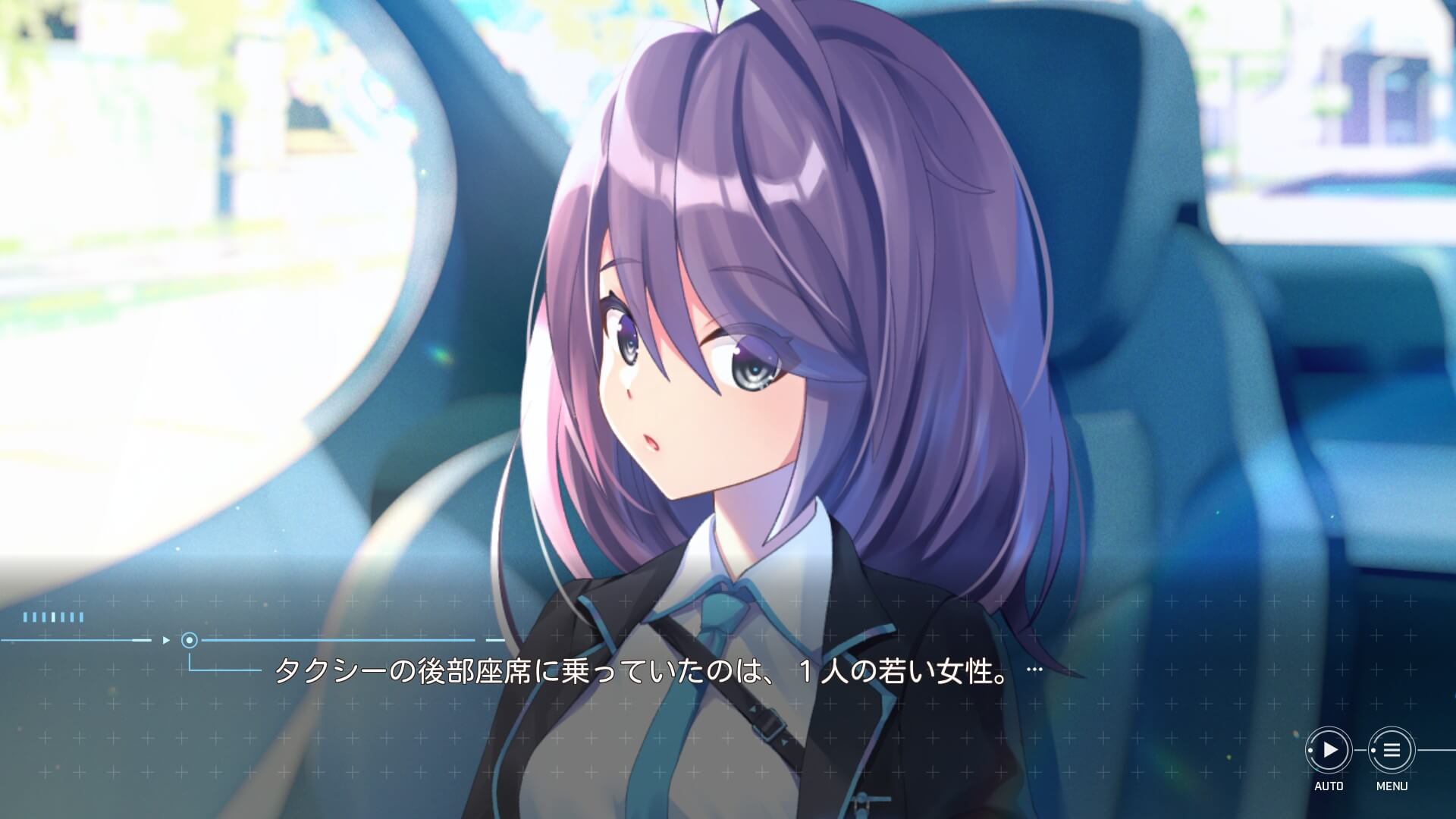
The police chew him out hard for the violation and demote him, shipping him off to the suburbs. There, in his AR, he sees the projection of a girl named Momoka. He knows Momoka—they were once patients together in the same hospital. Later he’d learned Momoka got sick and died. Only now, unexpectedly, Momoka has “revived” in a projection?
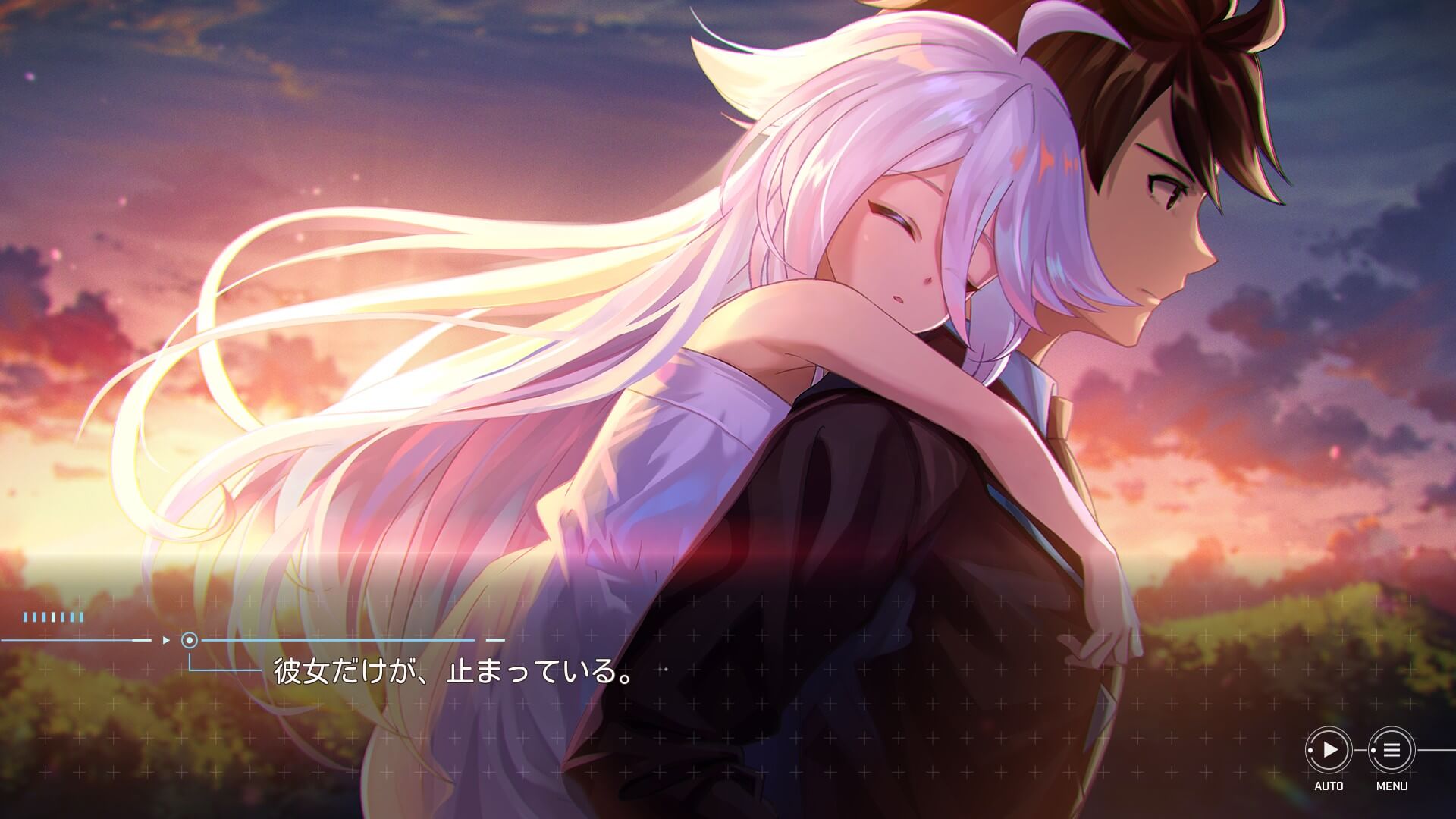
With this Momoka projection’s help, the protagonist keeps tracking the criminal with the “Cheat Plant,” and even discovers the criminal plans to mass-produce “Cheat Plants” to cause trouble. And then something wild happens: both the protagonist and the criminal realize this “Momoka” projection has superuser privileges that let her control other people’s Plants—even disable “Cheat Plants.” The criminal calls Momoka the “Eye of God,” but before he can finish, the protagonist’s superior arrests him at light speed and slaps something like a gag order on the protagonist, forbidding him from speaking about the criminal or anything related. The protagonist is baffled, keeps investigating, and digs into Momoka’s background too. Eventually he finds out something shocking: Momoka died years ago from some rare disease. Her father, under the pretext of “research,” tried to revive her—one method being to use Momoka’s eyes as the base to develop a projection iris called “Plant,” so Momoka could live on in projections. The “Plant” succeeded, but Momoka was dead—and she’d sealed herself off, using her high-level privileges to lock down the hospital where she died and keep everyone away. Only when the protagonist meets her again years later does that restriction break.
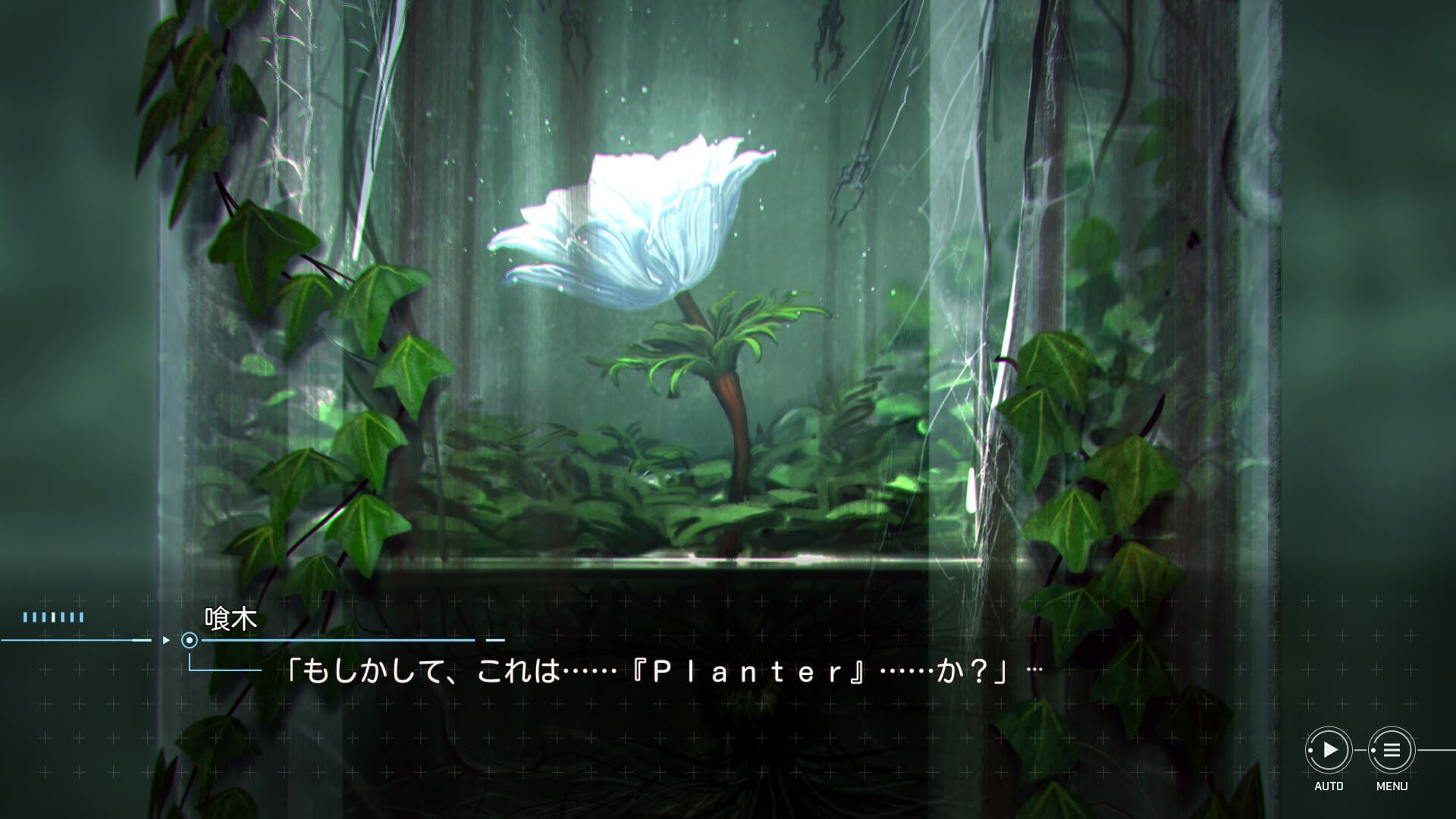
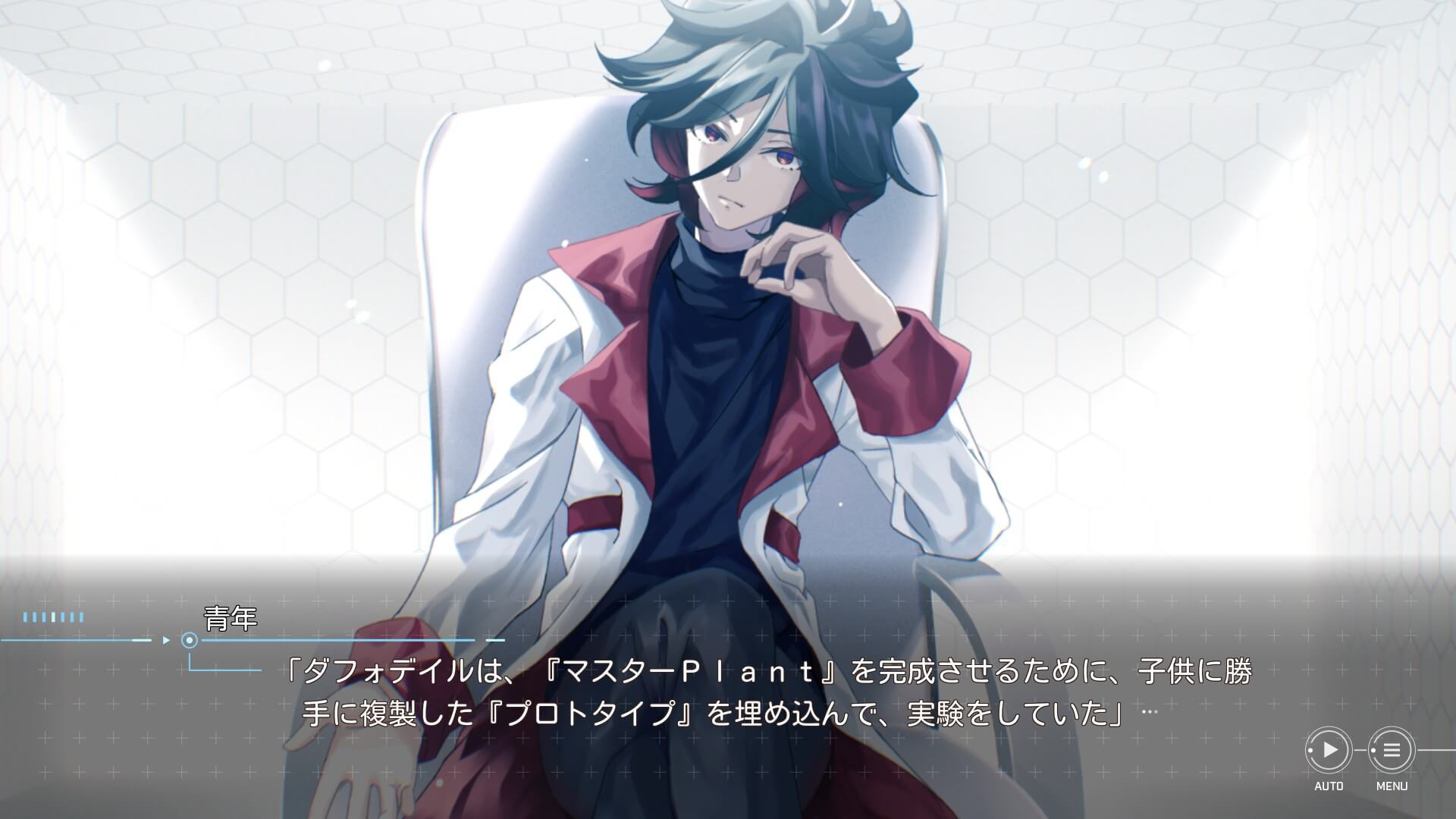
That’s the cause and effect behind the birth of the “Plant” projection iris. And the reason Momoka has superuser privileges is that the iris itself was built from her eyes. The criminal’s “Cheat Plant” was just one of the prototype units with admin privileges that got lost and leaked during production—and he picked it up.
The story’s finale has the protagonist confronting the mastermind in the company’s upper ranks: Momoka’s father. Even now, her father is still obsessed with reviving Momoka, wanting to use VR projections to make his daughter immortal. But the protagonist offers a dialectical take: Momoka is already dead. The current “Momoka” is just an AI imitation of Momoka’s original personality—a “projection.” Even if you make this “projection” immortal, is it still the real Momoka?
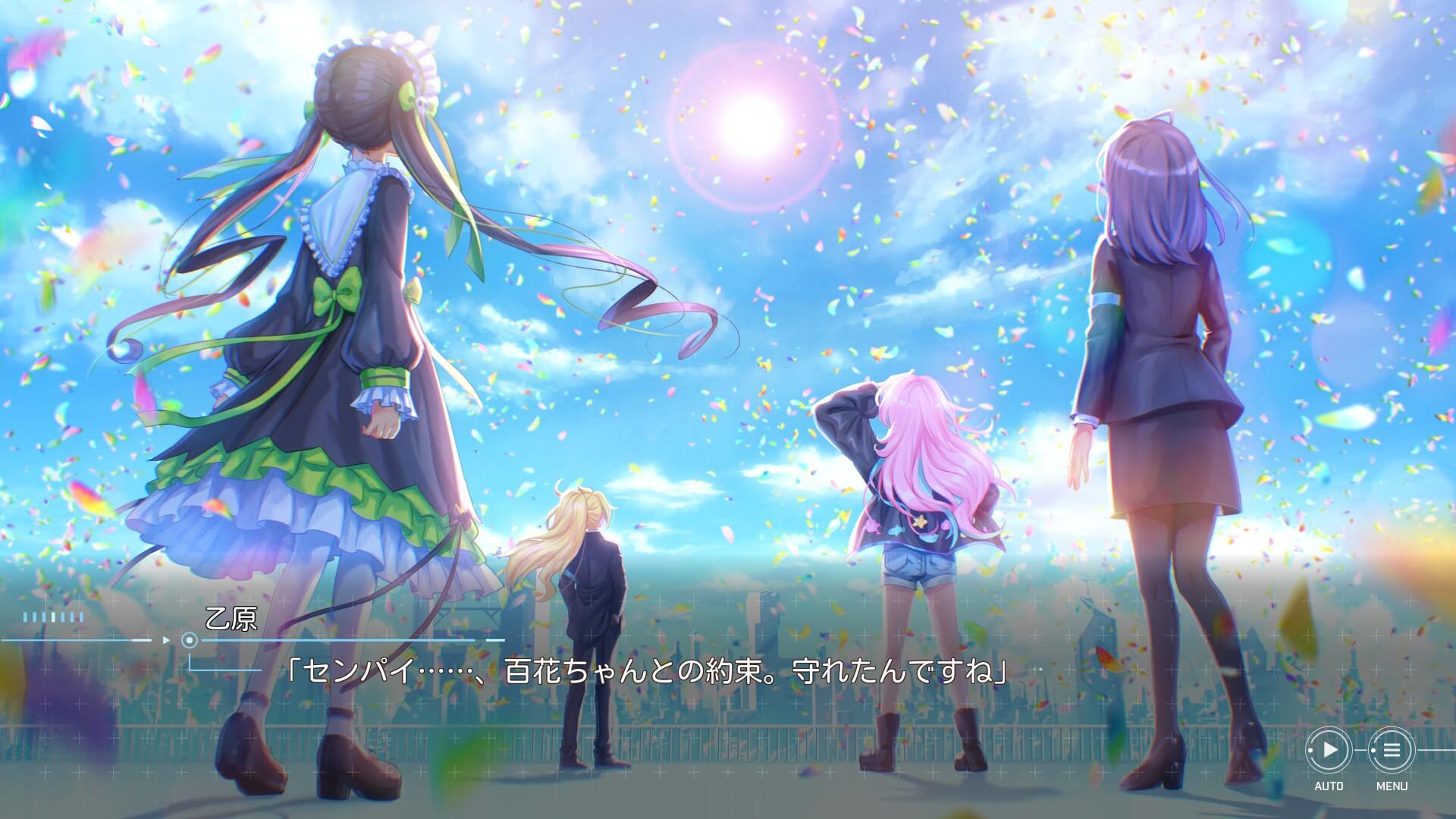
Momoka’s father thinks it over and chooses to let go. He lets the protagonist say goodbye to Momoka’s projection. Momoka vanishes, scattering into petals in the air, becoming part of the city’s illusionary projections. After that, the Plant iris tech is fully open-sourced—anyone can create their own projection iris. Some use it to pursue better dreams, others use it for bad things, but ultimately “Plant” is no longer monopolized by big corporations; it belongs to everyone. And “Momoka” achieves a kind of true immortality. The protagonist keeps working as an investigator, fighting crime in the city, and society enters a new phase.
The lead writer for Rainbow City is Tsuyoshi Matsuyama, a guy I have a love-hate relationship with. Mainly because he’s actually decent at pacing sci-fi setups—not too preachy, not too boring, and he strikes a good balance between “sci-fi” and “emotion.” But this guy loves a botched ending, or rather digging holes and not filling them. This game leaves a lot unsaid: the part about how the protagonist knew Momoka as a kid isn’t detailed, the human experiments behind the big corporation aren’t detailed, and the Cheat Plant criminal’s story about the multiple admin identities in the company’s upper ranks isn’t detailed either. Many people might think this is a Key short and the length forced cuts—but knowing Matsuyama, even in a long work he wouldn’t explain it. That’s what drove me nuts reading his light novels in the past.
That said, this game does have a theme. The investigator setup easily makes you think of Psycho-Pass, but the actual core is a bit different: does a dead person “revived” with AI tech really count as revival?
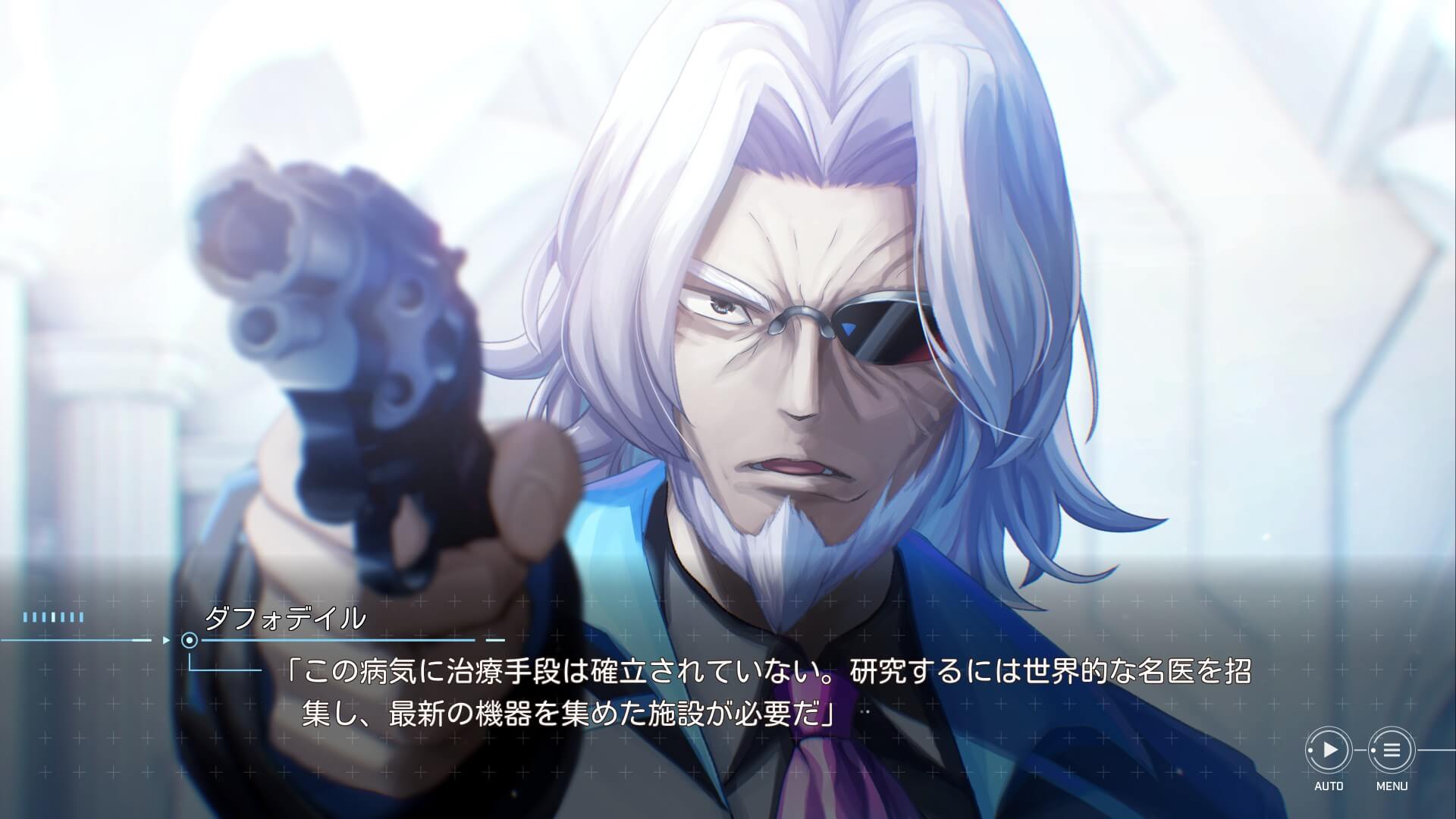
This topic has some depth. In real life we often see people trying to use AI to bring back the dead to ease their grief. It may work somewhat, but whether you can really find comfort facing such a “fake person” is debatable. The game gives the author’s own answer: the dead can’t come back, so better to move forward—pretty positive, honestly.
Here’s something interesting: Rainbow City was actually in development around the same time as Summer Pockets. Its initial codename was “Flower,” and what’s different is that the team had almost none of the “traditional Key” elements—neither Maeda Jun’s writing nor the various Key-face artists had anything to do with this one. Maybe some music, but not much of it. Yet surprisingly, the game still has a strong “Key flavor,” including the late-added supporting cast’s “companions” setup and some tearjerker scenes that may or may not be homages—you can see Key’s shadow to varying degrees. I’m curious whether Key discusses this during production and deliberately adds similar content to make players feel at home, because this isn’t the first time—Loopers also wasn’t the original Key staff and still gave that sense of déjà vu.
On the system side, the game surprisingly has built-in controller support and various “console-grade” settings options—can’t rule out a Switch release down the line. From planning to production to launch, this one has a lot of tweaks catering to the modern market. For a big company like Key, I can only say this is the right move. If you don’t actively change, all that awaits is a slow death like with Uzumasa and Alcot.
Comments are hosted on the Chinese main site. This mirror is read-only.