Everything that has a beginning has an end
If there’s one English line that stuck with me more than any other, it’s the Oracle’s from Matrix: “Everything that has a beginning has an end.”
I love that line. It states a truism in the coolest possible way—and honestly, a lot of philosophy is just truisms. The difference is that most real-world truisms go unnoticed until someone with a special aura says them in a mystifying tone, and then suddenly everyone treats them as gospel.
I bring it up because I still remember 2013, when I laid my cards on the table with a fujoshi I’d been pursuing and she shot me down for good. What I felt wasn’t so much heartbreak as relief. Looking back, she probably knew I was into her the whole time and just never gave me a clear no—kept me on the hook, had me tag along, paid for her meals. Not exactly malicious, but there was definitely some calculation in there. After that day I decided I needed something to do. I’d just bought a Windows tablet—a Dell V8p—and figured, well, I’ve never had a successful romance, so maybe I’ll find solace in games. I fired up Hatsuyuki Sakura (初雪桜), a newly translated release that had just dropped, and that kicked off my Galgame bulldozer mode. Windows, PSP, PSV, even iPad, and later Switch—my assault on visual novels has never stopped, and it hasn’t stopped now.
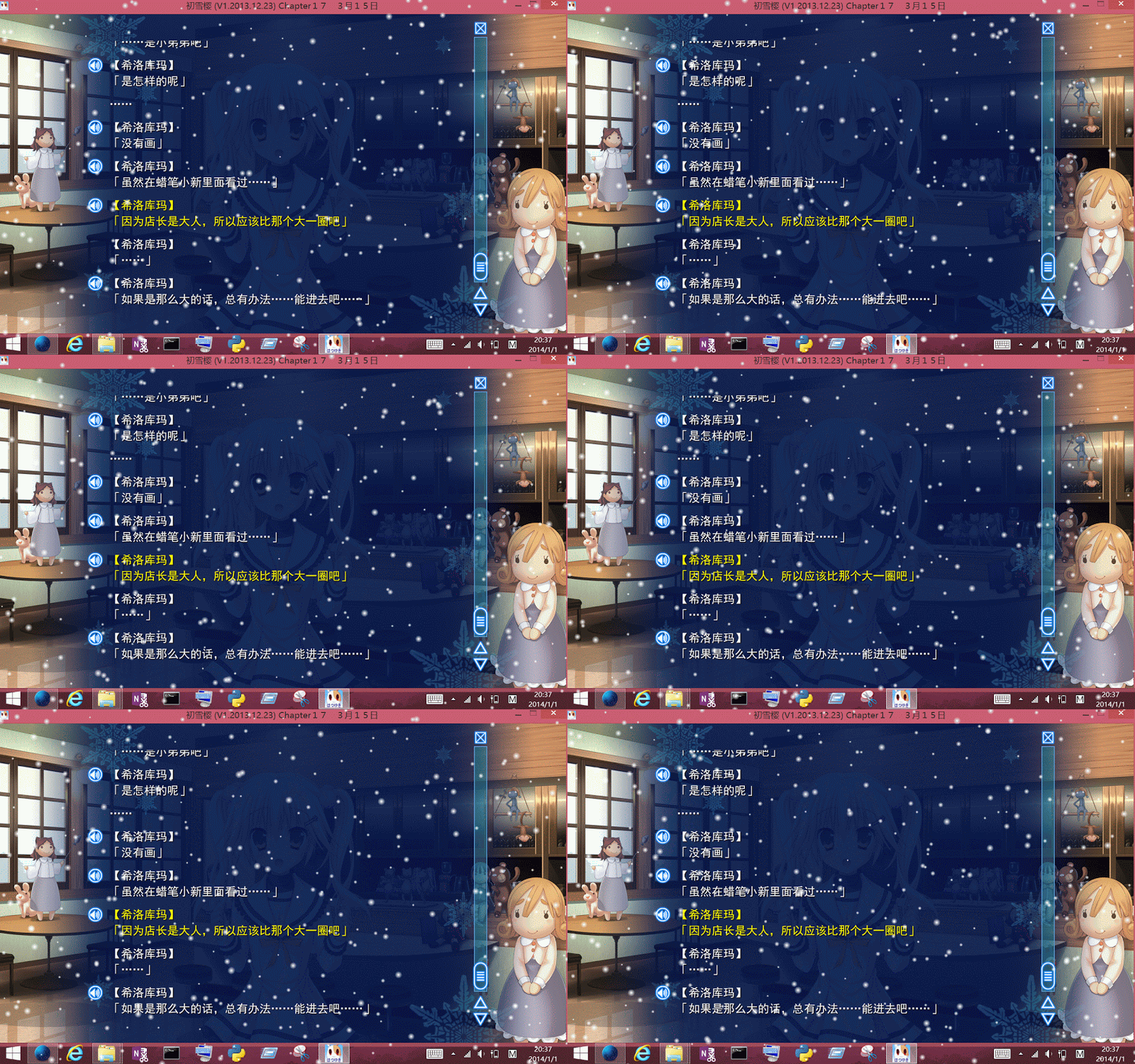 (The first time I booted up Hatsuyuki Sakura. This is the oldest image I could find. Hell knows why it had this effect.)
I’d actually been exposed to Galgames earlier than that—I played stuff like Memories Off around 2003, and even Tokimeki Memorial (which the Taiwan release called 純愛手札). I’d played them, but I never got this deeply hooked. The real start of my bulk-playing phase was that Hatsuyuki Sakura. And besides the whole “experience romance” thing, there was another factor:
Galgame stories always have an ending.
Yeah, anime and light novels and even manga had plenty of romance back then, but only a Galgame lets you see a story through to its conclusion in one go. I absolutely cannot stand following a serialized story that drags on for years and then shits the bed with a bad ending. Better to play a Galgame, experience one story, and immediately jump into the next fresh romance. That feeling of living someone else’s life, over and over, is genuinely great.
And then, just like that, nearly 13 years passed.
What’s 13 years? Enough for a kid to be born and graduate elementary school. My own gaming career went from “chasing translations” to “learning Japanese with machine translation and chewing through raw text” to now “playing raw with no aids at all.” Call it evolution if you want—I can’t deny it. At least I learned Japanese through it (badly).
And my enthusiasm for Galgames has gone through plenty of ups and downs. Pessimistically speaking, the category is looking more and more doomed in the current Japanese market. The root cause isn’t the usual “industry contraction” or “sunset industry” talk—quite the opposite. Romance-experience games should be booming as AI and VR mature. Even regular games are putting more emphasis on story and branching choices that determine different character endings. That’s basically Galgame style. And the rise of gacha games with anime girls is straight-up copying the Galgame playbook, raking in cash and pushing traditional games into a corner.
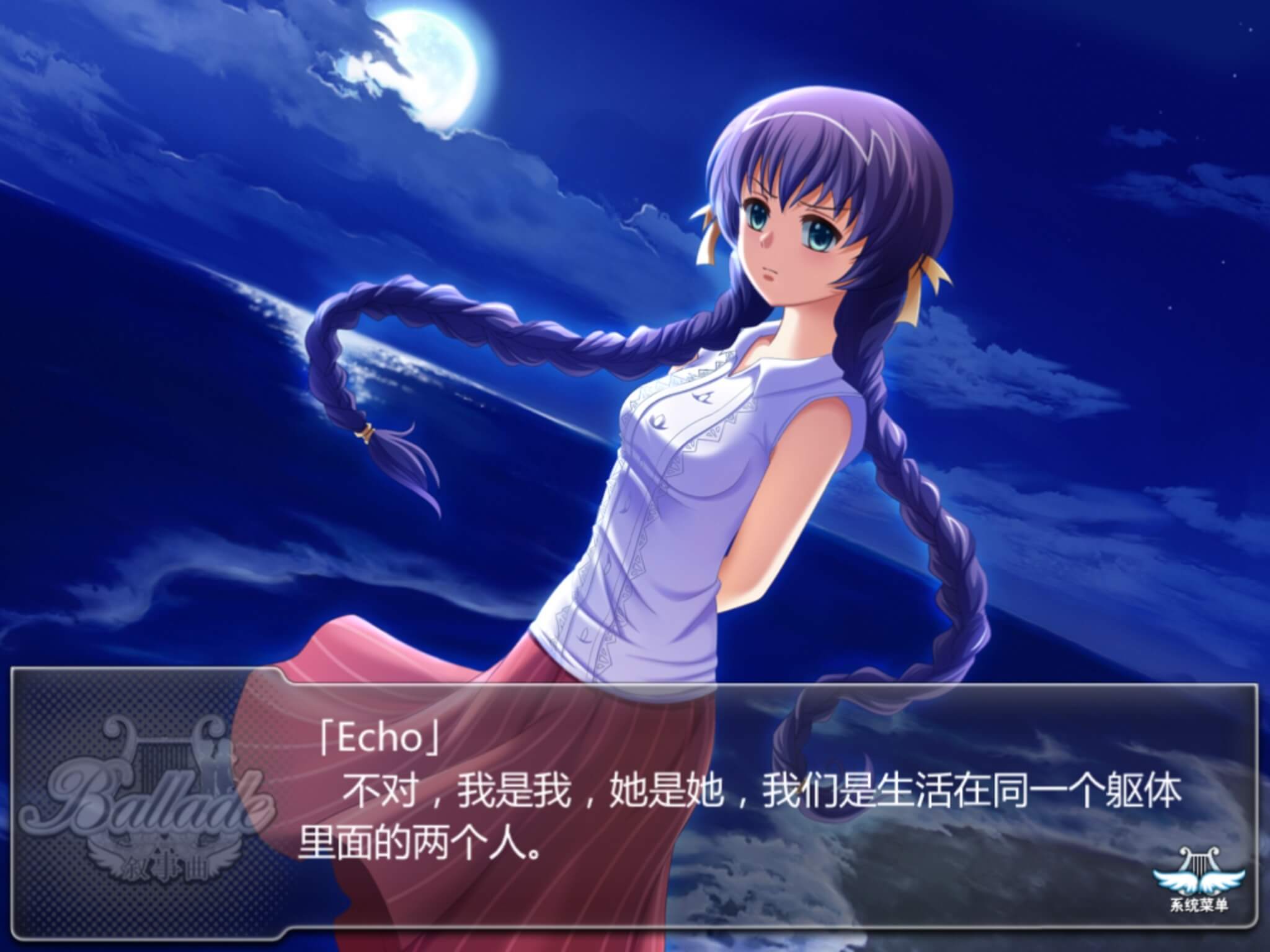 (Ballade, an early Chinese-made game on iPad. The author later went to Facebook and made some big news.)
So the current withering of the Galgame industry is entirely the fault of these old users and old developers digging their own graves.
First and foremost, the systems haven’t progressed—they’ve regressed. I recently revisited some old games and was surprised to find that many ancient Galgames had advantages in system, presentation, even playability over modern ones. Many current Galgames aren’t comprehensively ahead of old games; in some ways they’re behind. Take Alcot’s debut Clover Hearts: it contributed a famous OP song and even had an item collection system. Early HOOKSOFT games had an in-game BBS that updated alongside daily conversations. They also had plenty of options to analyze and manipulate when deciding which heroine to pursue—old games were truly designed as romance sims with puzzle and strategy elements. And that “complete suck-up” game I mentioned? A Win9X-era game, and it had full voice acting.
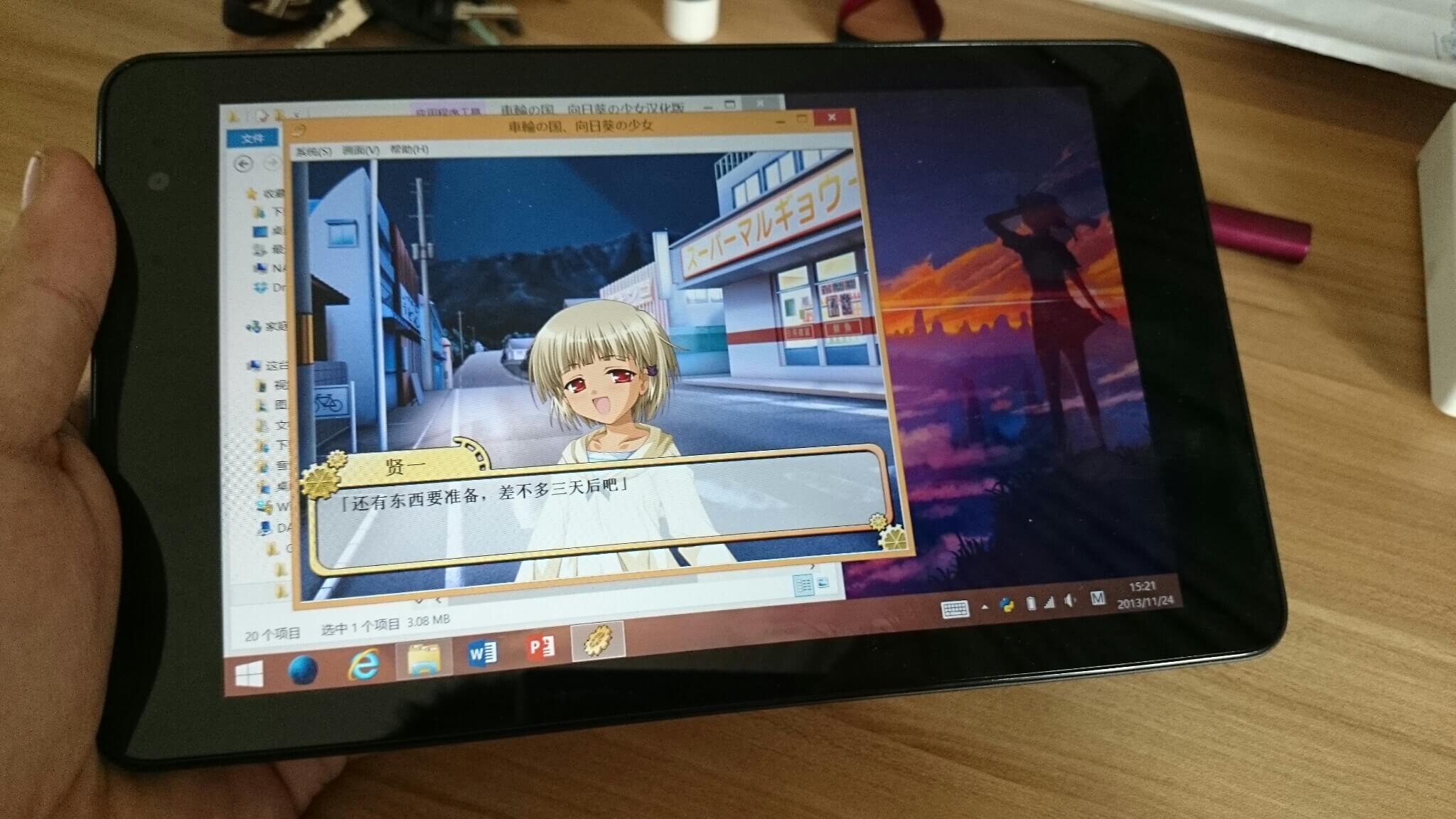 (Kurukuru and the Girl of the Sunflower. I’d forgotten I even played this.)
Modern Galgames are more like “voiced romance novel readers.” No wonder Westerners translate it as Visual Novel. And even as readers, they’re often missing limbs—no backlog, can’t jump to dialogue from the backlog, can’t skip to the next choice, all sorts of abstract limitations. The biggest improvement is that dialogue and text volume have grown. The old “flip through a calendar, pick daily activities, have simple conversations” style is rare in modern Galgames. Most now have super-long dialogue and narration, interspersed with all kinds of skits, making the experience feel much more substantial…
But does that really mean the games got better?
More text demands more from the writer and scenario author. A novelist at least has to make the story enjoyable; gradually increasing text volume naturally requires very good prose to handle. Unfortunately, most Galgame prose isn’t good—it doesn’t even meet the general standard for written text. If Japanese light novels—the “modern toilet paper”—are comparable to China’s Qidian literature, then most Galgame prose is like the self-indulgent wish-fulfillment section of a porn forum, full of stereotypes even more blatant than light novels, formulaic to the core, with settings and text reused. As playtime grows, you can see many scripts padding the story with awkward skits worthy of a CCTV New Year’s Gala comedy, trying to get a reaction. Even if most otaku are Pavlov’s dogs, using the same conditioned reflex too many times eventually becomes desensitization therapy.
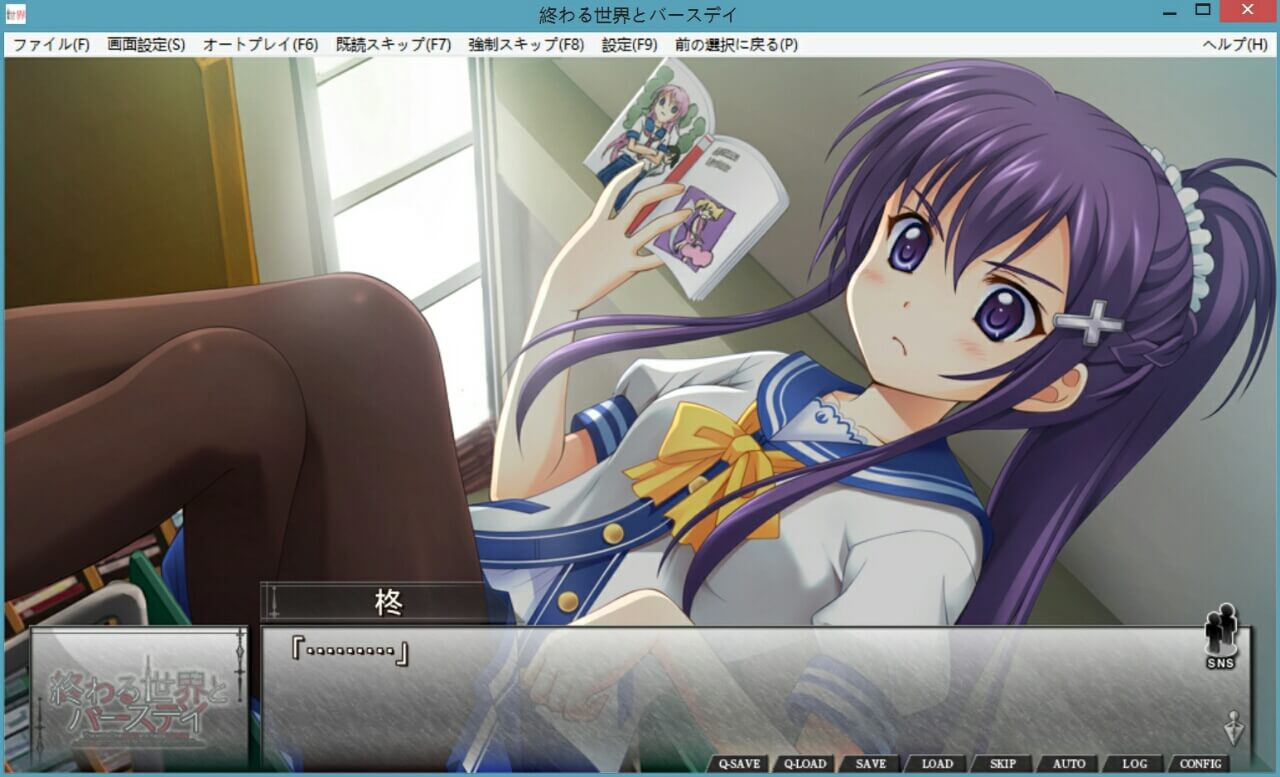 (The World of the End and the Birth Day. I think it’s a good game. It later had a crossover with some Chinese works, but that went nowhere.)
I’m not saying all scripts are bad. There are plenty of writers in the Galgame field with genuinely good prose and planning skills, authorial flair even. But they’re few and far between. And I still can’t understand the “inherent tropes” that Galgames cling to: the worn-out transfer student, the overseas mixed-race ojou-sama, the template tsundere, the template energetic idiot, the template unattainable beauty, and that “student council” and “club” with high authority that doesn’t exist in Japan or any Asian country or the entire planet, plus the “repeated time loop” and the “chuuni conspiracy” behind it, and so on…
There’s something even more laughable: many Japanese scenario writers know these settings are formulaic and cliché. They’ll even mock them in their own works. Players know they’re formulaic and cliché, and they’ll laugh at the writers mocking them, nodding in agreement…
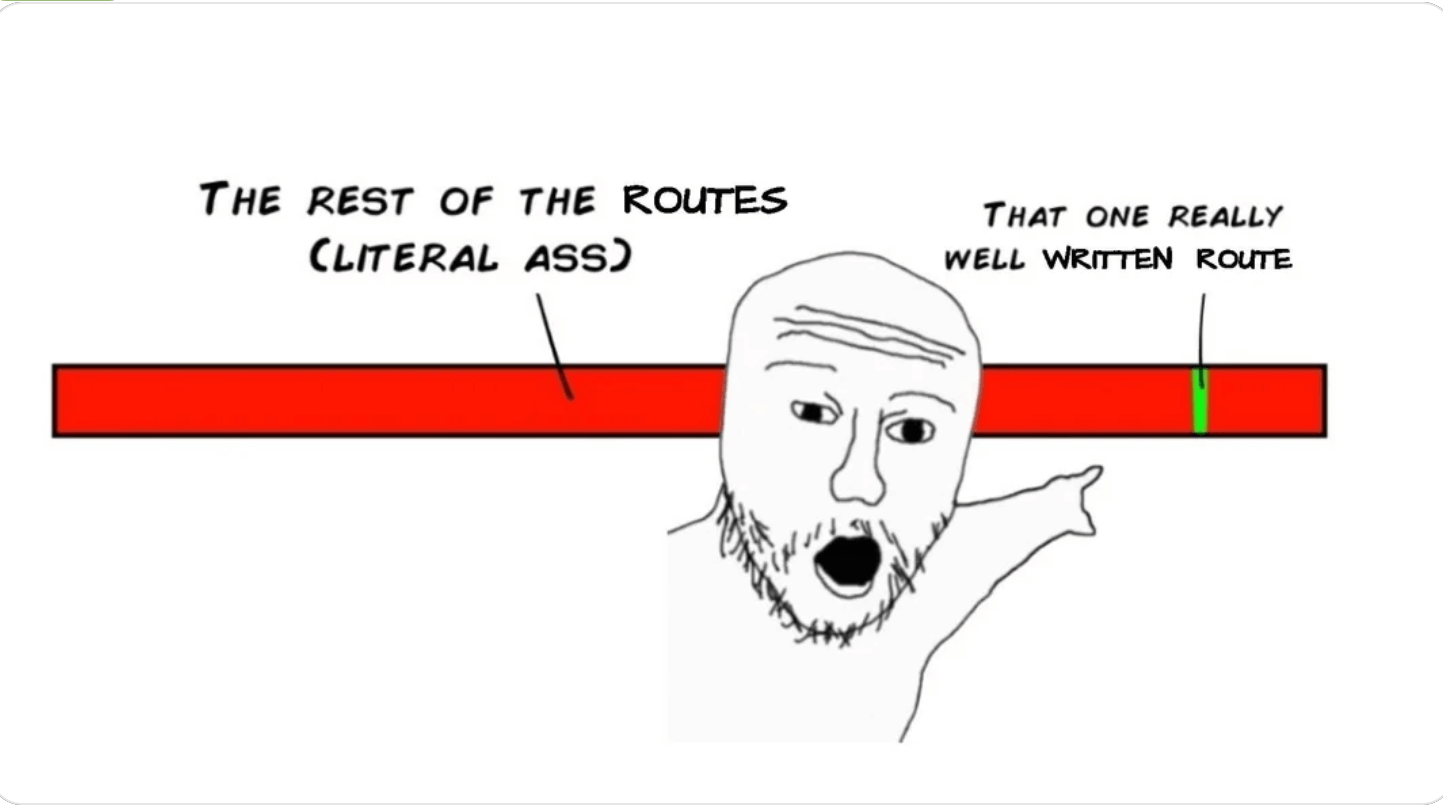 (Most Galgame plots are like this: 99% shit and 1% gold.)
But despite all that, the companies keep using these formulaic, cliché settings. The reason is heartwarming: once you deviate from the template, sales drop. And sales are decided mostly by pre-orders. Many writers tried to innovate; most died miserably.
So I’ve always believed it’s these “old guard” or Japanese domestic players whose demands haven’t changed. They just want endless repetition within the formula. Light-novel-style wild premises almost never appear. What’s left is nonstop conquering and pushing various reskinned new girls. In this infinite loop, not many new players join, old players don’t leave, companies keep releasing, old players keep pre-ordering. A very stable, “eternal” internal circulation.
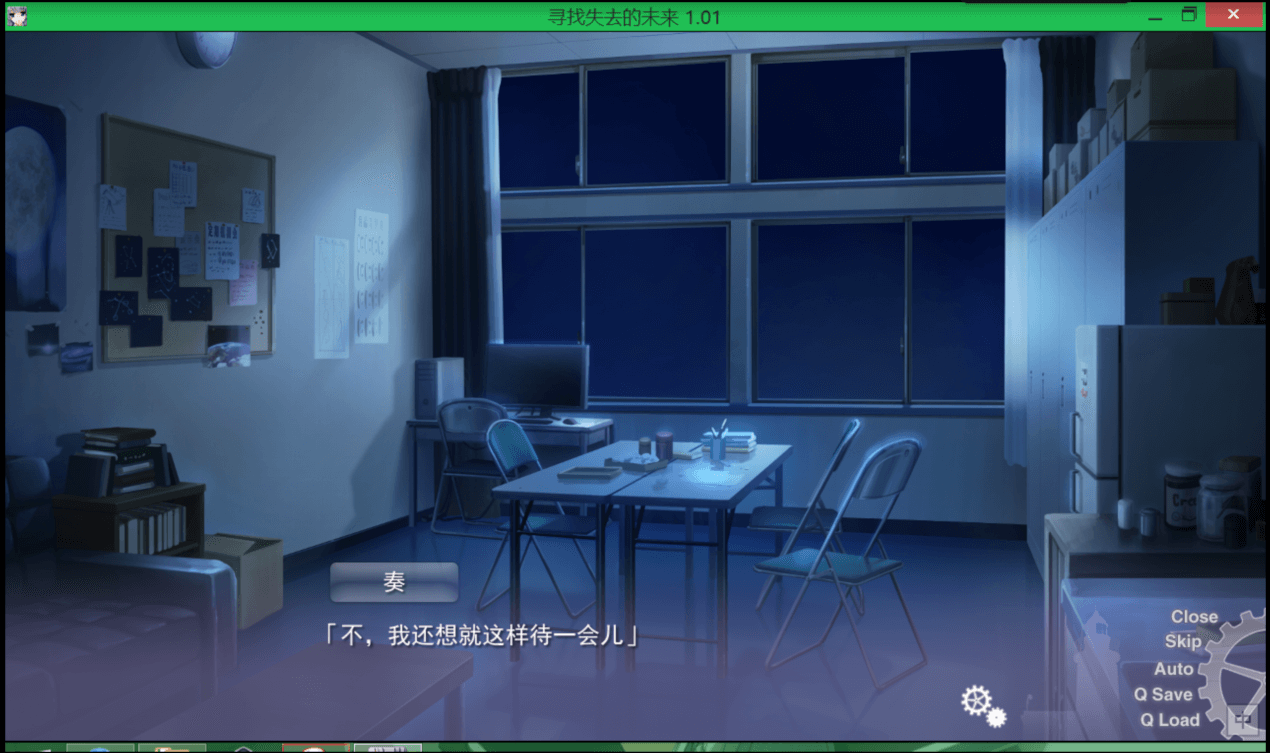 (Searching for the Lost Future. A game that survives purely on art style. The plot is garbage; the anime is actually much better. This is also a classic eroge trope: after creampie, she says she wants to stay like this for a while.)
I even thought for a while this was Japanese players being too stuck in their ways—maybe they don’t want radical stories, they prefer staying in their Japanese anime framework enjoying small happiness… Until I saw the Chinese gacha games Genshin Impact and Wuthering Waves slaughtering in Japan. That’s when it hit me: these people aren’t lacking ambition. It’s just that company laziness and their own pickiness and comfort have formed a默契 “eternal cycle.” (Now I understand Raiden Shogun; I’ve become Raiden Shogun.)
It’s not that I haven’t seen companies try to innovate within the Galgame framework. Early Lump of Sugar, later some imitating non-linear narrative, others adding combat, action systems, QTE-like elements, text fill-in-the-blank and deduction… But basically none left good results or sales. They all ran at a loss, and companies quickly fell back in line, returning to the old low-cost mass-produced template girl-pushing game. Especially with the pandemic starting in 2020 and the economic downturn, most Japanese companies chose an even more conservative “volume-based pure love short story” development route. The plot is written casually—call it “orthodox sugar-sweet romance” if you’re generous, or a voiced ASMR with pictures if you’re not. I even suspect these games could be made with AI in the future, lowering costs further.
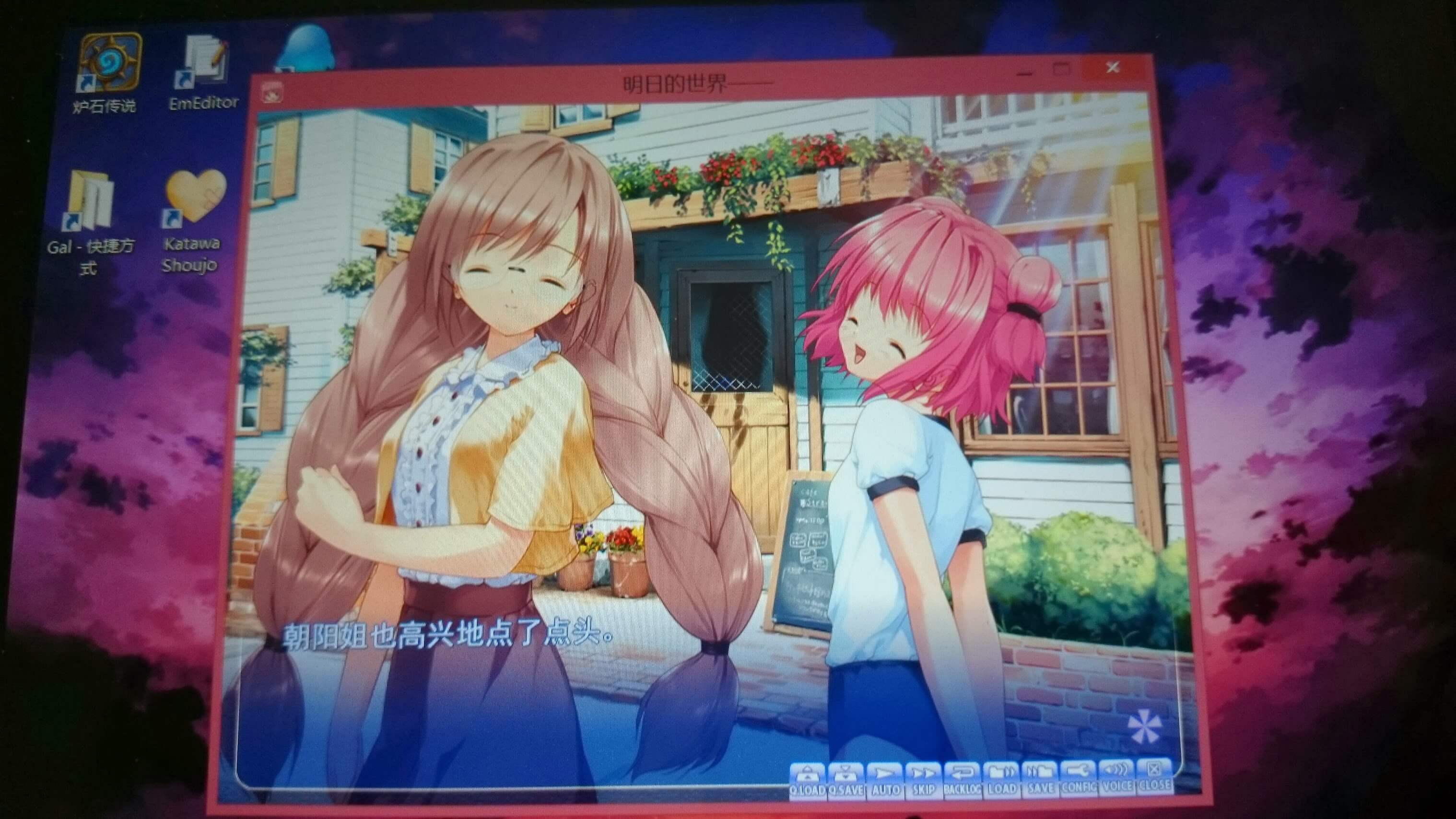 (The World of Tomorrow. Looking back, this game is better than I felt at the time. I really hated Kenhisa back then.)
From the early Erogame era to today’s Galgame, from Doukyuusei establishing “reasonable eroticism” pure love games, text-based romance games have gradually abandoned “gameplay” and focused more on story and text. But when the quality of that text gets worse and more perfunctory, it’s hard to say what enthusiasm or fun I can get from these games anymore.
The biggest recent feeling: I fired up SMEE’s Pure X Connect from nearly 10 years ago, and was amazed that after a decade, it still doesn’t feel outdated in today’s Galgame market. The dialogue style is fun, the OP and ED are better than current ones, and even the resolution and system are unchanged—720p then, 720p now, what the hell. It’s hard to say who’s right or wrong about this stagnation; it’s the result of various factors. From my perspective, the conservative Japanese companies bear more of the blame.
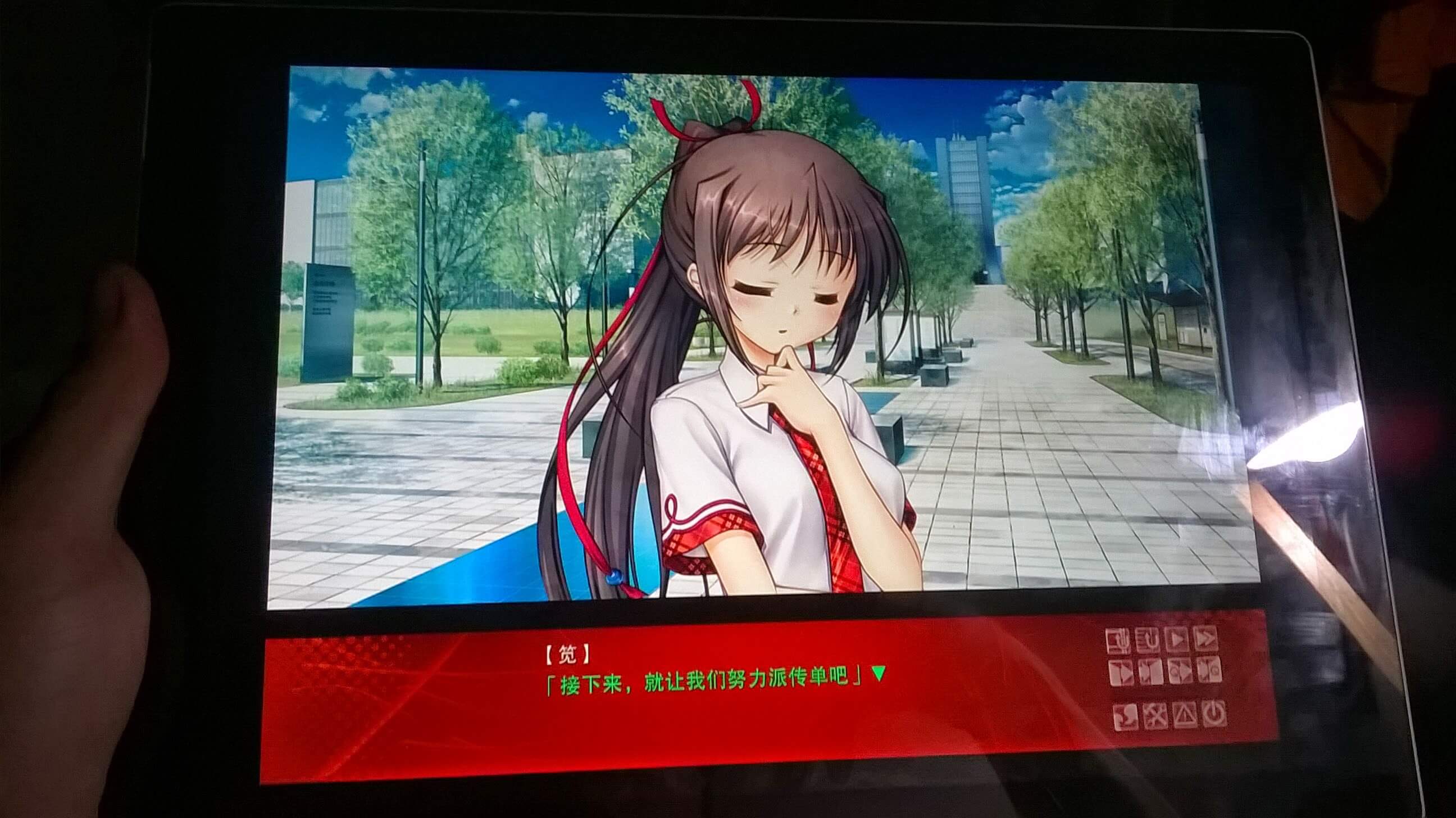 (The Shepherd of the Great Library. I consider it the best school fantasy work, maxed out in every aspect.)
Chinese Galgames: Higher Technical Skill and Abstract Plots
Chinese Galgames have been rising in recent years. Most domestic Galgame players know some programming—the proportion of programmers is not low—so I’m glad that most Chinese Galgames have better systems and more complete features, and they always add some fun minigames for “playability.” That’s a huge advantage over the eternally conservative 32-bit Kirikiri stuff in Japan. Times are changing too; much Chinese anime-style content is no longer inferior to Japan, and can even reverse-export gacha games. Hard power is solid.
But the biggest problem with Chinese Galgames is still the plot. I still don’t understand why Chinese Galgames must imitate Japan—settings, vocabulary, phrasing, all have a “translated anime” smell. It feels like they can’t talk like normal people. Even more absurd, most of these games claim to be “localized,” yet what comes out is uniformly “cherry blossom flavor.” It’s like early Chinese rap music, mindlessly copying American slang—guns and weed every other line. The average Black guy in Brooklyn lives like that; where’s a Chinese college student gonna shoot guns and smoke weed? A poor imitation only invites ridicule.
Some say this “Japanese style” is the traditional “anime flavor,” and if you don’t do it, you won’t sell. Another point is that Chinese Galgame scripts are also on the lower end of writing quality—the kind that wouldn’t even get readers if posted as a new web novel on Qidian. That matches Japan’s granularity, I guess. I’ve discussed this with others; the consensus is: Chinese Galgame projects are usually initiated by the writers themselves, driven by enough passion. You can’t expect someone working for love to also be an excellent author. Thinking about it, that’s true. That’s why I loudly praise any “normal” Chinese Galgame—being able to “talk like a normal person” in this circle is already very rare.
Advice for Newcomers
After all that grumbling, I think I can use my 10+ years of “veteran” experience to give some advice to newcomers wanting to get into Galgames. I could write a more clickbaity title like “10 Tips for New Galgame Players,” but I’ll skip it. Anyone who’s read this far is more likely to actually accept advice; clickbait attracts trolls who start flaming before reading carefully.
1. Demystify it: There’s a weird atmosphere in the Chinese Galgame community where certain veterans and KOLs create the impression that Galgames are niche, aloof, high-class, only understandable by veteran otaku, even possessing a “ninth art” aura—a mysterious gem of the gaming world. But I say: don’t think Galgames are anything sophisticated. Most of the time they sit at the same table as adult B-movies. Veterans will name-drop Subarashiki Hibi and Fate, then “White Album” stuff, then the “12 Divine Works”—most of which are ancient games. Their fluent flexing makes you feel these games have deep meaning. If you actually open one under their guidance, you’ll likely suffer. These games are long and tedious, and their plots and settings are clearly disconnected from modern content. Even if you endure to the so-called “super twist,” you’ll find many scenes you’ve already seen in modern works, with no surprise. Veterans will continue to PUA you, telling you these are industry pioneers, that if you just keep going, accept the setting, you’ll understand the deep meaning, and they’ll offer various overinterpretations, making you feel inferior, as if you’re too much of a noob to grasp the greatness…
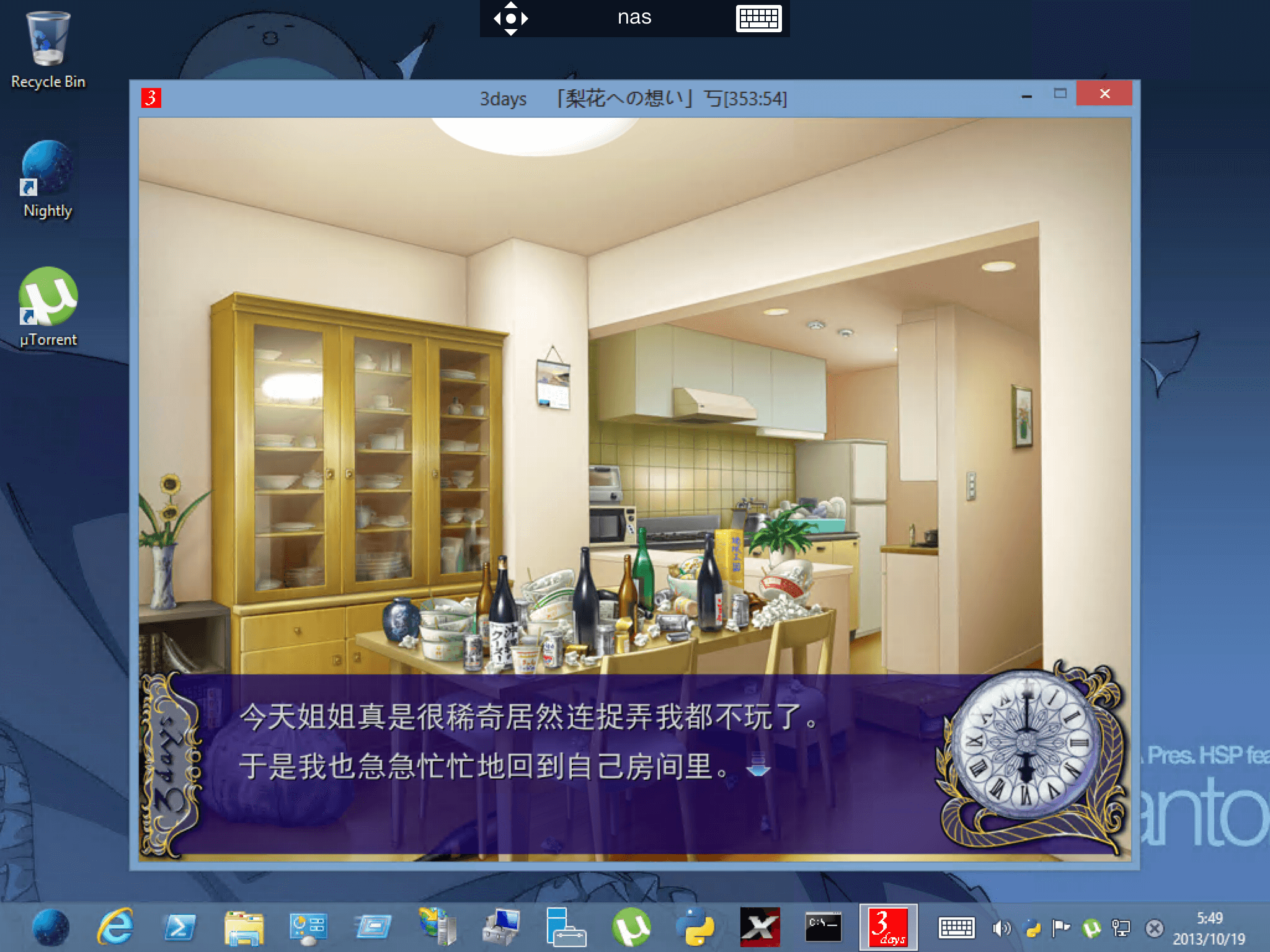 (I used to be a LASS fanboy. Then it went bankrupt. 3Days is honestly inferior to 11eyes in every way.)
I say ignore that bullshit. Those ancient works come with plenty of era limitations: bad art, outdated BGM, formulaic text. If you seriously play a game and find it long, full of filler, and painful—feel free to skip or drop it. It’s not your fault; it’s the game’s fault. As I complained earlier, Japanese Galgames pad the common route to show off text volume, while the individual routes that determine the story are only a small part. You can skip the filler and just enjoy the last bit. Don’t think Galgame writers are profound artists; they’re ordinary people rushing to meet deadlines.
2. Extract the core: Many people recommend newcomers “deep, mind-fuck” works. These are characterized by not speaking plainly—lots of pronouns, lots of allusions, making them very obscure. Refusing these works isn’t realistic; it’s a Galgame specialty, and it’d be a shame not to taste it. My advice: for settings you don’t understand, philosophical dialogues you don’t get, skip them. Try to grasp the story’s outline. Most excellent “mind-fuck works” have a main axis: “who did what when.” For example, Tsui no Sora is a horror story about a group of religiously fanatic doomsday cultists in a school who start killing themselves under a curse. Once you have the axis, try to understand the settings on top of it. Again with Tsui no Sora: why are the characters “cursed”? The background comes from Cthulhu mythos. The “doomsday prophecies” mentioned in the game—search them; they actually existed. Add the Japanese context when the original game was released, and you can understand the purpose: it feels like a horror novel riding the trend of the time. From this macro view, you’ll gradually understand the cleverness in its production and creation, and feel its charm more deeply.
Regarding “mind-fuck” works, the Chinese Galgame community is full of obsessed fans who call scenario writers their brothers, evaluate works with pretentious value and intensity—philosophy, core, Socrates, ethics, origin, quantum mechanics—running their mouths about certain masterpieces, but never mentioning the “theme” or “outline.” Either they don’t know the content themselves, or they think stating the outline would lower the prestige… No wonder. Who can accept that their “masterpiece” is actually just an ordinary school horror novel wrapped in fancy philosophical vocabulary?
 (This is a meme. I played Tenjin Ranman on PSP; it’s so old I have no screenshots. But it was Yuzusoft’s only all-ages expanded version, and it had Asumi Kana.)
If you encounter a work where, after discarding everything you can’t understand, you still can’t grasp the main theme from the fragments, then I suggest you drop it. It’s undoubtedly a bad work, or the author is mentally ill. Some say you need to “sync wavelengths” with the author. That’s not quite right—after all, only an idiot can understand an idiot’s thinking. When a game released to the public ignores public comprehension and is just the author jerking off, it’s not worth your time. You paid for the game; the author should make an effort to help you understand, not the other way around. Truly excellent authors don’t have this problem. Take SCA-DI, who often goes off the rails: his stories are wrapped in lots of philosophy and irrelevant content, but the main line is always clear, and he always tries to use that clear main line to help players understand the private stuff he’s stuffed in. He once said his works are “Wittgenstein’s ladder, the Buddha’s raft”—meaning if players become interested in the philosophical private goods through the game and go on to learn about the recommended philosophical works, his goal is achieved. That matches the commonality of “cultural export” today. And SCA-DI has actually read a lot of books and integrated them into his works, fundamentally different from those who pile up rhetoric. Remember: excellent authors, no matter the style, always have a clear main axis—the basic “time, place, and characters” from elementary school essays.
3. Be tolerant; don’t only play Galgames: I’ve seen many so-called “Galgame masters” who talk endlessly about Galgames, quickly review every monthly release, saying this one’s a landmine, that one’s a landmine, this plot is good, that plot is bad. These people often set the tone for the community. I find it laughable, because in my view, the ratio of “masterpieces” in Galgames is extremely low. Maybe 2-3 excellent ones a year, and if 10 are worth playing, that’s already good. Why do so many Chinese players think Galgame masterpieces are everywhere? Because they mostly only play translated games, and translation groups themselves have already done a big filtering. As someone who used to devour raw games monthly, I can tell you: every month I ate a full meal of shit, and I could barely pick out one decent one.
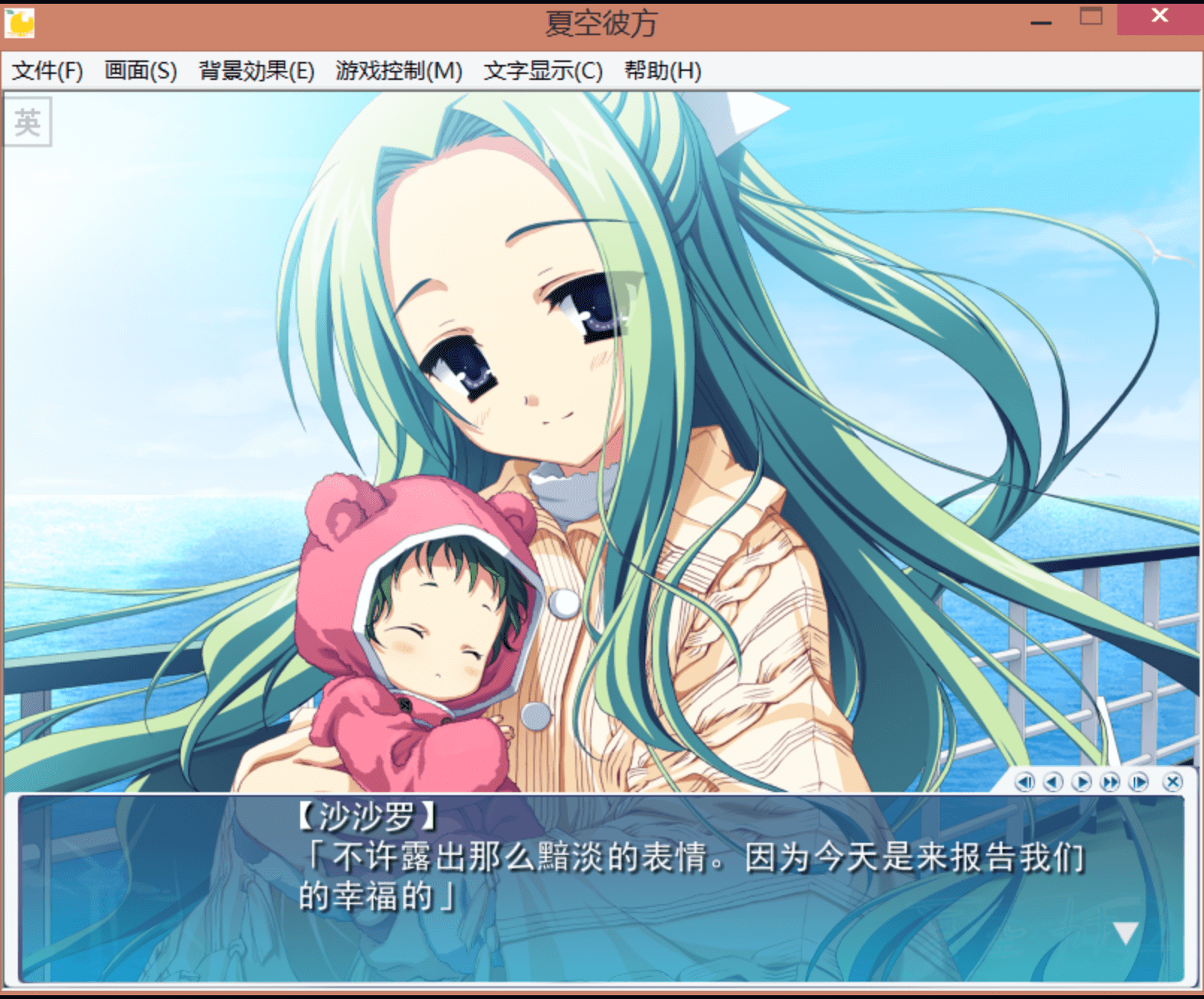 (Natsuzora Kanata, touted as Yuzusoft’s best plot. But looking at it now, Yuzusoft’s best plot is always the next one.)
I think if you truly love galgames, the first thing you need is tolerance. I don’t know why so many people in an already niche community feel the need to step on others, as if playing “moebluff” makes you inferior and only “denpa masterpieces” make you a high-tier player. I see newbies obsessing over shock twists in a game’s plot, convinced that the protagonist must have some deep-seated grudge and there must be some grand conspiracy behind the scenes for a game to be a masterpiece—and looking down on works that focus on daily life. I also see plenty of people who assume galgame stories are inherently superior just because they’re narrative-focused, as if you can’t find equally good storytelling elsewhere…
Maybe those arguments held water before, but it’s 2026 now—an era where even gacha games tell a story, FMV games with more direct plots are everywhere, and fragmented storytelling with wild twists has become standard even in Souls-like games. Next to those, galgames just don’t measure up anymore. I’d also suggest that so-called “galgame enthusiasts” try more games outside the galgame and Japanese game bubble, so they don’t end up as frogs in a well. From what I’ve seen recently, plenty of Western games, Chinese games, and even low-budget Japanese doujin games deliver story experiences that are no worse than the so-called galgame masterpieces.
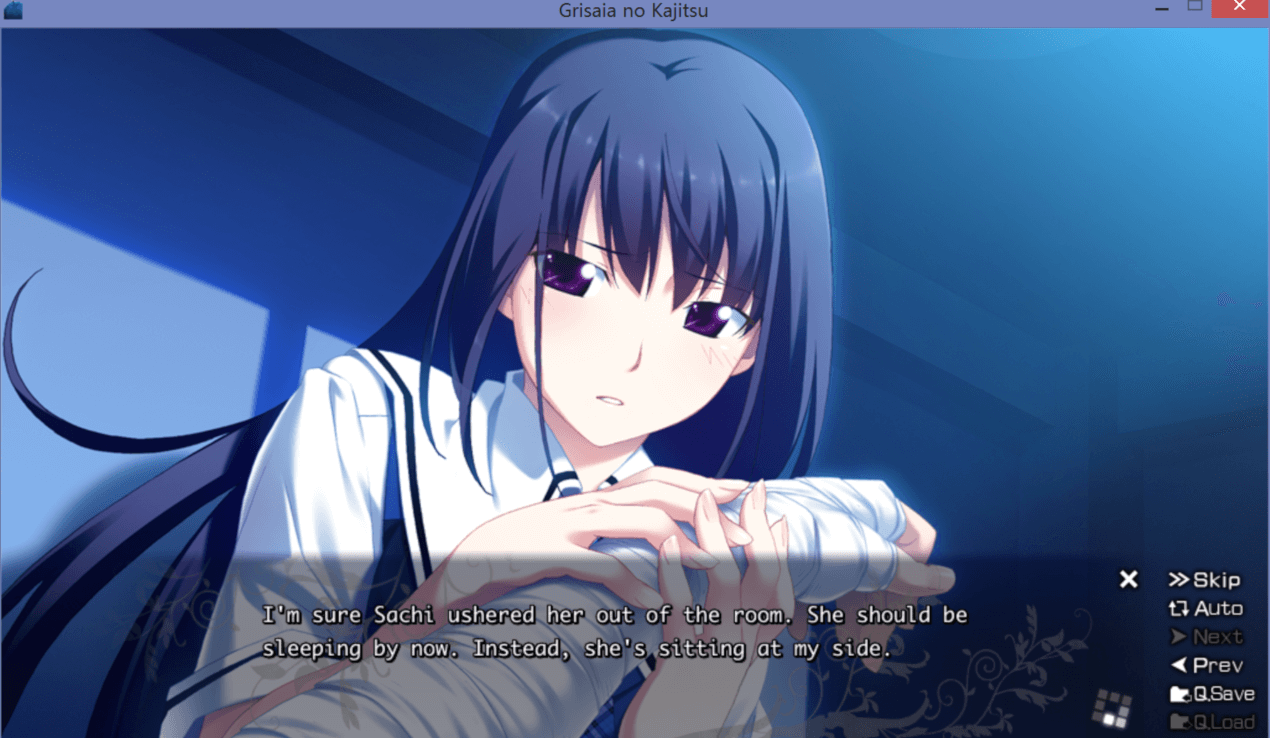 (Grisaia no Kajitsu—I played the English version back then because my Japanese was bad. 50 hours for the common route is just absurd.)
What am I actually playing when I play galgames?
I’ve asked myself this question countless times recently. If I originally got into galgames for “anime-style narrative with a guaranteed ending,” does that still exist in the galgames I keep playing over a decade later?
Or rather, why am I still playing them at all?
At this point galgames rarely give me anything fresh. There’s an old movie called Groundhog Day about a guy stuck in an endless time loop, and that’s how I often feel playing galgames now. So many new releases feel familiar—I’ve played them years ago, even multiple different versions of them. Every month’s new titles just repeat the same old story frameworks with characters renamed. Sometimes I see kids on X (Twitter) going on about how amazing a new game’s story is, and I shake my head, wanting to say that story already appeared in some route of some game years ago. But then I think saying that would just make me look low and like a try-hard, so I let it go—why ruin the mood for someone who’s enjoying themselves?
 (Love, Election & Chocolate, PSP version. You can romance the loli scientist—something the PC version won’t even let you do.)
And honestly, some months they can’t even put out two new titles. The industry really is done for. Looking back on my 2025 gaming, I’ve spent more time on Steam playing traditional games than galgames. As the title says: “Everything that begins must end.” Time to put a period on it.
An ending and a beginning
I know a lot of you probably followed this blog for galgame content. I’m not announcing that I’ll stop playing galgames entirely—just that I’ll be more selective. If there’s a commercial piece to write, I’ll play those too (the magazine I write for seems to be nearing death; best of luck to it in the revival bracket, or at least pay me what they owe). If a game’s premise catches my interest, I’ll still play it, but I won’t approach every new release with a “must try it even if it’s shit” attitude anymore. I’ll probably also write more about traditional games—there were plenty of AAA titles from last year I have thoughts on.
I’ll also consider going back and buying old galgames I missed—ancient games I was curious about but never had time for. I’ll dig them out, play them, and write some impressions; that probably suits my current laid-back attitude better. And I’d like to finish some games I never cleared as a kid due to one thing or another. Maybe getting older makes you want to complete the things you left unfinished when you were young.
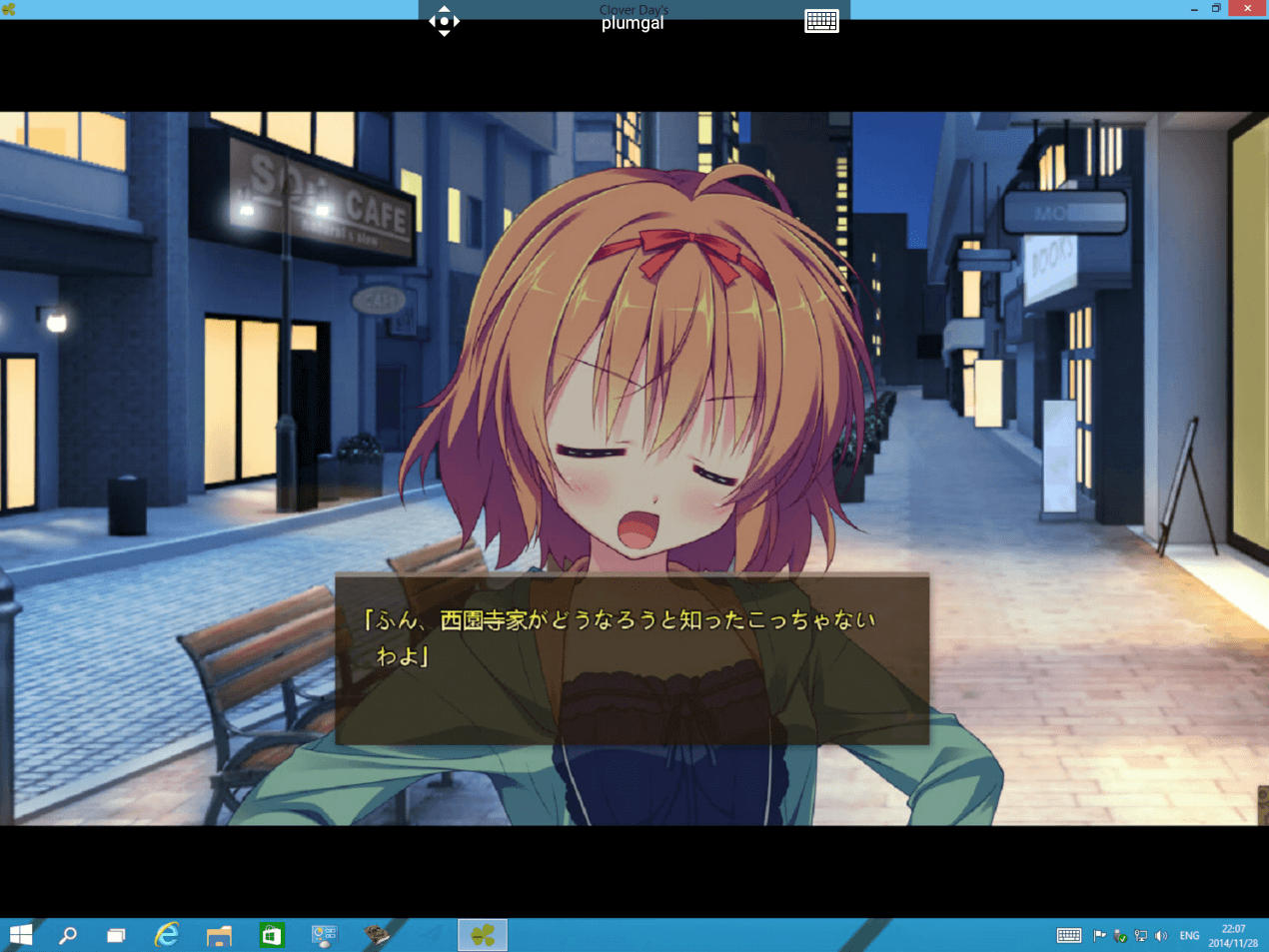 (Clover Days, touted as Alcot’s peak—though honestly Clover Hearts is the real peak, and after this one Alcot quickly headed toward the grave.)
Maybe I’ll pivot to other content—traditional games, music, novels, manga—or maybe I’ll leave the otaku life entirely and never touch anime-adjacent stuff again. Chasing every monthly release like I used to is getting exhausting, and most new titles are boring anyway.
Who knows what the future holds. One step at a time. When I launched Hatsuyuki Sakura in 2013, I never imagined I’d end up playing so many galgames. What I feel for galgames is mostly passion and gratitude. I’ve never regretted pressing the start button on that game over a decade ago—without it, maybe there’d be no me today, maybe no marriage, no kids. A real butterfly effect, huh.
Thank you for reading this far. This post was written on and off over several days—a summary of my time as a galgame grinder. There’s so much I want to say about galgames that it ended up being a stream-of-consciousness thing, so it might read a bit messy. But at least I’ve gotten years of thoughts out. I probably won’t talk about this stuff anymore going forward.
Finally, here’s the 2024–2025 galgame list. No more rankings or roundups from here on out. You can still search all games on the site’s Galgame page:
2025:
Kana-chan no Kanzen Kyuuketsu Manual /archives/14223/
Toumei na Kanojo to Shinjitsu no Watashi /archives/14217/
Kousai Toshi /archives/14201/
Otaku no Jinsei Bouken /archives/14191/
Nandome ka no Hajimemashite /archives/14162/
Limelight Lemonade Jam /archives/14125/
Love Elysium A Memory That Never Was
/archives/14117/
KATANA Project CompleteBox Kouka Kouran /archives/14112/
Ren’ai, Hajimemashite /archives/14093/
Jewelry Knights Arcadia -The ends of the world- /archives/14084/
2024:
Tanetsumi no Uta /archives/14067/
Ren’ai Zhu Jiao Fan /archives/14188/
Otome Sekai no Arukikata /archives/14035/
Boukyaku no Aedicius /archives/14021/
Select Oblige /archives/14000/
Sky Chord /archives/13972/
Kira☆Kano /archives/13966/
Ptulica 1st cut: The Reason She Must Perish /archives/13958/
Yatsurugi Den /archives/13945/
Inverted Angel /archives/13938/
Efu: Mingmo Qianlixing /archives/13919/
Nagaru Hoshi -a Wish Star- /archives/13904/
Aoba /archives/13900/
Hajilove -making*lovers- /archives/13896/
Hajimeru Sekai no Riron /archives/13888/
Love Pical Poppy /archives/13862/
Boku no Kanojo wa Ningyo Hime!? /archives/13835/
Once’ /archives/13835/
Migratory Bird /archives/13819/
Love Love School Days Update Patch /archives/13808/
Shinda Koro ni Maniau Kamo Shirenai /archives/13708/
Setsuna ni Kakeru Koi wa Hanabi /archives/13710/
Comments are hosted on the Chinese main site. This mirror is read-only.