Triple Pairing (トリプルペアリング) Review
Spinning Triangle: Triple Pairing
HookSoft, the old standby that churns out new releases on an assembly line, is back with a new game, and this time the theme is “love triangle.” Honestly, I was a little surprised. For a veteran brand built on pure love, you’d expect something closer to a one-click harem picker, not material that gives you stomach cramps, not a love triangle that has you two-timing and edging toward NTR territory.
But given how the Japanese visual novel market keeps sliding, I get it — without something explosive, you don’t get buzz or traffic. And the first launch after release genuinely impressed me. The game throws out the old bullshit 720p resolution entirely, moving to 1080p and beyond, adds animated expressions so the heroines can change faces and blink (old tech, sure), and pads things out with a pile of useful and useless chart-based staging and kaomoji stickers to boost the comic feel. At least it looks lively, way more alive than the old flat talking-head simulator.
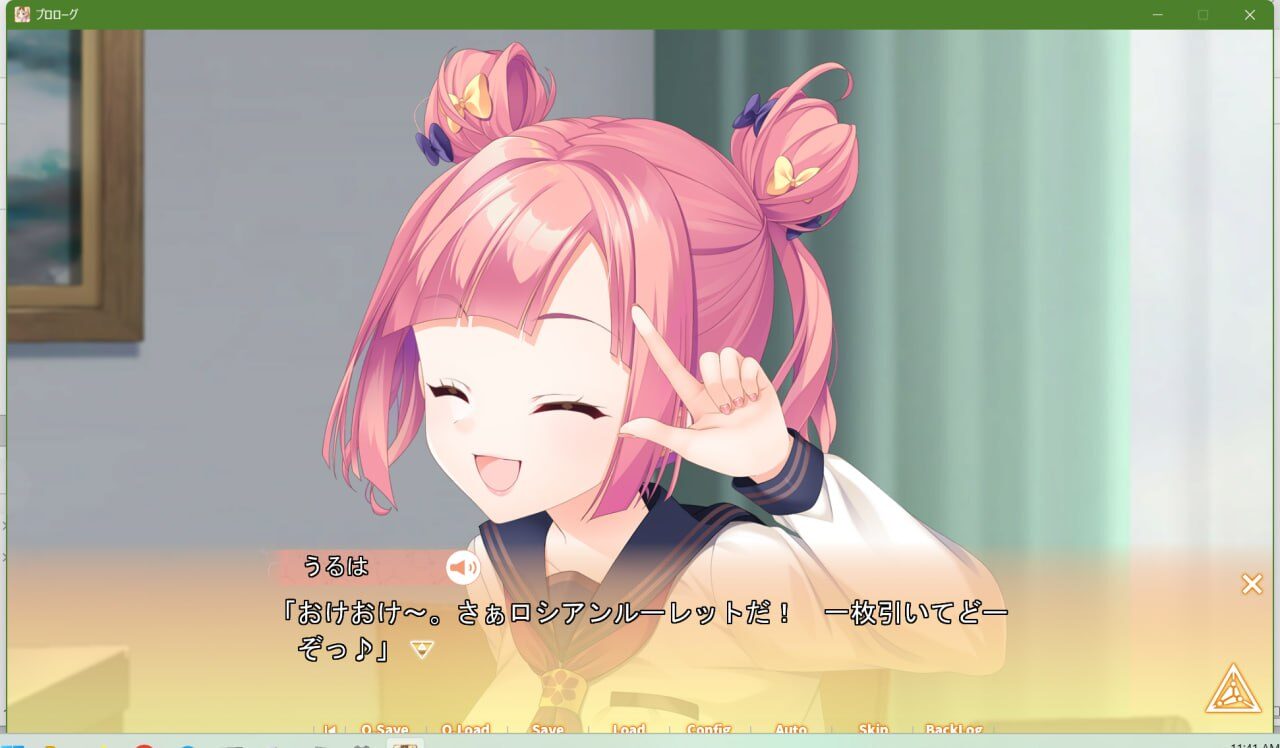
The story side, though, is thoroughly ordinary. The game has three main heroines and three sub-heroines, and the setup exists for that whole “triangle” gimmick. Across the common route the three main girls compete on affection based on your choices; once you’ve picked one as the highest, whichever of the other two sits second keeps crashing your story, manufacturing the so-called “love triangle” scenarios and forcing a binary choice. It looks highly random, but Hook just brute-forced every possible permutation, wrote them all out, and reused everything reusable. It feels very hand-built — like HookSoft became the “artisanal eroge scripting sage,” achieving mildly not-outdated results through the least efficient means possible. In terms of playability and entertainment value, this one still loses to some Chinese-made titles, even FMV games, but… in an industry this steeped in old-man smell, pulling off change at all is impressive. What, you expect a bunch of entrenched old brands to unionize and share profits?
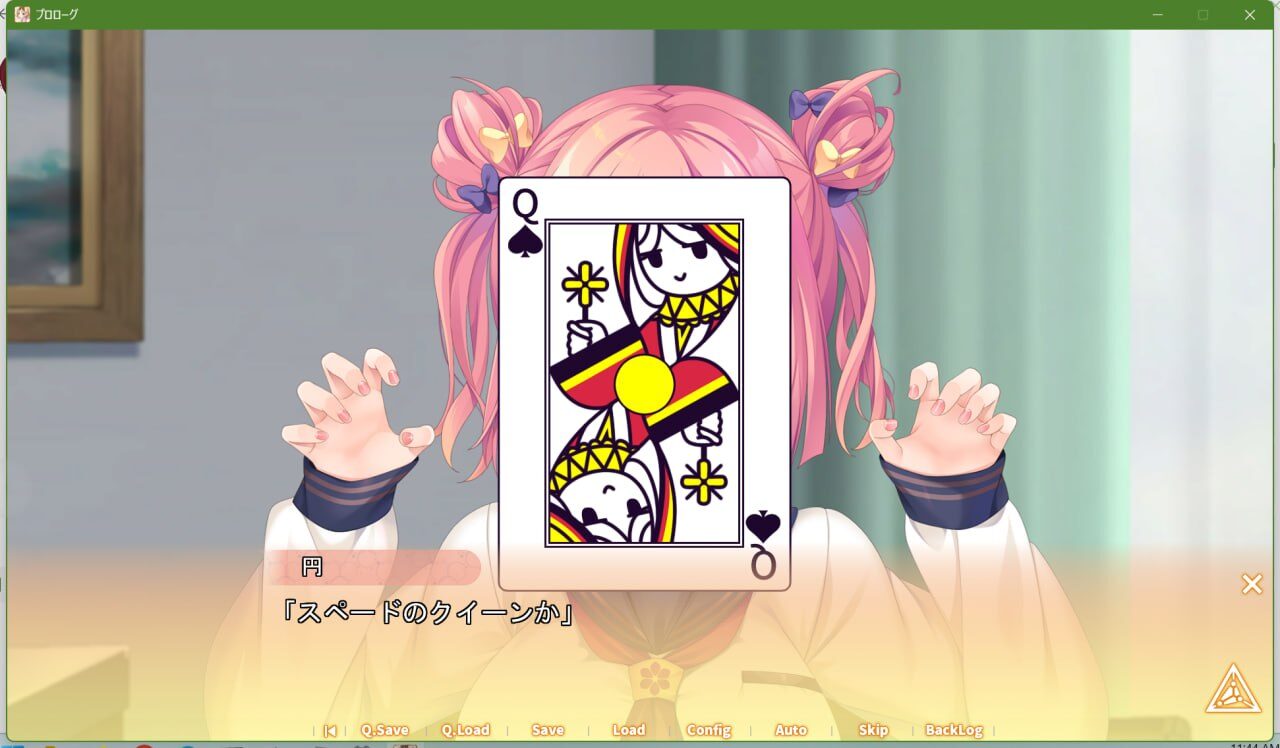
There’s not much to say about the plot. This isn’t a narrative-driven game. One main heroine is the rich girl who comes to the protagonist’s school to experience life, says she wants to feel love, hooks up with him, and eventually runs into her father’s opposition over class differences — the ending is obviously happy. Another is the gentle older-sister type helping out at the family restaurant, emotionally stable and friendly, and in the end she and the protagonist decide to keep running the place. The third is a textbook landmine girl who seems to have some history with the protagonist, reconnects and rekindles things; she’s short-tempered, obsessed with what others think, wears herself out, loves to kick up a fuss, and finally calms down after the protagonist comforts her. As for the three side heroines: the maid is pure gap-moe contrast, the teacher is also pure contrast, and the locked-route little sister is the traditional love-conquers-all routine — she’s into her brother, doesn’t care what anyone thinks, doesn’t care about marriage.
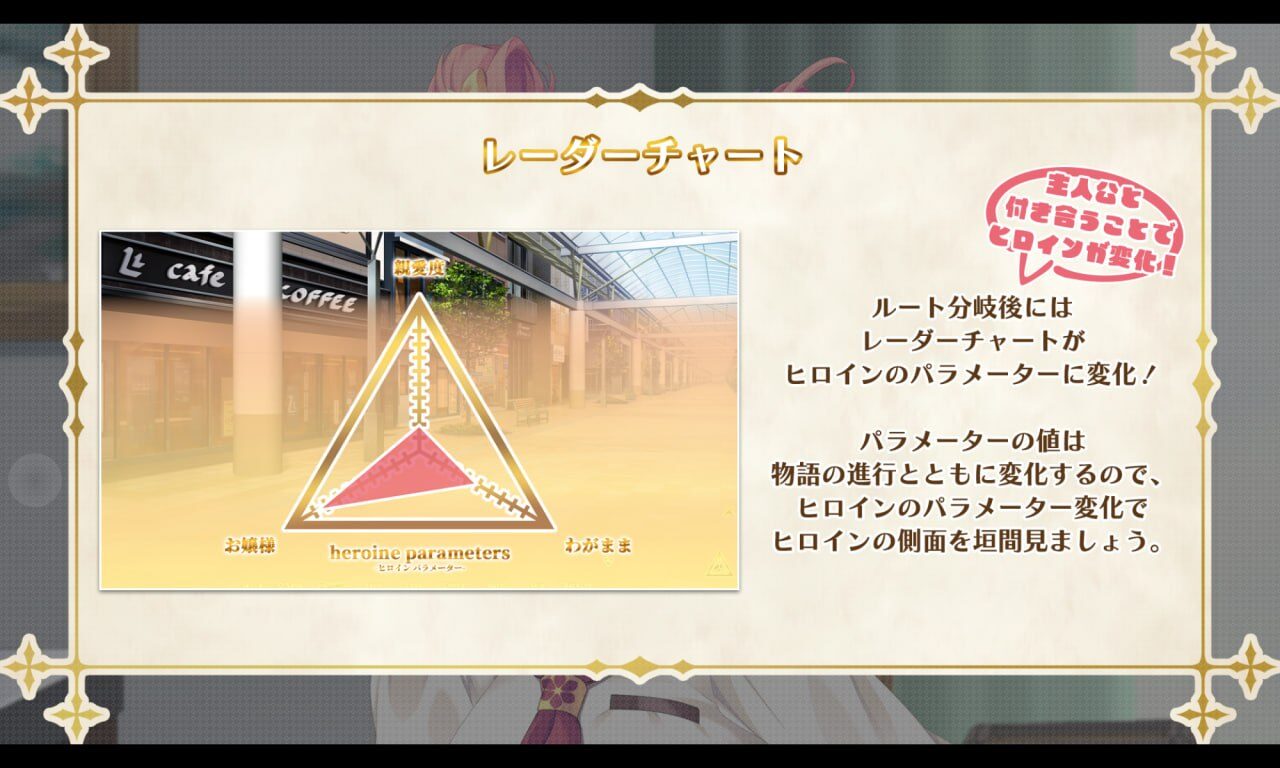
What’s worth mentioning more than the story is how the game handles the feeling of romance. Thanks to the high resolution, the abundance of expressions, and the excellent manga-style staging, one-on-one conversations with the heroines are clearly more fun than before, and even the throwaway gags land hard enough. The love-triangle element advertised up front amounts to a playoffs-style pick-one-of-two segment — you can still choose the second girl, you can still flip it with choices, one heroine just exits first.
Somewhere along the way most visual novels became narrative-driven products, full visual novels, but the earliest eroge were pure R18. Then Dōkyūsei and Kakyūsei introduced the idea of “reasonable eroticism,” and games built around dating-sim experience as the core loop gave birth to the word galgame. Story matters, sure, and it can better sell a heroine’s charm — but that doesn’t mean without some grim, convoluted twist, the feeling of romance can’t be built. I’m glad HookSoft found its comfort zone again with Triple Pairing, especially for an old virgin like me: chatting and joking with 2D girls on a screen every day is plenty of fun, no isekai adventure or time-travel battles needed. If your requirements are about the same as mine, this should be your thing, and it’s probably the only visual novel this half of the year that’ll give you that “in love” feeling.
The game also bills itself as “practical,” though I don’t find it all that practical…
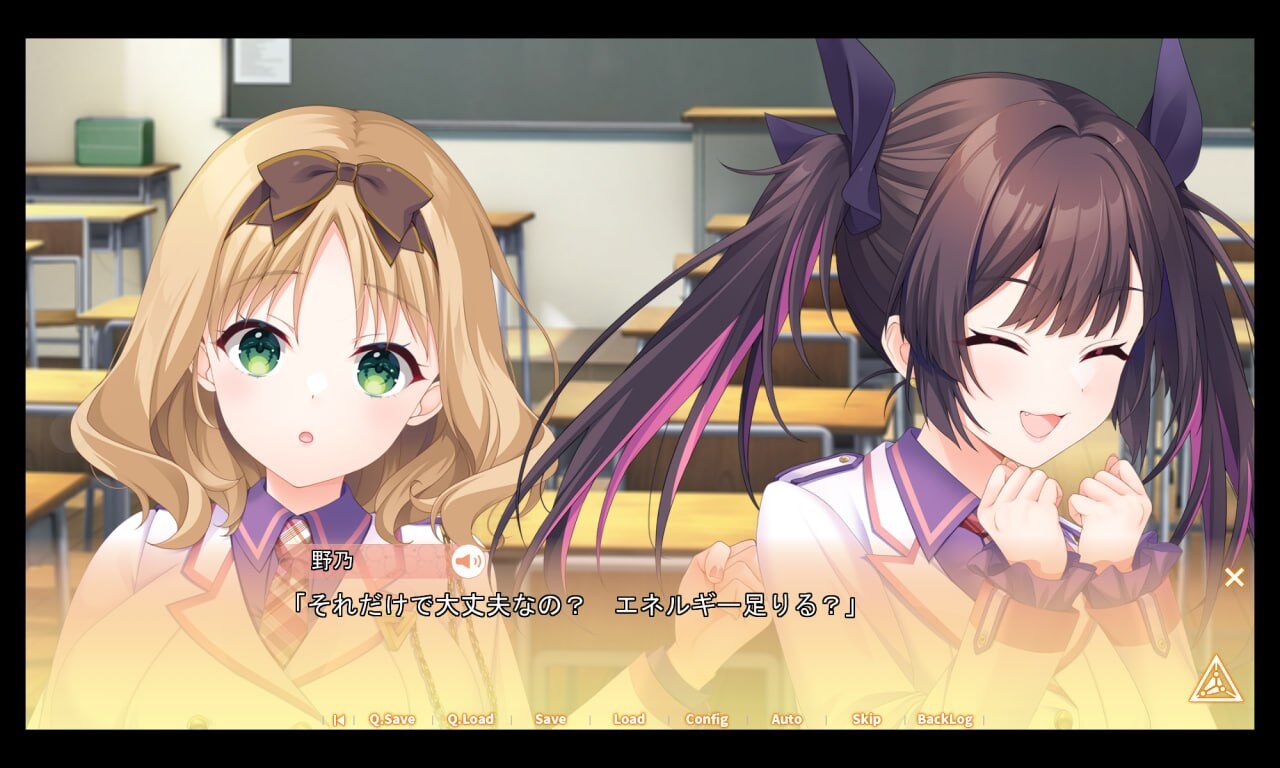
Worth noting, HookSoft announced a simultaneous global multi-language launch including an official Chinese version, and hyped it loudly on its Niconico account, sending a bunch of people into a frenzy — but I finished the game in Japanese before the official Chinese release even came out. And from what I saw, the Chinese translation isn’t great; a fair amount is outright omitted. The one thing I’ll give it is the title, 三角园舞曲 (Triangle Waltz) — that’s genuinely apt.
After all, the protagonist’s name is Sankaku En, three beautiful girls orbit him, and together they form a spinning triangle — a triangle waltz, no?
Incidentally, whether by design or accident, one heroine’s CV looks strikingly like a character she voices in a certain famous gacha game (the one China invested in, Korea made, Japan published)… and I kept hallucinating.
Comments are hosted on the Chinese main site. This mirror is read-only.