Impressions: HP Elite X3 Lapdock
Quick review: HP Elite X3 Lapdock
A batch of HP docks showed up on eBay recently for 69 yuan with free shipping. Full name: Elite X3 Lapdock. It was originally made to pair with HP’s own Windows Phone handsets, but thanks to the well-known reasons, the Windows Phone market is completely dead, and this thing is now an awkward orphan nobody wants.
Like most people, I had fantasies about it too. Could this be a cheap TNT Go? So I grabbed one to find out.
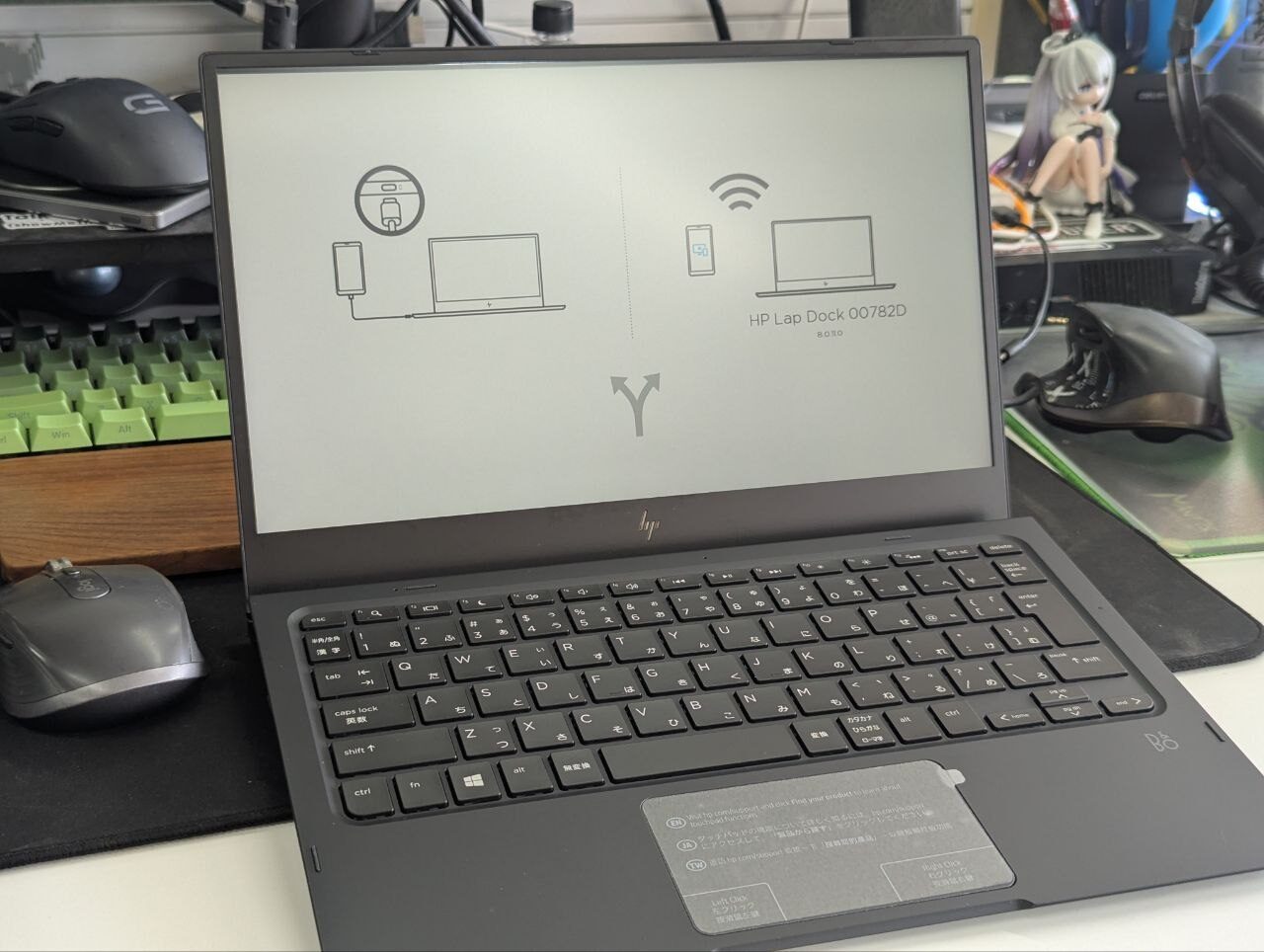
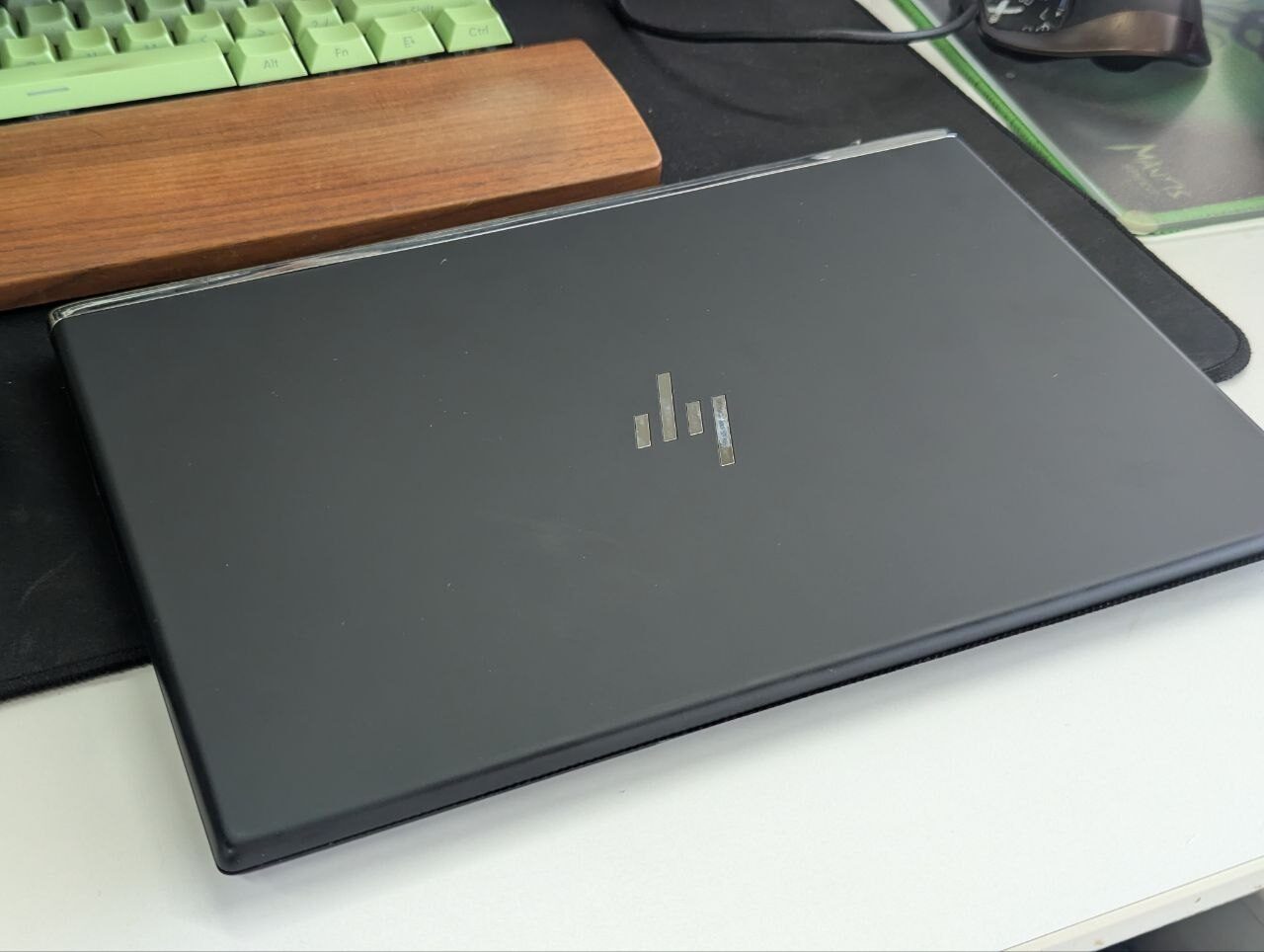
The build quality turned out pretty good. The condition, less so. It’s got some heft to it, and the rubber has already oxidized and started flaking off. The screen, keyboard, and touchpad are all basically new though, and it even has a built-in battery with charging support and a battery level indicator.
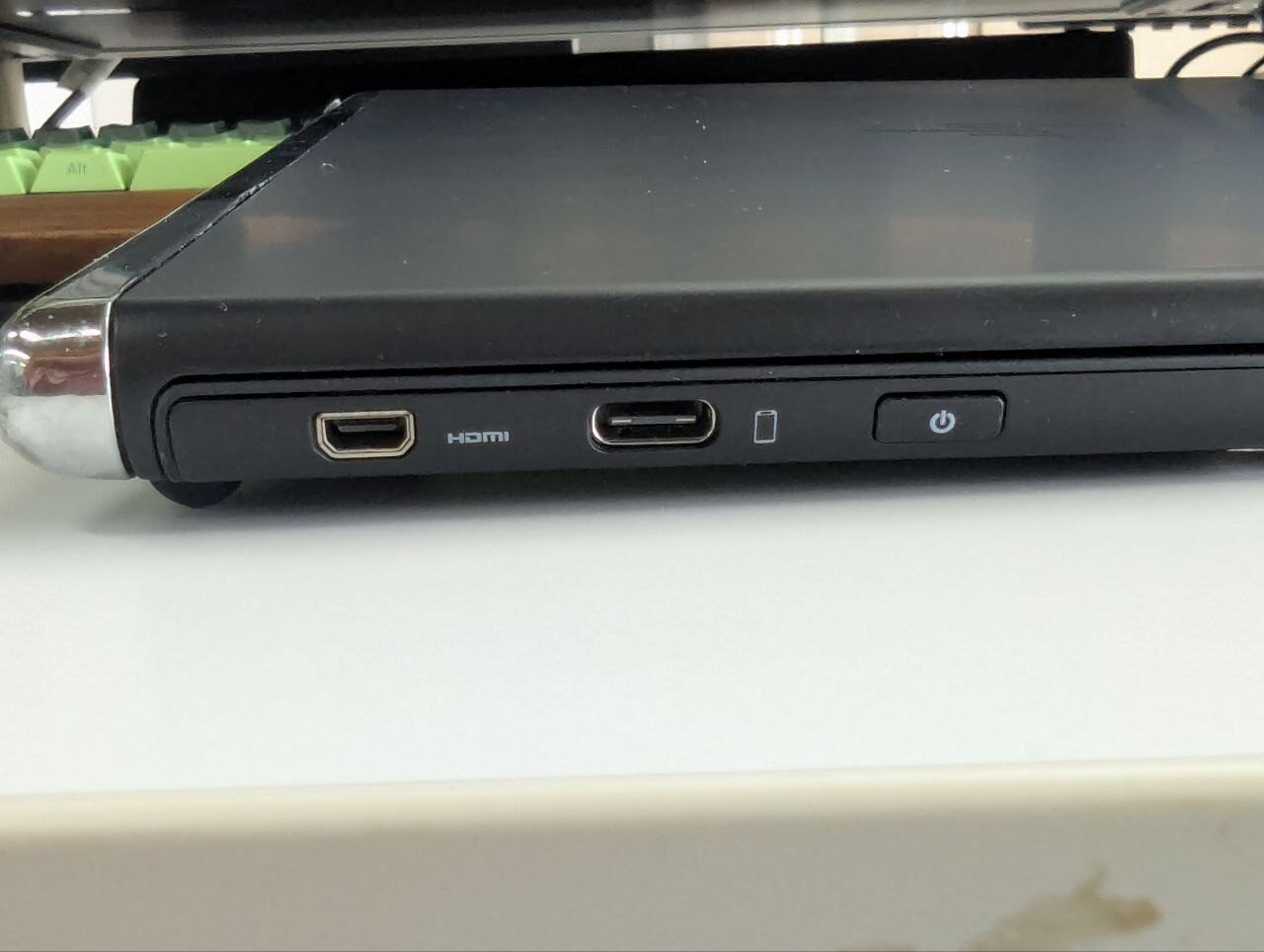
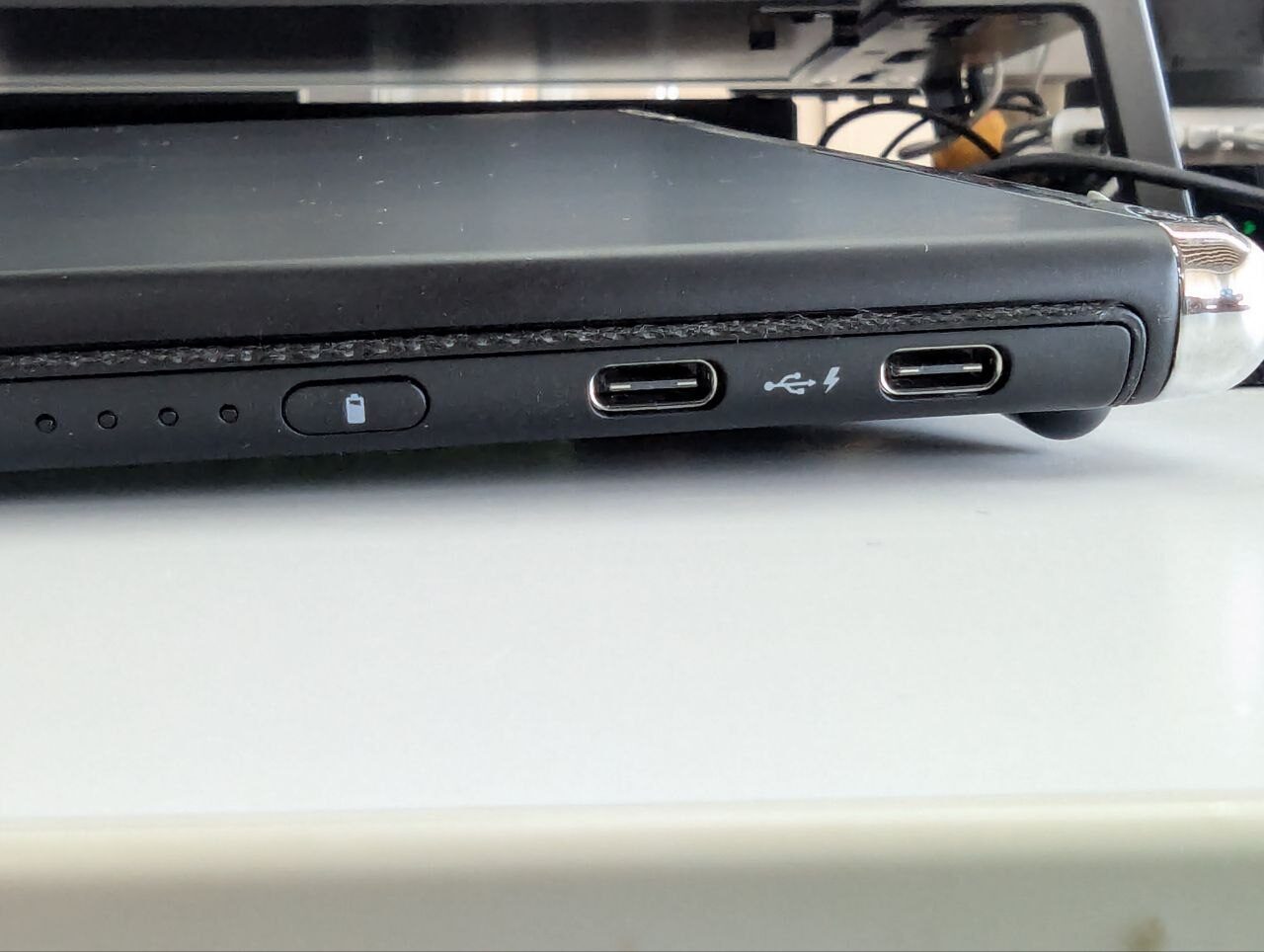
But what most people care about is compatibility. What does it actually support? I dug out everything I had and plugged it all in one by one.
First up, the SteamDeck and a bunch of Linux handhelds. Verdict: it detects the display, but the screen stays dark. Then I tried Android handhelds. Pixel 7 Pro: nothing. Pixel 8 Pro actually detected desktop mode, but the screen still wouldn’t light up — the keyboard and mouse could control the phone screen, though.

Then I tried my Linux laptop, a ThinkPad. Same story: keyboard, touchpad, and screen are all detected, but the screen won’t light up. Same with every other laptop I tried. And don’t even get me started on open-source handhelds and the Switch — there’s no reason to even bother.
So do I really have to buy a Windows Phone? Is there any device that actually works perfectly with this thing?
All I can say is yes, bro, there is.
I pulled out my Surface Pro 11 Snapdragon edition and plugged it in. Perfect support. Screen, keyboard, touchpad, all precisely recognized and working normally. At that moment I had to sigh: isn’t this Snapdragon Surface tablet, in a way, just another Windows Phone?
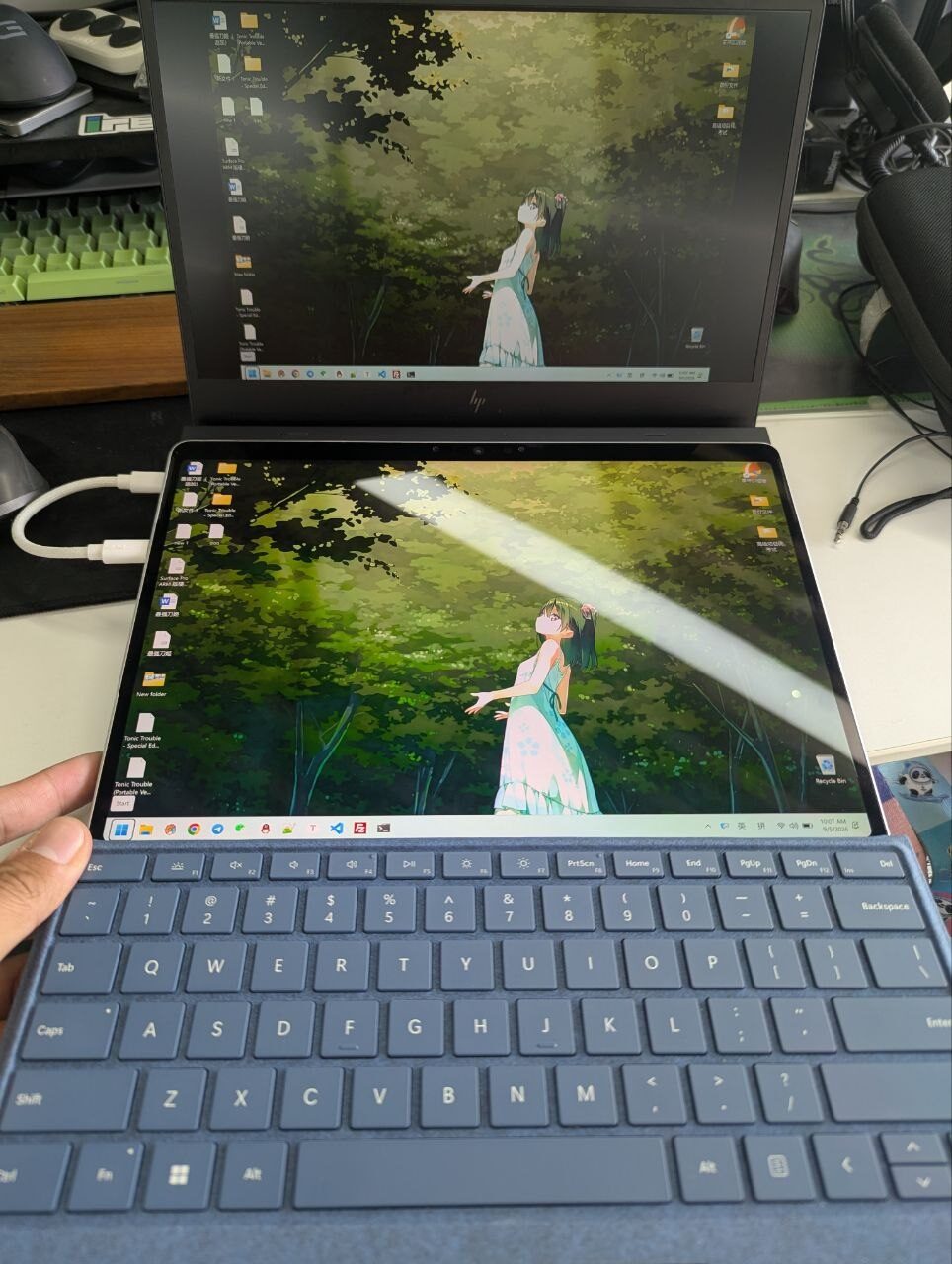
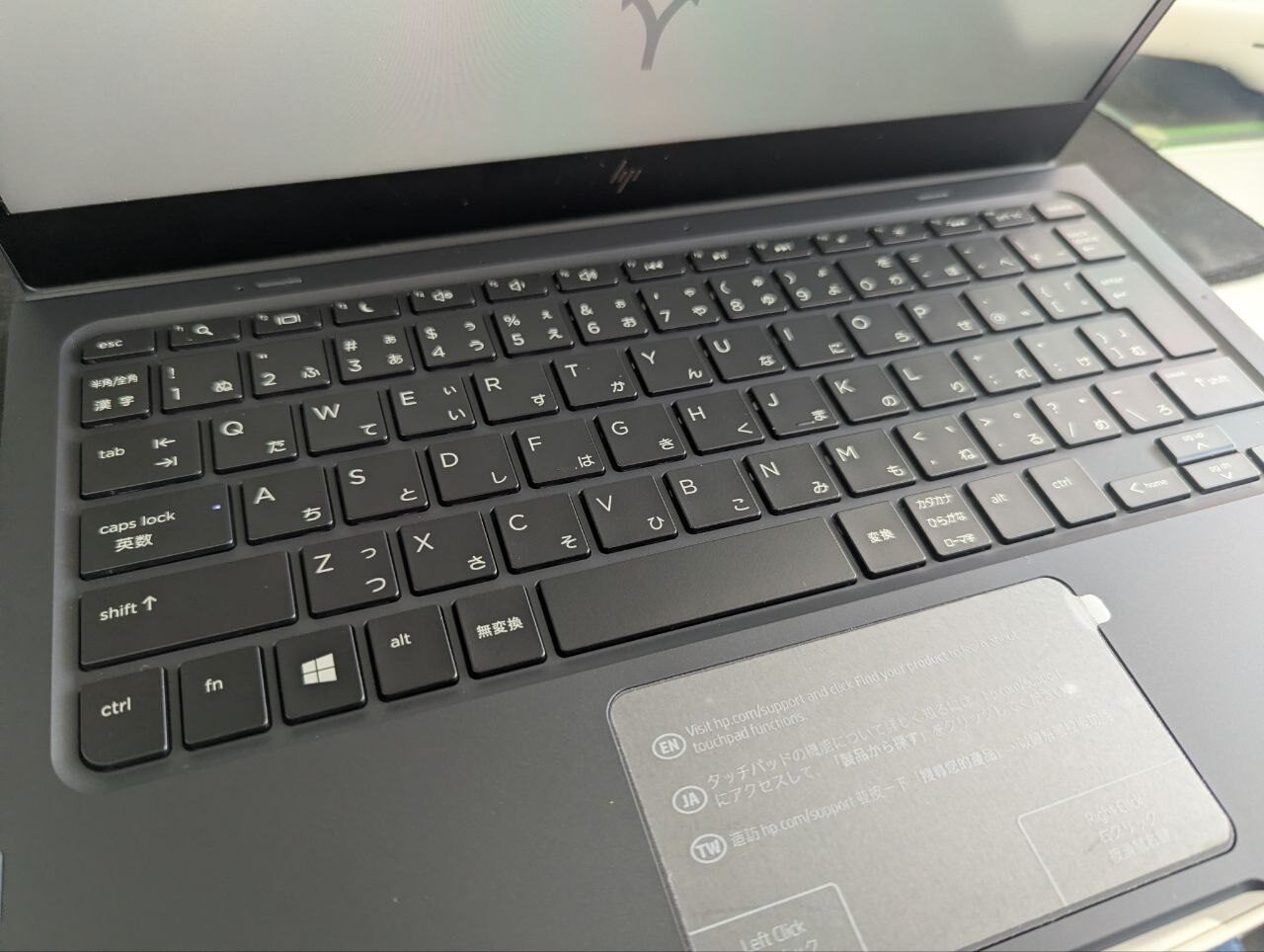
In the end I returned it. The reason is simple: I bought the US version, the seller’s photos showed the US version, and the seller said nothing else except that it had a Japanese label. What arrived was a Japanese keyboard. Japanese keyboards are one of those anti-human designs you only need to use once to never want to touch again (I suspect even Japanese people don’t like them — at least a lot of the Japanese I’ve seen use US keyboards).
Comments are hosted on the Chinese main site. This mirror is read-only.