All About Those Tiny ESP32 Handhelds
A while back, Bilibili got flooded with videos with basically the same title — mostly “I built a tiny game console” or “I made my own retro handheld.”
Most of these handhelds look surprisingly well designed and are genuinely tiny. Usually a 2.8-inch screen, two buttons (A and B), and a TF card slot for the system and data.
The designers generally open-source their models and files, so you can print and build one yourself. They do look pretty nice.
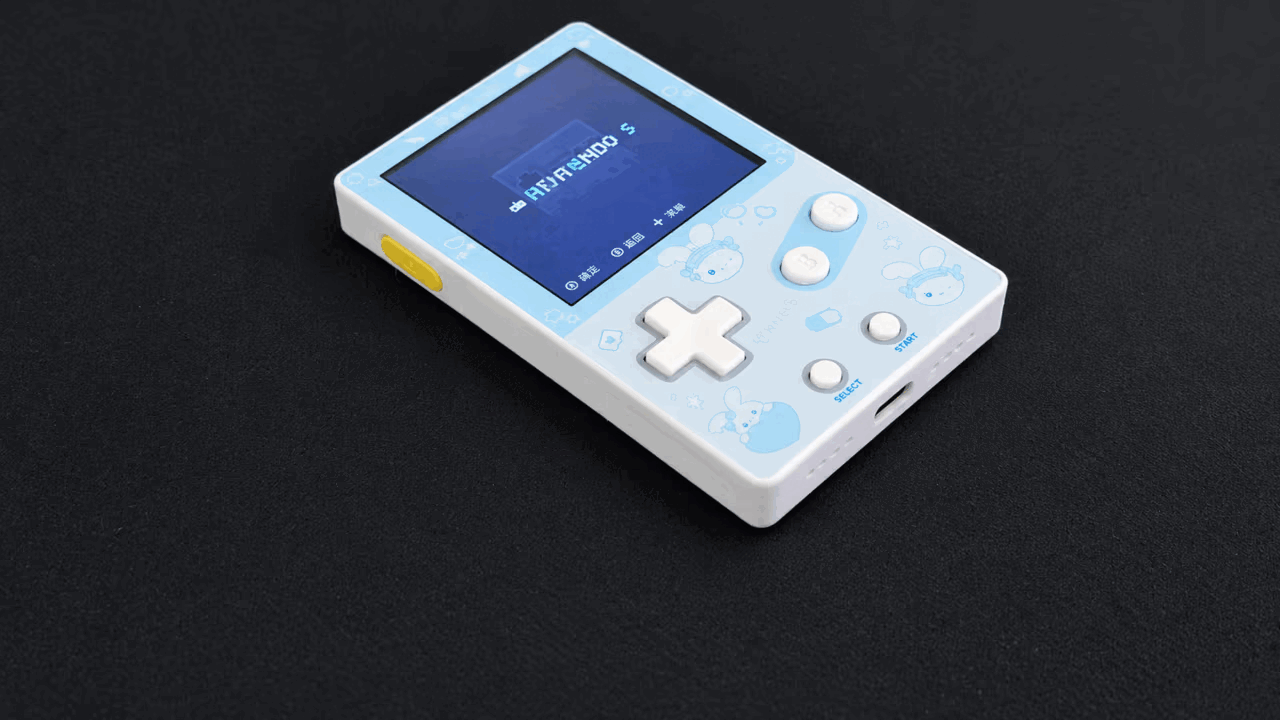
But most of these designs are really just one design: the Odroid Go I messed around with years ago. That handheld was also something you assembled yourself — same processor, same screen, same buttons, same system. The only difference is that the system now has a Chinese translation.
Honestly, the screen colors on these things aren’t great. Washed out and pale as hell, and the play experience doesn’t hold up against proper retro handhelds. Some games glitch out with corrupted graphics, and that seems to come from the hardware or the base software itself. Years later, still hasn’t changed.
Besides the Bilibili DIY crowd, there’s also a “modder” faction — people who grab leftover Xueersi robot-teaching handhelds and convert them into actual game consoles. Honestly, I think it’s really just about enjoying the tinkering. The device itself doesn’t mean much.
Still, someone did manage to make something genuinely original out of an ESP32 handheld. One person recreated the Wenquxing, trying to turn the exclusive games from those old Wenquxing electronic dictionaries into a dedicated handheld. You can find them on Xianyu too, with the screen swapped for a black-and-white panel better suited to dot-matrix display. The nostalgia factor seems way better than the usual stuff.
Comments are hosted on the Chinese main site. This mirror is read-only.