Phantom Blade Zero Device Hands-on Report
Phantom Blade Zero Hands-On Report: Every Device I Tried It On
Like everyone else, I’ve been playing Phantom Blade Zero lately. Yeah, I’ve shit on its marketing plenty of times, but as an action game fan I still couldn’t resist. You could say I only dunk on it because I couldn’t play it early.
Unlike back when I played Black Myth, I’ve got a lot of hardware on hand now, across multiple OSes and build setups. So here’s a rundown of my hands-on experience.
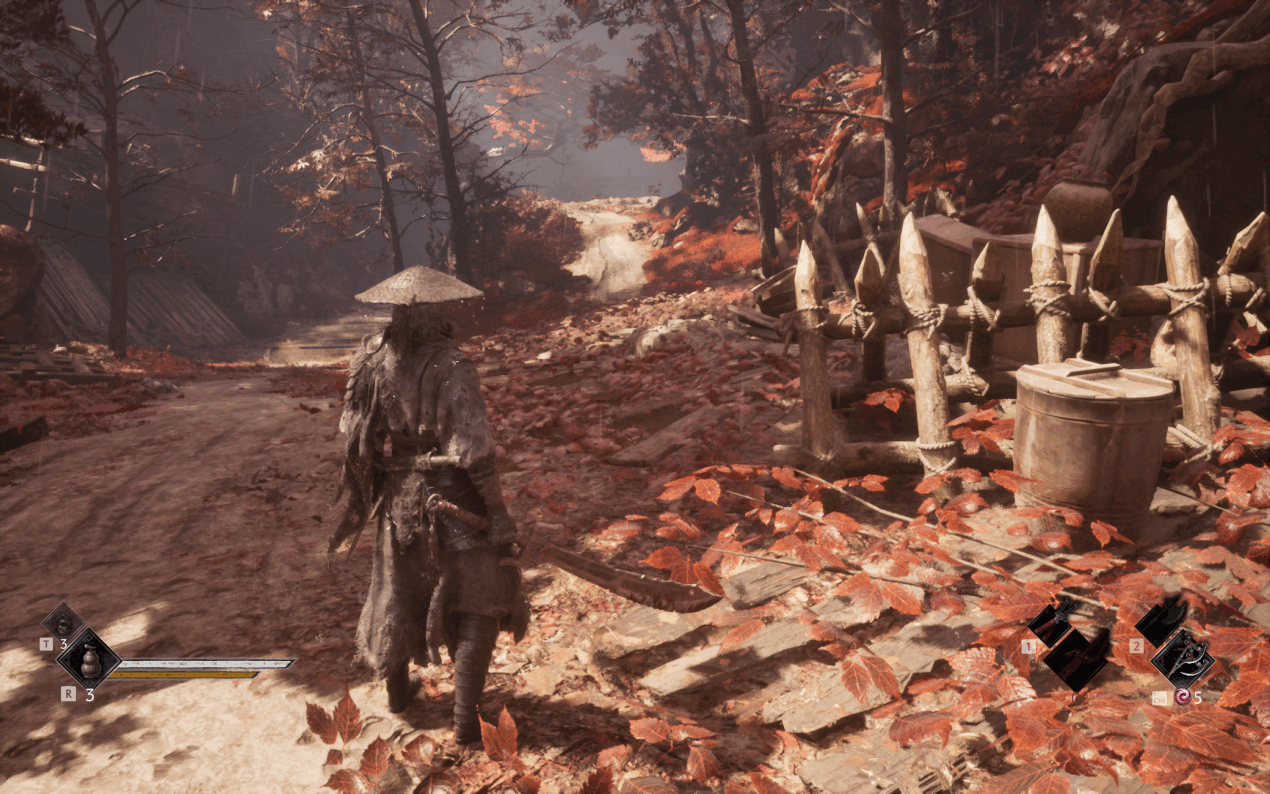
Steam Deck OLED: Promising
First up, naturally, is the Steam Deck OLED. It’s not unplayable on there, it just looks rough. Everything on the lowest settings gets you around 40 FPS, but the visuals are straight out of the PS1 era.
I watched the power draw and something felt off. Memory usage was way too high, and most of the power was going to the CPU while the GPU sat almost idle. My guess is it’s blowing past VRAM, which is why the GPU can barely do anything.
If we get some optimization later (on the game side or the Proton side), I think it could hit 30 FPS with visuals that at least don’t make your eyes bleed, maybe even Black Myth levels. Phantom Blade Zero’s official specs are a bit lower than Black Myth’s, after all.
For now you can’t really play it, but it’s promising.
ROG Ally X: Smooth Sailing
On the other handheld, the ROG Ally X, 25W gets you 1080p at medium settings with frame gen off and a stable 50-60 FPS, mostly sitting at 60.
Part of it is that the game just seems to run at higher framerates on Windows. The other part is that the Ally X has 24GB of RAM, so you can hand 8GB straight to VRAM and dodge the whole out-of-VRAM crisis. Runs like a charm.
Hasee Mining Laptop: Barely Playable
I picked up a Hasee mining laptop a while back specifically for gaming. Specs: 24GB of loose DDR4, an i5-10500 desktop CPU, and a nearly full-power 3070 8GB.
On paper this should be the best of the bunch, the top-tier performer. The GPU’s beefy, right? But it ran surprisingly badly. I’m on Fedora with Proton, and I found that running Phantom Blade Zero on an Nvidia card under Linux comes with a pile of weird issues: character models load super slowly, and memory usage is enormous, easily eating all 24GB and still climbing. Medium-high settings are playable, but there’s obvious stuttering, and it feels memory-related.
The official recommendation says 16GB is enough, so I have no idea why Proton balloons memory usage like this. A leak? A compatibility layer problem? Nvidia users on ProtonDB complain about the same thing. Hopefully a patch fixes it.
ThinkPad T14P Gen3 + Thunderbolt 4 AMD 7600XT: Great Time
This is the Thunderbolt eGPU combo I mentioned before, plugged into my main laptop. Same OS setup as the mining laptop: Fedora 45 + Steam + Proton.
Performance was surprisingly high. Shader compilation only took 15 minutes, and in-game at native resolution with FSR Quality it holds a stable 60 FPS. You can even turn on ray tracing—that drops it to around 45 FPS, and with a frame cap it’s perfectly playable.
And you can keep frame gen on at 60 FPS if you want to push for higher numbers.
Going by ProtonDB, AMD really does seem to be the best performer under Linux. At least this setup runs it smoothly at medium-high, which is basically enough for me.
Performance Summary
I’ve also got an i7-12700 + Intel B580 build, but that’s on Fedora too. From what I remember, Intel’s Proton driver under DX12 is kind of a mess, and Phantom Blade Zero needs 145GB of space while that desktop only has a 512GB drive. Not worth it, so I’m leaving it out.
Overall, Phantom Blade Zero doesn’t ask for much. They said they used the base PS5 as the performance baseline, and that seems true—most machines can run it. The tradeoff is that the visuals often don’t look all that gorgeous, but I’m fine with that. In an action game, framerate matters more.
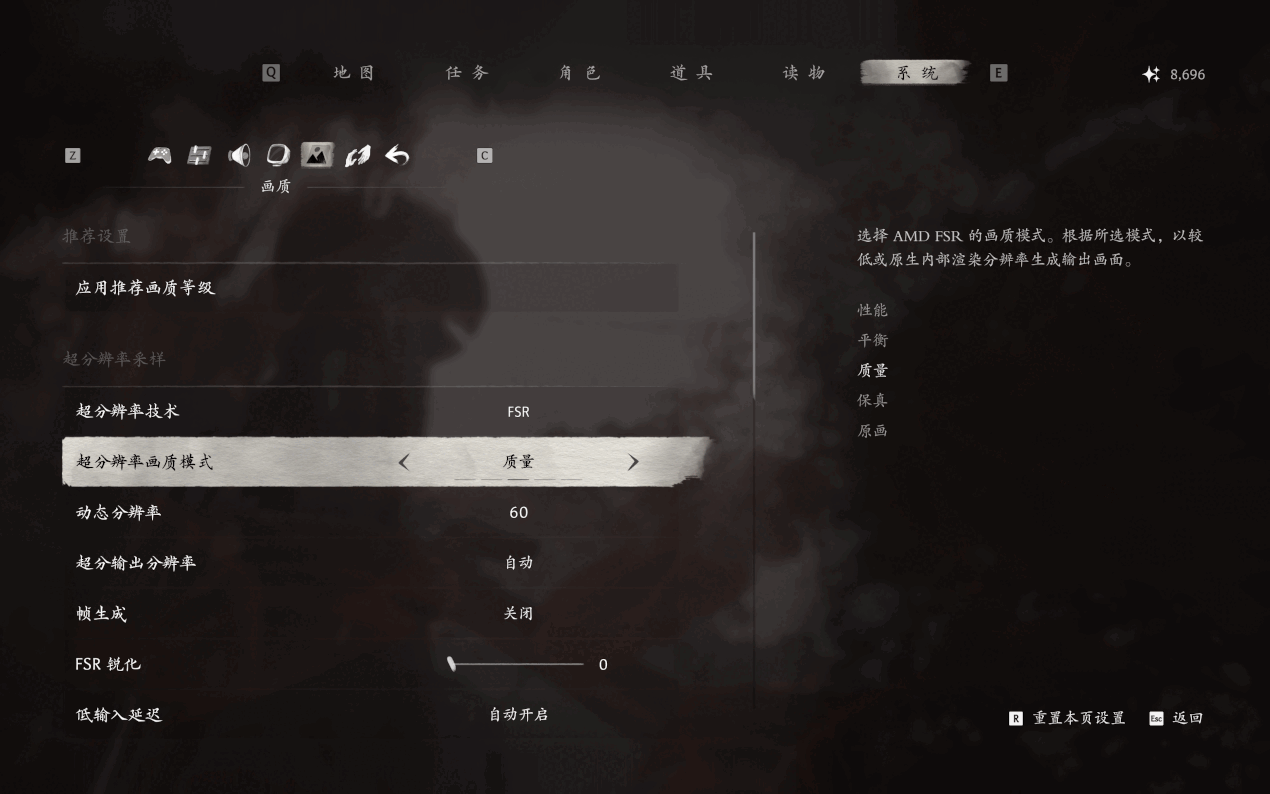
On Windows, Nvidia is obviously the optimal choice, since they’re an official partner backing DLSS. But if you’re playing on Linux, Nvidia still has big problems, and AMD cards are actually the best pick.
Any traditional Windows handheld with more than 16GB of RAM should run it fine. Wouldn’t rule out future optimizations bringing VRAM and memory usage down, which would let the Steam Deck OLED run it smoothly too.
About the Game Itself
Now that I’ve actually played it, some scattered thoughts on the game. I was hyped for Phantom Blade Zero early on, but as the weird marketing piled up and more demo events came out, I liked it less and less—I even dedicated a post to trashing it.
Looking back, maybe I was just being a tsundere about not getting to play it… I bought the game anyway, and honestly the more I play the better it gets. At this point I think Liang Qiwei is a producer with real ideas who knows what he’s doing. The game delivers a “wuxia combat world” most people can enjoy.
Last thing, I have to roast the little shits on Bilibili—complaining about the hit feel, complaining that holding block is too easy and has no depth, complaining the story sucks. What really got me was people saying the game has too few animation sets and that combat is just holding block and waiting for the red flash…
All I’ll say is, a certain famous traditional high-speed action game with a reputation for depth came out last year. It also has blocking. It also has red-flash waits. Its story is also dumb as hell. And everyone still thought it deserved Action Game of the Year—and it didn’t even win. The difference is that while it massively lowered combat difficulty, it didn’t hand you a brain-dead baby-mode system where holding block has zero penalty…
How’d that turn out? Critical darling, commercial flop. Dead on arrival.
Comments are hosted on the Chinese main site. This mirror is read-only.