Imouto Paradise (妹ぱらだいす) Review
Imouto Paradise!
Imouto Paradise! (妹ぱらだいす) is a pure-love game with genuinely nice art. The story centers on family and kinship — the parents are away on a business trip, so the eldest brother looks after his five younger sisters.
Most visual novels these days are trending toward “novelization,” but they always end up feeling half-assed. I say that because real novels don’t have this much dialogue and slice-of-life padding — VNs do. It’s voiced media; no dialogue means no reason for the CVs to exist. The result is that even well-received VNs feel bloated in their daily-life sections, and it’s only after the routine ends that the foreshadowing actually pays off and the plot kicks in.
I’m optimistic about the future of VNs experimenting with tighter storytelling, but until that surprise arrives, I’d rather they just stick to classical pure-love stuff. Imouto Paradise! does exactly that, and does it well.
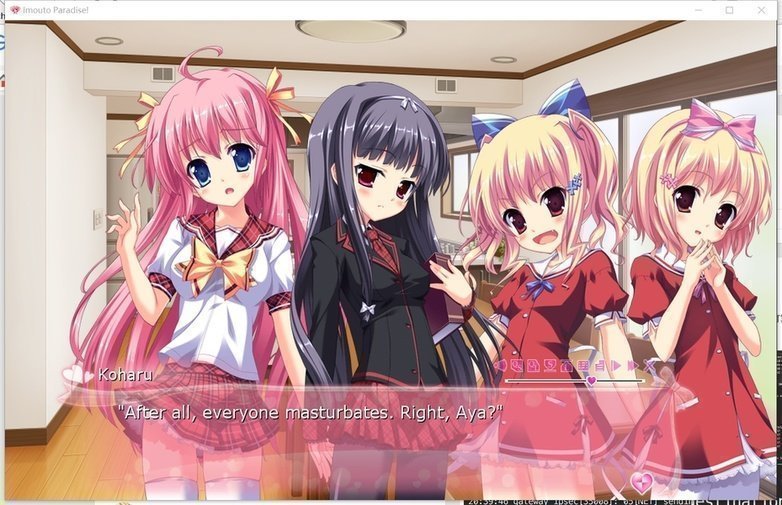
As a “classical pure-love” game, Imouto Paradise! doesn’t have much in the way of foreshadowing, nor does it have any pretentious mystery or twists. The story is remarkably stable. To borrow a term from modern anime, it’s a “character-seller” — each heroine has her own personality and style. The eldest sister, Aya, is gentle and devoted; Yui is a bit tsundere; Hiyori is timid; Koharu is super proactive and instantly friendly; Michika is a little devil with chuuni tendencies. That basically covers what most players want from a heroine, so calling it a pick-your-favorite setup isn’t wrong.
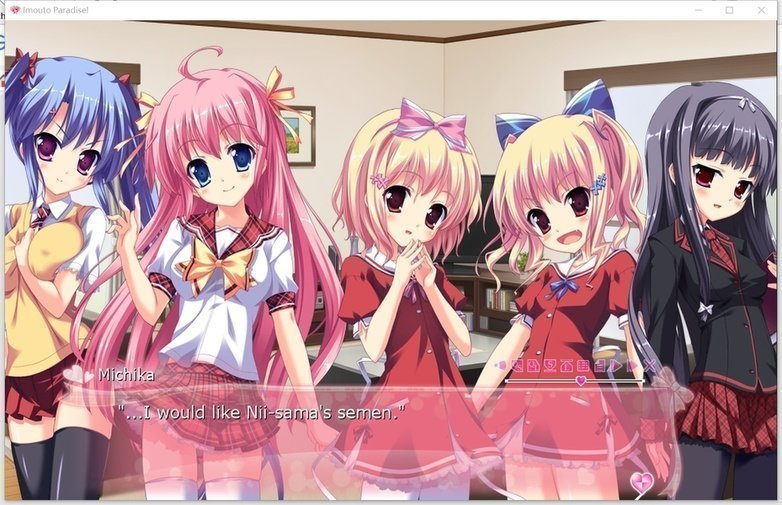
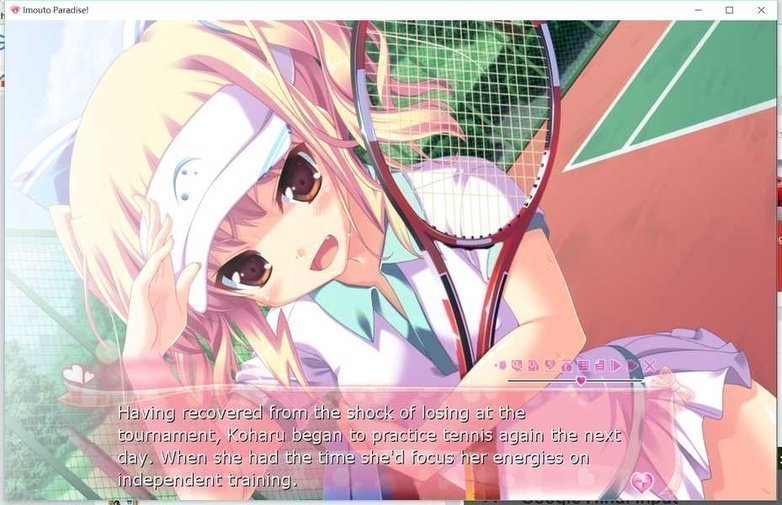
The character sprites and CGs are excellent. Honestly, I really like this art style. The sprites convey the heroines’ expressions and personalities, especially the confused looks they get when dealing with everyday problems — those are handled really well. The game has a huge number of CGs, which is rare among the games I’ve played.
And the bonus SDCGs are plentiful too. Having a solid set of regular CGs while also offering this many SDCGs is genuinely impressive.
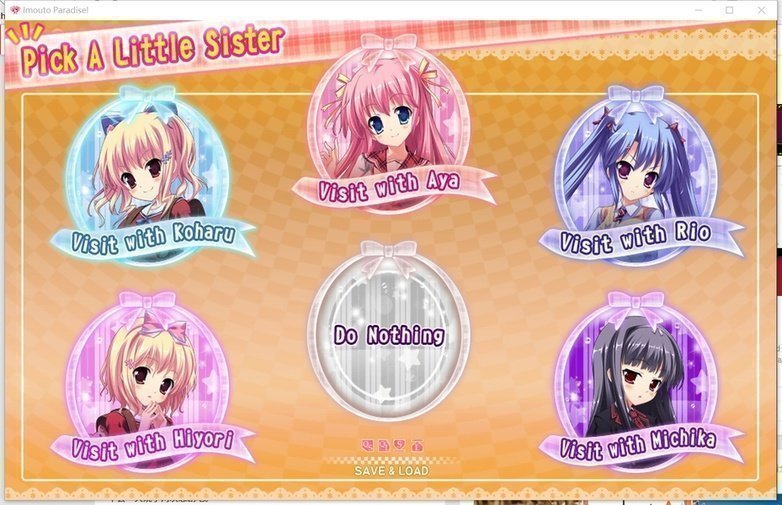
The game’s structure is split into a common route and individual routes. The common route choices are dead simple and don’t try to trip you up — each day you just pick which heroine to visit. Meeting her triggers a personal event, and after that personal event you get a public event, then it’s back to the next choice. Rinse and repeat. Once the common route ends, you enter a specific heroine’s route based on how many times you chose her.
The individual route stories stay close to pure love and daily life. Mostly it’s about helping the heroine work through some personal hang-up and get out of a rut. After seeing too many melodramatic plots about saving the planet or the universe, this kind of story feels more touching and real. It also gives players more of that Gal and Love experience that fits the Galgame topic itself.
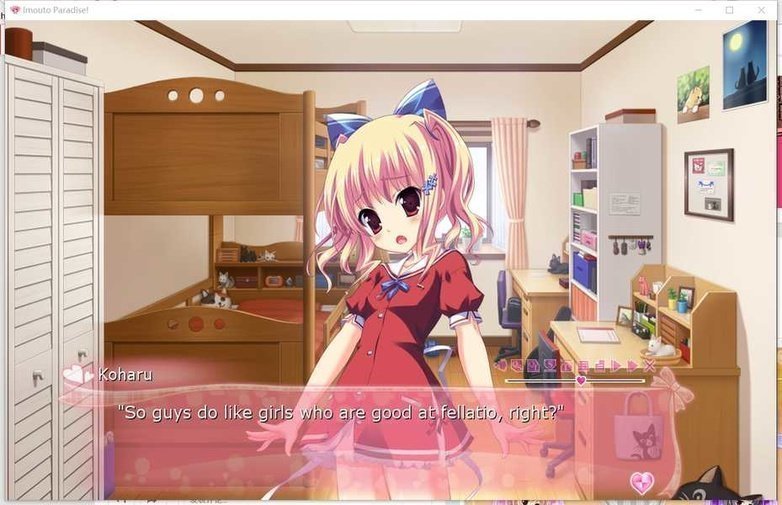
Even though the game is pure as pure can be, it’s still an 18X galgame, so there are H scenes — though they don’t make up a huge proportion. Some of them maintain a high level of purity, which stands in stark contrast to games that try to be all dramatic but have H scenes you can’t even look at. Then again, you can tell how pure Imouto Paradise! is just from the daily dialogue. Most conversations are warm and fun, not like Yukikoi Melt or similar games that wave the cute-girl flag while being full of dirty jokes and feeling too gross. Nor does it go the way of Grisaia no Kajitsu and certain nukige that chase practicality in their H scenes with tired clichés. This is just a pure-love game about family bonds and emotions — the H scenes are there to satisfy certain people’s needs, and they’re only a small part of the game anyway.
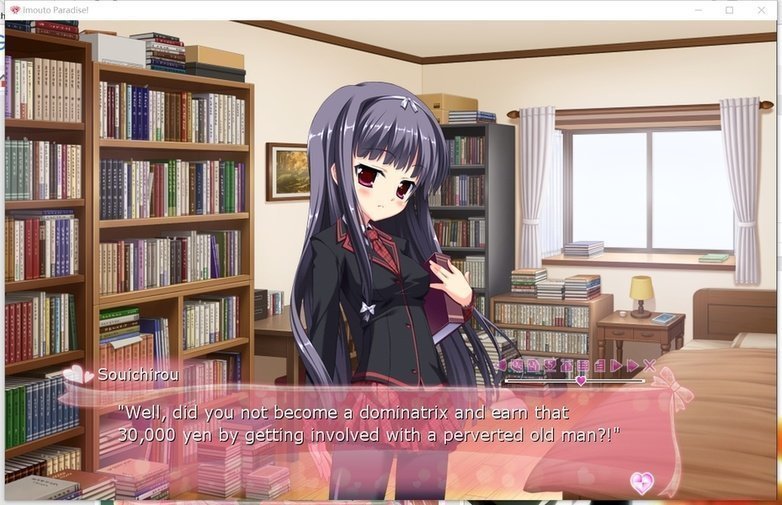
The game’s system is surprisingly forward-thinking. It uses some partial dynamic sprite technology, breaking free from flat presentation. It’s not a huge technical feat — the dynamic sprites are mostly just video — and few people use them because they’re a hassle, but Imouto Paradise! dared to. That alone shows the dev team’s seriousness and care. The little details also feel good, like the countdown reminder before the next CG appears — a sign of developer Moonstone Cherry’s extreme attention to detail.

The CV work is solid. I only recognized Satsuki Sao… wait, I mean Sayori Yukito — that surprised me a bit. Uehara Aoi, who usually plays shameless characters, voicing such a pure-love little sister role? But she does a great job, bringing out Koharu’s energetic liveliness as much as possible. Very satisfying. I just don’t know if she’s still voicing that character in the anime adaptation — it doesn’t sound like her, honestly.
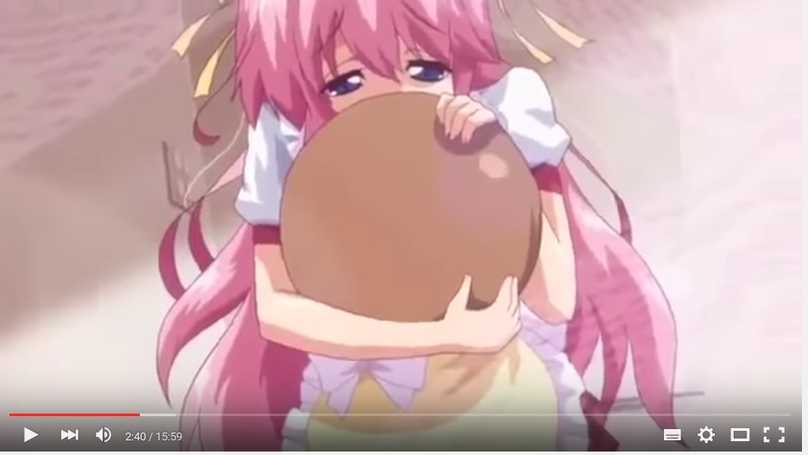
Oh, I almost forgot — Imouto Paradise! got an anime adaptation. Not surprising; a pure-love work with nothing objectionable is more than ripe for adaptation. The only problem is the studio. GOLD BEAR seemed a bit short on budget when making the OVA — tons of still frames and camera shaking. If you don’t have a good sense of direction, it’ll make you dizzy. Fortunately, the anime is probably just there to boost the original’s sales. If you care about the art style and story, just watch it casually.
As a pure-love game, Imouto Paradise! has great visuals, an innocent story, decent CVs, a polished system, and the guts to push boundaries with dynamic CG. Even though it’s a 2011 game, it’s still way better than some so-called big releases today. Sometimes it really makes you sigh — the “practicality” of new releases… oh wait, I mean the story — is worse than an old game. I honestly don’t know if that’s progress or regression.
Comments are hosted on the Chinese main site. This mirror is read-only.