Sakura no Uta - Sakura no Mori no Ue o Mau (サクラノ詩 - 桜の森の上を舞う) Review
Sakura no Uta: Dancing Above the Cherry Blossom Forest
Yeah, it’s cliché, and I know I shouldn’t write it this way, but before I get into the game I need to talk about something from the past. You only really feel the game’s content deeply when you connect it to your own life, after all.
Let’s start with a look. A gaze.
The gaze of a certain girl from my elementary school days is one I’ve never been able to forget.
Back then I was a top student. The especially top kind. Honestly, I don’t know why I was a top student. I just figured that the stuff they taught in class was something you were supposed to learn, that long-distance running in PE was something you were supposed to be fast at, that speaking and giving presentations was just something you did that way.
I couldn’t understand — couldn’t even begin to grasp — how hard it was for everyone else to do the things that came so “naturally” to me.
I never saw anyone as an enemy, but there are always people who want to see you as a challenge.
After one final exam, a girl jumped out and said to me with a resolute look in her eyes:
“Just you wait. Next exam, I’m taking first place. I’ll beat you.”
And with that, she turned and ran off.
Sure enough, at the next final exam, she took first place, and I took second because I got one math problem wrong. I didn’t really care, though, because soon after, I took first again, and that girl was still looking at me with that same resolute — almost resentful — gaze.
“Why does she look at me like I’m her enemy?” I couldn’t understand it. By the time I did understand, years had passed, and that empathy has only grown deeper and more obvious with age…
Time can change a lot of things. It can color a lot of things. Some things, as the marks of time pile up, start to take on a strangely vivid meaning.
Sakura no Uta: Dancing Above the Cherry Blossom Forest is a game that went through more than 10 years of development. It was first announced in 2004, and we didn’t actually get to play it until 2015.
I guess that’s what you’d expect from a game that was delayed for over a decade. The playtime and script volume of Sakura no Uta are absurdly long. It took me a full three weeks just to barely finish it. With my idiot-level Japanese, it was incredibly tough going. During the game I used VNR machine translation, looked things up in dictionaries, asked Japanese-savvy friends, dug through the game’s wiki, and scrolled through discussion threads, and I finally managed to understand most of it.
After finishing the game, looking back on the whole experience, I felt something like awe. For a moment I didn’t even know how to summarize the story the game tells. How should I put it?
Is this… a story about happiness?
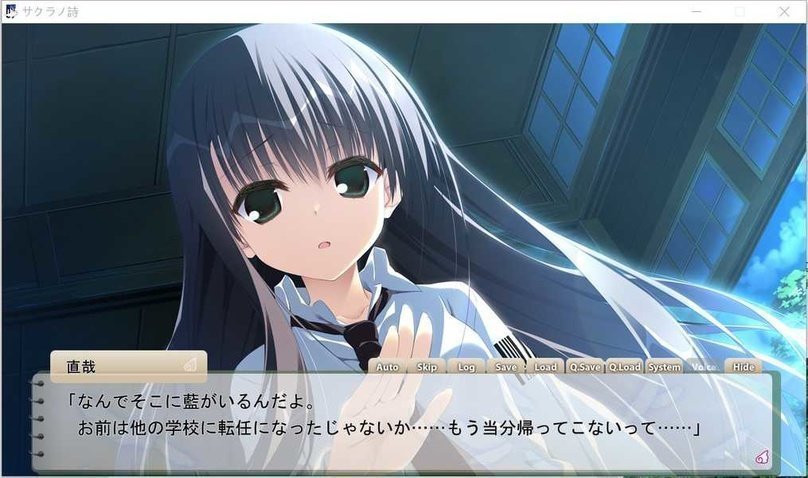
The title Sakura no Uta literally means “Poem of Sakura” — a poem of the cherry blossoms — and the rest means dancing above the cherry blossom forest. Just as the name sounds like poetry, the game really does use a structure like poetic chapters to tell its story. I should mention here that the game has a very strict route lock. Chapters 1 and 2 are the common route. From Chapter 3 on, the story splits into each character’s route, but there’s a fixed order you have to follow to progress. After clearing Misono Rin and Tachibana Makoto’s routes, you unlock Hikawa Rina and Kawauchi Yumi’s routes. After clearing those two, you unlock Natsume Shizuku’s route, and only then do you enter Chapters 4, 5, and finally 6.
The route lock is pretty insane. It basically forces you along a specific path through the game. But after finishing it, I can understand why it’s there — it’s necessary for the way the story unfolds.
The Common Route and The Footprints of Cherry Blossoms
The common route consists of two chapters, and it’s the same content as the original demo. But those two chapters alone are enough to make you cry for your mom…
Because it’s just so long. The content itself is simple enough. The protagonist, Kusanagi Naoya, attends his father’s funeral right at the start. His father, Kusanagi Ken’ichirō, was a world-class painter. His death left behind a massive inheritance, but the protagonist outright refuses the money and chooses to go live with the Natsume family and their siblings.
The Natsume household consists of Natsume Ai, Natsume Shizuku, and Natsume Kei. Natsume Ai is the eldest daughter and a teacher at the school. The protagonist is a member of the school’s art club — his father was a great painter, after all, so he can paint too. He just says he doesn’t want to paint anymore. Many people, including the art club president Tachibana Makoto, want him to pick up the brush again, but he absolutely refuses to give in.
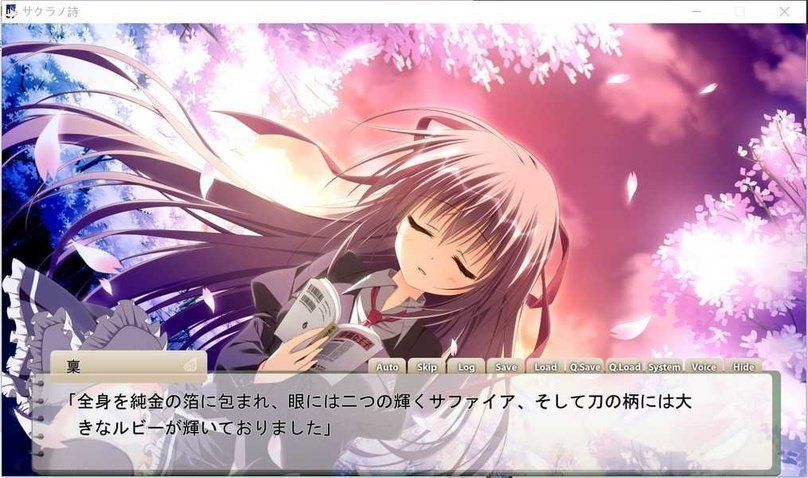
So as the art club recruits new members, one of the protagonist’s childhood friends, Misono Rin, and two juniors he knew from childhood, Hikawa Rina and Kawauchi Yumi, join the club, and the art club starts to get lively.
Even so, the art club still has a mysterious former president: Akashi Wataru. He’s a suspicious, elusive guy who always seems to be busy with something. Even after being caught multiple times, he won’t reveal what he’s planning. Eventually the protagonist discovers that he’s researching the protagonist’s father’s posthumous work, The Footprints of Cherry Blossoms — a mural. Once the protagonist figures out Akashi’s intentions, he supports him and brings the whole art club in to help. The group boldly recreates the work on the wall of the school’s chapel. They expected to be reprimanded or expelled, but thanks to Kusanagi Ken’ichirō’s fame, the school ends up keeping the piece as part of its collection, and Akashi and the protagonist become famous. And so the common route comes to an end.
The common route is really just a simple story. It has plenty of foreshadowing, and the explanation that Akashi was doing it for wallpaper or whatever is okay, but it’s ultimately just average. Nothing too surprising.
After the common route, you go into the individual routes. Each heroine has one: Natsume Shizuku, Hikawa Rina, Misono Rin, and Tachibana Makoto.
Tachibana Makoto and Pica Pica
Pica pica is the magpie, and the game’s title here comes from an early painting by Monet called Pica Pica:
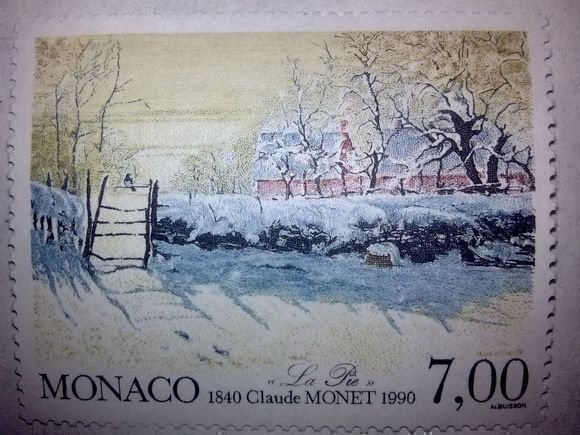
But despite the title, the significance of Pica Pica in this route is more about the vase in the painting and how it unfolds in the story. The game doesn’t really explain the meaning of the painting itself much.
Tachibana Makoto’s route was the first one I played, and it’s also the only route in the game that was outsourced. The different scenario writer gives it a slightly odd rhythm. The route focuses on the mother-daughter relationship between Tachibana Makoto and the school principal, and it highlights the principal’s ex-husband and the power and darkness of the Nakamura family.
This route tells us a few key points:
- Shortly after the principal married into the Nakamura family, she couldn’t stand some of the things they did, so she not only divorced them but also seized the school they controlled and took it for herself as revenge.
- Before marrying the principal, the Nakamura family man had a previous wife, and that wife had a hard time after being abandoned.
- Natsume Kei is probably a member of the Nakamura family, born to the Nakamura man’s previous wife. After the family’s upheaval, he was sent to the Natsume family for adoption.
- Natsume Kei showed unique painting skills and dreams from a young age, but later, as the family fell into turmoil, things became unclear.
- Tachibana Makoto really loves her little brother Natsume Kei, and she hates her mother — the principal — for tearing the family apart and even sending Kei away to be adopted by someone else.
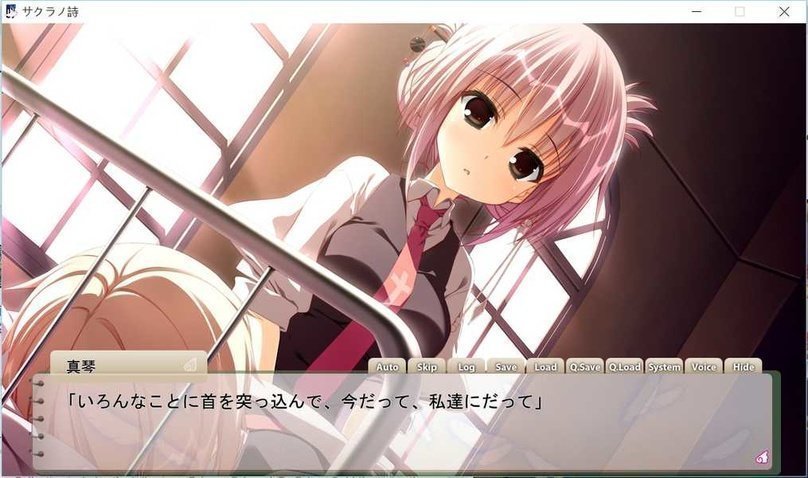
But after telling us these key points, the route’s meaning becomes unclear. Even though it’s a personal route, the final romance is downright crude. Suddenly Tachibana Makoto tells the protagonist that she was moved when she saw the painting he left at the city hall as a child, suddenly says she wants him to keep painting for her forever, suddenly says they’re together, and suddenly it’s over…
If this route has a real main plot, it’s probably the principal and the protagonist rescuing the Nakamura man’s ex-wife, who was being harassed by the Nakamura family and couldn’t live in peace… though the way they resolve it isn’t great either.
It’s a personal route, and it was outsourced. It might be boring to play, but you just have to grit your teeth and get through it.
Misono Rin and Olympia
Olympia has two meanings. One is the oil painting Olympia, created by Édouard Manet in 1863. It appears in the game, and later the painting serves as foreshadowing.
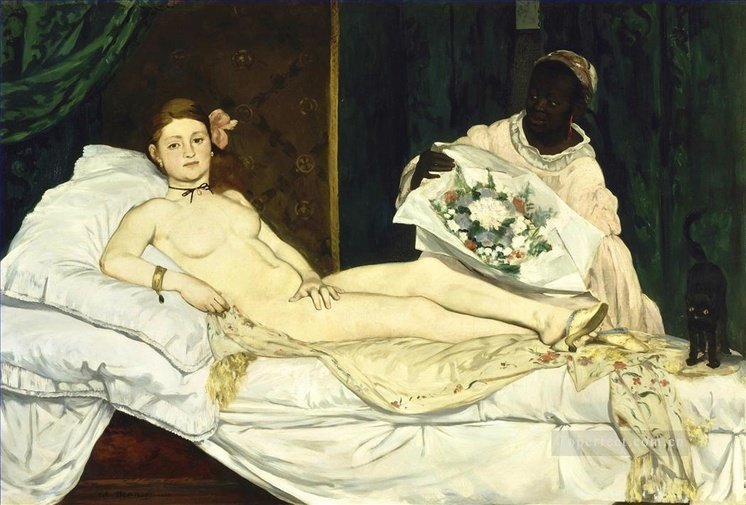
The other meaning is the main theme of this route: the mechanical doll named Olympia from the opera The Tales of Hoffmann…
In The Tales of Hoffmann, the inventor Spalanzani falls in love with the mechanical doll Olympia that he created, and in his madness believes she is a real person and not a robot. This is reflected heavily in Misono Rin’s route.
Misono Rin loved to draw as a child, but she doesn’t remember much about her early years. However, when she picks up the charcoal in the art room, she recalls some strange things, and her heart aches.
In her memories, Misono Rin deeply hates her father, because he cruelly separated her from her mother.
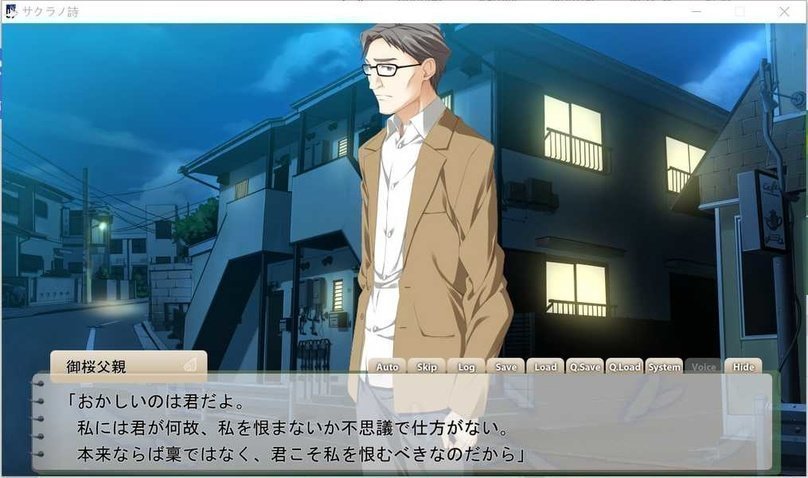
Misono Rin’s mother was in poor health. In the final days of her life, Misono Rin would push her mother in a wheelchair to the cherry blossom tree every day so they could view the flowers together. Day after day, year after year. Then one day, Misono Rin’s father suddenly said, “This can’t go on,” and forcibly took Misono Rin away, separating her from her mother.
Not long after, Misono Rin learned that her mother had died…
She never even got to see her one last time, so Misono Rin hated her father to death.
But was that really what happened?
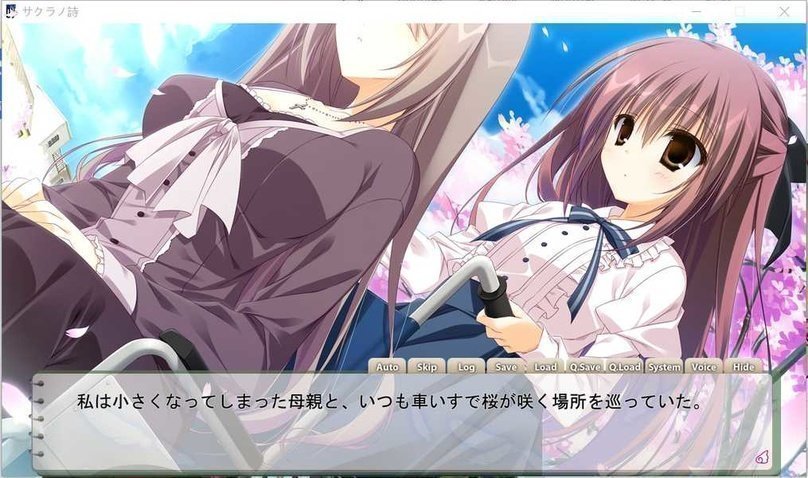
The “person” that Misono Rin pushed to see the flowers every day — was that really her mother?
Or was it… something that “thought it was supposed to be her mother”?
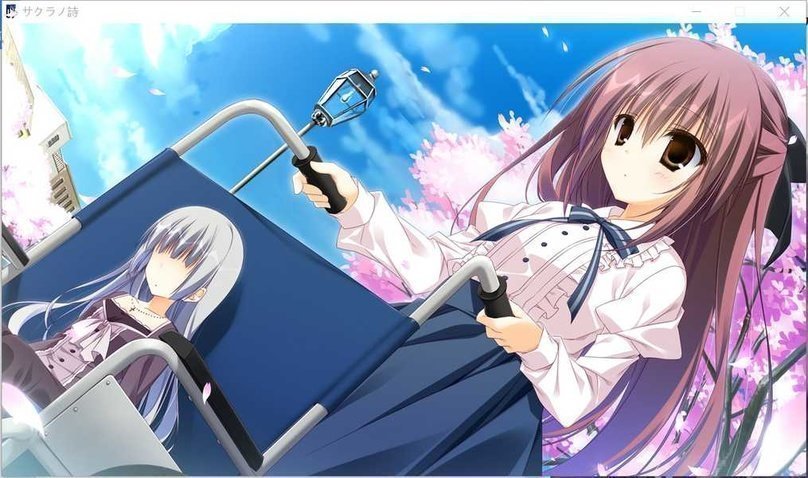
As the story unfolds, Misono Rin recovers some of her memories… and is shocked to discover… that the person she had been pushing to see the flowers wasn’t her mother, but a doll that thought it was her mother.
Her mother had died long ago… Misono Rin didn’t want to believe her mother was dead, so she treated the wooden doll as her mother, pushed it around for walks every day, bought it clothes, and even cared for it meticulously…
Just like the mad professor in The Tales of Hoffmann who believed the mechanical doll Olympia was human, Misono Rin had gone mad during that period. That’s why her father said “This can’t go on,” forcibly separated her from the doll, and then told her about her mother’s death.
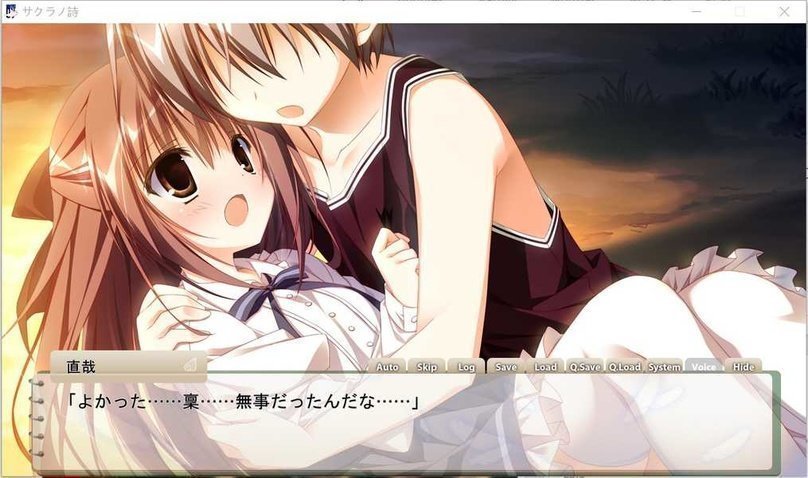
Otherwise, if he’d let his daughter keep treating a doll as her mother while her mind was unstable, something bad would have happened sooner or later.
So how did Misono Rin’s mother die? In a fire…
Misono Rin’s mother was already in poor health and couldn’t escape. In the fire, she used the last of her strength to throw Misono Rin out the window, and the protagonist, who was outside, caught her with his arms. The daughter was saved, and the mother died in the flames.
The protagonist’s right arm, which caught Misono Rin, was injured and never recovered. The painting genius who once was, lost the use of his right hand and ceased to exist.
The route’s ending naturally has the protagonist help Misono Rin overcome her trauma, and the two agree to face the future and the family they’ve lost.
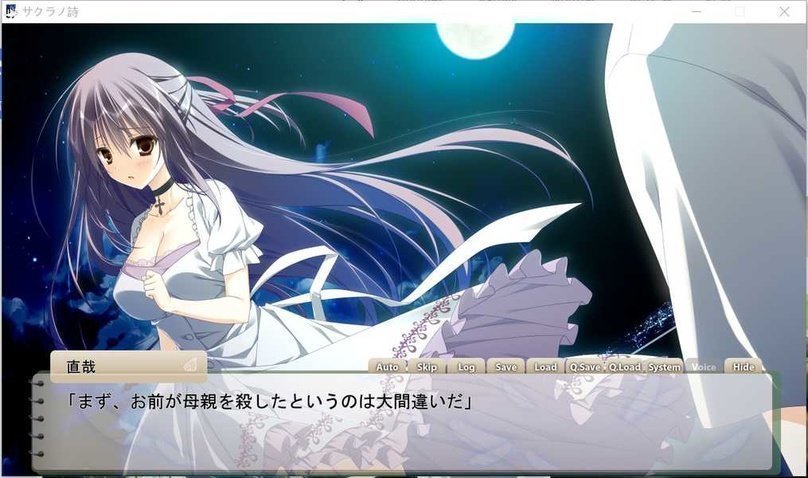
Honestly, up to this point the story is still typical galge fare, but from the next story onward, the plot starts to get deep.
Lesbians and ZYPRESSEN
ZYPRESSEN means cypress, from Van Gogh’s famous painting ZYPRESSEN, and also from the poem collection Spring and Asura.
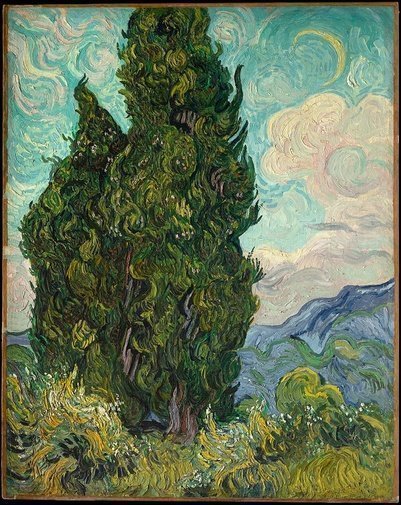
You could say that from this route on, the story starts to become unique. Kawauchi Yumi is a lesbian. At some point she realized she was a lesbian…
She’s in love with Hikawa Rina.
“If it’s natural for a lion to eat a sheep… then it must be natural for me to like women too.”
Kawauchi Yumi met Hikawa Rina as a child and fell for her at first sight. Hikawa Rina often needs to take medicine, can’t be exposed to sunlight, and has pale skin. After looking into the medicine Hikawa Rina takes, it turns out her photosensitivity is because she regularly takes anti-cancer drugs…
In other words, Hikawa Rina has cancer and could die at any time. To suppress the cancer, she needs to take a special drug (the game mentions it but I forget the name), and the side effect of that drug is photosensitivity.
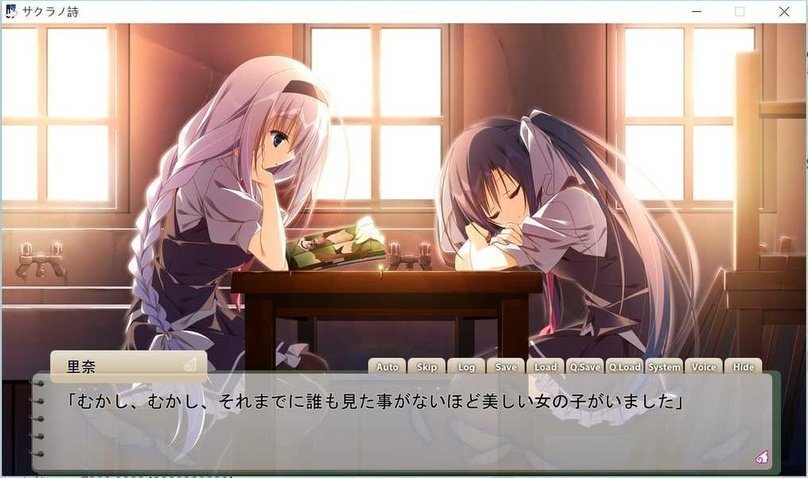
Because of this, Hikawa Rina always wears white, always carries a parasol, always goes out at night, and because of this, Kawauchi Yumi fell in love with her.
From this route on, the game’s style shifts subtly. The perspective changes to Kawauchi Yumi, and a large amount of inner monologue expresses her love for Hikawa Rina. It’s like a typical romance novel, except the two people are the same sex.
Soon, a boy known as the Cherry Blossom Artist appears between them, and Hikawa Rina is captivated by him… The boy has a unique talent for painting cherry blossoms, and Hikawa Rina admires his work. She also loves painting, and the two hit it off immediately.
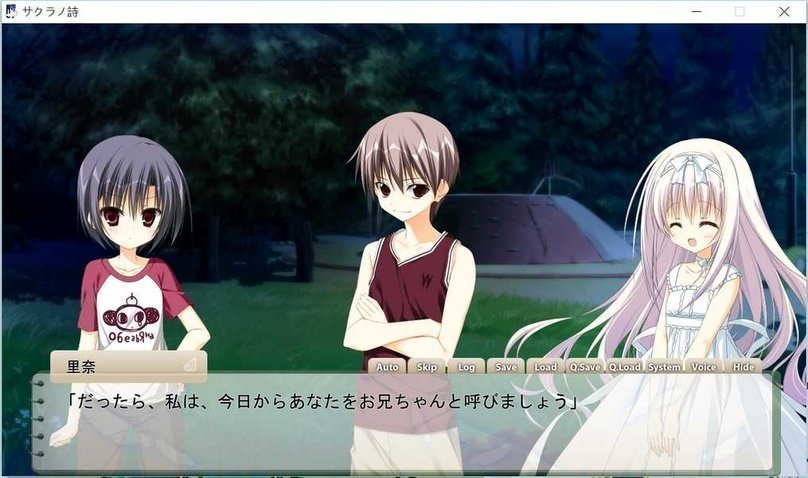
Kawauchi Yumi is just a yuri girl with a violent inner world. She can’t paint, and she doesn’t even understand the meaningful things Rina says. Watching her beloved Rina grow closer to a boy, she becomes jealous. The jealousy grows so strong that she starts clashing with the boy, but the result is that Hikawa Rina wavers between them.
There’s an interesting choice here: if you choose to care about the yuri girl’s feelings, you enter a yuri girl’s fantasy route. After a few H-scenes, it returns to reality and goes straight to the ED.
Of course, the true yuri doesn’t happen in the canonical route. The wavering Rina finally explains herself. Rina compares herself to a white poisonous mushroom, and Hikawa Rina to a wolf. Her existence captivated the wolf, making it lower its sharp claws and lose its wildness. But she can’t bring anything to the wolf. As for the protagonist’s existence, Rina also considers herself poisonous (cancer and complications). In short, there’s a bit of self-abandonment going on.
But the real significance of this route isn’t the yuri. It’s the dream that Hikawa Rina and Kawauchi Yumi often have, in which a girl named Baku is imprisoned in a house. Every night she faces a bowl, and the water in the bowl overflows according to the dreams of those around her. Baku picks up the bowl and slowly drinks.
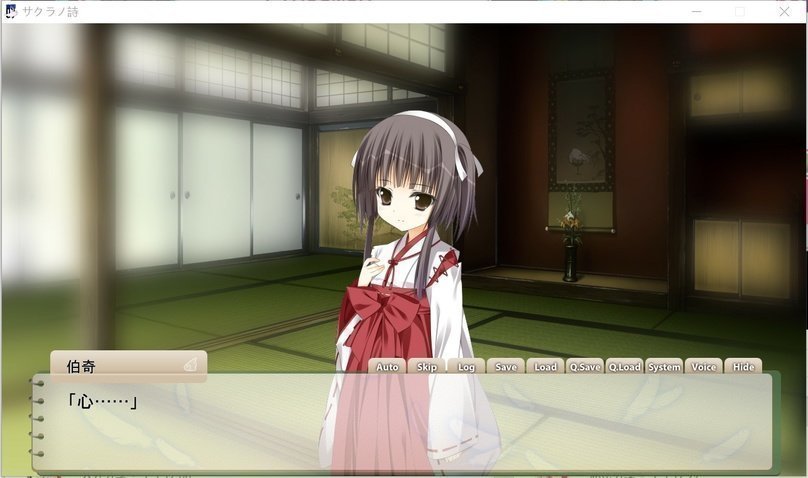
This is the legend of Baku eating dreams, which originated in China but was modified by the Japanese. Coincidentally, in the game’s town there’s a shrine dedicated to Baku, and it contains some legends about Baku.
In the dream, the girl named Baku initially has no heart. As she swallows more and more dreams, Baku begins to develop a heart. The person forcing Baku to eat dreams every day is a prominent family with the surname Nakamura. A man named Yoshisada can’t stand it anymore and decides to run away with Baku…
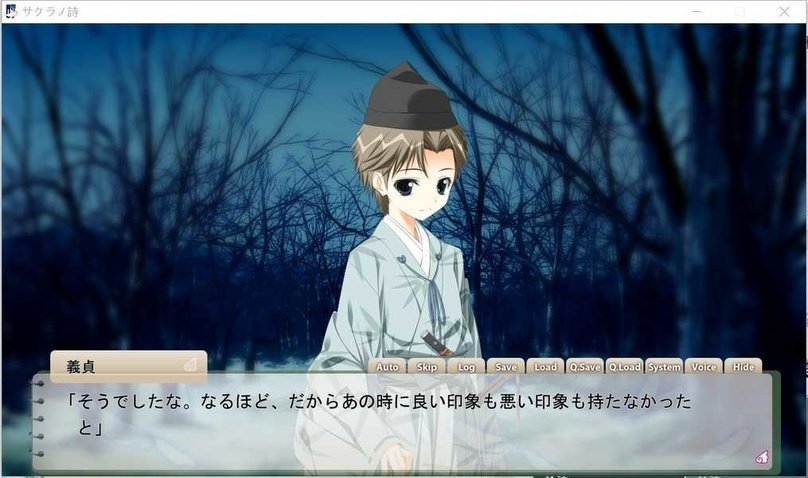
The escape plan fails. Baku and Yoshisada are caught. The retainer is shot dead. In her despair, Baku’s entire body suddenly bursts open, and all the dreams she swallowed come gushing out, turning into a giant cherry blossom tree. Later, this tree becomes known as the Sennen Sakura.
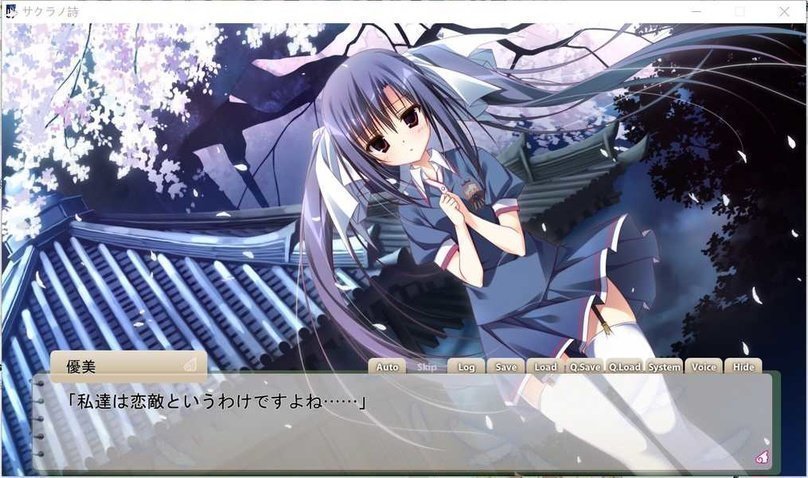
As a personal route, the ending naturally has Rina confessing to the protagonist and getting together, while Kawauchi Yumi decides to give up her unrealistic yuri fantasy and chooses to be ordinary friends with Rina. Under the Sennen Sakura, Kawauchi Yumi’s wish resonates with the cherry blossoms, and the protagonist accepts her suggestion and counsels Kawauchi Yumi, ending with one couple and one pair of friends.
Although this route is mainly about yuri, the main plot talks more about the legend of Baku eating dreams and mentions that the Sennen Sakura was formed by Baku in ancient times. As for Rina and Kawauchi Yumi always dreaming of Baku, perhaps Baku and Yoshisada were their past lives.
The Modern Baku: A Nice Derangement of Epitaphs
This route is about Shizuku. Natsume Shizuku.
It’s different from the previous routes again. This one is mostly flashback — 80% flashback — starting from the final days of the protagonist’s father’s life.
The protagonist’s father returned from America to this town, bringing a mysterious girl called Kuzu, and asked the protagonist to take care of her. That name is fake. Her real name is Shizuku.
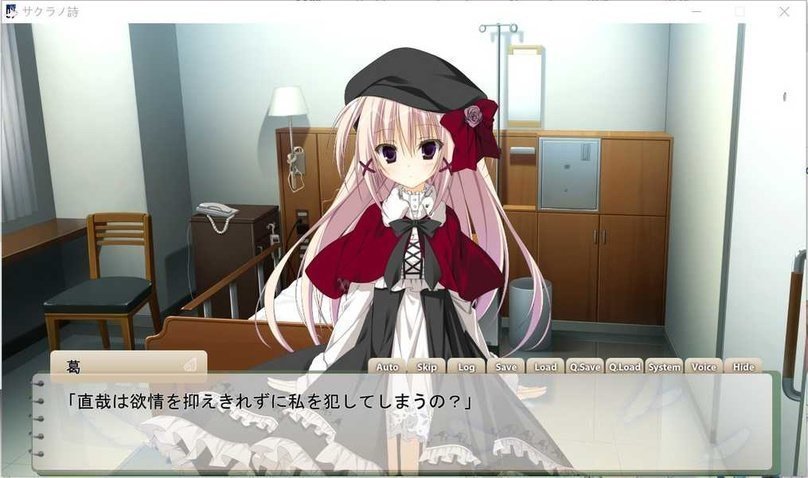
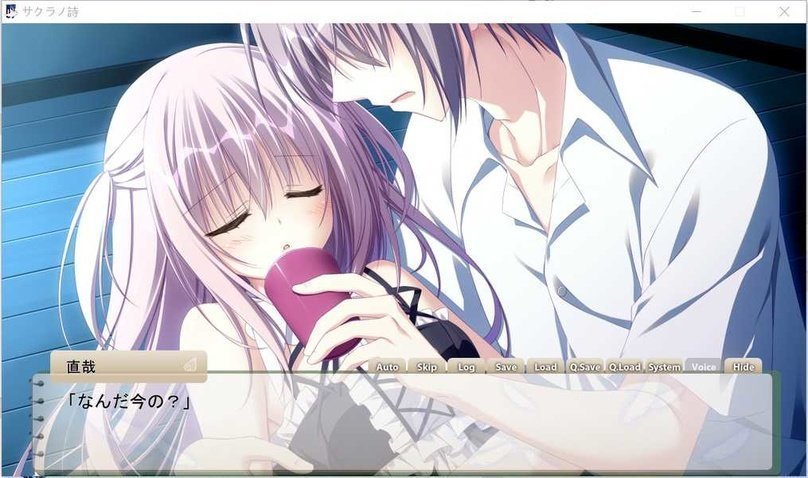
While caring for her, the protagonist discovers that this girl is unusual. At night, she drinks water from a bowl. That’s what Baku does. It turns out this girl is a descendant of Baku’s bloodline and naturally has Baku’s abilities.
At the same time, the Natsume family is being harassed by people claiming to be from the Nakamura family. They demand that the Natsume family return what is rightfully theirs. The protagonist asks his father what that is, but his father is evasive, only saying he needs money — he owes a lot of people a lot of money.
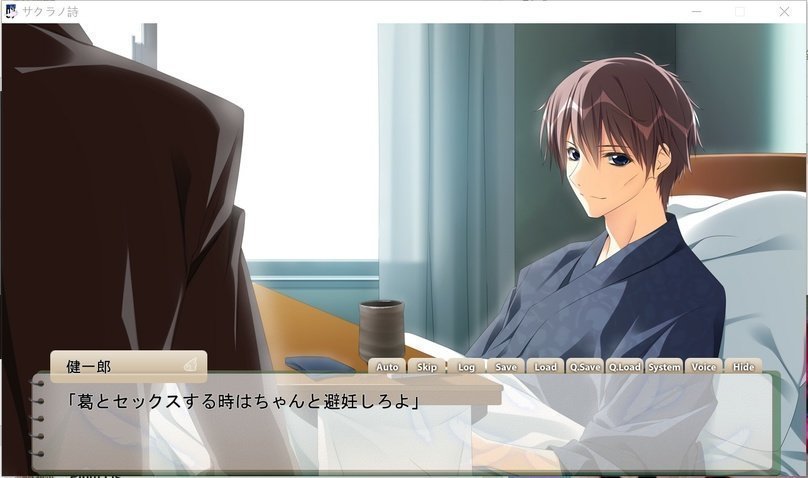
Raising money is hard. The protagonist finally comes up with an idea: he tries to imitate his father’s paintings and sell them as genuine works when they’re actually forgeries. There’s more than one painting — there are many.
“Most people who spend money on paintings don’t really understand art. Whether it’s an original or a forgery, they just want to prove their own power by buying it.”
After the protagonist finishes his paintings, his father comes to look at them personally, and is very satisfied. He picks up a brush and writes inscriptions on them, along with his own name. His father jokingly calls this series his epitaph. The half-genuine, half-forged paintings are sold, the debt is cleared, and Natsume Shizuku’s freedom is bought.
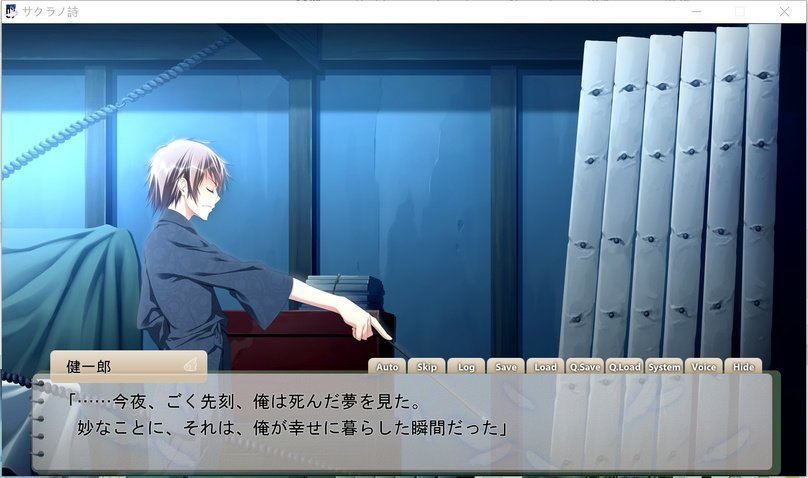
But about Natsume Shizuku, the protagonist’s father said that at first, she had no heart, just like Baku.
“She was always with Misono Rin, and after that she developed a heart and learned to smile.”
“Misono Rin, now there was a genius!”
Misono Rin as a child was a painting genius. Her paintings already surpassed ordinary beauty and achieved a three-dimensional beauty… The beauty of her art could only be seen from a specific angle. Even the protagonist’s father was captivated by her painting ability. While she painted, Natsume Shizuku was often by her side.
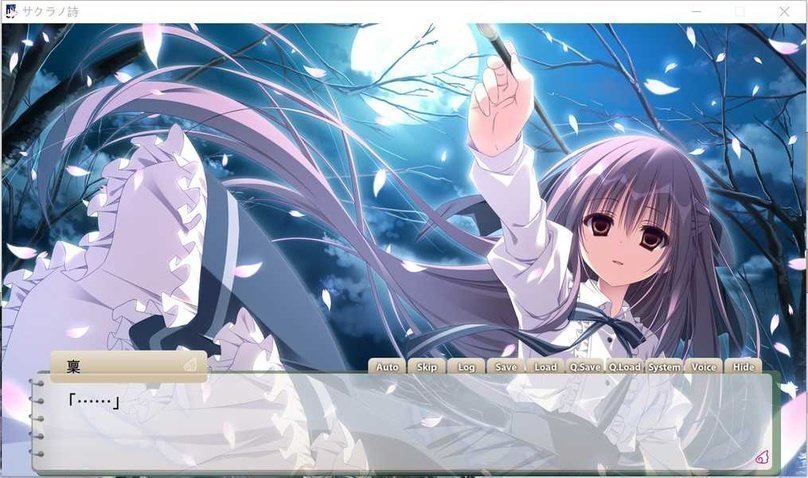
After Misono Rin’s mother died, she could never recover. One night, she came to make a wish to the Sennen Sakura. The Sennen Sakura is a cherry tree that never blooms, no matter how many years pass, and legend says that when it blooms, your wish will come true. Facing the unblooming tree, Misono Rin took out her brush, intending to paint the Sennen Sakura in bloom herself.
As the brush came down, cherry blossoms began to fall, but soon Natsume Shizuku awakened Baku’s power… When the other’s power activated, Baku swallowed her dream in one gulp and stole her ability.
After that, Natsume Shizuku possessed Misono Rin’s ability, and Misono Rin became an ordinary person — and remains so to this day.
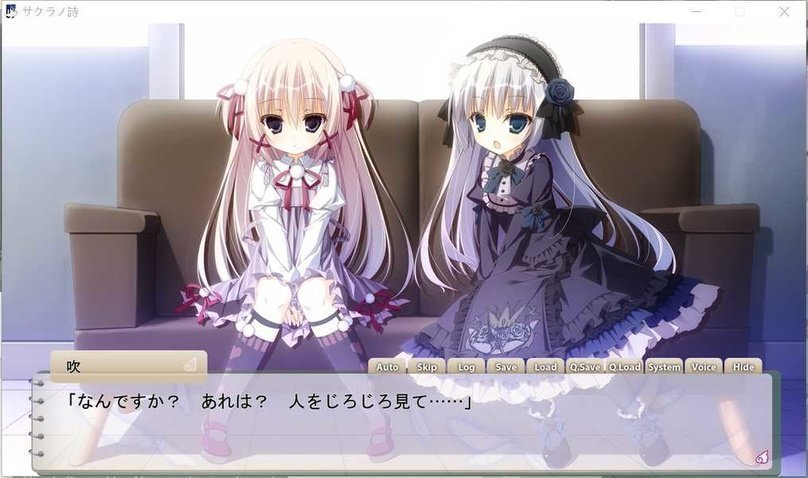
While in America, Natsume Shizuku missed Misono Rin so much that she materialized her ability and created a puppet called Fuki — a living puppet. This Fuki character appears in the common route, and only now is the truth revealed.
As a personal route, the protagonist ultimately chooses Natsume Shizuku and stays with her to the end.
Of course, the core of this route is explaining Misono Rin’s past, why she went from genius to ordinary person, the origin of the girl called Fuki, and — importantly — mentioning the series of forgeries the protagonist made under his father’s name.
What is mind? No matter. What is matter? Never mind.
This line is actually a wordplay, but it runs through the entire route.
This route is also a flashback, but it takes place earlier than the previous one — before the protagonist’s father met the protagonist’s mother.
Kusanagi Ken’ichirō was originally an art teacher at the school, until one day he saw a girl named Mizuna on the rooftop. The girl’s eyes were… sad, as if she had seen through everything.
The school principal at the time was no different from now, except that back then the entire school was under the control of the Nakamura family — after all, the school was founded by the Nakamura family. The Nakamura family was a powerful clan in the town of Yumihari.
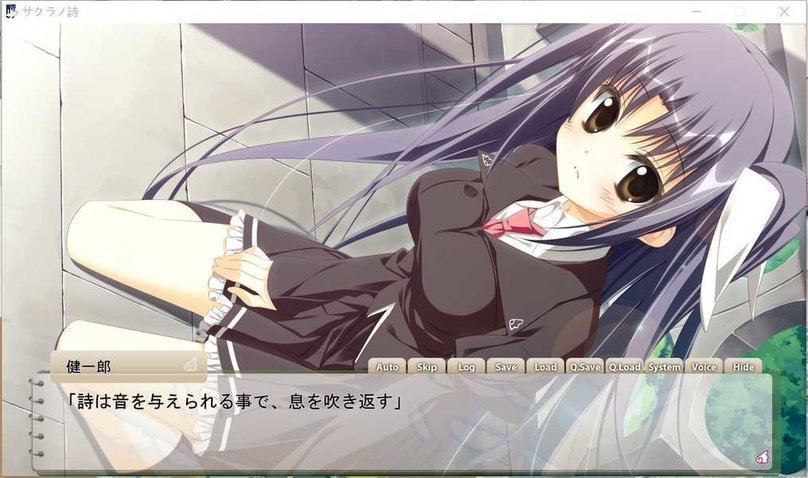
Kusanagi Ken’ichirō was interested in Mizuna and wanted to talk to her more, but she ignored him. At the same time, Kusanagi Ken’ichirō was warned by the principal not to get involved with the Nakamura family and not to meddle in their affairs.
But the curious Kusanagi Ken’ichirō still wanted to find out. He secretly looked at the principal’s roster, learned the girl’s name was Nakamura Mizuna, peeked at the address the principal had written down, and snuck over there, where he met Nakamura Mizuna and her younger sister, Nakamura Ai.
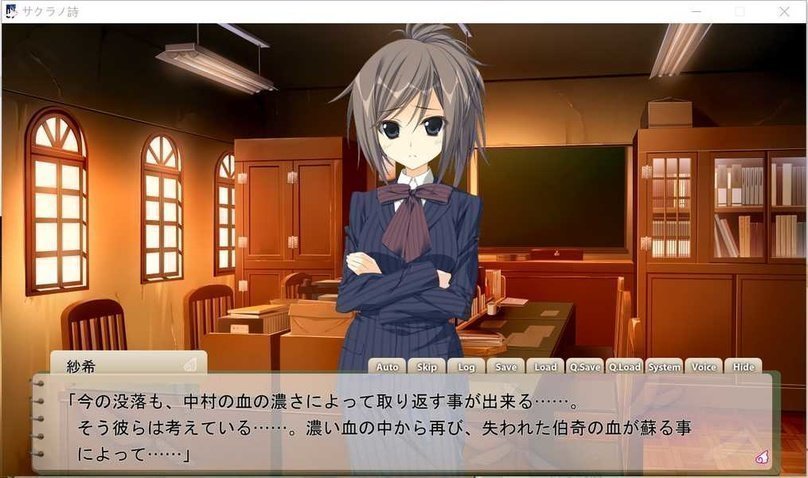
At first the two sisters refused to let Kusanagi Ken’ichirō stay, but he was too thick-skinned, and soon they all became familiar with him. But one time, Kusanagi Ken’ichirō overslept at night and didn’t leave. Mizuna panicked and told him to run, but he didn’t know why. Then a Nakamura family man arrived…
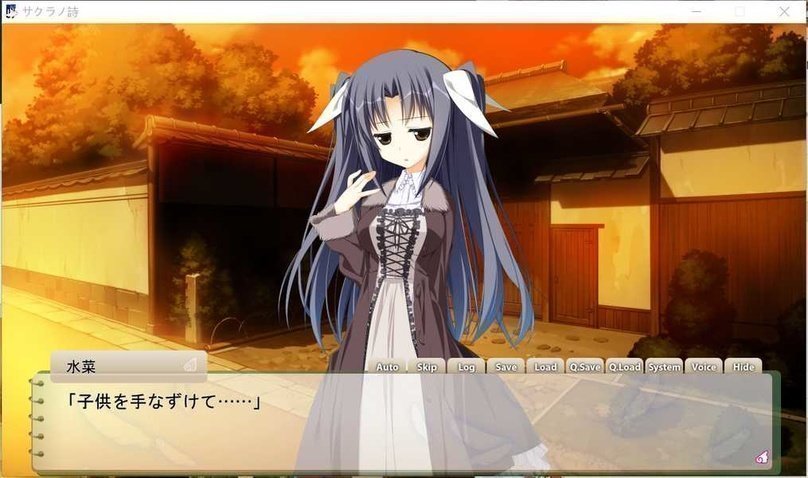
Mizuna couldn’t explain the situation. The Nakamura man saw them and immediately started beating Kusanagi Ken’ichirō. He was badly beaten, and only because Mizuna begged for mercy was he not beaten to death. The Nakamura man left a threat, saying he would spare this man’s life for now, and would come back tomorrow.
Only after Kusanagi Ken’ichirō keeps pressing does Mizuna come clean. The Nakamura family had shrine maiden blood in ancient times, and those maidens inherited the power of the Baku—they could devour dreams and take other people’s memories. With that power the Nakamuras ran roughshod over politics and every other arena, becoming a massive force. But a girl with the Baku bloodline only appears once every few decades, and they don’t live long. To keep the bloodline pure and produce the next Baku daughter fast, the family took Baku-blooded girls as concubines, had daughters with them, then took those daughters as concubines too, over and over, until a Baku daughter was born—and that’s how the family line kept going. In other words, on the surface the Nakamura men marry and have children with outsiders, but behind the scenes they keep concubines here to continue their so-called pure blood.
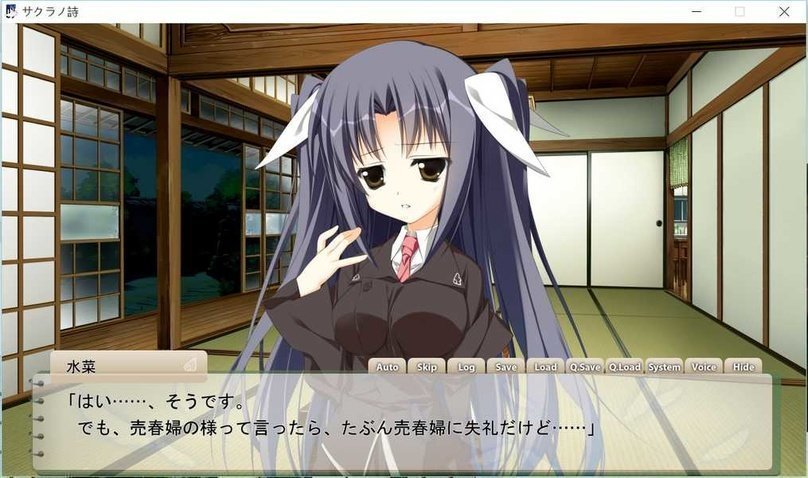
So the place where Mizuna lives is the Nakamura family’s concubine quarters. Nakamura Mizuna and Nakamura Ai are the concubines. When the Nakamura men come to Mizuna, they come to have sex with her. She’s basically a prostitute.
Kusanagi Ken’ichirō is furious when he hears this, but at the same time he thinks of a way to save the sisters—using his painting.
Having lost the Baku power, the Nakamura family is still huge, but they no longer have absolute control. The Natsume family, a yakuza-adjacent outfit led by Natsume Kotoko, exists alongside them. Ken’ichirō calls Kotoko and says he wants to take out a loan shark loan, collateralized by one of his paintings—a copy of Olympia. Kotoko agrees.
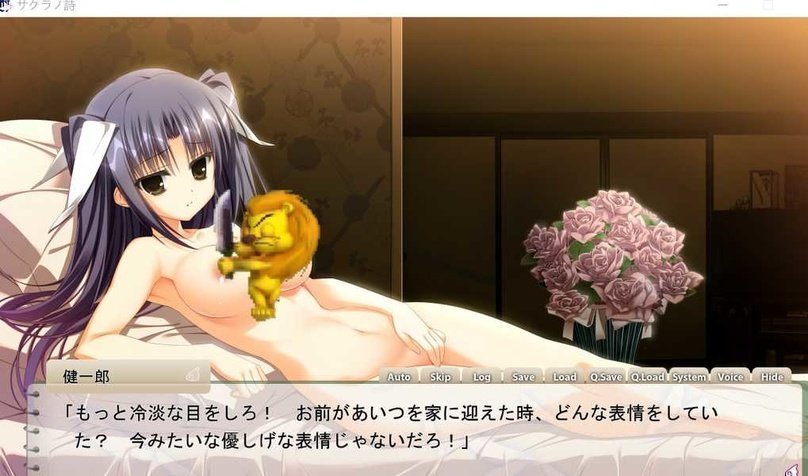
That night, Ken’ichirō paints his version of Olympia with Nakamura Mizuna as the model. While painting, he stresses that her eyes as the model have to be right.
“Imagine the way you look at the Nakamura men. Give me that contemptuous look.”
And in fact the woman in the historical Olympia does have exactly that kind of gaze. The double meaning lands perfectly.
When the painting is finished, the Nakamura man shows up again the next day. The moment he walks in he sees the Olympia. The woman in it looks a lot like Mizuna, and that provocative, contemptuous stare pisses him off. He tears the painting up on the spot.
Natsume Kotoko appears…
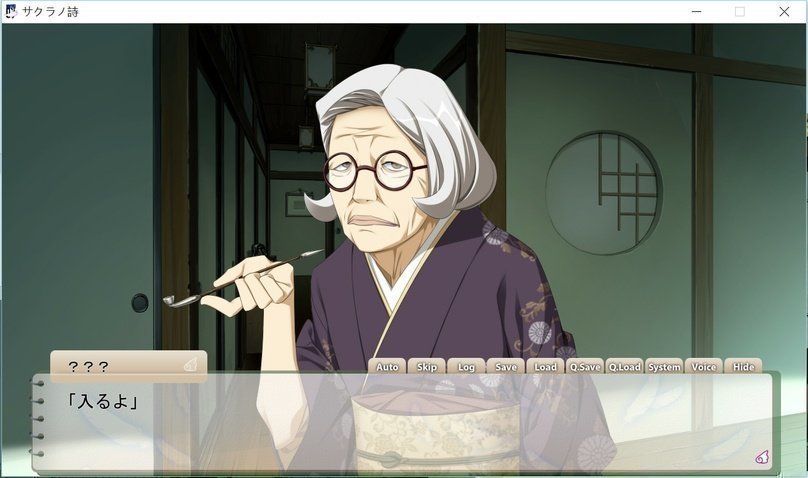
“I paid one billion yen for this painting. You tore it up. So what are you going to do about it?”
The Nakamuras can’t afford to offend the Natsumes—the latter are in the underworld. And the Natsumes use this as a pretext to start extorting and attacking the Nakamura family.
Under the assault the Nakamuras keep losing ground, and with setbacks in wars and politics elsewhere, they lose all their influence, left with nothing but their original family business.
In the final negotiation, Natsume Kotoko demands the one billion yen back with interest. The Nakamuras say they don’t have the money.
Kotoko says: no money? Then this house where you keep your concubines, and the two concubines, can settle the debt instead.
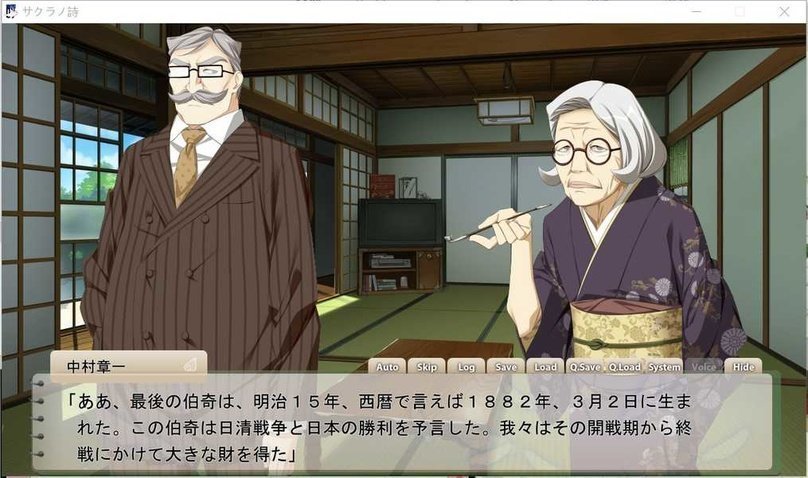
The Nakamuras flatly refuse. The house, fine. The people, no. Mizuna shows up then and says Ai can be handed over, but she’ll stay with the Nakamura family.
The Nakamuras remember Mizuna is still there and reluctantly agree. Afterward Nakamura Ai changes her surname and becomes Natsume Ai. But the Nakamuras never see Mizuna again—Ken’ichirō had already pledged himself to her and eloped with her to America. Nakamura Mizuna also changed her name to Natsume Mizuna and cut all ties with the Nakamuras.
What follows is Natsume Shizuku’s story. After Mizuna dies, Natsume Kotoko dies too, and the Nakamuras start stirring again. Kusanagi Ken’ichirō returns to Japan and arranges for his son to handle the one-billion-yen dispute in his place. After all, he stole a Nakamura woman, but Mizuna is dead now, so money should settle the account.
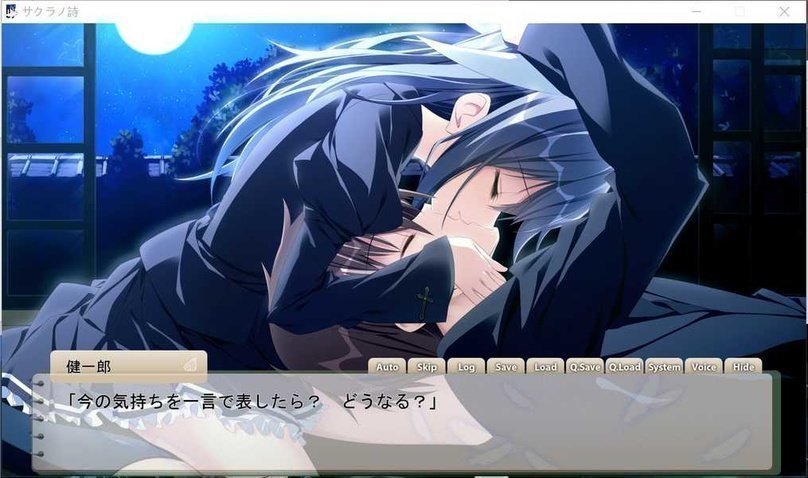
The most moving part of this chapter is the night before the elopement, when Ken’ichirō pours his heart out to Natsume Mizuna. Mizuna, self-loathing, says her body is dirty.
What is matter? Never mind.
Ken’ichirō says the line Mizuna loves most, and it unties the knot in her heart.
And with that, the feud between the Nakamuras and the Natsumes, the legend of the Sennen Sakura, the Baku dream-eater bloodline, and the protagonist’s entanglements with several girls are all laid out clearly. The game moves into its next phase: an exploration of genius and of life.
The Happy Prince and Other Tales.
The Happy Prince and Other Tales comes from Wilde’s fairy-tale collection, but in this chapter the story feels a little sad.
The chapter opens by telling the protagonist that a well-known art exhibition is about to start, and Natsume Kei is preparing for it every day. He paints day and night, painting for his own ideal.
Natsume Kei’s mother says his paintings are interesting—“the quality is high, but in the end it’s only that much.” The protagonist’s paintings, by contrast, get higher praise.
In a word: the protagonist is a genius, and no matter how hard Natsume Kei works, he’s just an ordinary person.
A genius dashes off divine strokes; an ordinary person, no matter how hard he tries, can at best produce something passably mediocre.
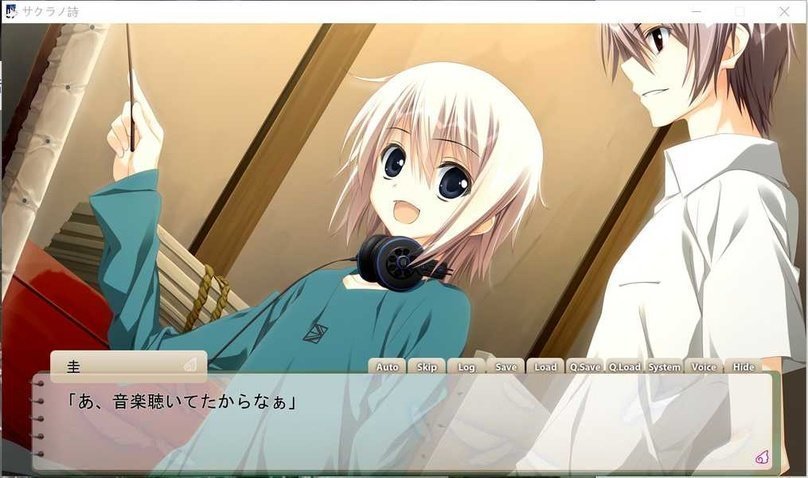
And yet Natsume Kei keeps painting every day. Whenever the protagonist visits, he’s painting. He also likes listening to music, fairly non-mainstream stuff—MOD music, modern-ish genres.
When the protagonist questions whether Natsume Kei can even get into the exhibition, let alone win, Kei is relaxed about it.
“I know I’m not a genius. But I’ve been chasing you, a genius, this whole time.”
“If I can’t surpass a genius, I’ll just try to surpass myself.”
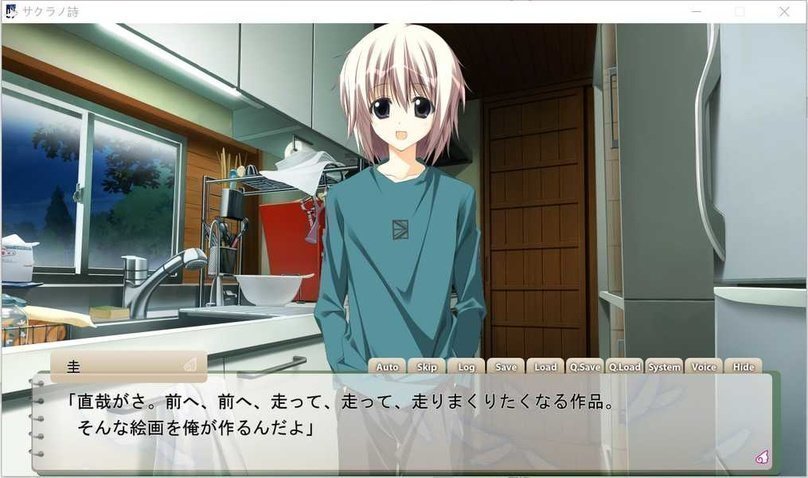
Meanwhile, through Natsume Shizuku’s explanation, the protagonist learns who the girl called “Fumi” really is.
A girl named Nagayama Kana also shows up, claiming to be the protagonist’s childhood friend. She’s admired his paintings since she was little, was heartbroken when he stopped painting, and now wants to see him paint again.
The protagonist says he doesn’t paint anymore, but she won’t let it go. She insists he’s a genius and stalks him like an obsessive, frantically chasing his footsteps.
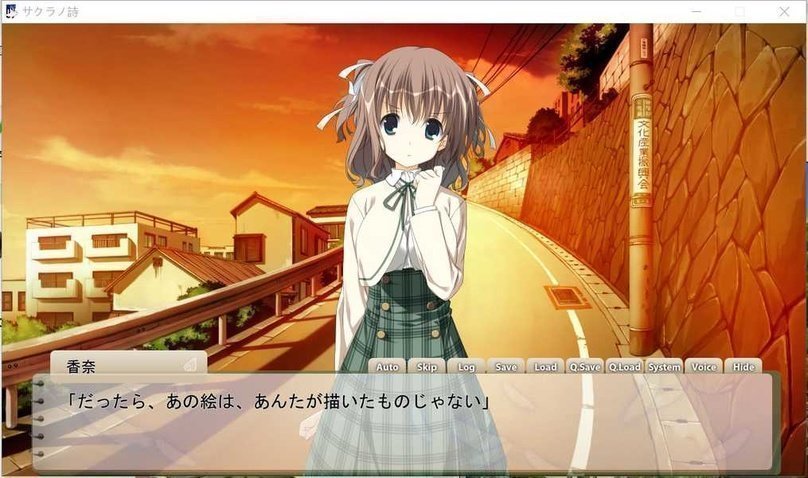
“Because you and I are the same kind of person. We both love art—truly love it—and we both want to see the highest level of art, and then surpass it.”
Nagayama Kana has big ambitions. She wants to see the strongest person, then aim for them and surpass them. To her, the strongest person is the protagonist—but he says there’s someone stronger than him.
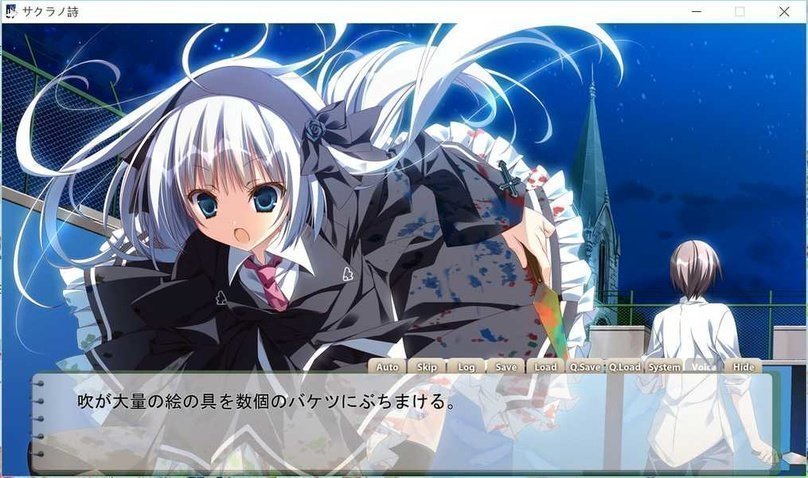
That’s the girl called “Fumi,” who is actually the genius part of Mio Ōsakura.
The protagonist chooses to challenge “Fumi” to a painting contest in front of Nagayama Kana, to show her what a real genius looks like.
The contest is fierce and brutal. In the end the protagonist loses, but he also realizes he can keep painting, so he decides to enter the exhibition alongside Natsume Kei.
He and Natsume Kei agree to face off there—whose work will win.
At the exhibition, the protagonist’s work is stunning, but unexpectedly Natsume Kei’s is even better. He beats the genius protagonist and takes the grand prize.
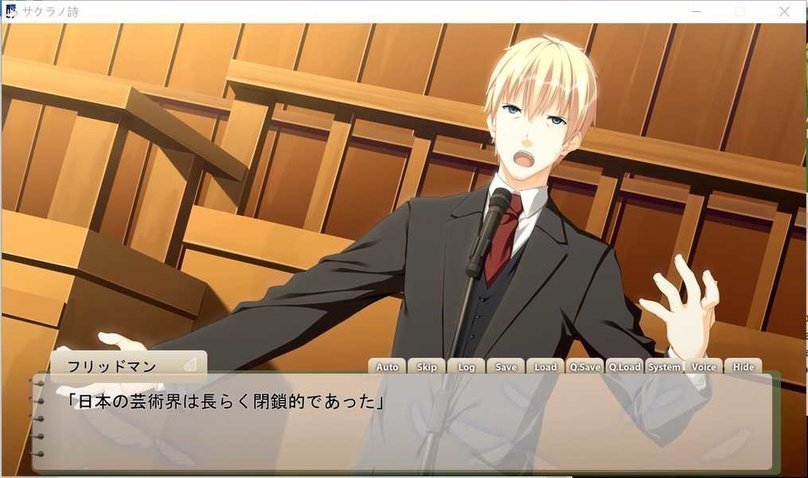
And then the bad news arrives… On his way to the exhibition on his motorcycle, Natsume Kei was too exhausted and had an accident.
The outcome: Natsume Kei dies young. At the very moment he wins the art award and defeats the genius, his life ends.
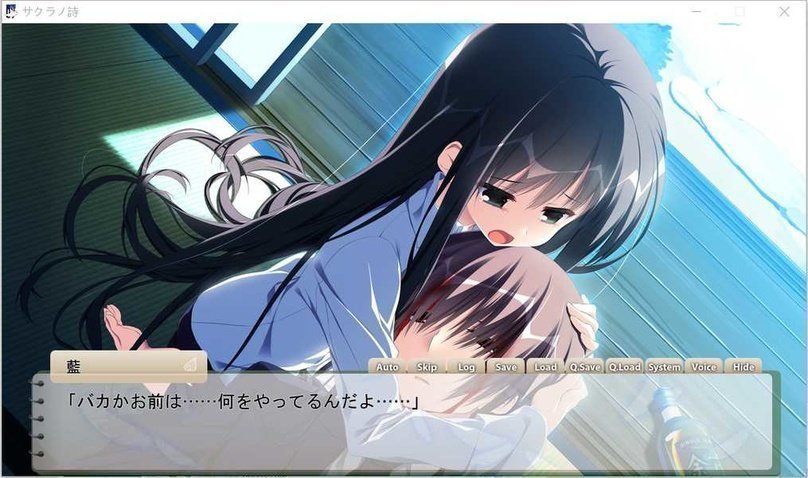
The protagonist is devastated. Natsume Ai is devastated too…
At this point you can choose whether to blame yourself forever. If you do, you enter a very short Natsume Ai route where she comforts the protagonist with her body…
If you ask me, that short route really doesn’t fit.
The true ending: the protagonist is shattered by Natsume Kei’s death. Meanwhile Mio Ōsakura and Fumi merge, regaining the power they originally had and the memories of their split, becoming a true genius.
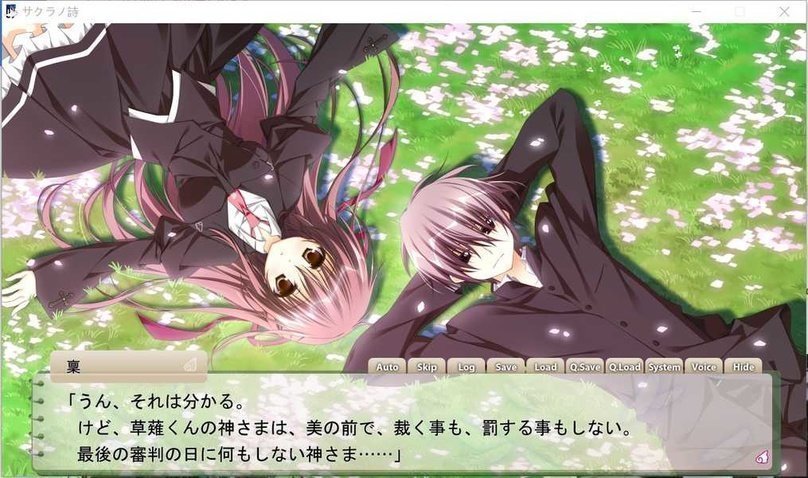
Mio Ōsakura tells the protagonist she’s going to London, and will work as an artist from now on.
The protagonist says nothing. What he wants to say he can’t get out; what he doesn’t want to say he also can’t get out.
Nagayama Kana sets a new goal: Mio Ōsakura. She’ll chase her, then surpass her—and she drifts away from the protagonist too.
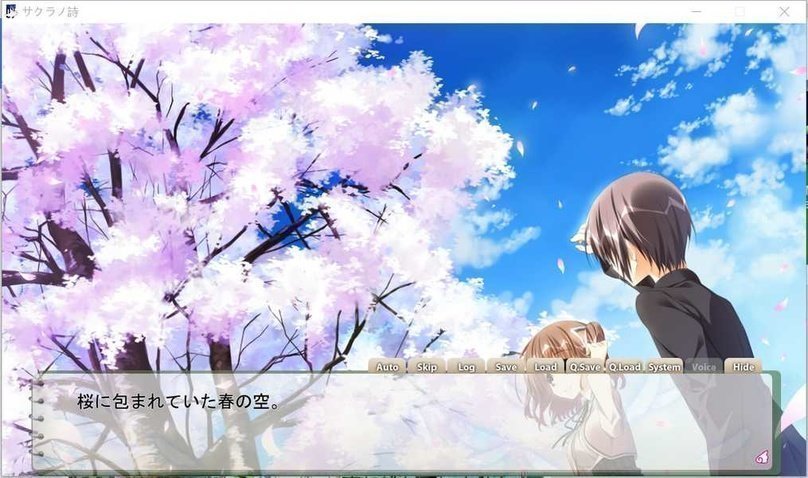
The whole town is left with just the protagonist, living on alone.
By this route, the game’s main story is essentially over. The protagonist, a genius, lost to Natsume Kei, who later put his life on the line to push forward. And against the true genius Mio Ōsakura, he was utterly helpless.
And this broken protagonist sets up the final chapter.
Walking Beneath the Cherry Trees
The last chapter feels a bit like an after-story, but there’s still some substance. Years later the protagonist stays at the school as a teacher—an art teacher, like his father.
By then some of the things from his childhood have become legend, some even mythic. Everyone knows Mio Ōsakura came from this school, but hardly anyone remembers the protagonist.
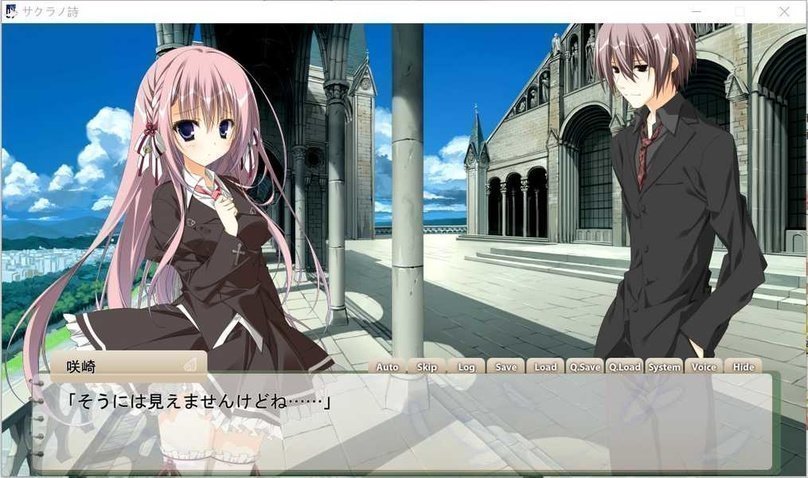
He’s not doing well as a teacher. There are constant rumors he’ll be fired. He doesn’t know what to do each day—drinks, wakes up hungover, chats nonsense with people. Plenty of female students are close to him, but he has no interest in hitting on them the way his father did.
He isn’t even sure whether he loves Mio Ōsakura, because by now she’s a world-famous artist and he’s nothing.
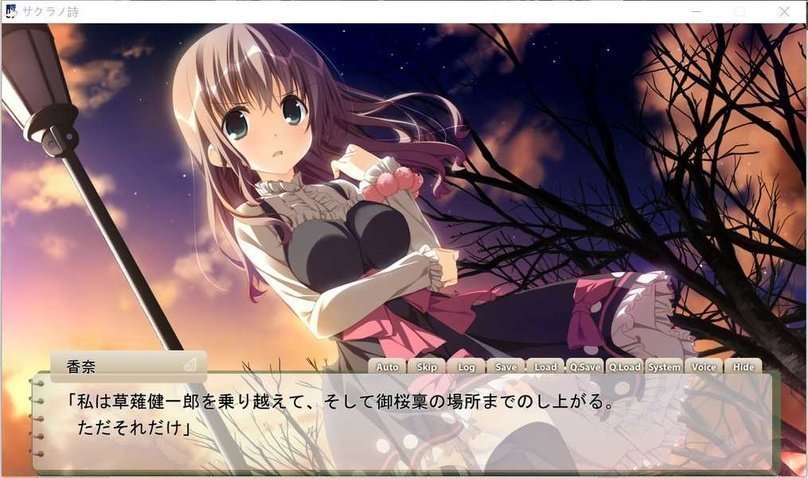
Of course, some people still remember him. Nagayama Kana, for one.
Nagayama Kana comes back and says she has surpassed the protagonist’s father, Kusanagi Ken’ichirō.
How? Word is that Ken’ichirō’s posthumous work—the mural “Footsteps of the Cherry Blossoms,” made together with the art club during the protagonist’s school days—was repainted by Nagayama Kana’s studio and turned into what she calls a “derivative work.”
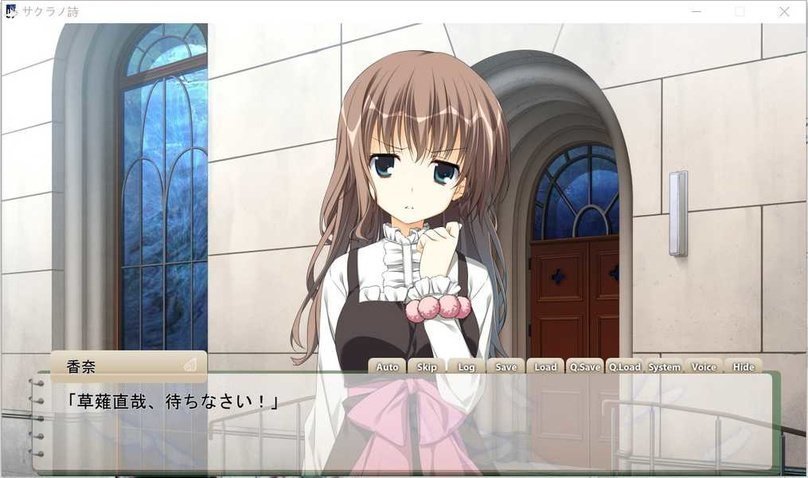
It’s a provocation aimed at the protagonist, but he doesn’t react.
Nagayama Kana doesn’t let it go. She starts blowing the matter up, and the dealer the protagonist once sold paintings through shows up too. Eventually he’s forced to face it.
In the end, facing Nagayama Kana’s provocation, he gathers a new art club in the name of the teacher. They paint on glass and use projection to recreate “Footsteps of the Cherry Blossoms.” Compared to that, Nagayama Kana’s little scheme becomes a joke…
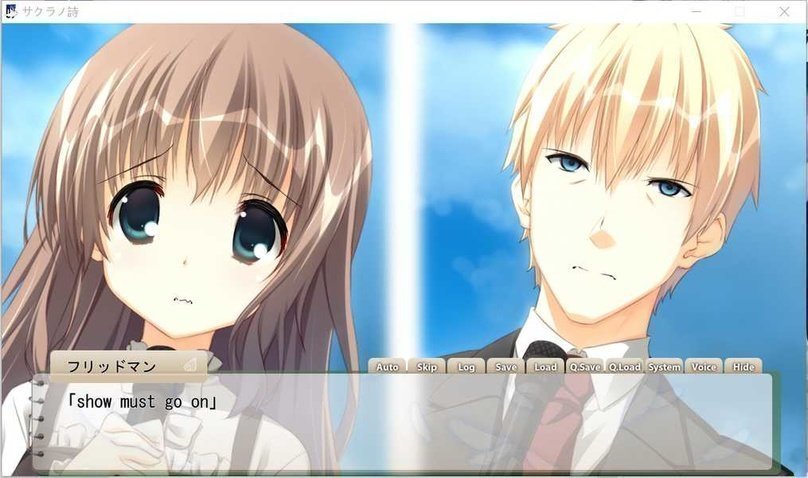
Nagayama Kana realizes she underestimated the protagonist. He hasn’t given in, hasn’t given up on painting—he’s even been exercising to keep his stamina up for it.
And yet the protagonist still languishes in this small village. He didn’t go out into the world and become an artist like everyone else.
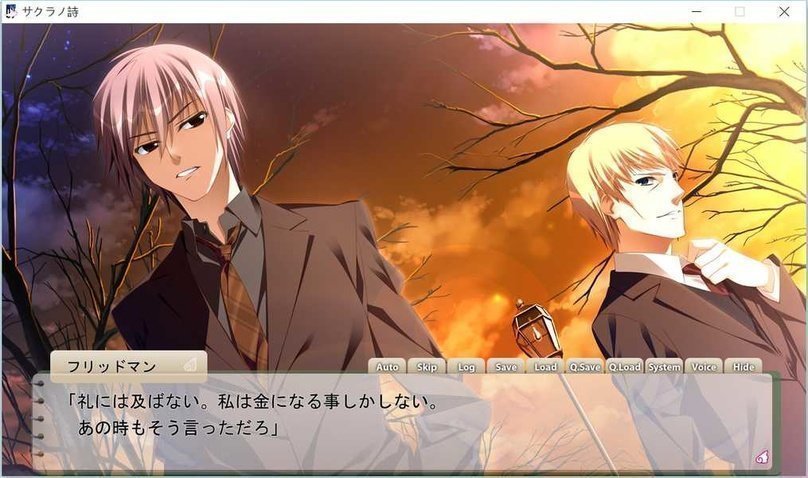
Maybe that’s his own choice.
At the end of the story, Ms. Ai—who’s been away teaching for a long time—comes back. The house where the protagonist lives alone finally has a second person in it.
Facing Ms. Ai, the protagonist finally cries.
Natsume Ai asks him why he lives like this. He has ability, so why not strive for art, why not start a family, why not be a proper teacher, why live like this?
He was supposed to be a genius, and now he looks like he’s accomplished nothing. Is he still happy?
The protagonist says a lot, and at the end: “I… am happy just to be alive.”
His grip on Ms. Ai’s hand tightens.
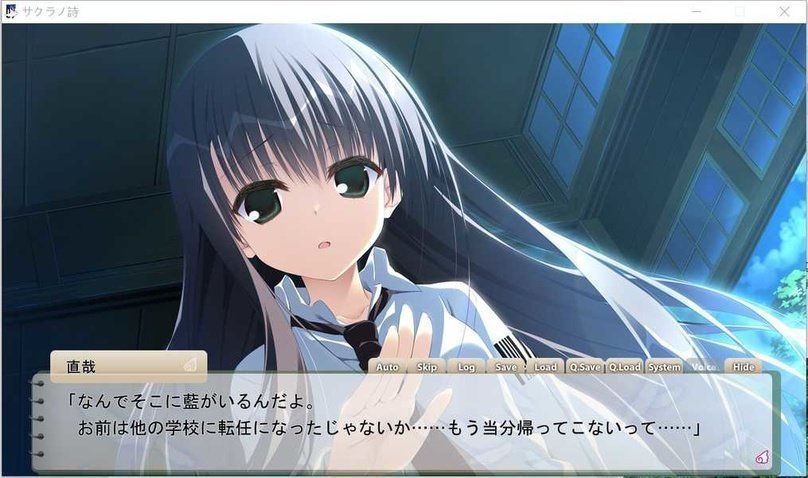
And while the protagonist faces off with Nagayama Kana, someone else watches the whole thing from the hillside: Mio Ōsakura.
Mio Ōsakura is a little surprised by the current protagonist—and a little not… But in the end, she doesn’t go to see him.
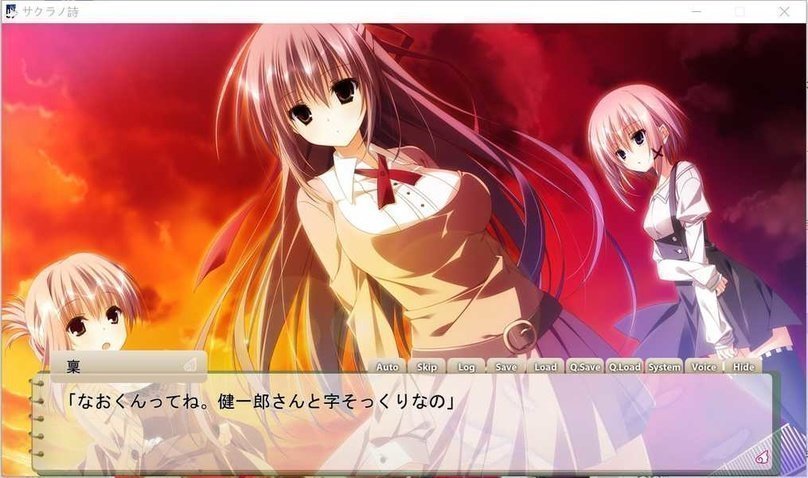
Still, she knows he’s still the same person. He hasn’t changed.
The seasons turn, spring comes again, and the protagonist, as a teacher, welcomes a new spring at school—maybe a new semester too.
Ms. Natsume Ai appears before him, waiting for him to arrive.
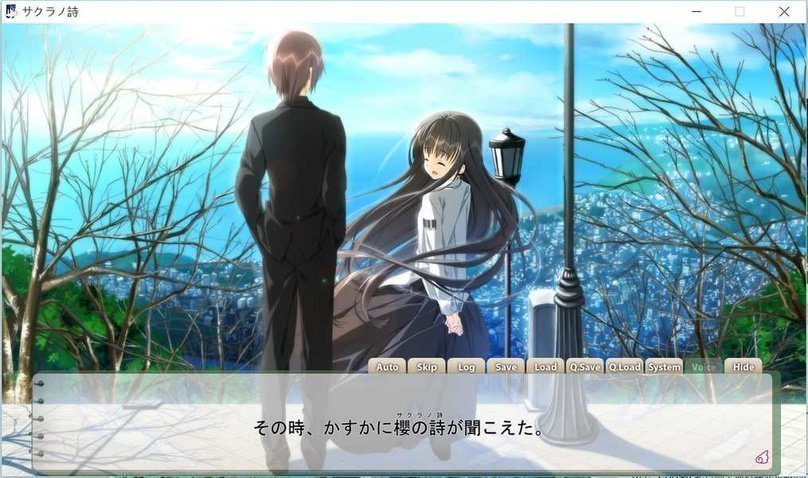
“The future may be uncertain, but if you feel pain or it gets hard, come home.”
“A place with memories is home. The Natsume house is your home.”
“If you don’t know what to do, then walk on with me.”
The protagonist takes Ms. Ai’s hand, and they stroll beneath the cherry trees. The game ends.
The script length of Sakura no Uta is fucking insane, but it doesn’t cut corners. Like most games, daily banter eats up a lot of time, but the places where it tackles the key issues get just as much care.
I don’t want to make comparisons for the story, because this game isn’t on the same level as other galgames at all. Next to Sakura no Uta, other galgames look like kids playing house—so childish, I mean in terms of how the story is structured and framed. Sakura no Uta manages to fuse ancient legend with the present-day story, family feuds, and the rise and fall of every family member. That’s already impressive. A story like this could even be a TV drama, the kind like Da Zhai Men.
The first two chapters’ common route feel like a normal galgame, but from chapter three the plot goes deeper, and chapters four and five are absolutely superb. Honestly I’ve never seen foreshadowing paid off so satisfyingly. Before chapter five, the past story is already wrapped up; by normal galgame logic there shouldn’t be anything left, but Sakura no Uta uses that as a foundation to open a new plot and also sets up thematic questions planted back in chapter one—what is a genius, what is an ordinary person—that make you think further.
The last chapter is a bit long-winded and not as powerful as what came before. The quality drops noticeably. Later I figured it might be prep for the sequel Sakura no Toki, so I’ll let it slide.
With galgames that have good stories, I often think: “This shouldn’t be a galgame, it should be a novel.” A good galgame is a visual novel after all, but with Sakura no Uta I don’t feel that way.
Because Sakura no Uta’s story structure feels tailor-made for a galgame.
The route locks act like a guide. As each segment of the story moves forward, the reasons behind the past unfold bit by bit, layer by layer—the legend of the Sennen Sakura, for instance. Chapter one only mentions the cherry tree. Chapter three says the Sennen Sakura is essentially a cherry tree that doesn’t bloom for a thousand years, and chapters four and five go on to explain its origin and its resonance effect.
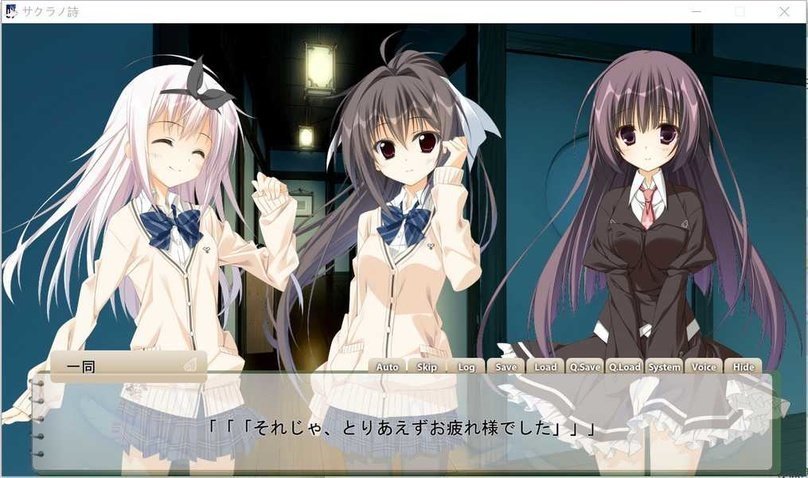
The story is described the way a painting is made: layer after layer of paint, and only at the end does the surprising picture appear.
A lot of people probably expected Sakura no Uta because of other works by the writer, like Subarashiki Hibi.
Sure, there’s philosophy in Sakura no Uta, but not much, and it doesn’t matter much to the main plot. It’s mostly lines characters say in their situations—some twisted, some atmospheric. It doesn’t break the story, but getting hung up on it is pointless. Even the philosophy should be read through the story; pulling it out of the story and nitpicking it is pretty dull.
Maybe it’s because I’m dumb. I really don’t want to dig into the philosophy—whether there’s a god in heaven, the relationship between math and art, causality, and so on. Setting that aside, the game’s story is already plenty good. The first half is mostly memories, telling the legendary experiences of the protagonist’s father and the impact he had. The second half is about the protagonist caught in the vortex between “genius and ordinary person.”
The game shows more than once that true genius is rare. Most so-called geniuses aren’t eternal; they’re just a brief bloom. Talent may betray you, but technique won’t. A genius is just someone favored by talent, but in technique they may still lose to an ordinary person.
Diligence makes up for lack of skill. Beating the so-called “genius” is that simple. The protagonist does it against “Fumi.” Natsume Kei does it against the protagonist. And when facing Nagayama Kana’s challenge, the protagonist does it again.
That’s probably the kind of game Sakura no Uta is. The script goes on forever, but when you’re done you’re left with all kinds of feelings, and you see all kinds of shadows of yourself in it.
That said, Sakura no Uta isn’t flawless. First and foremost is the original artist, Kagami Hiro. I’ll say it: her art is the worst in the game. Whether it’s side profiles, thighs, or the huge breasts, the way she draws Mio Ōsakura is unbearable—she looks like a puppet. Fortunately she isn’t the artist for most of the other characters, so it doesn’t hurt too much. Apart from some of Kagami Hiro’s CGs, the rest of the art is just too good…
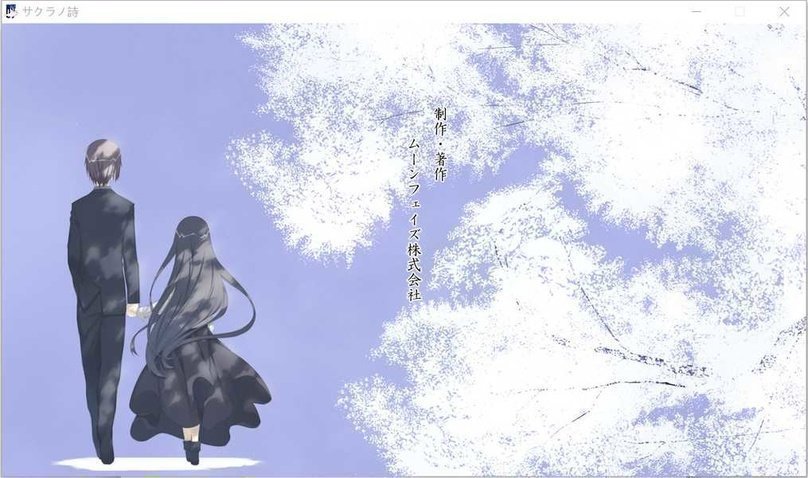
The music needs no introduction. It’s by ryo, and the melodies fit the game well enough, though there are maybe too few tracks.
The story isn’t perfect either. Besides the daily banter I mentioned, Makoto’s route keeps bringing up Natsume Kei’s background, yet Natsume Kei has zero appearances in Makoto’s route. I really can’t understand that. I can only assume Makoto’s route was written by a different writer and they didn’t get the recording set up or something.
Anyway, Sakura no Uta was delayed for over ten years, and it lives up to the quality it should have had. I don’t have much more to say. It ate up a lot of my time, but I don’t regret it—not just because it’s good, but because playing it kept bringing back things from my past.
The girl I mentioned at the start of this article—we met again years later, but by then our positions were different.
She’s already a PhD in the US, and I’m just a loser in Zhengzhou.
At the class reunion she asked with interest about my current situation. When she learned I was near the bottom of my high school class, coasted through four years of college, didn’t dare go to Beijing, Shanghai, or Guangzhou after graduating, and just quietly stayed in Zhengzhou, she was a bit surprised, and a bit mocking.
And at that moment I kind of understood how she’d felt back then. In high school, faced with all those subjects, I stopped feeling that learning was “only natural”—I hit a wall. The funny thing is, I saw other people treating those subjects as if it were the most natural thing in the world.
Things other people memorized at a glance, I’d write and copy out several times and still not remember. I didn’t get it.
Then I remembered that girl’s eyes. Maybe that’s how she saw me back then.
Time passes, fate plays tricks. She’s become a socialite, a big name in research, and I’m still just an office worker in a third-tier city.
It feels like the protagonist’s ending in Sakura no Uta.
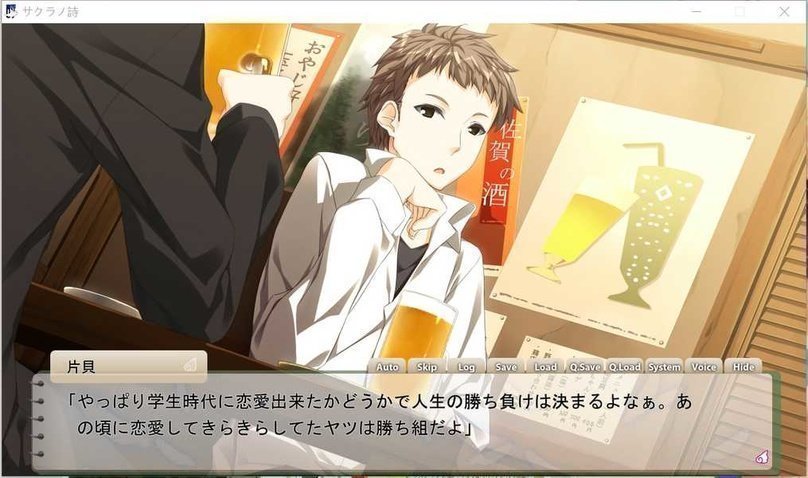
“Whether you succeed in life or not is decided by how your love life goes in school.”
“If you still can’t find a partner by your twenties, there’s a high chance you’ll be alone for life.”
The protagonist’s words when he’s out drinking with friends still ring in my ears. Isn’t that a lament I can relate to?
Fortunately the protagonist gets comforted by Ms. Ai in the end, who says she’ll always be on his side. So where’s my Ms. Ai?
Comments are hosted on the Chinese main site. This mirror is read-only.