Kadenz fermata//Akkord:fortissimo Review
Last year I played the fortissimo series, and my personal feelings about it were complicated.
Content-wise, the fortissimo series has a super melodramatic plot. Basically the world gets destroyed, the guy destroying it might be your dad, your dad destroys the world because he’s despairing, so you as the protagonist go fuck up your dad, and after a bunch of cheat-code clashes you successfully fuck up dad and build a new world. No big twists—just cheat vs cheat, yelling matches, forced hot-bloodedness, justice always wins. And one big feature of this game is that fight mode and non-fight mode are two different worlds. In daily life a bunch of people joke around like a normal game, but once a fight starts it’s kill or be killed. Totally inconsistent…
Still, as an experience, the fortissimo series is a blast, because there are tons of battle scenes, and the atmosphere during fights is genuinely great. Especially that feeling of “shouting each other’s names then activating cheats and unleashing a finisher”—it’s really hot-blooded, really hype, really satisfying. So for the previous fortissimo games, I think they’re ultimately not bad. I mean, after all…
once you’re hyped, you don’t sweat the details.
So last year the fortissimo series released a spiritual sequel… oh wait, no, a proper sequel called Kadenz fermata//Akkord:fortissimo. It introduced a bunch of new characters, kept the old ones, was a PSV exclusive, and all-ages for obvious reasons. And for some reason, I got a wild hair and bought the official copy…
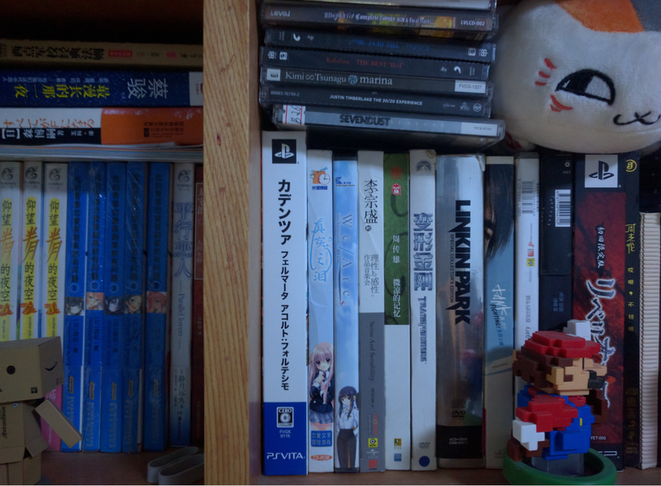
They say if you want to fix your habit of “hopping to the next game before finishing one,” don’t be a pirate—be a paying customer. Once you’ve spent money, you’ll finish the damn game to avoid wasting your wallet. But that didn’t really work for me either. When my PSV copy of Kadenz fermata//Akkord:fortissimo arrived I started playing immediately, but my Japanese was worse back then, my vocabulary was smaller, and the PSV can’t use helper tools—no machine translation, no quick copy-search. I barely finished the first playthrough, then put it on hold for driving lessons, and then my PSV got borrowed to play Danganronpa 2. By the time I got the machine back, it was already autumn.
That’s when I saw the news: Kadenz fermata//Akkord:fortissimo, supposedly a PSV exclusive, was getting a PC port.
Given this game’s track record, maybe the PC port would be an 18+ version… but wait, the cast includes Yahagi Sayuri, a mainstream voice actress. Probably not… Or is Yahagi Sayuri going to do eroge now?
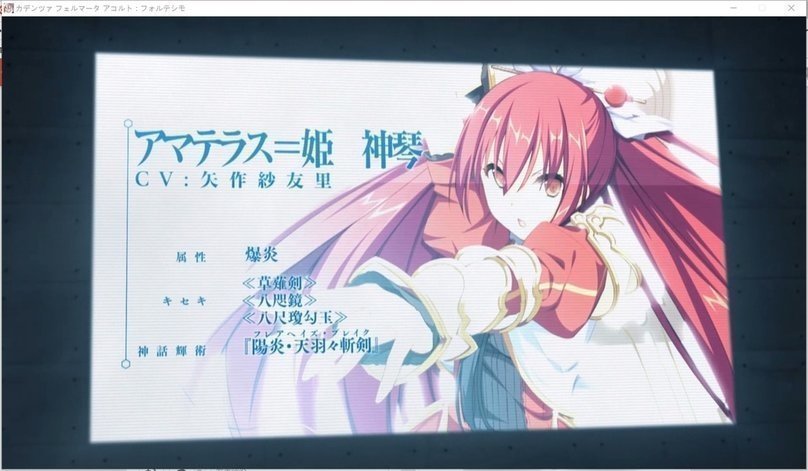
So my thinking was: wait for the PC version, there’s bound to be a surprise, surely there’ll be new content. Better to play it again for the new stuff.
But that wait turned into six months. March 2016, the game finally stopped delaying, and I downloaded, installed, and fired it up—only to find a problem…
“Isn’t this literally the same as the PSV version?”
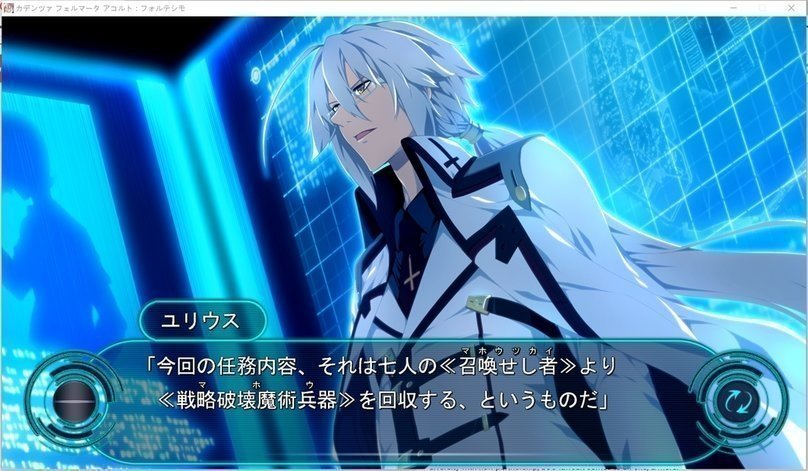
Yeah, aside from some higher-res character sprites and a new OP: Finest Crusade, it’s a straight copy of the PSV version. No story changes, battles are the same PSV style—actually, it’s less fun than PSV because they simplified it for PC.
So the port was delayed over six months, gave zero surprises, only cut content.
Anyway, let’s talk about the game.
In one sentence: story-wise, Kadenz fermata//Akkord:fortissimo is exactly the same as previous fortissimo… brain-dead.
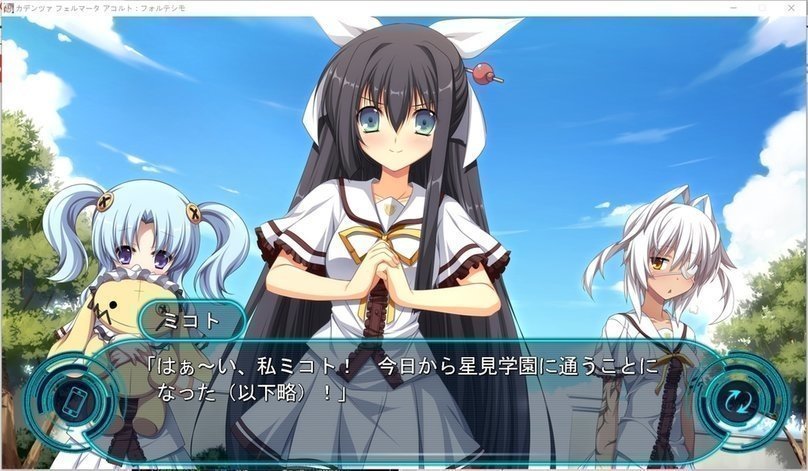
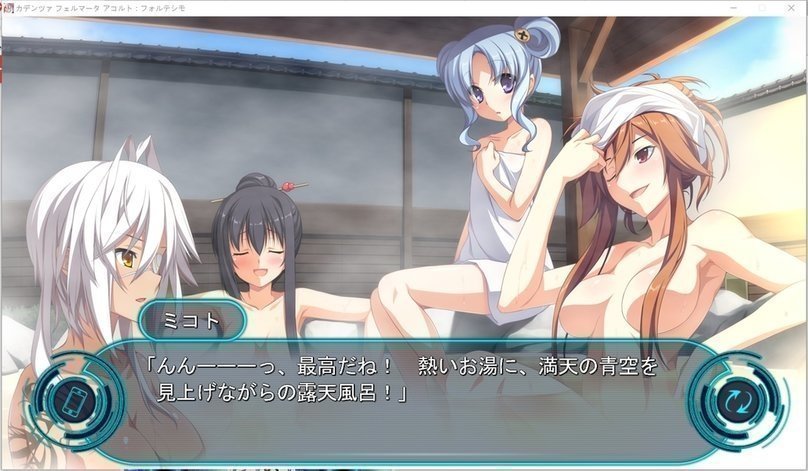
Still the huge disconnect between daily life and battles. Daily life is still carefree joking around, battles are still brain-dead cheat-flinging, still justice always wins, still killing dad…
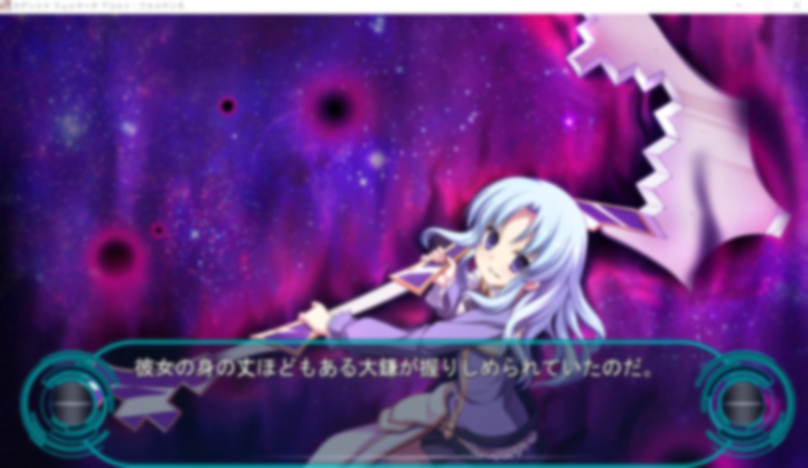
The story picks up from the end of the old fortissimo. Yoshino Reiji and Sakura created their own wonderful world together, all the magic users (the game calls them “large-scale strategic destruction weapons” but reads it as MAHOU) survived, including Reiji’s parents, and everyone’s living a laid-back daily life.
Then a mysterious organization appears called the Seven Holy Knights. Its members are all combat elites wielding artificial magic “Kiseki” (read as “miracle,” while the other side’s is read as “magic”—so “magic and miracles both exist,” huh). The Knight Commander says these magic-wielding folks are unstable elements—a bunch of uncontrollable cheats that might destroy the world someday—and orders the knights to attack, destroy and recover their magic weapons (or was it tools? I forget), strip these magic users of their powers, and protect the peace of the world and universe.
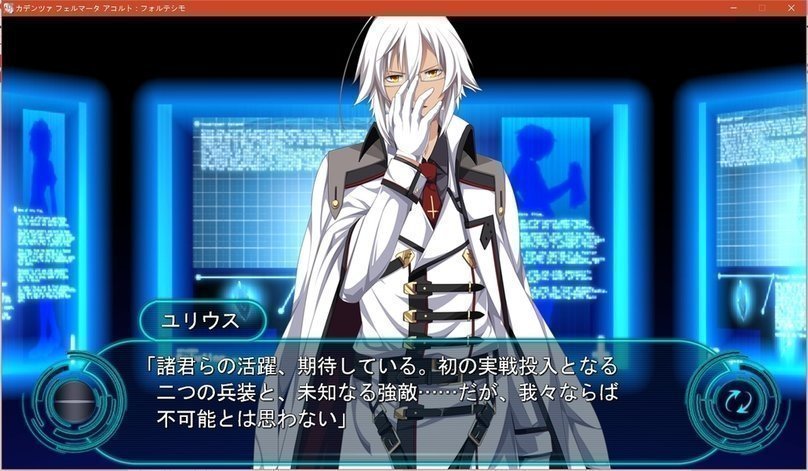
So to wipe out these magic users, the Seven Holy Knights sneak onto Reiji’s island and start reconnaissance and interaction.
Soon the two sides go from meeting to fighting. After a tough battle, both sides realize something’s off—the Knight Commander is missing, and the sun in the sky has turned black. Reiji has to temporarily call a truce with the knights and check on the sun, only to find that the Knight Commander has absorbed the black sun’s power and become the final boss, calling himself “Loge.” This boss is insanely strong—he can rewrite history, erase people from existence, or strip their powers.

So who is Loge? He’s actually the Seven Holy Knights’ commander and the father of member Freya. The old man broke down after his wife died and decided to use the magic users’ power to destroy the world, triggering the black sun’s curse. In the first playthrough, the Knight Commander gets possessed by Loge and becomes the final boss, Freya goes missing, and the remaining magic users and knights face this boss together. Reiji busts out a ton of cheats, but Loge’s power to rewrite history nullifies everyone’s abilities, defeats Reiji, and the world is destroyed, the universe is done.
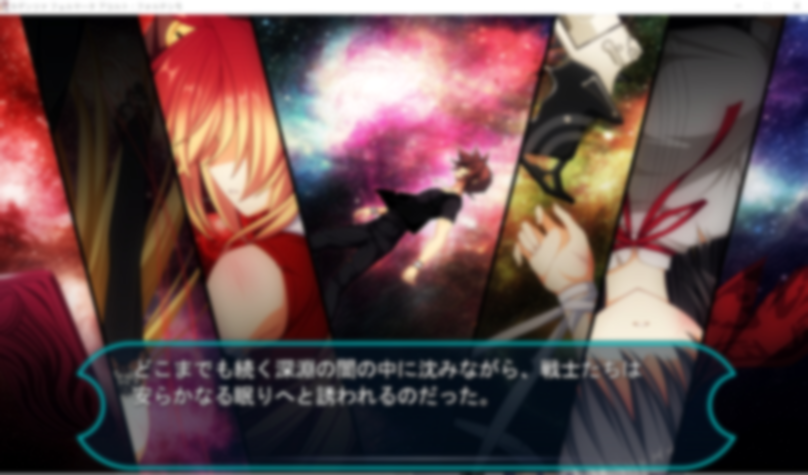
Bad End.
Yes, Bad End. And by the way, the first playthrough forces you into the Bad End, and only after the Bad End does the real game begin.
Right, after the Bad End, a voice appears calling herself Fermata, calls out the player’s name outside the game, and asks the player to become her Master so she can rewrite the game’s ending with her power.

So from the second playthrough, the player can intervene in the story, specifically influencing the outcomes of battles.
The game has two perspectives: Reiji’s magic side and Freya’s Seven Holy Knights side. Actually, from the start of the first playthrough, you can switch between them freely most of the time, learning what happened during those 20 days of battle from both sides. You can switch back and forth to read everything in one playthrough, or just stick to one route to the Bad End. Of course, even if you don’t choose in the first playthrough, the game later forces you to see everything, since the player has started intervening and trying to change the ending.
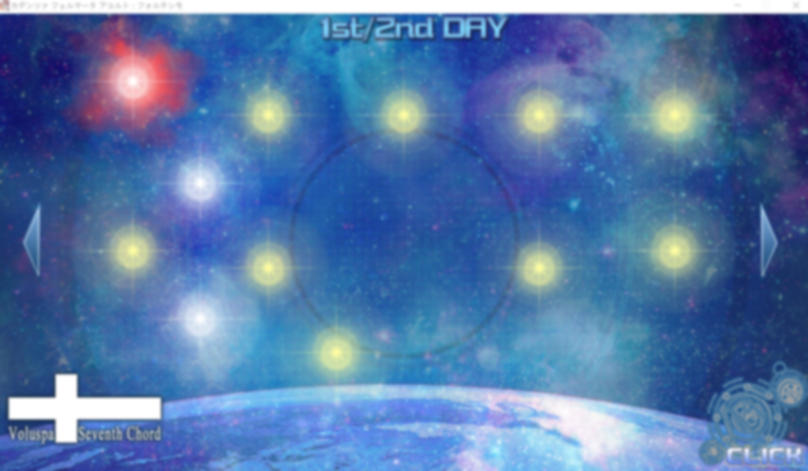
In the second playthrough, Kadenz fermata//Akkord:fortissimo gives you a planet-like timeline. White stars are daily life scenes; read (or changed) daily scenes turn yellow. Red stars are battles; successfully adjusted battle results turn orange, failed ones become red-white. The final battle’s red star on Last Day is naturally unavailable at first—says conditions aren’t met. So at this point the game isn’t a normal visual novel anymore, it’s a pure AVG. You need to clear all daily and battle scenes to reach the final boss.
Daily scenes are simple—just read, pick options to collect CGs. There are no character routes; everything is for defeating the boss and changing fate.
The meat is in the battles, which is where the game is both fun and fucked.
Kadenz fermata//Akkord:fortissimo’s battle system isn’t RPG or SLG—it’s weird. Normally you can’t do anything; when the battle reaches a critical moment, the left and right buttons become available. Left is FF, right is EX/FA. The player can use these skills during battle to force a different outcome.
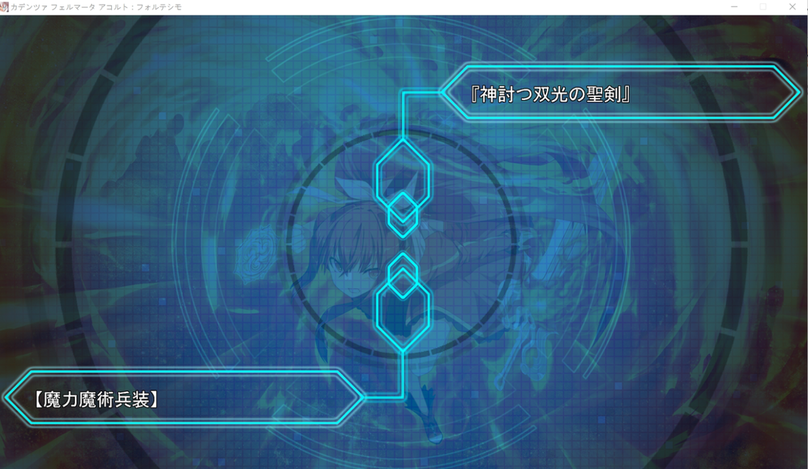
Sounds like you can choose what move a character uses, and on the surface it is, but not really.
Because choosing a skill isn’t as simple as you think. The game explains: “To change fate, you must use the right skill at the right time—at a specific moment during battle, you can change fate.”
So the key is: “When the hell is that right time?”
I’ve played some galge with battles, and the dialogue is always the same—how do you catch the timing? Does the game explain? Does it ever? Aside from the first battle giving a bit of tutorial, the rest have jack shit… and if you fail, you just retry.
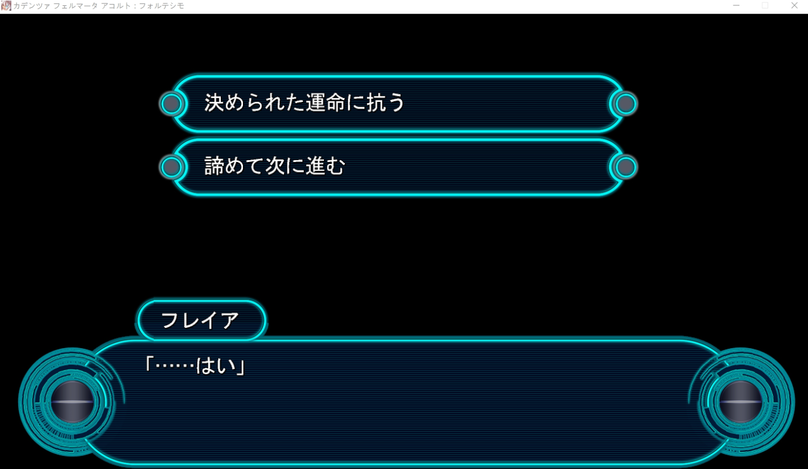
So basically, you fumble around and test each option, or the battle result fails to change. This difficulty is like doing a foreign-language reading comprehension exam—you have to guess the “correct timing” from dialogue.
And battle victory has two outcomes: “Strategic Victory,” which successfully changes the ending, and “Strategic Destruction Victory,” a complete win with more rewards. The latter gives more points and experience, which are useful. The former unlocks hidden elements in the smartphone, the latter quickly boosts your level—many battles’ “Strategic Destruction Victory” require FA skills that need higher levels to trigger.
Of course, you can look up a guide, but that leads to the other extreme: too easy. The challenge is guessing timing, and a guide tells you exactly when to pick what. The game isn’t a timed QTE (at least most battles aren’t), so it becomes way too simple.
A few memorable battles:
Final Initiation Test — Freya vs. Mikoto
A tutorial battle on the Kiseki side to help players understand how the game works. The annoying part is the third FF skill lights up early, but you can’t use it—you have to wait for the so-called timing. The timing appears when you patiently watch Freya get beaten to the ground by Mikoto, then the ground collapses, Mikoto finally shows an opening—that’s when you use it.

The first battle gave me hell. At first Freya gets completely wrecked, and I thought she’d just lose, but she had a comeback? The dialogue is just the two shouting each other’s names—no visible timing. But this battle is also a tutorial: don’t spam skills, save them for the end, maybe there’s a chance to turn it around?

By the way, I never got the “Strategic Destruction Victory” for this battle—couldn’t trigger the third FA for the life of me. Fortunately I’m not a completionist (the PC version only has medals, no PSN trophies), so whatever.
The Puppet Amusement Park Sinking in Darkness — Knights vs. Magic Users
The knights’ fighting style is to drag people into an inherent barrier called something like Battle XXXX Space, read as Robotics Notes.
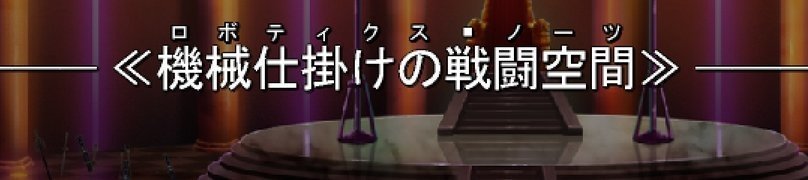
I wanted to roast that name. So this battle is a melee. The initial choices are simple—just use whatever. But soon the branches multiply: first you can choose where to go challenge which magic user, then you can move forward, back, or stay.
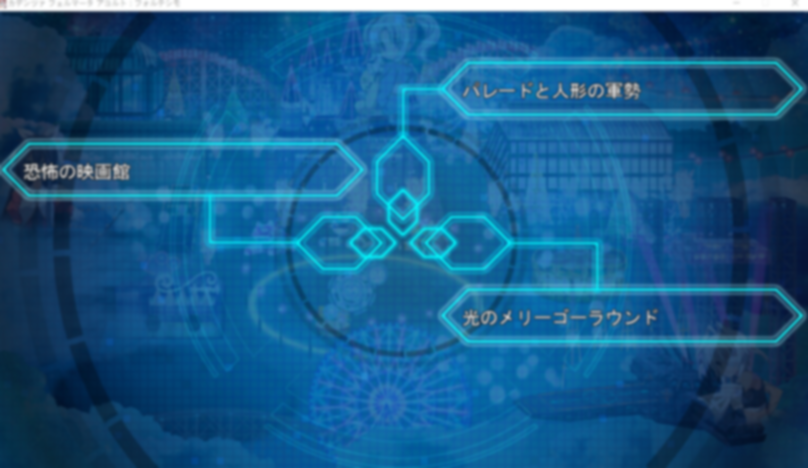
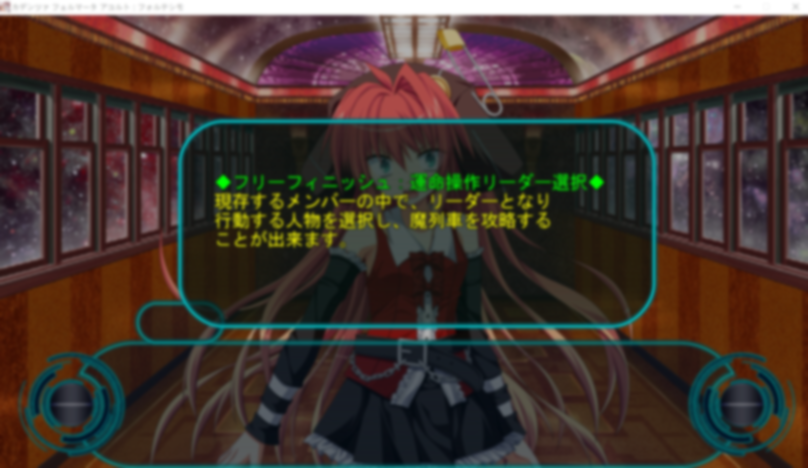
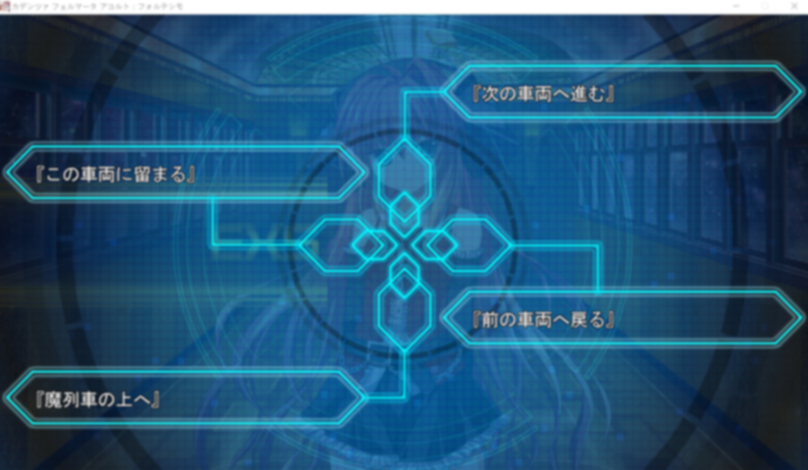
Honestly, without a guide you’ll get stuck here for ages. With a guide it’s stupidly easy. The only thing you can judge is which skill to use against different numbers of dolls—AoE for hordes, single-target for few, force through curse traps. Pretty simple.
Silver Moonlit Forest — Reiji and Sakura vs. Freya
You have to see this battle at least three times: forced once in the first playthrough, then once each on the Kiseki side and magic side.

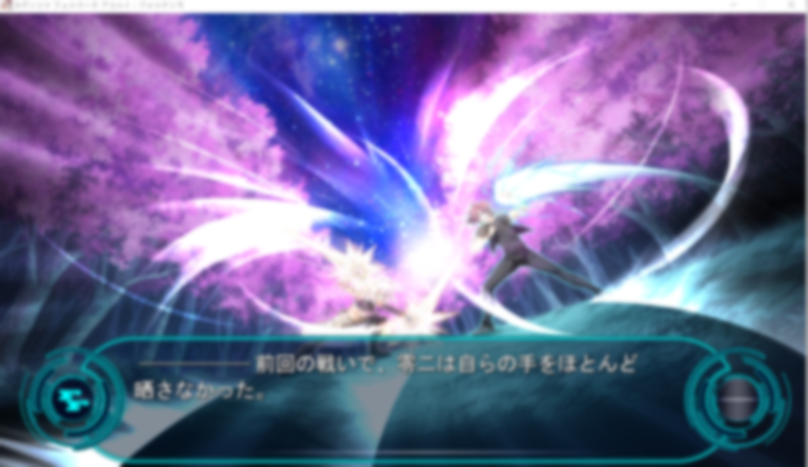
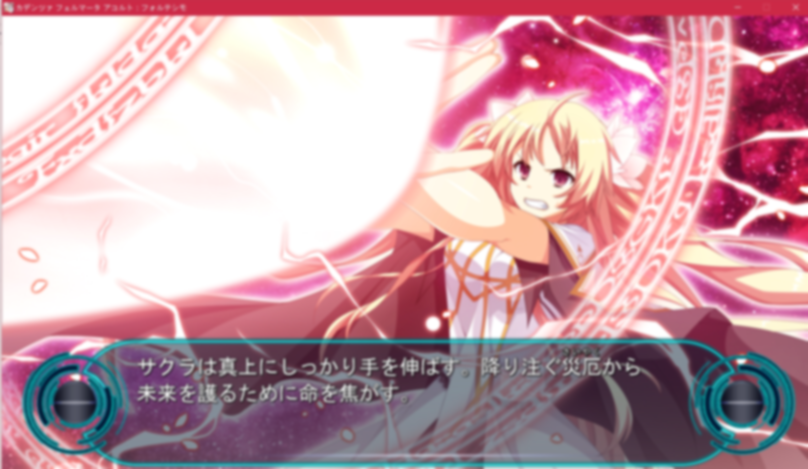
The knight side is simple—it’s the ending where Freya kills Sakura, so just use cheats when Reiji activates his fixed spell. The Reiji side is nasty: both skill choices require you to see Freya’s skill CG first, otherwise Sakura gets instantly killed. Even if you pick right, Sakura shoots down the satellite cannon with a support shot, but the result doesn’t change. At least you struggled, so it counts as a win.
Flash — Crystal Cave of Roaring Thunder — Swordmaster Faußt vs. Nagisa
This is the hardest part of the game for me. Two swordsmen dueling. The difficulty isn’t options or timing—this battle has actual QTE!
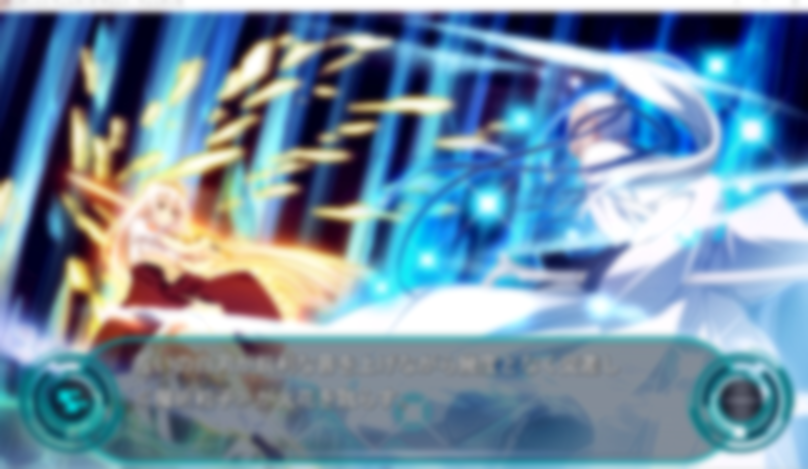
At first the choices don’t matter much. The key is Nagisa challenging her father’s mentor, the swordmaster Faußt, to a duel. Swordsman duels are decided in a second—the so-called flash.
Here you need to watch the screen closely, specifically Faußt’s sword-drawing hand. If his hand moves, press the screen or left mouse button instantly. Any delay of a second means failure.
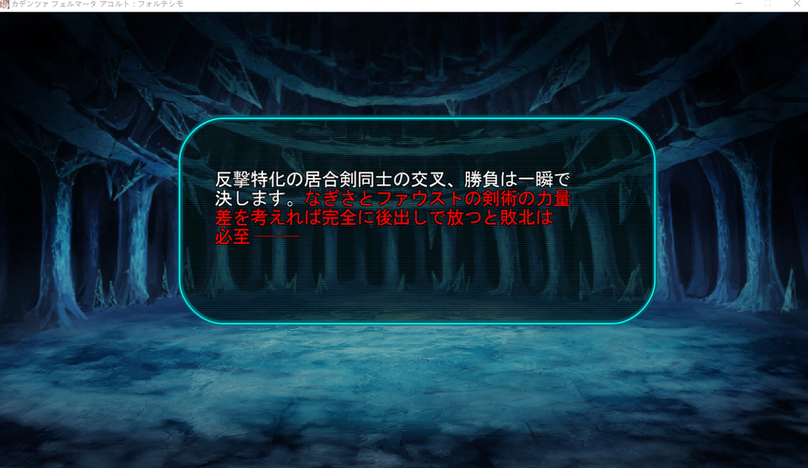
And the worst part is this “flash” duel happens more than once—twice total. The second is even harder: Faußt doesn’t always attack after a fixed number of seconds like the first time; he can attack early. The reaction time requirement is much higher. Slightly slow and you fail.
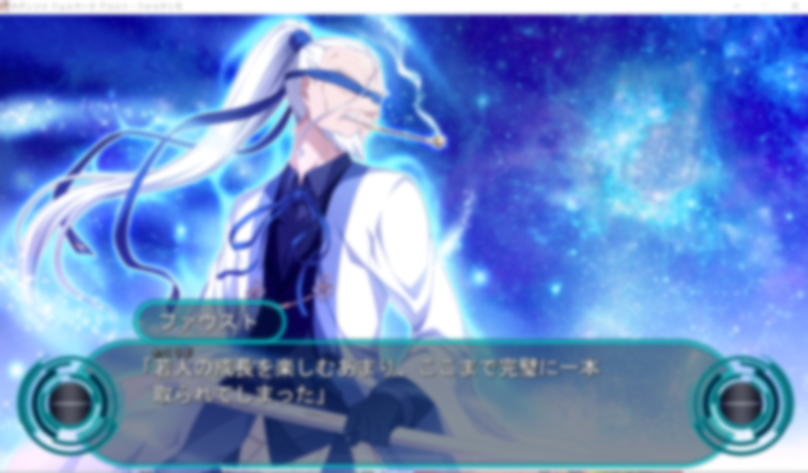
But there’s a workaround: once you know when Faußt attacks, use save and load. He won’t attack early anymore. Still hard to get the first strike though.
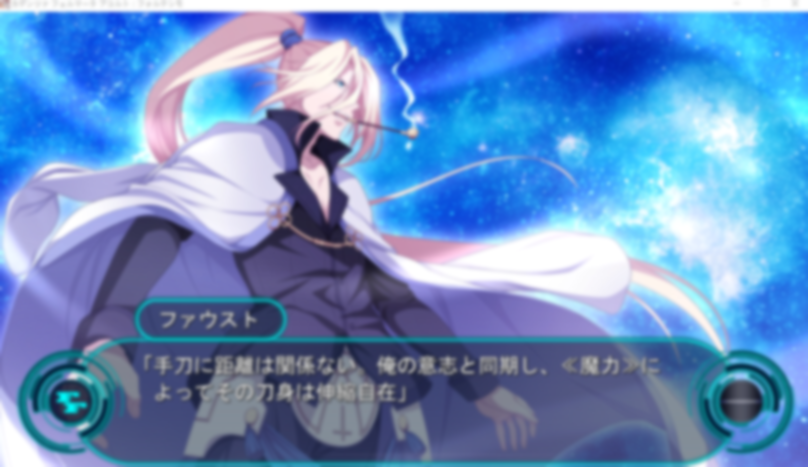
Fuck, my first time encountering a reflex test in an AVG—it’s brutal. But on reflection, it’s actually interesting. It’s a direction worth exploring—if other battle AVGs did this, it’d be fun.
Skyscraper in the Sky Carving Time — Magic Users vs. Aohime
This battle stumped a lot of people—just search and you’ll see. At first three magic users are trapped in a weird space, getting sniped from nowhere. Eventually they decide to attack constantly to lure the enemy out and one-shot her.
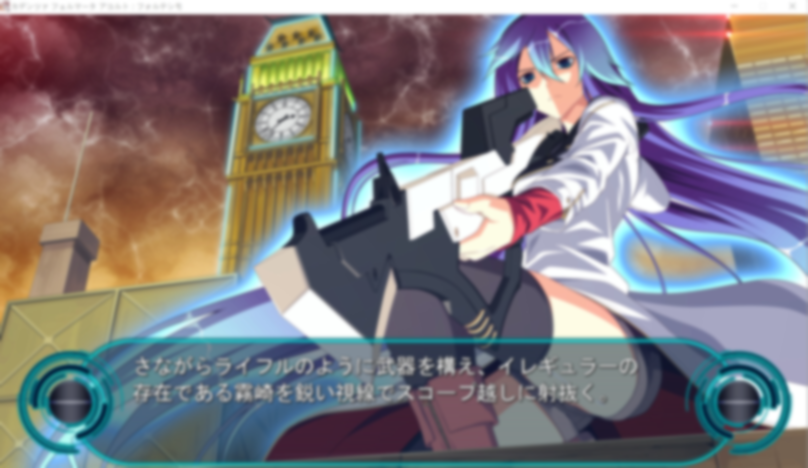
The key is the second phase’s skill sequence. It must be:
Momiji -> Grimoire -> Absolute Aurora Convict
EX switch to Sayuki
Sayuki -> Gospel Magic Bullet -> Instant Magic Change X2 -> Gospel Magic Bullet -> Instant Magic Change -> Squall & Hati

The screen switches showing the enemy’s location found—close range. The FA skill lights up, but don’t get excited and use it.

Wait until the dialogue switches to Aohime’s brother, the magic user Kirisaki—then you can use FA to one-shot the enemy.
Fuck, I got excited and used FA too early, causing an infinite loop and losing my mind.
Final Battle
The final showdown has three battles. First is breaking into the black sun. Notably, breaking into the black sun requires completing all previous battles and reaching level 9. At level 8, the breakthrough battle only summons one helper, not enough to clear mobs, and I got mysteriously one-shot, totally confused.
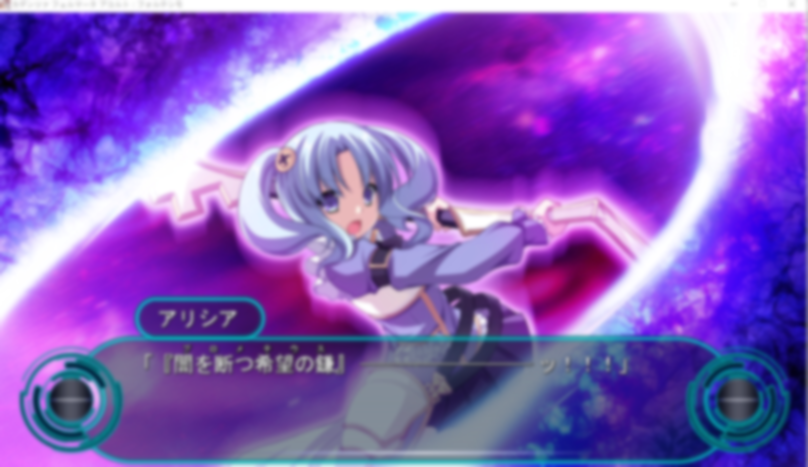
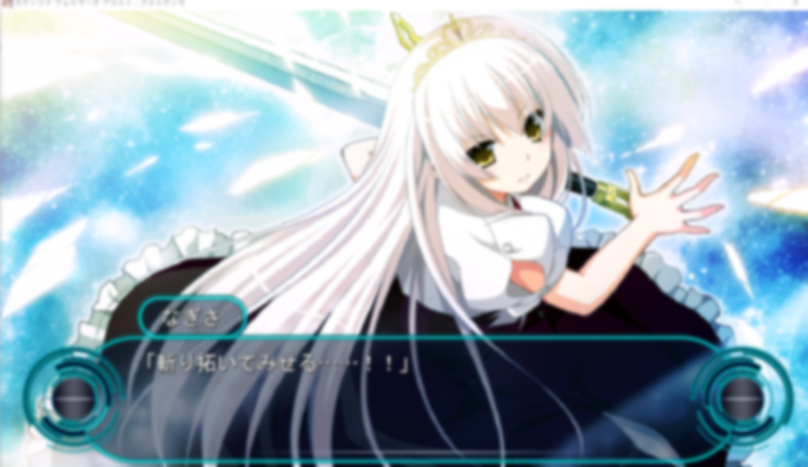

After the breakthrough, it’s Reiji’s first challenge against the corrupted Freya. In this timeline, Freya replaces her brother as Loge’s host, i.e., the final boss.

The first battle is unwinnable—no matter what you do, you die. After Reiji dies, the player’s servant Fermata appears and says with the player’s permission she can intervene and fight the boss. After you choose, the player’s avatar enters the game and challenges the boss. At this point you can spam skills freely, but you can’t kill him. After a struggle, Reiji tells Fermata they should cooperate—Reiji and Sakura charge up a huge railgun to break Loge’s defense, and then Fermata (the player proxy) delivers the final blow.
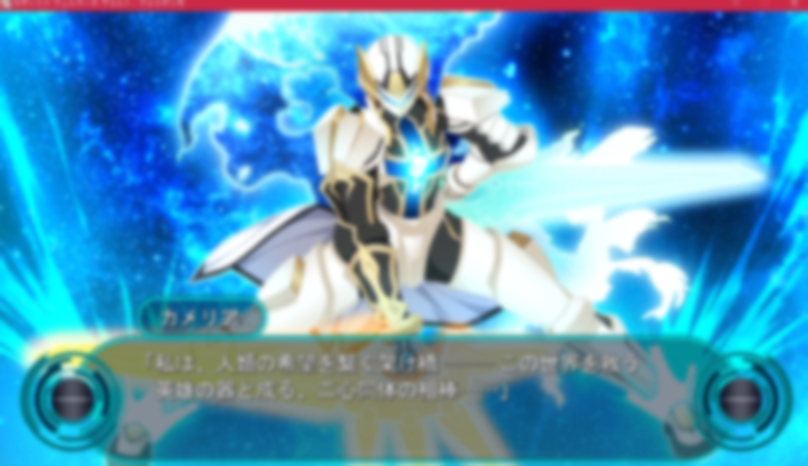
Charging the railgun takes a long time. The game enters the third phase: you need to attack the boss for 7 rounds, each round choosing a 1s Attacker and 2nd Attacker to stall the boss and interrupt his casting.
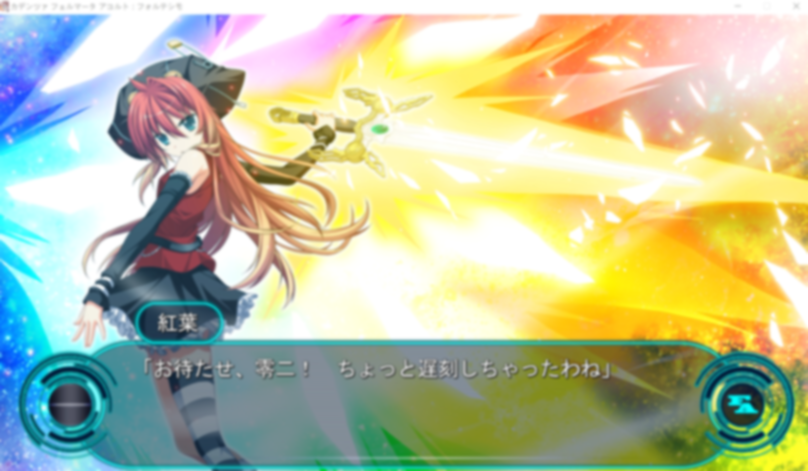
- The boss can’t be damaged; the best result is he doesn’t attack you.
- The boss is immune to certain skills; pick wrong and he counters.
- The boss won’t take the same skill twice.
If you ensure no attacker gets countered, you get True End. If someone gets hurt, Normal End.
First, how to avoid accidentally killing the boss? I thought arranging skills would be tricky, but it turned out to be surprisingly simple, thanks to a tip from some expert on the forums.
Actually you only need one person: Miss Paperclip! Rimura Momiji!
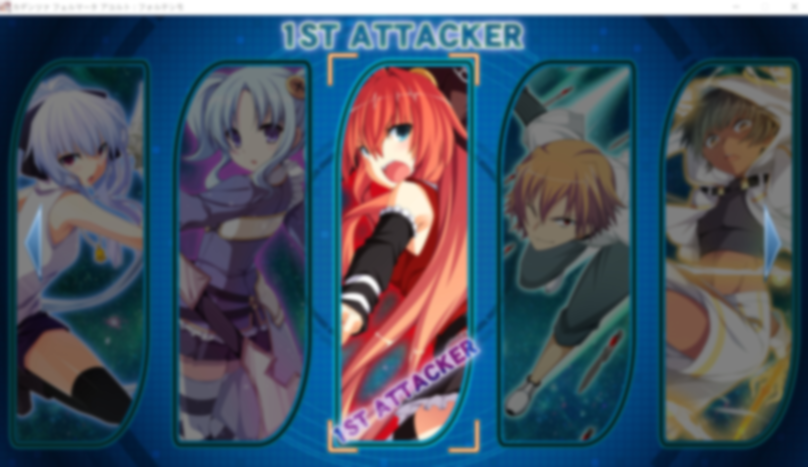
Because Rimura Momiji’s skills are Seven Deadly Sins Grimoire and Seven Convicts—she has 7 holy seals to attack and judge, plus a big skill, Rainbow Cannon. Each round, choose Rimura Momiji to attack with a different seal’s judgment, never repeating. The boss, being up against curses and judgments (basically debuffs), can only busy himself dispelling and defending, no time to attack. So just keep choosing Rimura Momiji until all 7 judgments are used, then finish with Seven Convicts’ railgun, and the boss goes down without a scratch…

Rimura Momiji is stupid strong. She soloed the final battle. Even the game says so—once she shows up, the second attacker just stands down…
Normal End: Freya’s brother replaces her as Loge’s host to save the injured Freya, and asks the player to kill him and the Loge inside him. The world is saved, but Freya’s brother dies.
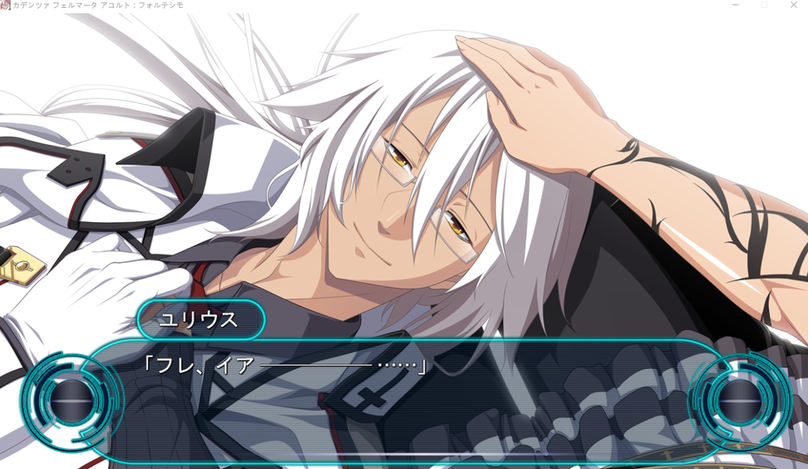
True End: Freya regains consciousness thanks to Mikoto’s strike and breaks free from Loge. Freya’s brother appears in time, uses Kiseki’s satellite cannon to attack together, and Freya and her brother successfully kill their sinful father (yep, killing dad again). No one dies, leading to the ending.
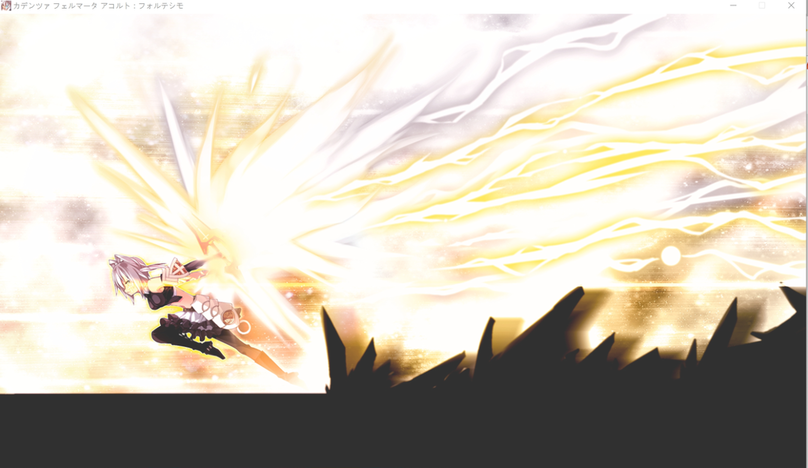
Honestly, Kadenz fermata//Akkord:fortissimo’s story didn’t leave much of an impression—because it’s nonstop fighting, choosing, and guide-checking. But overall it’s the same fortissimo structure: father despairs after losing his partner and wants to destroy the world; his children kill dad for justice and get a happy ending…
Actually, for this game, the story doesn’t matter. The battles are genuinely hot-blooded. With the Kiseki side added, there’s new BGM and different OPs. The overall quality is very high, players get swept up easily, and the final battle is way better than the nonsensical fights in Danganronpa 2.
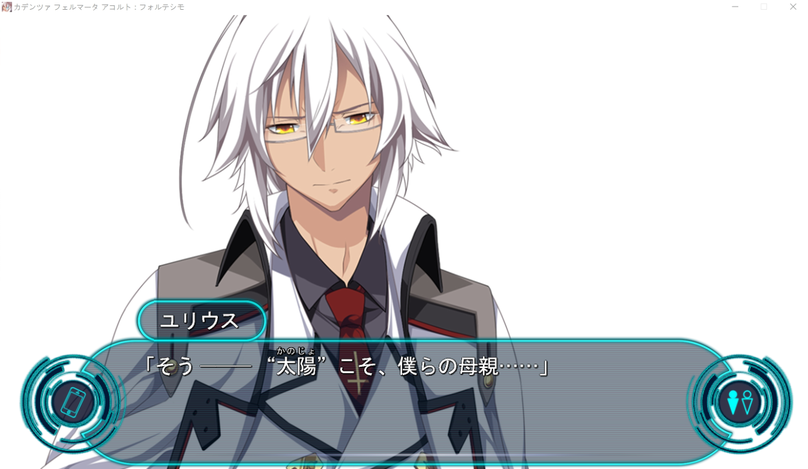
The game is a PSV port but has many problems. The system is a straight copy from PSV; PSN trophies became Medals; bonus items can be bought directly in the PC version; a one-click Tweet function was added but it doesn’t include screenshots. No effort at all. Not to mention the long sentences that don’t wrap—that alone is worth half an hour of criticism. And many CGs weren’t upscaled to PC resolution, so they’re all pixelated.
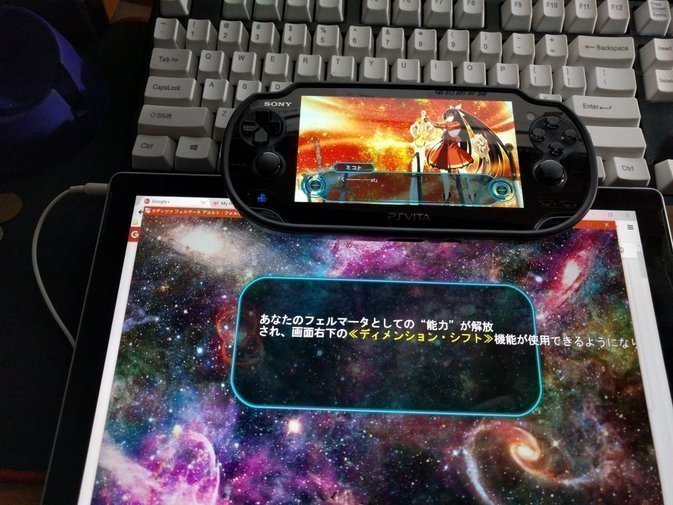
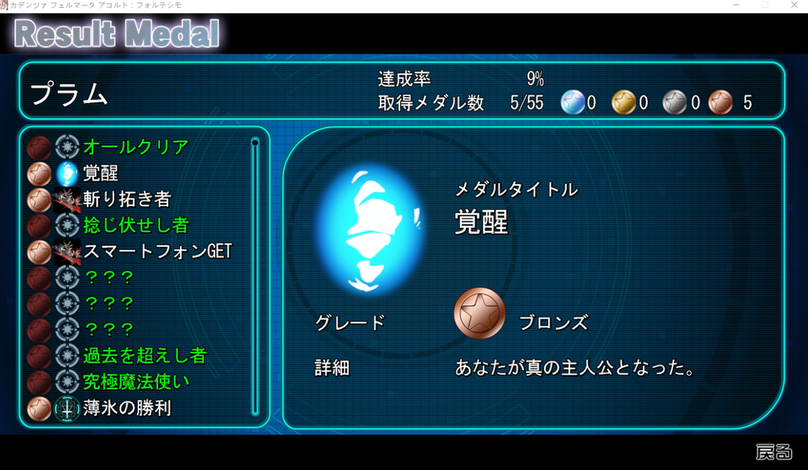

The art is where this game has the most problems. Because it was made in collaboration with 5pb., the characters from Kiseki were probably drawn by a new artist, while the magicians from fortissimo were still done by the original artist. Looked at separately, it’s fine. But the moment a CG mixes the two, you realize… the old characters were also redrawn by the new artist. So… yeah. It falls apart.
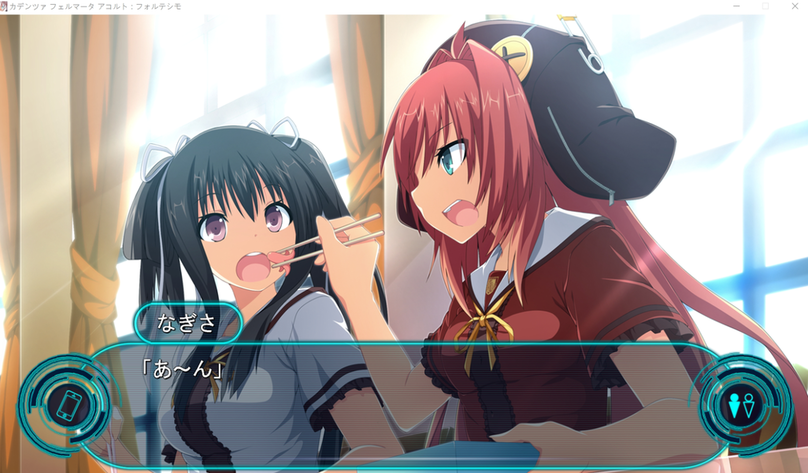
Like this one. Who are you two supposed to be?
Thinking back, Kadenz fermata//Akkord:fortissimo isn’t really a plain galgame anymore, and it’s not the sort of thing Westerners usually call a visual novel either. It’s an AVG where the player gets to participate a lot. The PSV version has a ton of trophies, and platinuming it isn’t easy. I underestimated it at first — I figured I’d already cleared the whole PSV version in one playthrough, so going through a second time with a guide would take maybe two days. It ended up eating two weeks. Even so, the experience along the way was fairly interesting.
Yes, fairly interesting. Not especially interesting. Like I said, the game’s mechanics are too unclear — you have to find the right moment in the dialogue to fire off your moves, and that “タイミング” is genuinely hard to nail down. The difficulty is steep. But if you’re following a guide, the choices become completely trivial. So I can’t really say whether the game is hard or easy. For someone who actually thinks it through and retries without a guide, it’s probably pretty rough. At the very least, several of the battle choices are way too complex, and the hints are way too sparse.
Speaking of which, I hear 5pb. and its spiritual successor studio Mages used a lot of route-determining choices to make their latest science-fiction game, Chaos;Child, more fun. No idea how much it actually improves things, but the PC version is coming out too, so I’ll get to feel it then. You can also see that a lot of capable studios are trying hard to break out of the old galgame / visual novel mold, working to turn these story-driven text games into something interactive, something the player can actually take part in — real GAMES.
It’s 2016 already. VR is being hyped, AlphaGo can beat humans, and Japanese developers ought to be looking forward too. Maybe once VR visual novels show up, nobody will want to go back to grinning at these things with a handful of animations, like some kind of audiobook.
That said, Kadenz fermata//Akkord:fortissimo’s experiment is interesting but also kind of half-baked. A lot of the battles could easily have been made into real battles — ACT might be a stretch, but RPG should be doable. And if not that, they could have invented some more interesting combat system, or at least kept the current one and added status displays and HP bars — even MP bars would be a nice touch. Anything would beat the vaguely neither-here-nor-there look it has now. It’s not like the game has no highlights: the two “flash” blade clashes are genuinely fun and tense, and the final boss blow requires you to swipe a horizontal line across the screen to show you’re “cutting through cause and effect to open the future.” Though it doesn’t actually mean much — just a gimmick.
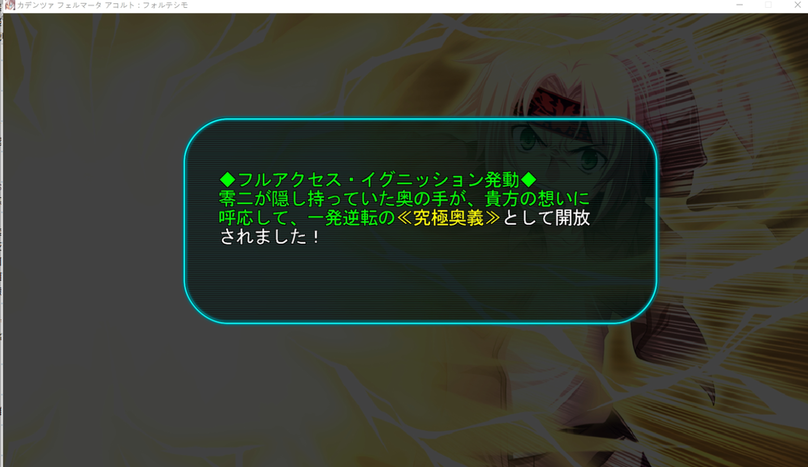
The developer of Kadenz fermata//Akkord:fortissimo is La’cryma. This studio is in bed with CIRCUS, so it inherited the same talent for milking fans and having no shame. At the very end of the True End, it quietly leaves you a big new hole: Zero-Two is Freya’s teacher and has some secret she can’t tell. As for what it is, you’ll just have to wait for the cash-grab sequel.
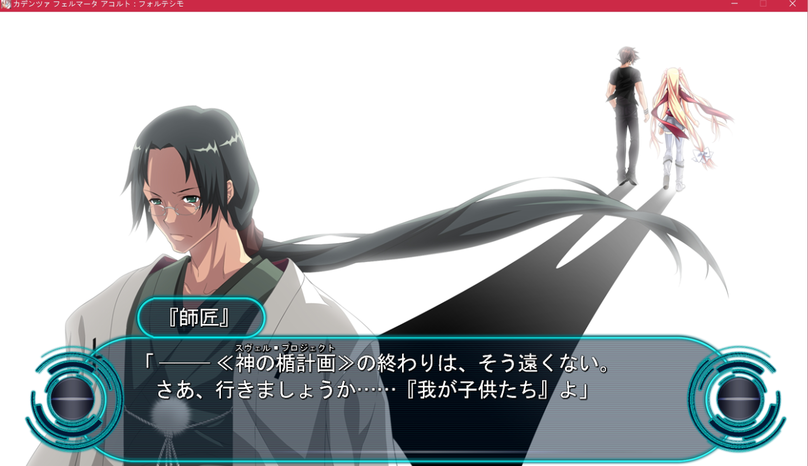
I don’t mind playing a sequel. I don’t mind getting fleeced for games and music again like this time. I just think the sequel’s system should go a step further, the battles should be more fun, and the assists should hit harder. That’d be enough.
After all, you play games to feel good.
Comments are hosted on the Chinese main site. This mirror is read-only.