Seiken Tsukai no Meidai (聖鍵遣いの命題) Review
Seiken Tsukai no Meidai
Every month there’s a visual novel that gets pushed hard. Neko-Nin exHeart (ノラと皇女と野良猫ハート) a while back, last month’s Wagamama High Spec—that whole “buy the sales numbers with money” school of release. Except Noratoto was actually good, and Wagamama rode a full-court marketing blitz to outsell ISLAND and Chaos;Child last month. So apparently in the visual novel market, if you’re willing to push, you can still move a respectable number of copies.

This month’s most-promoted title is probably Seiken Tsukai no Meidai (聖鍵遣いの命題). I kept seeing news and updates about it in Dengeki Hime every time I turned around, but oddly enough, very few Japanese readers had anything nice to say after the demo dropped… I got curious and looked at the setting, and it’s kind of RPG-ish, but it doesn’t really reek of landmine either. The OP is genuinely great—there’s even proper animation—so clearly they spent real money on this thing.
By all logic, a game made with real money shouldn’t get torn apart too badly unless the story pulls some spectacular self-destruct maneuver. So I decided to trust in the quality and went and played it.
Seiken Tsukai no Meidai is set in a fictional parallel world separate from Earth. The protagonist, Haruto, is a strange orphan that the academy headmistress Spiano picked up during one of her “giant phantom beast” hunts, and she takes him in and enrolls him at the school. Haruto claims to be the incarnation of that giant phantom beast and constantly spouts chuuni nonsense about destroying the world and seeking freedom. Spiano doesn’t give a shit. When Haruto tries to run away, she starts reading him the ledger—how many years she’s housed him, tuition, living expenses, all of it tallied up, how much he owes her. Until he pays it all back he’s her slave. Haruto can only tsundere-snap back that she’s a “dog of capitalism” while obediently doing every task she assigns.
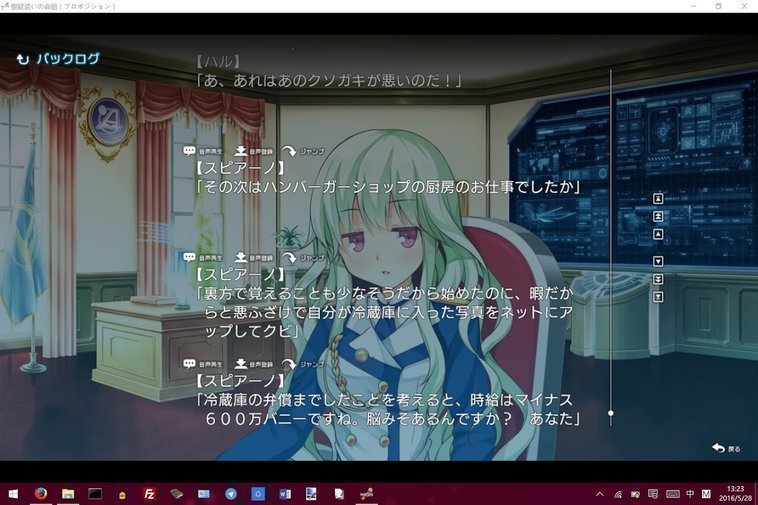
As the story progresses, Haruto meets Akina, who’s in the same boat with unknown parents; Elise, a noble heiress; Rinsuzuka, a girl from a minority tribe; Alisha, a mysterious girl; and Saki, a model student and upperclassman at school. Then Spiano announces that at the request of Princess Yuria of the Republic, she’s putting Haruto and the girls he’s met together to explore an ancient civilization from the past—the “cosmic legacy.” The princess says they weren’t chosen by accident; they were chosen by an ancient prophecy as the bearers of the “Sacred Keys.” To obtain the cosmic legacy, you need the Sacred Keys to open eight layers of doors in the underground ruins near the school. So at the princess’s request, Haruto and his new friends form the “Sacred Key Bearers” team and begin exploring the ruins.
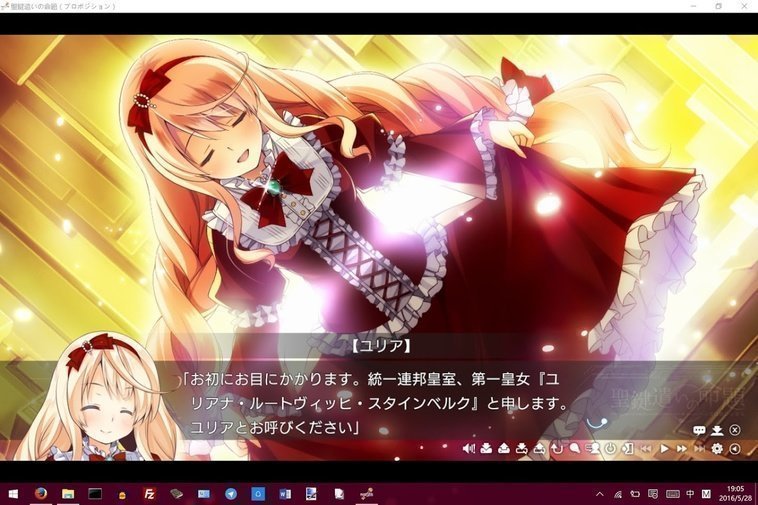
Sounds like your standard RPG “demon-sealing tower” dungeon crawl, but the chapter structure isn’t that simple. The game is split into a prologue, chapters one through four, and a final chapter.
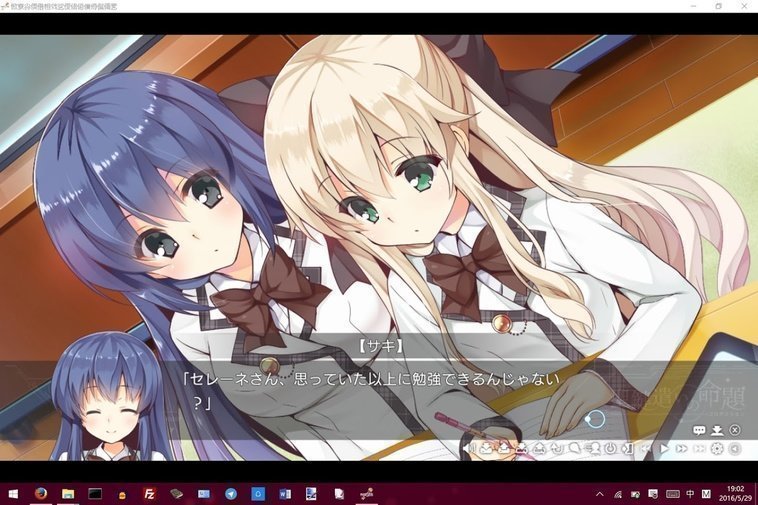
Chapter one is Saki’s story. Saki’s parents were killed by a blue-eyed saint—an artificial killer android manufactured under the “Saint Project” run by the resistance organization during the civil war before the Republic was founded. Saki despises them, and the Saint Project hasn’t fully stopped; the resistance lost, but they never gave up causing chaos. Meanwhile, one day while slacking off during school cleaning, Haruto finds a girl by the river. She has no memory and calls herself Selene. Spiano takes her in too. Later Saki investigates and discovers that this girl is actually an artificial saint from the Saint Project—a killing tool used by the resistance. Selene didn’t know because she lost her memories.
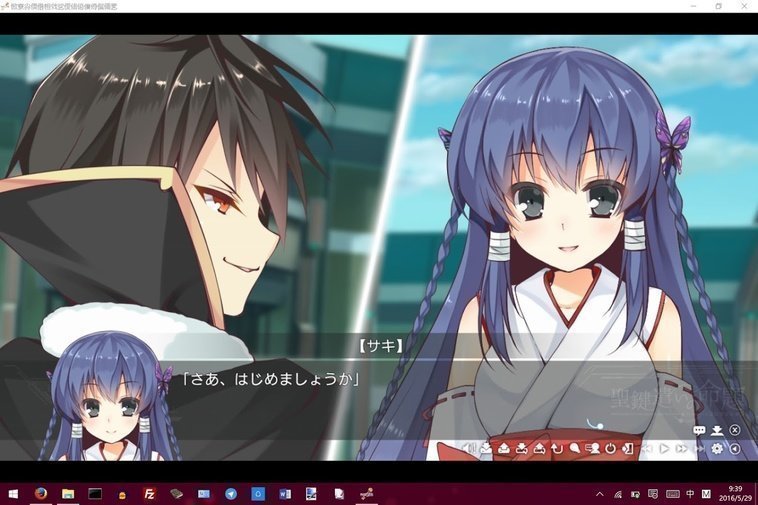
Saki is torn. She’d just become friends with Selene, and now her friend turns out to be the enemy she hates. After agonizing over it, Saki hands Selene over to the higher-ups’ investigation department as a suspected resistance member. The official who takes over the case, Kailgam, takes Selene away and says he’ll use this as a lead to crack down hard on the resistance behind it.
Months pass with no word. Then one day Spiano learns through an informant that Kailgam, the official who took Selene, is suspicious—he works for the government now, but his previous affiliation was the resistance. He defected. And after defecting, he seems to still have ties to his old resistance comrades. Everyone knows the resistance is still running the Saint Project to make killing machines, and Kailgam’s hurry to arrest a leftover saint makes you wonder if he wants to take her back to the resistance for something. Following Spiano’s lead, Haruto and the others go to a cathedral in another town, sneak in, and find Selene locked up—sure enough, she’s not “imprisoned” but still being used for research. Kailgam shows up too and admits he’s resistance, that he recovered the saint to clone more killer android saints and stage a rebellion.
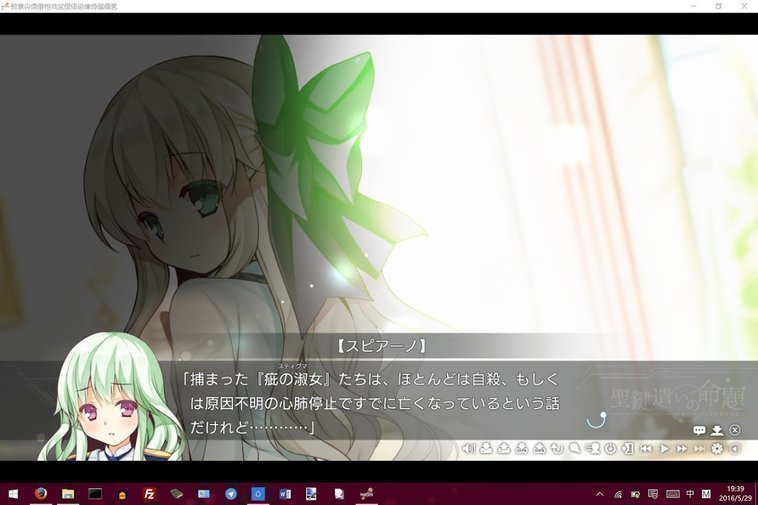
After a hard fight Haruto’s crew finally beats the rebellion leader, only for the real mastermind to appear—a figure in black armor calling himself Zax, the Black Knight. Zax says they’ll meet again and vanishes. The rescued saint Selene is taken in by Spiano again and becomes Haruto’s classmate.
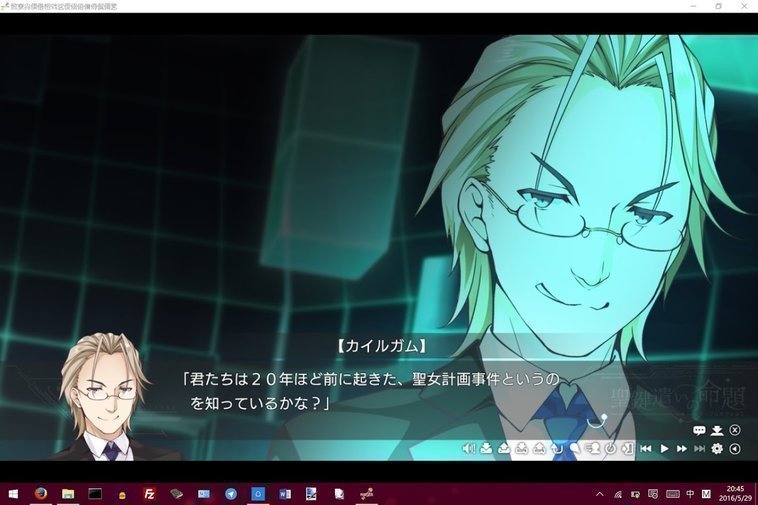
Chapter two is about Elise, the noble heiress. Spiano says that while the Sacred Key Bearers are busy grinding the underground labyrinth, they also need to help her with other things—like working part-time at an orphanage in the suburbs.
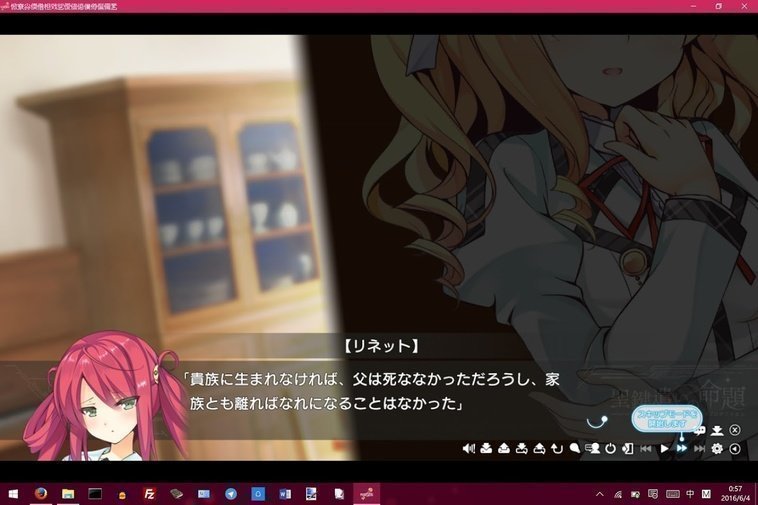
When the group arrives, it turns out to be a big house where orphans live, but there are barely any people—just the housekeeper Lynette and three kids. Princess Yuria, traveling incognito, is there too for the experience, and Elise the heiress is thrilled to be out with the princess, brown-nosing at every turn. The ugly display pisses off Lynette, who starts openly snarking at the heiress. The heiress gets pissy in return, going on about how she’s a noble lady and won’t stoop to your level, which just infuriates Lynette more. The conflict escalates. Haruto tells Elise she might be in the wrong—Lynette has always been poor, she shouldn’t be flexing her wealth. So Elise goes home and brings back a ton of food for Lynette and the orphans. Except this charity-from-on-high gesture thoroughly enrages Lynette, who storms out of the place and runs away.
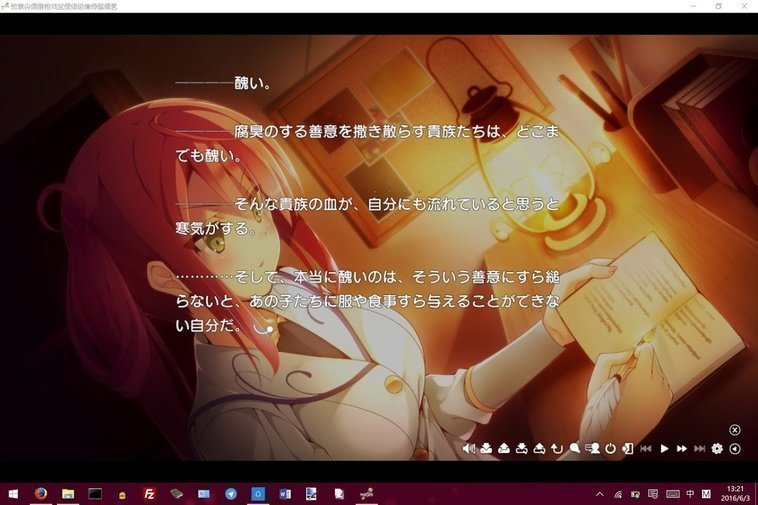
When the group finds Lynette again, she’s been possessed by a wild phantom beast, fueled by her anger and emptiness, and turned into a boss. After a hard fight the beast is defeated and Lynette is saved. Awake, she tells her story: she was originally nobility too but never enjoyed noble treatment. Her family lost an early aristocratic power struggle and fell into ruin. She saw the ugliness of the noble class and hates nobles—and hates the noble blood in her own veins. That’s why Elise got on her nerves so badly, especially when Elise proudly declared her pride in her noble status.
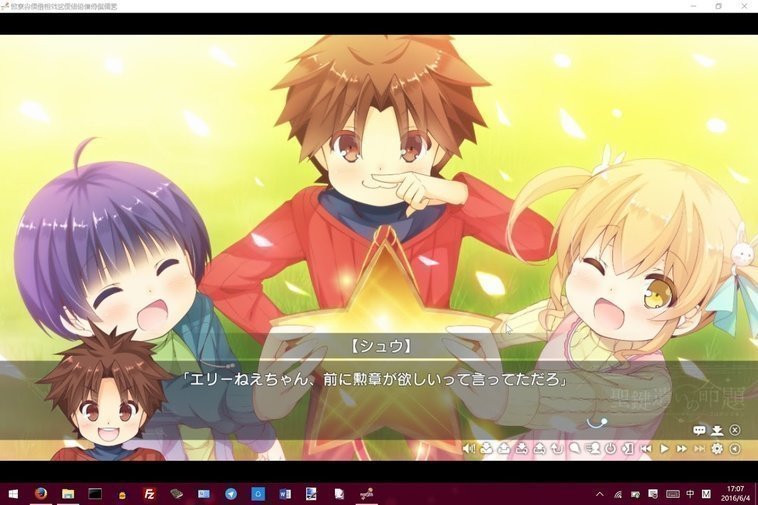
Naturally the two reconcile in the end, and Elise receives a medal from the orphans. She’d been hoping the princess would give her a guard’s medal, but she’s moved by the kids too and accepts this one.
Chapter three is about Rinsuzuka, the minority-tribe girl. On a rare day off, the princess suggests working part-time—both for money and for the life experience.
Speaking of part-time work, waitressing is the obvious choice. In the city the group finds a weird little shop run by a small girl who calls herself Miriarino. She talks big and has a foul mouth, and hardly anyone comes in. The group tries a meal there on a whim and it’s surprisingly good, but the owner’s attitude is still as unpleasant as ever—pure “eat it or get out” energy. The princess suggests, “Since the food here is so good, why don’t we work here and help the owner expand her business?”
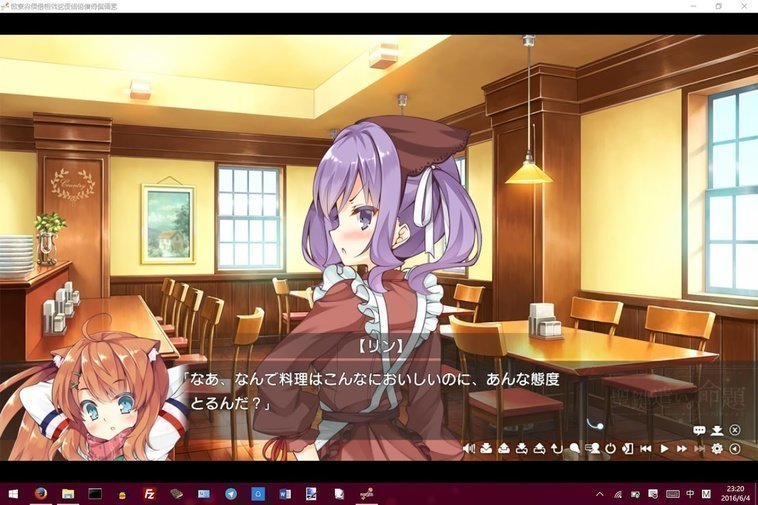
Miriarino still looks annoyed, but anyone can see she’s just a deeply ingrained tsundere.
So the group starts working there. The owner keeps up her stubborn tsundere act but is clearly happy business is picking up, and she becomes friends with Haruto’s crew—especially Rinsuzuka. But soon Miriarino notices Rinsuzuka’s ears and seems to remember something.
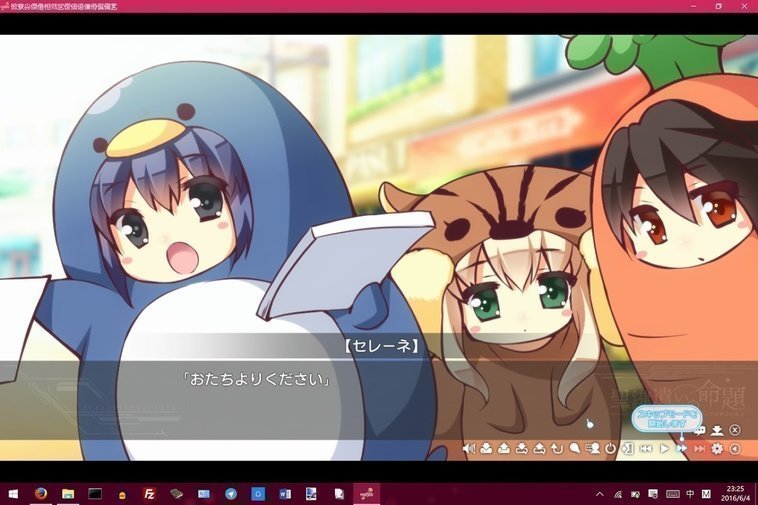
Then one day Miriarino learns Rinsuzuka’s tribe and is stunned. She freaks out and flees the restaurant in terror.
Later the group learns that Miriarino’s tribe and Rinsuzuka’s tribe were enemies long before the Republic’s civil war. Miriarino’s tribe nearly wiped Rinsuzuka’s out. Miriarino’s tribe was eventually defeated too, but by then their name had become synonymous with “murderers,” and Miriarino, as an orphan, was constantly called “descendant of murderers” with murderer’s blood in her veins.
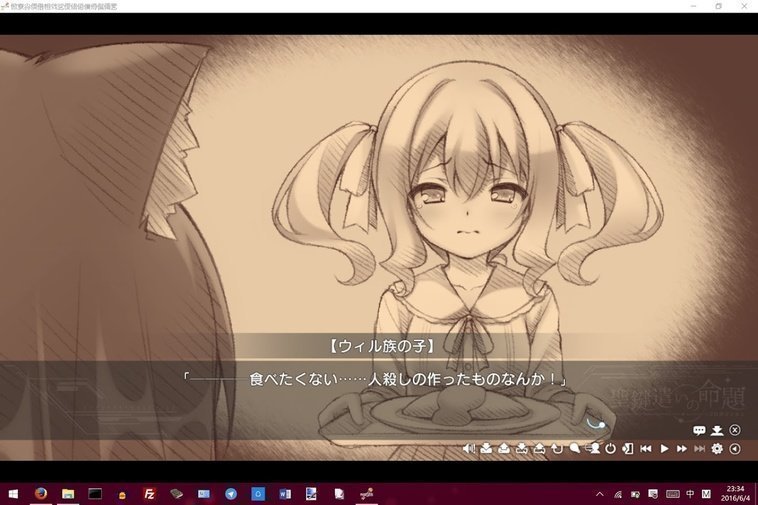
Miriarino loved cooking since childhood, but nobody would eat her food. “I don’t eat anything a murderer made” was the usual refusal. Over time Miriarino became aloof and cold, and stopped dealing with people much. She’d just started to warm up to the group when she ran into someone from the tribe her people had wronged—and she couldn’t handle it.
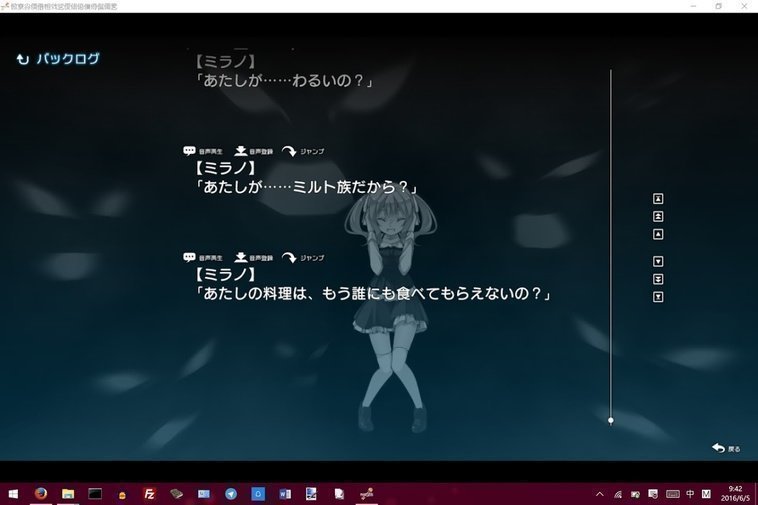
Then Haruto leads a frantic search and they finally find Miriarino, but she’s been possessed by a phantom beast out in the wild. After a fight she’s saved, she and Rinsuzuka clear the air, and she’s willing to face her own future and run her restaurant properly.
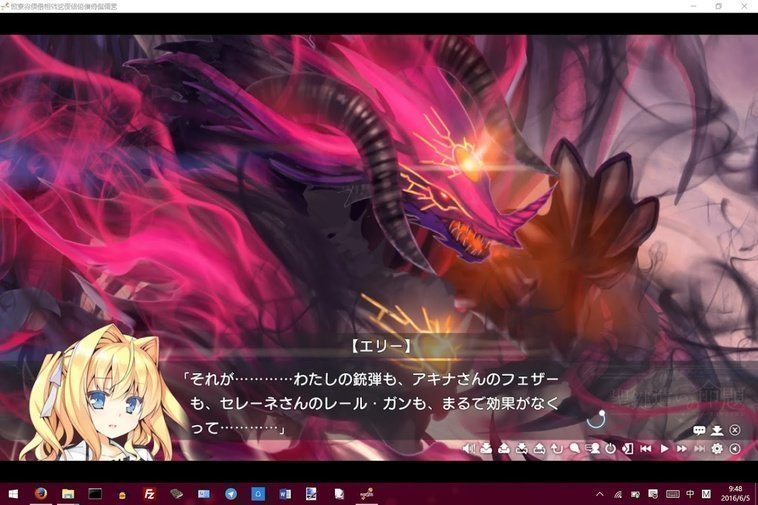
Chapter four belongs to Alisha, the mysterious girl.
The Federal Republic is holding its national day celebration, and the resistance could sabotage it at any moment, so Spiano orders Haruto’s crew to accompany the princess and keep order that day. They arrive early and immediately find someone burning protest banners in the square. The mysterious girl Alisha completely loses it at the sight of the flames.
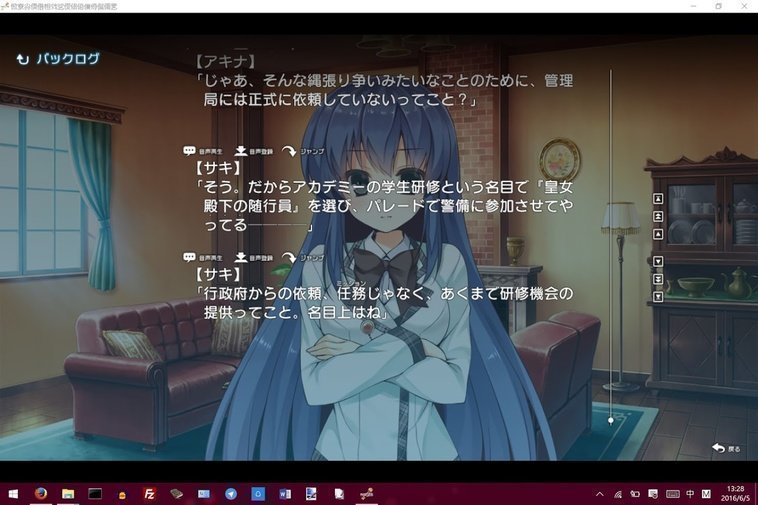
Haruto asks what’s wrong with her. Alisha just says that for some reason her parents abandoned her as a child, she lived with a maid, and one day the house caught fire. The maid died in the flames saving her. She survived, the maid died, and she never got to thank her… so fire reminds her of that childhood trauma, etc., etc.
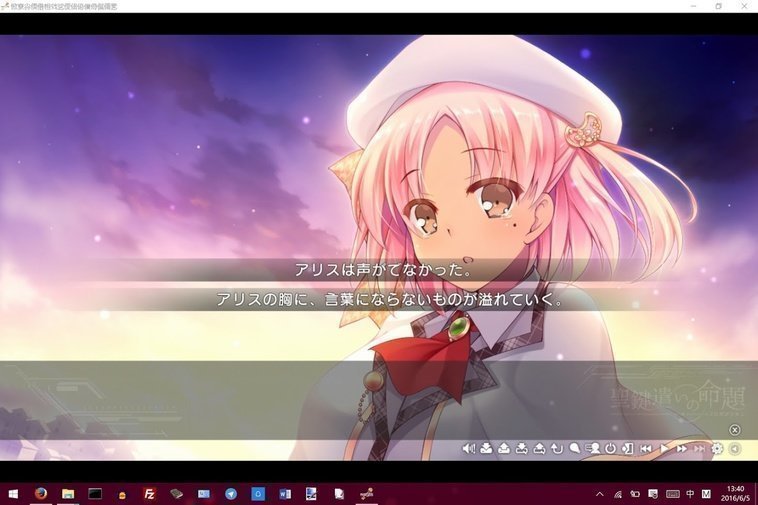
The group says they understand, and Alisha drops it.
Then on the day of the celebration, the resistance shows up—led by none other than Kailgam, the guy they already beat, who apparently escaped prison.
Kailgam says he’s created a new type of insect phantom beast, and a swarm of bugs surrounds the capital. He threatens to massacre the citizens unless the princess comes with him. Just as she’s about to agree, Alisha steps forward and uses her power to kill all the bugs. Only then does the group realize Alisha’s ability is mind control—and that ability belongs only to the royalist rebels from the civil war before the Republic was founded.
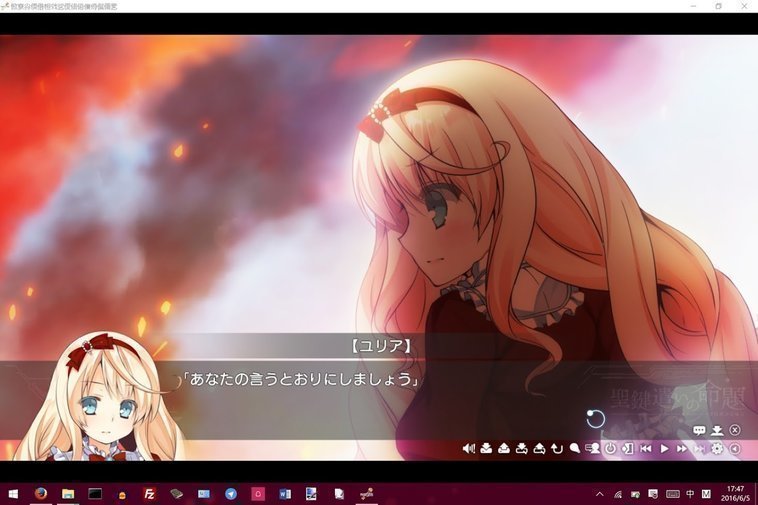
Alisha admits she’s from a rebel family, a daughter abandoned by her parents, and she hid her identity all along because she was afraid her surname would get her branded a traitor. In the end Alisha is forgiven by the princess and the group, they beat the rebelling Kailgam together, and the celebration goes off without a hitch.
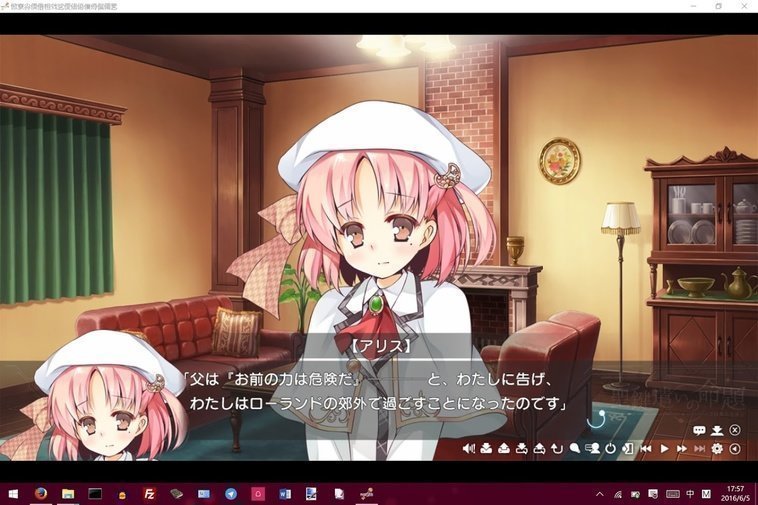
The final chapter naturally returns to exploring the cosmic legacy. After all those stories, Haruto’s crew has gathered all the Sacred Keys and opens the last door—only to find someone already waiting behind it. It’s Zax, the resistance leader from the very beginning, and some high-ranking official from the Republic’s investigation department.
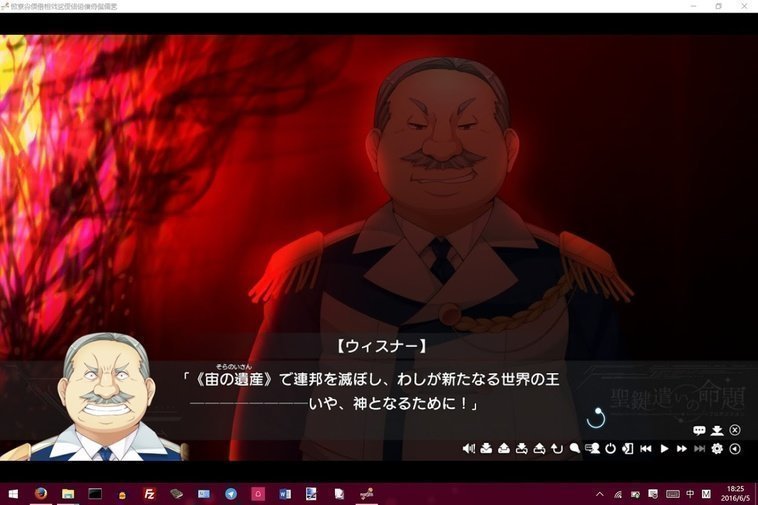
The official says he’s the one who kept sending Haruto’s crew to explore the Sacred Keys and the cosmic legacy—he set up the Sacred Key Bearers team so they’d help him open the deepest layer of the labyrinth, and then he’d reap the cosmic legacy. And the cosmic legacy is essentially a world-ending monster. The official wants to become the god of a new world using the monster, so he conspired with Zax. Just as the official is gloating, Zax suddenly backstabs him and kills him outright. Zax reveals his true form—it turns out Laura, the school nun who was always joking around with Haruto and the others, is Zax. Laura says she’s waited a long time for this moment and has wanted to destroy the world for ages.
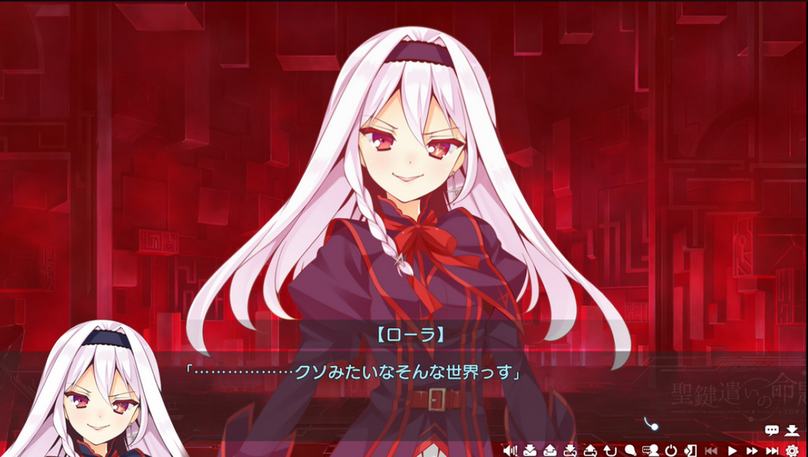
Haruto and the others are stunned. Laura explains: she too was a victim of the Saint Project. As a saint, she has the ability to see the future. Laura was a high-ranking saint, and the future she saw was full of despair—humans fighting, warring, destroying, all kinds of darkness. Laura says the world is too ugly to bear, better to just destroy it than keep watching the future’s misery play out before her eyes.
With that, Laura releases the world-ending monster, and the whole sky turns black-red.
Haruto’s crew struggles through the town as the sky fills with small monsters, and Akina is missing. Just as they’re losing hope, Akina returns—with a new power.
It turns out Akina is the daughter of a saint and a human. Akina’s mother was also a high-ranking saint in the Saint Project, and she saw the same despairing future. But she didn’t lose faith; she wanted to change the future, and she even named her daughter “Hope”—Akina is made from the syllables of that word. So the rest of the team holds off the swarm while Akina and Haruto charge into the sky to duel Laura.
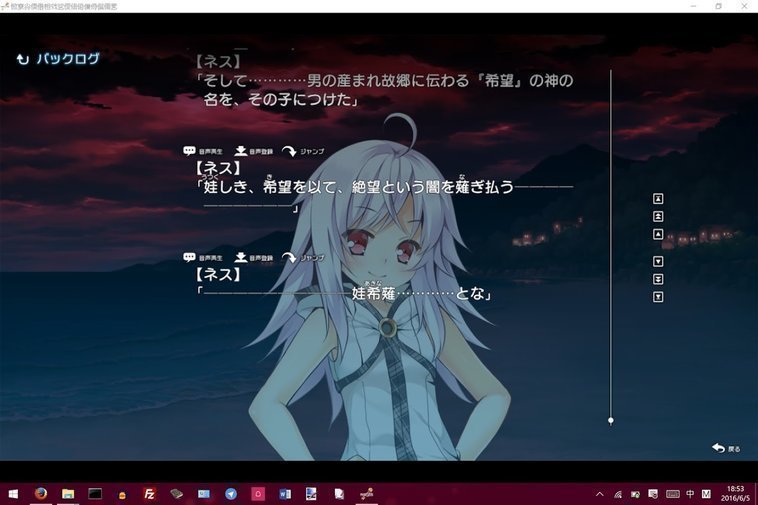
The final duel has no real suspense—it’s a whole lot of shouting, hope defeats despair, and Laura gives up and concedes. As for the world-ending monster, Spiano arrives and fires a full-power railgun shot, and together with Laura and Haruto’s crew, they destroy it.
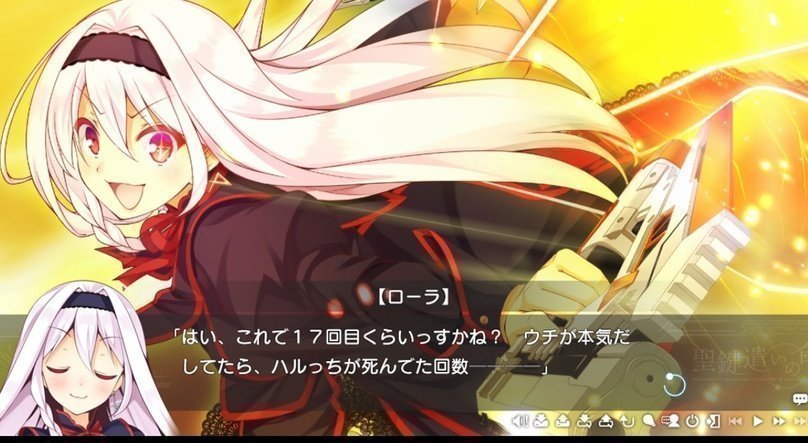
The world returns to peace, Laura isn’t punished much as a victim of the Saint Project, and everything’s calm again. Spiano says the Sacred Key Bearers team might not disband, because more incidents await them in the future.
How to put this story… while playing, I kept having one thought:
“This is not a goddamn text AVG. This is a goddamn RPG.”
Seriously, this story—higher-ups assign missions, you walk the map, every chapter ends with a boss fight. That’s an RPG template, plain and simple. Tell me this is a Trails game and I’d have zero objections. It even has the classic RPG element collection and dungeon grinding. I remember Cold Steel having a similar setup—that “old schoolhouse” they make you clear every so often is basically the same pattern as the old ruins in Seiken Tsukai no Meidai. And at some point I couldn’t stop thinking:
“Did Seiken Tsukai no Meidai seriously get converted from an RPG plan into an AVG because of budget shortfalls?”
The traces are just too obvious. You can see it in the route structure—there’s only one main story, no romance routes. You unlock the XXX love stories in the gallery after clearing the main story, and they’re unrelated to it, pure alternate-universe fluff. The heroines even transform in battle, and the protagonist is absurdly strong. Battles get narrated in phases, like a full RPG mode. It’s so RPG-like it actually baffled me—why not make this an RPG? Even if you can’t build dungeons, a simple battle system would be way better than just reading walls of text.
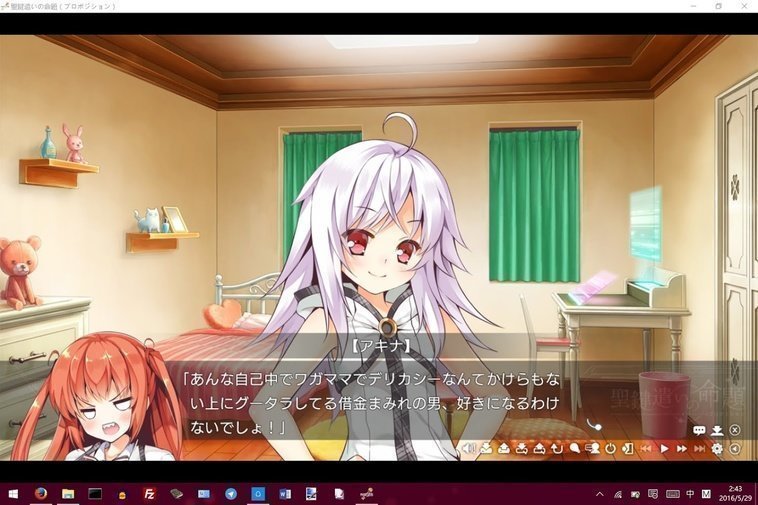
The dialogue and story are actually pretty fun, and there are a lot of fresh ideas. For instance, most Japanese games like to have the male lead grow and carry a special power, while the heroine or supporting cast usually has one or two pure chuuni characters.
But in Seiken Tsukai no Meidai it’s reversed—the male lead is the chuuni, and the main heroine Akina is the one “carrying the special power.” There are plenty of other fresh touches too. For example, all dialogue and perspectives in the game are third-person omniscient, and the player’s choices are omniscient too, not Haruto’s viewpoint. Sometimes I even wondered if Haruto himself is the final boss—he does claim to be the incarnation of a giant phantom beast at the start… it’s just never addressed in this game.
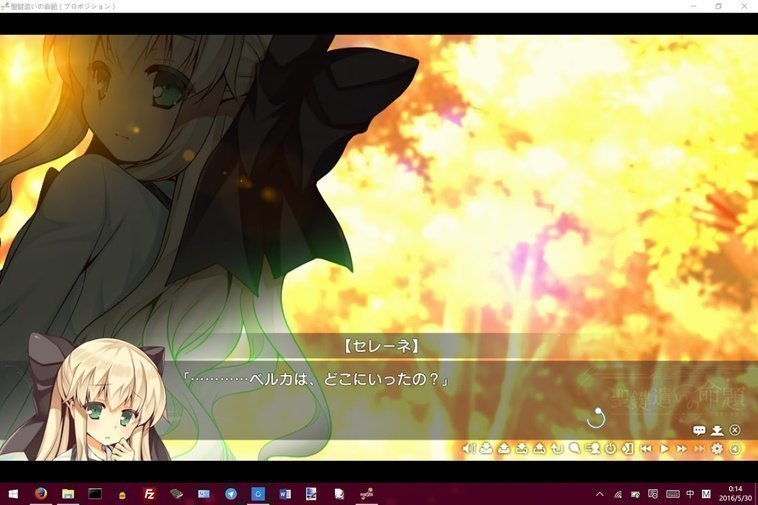
For a “RPG with no combat,” the story’s pretty good—at least it’s never boring. The writer has a real knack for comedic slice-of-life, natural and warm, like watching an Oonuma Shin anime. It’s just that the writer might be writing something this long solo for the first time. The prologue quality is solid, but from chapter two onward, each chapter’s boss doesn’t get enough detail on their dark turn and inner turmoil—it feels like “suddenly she’s possessed by a phantom beast.” It’s as sloppy as the later chapters of Wakaki Tamiki’s The World God Only Knows manga. The final villain twist with Laura did surprise me, but there were hints—just not finely laid ones. Actually, a lot of the foreshadowing in this game isn’t finely laid. Alisha reveals her mind-control ability back in the prologue and it’s glossed over, only brought up again in chapter four for the payoff. It’s that feeling of “when the twist comes, you can trace back the hints, but you don’t clap at them.”
There are lots of battle scenes in the game, but not that many new action sprites or CGs. The battle CGs aren’t particularly good-looking; some of the girls’ battle poses really need work. The writer and artist both worked on Fortissimo’s PSV version, so it’s a shame they didn’t make the characters look cooler.
The music shares a composer with sorcery jokers, and the style is similar—lots of plucked guitar, sounds decent, and I even get a 3rd Eye vibe. The OP and ED are genuinely great—can’t wait for the full versions!
So how do I feel about this game? The story’s overall cohesive and flows well, but plenty of turning points after the prologue are rough, and the battles aren’t flashy enough. Still, if you like the story of the Trails series and don’t want to waste time on combat, this game is actually pretty good—overall it exceeded my expectations.
Then I went and checked the Japanese reviews on ErogameScape, and my glasses nearly fell off.
Japanese players gave this game a lot of low scores, and I can’t understand a lot of the reasons…
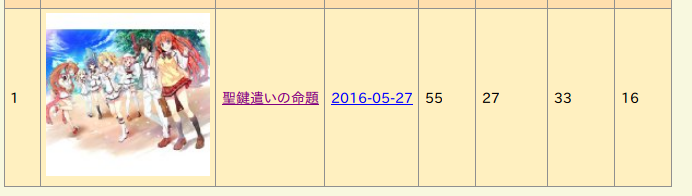
Some say the game is long and boring, they held down Skip and got impatient—“why isn’t it over yet” (Hell, I’ve played way more boring slice-of-life games than this. If this is boring, don’t ever read Index.)
Some say scene transitions always use three lines of ellipses that make you click three times, super annoying. (Hell, have you played Tenshin Ranman?)
Some say the game is unfinished, lots of things left unexplained, it’s a half-product. (Hell, I remember Dengeki Hime’s promo saying this game is a series with sequels coming, didn’t you read it? Also, if you’re gonna complain about unfinished stories, go yell at Falcom.)
Some say the battle scenes are too monotonous and too long. (Hell, I won’t even bring up 11eyes—look at August’s new Senmomo, its battles are way longer than this game’s.)
The dumbest one is people saying the writer who wrote this kind of fictional setting with republic-federation exploration nonsense should just quit. (Tell that to Falcom’s writers and I’ll respect you as a man.)
Anyway, I don’t really get the thought process of Japanese otaku. They seem lenient toward works by companies or writers they’re familiar with and harsh toward new faces. Honestly, if you asked me to score this game, I’d put it around 75–80, definitely not the indiscriminate 20 that Japanese fat nerds gave it. I completely can’t understand their motives.
Is it really like that industry person said the other day—that the era of story-driven games is over? Now you just sell characters?
I look at the moe-otaku game Natsuiro Kokoro Log, already praised up to 80, and shake my head helplessly…

…and I’ve joined the moe-otaku ranks too…

By the way, I hope Seiken Tsukai no Meidai gets a sequel and doesn’t get swayed by those idiots on ErogameScape. And if it could be made into an RPG, even better—I’d buy an all-ages version.
Comments are hosted on the Chinese main site. This mirror is read-only.