Is Game Censorship Worth It?
A while back I was scrolling through Twitter and saw Herkz—the guy who helped Sekai Project put out Grisaia no Kajitsu—posting some personal thoughts on the sequels, Grisaia no Meikyuu and Grisaia no Rakuen.
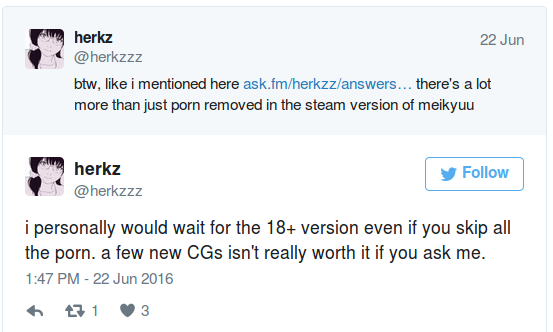
“Personally speaking, even if I had zero interest in the sex scenes, I’d still wait for the 18+ uncensored version. If you ask me whether the handful of new CGs in the all-ages version are worth it, I’d just say no.”
“Also, like I said on ask.fm, it’s not just the 18+ content that got cut from Grisaia no Meikyuu.”
Looking back, that comment is pretty interesting. First, it comes from a lead translator on the localization team. Second, that same translator realized the game he was translating was going to have content chopped from the final build for certain reasons, and then told the fans: he personally wouldn’t touch his own company’s castrated release and would wait for the 18+ uncensored version. Makes you stop and think. Is it really worth building a separate “censored version” of an already-released “complete uncensored version” just so you can sell it in more places? Or dropping a trimmed “censored version” on players while they anxiously wait for the uncensored one?
I’ll run through three different censorship cases from indie games to get into the details. Those three are Monster Monpiece, Kono Oozora ni, Tsubasa wo Hirogete (If My Heart Had Wings), and finally Grisaia no Kajitsu (Fruit of Grisaia).
Let’s start with Monster Monpiece. In some ways you could call it a half-crippled release. Idea Factory International had worked with the US branches of developers like Nippon Ichi Software before—mostly licensing their games and handling localization and publishing in the US and elsewhere. To dodge potentially illegal content, they censored a bunch of the in-game minigame cards, since the art could brush up against child pornography laws.
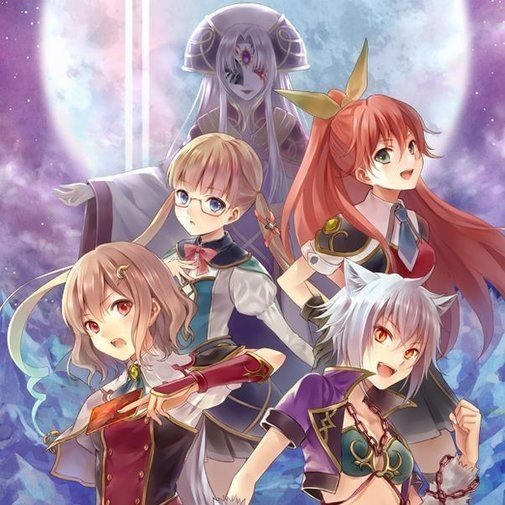
So what was the reaction to cutting 40-something cards and leaving just over 350? On forums like NeoGAF and GameFAQs, players were furious. Idea Factory International’s response was that they had no intention of offending the fanbase—they just had no other choice if they wanted to release the game at all. Whatever they say, the censorship happened before the game went through ESRB review, because as everyone knows, companies proactively modify content based on the age rating they’re aiming for. In the end, the half-crippled Monster Monpiece got dumped in a corner over its excessive censorship, and it limped off the market with mediocre sales.
The Japanese visual novel Kono Oozora ni, Tsubasa wo Hirogete (If My Heart Had Wings), released on Steam, is another vivid example of game censorship. The list of cut content included sex, kissing, sexual innuendo, and a fair amount of dialogue rewritten to suit a younger audience. The self-censorship even extended to the game’s title. On top of that, some heroine routes (especially Ageha Himegi’s) were partially deleted or even rewritten.
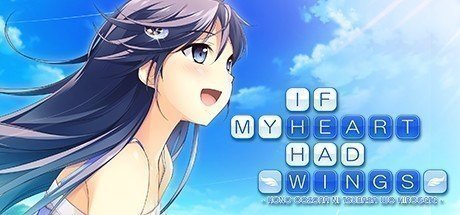
The player community reacted fast to those changes, angrily pointing out that the edits and rewrites were brutal enough that it barely looked like the same game as the original. Along with the backlash came a “restoration patch” that quickly spread online, letting players restore the deleted and altered content to its original state. All things considered, this might be the worst censorship case of the bunch. Kono Oozora ni, Tsubasa wo Hirogete is a visual novel, and that level of content deletion and text rewriting basically trampled all over it. It also delivered a harsh reality check to Western visual novel fans: publishers don’t give a shit about your desperate desire for the original content. They just want to put out an English version of the game, even if it means deleting and rewriting parts of it.
You can check the restoration patch for Kono Oozora ni, Tsubasa wo Hirogete at this link: https://steamcommunity.com/sharedfiles/filedetails/?id=501001760
The last example is Grisaia no Kajitsu (Fruit of Grisaia). Before Sekai Project announced they’d licensed the whole trilogy—Grisaia no Kajitsu plus all its sequels—a fan translation group had already put out an “English version.” For this game, Sekai Project ultimately decided to cut the 18+ elements at release, substituting the content from the all-ages PSP version released in Japan, and announced they’d put out the uncut official complete version after the all-ages release. They left the choice up to players: get a sneak peek with the all-ages version, or wait for the complete one.
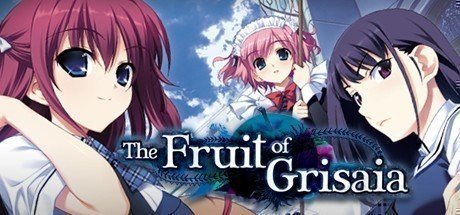
As for the all-ages version of Grisaia no Kajitsu, most fans didn’t really care and weren’t going out of their way to wait for the version with 18+ content. The level of censorship in this all-ages release was easier to swallow than the others, though it would’ve been nicer if the all-ages and 18+ versions had dropped at the same time.
So let’s get back to the topic of game censorship. Looking at these three examples, maybe the safest approach is to release an all-ages version under the original name while also putting out a complete 18+ version through another channel.
These days games go straight up on Steam and sell a patch on their official site for extra cash on the side. Nice.
Original: Is game censorship worth it? (edited) http://www.gamerisle.org/2016/06/22/is-game-censorship-worth-it/
Comments are hosted on the Chinese main site. This mirror is read-only.