How to Make Negitamayaki
Tamagoyaki is apparently a simple Japanese dish; in China we just call it “yuzishao” — basically scrambled eggs. Except Chinese cooking is crude: crack them in the pan, stir, plate. The Japanese are fussier, so they insist on cooking the egg into a block and rolling it up…
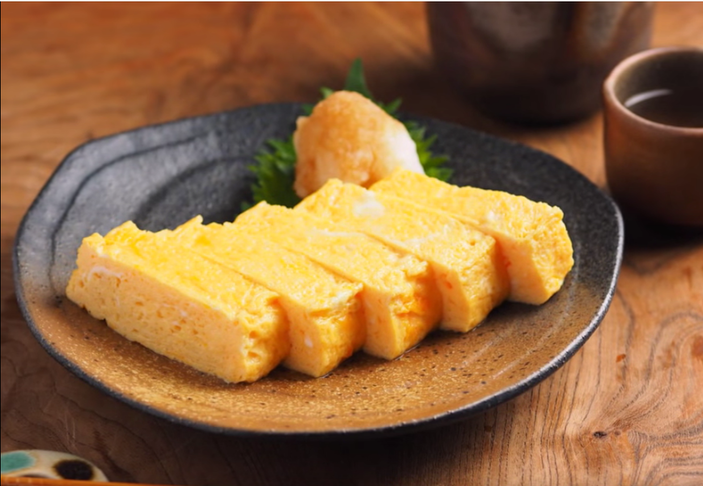
Negitamayaki is a branch of tamagoyaki with negi (scallion) added. The ingredients are about the same as scrambled eggs: eggs, scallion, salt, maybe a splash of soy sauce or cooking wine.
The Japanese chase perfection in cooking, and there are all sorts of schools and methods for tamagoyaki. The best in the world is the “Sushi God” guy — he mixes up a thick, rich egg batter from his own secret recipe and grills the whole thing like a damn egg cake…
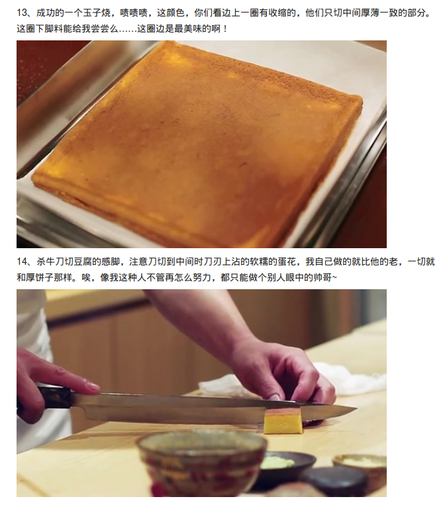
Anyway, that isn’t something a normal person can pull off… let’s look at the ordinary version:
The most important thing is that you need a dedicated pan.
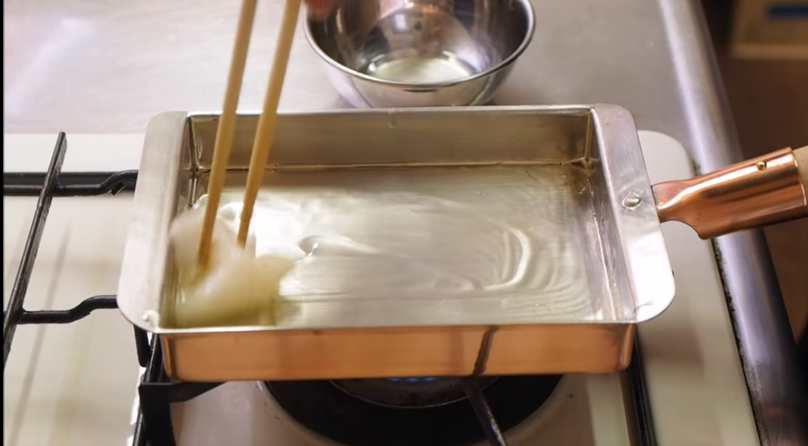
When greasing it, use kitchen paper — don’t just pour oil in.
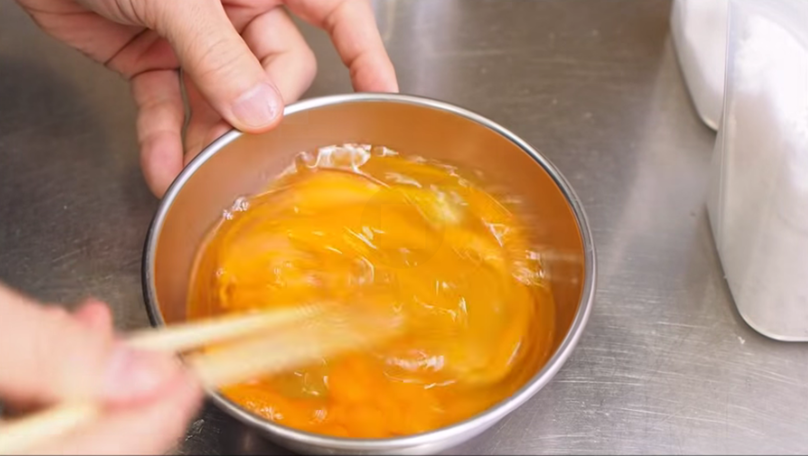
Then beat the eggs. Gotta say, Japanese eggs and Chinese eggs are worlds apart. Theirs crack after a couple of taps; ours need brute force to crack open by miracle. Also, the egg mixture for tamagoyaki can’t have bubbles. Forget the whisk — use chopsticks like a decent person.
You can add cooking wine, salt, and chopped scallion — the green parts are best. Most important:
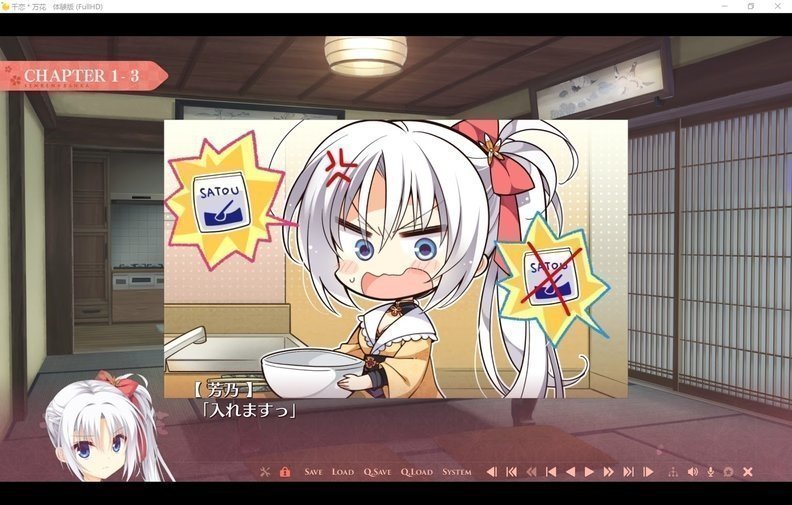
Do NOT add sugar!! Do NOT add sugar!! Do NOT add sugar!! Do NOT add sugar!! Do NOT add sugar!!
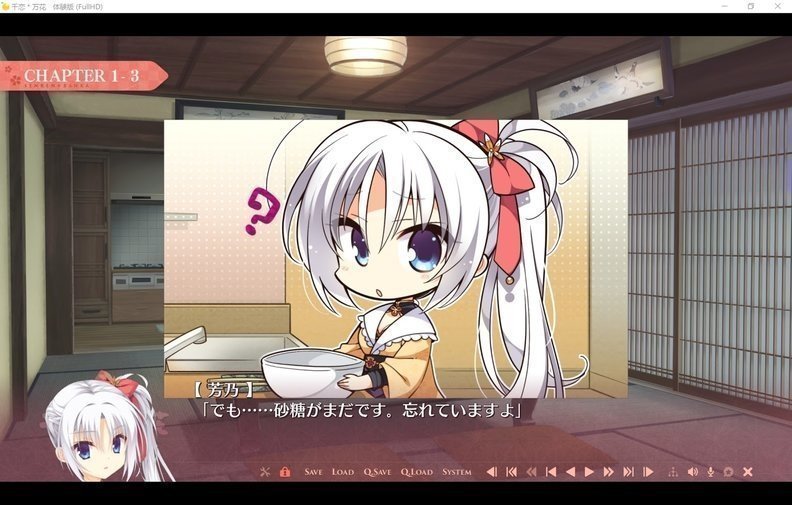
If someone tells you to add sugar, make them cry.
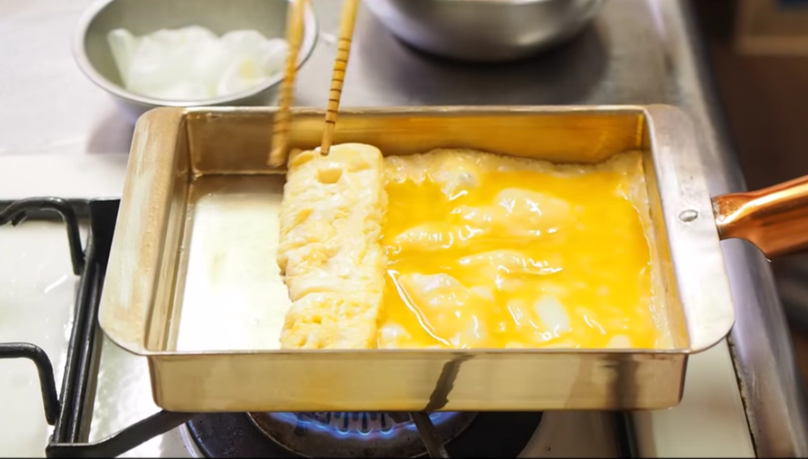
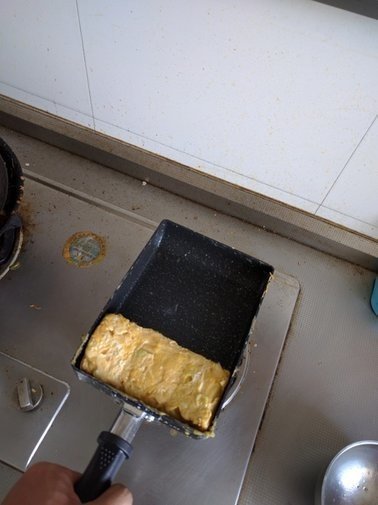
Oil the pan, then turn the heat to the lowest setting — a bit too high and you’re screwed. Pour in the egg to cover the pan in a thin layer, heat evenly, wait until it sets, then fold it with chopsticks and roll it up slowly.
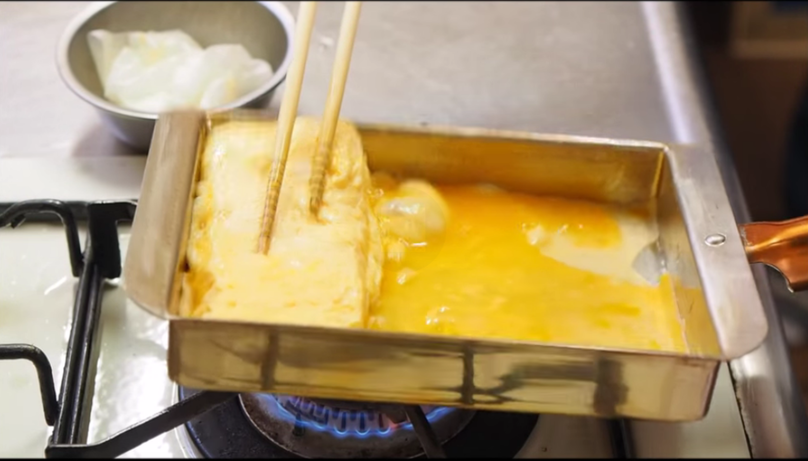
After rolling, oil the other side, pour in new egg, and keep rolling. Repeat until you run out of egg. You end up with one whole roll. Don’t rush to take it out — shake it back and forth and give it more heat, because the middle might not be fully cooked. Depends on your taste.
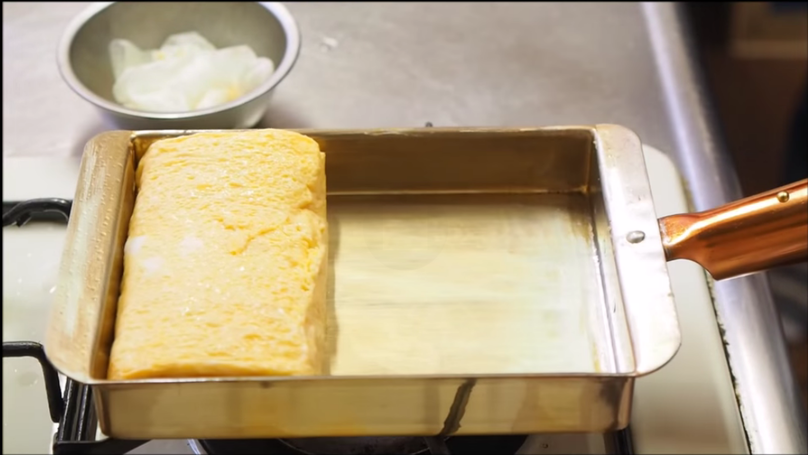
Then take it out and slice it. The knife has to be sharp. My crappy cleaver really needs to be thrown out — it probably couldn’t even cut a dick.
By the way, there are two kinds of pans for negitamayaki: nonstick, which suits most people, and iron, which is for pros (Pro) — a pro with an iron pan can get the edges nicely browned. Us normal folks are doing great if we can just roll the damn thing…
The sliced result looks pretty good. Most importantly:
I did NOT add sugar! I did NOT add sugar! I did NOT add sugar! I did NOT add sugar!
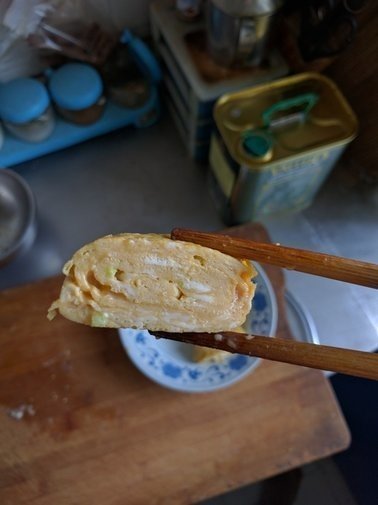
By the way, first time making this, the hardest part was actually mixing the egg. Chinese eggs turn milky white as soon as you beat them — not as yellow as Japanese ones. Maybe the eggs are just cheap. Next time I’ll try better ones. Making this really makes me feel the Japanese are so damn fussy. Chinese scrambled eggs are way better — three minutes and done. This one needs low heat and rolling and rolling, absolutely stupid. Half an hour of work for one roll, and I finish eating it in a few bites. No wonder when I watched Iron Chef Japan with my dad as a kid, he’d always complain: “That little bit of food, I’d finish it in two bites and still be hungry.”
I looked up Japanese chefs making this in bulk on YouTube — they’ve got four pans going at once. Ugh, my balls ache.
Anyway, it turned out fine. I’ll try other stuff when I have time.
Finally,
Anyone who adds sugar is an idiot.
いじょうです。
Comments are hosted on the Chinese main site. This mirror is read-only.