Unmei Yohou o Oshirase Shimasu (運命予報をお知らせします) Review
What You Call Fate...
前一阵玩nukige太多了,然后nukige玩多了又玩了一票废萌キャラゲー,觉得自己还是应该回到“故事导向”的基本路线上来,搜了下看到了我个人非常喜欢的《紙の上の魔法使い》的脚本师的一个早期作品,叫做《運命予報をお知らせします》,简单看了下日本人在中二空间对它的评价,觉得应该没问题,也就开始玩了。
The game is supposed to be only a dozen hours or so, but it felt longer than I expected. I came away pleasantly surprised, maybe because it’d been a while since I’d played something with writing this good. It got to the point that after finishing it, I booted up the newly released Floral Flowlove (フローラル・フローラブ) and just couldn’t take the gap in prose quality between the two. The former reads like something a college student would write; next to it, the latter is straight-up middle-schooler level……
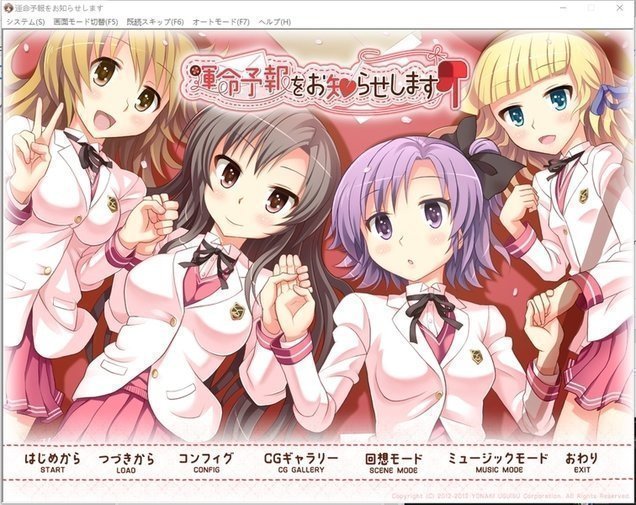
Anyway, probably because my Japanese has gotten better, I’ve started finding a lot of really dumb phrasing genuinely stupid — it’s not just about clawing my way to understanding the meaning anymore.
The title Unmei Yohou wo Oshirase Shimasu isn’t that hard to parse either — 知らせる means to tell, to inform, so the title basically means “we’ll let you know your fate forecast.” It actually refers to the campus rumor from the game’s prologue: the 赤い糸メール, the red-thread email.
The protagonist is an ordinary high schooler—ordinary to the point of being boring (no shit). At his school there’s a rumor going around: if you send an email to an address called 赤いメール (Red Mail), it’ll automatically forward that email to the phone of the person you’re “tied to by the red thread of fate.” The school also has a student-council-ish administrative body called the “Executive Department,” and it’s staffed entirely by girls. Its president, Kaho, receives a request: the client wants the Executive Department to find out whether this 赤い糸メール—the red-thread mail—rumor is actually true.
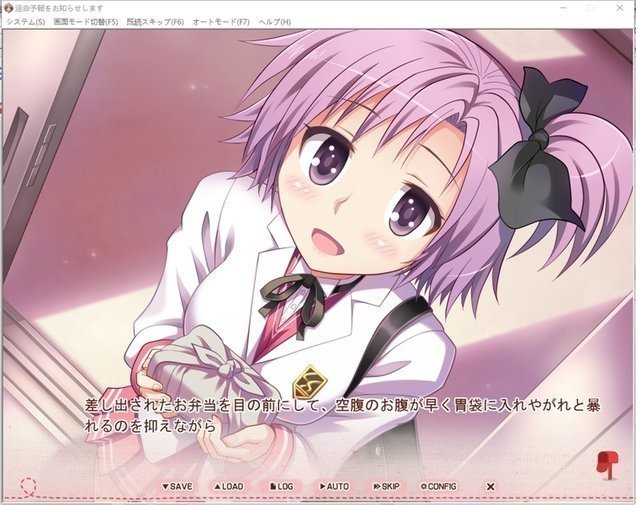
Truth is, nobody in the executive committee actually believed any of it. But they were all girls, and girls have basically zero resistance to this kind of rumor. The president figured, well, we’ve already taken the request, so why not all send a mail to this so-called “赤い糸メール” address and see what happens. Then, as the mails went out, the protagonist received four of them—all from the executive committee. His little sister, 御法光, was on the committee too, so her address was in his contacts, which is how he recognized it. He didn’t really know the others. Honestly, the protagonist had no idea what was going on either, so he went and asked his sister. Through her, the committee members realized that the “red string mail” they’d been testing had all been sent to the protagonist.
All the girls say this “red string email” rumor is total nonsense, hahaha. Like, how could everyone’s red string be tied to the same guy? Complete bullshit.
Soon after, the school’s Executive Committee started recruiting new members. Sugawara Ringo—the only person at school the protagonist actually gets along with—starts egging him on, telling him he might as well join this “Executive Committee” and see how it goes.
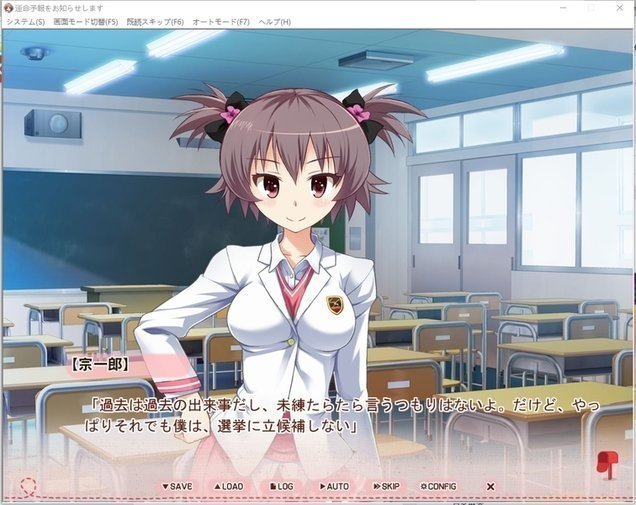
The protagonist has always felt like a bit of a downer, and he wants to get by better at school, make some friends, broaden his connections a little. So he takes the advice of Ringo, his one and only friend, and goes to say he’d like to join the executive club. Turns out he already knows the club president and every member. The president, Kaho, is someone he played with as a kid; the vice president, Mizuki, is Kaho’s good friend and he knows her too. The rest are his own little sister and Yuki, a star student who’s both talented and popular at school. Then, as the girls in the executive club talk it over, his sister objects every which way, but the president still invites him to join—something about how “a club can’t run without a guy to do the heavy lifting.”
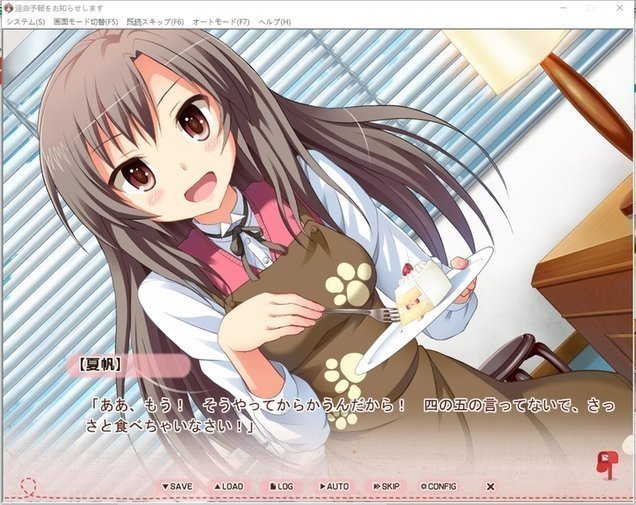
The protagonist had his doubts about joining this executive committee too. It was kinda awkward — as a kid he’d confessed to Kaho, the club president, and got rejected. All these years later he feels like he still hasn’t quite gotten over it, but she did turn him down, so he’s not about to bring it up again. He’ll just treat her like a normal friend.
Earlier I mentioned how the protagonist’s little sister was dead set against him joining the Execution Club and kept getting in his way, and there’s actually a reason for it: she’s already starting to believe in that “red string email” legend.
First off, the protagonist’s little sister is already super attached to him. Back when they were kids, her big brother was always the one protecting her, and as she grew up that attachment gradually turned into romantic love — though she kept it bottled up the whole time. Then one day the two of them accidentally kissed thanks to some mishap, and she started feeling something special. Add the whole “red string email” thing getting passed around, and she became convinced it was all fate. So she decides to be bold and tell him she’s in love with him.
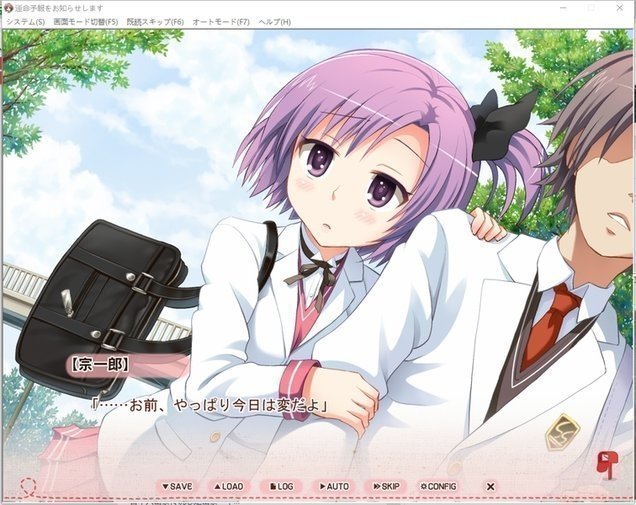
And that’s where the pacing gets interesting. The little sister starts clinging to the protagonist every chance she gets. He feels a little awkward about it, but she always brushes him off with “we’re family anyway, and I just love you, big bro,” so he can’t really bring himself to say anything either.
The protagonist goes around telling the people around him about his troubles:
“So recently… my little sister’s been a bit too cute.”
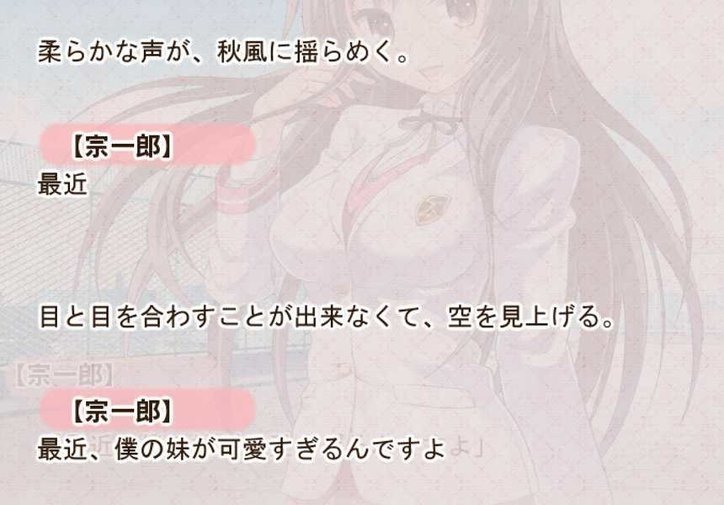
“So what? Isn’t it better if your little sister’s cute?”
Instead, the protagonist goes to find Ringo, and she doesn’t hold back at all:
“Maybe your little sister’s fallen for you. You could just go ahead and be a siscon, no problem.”
“No way…”
“How is it impossible? If you like her, it wouldn’t hurt to respond, right?”
Just as the protagonist starts seriously thinking about his relationship with his little sister—and with her getting bolder and more forward by the day, he’s on the verge of falling completely—someone shows up. It’s Hahakigi Shikei, a senior who never comes to school and is about to be suspended, and she tells him:
“I know you’re torn up about what’s going on with your sister. I know what she’s thinking, and I know… what you’re thinking too.”
Hōki Keshiki is also a childhood friend of the protagonist. She’s the one who told him all sorts of things from a young age—including that Kaho liked him and that he should go confess already. Which only earned him a rejection.
The protagonist is still a bit skeptical about Keishiki, but what Keishiki says next cuts straight to the heart.
“I know you’re starting to find your little sister cute — is this the beginning of liking her? Forbidden love, isn’t it great!”
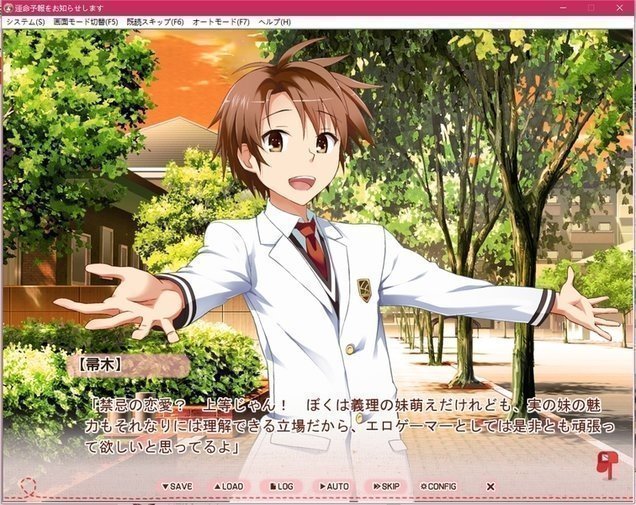
“But think about it—is what your sister feels for you really love? If it weren’t for all those years you spent together as brother and sister, would she have fallen for you? Maybe deep down you don’t even think her feelings for you count as love—they’re just sibling feelings. And your feelings for her—are they really coming from love for a girl? Or are you only doing this because she’s your sister?”
The protagonist hesitates.
“When it comes down to it, you two are just unusually close siblings. Maybe you don’t even like her that way — you still just see her as your little sister.”
到最后,男主的妹妹在某一天,向男主告白了……
The protagonist is faced with a choice: whether to accept his little sister’s love. He hesitates again and again, and the whole time a voice keeps echoing in his head—that of his senpai, the one named “Keshiki”:"
“You only ever saw her as a little sister. You never actually liked her.”
In the end, the protagonist chooses to turn his little sister down—right when she’s sure she’s about to win her brother over, she gets rejected by him just like that.
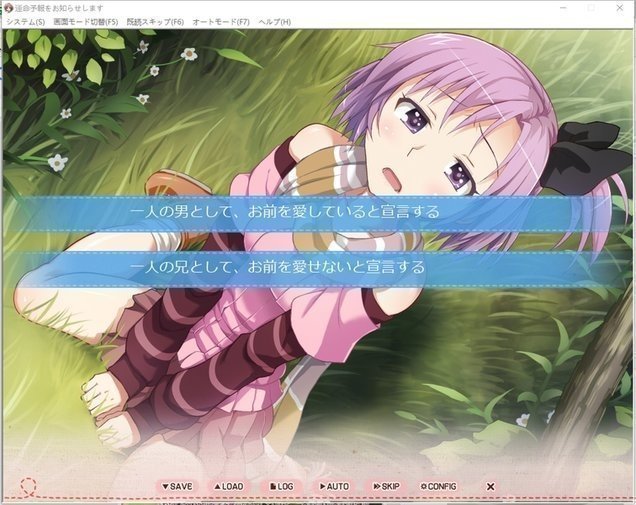
The sister who had been rejected tucked her romantic feelings away and chose to live as an ordinary little sister — and then someone else fell in love: Umegae Yuuki, that wildly popular girl at school from the student council.
Umegae Yūki is the ace of the school’s tennis club (god, sorry, but these days “tennis club” just makes me think “orgy club”), and she’s also the school’s all-around good girl — kind to everyone, hated by no one. There’s a Japanese word for it, “happō bijin,” which basically means someone who’s all things to all people, and that about sums up Yūki’s attitude toward getting along in the world.
But someone who doesn’t particularly like her is Ringo, the only girl the protagonist is on good terms with.
Ringo and Yuuki are polar opposites at school. The former is widely regarded as one of the “worst students” thanks to her sharp tongue and habit of ignoring how other people feel, while the latter is loved by everyone.
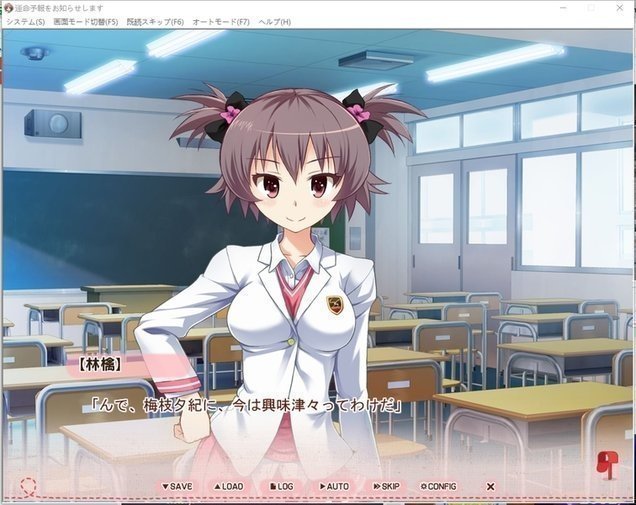
During a chat with the protagonist, Ringo lets slip that she thinks Yuuki is a bit of a two-faced people-pleaser, with no opinions of her own — always blindly following whatever anyone else picks, playing the role of “the good person everyone loves.” Yuuki, for her part, thinks Ringo is harsh, sharp-tongued, and not a good person at all. She hints that she’d like the protagonist to keep his distance from her.
It all starts when the protagonist joins the tennis club’s matches. The more he competes, the more he and Yuuki end up talking. Yuuki’s a well-known name, so she’s got her share of female friends and close girlfriends, and some of them suggest to her — hey, this guy’s pretty nice, why not try dating him? Yuuki herself figures they’ve got a point, and starts plotting with some of her girls on how to confess to him.
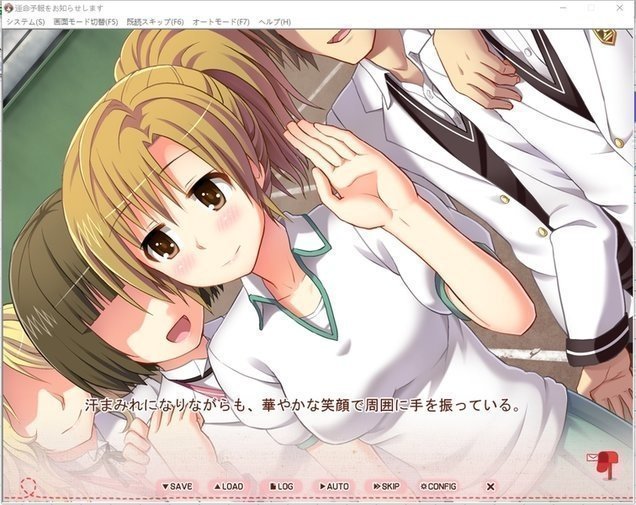
Yūki is nearly unbeatable in tennis, and she’s got the skills to back it up. She’s brimming with confidence—about the confession too. She’s a hugely popular girl, a school celebrity; the line of guys crushing on her could wrap around the block. Winning the protagonist over should be a cakewalk… The one thing that pisses Yūki off is that Ringo is always hanging around him. Dating the protagonist would mean indirectly dealing with Ringo, who has the worst reputation of anyone. So in some of their chats, Yūki says she wants the protagonist to keep his distance from Ringo for her sake. He can’t accept that. He thinks Ringo is a good person who’s just a bit blunt—nothing else wrong with her. He can’t start distancing himself from Ringo just because he’s gotten to know Yūki.
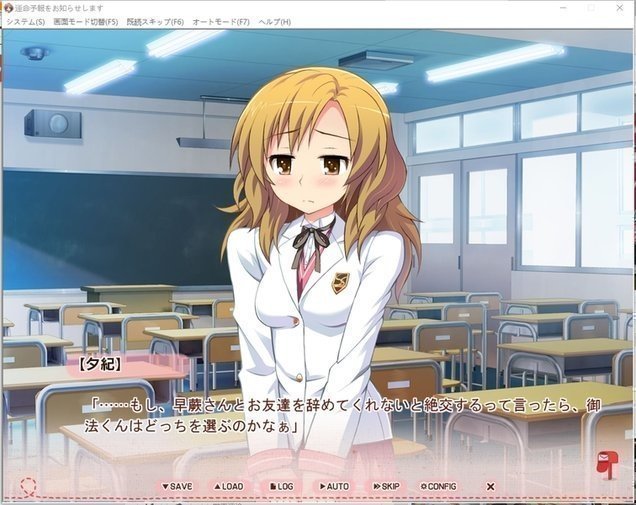
Ringo figured it wasn’t her problem — if you want to drift away, drift away; if you don’t, don’t. She told the protagonist to figure it out himself.
Next comes Yuuki’s confession plan: she confesses to the protagonist in the classroom after school. He finds it a bit sudden, but he’s still moved. Yuuki tells him she doesn’t want an answer right now — she’ll hear it tomorrow, after the tennis tournament final is over.
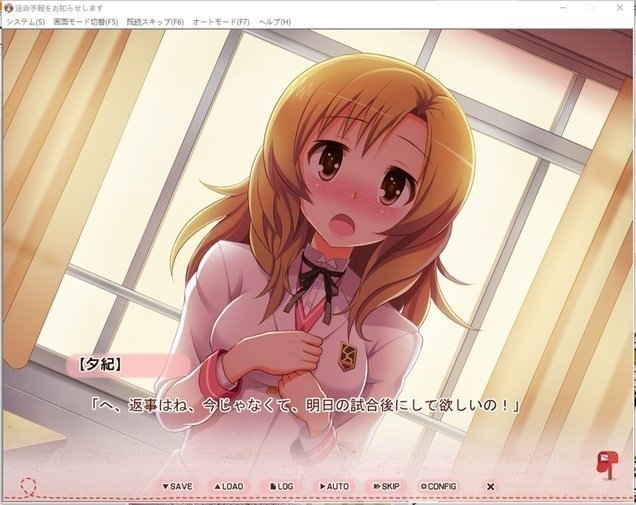
The protagonist steps out of the classroom and hears some girls chatting in the hallway:
“So? How was it? How’d you like the confession we set up for Yuuki?”
“It’s bound to work out. Everything’s going just as planned. Nobody can say no to Yuuki-chan.”
And that’s when that senpai named Kage appeared before the protagonist again:
“Oh my, oh my, what an unexpected scene I’ve stumbled upon. A confession in the classroom—how moving.”
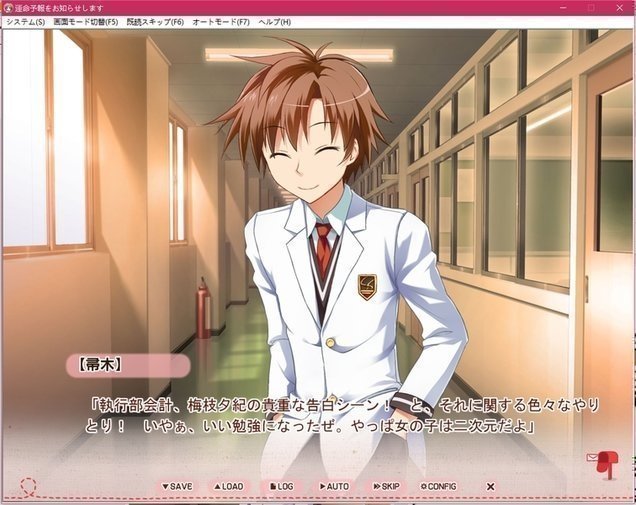
The protagonist secretly kind of dislikes this guy Kageyama, but what can you do — the stuff he says does make sense.
“So what do you make of Yuuki’s confession… do you think… she actually likes you? Weren’t you planning to turn her down?”
The protagonist froze for a moment.
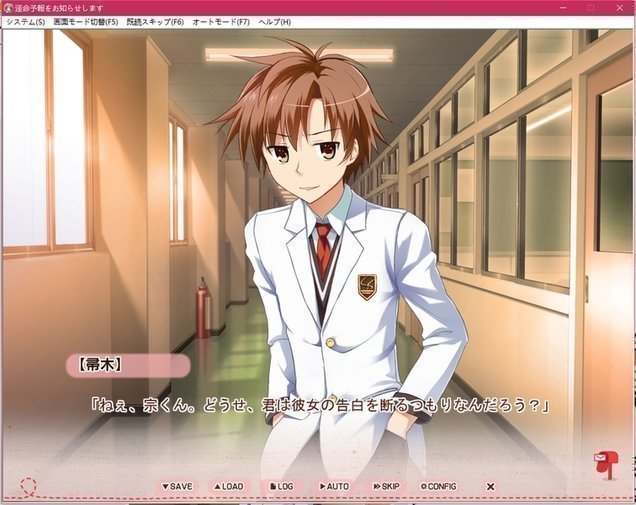
“Yūki is the kind of person whose impression differs from person to person, but if you put it all together, they’re all good impressions. Still, isn’t that kind of ridiculous? She’s one person, yet the image she leaves on different people is completely different. Some say she’s quiet, some say she’s lively, some say she loves to laugh, some say she’s gloomy. Isn’t that ridiculous?”
The scenery launches into its speech again.
“This Yuki girl — she’s fake all over. You saw it just now too: that confession to you? Someone else was pulling the strings and feeding her the lines. She can’t even confess without someone telling her what to say — does that count as a real confession? See, that’s why… these 3D-world confessions, they’re just gross.”
“She thinks she’s the most popular girl in school, that everything’s going her way. Everyone figures that if Yuuki confesses to you, you’ll obviously say yes — that’s what they all say. It completely ignores what you actually think. Do you really know who Yuuki is? Do you actually like her? Do you seriously believe she likes you?”
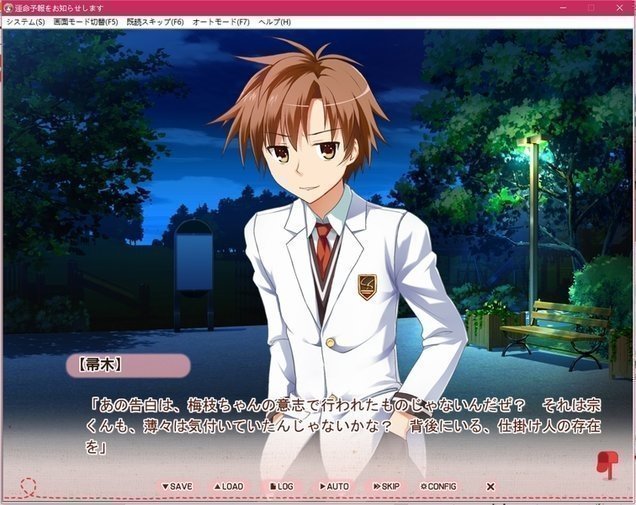
The protagonist falls into deep thought, because just as Keishoku said, he doesn’t actually know much about Yuuki as a person. She’s just a celebrity at school, practically goddess-tier. When a goddess suddenly confesses to you, it’s hard for any normal guy to turn her down.
On the second day, Yuuki took part in the tennis tournament — and despite being full of confidence, she ended up losing.
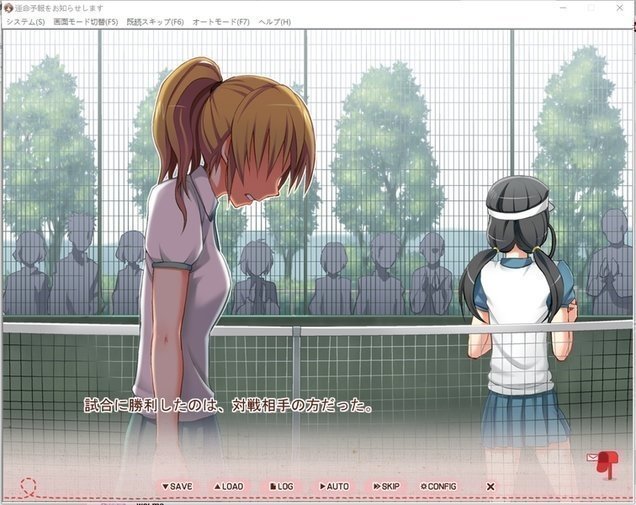
The protagonist watched the whole match and realized the other side had come fully prepared. Knowing Yuki’s stamina was poor, they kept dragging the match out, and once Yuki ran out of gas, they took the win.
After the match, Yuuki was heartbroken. She couldn’t believe she’d lost again—she’d never lost before.
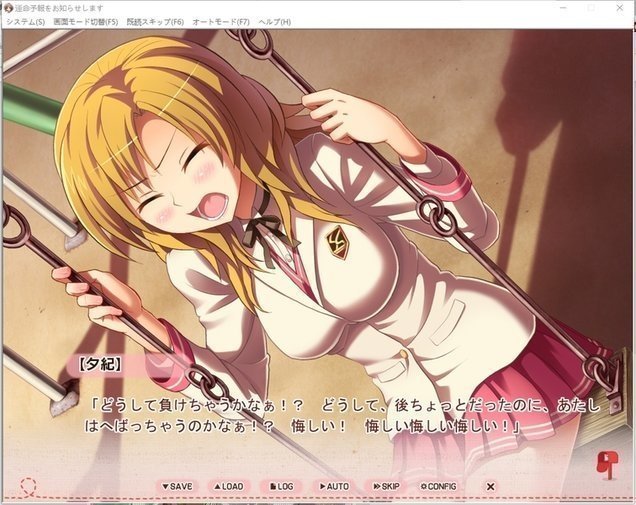
そして、主人公は夕紀の失敗を通して、かえって本当の夕紀を見つける。
Just like how there are always people in this world who seem utterly flawless—so perfect you can’t bring yourself to believe it—until you find out they fail too, and only then does it hit you that this person actually “lives among mortals.” The protagonist starts to feel that Yuuki has stepped out from under the “goddess” halo and come a little closer to him.
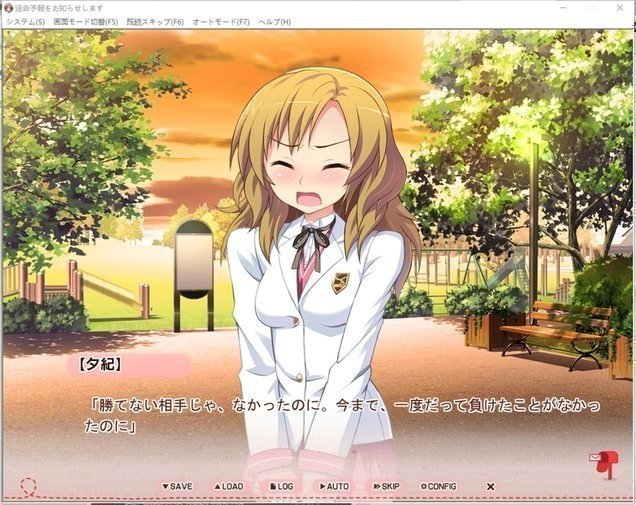
Yuki’s original plan was to win the tennis tournament and then accept the protagonist’s confession. Well, the first part has gone up in smoke, but the second part still has a shot — she’s waiting for him to confess.
Then the protagonist says: “I like the way Yoshiki looks when she’s competing. Even when she loses, it feels so real to me.” And then he pivots. “Sorry, I can’t accept your confession. I don’t really know you, and I don’t know if you actually like me either.”
Yuki got hit with a double whammy — losing the competition and getting rejected — and she completely fell apart. She never once thought her confession would fail. She’d always assumed failure wasn’t even on the table for her.
Yuki sat frozen on the stool, eyes vacant. Then, all at once, she burst into tears. Right then her phone rang—her “besties,” asking whether the confession had gone well.
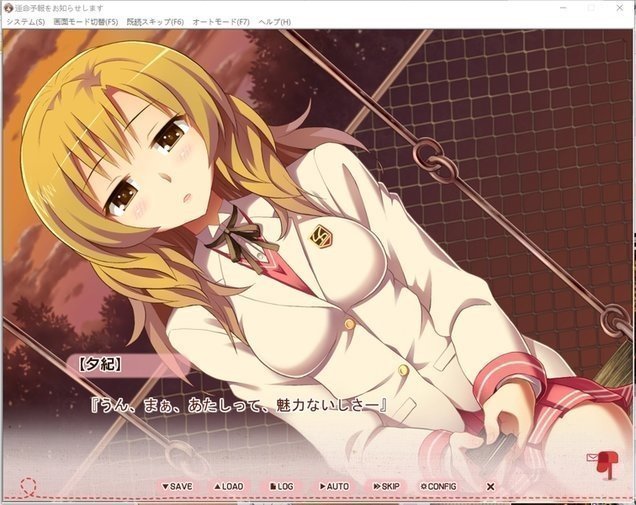
Yuki, who had been crying just moments ago, suddenly had her expression and mouth moving on their own……
“Ugh, rejected. Can’t help it — I guess I just don’t have enough charm, so my confession failed. It’s fine, it’s fine. If it failed, I’ll just try harder next time…”
Yuki was startled — why, when she was still hurting inside, had she reflexively said something like that into the phone?
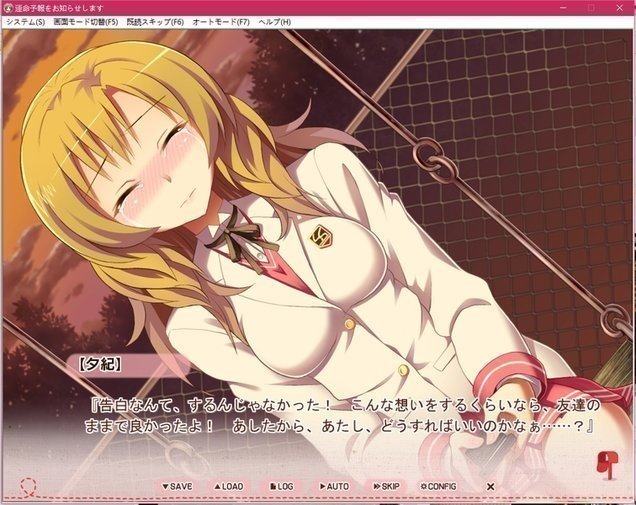
Yuki finally realized she’d always been a puppet living inside other people’s expectations, long since having lost her real self. Did she actually like the protagonist? Even she didn’t know anymore… And the reason the protagonist turned her down was exactly that.
Everything was spot on…
After his little sister and Yūki both confessed to him, the protagonist turned them both down. It took a good while before he managed to get back to a bare-minimum friendship with the two people in the executive committee who’d confessed to him—and right then, a new problem showed up.
The school is putting on a culture festival, and the student council has to contribute an act, so someone decided it’ll be a play.
Meanwhile, Hashihime Mizuki from the executive committee is pretty good at reading novels, so in the end we decided to let her take the lead on this.
The protagonist and Hashihime Mizuki have known each other for a long time. Hashihime Mizuki gets along well with the student council president, Kaho, but originally she was a girl who didn’t talk much at all—the protagonist was the one who went out of his way to greet her, and they gradually became friends. Hashihime Mizuki has a serious communication disorder; she has no idea how to talk to people, and deep down she’s terrified of others, which is why she often ends up saying a lot of really sharp, biting things.
Mitsuki picked out a script herself—a romance novel. And while directing the play, she was strict with every actor, offering a mountain of suggestions, sometimes in wording harsh enough to rub a few people the wrong way.
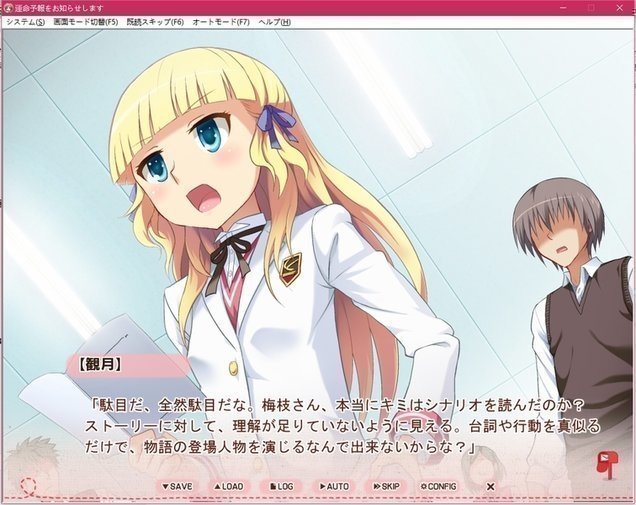
They began gossiping about Mutsuki behind her back. Her reputation among the girls was pretty bad too — she was always snide when she talked, yet she’d still made it to vice president of the executive committee. Hard not to suspect it was just because she and the president, Kaho, were friends.
Mizuki usually talks to everyone like she’s looking down on them, cocky to the point of being insufferable; the protagonist calls her a “tsundere” and she flatly denies it. Mizuki isn’t a bad person, really — she’s just bad at dealing with people. Before she knows it she turns into a hedgehog, and to protect herself the barbs creep into her words. Then someone sneers at her and she slinks off to some corner to curl up and cry alone. Kind of a pitiful one, honestly.
Then one day, Mikazuki got bullied. The reason: she’d spoken to a senpai in an incredibly rude tone, possibly even insulting her. For the vice president of the disciplinary committee to go around insulting people already warranted an apology. But Mikazuki was stubborn and refused to apologize. In the end there was no other way—the protagonist stepped in, apologized on her behalf, and got her out of the mess.
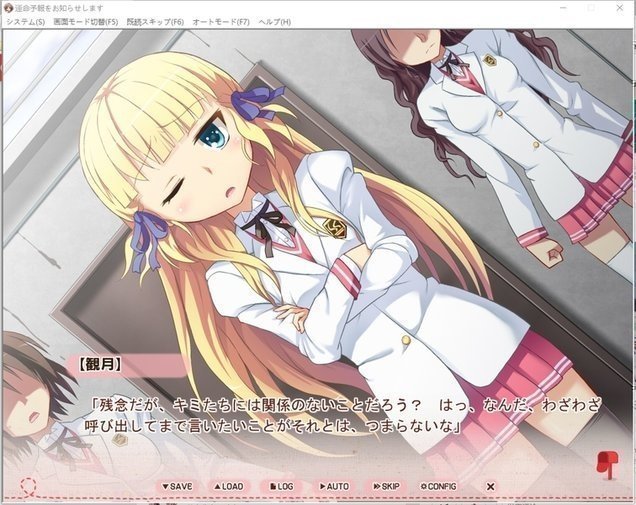
Mizuki starts feeling really grateful toward the protagonist—actually, she’s always been grateful to him, ever since they were kids. As a child Mizuki was pretty withdrawn; she had no friends besides Kaho, and the protagonist was the first person to come up and talk to her. The three of them used to hang out together all the time. She already had a bit of a crush on him to begin with, and after he helped her out of that spot, her feelings grew even more, tipping over into actual romance.
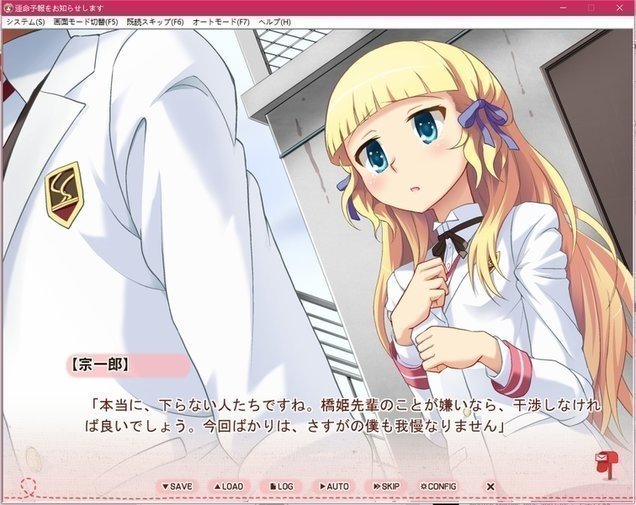
観月 started collaborating with the protagonist on more and more stage plays, and the two of them were often together. 観月 is bad at expressing her feelings, but the protagonist somehow came to realize it too — 観月 seems to like him.
“This is bad… it looks like Mizuki is going to confess to you.”
One day, that scenery-senpai showed up again.
“You already know the answer deep down, don’t you?”
“She doesn’t actually like you. She has a Prince Charming in her head, and you just showed up at the right time. She thinks you’re that Prince Charming, that’s all. It’s all a mistake, isn’t it?”
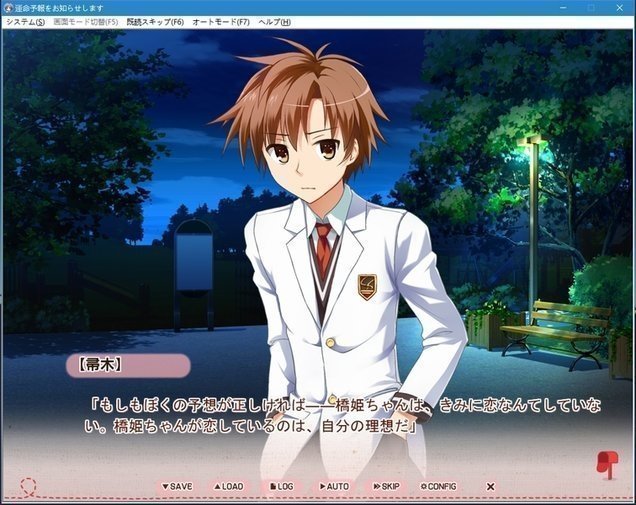
That line hit the protagonist right in the heart.
The protagonist can’t help but recall why he approached Mitsuki in the first place—it was because he wanted to get close to Kaho. Mitsuki is Kaho’s good friend, and getting close to the goddess’s best friend is a pretty solid way to get a foot in the door with the goddess herself.
“So you were stringing her along from the very start, weren’t you? Man, you really are the worst, hahaha.”
Keishoku-senpai is still laughing at the protagonist. He’s got nothing to say back — she’s not wrong.
“Listen, while Mikazuki hasn’t confessed to you yet, why not nip her feelings in the bud? If you turn her down after she confesses, that’d just be even more of a pain, right?”
“What do we do?”
“Isn’t Mituduki supposed to be in a play? We just need to mess up her play, at the school festival.”
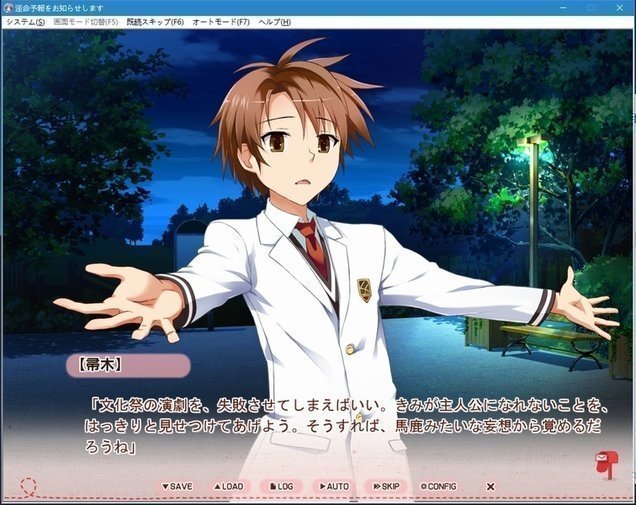
………………
The protagonist turned her down. He felt he couldn’t ruin the play that Mizuki had poured her heart into.
Yet things still took a turn that day. The lead actress suddenly fell ill, and there was no understudy—nobody else knew the lines. At that point only Mikazuki, as the director, knew them, so she stepped in for the heroine.
That’s when Keishiki-senpai shows up at the play, and the protagonist immediately gets on guard, asking what he’s after.
“Nothing much — they just called me in to help out. Look, there’s a spot on these stage steps that isn’t sturdy, so I’m here to put down glow-in-the-dark warning tape. If I stick it on crooked, someone’s gonna fall, and then this whole play’s gonna be ruined, huh.”
Senpai Keishoku was saying something between the lines…
The play begins. The male lead is actually the protagonist, and the original female lead has been swapped out for Mitsuki. Midway through the performance, the protagonist looks at Mitsuki, his female lead, and confesses his feelings…
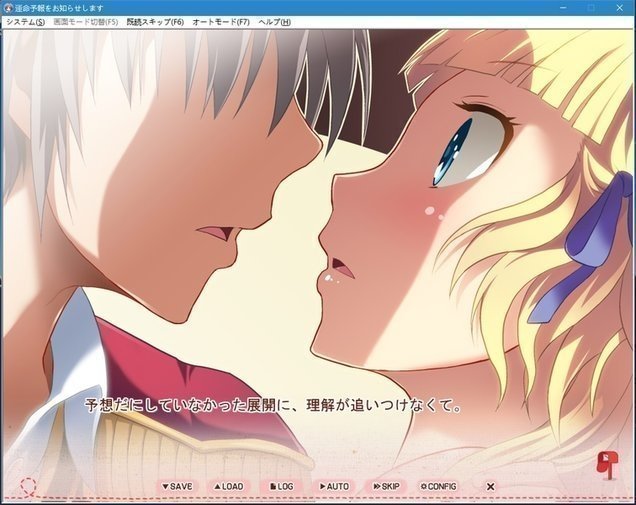
Even though it was just acting, Mitsuki took it for real… she even called out the protagonist’s name during the play instead of the character he was playing.
The protagonist panics a little. He frantically steadies himself and tries to keep the play going, but he forgets about the reflective tape at the side of the stage and takes a fall.
The play still turned out to be a disaster.
After the protagonist recovers, Mitsuki shows up to see him. She isn’t angry at all about the play falling apart—if anything, she’s more worried about whether he’s fully healed up from his fall.
Under the setting sun, Mizuki makes a veiled confession to the protagonist… She says she’s had her eye on him for a long time, that she wants to keep going with him, and that the novel script for the play is actually the very book she recommended to him when he first met her as a kid.
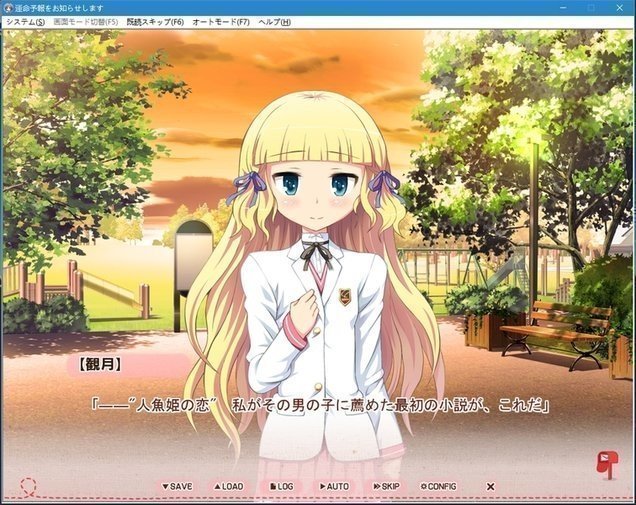
The protagonist realizes he has no choice but to spell it out, and can only tell her the truth…
“The reason I approached you at first was to get close to Kaho. I liked Kaho back then, and I lied to you.”
Mitsuki refuses to accept the truth…… The girl who had once shut herself away met a man who approached her on his own and protected her—and in the end, that man told her he had only been using her.
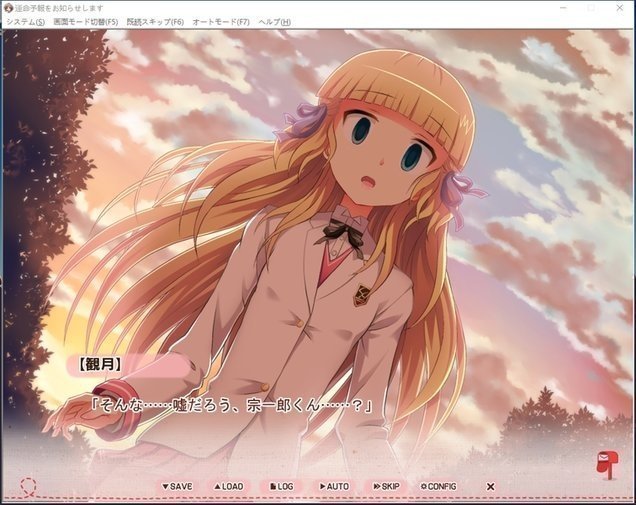
面对观月的惊愕与疯狂,男主只能无奈地骂自己是个骗人的混账……
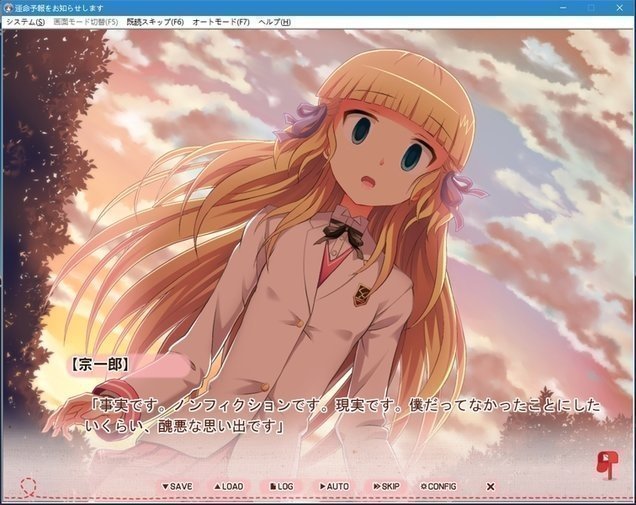
And so the protagonist turns down yet another girl…
After turning down Mitsuki, the protagonist remembered something from his childhood.
As a kid, the protagonist was actually a total chuunibyou. He flat-out refused to deal with other people and just kept protecting his little sister. Then one day, Kaho ran into him.
“Get lost, this is my turf.” The protagonist tells Kaho to scram.
“How can you talk to me like that? Nobody has ever spoken to me that way!” Kaho was at a loss.
And just like that, the two of them went from butting heads to becoming friends.
And soon enough, the young Kaho discovered that the protagonist actually had a pretty good side—he loved his little sister, looked out for his friends, and was honest to a fault.
Then a scene from childhood came up — she and the protagonist have known each other since they were little.
“Let me tell you something — Kaho likes you, you know.”
Keikaku says to the protagonist.
“What? She likes me?”
“That’s right. I think if you confess, it’ll definitely work out.”
“Why should I believe you?”
“I’m a fate forecaster. I can predict the destiny that awaits you.”
The protagonist is half skeptical.
So one day, Keishoku deliberately asks Kaho right in front of the protagonist, “Do you like him or what?”
Kaho was embarrassed… but Keishiki kept going:
“I did talk to him about it, you know. I told him to confess to you. If he confessed to you… you’d definitely accept, right?”
Kaho was a bit taken aback, unsure what was going on…
Kaho’s actually pretty serious when it comes to feelings. After hearing what Kage said, she starts to wonder whether the protagonist really likes her at all.
The protagonist takes Keiro’s words at face value and goes off to confess to Kaho.
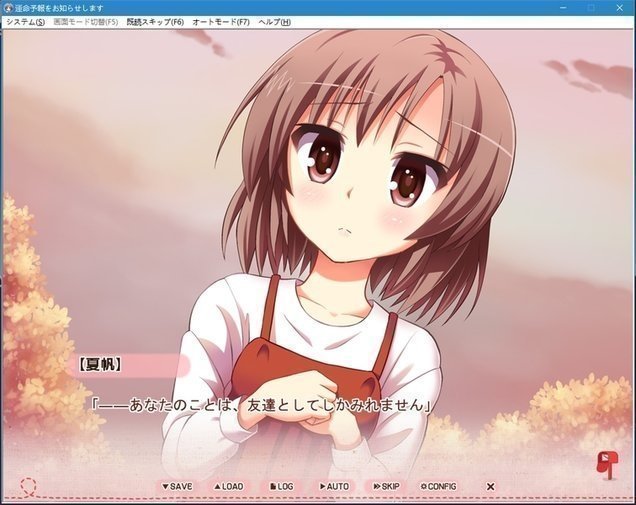
Rejected on the spot.
Kaho thinks that although she likes the protagonist, he only confessed to her because of that scenery—he doesn’t actually like her for real.
And just like that, the protagonist’s first romance ended in failure.
回忆结束,景色又一次出现了。
“I’ve dumped three girls already…” Keishiki was laughing. “Don’t tell me you’ve realized Kaho’s still the one you love most.”
“If you like her that much, then just confess to her again. I can say this for sure — Kaho still has feelings for you even now.”
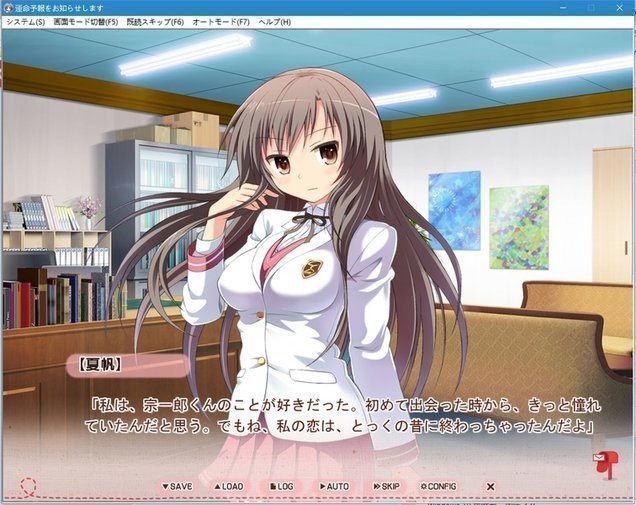
“Why do you say that?”
“Kaho’s seriously popular, you know. Guys confess to her all the time, but she always turns them down—like she’s rejecting romance itself, like she’s convinced she’s just fine not falling in love. There’s obviously something she can’t let go of in her heart, and maybe that something is you.”
“Go on, confess. Maybe this time it’ll actually work out.”
The protagonist thinks it over and realizes he really hasn’t gotten over Kaho after all, so he decides to confess again…
………………
And then I got shot down again in seconds.
“So you don’t like me?” the protagonist asks after getting rejected.
“No, I can’t say I dislike it.”
“Why won’t you accept it.”
“Hey, can I ask… do you actually like me?”
The protagonist froze.
“You said you like me — do you actually like me? Or did you just hear that I like you, figure it’d be nice to be with someone who likes you, and then passively talked yourself into the feeling that… maybe you like me?”
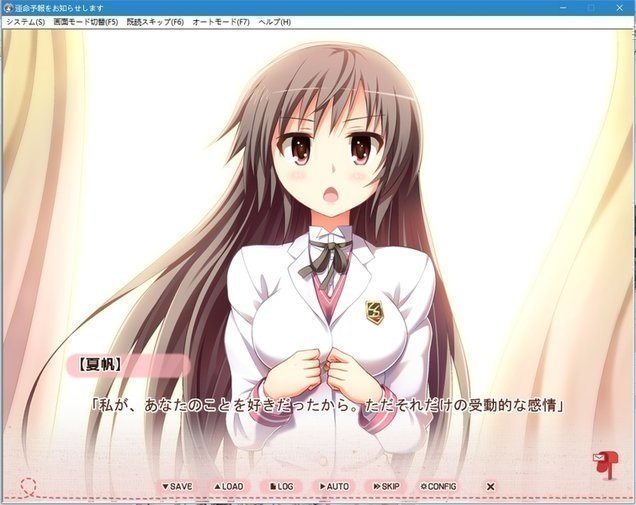
The protagonist is stunned. He didn’t expect Kaho to have thought this far ahead. Thinking it over, he realizes she’s right — he genuinely can’t say for sure whether he really likes her…
被拒绝后再次陷入消沉……事到如今,男主伤害了三个女孩,然后又被最后告白的女孩甩掉了,搞得一地鸡毛,乱七八糟。
That’s when the protagonist remembers he hasn’t seen Waseda Ringo in a long time. After asking around, he learns she stopped attending school ages ago. He gets this inexplicable urge to see her. She’d always been the one who could give him advice, and now she might be the only one who can save him.
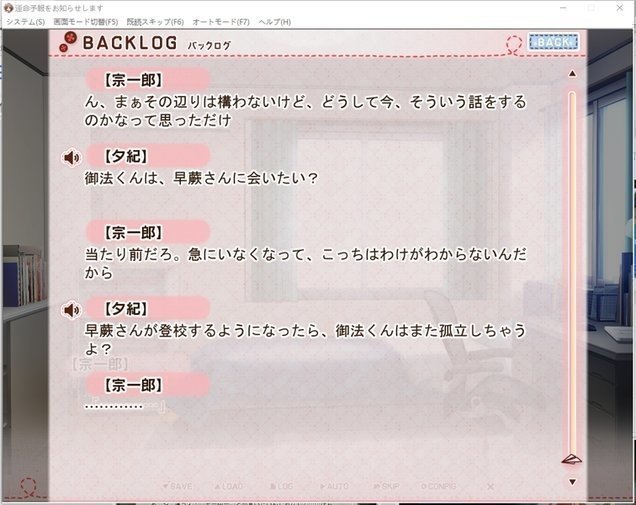
Then one day, the protagonist corners Ringo Sawarabi in the park—and finds her there with the scenery.
“Me and him — we’re related.” That’s how Ringo explained it.
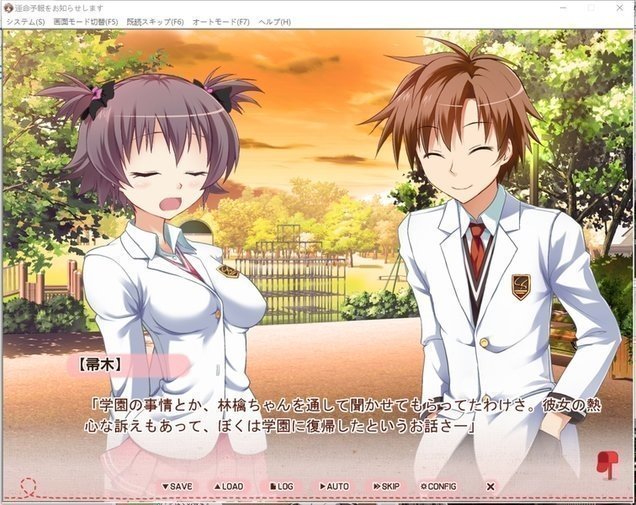
“Yeah, without Ringo-chan looking after me, how else would I know so much about school when I don’t even go?” Keishiki said smugly, puffing himself up. Ringo was glaring at him, her eyes full of disgust.
In the end, Ringo says she doesn’t want to go to school anymore — everyone there hates her anyway. The protagonist is worried about her, but Ringo snaps back that she and him aren’t even friends, that she can’t be bothered with a clueless guy like him, and she forces him out.
After that, only Ringo and Keishoku were left.
“You like him, don’t you?” Keishoku spoke first. “Why would you fall for a dumbass like that? He’s weak as hell, yet he’s got two girls into him. Pathetic.”
“You really are twisted…” Ringo spoke up. “Anyway, why do you keep butting into that guy’s love life? You’ve ruined several of his relationships already, you know that?”
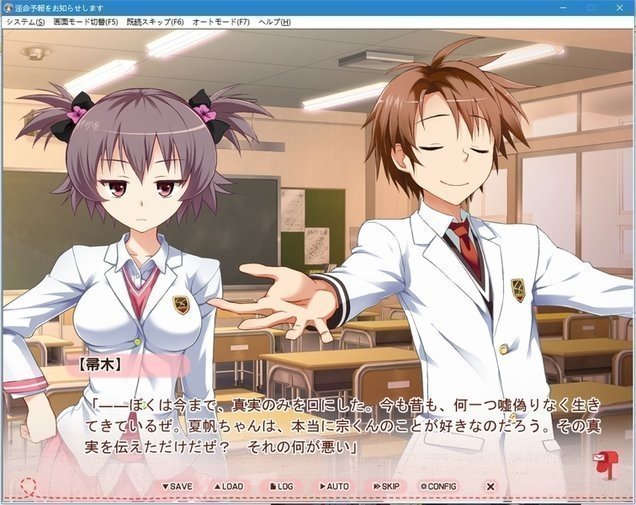
“No real reason. I just hate these shallow little romances. They don’t even count as romance.” Keiroku wore a face of pure righteousness. “If you really want an answer, maybe it’s that I like Kaho too—it’s just that Kaho hates me. So when I see some impure person trying to get close to her, naturally I want to teach them a lesson… And I haven’t told a single lie. Everything I said was the truth.”
Turns out, from childhood to adulthood, the scenery had been luring the protagonist into doing this and that—and he had no will of his own, like a puppet.
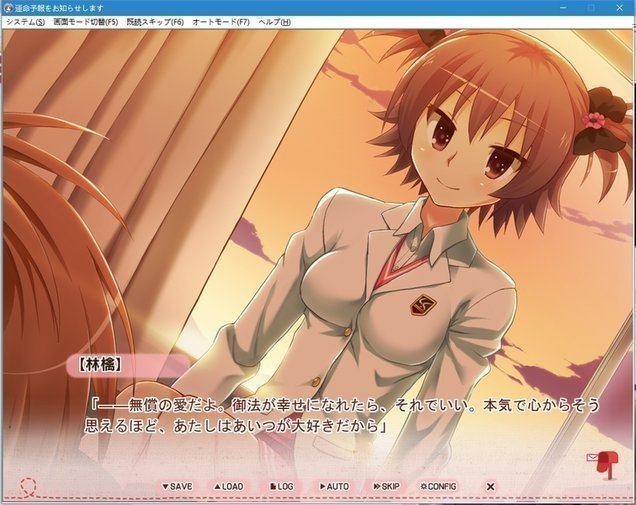
Ringo turns to leave, but Keishoku calls her back. “What, you’re going to help him? Help him and you might just lose your crush, you know. The guy you like runs off with another woman. How about this—you and I team up, and in the end you get that man, I get Kaho. Deal?”
Ringo ignored him and left.
After that, Ringo came straight to the executive office, laid out the protagonist’s past right in front of him, and then mocked him to his face — said he had no balls, that he’d deceived all those girls, and that he still ended up getting dumped.
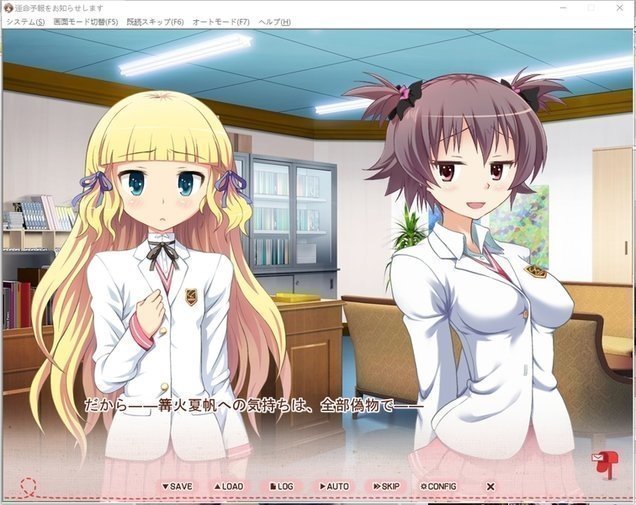
What looks like her acting out is actually Ringo’s final assist. If she doesn’t do this, the protagonist will just give up; only this way can he be forced back onto the path where he keeps facing Kaho.
The execution department members, now in on the truth, can’t help but feel both anger and pity toward the protagonist. In the end, with their encouragement, he confirms it: he really does still love Kaho. He decides to confess again—even if Kaho rejects him, he’ll confess anyway. Sure, his feelings for Kaho as a kid might have been uncertain, but he’s grown up now, and even these few months since joining the execution department have produced feelings strong enough to get across. The main thing is to make Kaho believe him, to make her see this is genuinely how he feels.
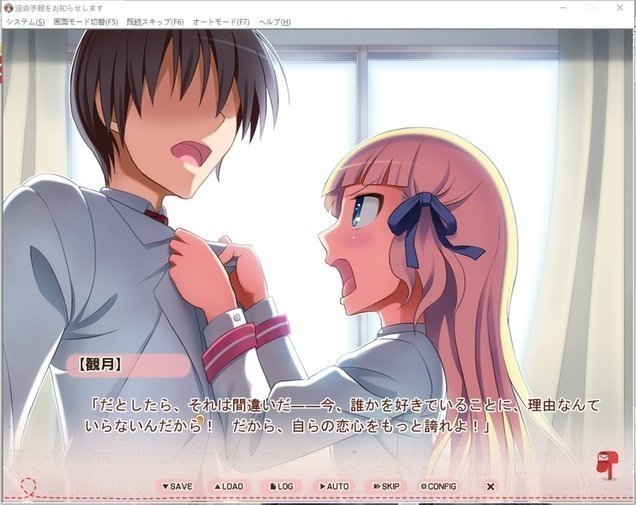
On the day of the confession, Keishoku-senpai shows up again. This time it’s different — the protagonist doesn’t even acknowledge him, just tells him he’s in the way and to get lost. It’s the first time in his life he’s ever turned this guy down.
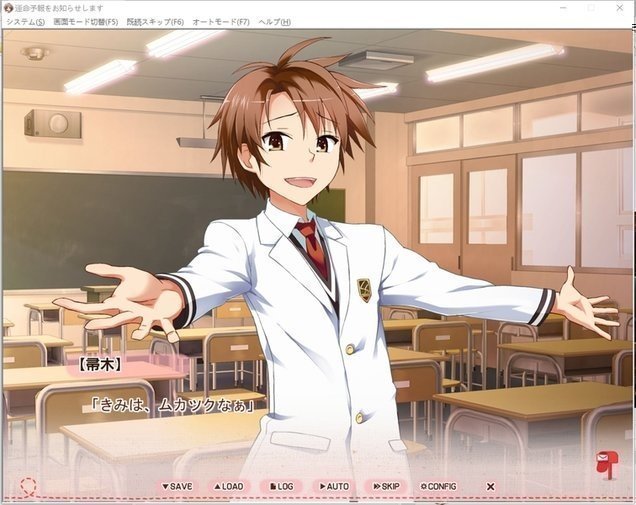
Realizing she had no chance, Keishiki could only tear off the mask and say to the protagonist: “You’re genuinely disgusting.”
And of course, the protagonist’s second confession succeeds in the end, and he and Kaho become a couple. The whole lead-up is genuinely exciting too.
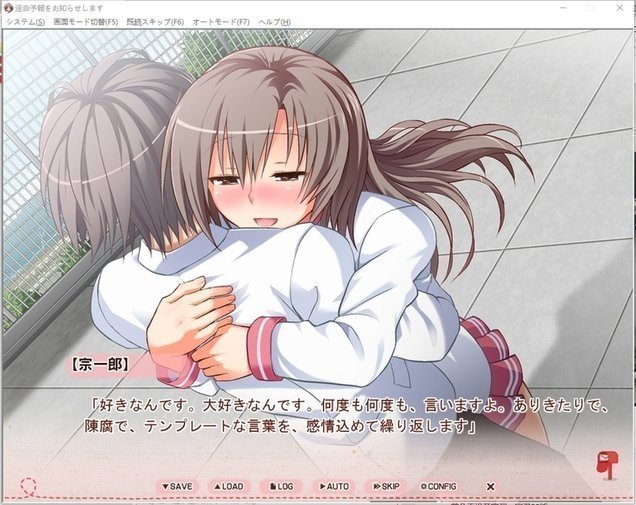
At the very end of the story, the sun sets, and Ringo and Keishiki once again have a conversation together:
“Why do you do all this?” Ringo asked.
“Me, I’ve wanted to be a fate forecaster since I was a kid — predicting other people’s futures. And by the way, that red-string email thing at school? That was me. I can pair up any guy and girl I want. Push them together, or tear them apart one by one. That’s what it feels like to hold fate in your hands. It’s the best feeling in the world!” Keishiki said, thoroughly intoxicated with herself.
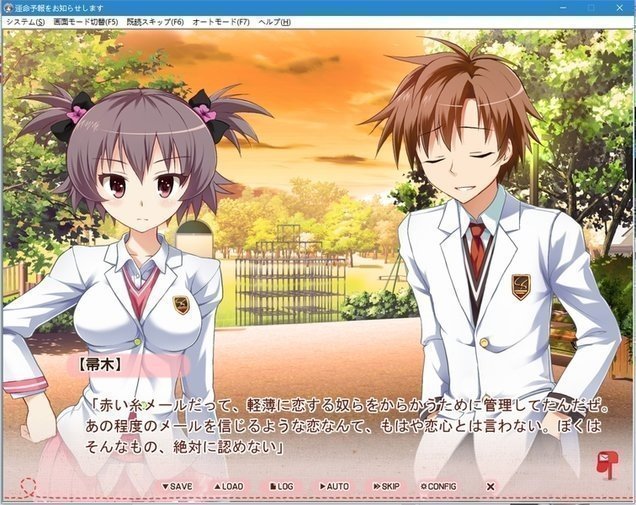
“So, what about now? Did it fail? That guy has taken his fate back into his own hands again.”
“Maybe. I failed with Kaho… but I’m not giving up.”
Ringo thought about it, and maybe he really was a lot like this scenery — except he tried to control other people’s fates, while all she did was keep giving people advice so they could take hold of their own fates.
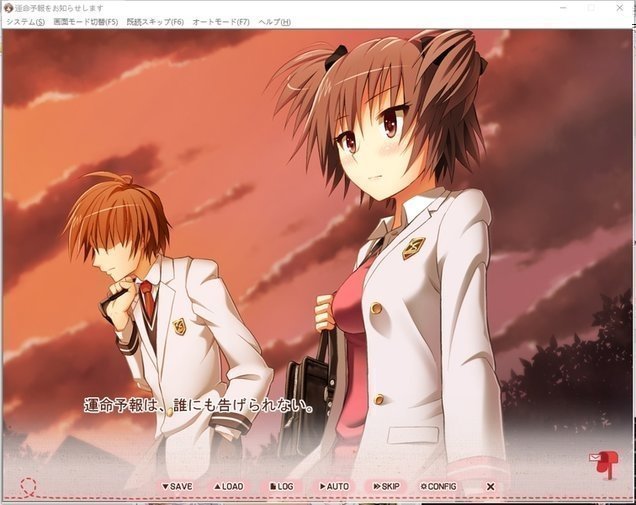
After the game comes the protagonist showing off his lovey-dovey relationship, and then it’s over. The future of the two side characters is pretty unclear, but the protagonist has already found his happiness.
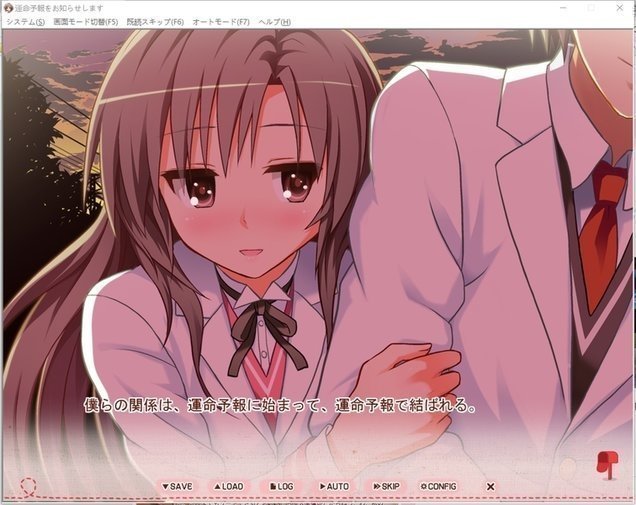
How do I put this about Unmei Yohou wo Oshirase Shimasu? It doesn’t really have any foreshadowing, and the one thread tying things together—the “red string email” hook—isn’t even that important. Nobody believes in it from the very first scene. The game has one male lead and four heroine routes, but none of them are the point. There are two characters the game actually builds up, and they’re both side characters: the supporting heroine Hayawara Ringo, and the big villain, Hahakigi Shikishima. Two side characters end up being the most successfully written characters in the whole game—you have to admit that’s a funny phenomenon.
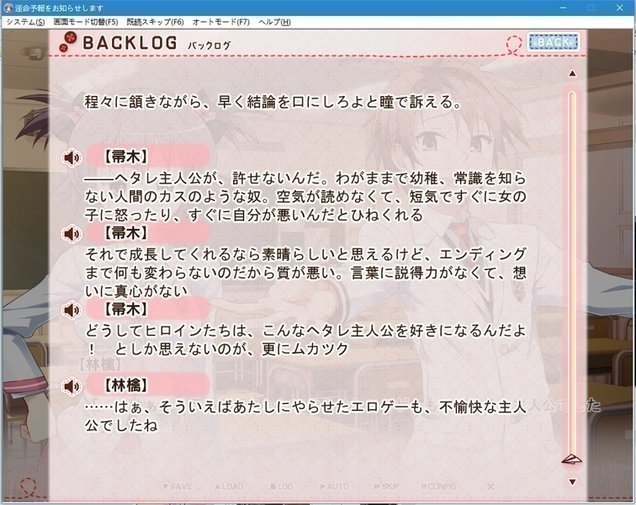
This isn’t a failure at all — it’s the writer’s deliberate choice, exactly as Warabimochi Ringo keeps stressing over and over in dialogue: “Sure, I show up a lot, I do a lot of wingmanning, but I don’t get a route. Simple reason: I’m not the heroine.” And Hahakigi Keishoku has even more famous lines. His twisted rants repeatedly drip with contempt for every cliché plot development, and he uses eroge as his reference point to say this: “First you build up a protagonist who’s weak as hell and a total coward who keeps shrinking back, then you drag out the plot for ages to show his growth, and then you throw a bunch of girls at him to fawn over him — that’s what they call the royal road. I just don’t get why any woman would fall for a dumbass protagonist like that.” Hahakigi Keishoku once pointed at the protagonist and said, “How could you possibly be popular? How could anyone possibly like you? You shouldn’t be the protagonist at all — I’m the protagonist.” Thinking about it now, both of these two really are written with protagonist treatment in the game — they just aren’t occupying the protagonist’s seat.
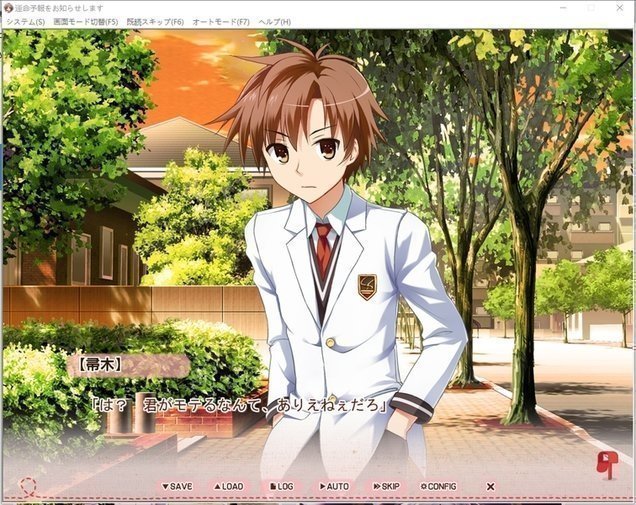
The game brings up the question of “what counts as real love” more than once, and every one of the exchanges Hahakigi Shikishima has with the protagonist is worth chewing over. They also mirror the mindset of plenty of twisted people on the internet these days. The little sister’s feelings for her brother get written off as nothing more than sibling affection. When the school’s unattainable beauty confesses to some loser, it’s usually just her wanting to toy with him. Plenty of guys go so far as to find a girl and stage a fake run-in with her just to get at their own goddess. And confessing to a woman because you think she likes you is the most famous of the “three great delusions of life” — the one right at the top.
Hakiki Eshoku sees through all of it. He keeps feeding the protagonist his own negative takes, and he’s blunt about it — most of it leans on the ugly side of human nature to make you feel the hopelessness between people. Faced with that shock-and-sway routine, the protagonist doesn’t believe it at first, but he files those words away in his head anyway. When a particular situation comes up, they flash back to him fast, and little by little he starts believing them again.
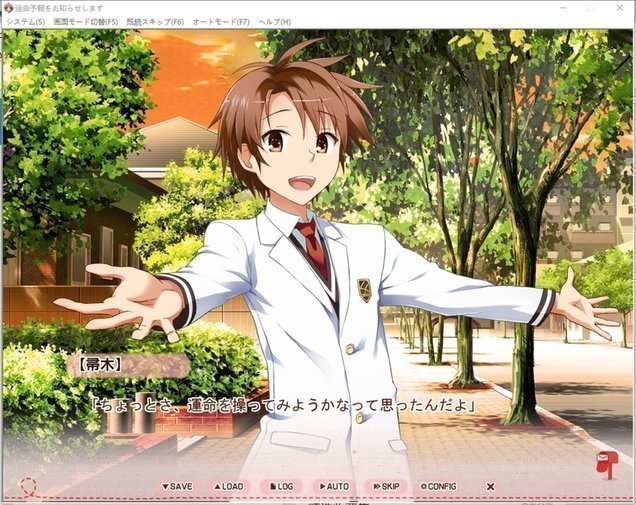
“Nobody believes in fate, yet everyone quietly buys into the path I lay out for them, and before they know it they’re believing in the fate I handed them anyway. I’m a fate forecaster.” Hahagai Keishiki (帚木景色) is exactly that kind of person—someone who gets his kicks out of messing with people’s heads.
And this guy keeps going on about his “2D supremacy” and “3D trash” theory, assuming the worst motives in everyone. Get called out and he’s actually thrilled—says he’s just trash anyway, so if you’re calling him out, you’re no better than trash either.
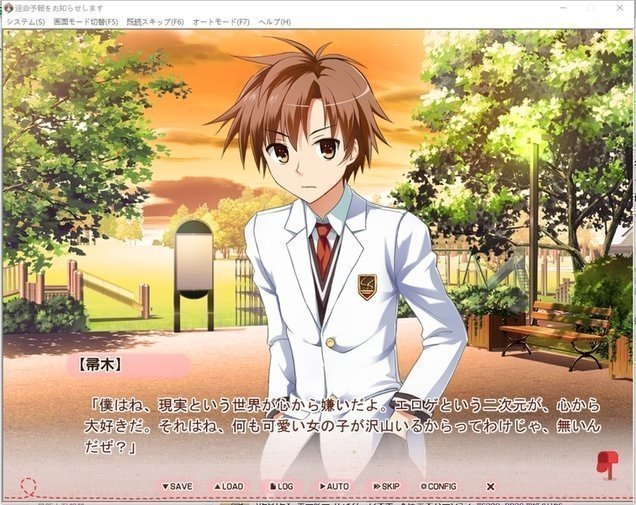
Isn’t that exactly like those twisted otaku who crawl out of certain twisted-origin forums?
Sawarabi Ringo is the opposite — she keeps offering people useful advice and letting them choose for themselves, with no bewitching involved. Without Ringo, the protagonist probably wouldn’t have joined the Executive Department in the first place. And then none of what follows would have happened, and there’d be no happiness at all.
No matter how you look at it, this game is like an angel and a demon locked in a constant tug-of-war, pulling the protagonist’s fate this way and that. Luckily, the angel won in the end.
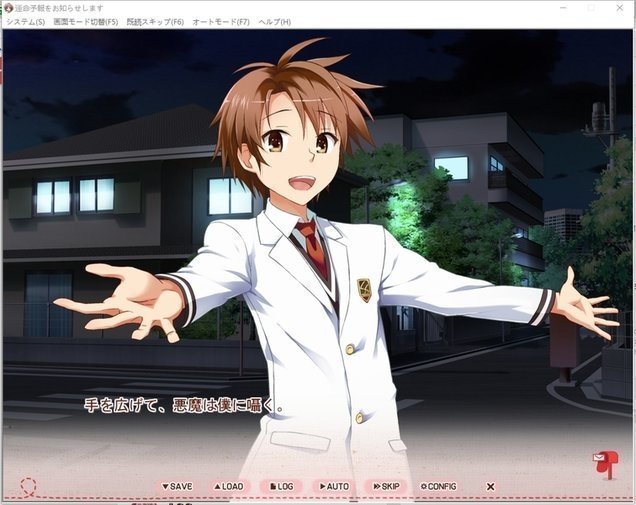
《Unmei Yohou wo Oshirase Shimasu (運命予報をお知らせします)》 isn’t all that similar to the earlier 《Kami no Ue no Mahoutsukai (紙の上の魔法使い)》. This one wins purely on character writing and dialogue. The prose in the dialogue is genuinely good—sometimes it reads like poetry, sometimes it’s just brutally real. The characters are alive. Hokigi Keshiki (帚木景色) is a villain of the sort I’ve rarely seen in recent years—probably the most fully realized antagonist I’ve come across lately, with a bit of that Joker-from-Batman vibe.
Sure, the supporting cast steals the show, but the protagonist’s dialogue isn’t bad either. The plot, though, has plenty of rough edges. The heroines each confessing one after another feels abrupt, and how quickly everyone acts like nothing happened afterward is unnatural. If the confessions had been written more artfully and obliquely, or given some deeper justification, and if the routes had been split into chapters to separate each heroine’s section, it would’ve been a lot better.
Of course, the scenario writer isn’t an idiot (又卜是 SB — “it’s not like he’s stupid”, lol), and he was aware of the flaw himself, which is why he added the gimmick of tearing up the magic book in 紙の上の魔法使い, along with the chapter structure. Those are improvements, and that’s exactly why I think 運命予報をお知らせします is good but still a notch below 紙の上の魔法使い — after all, it’s the earlier work.
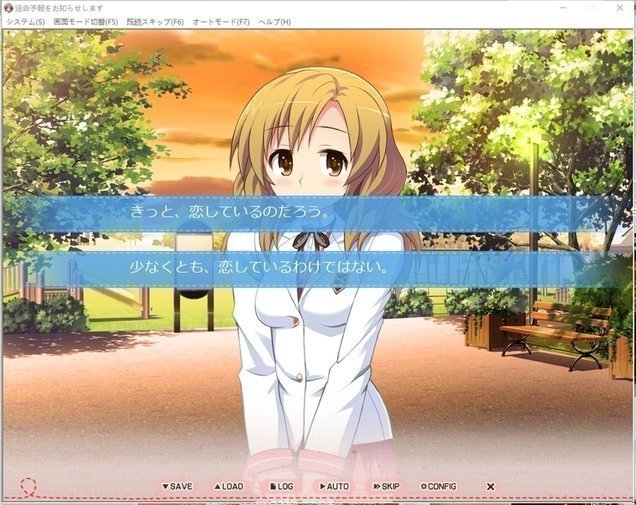
And this scenario writer really has a peculiar taste. The route structure in 紙の上の魔法使い is exactly the same as in 運命予報をお知らせします: every time a girl confesses to you, if you pick her, you branch onto her route, screw around for a bit, and it’s over. If you turn her down, you move on to the next chapter… And they share an important common point: the most fully fleshed-out true heroine is unrouteable—both Kanata in 紙の上の魔法使い and Sawaragi Ringo in 運命予報をお知らせします. Maybe the writer thinks that’s the only way to leave a deeper impression.
The music in this game is actually pretty close in style to Kami no Ue no Mahoutsukai — different composer, though. No idea if the writer or someone else had a hand in it. Either way, the quality’s high; I can hum a bunch of the melodies from memory. Only problem is this game still doesn’t have an OST. The devs said there’d be one, then quietly deleted it off the store page…
The game’s voice cast has some highlights too. Ogura Yui needs no introduction, but the fact that Yuika could pull off this cute little sister voice genuinely surprised me — lately all her roles have been that same obnoxious duck-sounding crap, and it’s unbearable to listen to…
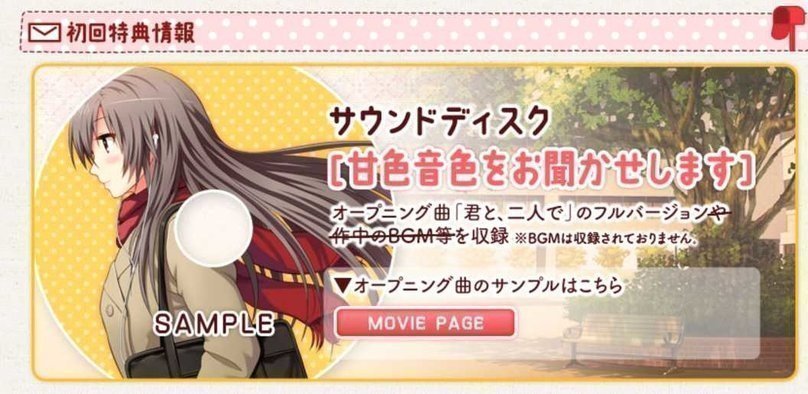
If this game has a weak spot, it’s the art. The artist says on Twitter they draw hentai manga, and the quality here is genuinely bad—seen from the side, the characters stop looking like the same person, all kinds of breakdowns. The only thing that looks normal is the HCG, which, holy shit, figures for someone who came from drawing hentai manga. Fortunately, they later brought in the great Kiriha for Kami no Ue no Mahoutsukai (紙の上の魔法使い), and the gorgeous art saved this scenario writer’s great story.
Actually, if you think about it, the company behind 紙の上の魔法使い is Uguisu Kagura, while 運命予報をお知らせします is by Yonaki Uguisu… they look like two different companies, but they’re really the same one. Don’t believe me? Just check Twitter and you’ll see…
ヨナキウグイス’s last update info points to ウグイスカグラ.
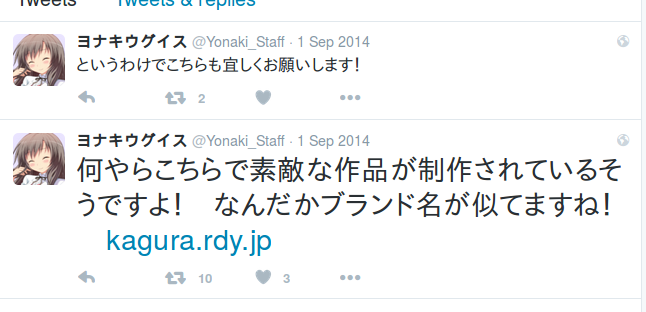
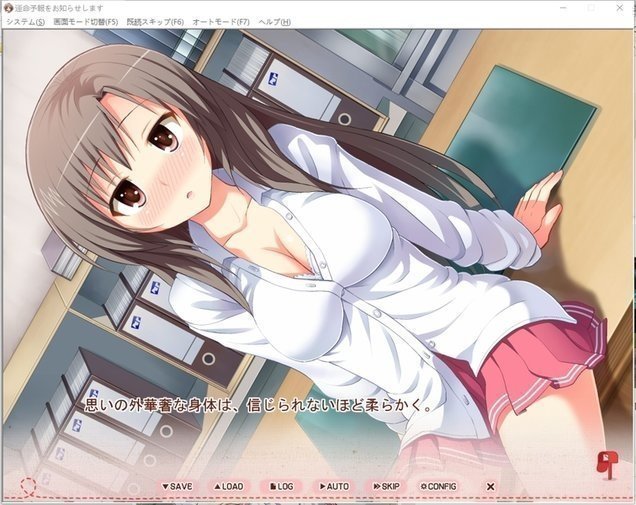
And these two studios have almost the same problems: they barely ever update their X (Twitter), the bonus extras are thin, and the big one is that neither of them will fucking give you the OST. The music’s that good and still no OST — are you trying to kill me?! Unmei Yohou wo Oshirase Shimasu (運命予報をお知らせします) even cut the OST they were originally going to include and just gave you an OP disc, while Kami no Ue no Mahoutsukai (紙の上の魔法使い) doesn’t even bother with the OP.
Last up, some good news: the studio behind Unmei Yohou wo Oshirase Shimasu (運命予報をお知らせします) and Kami no Ue no Mahoutsukai (紙の上の魔法使い) might have a new game out soon. Scenario writer Lucle (ルクル) has said the game’s theme song is already recorded, so an announcement is probably coming before long. And earlier, Ugui Sugura’s (ウグイスカグラ) Twitter said they were properly working on a new title.
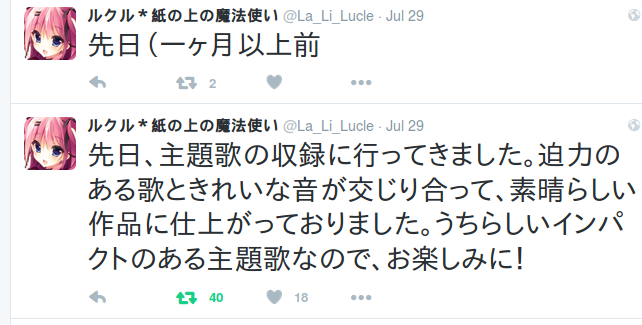

Guess I’ll just look forward to the new game then. Kind of feels like I’m turning into a total fanboy.
Incidentally, there’s another reason I like this writer’s stories: both his narrative tricks and his approach to characterization are very close to how my own mind works. Honestly, if I were made to write a similar “what is love” kind of story, I’d probably end up writing something like this too…
After finally finishing this game, I’ve got a lot of feelings about it.
Sure, the game eventually swings back to something uplifting, telling the player that fate is in your own hands. But what I actually felt was closer to pity. As the game’s big villain, Hokibuki Kishiki, puts it: tell anyone about fate and they won’t believe you. Just steer them a little, though, and they’ll start coming around. And if the fate in question happens to match what they want? Then they’ll believe it blindly.
It’s like that red-thread email at the start of the game—if you got a red-thread email from a girl you already liked, would you be willing to believe in a fate that’s stacked in your favor? Or would you still reject fate the way you did at the beginning?
Everyone says fate is in your own hands, but hardly anyone can actually take hold of their own fate. That’s the weakness Hahakigi Keishoku’s fortune teller exploits to bewitch each and every person.
Fate is like a little boat out on the ocean. Every one of us says we can steer the direction it goes, but in the end we all get tired and just drift with the current.
Maybe that’s what fate is, after all.
Comments are hosted on the Chinese main site. This mirror is read-only.