Floral Flowlove (フローラル・フローラブ) Review
“That Day, I Saw an Angel…”
Although I enjoyed Saga Planets’ game from last year, HanaSaki Work Spring! (man, the katakana part of that title is a pain to remember), and considered it a well-rounded game with “no real flaws in the story,” “very entertaining daily conversations,” “cute heroines,” “some standout music,” and “art definitely worth checking out,” I had a bad feeling about the company’s new release this year, Floral Flowlove, from the very start.
So, at first it was described as a “ojou-sama-related” game, which already sounded boring to me. After all, when you hear “ojou-sama,” you think of the kind of thing from Note company—gorgeous style, cultured ladies, and the protagonist either infiltrates or lives a luxurious high-society life as a young master. I had no interest in that kind of setup. Then the full title, character designs, and setting were revealed, and I was completely let down…
“あの日、俺は天使を見た” “That day… I saw an angel.”
And then the story was the usual cliché setup: the protagonist at an elite school surrounded by all kinds of ojou-samas, especially the main heroine who reeked of desperate affection. I saw the scenario was by Tōta, a regular for Yuzusoft, and I even thought about ignoring this game entirely…
Later the OP movie was released. Honestly, it was several orders of magnitude worse than HanaSaki Work Spring!’s. Many of the girls didn’t do anything for me; it was pure moege vibes, the simplest and most粗暴 kind of moege.
But then I thought, I didn’t want to give up on Saga Planets just yet, so I tried the trial version. It turned out there was some substance there, including quite a bit of religious content. And I suddenly realized that the one who shone in the trial wasn’t the heroine who looked laughably desperate, but the foreign princess, Aa-chan. As for the other characters, they seemed just as dumb as expected.

“If the full game digs into this religion and princess theme, maybe it’ll be salvageable.”
With that thought, I played the full version, intending to “just do the princess route and stop.” I had zero interest in the other characters, and they didn’t seem to have much screen time anyway.
But man, once I started, I couldn’t stop. I did the princess route, then went through all the other routes, and finally stayed up all night to finish the True End.
And my opinion of the game during that playthrough was like a roller coaster—low to high, high to low, then low to high again… This is the first game that gave me such a wild ride and made me slap my own face repeatedly. ISLAND was similar, but that was the writer deliberately showing off, so it’s a different type.
The main story of Floral Flowlove can be divided into five major parts: the common route before the OP, the common route after the OP, the other heroines’ individual routes, the main heroine Natsuno’s route, and the final route for the little sister Riku. Compared to the main heroine, the other individual routes only touch the main plot at the edges, providing some detailed explanations but not in depth.
The game has a route lock; you need to unlock all individual routes before you can open the final Grand End, Riku’s route. Unlike the nonsensical route lock in the previous game, this one is meaningful and understandable.
Common Route: Before OP
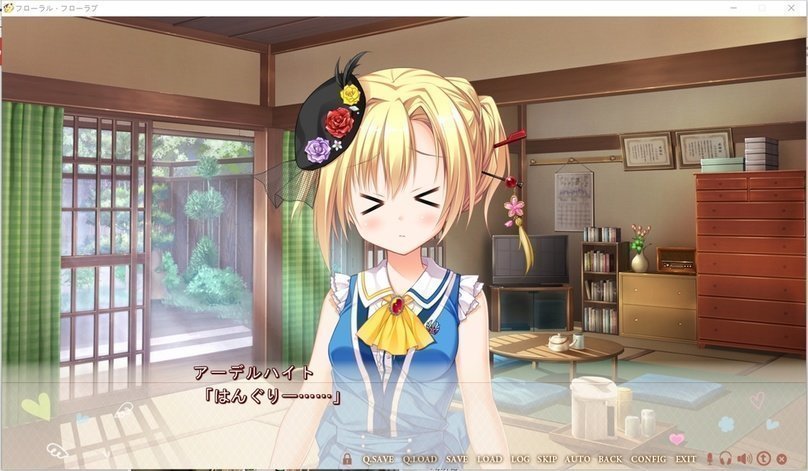
The common route before the OP is mainly about the protagonist guarding the transfer student princess. Princess Adelheid von Bergstrasse (damn, even the princess herself can’t remember that name; she tells everyone to call her Aa-chan) is the third princess of a small religious European country. She suddenly comes to study at the protagonist’s school, which has a church and nuns. The protagonist works for the church. The church says the princess’s purpose for studying in Japan is a mystery, but her home country is unstable—there’s religious factional strife, and some “fundamentalists” (I guess that’s what they call extremists) are trying to attack the princess, possibly involving kidnapping and murder. Her safety in Japan is threatened, so they want the protagonist to help and see if there’s anyone with “malicious intent” at the school.
This is where the protagonist’s special ability comes in: when he takes off his glasses, he can see whether a person has malice. If they do, black feathers fall behind them; if not, white feathers fall. This ability isn’t innate. According to his memories, he was in a fire as a child and was saved by someone named “Toshinari,” after which he gained the ability. Toshinari apparently died saving him, and the protagonist has felt guilty ever since. After the fire, his memories of his parents were gone—probably they died—leaving him alone. He was taken in by Toshinari’s father, Yanagizou, who happens to be the butler of the ojou-sama Natsuno’s family. The protagonist also lives with a girl who claims to be his little sister, Saizu Riku. According to him, she’s a “tyrant at home”—she hides when others are around and only comes out when he’s alone.
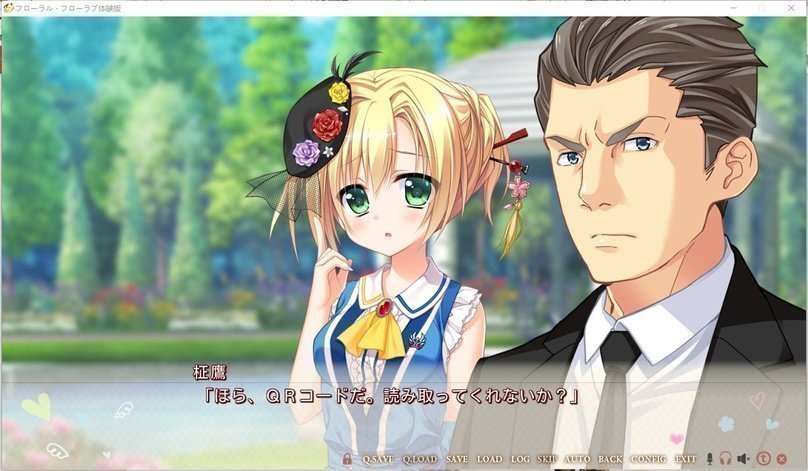
So this part of the story: the protagonist discovers suspicious people around the princess, is careful everywhere, investigates foreigners who suddenly came to Japan and approached the academy, and tries to protect the princess in secret. But the princess doesn’t give a damn, acts like it’s a hassle, and the protagonist notices she seems to be looking for someone. She’s disappointed when she can’t find them. He also learns that the princess’s mother is Japanese and that she lived in Japan for a while as a child, so the person she’s looking for might be connected—but he doesn’t dig deeper.
The protagonist starts investigating the princess’s past and learns that she came to Japan as a child and lived in an apartment he knows well—the very apartment where his fire happened. And the person she’s looking for seems to be “Toshinari,” the man who died saving him.
At the end of the pre-OP common route, the princess’s safety issue blows up. Extremists try to kidnap her but get Natsuno by mistake, and the protagonist takes them down with a single throwing dart (since it’s a game, we’ll forgive this low-rent terrorist attack). The princess’s safety is secured, and she declares she’s giving up her claim to the throne.
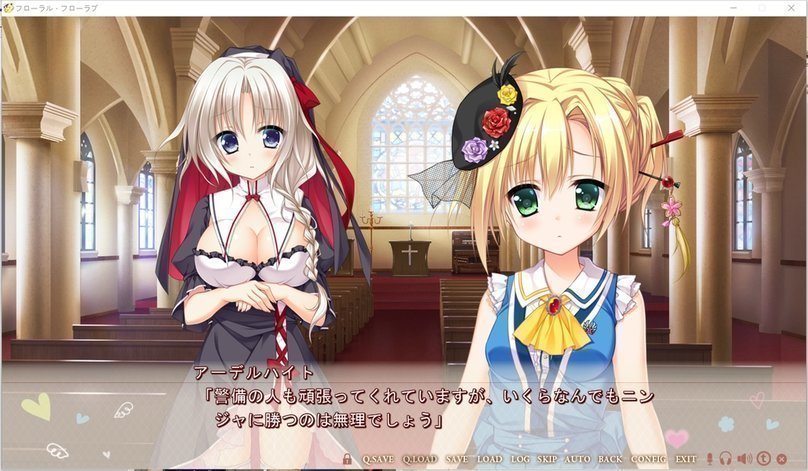
So this section is just simple guarding: it tells the player the protagonist has an ability, the princess is in danger, she has some reason for coming to Japan and doesn’t care much for royal wealth, and finally the problem erupts and the protagonist solves it. As for the other heroines, they’re like air—the daily life isn’t that interesting either. Natsuno and Nanao’s conversations are so formulaic… After playing a lot of galge, you just find it fake and annoying. Kohane’s part is just the usual church girl feel. That nun voiced by Kiyomi Ai… you show off huge tits and tell people to repent? Are you sure that character design is okay?
Common Route: After OP
After the OP, I thought the story might continue with the conflict between the church and the princess, but it turns in a different direction—toward the protagonist himself.
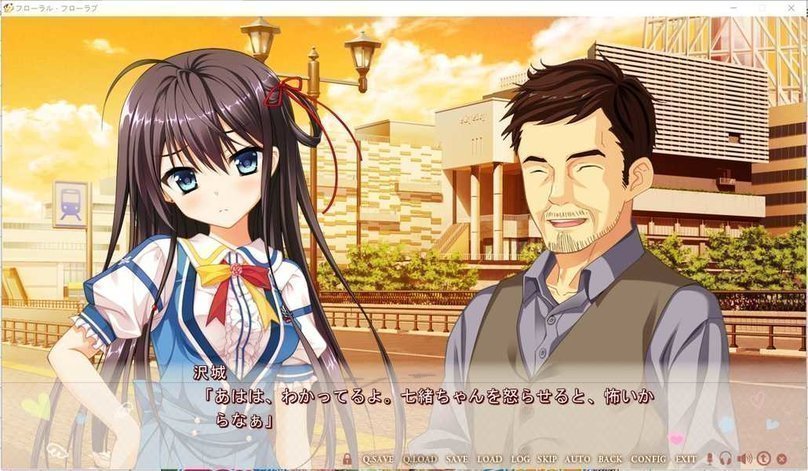
One day the protagonist sees Nanao’s father, music producer Sawashiro Tadamichi, on the street. He suddenly remembers: this man is his father. Why does he remember? After the fire and his memory loss, he still had family photos, and his father’s face is exactly this guy’s.
He goes home and looks through family photos, finds his father and mother, and looking at their faces, he realizes he doesn’t resemble either of them…
“Holy shit, I don’t look like my parents at all. Where did I come from? The neighbor’s house?”
He starts investigating his origins and finds that all information about the fire has been erased—newspapers, the internet, everything. He asks the princess to investigate, and she says she found info about the fire but that she helped mainly because “Toshinari” was connected to it. She tells him the documents will be sent soon…
But then word comes that the documents were taken away… The found documents were intercepted. The protagonist realizes someone is secretly preventing him from learning the truth.
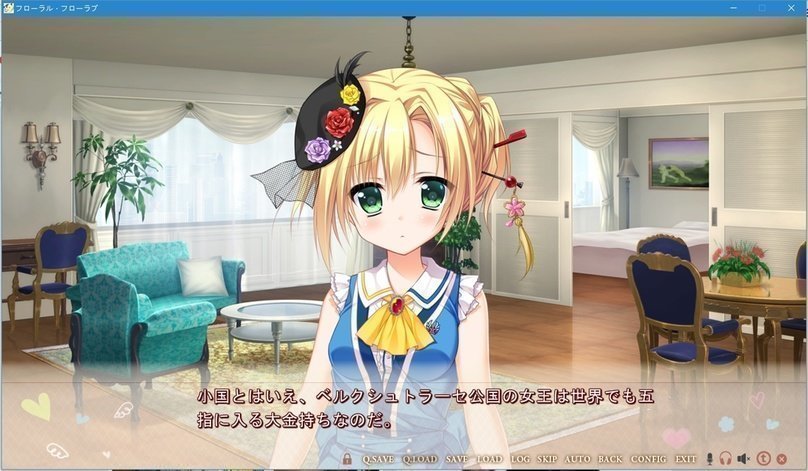
“The only ones who could do that… might be the church.”
He goes straight to the church and confronts the nun, takes off his glasses, looks at her, asks what she knows and doesn’t know, and watches whether black or white feathers fall behind her… At this point, his use of his ability has become excessive; he trusts no one—not the church, not the ojou-sama Natsuno, no one.
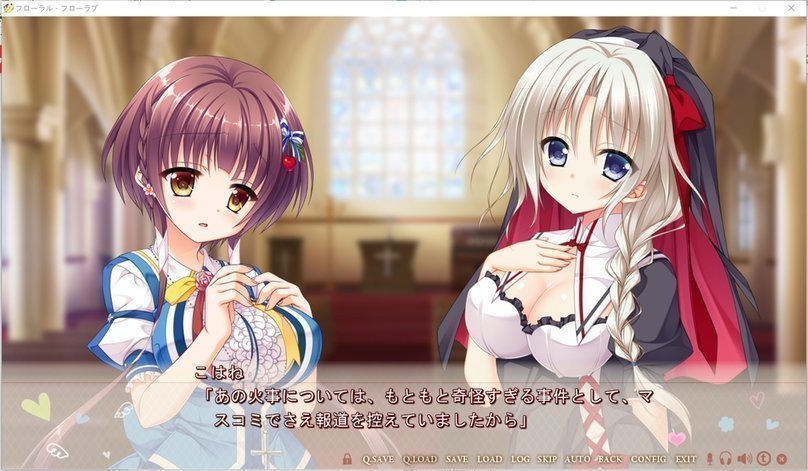
The nun trembles and says she knows some things… but can’t say. He sees white feathers.
The nun says she wasn’t intentionally hiding it… He sees black feathers.
He says he can tell if she’s lying and threatens her. The nun has no choice but to reveal some facts: his parents died in a natural disaster, he was an orphan, and was later adopted by the family of music producer Sawashiro Tadamichi. Life after adoption wasn’t good—Sawashiro was often away, and his mother later committed suicide (sorry, I still don’t know why; maybe I missed something). He was often starving, completely abandoned. He wanted to eat, wanted to live, but spent his days in a room staring at rats—it was a hellish life. After his adoptive mother died, he was completely abandoned by his only adoptive father… Then the church took him in, and later the fire happened. Saizu Yanagizou’s son, Saizu Toshinari, died saving him, and he was taken in as Yanagizou’s son.
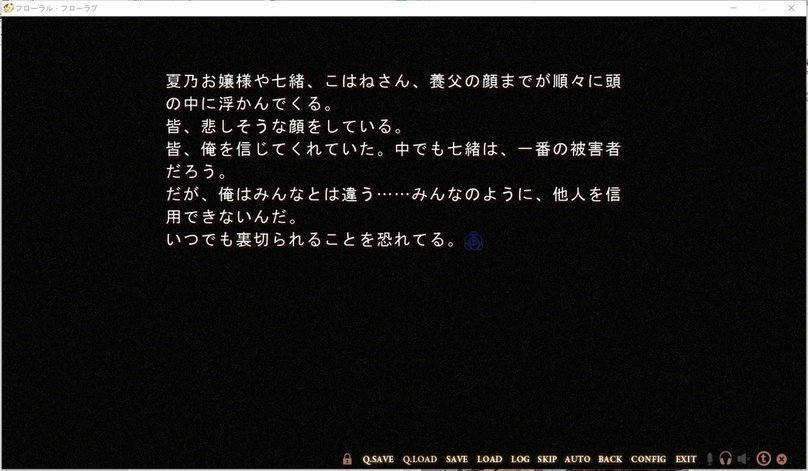
(I have to laugh at myself—my Japanese still isn’t good enough. This section mixes causative, passive, and past tense with all sorts of abbreviations; who made whom do what, who was done by whom, who made whom be done by whom—it made my head spin. In the end I just guessed meanings from verbs and context.)
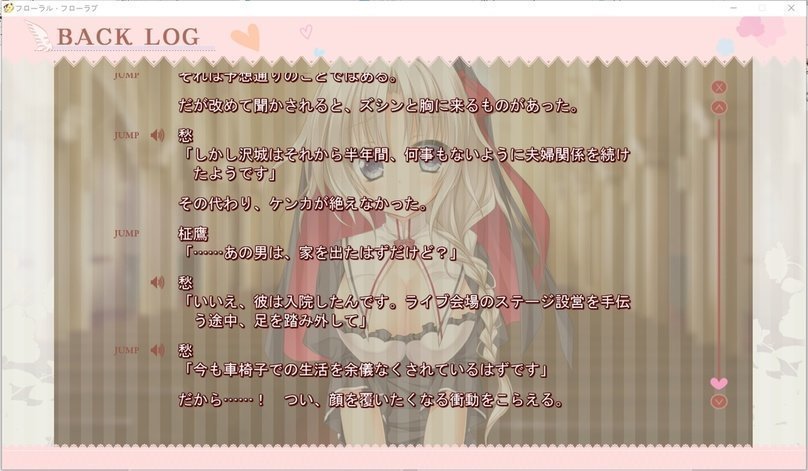
Upon learning the truth, the protagonist is furious and wants to confront his former adoptive father… But he sees the man is now disabled, able to walk only in a wheelchair, and has remarried, with a daughter named Nanao. His anger fades…
Why hate a disabled old man? Besides, he’s his classmate’s father.
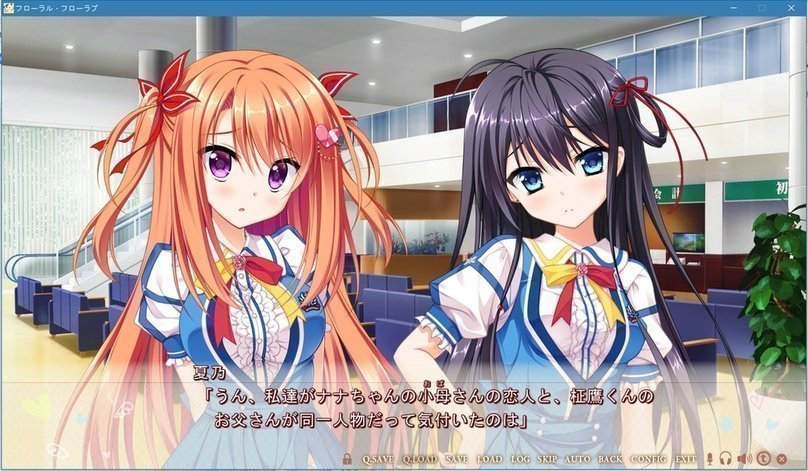
In the end, he learns that everything hidden was done by Natsuno using her family’s power, together with the old butler and the church, to erase the shadows of his past so he wouldn’t remember bad things and hate blindly.
It’s a bit of a stretch, but acceptable… After all, the game has already established that Natsuno’s family is absurdly wealthy… This section is probably the last part of the common route. I have to say, the beginning is dark—especially when the protagonist finds that “connection reset” everywhere he searches—if he got a visit from the authorities for touching sensitive info, it’d be perfect… But the final reveal is oddly bland; a group of people just wanting the best for him feels forced, but I can’t complain too much since there’s more to come.
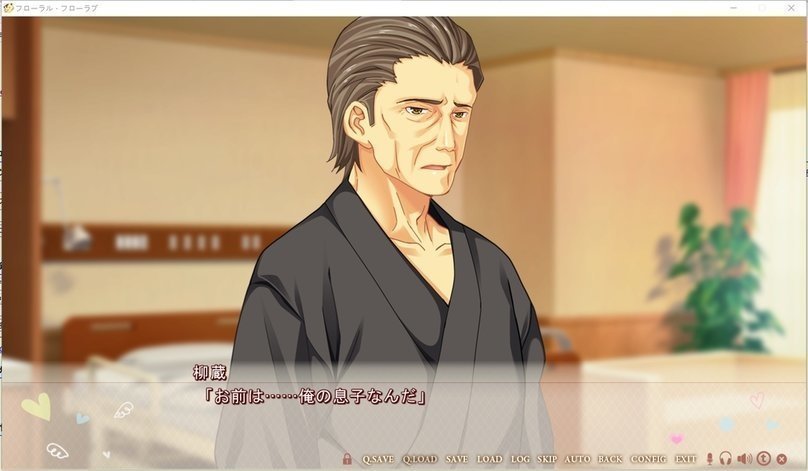
At this point, the story introduces a key figure: the man who saved the protagonist, “Toshinari.” His outline becomes clearer. The nun said there was another person before who could see white and black feathers—Saizu Toshinari—and that he was a singer, a rock singer. Interestingly, this rock singer went to auditions or tryouts, and one of the judges was the protagonist’s former adoptive father, music producer Sawashiro Tadamichi. Sawashiro says he feels sorry for Toshinari; he thought his music was good but never gave him a chance… He hoped he’d keep going, but Toshinari died.
So the princess is looking for Saizu Toshinari, the protagonist’s adoptive father knows Saizu Toshinari, Saizu Toshinari is the son of Natsuno’s butler, and Saizu Toshinari saved the protagonist… Everything seems connected. Maybe Saizu Toshinari will become a demi-protagonist like “Shiranui Asuka” in Saga Planets’ previous game?
After that comes the route selection…
After completing everything, looking back, my recommended order is:
Princess -> Tsubakihime Kohane -> Aoi Shuu -> Tokisaka Nanao -> Mihata Natsuno -> Saizu Riku
So let’s go through the routes in that order.
Princess Adelheid
The princess route can be entered right after the OP; you can even skip the protagonist’s dark past investigation, showing this route is least connected to the main plot. Damn, I thought the game centered on the princess, but no…
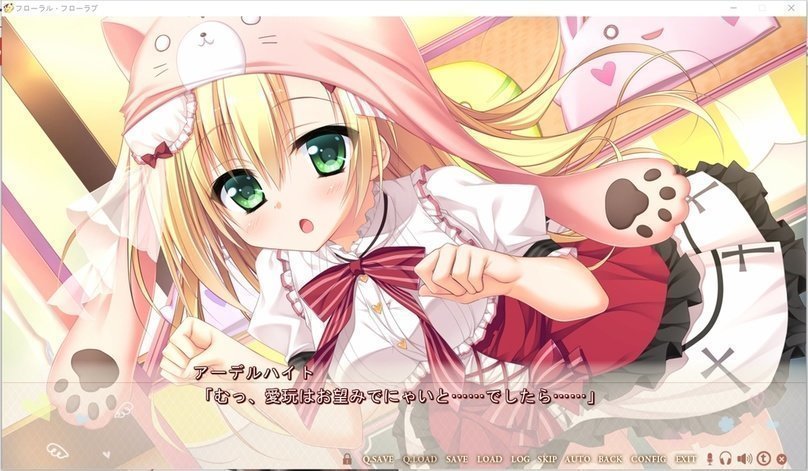
The princess route is simple but long… very long… very very long… After she gives up her claim to the throne, she decides to stay in Japan for school, but just lazes around. Having witnessed the protagonist take down the kidnappers with a dart, she thinks he’s a ninja—yes, ninja, and I want to complain about why a Japanese game uses katakana “ニンジャ” instead of kanji. She thinks it’s cool and makes him her bodyguard and attendant, starting a long “daily life with my lazy princess” that’s mostly comedy. It’s actually quite fun, similar to the happy daily life in HanaSaki Work Spring!, but in this game, going on like that without seeing the main plot made me anxious. I always thought the princess was the main route, and I went straight for it…
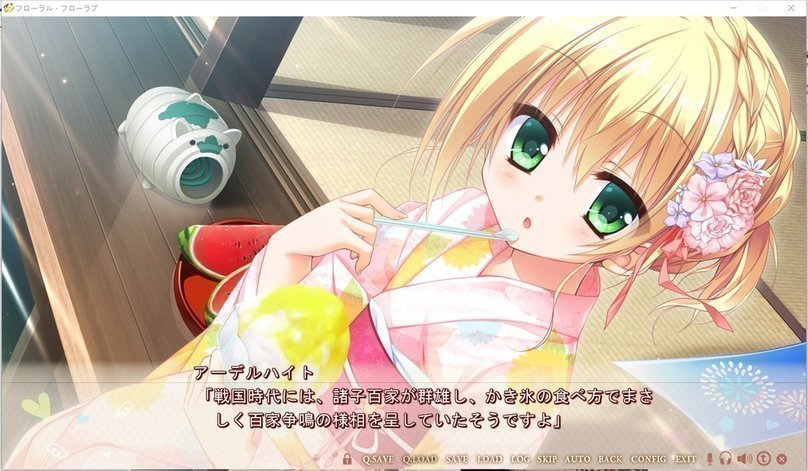
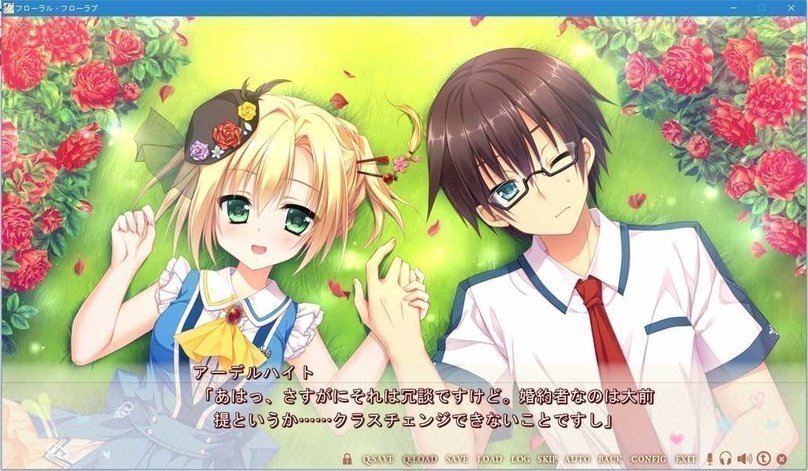
At the end of the princess route, she says she wants a knight to protect her, or else she’ll return home for a political marriage. Basically she teases the protagonist into confessing, and in the end she kisses him, and he woodenly accepts. She’s happy and wants to grant him a knighthood and make him her consort, which causes opposition in her country. Naturally, she withstands the extremists’ threats and holds the ceremony in the church. At that moment, angel wings appear on her back, and everyone who sees it stops opposing—she seems truly blessed by an angel and obtains the happiness she wanted.
Although it deviates most from the main plot, the princess route isn’t completely unrelated. She can sing, and her voice is called “the angel’s voice” (though Akino Hana’s singing is really bad). She says her singing was influenced by a guy named “Toshinari,” a good friend of her mother. She often played with him as a child, and when she returned, he was gone—dead…
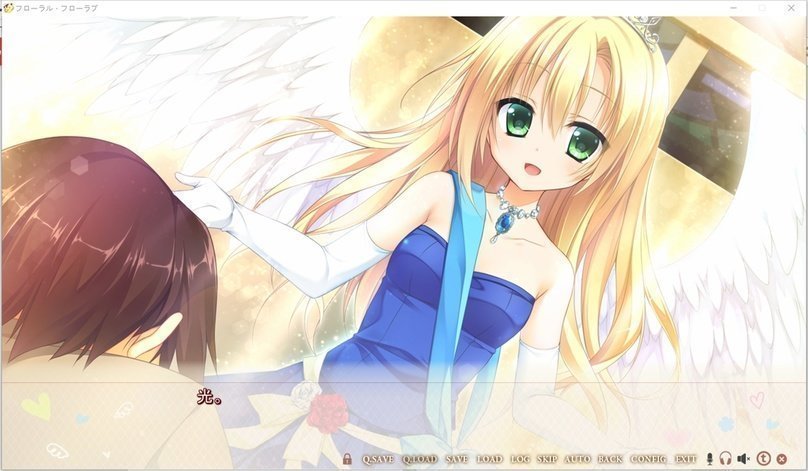
After the ED, even Saizu Toshinari’s past is revealed: he loved the princess’s mother, Masami, but never confessed. One day Masami told him, “Someone confessed to me… a foreign exchange student in my class, apparently a prince.” Toshinari, who could see good and evil, said he knew the exchange student wasn’t a bad person and that he didn’t dare confess to Masami, so he gave up and went along with it:
“That guy’s not bad, you should consider him.” “But… I don’t know anything about him.” Masami hesitated. “Trust me, he’s a kind person. I’m never wrong about people.” Toshinari indeed couldn’t be wrong, given his ability.
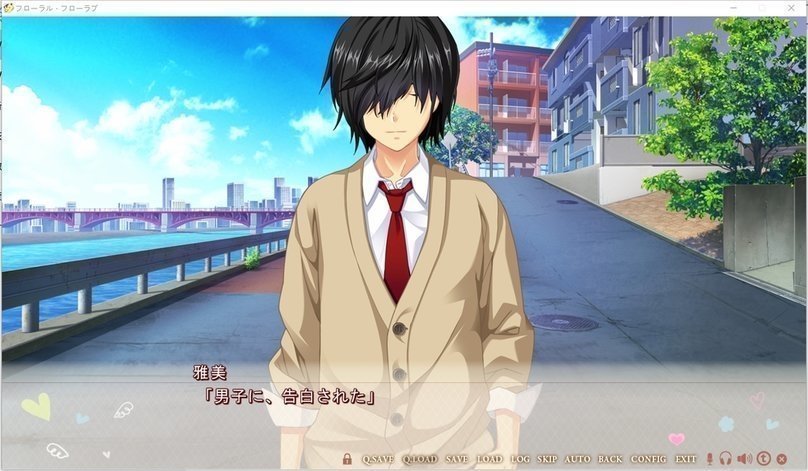
In the end, Masami married the foreign prince, who became king upon returning home, and gave birth to a daughter—Adelheid. Later, Masami brought her daughter back to Japan, saw Toshinari, and that’s how the princess spent time with him…
Tsubakihime Kohane
Similar to the princess route, this one is relatively short—or maybe the princess’s was just too long. The protagonist confesses from the start… while taking Kohane to a fireworks festival, and she accepts quickly. But the key isn’t there. It’s about Kohane’s pet, Moses. She says Moses has been with her since childhood, but one day Moses disappears… The protagonist and Kohane search everywhere…
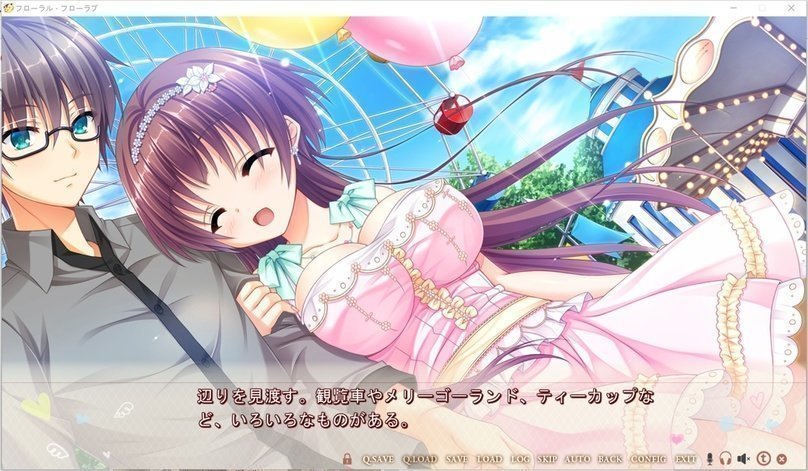
They eventually find that Moses went to accompany another little girl… Kohane and the protagonist discover the girl has no family and is lonely. Kohane remembers her own past loneliness, when Moses appeared before her. Now that she has the protagonist as a partner, maybe she should let Moses comfort others who need it.

At the end, the protagonist jokes that Moses is like a mother, always comforting you, and he and Kohane become a real family, finding happiness.
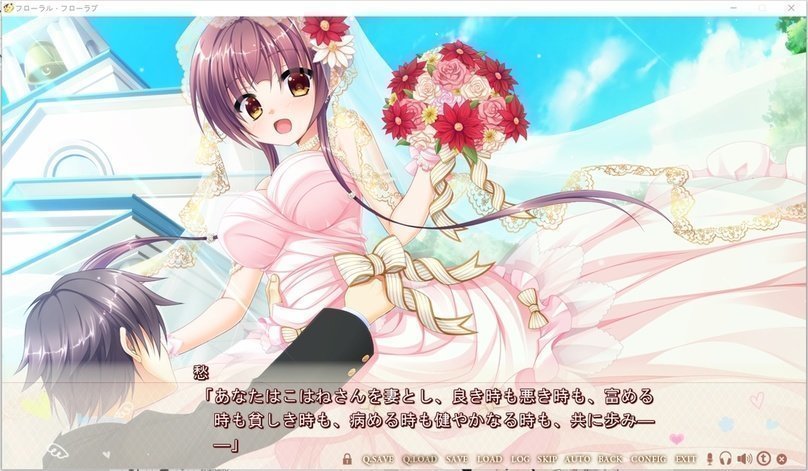
This route is just a straightforward confession route, even further from the main plot than the princess’s, but it doesn’t drag on with endless daily life like the princess’s. Very formulaic, very standard.
Aoi Shuu
The trashy Kiyomi Ai individual route. I heard that the wrestling world’s移动 training dummy Kiyomi Ai has gotten married; I wonder if her husband gets thrown around every day…
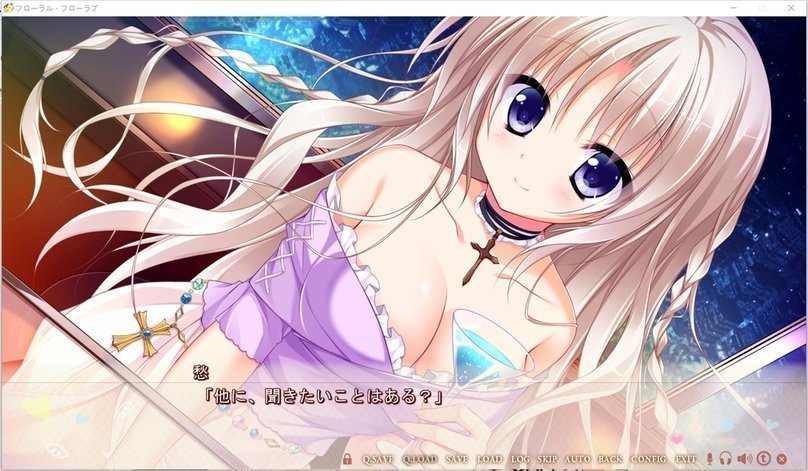
This route feels like an appendage to Kohane’s. The protagonist suddenly falls in love with the nun Aoi Shuu and they have intense sex in the church—at first glance it looks like he’s raping a clergywoman… Though she’s half-willing, of course.
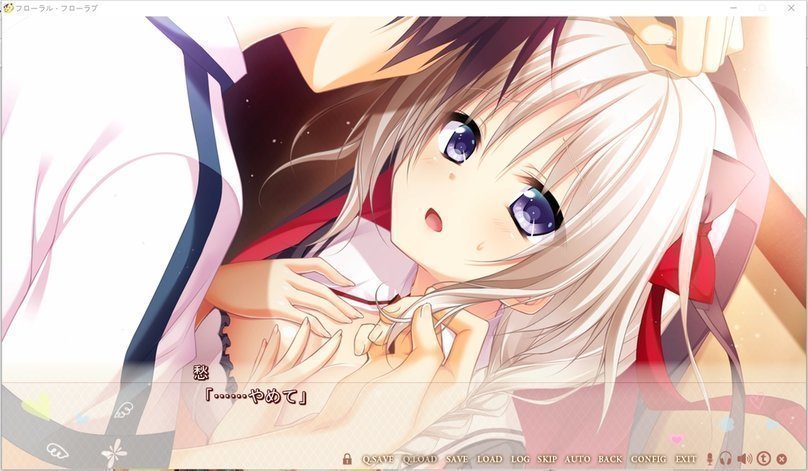
Naturally, the affair between the nun and the student is exposed and punished. The protagonist clarifies that he and the nun aren’t that involved, just ordinary friends, and that he’ll be careful and not cross that line.
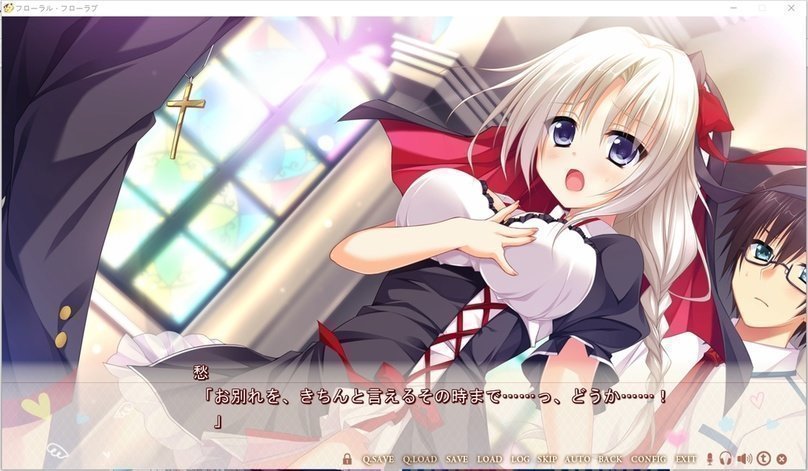
Not cross it? As if!
The ending is just the protagonist and Aoi Shuu dating in secret, and probably continuing that way forever… After all, a public relationship between a nun and a student is still forbidden.
Tokisaka Nanao
Finally, a route closer to the main plot. This route directly follows the end of the post-OP common route. After the protagonist confirms his past, he gives up his hatred for his former adoptive father and starts a new life. The story gets interesting here—a love triangle! Both Tokisaka Nanao and Mihata Natsuno start showing interest in the protagonist. The latter has been throwing herself at him all along, while the former is a tsundere who acted like she hated him at first, but after learning about his past, her sympathy turns into affection.

The love triangle goes on for a while—you could say it’s a bit like White Album 2. In the end, you have to choose one, and whoever you pick determines the route…
Nanao’s route is said to be close to the main plot, but actually isn’t that related… just close. It’s about the protagonist further forgiving his former adoptive father and helping Nanao improve her relationship with her mother. Nanao likes making pastries and sweets, which you can tell from her working part-time at a local sweets shop despite not needing money. But as a rich ojou-sama, wanting to make sweets in the future seems a bit beneath her. She clashes with both her mother and father, and after dating the protagonist, her mother even says she doesn’t oppose their relationship but wants Nanao to think about her future. If she really goes into sweets, will she get support? And with the protagonist, they’d be separated—would a long-distance relationship last?
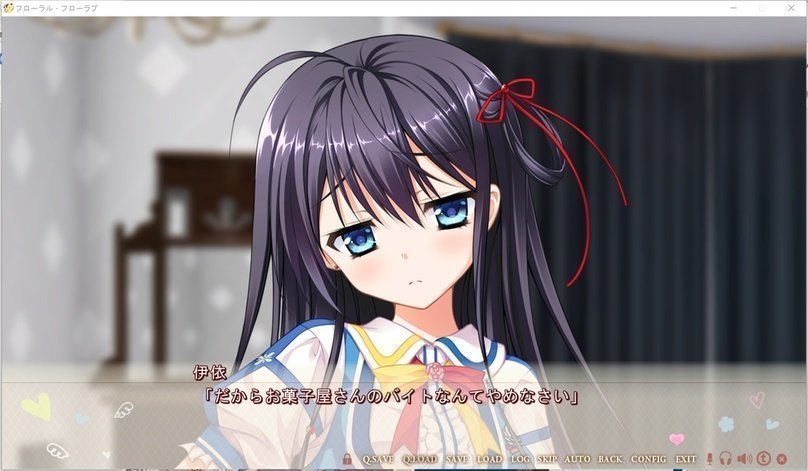
Naturally, the ending has the protagonist and Nanao overcoming everything together—bringing in the parents, making promises, saying they’ll be together forever, and gaining their understanding. The protagonist even says he’s forgiven his former adoptive father and won’t blame him or have anything to do with him…
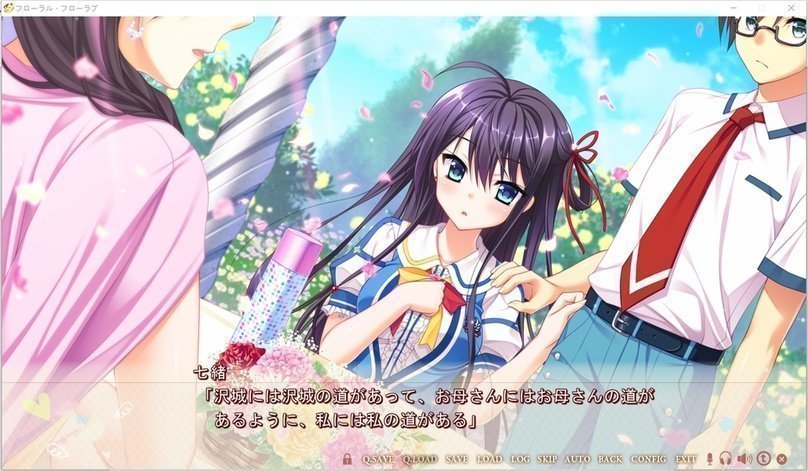
So it’s a Happy End, I guess?
Mihata Natsuno
The heroine I was resistant to from the start because she seemed too dumb… too clingy. Even though I knew her CV was Nakamura Eriko… I still felt nothing. I thought I was a Nakamura Eriko fan…
But this individual route is indeed the biggest…
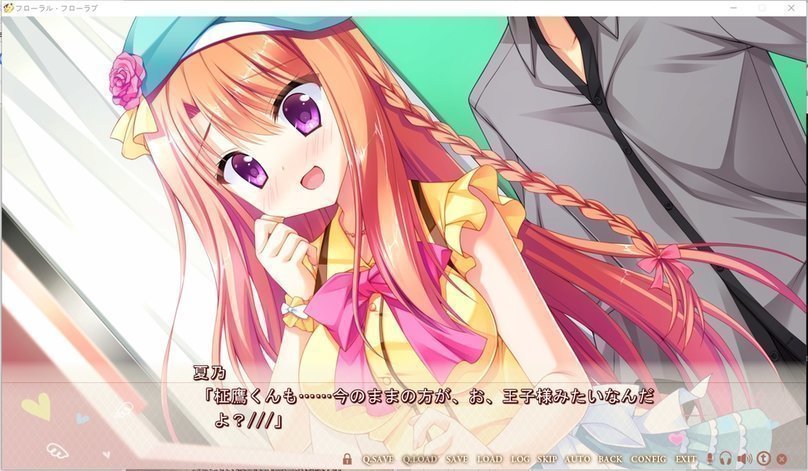
After the protagonist chooses Natsuno over Nanao, they date smoothly, but soon, while talking with the nun, he learns that Natsuno’s family environment is unusual. The head of the Mihata family is Natsuno’s aunt, Mihata Fukaharu.
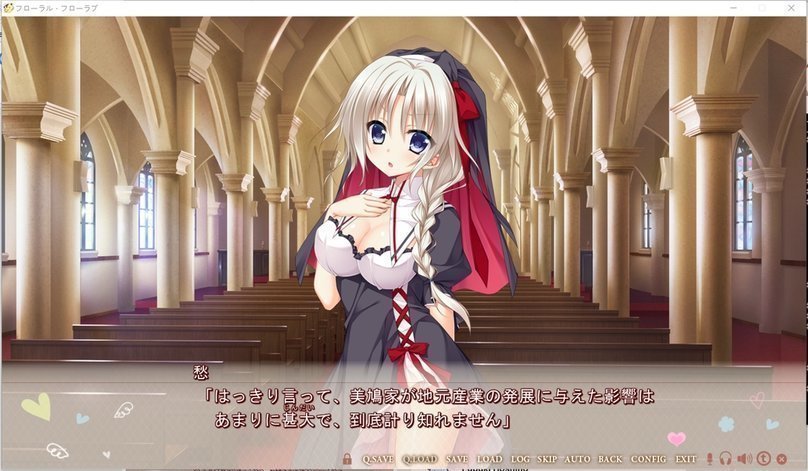
“Mihata Fukaharu is a shrewd woman. She started as an ordinary woman and ended up the de facto head of the Mihata family—you have to admit she’s got skills.”
And the protagonist knows that under Mihata Fukaharu’s forceful management, the Mihata family business has grown, reaching into more areas, including funding the church. Not to mention the position of his own family as butlers, which is supported by the Mihata family.
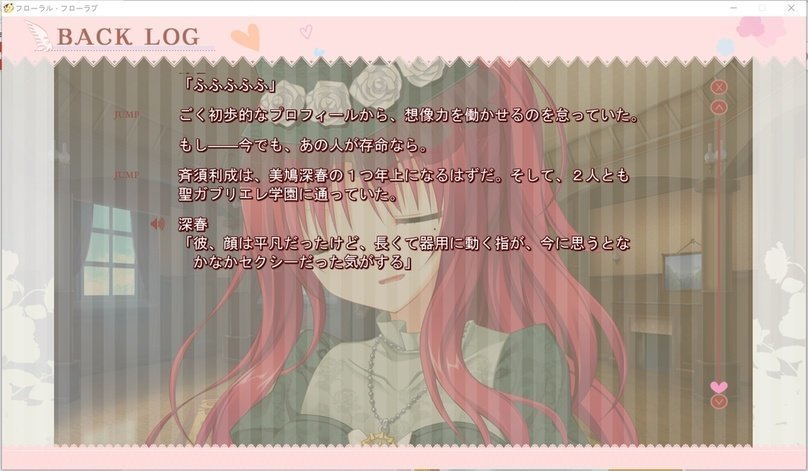
The protagonist becomes curious about Mihata Fukaharu—what made her so forceful? So he asks the princess to investigate…
The investigation reveals something strange: Mihata Fukaharu’s husband has a mistress, but she quietly accepts it and doesn’t care. And the princess tells him something more important.
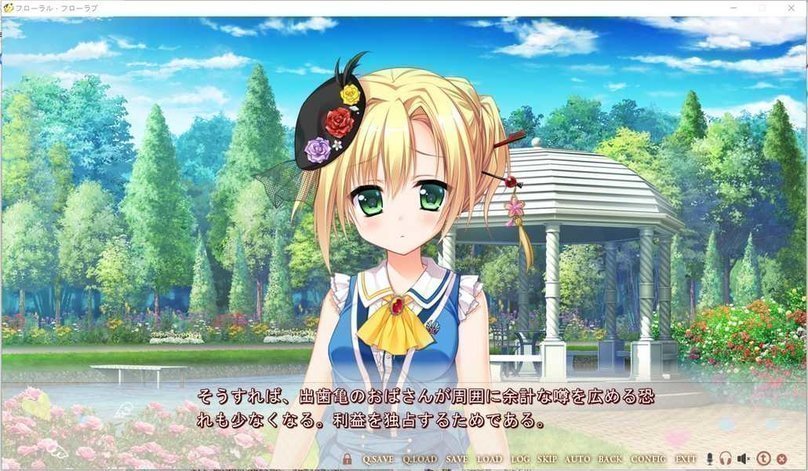
“Mihata Fukaharu seems to know you’re dating Natsuno, and she’s planning to break you up.”
Well, obviously—the protagonist is a poor kid, Natsuno is an ojou-sama. How could their relationship work? Mihata Fukaharu is so powerful; how could he possibly fight her?
One day the protagonist swings by the school station and sees Miharu Miharu? Wait, no—Miharu Miharu. Let’s try that again: Miharu Miharu, the aunt, sitting in a car. She gets out, stares into space for a bit, then gets back in and leaves. Like she’s looking for something.
He figures she’s not completely impossible to talk to. Maybe there’s another side to her. So he goes to see her.
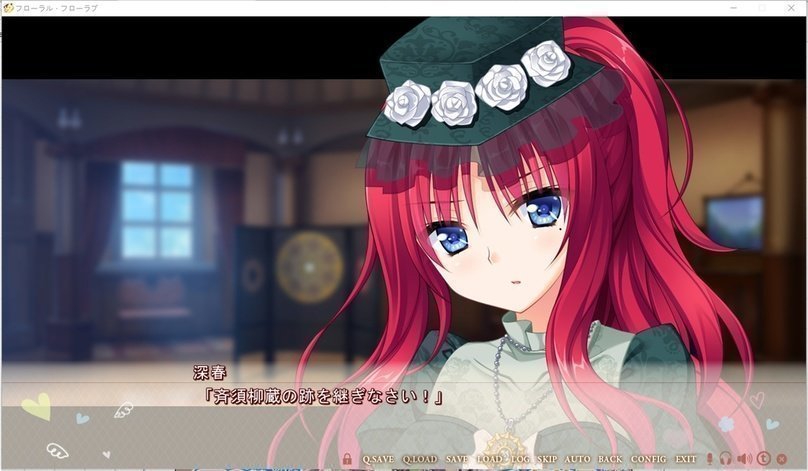
Turns out she’s way more of a schemer than he imagined. You can’t see the feathers on her back at all—no telling if she’s lying or telling the truth. She tells him she likes him, but Natsuno is about to make her debut at the family ball and enter high society. After that, it’s just a matter of time before political marriages and other family nonsense come knocking. He’ll be out of the picture.
He says he’ll fight to attend the ball too. He’s not a kid anymore, he’s an adult, and he deserves adult rights.
“Sure. If you’re not a kid, then win what you want like an adult.” She agrees way too easily.
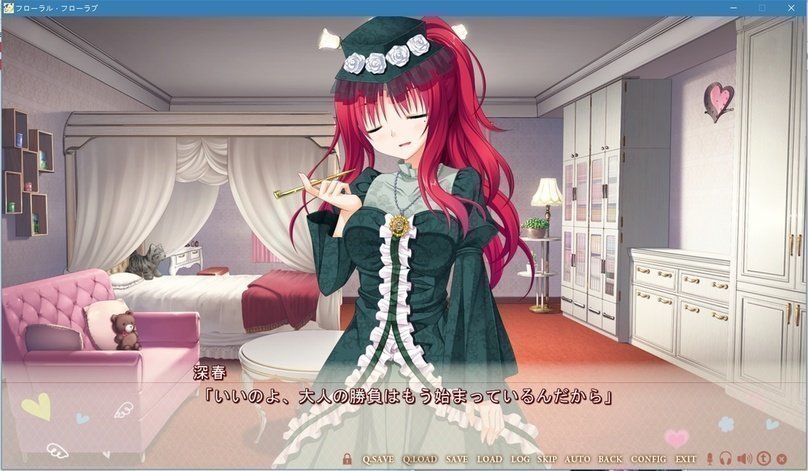
He prepares like crazy for the ball—learns etiquette, studies everything—and finally passes Miharu’s little gauntlet to get in.
But it’s still not enough. Miharu makes her stance clear.
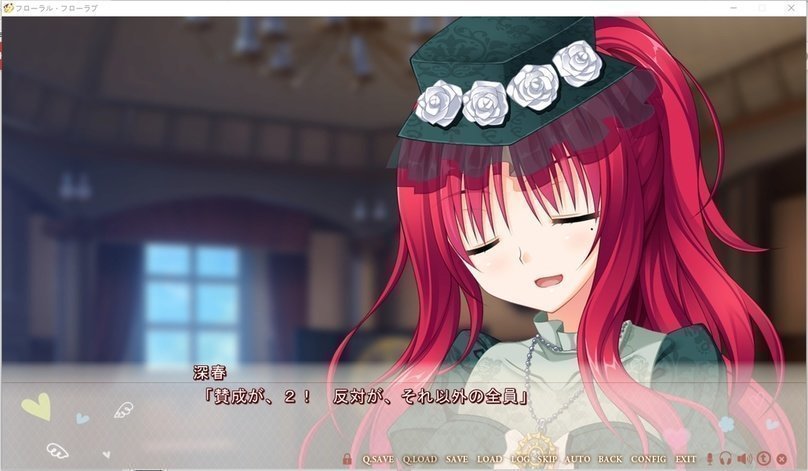
“You want to take Natsuno Miharu away… then let’s put it to a vote. How many people here agree?”
Almost nobody in the Miharu family raises their hand. Shocking.
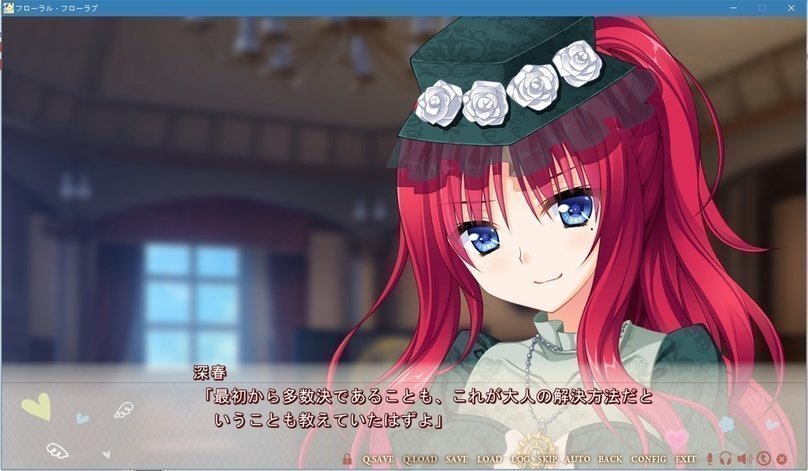
“Majority rules. That’s how adults settle things.” She smiles, meaningfully. “Or are you all children?”
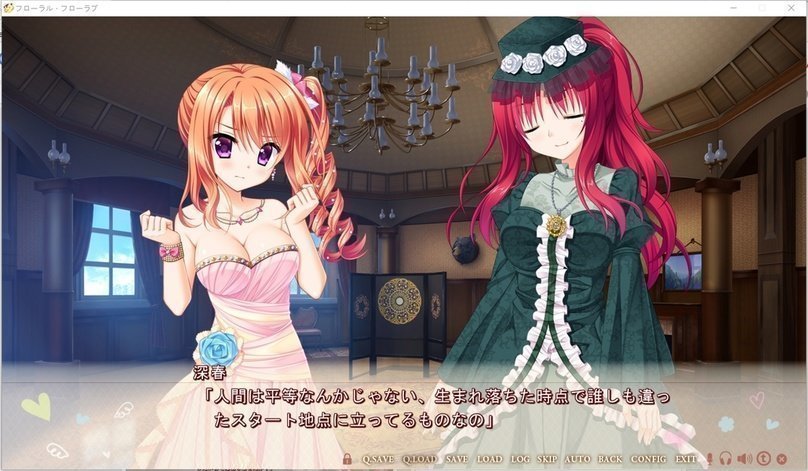
“Besides, people are born unequal. Some people start at the finish line. You can’t make up for that.”
He asks for one last dance with Natsuno. Miharu agrees.
Then he leaves the Miharu estate and never sees Natsuno again.
Natsuno gets confined. He’s about to give up. Miharu goes to see Natsuno and tells her about her own past.
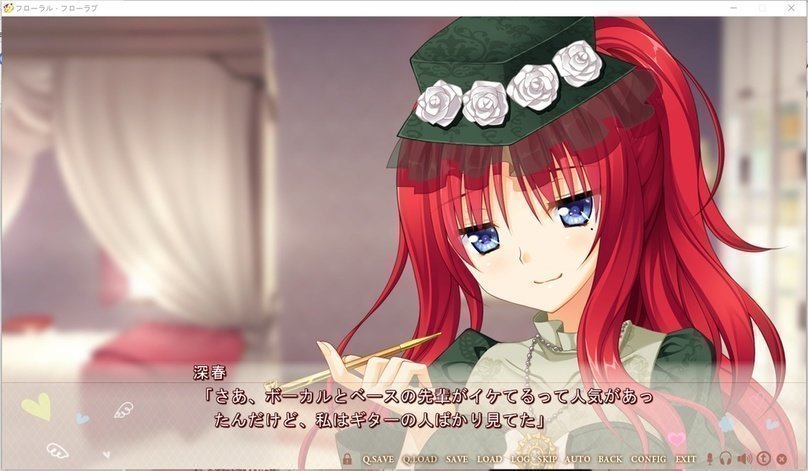
Turns out Miharu went to the same school as Natsuno. Back then, she fell for a guitarist in a band. She loved the songs he sang, his voice—like an angel’s. The songs were full of hope for love and peace. She bought his CDs, went to his shows.
That guitarist was “Toshinari.” Saisu Toshinari.
“I was head over heels for him,” Miharu says. “But I never had the guts to confess. And he seemed to have someone already—a girl named Masami.”
Later she heard Toshinari’s life went nowhere. She sealed those feelings away, and her heart never came back to life.
She got married eventually. Didn’t love her husband much, and he didn’t love her either. She even let him have mistresses on the side. In exchange, she hired a lawyer and forced him to hand over the family’s decision-making power. She became the head of the family.
“Sometimes I think about the past. About how I felt for Toshinari. But what good does it do? People have to accept reality.” She says it with weight. “Natsuno Miharu is the most likely candidate to become the next female head of the Miharu family. The family business is huge. So many families and people connected to them are tied to your future. We’re all on this giant ship, and the head is the one steering. The ship’s too big, too many people on board. The one at the helm can’t screw around. The ship can’t sink.”
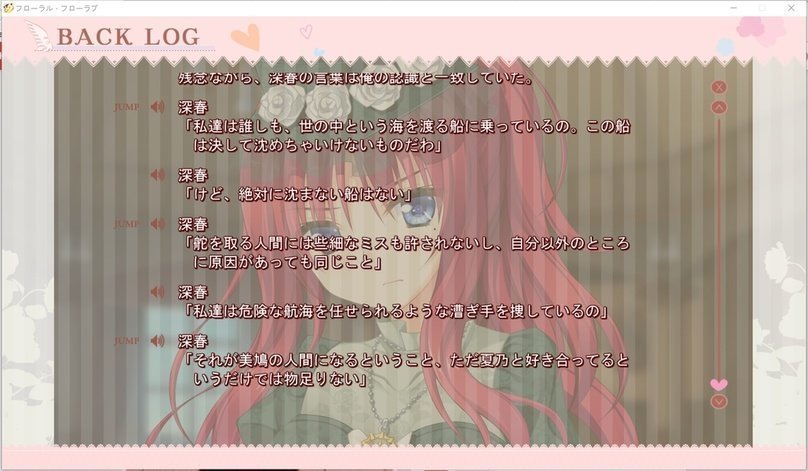
“But no ship stays afloat forever.” She lets out a breath.
Natsuno seems to get how hard her aunt’s position is. But she won’t give up either. After all, she and the protagonist already had a “running away together” incident as kids.
Cue the flashback.
When the protagonist was a little kid, the church took him in. Somehow he ended up at the Miharu estate, where he met Natsuno.
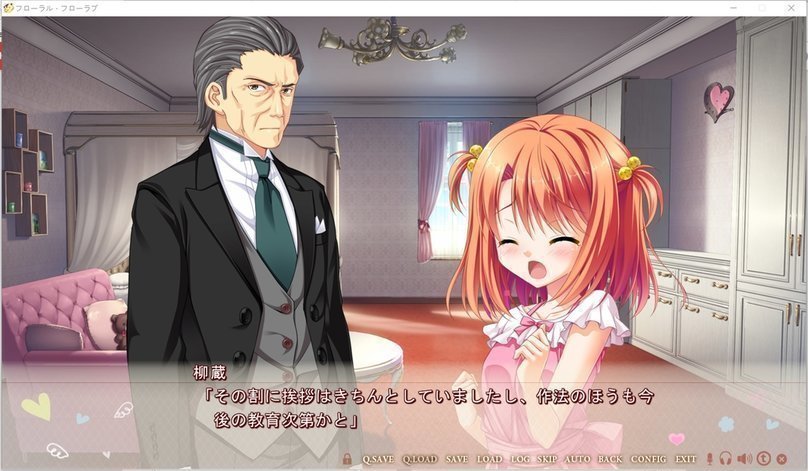
He was a broke kid who’d never seen anything. Starving. When he saw the food and valuables at the Miharu place, he stuffed them in his pockets. One thought in his head: “I just want money. With money… I’ll have everything.”
Natsuno found him amusing and got curious. She kept visiting him at the shelter. His adoptive mother was already dead, and his adoptive father had abandoned him.
“You like me so much, why don’t we run away together?” he suggested.
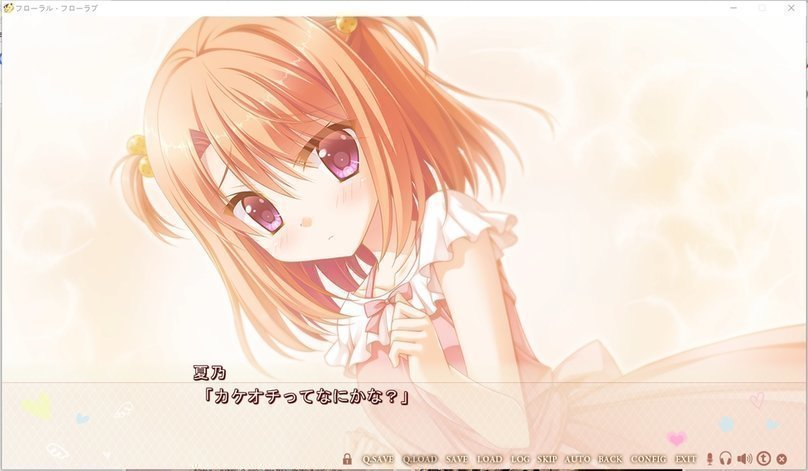
“Okay, okay!” She was too young to know better, so she agreed.
He took her to his old foster parents’ apartment. The key still worked. No electricity, so he lit candles. A bunch of them. The place looked decent enough.
“From now on, this is our home.”
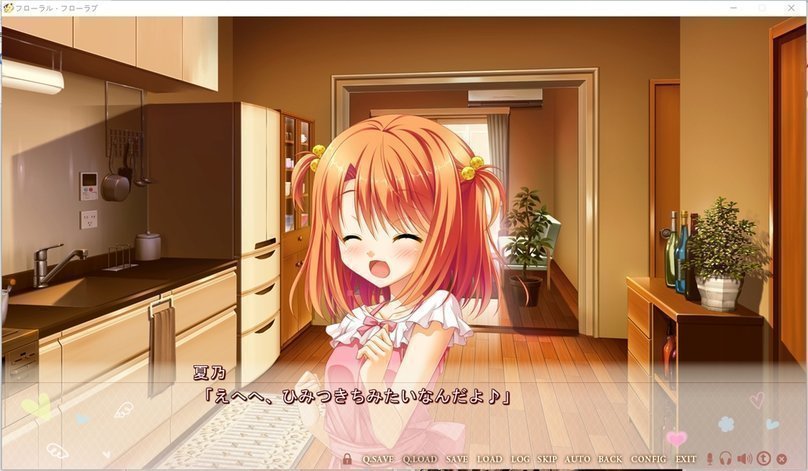
And so their “running away” began. Except it wasn’t really. Natsuno went home at night. It wasn’t running away—more like finding a secret base to play in.
But he had no money, no food. Lighting candles in an empty apartment wasn’t gonna cut it.
One day he wandered the streets and saw Saisu Toshinari playing for change at the station. He hesitated, then grabbed the jar of tips and bolted.
He figured Natsuno would praise him. He brought money—money was the best thing in the world, or so he thought.
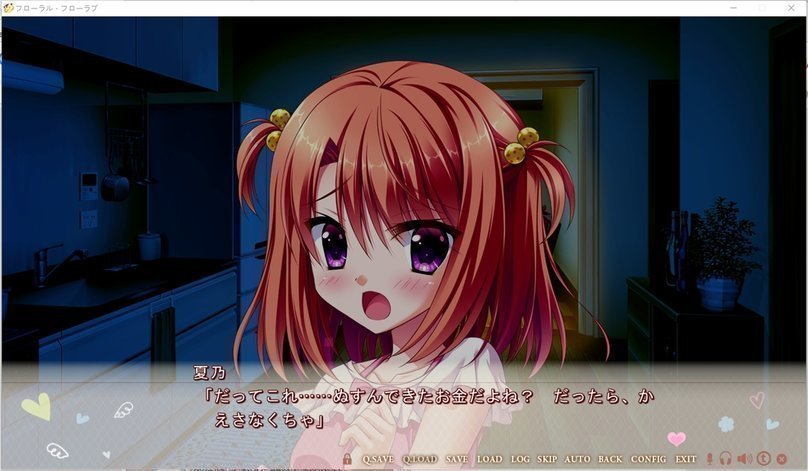
Instead, Natsuno flipped out and told him to give it back. He didn’t get it. They started fighting. Then an earthquake hit. Candles toppled everywhere. Fire broke out.
He told Natsuno to run first. She ran out crying, screaming for help. He got trapped in the flames. Just when he thought he was dead, Toshinari showed up—Natsuno had called him. Toshinari grabbed him, and the flames swallowed them both.
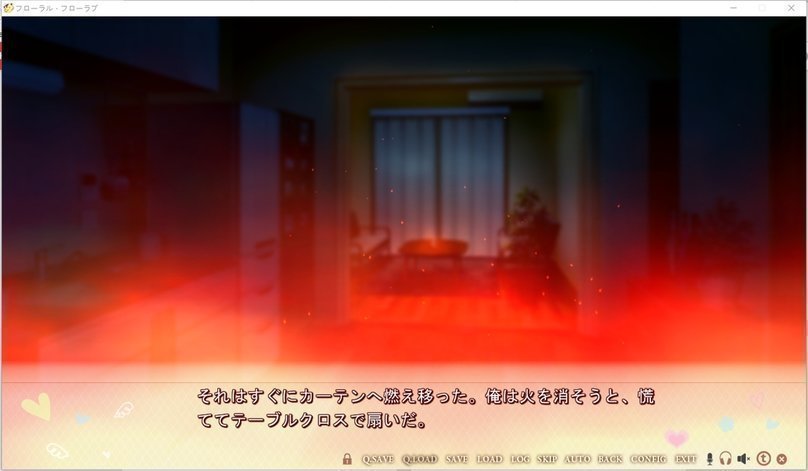
Toshinari and the protagonist both should’ve died. But an angel appeared and changed the ending. Natsuno saw the angel in the sky and begged it to save him.
“Lucky you…” The angel agreed.
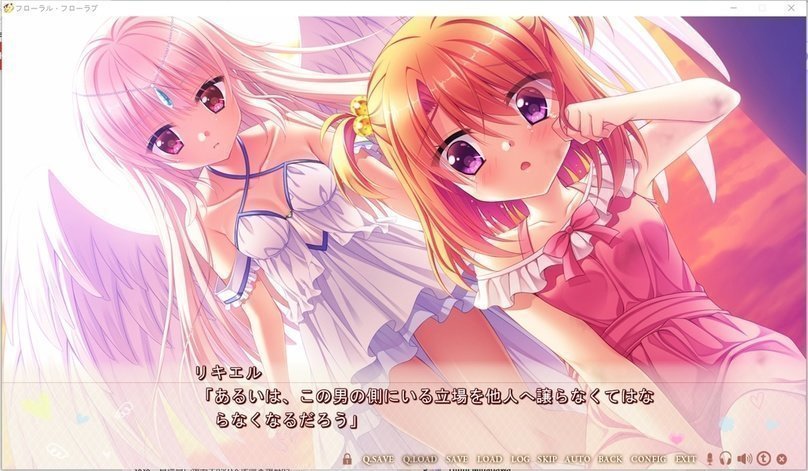
So the protagonist, who was charcoal, came back to life. Toshinari didn’t. He died. The protagonist remembers Toshinari saying something about asking someone named Riku for help. After that, nothing.
So that’s why the protagonist was saved by Toshinari, and why Toshinari died in the fire.
This whole flashback is actually a side story. It doesn’t have much to do with the end of Natsuno’s route—it’s more about the main plot.
He remembers what Miharu said. Realizes she’s not that bad. She’s not really against him and Natsuno. She’s just caught up in things she can’t control.
“There are two ways adults solve problems. One is force. The other is majority rule.”
He comes up with an idea. Decides to try it.
At the end of Natsuno’s route, he “runs away” with her again. This time they go to a church and invite all their friends and family. They plan to get married right there, with a nun’s blessing.
Miharu and the family bigwigs show up fast to object.
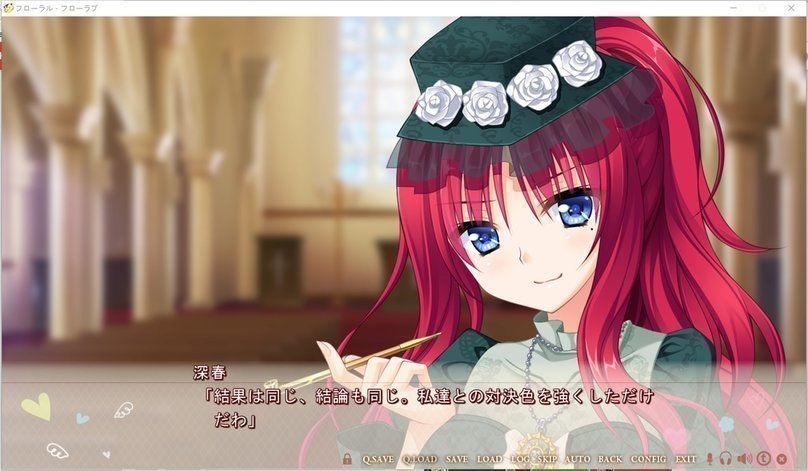
He smartly asks everyone present to raise their hand if they approve of the marriage. The Miharu side is clearly outnumbered by his and Natsuno’s friends. Majority rule—he wins.
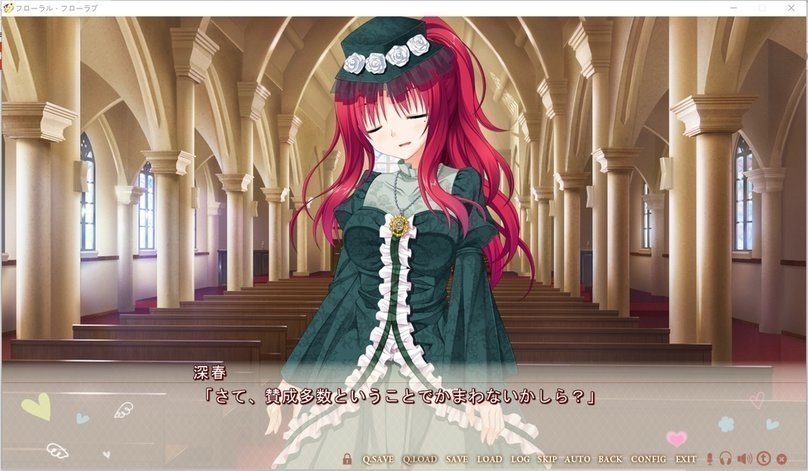
Miharu still objects, calls it nonsense. But after a long speech from him, she’s convinced (she wasn’t that bad to begin with). She personally supports it. If the head of the family supports it, nobody else’s objection matters. Funny thing: the Princess says, “If you think he’s got no status, I’ll just give him a title. Done.”
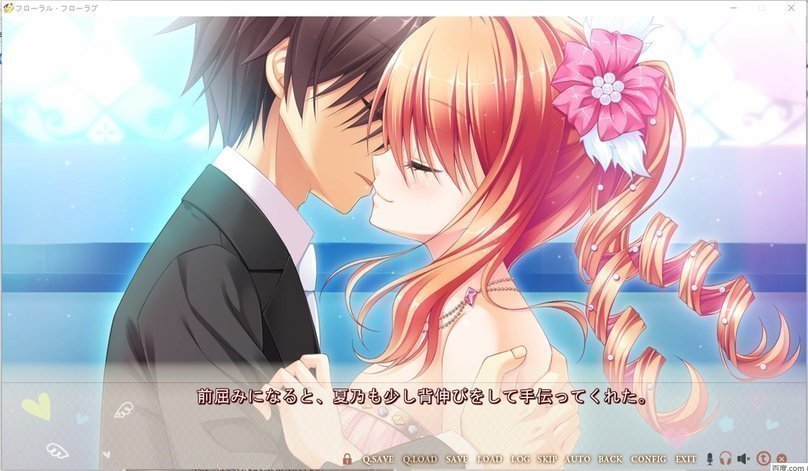
Happy End, obviously.
But as the flashback showed, the real point of this route is the angel who appears at the end.
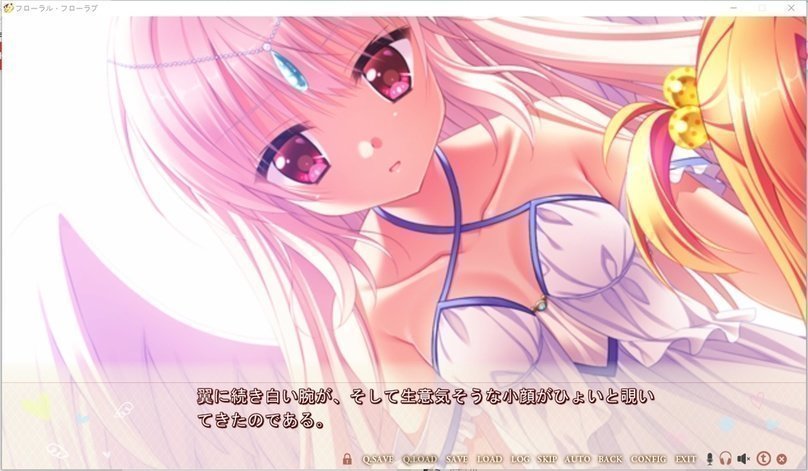
Who is the angel? The girl who calls herself his little sister: Saisu Riku.
Grand End: Saisu Riku
After clearing all routes, you unlock Informalnote, the final ending.
At the start, the protagonist describes his current state. He never agreed to be the Princess’s guard. Never looked into his past. Never hung out with Natsuno and her friends. None of the other routes happened. He’s still living alone, watching the girl who calls herself his sister: Saisu Riku.
Sometimes he wonders why Riku is so shy. Then it hits him—nobody else seems to know she exists.
She says, “Because I’m your angel.” He starts to doubt the reason for her existence.
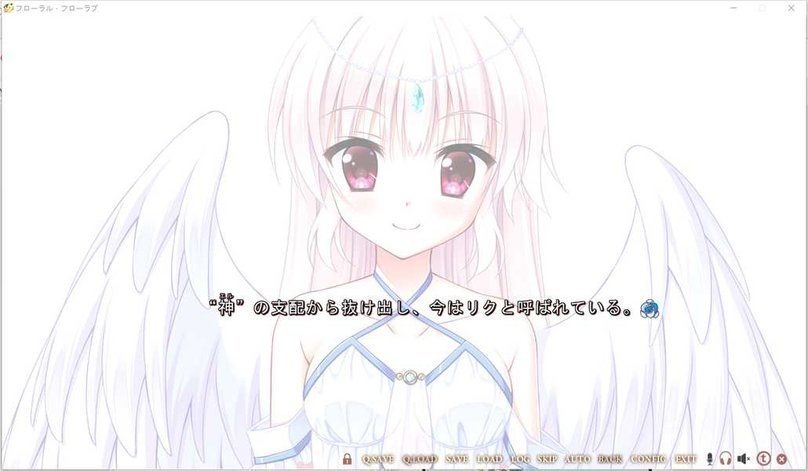
If you’ve played the other routes, you’ll notice Riku has barely any screen time. She vanishes whenever someone comes over. She avoids people. And almost nobody can see her except Natsuno.
He finds four feathers in his room. Riku explains they’re “locks” keeping him in this world. They represent his possibilities with certain people. They can’t be broken.
He starts dreaming fragmented memories of Saisu Toshinari. They get clearer.
Toshinari loved music as a kid. Loved songs about love and peace. He loved rock and formed a band.
Why did Toshinari love “love and peace” so much? Probably because he had a guardian angel. He didn’t know why the angel was with him. The angel said angels make contracts with humans. When a contract holder dies, the angel picks the next one. Toshinari happened to be at the church for baptism when the angel was choosing. So it picked him.
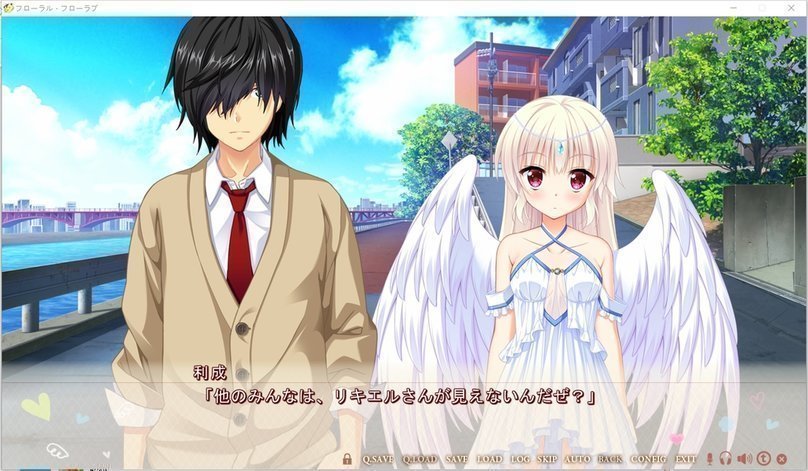
Being guarded by an angel means you can see the good and evil in everyone—black feathers, white feathers. Toshinari saw too much. Over time he got used to it. Almost everyone has black feathers. Truly pure people are rare.
His band hit a problem. A member said, “Isn’t this love-and-peace rock stuff going nowhere? Pop is the trend now. Let’s do pop.”
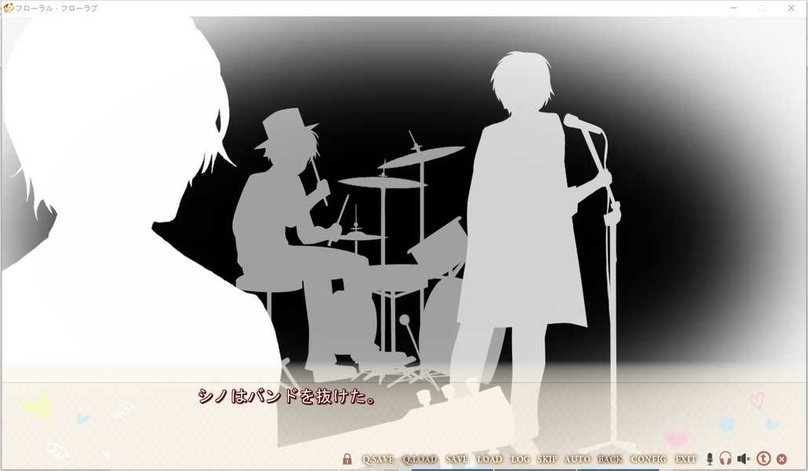
Toshinari objected. Rock and Roll isn’t just music, it’s a lifestyle. We formed a rock band. We can’t just follow trends.
Soon the band fell apart, leaving Toshinari alone. Then Masami, the woman he loved, came to him.
“Someone confessed to me…”
Toshinari loved Masami but couldn’t say it. Felt he didn’t deserve her.
As the Princess’s route revealed, Toshinari gave Masami up to a foreign prince.
When he saw Masami again, she had her daughter with her. She’d come back to her family home, probably out of anger. Her husband was a high-ranking official, too busy to care about her feelings.
Seeing Masami again, he couldn’t help his heart skipping. Masami, ignored by her husband, started to feel something for him too.
Then Toshinari saw black feathers on Masami’s back. They meant she wanted to betray—betray her husband, her marriage. Masami leaned close. One more step and the prince would’ve been cuckolded.
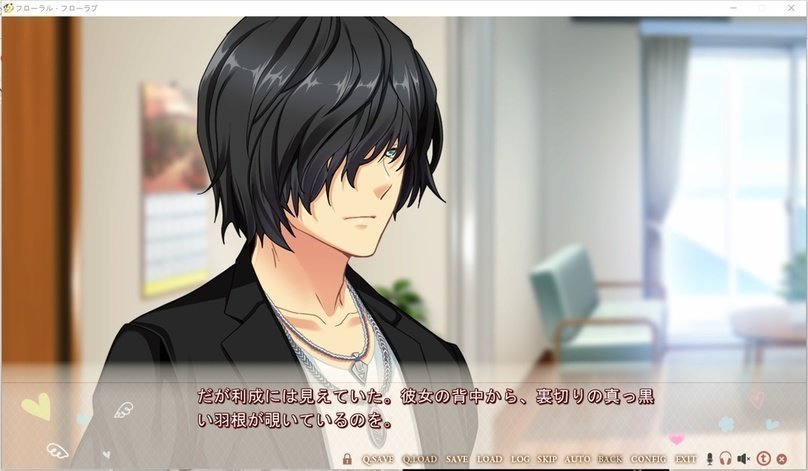
Toshinari held back the urge to kiss her. Instead he said, “Trust your husband. He’s a good man. He’s just busy. Don’t be angry. He’ll understand. And I think he needs you by his side right now.”
Toshinari gave up Masami. Before she left, Masami’s daughter—the future Princess—stayed with Toshinari for a while. Maybe that’s when the Princess’s singing got influenced by his music.
“I don’t really get it, but Toshinari’s music is really good,” Masami said before leaving. “You’ll be a famous singer someday. I look forward to hearing you abroad.”
“Haha, hope so.”
After Masami left, Toshinari realized he was thirty.
“Man, back in school I thought thirty meant being an old man. Now that I’m here, I don’t feel any different.”
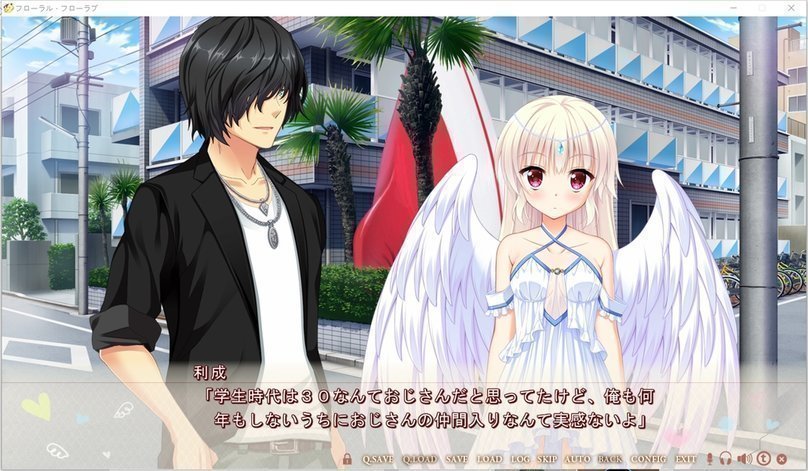
Thirty, unemployed. The angel suggested he try auditions, contact record companies. He loved music, after all.
A Tokyo record company finally accepted his audition request. He said he wanted to write a new song. The angel said the audition is soon, you don’t have time.
He said it’s fine, he’d make time. So he worked days, stayed up nights, practiced and wrote songs, often collapsing on the street from exhaustion. The angel didn’t get why he pushed himself.
The audition came. In front of a panel of music industry people, he performed his new song. Same as always—beautiful melody, lyrics about “peace, love, beauty, life~” and so on.
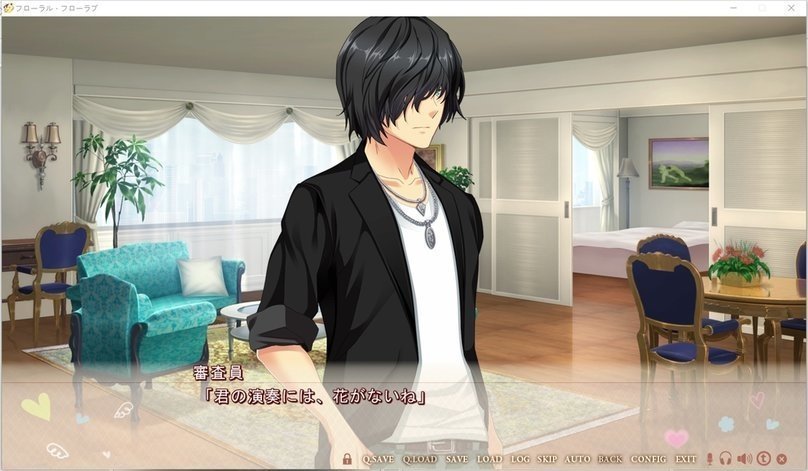
The panel said the song wasn’t bad, but it had “no flowers.” Meaning no highlights.
One of the panelists was Sawashiro Tadamichi. He was actually moved by the song—hell, every judge was—but the song had no selling point. In today’s music scene, being “good” isn’t enough. You need a “hook.” Without a hook, without “pandering,” you can’t sell.
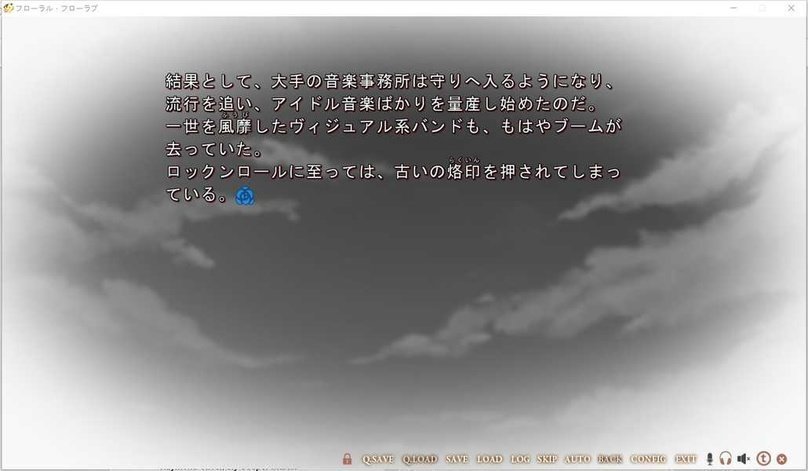
Toshinari got rejected. As he left, Sawashiro called out:
“You planning to quit music?” “No way… Rock and Roll is a lifestyle…” “Then keep at it. Don’t give up on future chances.”
Toshinari saw through it. Every judge had white wings behind them. They all knew his music was good, but… the world doesn’t sell things just because they’re good.
Funny thing: Sawashiro later went to Hollywood and made a bunch of new music. Many melodies were similar to Toshinari’s audition song. They got praise. Only the lyrics were swapped for trendy stuff. Nobody called it plagiarism because he’s a pro. Nobody knew a guy named Saisu Toshinari existed.
In the end, Toshinari had nothing. No money, no job, no love, no music. Just an angel.
The angel joked, “What’s so bad about me?”
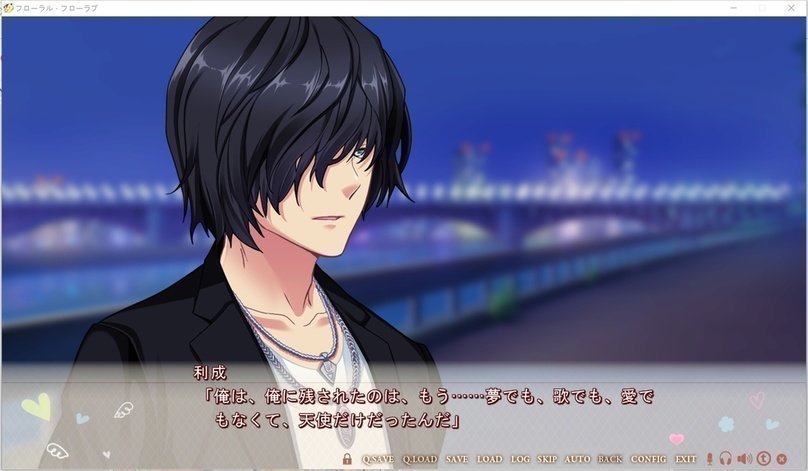
“Why don’t you go back to heaven? I’m useless anyway.”
“The contract only ends when you die. Otherwise it stays.”
He said he wanted to learn about the angel’s origins. The angel wouldn’t say. He went to the church to investigate. The old nun wouldn’t talk. He offered to volunteer there, sing for the kids. As long as someone listened.
His songs were popular, but soon the old nun asked him not to come back. He didn’t understand whose cake he’d stepped on.
The old nun showed him a diary. It supposedly contained records of the angel’s previous contract holders.
“If you leave, I’ll tell you about this.”
He read the diary and got angry. It turned out the angel had been used by contract holders. Clergy would get the angel’s contract, then use the ability to see good and evil as a divine power to run their religion. They didn’t respect the angel. Many people suffered from the power.
Seeing everyone’s good and evil at a glance isn’t a blessing. Everyone has both. But when you see your best friend lying to you, you lose trust—even if it’s a harmless lie. Many clergy couldn’t handle it. Some killed themselves, some went mad. Almost none died peacefully. Toshinari could understand. He’d forgiven many people because of their good and evil… and missed out on many.
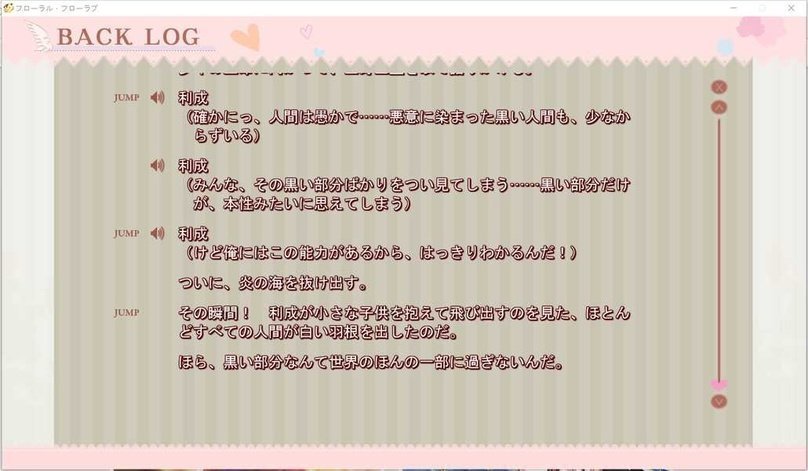
In the end, Toshinari had nothing. He sang for change at the station.
A little boy showed up, covered in black feathers.
“Watch out, that one’s trouble,” the angel warned.
“Hey… how about a bet?” Toshinari said. “That kid full of black feathers—he’s got good in him too. He’ll become a good person.”
“Him? Good?” The angel didn’t buy it.
“Let’s bet. Everyone has a good side. You can’t call him bad just because he’s got black wings right now.”
Then the boy grabbed the tip jar and ran.
“Wha—” Toshinari stood there, stunned.
“Go after him!” the angel shouted.
Toshinari chased him. Without that money, he might not eat today. The boy ran into an apartment. Then an earthquake hit. Fire broke out. A little girl ran out and begged Toshinari for help.
That girl was young Natsuno. The boy who stole the money was young protagonist. The apartment was their childhood “runaway” spot.
Toshinari rushed in. The fire was too big. He grabbed the boy but couldn’t get out. Before dying, he thought of his regrets…
“If only I’d confessed to Masami sooner…” “If only I’d been tougher with those judges…” “If only…”
He smiled. He wasn’t a tough guy. Being kind had gotten him nothing.
Then he called the angel’s name, hoping for help.
The angel heard him. Saw he was dead. The boy was charcoal. The angel had contracted with many humans, seen their ugliness. Clergy made contracts to eliminate rivals, start religious wars, spill blood. All the angel could do was watch.
The angel hated humans. Hypocritical and ugly. She herself had been executed as a witch. As an angel descending to earth, humans had done almost nothing good to her. Toshinari was an exception…
She remembered his words: “Want to bet?”
It wasn’t really a bet with him—it was her own curiosity. She wanted to confirm…

The angel touched Natsuno’s shoulder. Natsuno saw her.
“Please, angel, save him.”
“Lucky you…”
The angel sacrificed her wings, revived the protagonist, healed his body. She became mortal. She made a contract with him, which let him see the angel wings on everyone’s back…
And the angel became human, took the name Saisu Riku, and hid with him. She told him she was his little sister… though she never acted like one.
Because the angel touched Natsuno and has a contract with the protagonist, almost nobody else can see her except Natsuno and him.
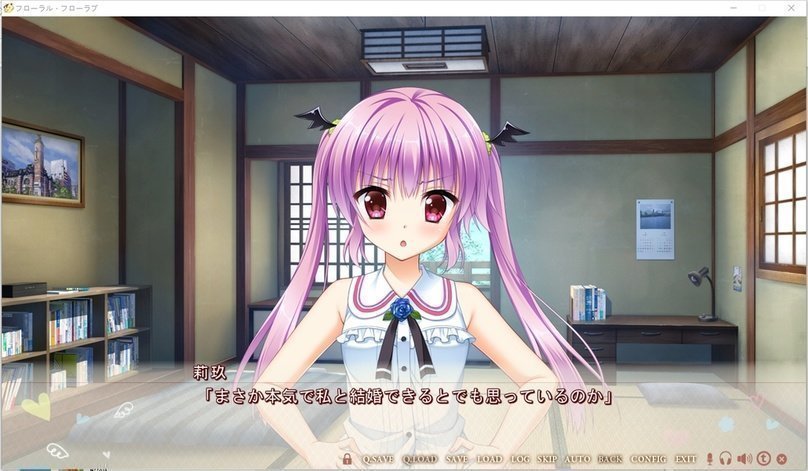
Meanwhile, he starts getting other memories. He remembers the Princess Adelheid’s guard problem, Kohane’s lost pet, Nanao’s family issues, Natsuno and her aunt’s problem…
Riku explains: these are his “possibilities” in other worlds, the “locks” keeping him stable in this one. Because he has these possibilities, the angel’s revival worked—he’s “needed” in this world.
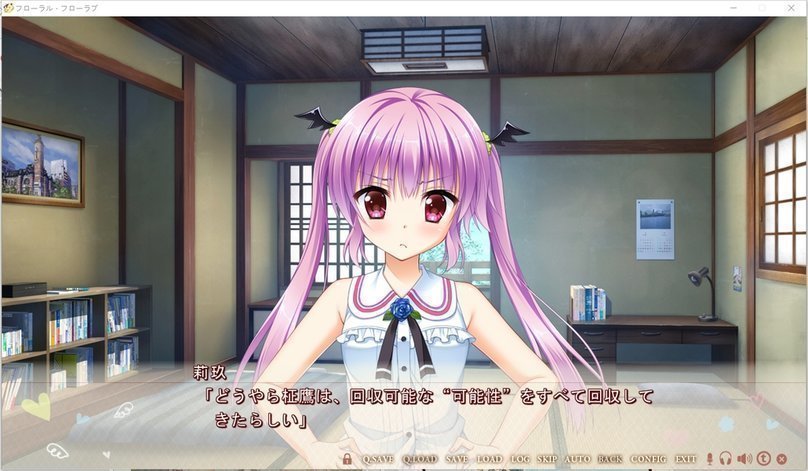
He starts to like Riku and confesses. She tells him to cut the crap, they can’t be together.
Following the dreams, he breaks each possibility one by one. Without confessing, he helps the Princess find the幕后 organization, helps Kohane find her pet, helps Nanao solve her parents’ issues, calls out Sawashiro for stealing Toshinari’s music, helps Natsuno with her problem, and gives Natsuno’s aunt a Toshinari album.
He doesn’t fall for anyone. He says he loves Riku.
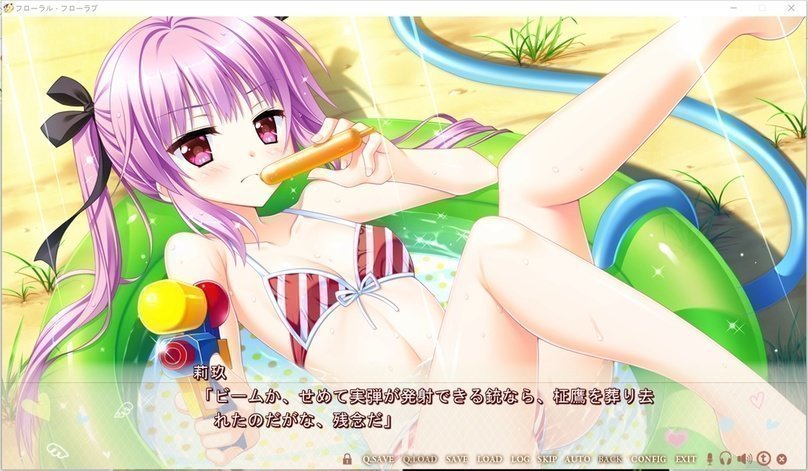
Riku panics. Without those “locks,” he’ll disappear soon. The most important因果 is his adoptive father. If his adoptive father dies, he has no reason to exist in this world. The angel’s life-extending contract ends. He’ll burn to death as originally happened, and the angel will vanish too…
The angel senses a heavenly decree: his adoptive father will die tomorrow.
He says, since it’s the last day, let’s go on a date…
The date is fun, but Riku, as an angel, still wants him to live. She secretly recovers the “possibility” feathers and plans to die in his place. An angel’s life can be exchanged for a mortal’s.
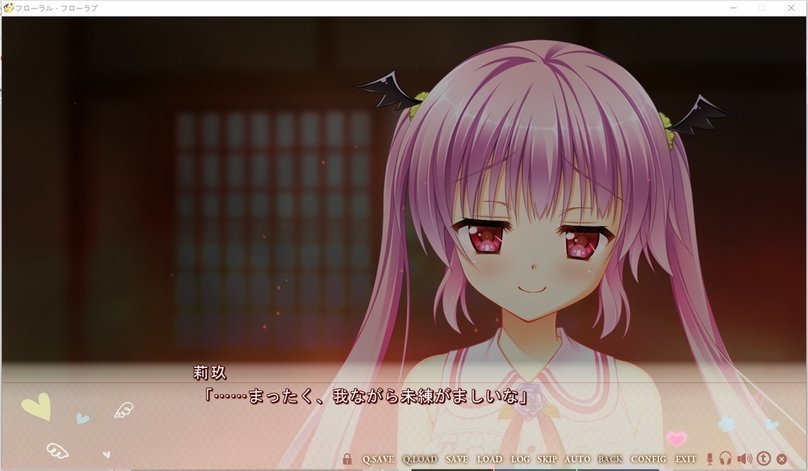
In the end, the angel Riku gets rescued by the protagonist from the fire… and because she went against heaven’s decree on her own, her angel status is revoked, and the people around her can now see her.
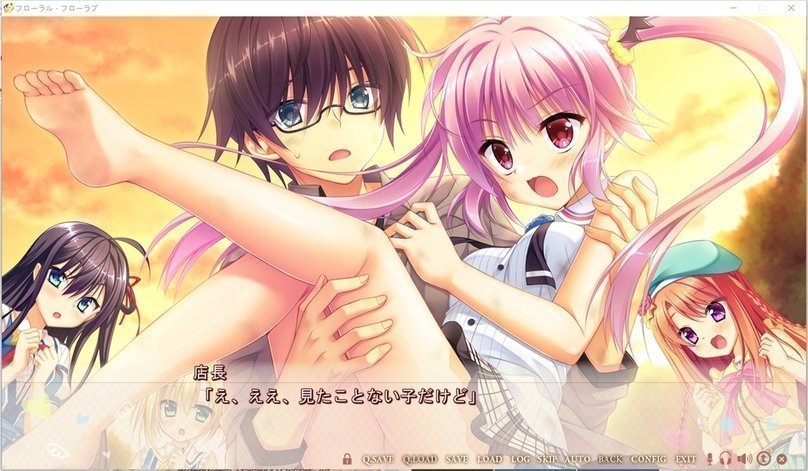
Maybe out of pity from above, the protagonist’s adoptive father doesn’t die after all—he pulls through, and Riku stays with the protagonist as a mortal.
The protagonist takes Riku to visit his biological parents’ grave, a collective memorial for victims of a natural disaster. Riku still often thinks about Saizu Toshinari, and about the bet she made with him.
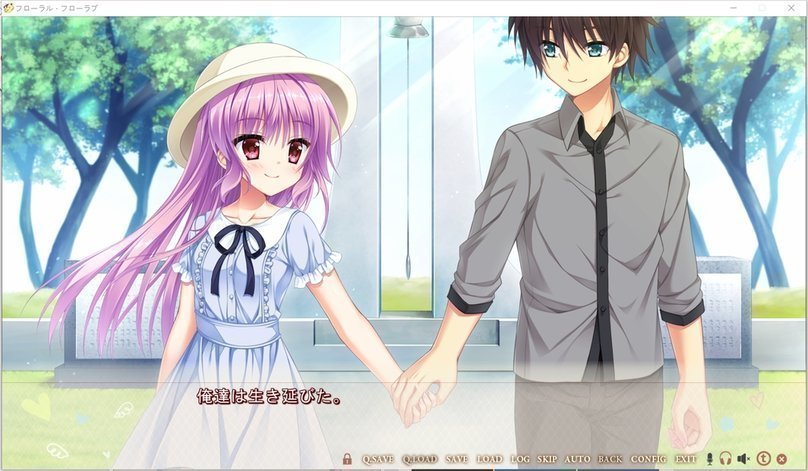
Riku has already lost. The protagonist, who once was full of black wings, has become a kind person, and she herself has become his lover.
And so the game reaches its ending.
With Floral Flowlove (フローラル・フローラブ), when I first went through the princess route, I honestly felt like deleting the game. The princess route was the one I wanted most, and it turned out like that… and ended like that too… and it was especially ridiculous. If you’d asked me to score the game back then, it would’ve been 20 points at best. I even wondered if the scenario writer was a mole sent by Yuzusoft to kill this company…
After that I went through the other routes half-heartedly—after all, there was “no flower” to be found. It wasn’t until Natsuno’s route started revealing the story behind the character “Toshinari” and the angel finally appeared that I realized the story underneath this game was anything but simple.
The game spends a huge amount of text on religion, religious worldbuilding, and the origin of angels themselves. It looks dense and hard to follow (even Japanese players said it seemed too serious, let alone Chinese readers). At first I thought it was just posturing, but when the angel actually showed up, I realized all of that had been foreshadowing. (Sure, it was posturing foreshadowing, but that’s still better than meaningless posturing.)
The game pours enormous effort into building Saizu Toshinari as the “hopeless good guy.” He’s kind, yearns for beauty, loves the light, and has a guardian angel backing him up… but what does he end up with? No money, no lover, no status, not even the music he loved most. In the end all he has left is an angel.
Everyone says Toshinari is a good guy, that what he does is right, that his music is good—but nobody follows his example. Everyone looks up at the light in the sky and talks about how wonderful the light is, then keeps running straight into the darkness… It’s ironic, and it points to one of the game’s themes: longing for beauty and light. That’s also part of why Floral Flowlove dares to get involved with religion and churches.
Saizu Toshinari’s character spells out a lot of social reality. Do you want to stick to your beliefs for the sake of your dream? And… are you willing to believe that everyone actually has a kind side inside?
In the game, Natsuno’s aunt is a villain, but deep down she still remembers Toshinari’s goodness and her own youthful days. Sawashiro Tadamichi is a villain, but he still remembers the shock Toshinari’s music gave him. The person who tries to kidnap the princess is a villain, but he’s also loyal to her. The protagonist who stole Toshinari’s coin jar is a villain too, but in the end he’s moved by the angel and becomes a righteous person.
At the end, the game sums things up through the observation of black wings and white wings: everyone has black wings, and everyone has white wings. You can’t deny a person just because you saw their black wings. Believe that everyone is beautiful.
That’s what Saizu Toshinari did, and after he died, that belief was passed on to the protagonist.
Honestly, although the second half of Floral Flowlove unfolds brilliantly, the first half has obvious flaws. The biggest weak point is the slice-of-life dialogue—it’s just too low, low to the point of characters throwing themselves at the protagonist. Every character is painfully typecast, and the heroine Natsuno’s behavior is downright dumb; she doesn’t look like a rich young lady at all. Soramori Wakaba from the previous game looked way more like one. When Floral Flowlove was announced, the setup looked like a moege through and through, and it probably attracted a lot of moege fans. I bet plenty of them noticed something was off after playing the trial version, and when the full game came out with that idiotic, joyless common route and some of the individual routes, anyone with sense probably ran for the hills… Only those who stuck it out to the Grand End probably got that “ah, so that’s it” feeling. The game has some slightly unreasonable details, but the overall foreshadowing is paid off properly.

By the way, there’s the protagonist’s characterization too—the first half is a complete failure. The protagonist should normally have the small-time punk vibe of Kawano Hatsuyuki from Hatsuyuki Sakura, but instead he’s written as a total bottom. It wasn’t until the second half, when I learned about his past, that I understood his personality and got the full picture—part of it still requires filling in the blanks myself… sigh… Of course, the music and art are beyond reproach, same level as always.
But as I said earlier, my opinion of this game went up and down like a roller coaster. At first I was ready to give it 20 points, then once Natsuno’s route started I thought it deserved a 70. After going through the other routes I dropped it to 60. And then, at the very end, after finishing the Grand End and feeling a bit moved by Saizu Toshinari’s experiences, I felt what the writer was trying to say, and I thought the game’s concept deserved an 80.

“Humans are creatures that make mistakes, but admitting your own mistakes is hard.”
Many things go wrong again and again, leading to tragedy—the angel’s former contractor was the same. My evaluation of this game seems to follow the same pattern.
A story that spreads love and peace and advocates dreams should feel like this. As someone who’s been working for nearly thirty years, seeing Saizu Toshinari’s experiences, I couldn’t help but be moved.
Sure, the first half is ridiculous, the emotional scenes in the middle are average, and the protagonist’s characterization fails—but with Saizu Toshinari as the successfully written core of the story, combined with that concept, I think it can reach a high level. At the very least it goes beyond the “moege” category. At least I finished the last route feeling genuinely moved.
Speaking of which, Saizu Toshinari said he played rock—rock that advocates love and peace. That reminds me of one of my favorite Western bands, Skillet. Their rock style is defined as Christian Rock. It’s rock, but the lyrics are all about love and peace, reflecting on life and beauty…
I first started listening to them because their lyrics were easy to understand. Looking back, it makes sense—love and peace are easy to understand. If you listened to Marilyn Manson, with those dark lyrics, you’d have a hard time understanding them.
Skillet’s lyrics often talk about life, and some about love and peace.
Stay up late and we’d talk all night In a dark room lit by the TV light Through all the hard times in my life Those nights kept me alive
We’d listen to the radio play all night Didn’t wanna go home to another fight Through all the hard times in my life Those nights kept me alive
Seeing Saizu Toshinari say his songs were about the bittersweet moments of life and about love and peace, I couldn’t help but think of Skillet. Music really can move people—Toshinari must have been like that too, except he’s fictional while Skillet actually exists.
Ah, and the character that really stuck with me in this game is still a side character, but you have to admit Saizu Toshinari carries enormous weight. His past connects almost every route. He should be the core of this story, and the happiness of the protagonist and heroines is, frankly, built on his shoulders.
The game’s tagline is… “That day, I saw an angel…”
Everyone has a guardian angel—maybe a real angel, or maybe someone who guards you.
I think, for the protagonist, his guardian angels might be the people around him who care about him…
Comments are hosted on the Chinese main site. This mirror is read-only.