Daitoshokan no Hitsujikai Library Party (大図書館の羊飼い Library Party) Review
Daitoshokan no Hitsujikai Library Party
First off, thanks to the people who cracked the PSV. Yeah, it’s not exactly ethical, but I’m genuinely broke. I’ve bought a pile of PSV games by now, so let’s call it even on the guilt front.
Next, thanks to the person who dumped this game. Without that legend sharing it, a cracked PSV would mean basically nothing.
And last, thanks to the driver who posted the link: Eric Sitounel. Without his tip I would’ve assumed nobody had dumped this thing at all…
The game I’d been wanting to play was this one, because it has an additional route and a new character voiced by Ari Ozawa: Ichinoe Kingyo. I got it downloaded and the PSV cracked in a hurry, and since I’d already played the original Daitoshokan no Hitsujikai and the FD too, I went straight for the new heroine.
How do I put it — way better than I expected. Quick impressions.
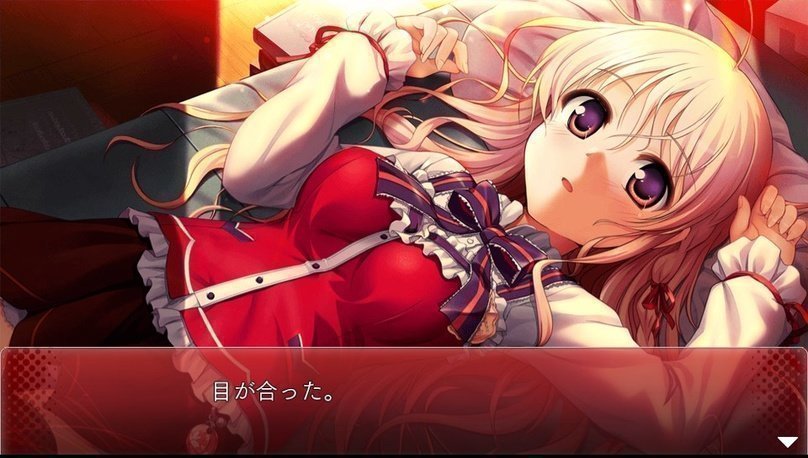
First, how the PSV version itself holds up.
It packs the base Daitoshokan no Hitsujikai, the bonus FD Daitoshokan no Hitsujikai Houkago Shippo Days, the real FD Daitoshokan no Hitsujikai -Dreaming Sheep-, and a brand-new route for the added heroine Ichinoe Kingyo. Pretty much everything the game has. The PSV file alone is almost 3GB — on PC that’d be around 10GB. The port is genuinely generous (it’s just that the price was too steep for me). The publisher switched to August’s shell brand ARIA, there’s a new OP (which I never saw), and a dedicated ED for Kingyo (which I’d already heard on the CD I bought — and by the way, if you find that CD’s rip online, there’s about a 90% chance it’s the one I uploaded). As a PSV exclusive it’s all-ages only (R15), so tons of HCGs got cut, but they replaced them with kiss CGs. Not bad, right?
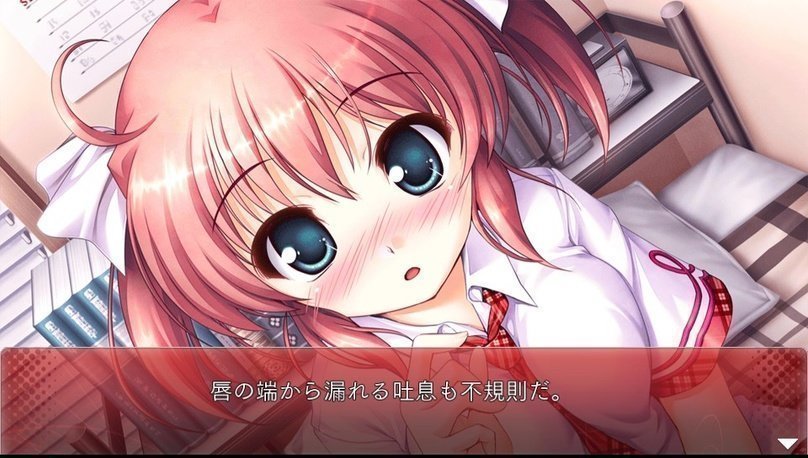
The Dreaming Sheep routes got bundled into the True Route section, the part after Minafes. Since Kotachi is already one of the main heroines in Dreaming Sheep, she got promoted to a default romanceable character in the main game, the route lock is gone, but her route still gets True End treatment.
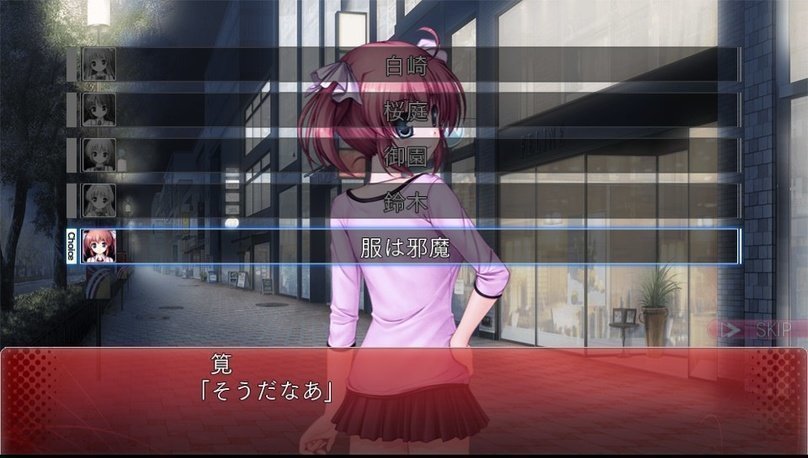
Worth noting: the PSV-added heroine Ichinoe Kingyo only unlocks after you clear one True End. You can’t pick her otherwise. So the fastest path is to beeline for Kotachi, then switch to Kingyo.
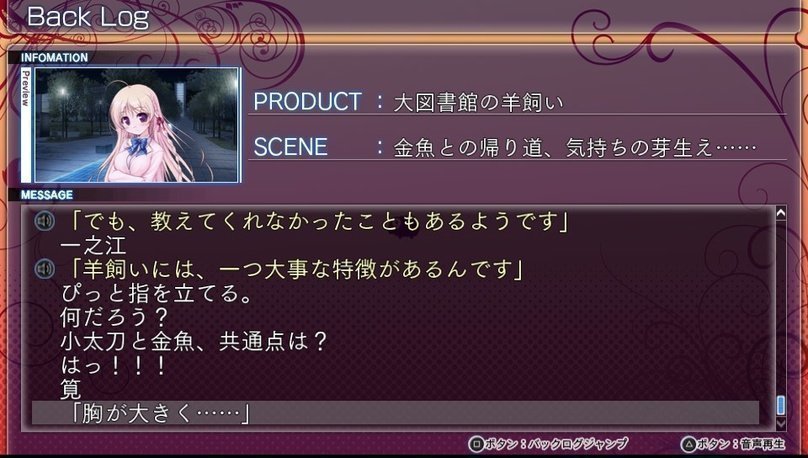
Honestly, I’d cleared the original game 100%, but I didn’t remember it being this long… I fast-forwarded for almost two hours. During that I saw the game preserves all the original setting and skits perfectly — the backlog is just ugly. They also added portrait navigation to the choices, which is more than the PC version had. Really thoughtful.
The original content isn’t worth rehashing. Let’s focus on the new heroine’s story.
Ichinoe Kingyo’s route adds a fair bit to the game’s existing “Shepherd” lore, and it confirmed the feeling I had in the main game that the writer was more or less saying the Shepherds aren’t good news.
Her route triggers when the protagonist goes for a walk and finds another cafeteria on campus. “Cafeteria,” though — it’s more like a café. Barely anyone there, just a seventy-something owner and a student working part-time. The student is the new heroine, Ichinoe Kingyo.
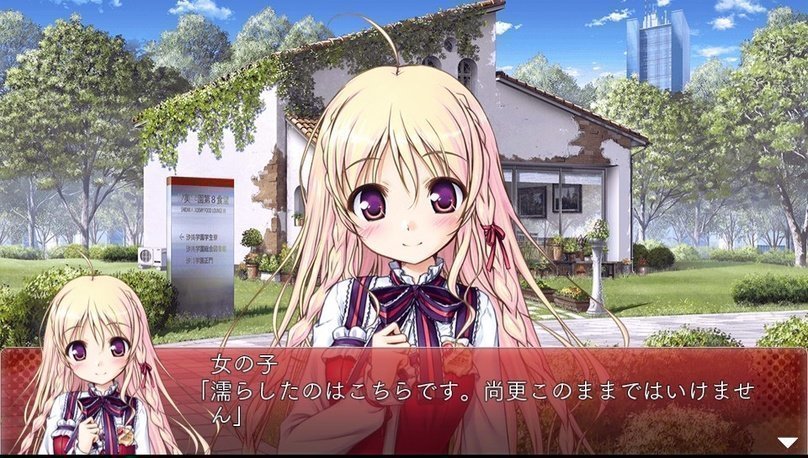
The protagonist has a coffee there, notices the place is nice but empty, wants to help Kingyo draw a crowd, so he goes back and calls in the whole Library Club to help. He also suggests she go train at the bigger cafeteria with that loli to improve her customer service.
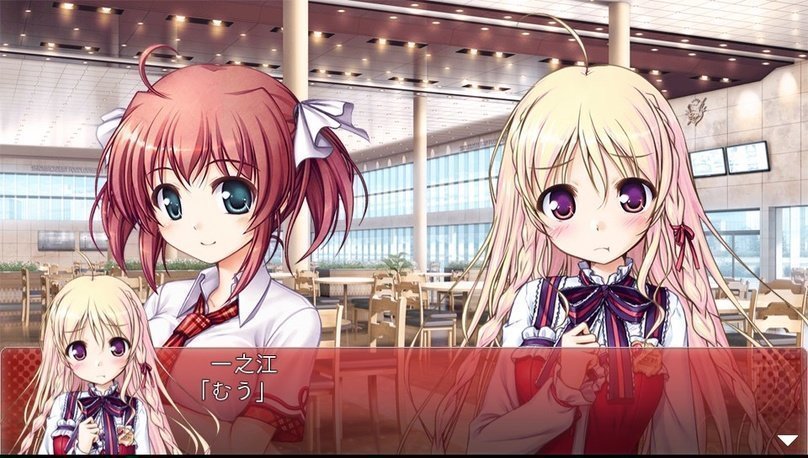
During the training Kotachi spots Kingyo and quietly tells the protagonist that Kingyo is a Shepherd — and a high-ranking one. Legend has it Kingyo has an extraordinary memory: she can flip through a book and memorize it, something like photographic memory. Someone with that gift can control hundreds or even thousands of magic books as a Shepherd, single-handedly steering the fates of four-digit numbers of people, doing the work of at least a hundred Shepherds. She’s a legend among Shepherds.
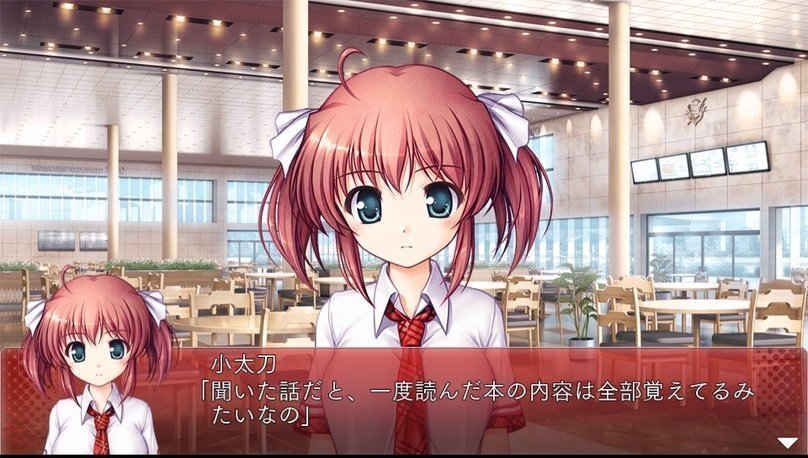
The protagonist gets curious: why is a Shepherd working there, and why does she look so free? He probes around, but Kingyo doesn’t hide it. She admits she’s a Shepherd, has been for over twenty years, and is currently on vacation. She’s working at that shop because the owner is her father. Of course, because she became a Shepherd, the owner doesn’t remember ever having a daughter.
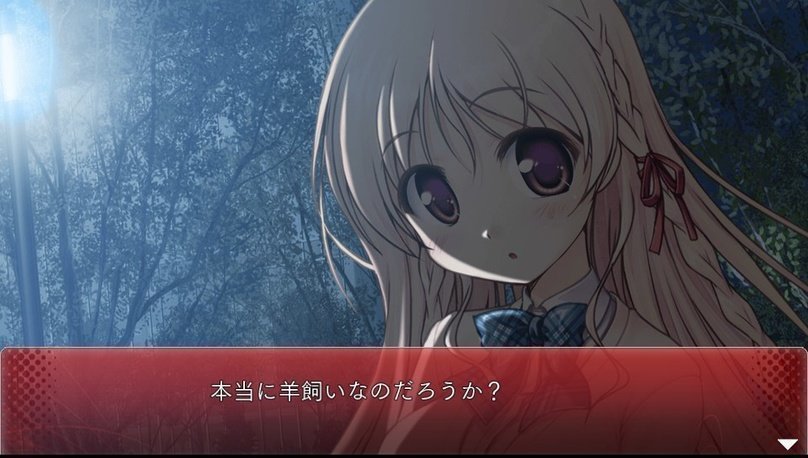
Kingyo once had a happy family. Her mother and father ran a café together, she helped out as the daughter, everyone was happy. Then one day her mother died in a car accident… Her father fell apart, started drinking, gambling, and in the end Kingyo even saw him sell the café…
Seeing the café her mother loved get sold by her father was too much. Kingyo ran away from home, met another Shepherd along the way who asked if she wanted to join them. She was already utterly disillusioned with her father — hated him, even — so she became a Shepherd. Twenty years passed. Once you become a Shepherd you stop aging, so twenty years later Kingyo still looks like the girl she was, while her father is old now, past seventy, and doesn’t remember having a daughter.
Later Kingyo happened to find out her father had started running a café again after retiring, and the interior looked exactly like the old one. She felt she should still do something for him, so she took the chance during her vacation to work there, hoping to help him revive the café and give her mother up in heaven some peace.
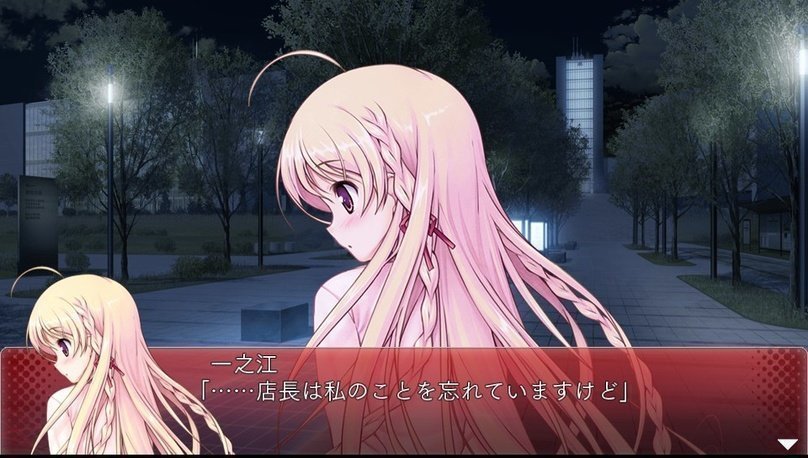
The protagonist feels sorry for her — lost her mother, became a Shepherd, her father doesn’t even know her, and all she wants is to fulfill her parents’ wish. So he helps more, brings in more Library Club members, even gets the Cat Photo Club to hold an exhibition at the café to draw a crowd.

With all that time together, the two gradually fall into a relationship. On what’s basically a date while out shopping, the protagonist and Kingyo implicitly acknowledge their feelings.
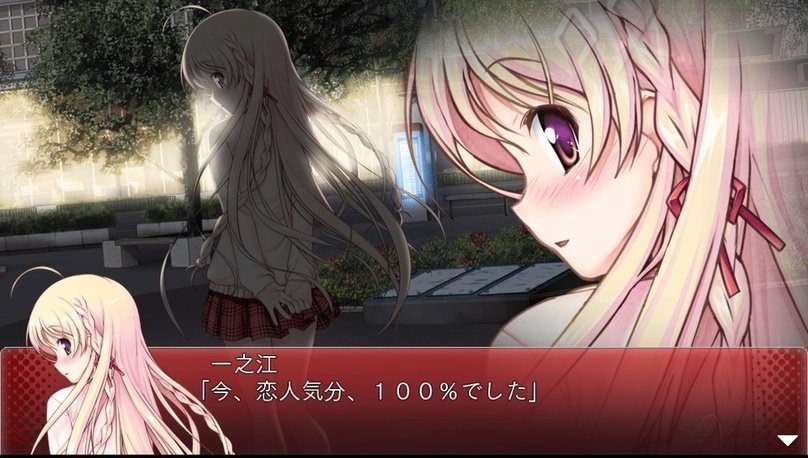
The protagonist asks Kingyo if she regrets becoming a Shepherd. She says mostly no — protecting others’ happiness is a good thing. If there’s one regret, it’s that she never fell in love before becoming a Shepherd. After becoming one she’s read a lot of people’s lives, and she’s drawn to stories of people consumed by love but can’t experience it herself…

So Kingyo falls in love through meeting and being with the protagonist, and comes to understand her own predicament a little, feeling a touch of regret about having become a Shepherd.
Because Shepherds aren’t allowed to love. They must be equal to everyone. She’s already a Shepherd, a high-ranking one — breaking the rules isn’t permitted.
The protagonist also asks whether Kingyo’s initial contact with him was part of her Shepherd work. She says no, it was just a chance meeting.
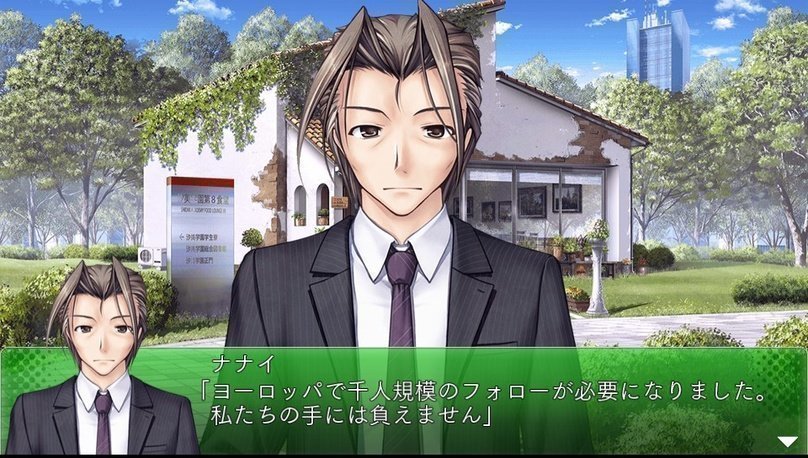
Soon someone comes to assign Kingyo a task — the protagonist’s father, who became a Shepherd. He tells her there’s a job in Europe that needs someone who can process things in bulk like her, and even though she’s on vacation, she needs to go soon.
At the same time, this Shepherd 771 notices Kingyo seems to have something going with the protagonist and reminds her: Shepherds can’t love, work comes first. If a high-ranking Shepherd breaks the rules, they face punishment — probably a hundred years in solitary. Shepherds don’t have a concept of time, so a hundred years inside might be just a few days outside.
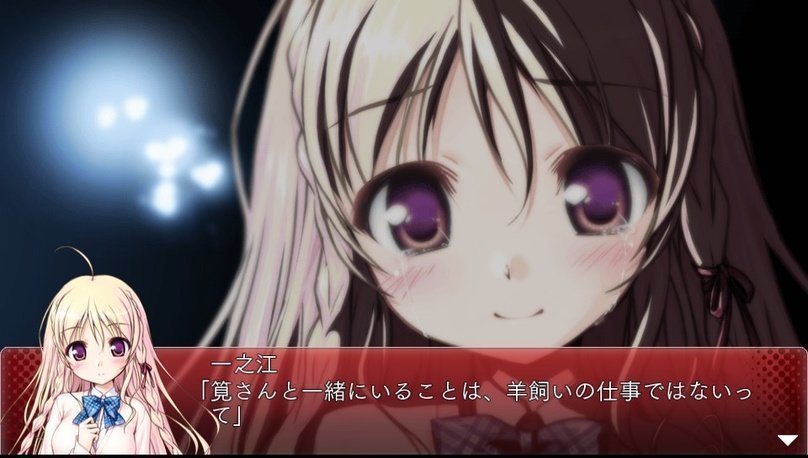
Kingyo begs: her vacation runs to the end of the month, at least let her finish it and settle things here. Shepherd 771 agrees. Kingyo is torn — if she leaves for Europe, because she’s a Shepherd, the owner (her father) and the protagonist (her lover) will forget her. She’s just started to like this life and doesn’t want to give it up, but there’s no choice. Becoming a Shepherd destroyed the book of her own life; she can’t go back to being human.
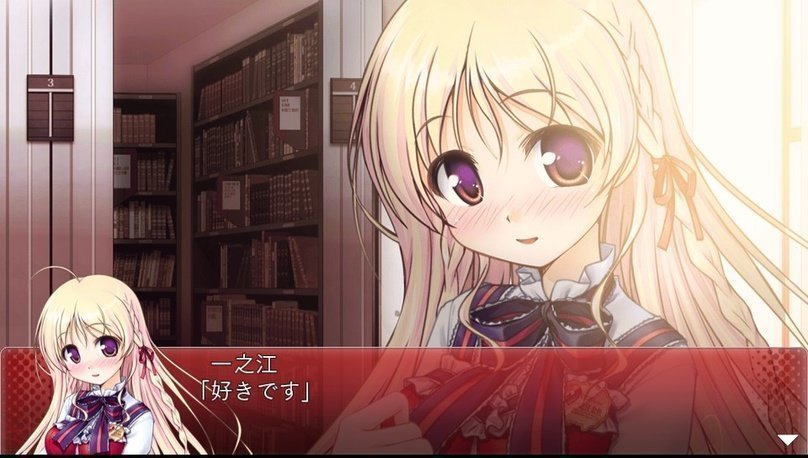
So Kingyo starts rushing: confessing to the protagonist while trying to get her father’s café up and running fast.
The protagonist is fine, but the café owner doesn’t really want to keep going. He keeps passing up chances to grow, as if he wants the café to fail. Kingyo gets angry and clashes with him. She thinks the owner (her father) doesn’t cherish her mother’s wish at all — not running the café he loved properly is disrespectful to her mother in heaven. His half-hearted attitude pisses her off.
The protagonist suspects there’s more to it and goes to talk to the owner. After a sigh, the owner agrees to meet with him and Kingyo and tells them about his past.
Back when he ran the café with his wife, it really was fun. But after she died, he realized the fun came from her being there.
Without her, running the café instantly lost all joy… and it was too easy to be reminded of her, which hurt more. He started drinking to escape, but coming back to the café and seeing the places she used to be still hurt, so he entrusted the shop to someone else. That someone was a con artist — when he came back, the café had changed completely into an ugly, vulgar izakaya. That hurt even more… he tried to get it back but failed, and ended up with nothing.
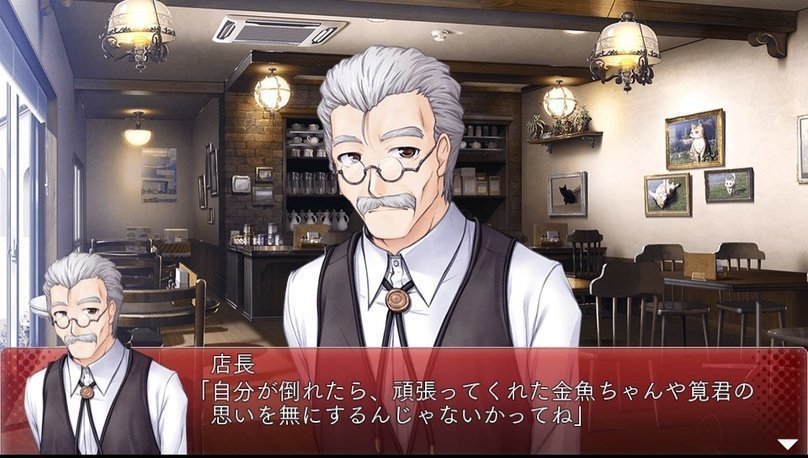
After retiring, he felt he still owed his wife something, so he started the café again. Then Kingyo suddenly showed up to help, and he was happy — but then he found out his lungs were bad, seriously ill, could drop dead anytime. He figured Kingyo was working so hard, and if he died suddenly the café would all fall on her shoulders, causing her trouble, so he stopped caring about it, wanting to watch it slowly close and call it done. Then he could die quietly too.
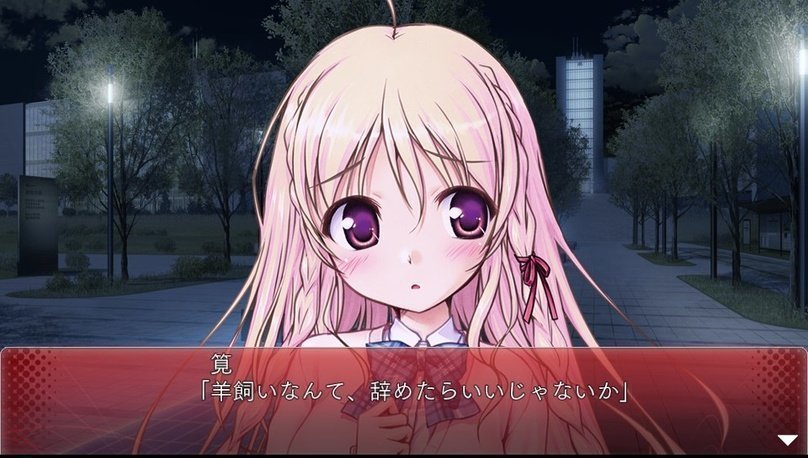
By the end Kingyo is crying — she’d misunderstood her father. She regrets becoming a Shepherd more and more and wants to quit, but her book is already gone…
But Shepherd 771 gives her a hint: the book is gone… you can create another one.
Kingyo tries to recall her own life from the books she read of herself and others. The past can be recalled, but the future can’t be known.
While recalling her past, Kingyo realizes… when her mother died in the car accident, another Shepherd was there.
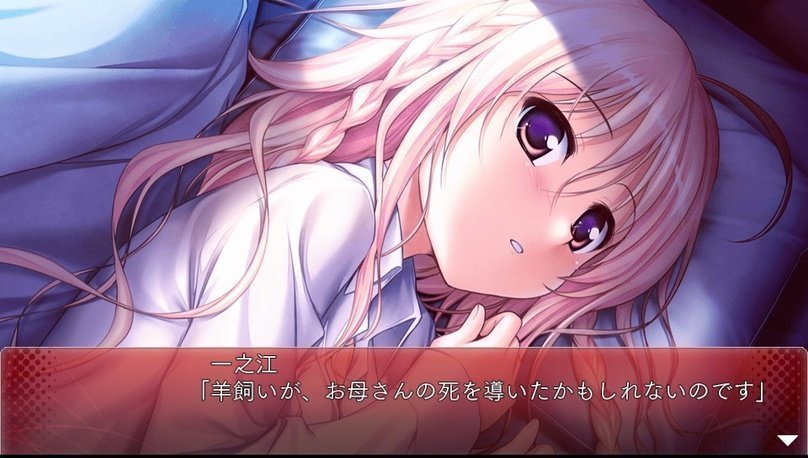
It dawns on Kingyo that maybe her mother’s death was caused by another Shepherd changing the course of someone’s life — meaning that Shepherd may have sacrificed her mother for someone else’s happiness.
The protagonist also remembers what Kotachi said: “Shepherds sometimes face the question of whether to trade the lives of 100 people for the happiness and survival of 10,000,” and most Shepherds choose to sacrifice the few.
Both Kotachi and Shepherd 771 said Kingyo was chosen to be a Shepherd because of her powerful memory — she’s the perfect pick, and with her the Shepherds’ efficiency would skyrocket.
Connect the dots and it’s kind of chilling. My guess is some Shepherd indirectly killed her mother to “make Kingyo a Shepherd.” Like how the main game handled Kotachi’s dark past, Kingyo’s is only hinted at, not spelled out, but if you think about it the tendency is pretty clear.
“Kingyo’s mother dies” -> “Kingyo’s father falls apart” -> “Kingyo is disillusioned with her father” -> “Kingyo receives the invitation to become a Shepherd” -> “Kingyo becomes a Shepherd out of spite”
And as a Shepherd, one person can handle over a thousand magic books — that’s “happiness for tens of thousands,” at the cost of just Kingyo’s mother’s life. Later, when Kingyo wants to quit and an even older Shepherd does everything to stop her, saying “Kingyo was chosen,” that basically confirms it.
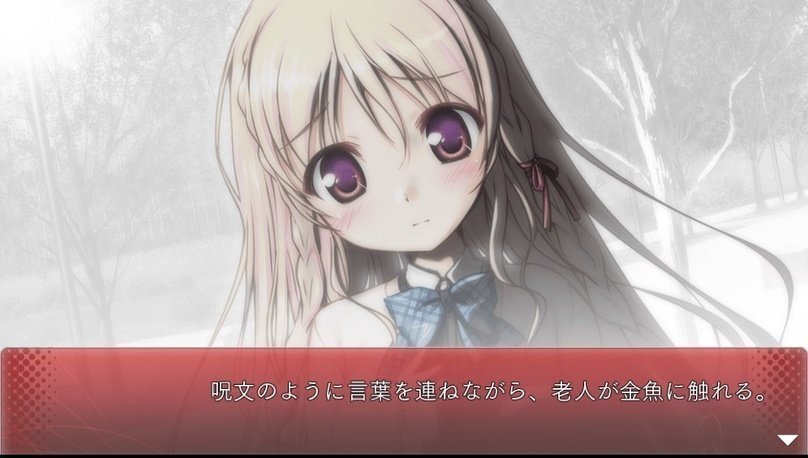
Kingyo’s deadline arrives, but she chooses to quit being a Shepherd. The old Shepherd appears and forcibly takes her away. Before leaving, Kingyo tells the protagonist: “Wait for me. I’ll definitely come back.”
Taken away as a “fallen Shepherd,” Kingyo is locked up, probably for a hundred years. She remembers what 771 told her about returning to humanity: create your own magic book, a book recording your life. The past can be recalled — but the future?
Kingyo thinks: the future can be extracted from the magic books of everyone connected to her. If she has a future, her story will surely appear in others’ books.
Using her ability, she speed-reads magic books, gathers a massive amount of information about her future, and pieces it together. Over long years in solitary, she assembles her own magic book. She also recovers her real name: Misaki. “Ichinoe Kingyo” was just a fake name from becoming a Shepherd (I suspect Kotachi’s is fake too).
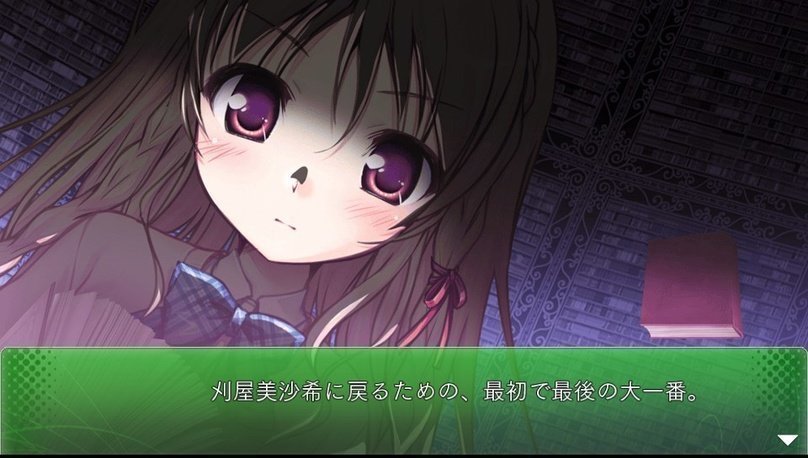
While Kingyo is locked away, her presence fades more and more. Only the protagonist and the owner keep trying to remember that she was there. And precisely because someone remembers her, she succeeds in creating the magic book and escapes that library.
With the magic book, Kingyo successfully quits being a Shepherd and becomes an ordinary human, losing her speed-reading and memory abilities — but who cares. What matters is that the owner, her father, now recognizes her, since his erased memories are restored.
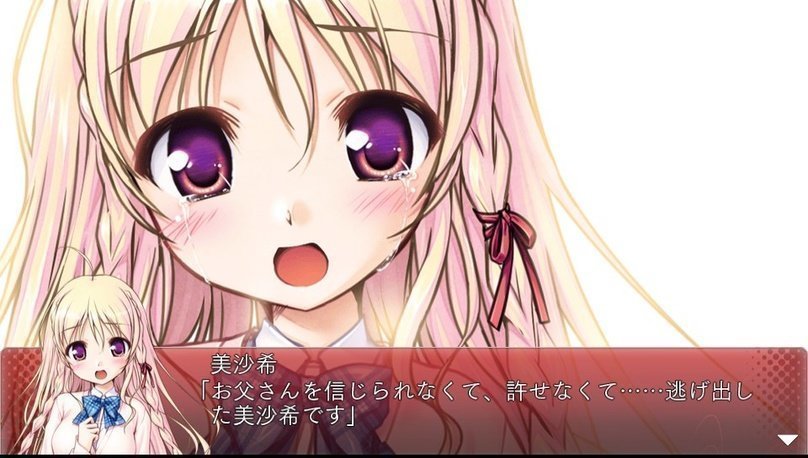
In the end Kingyo chooses to stay in the human world and run the café with her father — and the protagonist, of course.
771 and Kotachi say the elder Shepherds were surprised but have lost interest in Kingyo now that she’s lost her abilities and value. They let her go.
And the protagonist and Kingyo get their happy ending.
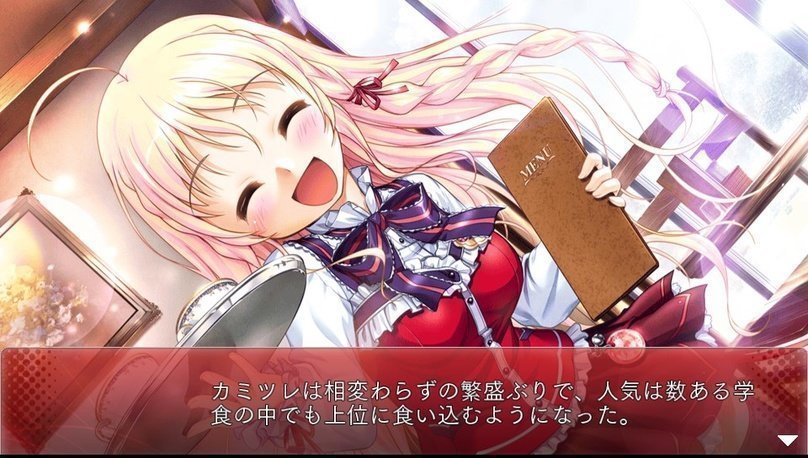
Honestly, Ichinoe Kingyo’s route is high quality — way better than some of Yuzusoft’s routes. The CV is good too; it’s Chiyo-chan herself, Ari Ozawa. It keeps the game’s original style and fleshes out the Shepherd lore, which makes the whole story feel more complete. The only gripe is that it’s all-ages, so two kisses and that’s it. There’s even a scene where the two sleep in the same futon, and nothing happens!
Literally just sleeping under the same blanket.
Whatever, I’m just talking. A little purity isn’t bad — Ari Ozawa hasn’t gone into eroge anyway. And I doubt she will: she’s still doing a lot of anime, and her voice isn’t that distinctive — somewhere between Yonezawa Madoka and Natsumi Kon, who just made the jump. Not much character, though it’s still cute…
Overall I’m satisfied getting to play the additional route on PSV, and it feels “complete.” The PSV has maybe fulfilled its historical mission and can go back to gathering dust.
Ah… maybe not so absolute.
If anyone sees PSV versions of these two games get dumped, definitely tell me.
Hitotsu Tobashi Renai V Pura Mai Wars V
One last note: Daitoshokan no Hitsujikai really is good — way better than that half-baked mishmash August released two days later…
Comments are hosted on the Chinese main site. This mirror is read-only.